


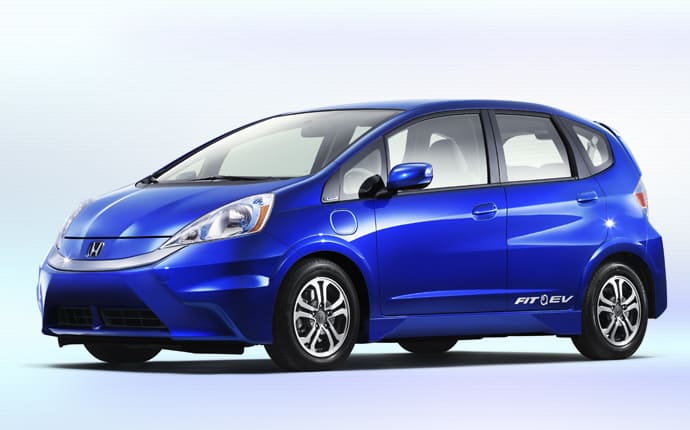
As EV’s are a topic of current interest (ha!), I thought I’d take a look around the market for electric vehicles in the United States. Analysts are predicting EV sales growth of 30% per year in the US between now and the end of the decade, with 400,000 EV’s forecast to be sold there in 2020. (Just because they predict it doesn’t make it so – take note of Leaf sales).
Moreover, heavy vehicles such as buses and trucks are also getting manufactured with EV technology. These changes could be applied to the businesses like logistics, shipping, and more where they hire or rent EV fleets and assist in saving the ecosystem by reducing pollution and contributing towards environmental projects like vehicle to grid charging (V2G). Projects like V2G can solve a lot of electricity grid-related issues and help to reduce the carbon footprint.
Other reasons I’m looking at the US market:
#1 – I can read the websites without having to use a dubious online translator, and…
#2 – The US is a baseline for the car industry. Most of the name-brand passenger EVs that are sold around the world that has a reasonable chance of longevity (with the notable and prominent exception of Renault) are being sold in the US. Because of the very competitive nature of the auto market in the US, prices there are usually lower than anywhere else in the world. Plus, the implementation of electric vehicle tax credit programs seems to have lowered the prices further, making it easier for common folks to lay their hands on automobiles. In a nutshell, what you’re seeing here is pretty much the lowest price you’ll see for any of the EVs elsewhere.
Note: this post only has pure EV’s in it. No gas-assisted or range-extended vehicles like the Volt or Karma. There may be some other EV’s that I’m missing, too. Feel free to let me know and I might add them in (time permitting, or if they’re particularly compelling).
When you’re done reading this, CLICK HERE for a nice big table comparing the vitals of all these cars.
As you read this, a good measure to keep in your head is that a Camry Hybrid XLE (top spec) has an MSRP of $27,500 and gets 40mpg. Most of the vehicles in this list are EPA measured at 100mpge. Also, keep in mind that most of these vehicles, if not all, will qualify for at least $7500 in rebates after the purchase. Additionally, you might qualify for tax subsidies if you have an EV charging station installed after purchase; contact professional electric companies like Mitchell Electric, LLC. to learn about this in further detail.
With that out of the way, let’s take a look.
CODA Automotive


The CODA website has an option where it says you can “Design Your CODA”. I tried it because I wanted to design the car so that it didn’t look like crap anymore, but it didn’t work. This is the EV for insomniacs. Can’t sleep at night? Just take out your blow-up mattress and sleep in the garage.
The car is based on an old Chinese body from Hafei with an upgraded chassis to meet US standards. It’ll go for 125 miles on its 100kW motor and takes 6 hours to charge with its dedicated in-home charger ($1,195).
CODA only sells in California at the moment but they’re looking to expand to other states and you can be on the waiting list for just $99. Or you could just… you know… wait.
The CODA EV seems to be aiming to be the Toyota Camry of the EV world. It’s reasonably priced (for an EV), it’s larger than other EV’s, it’s inoffensive (unless you call boring offensive when spending $37K)
The CODA is a frump and as you can tell, I wasn’t taken with it whilst researching this article. Thankfully, there’s a lot more than the CODA out there to pique your interest. Like the next car…..
Continue reading Electric Vehicles that you can buy in the United States today