Leica Virgin – The Leica M8 in Paris

In the immortal words of the great millennial poet – Oops! I did it again.

April 2018 saw me buy another camera. Another Leica camera. This time, it was the most Australian of Leica cameras, the M8.

Maaaaaaaaaate!

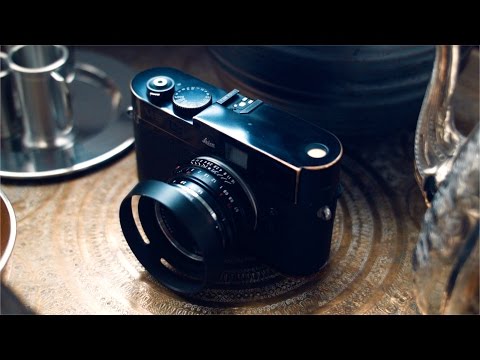
If you don’t know anything about the Leica M8, the one thing you need to know up front is that it was Leica’s first digital M model and as such, it was very basic. The other essentials can be gathered from this nice little 5-minute video.

Note: the M8.2 in this video is not just the same model as mine. It’s actually the camera I’ve bought. Yes, the M8.2 shown and used in this video is now sitting on a shelf in my living room.
——

In May 2018 I took a 4-day trip to Paris. The purpose of the trip was pure tourism. A mate of mine from Australia was on this side of the world visiting Morocco and the UK and she included a few days in Paris on the tail end so we could catch up while she was on this side of the planet. Nat and I spent the whole time wandering and capturing the sights of this truly amazing city.
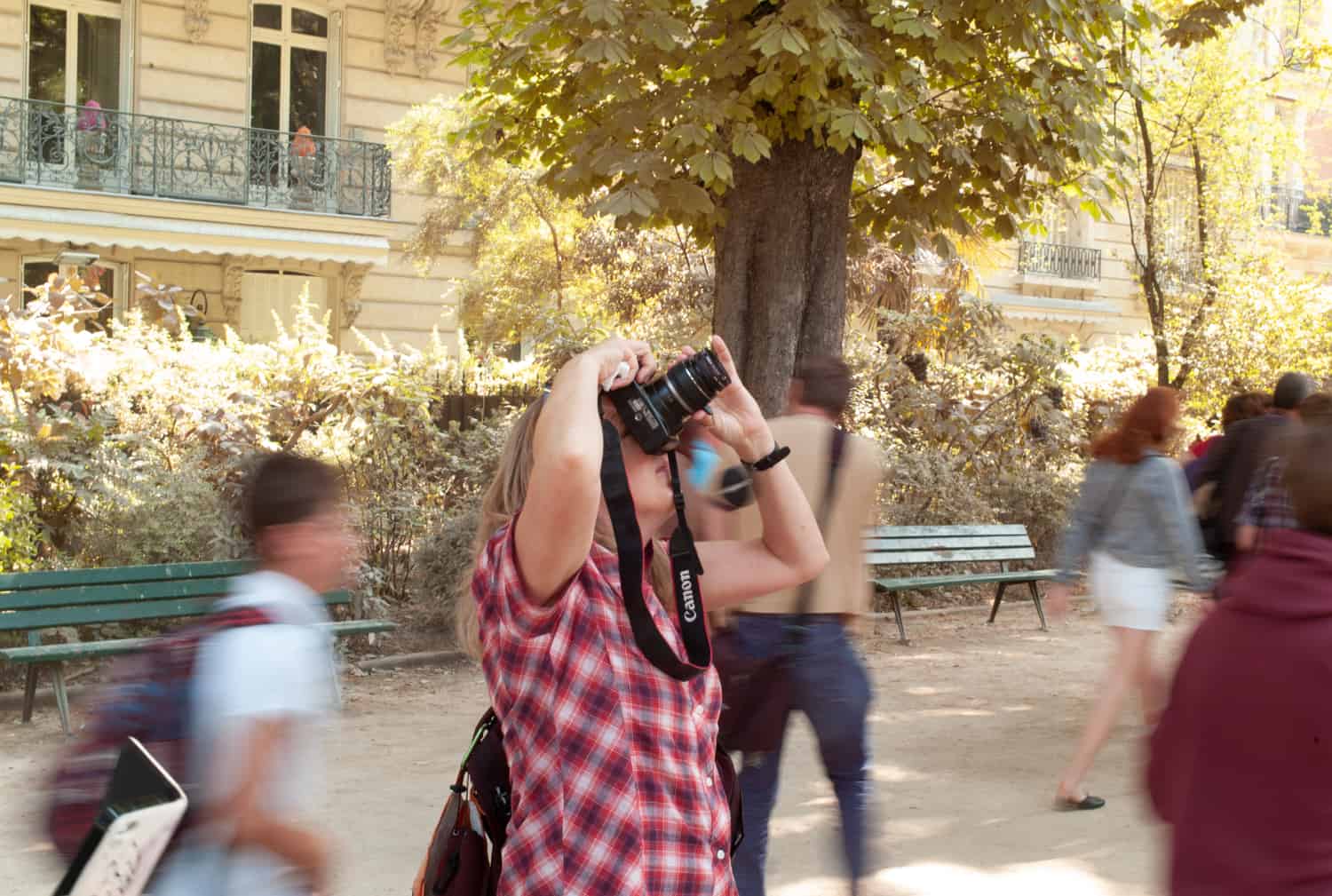
While photography wasn’t the objective of this trip, plenty of photos were taken. I gave the Leica M8 a thorough workout, keen to see both the colour rendering and the black and white performance of this beautiful little camera.

With its small sensor (only 10mp), you’re never going to enlarge an M8 photo much beyond A2 size. Those small-ish images sure can be beautiful, though.

I came away VERY happy with the best-value Leica M you can buy.

——

To Paris, then. What can I say about this city without wrapping it in bejewelled clichés?

It’s not the most fascinating cultural melting pot in the world (that would be London) or the most energetic city I’ve seen (that would be New York). Paris is, quite simply, the most beautiful city I’ve visited.

Paris has a reputation for style, art and decadence, and after just four days there, even a doofus like me can tell you that its reputation is well deserved. Paris is elegant, beautiful, indulgent, confident, creative and saturated with detail.

Like all worthy creators, Paris has suffered for its art. It spawned leaders so consumed with beauty and the indulgences thereof that the have-nots rose up and took back what was theirs. They claimed their city in the name of liberté, fraternité, égalité and in doing so, they began a movement that changed the world.

Thankfully, they had the sense to differentiate between the beauty that made Paris great and the aristocracy that abused its subjects to indulge in it.

On The Street

As always, click to enlarge.

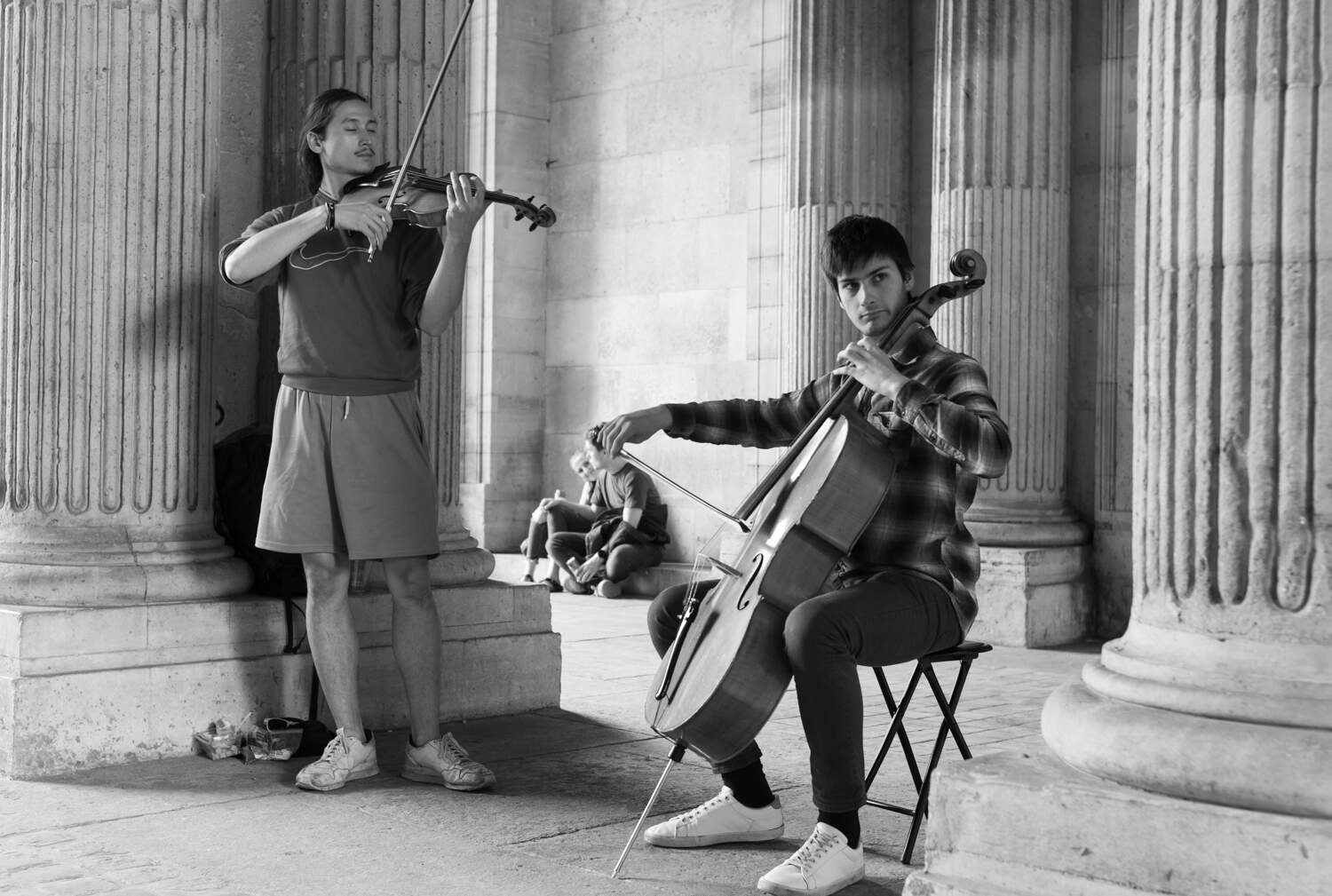
Buskers in one of the entrances to the Louvre….
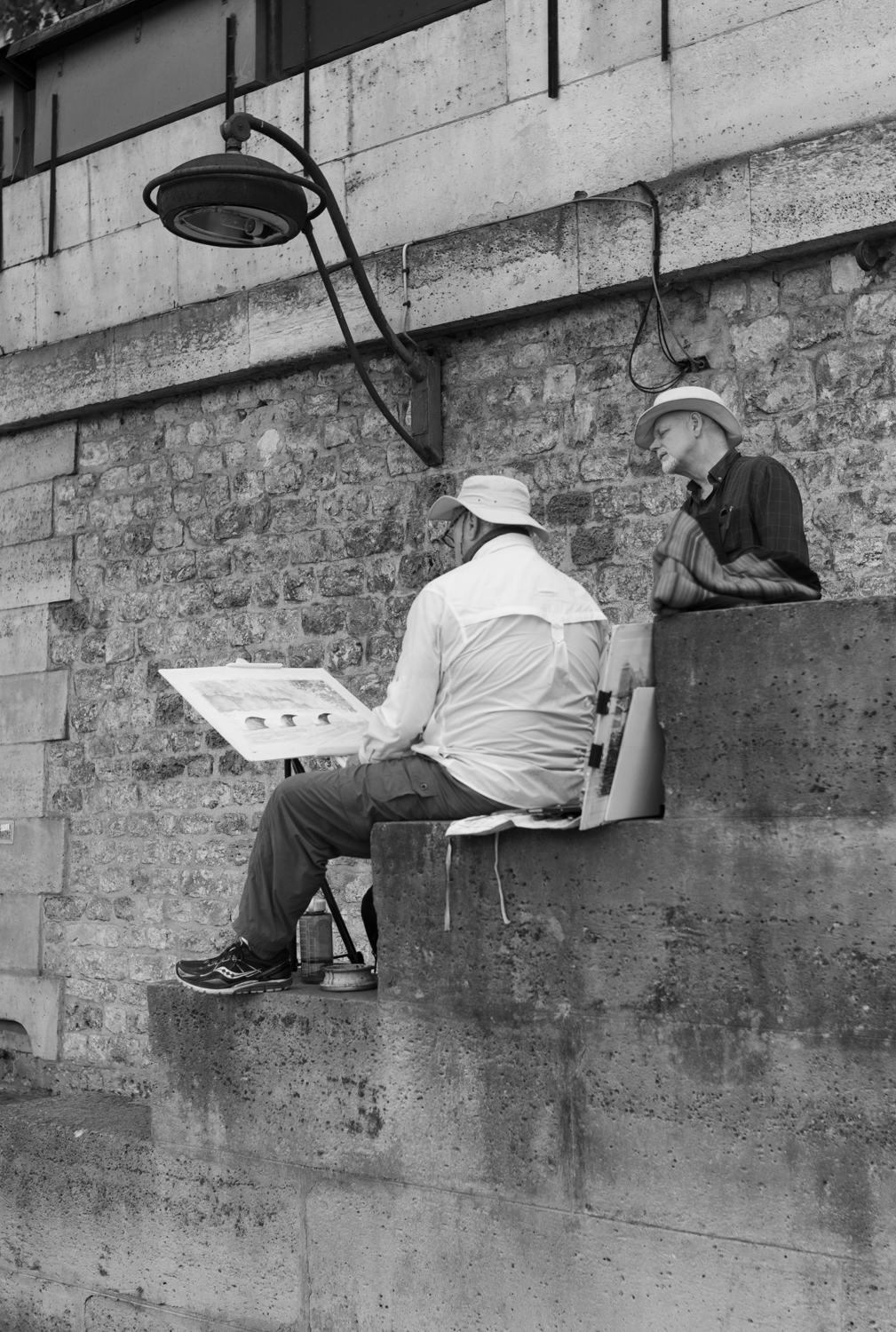
There were plenty of painters along the banks of the Seine. This was one of many capturing Notre Dame Cathedral.
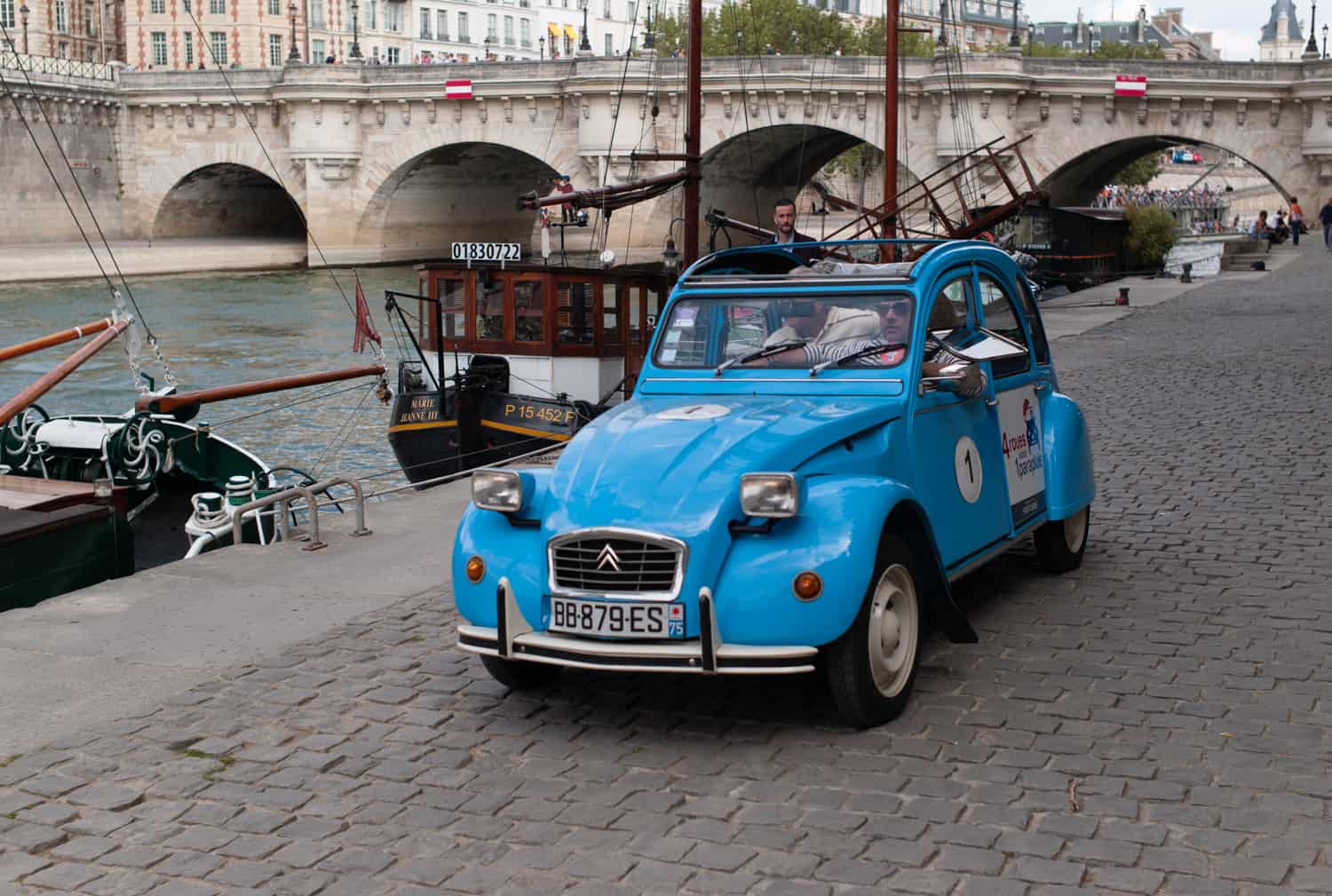
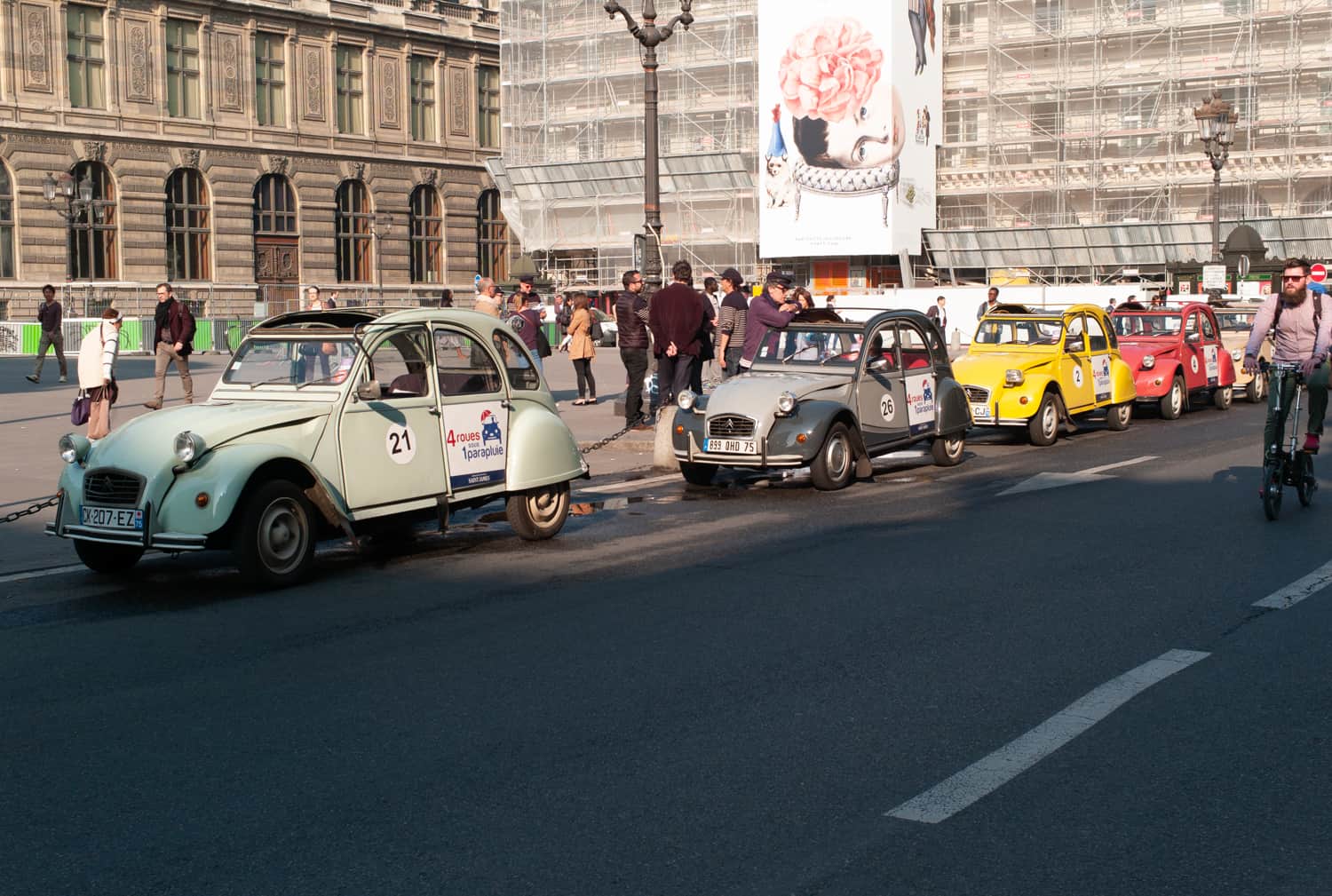
Below, one of the many Citroen 2CV tourist taxis we saw around Paris.

I’ve always said you have to see a car in its native environment to really appreciate why they’re made the way they are. The 2CV is gorgeous in any environment. In Paris, it’s one of the most delightful automotive sights you could ever see.
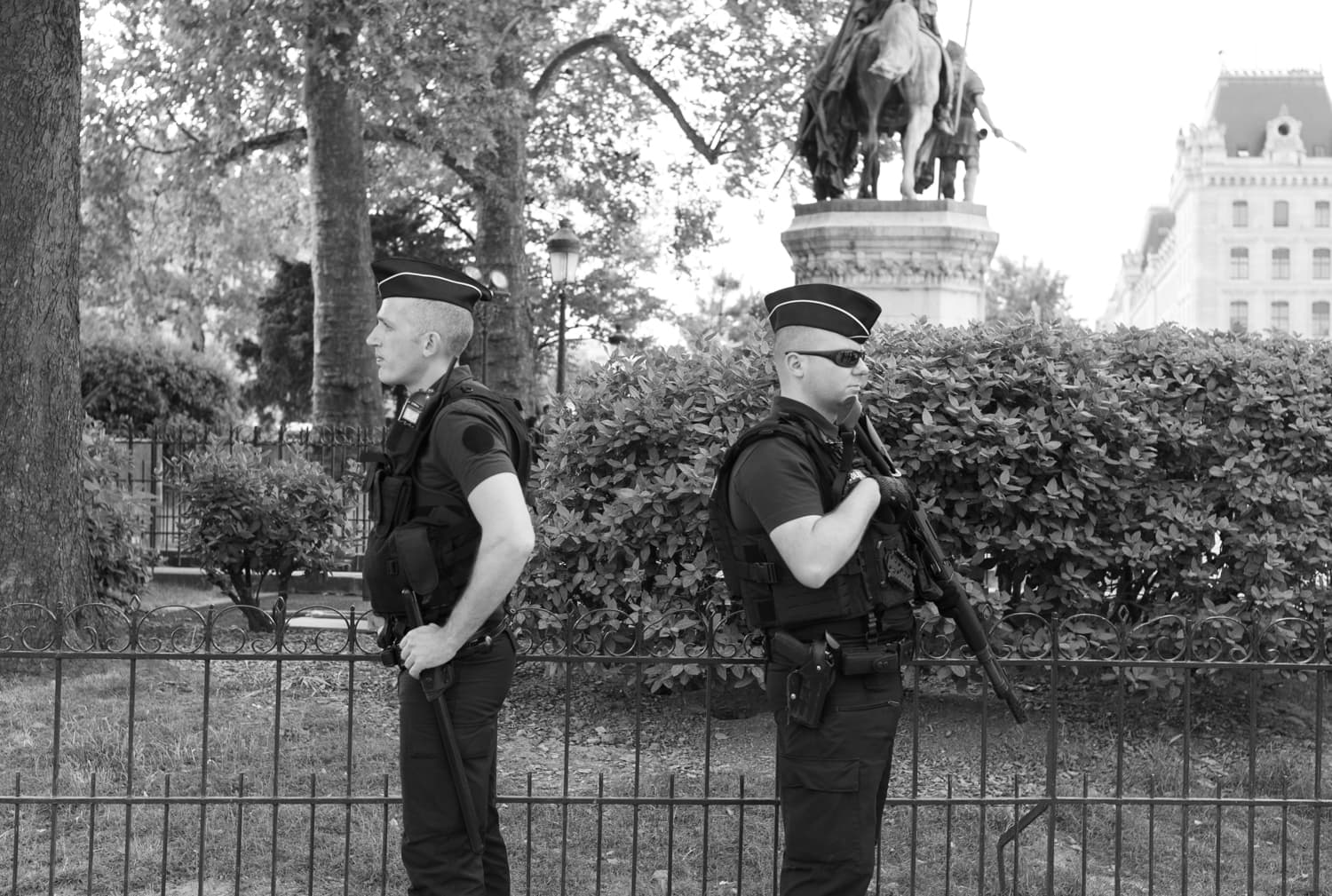
Sadly, there was/is a heavy police presence in Paris. These gents were guarding Notre Dame.
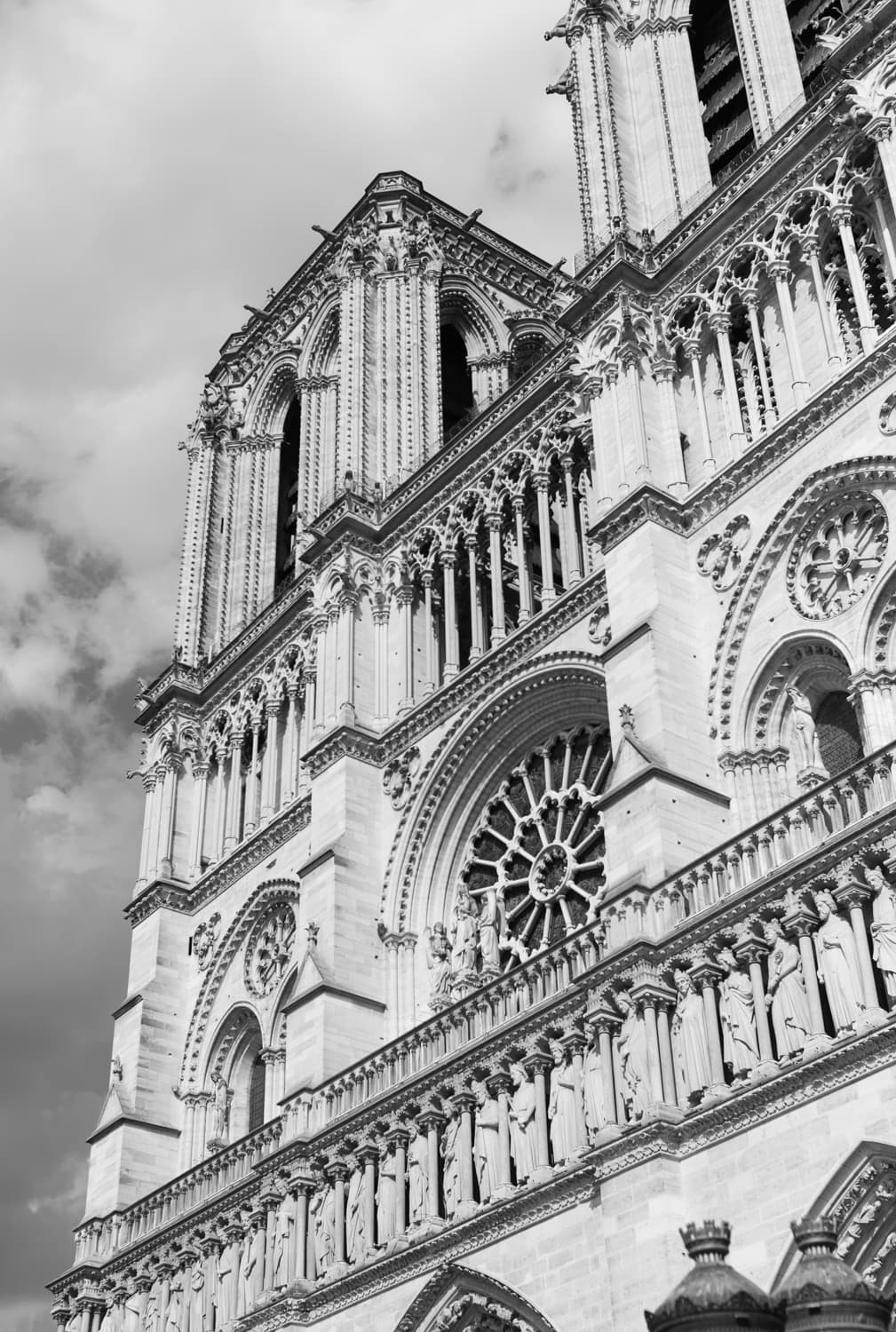
Notre Dame details, captured with a 30+ year old 90mm lens.
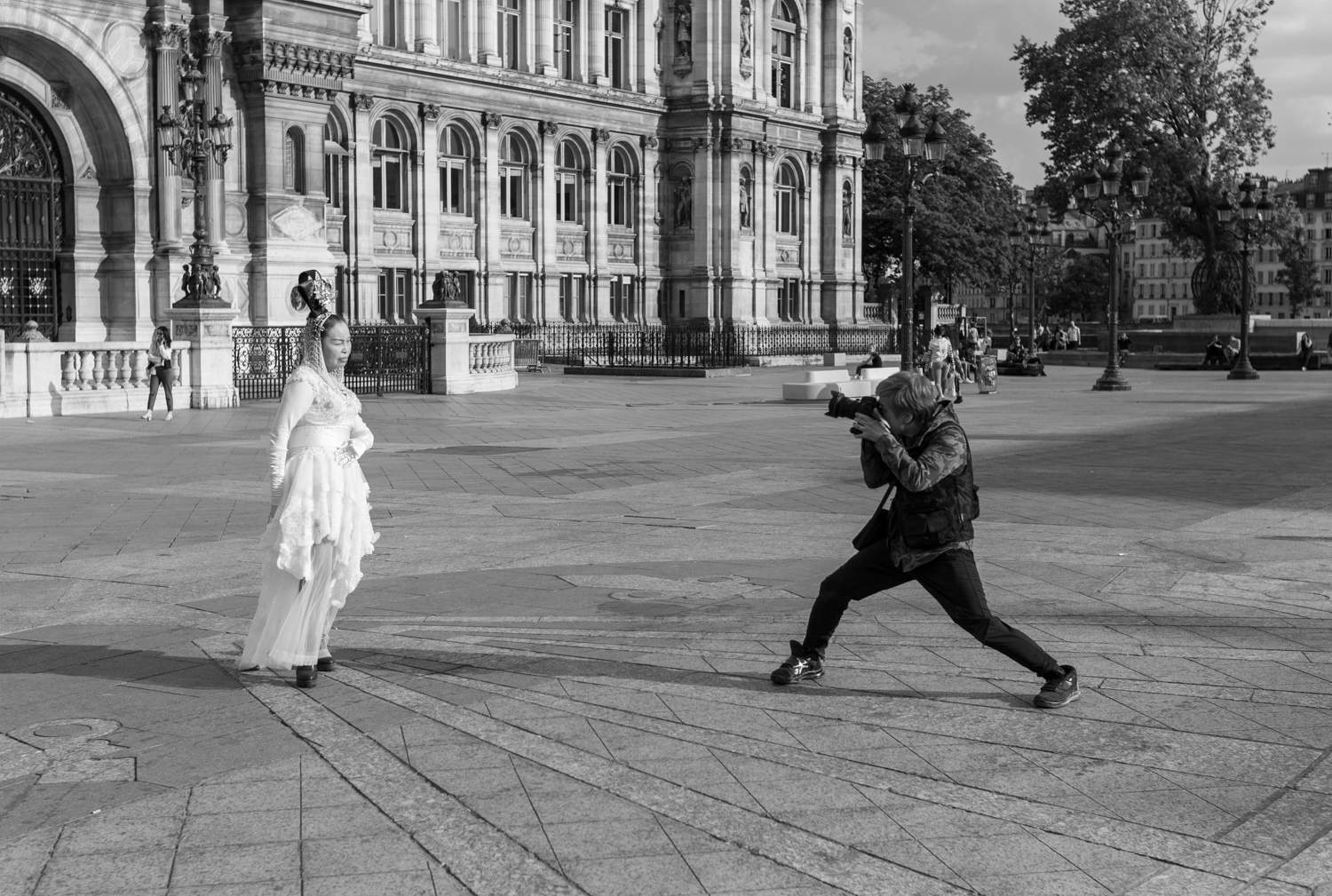
A photo shoot outside Notre Dame.
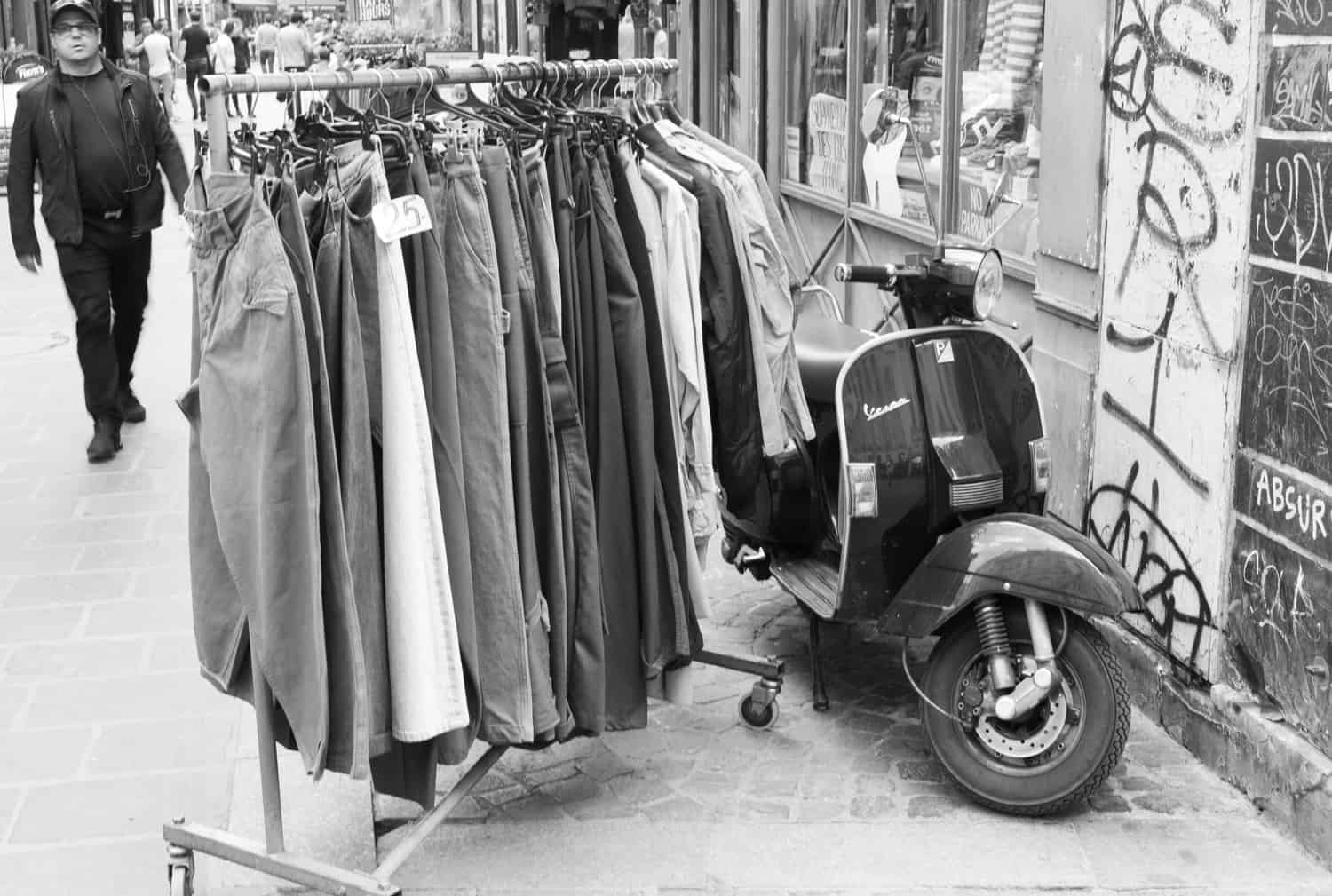
Two forms of fashion…..
More 2CV tourist taxis. Part of me wishes we’d made use of one but the tourist buses were much more cost effective. Budgets matter sometimes.
A glimpse…..
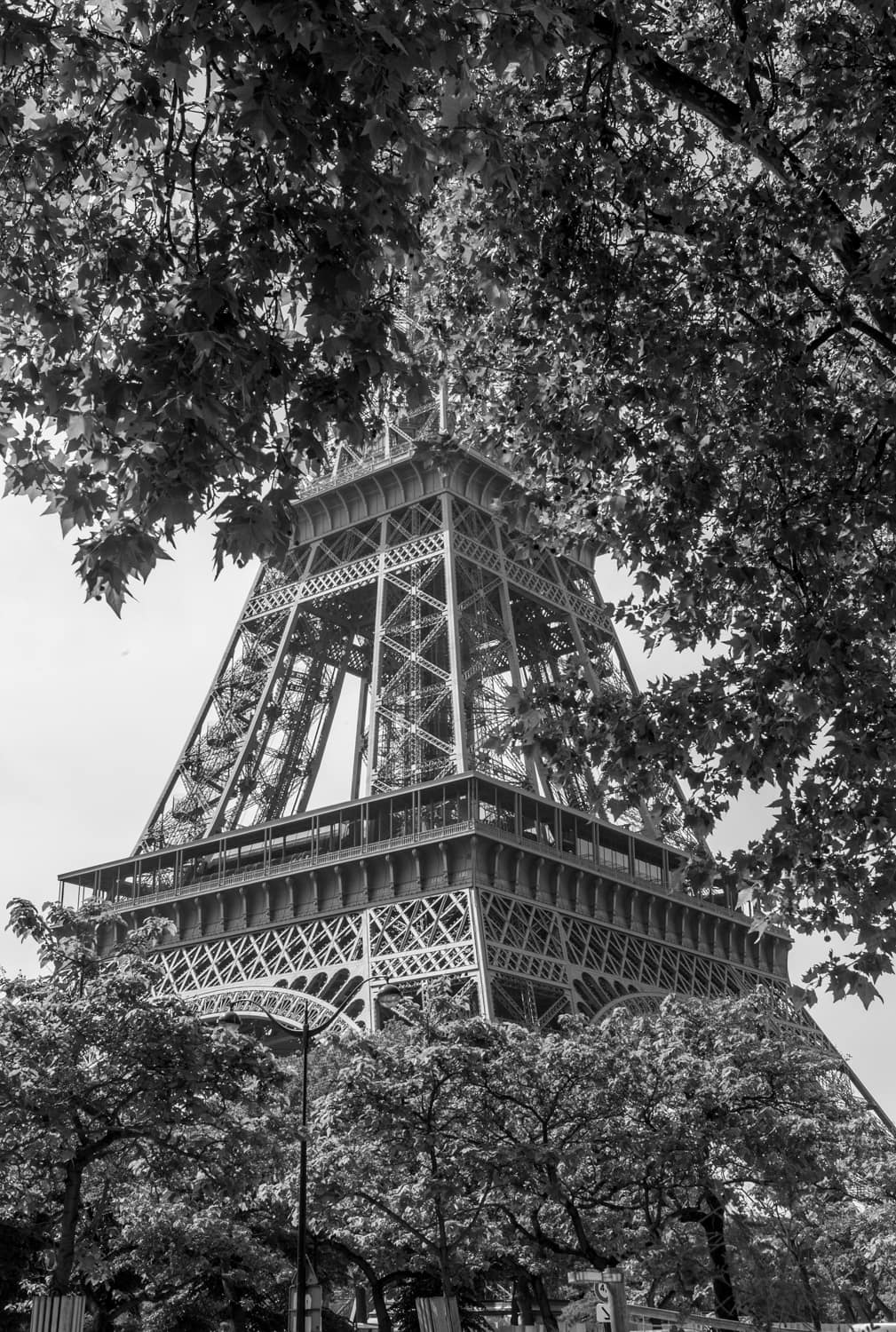
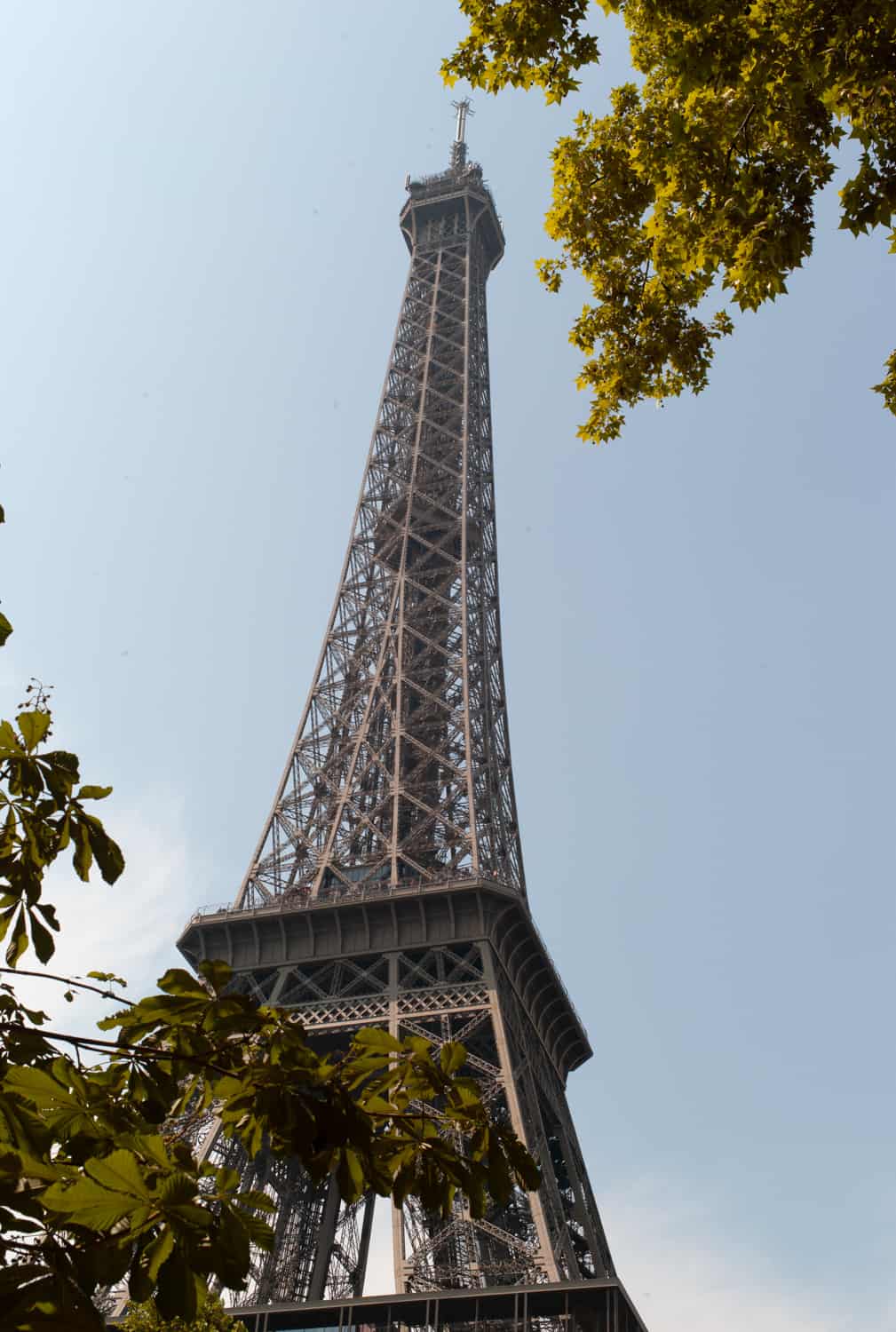
The Eiffel Tower really is gorgeous and there’s something comforting about just how visible it is. It’s a splendid reference point. No matter where you see it from, you’re reminded that you’re in Paris.
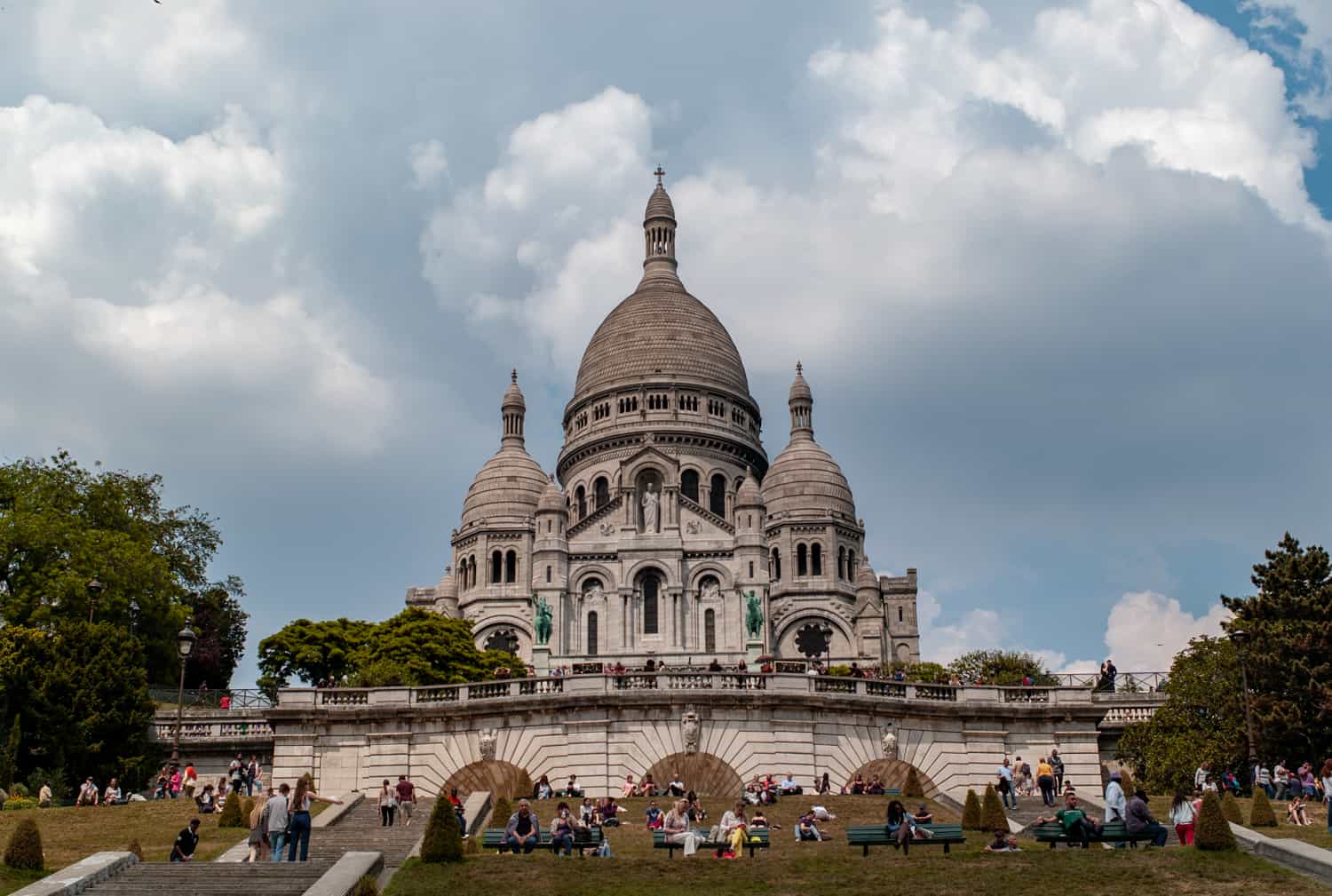
Tourist snap, Montmatre.
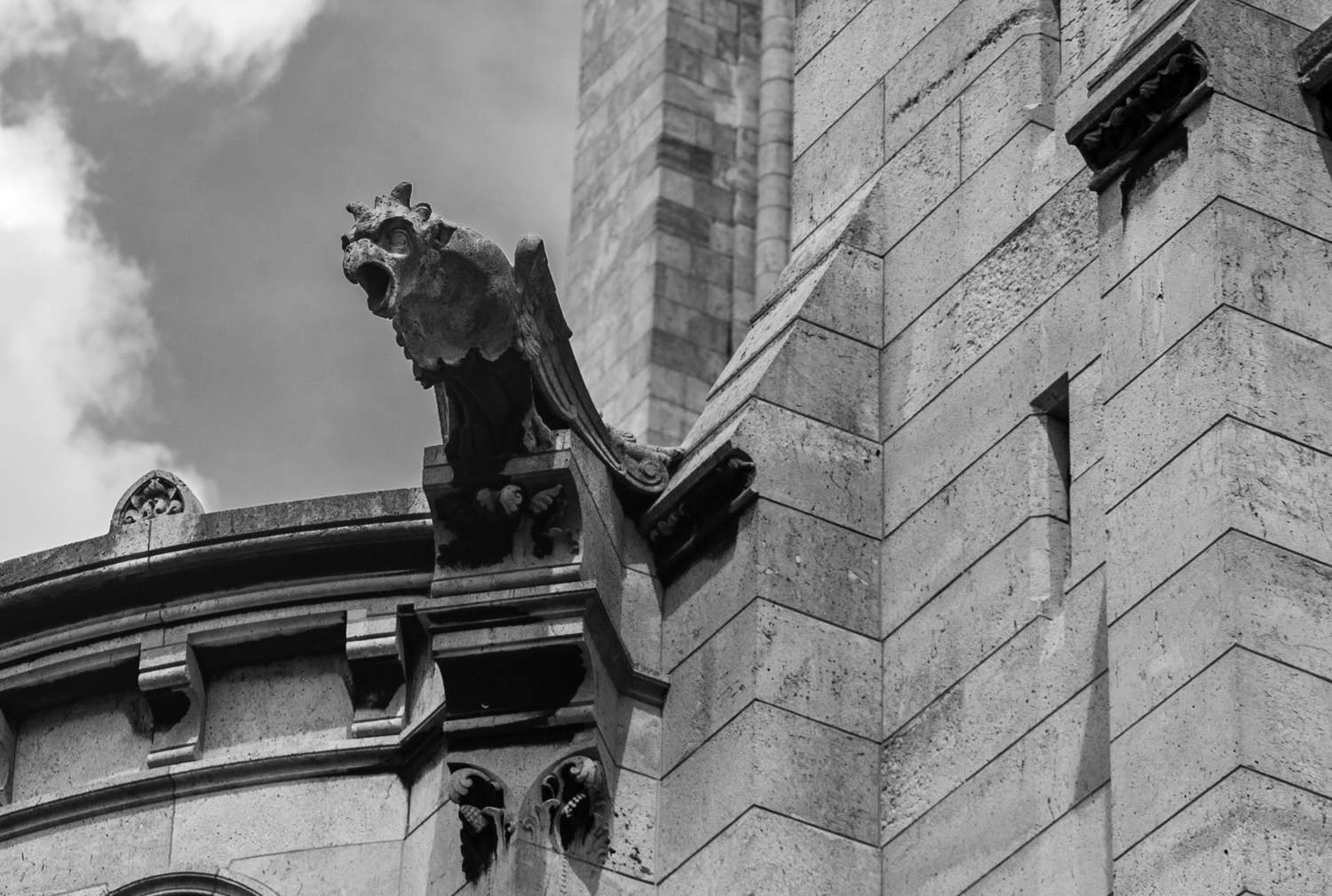
The gargoyles all around Paris are a great indicator has to how much even the smallest details mattered to the city’s architects. The attention to detail in this city is just amazing and the gargoyles of Montmatre are a wonderful example.
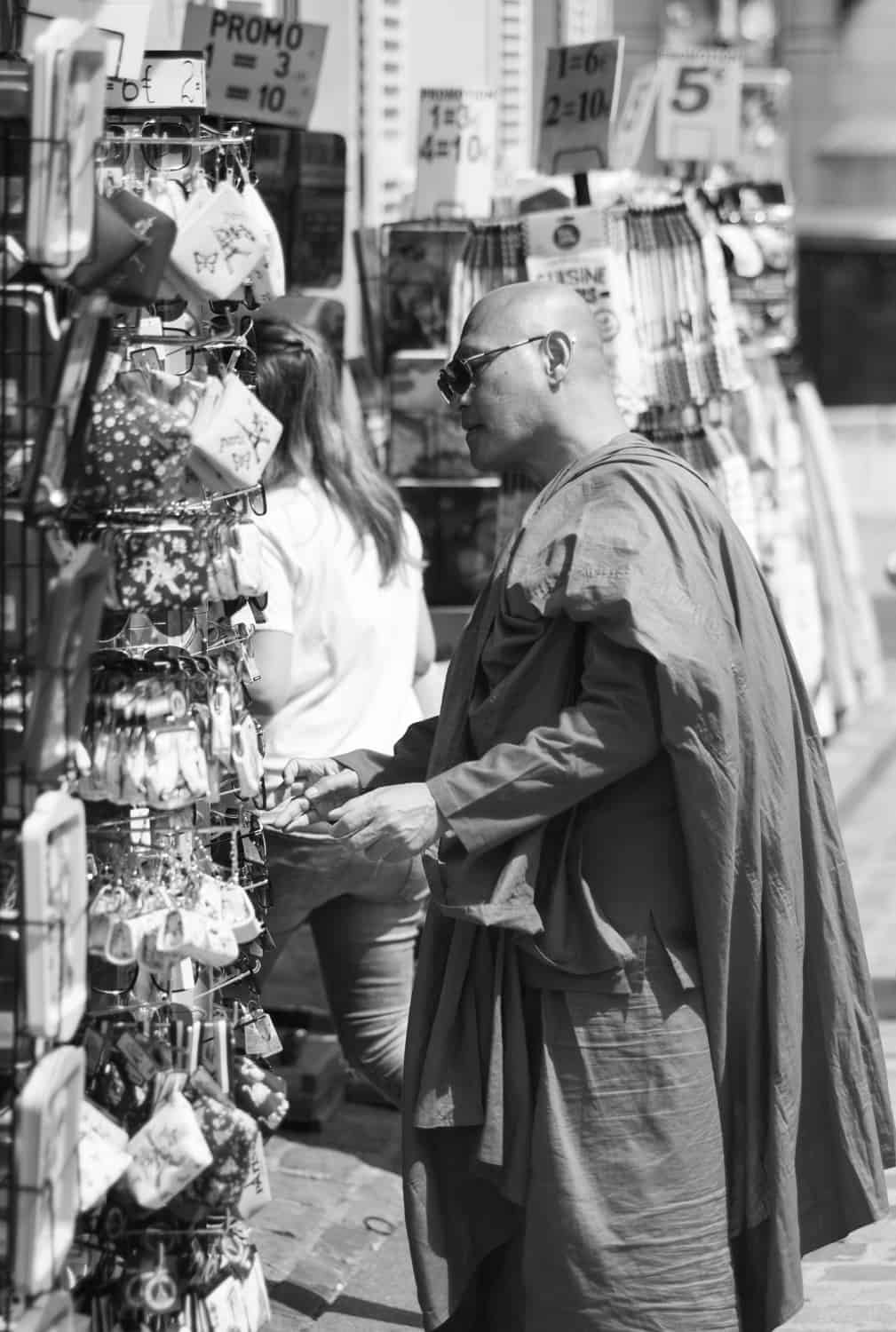
Monks need sunnies, too, OK?
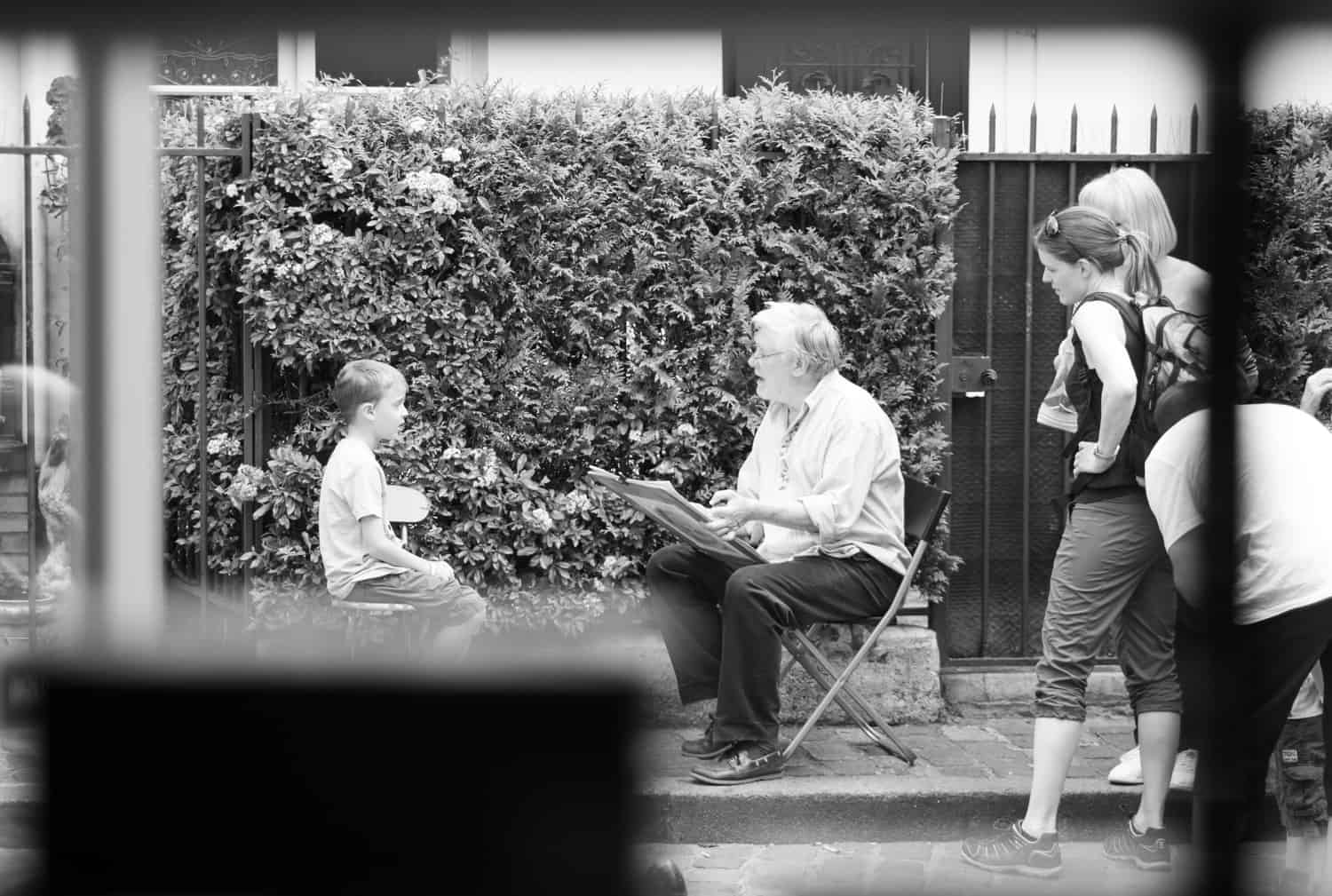
A street portrait in progress, captured from inside a cafe.
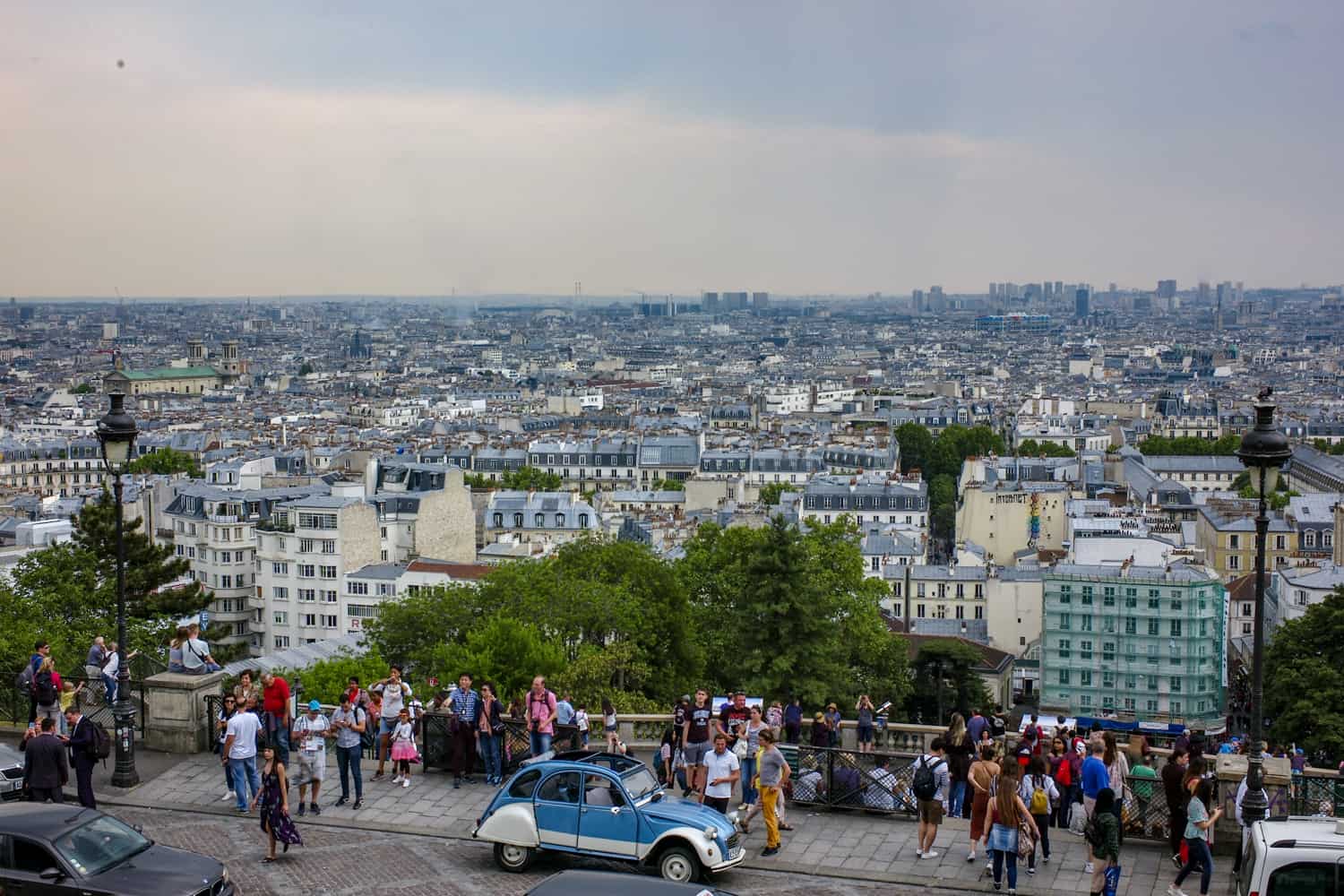
The view from Montmatre, with 2CV in the foreground, of course.
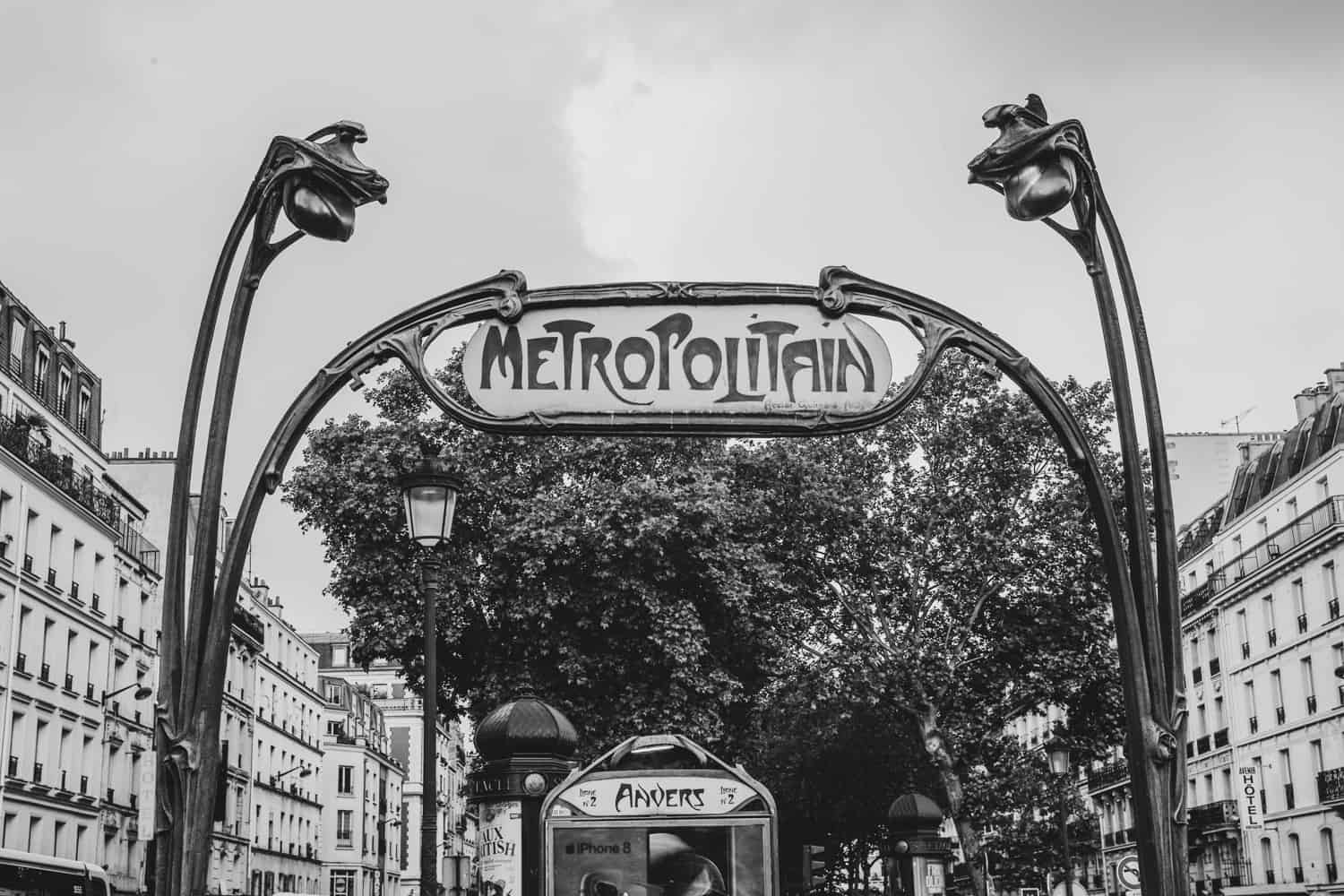
We didn’t make much use of Paris’ subway, the Metropolitain, but I spent a lot of time admiring the old-school subway entrance signs that are dotted around the city.
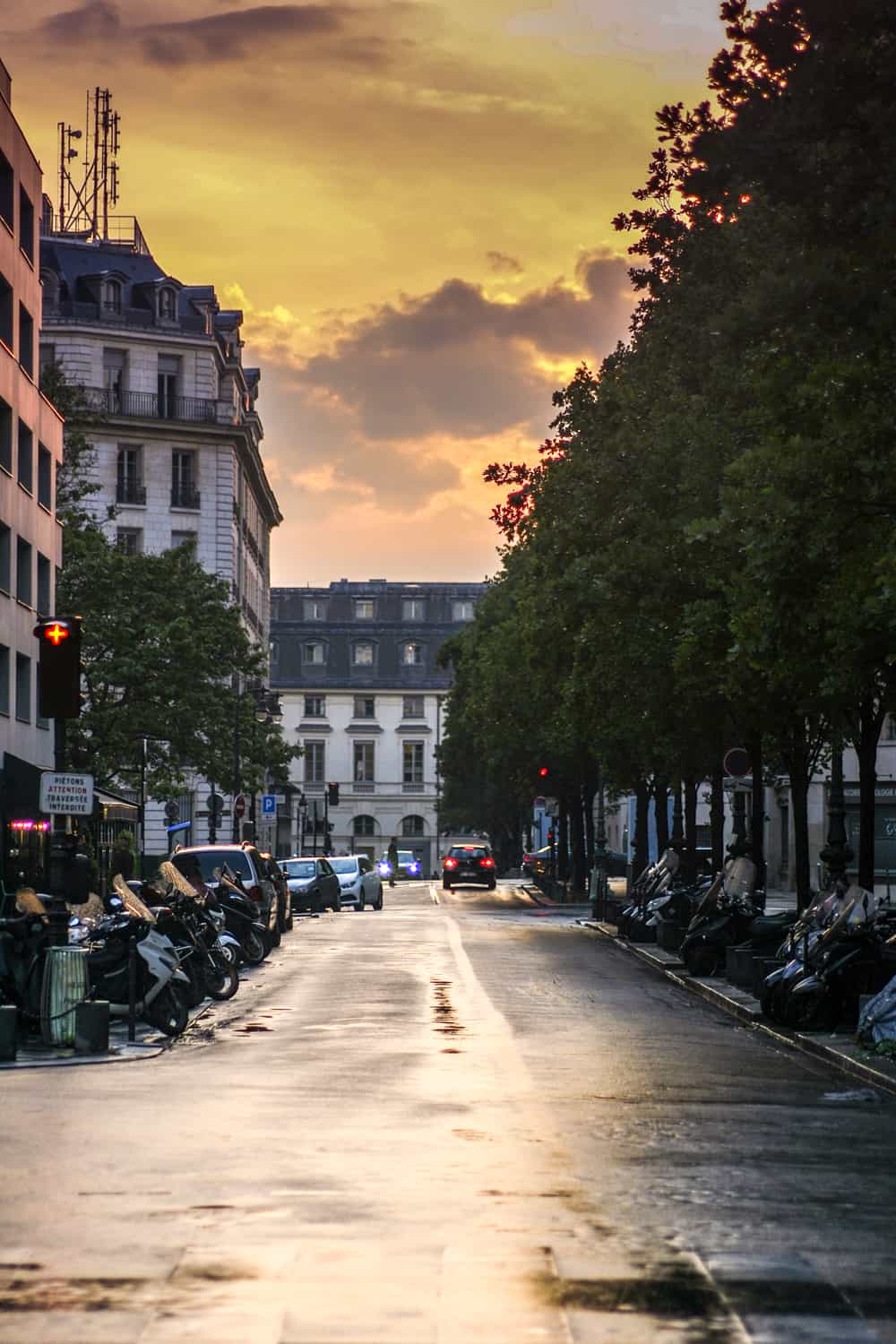
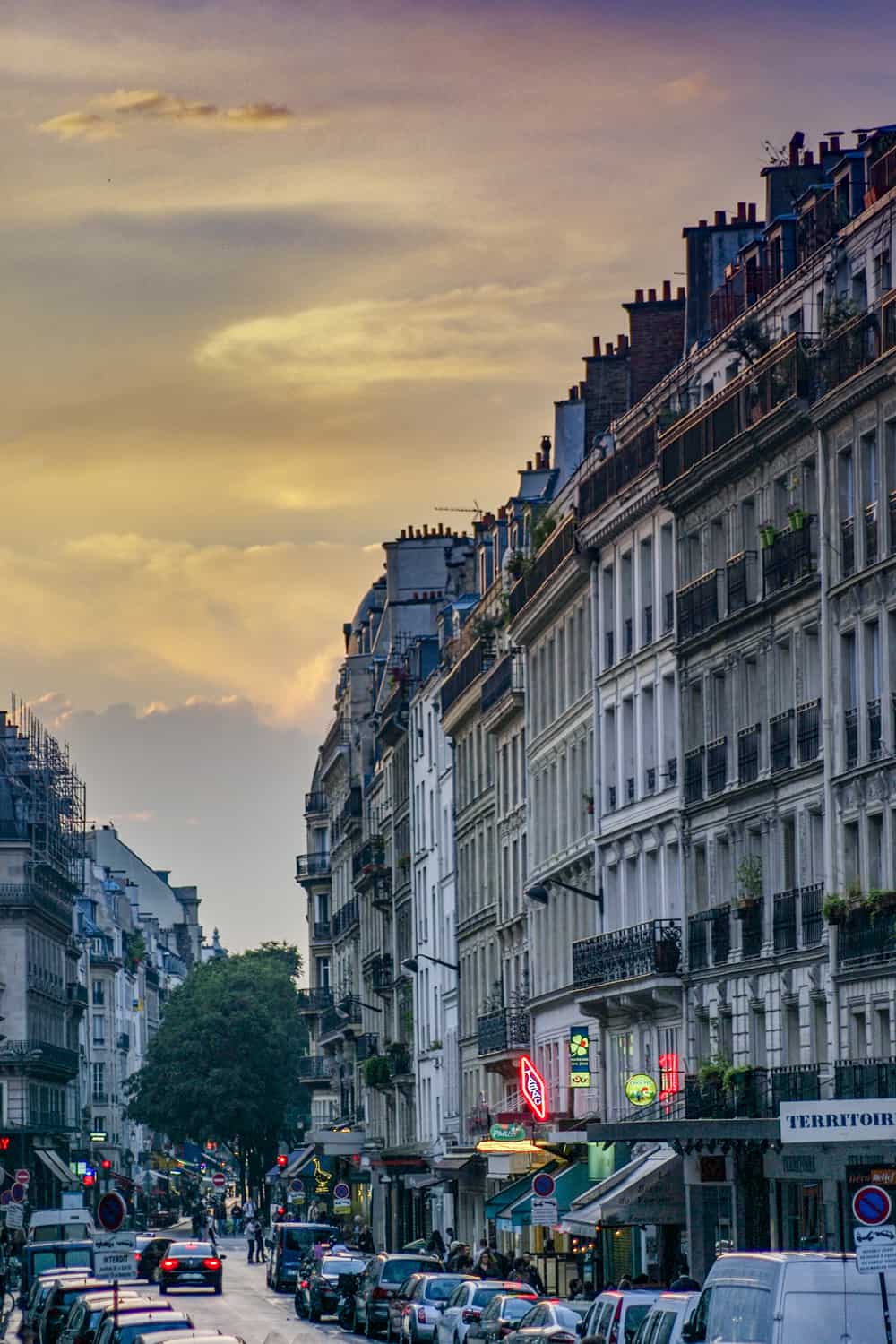
Sunset after a storm….
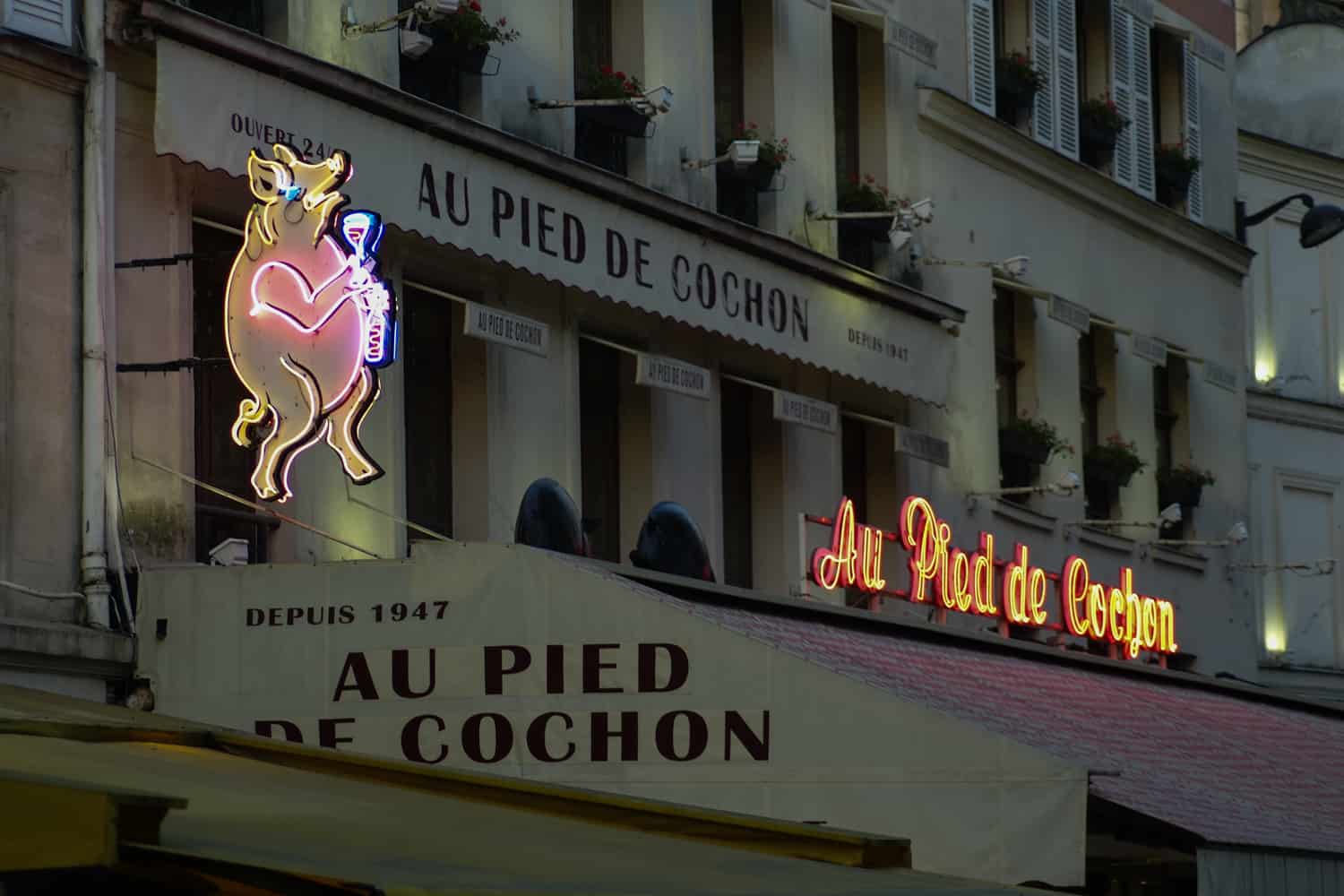
The Pig’s Foot.
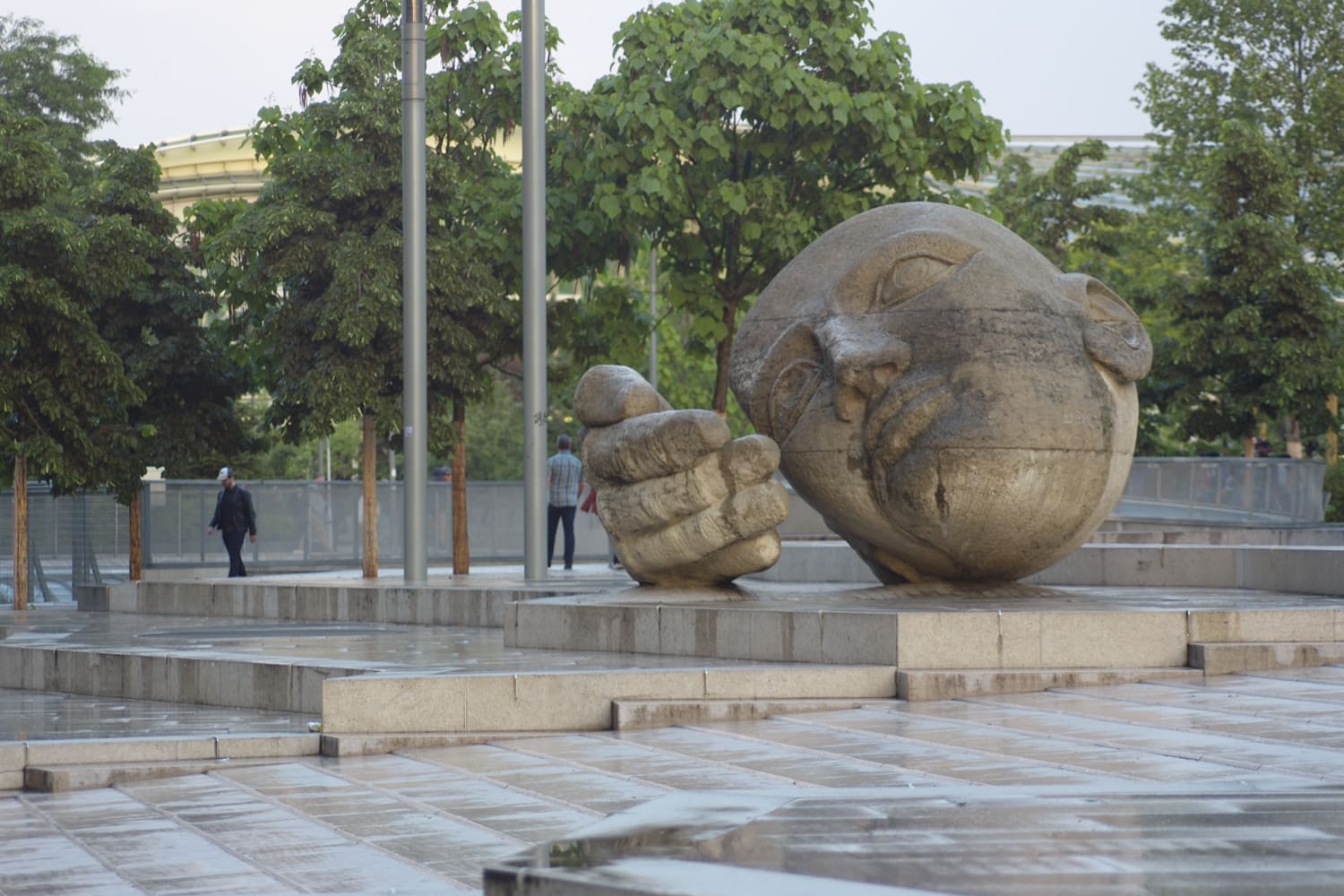
Sculpture outside Les Halles train station.
Another storm, another sunset….
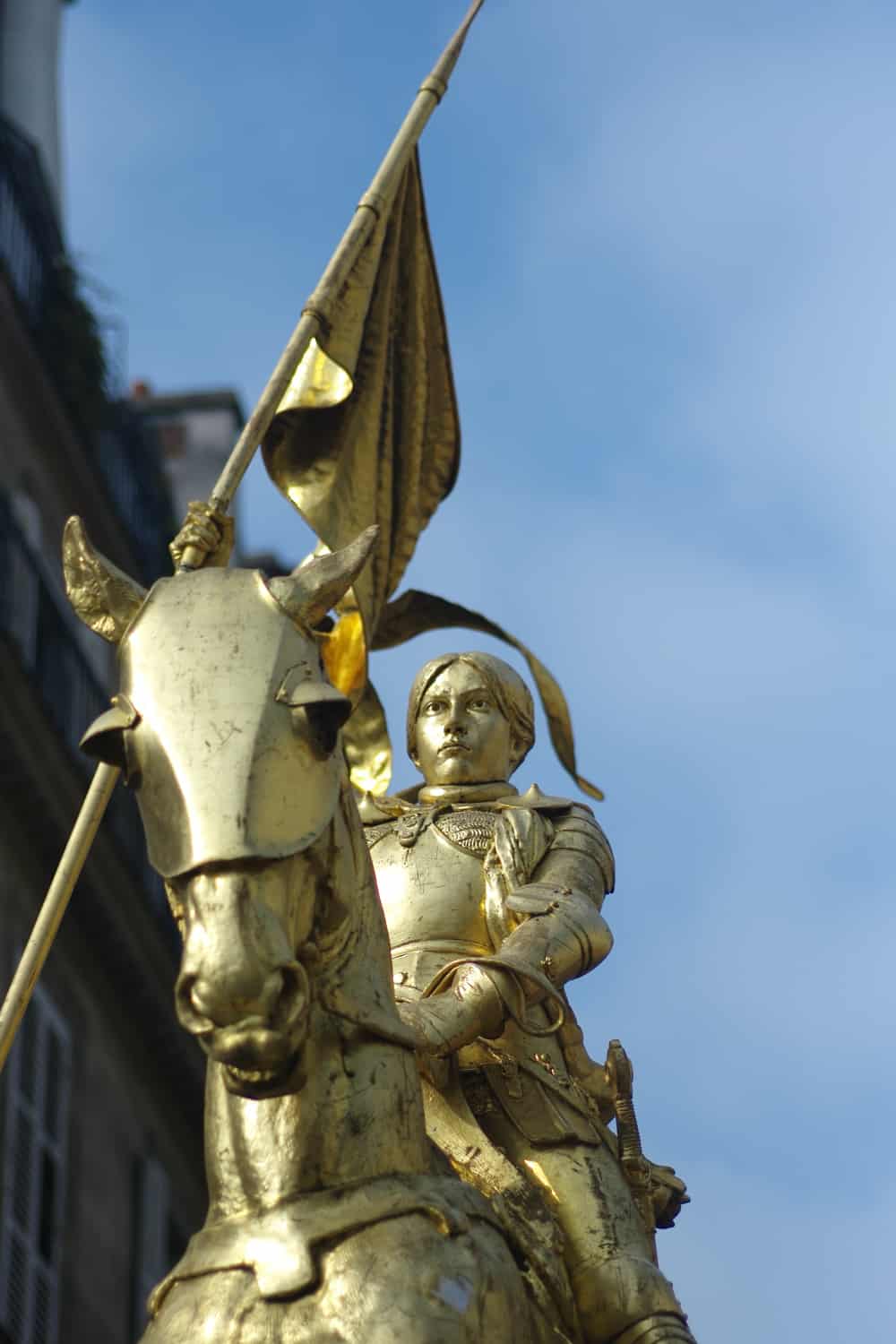
Joan of Arc, in colour,
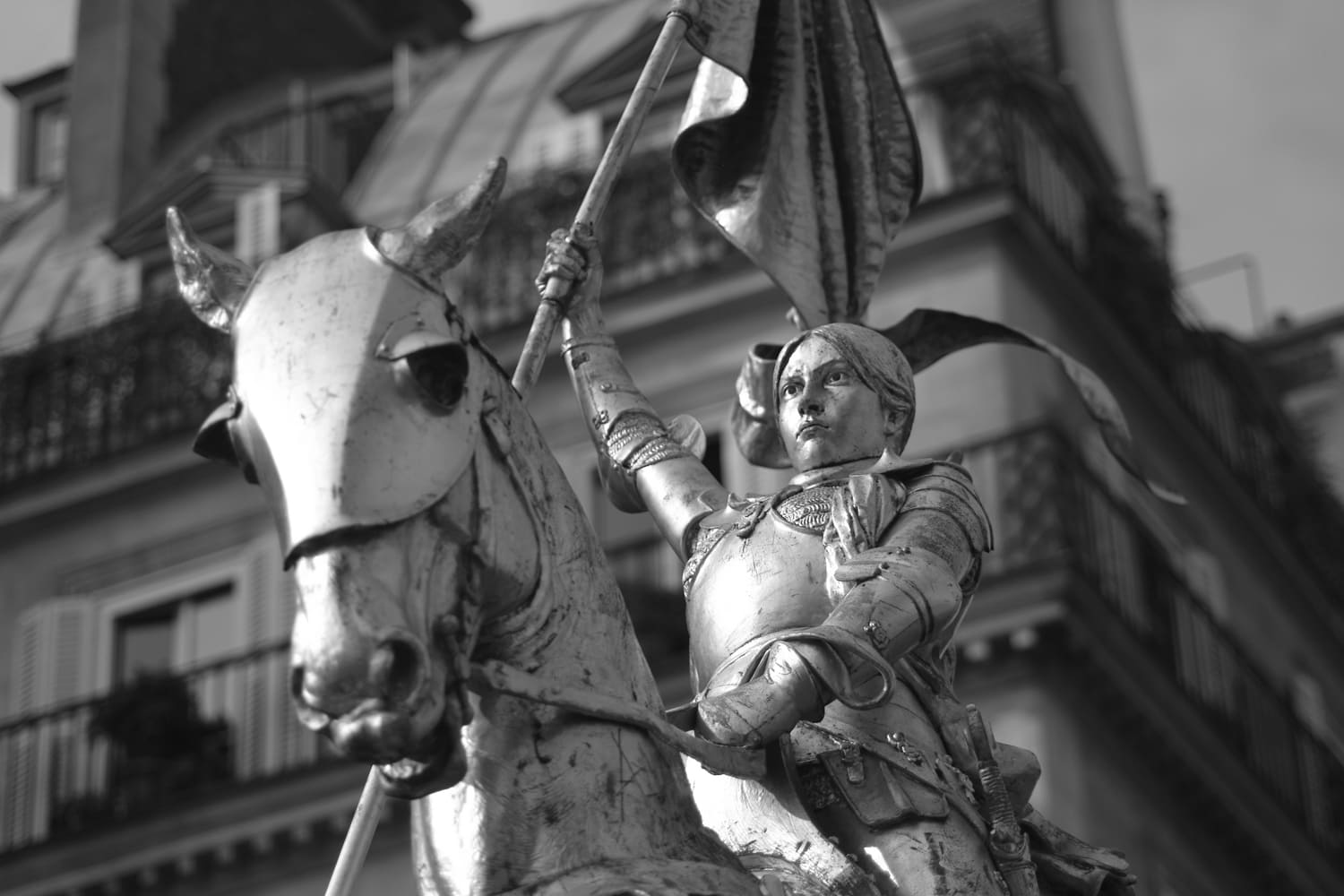
And in black and white.
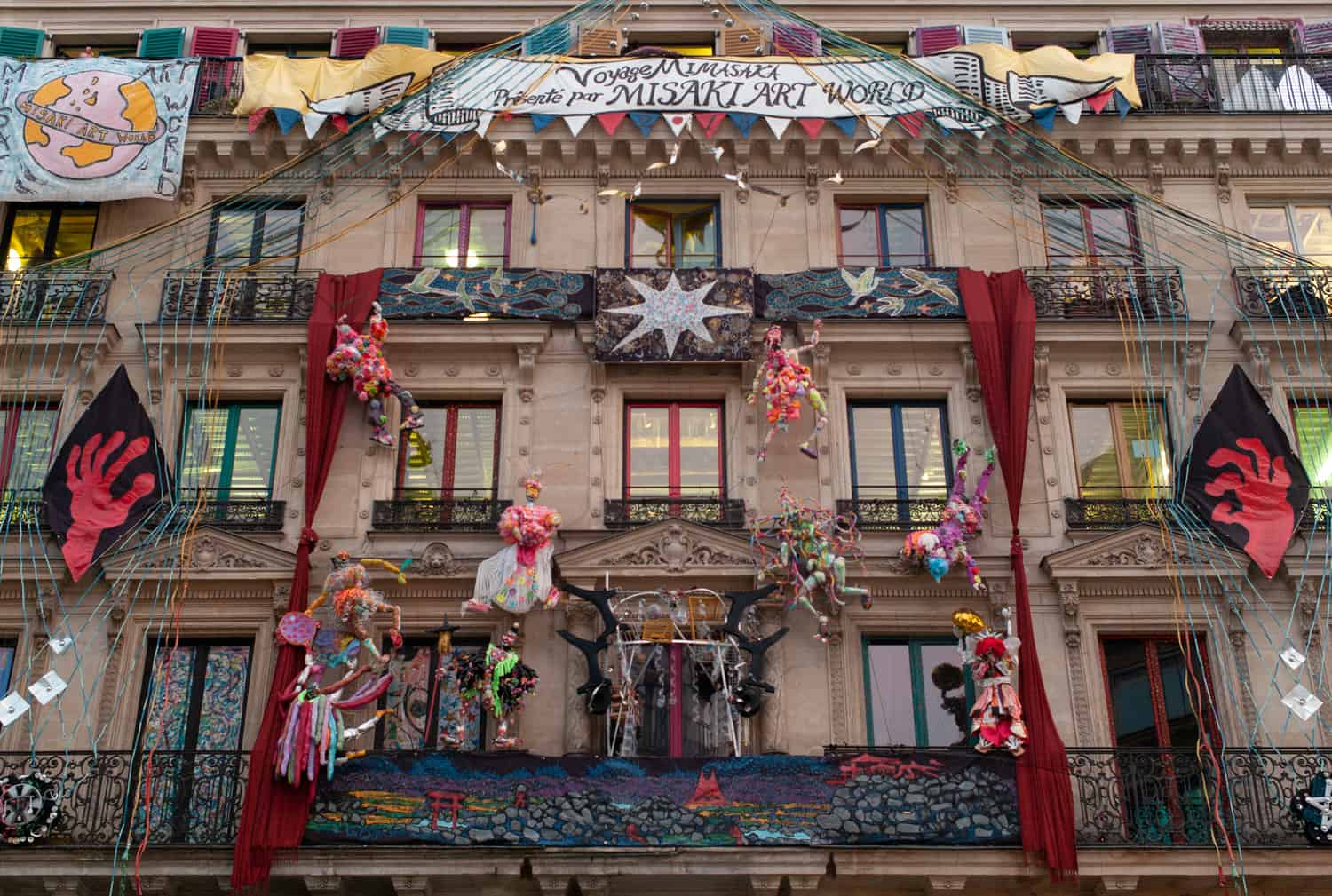
We walked past this building at least once a day. On our final day, for reasons unknown to us, they decorated it…..
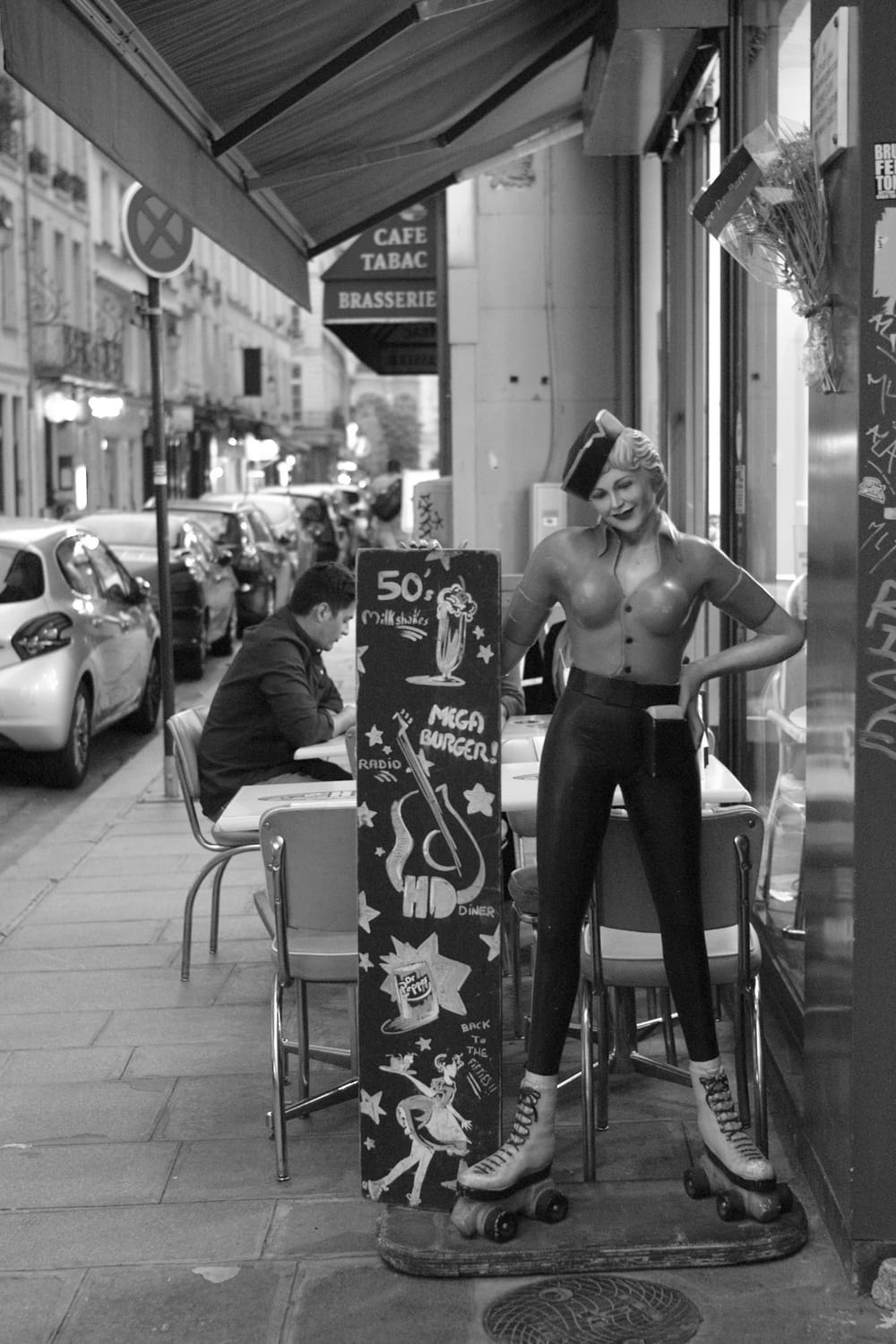
Sign outside an American-style diner.
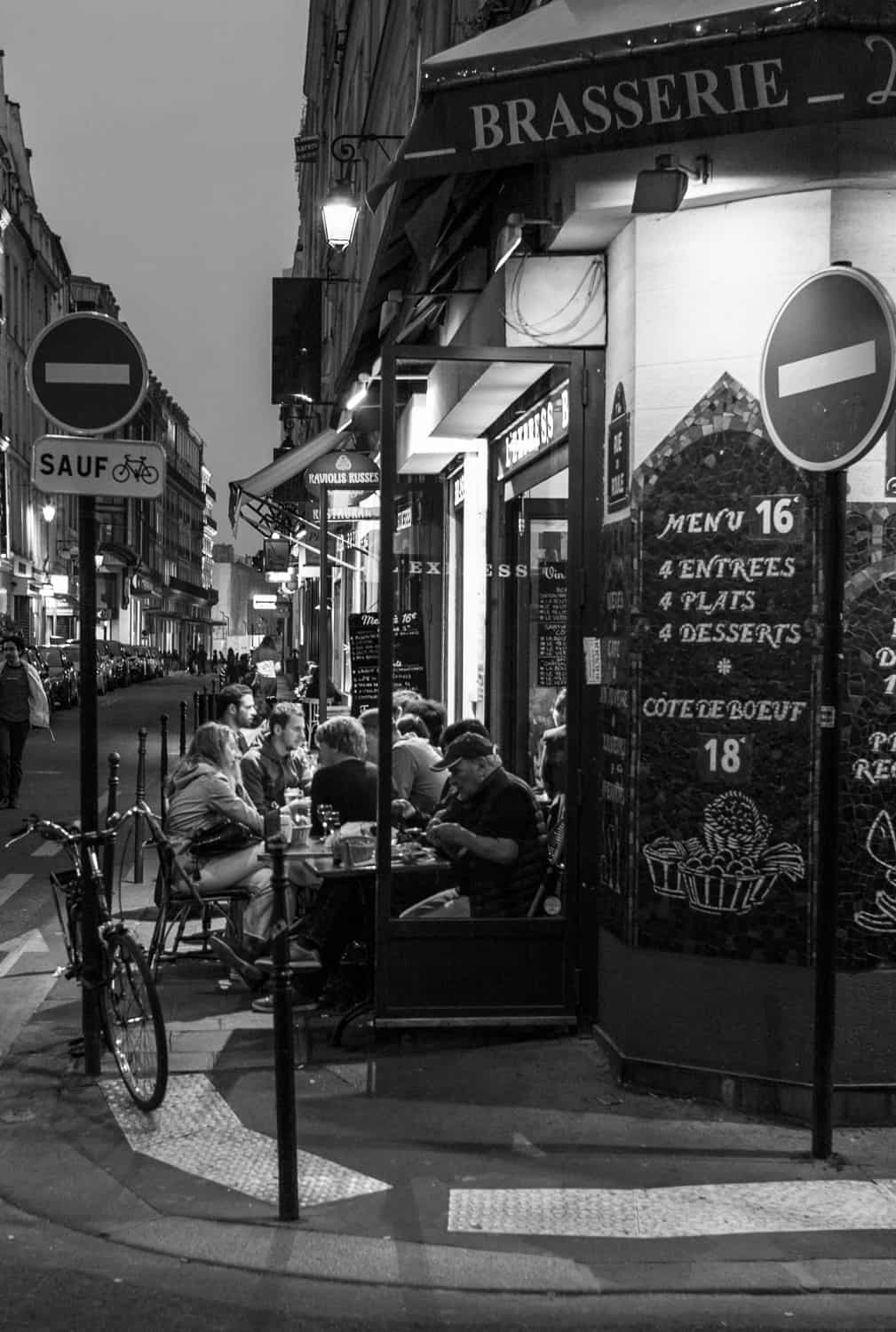
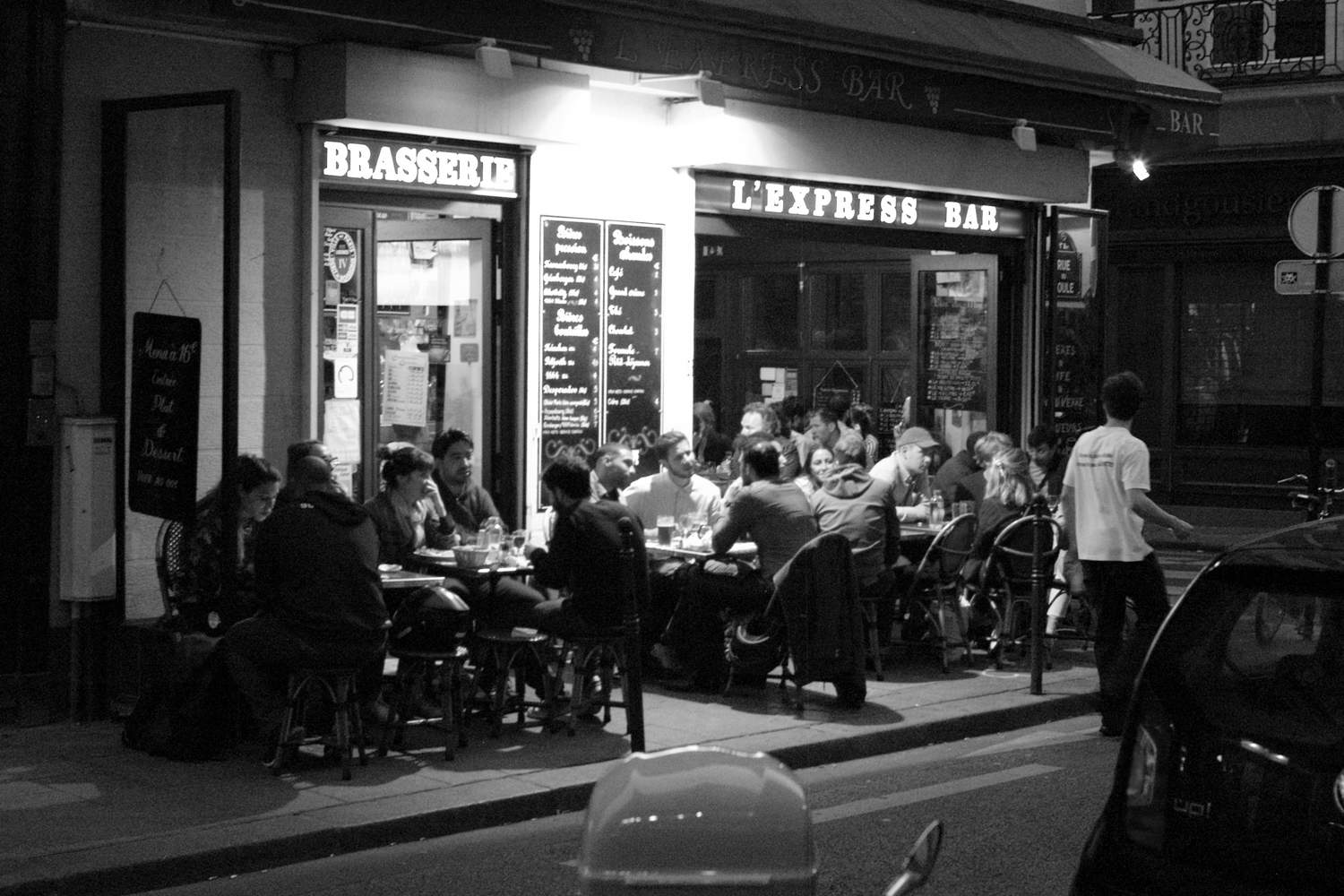
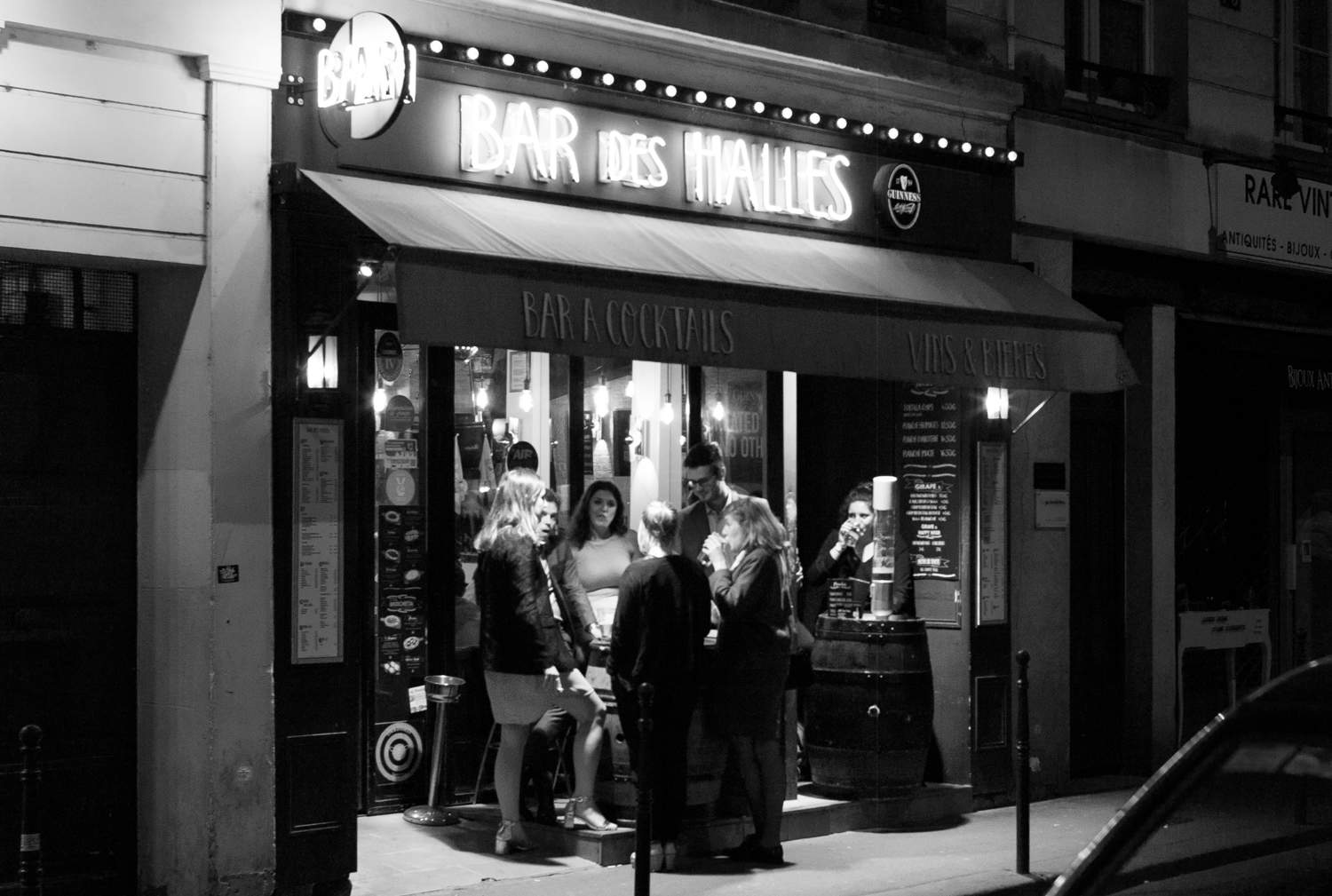
On a fine night, the restaurants of the 1st Arrondissement are packed full. In many of them, the chairs face the street – people wanting to watch others and happy to be seen doing so.
——

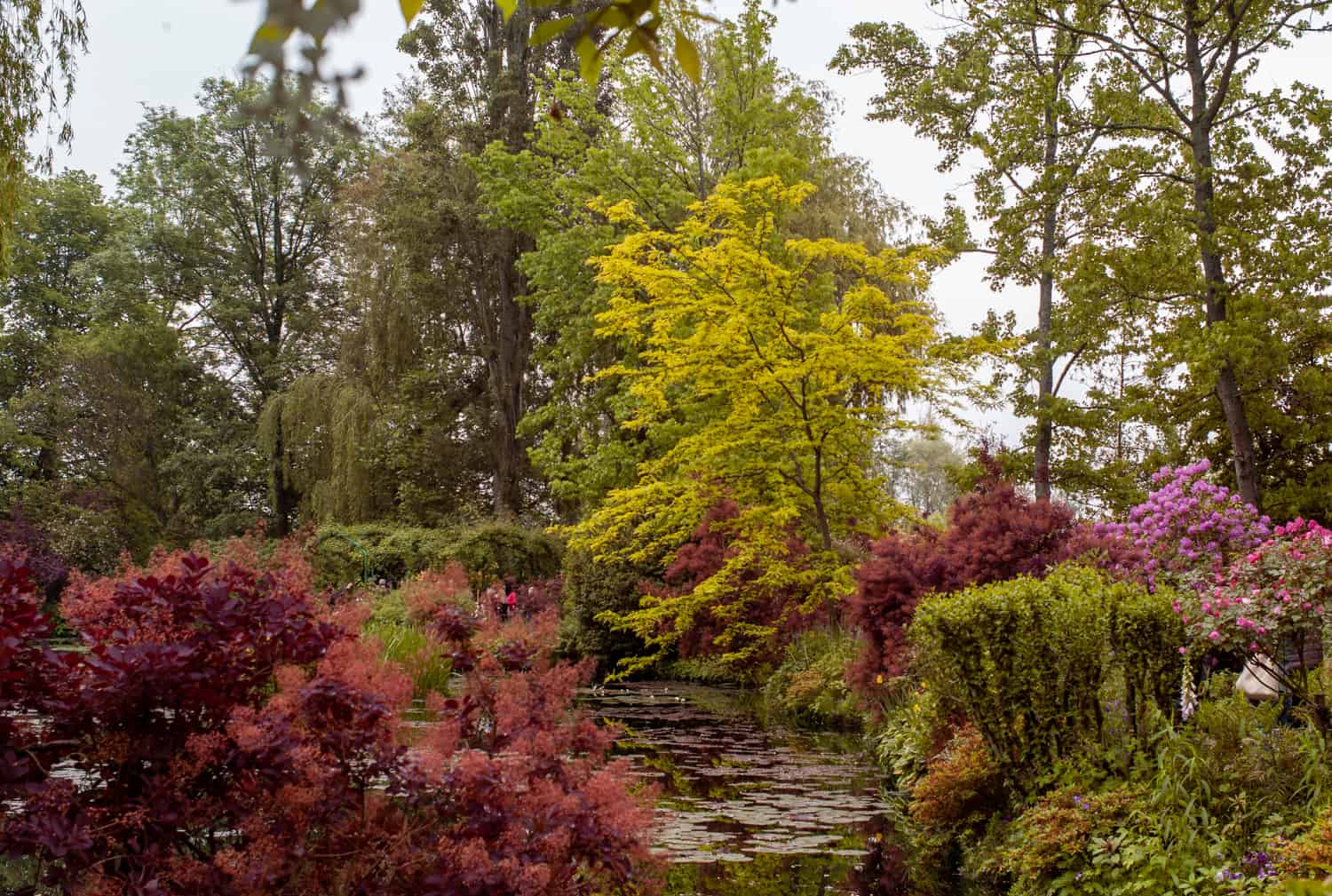
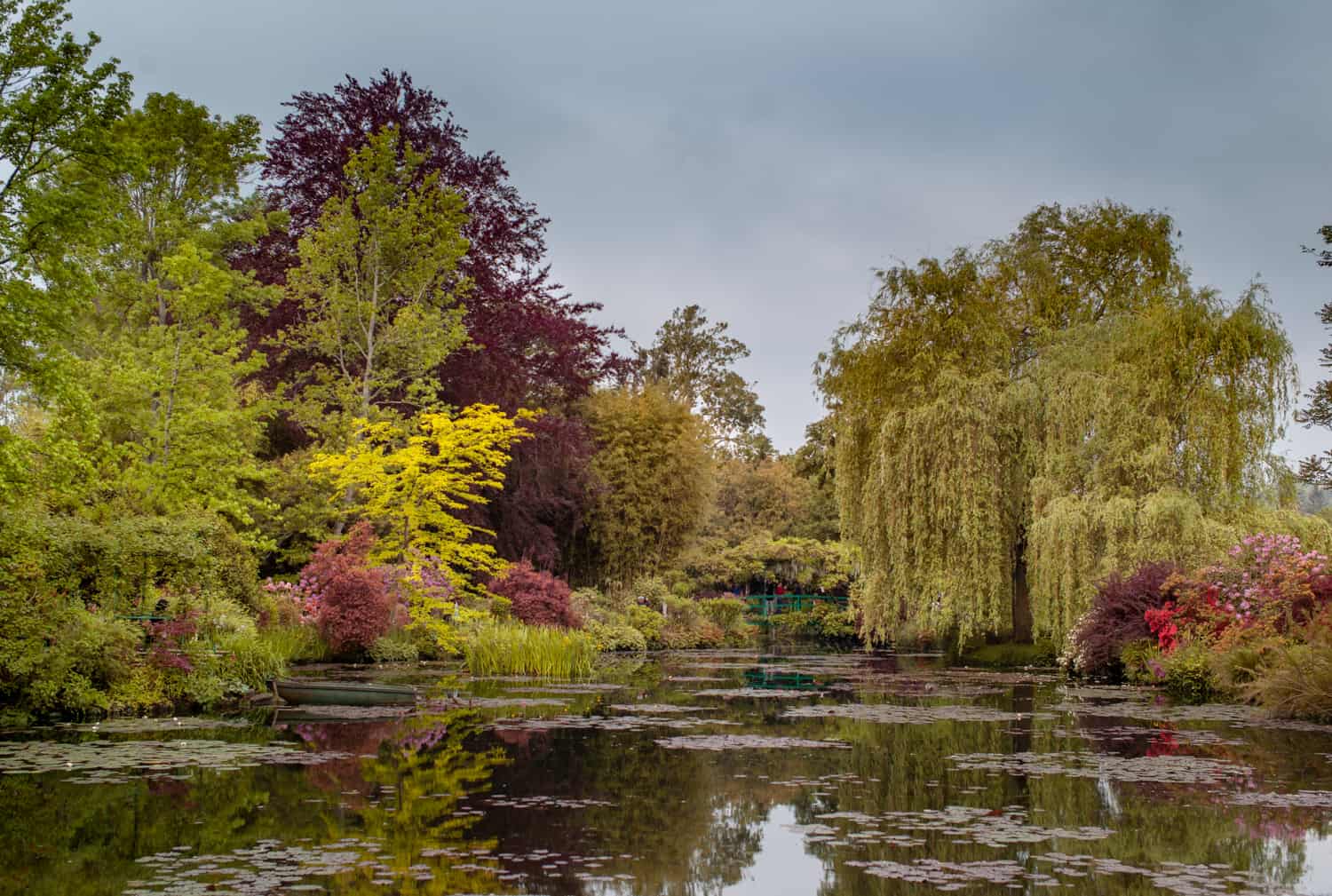
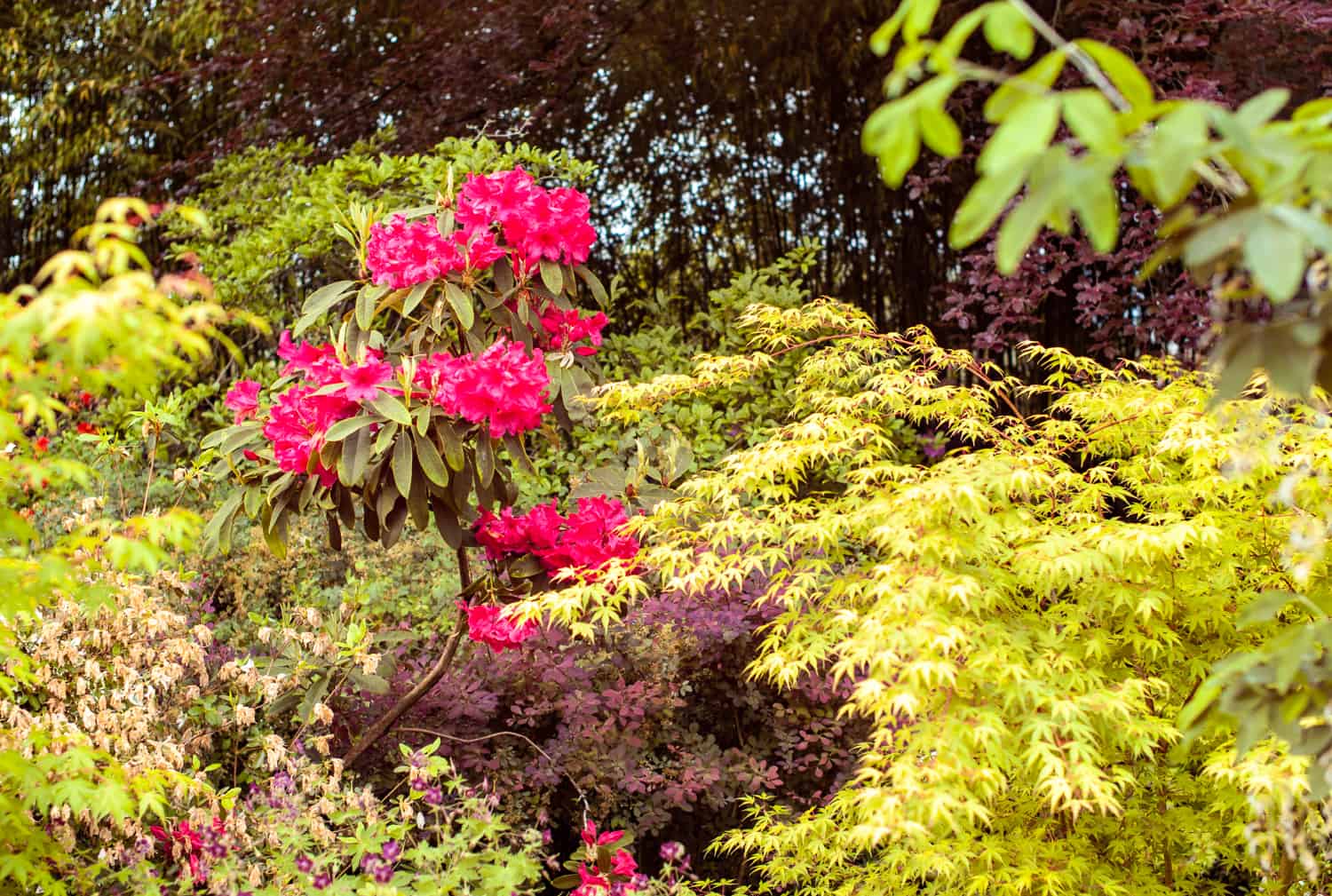
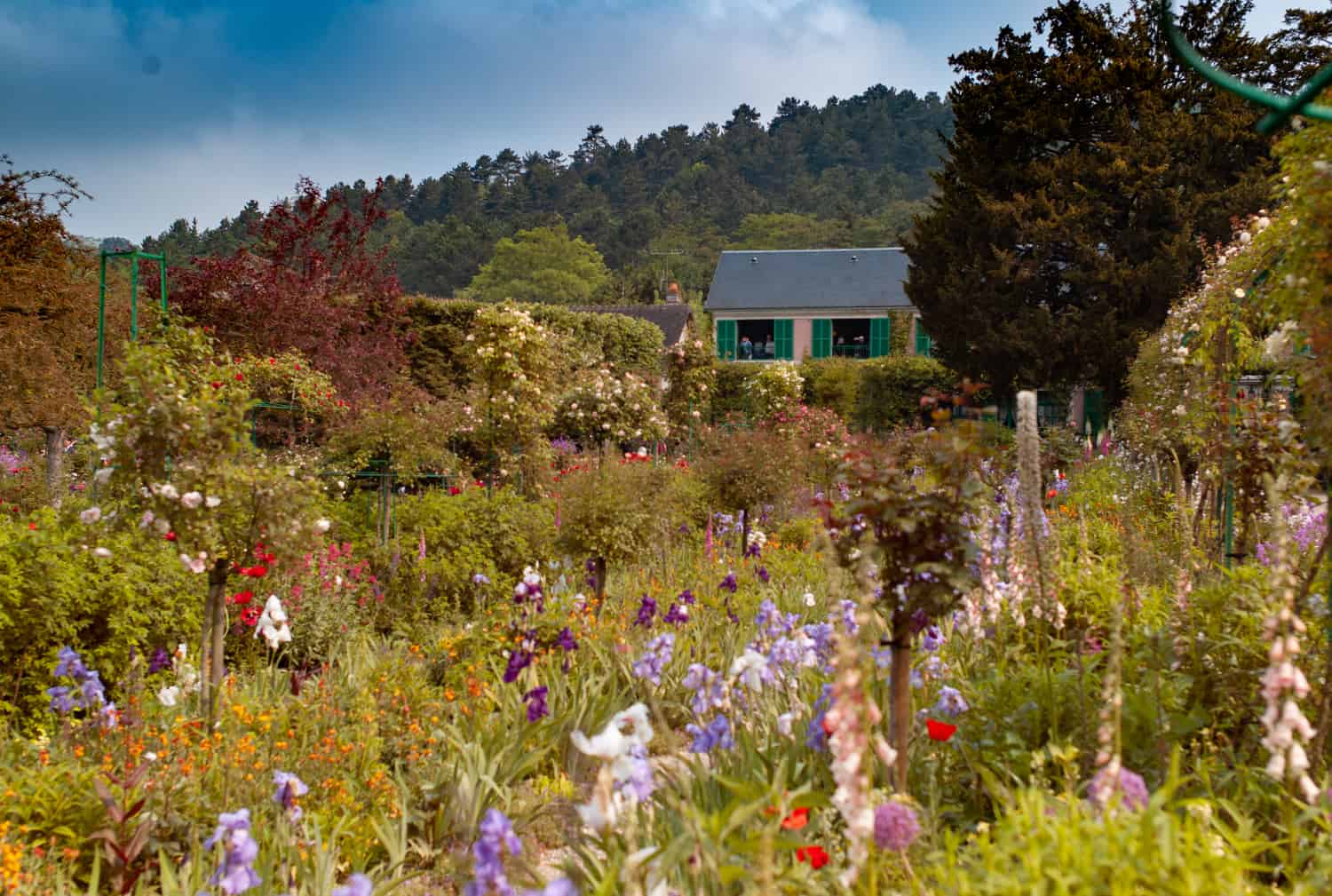
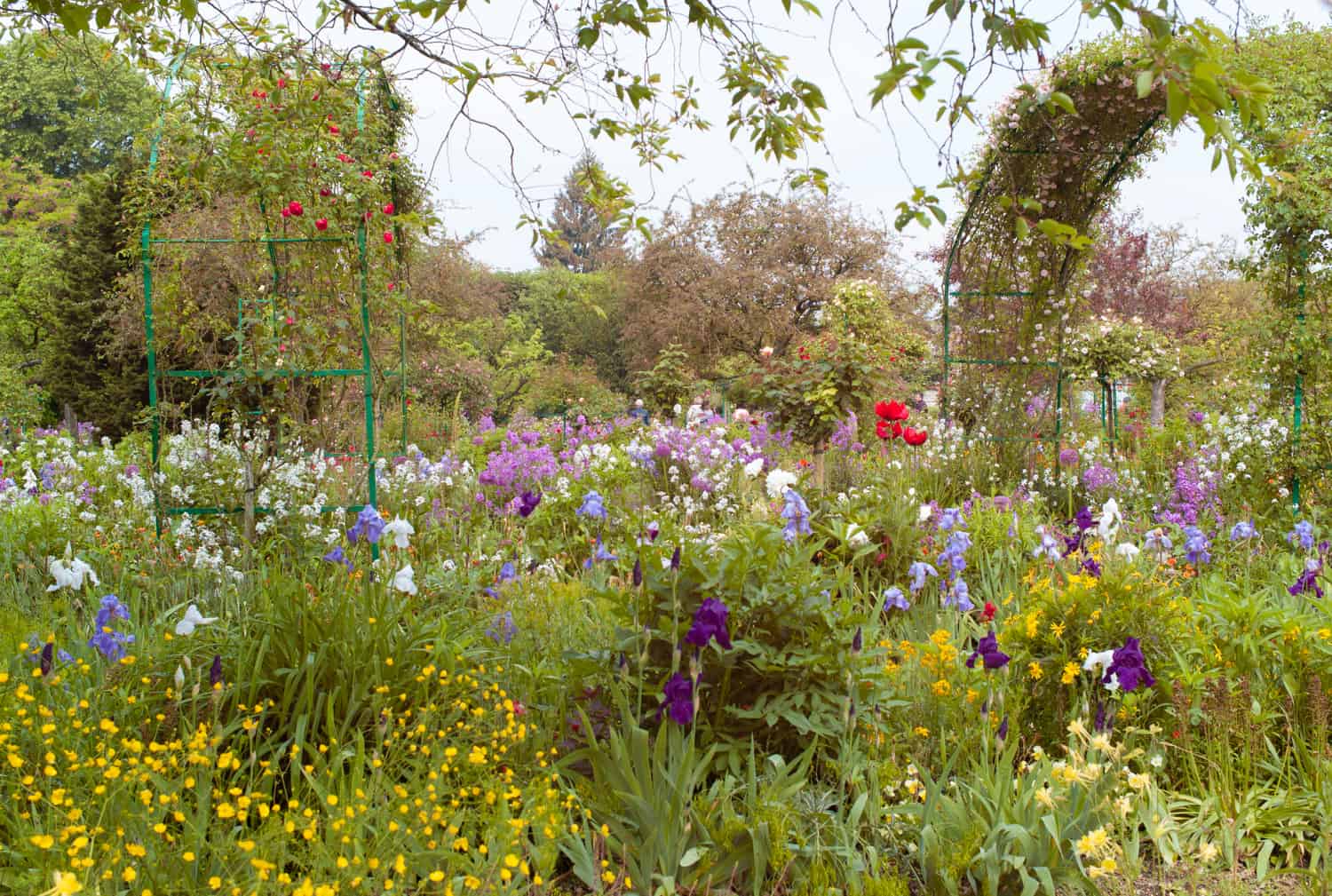
Monet’s Garden

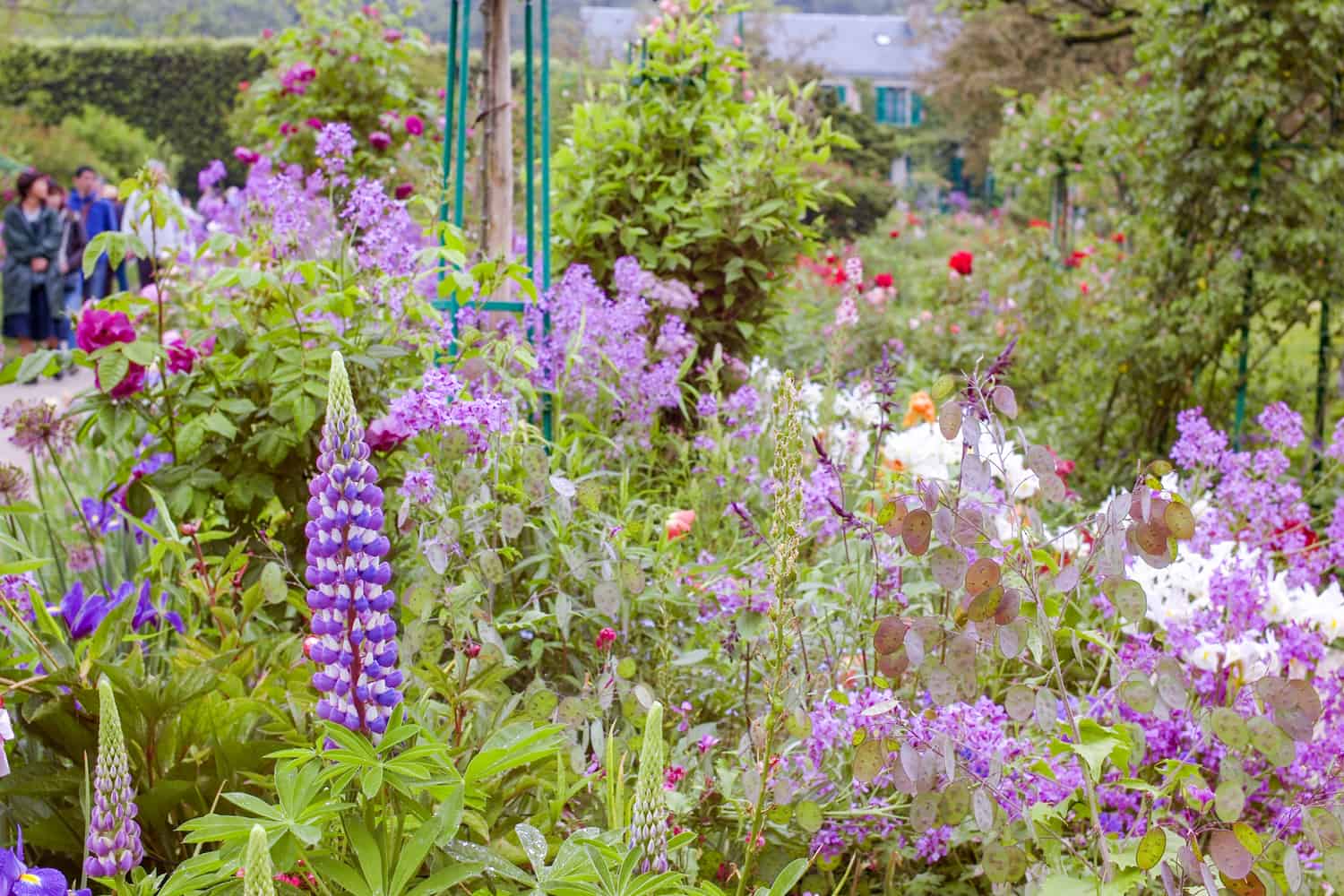
This was an unexpected pleasure. I knew Nat had booked us on a tour to Versailles. What I didn’t know is that the tour also included a visit to Claude Monet’s house.

Monet discovered Giverny on a train ride. Moved by the surroundings and the beautiful natural light, he decided to rent a place there. Long story, short – Monet discovered and then nurtured the environment that inspired his life’s work. It’s an inspiring story.

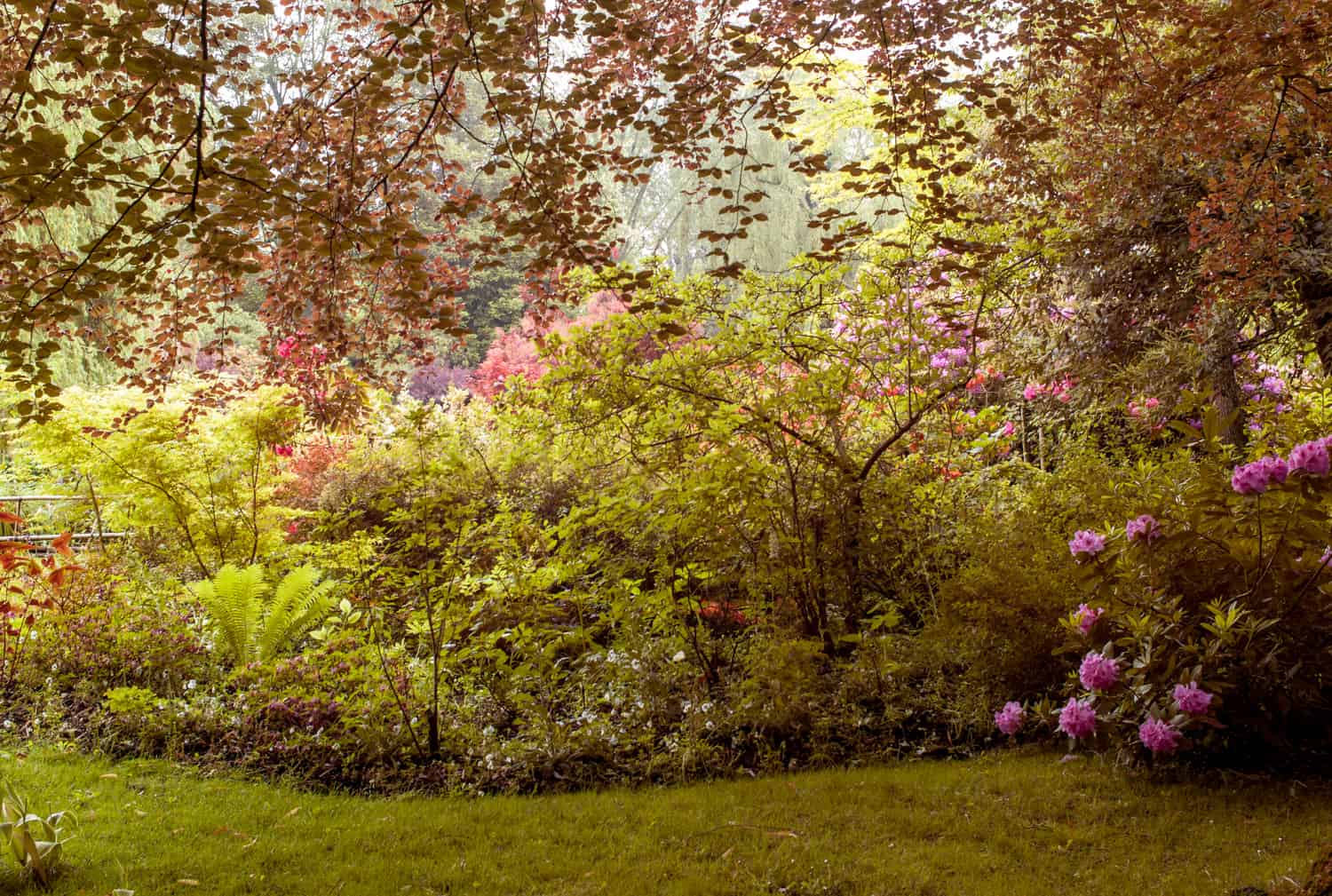
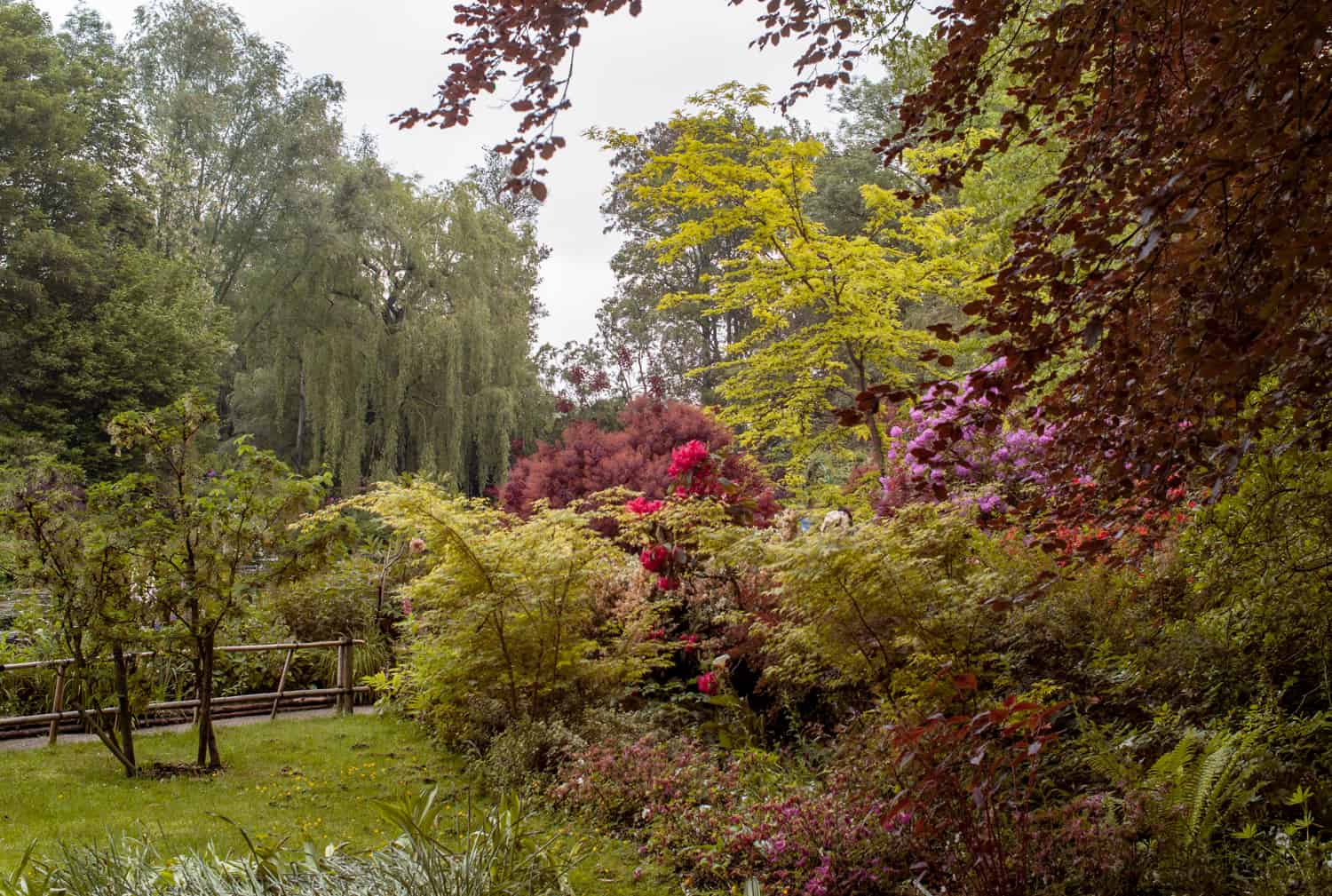
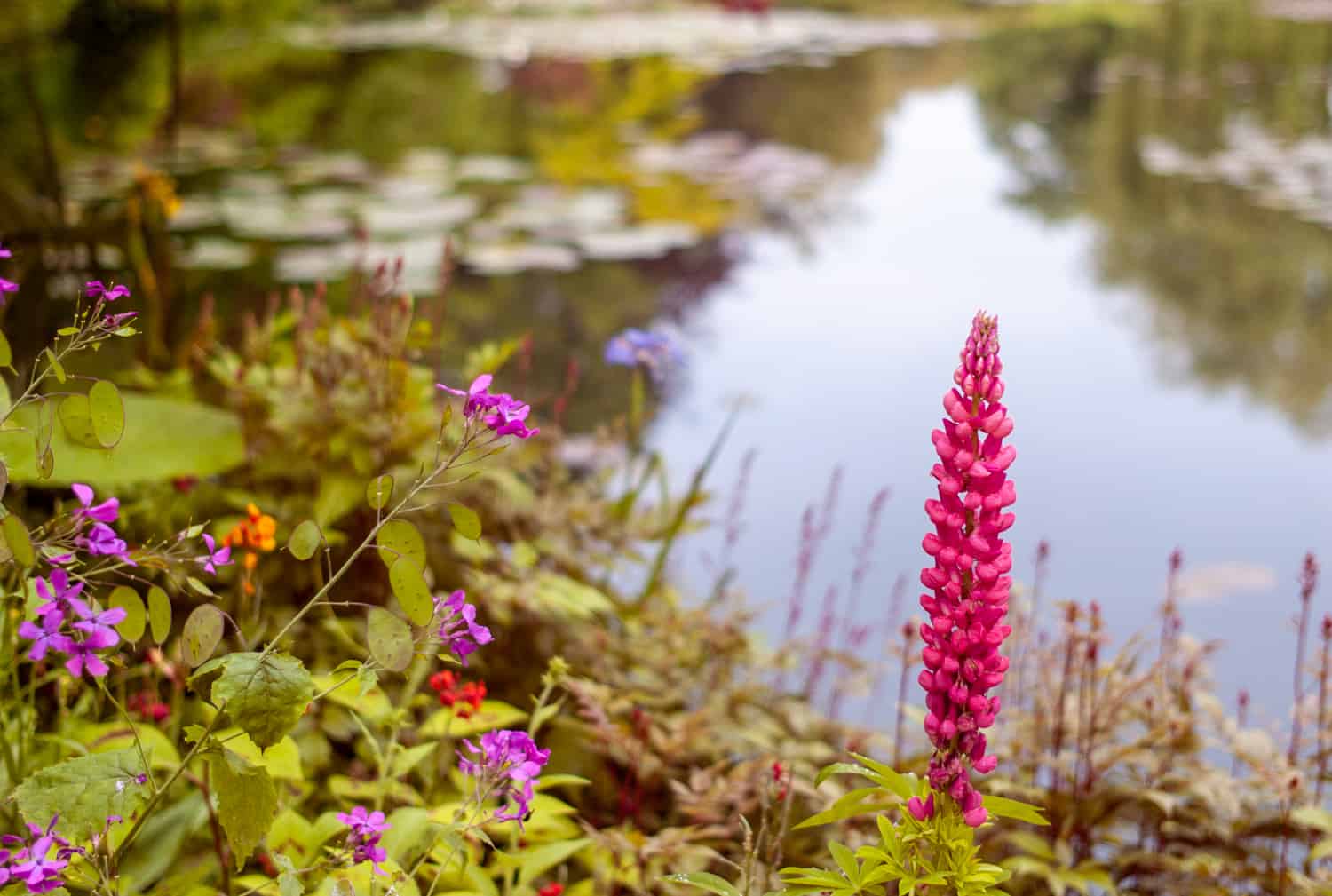
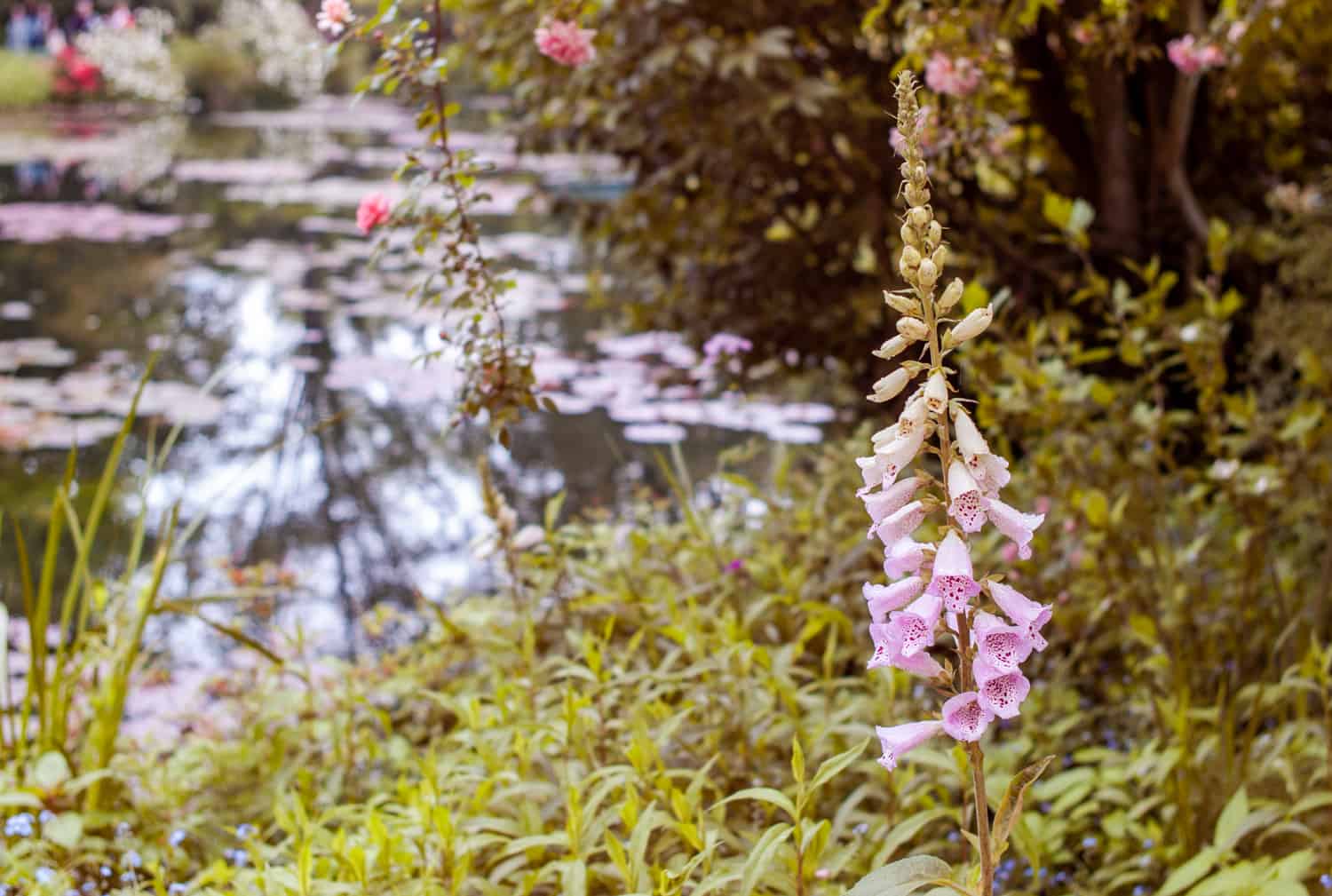
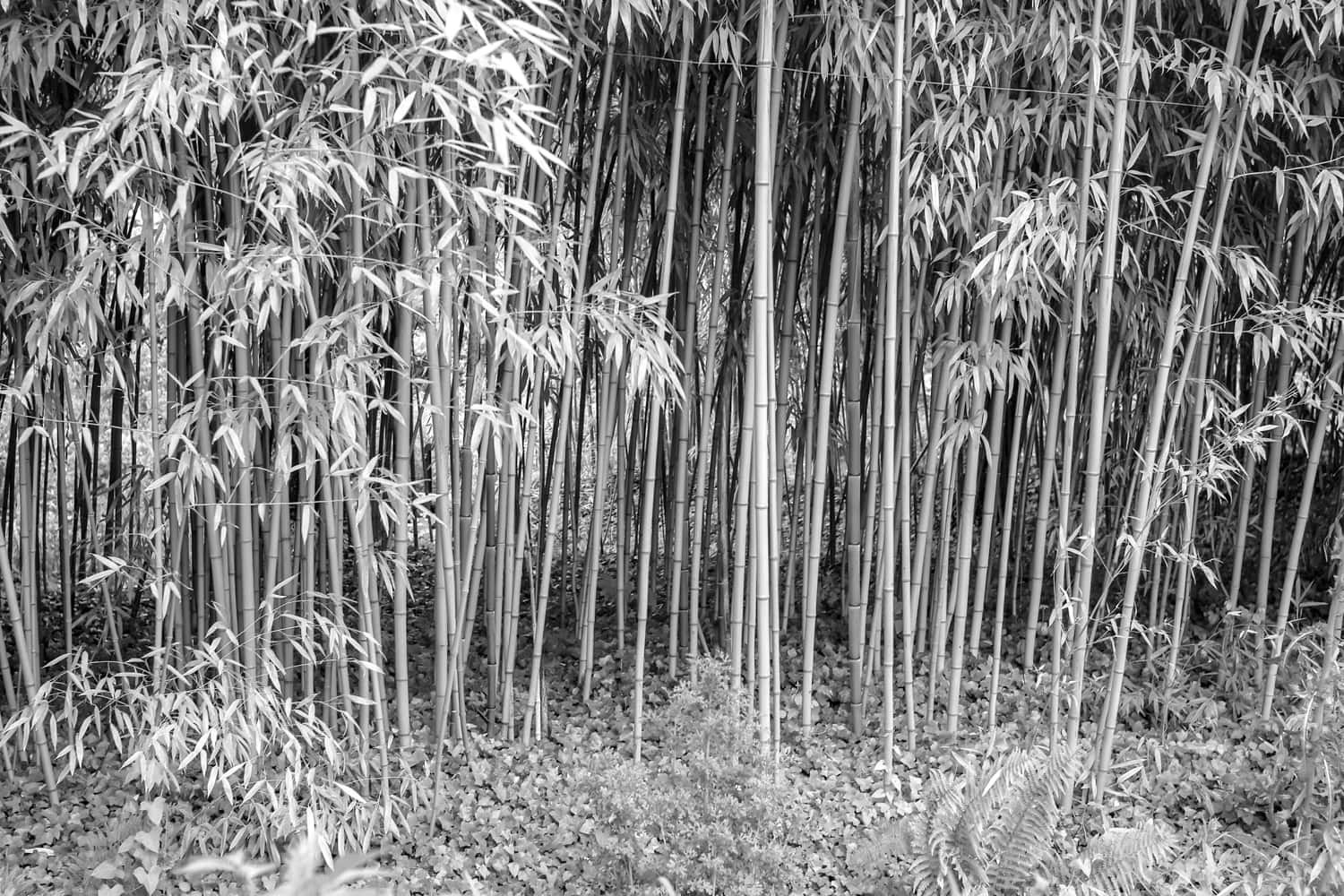
His house has two main gardens – a flower garden on the main plot and a Japanese garden across the road. The colour palette and atmosphere should be familiar to anyone who’s seen Monet’s work.
——

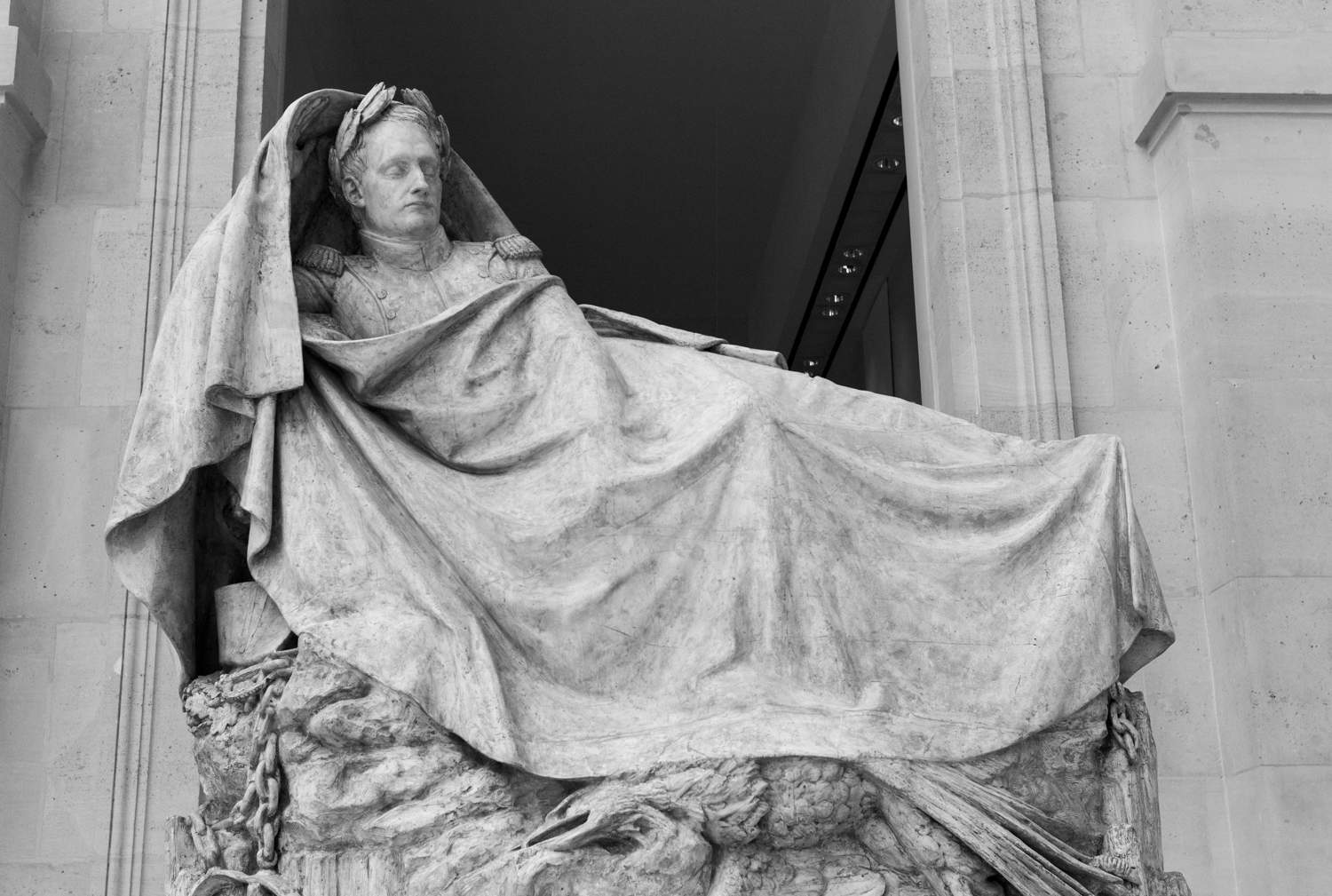
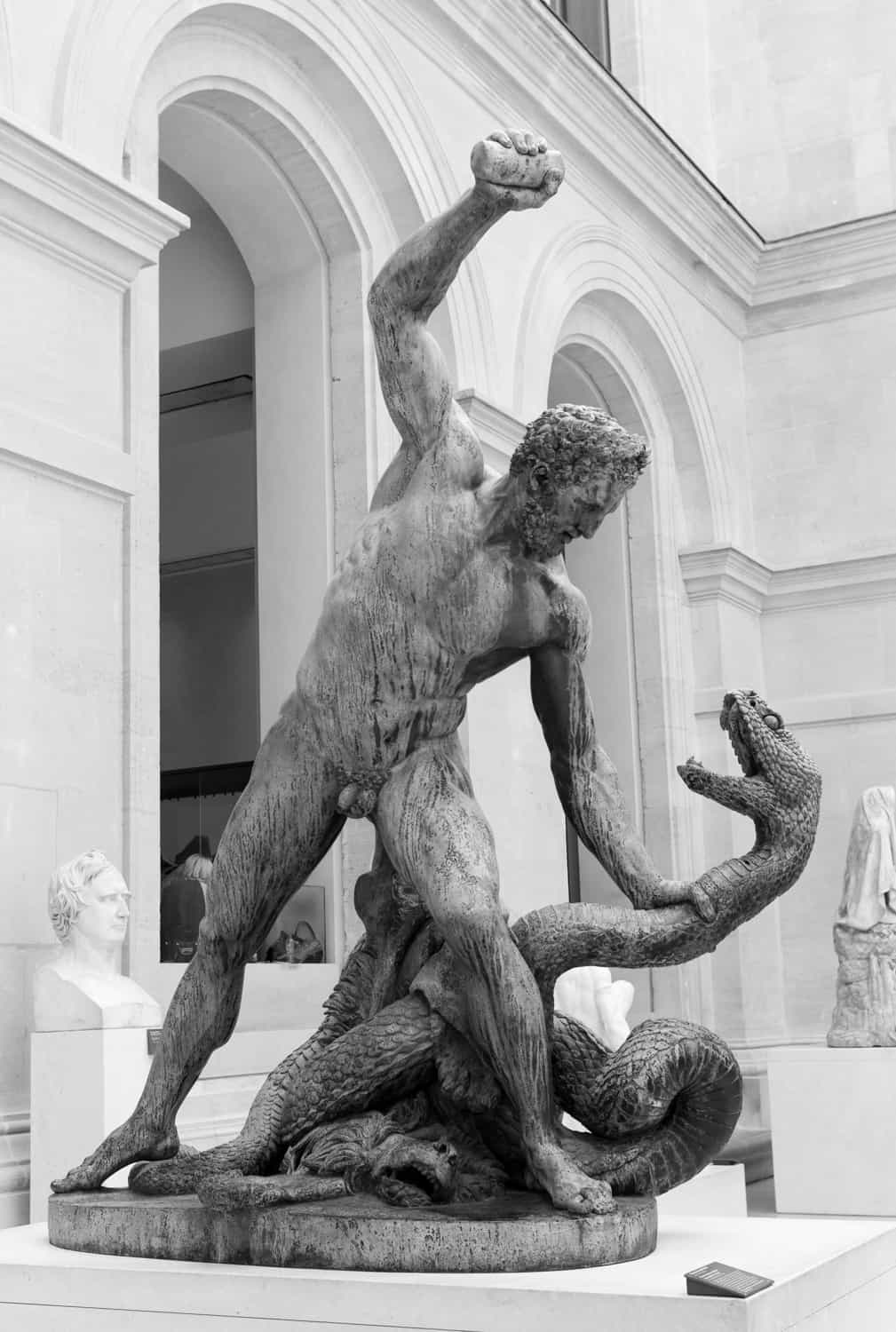
The Louvre

Imagine The Louvre as the world’s artistic heart. Its beat is steady at one beat per day. Every day, nearly 30,000 art-starved human ‘blood cells’ from all around the world enter its chambers. They emerge through the day, oxygenated with artistic endeavour and passion that they will take with them on their forward travels.

The next day, 30,000 more come. And on and on…..
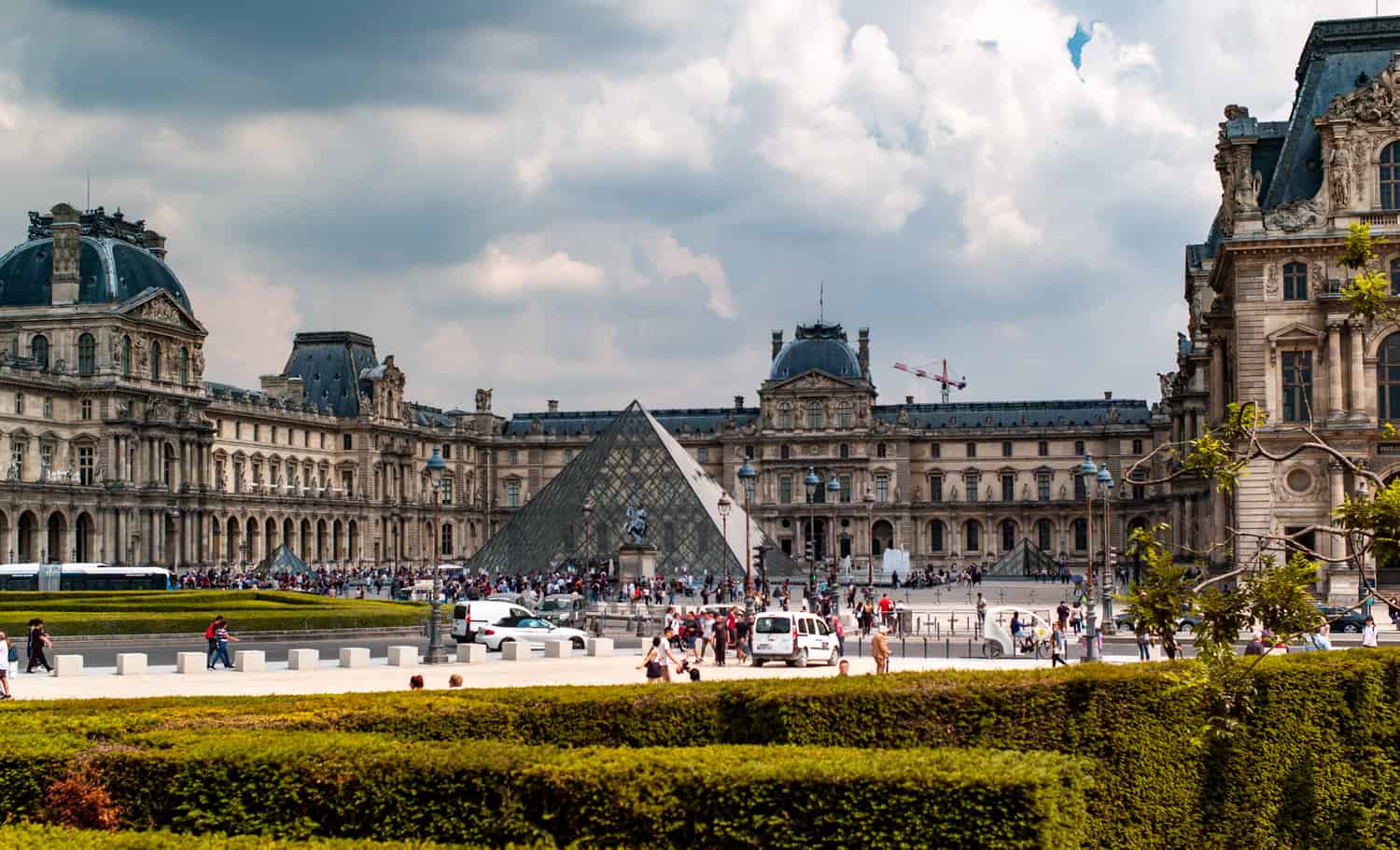
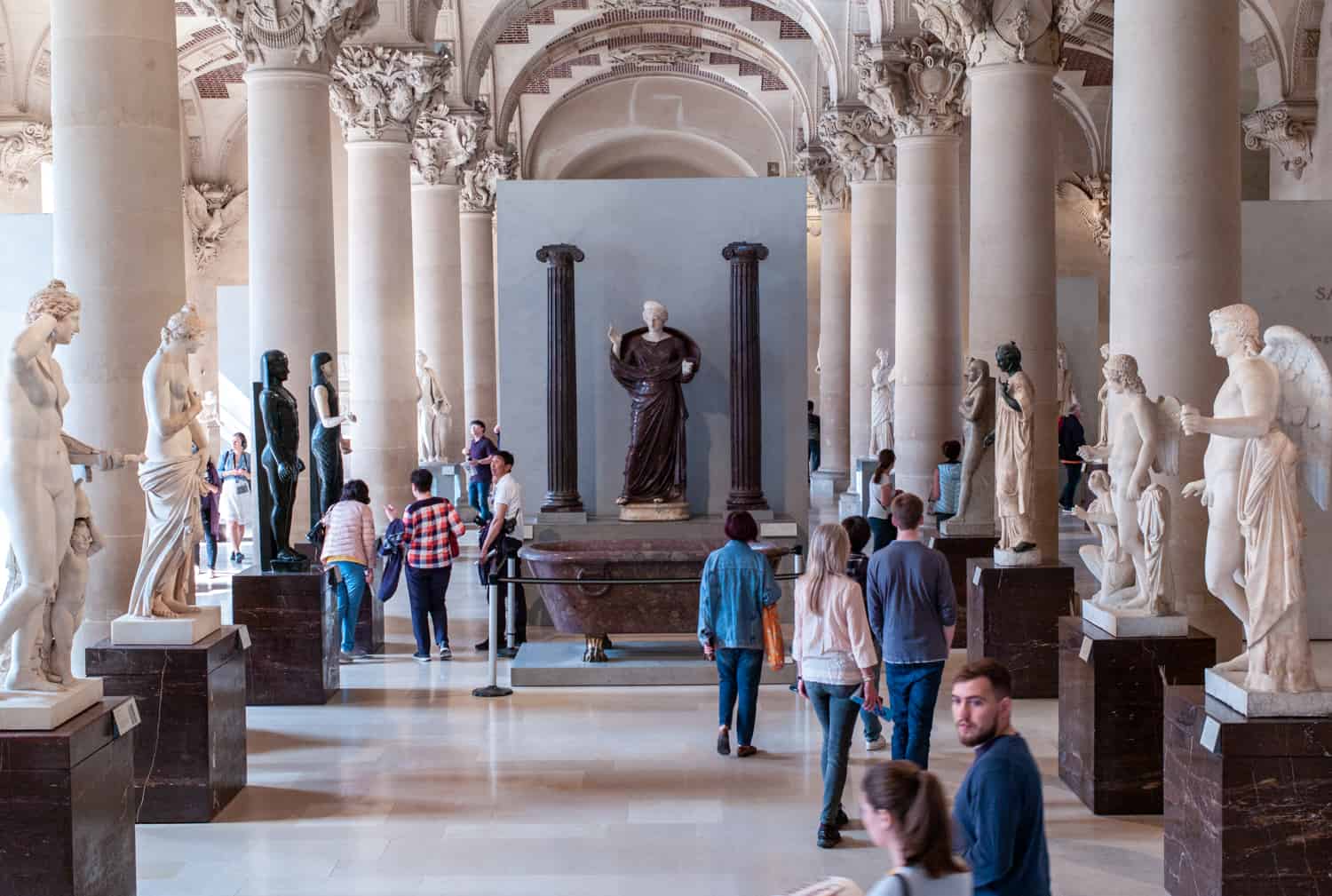
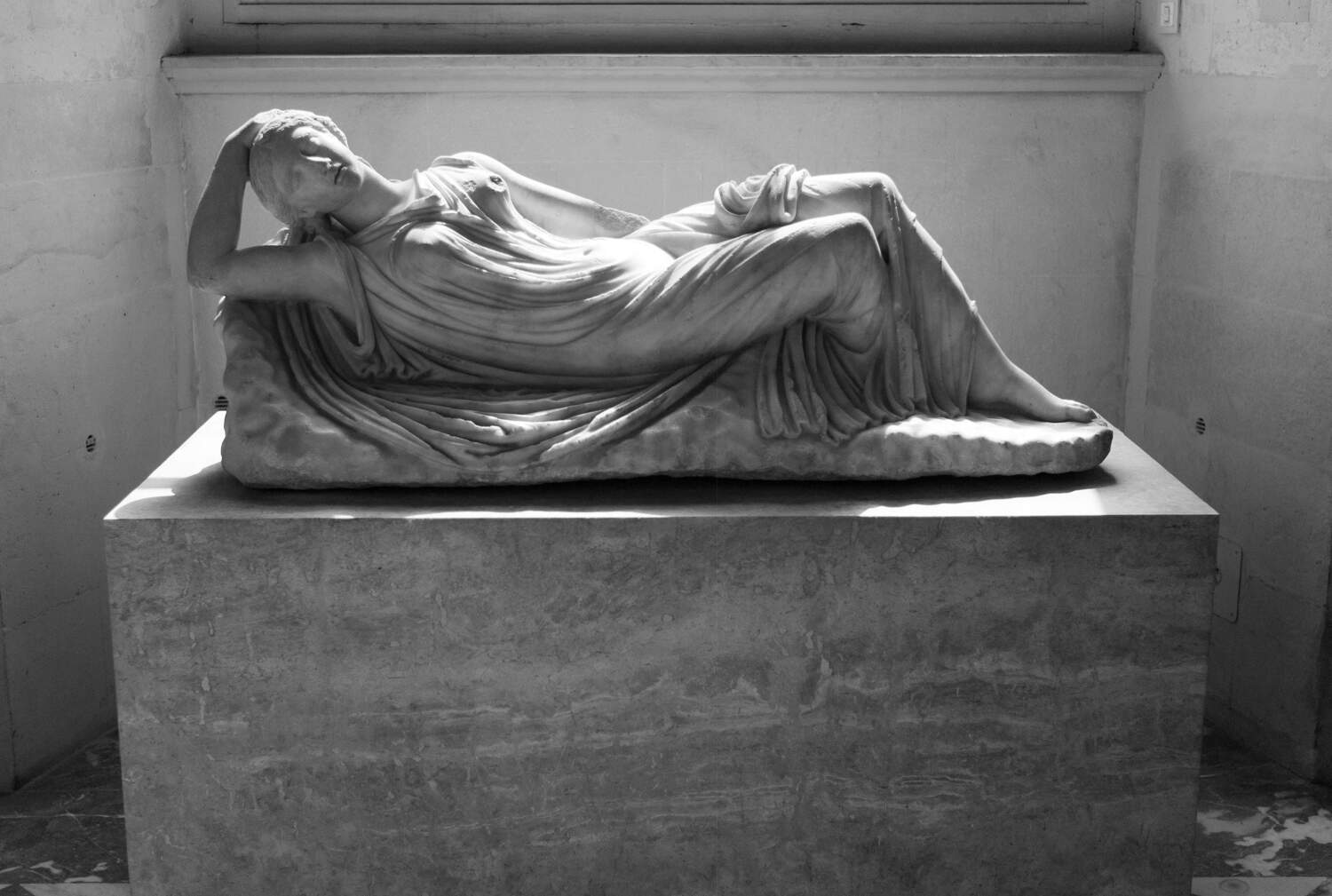
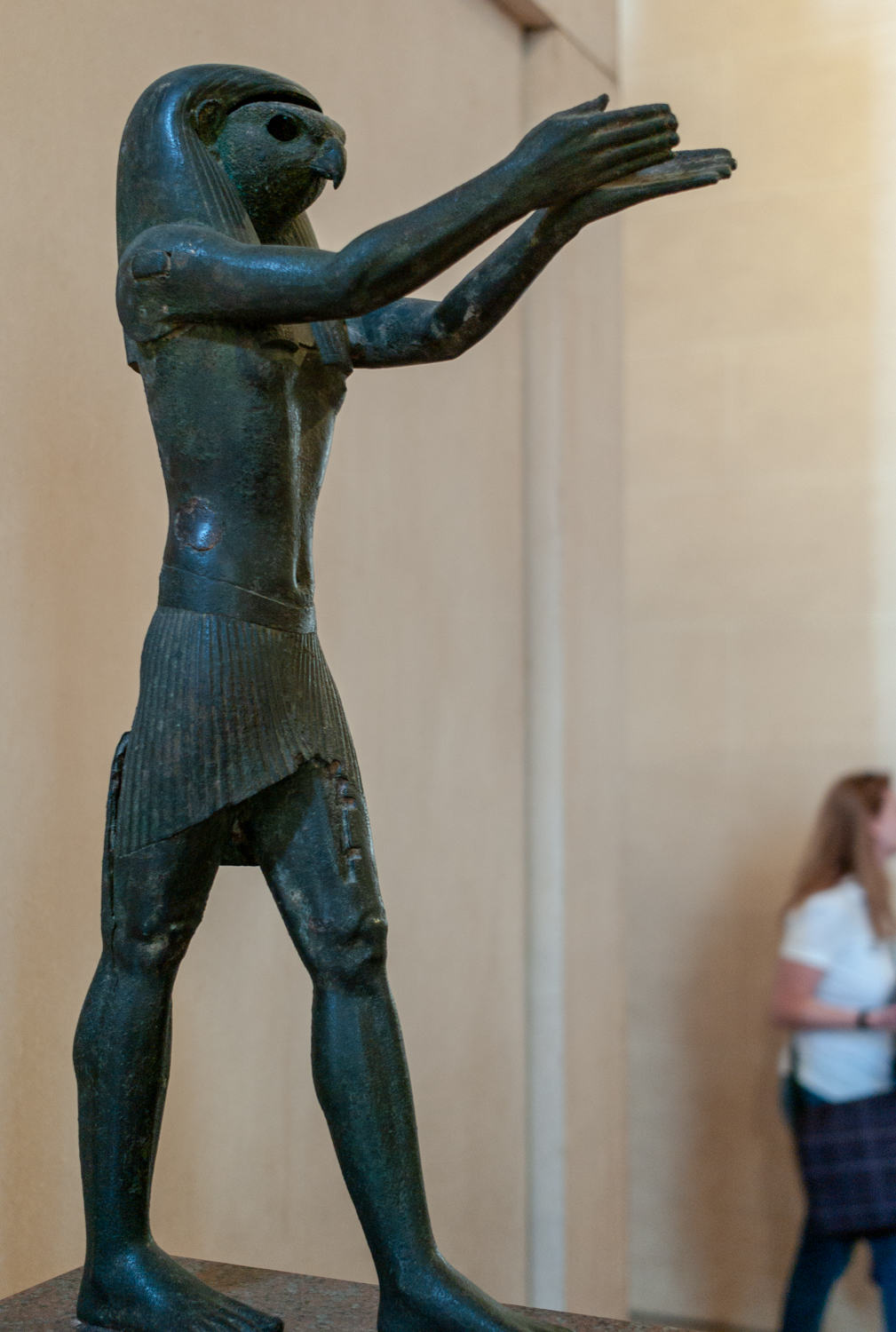
The Louvre is a spectacle. The scale of the place defies description. It would take days to walk through, weeks to appreciate and more than a lifetime to learn all that it has to offer.

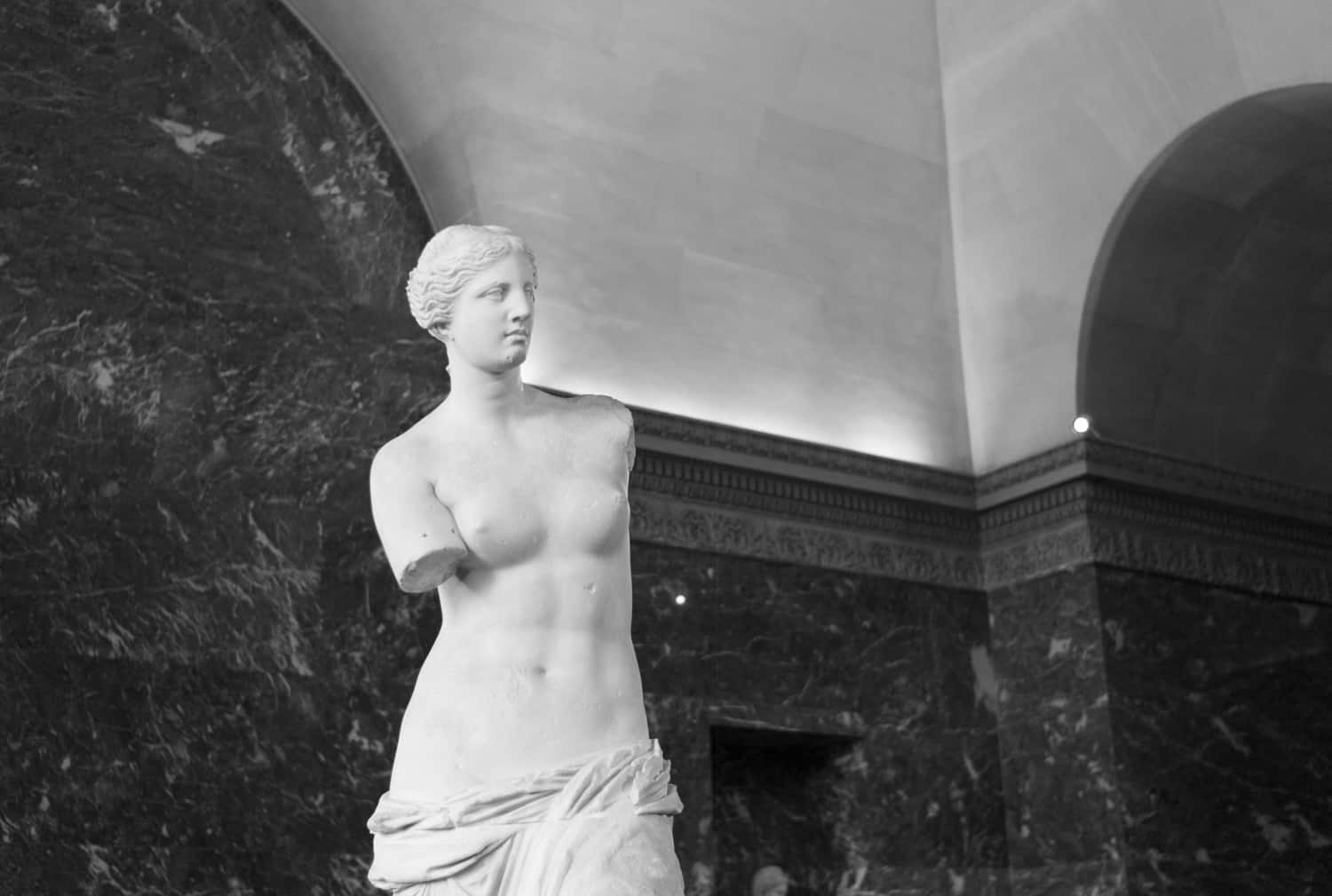
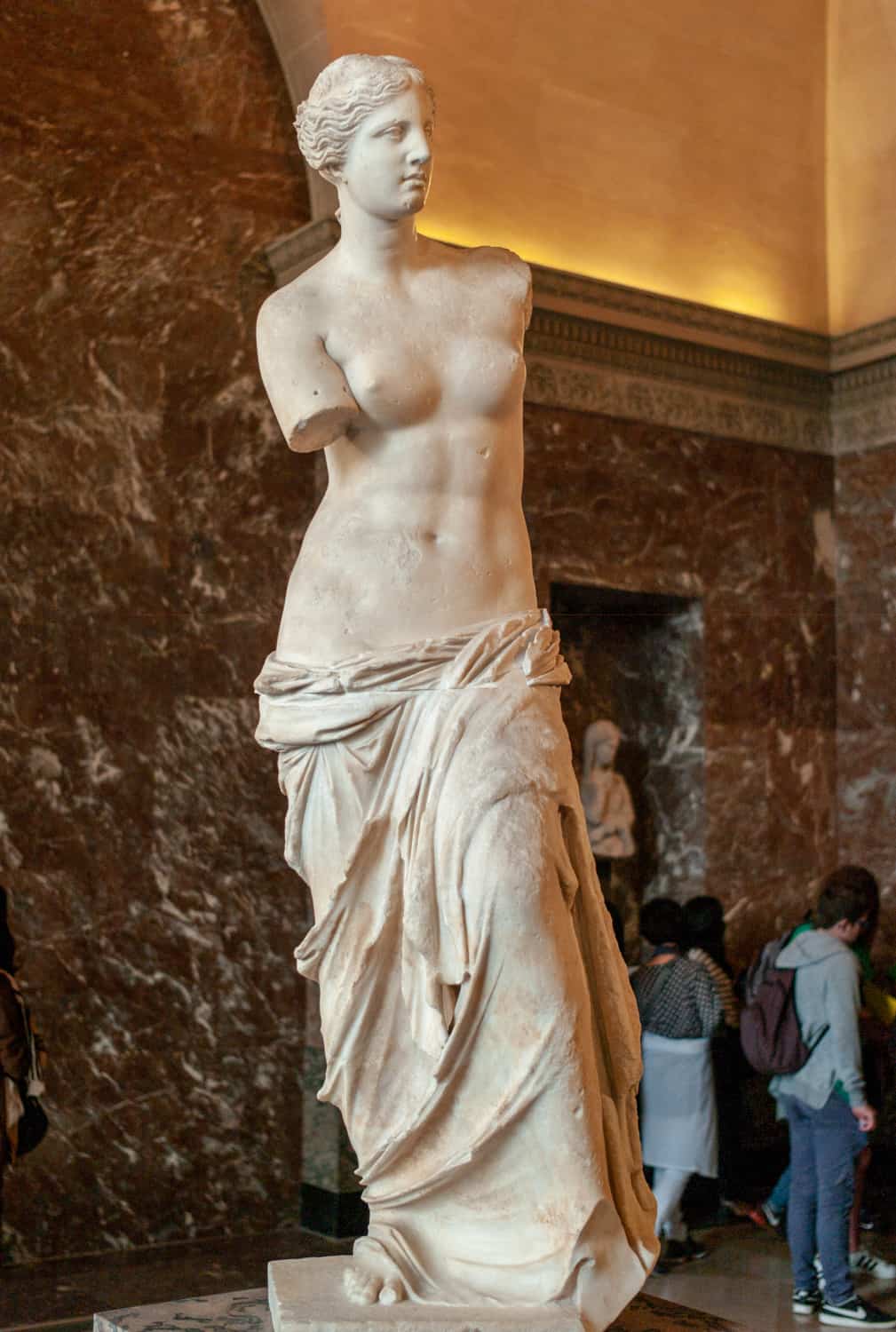
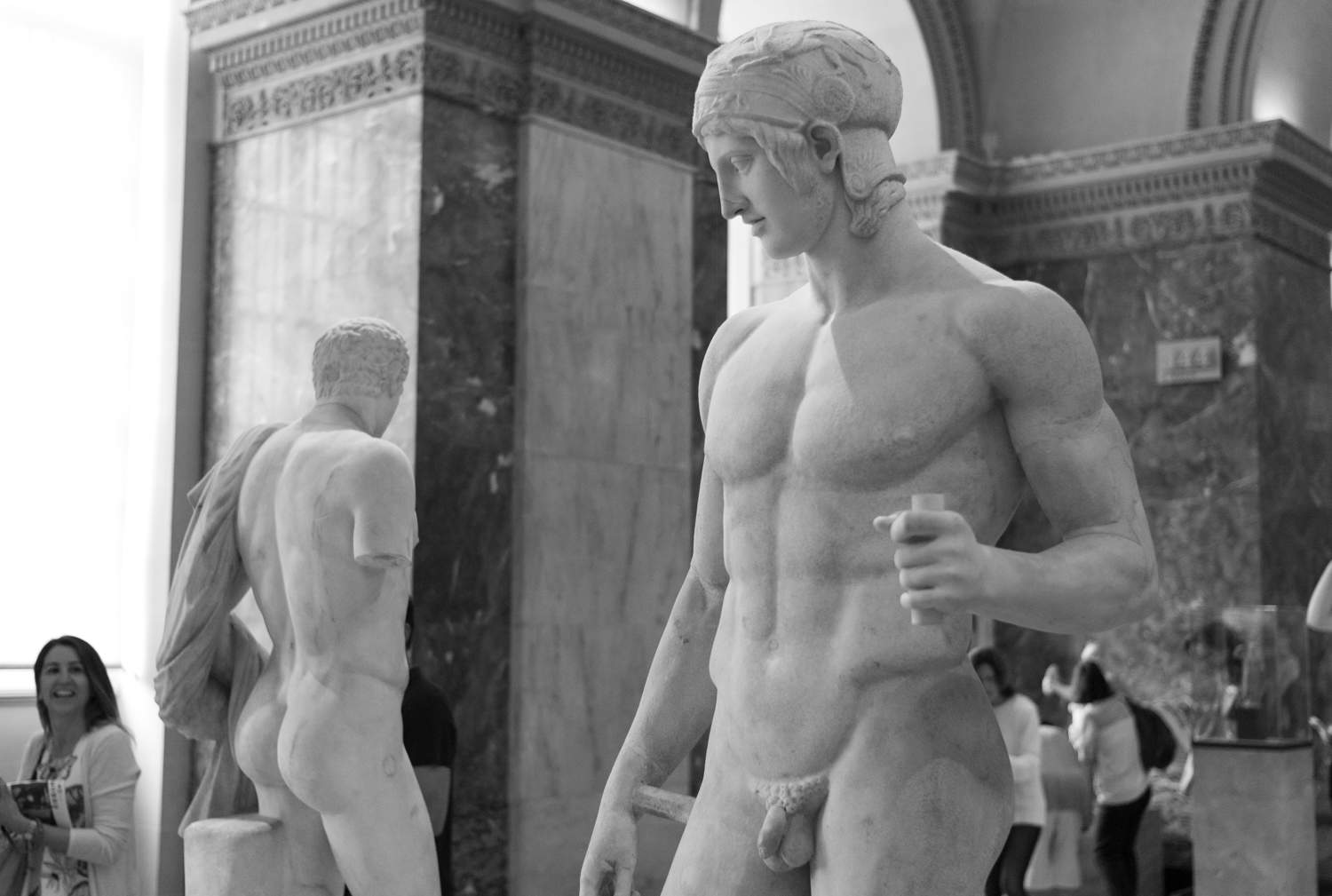
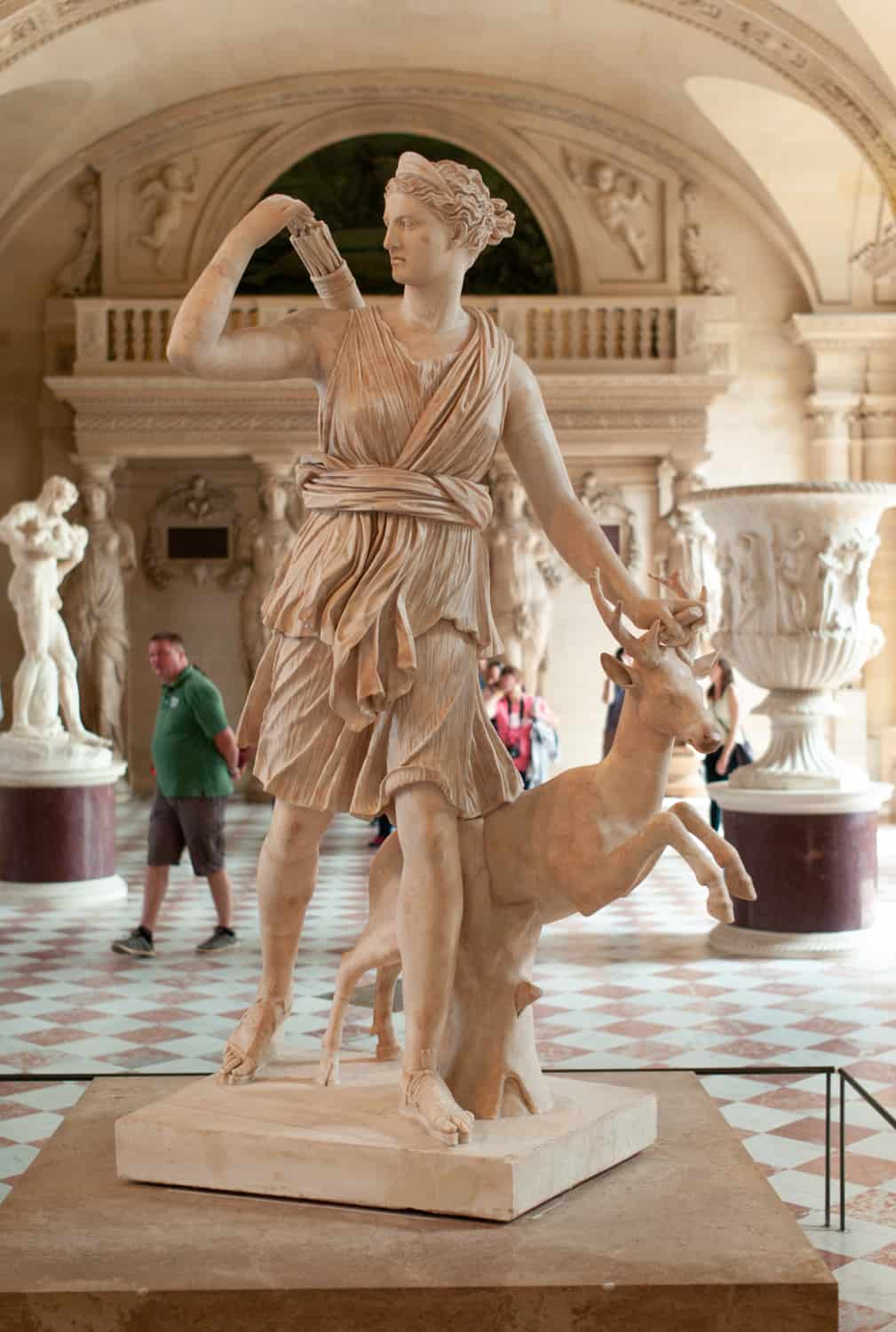
Yes, we saw the Mona Lisa, but my personal favourite was Venus de Milo.

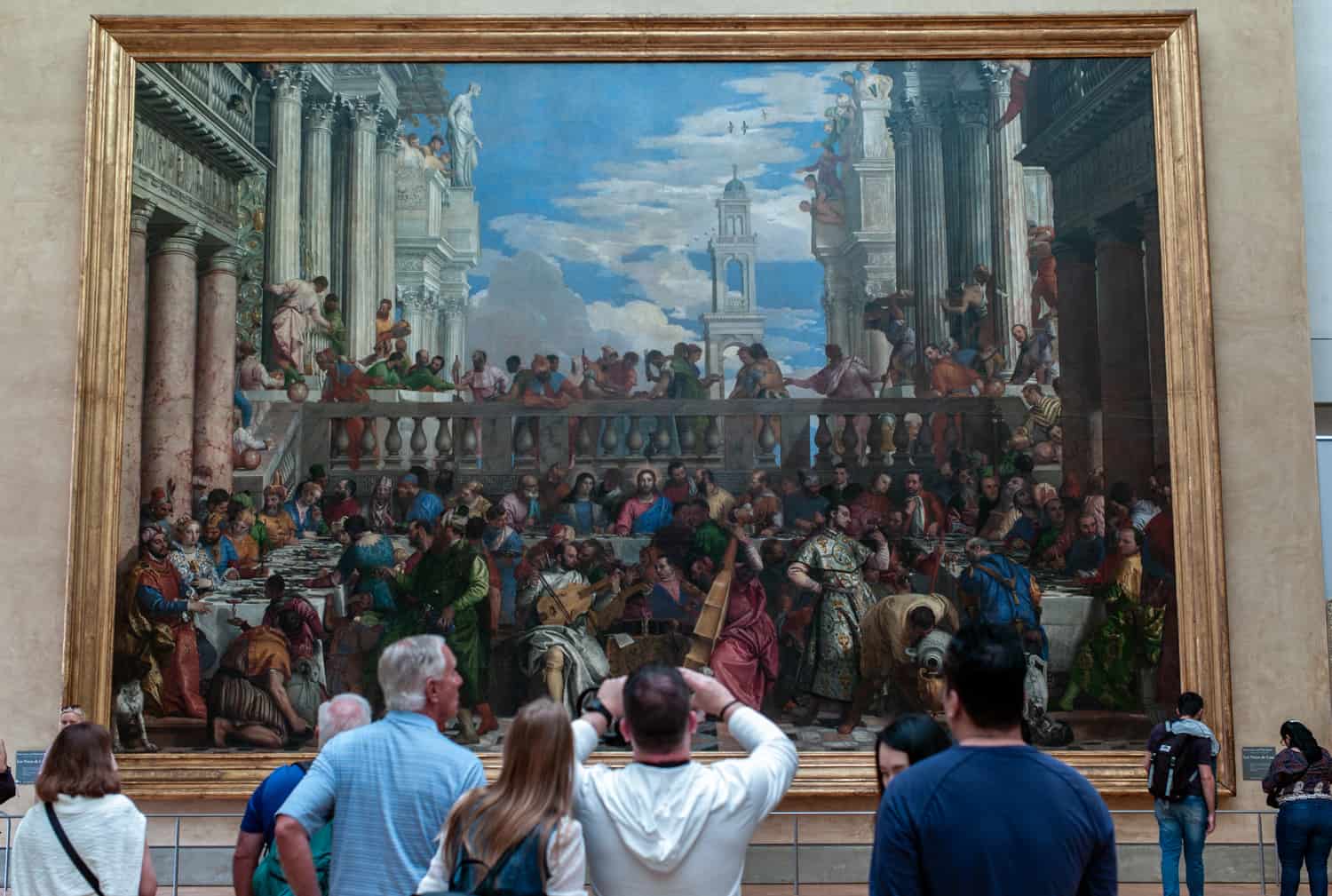
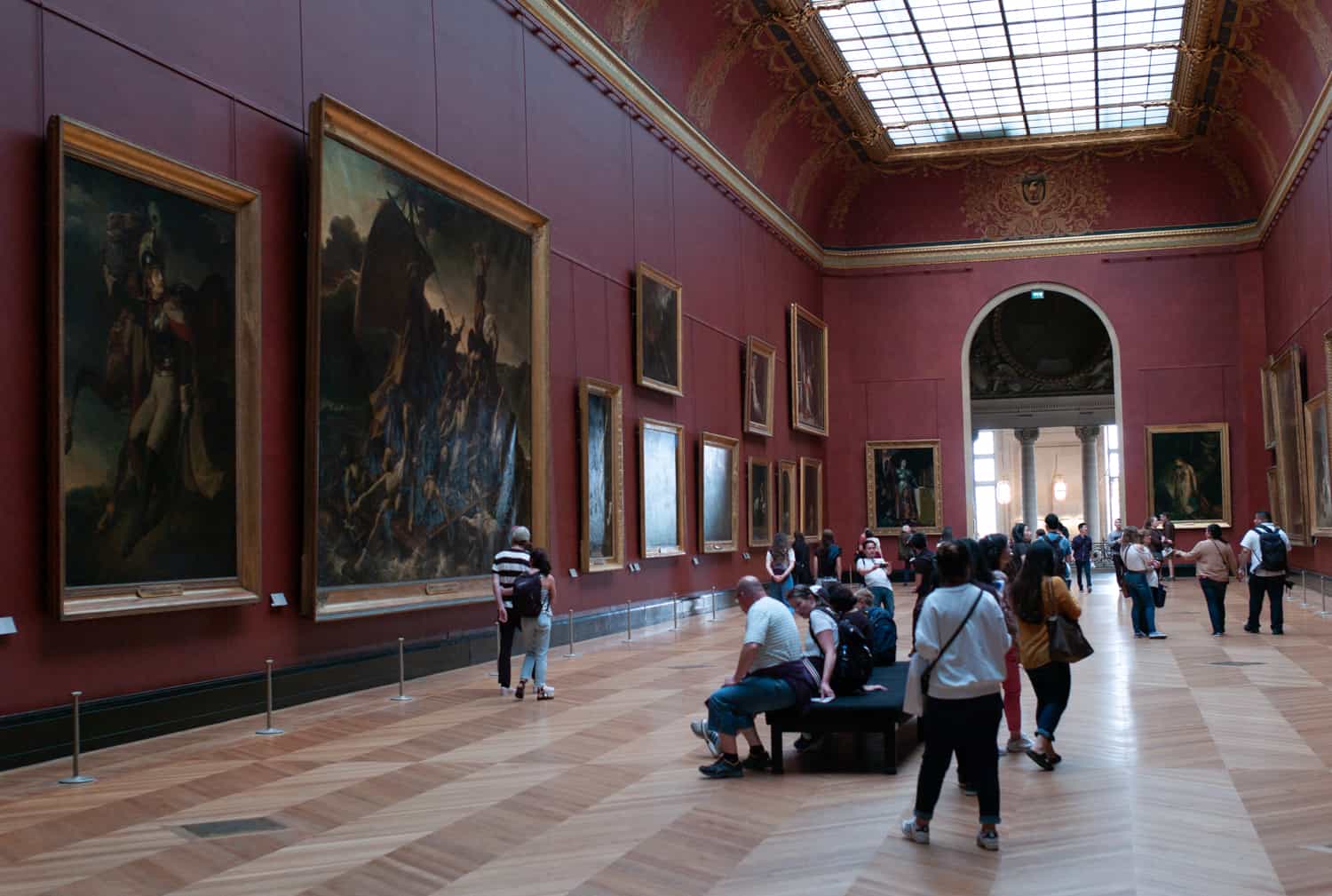
This is the painting that sits opposite the Mona Lisa. It’s Huuuuuuge. To get a sense of the scale, ignore the people in the foreground and focus on the people to the right, standing right next to the painting.
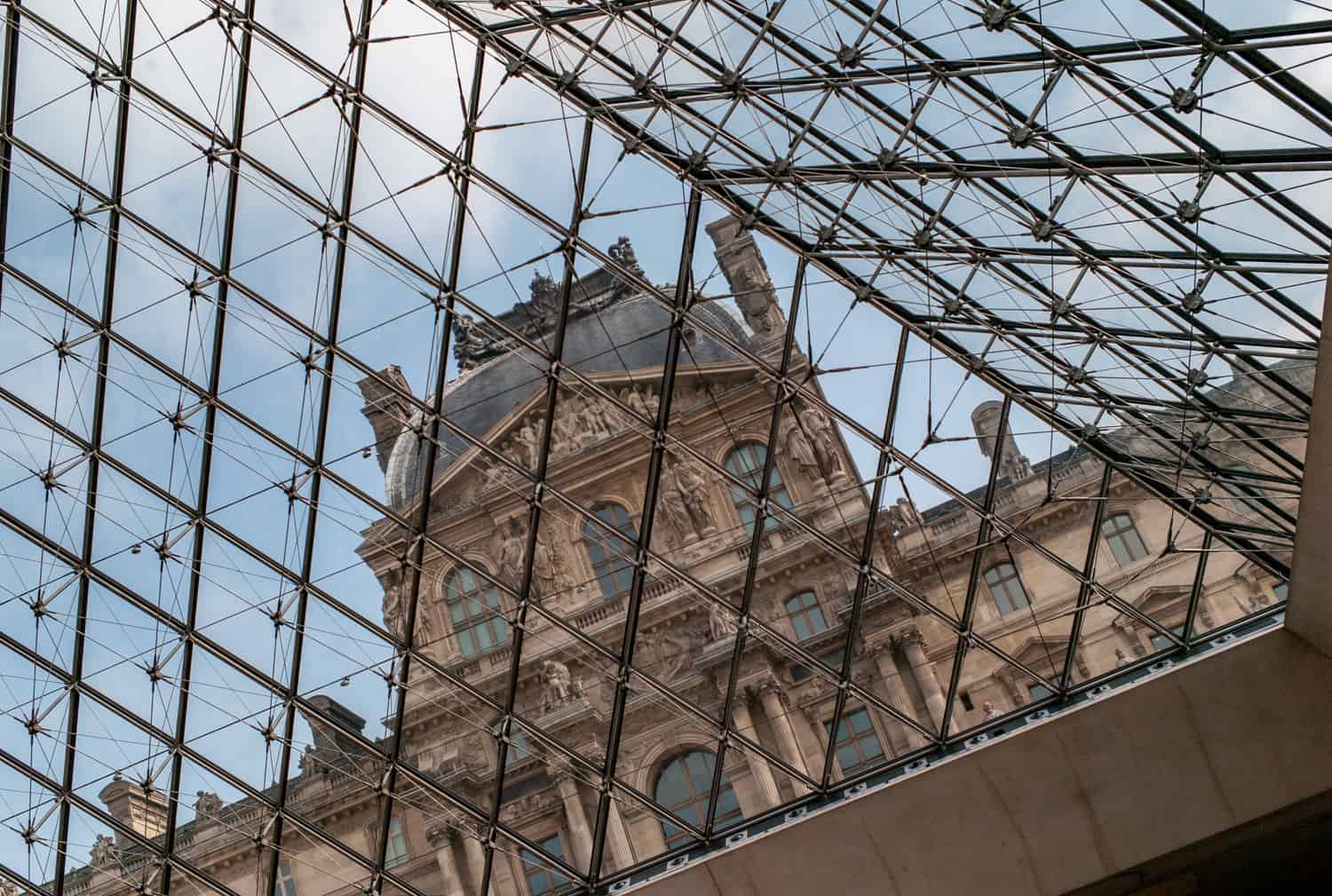
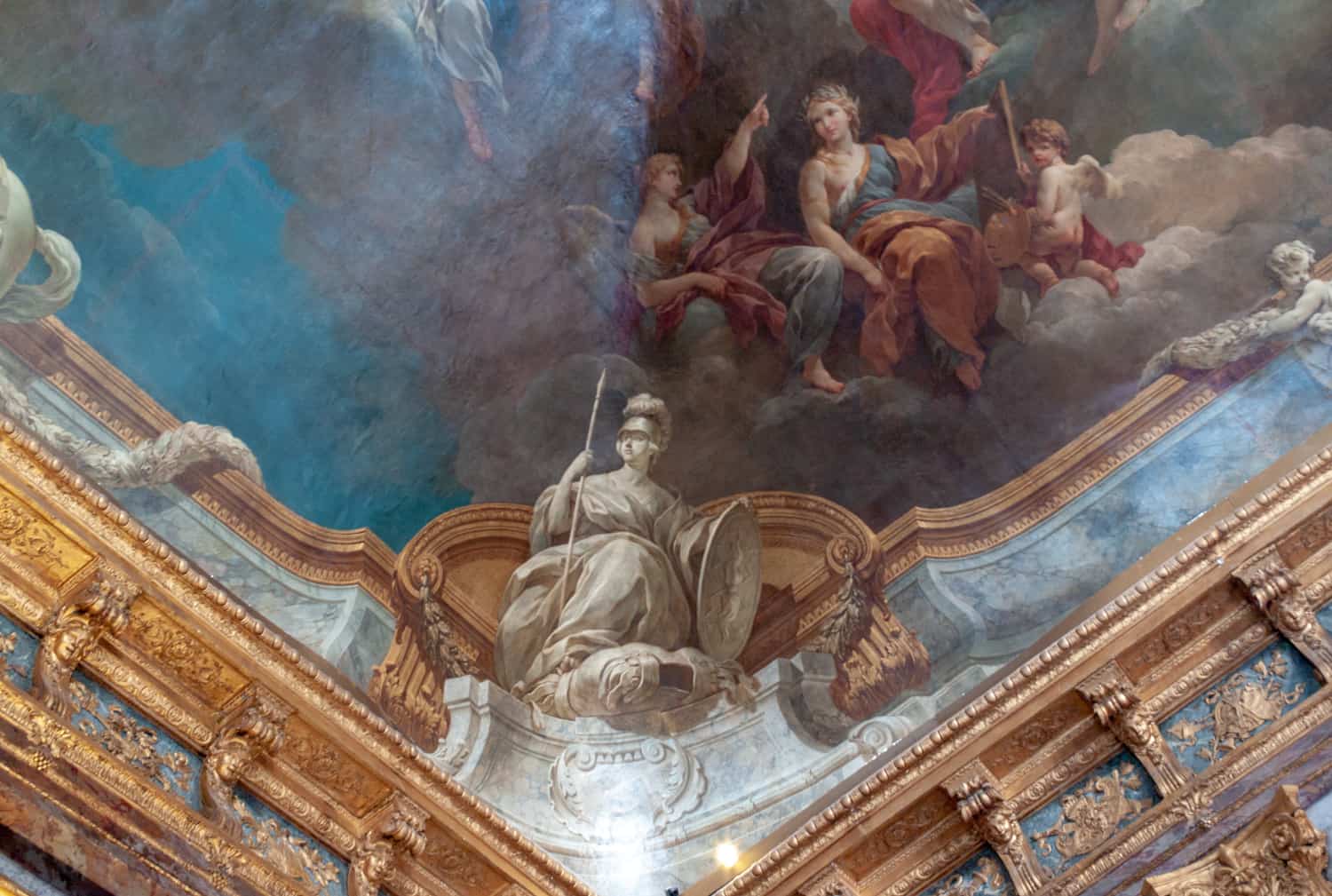
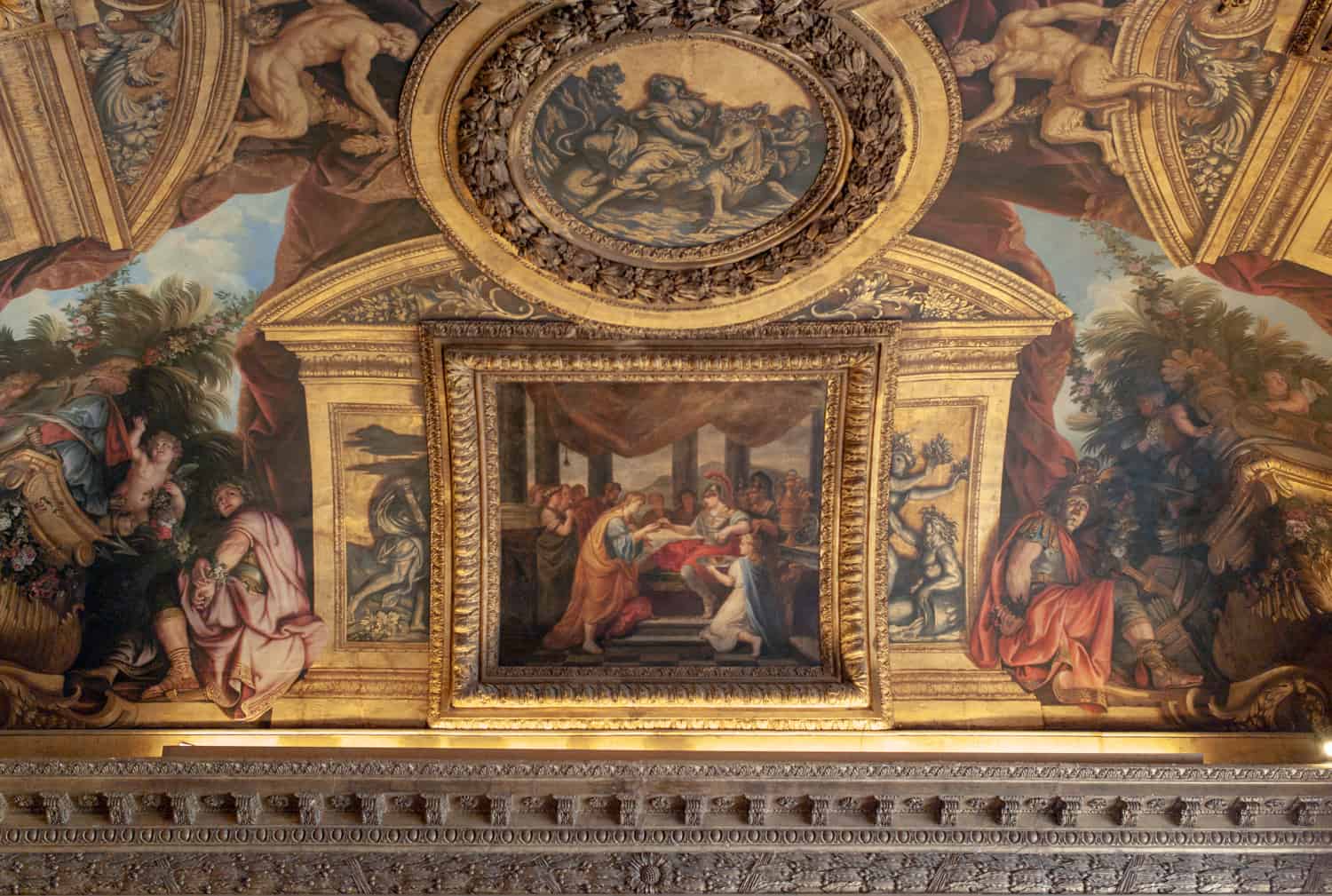
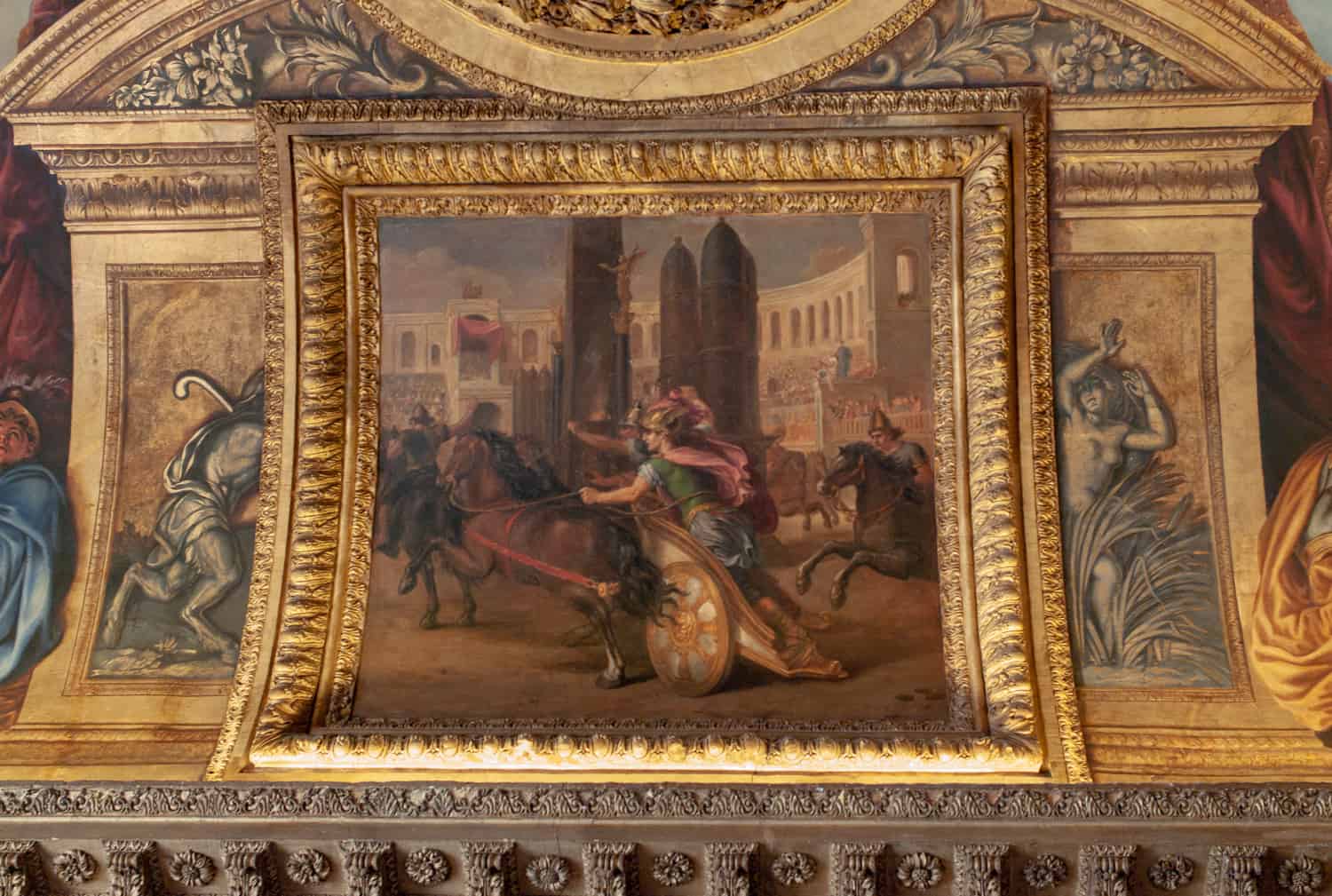
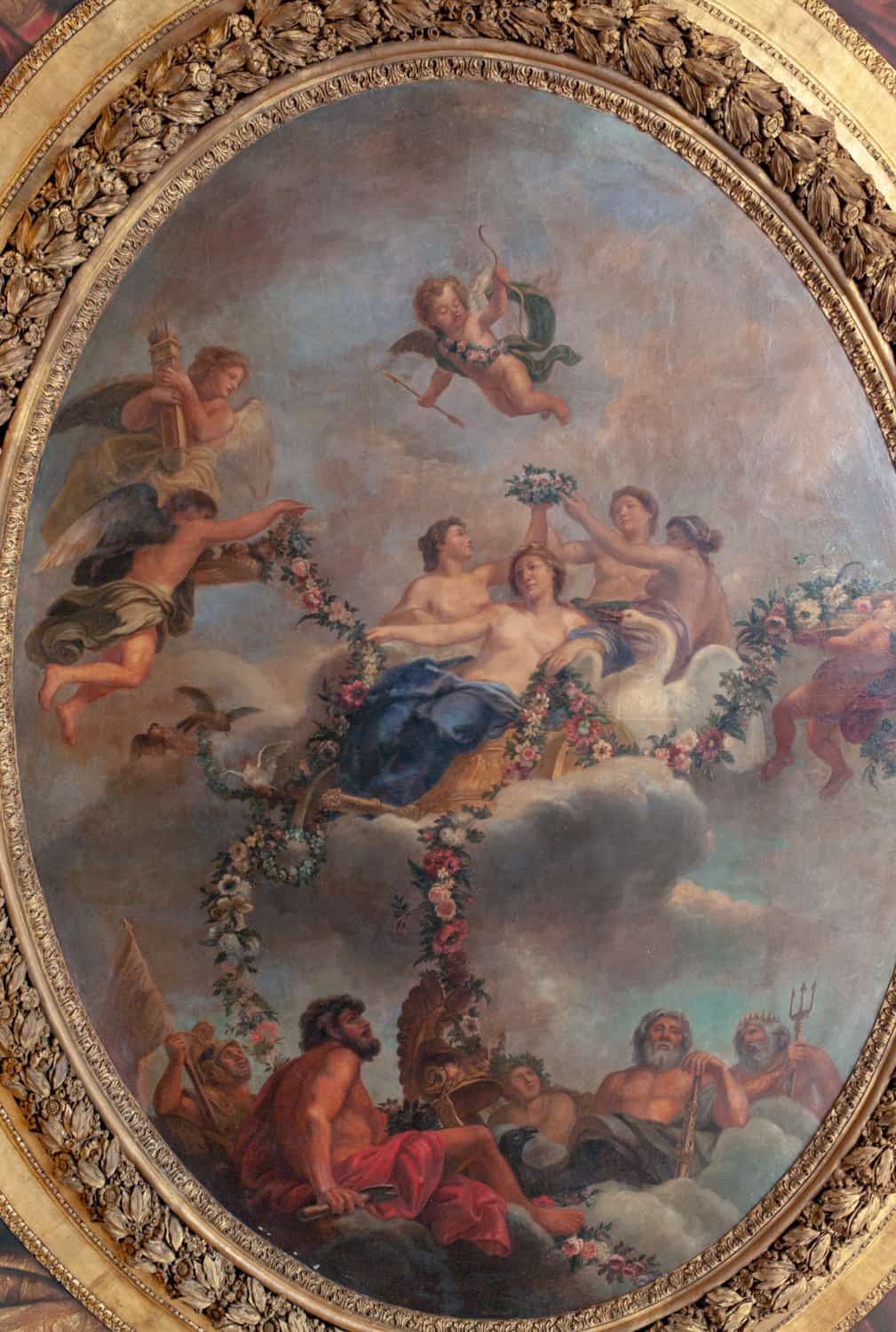
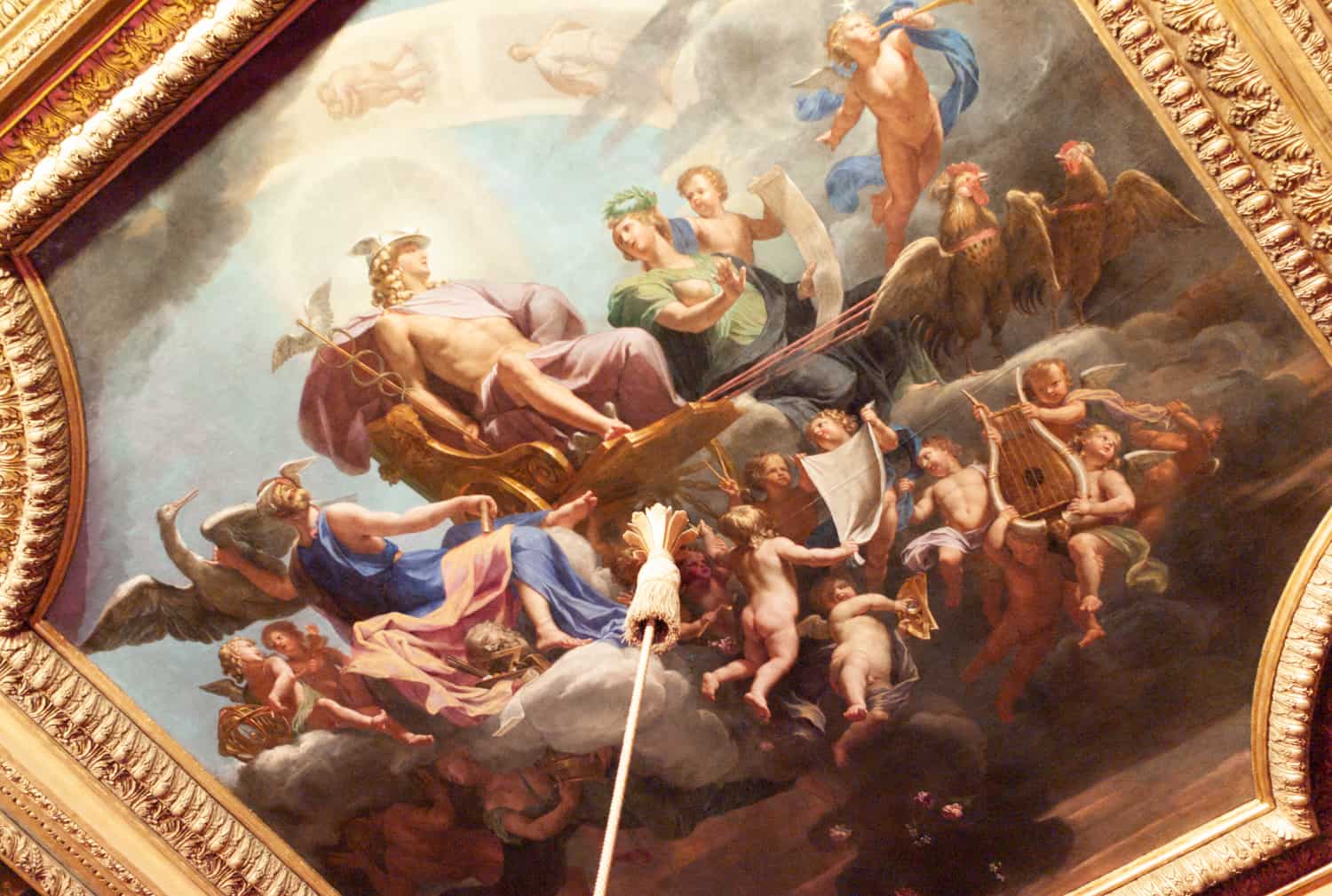
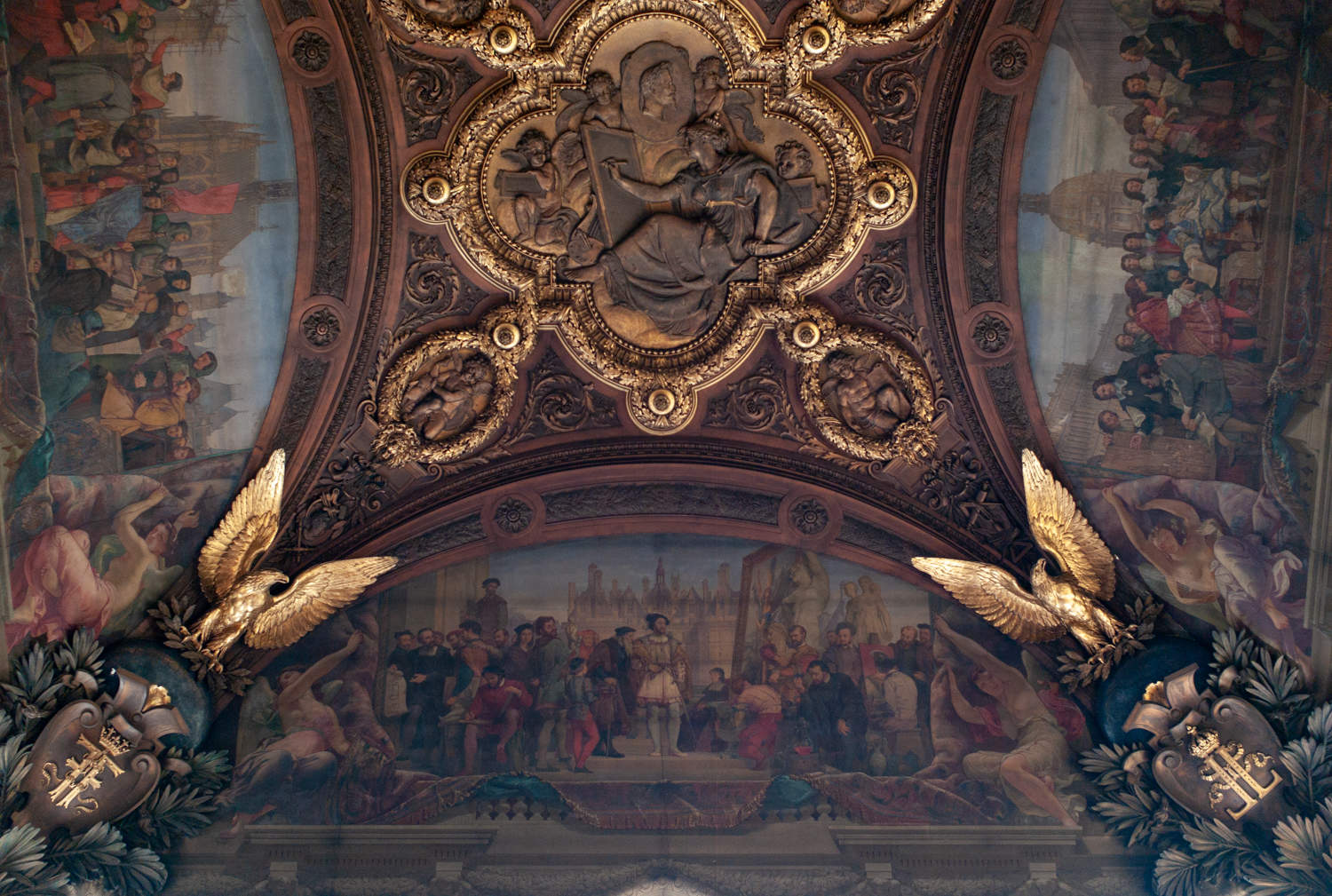
The first structures that make up the Louvre we know today were built in the 1100’s and were part of the fortifications of Paris. The structure was expanded over the centuries and at one time, the Louvre was a royal palace. To get a proper sense of this palatial history, look up at the ceilings:
——

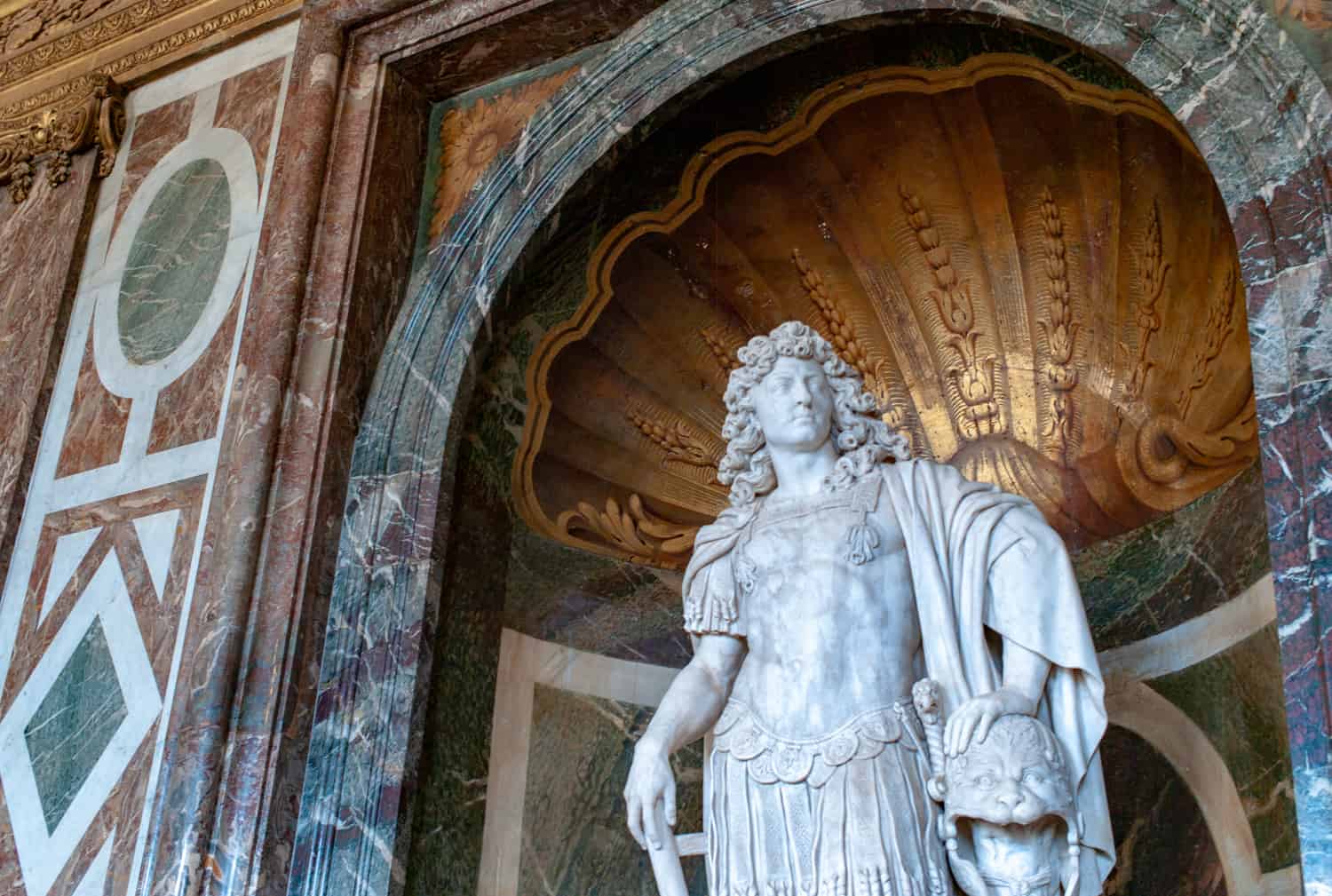
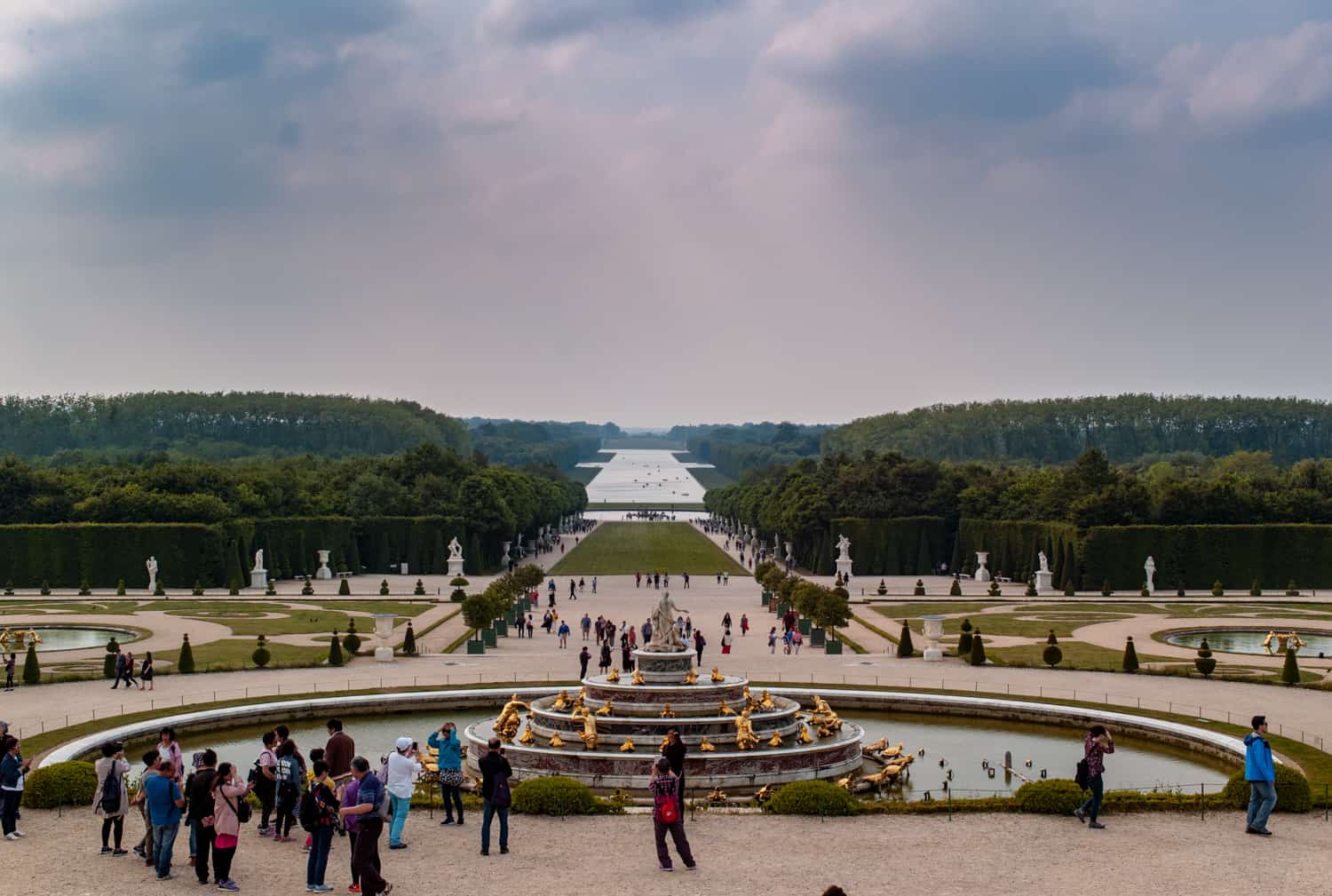
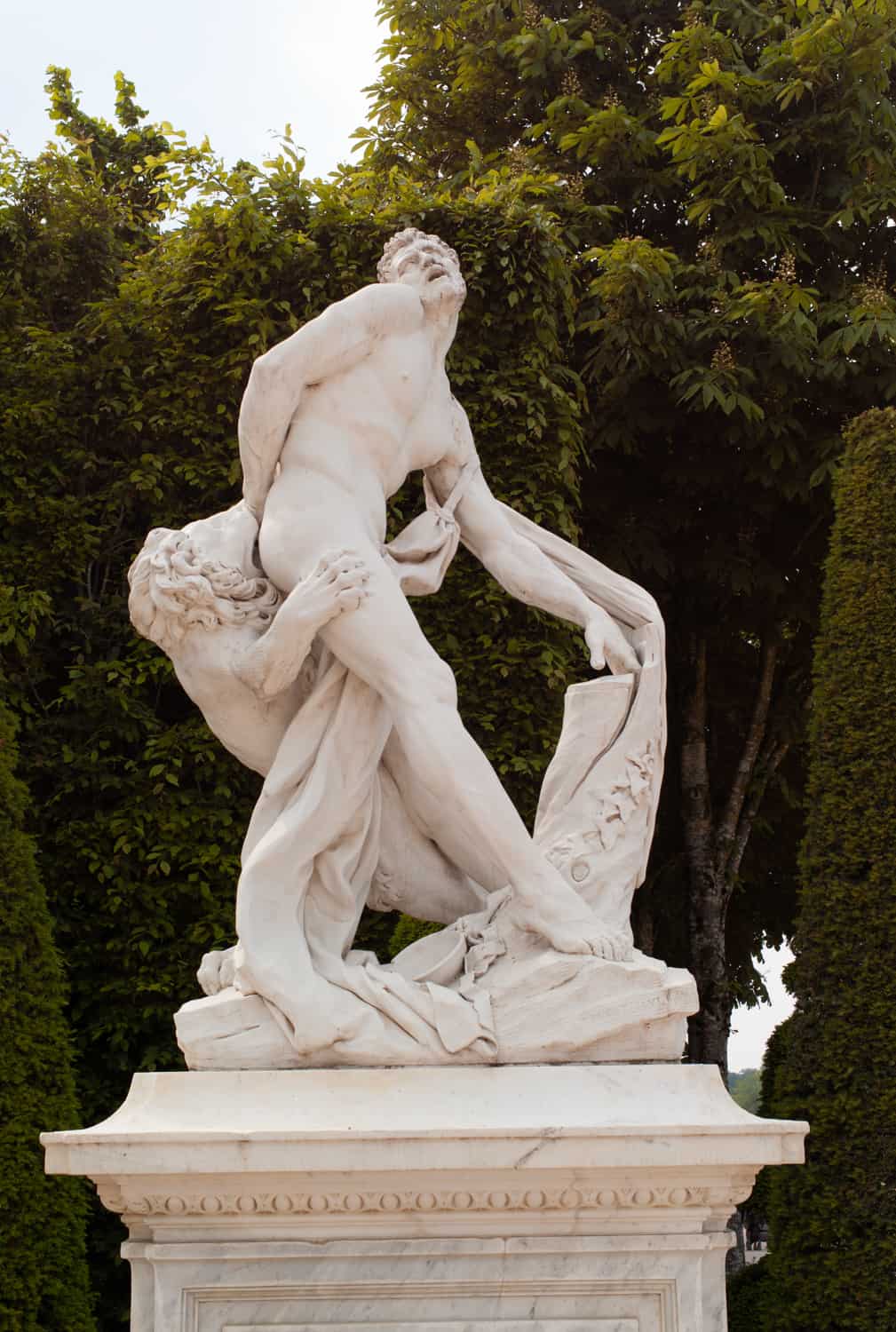
The Palace of Versailles

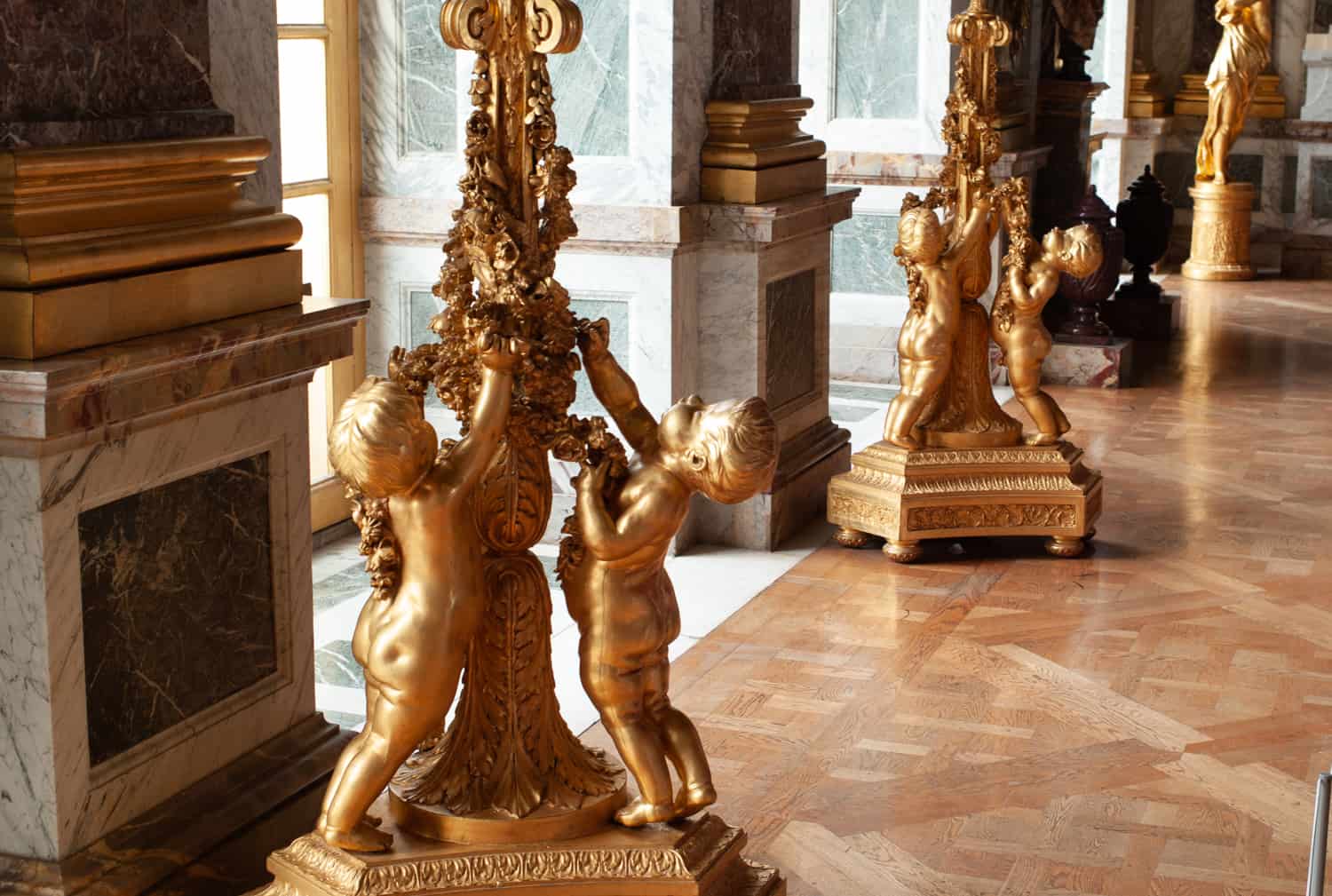
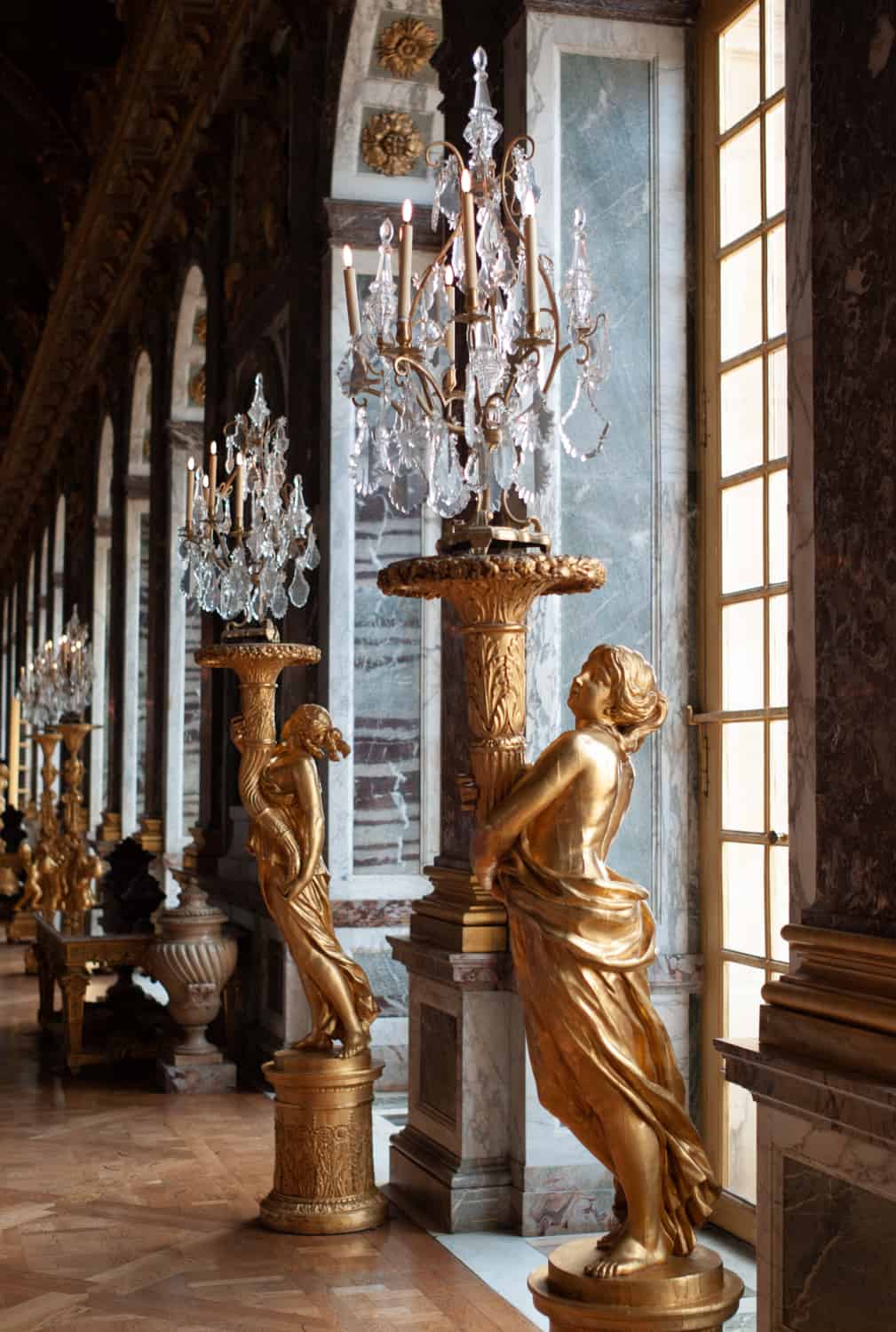
If you want a reason for the French Revolution in a nutshell, take a look at the Palace of Versailles. While the country at large was struggling, its people hungry, the royals were spending the modern equivalent of over $2Billion USD (bear in mind that 1600-era economies weren’t particularly large) on an indulgence.
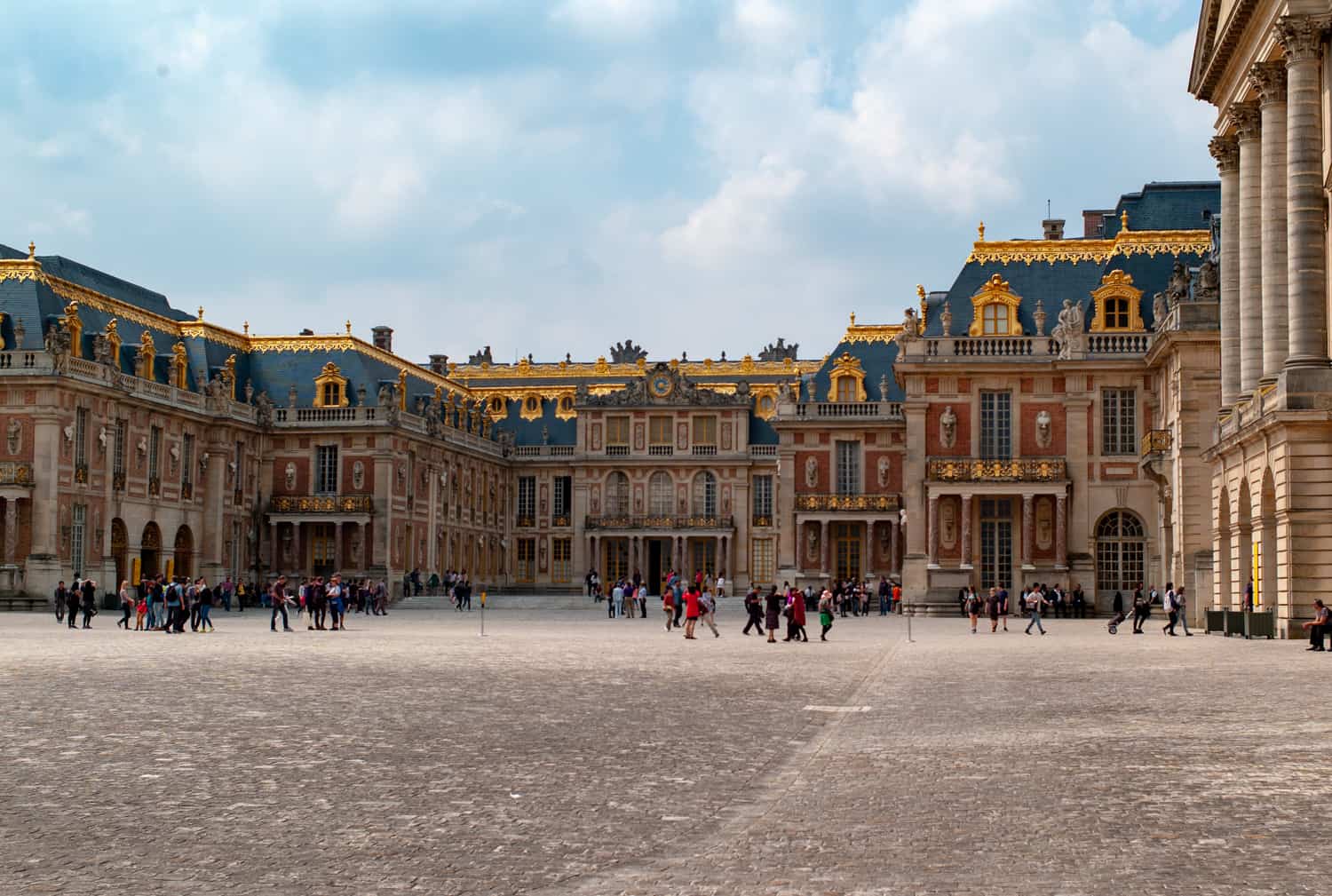
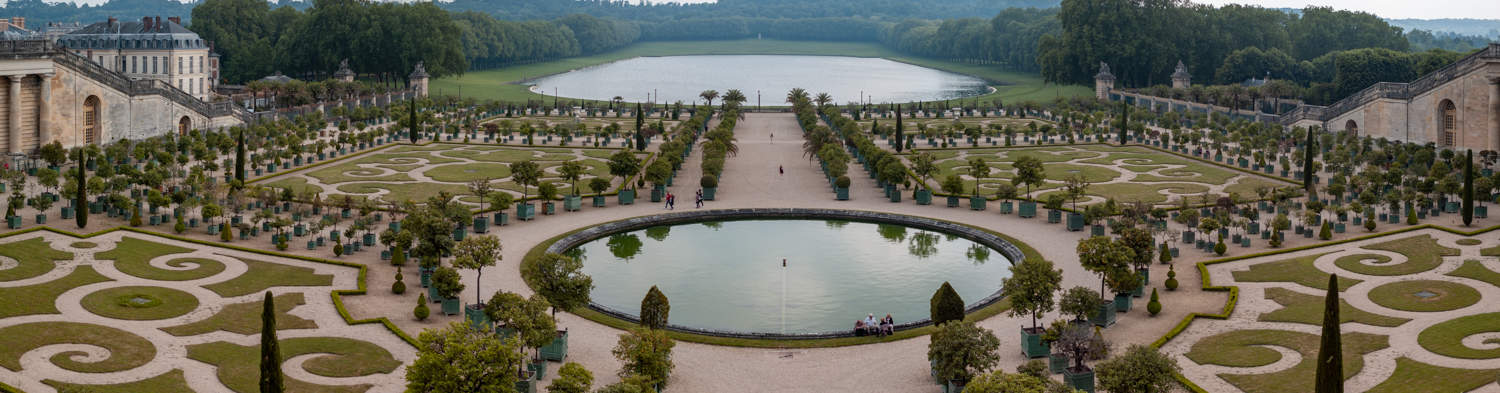
The Palace of Versailles started life in the early 1600’s as a hunting lodge but the ascension of Louis XIV to the throne saw it transformed into the sprawling, opulent estate we see today. It was so opulent, in fact, that Louis pretty much refused to leave and made it the seat of the French monarchy and government in 1682, providing rooms for his 3000 most loved courtiers at the palace and 17,000 more in the village of Versailles.

Subsequent additions by Louis XV and Louis XVI made it even more luxurious but all that came to a sudden end in 1789 with the beginning of the French Revolution. The Palace was emptied of its furnishings, though thankfully, it wasn’t destroyed.

While once a statement of greed and indulgence, the Palace of Versailles is now one of the republic’s great ambassadors. It stands as a monument to that particularly French commitment to doing things in very grand style.

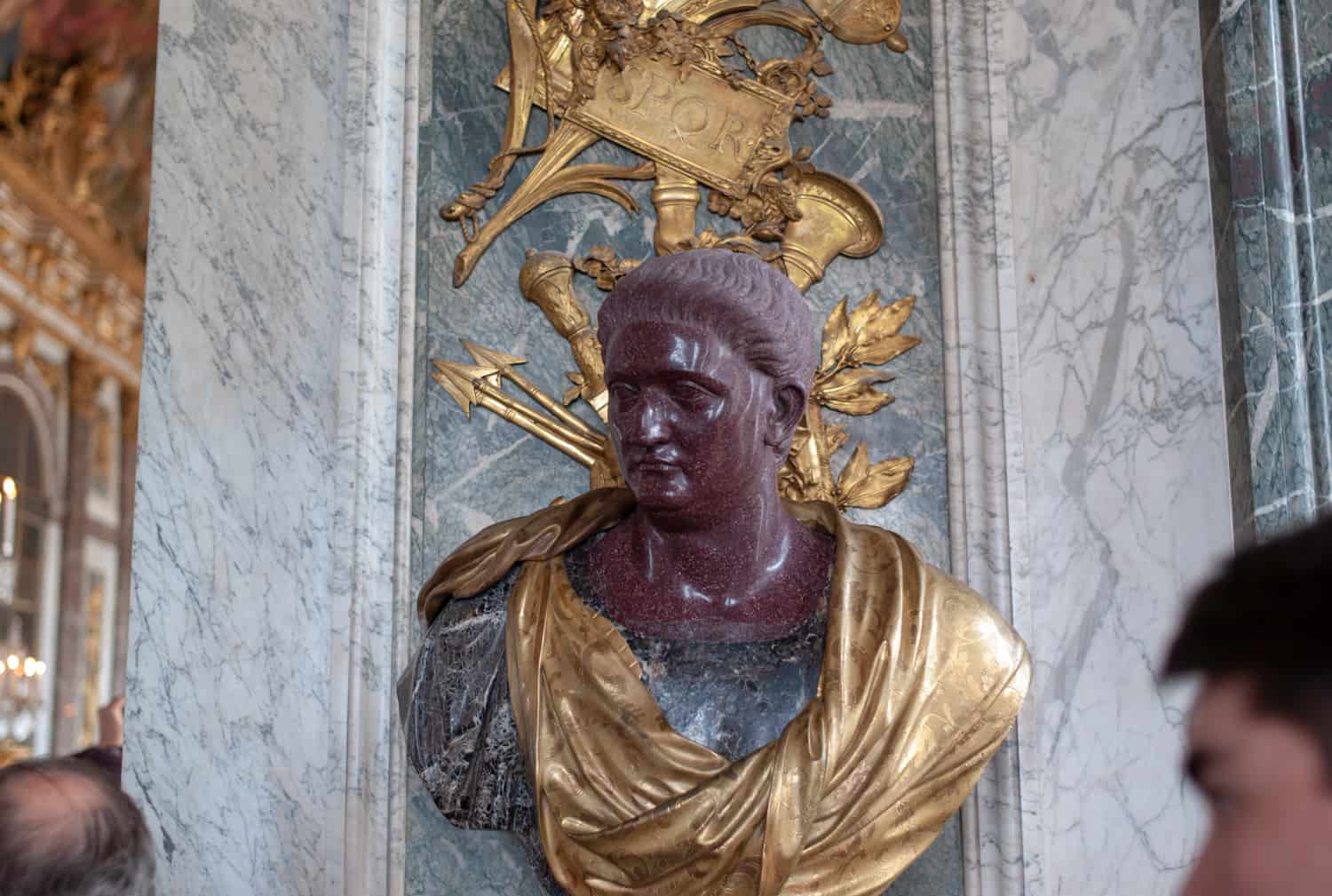
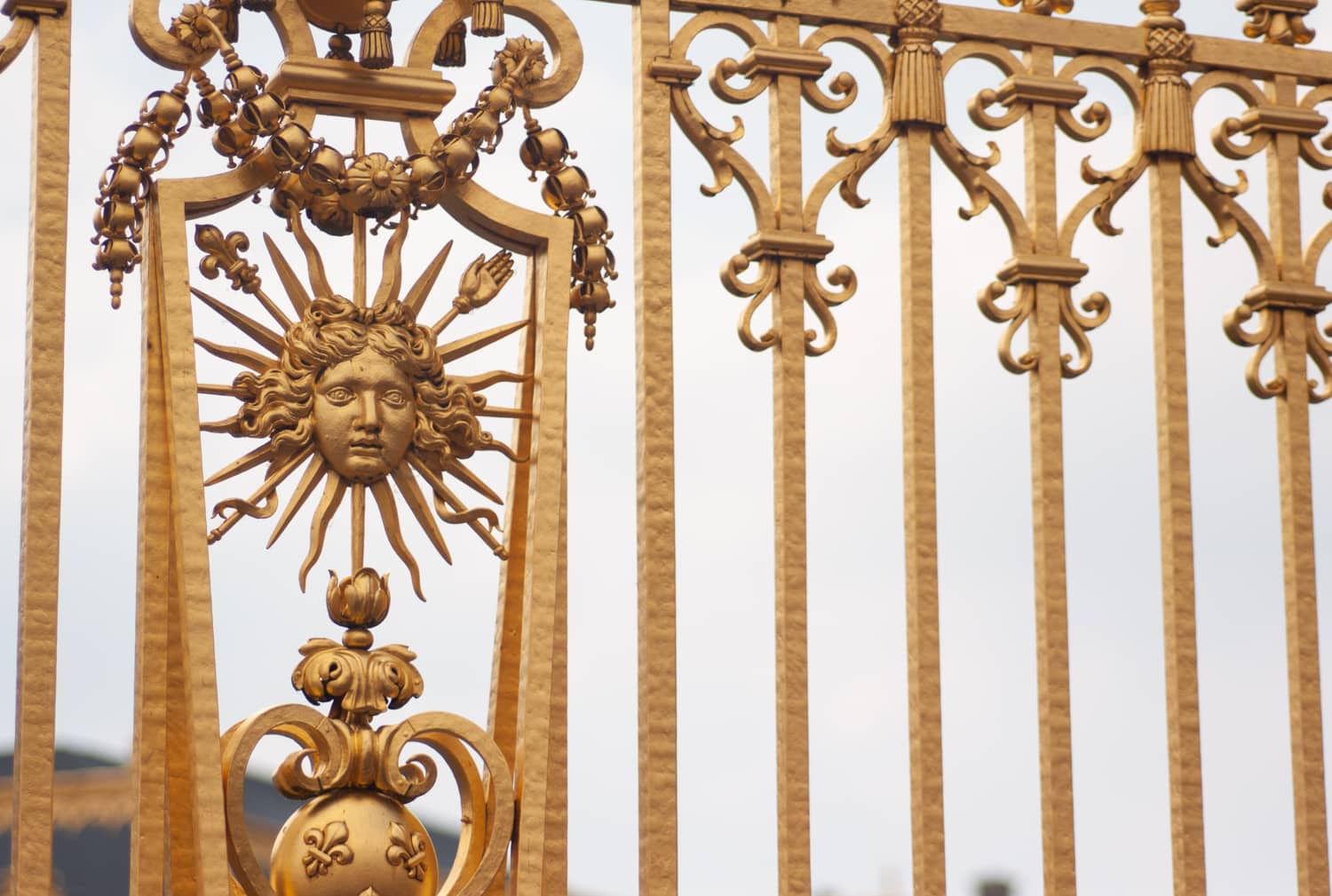
As it says on one of its buildings – “For all the glories of France”
——

All the photos above were taken with the Leica M8.2.

Lenses used were a 35mm Summicron f2 and an old 90mm Tele-Elmarit f2.8.

The minimal processing that was done (light and contrast mostly, very minimal colour processing in order to preserve the unique nature of the CCD sensor) was done in Lightroom. This includes all the black and white conversions.
Photography in Scotland – Glencoe and Isle of Skye

April 2018.

As I’ve immersed myself more in the world of photography, I’ve developed the typical photographer’s bucket list of places to visit. The lake district in England, the peak district, the Dolomites in Italy, Iceland, Paris, Yosemite, Zion and many more – including Scotland.

This trip was part vacation and part self-examination. Could I get to one of the world’s photographic hotspots, camera(s) in hand, and not make an idiot of myself?

I flew into Edinburgh, picked up a hire car (Audi A1 S-Line – uninspiring but quite competent, even fun when pushed) and headed for the hills. It wasn’t my first time in Scotland, but it was my first time outside of Edinburgh. A friend had raved about Skye (well, about Scotland in general, really) and given its popularity as a photographic destination, I figured it OK to kill two birds with one stone – find some of the Scottish magic I’d heard so much about and take pictures of it.

Did I meet my goals?

Yes.

Scotland definitely has an element of magic to it. It reminded me a lot of Tasmania, actually. There’s a certain hardiness and creativity about the people there, and a definite connection between those people and the land they live on.

Scotland is an astoundingly beautiful place, much more than I imagined. It’s rugged and delicate at the same time – a true feast for the eyes (thanks, PJ). Everywhere I went I was surrounded by majestic mountains, many still wearing their snowcaps – a remnant left behind by The Beast From The East.

It’s hard to take a bad picture in Scotland, to be honest, so I’m not sure how to judge the images I came away with. Suffice to say, though, that I’m pretty happy. Whatever people might think about the objective quality of the photos you’ll see below, the process of taking them and putting them together was thoroughly satisfying.

Scroll to the end for techy details, if you like.

And as always, click to enlarge. Best viewed on a big screen, I think.

Glencoe

The Glencoe Valley is full of chocolate-box landscapes. It’s as if a giant oil painting is unfolding before your eyes while you drive down the highway.

I spent two fantastic days driving and walking through the place. I stayed at Glencoe Cottages, choosing their budget option. It was OK for two nights, though it might have tested my resolve if I were to stay any longer. I splashed out for my four nights at Skye.

Enough talk. Let’s look at some pictures.

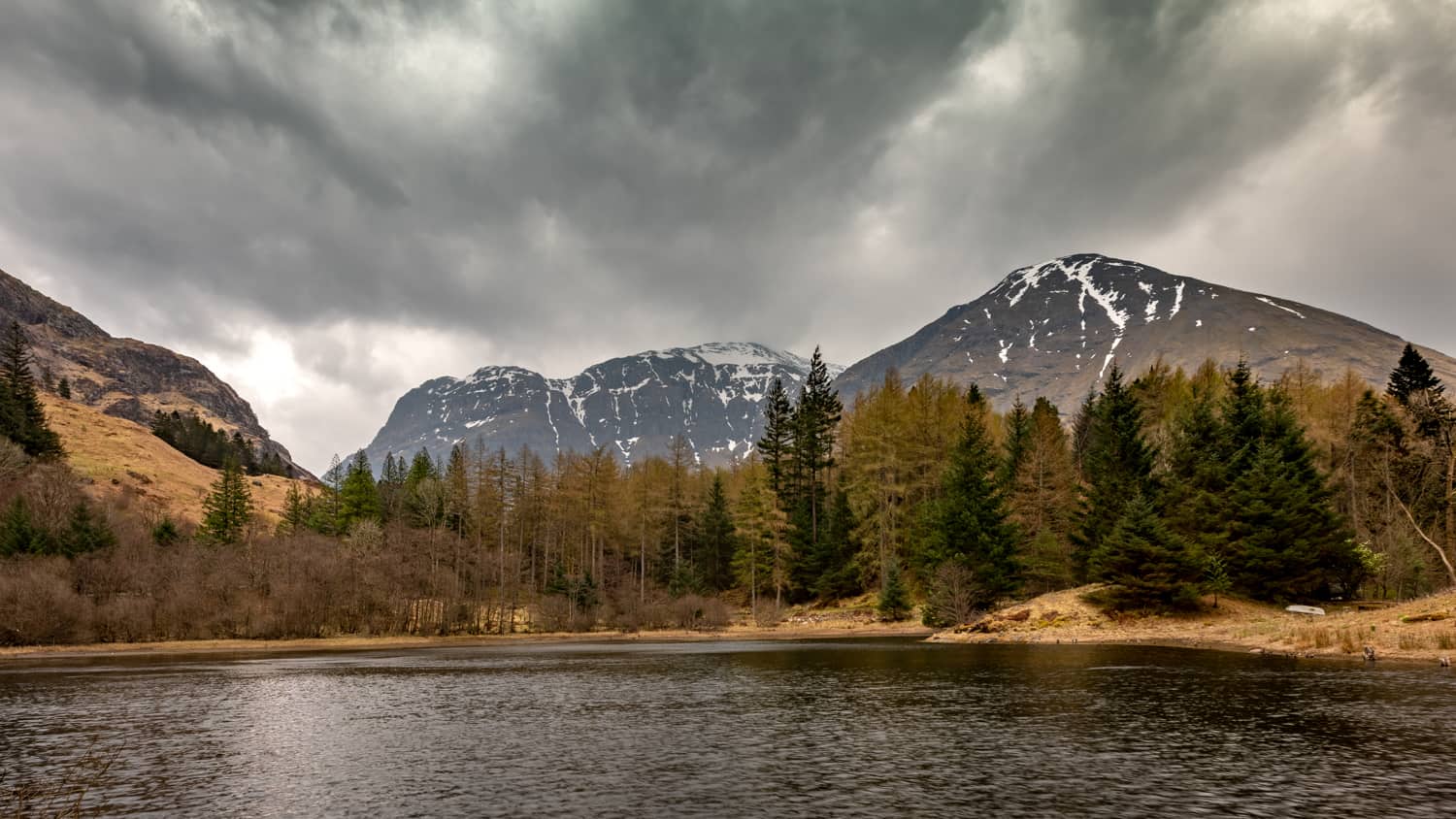
My first shot in Scotland. Glencoe Cottages has a small loch along their driveway so I didn’t even have to walk far for this one.

Get used to the moody, grey skies. You’ll see a lot of them in this section.

Nikon D810, 17-35mm, ISO64, f13, bracketed

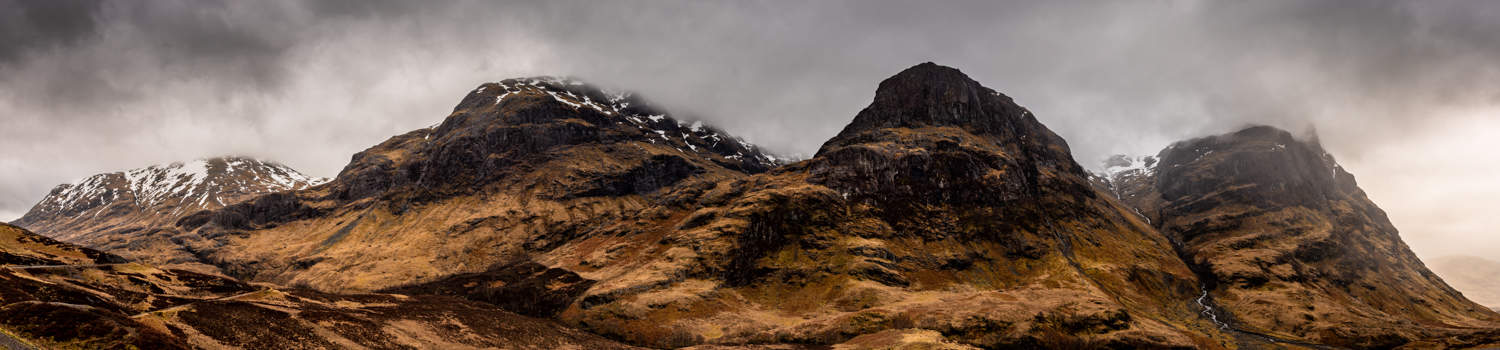
The image below is a panorama made up of five separate images. It’s massive – around 15,000px across.

The three mountains on the right are called the three sisters. I snuck another mountain in on the left and will hitherto refer to them as the Glencoe Beatles.

I plan on printing this one in large format for my living room.

Nikon D810, 24-70mm, ISO64, f10, panorama

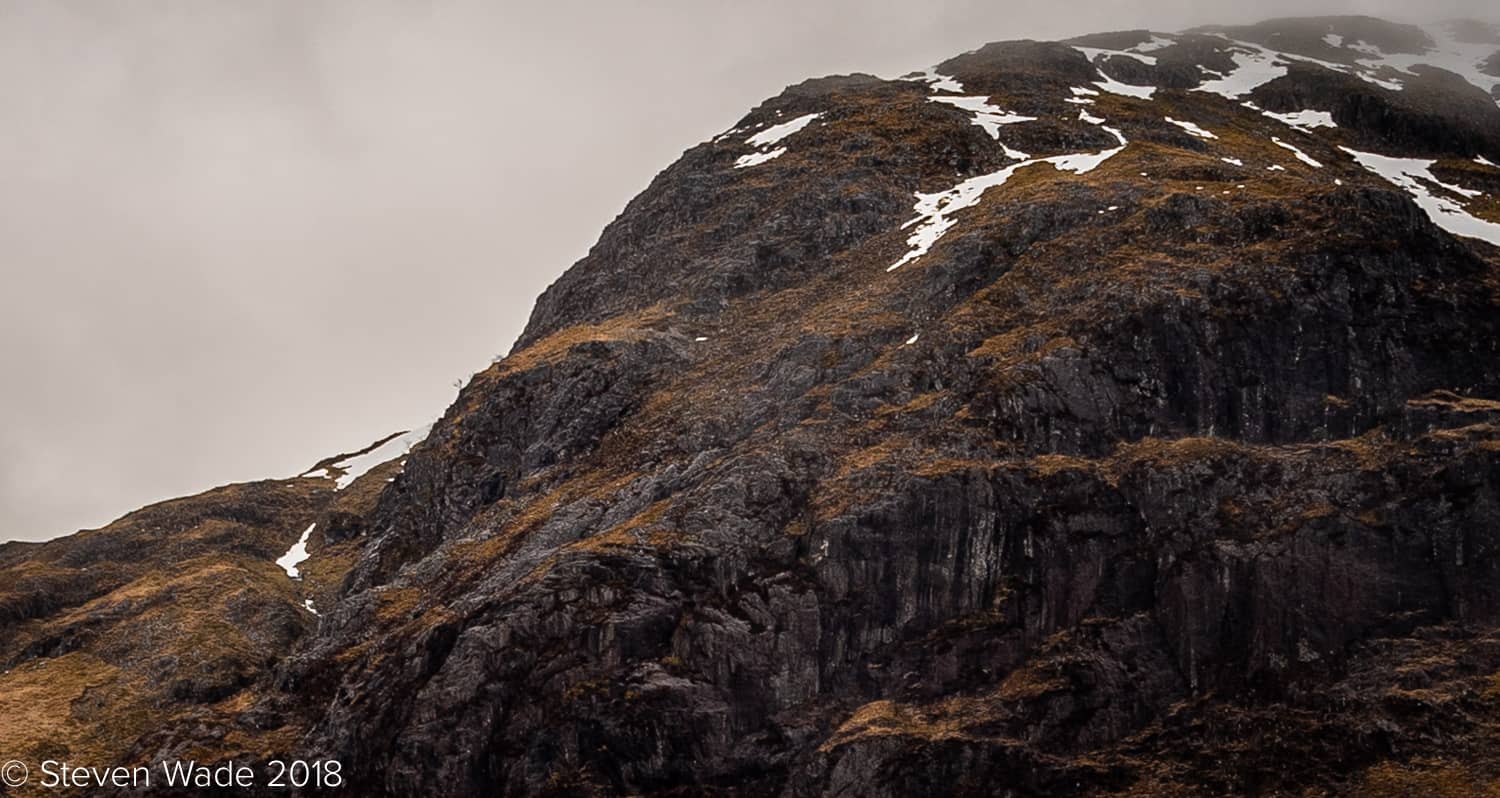
For those of you who like details, here’s a 1:1 crop from a section of the full-size image.

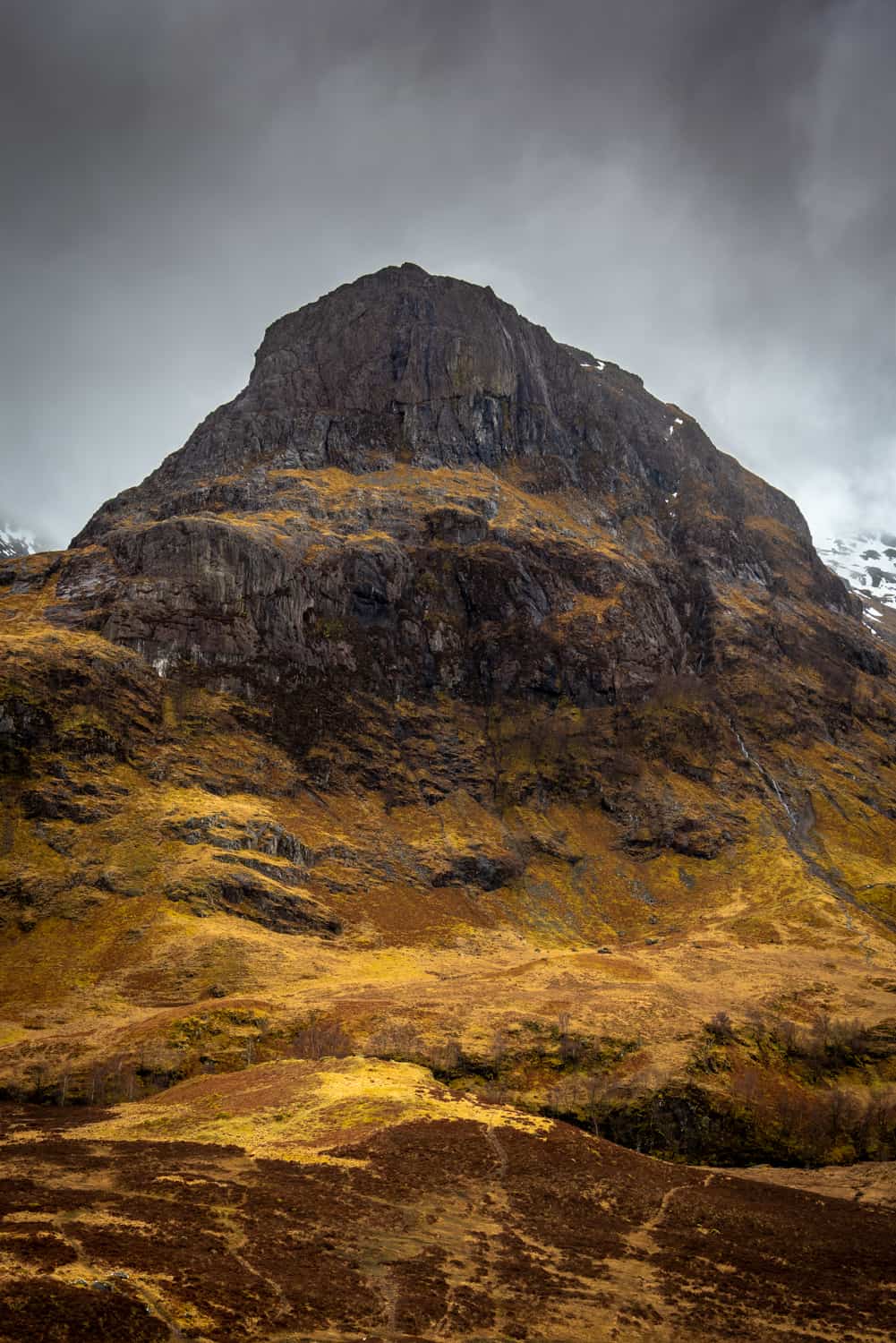
The mountain below is one of the three sisters on its own. To give it a sense of scale, I included the trees alongside the small S-shaped creek running across the bottom third of the frame. They might be hard to see at this size.

Nikon D810, 24-70mm, ISO64, f10, bracketed

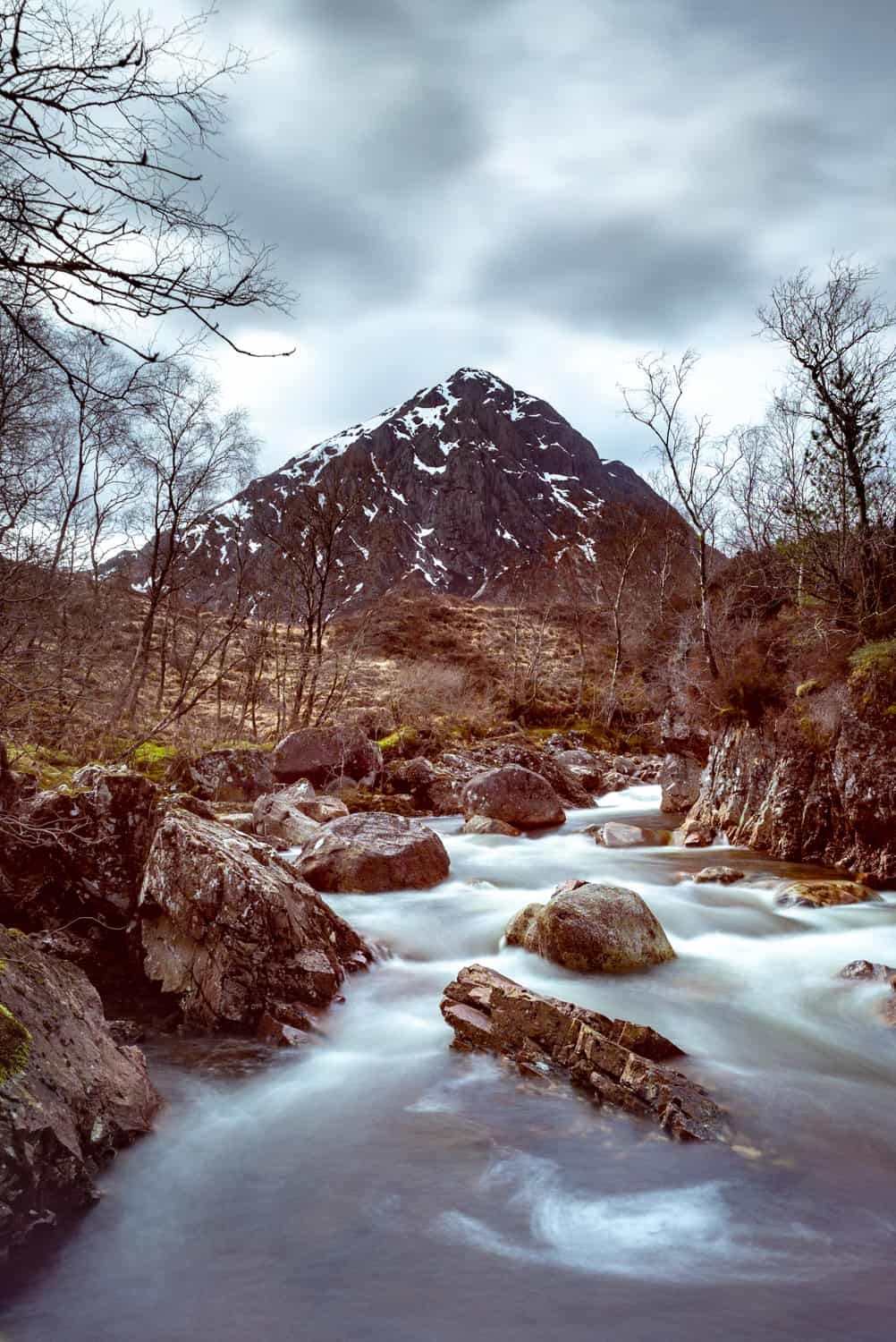
This shot was taken with a 10-stop ND filter (a ‘big stopper’, as they’re known), which gave me a 4-second exposure, smoothing out the water in the creek.

Leica M240, 21mm, f4, ISO 200, bracketed

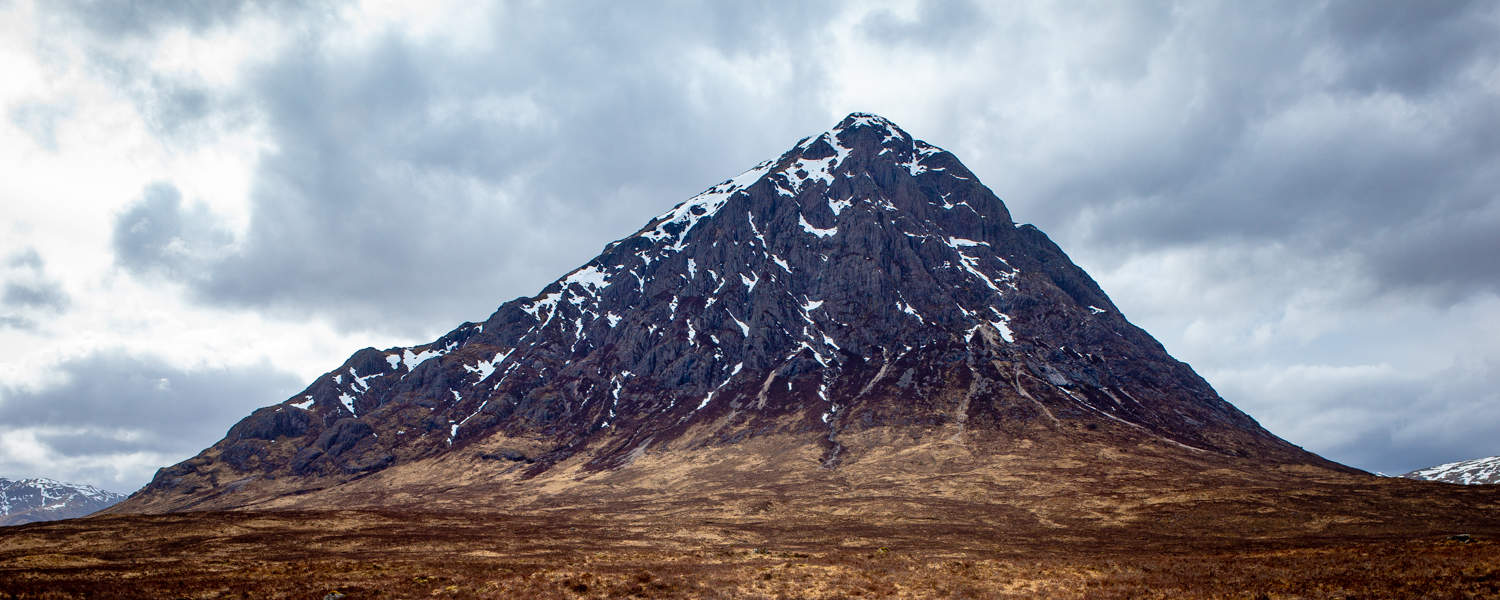
This is the same mountain from the previous shot, but on its own.

I love this image. It’s going “straight to the pool room”.

Leica M240, 21mm, f11, ISO 200, bracketed

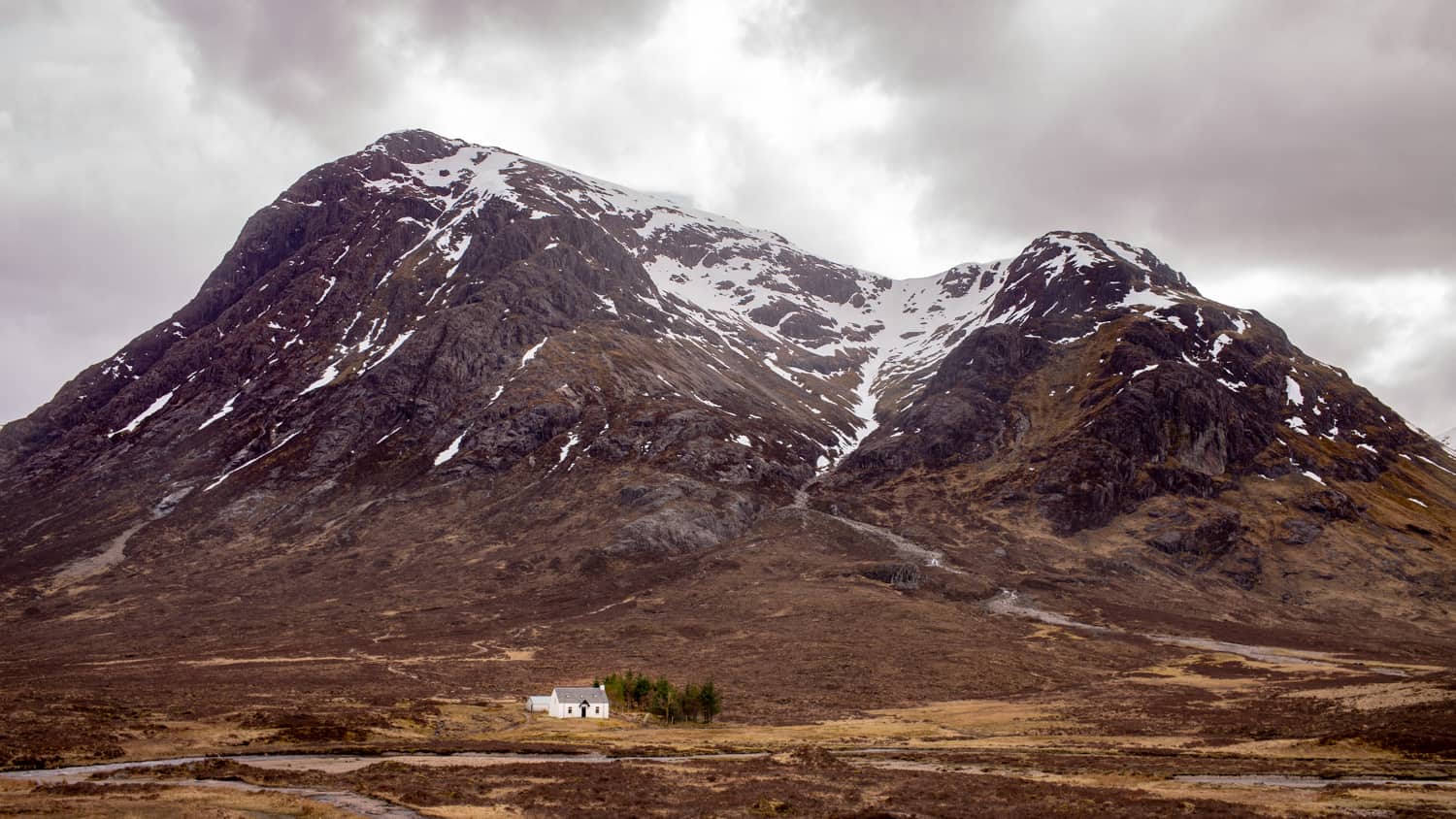
There are several small cottages at the foot of the mountains in Glencoe and yes, they’re occupied. What a place to live! Having the cottage in the foreground gives a real sense of scale.

Leica M240, 35mm, f13, ISO 200, bracketed

Glencoe is, by definition, the glen along the River Coe. I shot this near the village of Glencoe and I found it far more haunting in black and white.

Leica M240, 35mm, f8, ISO 200.

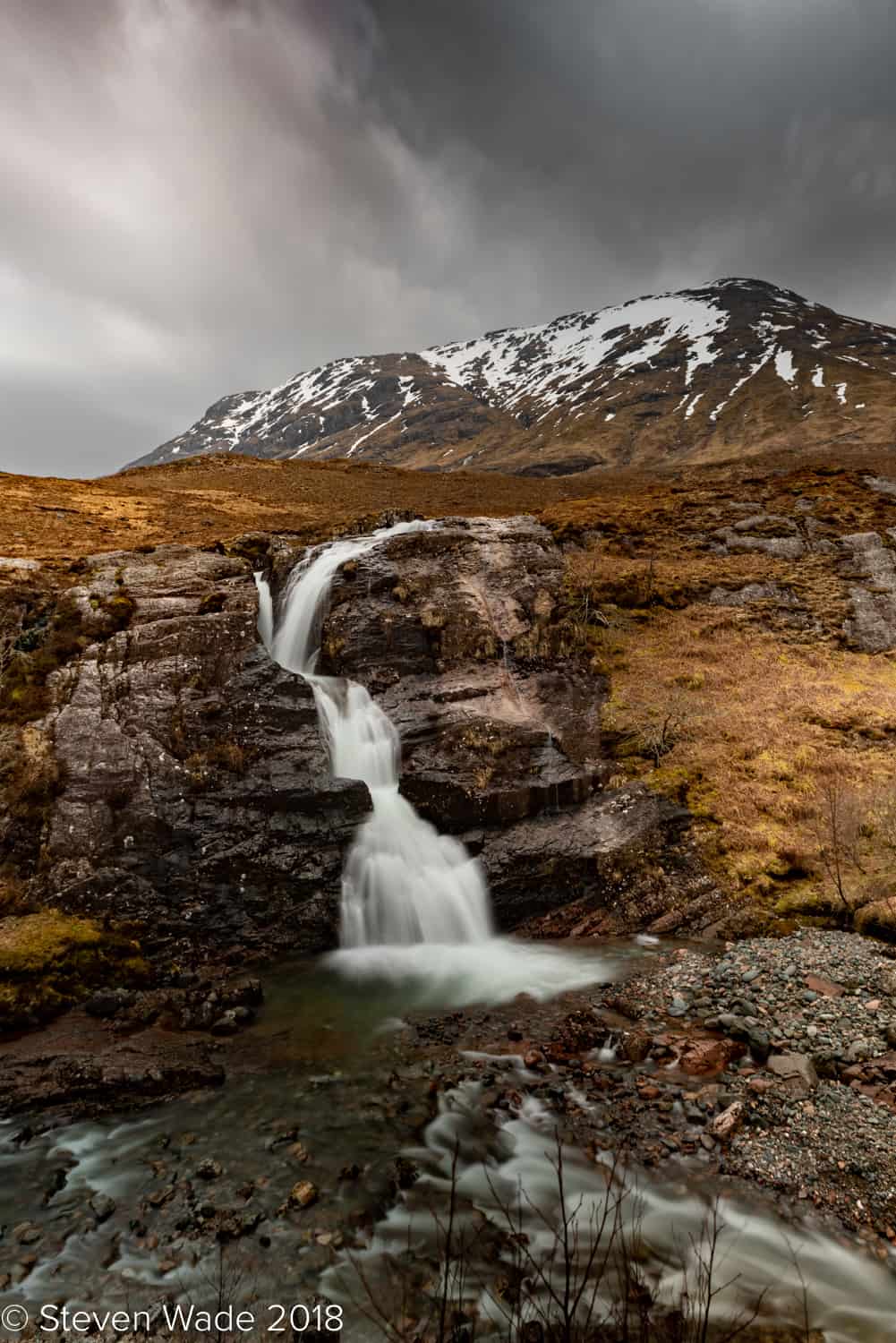
Another long-exposure…..

Nikon D810, 17-35mm, f8, ISO 64, bracketed.

Glencoe presents classic image after classic image, everywhere you look. The road to Glencoe does the same, as does the road between Glencoe and Skye. If I’d stopped to take every shot, I’d never have made it back to Sweden.

So, trying to maintain some discipline, I forced myself from the beauty of Glencoe
and made my way to……

——

The Isle of Skye

That I was driving past Glencoe to get to Skye was a massive bonus – Skye was the real reason for my trip.

I spent my evenings on the Isle of Skye at Hillstone Lodge and if you stay anywhere else when you visit Skye, you’re mad. Russell and Patrice have an outstanding home near Dunvegan and it was pure pleasure to stay with them for four nights (and no, I don’t know them, aside from being a paying guest at their place).

The Old Man of Storr

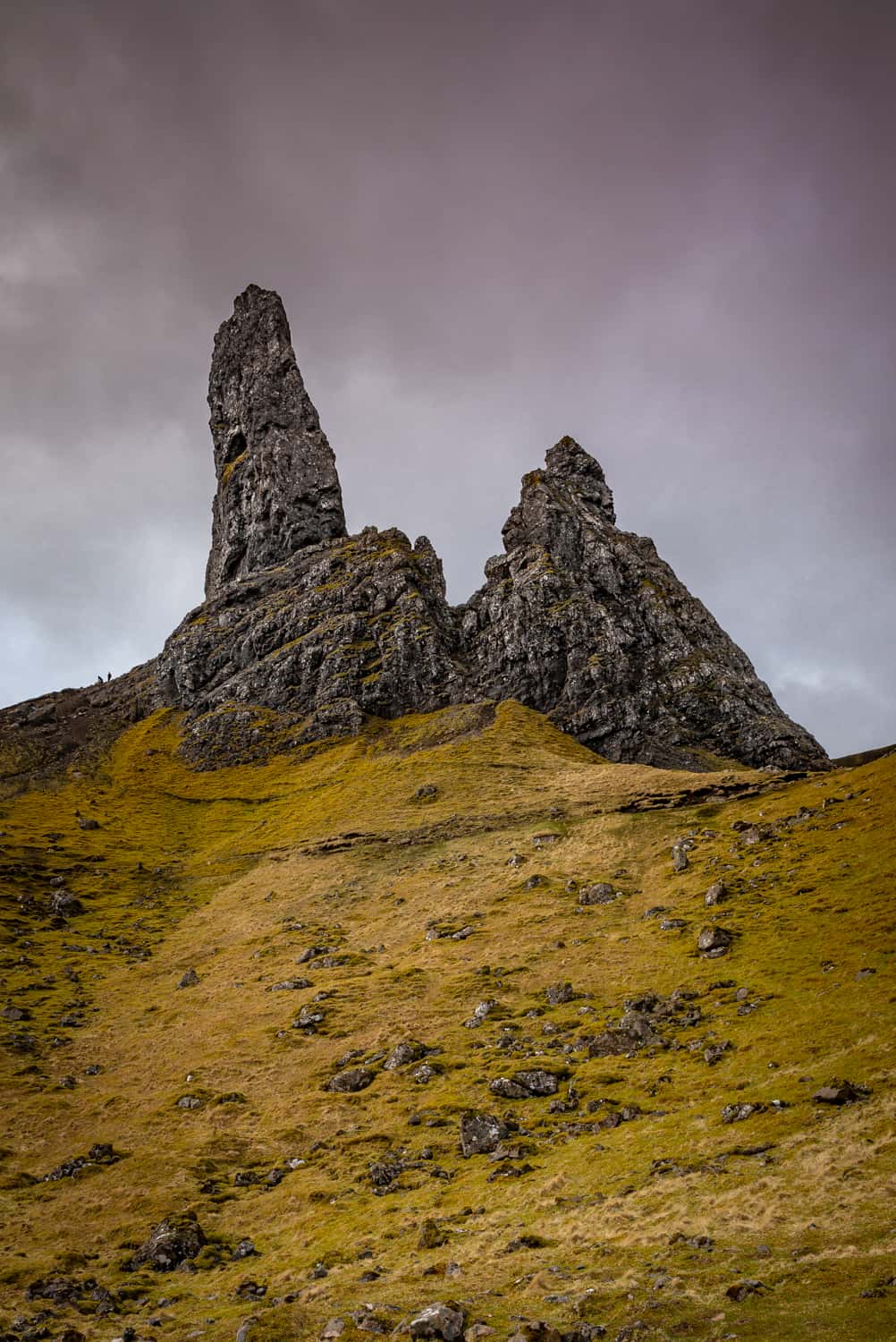
This is not your usual image of the Old Man. The usual image is taken side-on during a stunning sunrise with the distant lakes in the background. Like this.

I didn’t have any stunning sunrises while I was on Skye. I did my one (exhausting!) trek up to the Old Man as a recce, just in case the forecast had something promising for me. It never did, sadly. I snapped this image while I was up there just to prove I’d been.

For scale, check out the two tiny humans silhouetted on the left.

Leica M240, 21mm, f11, ISO 200

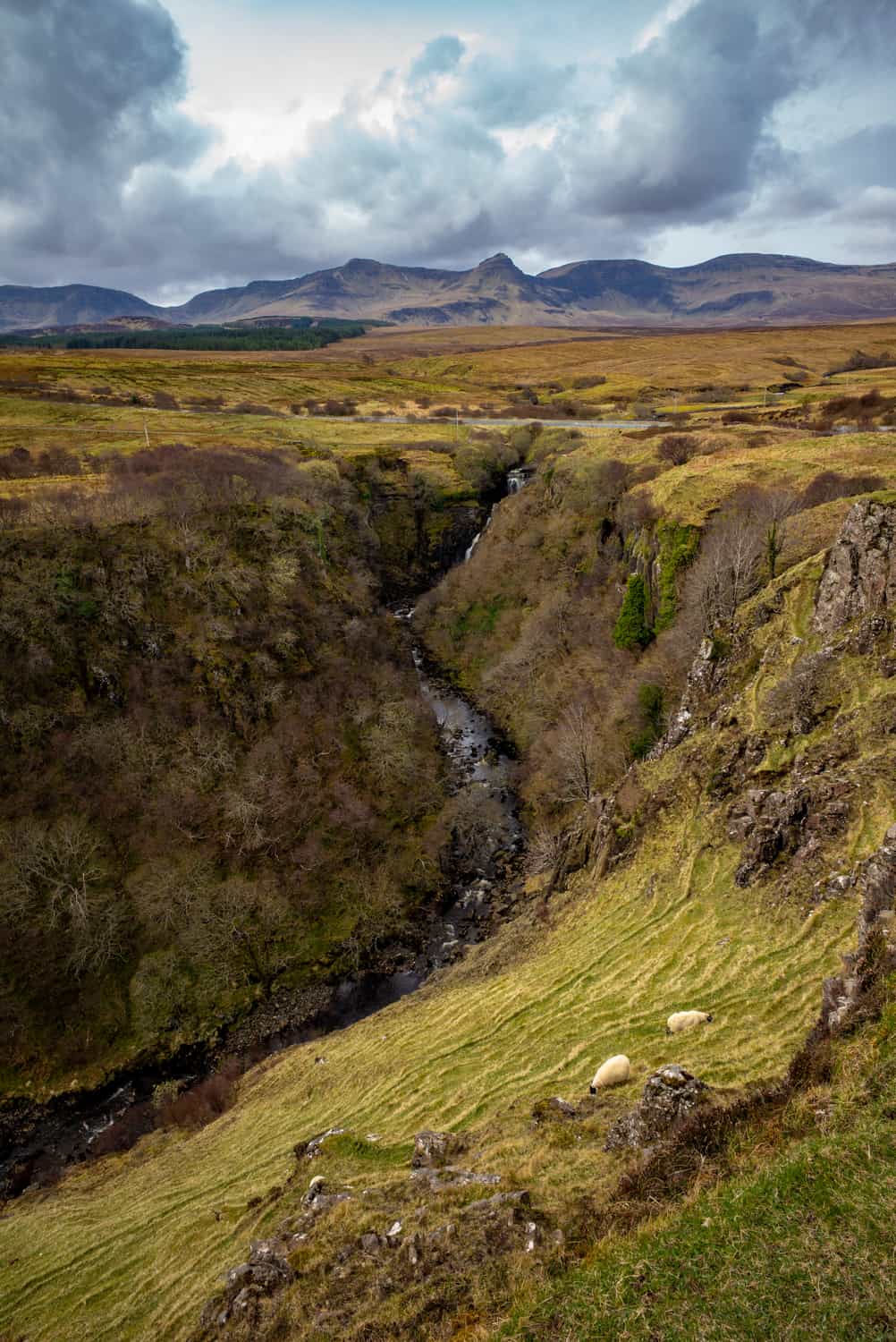
A little way north of the Old Man, there’s a popular stop that looks into this ravine. I actually climbed down into the ravine to get some waterfall shots but this shot from the top, taking in the ravine, the grazing sheep and the dramatic background, was much more pleasing to the eye.

Leica M240, 21mm, f9.5, ISO 200

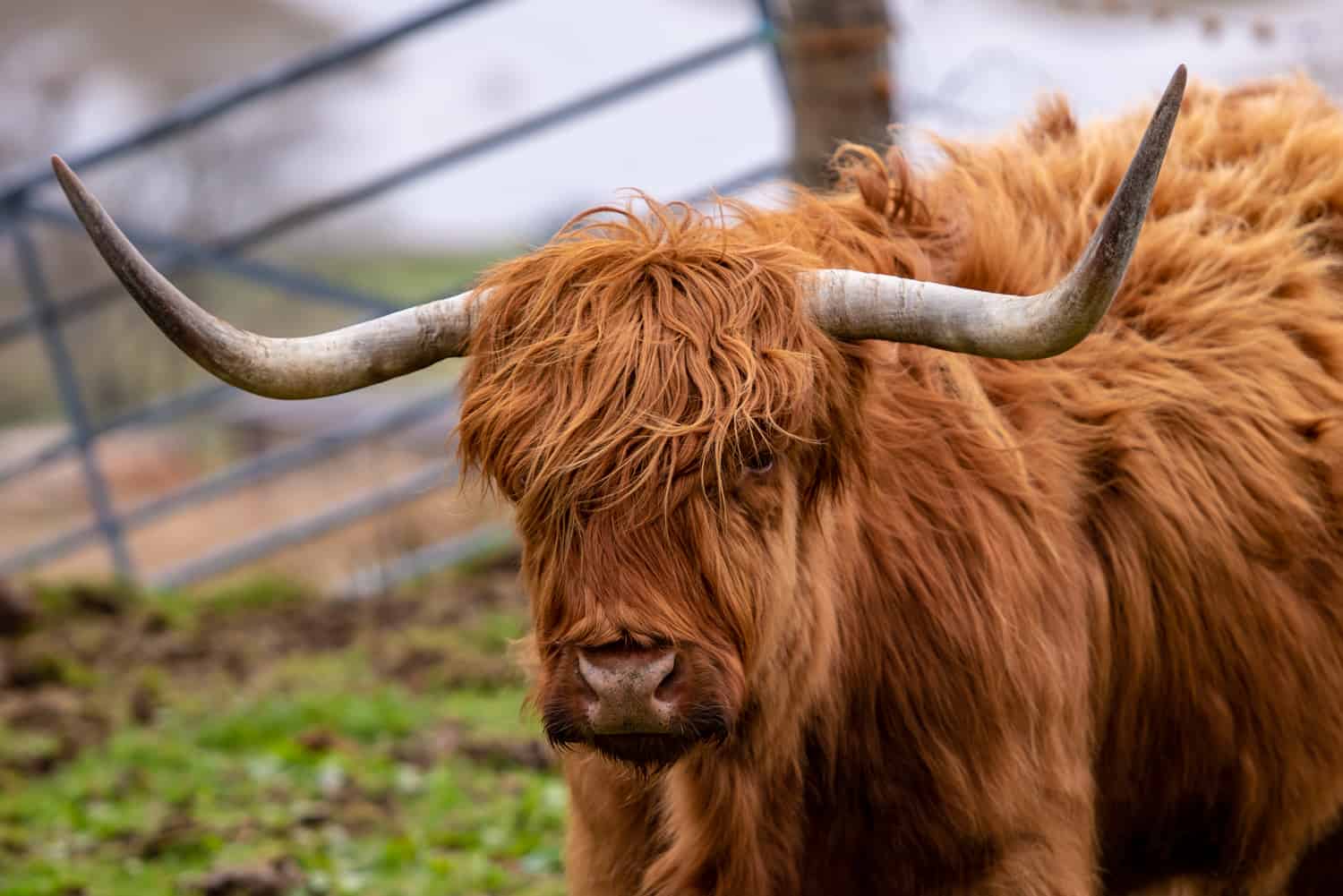
This highland cow wasn’t near the Old Man, but I’ll put her here anyway and claim it’s a livestock connection with the sheep, above. She’s very elegant, don’t you think?

Nikon D810, 70-200mm, ISO 64, f2.8

——

Neist Point

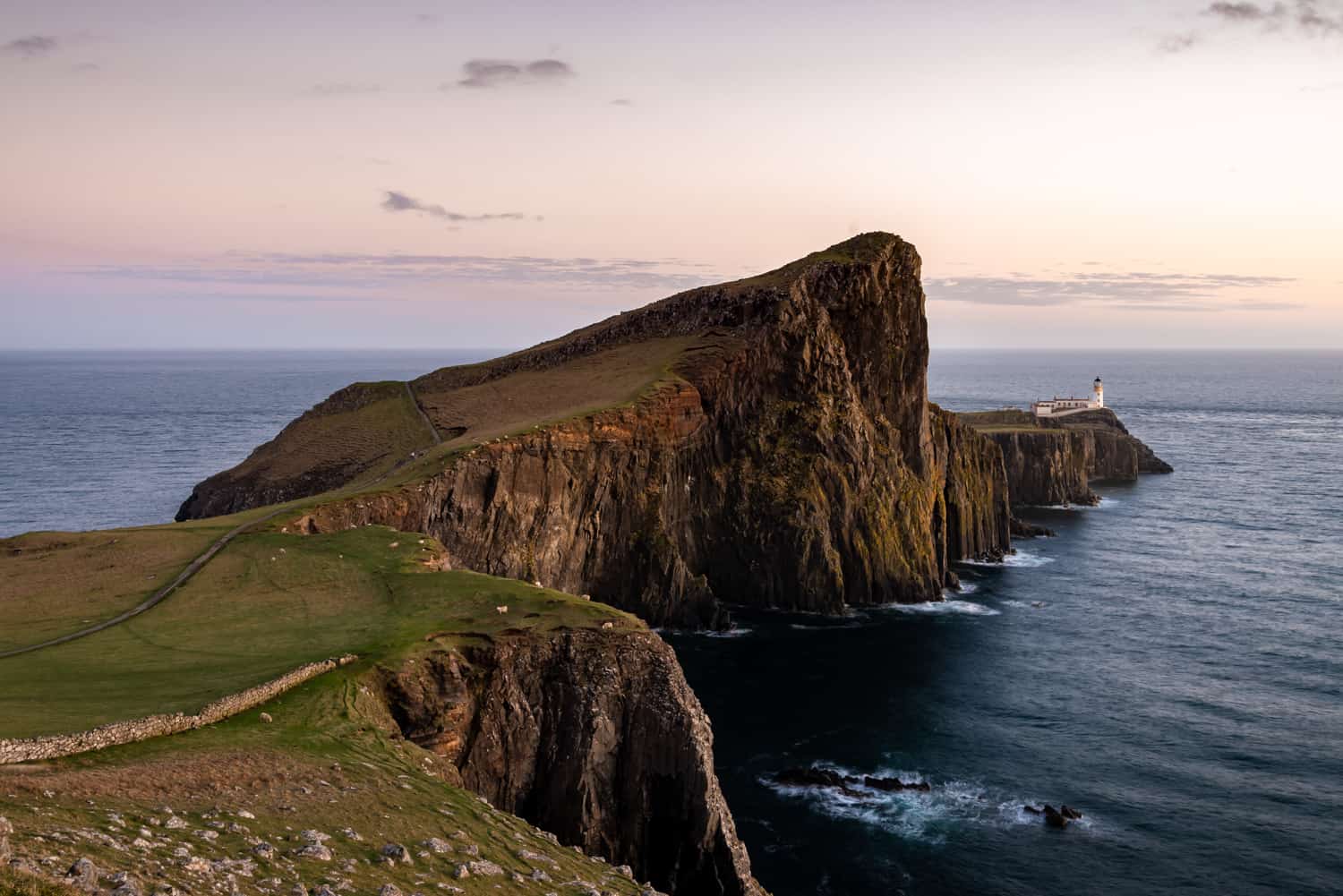
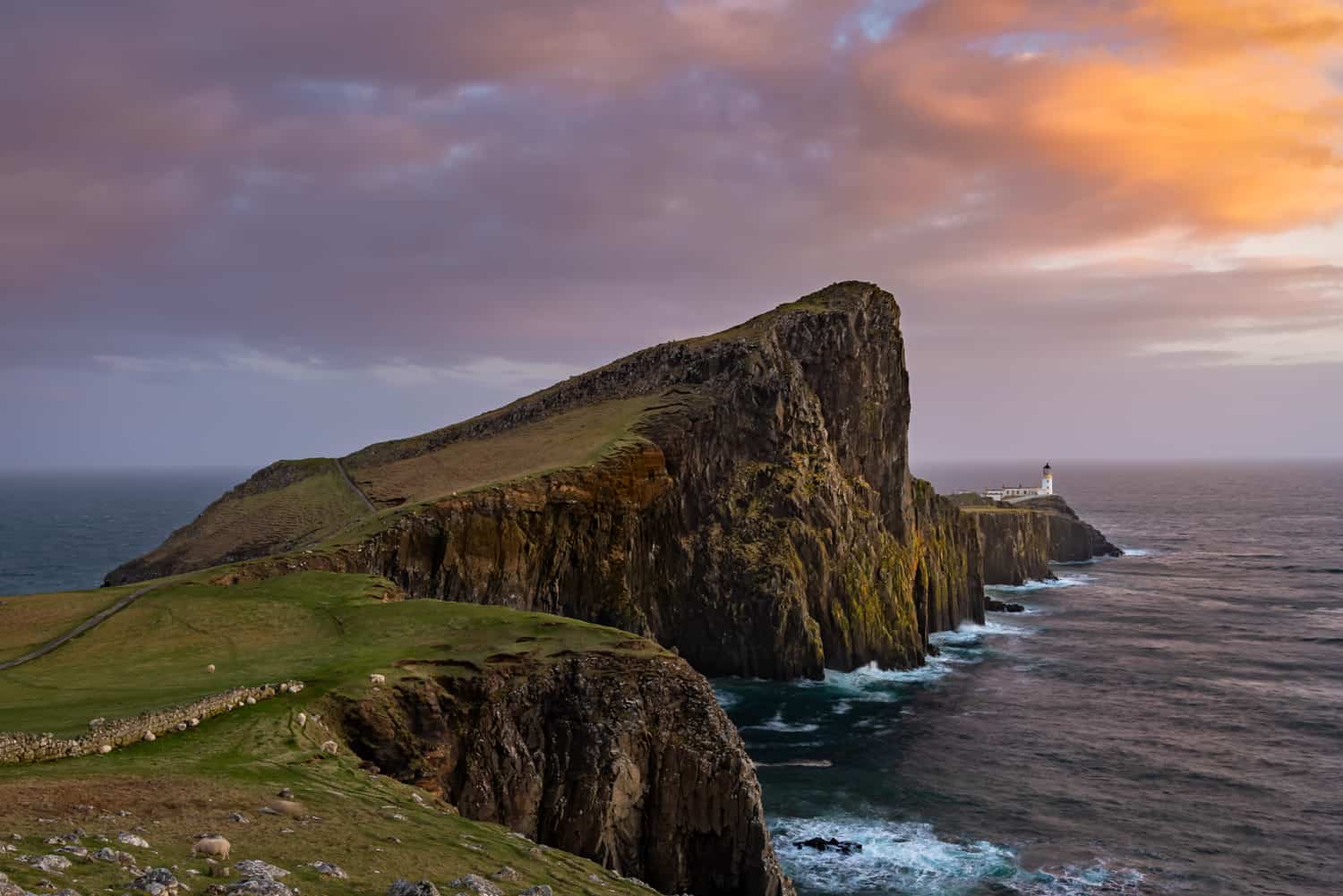
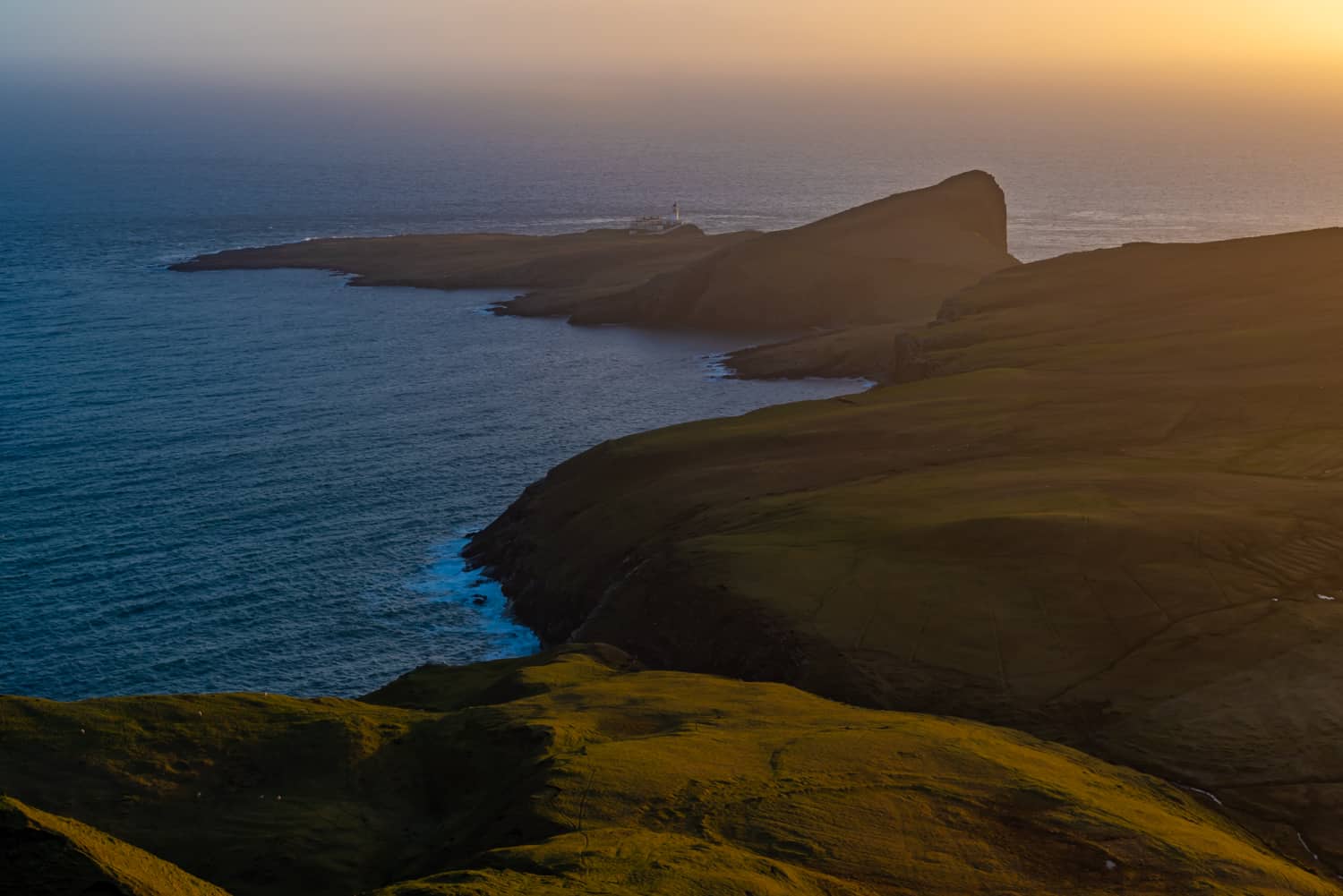
I spent a lot of time at Neist Point as it was only 20 minutes from Hillstone Lodge. Its best aspect is during sunset, so it was a nice way to end a day’s shooting.

The next two images are basically the same, but taken on two different nights. I like the composition in the first one better (the separation between the lighthouse and the horizon is the key), but I prefer the dramatic sky in the second one.

Nikon D810, 24-70mm at f11, ISO 64, bracketed.

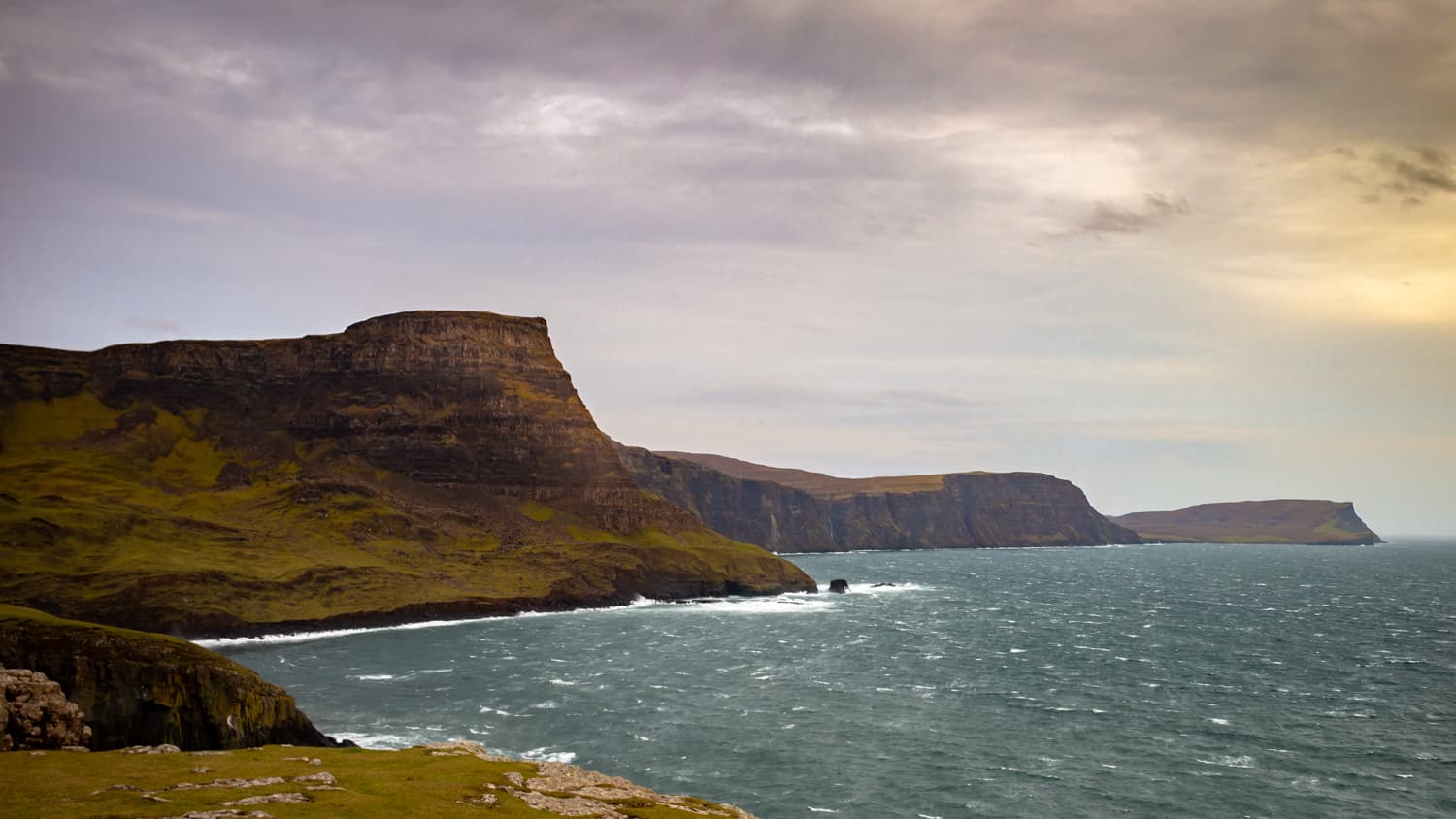
These cliffs are just to the left of Neist Point lighthouse. I had to lay on the ground to get this shot because the wind was SO prolific. The walk down to the point where I took this shot was into the wind and took me around 5 minutes. The walk up the hill, with the wind at my back, took around one minute.

Leica M240, 21mm, f4.8, ISO 200, bracketed

Note the cliffs in the photo above, specifically the cliff closest to camera.

On my third night on Skye, I walked up the back of that cliff to shoot the lighthouse from the other side. I love the way the last golden light of the day is kissing the rolling hills, as if to say goodnight. It was a beautiful moment and the 40-minute walk through the fields and back to the car was probably the highlight of my trip.

Nikon D810, 24-70mm at f11, ISO 64, bracketed.

——

(Not) The Fairy Pools

The Fairy Pools is one of the most popular tourist spots on Skye. It’s a lovely series of creeks and pools with a beautiful mountain backdrop.

Sadly, the mountain was completely clouded-in on the day I got there and the carpark was jam-packed with tourists. I decided to keep moving.

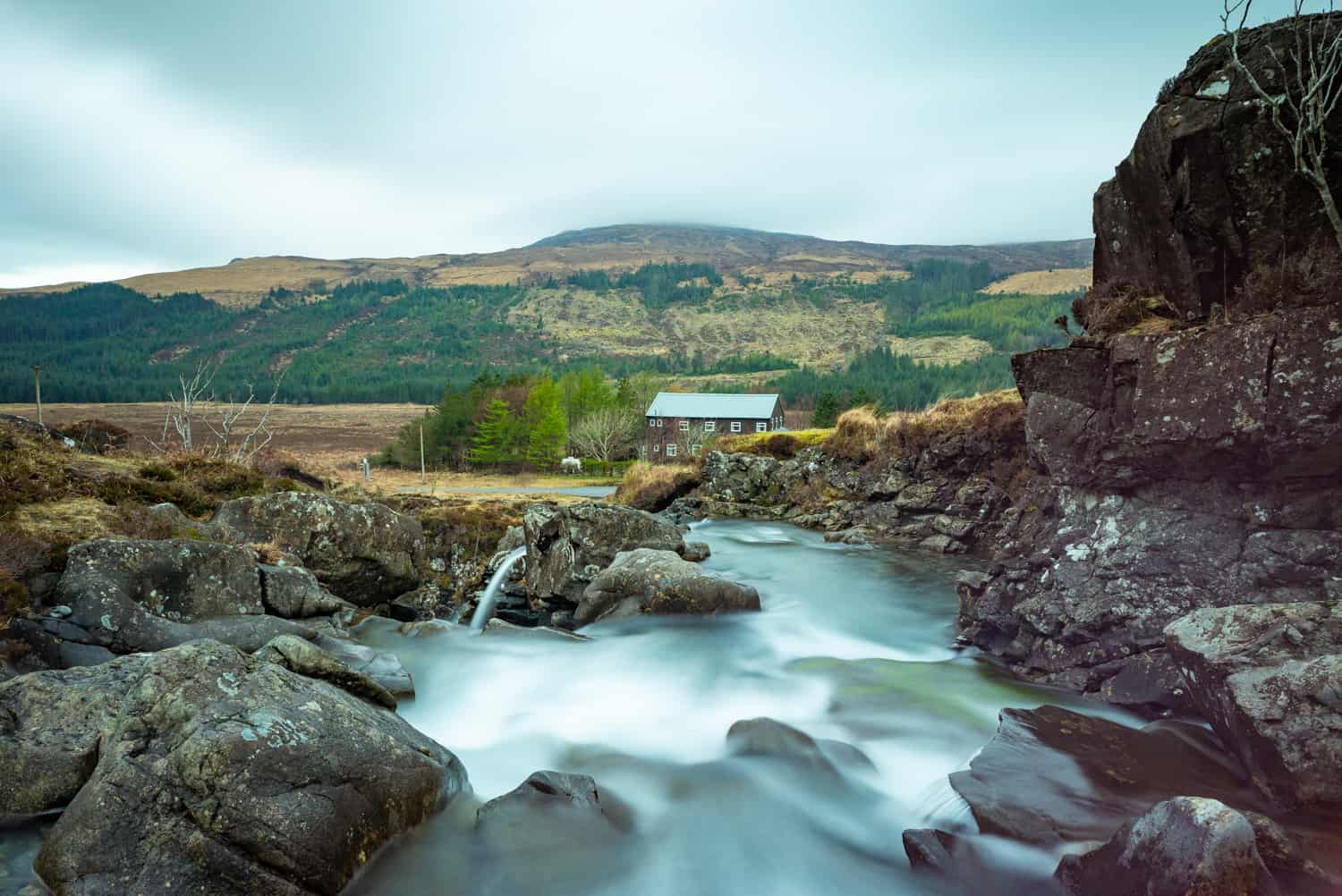
I’m glad I did, too. Less than two miles past I found this gorgeous little waterfall and spent an hour there trying out various compositions.
First, I shot the falls, face-on….

Leica M240, 21mm, f4, ISO 200

For this second shot, I followed a track up to the top section and rock-hopped until I was in the middle of the creek. Another long exposure…..

Leica M240, 21mm, f4, ISO 200

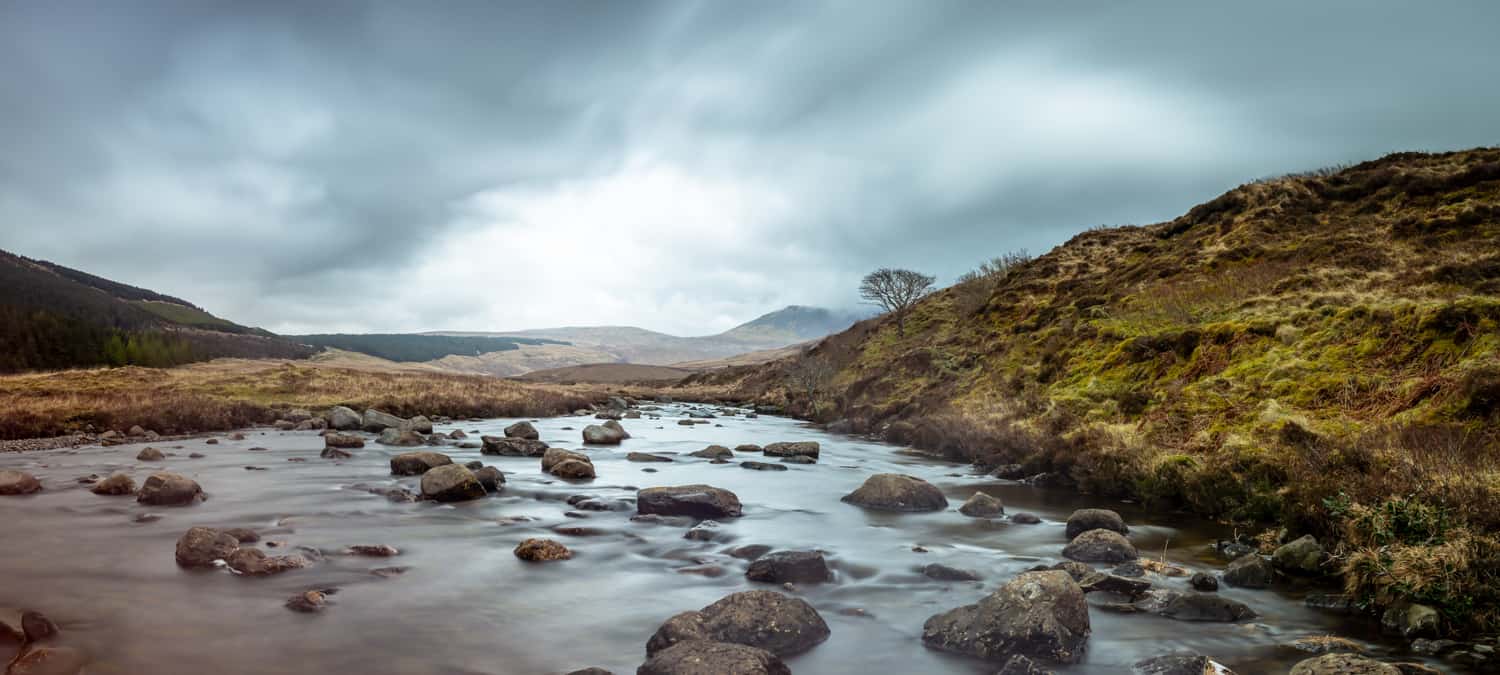
Below is another panorama showing a creek just a little further up the same road. I could have got most of this in a single shot with the right wide-angle lens. Shooting a group of vertical shots and creating this panorama gave me much more detail, though. Note the texture of the grassland to the left.

Leica M240, 21mm, f4, ISO 200, panorama

——

Sligachan

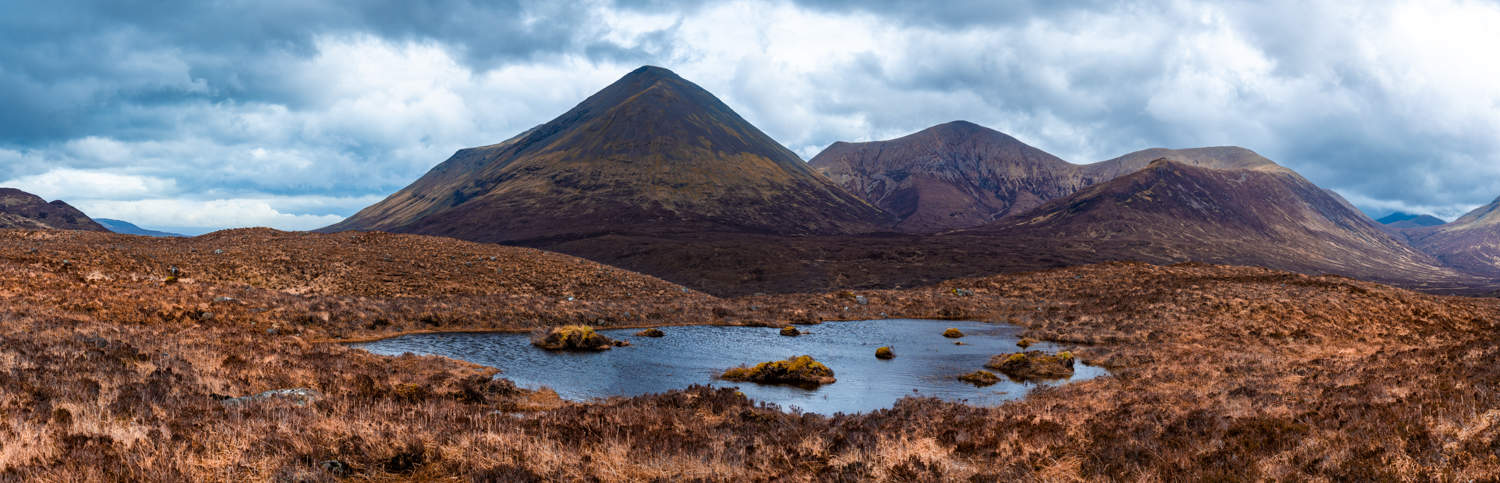
This image is taken just over the hill from Sligachan Bridge (which you’ll see in a moment).

This view was not visible from the road. I parked my car in a random spot on the highway and went exploring on foot. I was looking for a shot that showed off this gold and brown/purple groundcover that’s all over Skye. When I found this pond, I knew I had my location.

Nikon D810, 24-70mm, ISO 64, f9 , panorama.

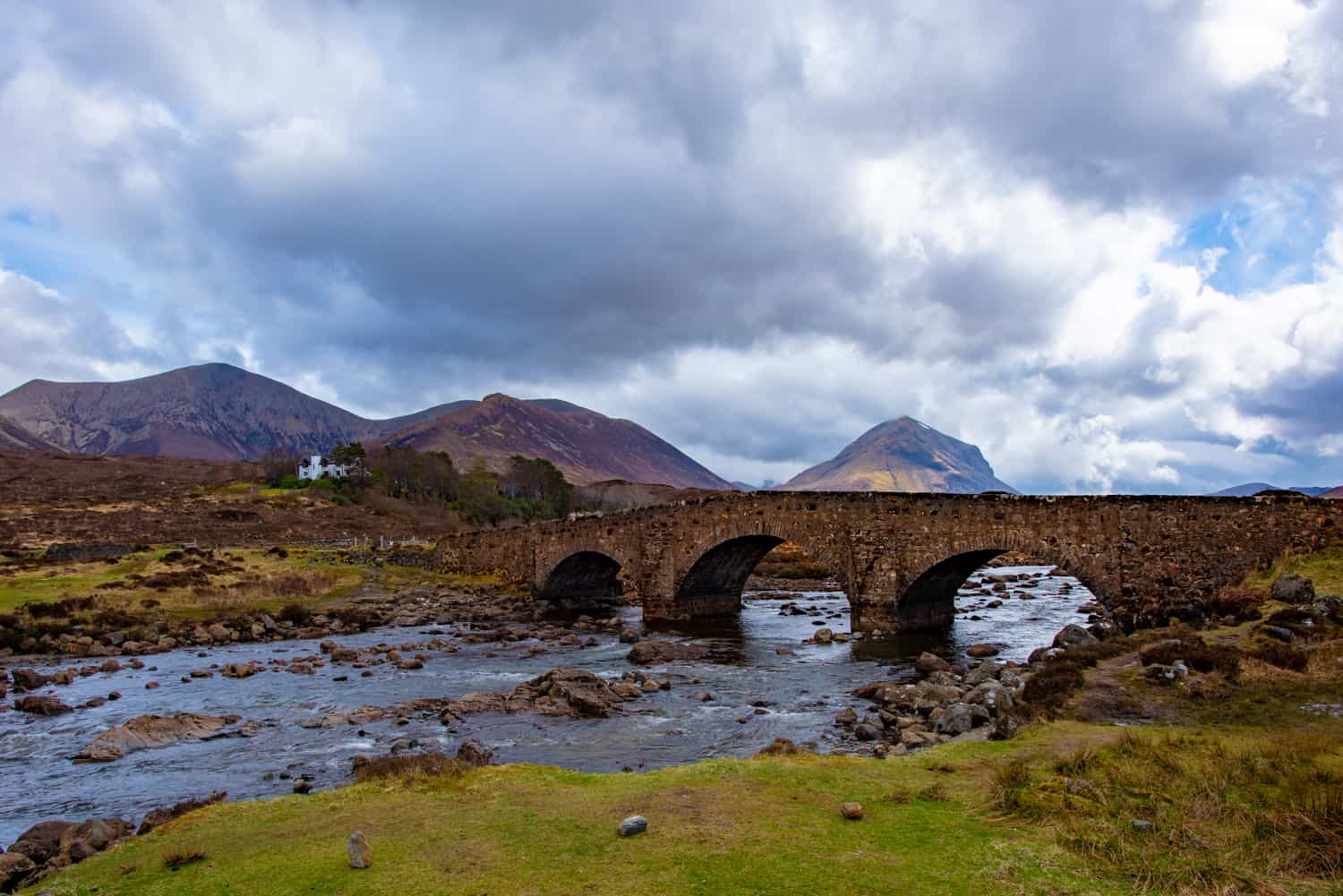
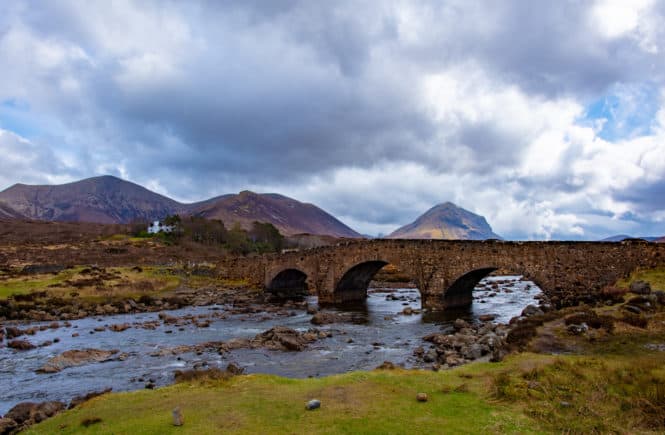
And over the hill, the Sligachan Bridge. It’s probably the single-most photographed spot on the island. It’s not hard to see why.

Nikon D810, 17-35mm at f9, ISO 64, bracketed.

——

The Quiraing

The Quiraing is a beautiful walk in the north-east of Skye, just north of the Old Man of Storr. Unlike the walk to the Old Man – which you start at sea level – the road to The Quiraing lets you drive up to the height of the range and after parking your car, you walk a narrow path across the face of the range. The views are stunning.

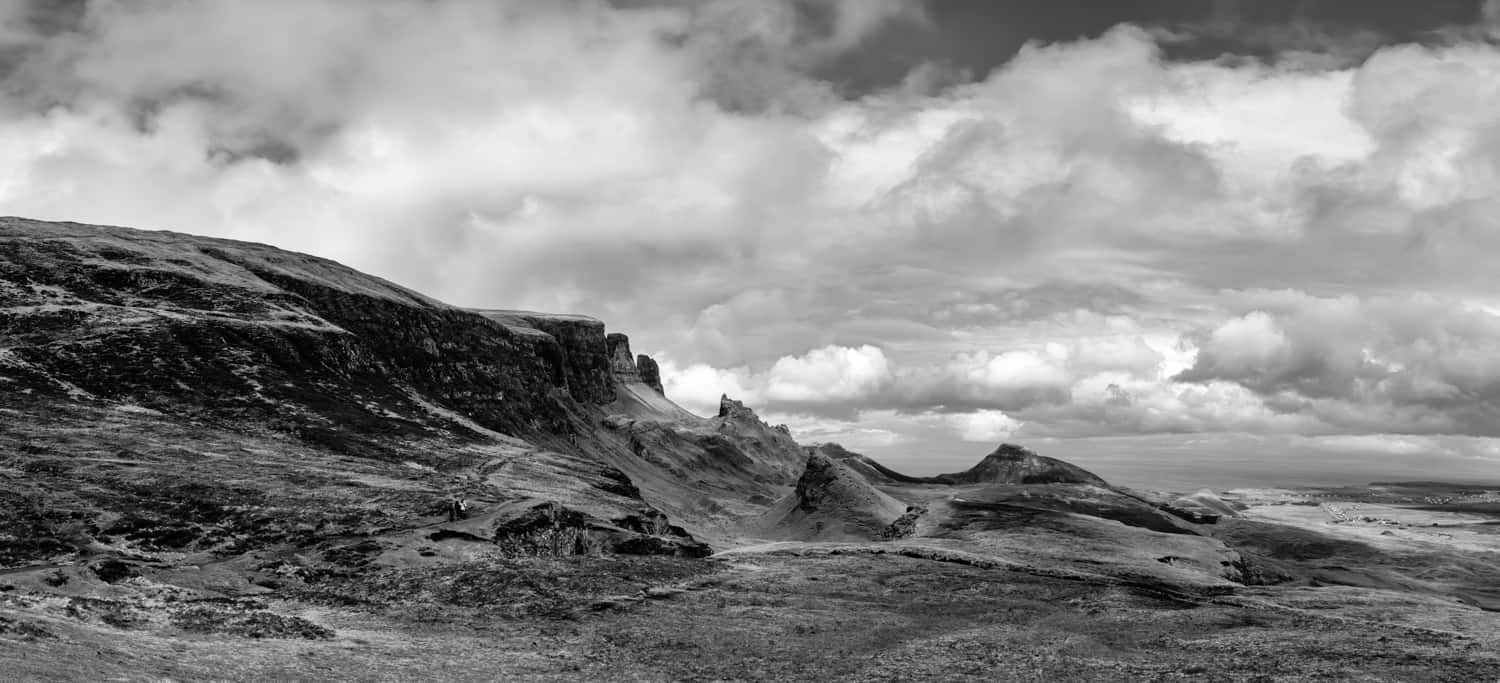
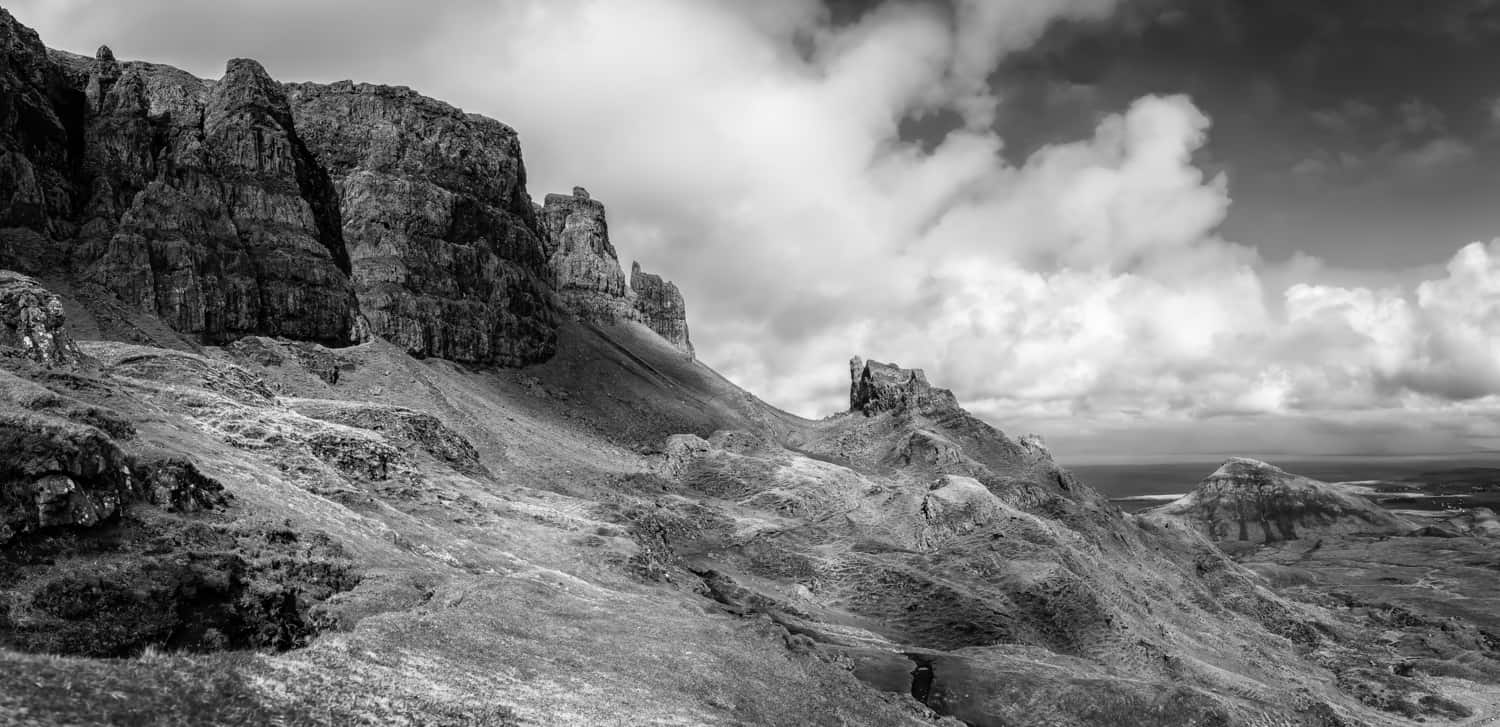
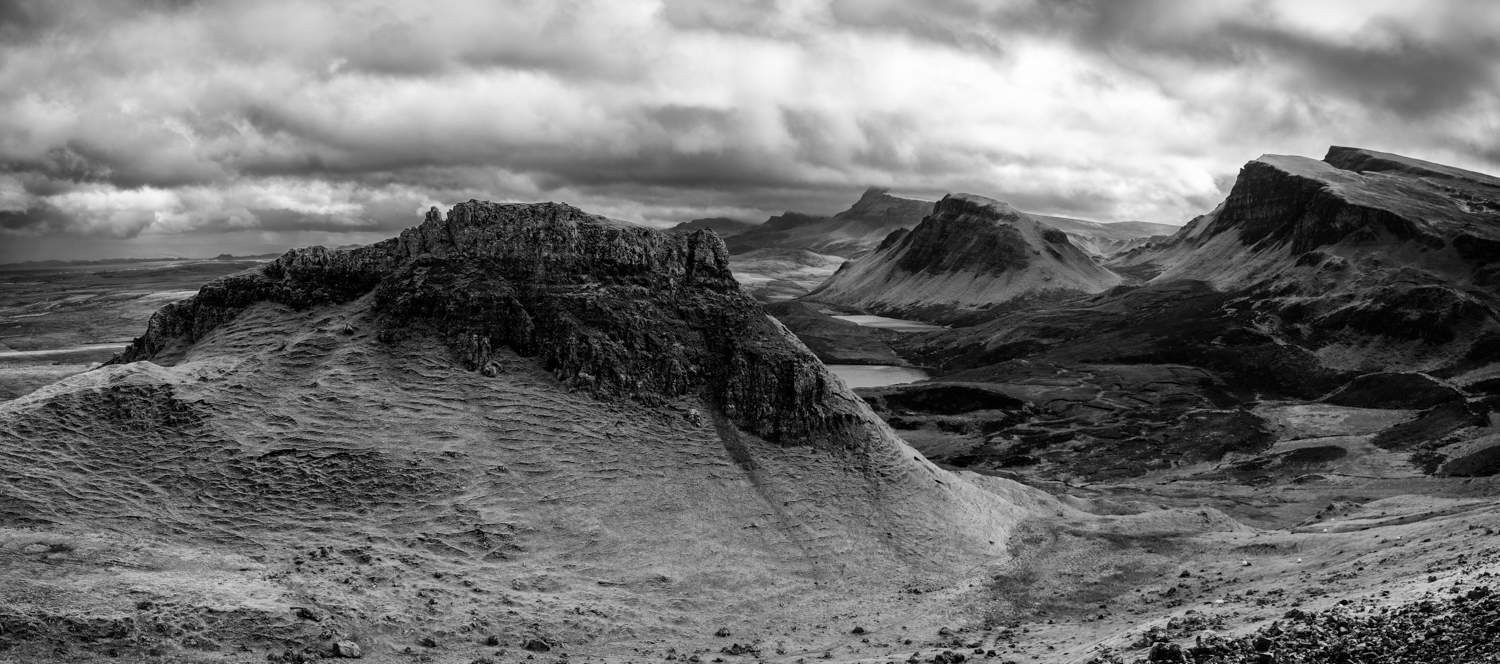
As it was the middle of the day, the light wasn’t particularly flattering, so I converted these panoramas to black and white.

Looking across the range from the beginning of the walk….

Nikon D810, 24-70mm at f4, ISO 64, panorama.

Looking across the range from the half-way point of the walk….

Nikon D810, 24-70mm at f11, ISO 64, panorama.

Looking out from the range…..

Nikon D810, 24-70mm at f4, ISO 64, panorama.

——

I don’t know what’s more surprising about this trip – the number of images I took or the number of images I didn’t take.

I certainly left a lot on the table, including a number of shots that I did take but felt unsatisfied with.

There’s more to be photographed on the Isle of Skye. Much more. And I look forward to returning there some time in the next 12-18 months to have another go at it.

——-

For those interested in such things, I took two camera bodies and eight lenses with me.

Bodies: Nikon D810, Leica M240

Nikon lenses: 17-35 f2.8, 24-70 f2.8, 70-200 f2.8 and 50mm f1.8 (not used).

Leica lenses: 21mm f3.4, 35mm f2, 90mm f2.8 and 90mm f2 APO. Neither of the 90mm lenses were used on the trip.

Most of the Leica shots were taken with the amazing 21mm f3.4 Super Elmar.

The most used Nikon lens was my 24-70mm f2.8.

I used a Lee seven5 filter kit on the Leica. I don’t have a filter kit for the Nikon (yet) so those shots were mostly bracketed.

All images were post-processed in Adobe Lightroom, with additional work in Nik Silver Efex Pro 2 for black and white.

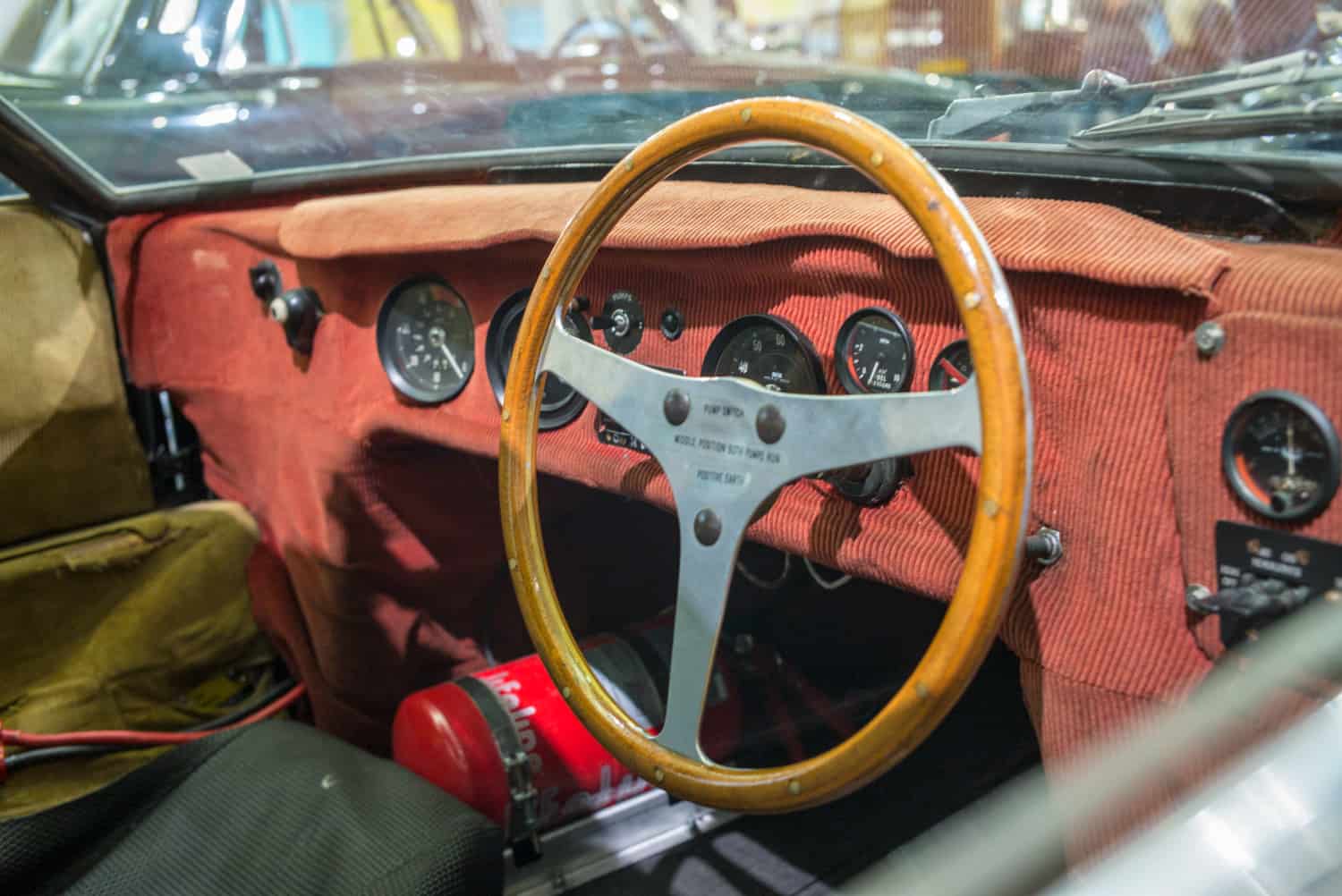
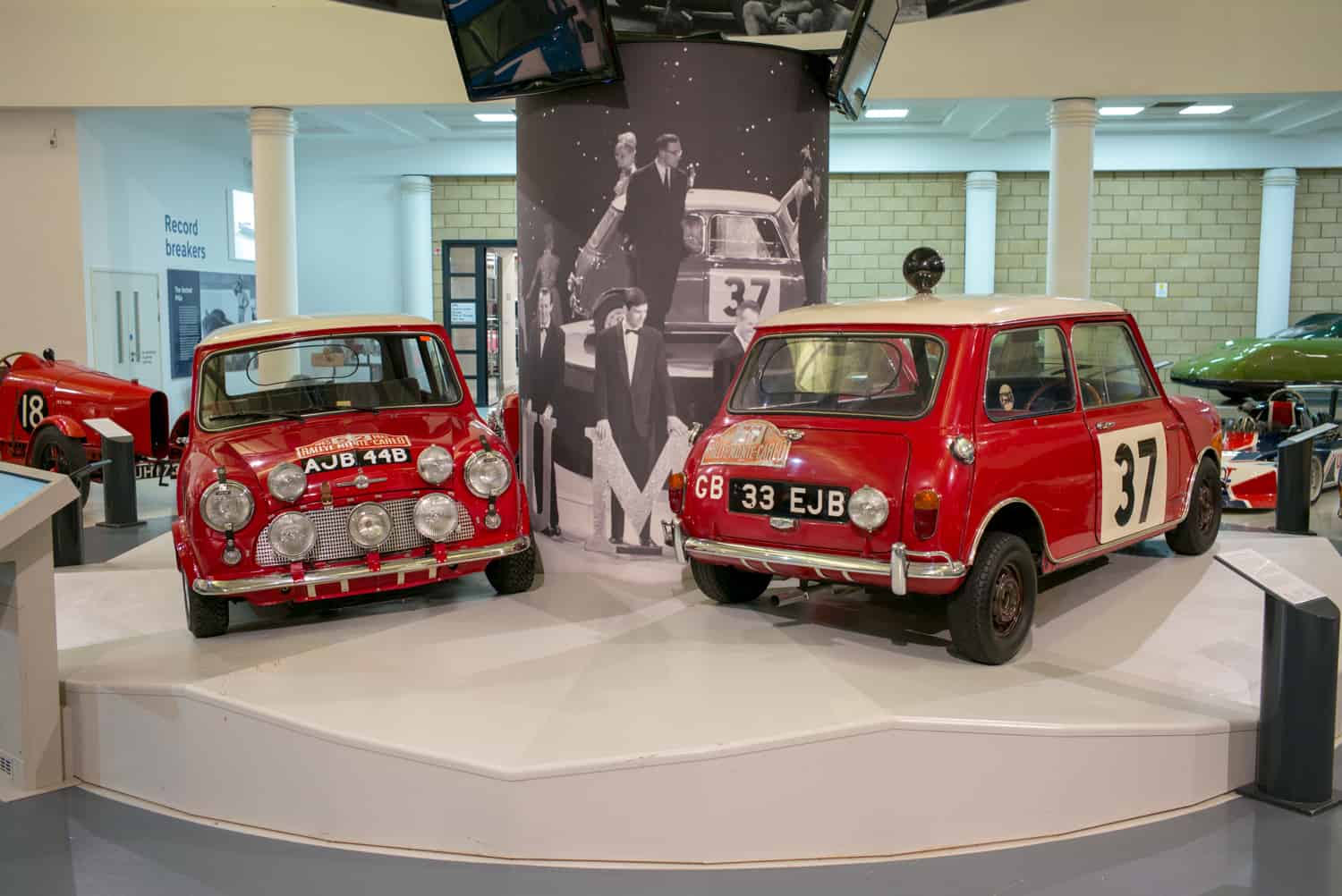
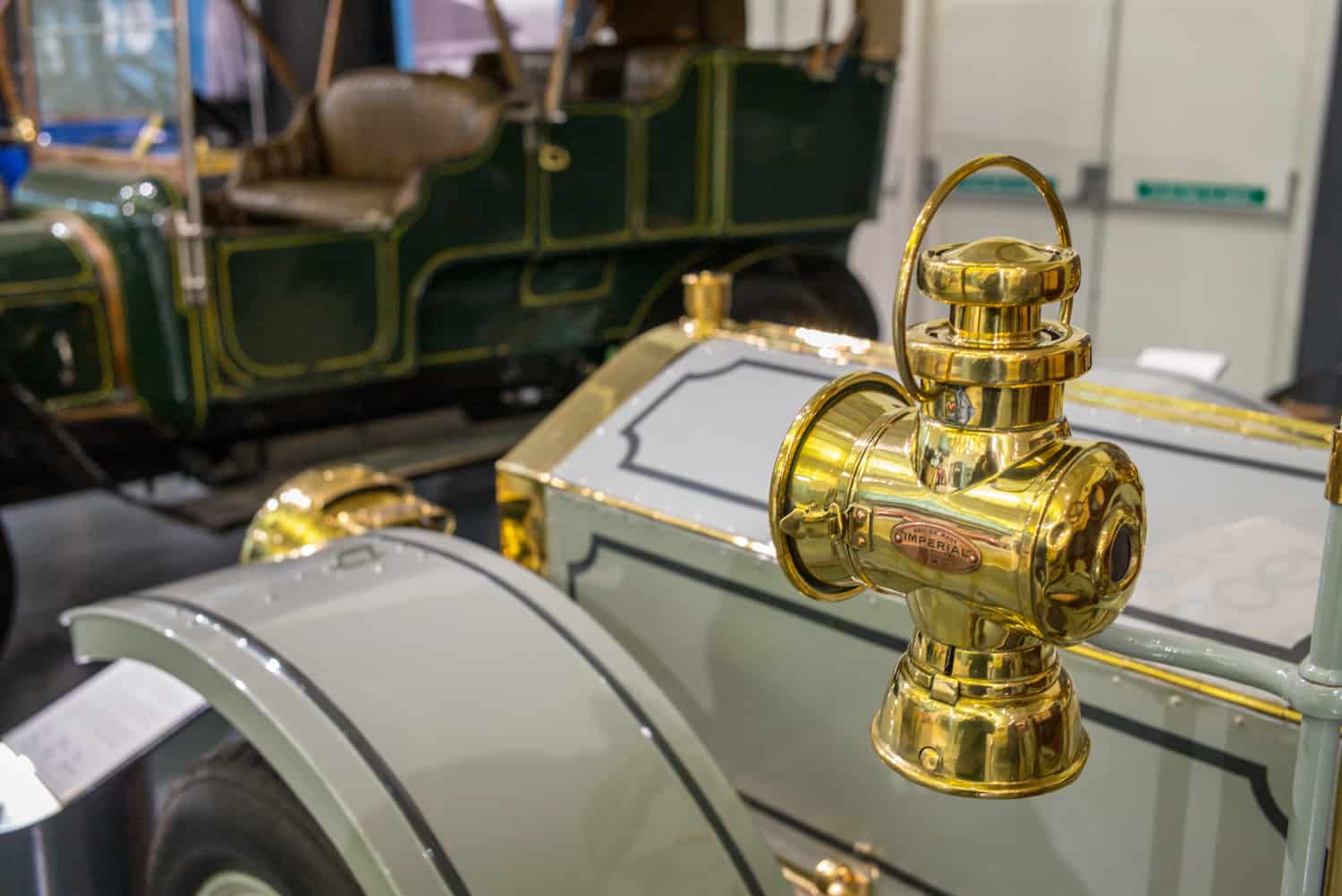
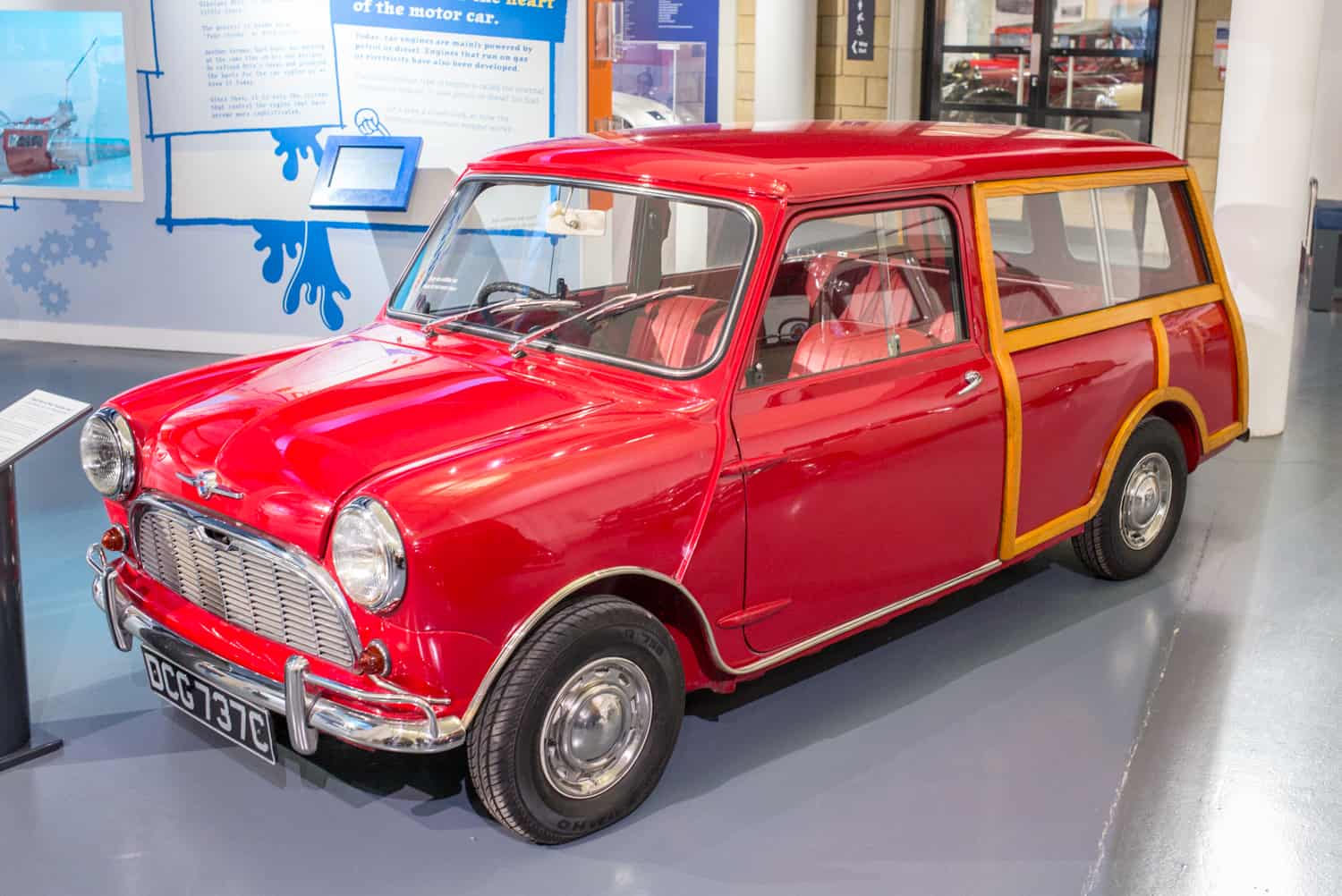
Leica Virgin: British Motor Museum

I spent the 2017 Christmas holiday break in the UK, staying with good friends Mike and Hilary. We did a couple of wonderful day trips, one of which is the subject of this story – the British Motor Museum.

My knowledge of British marques is not what it should be. I’m familiar enough with the cars that were seen in Australia through my youth – Jaguar, Mini, Land Rover, MG. It’s the domestic Brits that weren’t so well known in Oz that I struggle with – all those British Leyland companies that were either dead or dying by the time I started carspotting.

Given that I don’t know my Brits as well as I should, I’ll refrain from much of the commentary that’d typically accompany a piece like this.

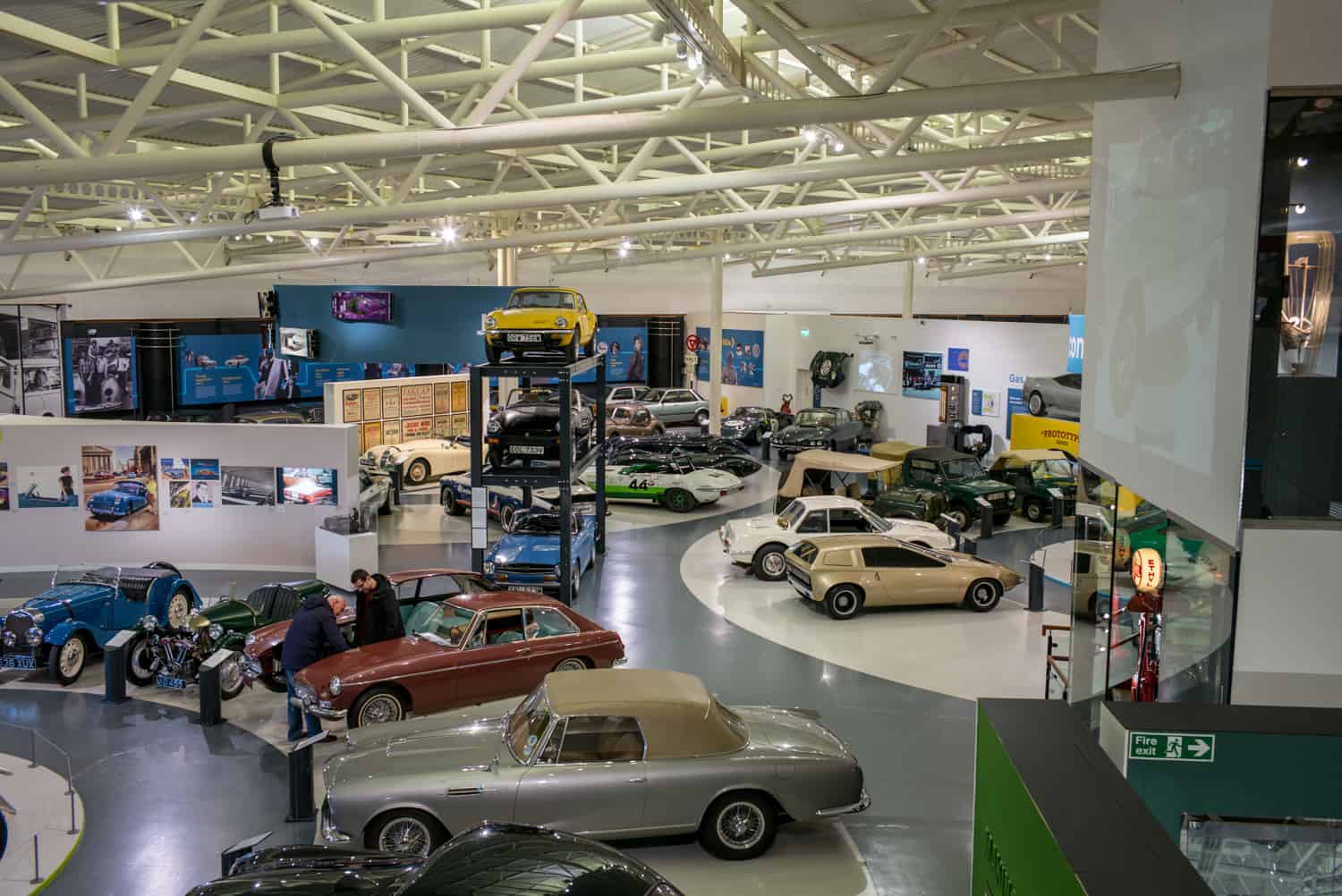
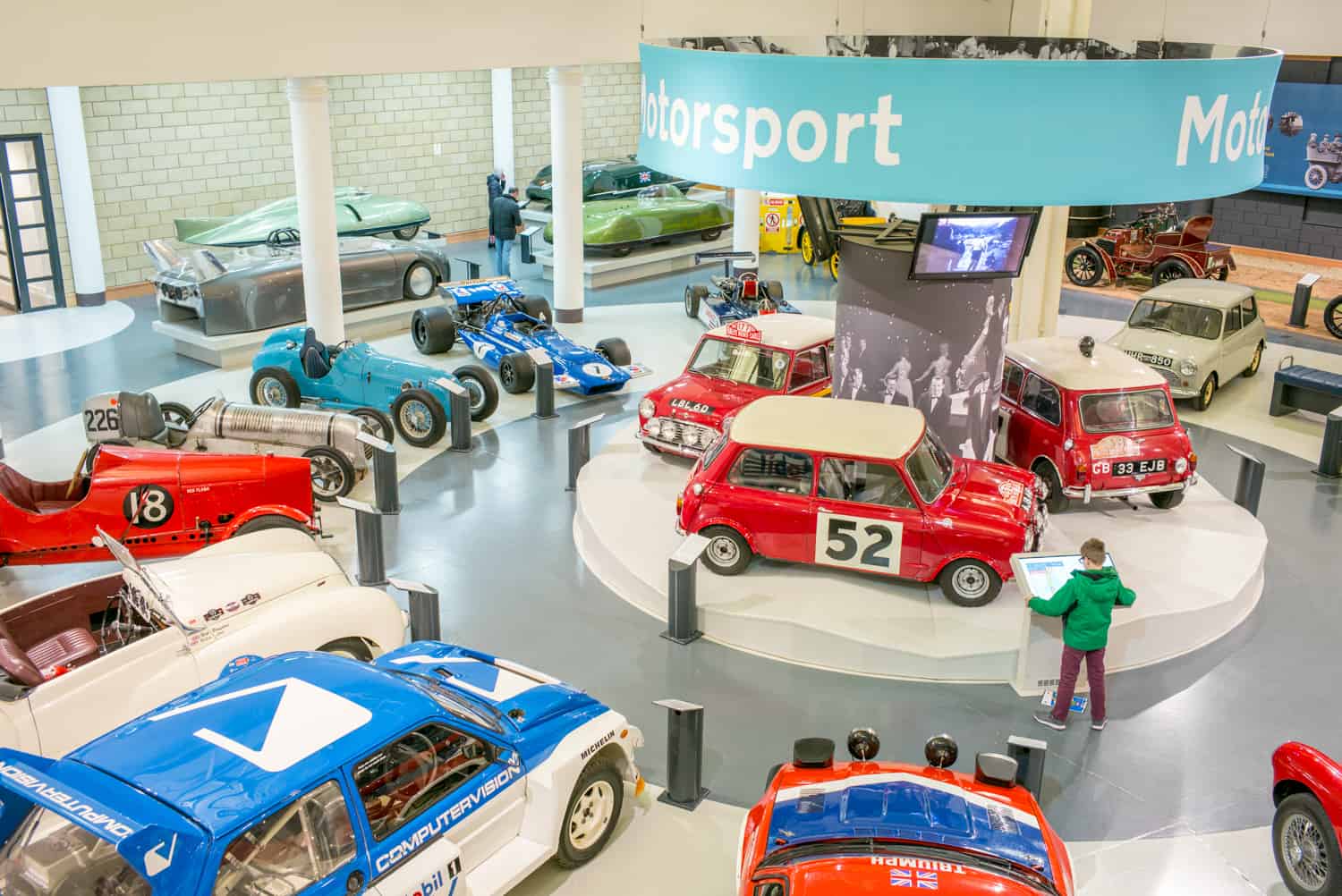
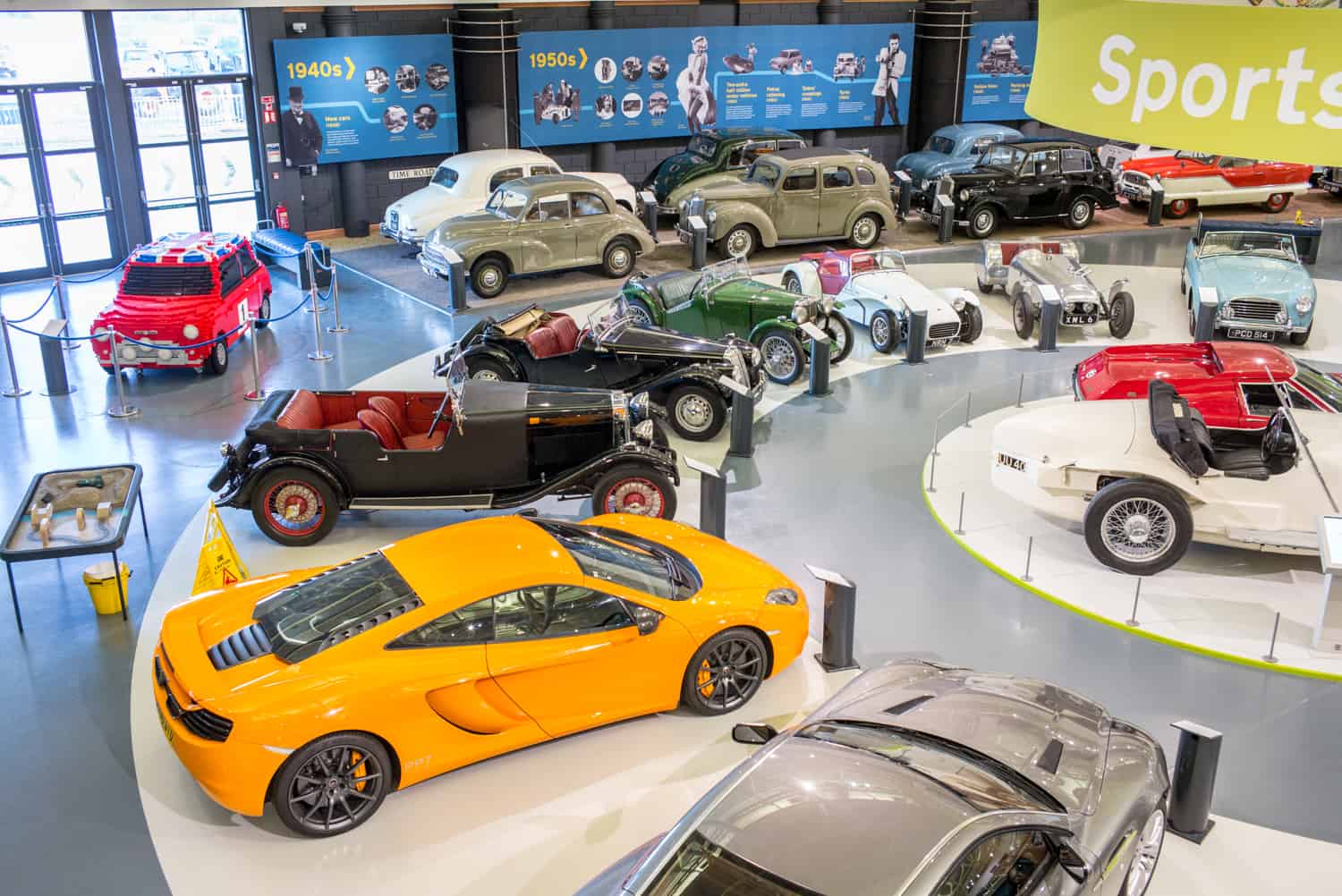
Instead, I’ll cut straight to the images and simply recommend a visit. If you’re ever near Gaydon, around 2 hours north-west of London. The museum itself is great value. The added bonus is that the Jaguar Heritage Centre is located right next door.

I’d like to thank Mike a) for taking me to see the museum, and b) his patience while I spent faaaar too much time learning how to use a rangefinder and shooting these images.

I hope you enjoy them. Click to enlarge.

——

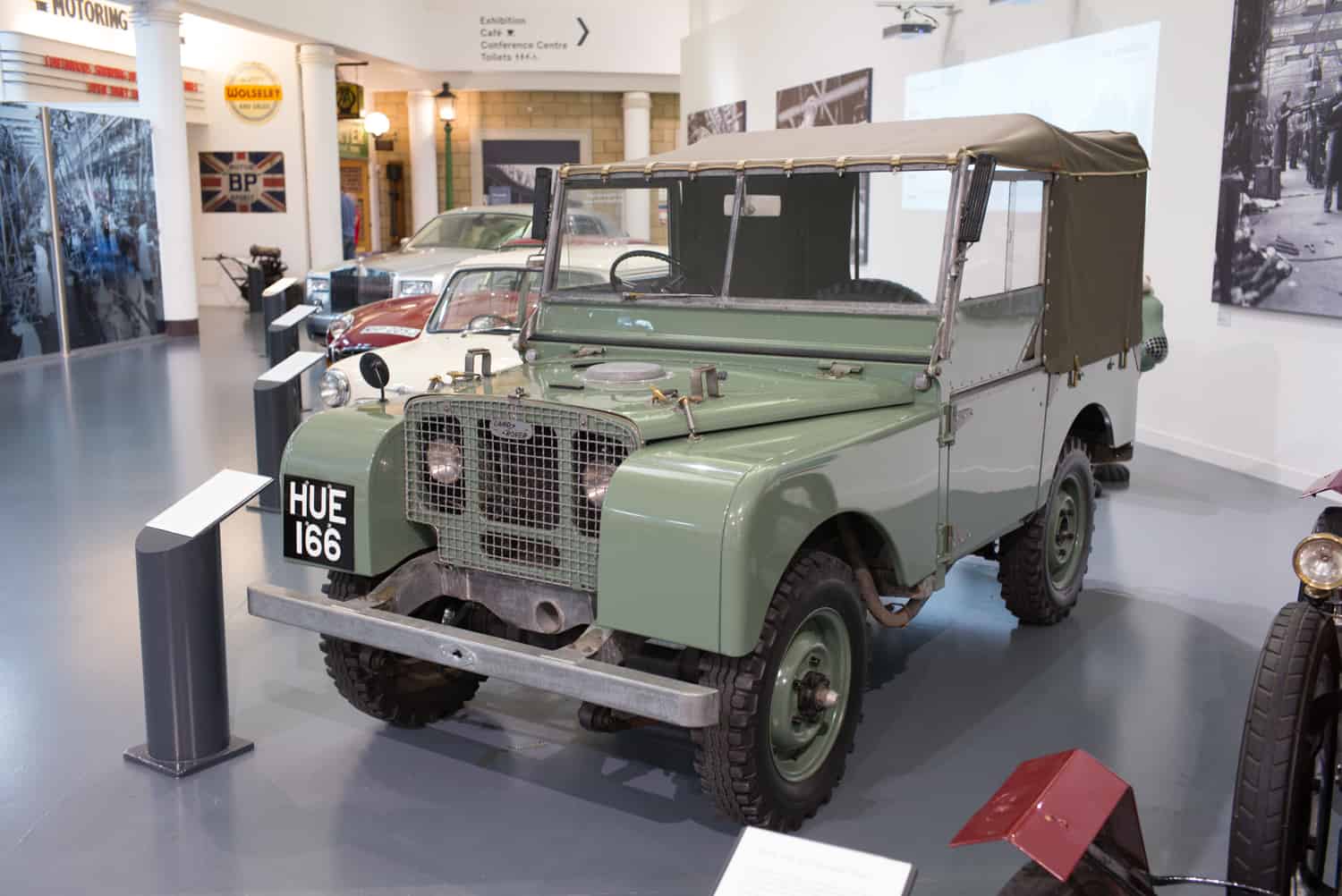
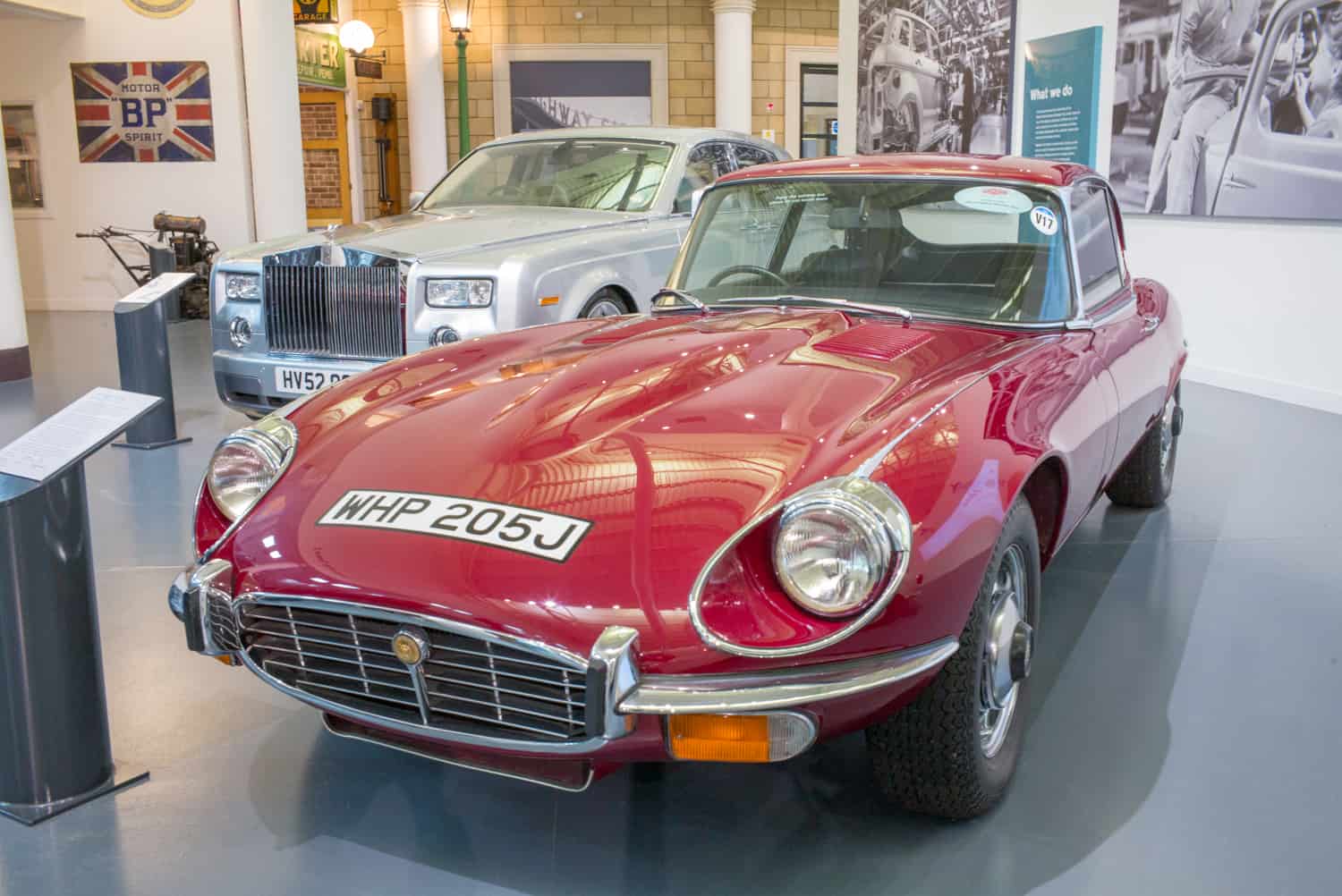
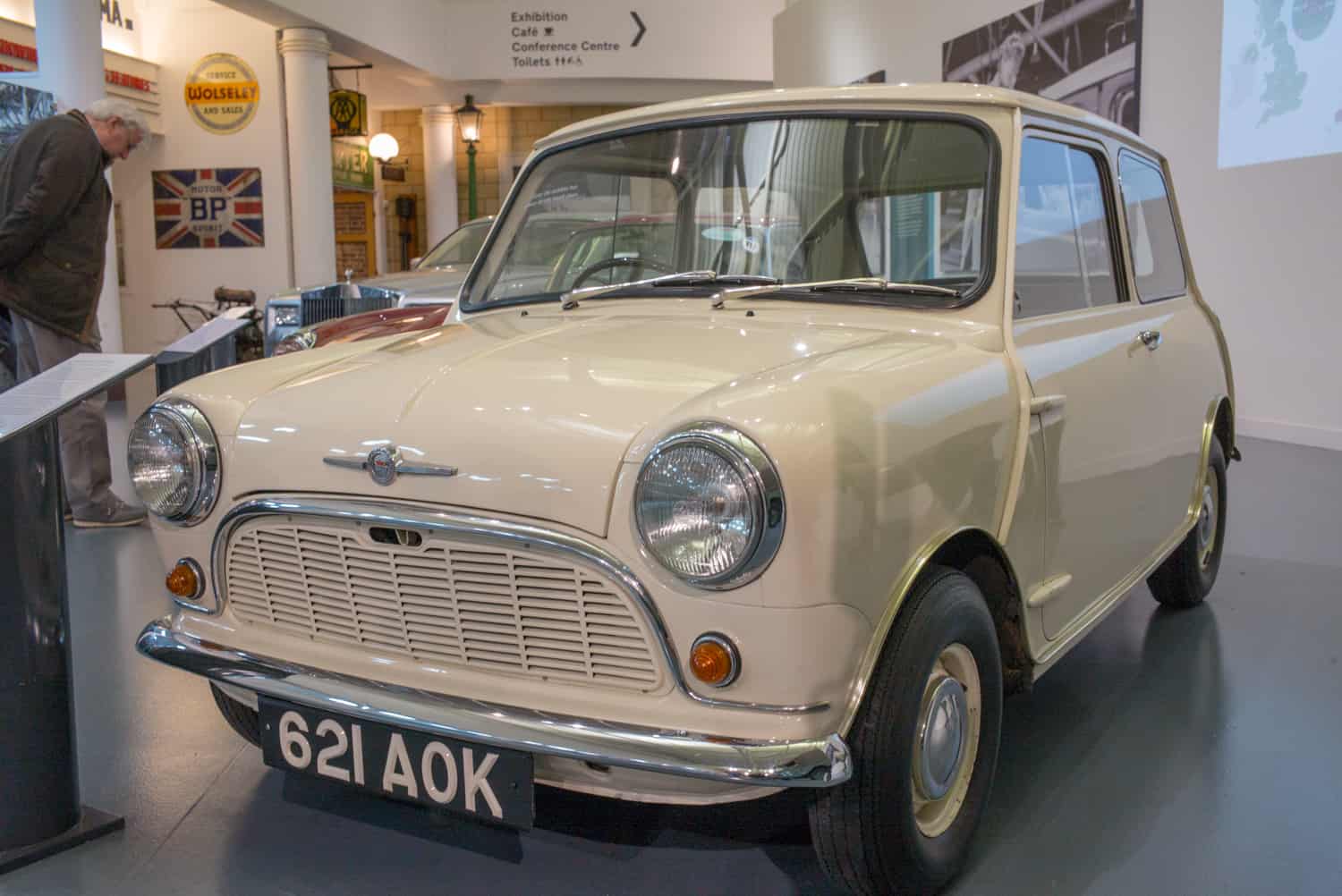
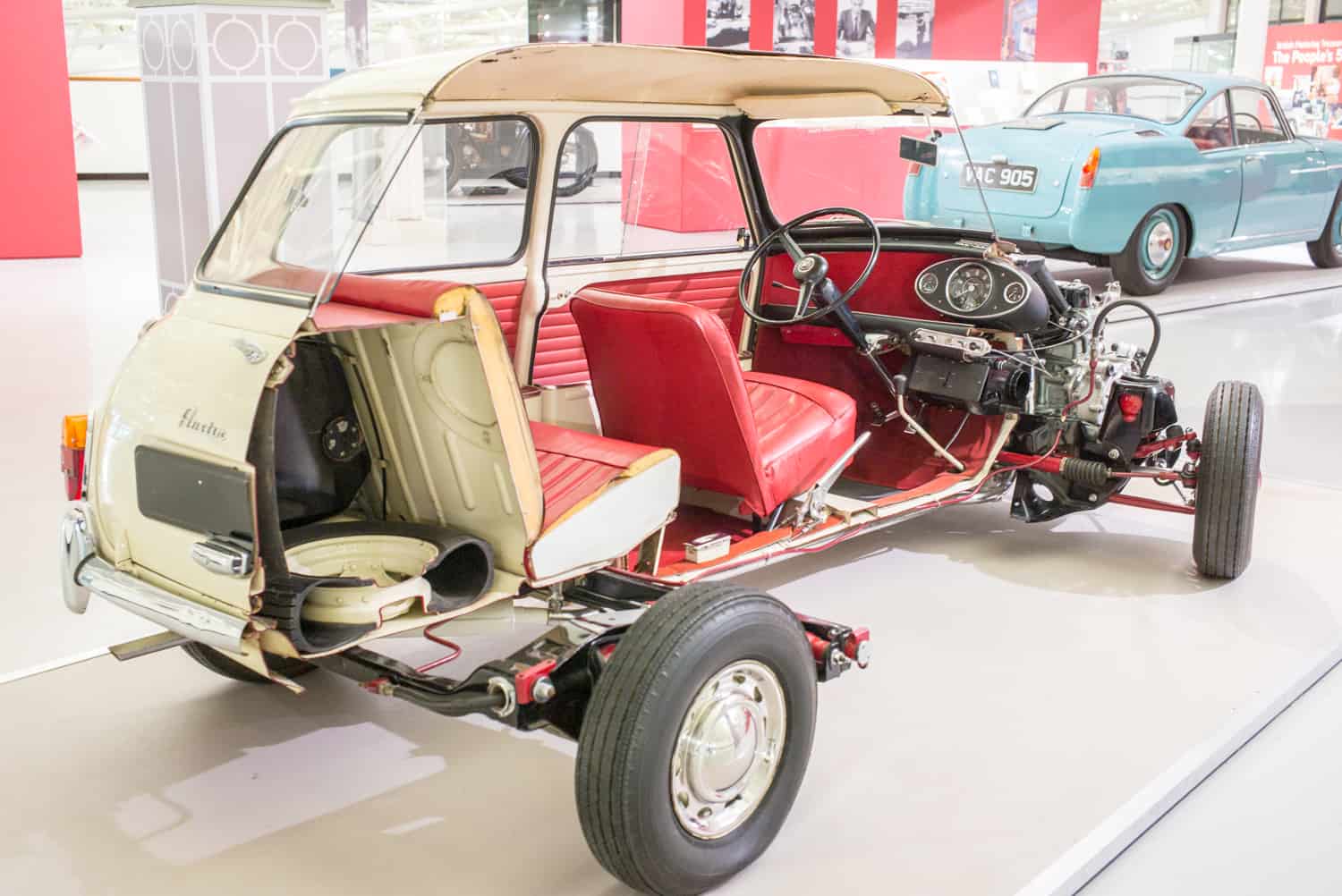
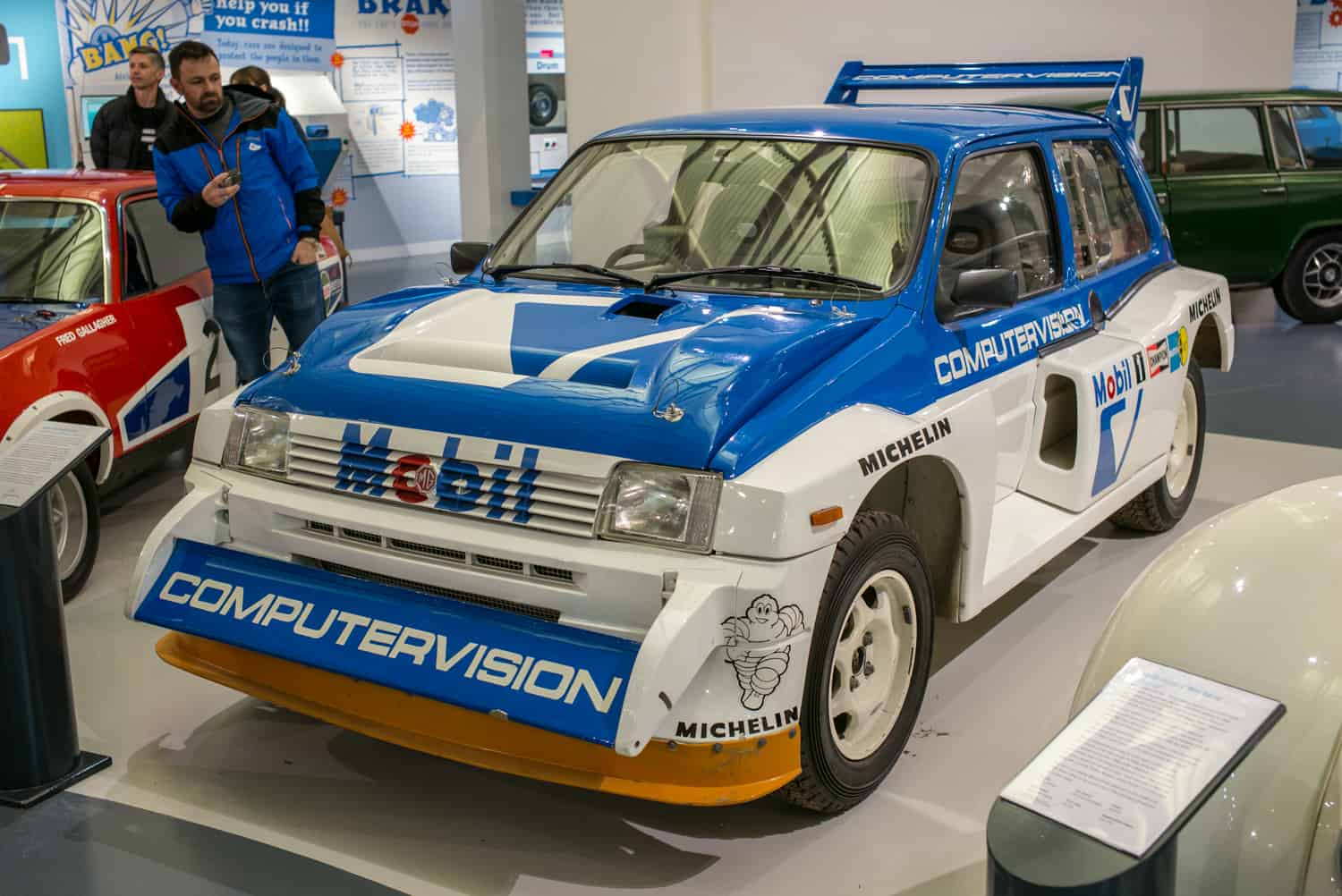
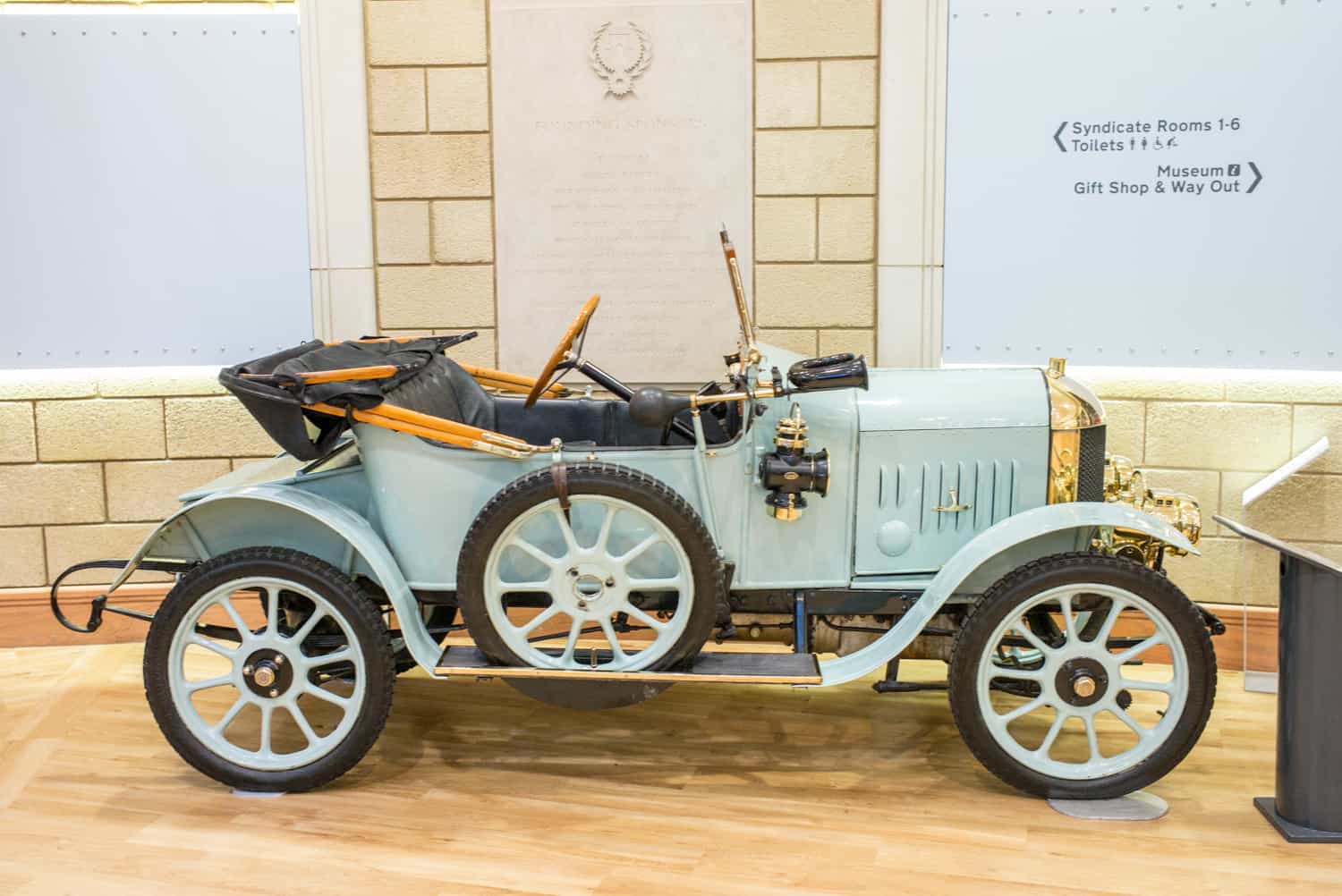
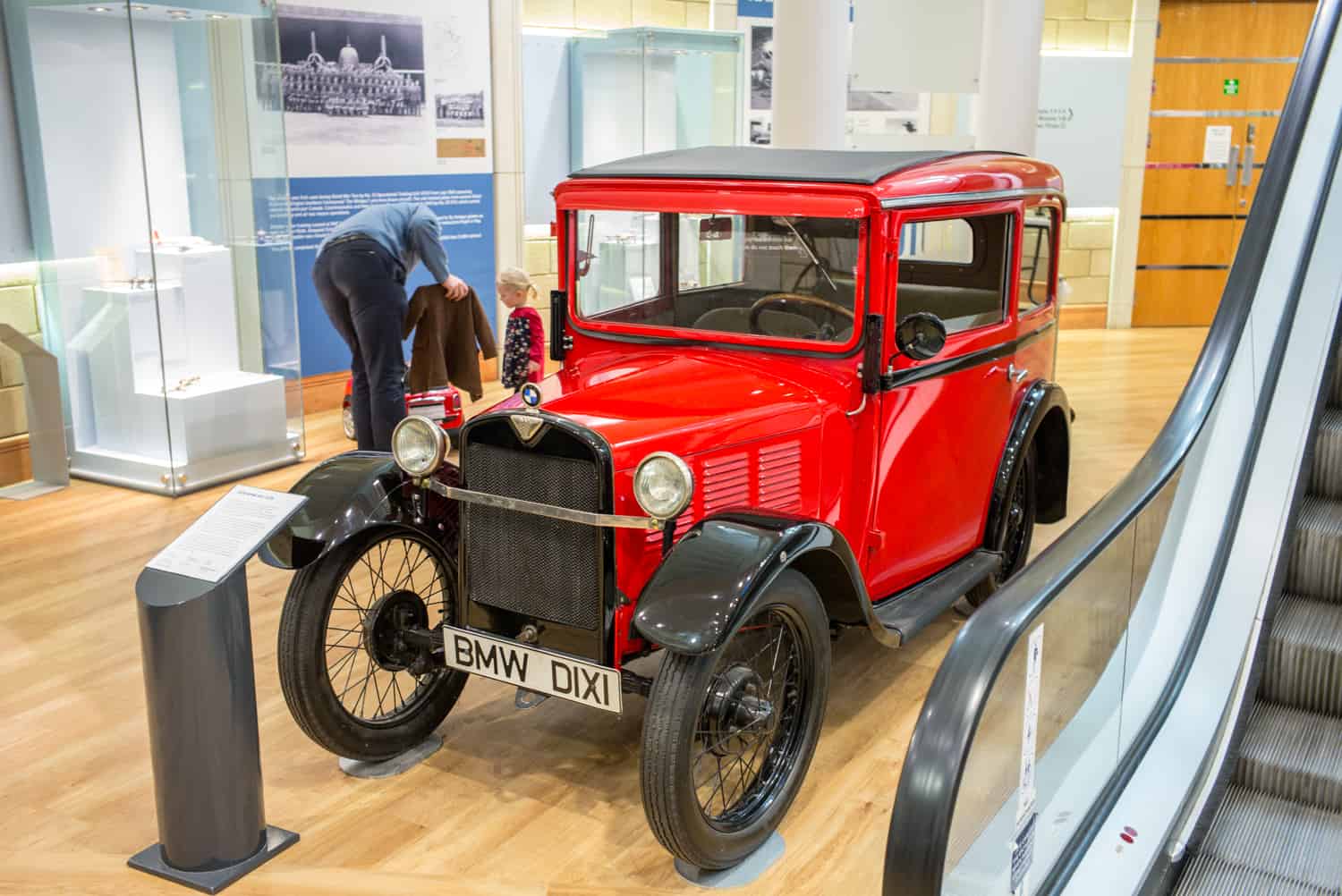
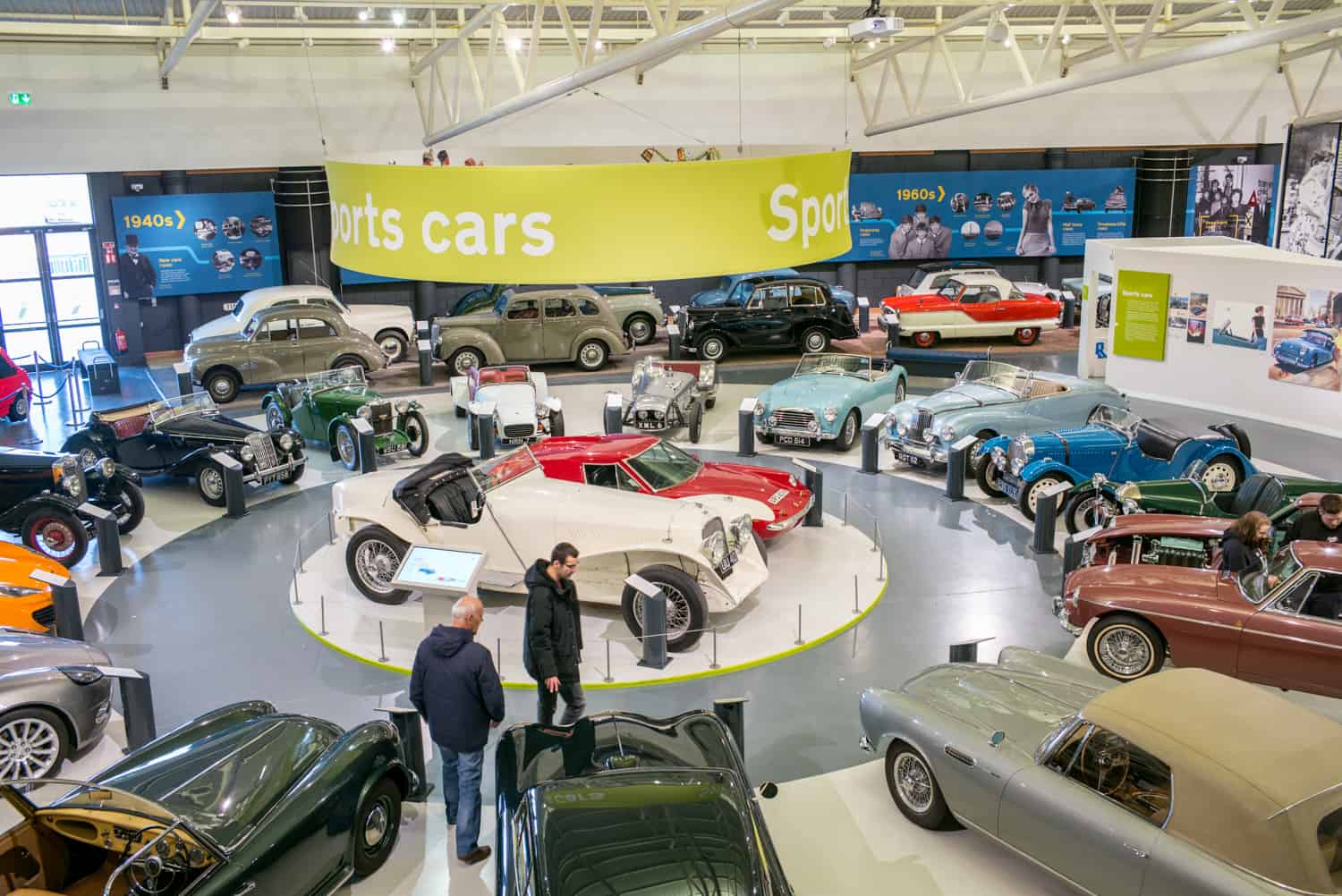
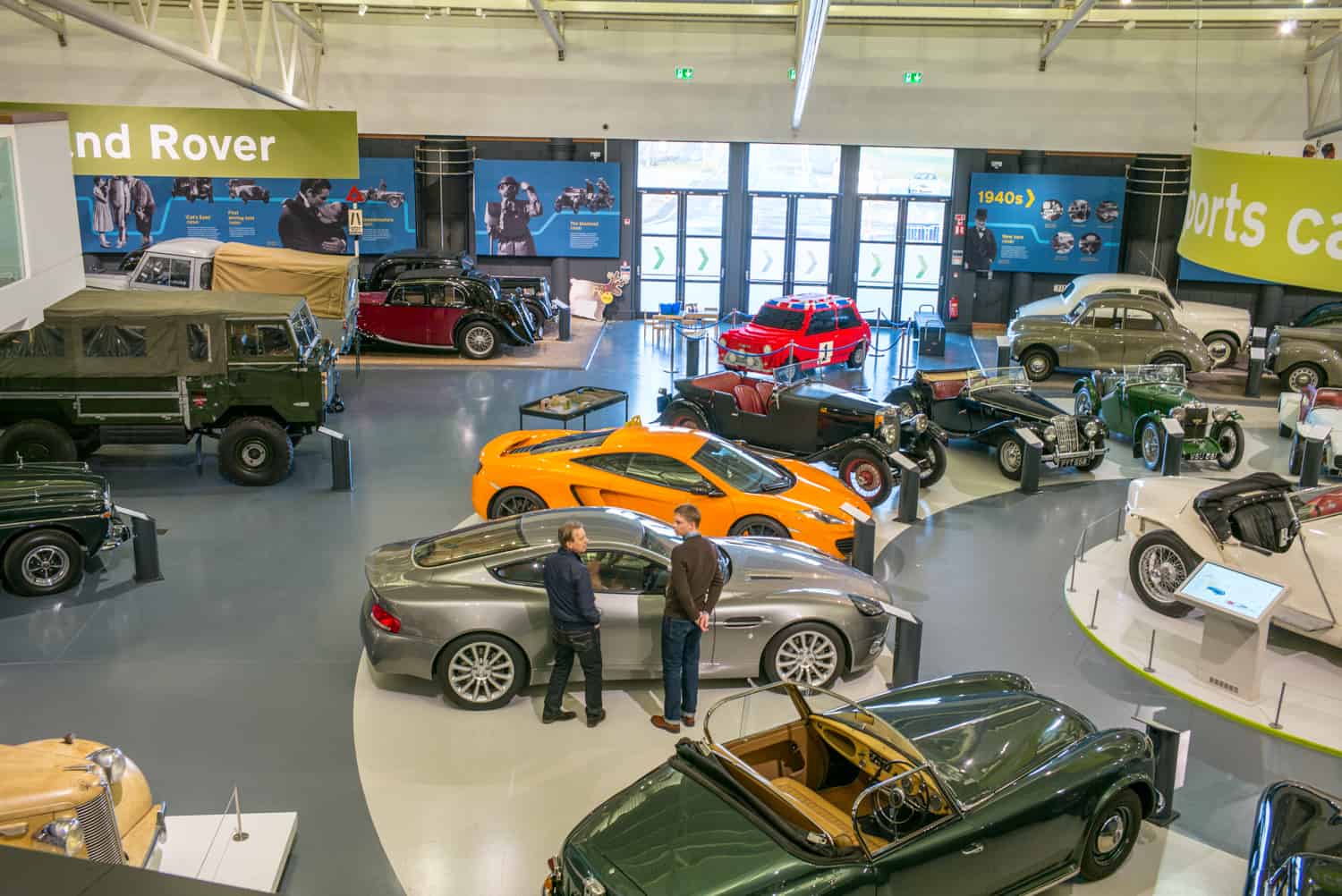
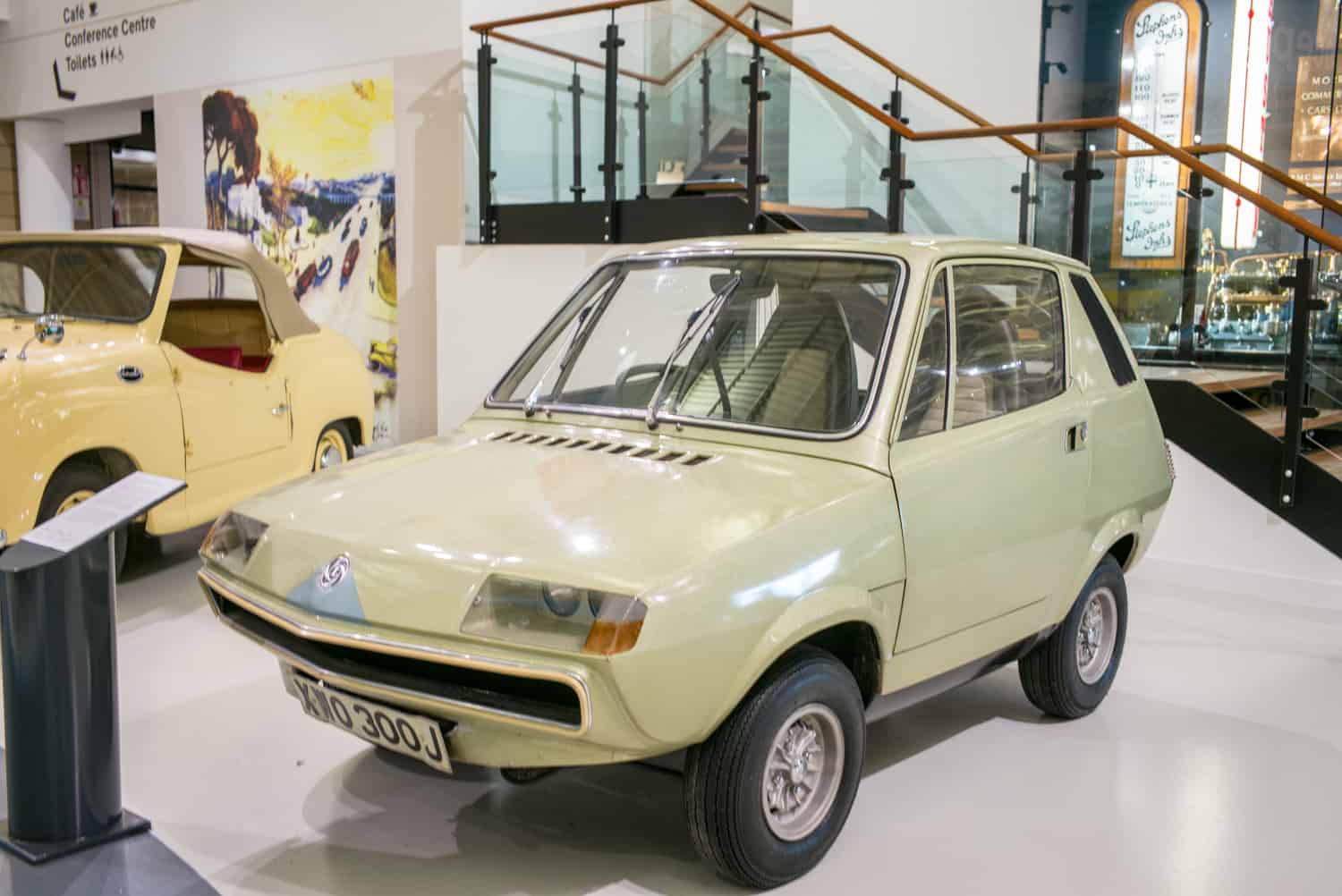
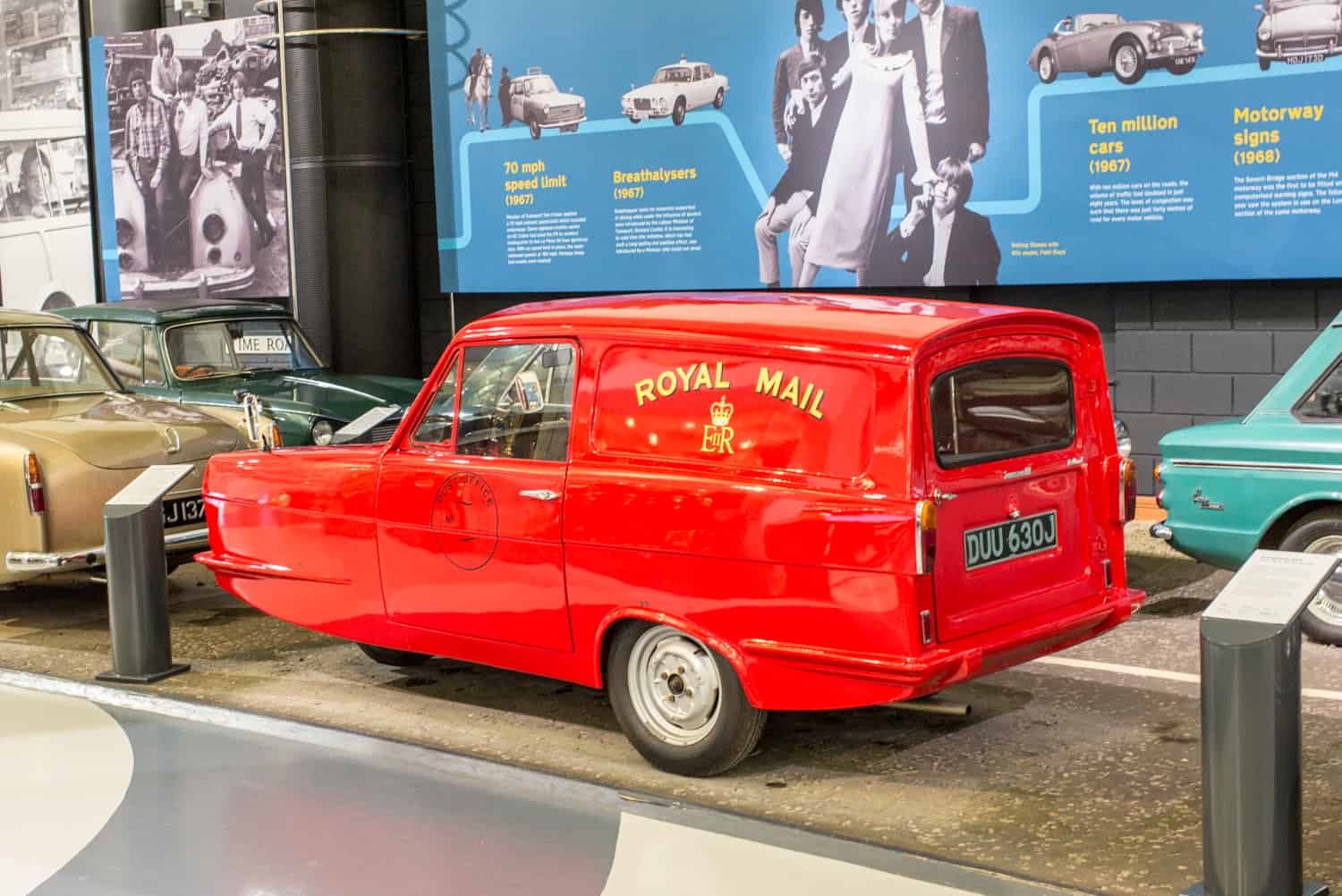
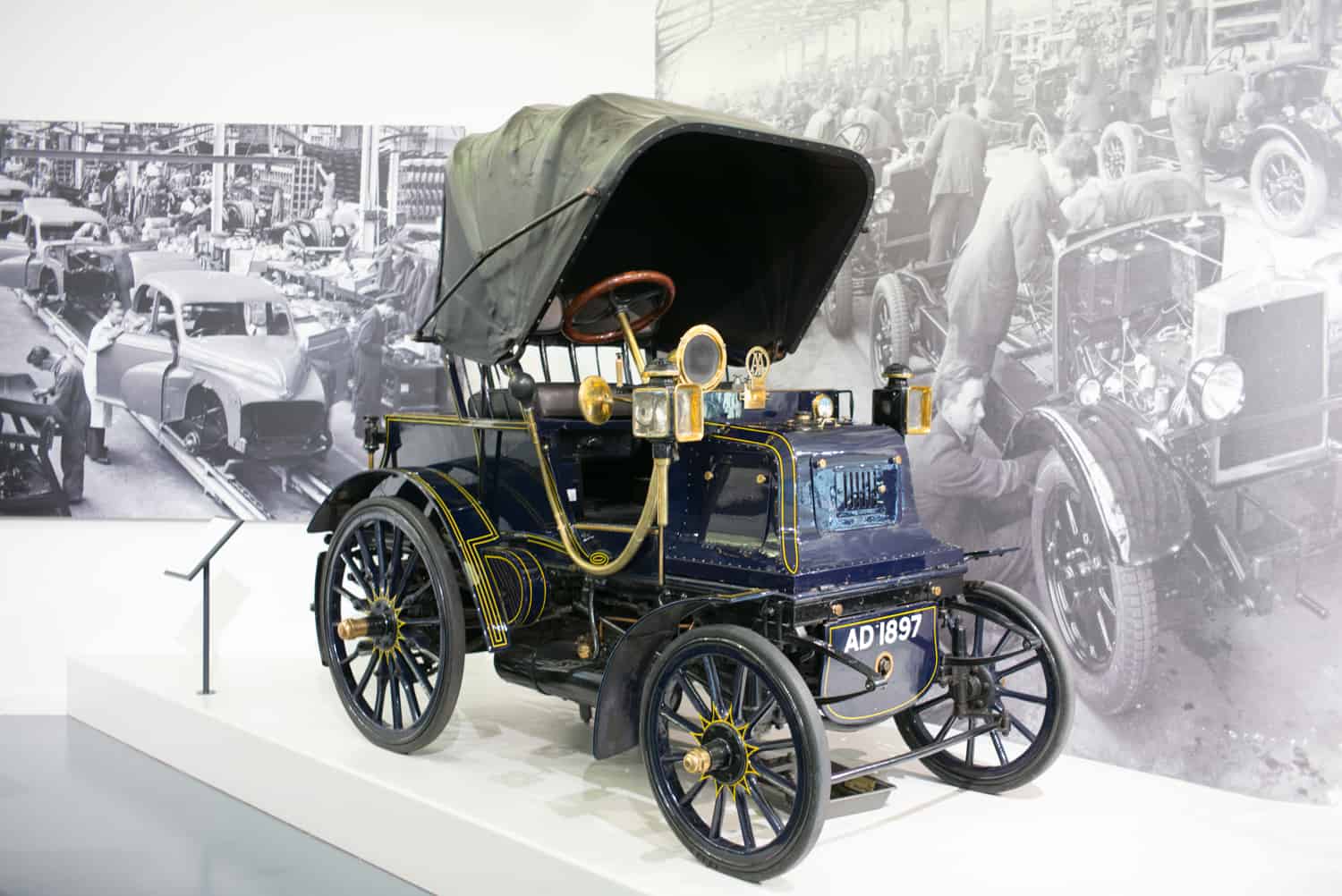
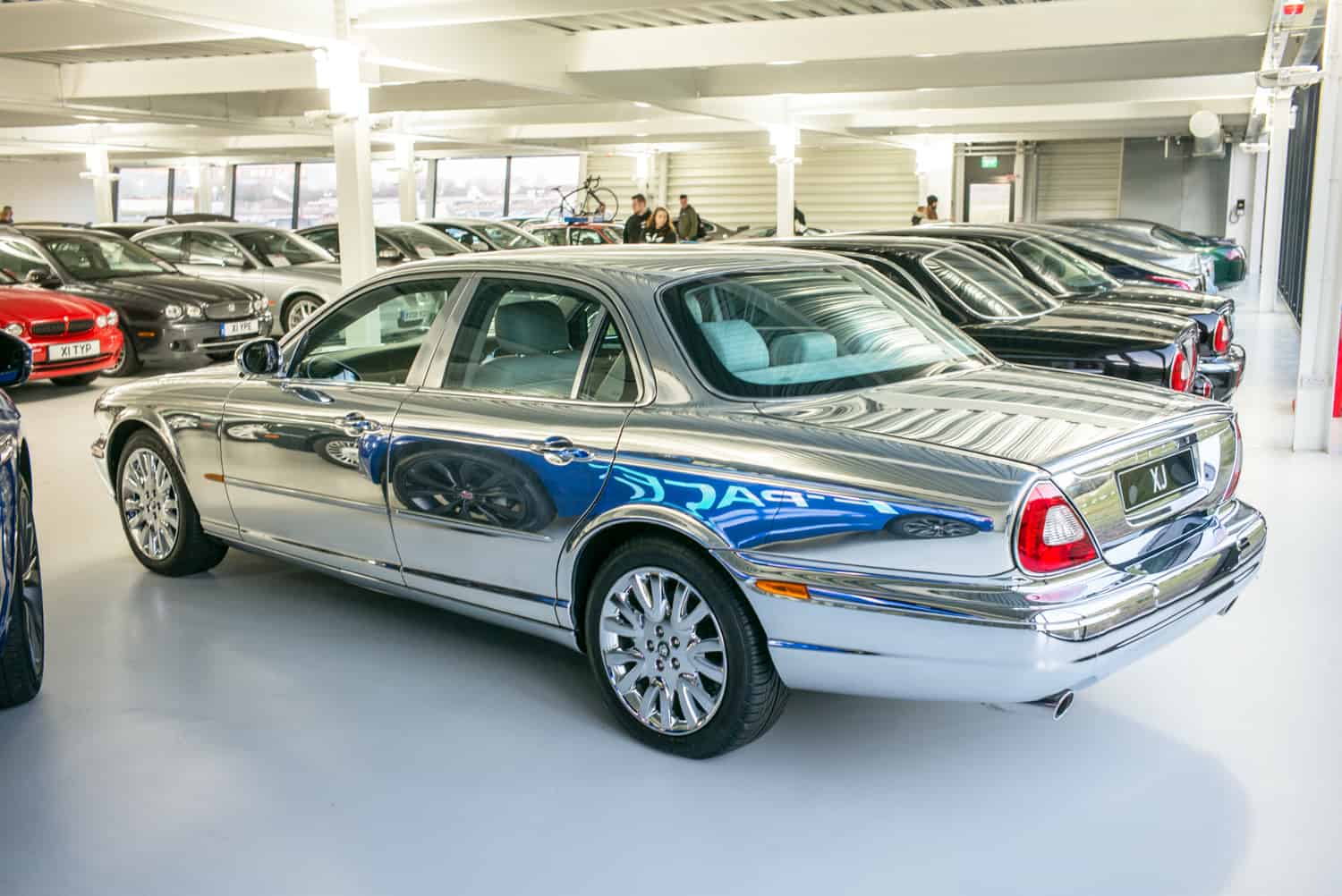
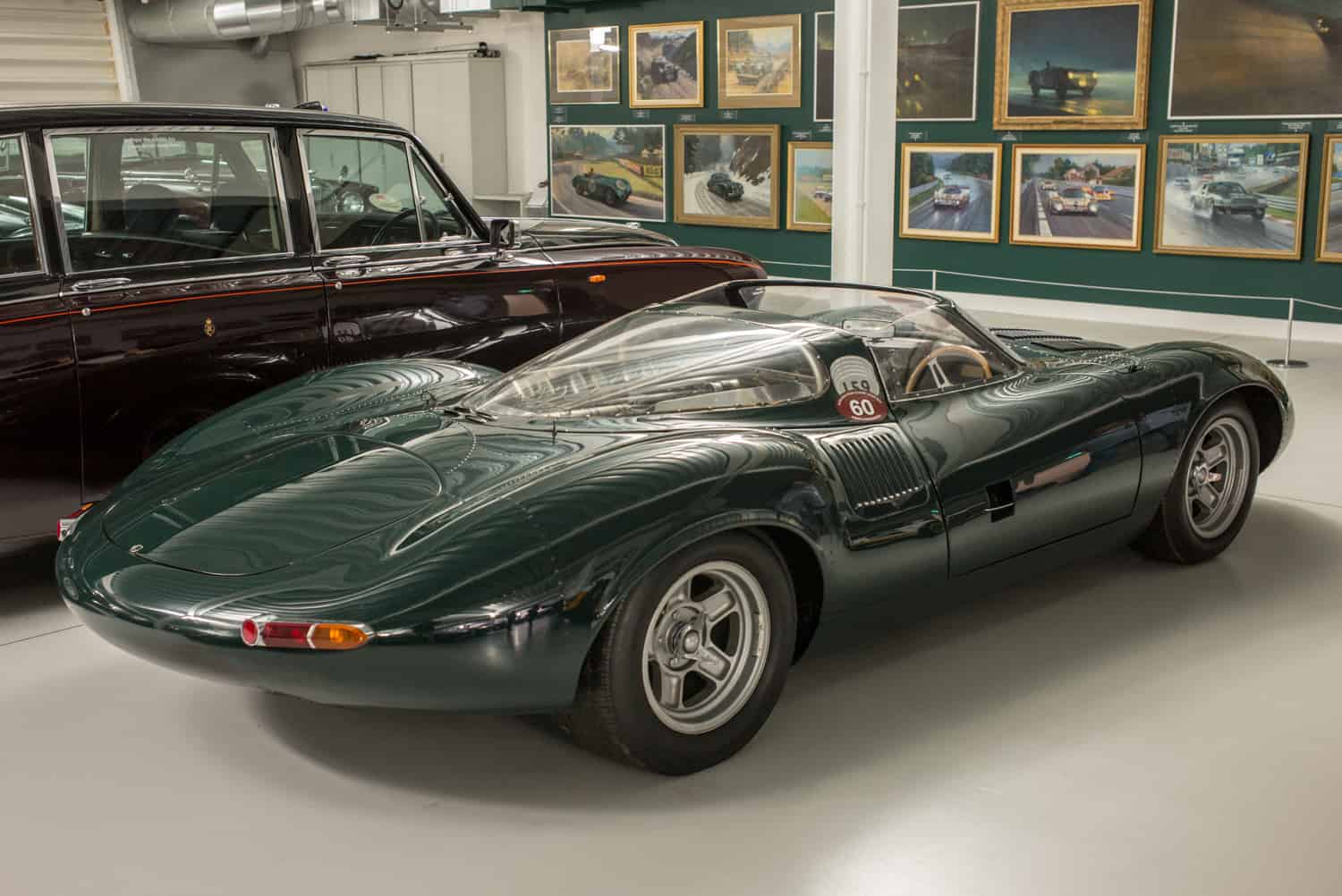
A clutch of firsts – the first Land Rover, the first Mini, the first E-Type definitely not the first E-Type and (I believe, maybe) the first Roller under BMW’s ownership.

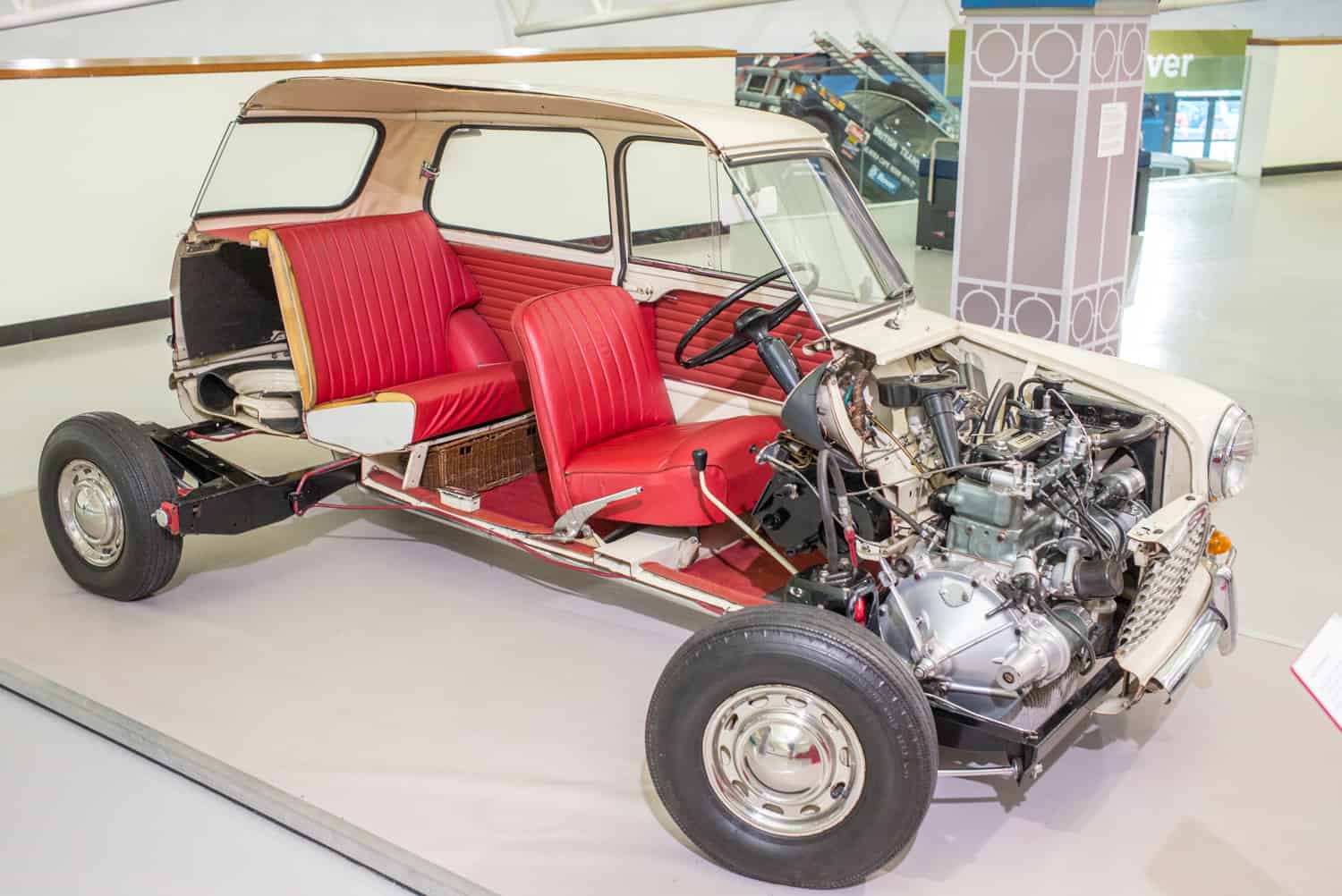
While we’re here, at the Mini, here’s a look inside Mr Issigonis’ mind:

——

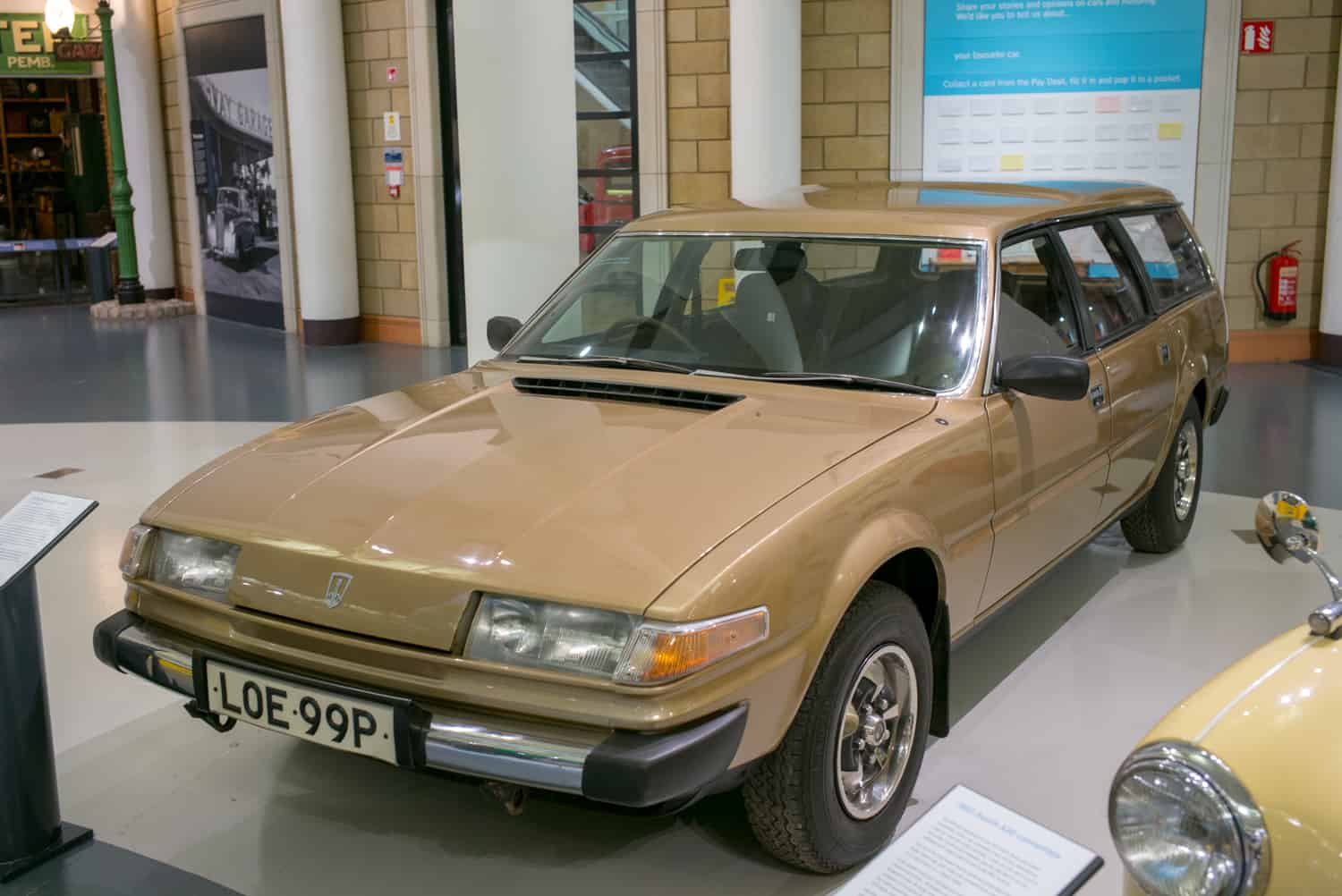
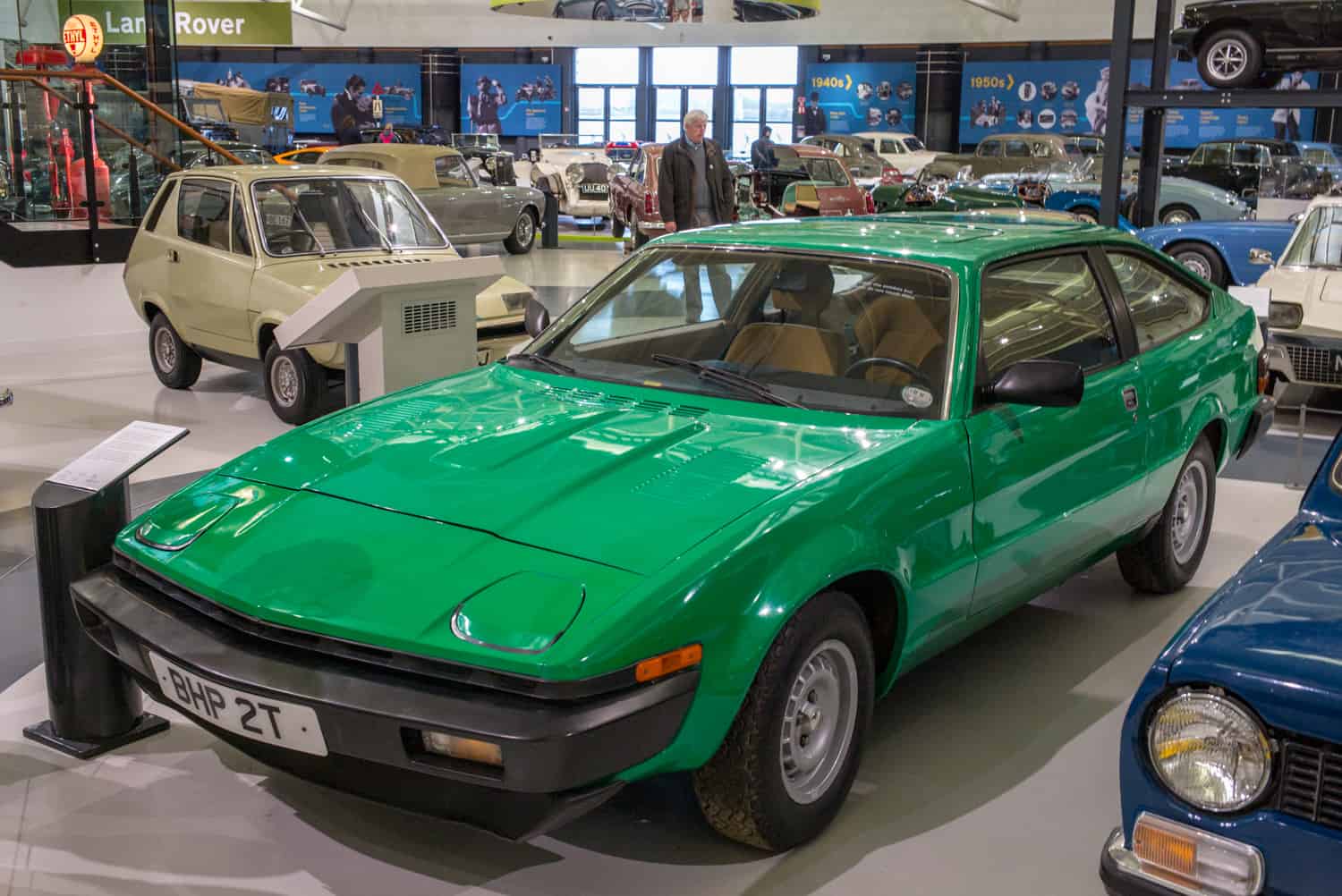
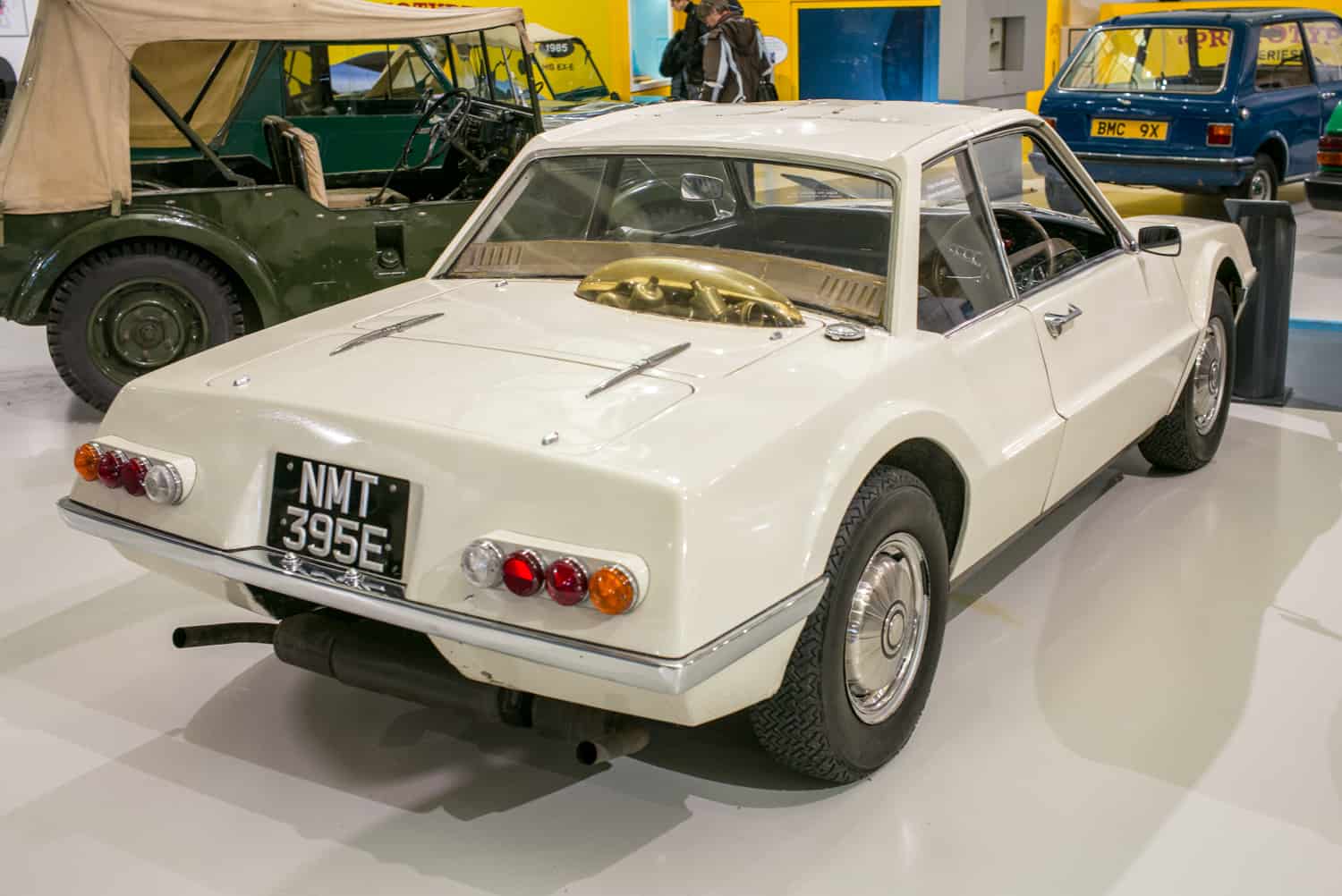
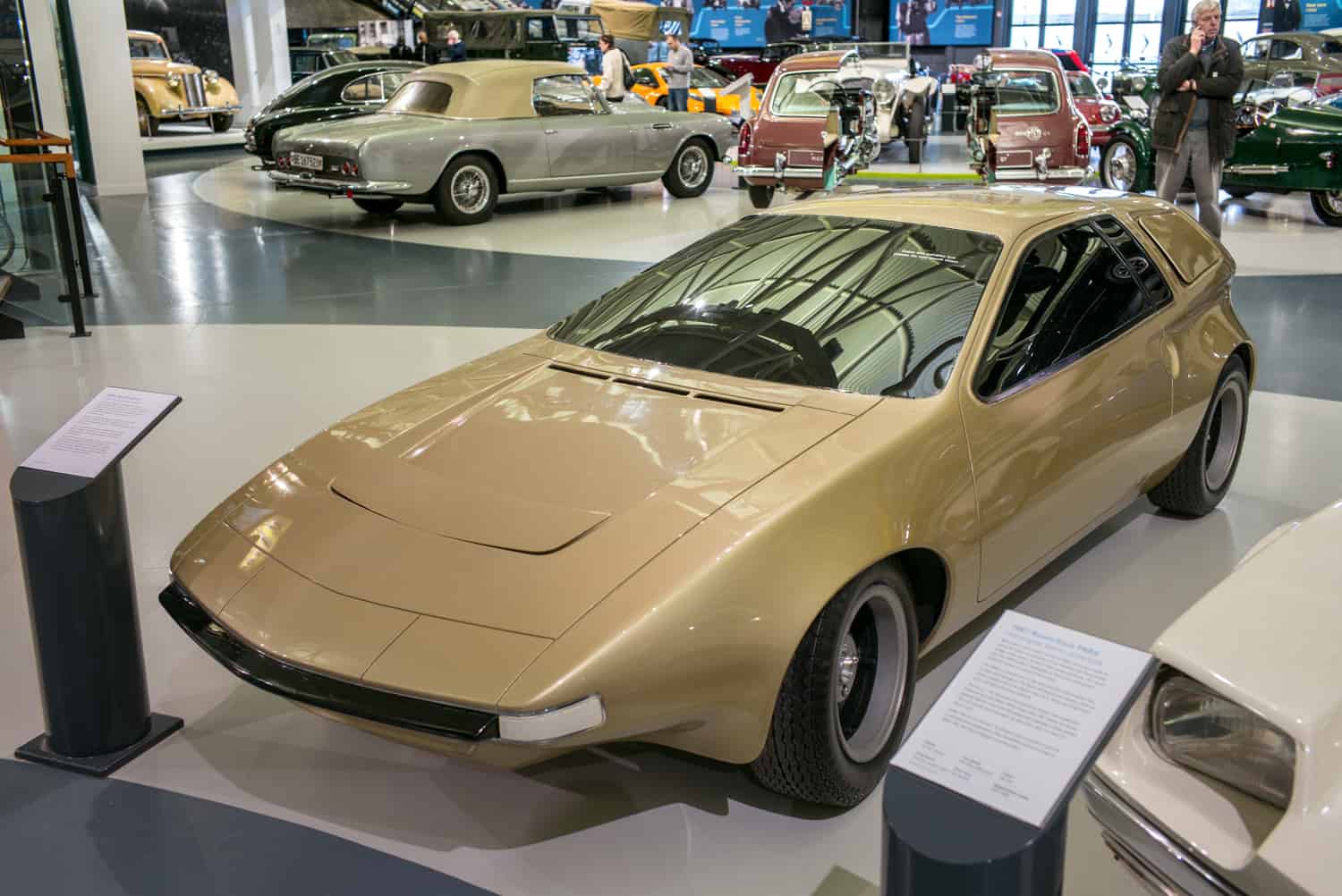
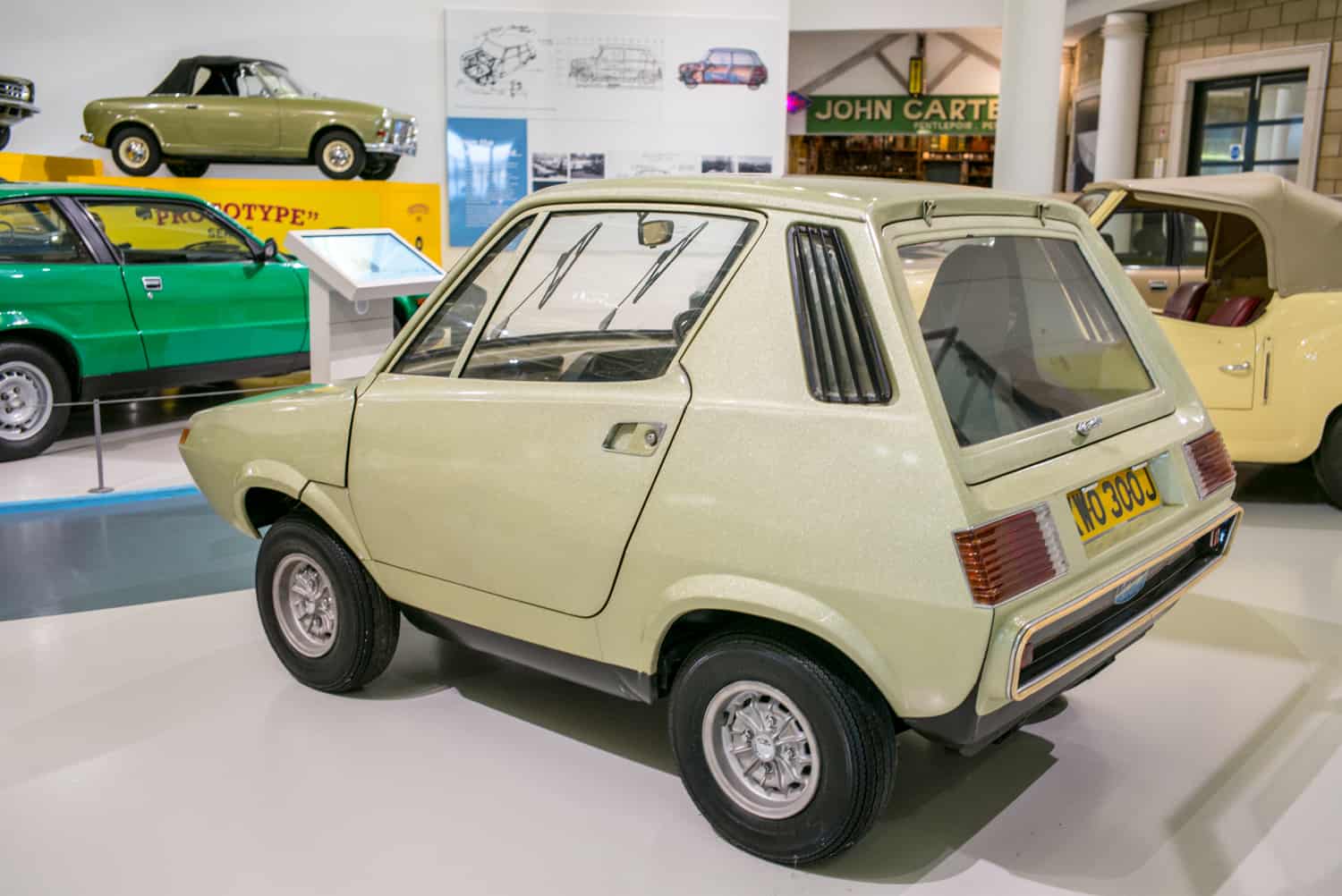
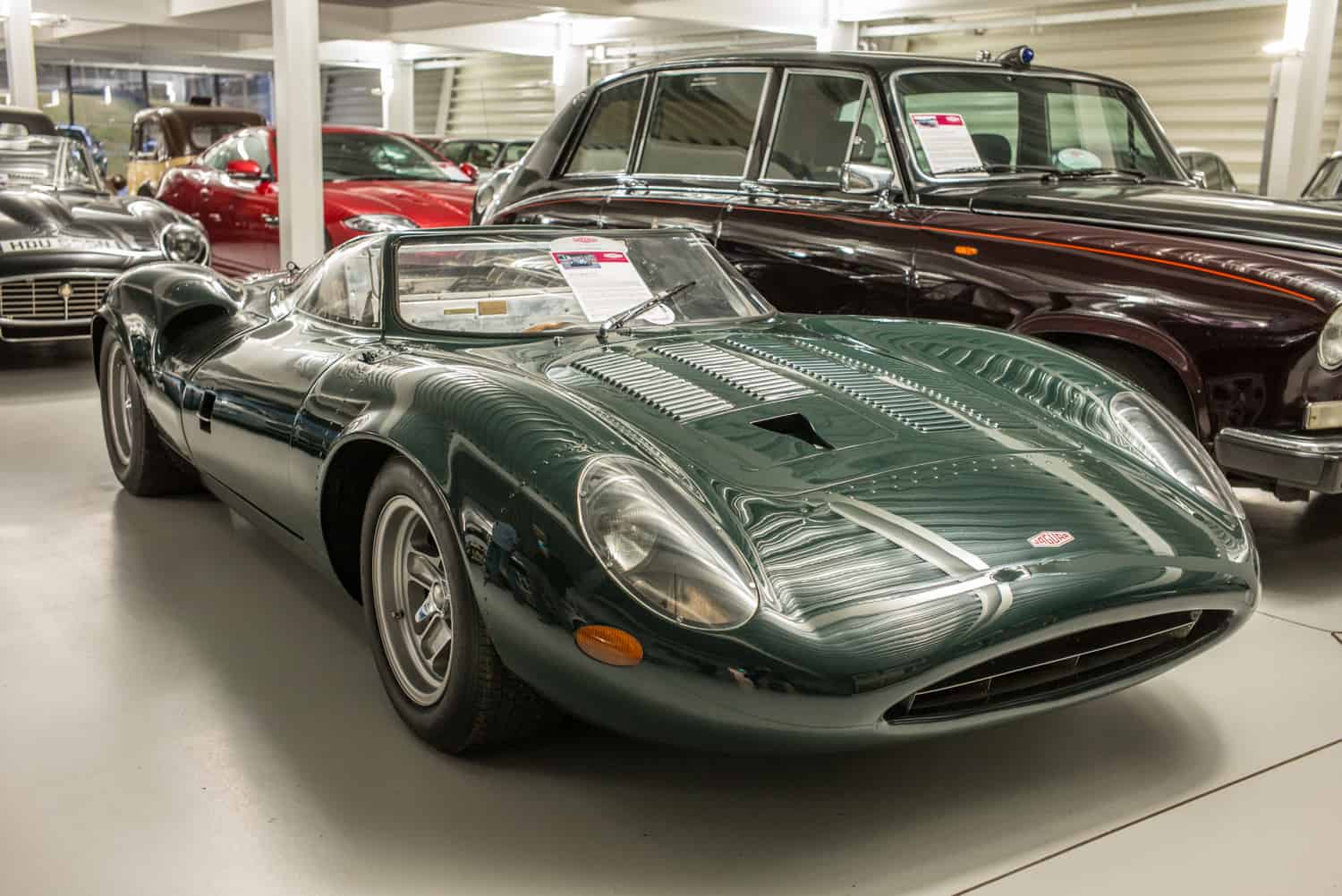
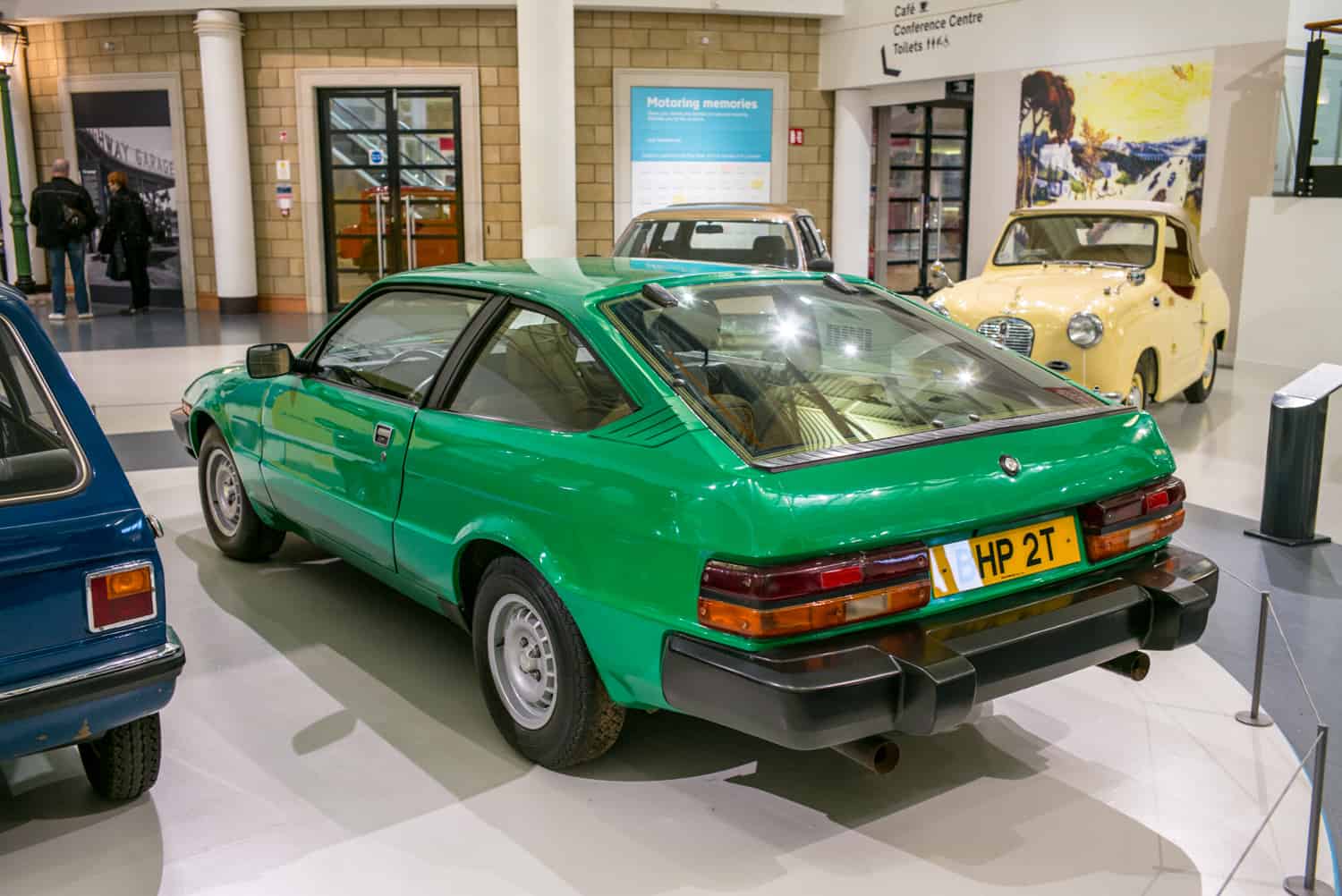
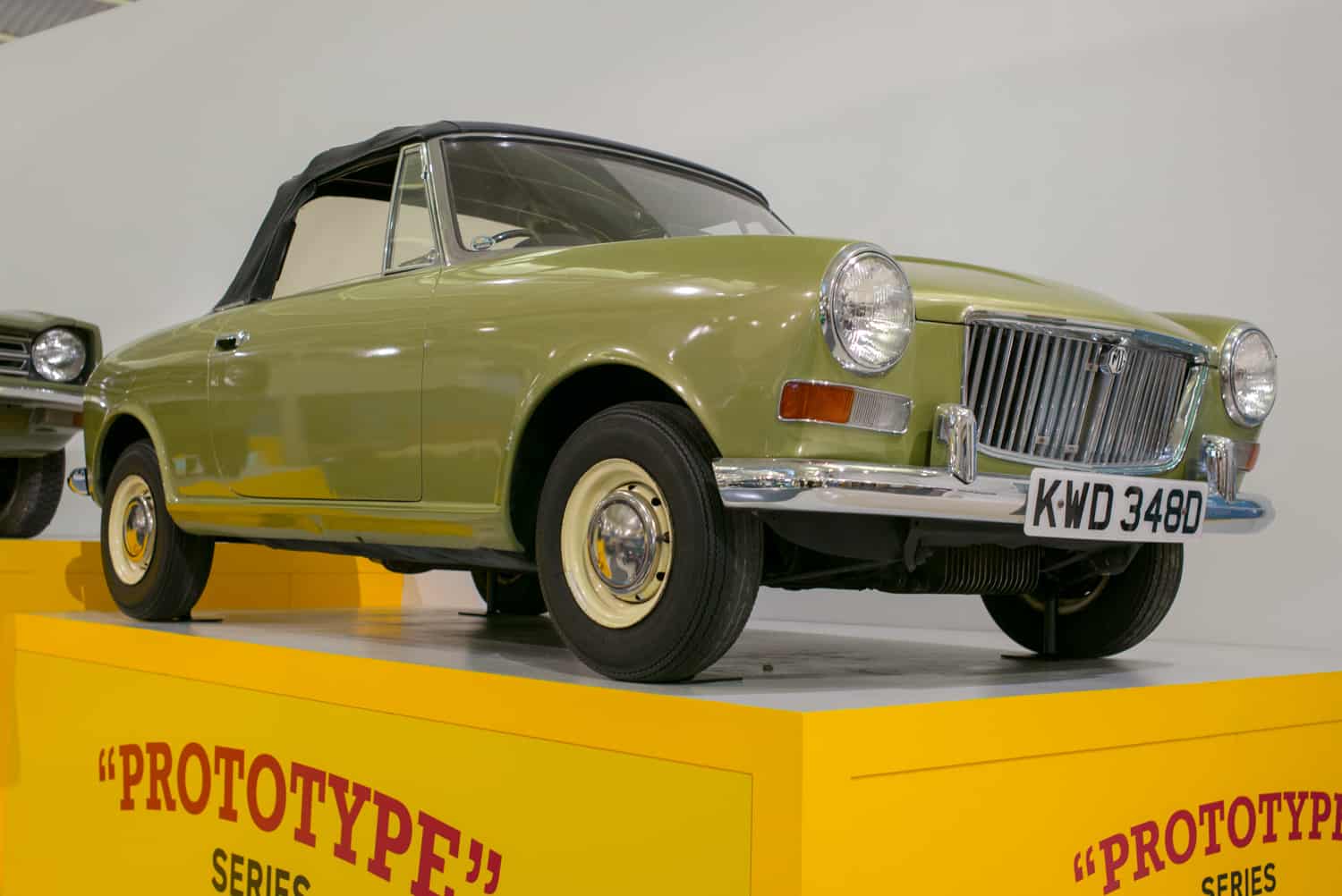
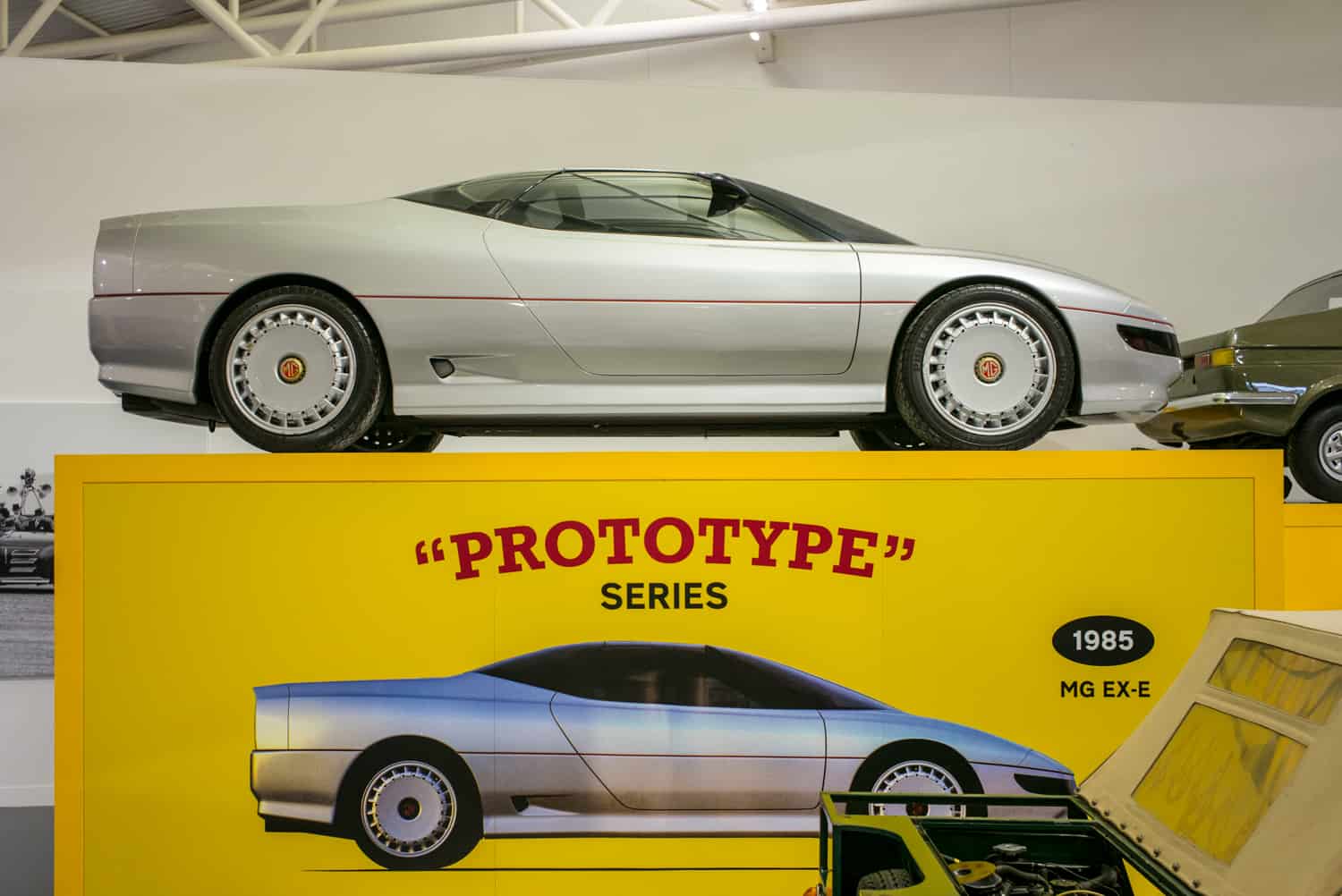
The prototype room….. so right and so wrong at the same time.

Note the amazing T-top sealing hardware and the bubble-on-the-back…..

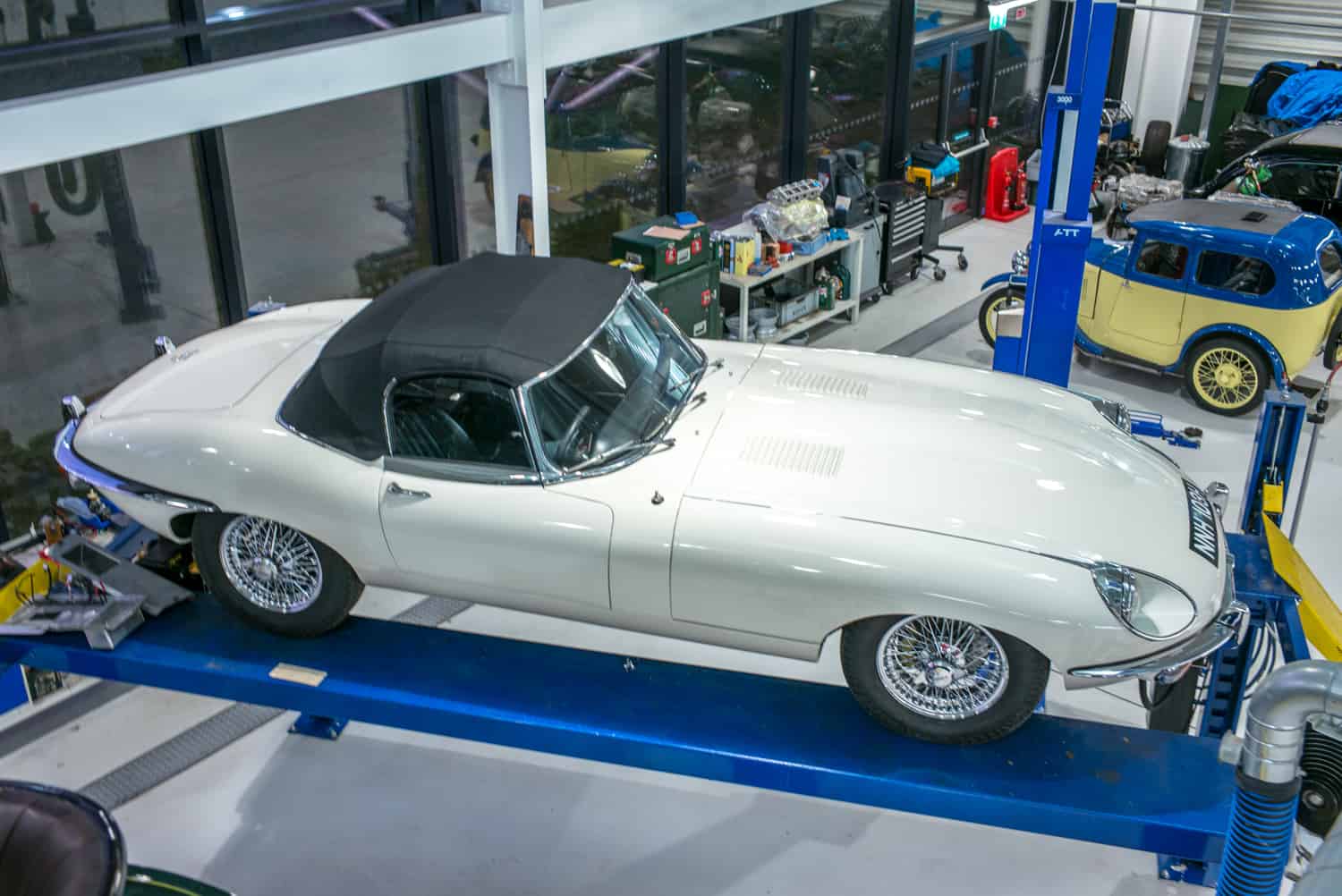
Not bad for 1969. Ahead of its time….

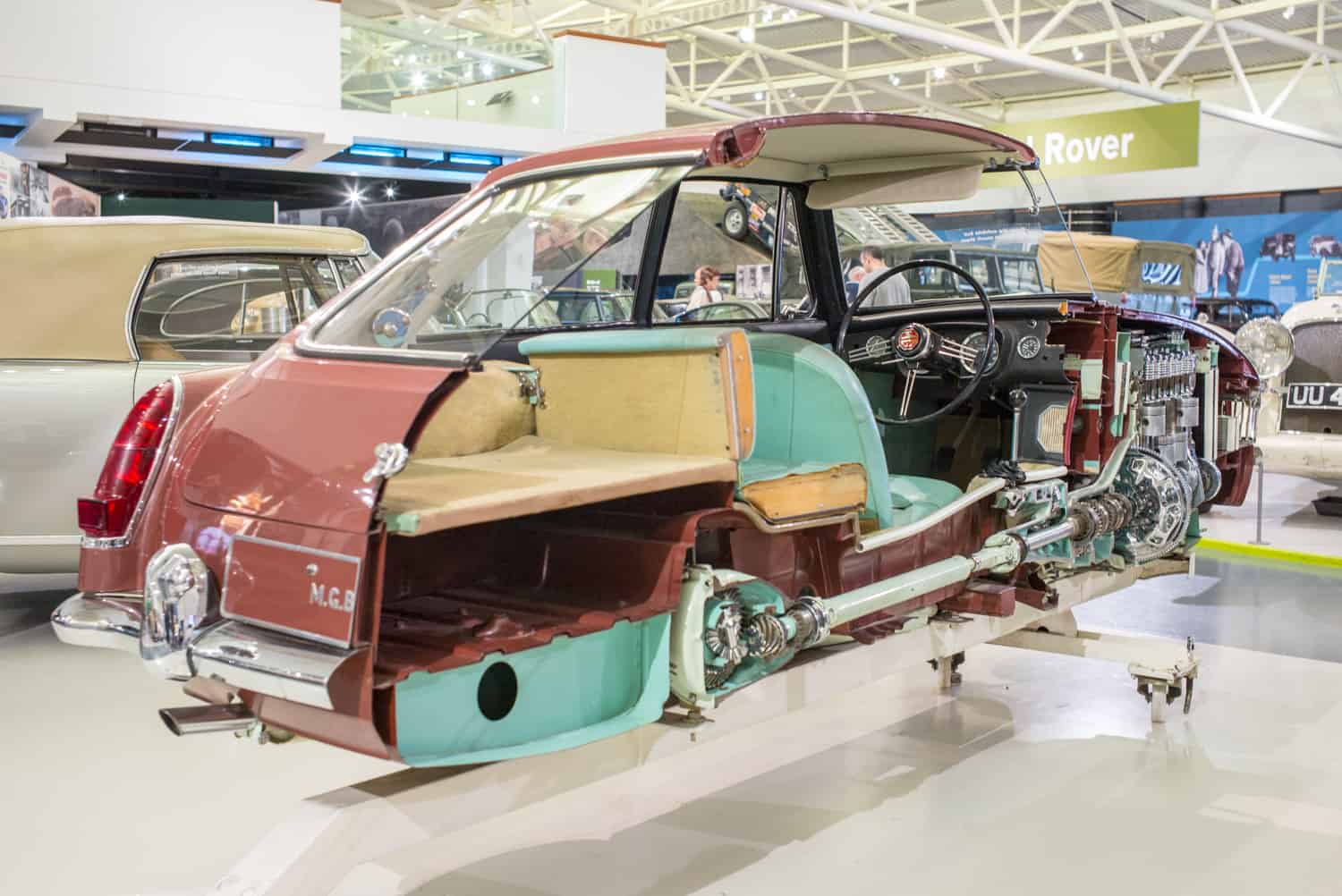
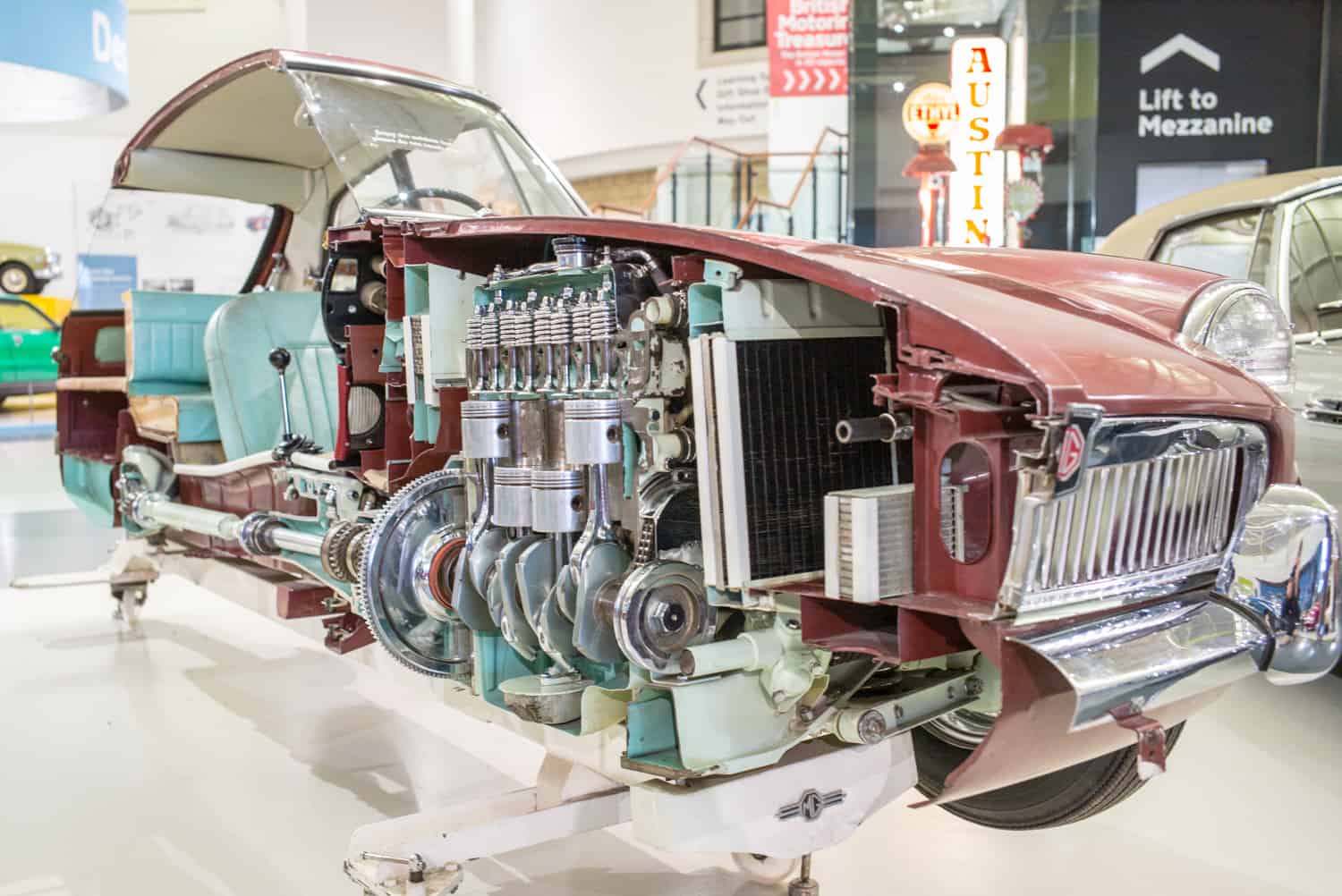
For my mate, Jim. Here’s your car’s insides……

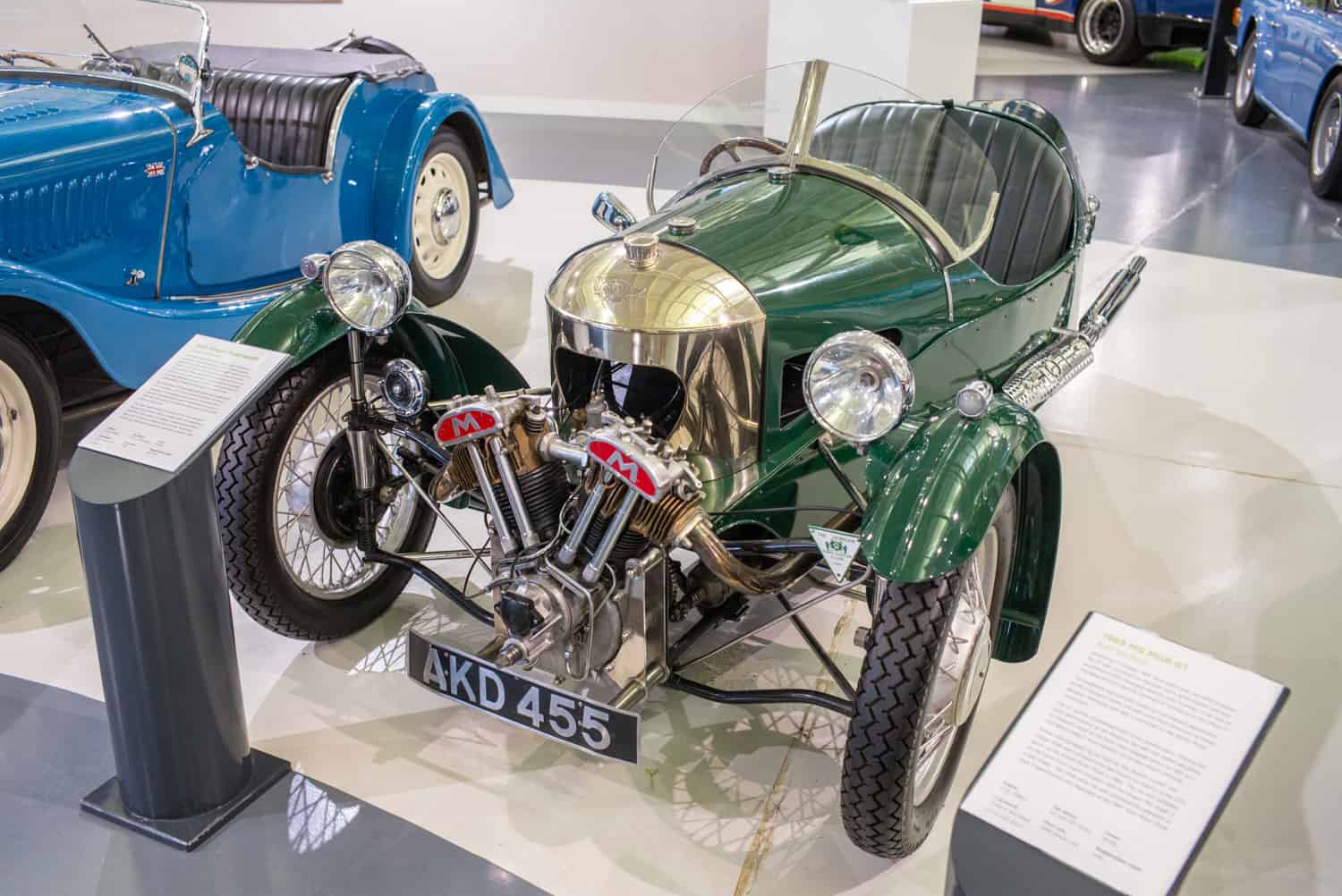
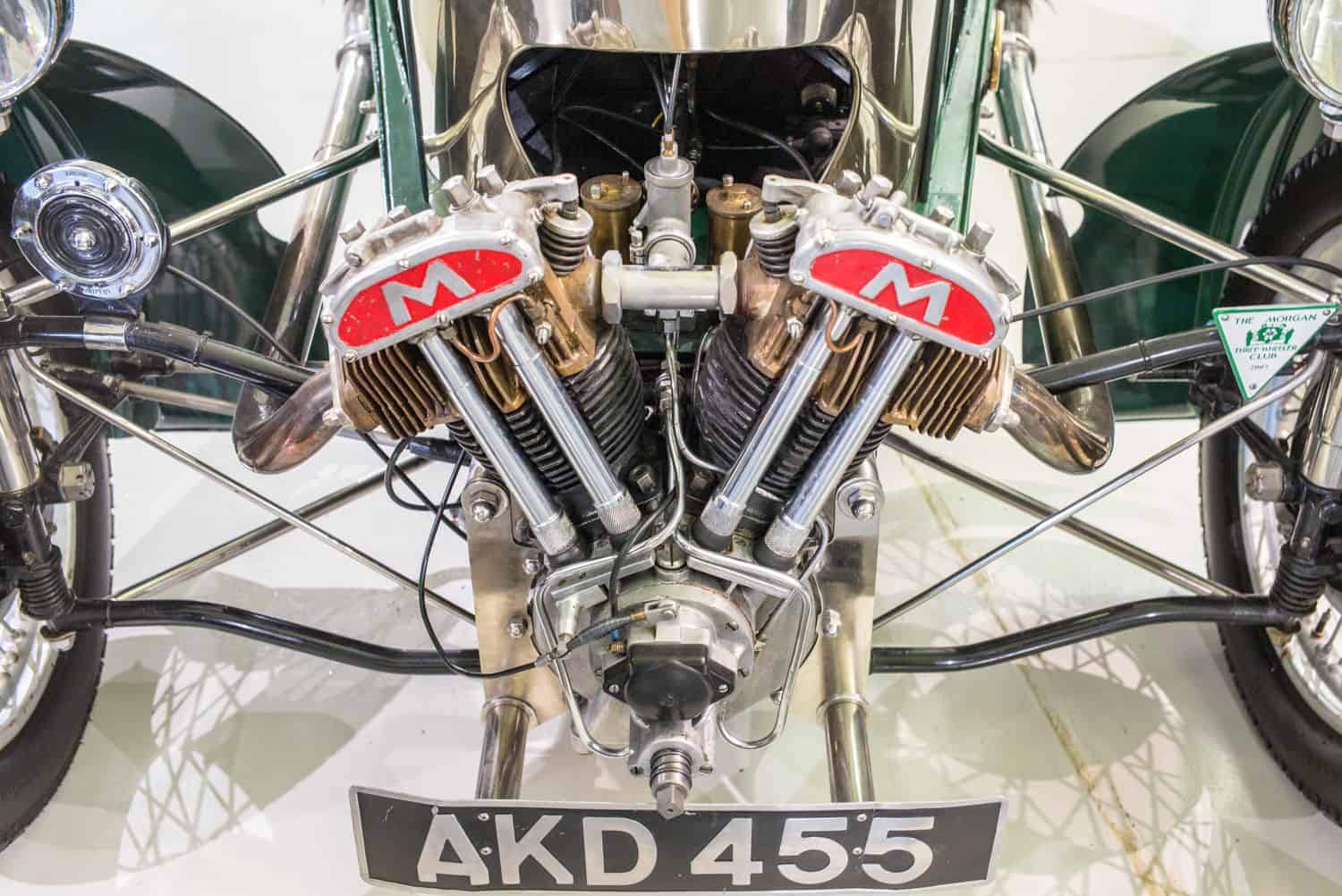
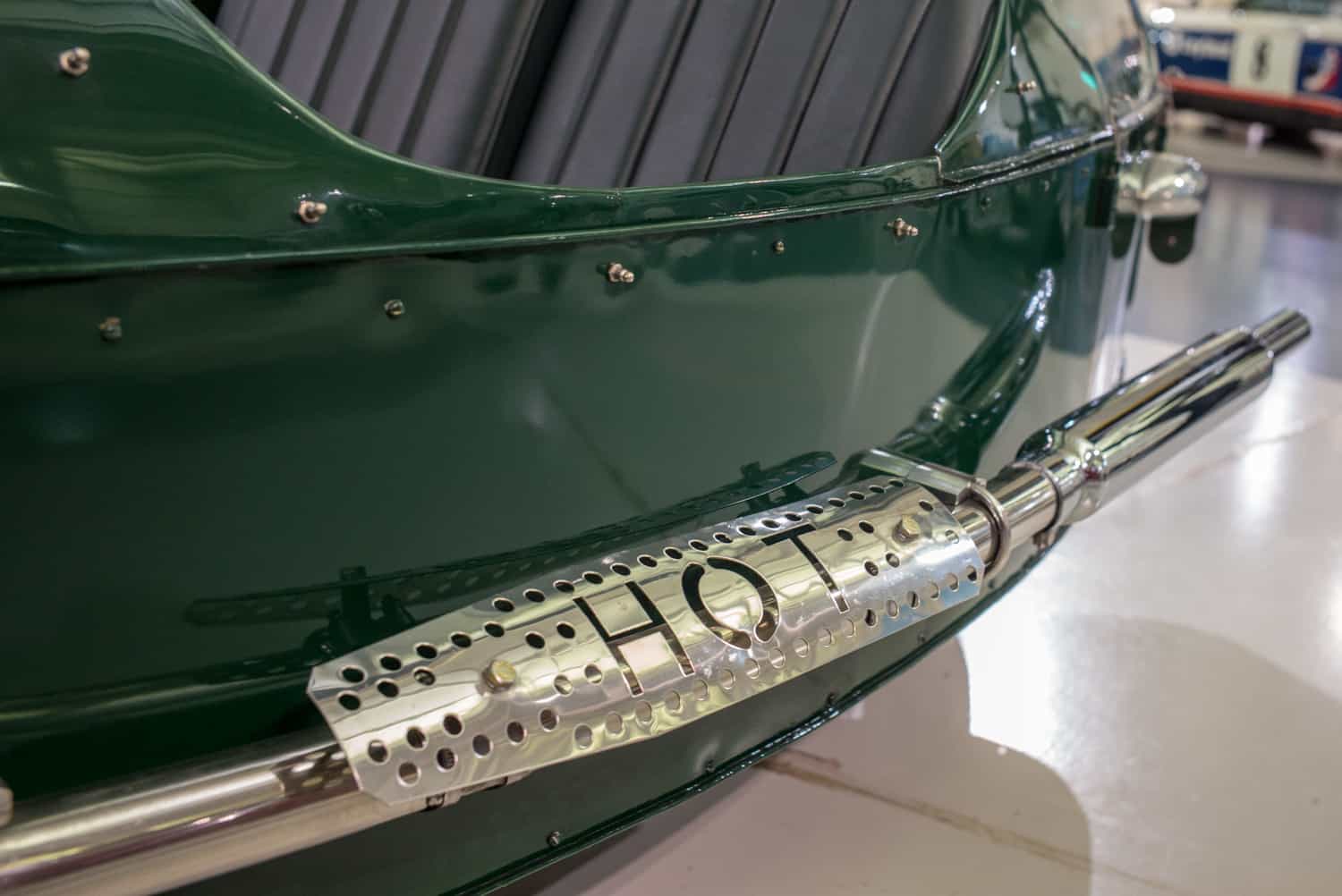
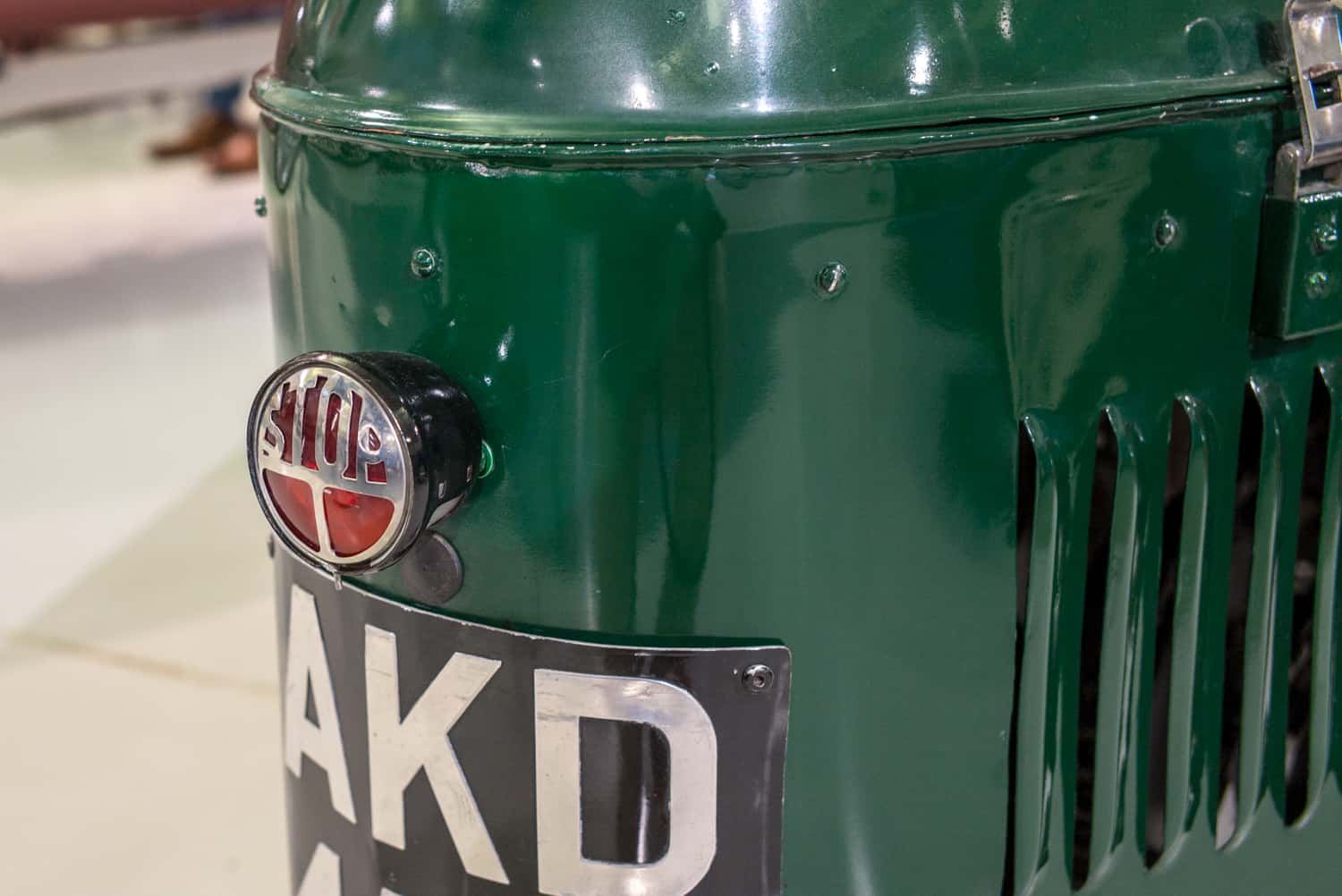
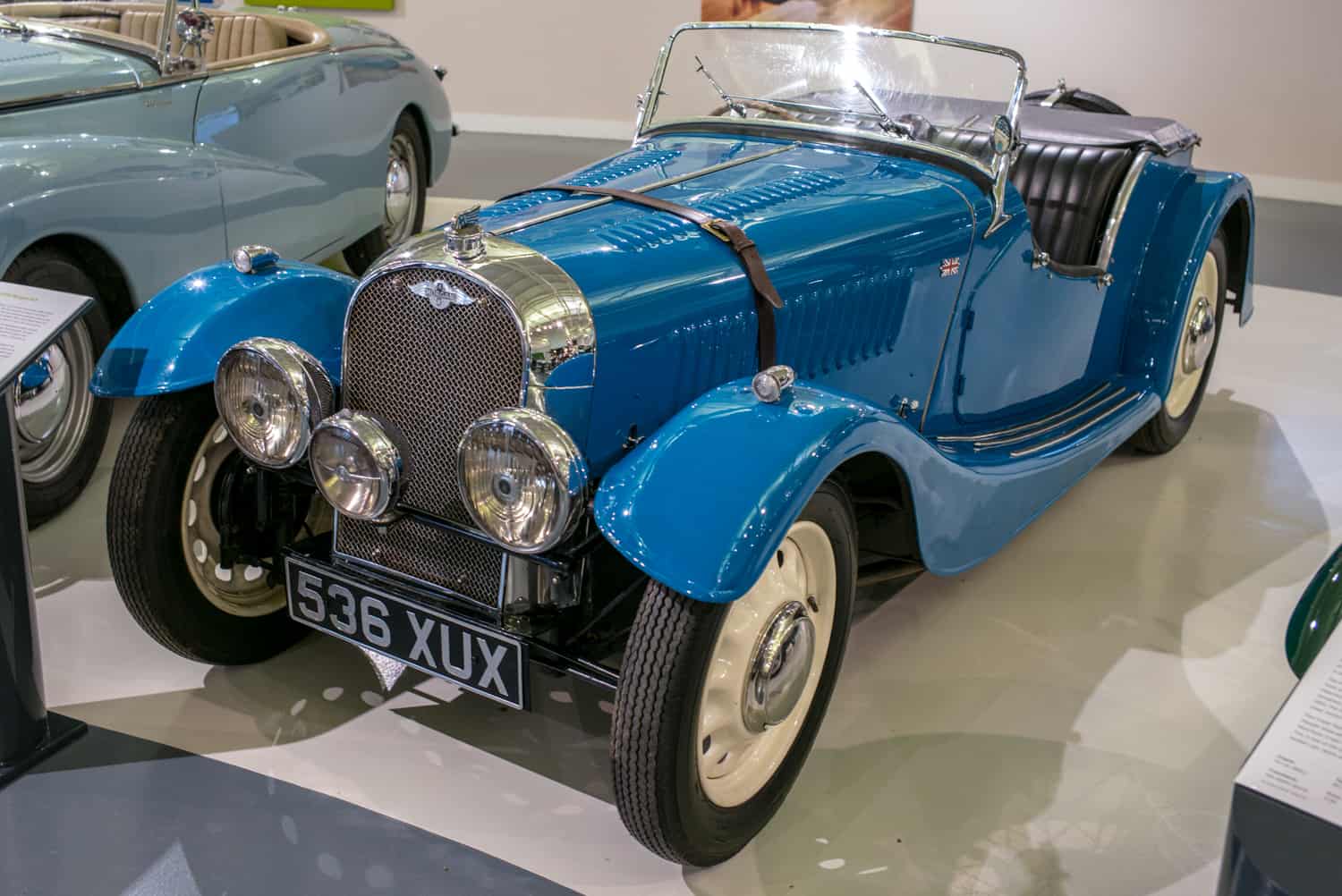
One of my dream cars, the Morgan 3-wheeler…..

More Morgan goodness:

Lotus Mark VI – Colin Chapman’s first ‘production’ car….

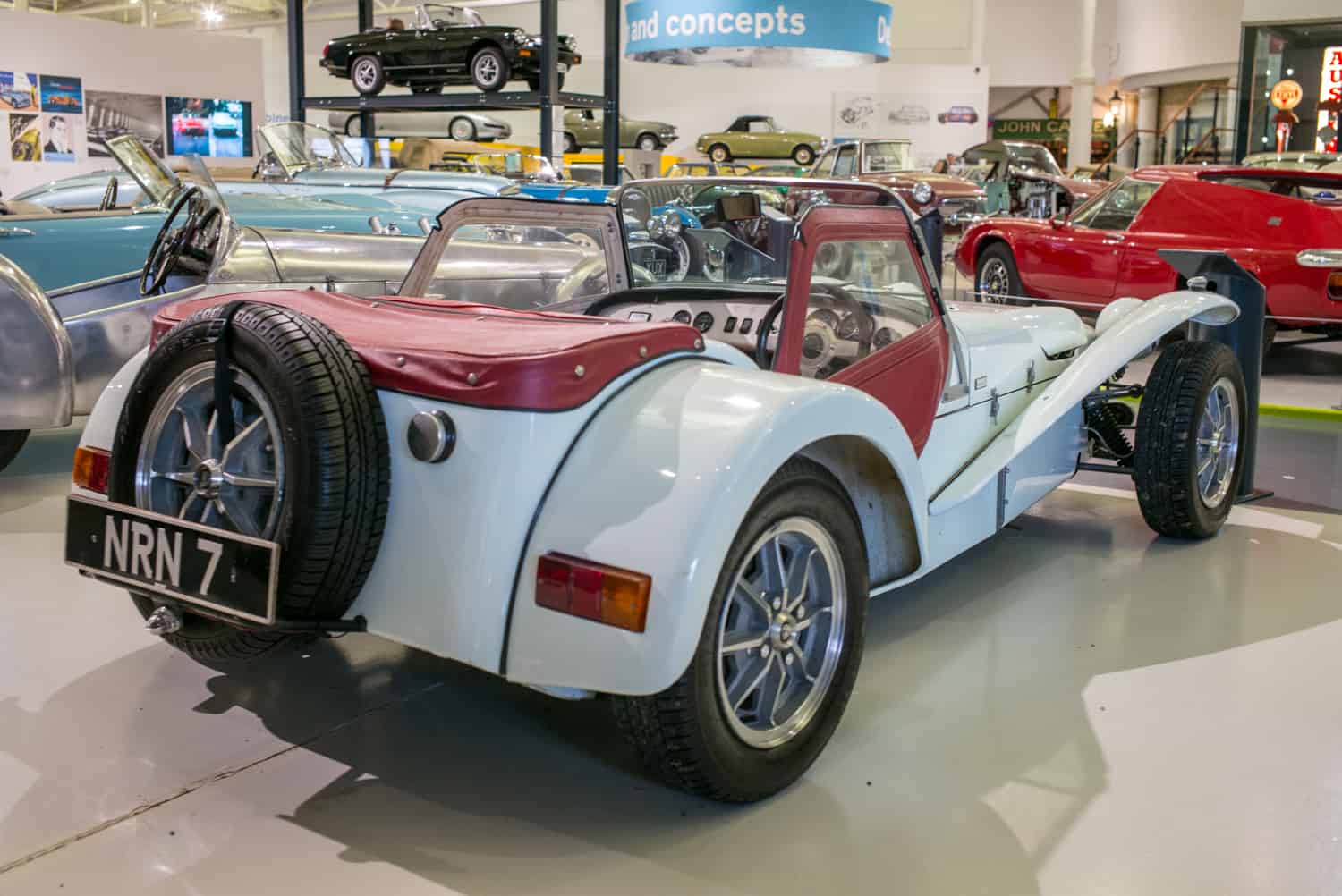
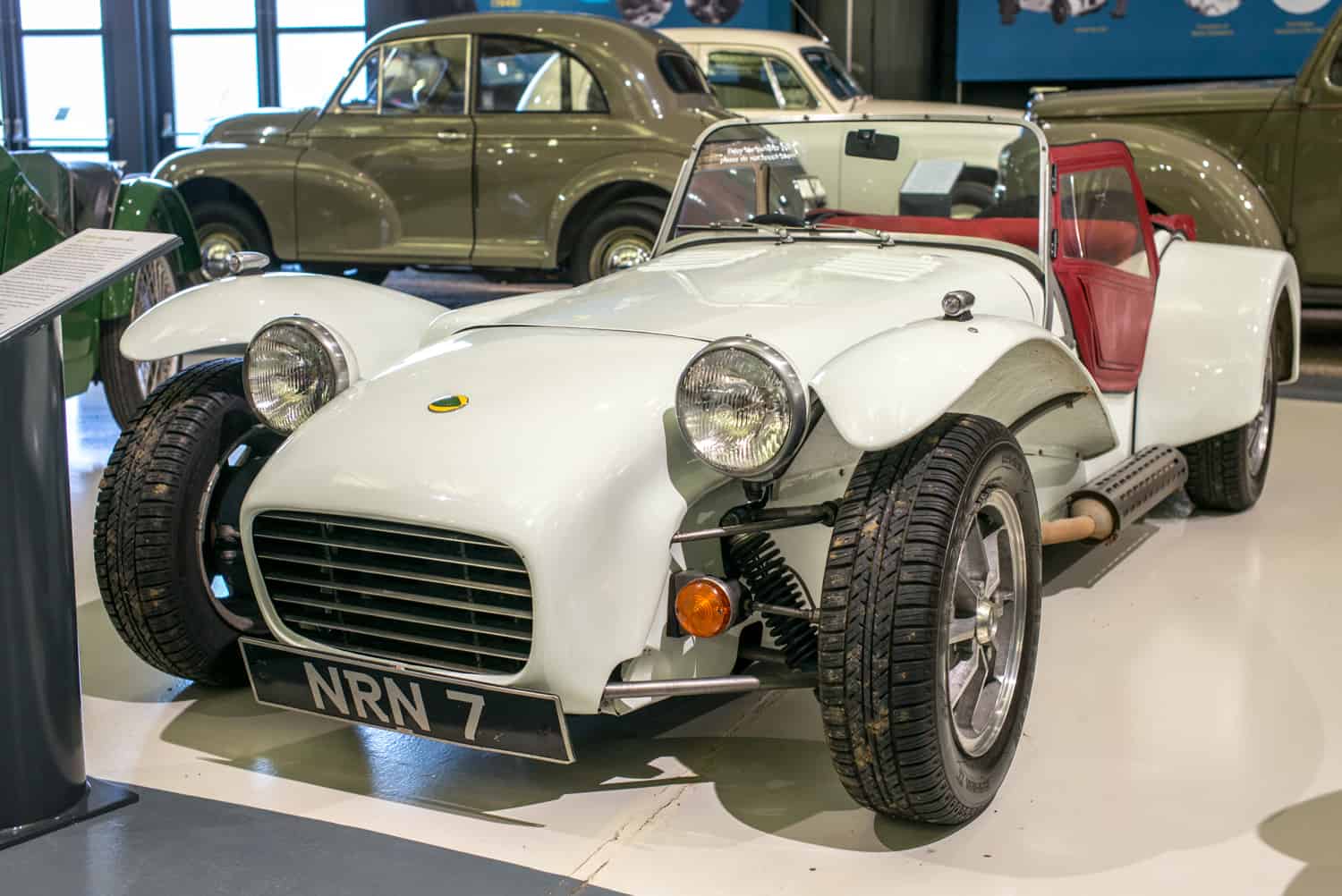
…and it’s successor, the legendary Lotus 7:

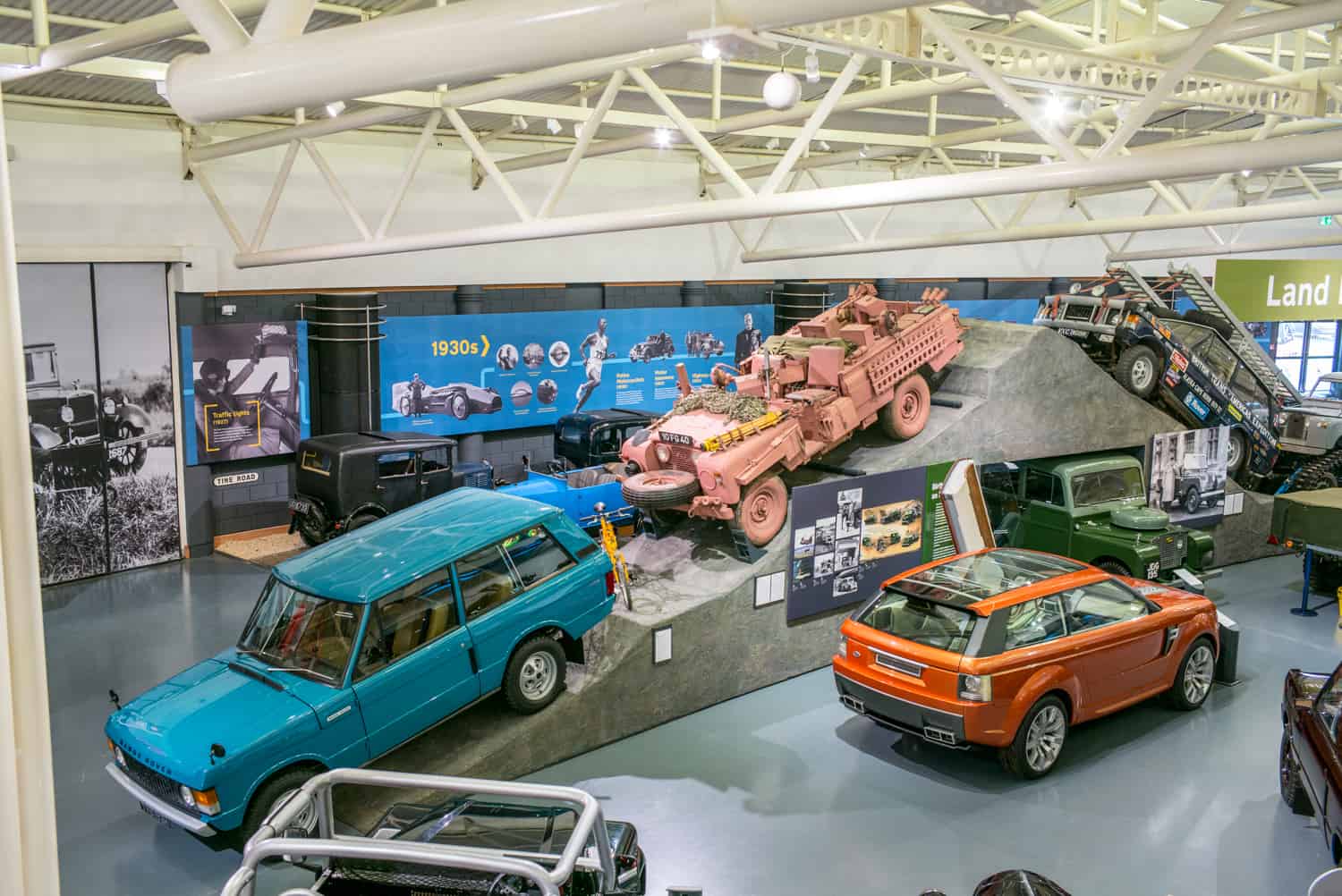
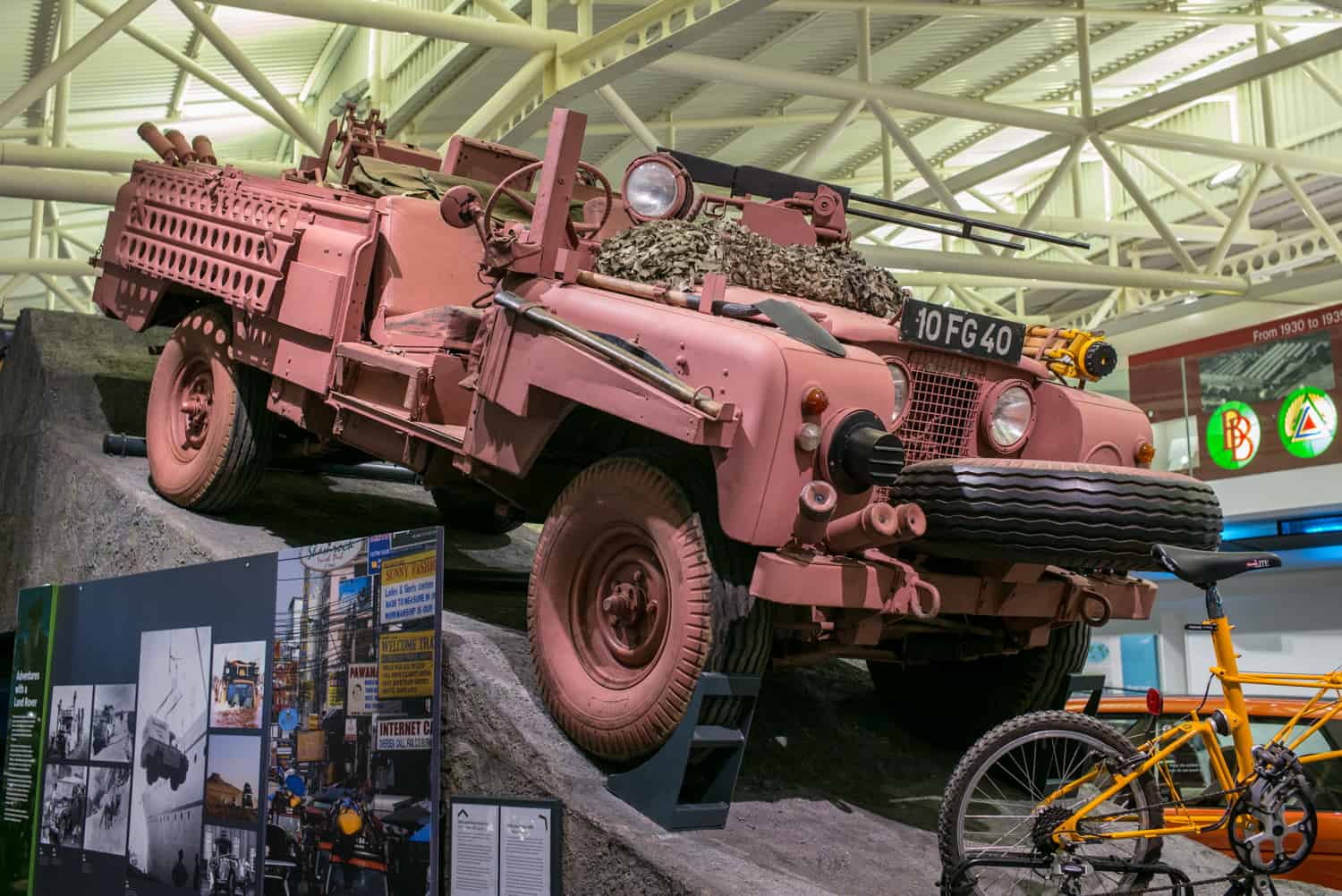
Overview of the off-road section:

And some individuals:

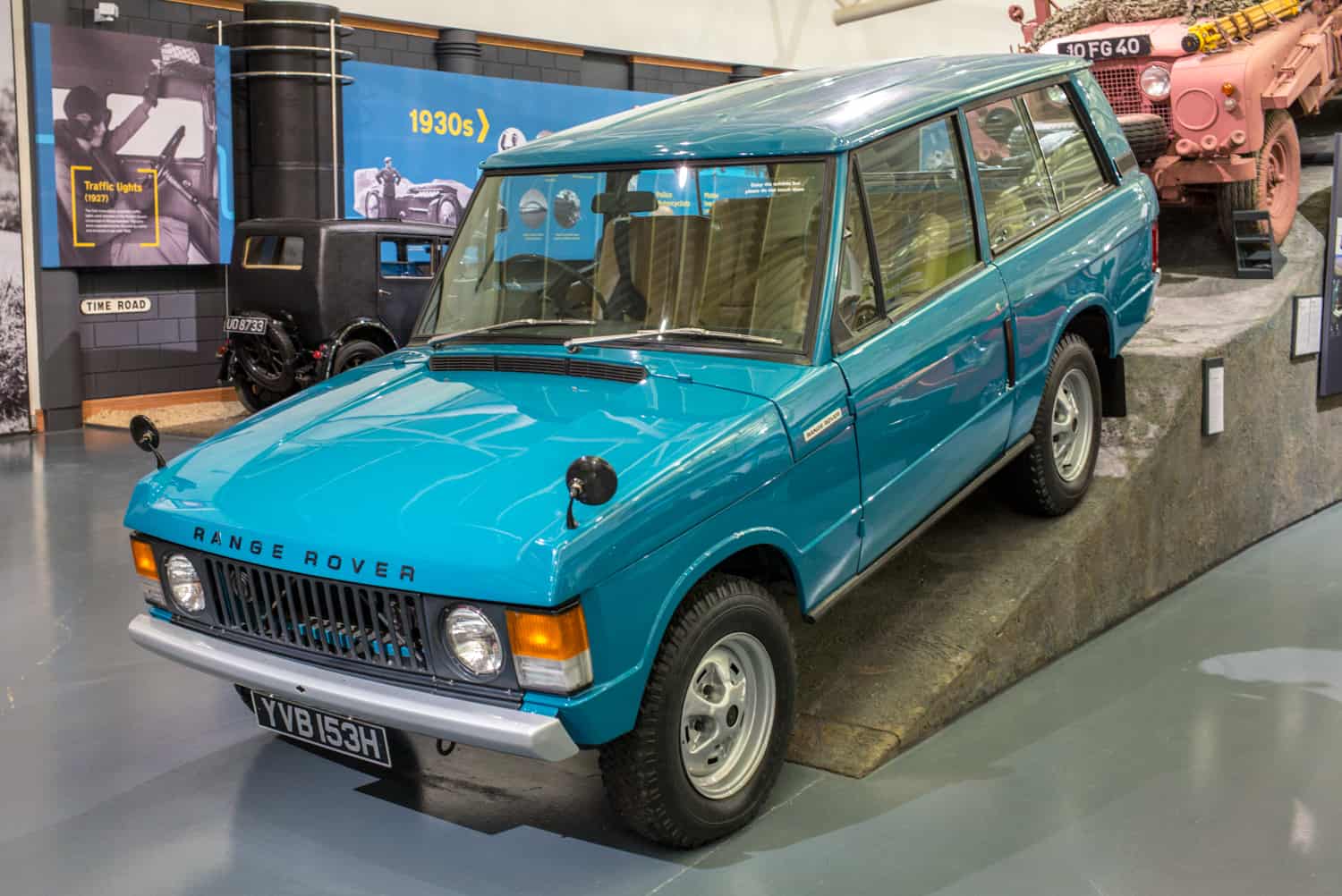
I believe this is the first Range Rover, from the early 1970’s

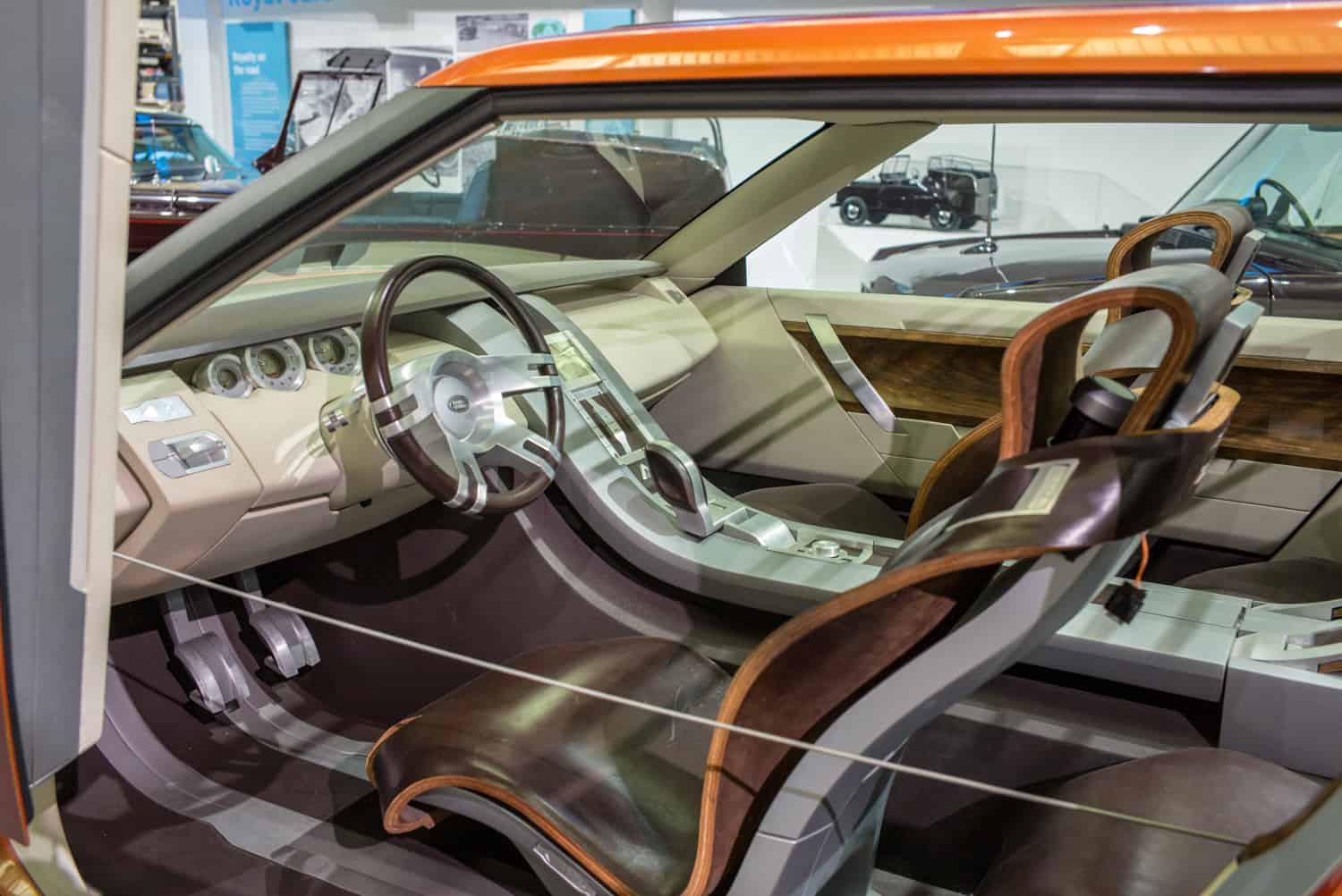
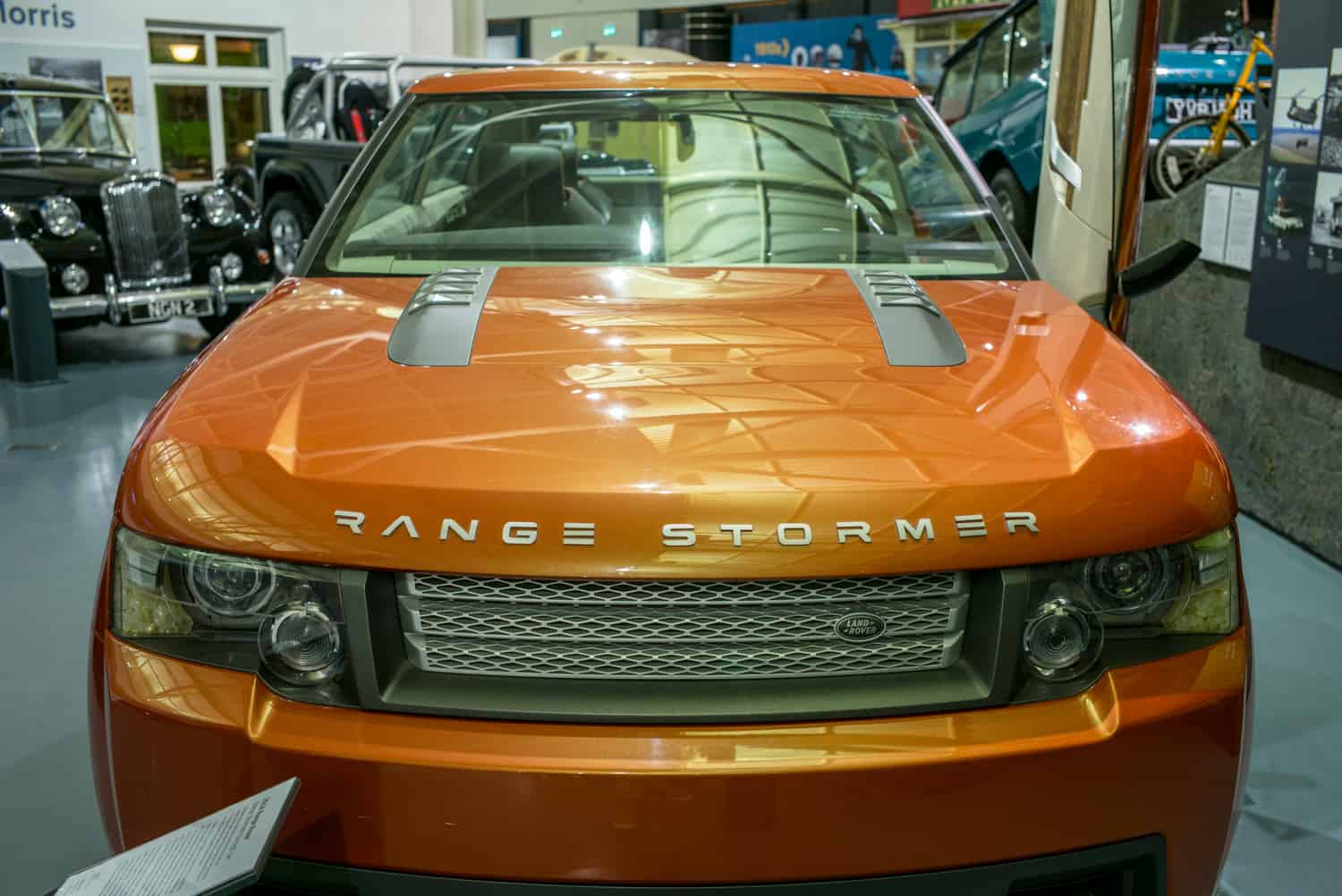
Range Stormer concept car, much of whose styling eventually made its way into the Evoque:

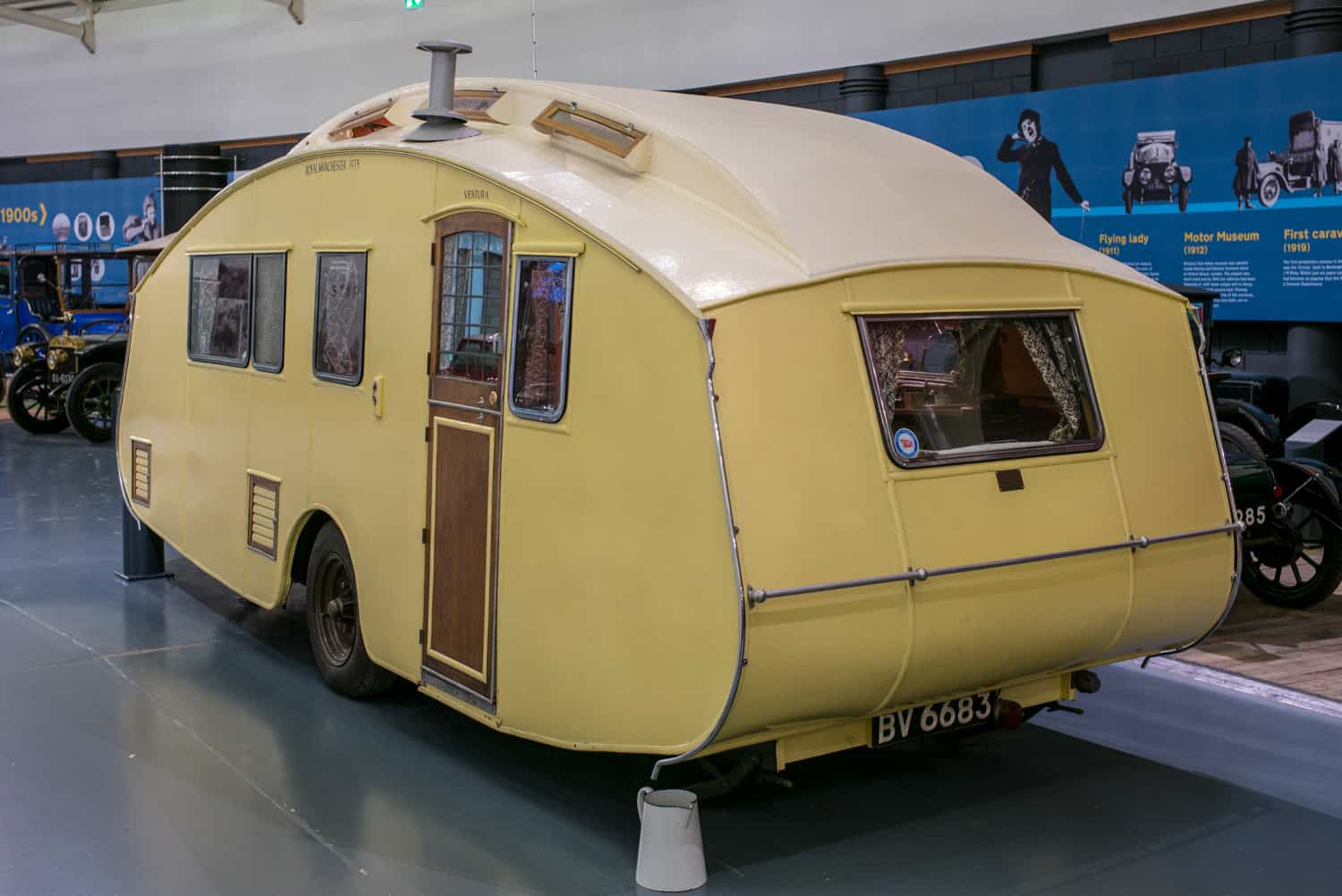
The Brits love their caravans.

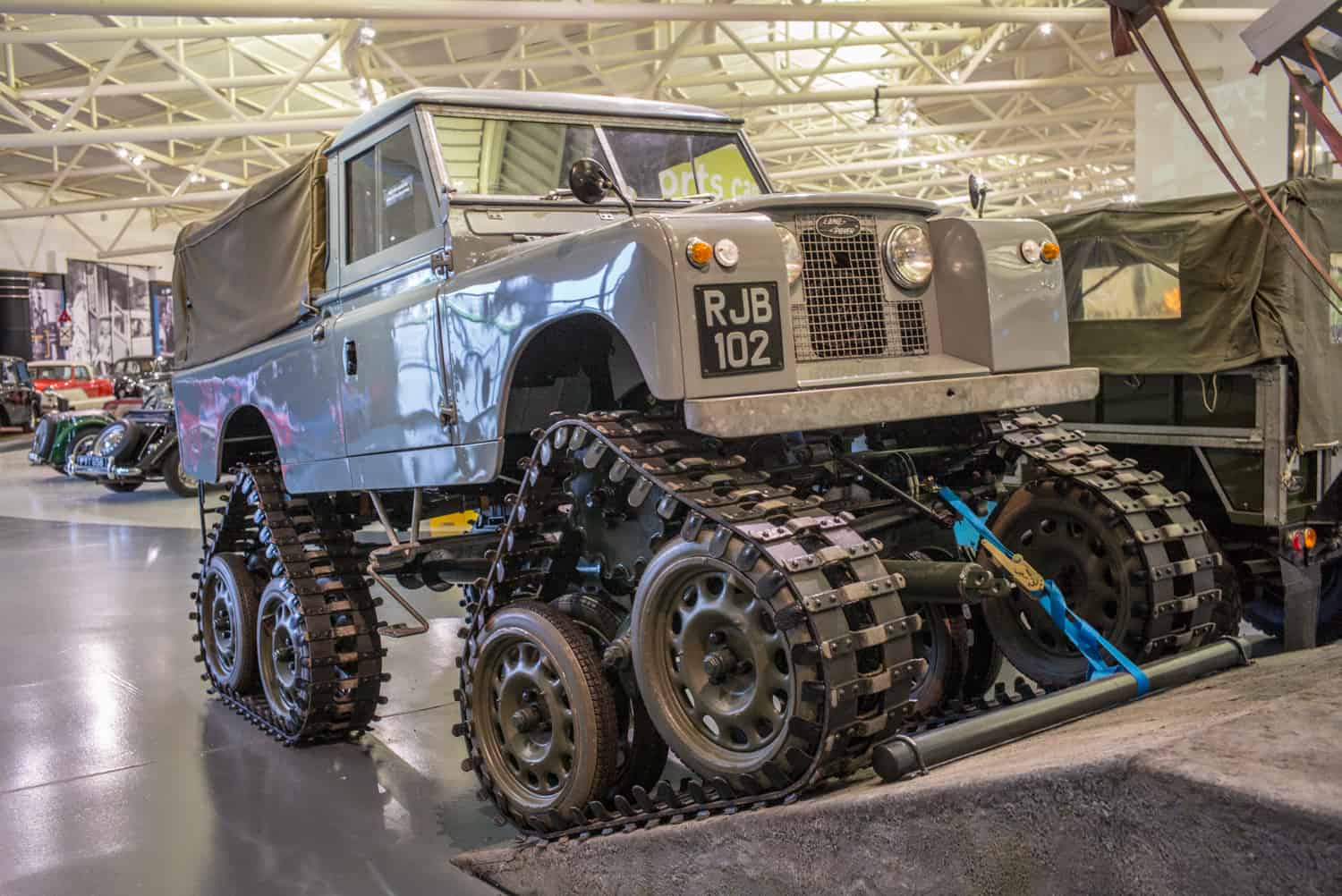
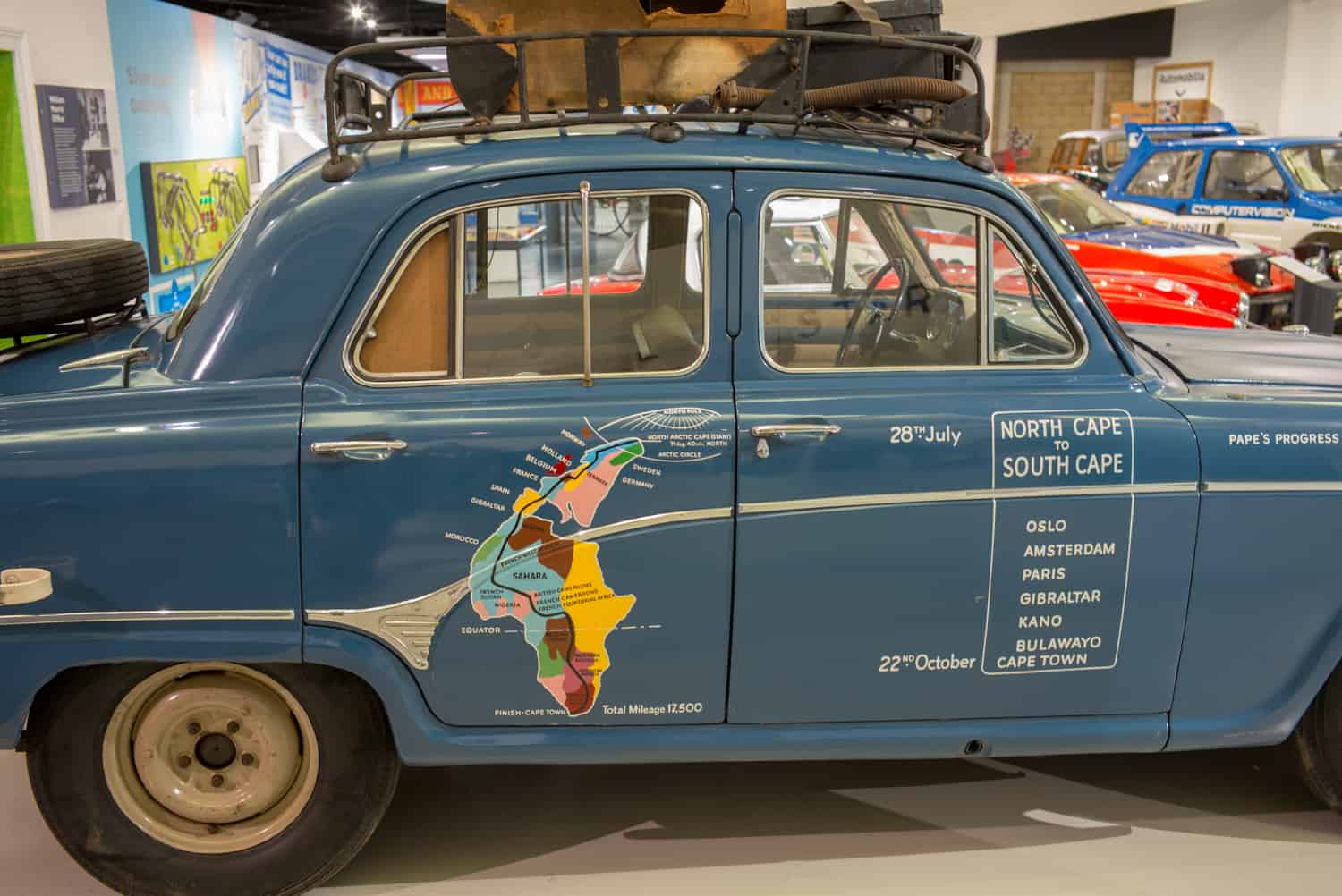
Now THIS looks like an adventure. Any takers?

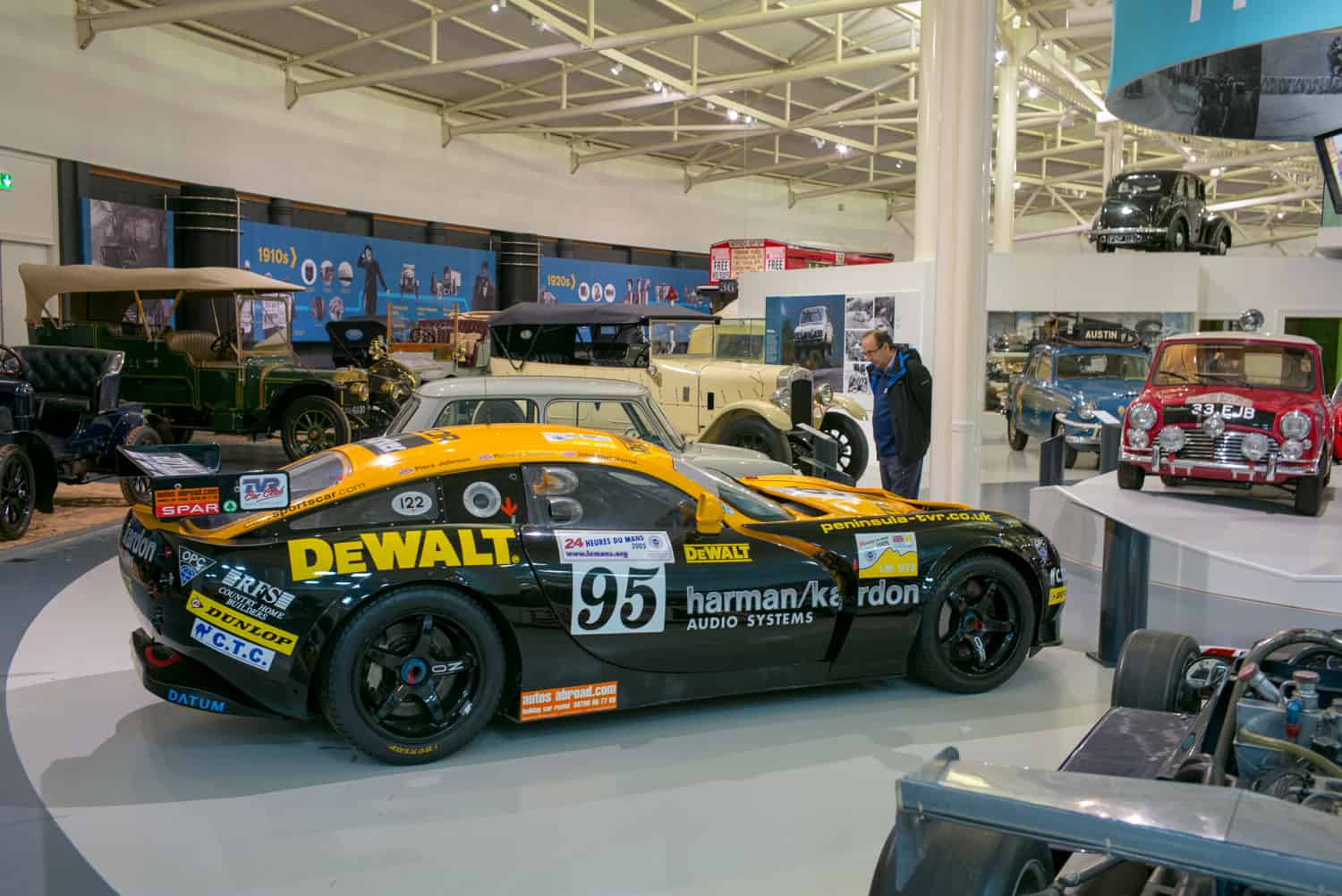
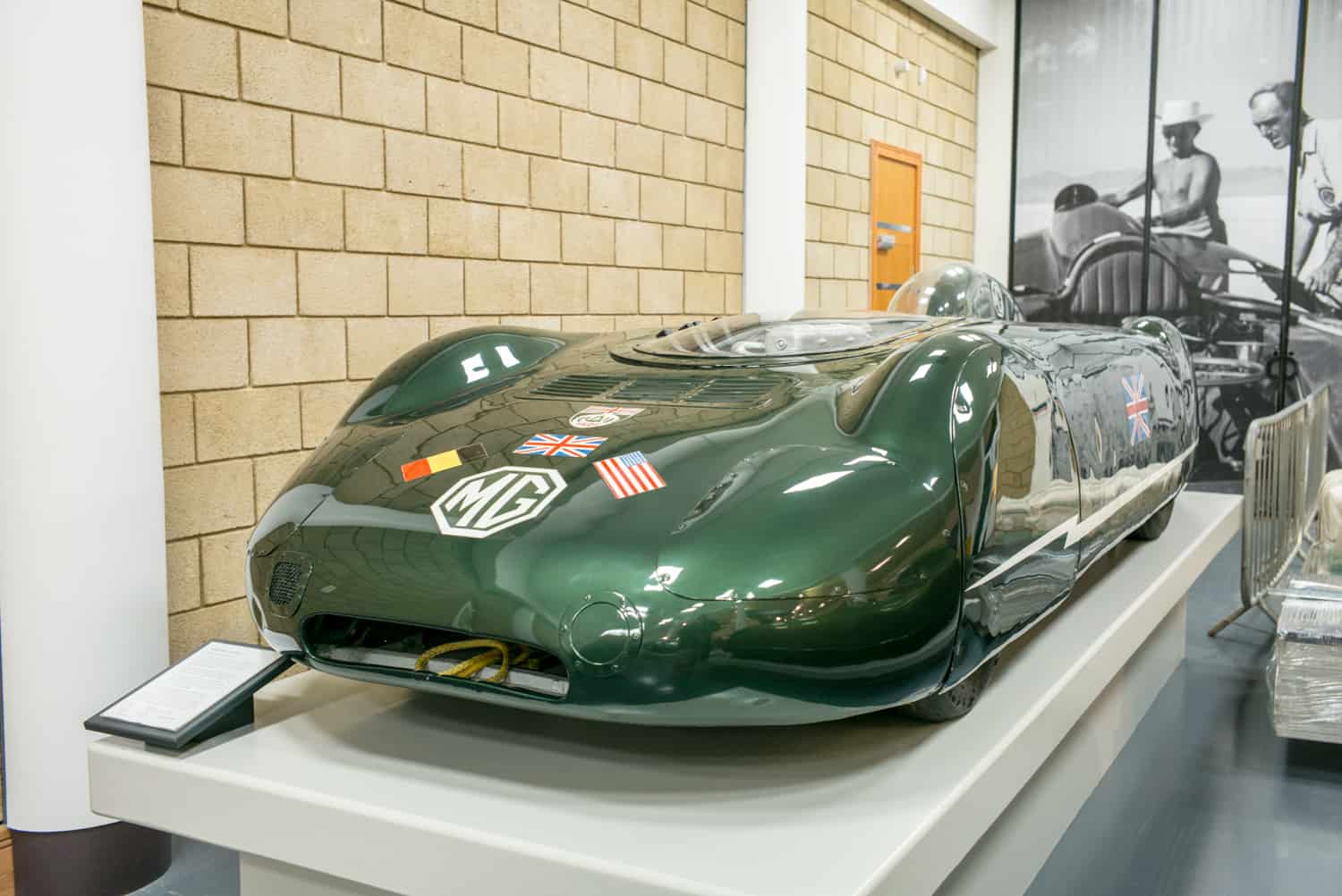
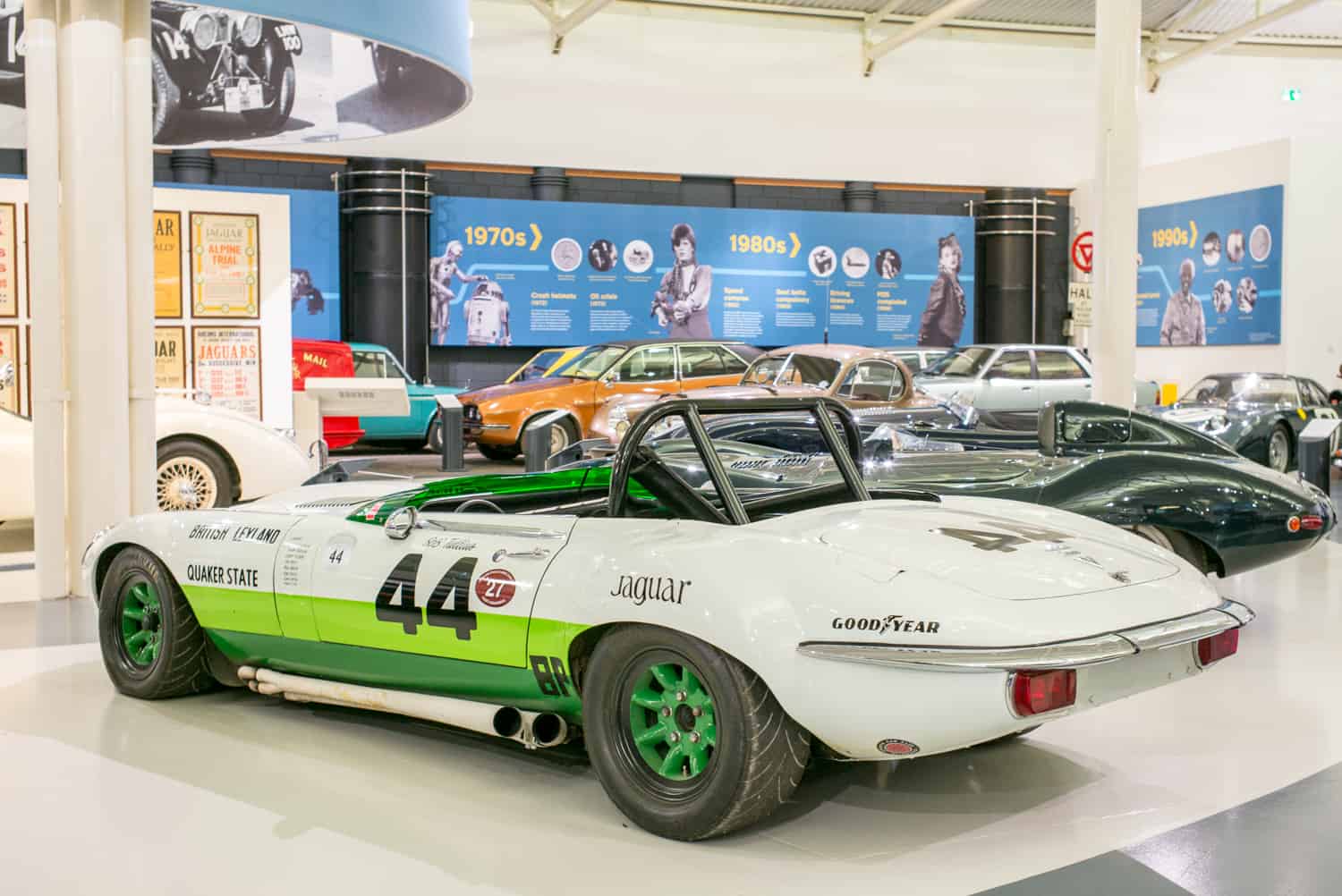
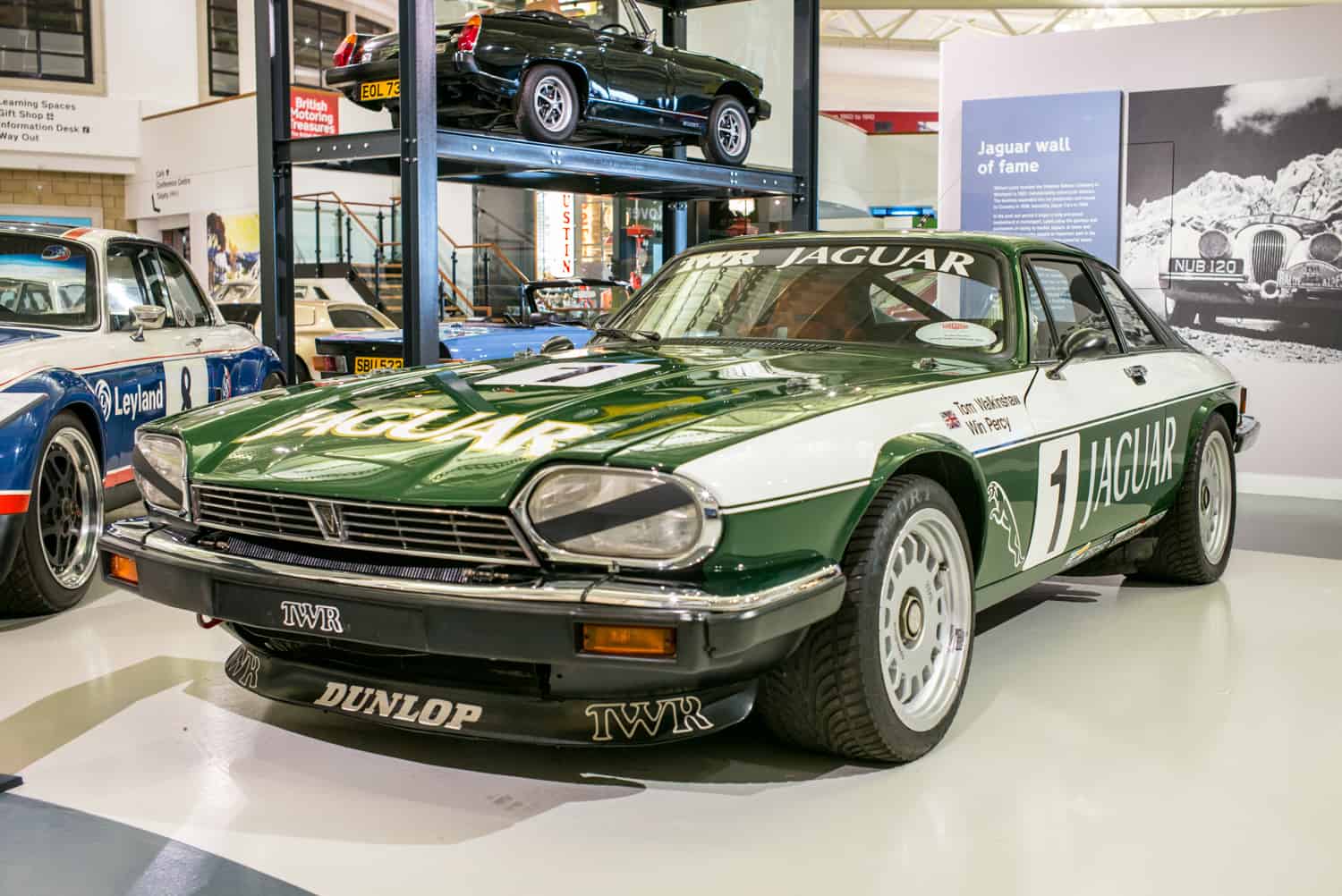
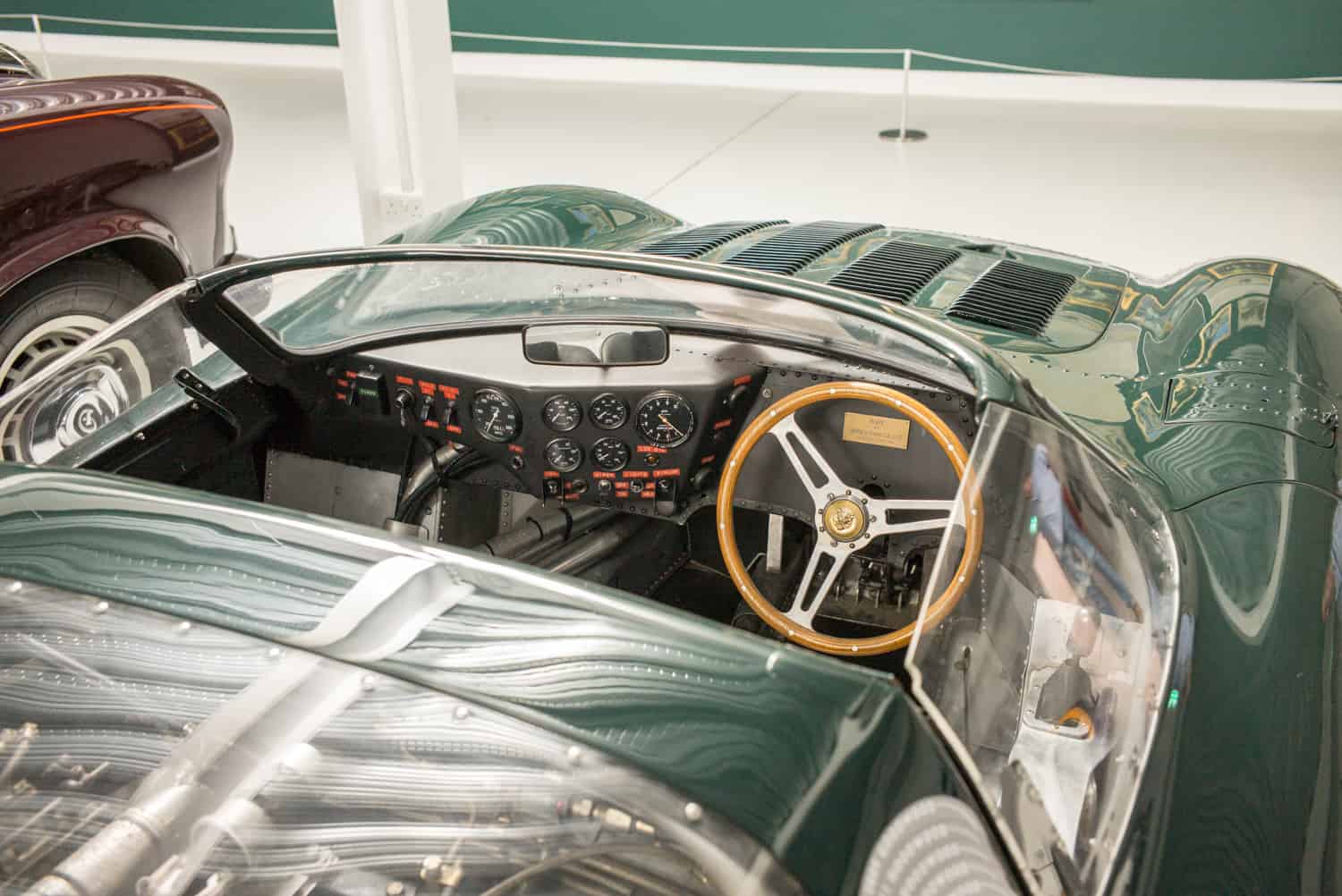
Let’s go racing!!

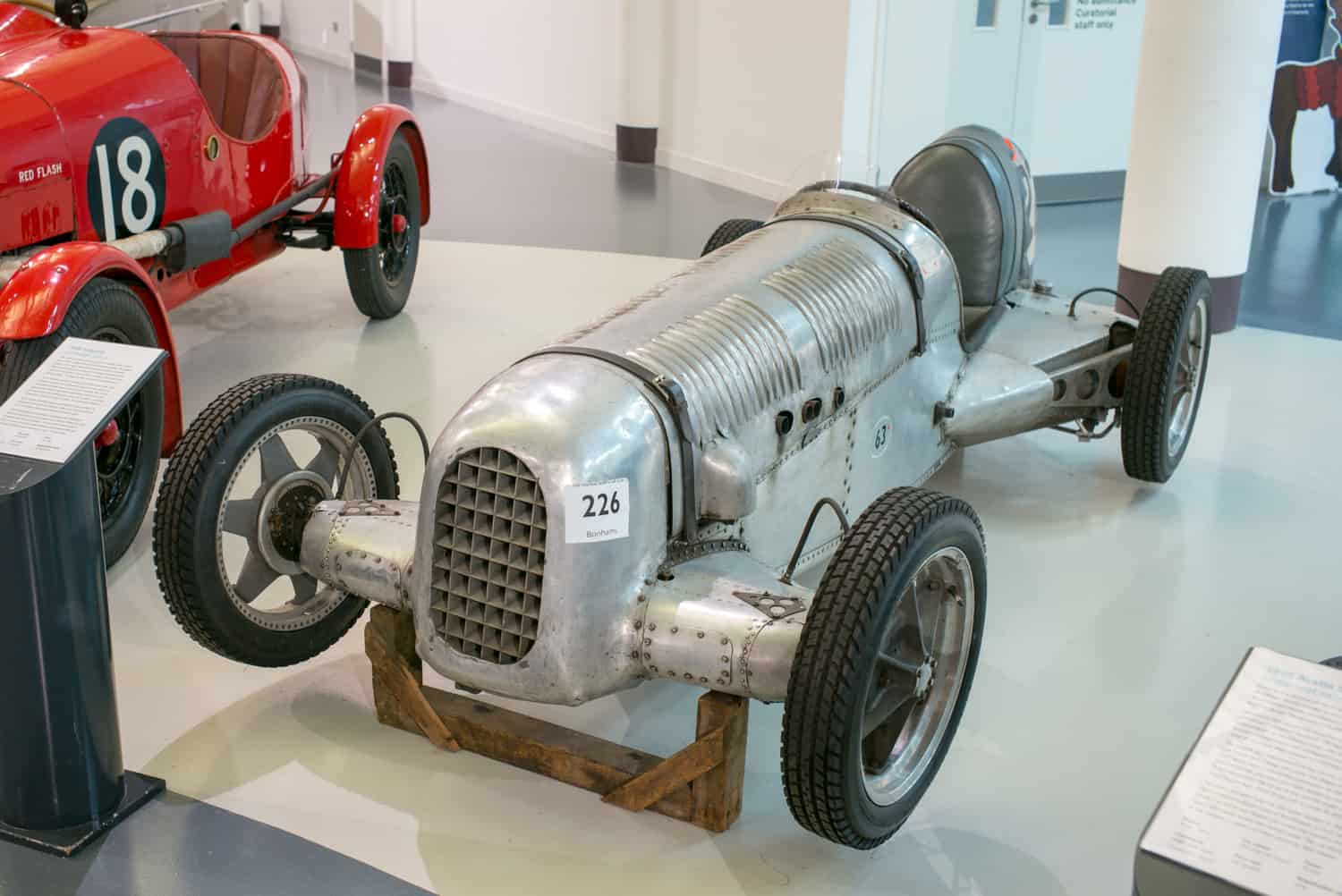
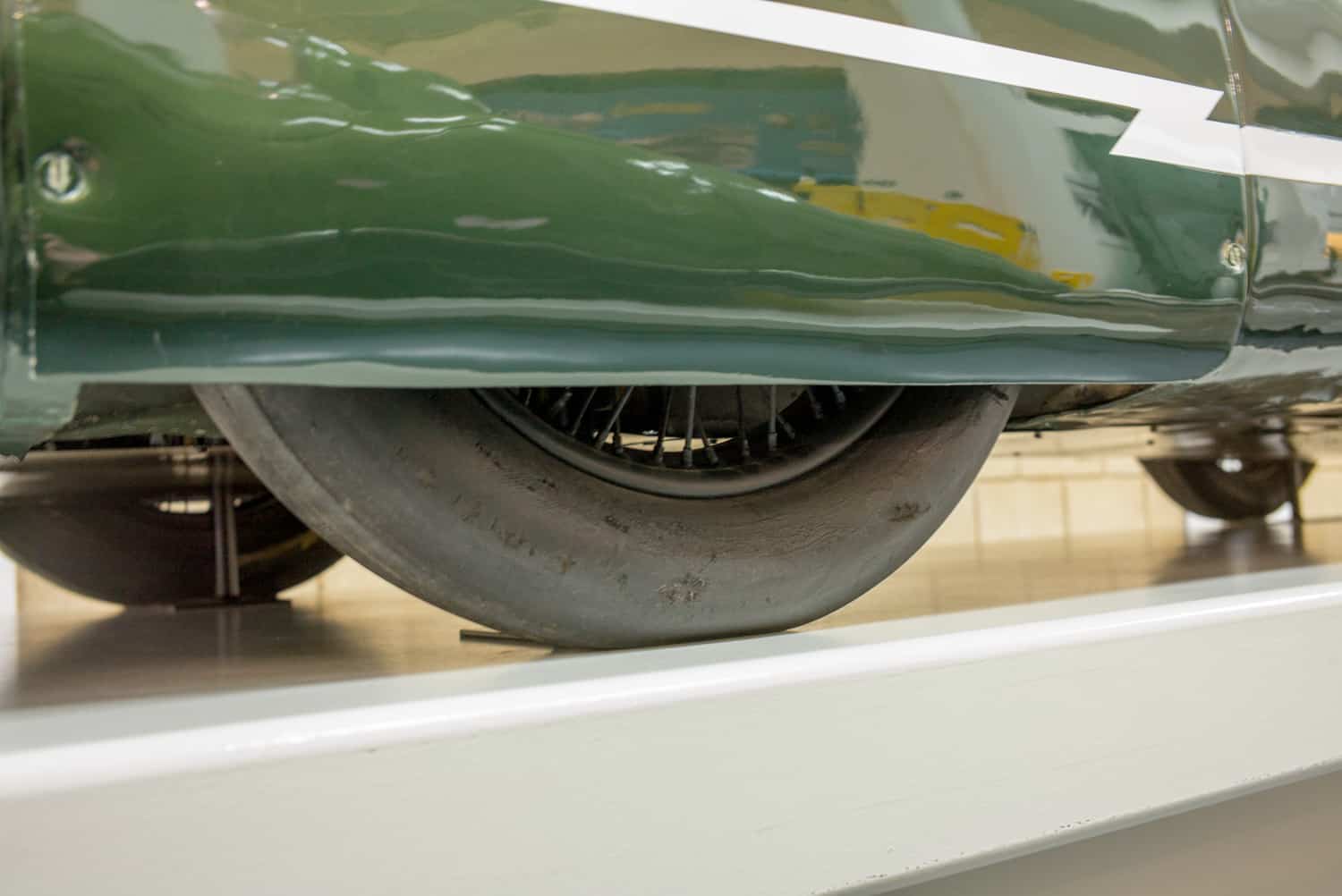
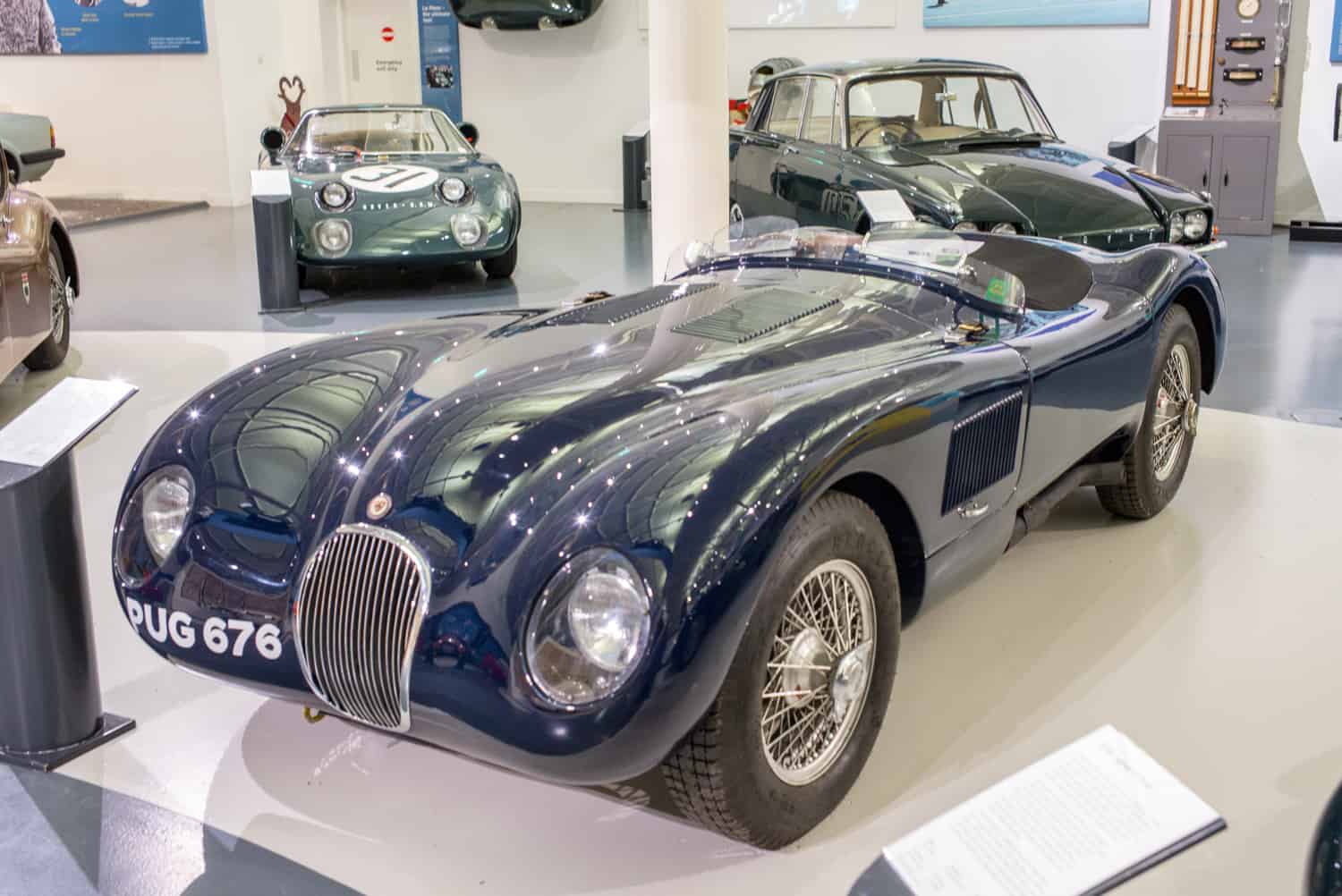
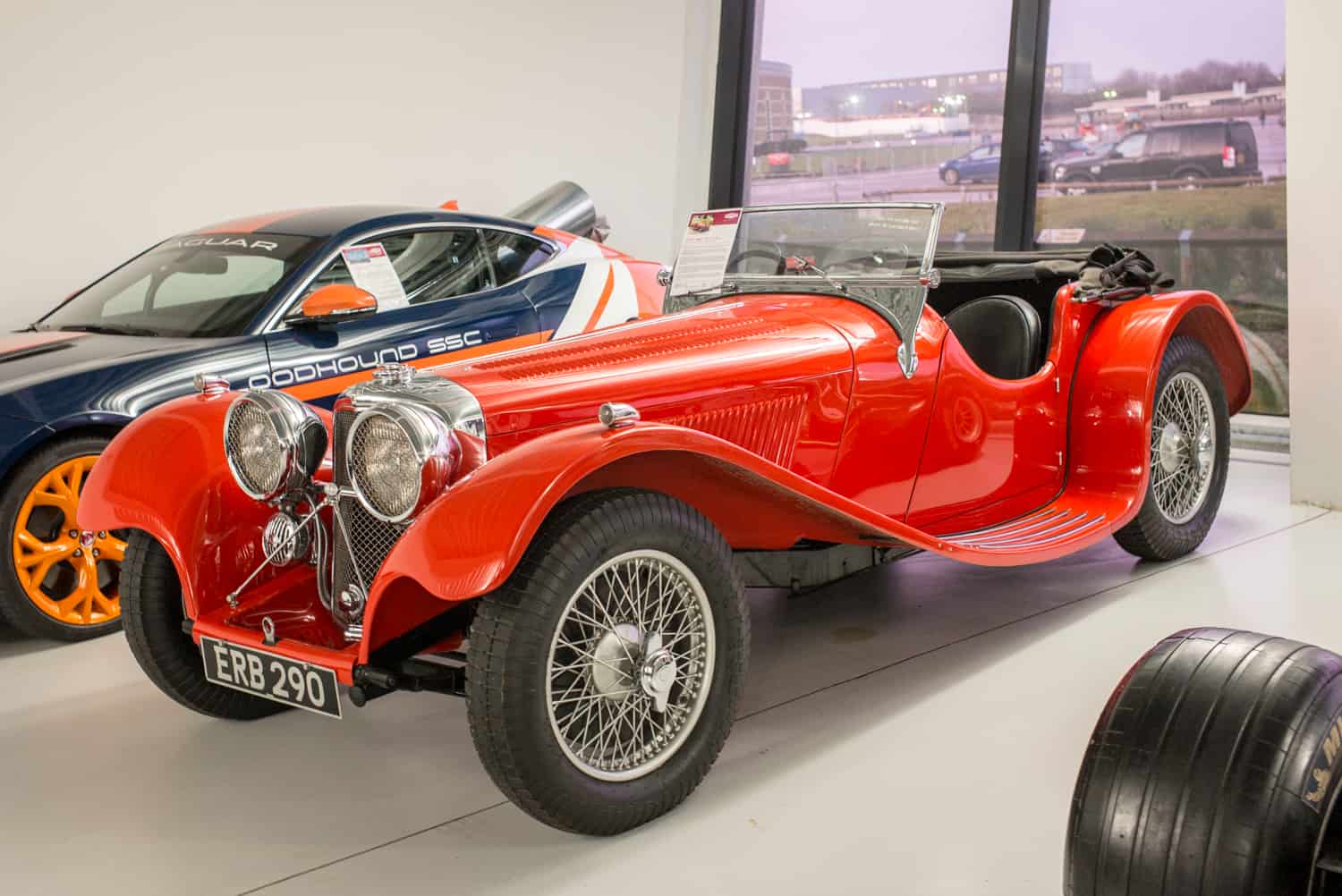
Note the wire wheels…..

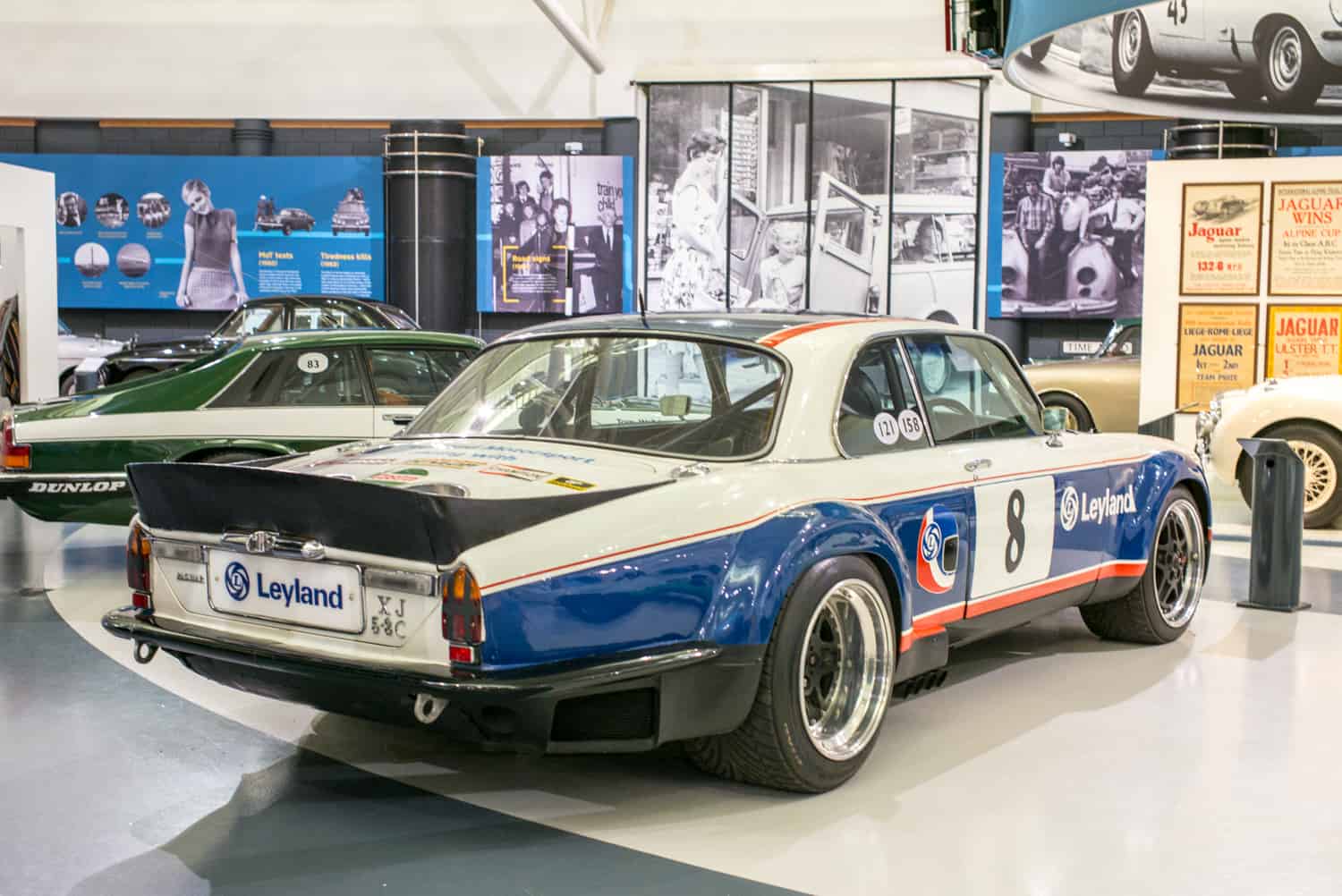
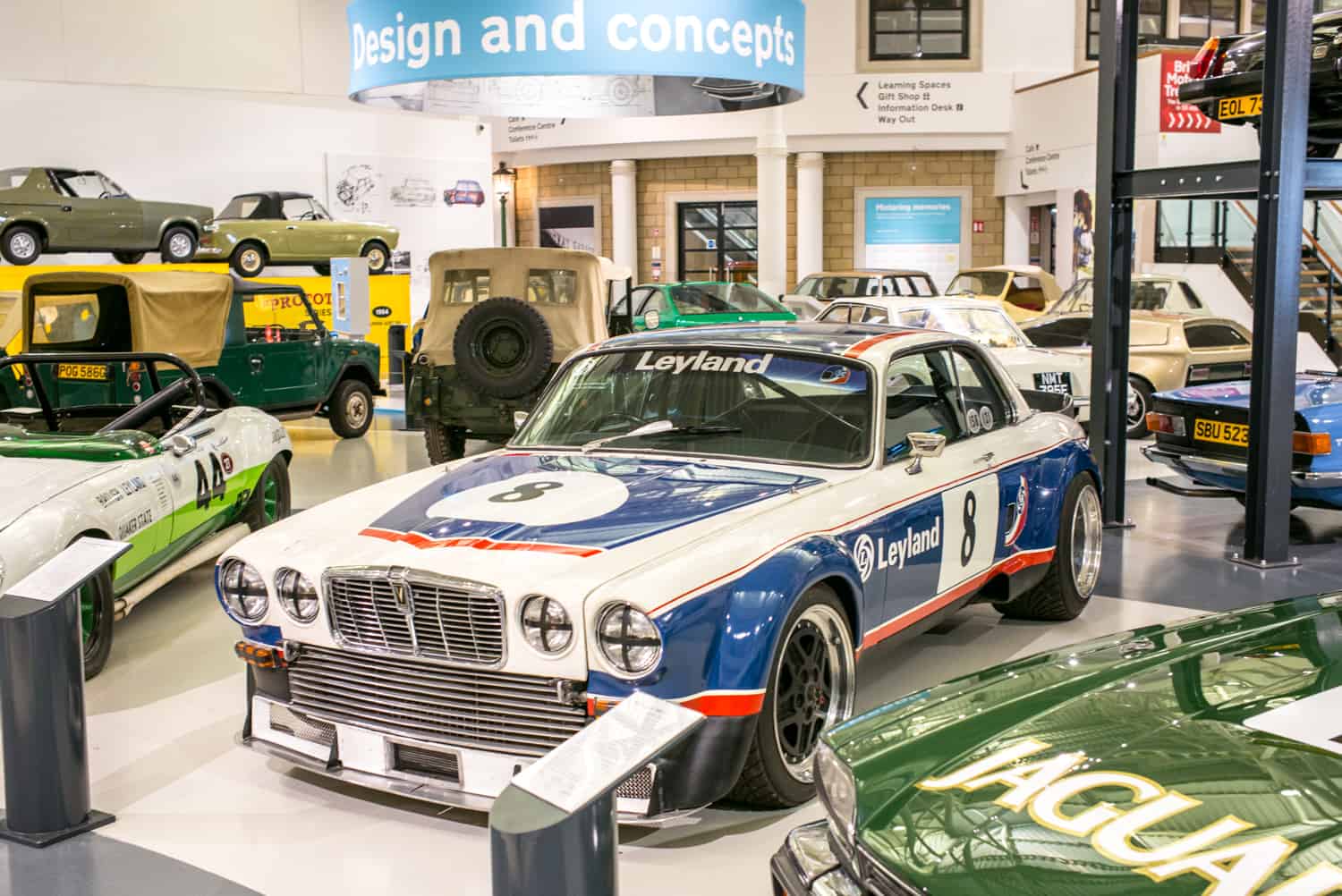
The Jaguar XJC – soooo sexy.

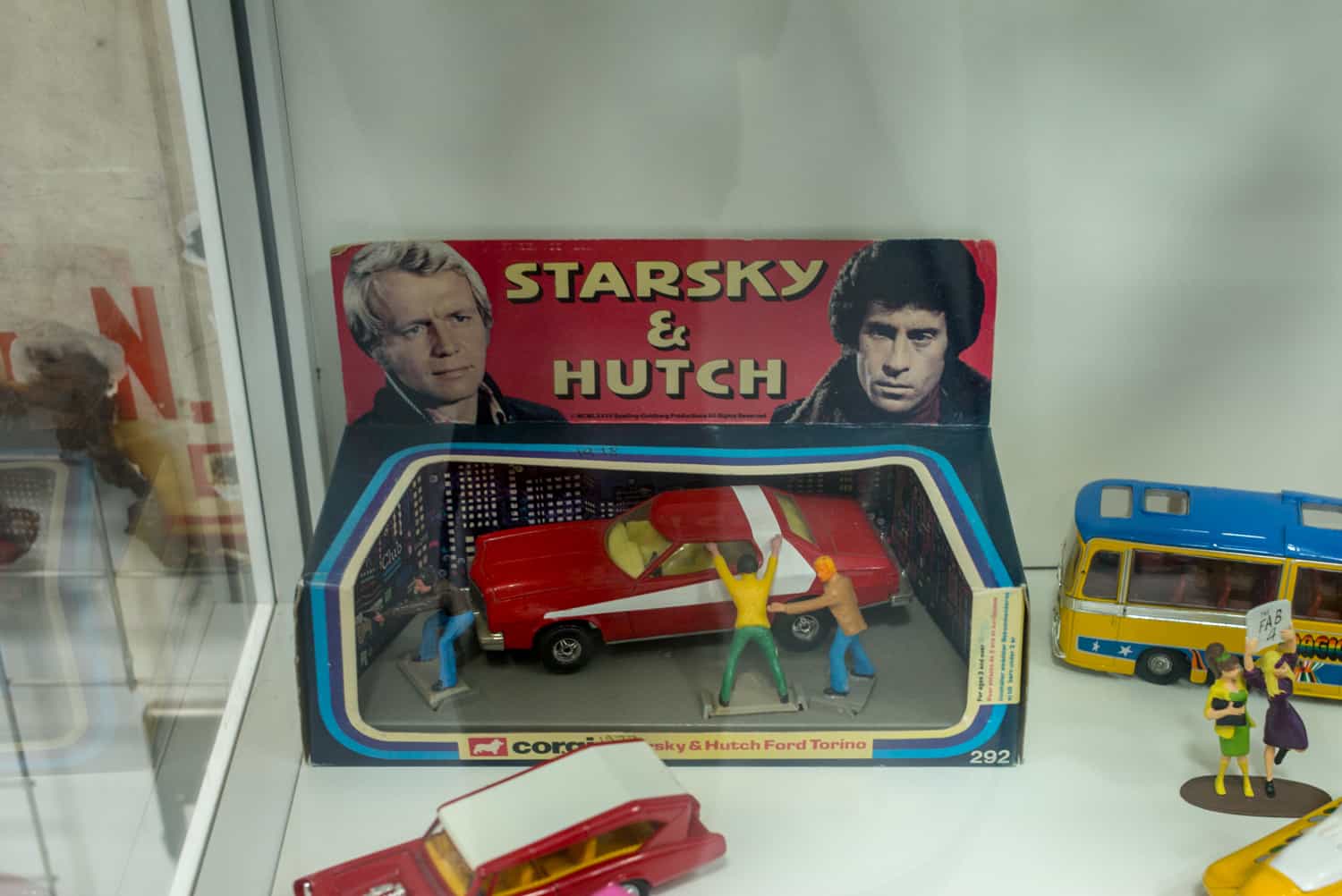
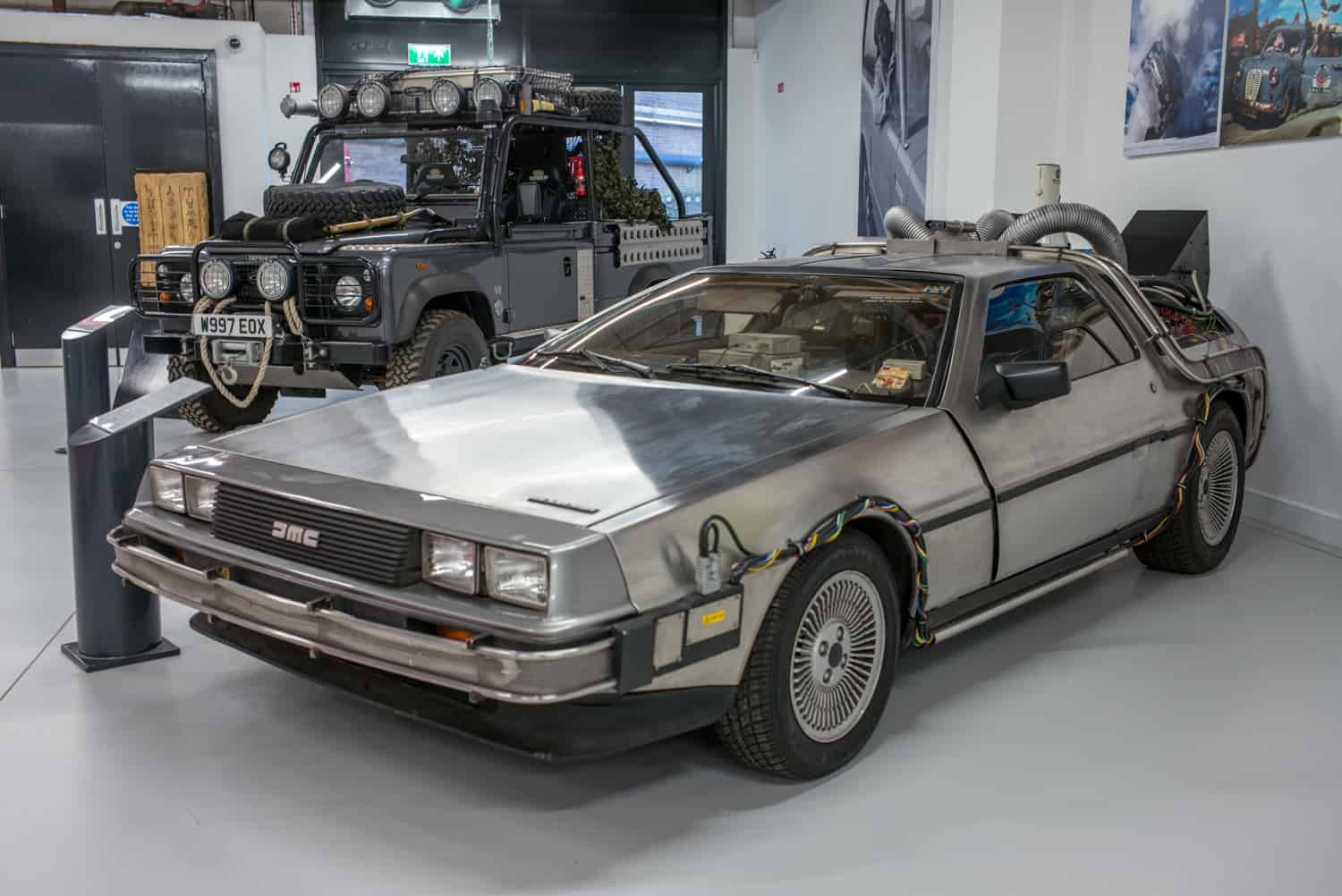
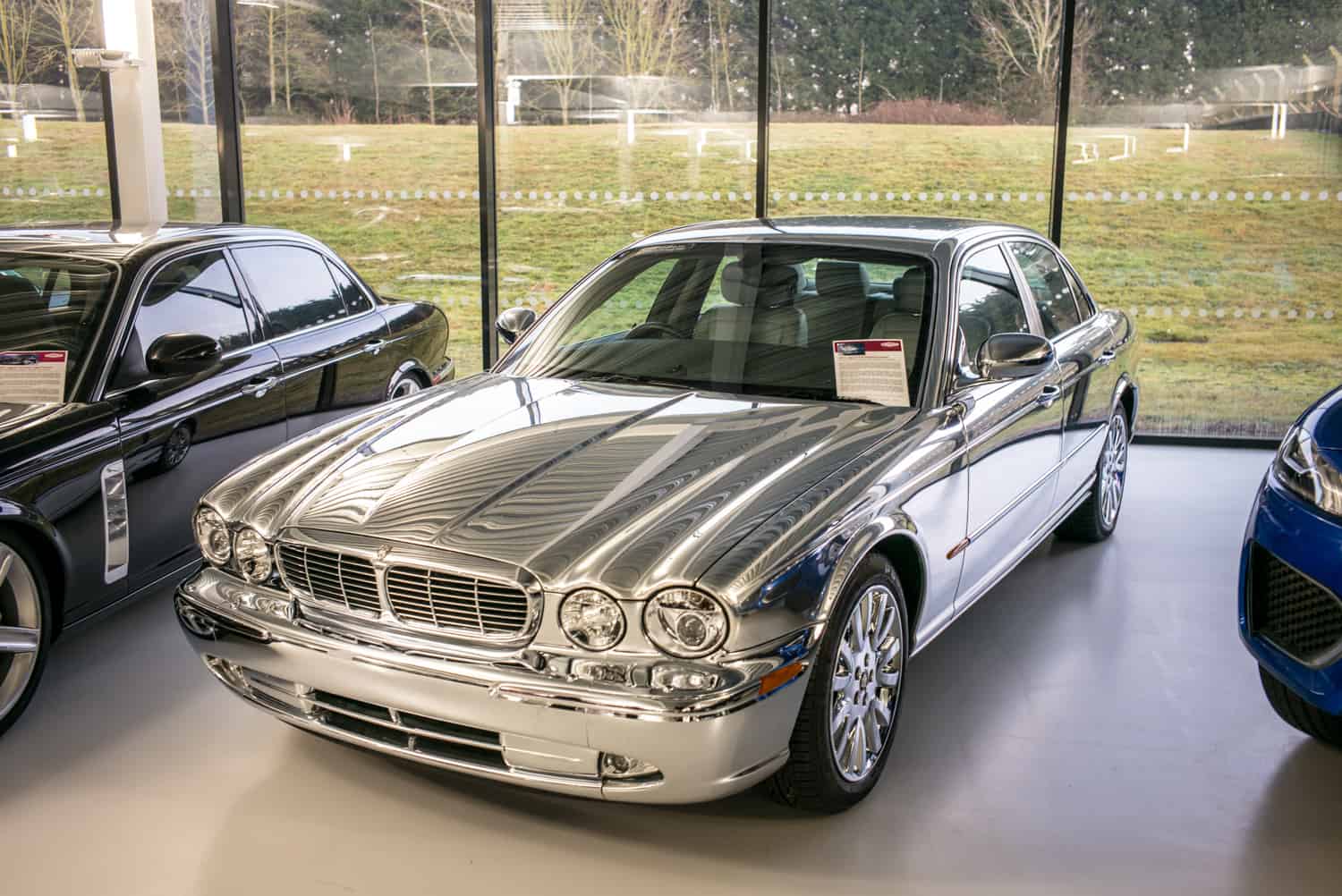
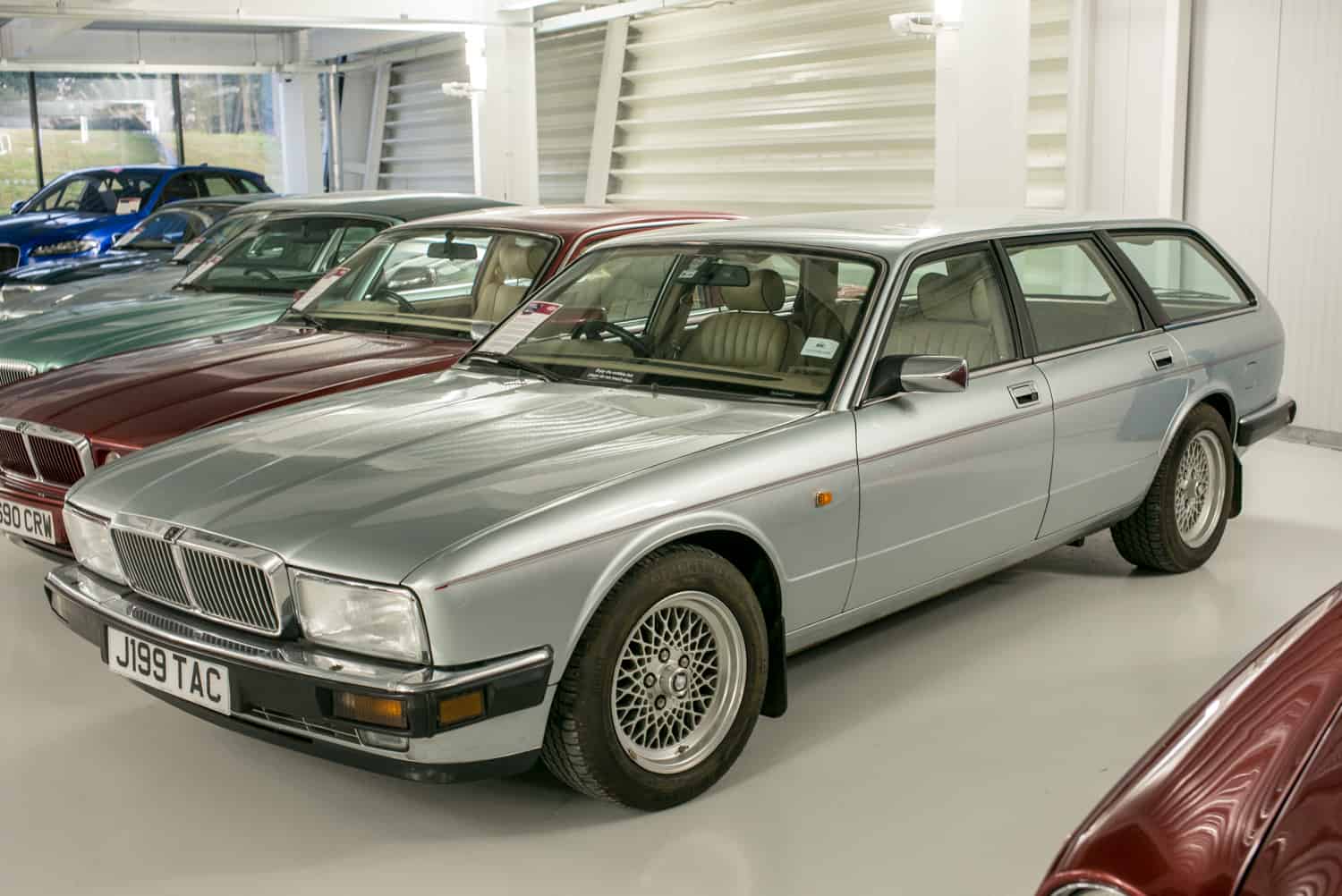
Various odds and sodds seen before heading over to the Jaguar Heritage centre:

The Jaguar Heritage Centre

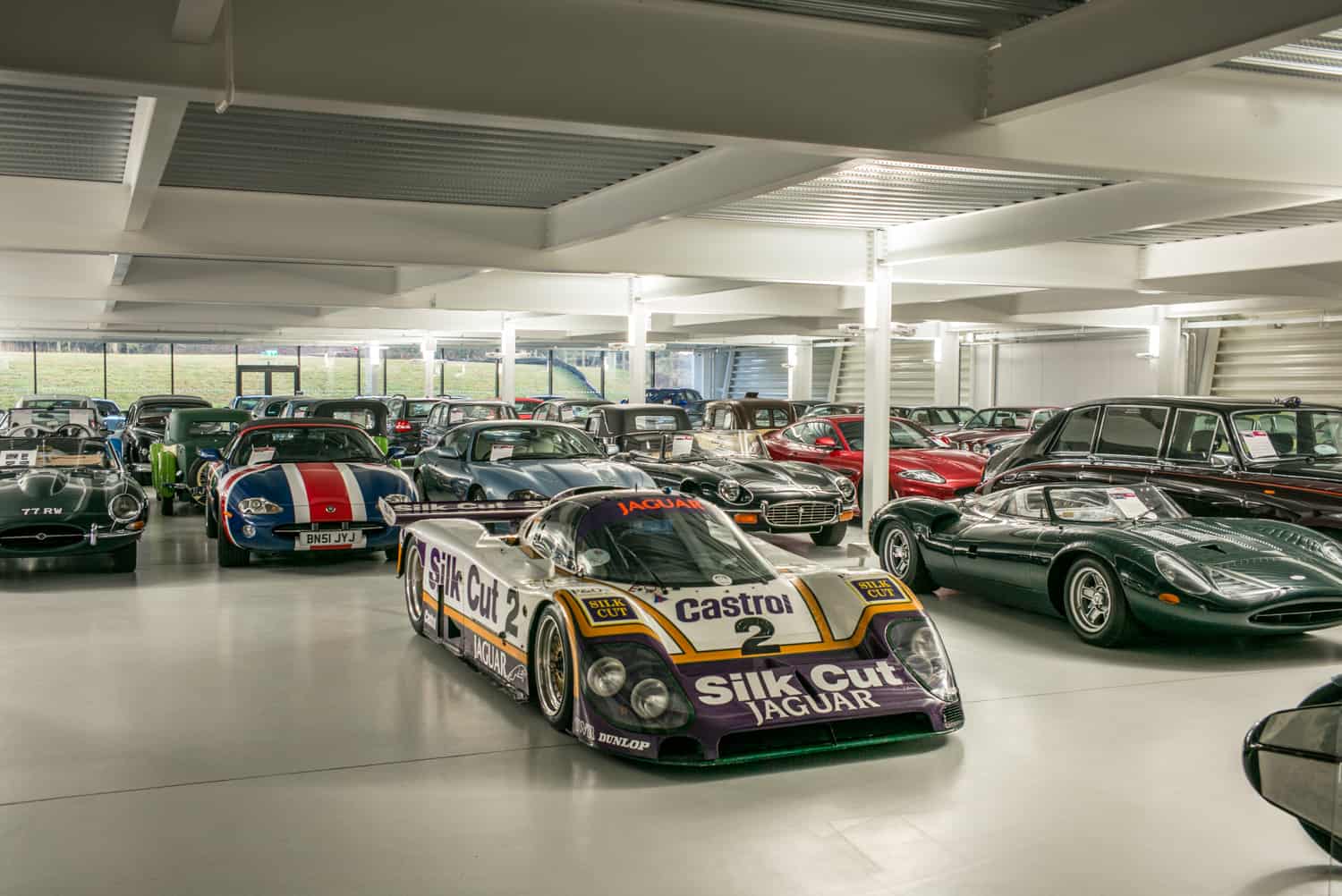
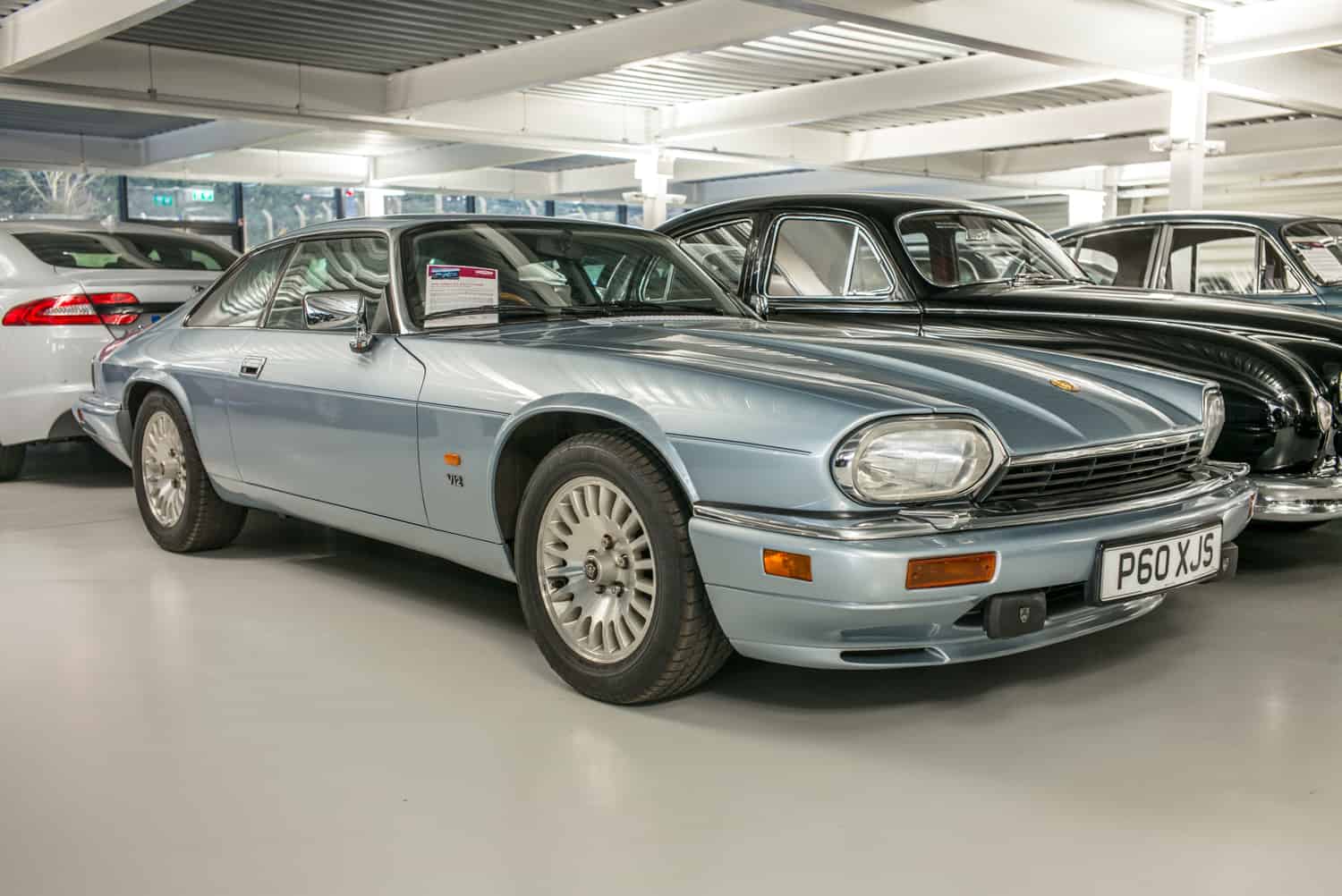
I last visited the Jaguar Heritage Centre with my Jaguar-driving mate, Dave. That was 5 or 6 years ago, when the museum was still located in Coventry. There was a certain quaintness to that facility that lent it some charm, but this new building at Gaydon is streets ahead when it comes to presentation.

This is a must-see for Jaguar fans.

Leica Virgin – Australia

I had the good fortune to head home to Australia for a few weeks back in January.

It feels nice to write the word ‘home’ again as Australia hadn’t felt like home for a few years. It’s hard when you leave under difficult circumstances, even when they’re of your own making. The notion of ‘home’ becomes a bit blurry.

Of course, I still have fond memories of Tasmania and my people there, but my life – my home – isn’t there anymore. I haven’t lived in Melbourne since the mid-1990’s and it’s become so big and unfamiliar now. I’m spending more time in Brisbane each time I go back, though, and it’s a beautiful city.

This was a quick trip – two weeks in total, evenly split between my family in Melbourne and my friends in ‘Brisvagas’.

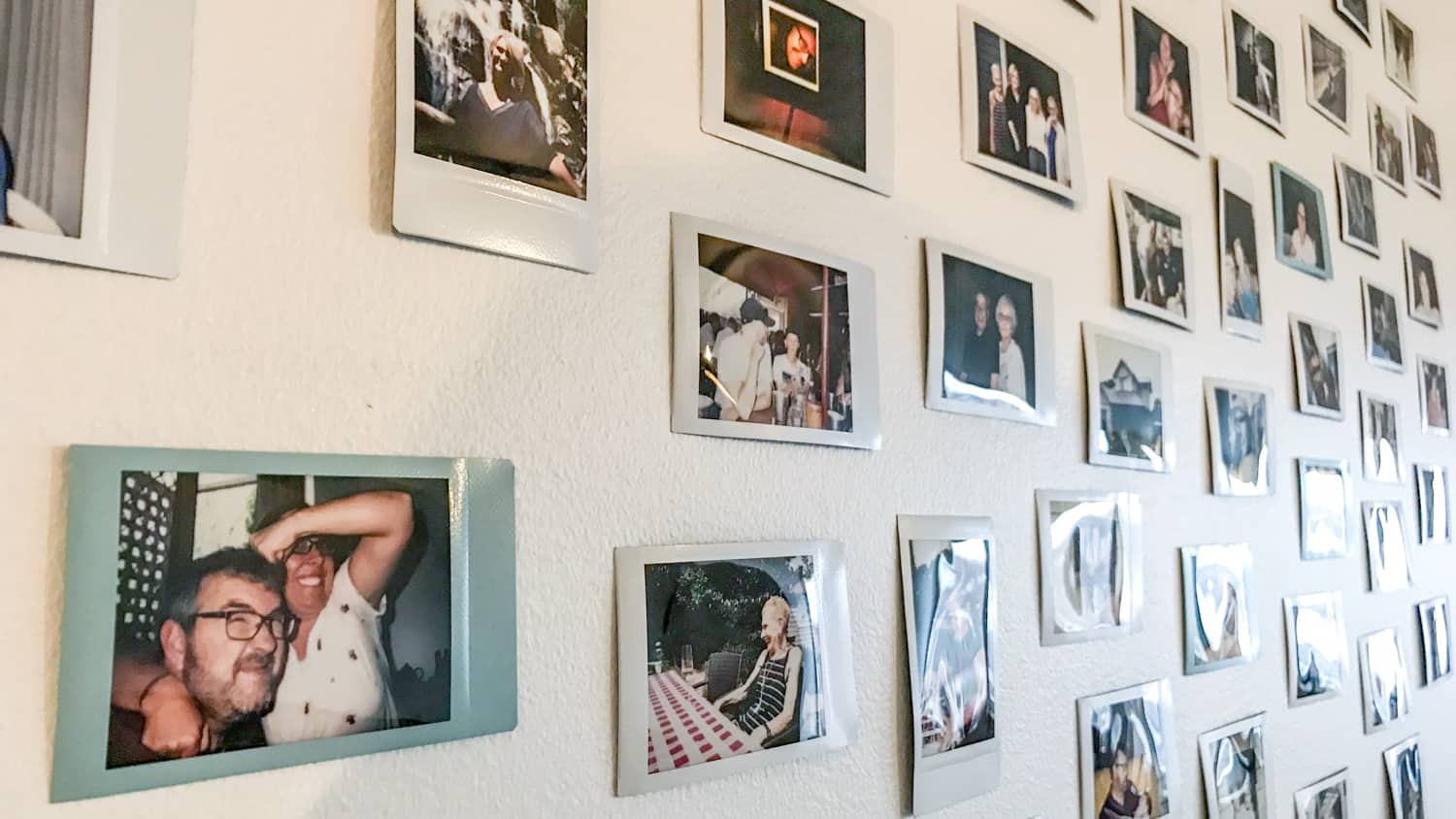
Much of my photography on this trip was done with a Fujifilm Instax camera. I wanted photos of family and friends to stick on my wall here in Angelholm.

The Instax was heaps of fun and I had a pretty good hit rate with it, too. The cameras are cheap (the film, not so much) and everyone still gets a kick out of watching the image materialise in front of their eyes. It makes photography fun and social instead of intimidating. Highly recommended.

Of course, I took the little Leica, too.

Here’s a sample of the places and people I saw. Well, some of them, at least.

——

Family

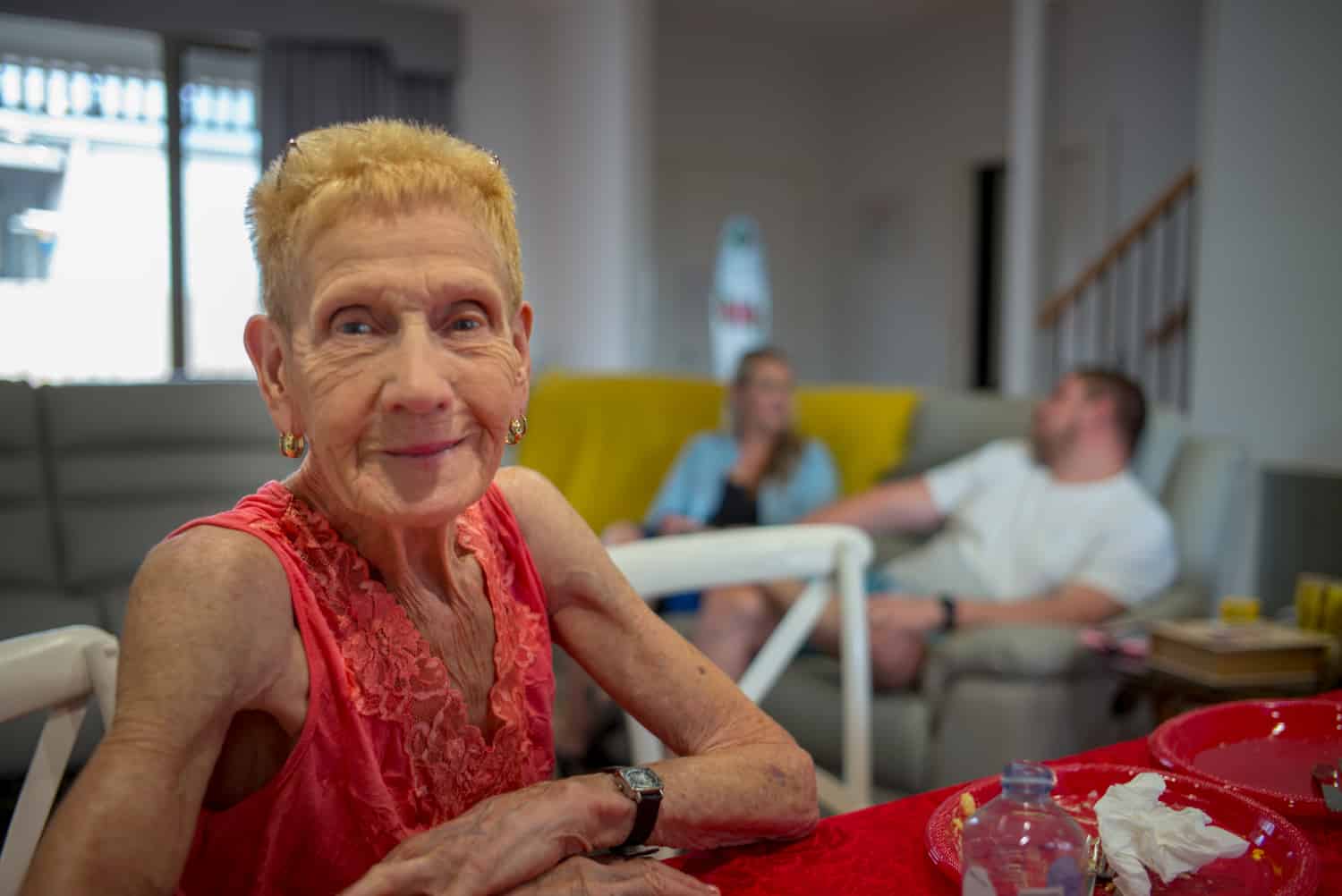
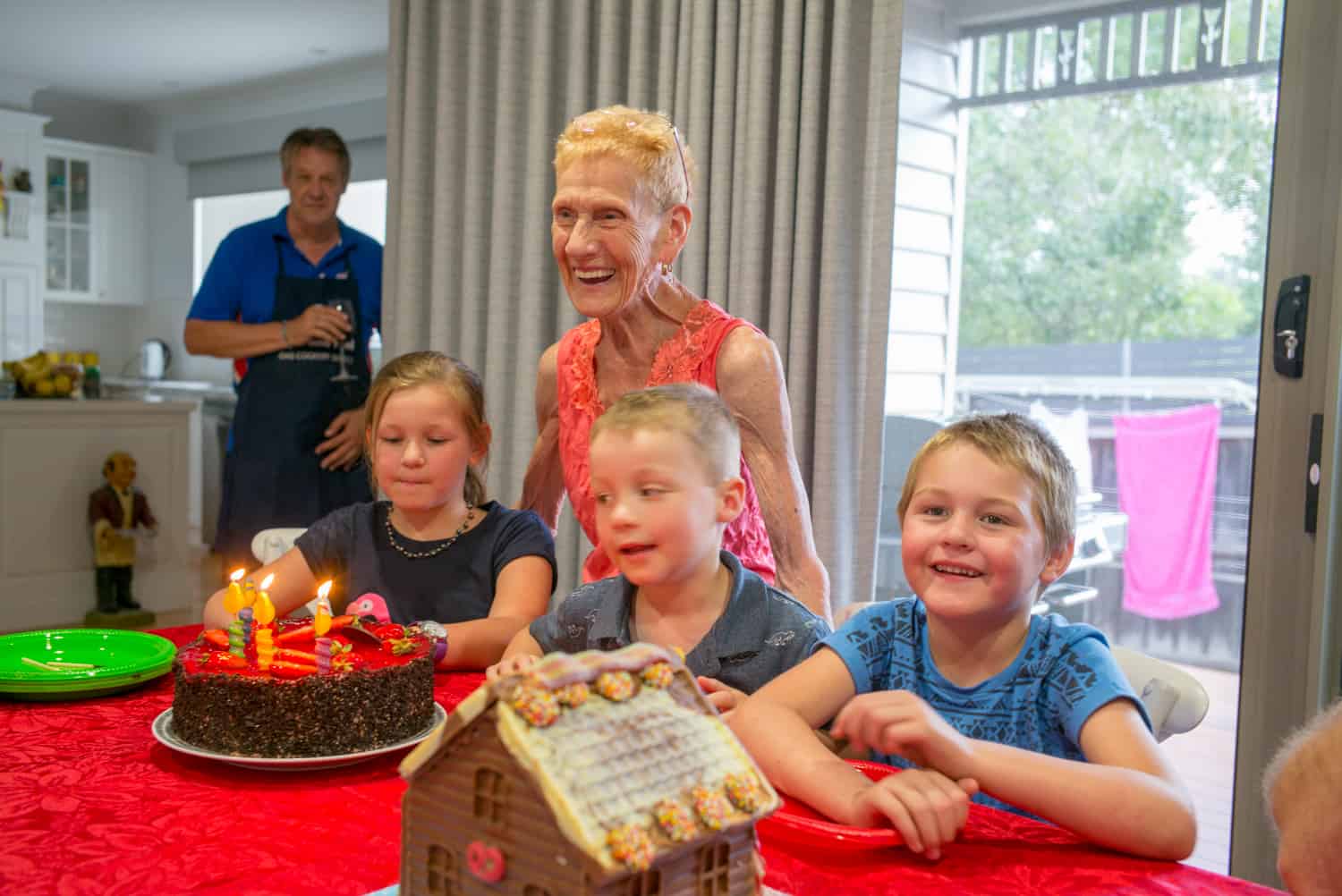
It was Mum’s birthday while I was in Melbourne so we had her kids, grandkids and great-grandkids assembled for a BBQ and cake.

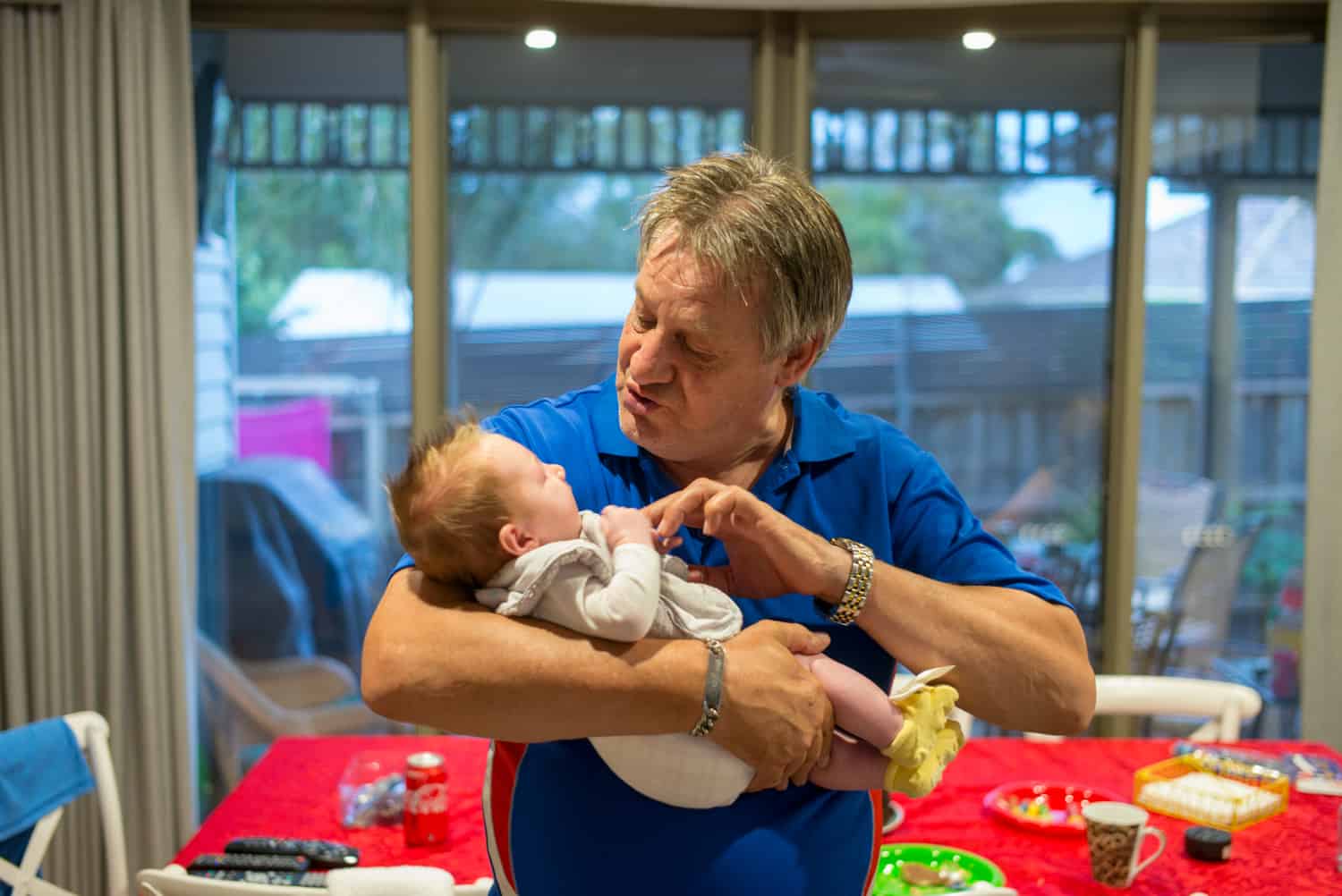
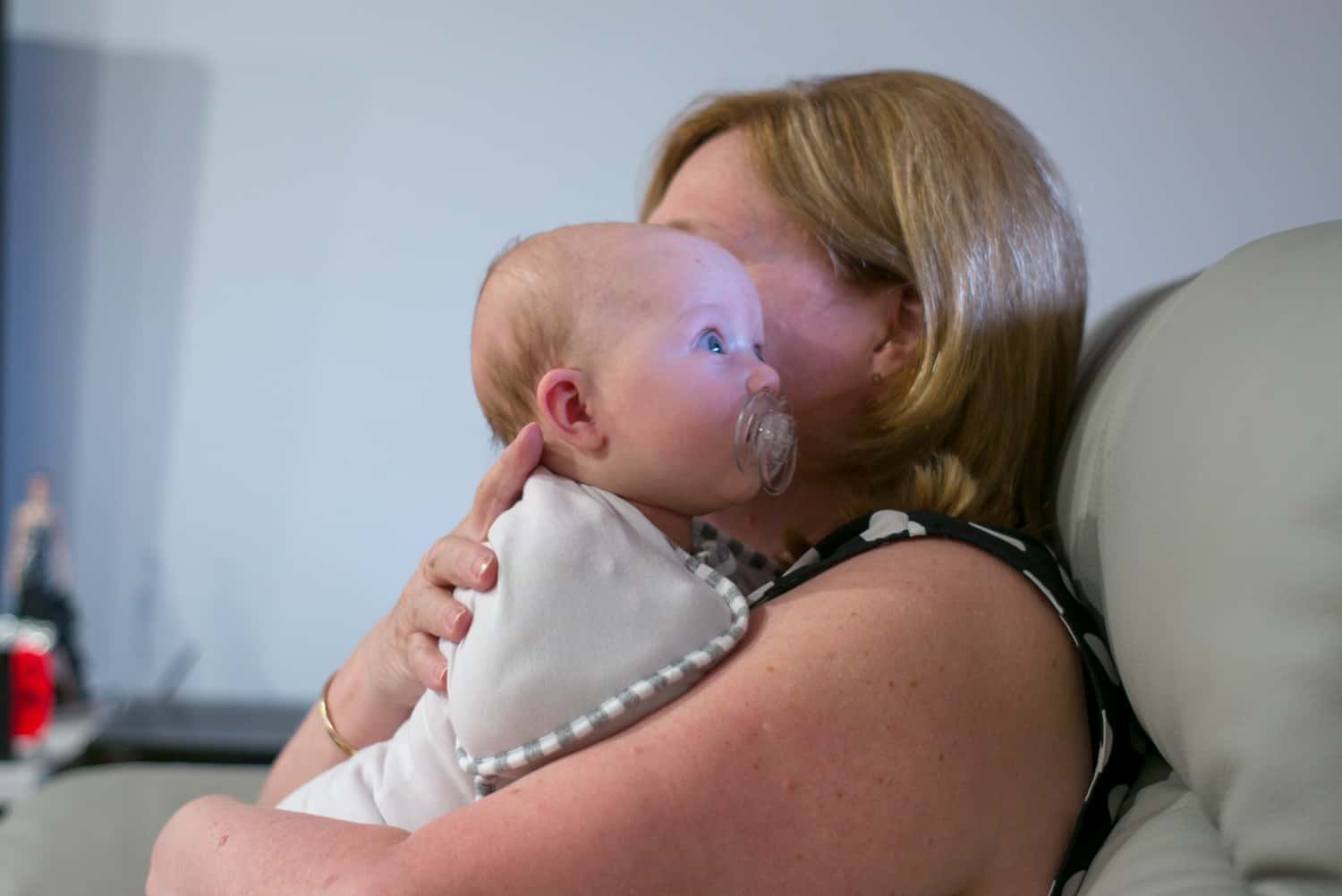
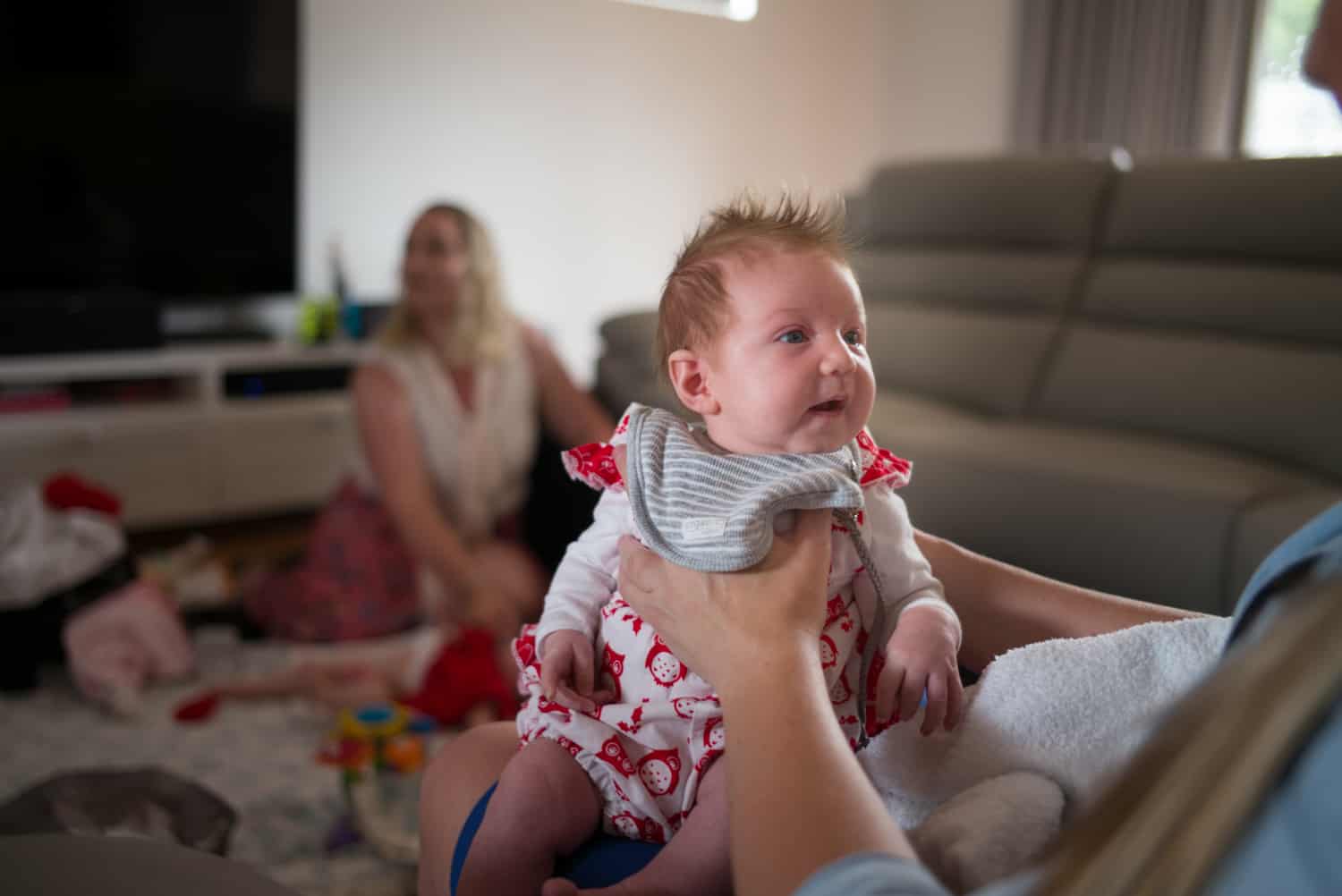
We’ve just welcomed two new bubs into the family – two new great-nieces for me! – and it was great to meet them, even if they’ll never remember a thing about it.

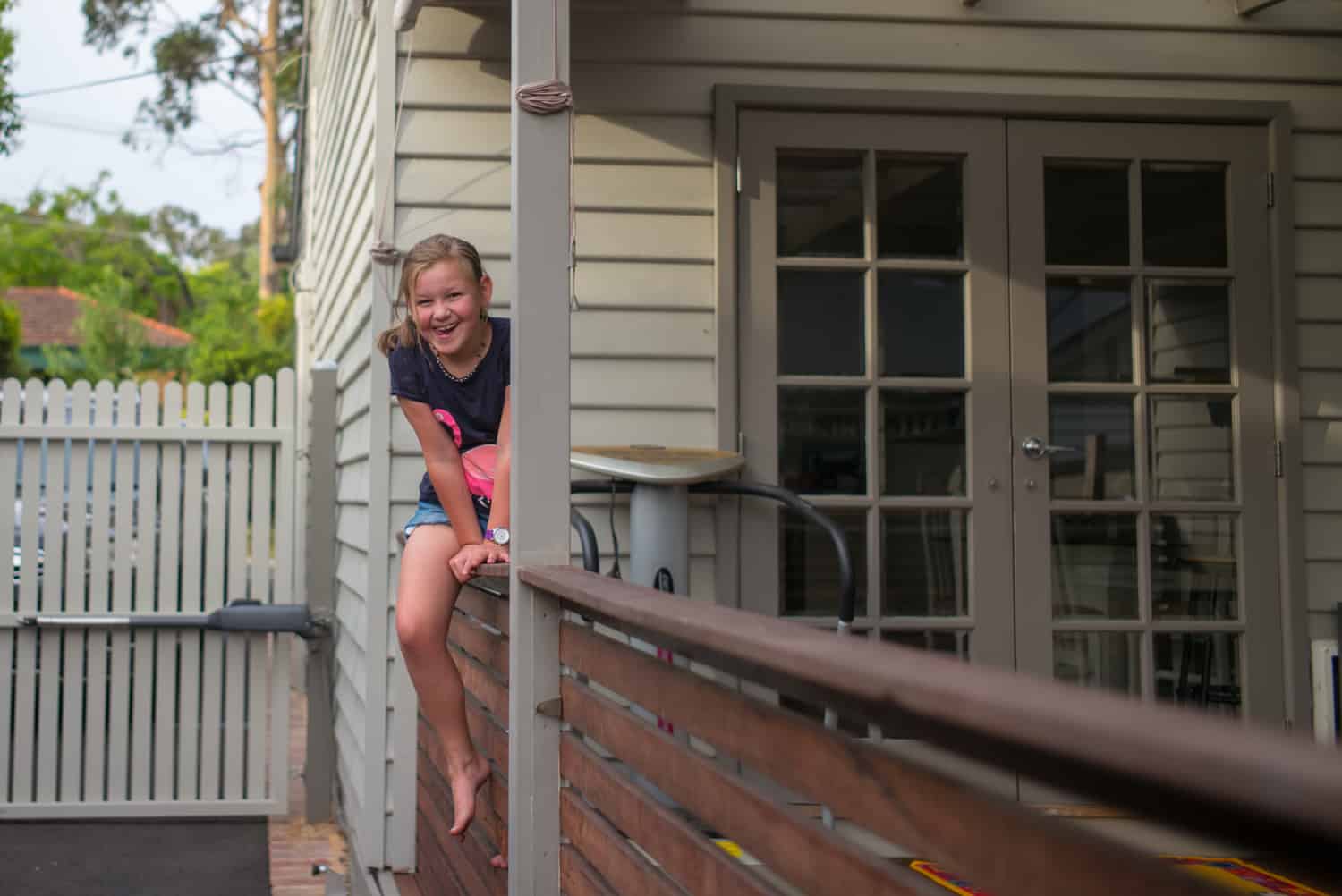
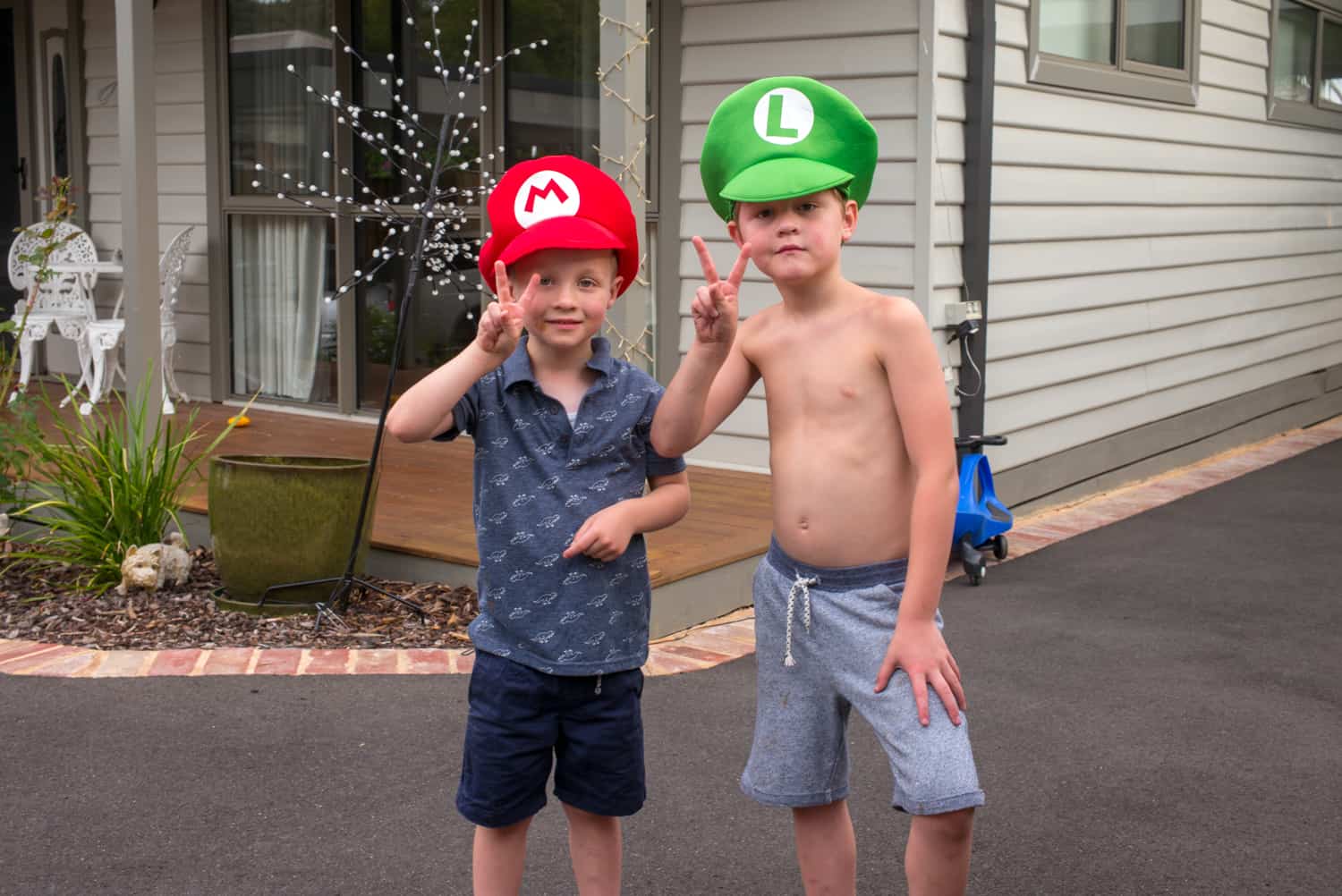
The three older kids are really developing into little personalities now and it was great to play with them and see them laughing together.

——

Brisbane

I took a day to walk around Brisbane to catch a few views and get more familiar with the place that’s more-likely-than-not to eventually become my new home in Australia.

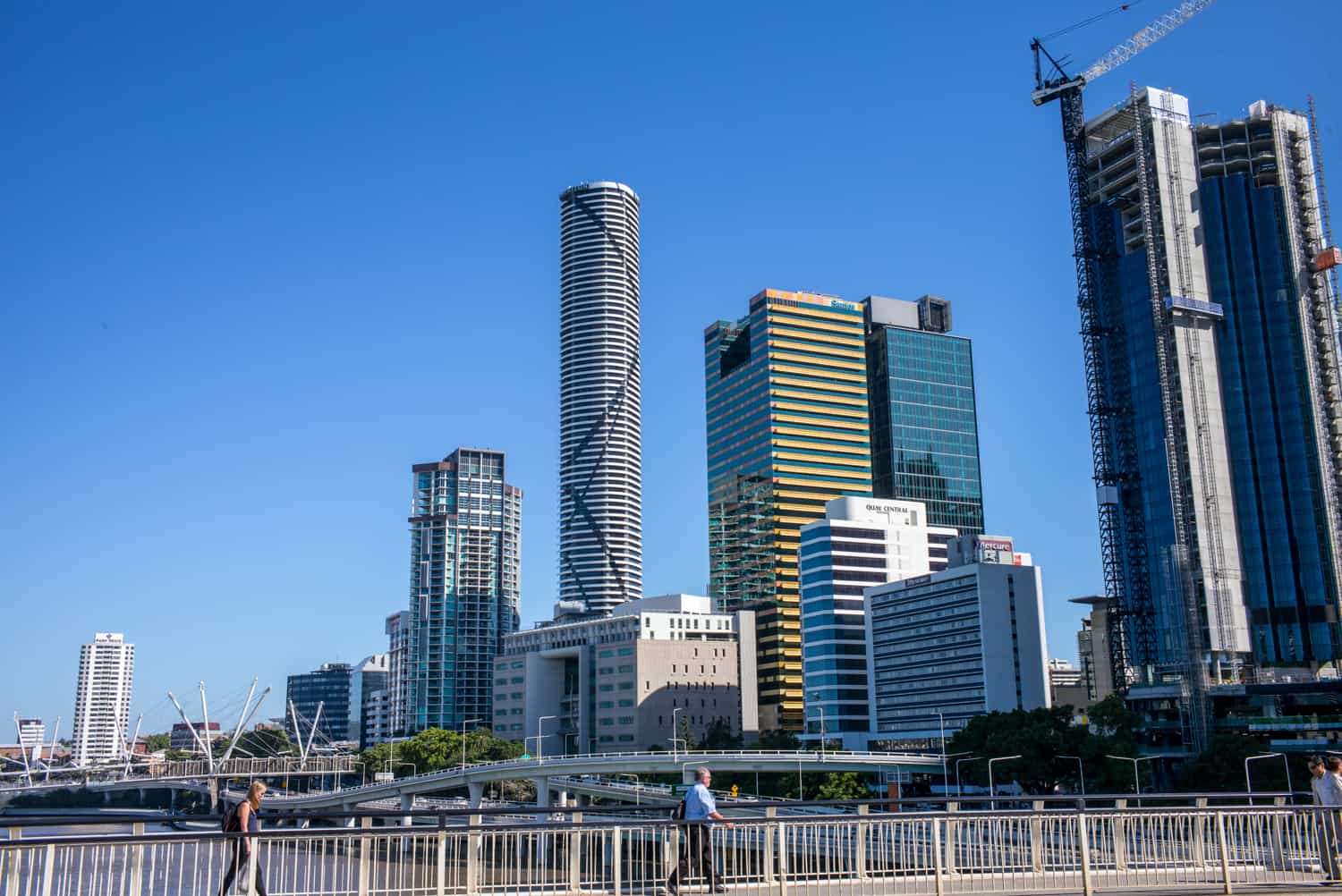
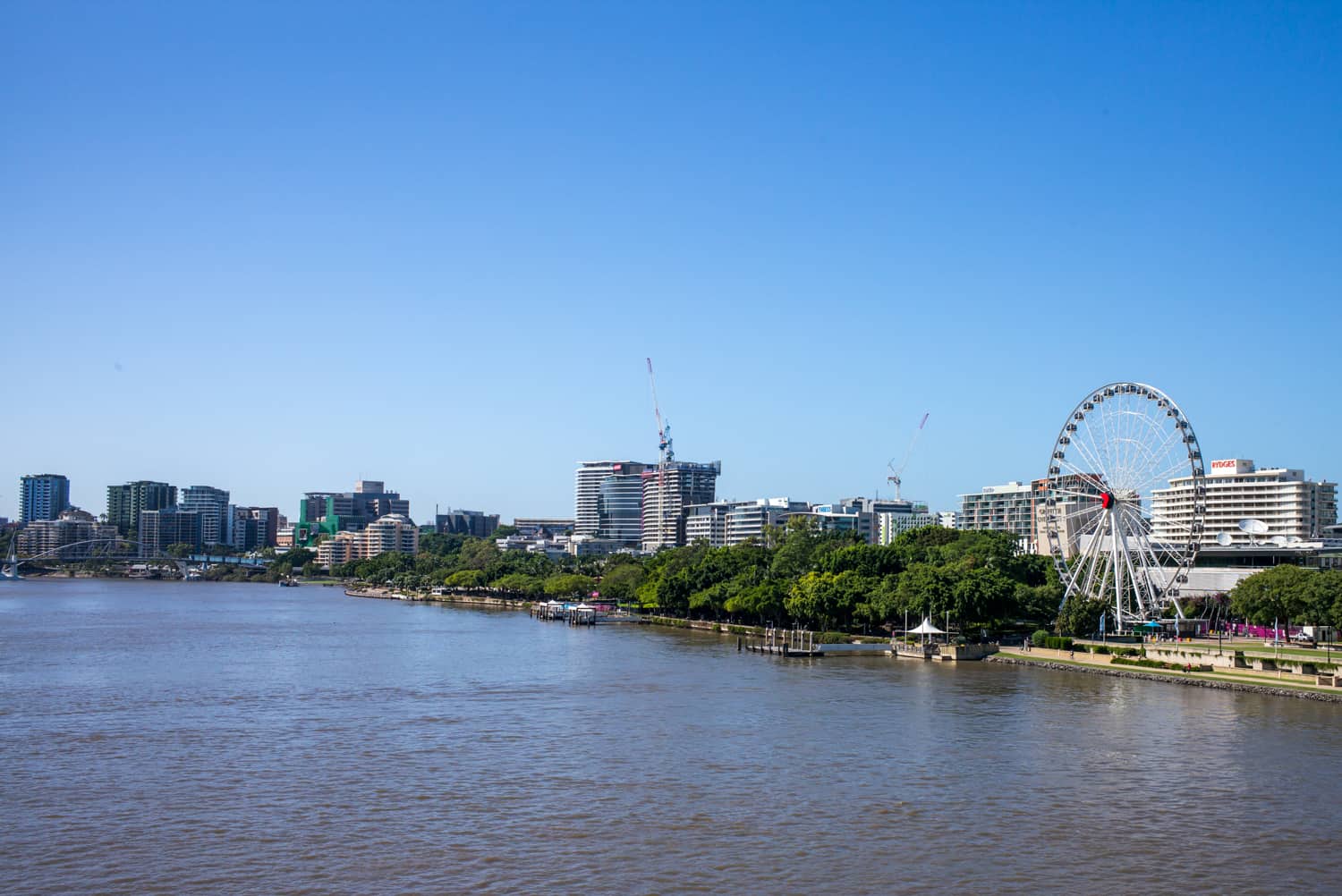
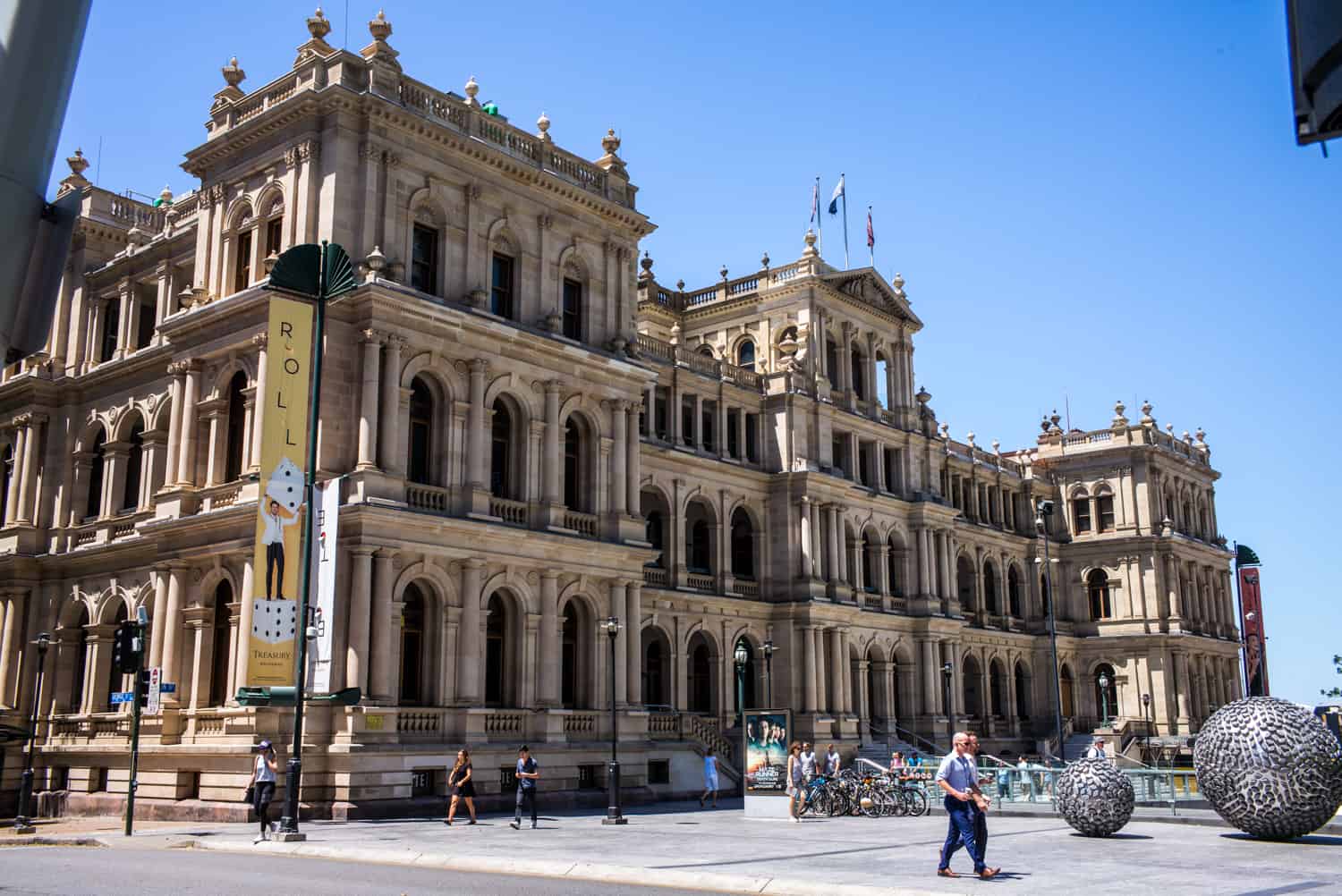
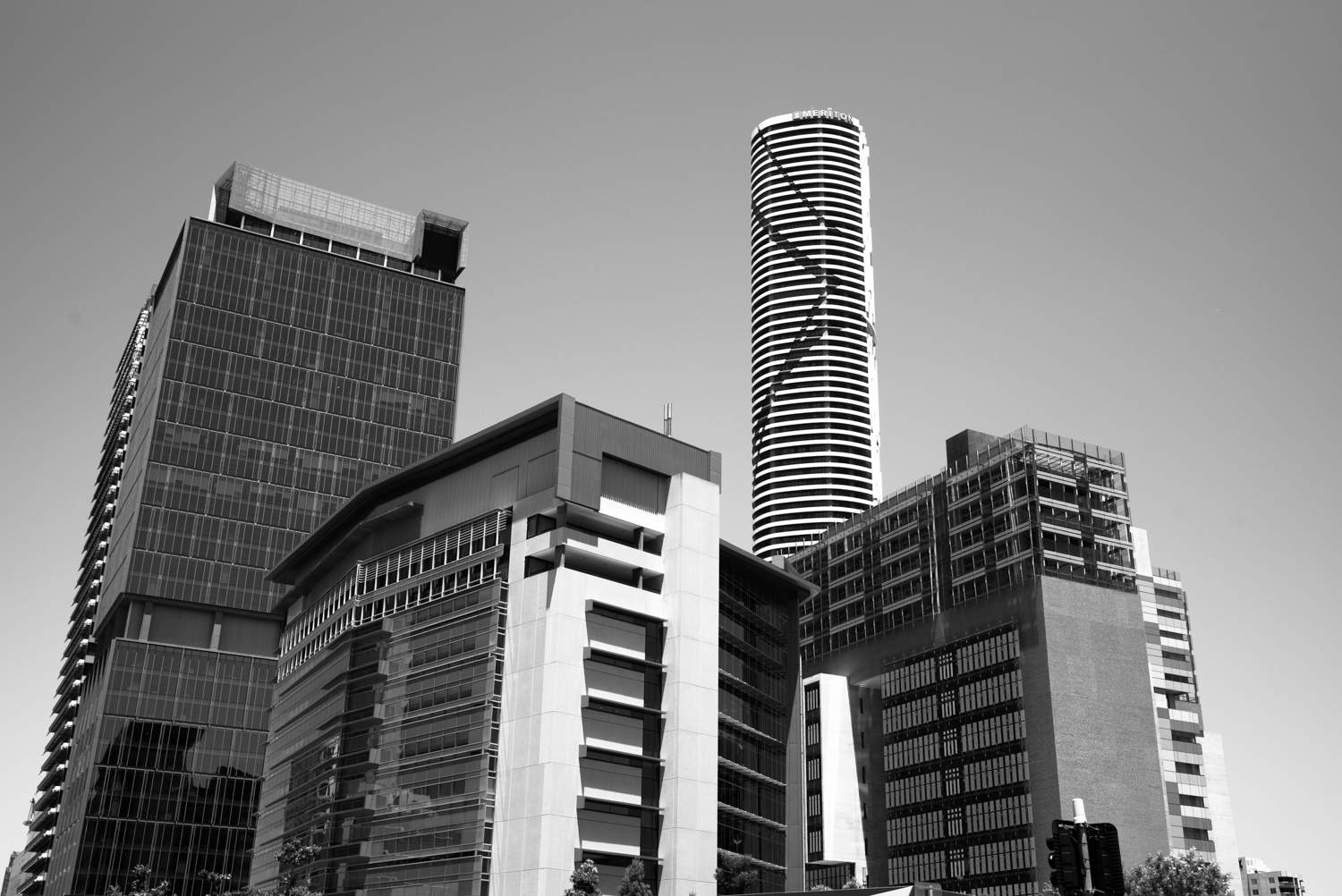
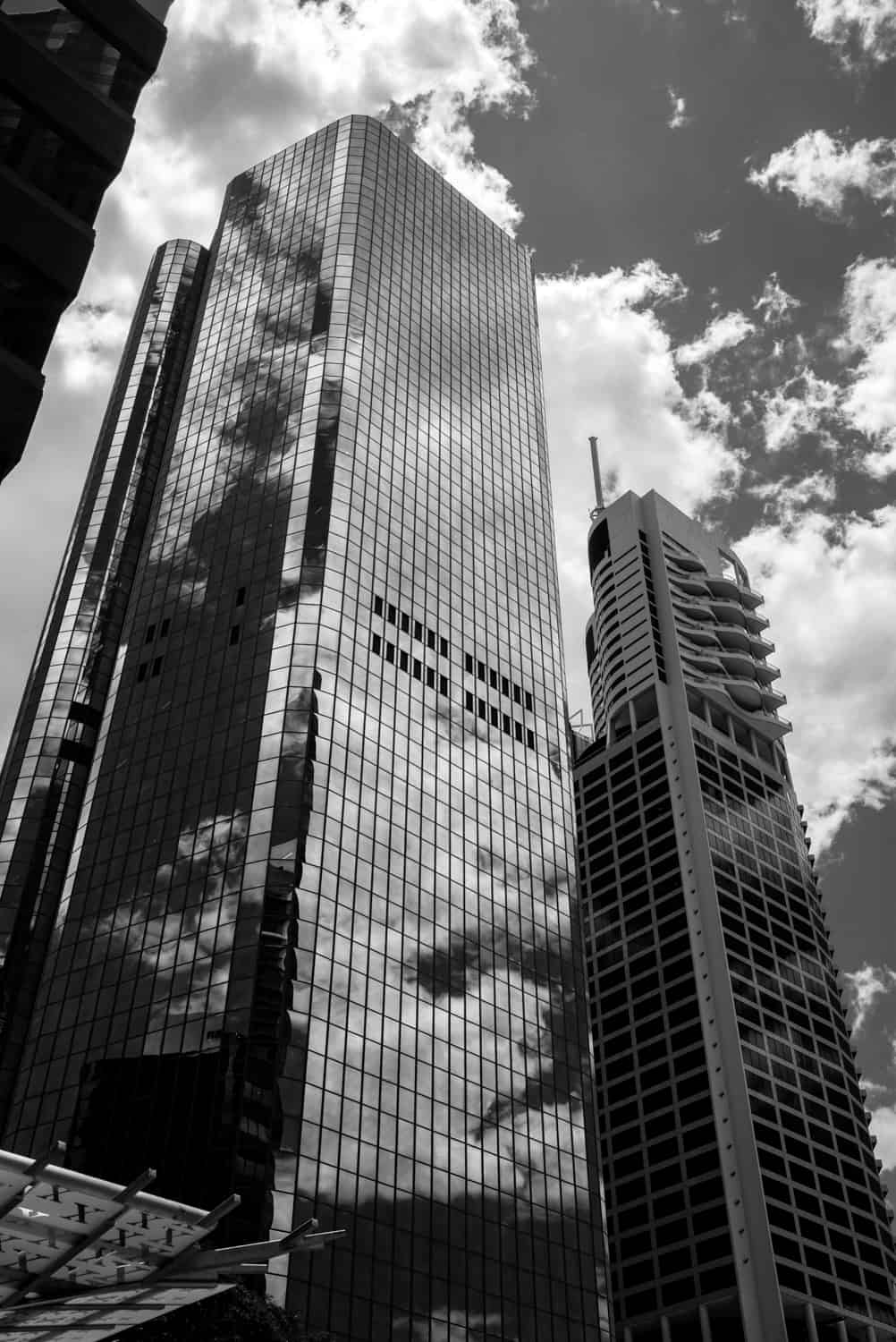
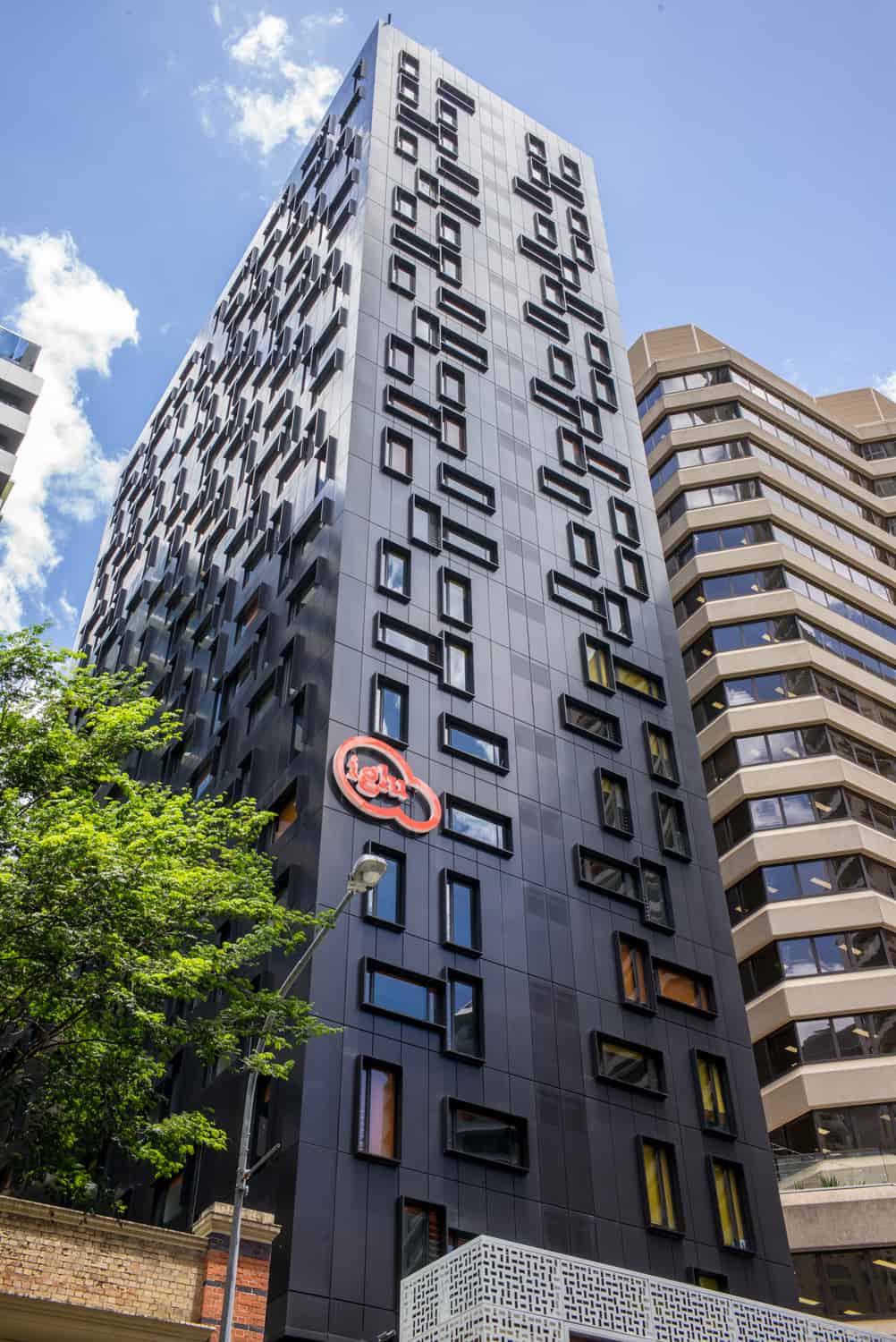
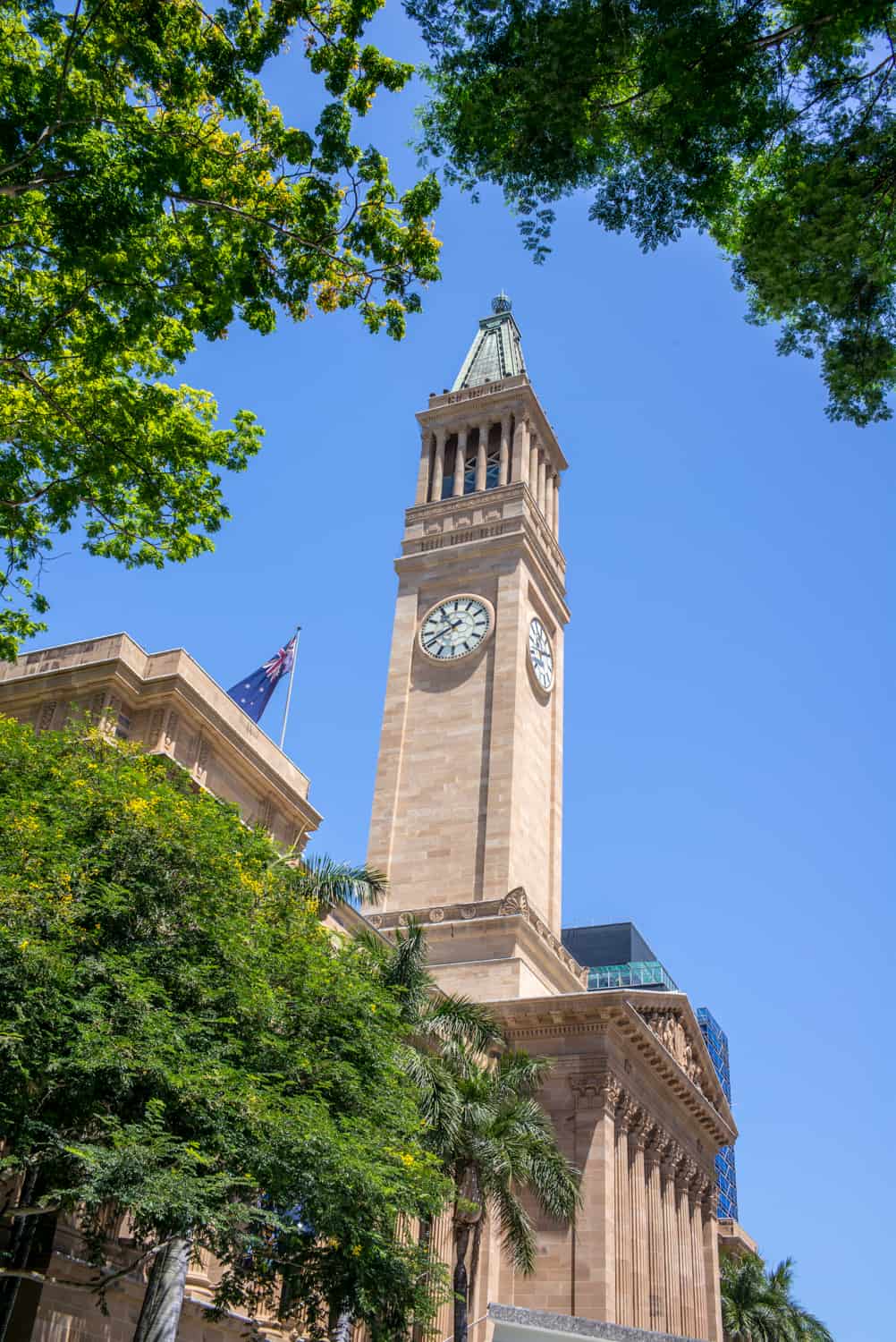
A few cityscapes first….

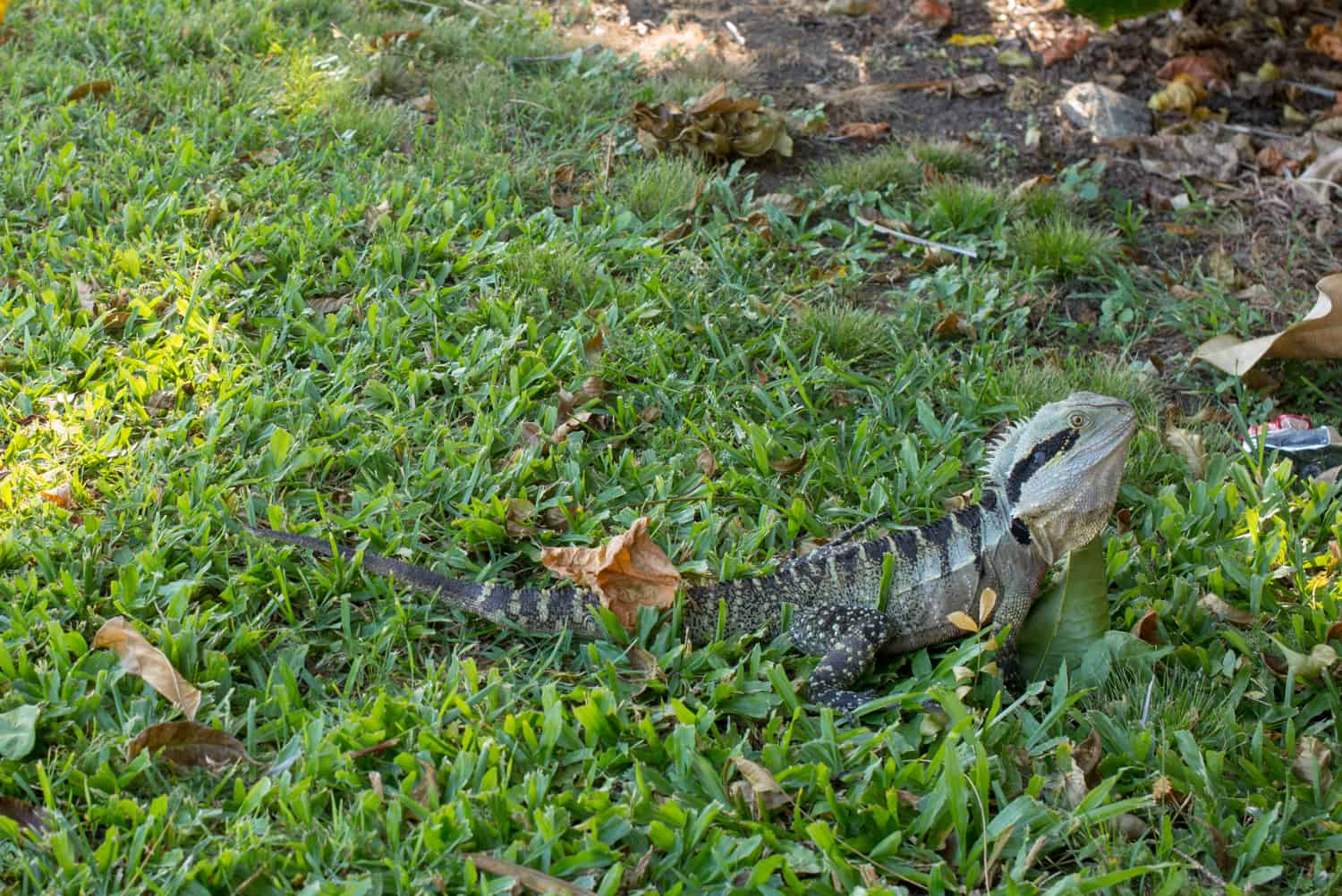
Australia is rich with wildlife and it’s interesting, as a Victorian/Tasmanian to visit a more tropical state and see the vastly different flora and fauna.

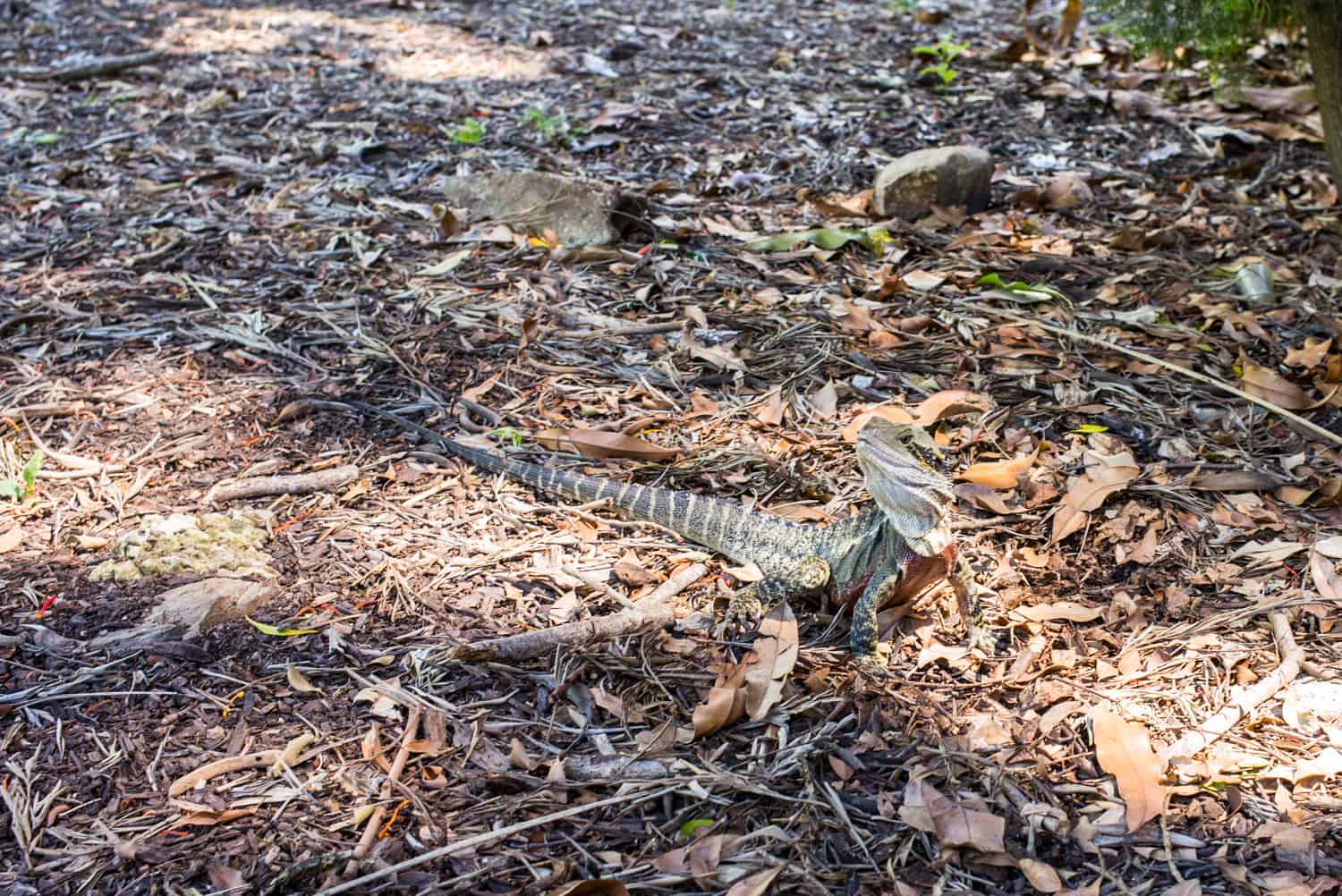
You can see a lot of amazing wildlife in Tasmania, but you don’t generally see lizards like this in gardens, hiding in plain sight.

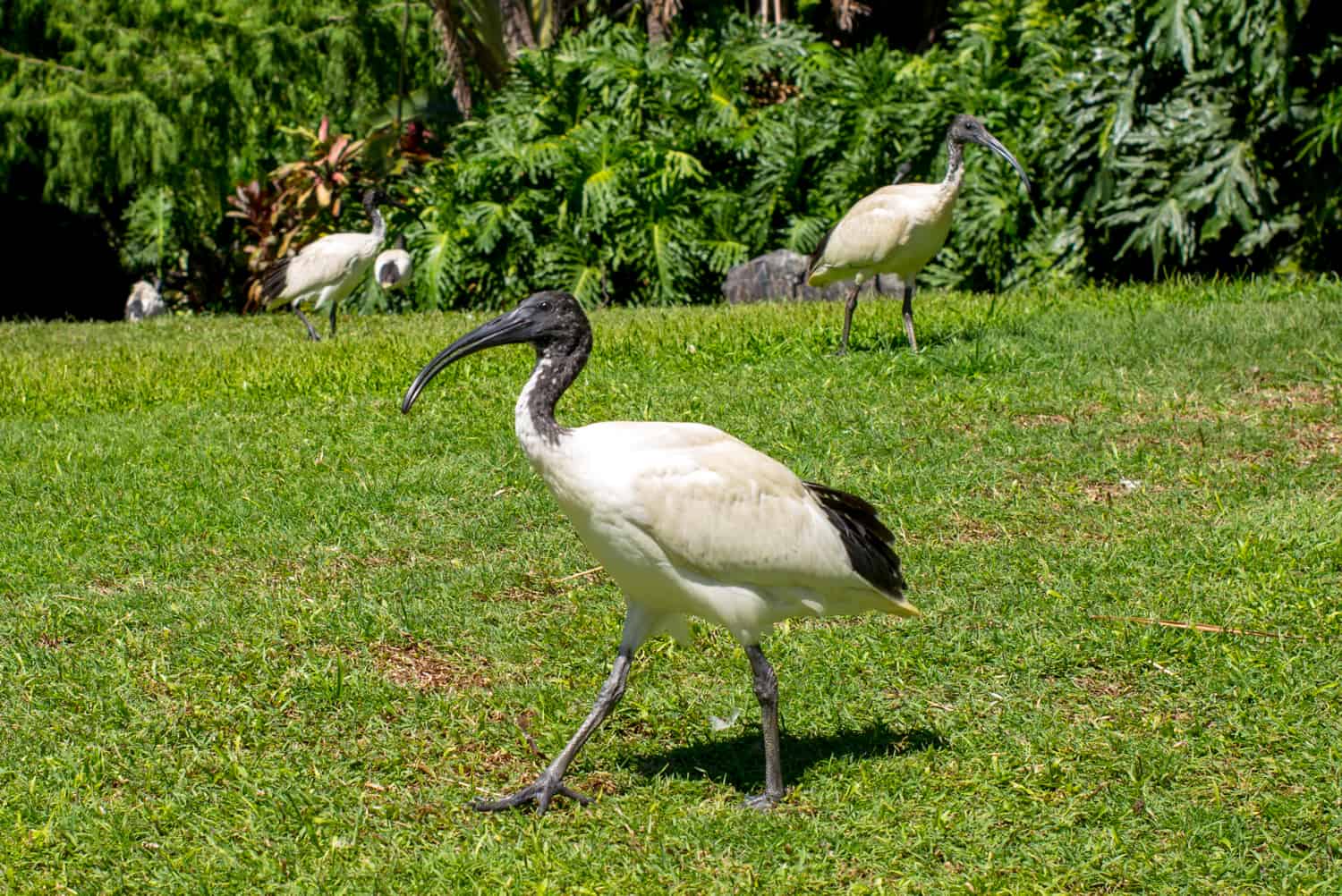
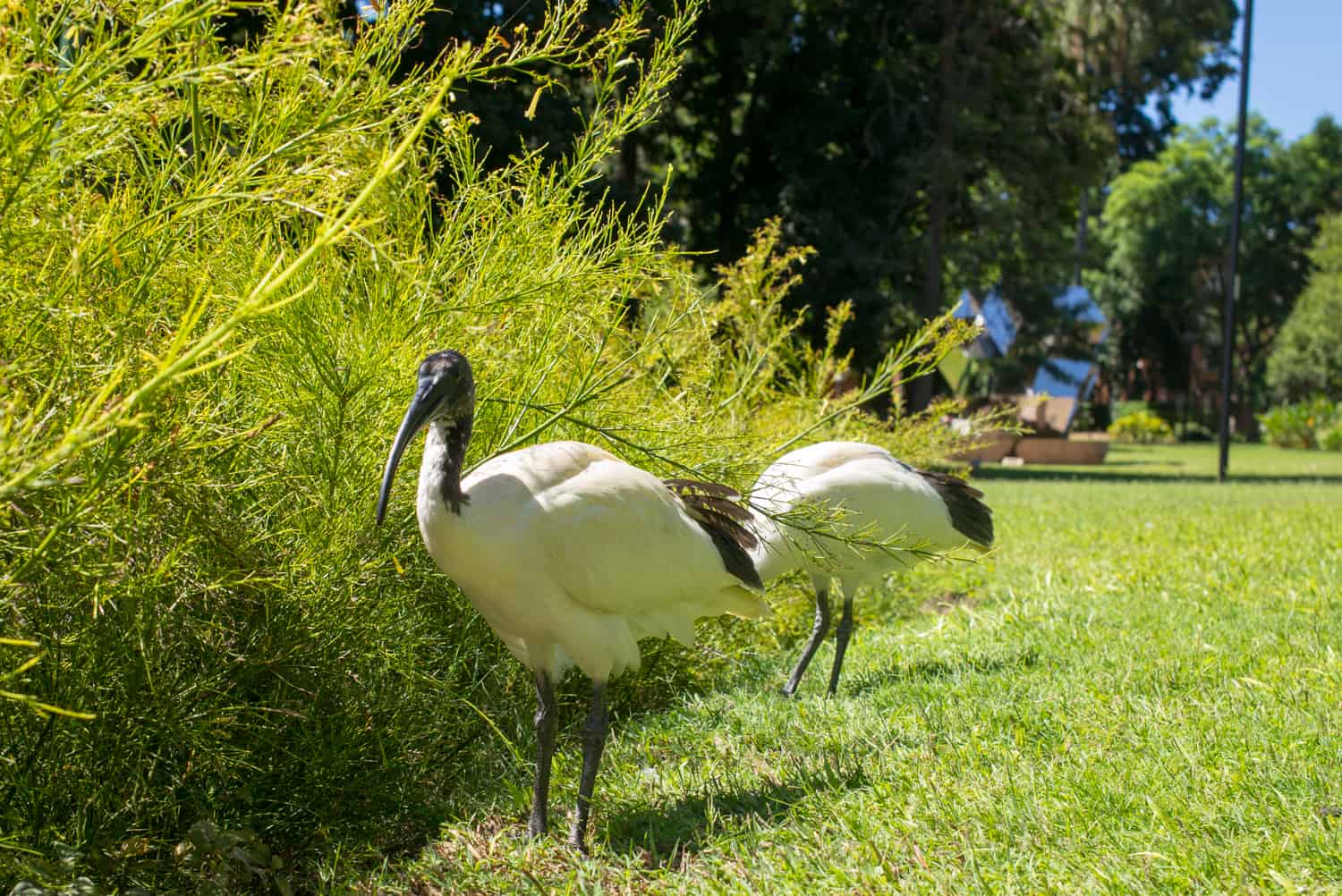
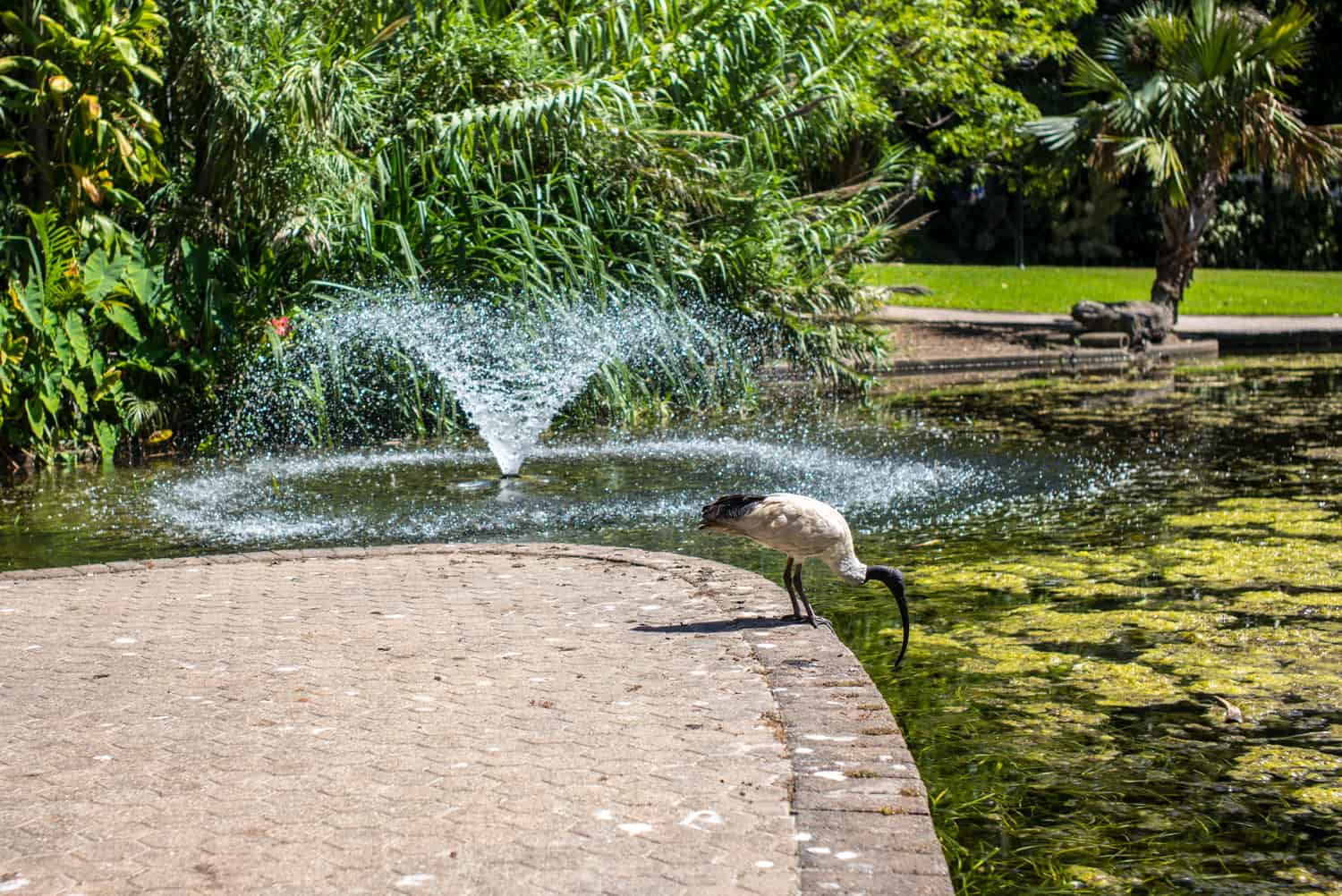
The Ibis looks pretty exotic for a bird, but given the number you see hanging around everywhere, they don’t come across as exotic at all. Friends in the city call them “bin chickens”. I love that name.

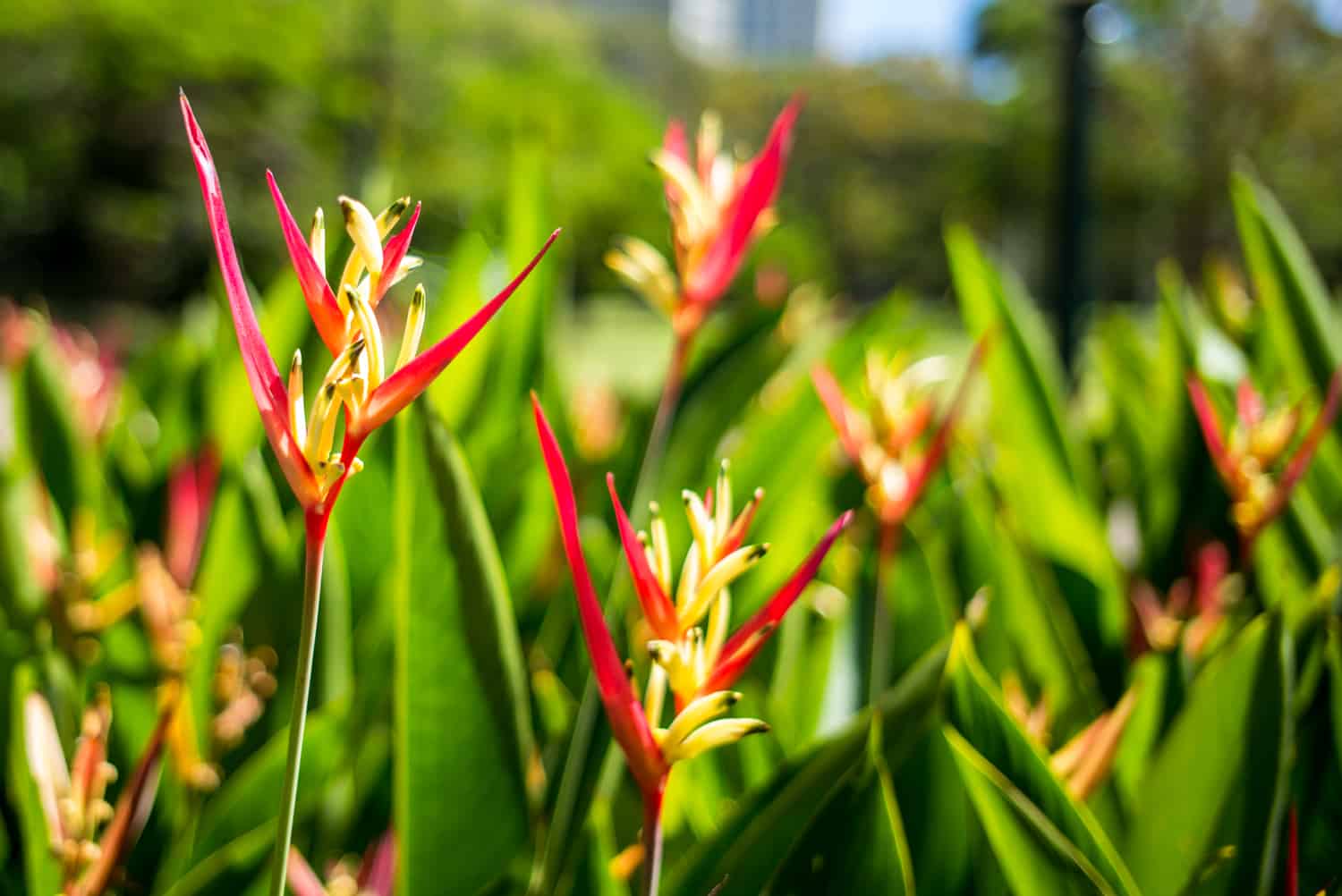
Some shots from the botanical gardens:

I love the way this camera does colours…..

Another lizard…..

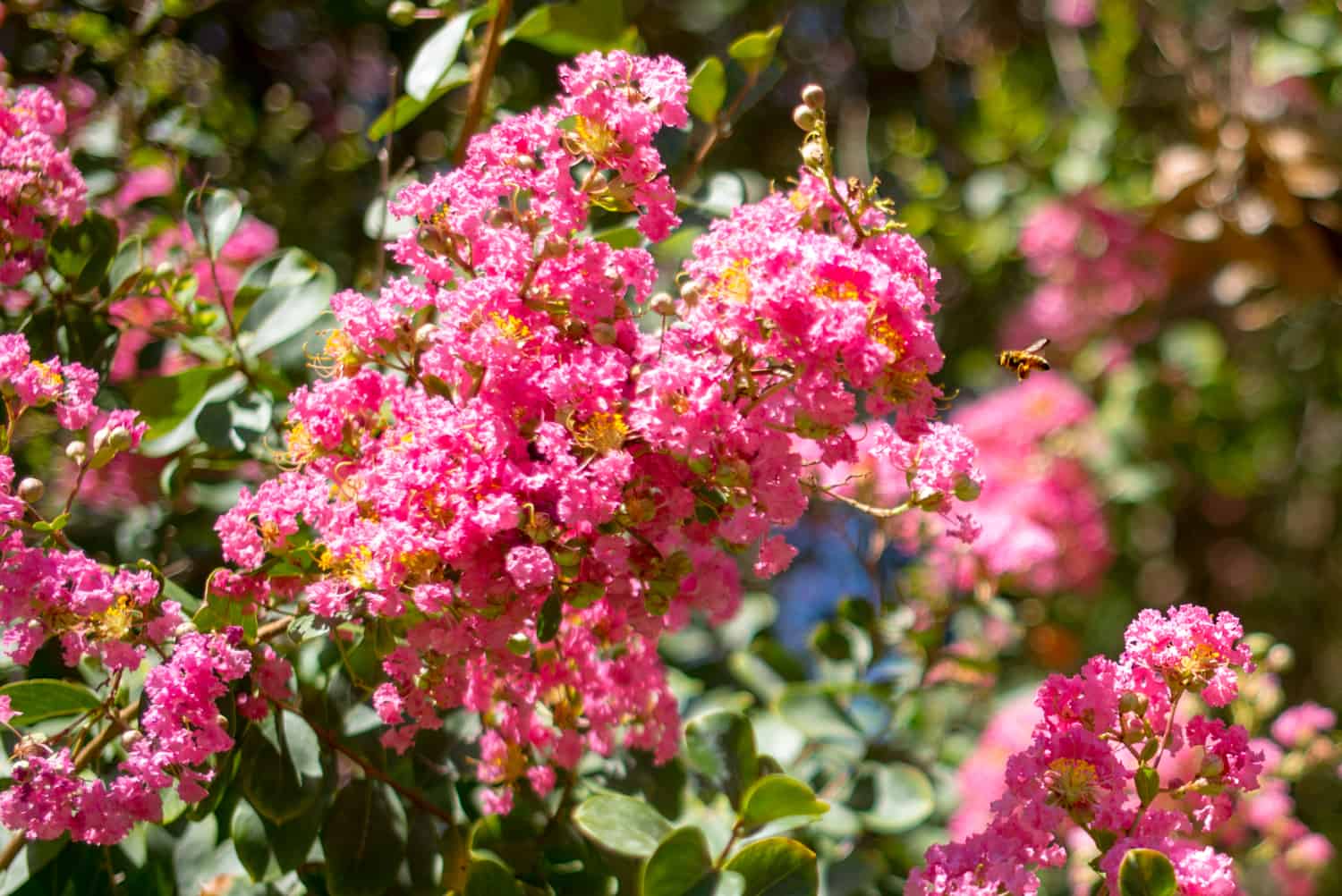
Spot the bee…..

——

Out and About

Following are some sights that I stumbled across while wandering around Brisbane.

Brisbane’s big enough to be a city but it still feels a little bit country. It’s like Hobart on steroids, but with much warmer weather.

It’s easy to relax there. The temperature’s warm, the skies are generally either a brilliant blue or dark grey, heavy with a LOT of rain. When it rains in Brisbane, it pours, and you can see the flood markers on different buildings around town that commemorate those times when it’s rained a little too much.

That didn’t happen while I was there, though. It was simply stunning.

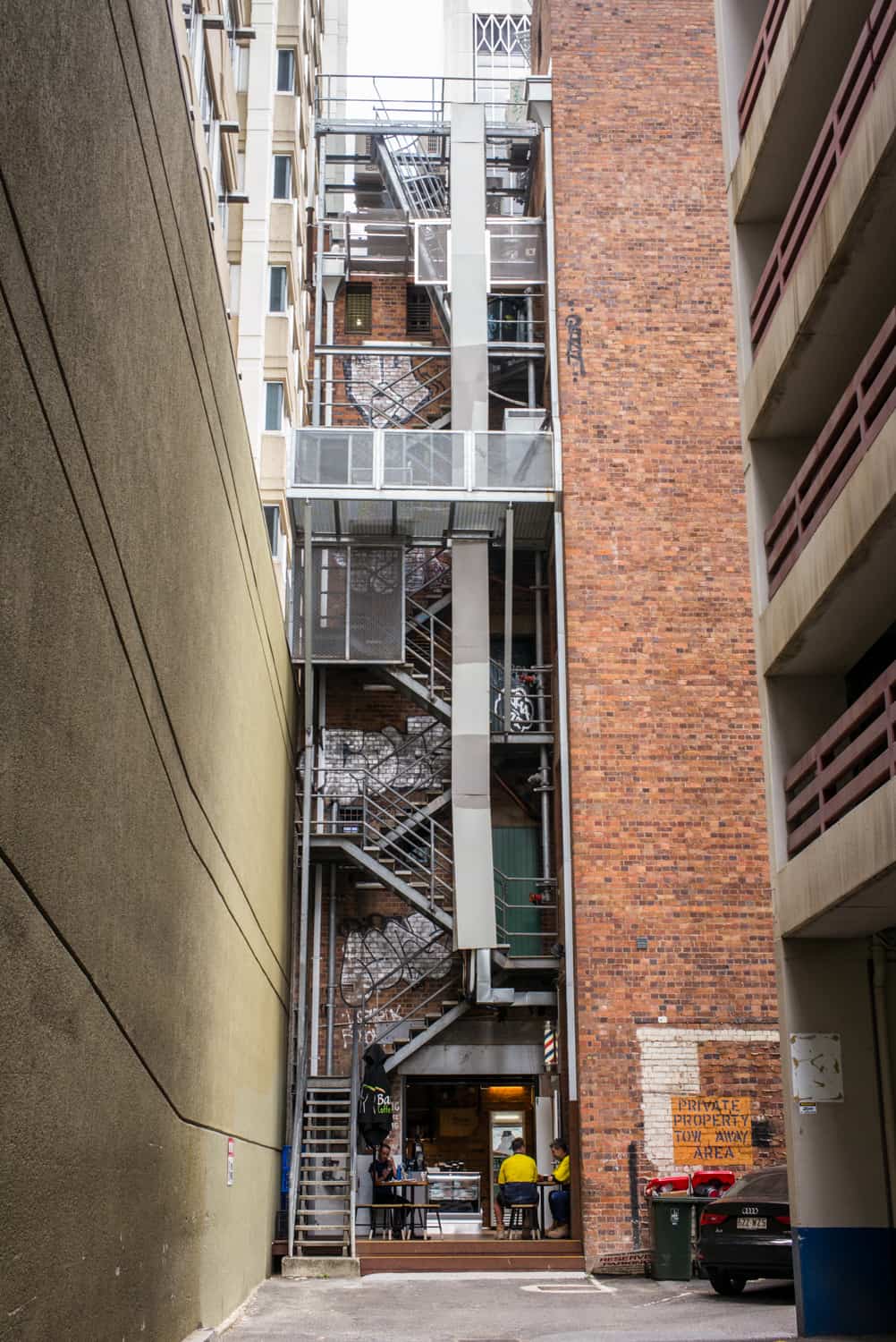
I spotted this hidden cafe in an alley, at the bottom of the stairs.

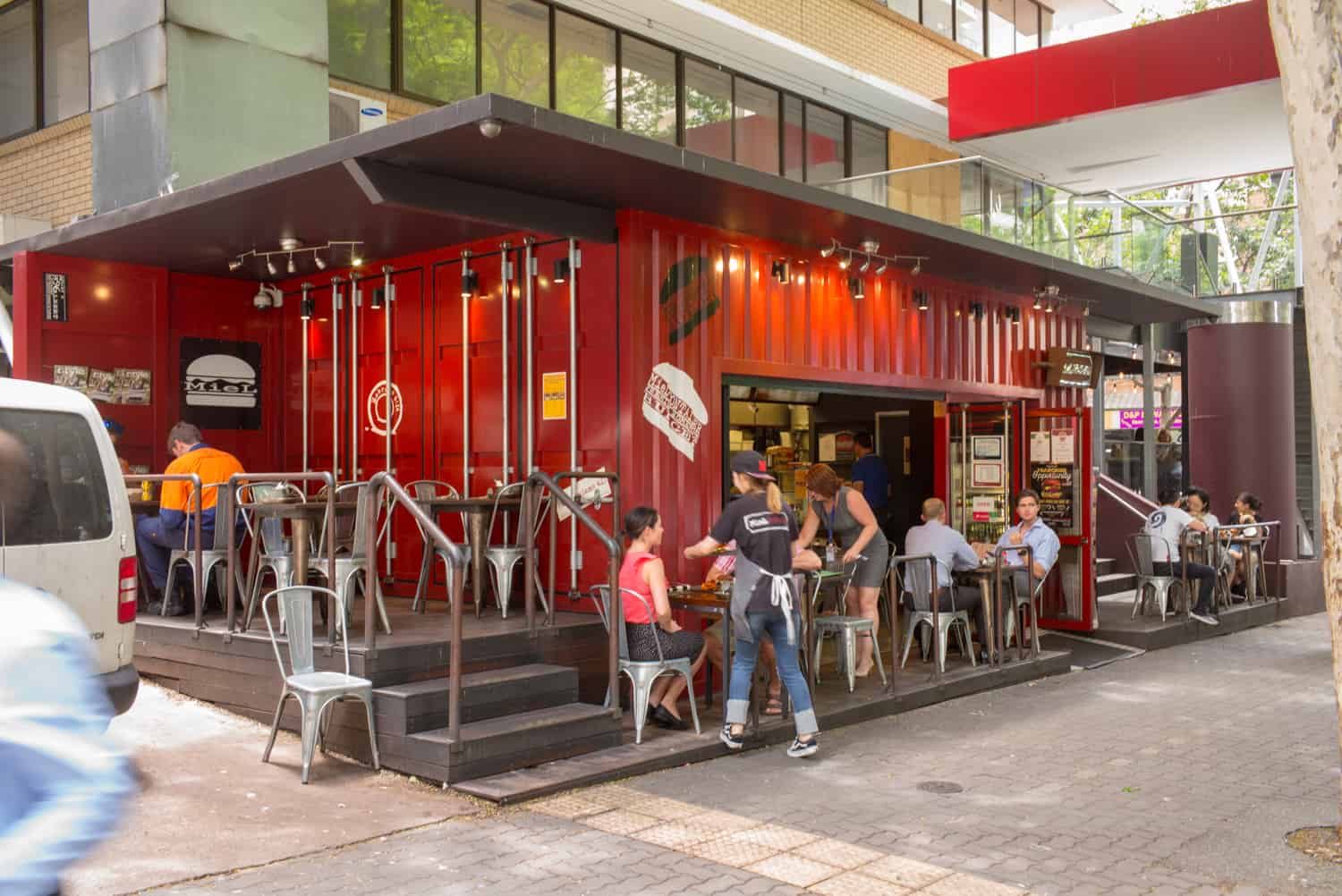
Shipping-container-turned-burger-joint….

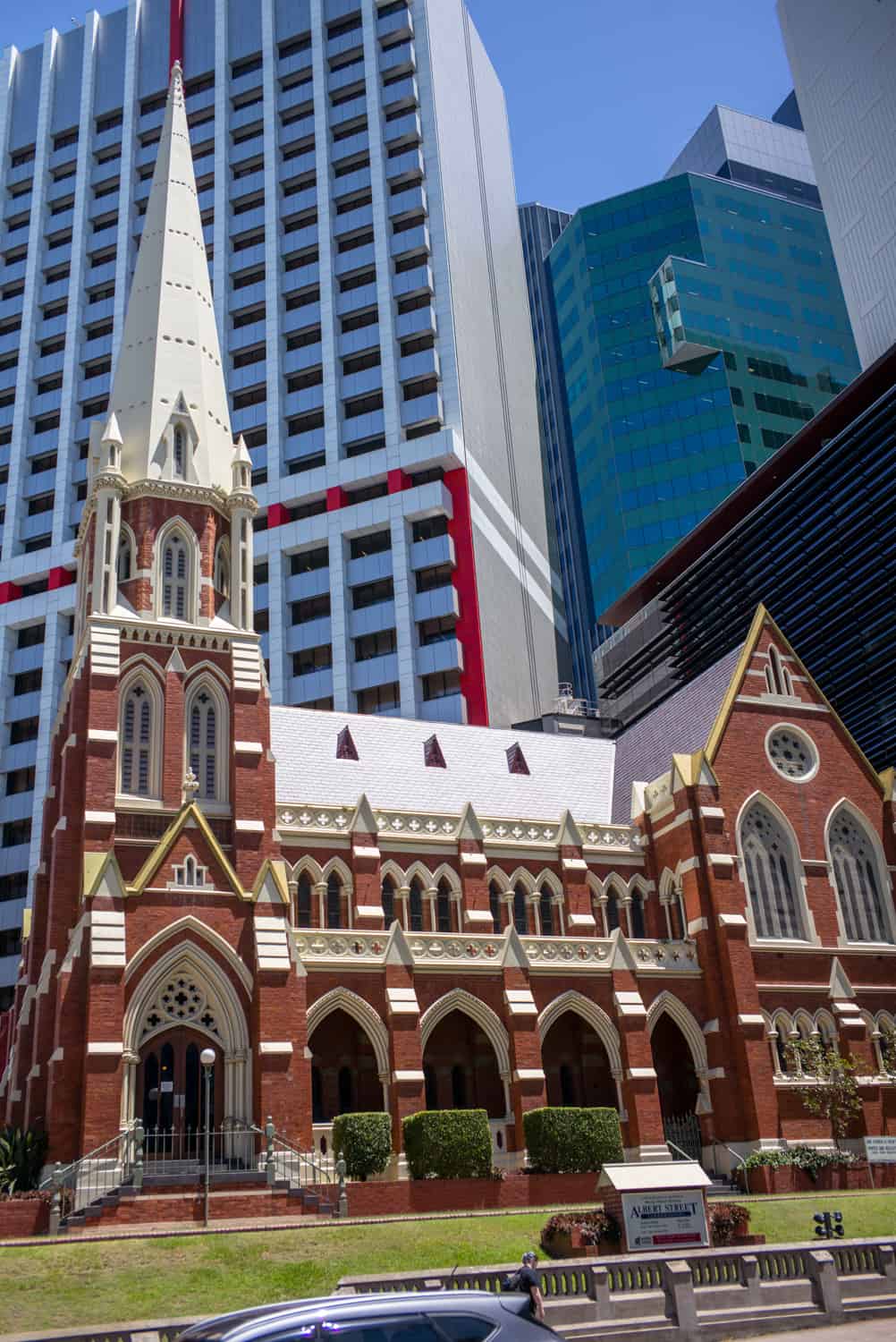
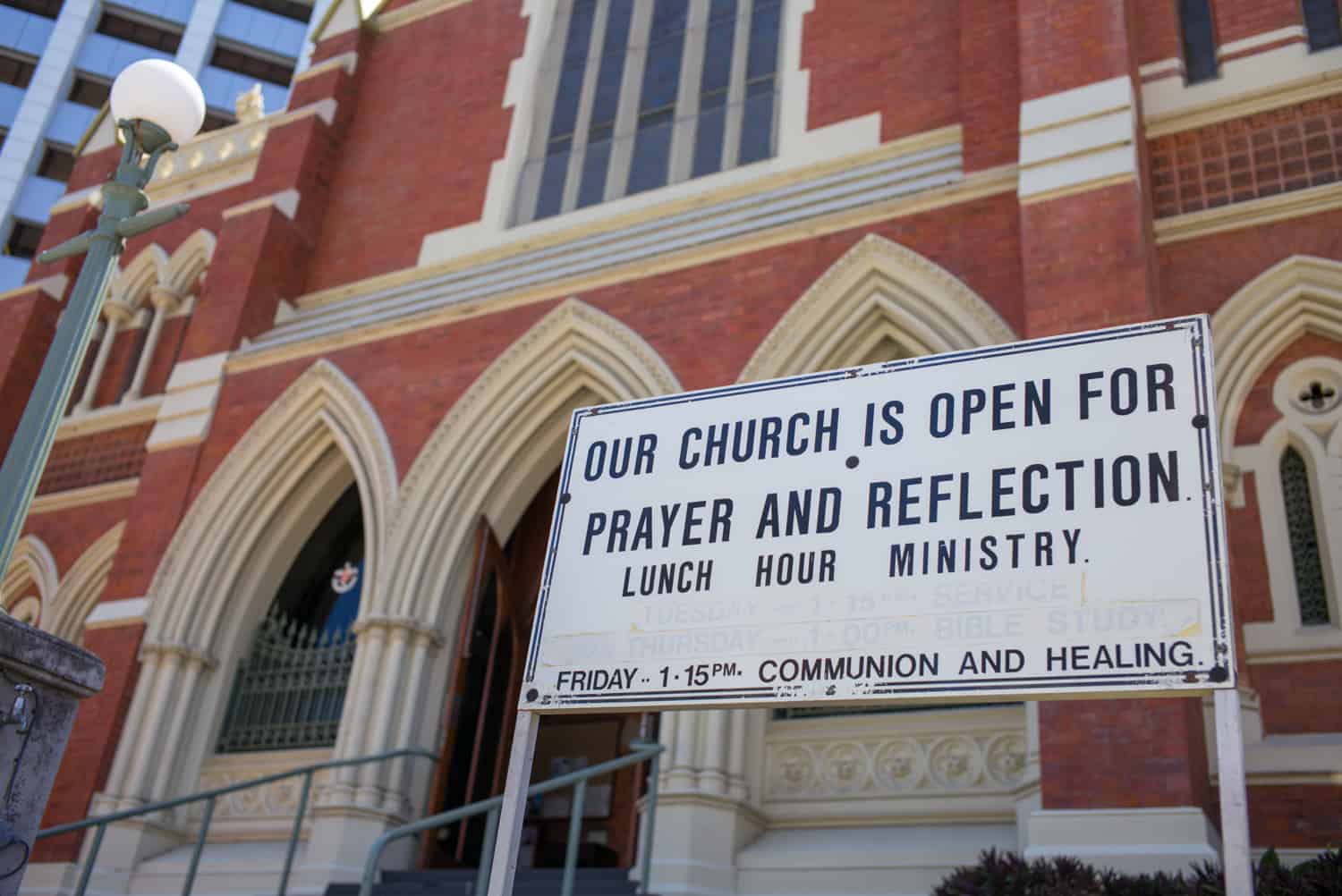
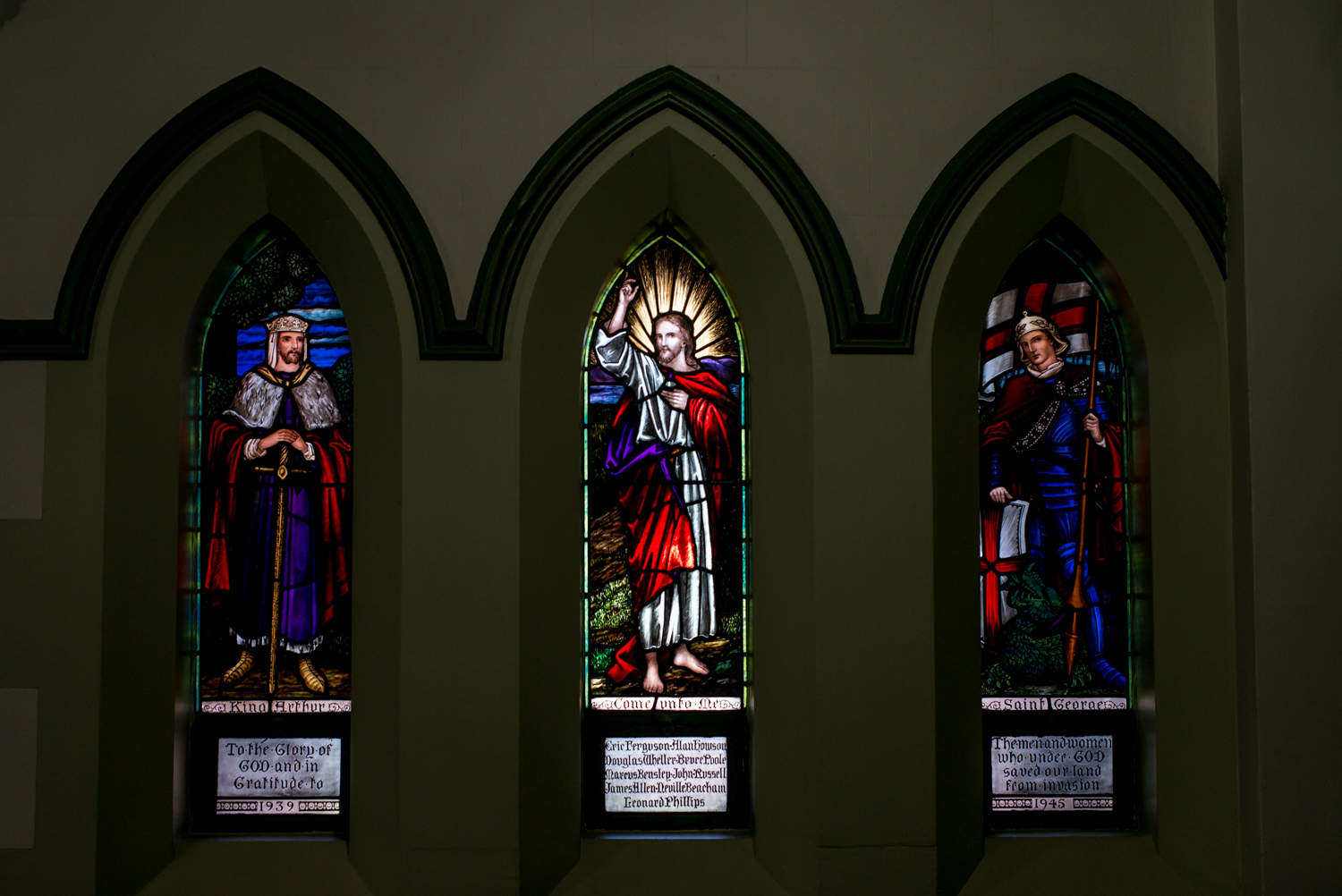
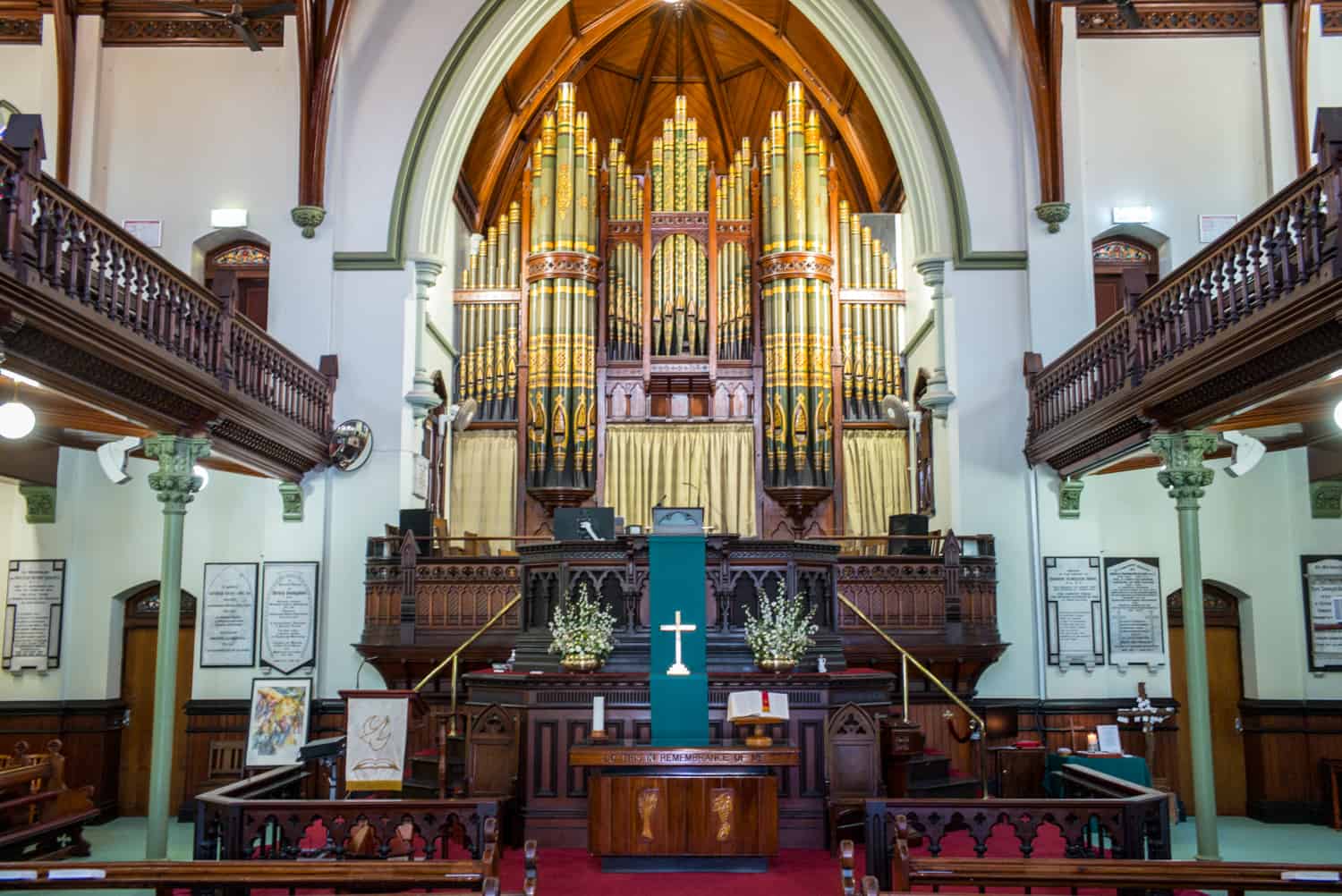
An old church in the city center:

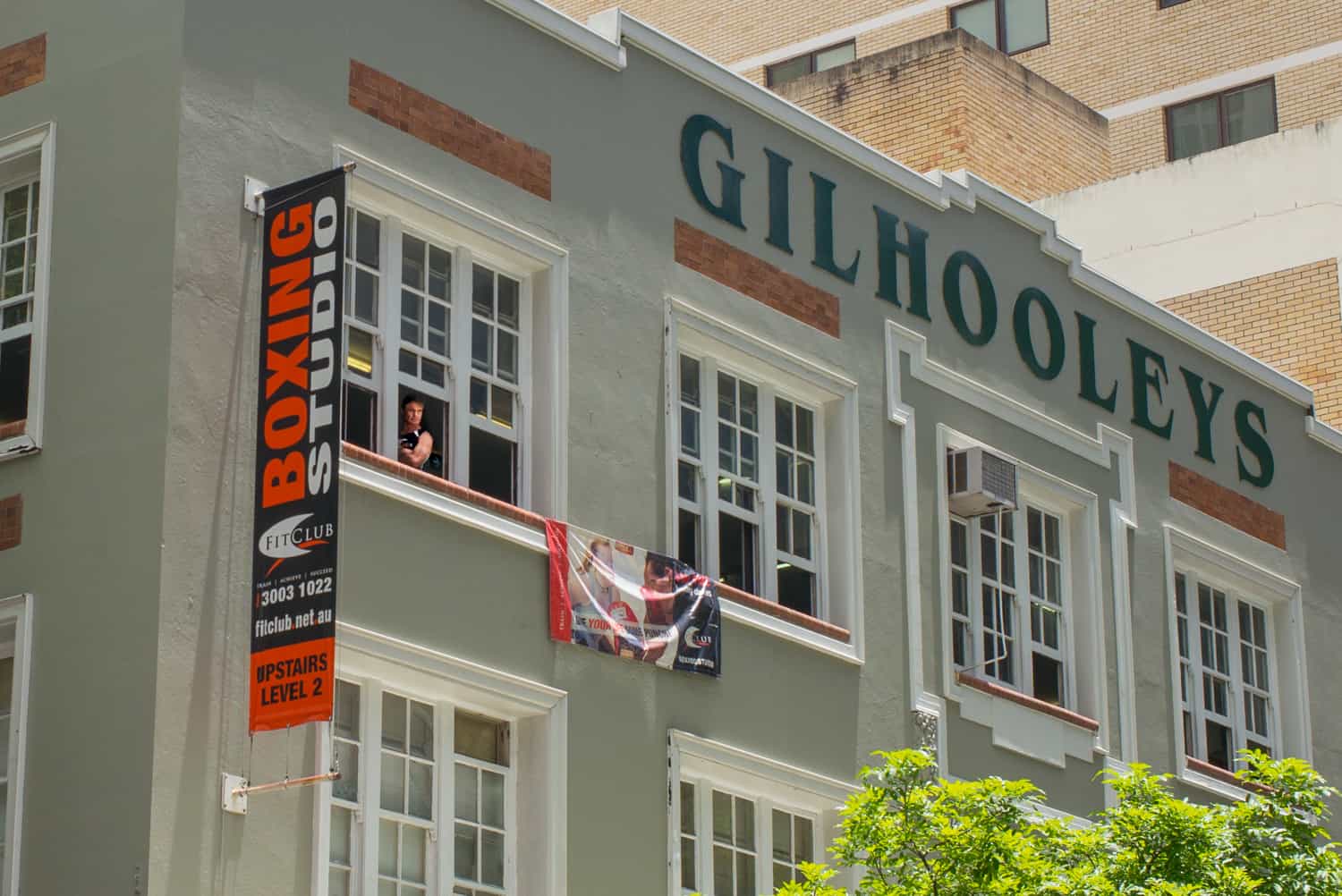
I spotted this gym rat taking an occasional break and checking out the view from the top-floor window. I had to wait for a while to get him again, but I did.

Speaking of taking a break….

A few more city sights:

——

A Day In The Country

I spent a wonderful day in country Victoria while I was there. A friend had just moved to a new place so I drove down and she showed me around a bit. Gippsland has long been one of my favourite parts of the state and the bit where Rach lives, near the Yarra Ranges, is just stunning.

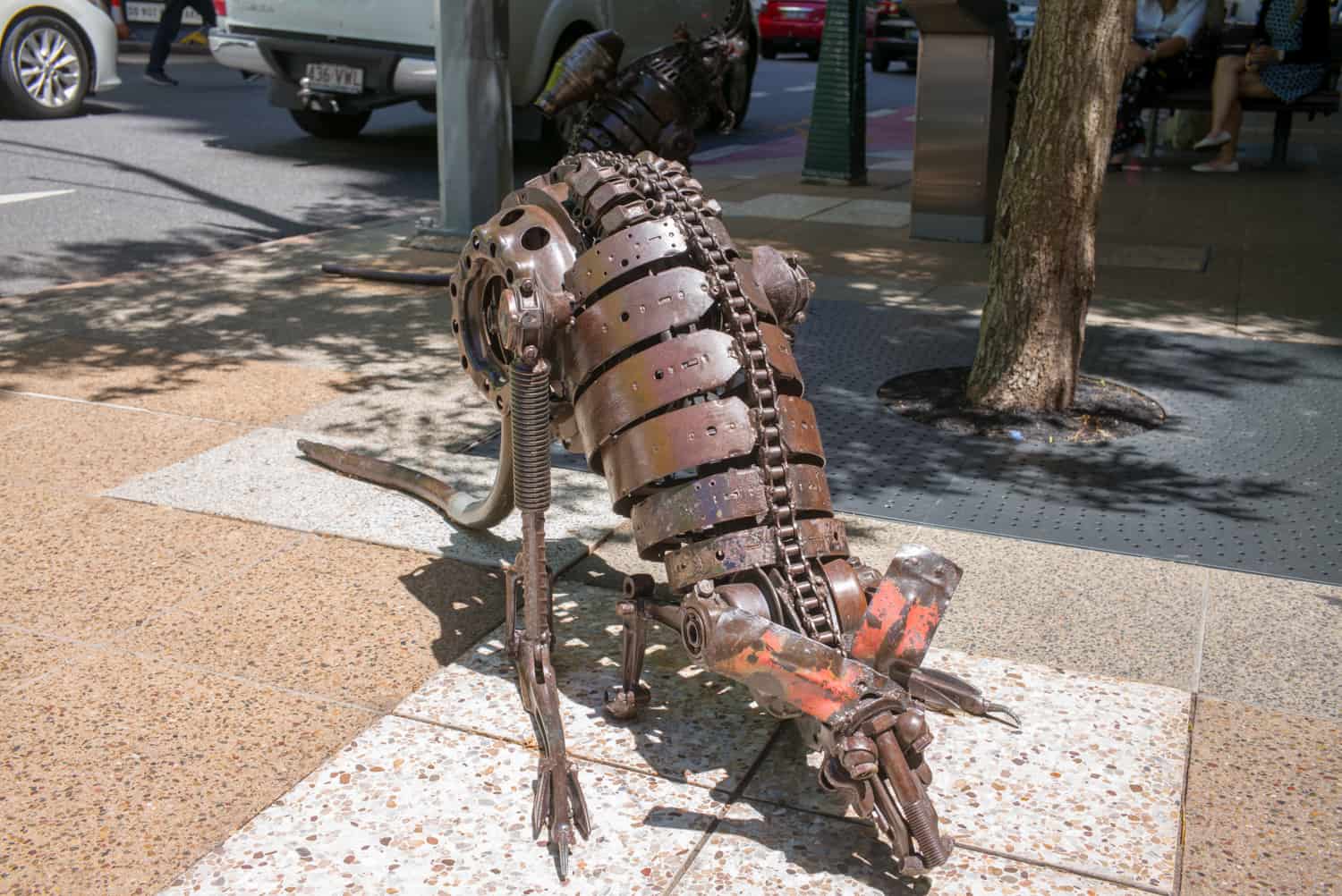
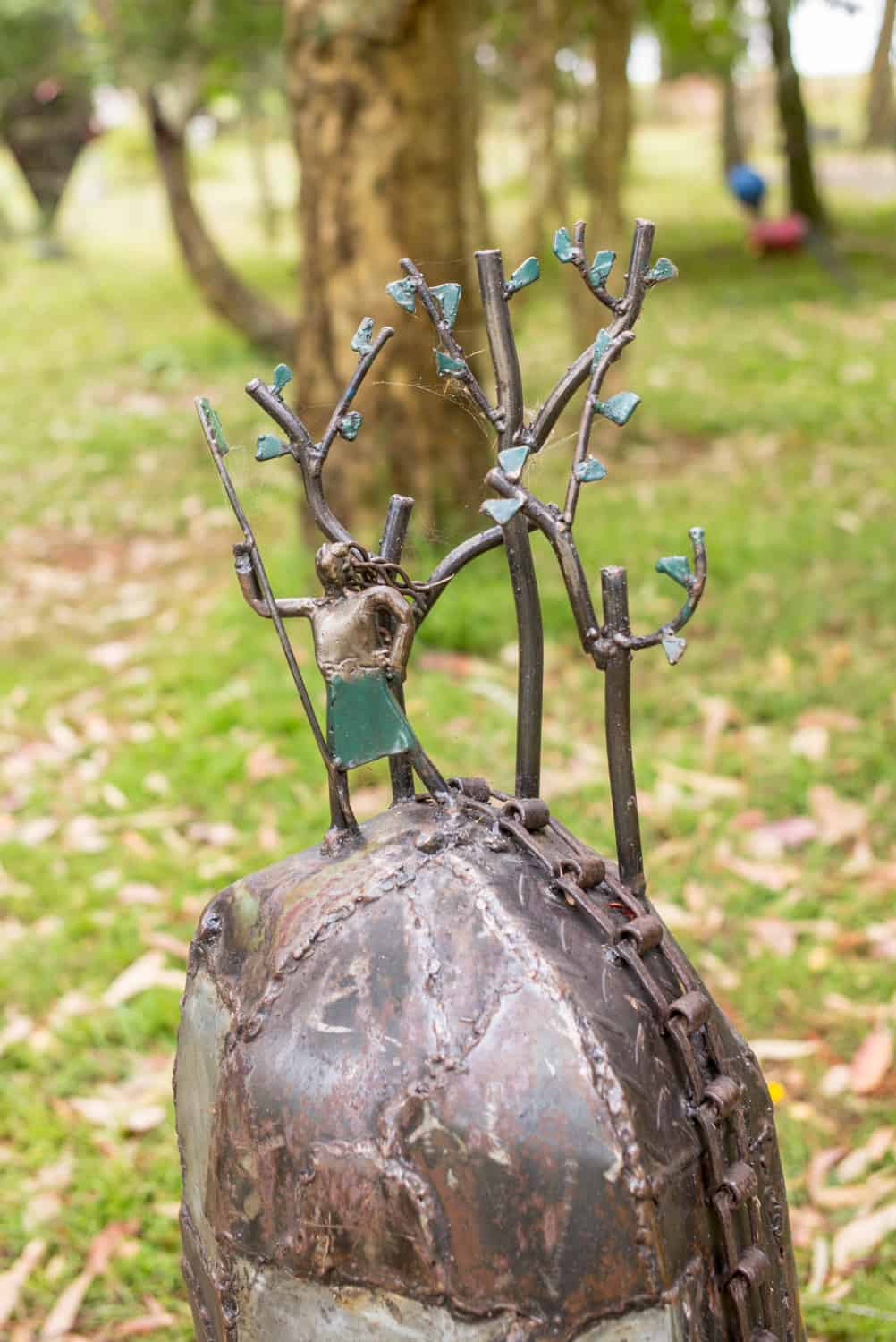
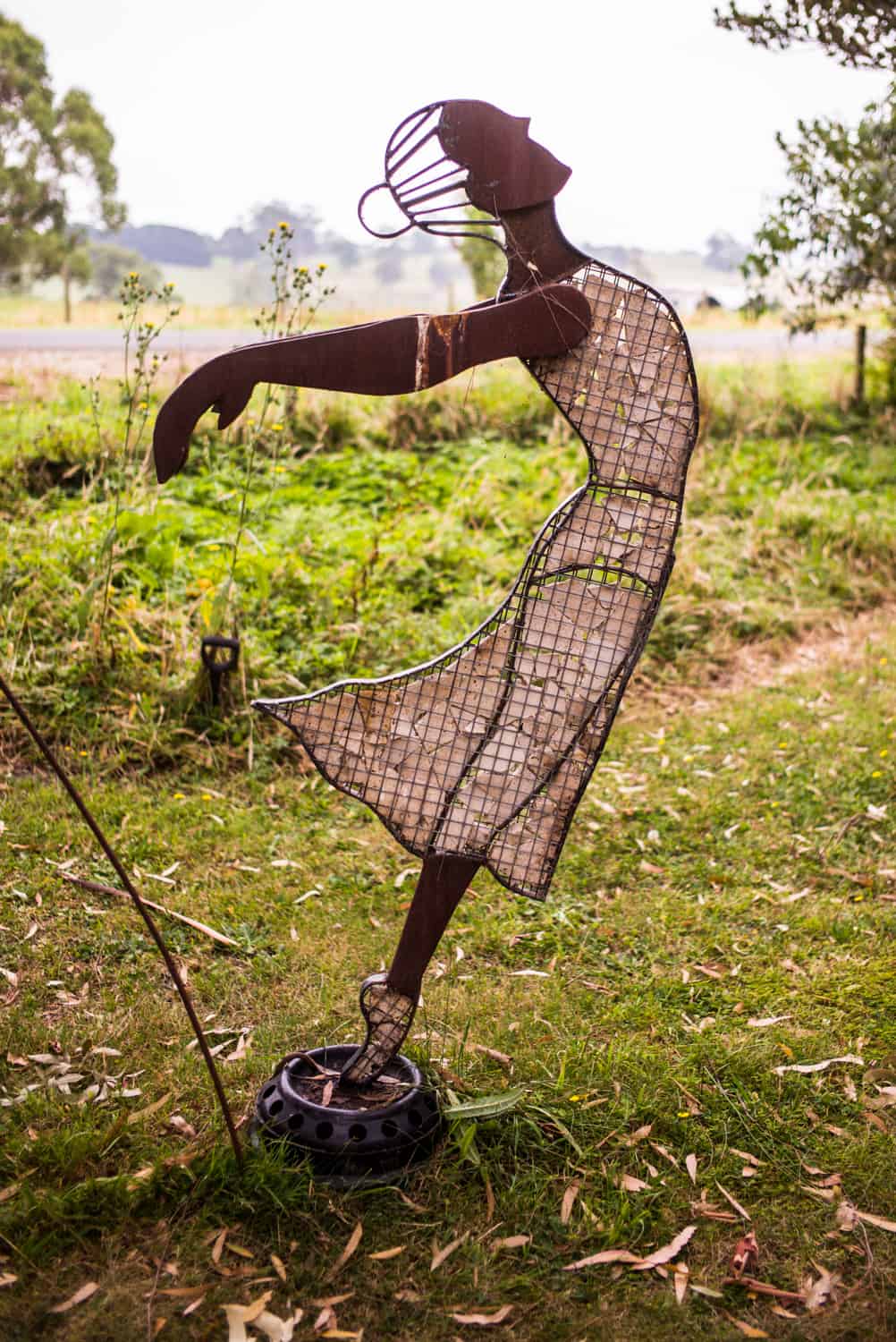
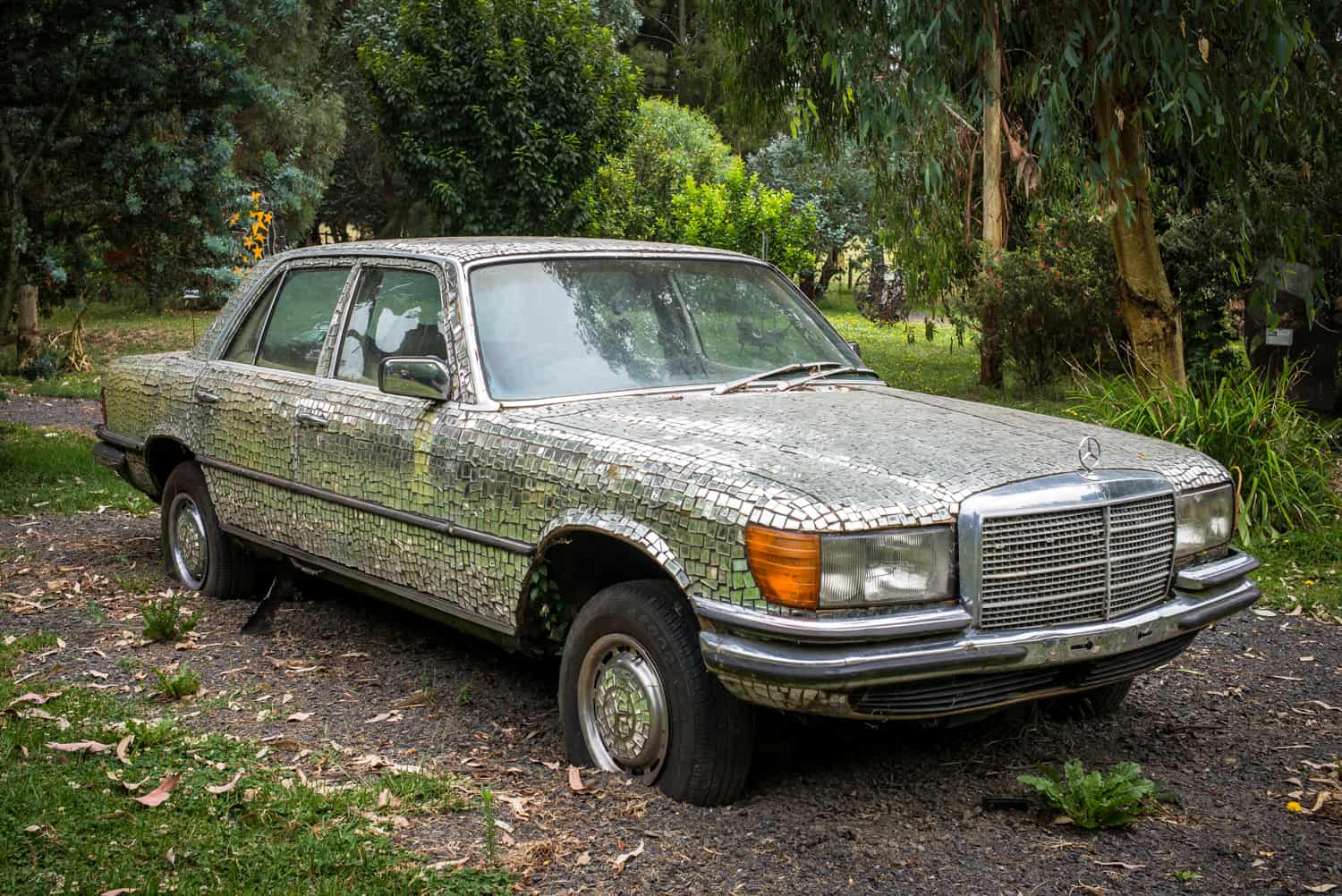
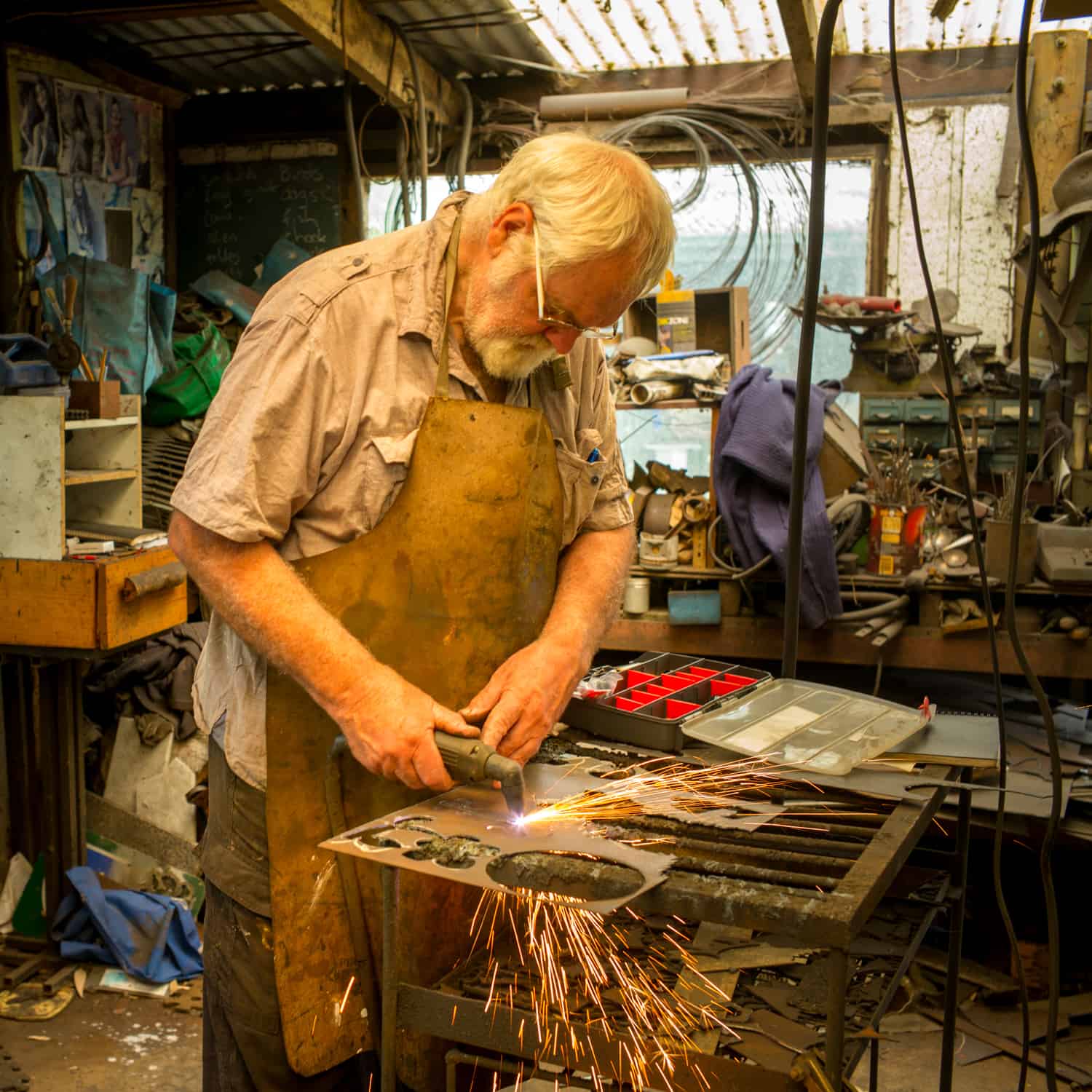
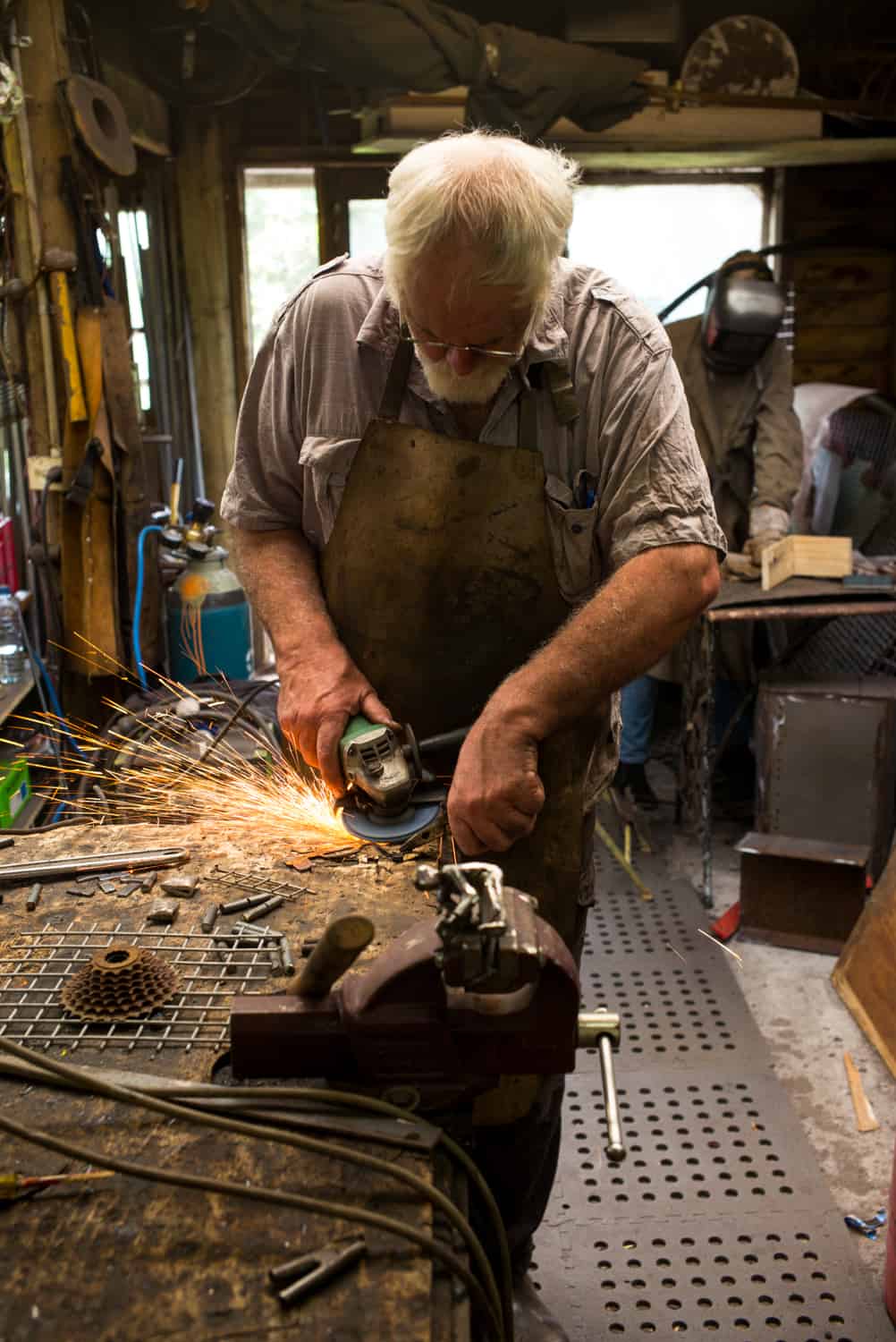
A retired school principal named Laurie Collins runs a sculpture workshop in a town called Jindivick. He works mostly with recycled metal, drafting in other materials as needed. Laurie has a gallery on site where local artists display their work (the exhibition space is booked out until late 2019!) and his garden is a like a mini sculpture park.

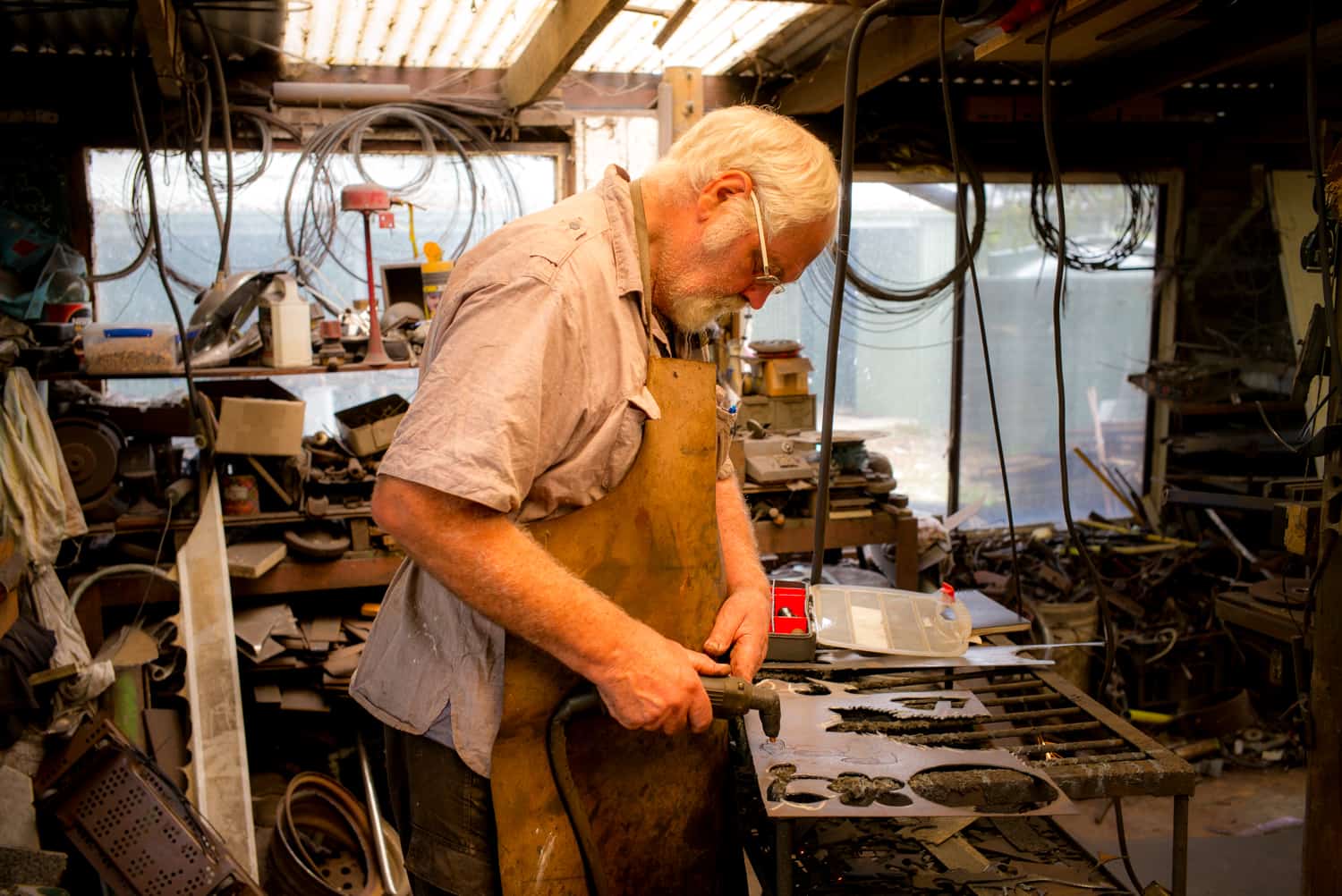
Laurie offered to make me something while I was there. He uses a plasma cutter to cut the sheet steel and then smoothes it all off with a grinder. I got him to make me a little caricature of Snoopy. We had to look it up on Google Images and he sketched it right there in front of us and cut it out. Perfect.

Blokes and sheds. I love it!

I was also mighty happy with how the little Leica captured these shots of Laurie at work.

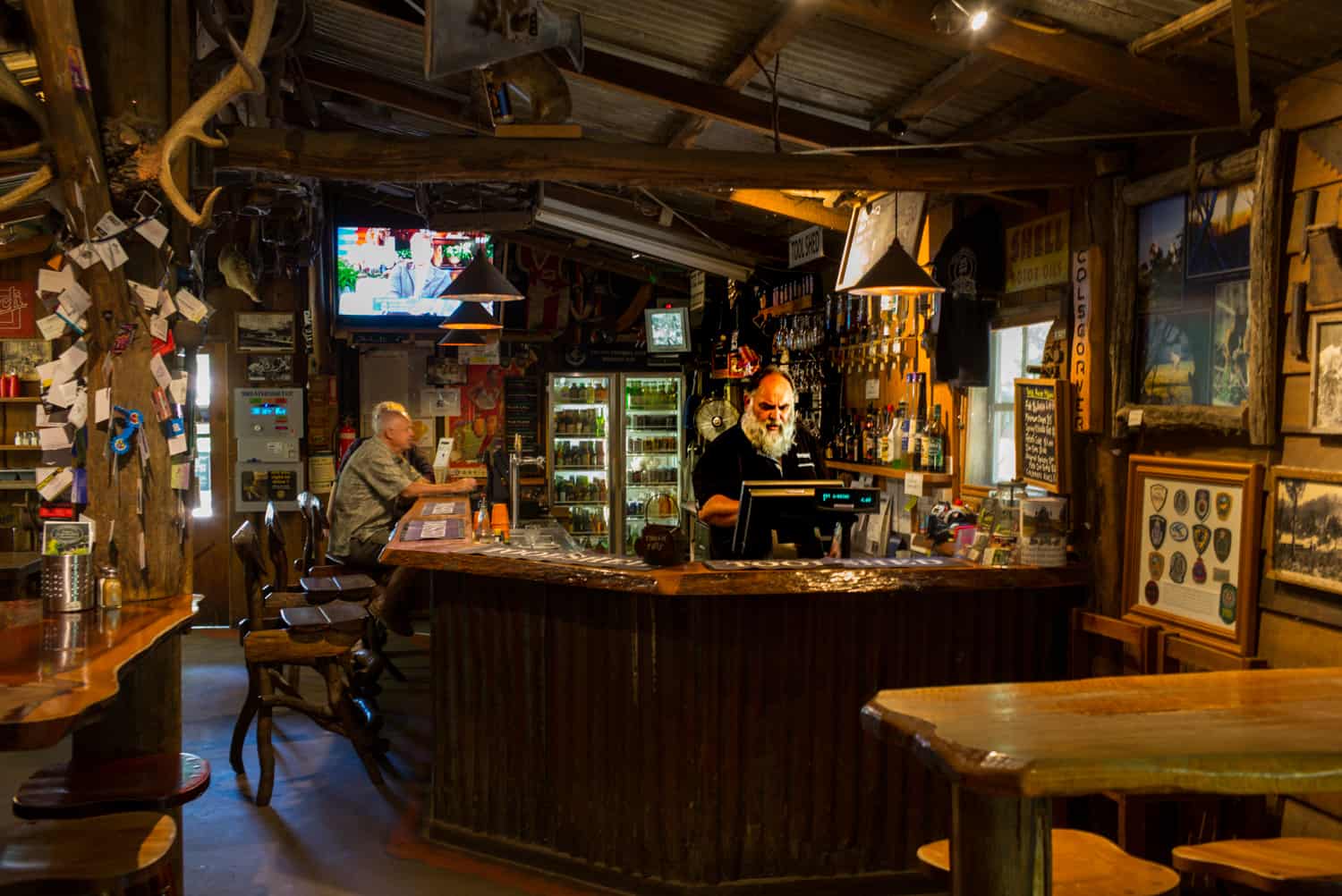
Lunch was at the Noojee pub, which was as great as it looks. What a place!

I missed focus on this shot, but who cares?!

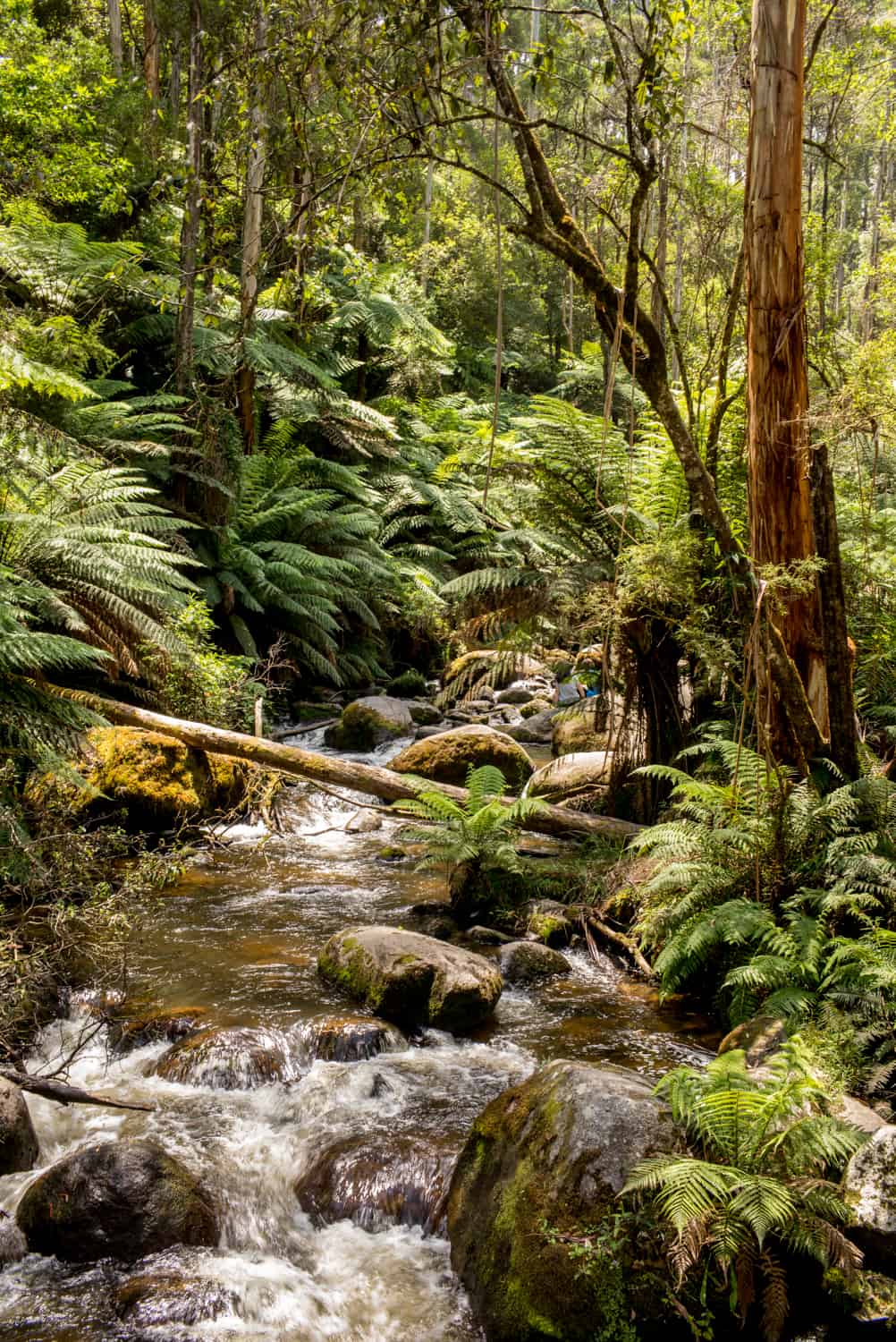
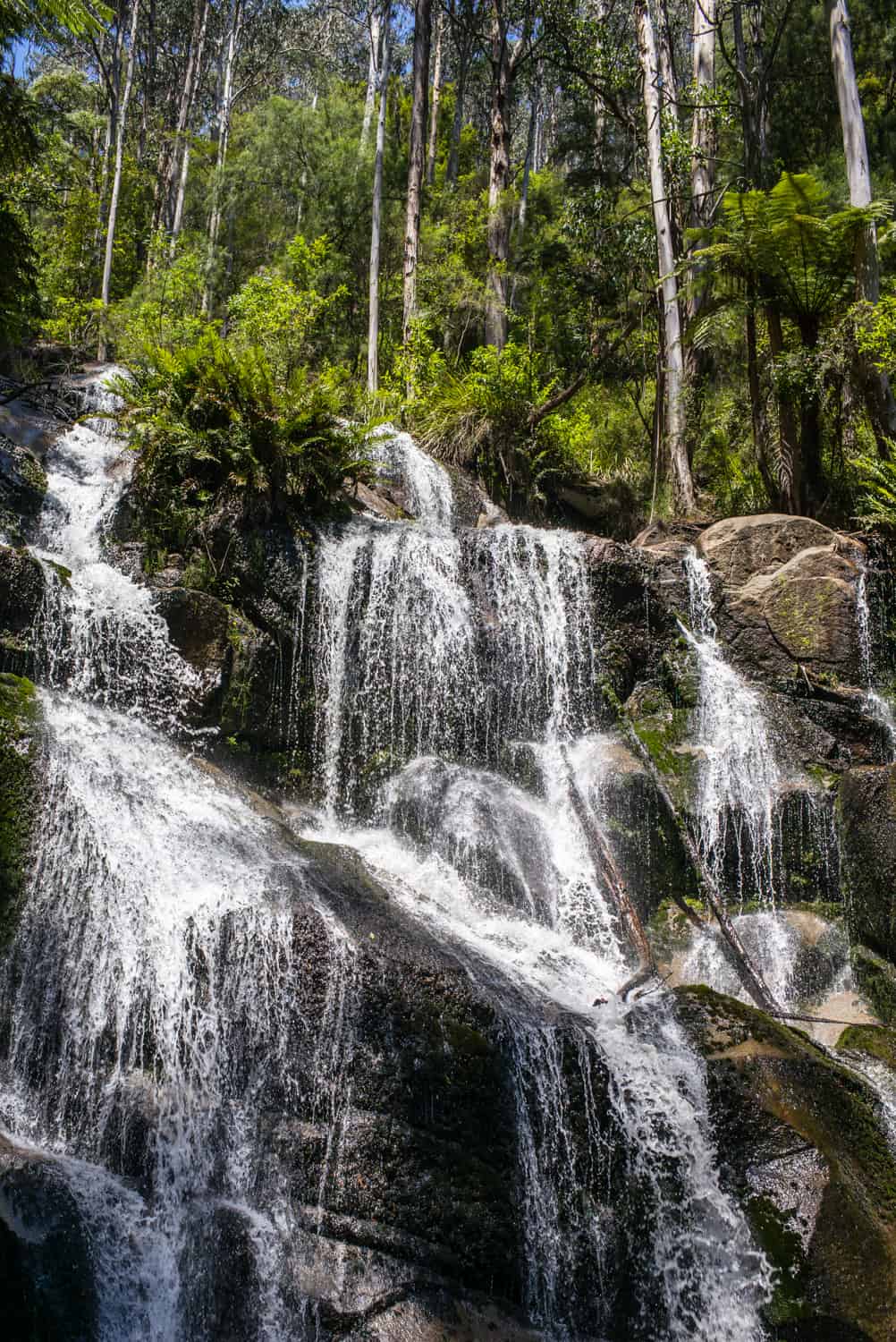
And from there, a trip to Toorongo Falls, where you can do a short hour-long walk and see several stunning waterfalls in the forest.

——

This was my first time travelling with the Leica as my only camera. Up until this trip, I’ve typically carried a much heavier Nikon camera with three or four lenses. I took the Nikon to Nevada, for example, even though I ended up using the Leica 95% of the time. How would I cope with just one 35mm lens and no backup plan?

Truth be told, I didn’t miss the Nikon at all.

I love my Nikon. I use it for work and I’ve got some amazing shots with it over the years. Its time might be up soon, though. I’m sick of the bulk and I recently bought a Fujifilm X-T2, which purportedly can do nearly everything the Nikon can do but at a much smaller size. We’ll see.

Back to this trip, though, where the Leica was sooooooo satisfying to use. Giving yourself permission to take some time and compose a shot, grab focus, wait for the light, wait for people to move in/out of shot, to consider your exposure – it’s a wonderful thing.

This is an odd collection of images, I know. There’s no real theme in there except shoot-shoot-shoot. I hope they brought some enjoyment, though.

Leica Virgin – London

It all started last Thursday, when I got an email from SAS telling me that my flight to London the following day was ready for check-in.

What flight?

I looked into it and sure enough, I’d booked a weekend in London some time ago that I’d completely forgotten about. With plans already in place for Friday night and no accommodation booked, it was a bit of a tough call. But who can resist a weekend in London, especially if you’ve got an M240 that you love shooting with?

Unexpected trips are often the best trips and so it came to be in London. I had nothing at all on my agenda – tres unusual for me – so I hastily organised a couple of dinners with friends and did nothing else except walk around like a tourist.

My first visit to London was back in 2010 and it’s fair to say I didn’t fall in love with the place. It was hard to navigate and way too easy to get lost in. Having visited a few times since, I’ve come to absolutely adore it. Spend some time in London and the city’s history and culture – its vibe – will seep through and work its way into your soul.

Resistance is futile (for me, at least).

London is so much more than you can ever capture on a camera in a weekend. But here’s a VERY quick look at some of the places, people and architecture that I saw.

Click images to enlarge.

The old and the new

London suffered a lot of bombing raids at the hands of the Luftwaffe during the second world war. These raids scarred the city, leveling buildings and killing thousands (while later spawning a million Keep Calm and Carry On souvenirs).

London’s streetscape today is an odd mix of old and new as a result.

Gates and Doors

With so many historical buildings still standing, there are many beautiful gates and doors. You could spend a week photographing all the interesting entrances to different places and pondering what’s behind them. Those pictured below are all pretty obvious, but still beautifully ornate and closed to many.

The Canada Gate is part of the Queen Victoria Memorial and stands between Buckingham Palace and Green Park.

The front doors of Buckingham Palace.

A guard outside Buckingham Palace, who presumably opens that gate to the left when Prince Philip wants to scoot by in his Jaguar Mark II and do some donuts in the courtyard.

Doors to Westminster Abbey.

The tradesman’s entrance, off to the side of the doors above. Still beautiful.

Veterans Seeking Justice

Half a mile from Buckingham Palace, a group of what I presume were army veterans had gathered. They were there to demand justice for fallen comrades killed in Northern Ireland during the troubles. Each was given a sign with the name of a fallen soldier or civilian and the script ‘Murdered’ or ‘Massacre’ in red across the middle. It was a moving scene and I thank those present for not minding a guy with a camera wandering amongst them.

Looking Up At Things

Two of the things I love about London are its old buildings and its public sculpture. I get sick of old buildings sometimes and England can be a bit contrived about making sure everything looks old. But there’s no denying the beauty of some of London’s grand architecture and public monuments.

You have to look up to see many of them, so I spent a lot of time with my camera pointed skywards.

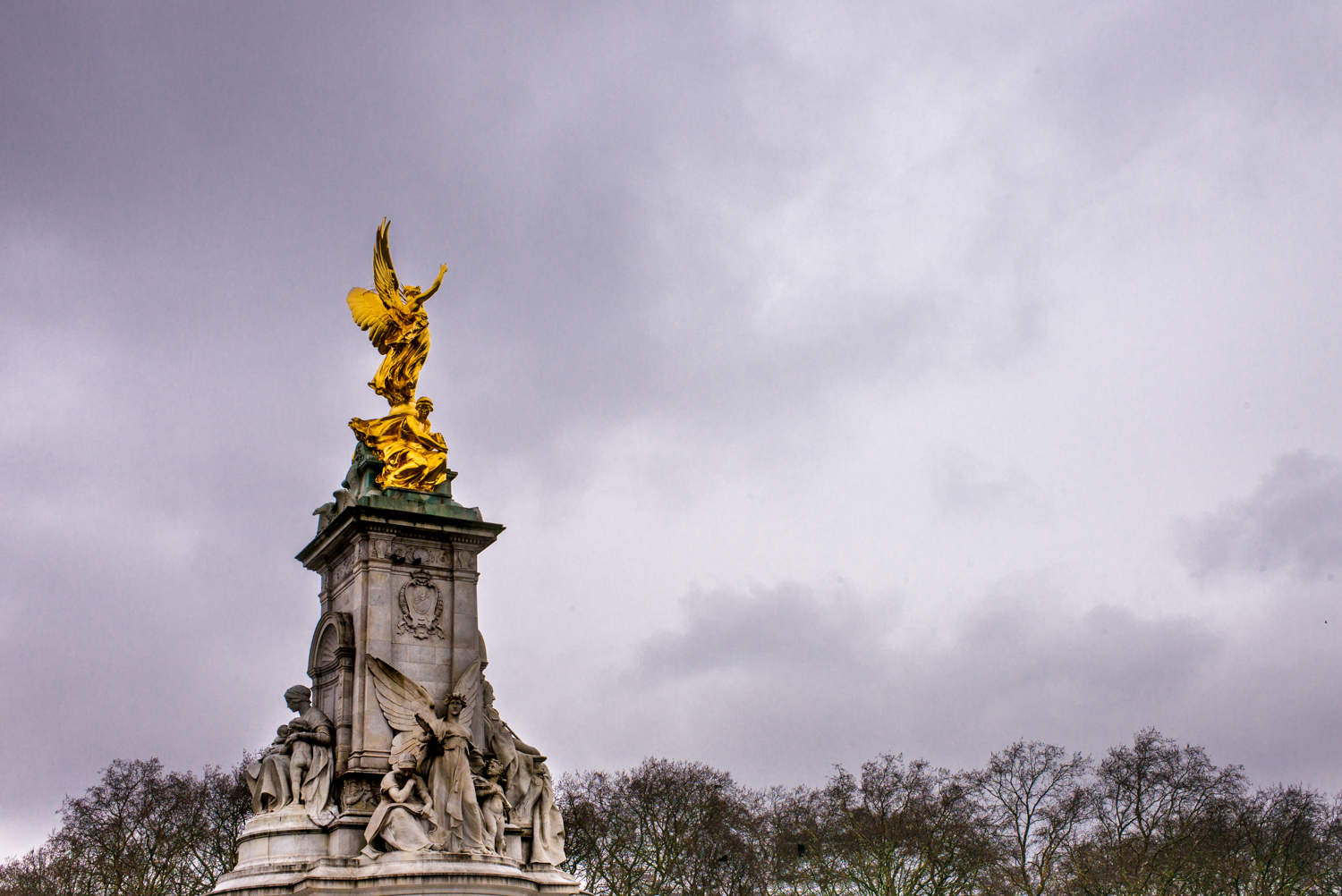
Day 1 was quite drizzly, hence the dark mood over Winged Victory from the Victoria Memorial.

Sir Winston simply had be converted to black and white.

Westminster Abbey

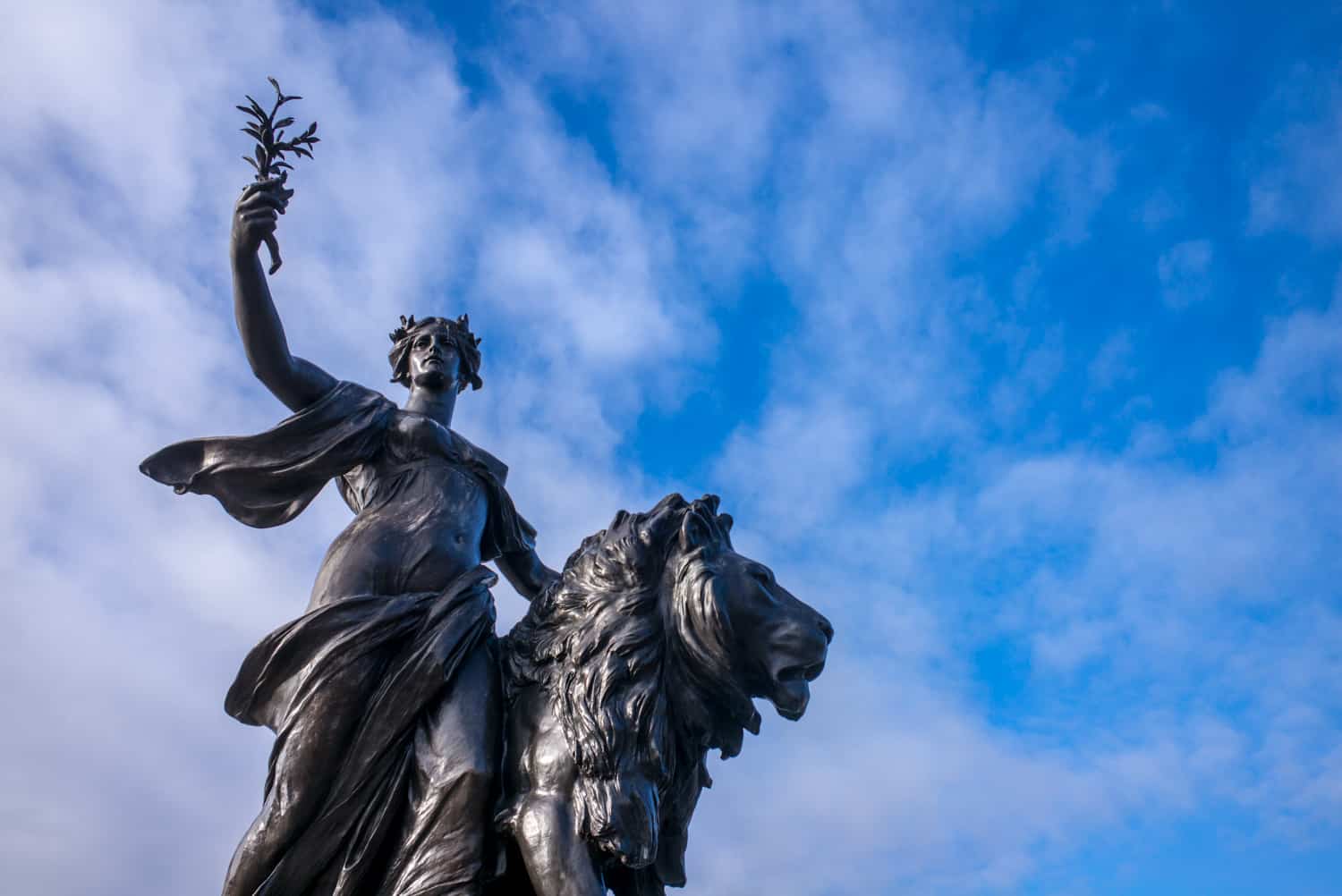
Winged Victory looking much happier amidst blue skies the next day.

Another statue from the Victoria Memorial.

Out and About

The rest of these images are mostly un-themed, simply shot when I was out and about in the city.

Travelers head down into the Underground at Piccadilly station.

Their train arrives every few minutes.

This one, below, is a cheeky favourite.

This couple were smooching – quite enthusiastically, one has to say – at the base of Eros for quite a while. I was trying to shoot the statue at night and couldn’t resist positioning myself to get them in the shot.

Zoom in on the guy, and……. he’s not concentrating on the job at hand! 😀

Two of the Four Horses of Helios at Piccadilly Circus.

A note to Theresa May?

Street Art outside the National Gallery. The emphasis was on homelessness.

A new-fangled walk signal that’s sure to get someone’s knickers in a twist.

Lock and Co Hatters was founded nearly 100 years before Captain Cook discovered the land of my birth.

Inscription on the walls of Westminster Abbey.

Cinderella heading toward the castle, or something similar. My sister would die for a ride up to Buckingham Palace in something like this.

A bobby on duty at the Palace before the changing of the guard. He was hamming it up for the cameras.

An older couple braving winter’s chill at Picadilly Circus.

Leica Virgin – Adventure in Nevada

I recently had the chance to visit Nevada for a weekend. It was a work trip. We took a car over there and broke some world records. Maybe you heard about it?

I’d not been to Nevada before and by extension, I’d never visited Las Vegas before. First time in Vegas. First trip since I bought my Leica. Hmmmm.

If I wasn’t already in love with the M after the first shoot-around in Copenhagen, I definitely am now.

On the job…..

This was a work trip, so results count. I had to feel confident that I’d get all the shots I needed, which is why my camera bag was chock full of Nikon gear. I had my D810, my nifty 50, a 24-70 and 70-200, both 2.8’s. That setup generally gives me all the range I need and the Nikon is quick and versatile in all situations.
If I’m shooting a car on our test track, or on a circuit, I can almost always find a spot where I can shoot the car side-on. In that situation, the high-speed shooting and continuous AF on the Nikon are neccessary and it’d be very hard to replicate those results with the Leica (especially given my inexperience).

This wasn’t that type of situation, though. The car was running on a public road at speeds above 450 km/h. For safety reasons, people were confined to an area at the end of the road and shooting side-on while the car was at speed was impossible. It was essentially a still environment, something that was perfect for the Leica.

As it turned out, I took maybe five shots with the Nikon over the course of 4 days. None of them were used in the story I put on the Koenigsegg website. All the photos you see at the Koenigsegg website were taken with the Leica, as well as all the shots you see below.

These are some of my favourite shots from the desert, where we were making our record attempt. There’s a little bit of Lightroom tweaking going on here, but not as much as you’d think.

I was particularly pleased with the next two shots. The trickiest part of shooting with a rangefinder is getting a handle on the manual focus system. To get such a great look at Niklas’ eyes in these two shots had me feeling very satisfied.

The light in Nevada was amazing. The area we were based in – a town with the unfortunate name, Pahrump – was surrounded on all sides by mountains. The sunrises and sunsets were pretty spectacular.
Great light gives you great potential. Mix it with a beautiful car and that potential rises even higher. I was pretty happy with these.

——

Landscapes

We landed in Las Vegas late on Thursday night. The drive to Pahrump happened the next morning and I couldn’t help but stop on the side of the road to take in some of the amazing scenery in the hills outside of Vegas.
I watch a lot of landscape photographers on YouTube and none of them shoot with this type of camera. There might be a reason for that. There might not. These images aren’t as sharp as I’d like them to be but I’m still pretty happy with them.
I plan on getting a LEE filter system for my Nikon. I might have to get an adapter for the M lens, too.

——

Las Vegas

You can’t go to Vegas with a camera and not head into the night to capture some of that neon goodness, right?

The Leica is poor in low light situations and even though you can dial up the ISO, you still end up with a lot of noise. I kept my auto-ISO at a maximum of 400 to try and combat the noise and I think it turned out OK.

The outdoor shots, first. The copious amount of outdoor lighting and the neon signs gave off enough light to make things work and even when shooting people at street level, there was enough ambient light to get something that worked.

I was very self-conscious taking shots of people. These were both taken ‘from the hip’, hence the poor framing. But I really felt compelled to capture them.

Las Vegas is an assault on the senses. It’s all glitz and glamour on the one hand, but there’s plenty of seediness on the other. As you walk, there are lots of people handing you cards to get you into strip clubs. Those people present as being pretty vulnerable, like this older gent in the first photo. I saw plenty of elderly latino women and men handing out cards, too. I can’t imagine any of them wanted to be there.

The indoor environment is even more theatrical than outdoors. It’s all set up to trick the senses, make you forget how long you’ve been there. Time doesn’t matter if you’re the house.

——

Shooting with the camera in Nevada was a photographic dream come true. It justifies every bit of financial pain I’m feeling this month and I can’t wait to get out and use this beautiful little camera again.

Leica Virgin – Why I Bought a Leica M 240

I recently took a rare plunge and spent far more money than my talents can justify and bought the Porsche 911 of cameras. A Leica M (Type 240) rangefinder digital.

Like the 911, it’s German. It’s Iconic. It’s been used by masters to do amazing things.
A masterpiece in both design and execution. Both the 911 and the Leica M are revered by many, though unlike the 911 (which is quite rightly, rarely criticised) the Leica can be lampooned by some – typically because they’re occasionally bought by buffoons like me.

This is not a photo of my specific camera and lens, but my setup looks exactly the same.

The lens is a Leica Summicron 35mm f2 ASPH and just like the one in the photo above, mine is finished in silver. It looks a bit strange, but I’ll live with it.

I won’t go into the specific amount that I spent but let’s just assume that it was ridiculous. Because it was r-i-d-i-c-u-l-o-u-s. Both the body and lens were second-hand and they were still ridiculous (and the body was just over half the price of a new one!).

It looks even more ridiculous when you consider the following:

  • It only uses prime lenses.
  • It’s completely manual focus.
  • It’s basically useless for fast-action shooting, as far as I can tell. Continuous shooting mode is a joke and the buffer doesn’t allow you more than 2 or 3 shots in RAW before it needs a cup of tea and a good lie down.
  • It’s pretty ordinary in low light and completely useless at night without a tripod.
  • It’s minimum ISO is 200 and while it goes up to native 3200…. don’t. Just don’t. Anything above 1600 is going to have noise.
  • While mine does have video capability, it’s not great. In fact, the video on my camera was so poor that they took if off subsequent releases from the same generation of cameras, and they didn’t re-introduce it in the all-new, just-released M10

The question, then, is why?

1 – Size

SLR’s are big. Nobody really felt they were big until a new generation of mirrorless cameras from manufacturers like Sony came out. All of a sudden, SLR’s started to look a bit like dinosaurs. They’re big-bodied and the lenses can be huge.

Leicas are the original mirrorless camera. And they’re so compact, even today, that they make the Sonys of the world look big.

Here’s a (rather poor) shot of my M next to my 17-35mm f2.8 Nikon lens. Just the lens, not even the massive Nikon body.

Being so small definitely has its advantages. They say the best camera is the one you have with you. Well, this one is much easier to take everywhere.

The other thing about the Leica’s small size is that it isn’t intimidating when you’re shooting on the street. People get quite conscious of photographers walking around pointing SLRs with massive lenses at them. It’s like bringing a tank to a gunfight.

The Leica is small. It’s non-threatening. You look almost grandfatherly carrying it and people don’t respond nearly the same way if you’re pointing it in their general direction. Many don’t even notice.

I’ve been here in Europe for over 2 years now I’ve hardly travelled during that time, except for work. I’ve been to the UK a few times, but that’s all. I’ve not been to France, Italy, Spain, Germany, Portugal, Austria, the Netherlands, Belgium, Czech or any other desirable spots yet. I’m planning on changing that pretty soon.

The M will be the perfect travel camera, both because of its amazing results, and quite pointedly because of its compact size.

Yes, shooting just the 35mm focal length will limit some of the shots I can get but I think the benefits of being able to travel so light will overcome that. Those times when you simply can’t be bothered carrying around a big bag won’t even be a consideration (I have 5 lenses for the Nikon and three of them are bigger than the one above).

Shooting just 35mm will mean a different sort of travel photography but different doesn’t necessarily mean limited. It’s just different. In fact, I’m sure that my travel albums will feature shot after shot that I wouldn’t have taken if I had a full bag of zooms.

Will I miss zoom lenses from time to time? Sure. And I’m sure there’ll be times when I’ll take both systems with me. But the Leica allows me to cut loose and travel light when I want to. That’s a very liberating thing.

2 – Results (especially for size)

I’m not a pro photographer, by any means. I’m not even worthy to carry a pro’s bags.

The M 240 is, however, a pro level camera that’s capable of producing pro-quality images. And I like the fact that it can do that in such a small package.

I’ve only had the camera a week so I haven’t done much with it. I went on a walkabout photo tour of Copenhagen last weekend with some locals. We shot for about an hour and it’s fair to say that I’m over-the-moon giddy with some of the early results.

It sounds like a bunch of marketing mumbo-jumbo but there really is something about the way the Leica renders colour, the way it makes something look both soft and sharp at the same time.

Maybe I’ve just drunk too much of the Leica Kool Aid?

Here’s a sample shot to show you what I’m excited about. It’s a streetscape and a pretty ordinary one, at that.

What excited me about this shot is the sharpness from front to back.

Take a look at a close-up of this sign from the top left corner….

I love the way it seems to smooth out the colours yet retain perfect clarity.

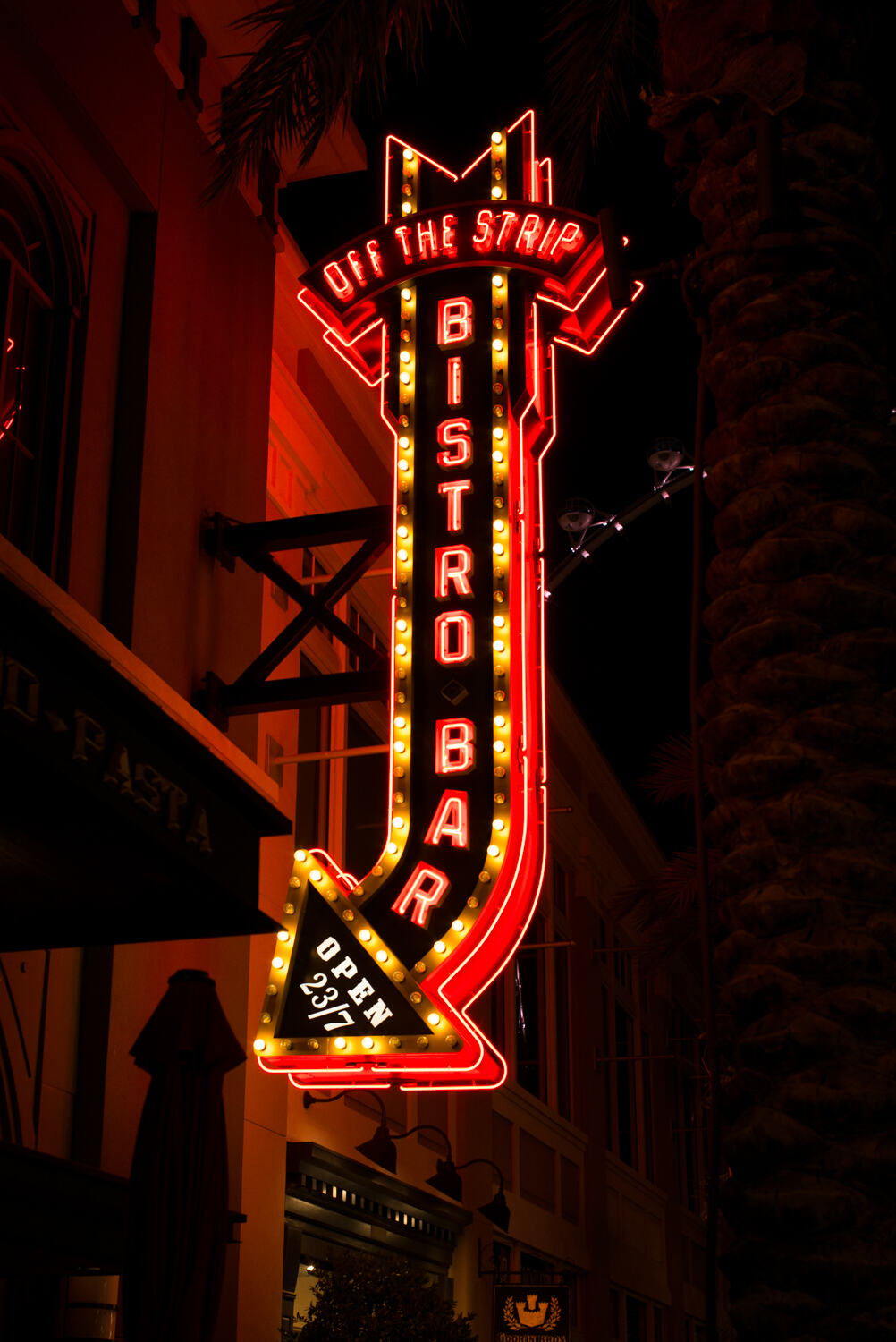
Here’s the bar sign from the middle ground. Again, the colour rendition is gorgeous and the image is wonderfully sharp.

The sharpness peters off as you get to the end of the street, but it’s a nice fade that still includes the details you need.

I didn’t do any maximum aperture shooting to test the bokeh on this shoot, but it’s supposed to be wonderful. An earlier version of this lens was known as The King of Bokeh, for what that’s worth.

3 – Glass

The company that would eventually become known as ‘Leica’ started off making microscopes in the mid-1800’s and they built on their worldwide renown in that area for 60-70 years before pioneering the world’s first 35mm format cameras.

In other words, Leica knows good glass. They were making some of the world’s best lenses before they ever built a camera.

They make you pay for it, too. The basic 35mm f2 lens that I picked up for my M 240 cost more second-hand than my old Nikon D750 body cost brand new.

The reason it costs so much is the same reason so many people love to shoot with them – they’re exquisitely made – by hand – and yield amazing results. In fact, it’s fair to say that a lot of people buy Leica cameras simply so they can shoot with Leica glass.

There’s a lot of historical virtue in the Leica system, too. I’ve just bought a camera that was built some time around 2013 or so, and yet I can use almost any Leica M system lens dating back to the first M lenses in the mid-1950’s. And they’re all superb.

4 – Simplicity and versatility

At the top of this article, I listed all the ‘limitations’ of this camera.

  • It only uses prime lenses.
  • It’s completely manual focus.
  • It’s basically useless for fast-action shooting, as far as I can tell. Continuous shooting mode is a joke and the buffer doesn’t allow you more than 2 or 3 shots in RAW mode before it needs a lie down.
  • It’s pretty ordinary in low light and completely useless at night without a tripod.
  • It’s minimum ISO is 200 and while it goes up to native 3200, don’t. Just don’t. Anything above 1600 is going to have noise.
  • While mine does have video capability, it’s not great. In fact, the video on my camera was so poor that they took if off subsequent releases from the same generation of cameras, and they didn’t re-introduce it in the all-new, just-released M10

Many shooters will see those as limitations. A lot of Leica shooters that I’ve read and watched prefer to think of them as creative liberations.
Using another automotive analogy, think of a sports car from today vs a sports car from the 1960’s or 70’s.
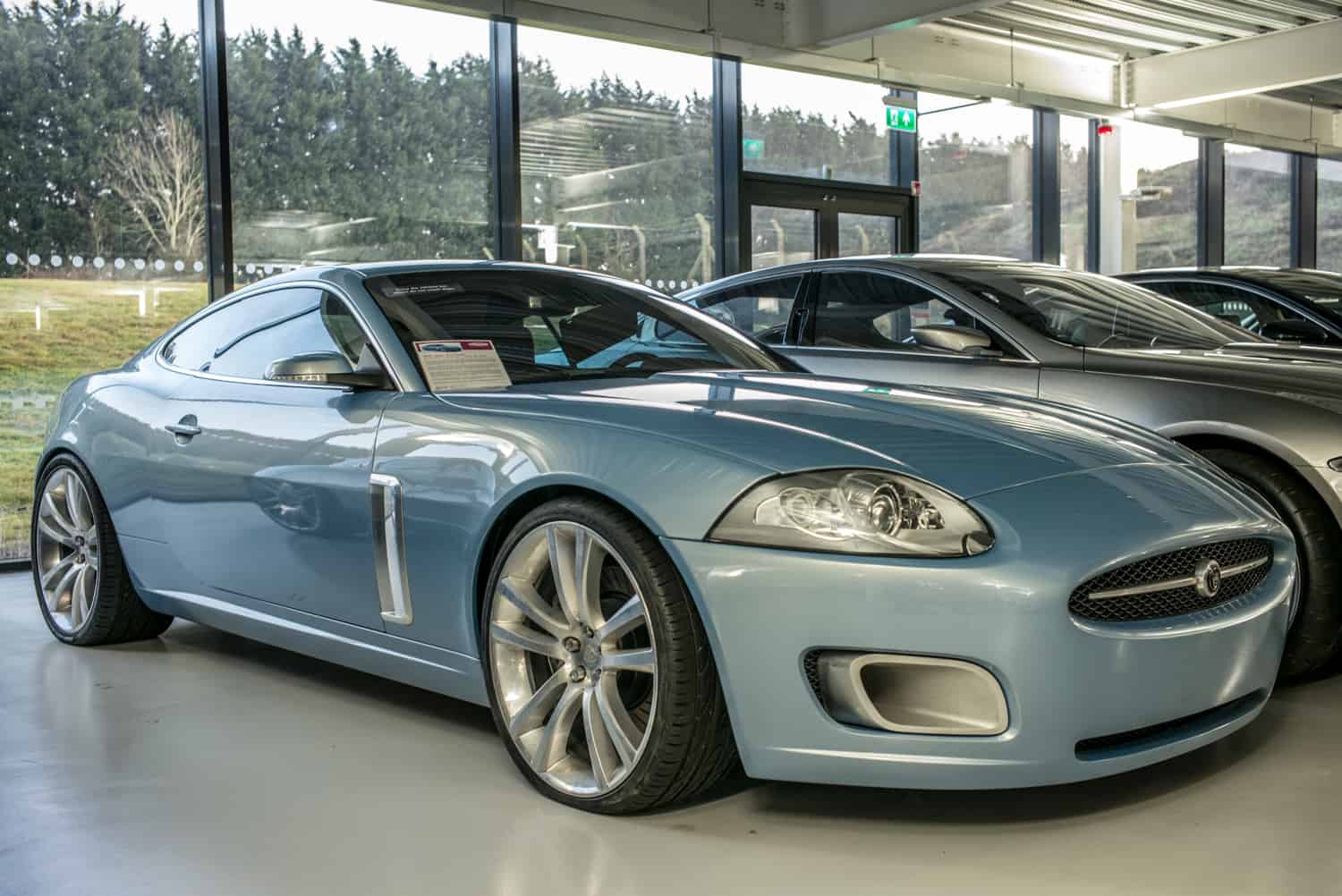
Today’s version has traction control, ESC, ABS, TMPS, and all sorts of other acronyms. Today’s version is incredibly fast and allows even the most cack-handed driver to feel like he’s Lewis Hamilton in relative safety.
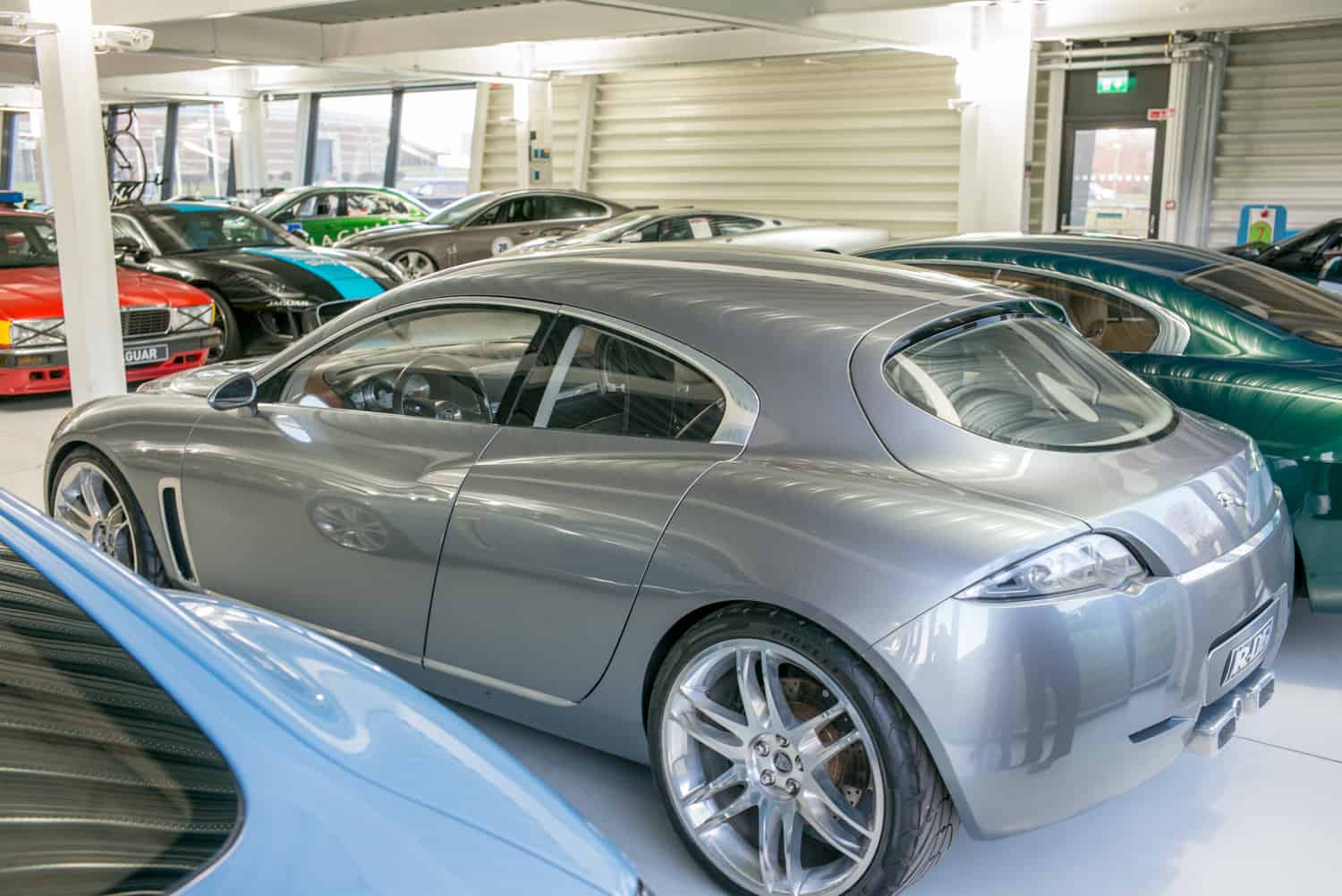
The car from the 1960’s provides a different type of experience. It doesn’t have all the bells and whistles. In many ways, it’s a more manual experience that relies on the driver interacting with the car.

The analogy doesn’t fit perfectly because there are some fancy electronics hidden away in the M, albeit nowhere near as many as what I’ve got on my Nikon D810.

But the analogy does work in that both experiences allow a thrill – they just do it in different ways. One relies on ultra-modern technology to assist the operator and the other is a more organic experience.

The M is very much a camera that’s designed to concentrate your attention on your exposure, focus and composition. Those are the key creative elements in photography and sometimes they’re easy to overlook in a world of 400-point autofocus systems.

Put it this way….. It’s not quite old-school. But it’s definitely not new school.

5 – Value

This will seem like an odd criterion to think about when spending a metric buttload on a camera and lens system, but it works.

The good news about Leica values is that after just a little bit of depreciation post-unboxing, they hold their value quite well. Some lenses actually go up in value.

I’m choosing to look at this as an investment in a hobby that I love, an investment that will allow me to be more free in pursuing some unburdened travel and one that will hopefully yield me some great photographic results.

And if I hit an emergency, I can always sell it and use my phone’s in-built camera.

——

Here’s a sample of images from the Copenhagen walk-around, including a couple of happy accidents on the way home. None of them are spectacular, I know, but they make me happy.

And that’s what photography is all about.

Exit mobile version