The more I see, the more I want to go French. In a glorious era of motoring when cars were actually different from one another, there were few carmakers more different than those fabriqué en France.
The French Car Club of Tasmania, along with the Citroen Car Club of Tasmania, brought a few cars along to Salamanca today. I took some time out from our market stall to have a look.
Apologies in advance for the iPhone pics. The camera is a compromise to begin with and it wasn’t helped by our long winter shadows.
All three French majors were there – Citroen, Peugeot and Renault – and the cars were a mix of old and new. Some of the new cars were supplied by local dealers, but there were a few privately owned newbies, too. This is a refreshing change from the typical car club display that focuses on classics only. It’s nice to see fans of both old and new models enjoying their favoured marques together.
——
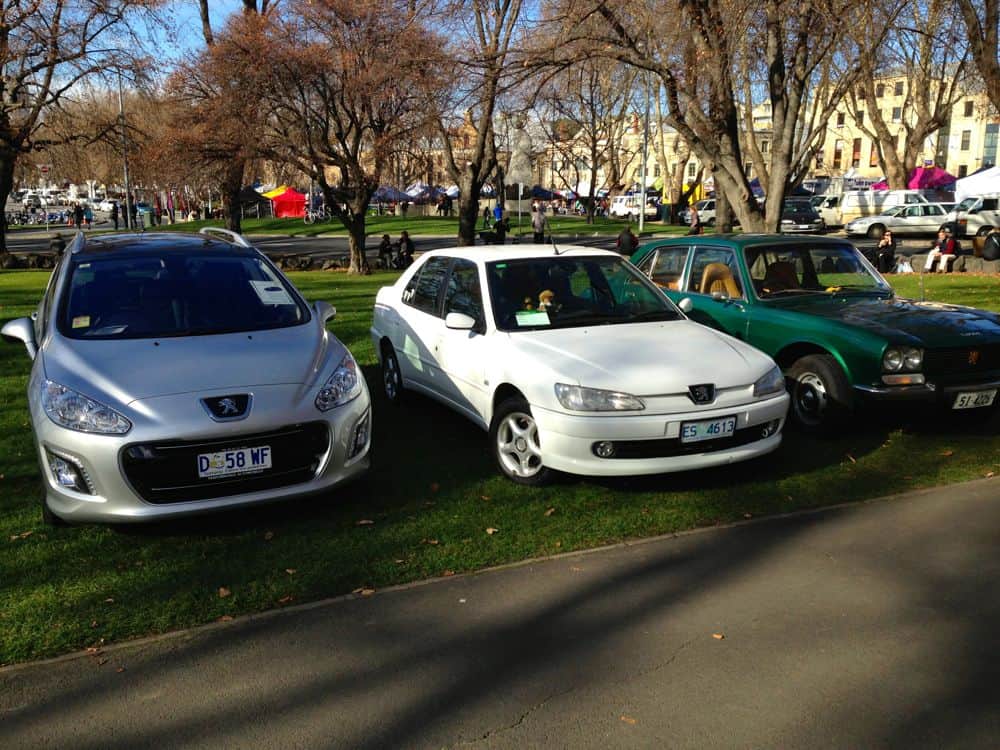
A trio of Peugeots posing together. I know there’s a few 205 GTi’s in Hobart but sadly, none of them were there today.
Some of the modern Renaults on site…..
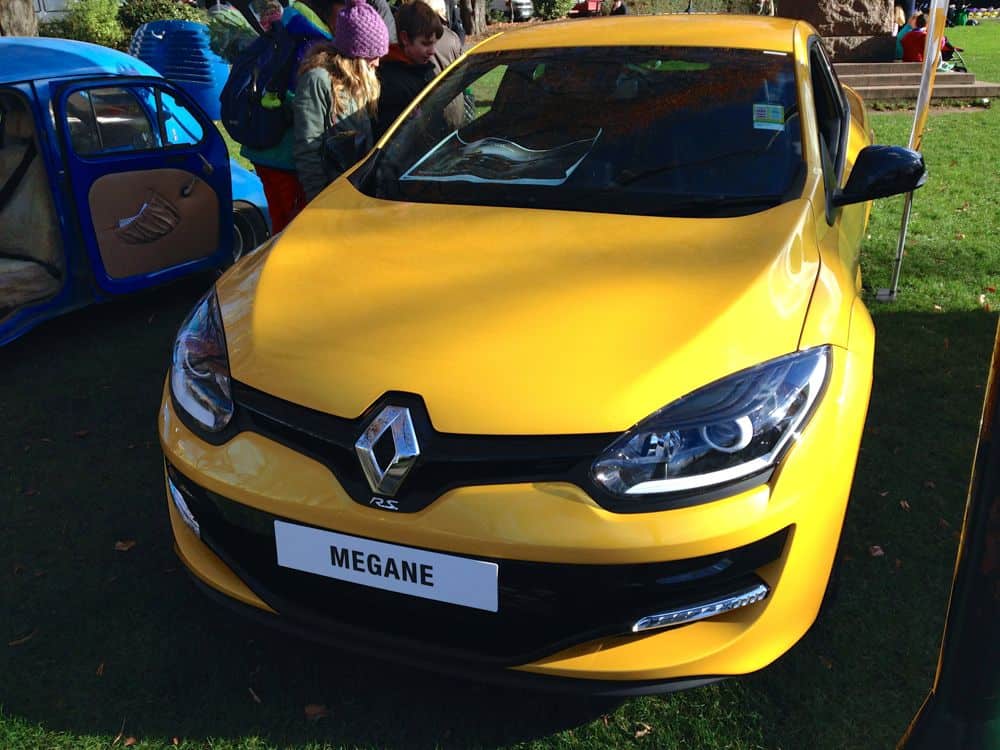
Starting with the new RenaultSport Megane 265 (as in 265hp)
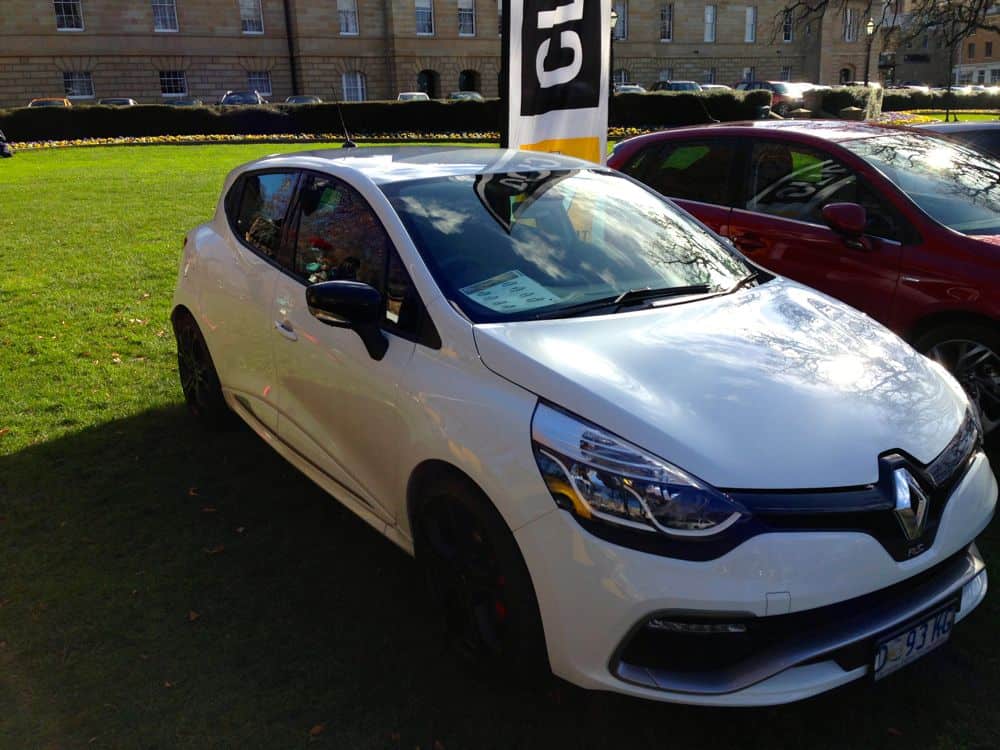
The new RenaultSport Clio, which is causing some waves among purists by being both turbocharged and flappy-paddle automatic. It still goes like stink, though.
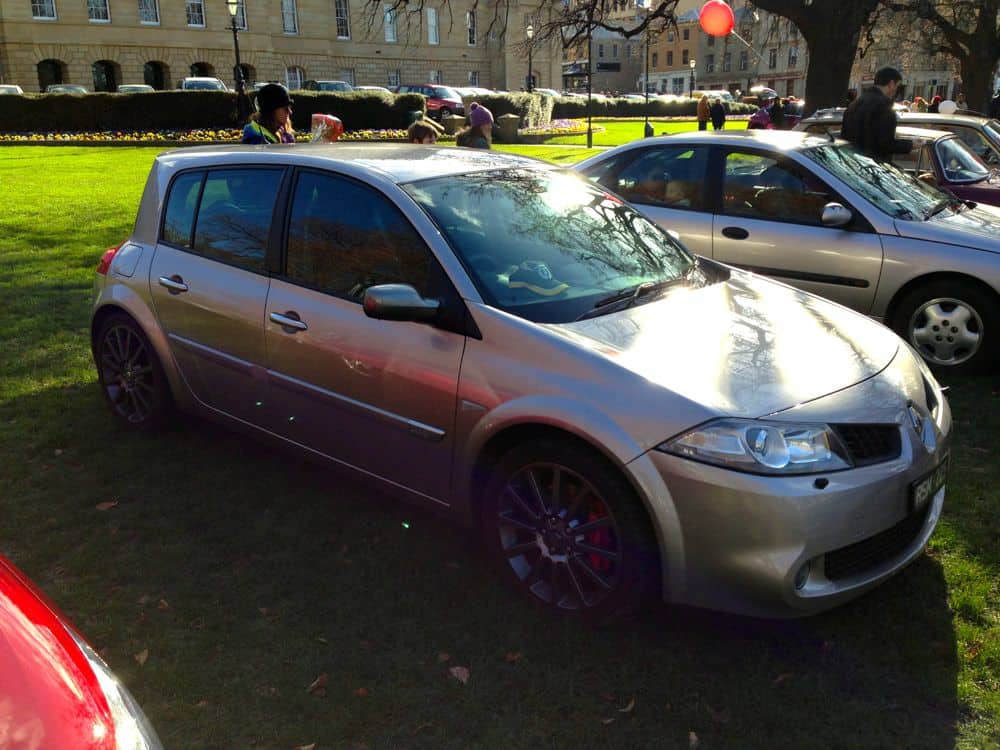
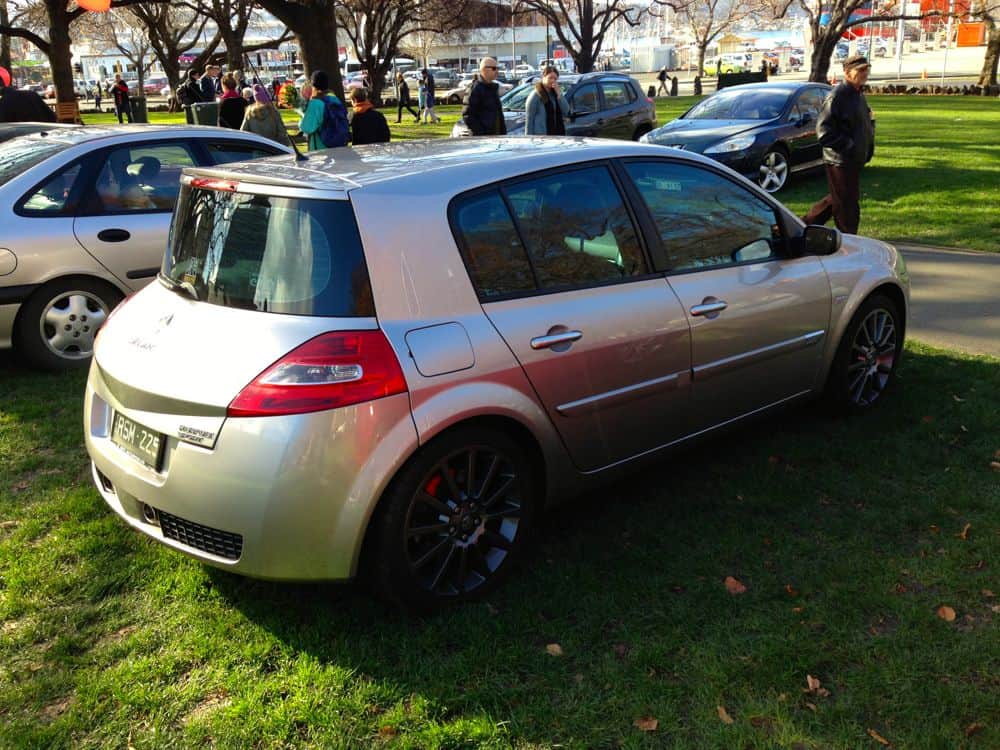
This one’s closer to my budget: the RenaultSport Megane from a few years ago, with a 2.0 litre turbo, 6-speed manual and 225hp. Nicknamed “the bum” for obvious reasons.
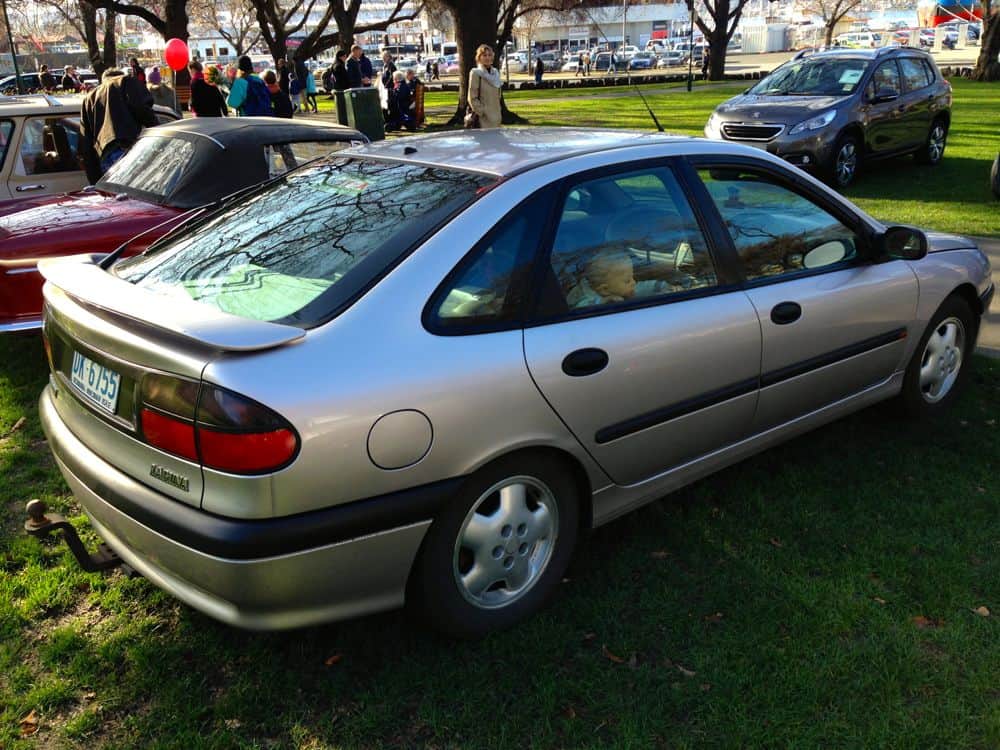
This middle-age Laguna came with the rare infant option in the back…..“let me outta here!”
——
Here’s a Renault I hadn’t seen before – a Caravelle.
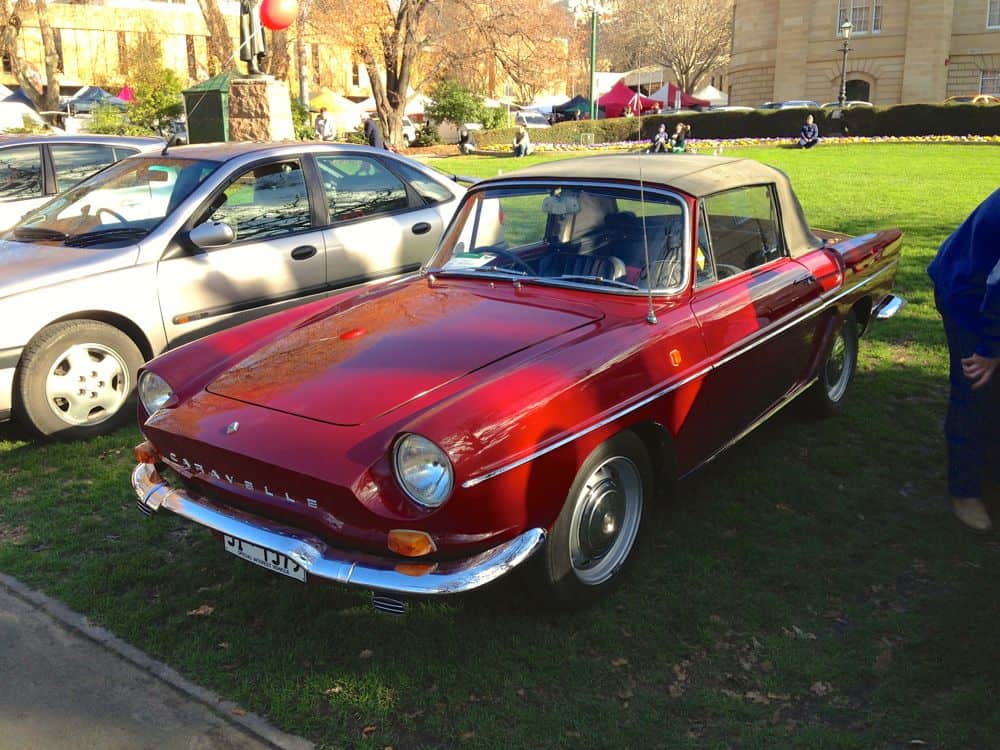
The Caravelle was a coupe/cabriolet version intended to complement the Dauphine on which it was based. It was made from the late 1950’s to the late 1960’s. Renault wanted something to compete with Volkswagen’s uber-successful Beetle and Renault felt that a cabriolet would lift the company’s image, especially in the USA. (The cynical amongst you might suggest that reliability would have been a better way to enhance to the company’s reputation in the 1950/60’s, but I digress).
It didn’t help Renault topple VW, but it’s a pretty car and I’m glad they made it. I wish I could show you the interior but the window was up and the reflections from the glass prevented me from getting a decent photo.
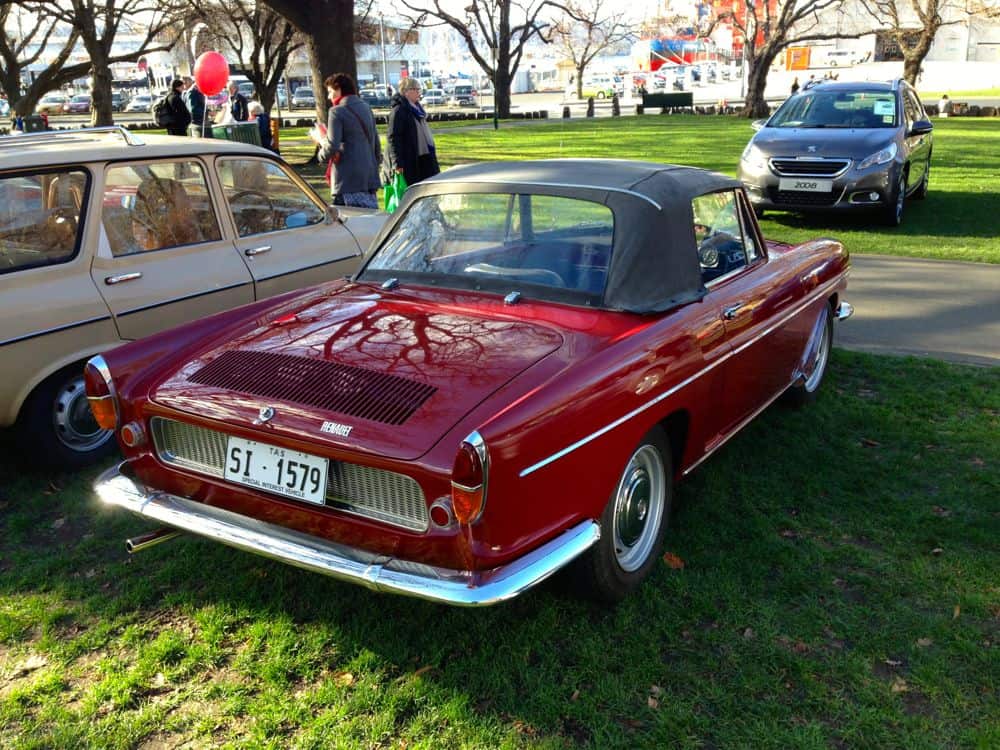
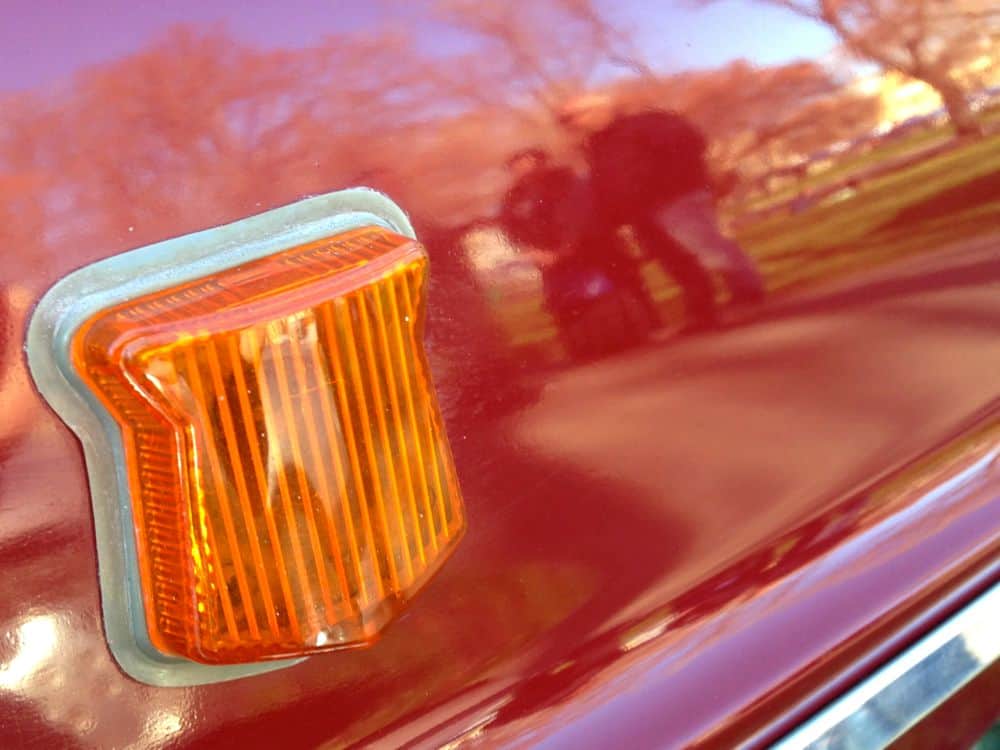
The reason I love European cars, especially those from yesteryear, is the details. Like a shield-shaped side indicator lens, for example, instead of the usual circle, square, or oval.
——
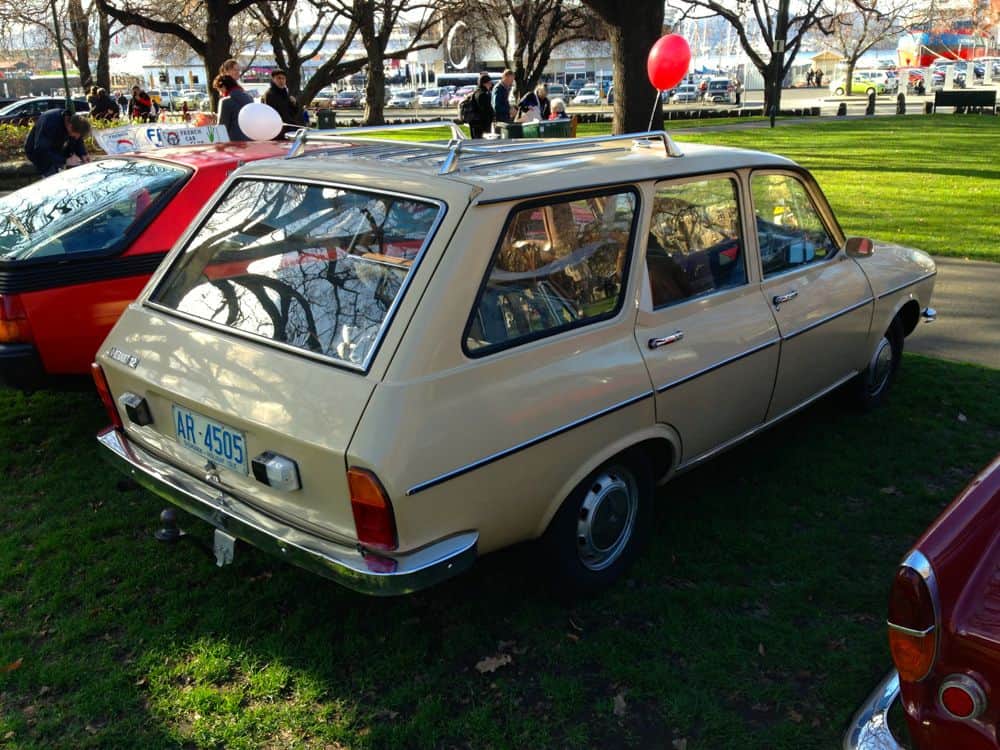
A Renault 12 wagon to take me back to my youth (Mrs Murray, our neighbour, used to have a R12 sedan)…..
——
For me, this Renault 4CV was the star of the Renault contingent. Maybe the star of the show, actually.
Check out the curve of the floorpan in the door opening. I love French cars.
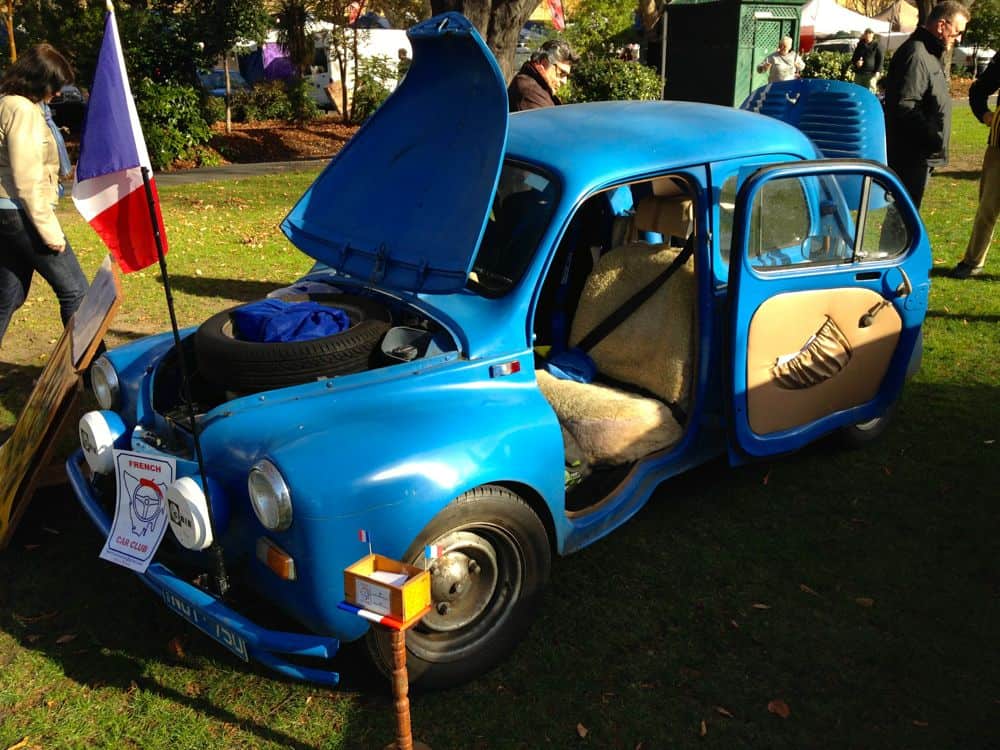
The owner bought the car second-hand in 1968 and only ‘recently’ finished getting the car up to the standard he wanted (I suspect the information sheet, which mentioned the recent completion of the car, was itself quite a few years old). The major rebuild started in 1999. Can you imagine starting a major rebuild having owned the car for 31 years already? That’s dedication.
A standard 4CV had a 750cc engine. This is not a standard 4CV anymore. It now has a 1397cc engine from a Alpine Renault 5 and numerous suspension and braking components from an R10 to get the extra power to the ground.
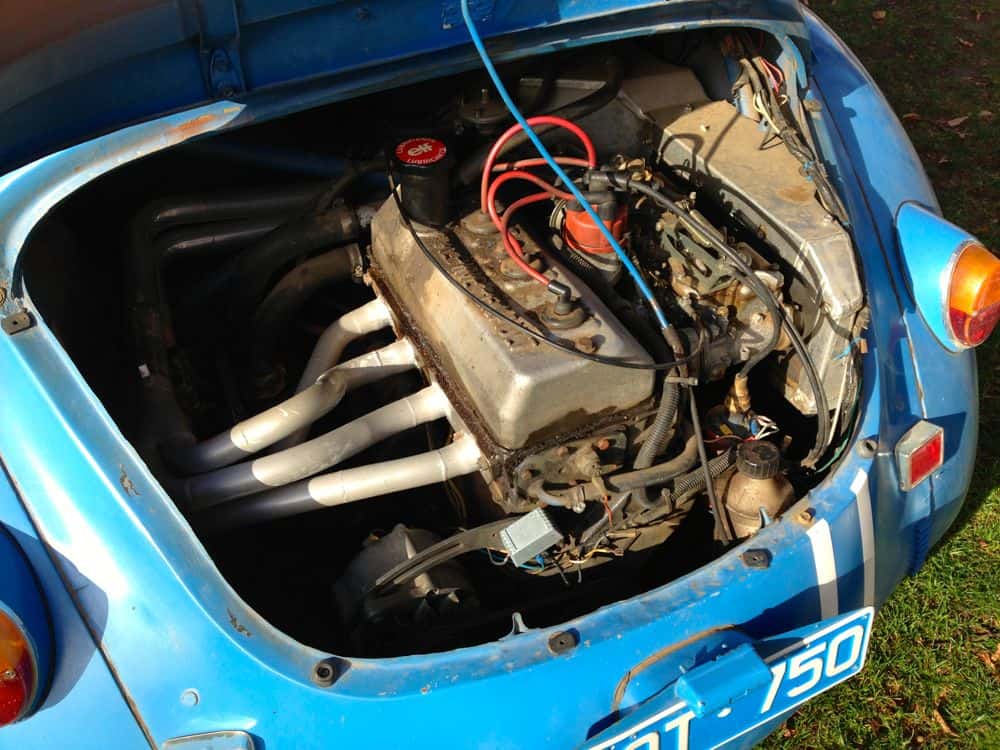
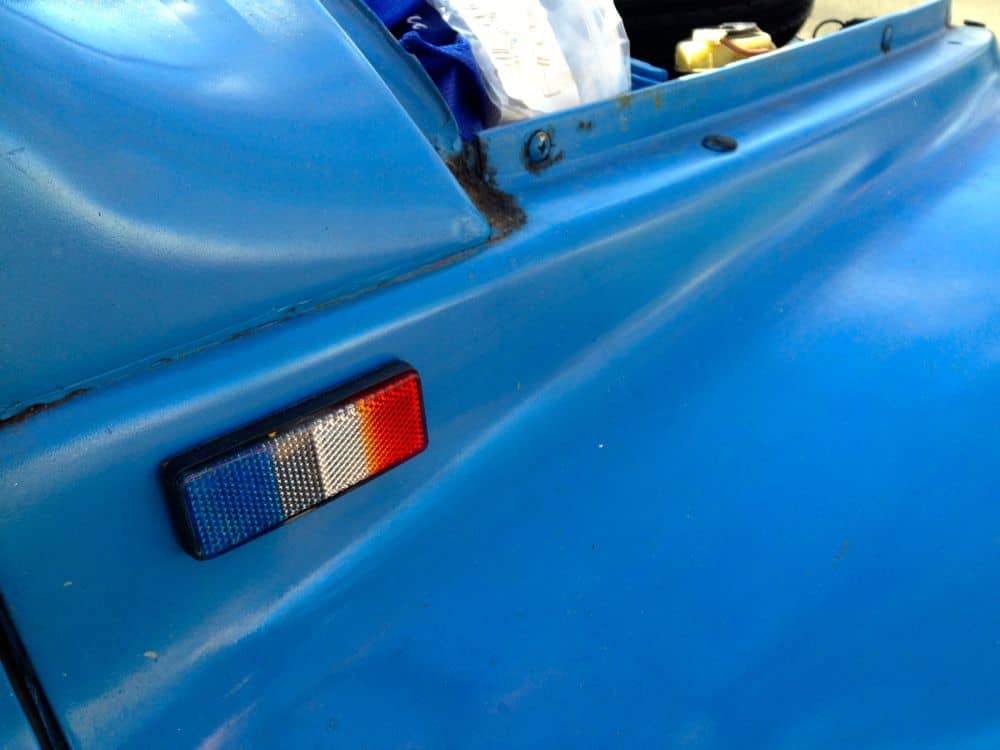
As I said before, it’s the details that make a car interesting sometimes, like the tricolour reflectors…..
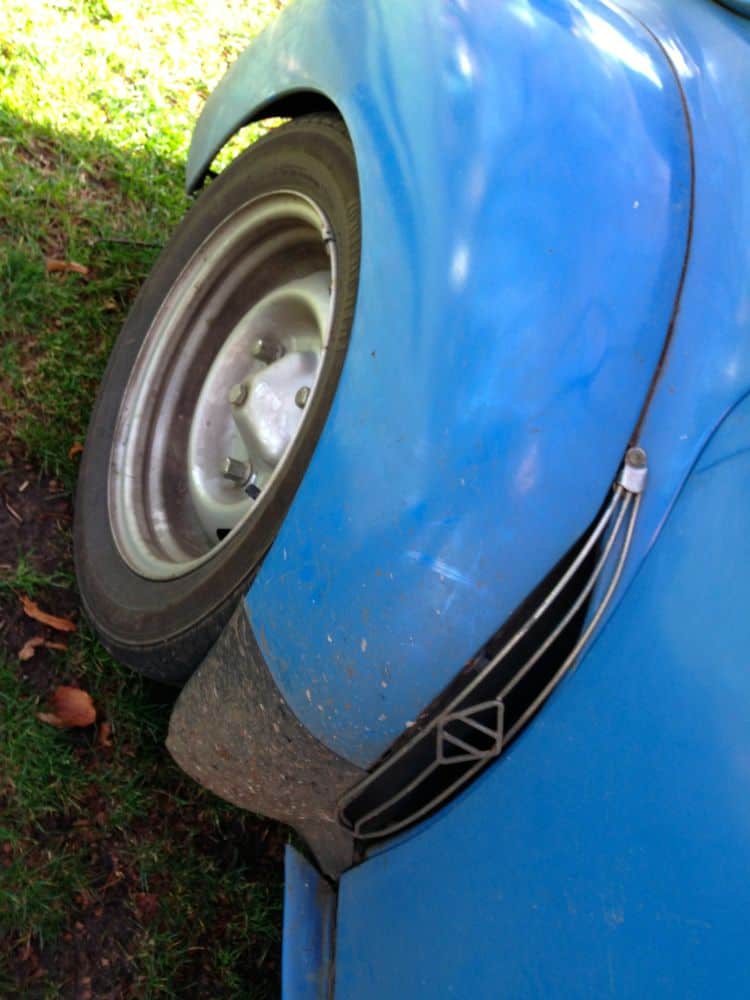
….. and my favourite detail, the brightwork around these air vents between the back door and the rear wheel arch. The vents are presumably to allow cooling air into the engine bay at the rear. The brightwork features the Renault diamond:
I managed to capture a quick video of the car leaving the display later in the day. It’s always nice to see/hear a car in motion.

——
To the Citroens, then…..
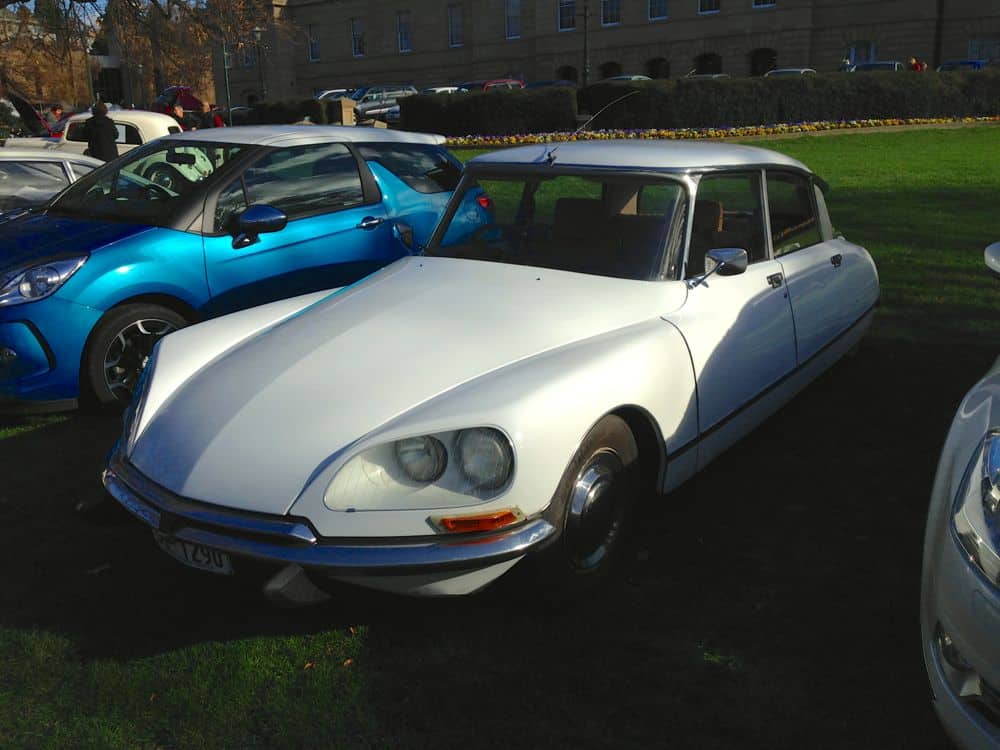
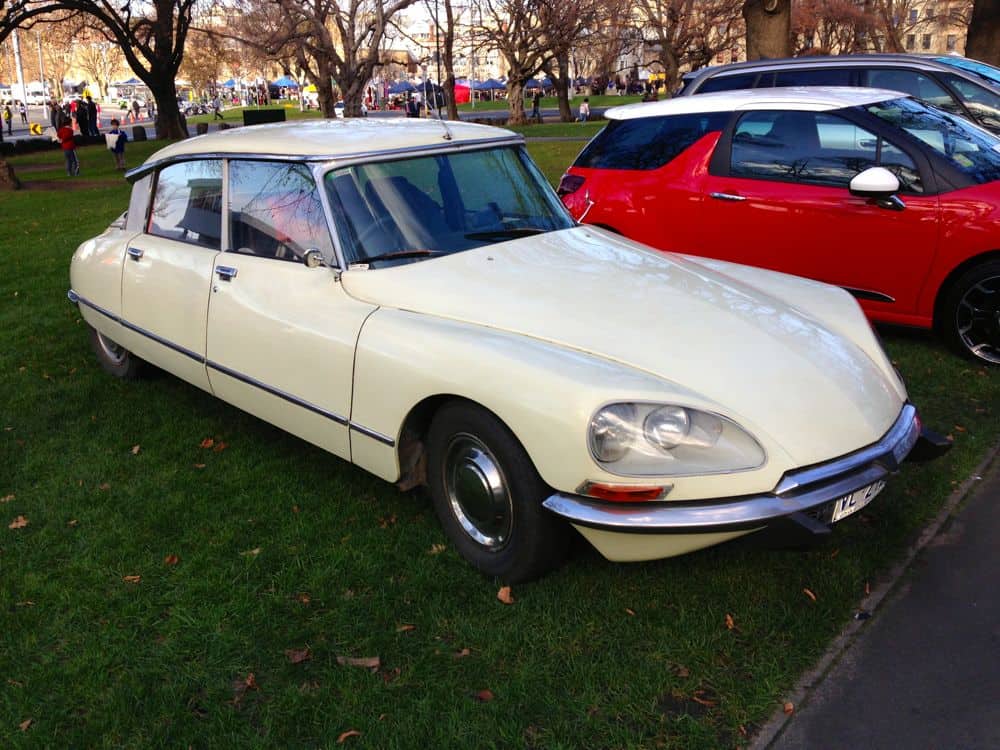
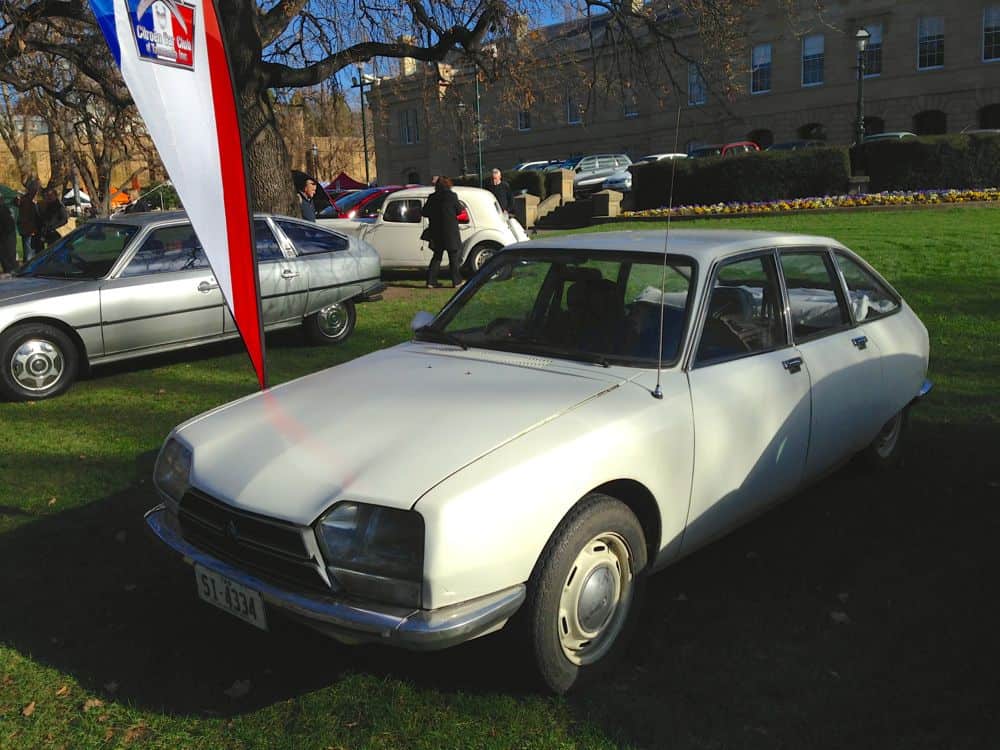
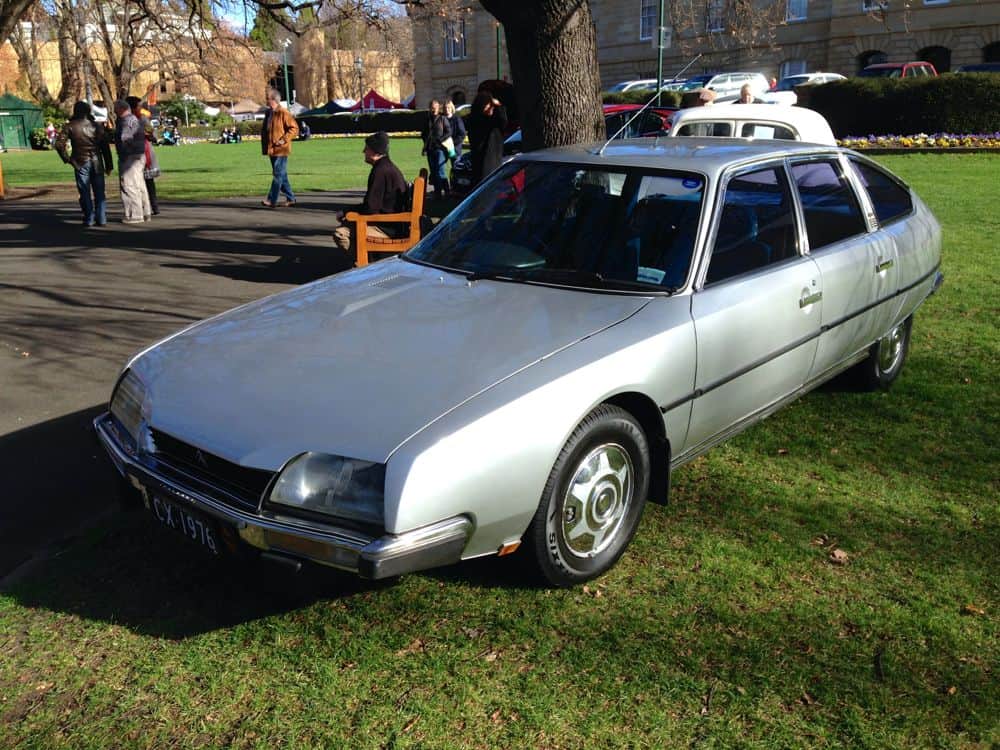
I didn’t take any notes on which Goddesses where there today, but there were a few of them with their more modern derivatives, too.
Here’s the whole bunch:
——
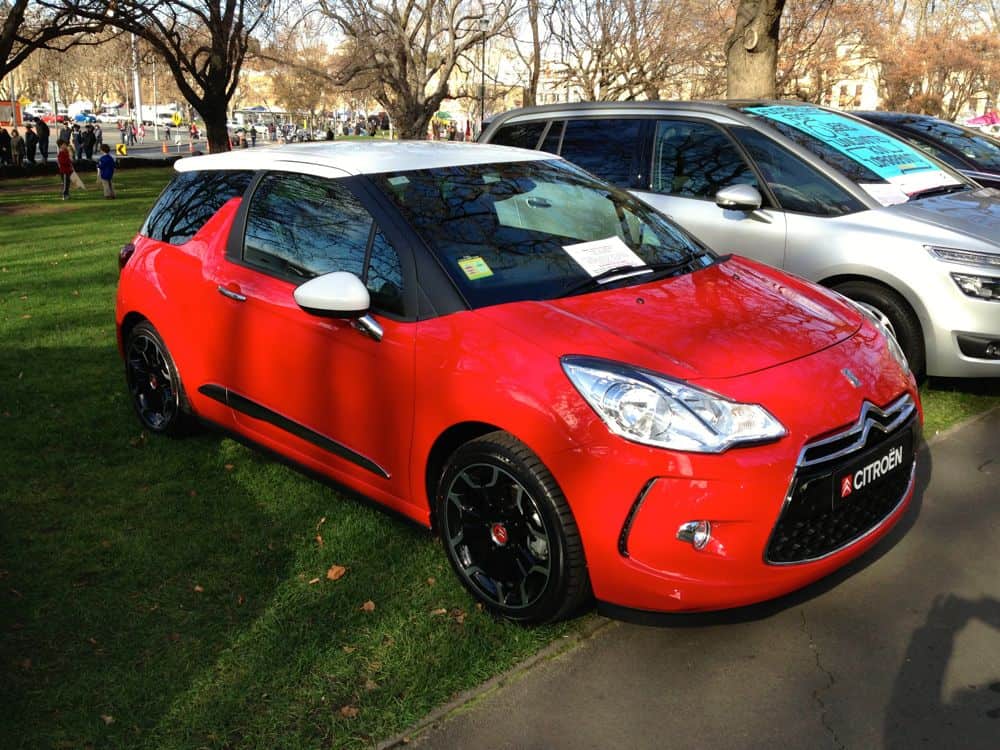
I like the new DS3. It’s got loads of character on the outside and the interior trim (no photo) looked pretty swish, too.
——
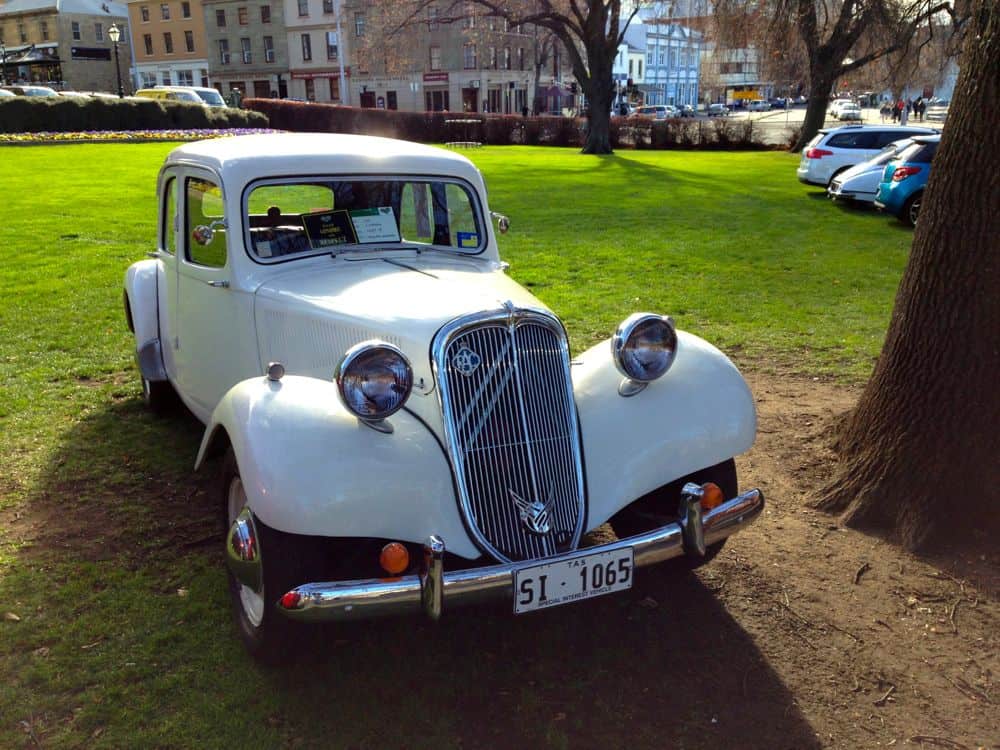
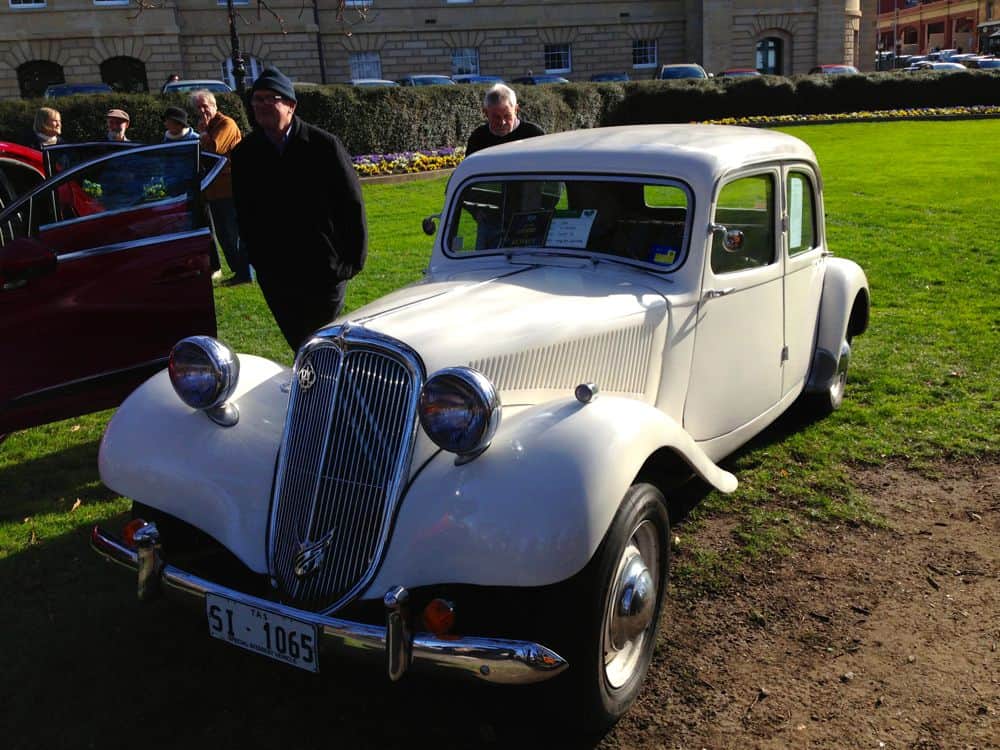
The pick of the Citroens for me, aside from the classic Goddesses, of course, with this 1951 Light 15. It looked absolutely fantastic and is for sale for just under $13,000. That’s got to be the best presented cheap entry into classic motoring around. Amazing.

——
So there you have it – the highlights of the French car show for 2014. There’s a lot to like about the French.
They certainly like doing things a little different – even today – which in the occasionally sleepy world of the automobile is a refreshing change.
Vive la différence!