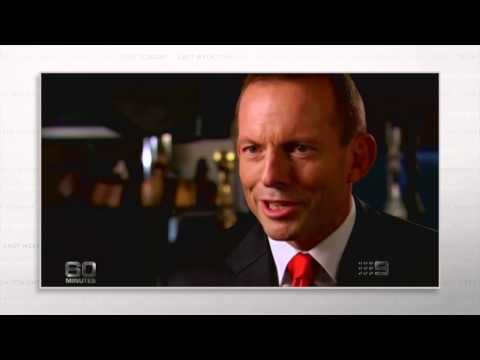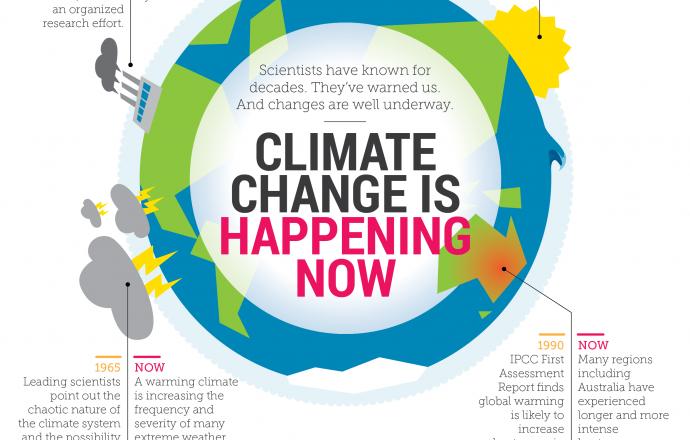
Today, the Australian parliament repealed the country’s carbon reduction legislation. It has effectively left our country with no pollution reduction policy and we are the first country in the world to go from having a price on carbon pollution, to having no price on carbon pollution.
Our government campaigned hard on this for some time. They successfully prosecuted the false argument that our carbon tax was hurting Australian business and that it was ineffective in tackling the issue that it was designed for. That neither is actually true – emissions are actually down and the economy has kept growing – didn’t stop them from winning the argument. The whole discussion went from one based on facts to one based on a lowest-common-denominator argument that denigrated a populace.
The argument went something like this: people will fear losing a few dollars from their pocket in the short term more than they’ll fear something they can’t immediately see, something that will effect them in the long term. The hip pocket always rules.
——
Delayed Preface
Forgive me.
I should have prefaced this article by saying that if you don’t believe that human action is having a marked effect on the environment, if you don’t believe in human-influenced climate change, then this article probably isn’t for you.
The legitimacy of any action on climate change turns on whether people believe that an issue actually exists. I do. And I no longer have the time or the patience to discuss the pros and cons with sceptics. Others do and I admire their patience. As far as I’m concerned, however, the science is settled.
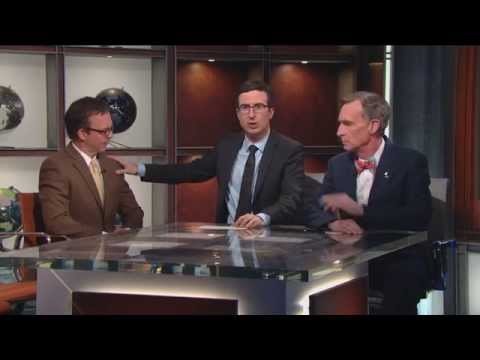
Cue the John Oliver video, which you can feel free to watch if you don’t agree (slight language warning):
——
The Carbon Tax
The policy that’s just been disposed of was dubbed The Carbon Tax. Back in the 2010 election campaign, our former Prime Minister, Julia Gillard, said that there would be no carbon tax under a government she leads. When that government ended up relying on the Greens for support, the carbon tax they insisted on was a direct contradiction of Gillard’s pledge. That breach, along with the hung parliament itself, proved terminal to Gillard’s tenure as PM.
The carbon tax put a fixed price on carbon emissions. Like most taxes, it has a dual purpose of influencing behaviour towards a desired goal and raising some money (to be directed towards other projects that help meet the goal).
The carbon tax should have been a cap-and-trade emissions trading scheme. That was the original plan but the former government wimped out in 2009, only to return in 2010 with a carbon tax that was toxic from the get-go. The intentions were good and the tax actually worked to a large degree, but that’s of little consolation now.
——
Direct (In)Action
Our new conservative government repealed the carbon tax laws today. Their plan to help tackle climate change and meet Australia’s emissions reduction goal is called Direct Action.
In short, they have a bucket of money that they’re going to offer as an incentive for companies that voluntarily reduce their polluting. It’s a reverse-auction style of fund, so companies will bid for the money but there’s no compulsion for them to do so because there’s no longer a cap on emissions. There’s merely a desire to reduce overall emissions by 5% by 2020, which is now seen variously as a very modest goal by the standards of Australia’s major trading partners and as quite inadequate by the environmental lobby.
Direct Action has been rightly described as an environmental figleaf, a token gesture to cover up the embarrassing lack of real action on climate change by this government.
In fact, I’m surprised that hardline conservatives are accepting the Direct Action plan at all. If the overarching desire of the conservative is fiscal prudence and getting Australia’s budget on track, then the spending of a couple of billion dollars on something that no-one except Tony Abbott believes will work (and the depth of his belief is the dictionary definition of ‘questionable’) then that’s pouring $2billion or so down the drain. We’ve all seen plenty of outrage about the carbon tax. I haven’t seen any outrage about that.
And how about the fact that the government has gone from charging polluters to charging the general population? No outrage from the lower taxes! crowd there, either. I guess as long as your side appears to be winning, they can do whatever they like.
——
Other Cuts
Our conservative government, along with abolishing the carbon tax, has sought to dismantle the Clean Energy Finance Corporation, a body set up to finance ‘green loans’ to companies embarking on clean energy projects. The CEFC makes money for the government (fact), provides greater access to clean energy (fact) as well as jobs in the energy sectors of the future (fact). It seems logical to keep it, but they want to shut it down.
They’ve appointed a self-confessed climate sceptic to oversee a review of Australia’s Renewable Energy Target. It’ll be no surprise when that’s wound back.
We have no science portfolio at the federal level. This is the first time Australia’s had no Minister for Science since the 1930’s. And funding to Australia’s major science body, the CSIRO, has been cut by over $100million.
The Climate Commission was closed almost immediately upon the Coalition’s election last year. This body’s task was to provide meaningful, authoritative and publicly digestible information about climate change. The main identity from the Climate Commission, Tim Flannery, has since founded the Climate Council through public donation, a funding model that I’m sure is a constant source of pleasure to conservatives everywhere.
In all, the recent Coalition budget slashed proposed spending on climate research and clean energy from more than $5billion to just $500 million over the next 4 years.
And despite all that, our Prime Minister stood in front of TV cameras today and said “We are a conservationist government” with a straight face.
——
The Future of Climate Change in Australia
Today, Australia went from being a leader in climate change action to falling more than a decade behind the rest of the world. In just one day.
Climate change is not going to go away as an issue in this country. First, it has science on its side. There’s a old saying down here (and in other parts of the world) about not letting facts get in the way of a good story. But facts should, and will, prevail. Especially on an issue as important as this.
Australia is experiencing more and more in the way of extreme weather activity. We’ve always had bushfires and we’ve always had storms. It’s the intensity, frequency and ferocity of these occurrences that’s increasing. Climate change plays a part in this; as the countryside gets drier the fires get more intense and as the seas get warmer, the storms get more fierce. The people who don’t believe the modelling on climate change will eventually see the evidence for themselves. Hopefully for them, it’ll be on television rather than in person.
The window is slowly closing on mankind’s ability to take meaningful action. Australia is now at least 10 years behind on joining a meaningful global effort and our Liberal-National coalition, who are more intent on staying in power than they are on making a positive difference for all Australians, will ride the opposition and their carbon tax pony as far into the ground as possible. In fact, Christopher Pyne (aka the most annoying man in Australia) said as much today, saying during question time that the government was going to hang the carbon tax around the Labor Party’s neck like a stinking carcass.
There’s your playing field. It’s set.
Officially, the government actually believes in the doctrine of man-made climate change. Despite our Prime Minister being (in)famous for saying that the science behind climate change was absolute crap. And despite the government’s policies not supporting any real belief in the science. And despite them demonising anyone who’s policies advocate meaningful action. But officially, they do believe.
Welcome to Australia.
I felt compelled to write something about this today. I realise it’s not much, though. It contributes nothing new to the debate and has no new insight. I just wanted to get it off my chest. For the absolute best article on this subject I’ve seen today, read Lenore Taylor’s editorial at The Guardian. It sums up Australia’s dilemma beautifully.