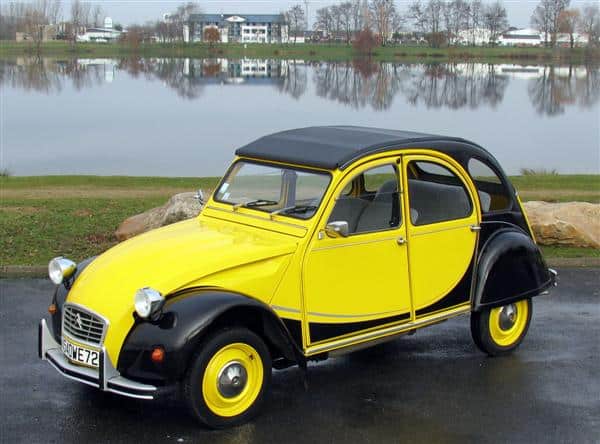
Many of you probably live in a jurisdiction with a ‘Green’ political party. Did you know that you’ve got Tasmania to blame thank for that?
The origins of global Green politics date back to the early 1970s, when an environmental party first contested a state election here in Tasmania. On the national scene, the Green movement was solidified during the fight over the Franklin Dam, here in Tasmania, in the 1980s. That campaign achieved national prominence and propelled the Greens into the national spotlight.
Today, they hold one seat in our national House of Representatives (where government is formed) and nine seats in the Senate (our house of review). They’re a very important component in our hung federal parliament. At a state level, the Tasmanian Greens share power with the Labor Party, with each holding 5 seats to form a 10-seat coalition to control the 15-seat Tasmanian parliament.
Greens are on an upward trend. There’s no doubt about it.
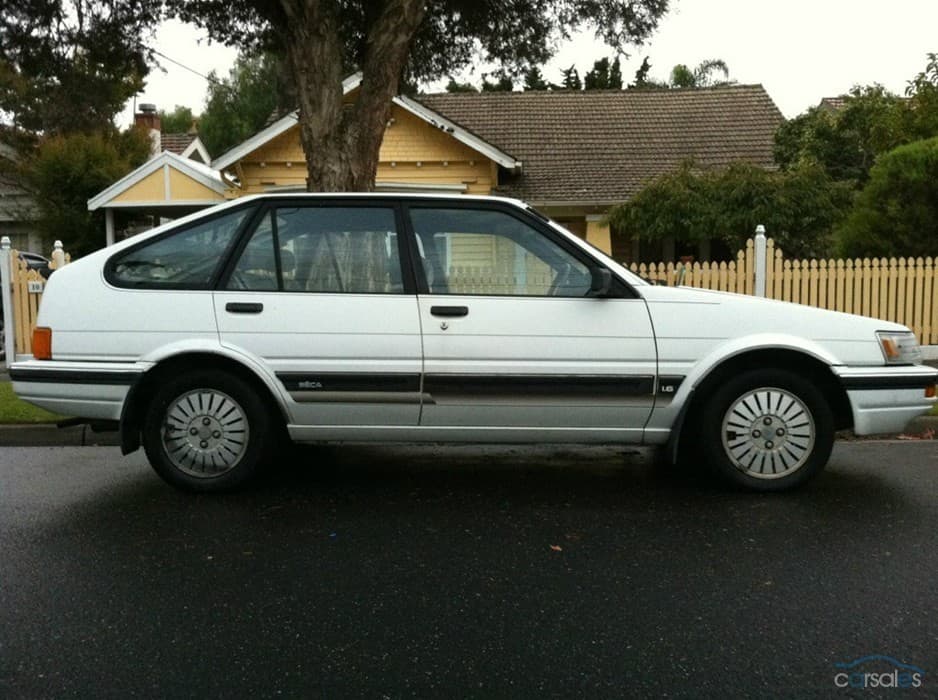
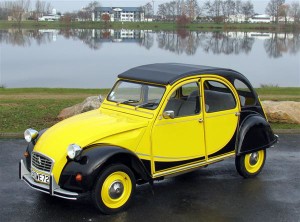
The Australian Greens recently announced a new candidate, who will contest one of the seats around Hobart in the next Federal election. Dr Rosalie Woodruff announced her candidature on August 29, having arrived at her announcement in an electrified Daihatsu Charade. Her choice of chariot is important, because it represents a key pillar of her candidacy:
“Tasmania has a huge opportunity to advance a clean energy future through energy reform, renewable energy and energy efficiency. This should not just be high end and high cost. It’s our chance to take advantage of existing skills already in the community,” she said.
“Tasmania needs to jump into the future and develop an electric car conversion industry – we can’t afford to wait for car companies to trickle out new release production electric cars,” Dr Woodruff said.
“Tasmanians sent $620 million dollars out of the state for petrol last year. Fuel costs are predicted to double in the next decade. Every dollar we reduce from that amount is a dollar that stays in Tasmania for something else,” she said.
“Electric cars will make transport costs cheaper for many people in my electorate who have to drive long distances every day. It will create new jobs with a minimum investment in training, and make a huge impact on our greenhouse gas emissions.”
She wants to start an electric car conversion industry here in Tasmania. OK.
Puts on smoking jacket, and gets into fireside chat mode…..
I’ve hinted at this in recent posts, but I thought I’d write it down here for the record:
There was a time when I very nearly bought a Jaguar.
I was a very traditional kid from a very traditional family. My Dad was, as we Australians like to say, very English. He adored the royals. He used to paint the house with marching band music playing in the background. He loved English comedies on the telly and I’m pretty sure that whenever they were here, he was more fixated on the English cricket team than the Aussies. I’m sure I remember him telling me that he once had a Sunbeam convertible. Or maybe it was that he always wanted one?
Anyway, he was very English. Very traditional. And he tried to pass that appreciation for all things English along to me.
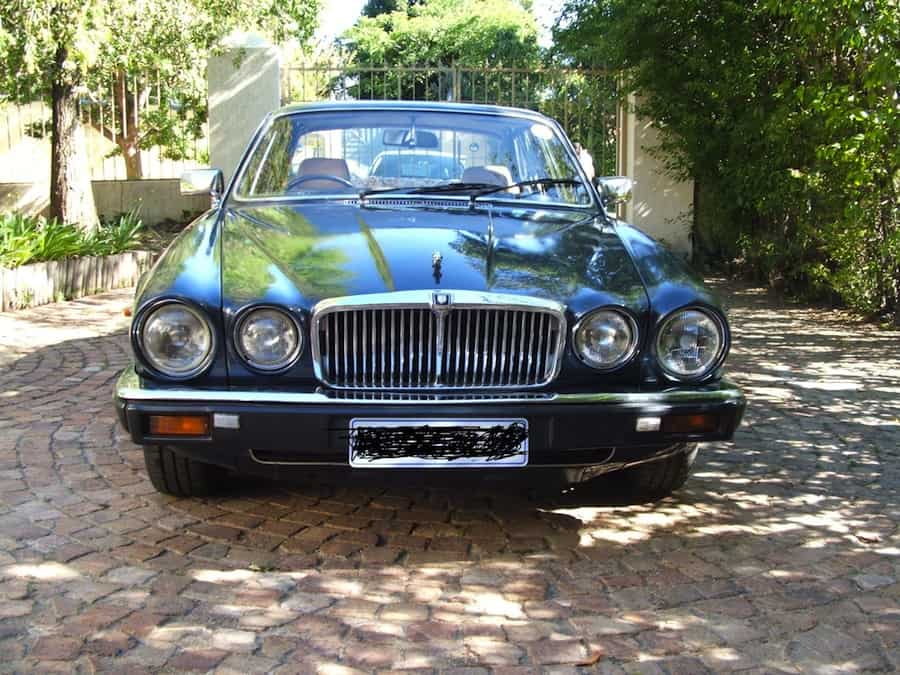
When I was around 13 years of age, Dad bought me a book about Jaguar cars. The XJ6 Series III was only a few years old at the time and I fell in love with it’s long lines, the pepperpot wheels and the intoxicating blend of leather and wood that seemed to leap off the page and fill your nostrils. Never underestimate the allure of dual fuel tank fillers to a 13 year old. If it needed two of those, it must have been special!
Even the factory sounded special. The cars seemed to be built exclusively by a bunch of wise, caring, grey-haired men in nicely pressed coats at a factory on a wonderful sounding street called Browns Lane. Brown was the color of leather, and chocolate, and recently installed shagpile carpet from the 1970s, so that had to be good, too.
I had my head in that book for hours at a time. I loved it. It wasn’t much more than a brochure, really. It had around 60 pages, but it wasn’t an historical document, that’s for sure. This was all about the Jaguars of today and I got know more about the XJ6 and other early 80s Jags than any 13 year old had a right to.
I used to sit in school and sketch the front end of the XJ in my notebook. Those who’ve seen me draw know that I tend to stuff up stick figures, but I could draw an XJ6, like the one to the right, in vivid detail (well, that’s my memory of it, at least).
Fast forward to late 1994 and the tragic passing of my aged grandmother. She had left her six grandchildren a modest endowment each and of course, I proceeded to do something I’ve been given to doing nearly every time I’ve got some spare cash – before and since – I went car shopping!
The one that caught my eye took me back to my Jaguar book and the memory of my father, who had passed away 9 years before. From memory, it was a 1978 Series II XJ6, finished in very patchy dark blue paint with equally patchy biscuit leather on the inside.
I was 24. I had very few job prospects and would have needed to borrow around $3,000 to complete the transaction. Doesn’t sound too tempting or too smart, does it?
The tempting part – and I should add, the very non-English part – was that this particular Jaguar XJ6 had recently undergone a transplant that was quite common back in the 1990s. It had a 350 cubic inch Chevy engine installed where the old Jaguar 4.2 straight six used to be. If you were a young 24 year old Aussie back in the 1990s, that was tempting. At least it was to me.
I took the car for a test drive, and loved it. It had power, noise, comfort and the promise of class (if I could just get it re-painted at low cost). It was theatre on wheels.
As you can probably guess, I didn’t end up buying the car. The need to get some direction in my life eventually won the day and I used the money left to me by my Nan to move to Tasmania and support myself through my first year of university. I’ve been here ever since and the degree I earned through the latter half of the 1990s has me in a position to shop for one of those modified Jags again one day.
Of course, my motoring interests shifted east from Britain, too. I got more interested in Saabs and that interest led to a whole new world of possibilities, one that I could never have imagined back when I was 24. My move to Tasmania led me to meeting my wife, too, which was the best thing of all.
——
As an aside, a quick look tells me there are currently two XJ6’s with V8 conversions for sale at the moment. I’d still like to get one of those, one day. Unfortunately, neither of them are dark blue. They’re not tasteful or pure, either, but I can live with that 🙂
——
One of the interesting side trips I’ve done, thanks to my association with Saab and the friendship of a wonderful bloke (and Jaguar driver) in England, is a visit to Jaguar’s Castle Bromwich factory in Birmingham and a trip to their heritage museum, which was still located in Coventry at the time.
As a side trip to our museum visit, we went and took a look at the site of the old factory in Browns Lane – the one I’d had such wonderful visions of as a teenager. Let’s just say that Browns Lane itself isn’t quite what I’d imagined it to be and the old factory had been flattened. It’s probably full of new housing by now. See the pic below (with Dave’s Jaguar XF-R included).
A few people have mentioned their disappointment about the Citroen SM being left out of our poll of iconic French vehicles, which is fair enough. Everyone’s entitled to their opinion.
Million-mile Saaber Peter Gilbert left a link to this video in comments overnight and I think it goes some way to showing why the SM is so wonderful in many people’s eyes. I think it also goes some way to showing why it’s not the French icon that the DS is.
——
So why isn’t it THE icon?
1. It’s wonderful and mad, but at the end of the day, it’s just finishing the DS’s work. Would the SM exist if it weren’t for the DS?
2. Anything with that dangerous a brake pedal can’t be considered THE icon (merely my opinion).
3. If you’re going to go to the expense and trouble of featuring a Maserati engine, then you should get the sound and performance of a Maserati engine. Again, just my opinion.
——
I thought I’d throw in this final video for a little extra Sunday Citroen viewing. It features the Citroen GT concept as well as the Citroen Survolt electric concept. It’s remarkable for two reasons:
1. The cars are quite remarkable simply by their designs. And check out the engine note on the GT – wow!
2. The cars actually run quite well on public streets. Most concept cars are built to be able to reliably run for 60 feet or so – the distance from their hiding spot to center stage at a motor show.
The Saab Aero X had an old Opel V6 under the bonnet and could move from it’s carrier truck to a display stand. The Saab PhoeniX concept had a Mini engine and could move quite well but I never saw it move at speed like these cars are doing. I don’t think either of them had manoeuvrability like this. The one Saab exception I can think of is the EV-1 concept, which has been seen doing donuts in the past, at the hands of it’s creator, Bjorn Envall.
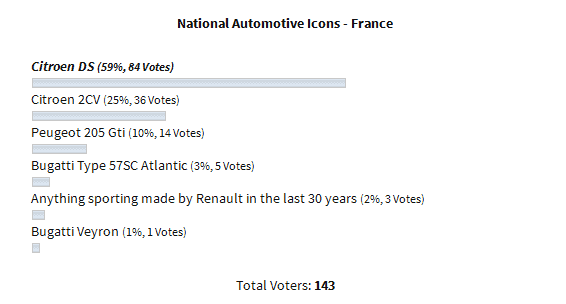
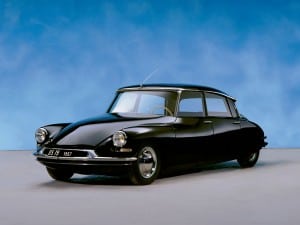
The number of votes was a little underwhelming, but the result is now beyond dispute. The Citroen DS is considered the most iconic French automobile by some of the wisest automotive enthusiasts in the galaxy – YOU!
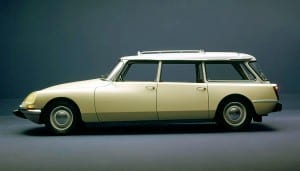
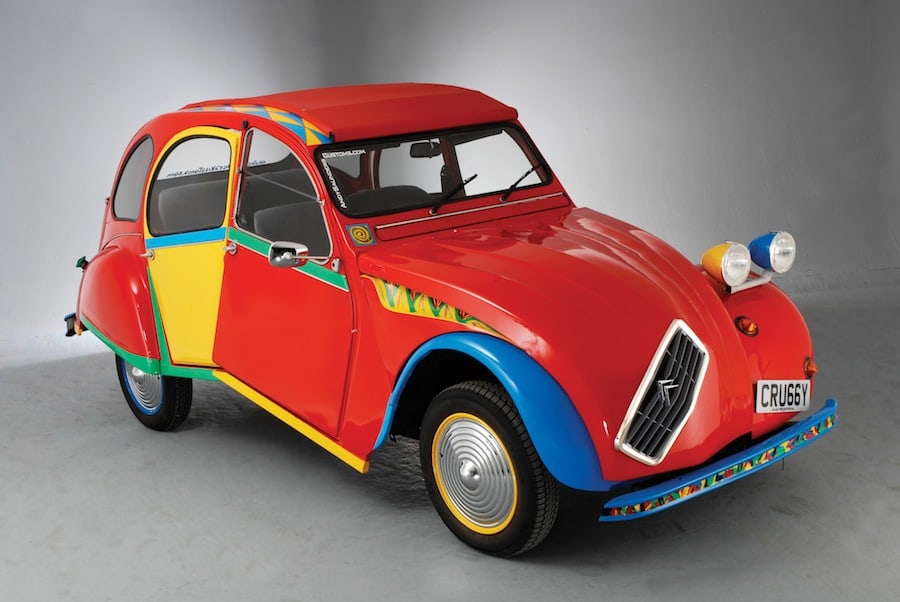
It’s a deserved result. Whilst the 2CV delivers plenty of ingenuity and has the French version of the common touch, the DS delivers style, comfort and technical innovation in bucketloads. And let’s face it, all that liberté, égalité, fraternité stuff is important, but style transcends all, non?
——
Next week, I think we’ll cross the Channel and vote on Britain’s finest. Four of the five initial nominations select themselves, I think. I’ll have to put my thinking cap on for the last one, however. Either that, or draft in some assistance.
You should give some consideration to your nomination, too.
If you haven’t seen them already, you can view the full list of contenders here: National Automotive Icons – France. If you’ve already seen them, however, then it’s time for your vote!
We have one additional car added to the poll, the Peugeot 205GTi. I used to love the old Peugeot ad featuring one of the Brabham kids a few decades ago. It used memories of ads from other manufacturers, something like ….
“you’ve seen a Volvo turn into a horse, [etc. etc.]”
…. before finishing with ….
now watch a Peugeot turn into a corner
…. with the car taking a big sweeper on a track. Great ad. Wish I could find it on Youtube.
The Poll
The Peugeot 205 Gti joins our original five contenders for a French face-off par excellence! Cast your vote below and we’ll see which Citroen who takes the final prize, later in the week.
[poll id=”6″]
—
The Contenders
The Peugeot 205GTi
The Citroen 2CV
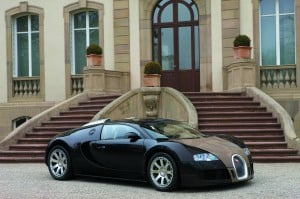
The Bugatti Type 57SC Atlantic
The Citroen DS
An example of RenaultSport’s fine work – the RS Clio
With the Ford Mustang wrapping up the US iteration of this series, it’s time to move across the Atlantic to a country that is perhaps not quite so well known for its automotive culture, but one that is still very well represented by some absolutely amazing automotive icons – France.
As I did with the US, I’m offering five suggestions based on my own limited knowledge. You’re most welcome to add some suggestions of your own in comments and the more they’re supported, the more likely it is I’ll add them to the poll.
——
Anything sporty made by Renault in the last 30 years
Renault’s most noted early foray into sporting cars was with the Alpine company, which started off using rear-mounted Renault engines in competition vehicles in the 1950s. Renault bought Alpine in the early 1970s, abandoned it in the 1990s, only to release a special Alpine concept earlier this year, which I covered here on the website.
The cars I’m concerned with here cross over some of the Alpine timeline, but they’re Renault-badged and intended to descend from their motorsport heritage in formula 1.
It all started with the Renault 5 Turbo, a mad little tin can with a turbocharged 1400 engine, mid-mounted and capable of producing 160hp to propel a body that weighed just under 1000kg. Whilst the standard Renault 5 was front-wheel drive, the Renault 5 Turbo drove the rear wheels and was a regular sight near the front of the European rally circuit in the early 1980s, just before the Group B cars came along and blew everybody away.
Fast forward to the new millenium and Renault now produce their performance vehicles under the RenaultSport badge. They even make a bunch of them in the old Alpine premises, at Dieppe, in France. The RS Clio has traditionally been the purists choice with it’s dedication to pure, normally aspirated acceleration and light weight. The slightly larger RS Megane uses turbo technology to push the front-wheel drive envelope even further and both the Clio and Megane have been lauded by the motoring press in Europe and Australia as the best hot hatches of the modern era.
Here’s the old 5T being driven, along with the RS Megane R26R from a few years ago.
I’ll probably talk a bit more about this as time goes by so I figure it’s best to have a copy of it on the record here.
I’m quite surprised by this and intrigued as to how this could possibly be achieved and what might be the end game because right now, I don’t know how the things planned in this release could possibly come to pass. But hey, I’m totally up for listening to any reasonable explanations from people in the know.
——
SPYKER AND YOUNGMAN SIGN FRAMEWORK AGREEMENT FOR 29.9 PERCENT STAKE, JOINT VENTURE FOR SPYKER D8 SSUV AND JOINT VENTURE FOR NEW PRODUCT RANGE BASED ON PHOENIX PLATFORM
Zeewolde, the Netherlands, 27 August 2012 – Spyker N.V. ( Spyker ) announces that it signed a Framework Agreement with the Chinese car manufacturer Zhejiang Youngman Passenger Car Group Co, Ltd ( Youngman ) today.
Today’s Framework Agreement entails the following:
Subject to satisfactory completion by Youngman of a due diligence on Spyker and the satisfaction of relevant conditions to be set forth in the definitive transaction documentation, Youngman will invest Euro 10,000,000 in Spyker of which approximately Euro 6,700,000 as subscription for such number of Class A shares in Spyker as will constitute 29.9% of the issued and outstanding share capital of Spyker on a fully diluted basis for a price of Euro 0.05 per share, and the remaining approximately Euro 3,300,000 shall be provided to Spyker in the form of a shareholder loan. Youngman undertakes to not exceed the 29.9 percent threshold and therefore has no ambition to make a mandatory offer on all outstanding shares in Spyker.
Youngman shall pay the first tranche of the share subscription in an amount of Euro 2,300,000 to Spyker within 7 days as of today.
Youngman shall pay the remaining Euro 7,700,000 no later than 45 days after the execution of the definitive transaction documentation.
The Corvette was voted the second most iconic US vehicle by YOU in our recent poll, finishing 10 votes behind the Ford Mustang.
Whilst I nominated the early 70’s Stingray as the seminal Corvette, I couldn’t resist these pictures sent through via email tonight from a mate on the mainland.
Our photographer is a regular reader named Ian B and this car lives not far from him, in country Victoria. The owner has had the car for over 50 years now, having originally imported it from Canada. He even did the RHD conversion himself!
UPDATE: As noted by Jimmy in comments, these first Corvettes had a straight six engine in original form, however our owner here fitted a 400ci V8 under the hood some time ago, a move which ‘improved the car enormously’ by the owner’s reckoning. The car is a 1954 model.
The most curious part is the custom-made, removable plexi-glass roof, which keeps the wet stuff away whilst still maintaining full visibility for the driver and passengers.
George Jetson, we have your car right here!
Ian, thanks for the photos and to the owner, congratulations on a fantastic preservation job, which I’m sure you continue to enjoy every time you hit the road.
I nominated my Top 5 iconic American automobiles in a post here yesterday and you all had the chance to nominate your favourites as well. I’ve added two to the list because of those comments:
Plymouth Barracuda – coz it’s nasty
Cadillac Eldorado – coz more than one of you said so
I thought I’d have a little fun with a new series – national automotive icons. Which car is the best representative from that country’s manufacturers?
I was going to start the series right here in Australia, but I have to resolve some inner personal conflicts as to what’s eligible. Eg. the Camry is manufactured here and in big numbers, but it’s hardly an Australian car (even if it’s driven by heaps of Australians).
Anyway, to the USA we go…..
I’ve done absolutely no research. This is purely a (significantly large) gut exercise based on my own views as to what are the five most iconic American cars. Which cars best represent the most memorable and the best aspects of US car-making in my mind?
There will be a poll tomorrow. Feel free to disagree with me and add your own suggestions in comments and I can add the most robustly defended candidates into the poll.
——
Chevrolet Corvette
This is probably my #1 choice for Americana and I’ve chosen the Stingray for the photo as that’s the Corvette that first comes into my mind.
First, you have the curves. They’re a timeless bit of sculpture that speak of a more decadent, less politically correct time. You’ve also got the rather loud suite of V8s fitted to these cars, painfully inefficient by today’s standards but supremely emotive. The car screams exoticism and drama from every angle, even if the chassis underneath can’t necessarily cash the cheques the body is writing.
It’s a fair way down my automotive bucket list, but at least it’s there, and there are very few American cars I’d bother with other than this one.