Alfa Romeo Has A New Corporate Plan *Sigh*

I remember back around 2009 or so, I wrote on Saabs United about the fact that Saab had about as many concept cars in 30 years as they had actual production models in 60+ years. We’re not quite at that stage with Alfa Romeo’s re-hashed business plans yet, but we’re not far off.

The suits at Fiat held a corporate information day yesterday, which is why your automotive news services were flooded with stories about Chrysler, Dodge, Fiat, Alfa, etc, etc.

Here’s the Alfa presentation, slightly abbreviated but with a few remarks thrown in where appropriate.

If you’re an Alfa Romeo cynic, save yourself some time and go read Sniff Petrol’s account of the new plan 🙂 .

If you’re an Alfa tragic like me, read on…..

——

The show starts with a history lesson, recalling Alfa Romeo’s racing successes over the years in some of the world’s most prestigious races. They even wheel out old Enzo for a quote about their ancient greatness.

Now, if you’re looking closely, you’ll see that the world class races that Alfa Romeo won were mostly back around 80 years ago, in the 1930’s. There was some success in the later parts of the 20th Century, but that was in your more domestic type race series. That’s not to diminish the achievement because it takes a hell of a team effort to win a race in DTM, for example, but the big-name victories mostly came in the 1930’s.

It’s fine to wheel out Enzo, but be aware that he actually took what Alfa Romeo were doing in the 1930’s and made it something meaningful for the 1950’s, 60’s and beyond. That’s the full scope of the challenge here. That’s what you’re trying to catch up to.

No-one’s denying Alfa Romeo’s sporting heart or DNA, but the claim looks a little thin on the ground when there’s barely anyone still alive that was even born when these big races were won, let alone anyone who can remember such success.

By Alfa’s own admission, the success they had on the track didn’t translate to too much success on the showroom floor:

You might want to store some of those figures away for later reference. The key figure is around 180,000 sales per year, which is the best they’ve done, achieved back in the 1980’s when the Alfetta and Alfasud were kings.

So why didn’t Alfa Romeo turn success on the track into continued growth in the sales charts?

Reliability and rust might be two valid answers, but Alfa Romeo (and Fiat themselves) put it down to Fiat’s mismanagement. Fiat took control of Alfa Romeo in 1987 but Alfa themselves started the rot a few years earlier. The slideshow offered this example as the beginning of the end of Alfa:

The Alfa Romeo Arna was Alfa’s own decision, but Fiat followed up with a dedication to front-wheel drive and compromised chassis’ that lent little credence to Alfa’s sporting pretensions.

Alfa styling was rarely in doubt, but the mechanicals could rarely cash the cheques the bodies were writing.

And so we get into recognising where things went wrong and the all-important planning for the future. What are the most important attributes of Alfa Romeo’s sporting DNA and what do they have to do to regain the reverence in which they once revelled?

Naturally, Alfa Romeo has some answers:

Personally, I’m not too sure about those. Most of them read like modern performance car attributes, but I’m not sure they’re historically accurate when it comes to Alfa Romeo. Alfas had small output engines but clever designs that were lightweight and fun to throw around. I’m not sure that power-to-weight was a priority way back when, though low weight definitely enabled good tossability.

Maybe I’m being too pedantic.

These next two slides are interesting. Alfa Romeo is deliberately benchmarking the Germans and making solid claims about their intention to make cars with minimal, if any, interference from their parent company. This is a bold claim, one that doesn’t reconcile too well with modern car company operations. That’s especially so when the car company is headed by Sergio Marchionne, a man who’s claimed in the past that there will eventually be just six car companies in the world. Small and independent isn’t his thing.

Their solution?

It’s basically down to setting up an all-new Alfa Romeo – an engineering skunkworks that can focus solely on fulfilling the mission statement above and turn those intentions into Italian made cars that fulfil a grand Alfa Romeo vision.

Now, anyone who loves Alfa Romeo should love this idea. Many have been under-satisfied by Alfa’s modern efforts, which were good front-wheel drive cars with sporty pretensions, but were NOT sports cars like Alfas of old.

The BIG question – and there isn’t a font large enough to do that justice – is whether or not Alfa Romeo can pull this off. They haven’t done it under Fiat for the last 30 years. Why should anyone believe they can do it now? Again, Sniff Petrol provides your scepticism 🙂

Well, here’s how they plan to do it.

I’m not a fan of this next slide. To claim that you’re the only maker in your intended segment that’s focused on the driver – when your intended segment includes a lot of driver-focused cars – is a slightly lame attempt at kidding yourself. It might be good for the motivation, but I don’t think it’s realistic and when you’re spending 5 billion-with-a-B Euros on R&D and production, you want to be realistic.

So here’s the intended product cadence, albeit in a chart that’s not to scale. The last column looks like an onslaught of vehicle releases all at the same time, but that last column is actually a three-year stretch.

Can anyone help me with the “UV” bit in the chart above? Urban vehicle? Utility vehicle? Underworld Vehicle? Underwater Vehicle!!??

This next slide is a little bit tantalising, showing proposed engine outputs for their petrol and diesel engines.

And here’s where things get really – really – difficult to believe. I draw your attention back to the historical sales chart earlier in the show, where Alfa had maxed out at around 180,000 cars per year on average during the 1980’s.

Let me set this out for you…..

This is a car company re-start in a very competitive category, selling high-priced cars that quite likely won’t be very practical. And it’s going to result in your company more-than-doubling your best ever sales per year??? And all this will happen before the end of a decade that we’re nearly half way through already?

Sniff Petrol.

The rest of the slides contain some fluff to get your mind off that projected sales figure…..

——

As you can see, there’s plenty to hope for if you’re an Alfa Romeo fan. A return to Alfa Romeo’s true sporting heart would be a wonderful thing. The motor vehicles they could make under the engineering part of this plan are enough to put some genuine steam in a man’s strides.

But you do have to wonder.

When the same plan includes claims of an autonomously run Alfa Romeo, when it claims sales of 400,000 vehicles a year and talks about unique powertrain solutions that can take a decade or more to develop fuelling those increased sales within the next 4 years……

This doesn’t seem like the most realistic plan.

I applaud the boldness. As a Saab fan, it reminds of Saab’s determination to re-cast itself after the GM days. Saab ran out of money and couldn’t see that plan through. Alfa are still part of the Fiat family, but will Fiat provide the resources to see this plan through?

I love Alfa Romeo. I drove a wonderful little Alfa Sprint to work this morning and it made me smile the whole time.

I’ll be cheering for them with all of my sporting heart, but I have a hard time seeing this plan turn into a reality.

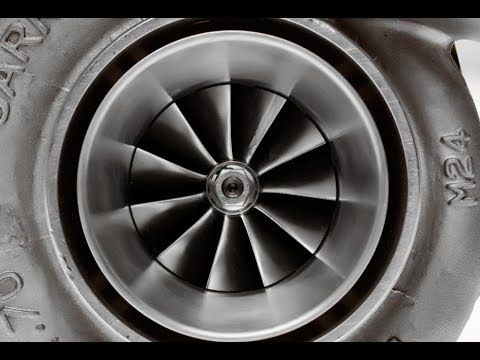
Inside Koenigsegg – 3D Printed Variable Turbo

Prepare to be amazed again, though this time with words more than with pictures.

This latest video in the Inside Koenigsegg series was shot at the Geneva Motor Show in March. It explains the theory behind the new variable turbo housing the Koenigsegg designed for the One:1 car that debuted at Geneva. Like all the stuff Koenigsegg days, it’s both sensible and somewhat revolutionary.

And yes, the fact that it’s 3D printed and can do some very hard work in such a powerful engine is pretty amazing.

Enjoy.

Bleeding Heart Lefty: Verb The Noun – #Auspol

It’s been very hard to concentrate on cars the last week, so it’s time to blow out a few of the week’s cobwebs….

——

From 2007 to 2013, Australia was governed by a leftist government – the Labor Party. The leader for much of this time, Kevin Rudd, was very popular with the electorate but his leadership style was loathed within his own party. The solution: they ousted him in his first term of government and replaced him with Australia’s first female Prime Minister, Julia Gillard.

An election followed that delivered a hung parliament but Gillard won the day by successfully negotiating with the cross benches. The cost was a deal with the Green party that saw a carbon tax introduced in stark contrast with Gillard’s pre-election statement that “there would be no carbon tax under a government that I lead”.

The hung parliament, while remarkably successful in passing legislation, was a public relations disaster and the carbon tax was a giant albatross around Gillard’s neck. So the party decided to kick her out, replacing her with her predecessor – Kevin Rudd.

In September 2013, the Australian people were sick to death of the in-fighting and more than sick to death of the hung parliament, so they voted in quite possibly the man considered the most unelectable candidate of them all, a guy named Tony Abbott.

Abbott had two great strengths working for him in the election campaign (aside from his relentless negativity, which some saw as a strength when his primary job as opposition leader was, of course, to oppose).

The first strength was his chief of staff and her political strategist husband, who instilled a clever set of three-word-slogans – stop the boats, axe the tax, fix the budget, verb the noun ad inifinitum – as well as iron-fisted discipline that provided a stable contrast to the instability of the Labor party.

His second great strength was that regardless of his own considerable personal stench, he wasn’t the other mob. It didn’t really matter what the alternative was, the other mob HAD to go.

——

Last week, the government’s Commission of Audit report was made public. The government has made sure that the line “this is not a report of government, but a report to government” was repeated quite a lot. Repetitive catchphrases are a sure sign that they’ve got something to sell. That something is that they want to distance themselves from the ideology behind the report.

Of course, that’s a load of crap.

The panel behind Commission of Audit was stacked with people that were specifically selected for their big business background and/or small government philosophy. The panel were given specific guidelines by the government as to what they could and couldn’t look at. They were specifically told not to look at the biggest fiscal problem Australia faces – falling government receipts. Their job was to look only at expenditure and see what could be reduced, cut completely, or privatised.

The result? I think Ben Eltham from the Guardian summed it up best:

The prescriptions advocated by the Audit are stock-standard 1980s-era neoliberalism. Privatise government assets. Cut red tape. Abolish or amalgamate government agencies. Charge citizens more for government services, like visits to the doctor. Slash government benefits, especially for the most vulnerable. Make students pay more for their education. Reduce foreign aid. Abolish national protections, like a national minimum wage. Halt Commonwealth support for the homeless.

This is a recipe for a poorer, nastier and more brutish Australia. If implemented, it would mark the beginning of the end of the Australian fair go.

Yes, some people do abuse the offerings of government and some of the conditions for those offerings should be tightened. Yes, there is some red tape that needs to be cut.

Ben Eltham’s analysis and conclusion are generally fair, however; this Commission of Audit report, framed deliberately by the terms of reference dictated by the government, is their ideological dream. It’s a dream that would sacrifice the Australian notion of “a fair go” and even the general social idea of mateship on the conservative high-altar of economic rationalism – and the use of that very 1990’s term is quite deliberate. The financial rot was set in motion by decisions made by the Australian Prime Minister whose shadow began it’s lurk in the back half of that decade: John Howard.

The Green’s Richard De Natale correctly stated in response to the Commission of Audit that the government seems hell bent on turning Australia into a Little America, into a dog-eat-dog society that removes our traditional safety net and exposes the most vulnerable in our community to greater social and financial isolation. Australia has a proud tradition of mateship, of figuring out what we can do for one another in times of need, which is a stark contrast to figuring out how we can screw one another in times of need.

——

I wonder how long it will be before Marketing degrees and Political Science degrees will be taught together as part of one course?

As mentioned earlier, the government was elected primarily because it wasn’t the other mob. But the government also made a big point of telling people exactly what they wanted to hear, which is Marketing 101 (unity ticket on Gonski funding, anyone?). Tony Abbott has already confessed that “it’s sometimes better to seek forgiveness than to ask permission”. He duped his own colleagues that way when he announced his overly-generous Paid Parental Leave policy without consulting them first.

During the election campaign, Abbott made all sorts of promises that he will inevitably have to break. Of course, the objective was to get into power. The cost didn’t matter because he can always break his promises, blame the previous government and seek the forgiveness of the electorate prior to the next election.

During his four years as opposition leader, Abbott made a great deal of mileage on his criticism of Australia’s budget deficits. If the government of the day had proposed a post-GFC tax levy to reduce those deficits – even a temporary tax levy – the Abbott-led opposition would have torn the roof off Parliament House.

And yet, along with the Commission of Audit report last week, we also got news of a proposed ‘deficit reduction levy’ that would be applied to middle- and high-income earners. As you would expect, the opposition is opposing this measure.

Such is the farce of Australian politics in 2014 – you have a deeply conservative government proposing a tax on the wealthy and you have a leftist opposition saying it’s not a good idea!

Personally speaking, I don’t mind the idea, although I strongly object to the lying manner in which it’s being proposed. I’m not opposed to tax as long as it’s used responsibly. I don’t trust this government to use it responsibly, but that’s another issue all together.

——

What interests me is whether or not people are willing to give the Abbott government a pass on this. There are plenty of people – I’m quite convinced – who did not vote FOR an Abbott-led Coalition government. They voted AGAINST Labor as punishment for their leadership troubles and as a reaction to the hung parliament. Abbott was merely the result.

I don’t think they voted for this new tax. I don’t think they voted for austerity measures as a response to a fabricated “budget crisis” (a crisis that even the defacto Coalition newsletter – The Australian – admitted last week does not exist). I don’t think they voted for the idea of ripping the guts out of the Medicare system or making higher education less accessible or less affordable. I don’t think they voted to have the Science ministry in the government abolished. I don’t think they voted for the mass cutting of government agency or had any remote idea that the government might consider changes to our model of federalism. I don’t think they agree with the government’s proposition that “people have the right to be bigots”. I don’t think they voted to have Knights and Dames reintroduced.

A very small proportion of them voted for up to $75,000 in paid parental leave, I guess. Money talks.

I don’t think too many of those swinging voters realised the potential change that could happen to the fabric of this country if Abbott and his mob have their way.

Hopefully Clive Palmer will pardon the pun, but I think Australian voters were sold a pup at the last election. The former independent MP, Tony Windsor, spoke in the last parliament of Tony Abbott’s willingness to sell everything except his arse to get into power when the 2010 election ended with a hung parliament. The speech is worth watching if you haven’t seen it. Tony Windsor wasn’t convinced in 2010, but the Australian people were in 2013.

Tony Abbott will seek forgiveness for the damage he does in the next few years, but hopefully the Australian people will realise what they did in 2010 and maybe they’ll resolve to do it again – kick this mob out.

And hopefully there’ll be an alternative government that’s actually ready to govern and initiate the national conversation we need to have about the role of government in this country, but in an honest, up-front and compassionate way.

Porsche 968CS Owner’s Update

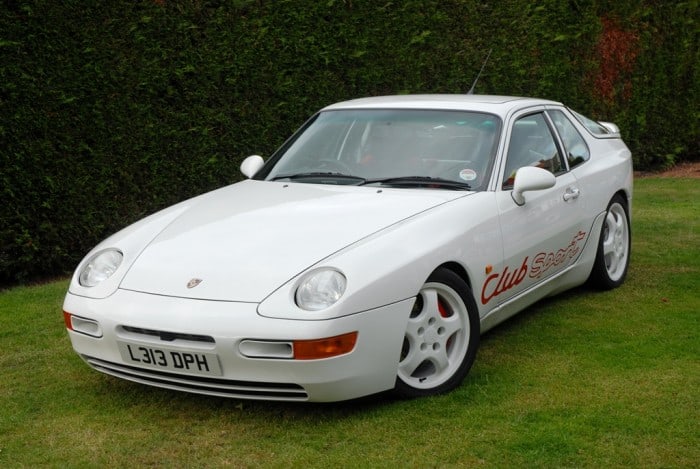
I wish I had some new pictures, but I don’t, so this entry features some Porsche 968 ClubSports I picked up from the net, just to be different.

Last time I wrote about the car, I’d placed it up for sale. The decision was made reluctantly, but made nonetheless.

I’ve learned a few things since then. In no particular order:

Thing #1

One authority I spoke to reckons that my ClubSport must be one of the few (maybe the only) ClubSport sold in Australia without the much-revered MO30 upgrade. The MO30 upgrade is a suspension and braking kit. It includes thicker sway bars, different dampers and the brake kit off the Porsche 928 S4.

Now, I have to say that I love the way this car drives, handles and stops. I think it’s fantastic and I can hardly believe that it can be better. Apparently, it can. Much better, according to everything I’ve heard.

Addendum – Ian Brade’s drawn my attention, via comments, to something I should have mentioned when I first wrote this article. The benefits of the MO30 upgrade are not just hearsay. The first 944 I drove when I was looking for my car, a 944 S2, had the MO30 upgrade and the handling and braking were absolutely amazing. This is a worthwhile upgrade.

I priced up the parts for the MO30 upgrade and the suspension alone will cost over $2,000. Thankfully the previous owner already upgraded the front dampers. I’ve got adjustable Koni coilovers up front. To complete the suspension upgrade, I would have to order new rear dampers and the thicker front and rear sway bars, as well as associated hardware to fit these parts.

I’ve also priced the brakes and let’s just say that I need more advice on this. The figure I came up with was scary. We’re talking sell-the-brumby-and-you-still-don’t-have-enough scary. I think there are some ways around that, though.

Thing #2

When I had the car in for service (for nearly 2 weeks!) I became quite ambivalent about it. I had the Alfa Sprint to drive, as well as the Brumby. I didn’t feel like I’d missed it that much and when I got the 968 back it didn’t feel like that much of ‘an event’.

Then Mrs Swade and I took the car on a road trip for a few days and I was reminded just how good this car is to drive. It’s outstanding – even without the tricked up suspension and brakes. Once again, I feel very fortunate to have had the opportunity to buy it and enjoy it. Owning a car that’s designed with so much focus is not something I ever envisaged and I was a little foolish to treat it with disdain.

I’ve tried to drive it as much as possible since then and I’m enjoying it more and more.

——

Conclusion:

Of course, the natural conclusion to this is that I’ve removed the for sale advertisement. I’m going to keep this car and do everything I can to enjoy it more and more.

The MO30 suspension parts have been ordered and will be on their way to Australia soon. I plan to have the rear end lifted a little when they’re installed, to help with the driveway clearance issues. I don’t think an extra inch on the back will curb the car’s enthusiasm at all. In fact, with the improved rear suspension setup, I’m sure it’ll be even more eager.

I’m also on the lookout for some genuine 968CS seats. They’re as rare as rocking-horse poo but there has to be a pair out there somewhere. I’ve got time.

And eventually – after a lot of advice on what’s really needed – I hope to do the brake upgrade, too. I want to make this car the best it reasonably can be, without spending stratospherically stupid amounts of money. It’s no myth that a 968CS like mine is capable of keeping pace with some of the latest generation Porsche hardware (see below). I’d like to give my car that chance if I can – to make it the best 968 it can be, bearing in mind my budget.

Majesty – The Ferrari 250 GTO

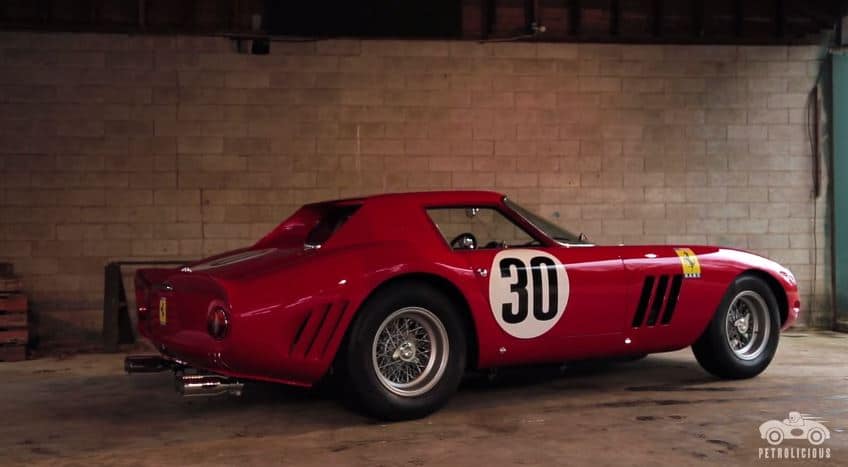
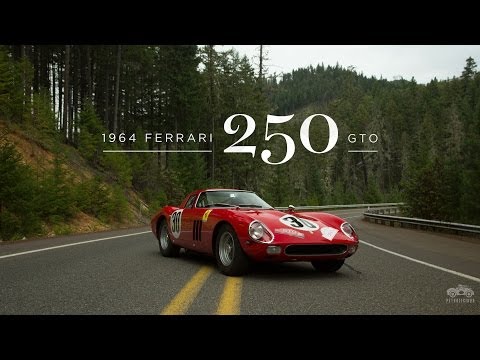
Petrolicious has come a long way in a short time. They started with nice videos of passion-worthy, but very obtainable cars like the Datsun 510 and early Nissan Skyline. In just over a year, they’ve proved themselves worthy of being trusted to film one of the most valuable cars in the world today – a Ferrari 250 GTO.

Well done, sirs!!

The following is a feast for the eyes and especially for the ears. It’s a nice little history lesson, too, directly from the son of one of Ferrari’s own factory drivers. The driving footage and accompanying soundtrack from just after the 4-minute mark is perhaps some of the most drool-worthy motoring film I’ve ever seen.

A couple of asides….. keep an eye on the windscreen wiper from time to time, and watch how the speed makes it wiggle. Also, is this the most beautiful gearshift housing ever placed in a car?

Put it on full-screen, turn up the sound, and Enjoy. Again and again.

Monday Quick Reading – My 968 on flüssig, Saab eSID, Alpine A110 Video

It’s all becoming a tad boring, isn’t it?

The car business.

I snored my way through most of my automotive RSS feeds today. BMW 4 vs Audi A5. Who gives a rats? Seriously.

And what about press releases and media statements? The optics are very interesting when you have to work in the communications field but as a consumer, I get a more straight-forward view on the car business from Sniff Petrol than I do from car-biz websites and media statements (and incidentally, the new Carcoat Damphands on Sniff Petrol is outstanding! Minty.)

I guess I’m just way too tuned in to classic cars now to really care about the latest GM ugly-mobile fiasco or whether Alan Mullaly is going to be in a diaper before he retires. The news cycle that makes politics unpalatable (and who thought something other that politicians could take responsibility for that?) has wrapped its tentacles around the car biz, too. It’s placed some of the people on the same pedestal as the cars themselves.

I was part of it, too, so I shouldn’t complain too much. I was always looking for the next story. It’s addictive when you’re on the publishing side, that’s for sure.

You have my sincere apologies if this site is as boring as most of my car business RSS feeds (which I’m sure it is, much of the time).

——

WARNING!!
Small piece of shameless self-promotion ahead!!

I’ve written a little on my 968 purchase experience on this site before. I recently had my full-ish purchase experience written up at flüssig magazine.

You can read it here.

flüssig is a website dedicated to those rather under-loved Porsches, the front-engined water-cooled models like mine. It’s a great site. It’s box fresh having been started just earlier this year by a great guy named Pablo DeFerrari.

If you’re into water-cooled Porsches and great writing, check out flüssig magazine.

——

There’ll be a 968 update soon, too.

Things are not as I expected them to be. In a good way.

——

Autoblog has some Saab news that I thought I’d share simply because I hadn’t seen it specifically mentioned anywhere else. It’s nothing ground breaking, just that Saab/NEVS are going to build the 9-3 SportCombi in addition to the 9-3 Sport Sedan they’re already building in small numbers at the factory in Trollhattan. That’s encouraging.

There’s no word on the convertible.

I liked this bit:

At the moment NEVS is limiting Saab’s reintroduction to its two home countries: Sweden and China. “As we have a global perspective we want to add markets when we can see a profitable business case,” reports Ostlund.

That’s a little bit funny (see above reference to media statements).

Neither Sweden or China are profitable at this point and won’t be for some time yet, let alone other markets. I guess he means “countries where we minimise our loss”, which is kinda the same thing but makes more sense right now. Given that they’re quite deliberately only making a handful of cars per day, Saab doesn’t stand a chance of being profitable for a long, long time.

On the upside, a friend in Sweden – whose job it is to have opinions on such things – had very good things to say about the NEVS Saab 9-3 last week. He was impressed, which is very encouraging.

——

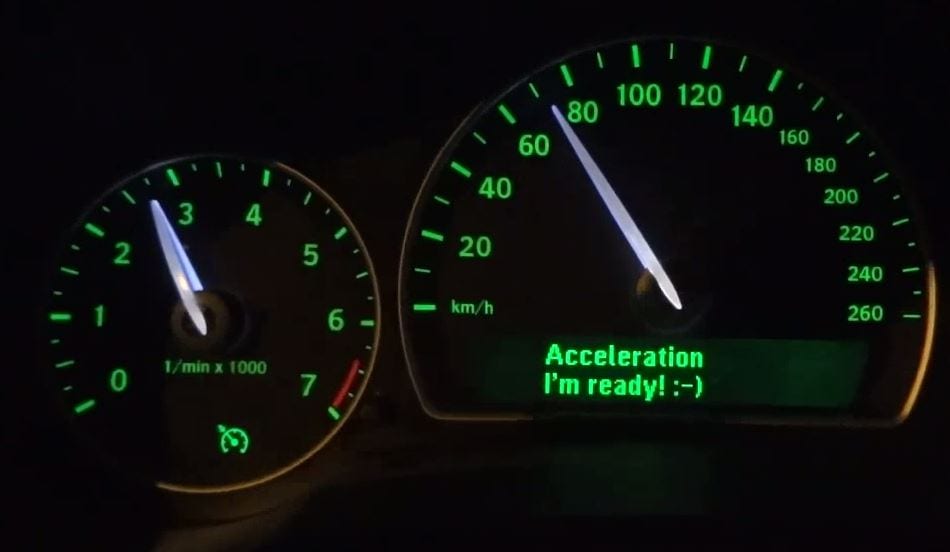
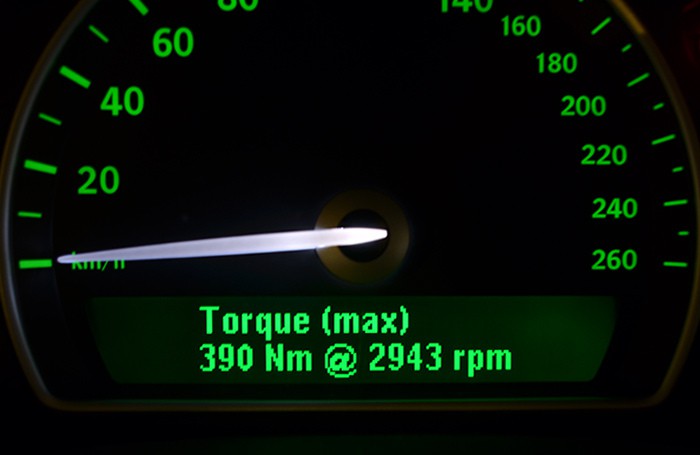
And for those of you who own a 2007-2012 Saab 9-3, this eSID looks very compelling.

eSID is short for Extended Saab Information Display. Imagine your in-dash SID on steroids – that’s eSID. It can give you instant readings on power, torque and fuel economy. It can even measure your 80-120kp/h acceleration times. Cool!

You can read the partial details on Saab vs Skepticism. You can read the full details in this brochure. You can watch it at work on this video.

This is one of the coolest in-car systems I’ve seen for a while, made even cooler by the fact that it was apparently developed by a former Saab engineer. It looks as though it integrates very nicely and the language on-screen is really well done.

Kudos to you, sir!

——

And finally – a must-watch video on two Aussie guys who restored an Alpine A110. You won’t believe the trouble they went to to find this car – in New Caledonia!! And judging by the very entertaining drive footage, the trouble was well worth it.

This car is definitely on my Unobtanium Bucket List (a list I’ll actually have to write one day).

Weekend Video – Living The Porsche

This is a long one – just over one hour – so set aside some sofa time with your favourite beverage and a few biscuits.

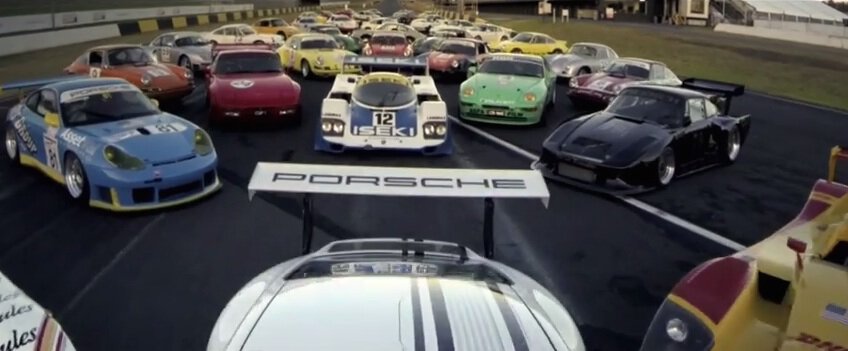
Living The Porsche is essentially a long-form advertisement for Autohaus Hamilton, a Porsche specialist workshop in Sydney, Australia. But describing it that way and failing to give you more would be a huge injustice to what is a fantastic Porsche film.

Porsche is a company dedicated to racing and most of their cars have been built with racing in mind. They’re engineered in such a way that nearly every Porsche model is a potential racer that can be used every day. OK, perhaps not some of the more recent money-spinners, but I digress….

This film has some regular road warriors in it, but most of the people profiled here do run their cars on the track, either in club racing, rallying or something more serious. The community buy-in to the Porsche racing ethos is no gimmick, as you’ll see.

Living The Porsche documents the experiences shared by this group of Autohaus Hamilton customers – their cars, their love for the brand, their build stories and yes, for some of them, their racing stories.

The primary focus is the 911, but I was pleased to see a couple of 968’s get a look in, too. If you’re into Porsches, this film is time well spent. Look past the early references to the business and you’ll see a group of truly passionate people that love their cars. If you’re a car nut, you know that’s exactly the way it should be.

Fantasy Friday – Saab Shopping in Sweden

One of the really fun parts of my time living in Sweden was car shopping. I love car shopping under any circumstances, but the ultimate car shopping experience is being in your favoured marque’s country of origin and having access to a bunch of cars that are very rare in your home country.

I ended up buying a car that wasn’t rare at home – a classic Saab 900 – but I spent hours checking out Blocket.se and fantasising about what I could get if price wasn’t a constraint and I felt confident that I’d be in-country for a long time. Sadly, neither of those two factors were working in my favour back in 2011.

So let’s window shop a little. If I were to import a Saab into Australia in the future, my first choice remains a Saab Sonett III, imported from the US. But there are plenty of other Saabs that are rare here and are relatively rare in other countries, too. Fortunately there are still a good number of them in Sweden and Blocket.se is one of the best sources for finding them.

Here’s a selection….. click any of the pictures to enlarge.

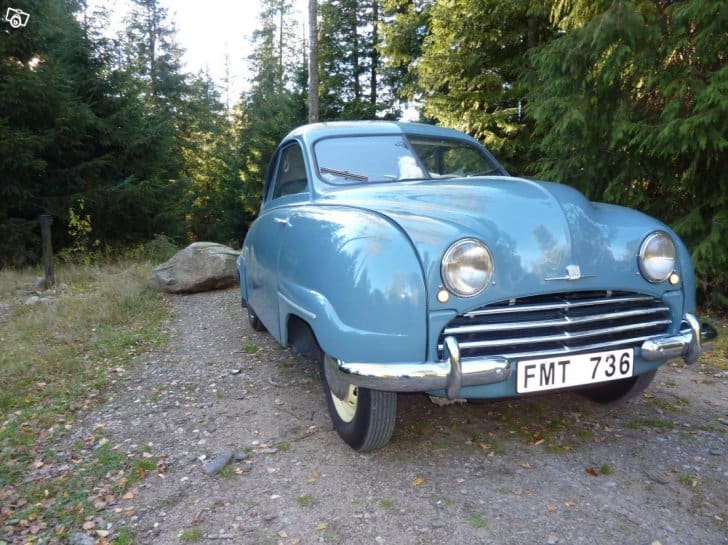
Saab 92B

Why not start at/near the beginning. The Saab 92 was the first Saab model ever produced and the 92B was the refreshed version of this initial car. This is a 1954 model, so it’s 60 years old this year. Refreshed paint and brightwork and if the engine’s as good as the day it was first installed, it’ll be pushing out a whopping 39hp!!

The car is for sale in Ängelholm so you might just spot a Koenigsegg being tested when you go to pick it up. The asking price is 135,000SEK.

Here’s the link: Saab 92B (blue) for sale.

——

Saab 92B

If you like your old Saab to be a bit more of project, this might be the car for you. It’s said to have all it’s original paint. My guess is it’s mostly original. That glossier section behind the door looks a bit suspicious to me. But aside from a couple of small dents on the other side, it looks like a straight car.

The seller says some interior work needs doing and I’m sure there will be some mechanicals to attend to, but this looks like a (mostly) original starting point for someone. It’s a 1956 model.

The car is for sale in Umeå, in northern Sweden. If it’s been there all its life then that would explain the well preserved, original patina. The price is 43,000SEK.

Here’s the ad: Saab 92B (grey) for sale.

——

Saab 96 2-stroke racer

This would be good, I think. Very, very good.

I’m not so hot on the big padded roll bar inside, or the non-standard seats. Concessions to modern safety, I suppose. The car looks outstanding and is said to be fully race-ready with both engine and gearbox rebuilt in Trollhattan.

The seller is asking 125,000SEK and the car is for sale in Linköping.

Here’s the ad: Saab 96 2-stroke racer.

——

Saab 96 2-stroke

This car is the standard version of the one above. It looks to be completely standard. Just an early Saab 96 from 1960. Both the exterior and interior look clean, which makes me wonder why it’s advertised at such an affordable 25,000SEK.

The car is for sale at a second-hand dealer in Malmö. He had similar cars for sale back in 2011. At similar prices, too. I never got down south to look at them, unfortunately.

Here’s the ad: Saab 96 2-stroke for sale.

——

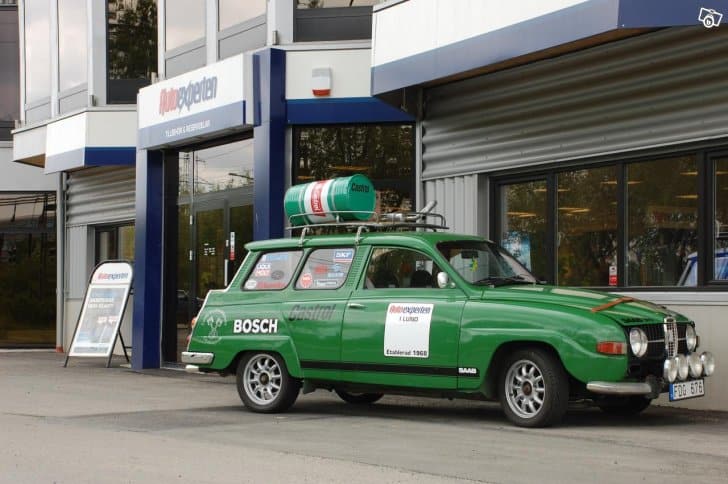
Saab 95 Castrol

The Saab 95 is desirable to many as it’s much rarer than the classic Saab 96. And how many cars come with just 2-doors but seven seaters? And how many wagons nearly took a podium finish at Monte Carlo?

This looks to be a recent renovation with a reconditioned engine and straight cut gears installed. The minilites and driving lights looks quite good but if I’m reading the translation correctly, this car hasn’t been through an inspection since its restoration. Tread carefully!

The car is for sale in Lund. No price is mentioned but the owner is open to offers.

Here’s the ad: Saab 95 in Castrol colours for sale.

——

Saab 95

This 1978 Saab 95, also painted in green, seems to be a much safer bet according to the information in the ad. This car is also restored but in much more standard configuration. The engine is said to run like clockwork and the car passed it’s most recent inspection without comment.

It’s got a new exhaust, new brakes, new tyres and reconditioned soccerball rims. Nice. The asking price is a reasonable 59,000SEK and the car is located in Danderyd, just north of Stockholm.

Here’s the ad: Saab 95 for sale.

——

Saab 99 Turbo racer

I haven’t seen this colour scheme on a Saab racing team, but you don’t need the text from the ad to tell you the blue-and-white treatment on the car is in honour of Saab’s Finnish racing efforts.

The car is said to be race-ready to Group A standard and has raced successfully since being built. It certainly looks like it’s been used in anger, but a lack of pristine presentation is not a drawback with a car like this. The engine has a healthy 217hp and is recently reconditioned. Porsche brakes are a standard conversion.

The seller is asking 165,000SEK and the car is located in Sigtuna, between Stockholm and Uppsala.

Here’s the ad: Saab 99 Turbo Grp A racer.

——

Saab 900 Turbo

This is a personal indulgence because I love Acacia Green Saabs and I also love the early Saab 900. Later 900’s got a little conservative compared to the early cars, which still had plenty of 70’s Swedish funkiness. Note the green interior with the clip-down seat belt clasps, straight out of the 99 Turbo.

This car is said to be completely original and unrestored. It’s been off the road since 2005 and hasn’t seen a winter since the late-1980’s.

The car is listed at 85,000SEK but it sounds like the seller expects the price to go higher, saying that he’ll sell to the highest bidder.

The car is located in Habo, on the shores of Lake Vattern. Here’s the ad: Saab 900 Turbo for sale.

——

Saab 96 Monte Carlo

OK, I’ve got to cover another 96. I simply can’t resist and I hope you won’t be able to, either.

This is a 1966 Saab 96 Monte Carlo 850. It’s quite possibly the prettiest Saab ever and would be one of the most fun to drive, too. There’s not much detail on this car but if it’s a good one, the 150,000SEK price would be justified.

Here’s the ad: Saab 96 Monte Carlo 850 for sale.

——

Saab 90

All the cars listed above are pre-1980. I had to expand my search to find some Saab 90’s.

To the unfamiliar, the Saab 90 was a local model that was basically a Saab 99 with a Saab 900 ‘notchback’ rear end. The interior is Saab 99, as well. This is a faily basic car but if you’re a non-Swede, it’s a definite curiosity.

I saw plenty of these on the road in Sweden and there are quite a few for sale, too. The good thing is the price. This one’s the most expensive for sale on Blocket right now and it’s on 16,000SEK.

——

So there you have it, some of my personal favourites from Blocket.se right now.

Check out your local import costs and go for your life!!!

Inside Koenigsegg – Making Carbon Fibre Wheels

This picture will tell you much of what you need to know about Koenigsegg’s carbon fibre wheels. This is Christian von Koenigsegg holding up a 19-inch wheel (10 inches wide) – with one finger.

That’s a screenshot from the latest update in the Inside Koenigsegg series of videos. It’s yet another inside look at the magic kingdom of cars, where there are only two items on the daily agenda:

  • Build Koenigsegg cars
  • Push the boundaries on what can be done to make a vehicle the absolute best it can be.

Koenigsegg’s carbon fibre wheel has only one metal part – the air valve. The rest of wheel is hand-laid, pre-preg carbon fibre in different thicknesses that are purposefully designed to make the wheel as strong, as balanced and as light as it can be.

You’ll be surprised at how little it weighs and you might also be surprised at what the wheels greatest source of potential stress is. Here’s a hint: it’s NOT pot-holes in the road. Christian also gives a nice little primer on the importance of lowering the un-sprung weight of a car.

The video is 11 minutes long and it’s as educational as every other Inside Koenigsegg video has been so far. Enjoy.

Gallery – Beautiful Bruny Island

I hope you had a great Easter.

Mrs Swade and I got away for a few days, to visit an area south of Hobart called The Channel. It’s actually called the D’Entrecasteaux Channel, but people have trouble saying D’Entrecasteaux and just called it The Channel.

Van Diemen’s Land – as Tasmania was originally known – was actually first discovered by Westerners in the 1640’s by a Dutch bloke named Abel Tasman, from whom our island now takes its name. Bruny D’Entrecasteaux (not his full name) was a French explorer who sailed through the channel that bears his name 150 years later. Tasman probably could have claimed the island for the Dutch in the 1600’s if they had a need for it, though the English had already claimed the whole of Australia by the time Bruny D’Entrecasteaux dropped in.

Anyway…..

The Channel region starts about 20 minutes south of Hobart and continues on some glorious roads as the Tasmanian mainland runs parallel to the northern half of Bruny Island, also named after you-know-who. See the map, below. The northern end of The Channel is roughly where North West Bay is marked on the map.

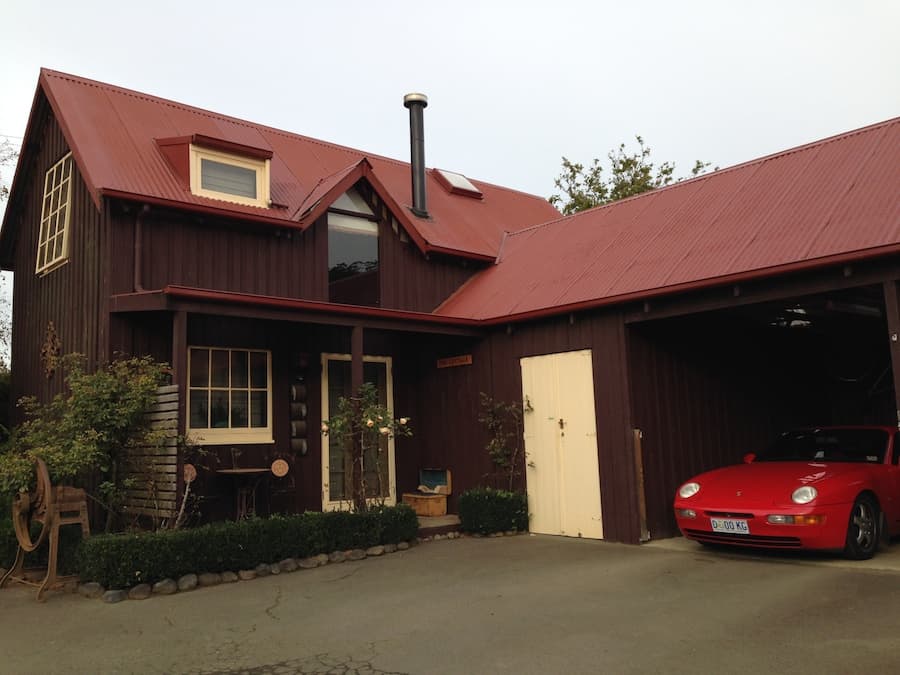
Mrs Swade and I stayed at a delightful little B&B called Clear Creek Cottage, in a town called Woodbridge. I’m happy to give Tony and Liz a shout-out as they were wonderful hosts. The 968 was right at home there and I’d like to make myself at home in the region, too.

On day 2 we made our way to Kettering to catch a ferry to Bruny Island. Bruny (you don’t say the island bit, usually) is two main land masses joined by a thin strip of land known as ‘the neck’ in the middle. Much of the island has paved roads but the neck is still a dirt road, aimed at slowing the traffic in order to minimise the chances of hurting members of the penguin colony that nest there.

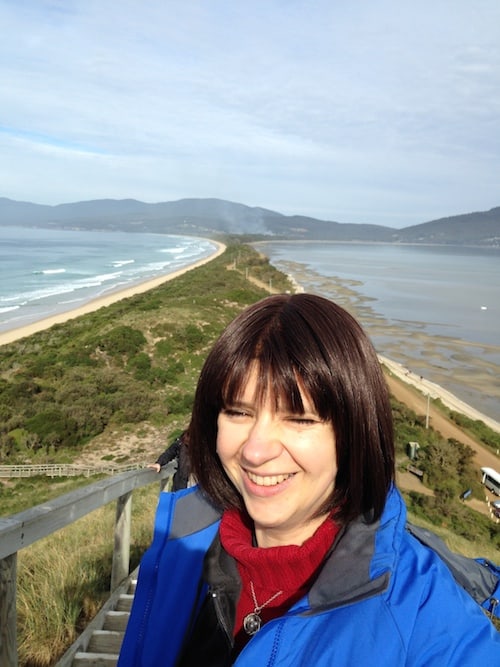
Right: Mrs Swade, her neck, and ‘the neck’.

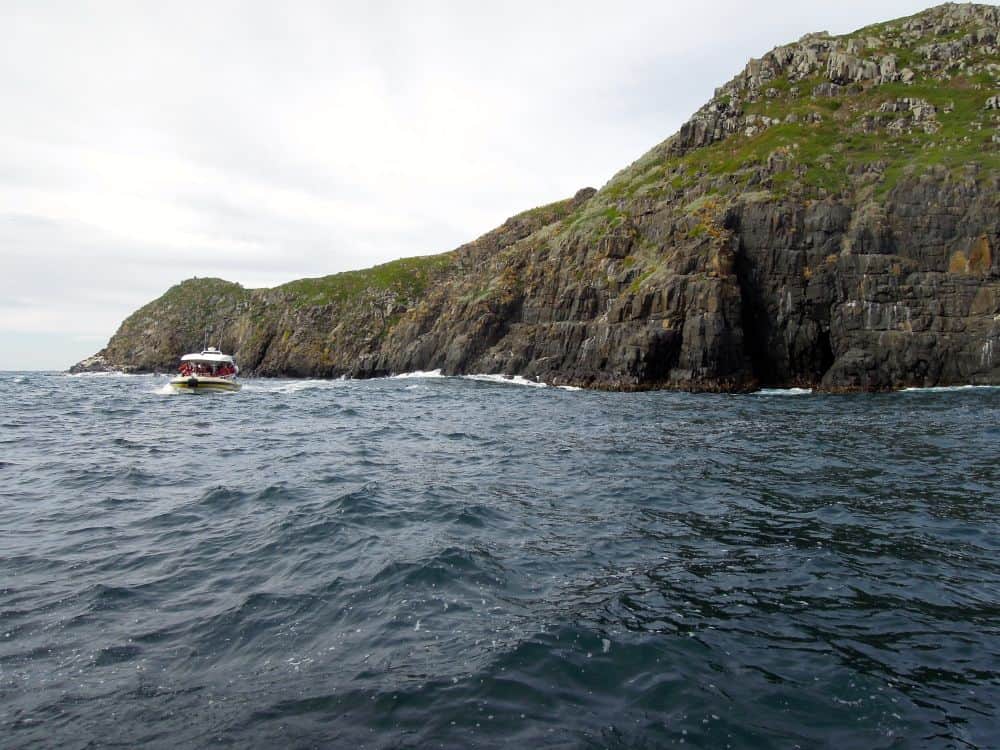
We had a booking for a 3-hour wilderness cruise along Bruny’s south-eastern coast. The south-east of the island is all national park so there are no inhabitants and no proper roads. It’s all massive cliffs, massive hills and dense bush.

The cruise started at Adventure Bay, which I’ve tagged on the map, below. From there we basically hugged the coast of the island all the way down to the south-eastern tip, which form the basis of the pictures you’re about to see.

The gallery that follows is a mere 30 photos out of 100 that I took but hopefully it’ll give you a good overview of the amazing scenery we saw on the day. The rock is mostly dolerite with some of the rock formations aged at around 240 million years! The fur seals at the end are quite a bit younger.

Click to enlarge.

Exit mobile version