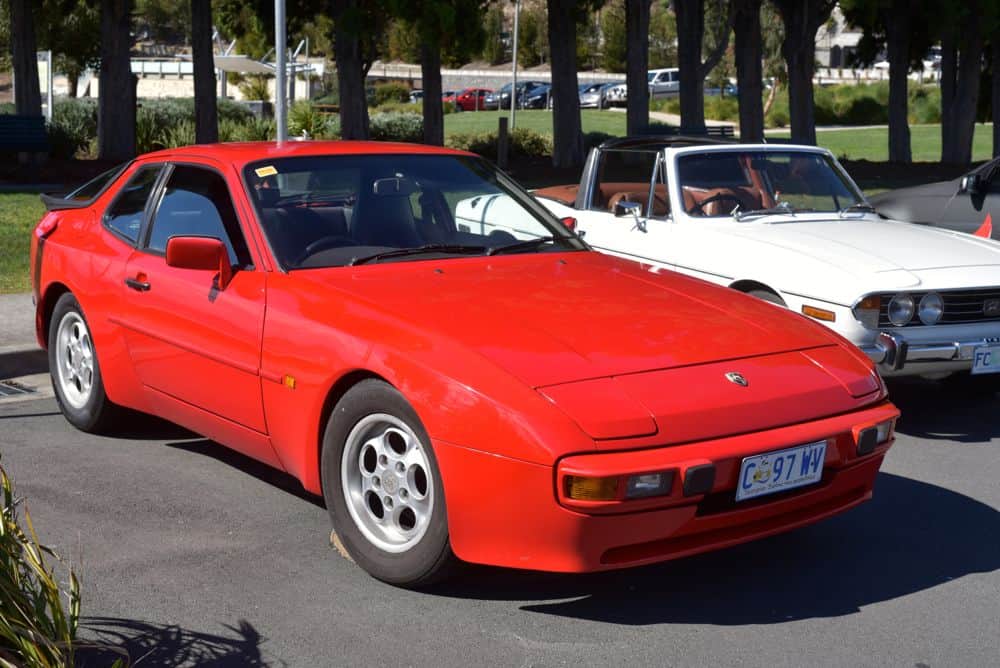
This is a personal story of prejudice and ignorance but with a happy ending. It also includes a little back-story on an entity dear to my heart. This back-story those in the know are quite familiar with, but I will tell it anyway.
I came to appreciate the product of this entity back in 2000. They had been around for years but in 1998 had come out with an all-new form that signified a change of direction.
Also known by their acronym, a real breakthrough was to occur with the new offering of 2003. This was a product that would take them almost into the mainstream. Problems were on the horizon however, and a while after launch it was clear that there were tensions as to what direction the product should take and a key element was to be left out into the future.
This made me pretty upset as I felt this element was core to the quirkiness, individuality and edginess of the product I had come to know them for. It also became clear that this element would not be returning despite pleas from disgruntled fans and it was also believed to have been the source of some disputes and falling-outs. It was even claimed that any new product would only be a “lite” version of what had come before.
For me personally I lost interest in what was to come after as nothing could be done to redeem things in my eyes. I watched from the sidelines, enjoying the product I had, with the belief it was the pinnacle of achievement from a group whose product would always be a bit “vanilla” from then on.
More “new” product came sporadically with something new in 2005 and a refreshed line-up seeing the light of day in 2007 that some said was “drained of ideas” and “forgettable”.
Finally all was almost lost in 2010 when, starved for oxygen, there was a death on the operating table. There was a last minute resuscitation and final new product came out that recalled some of the glory of before and re-invigorated interest. There has been nothing new since however and for now the future is unclear
Through all this I could not bring myself to respect what had become of something I thought was previously so great.
I delved further back rather than forwards convincing myself I “liked the old stuff better than the new stuff”.
I came to realise though that core elements of the past remained throughout and permeated the product. Looking deeper I could see that the core essence had been retained and it resonated with me anew.
Finally, on a whim, I recently stopped resisting progress and got myself a post 2003 product, one that I had dismissed as “vanilla”. I have now come to realise that it is more polished and, while maybe less of a stand-out on the surface, demonstrates the core competencies and intangibles that are important to me. Above all it just feels right.
I have since been driving around with a smile on my face and can’t get it out of my head.
It dawned on me that for too long I let prejudice stop me from moving forward and in the process deprived myself of the opportunity to really enjoy something new and fresh. I now look forward to working my way through some of the even newer stuff. To be continued….
I recently purchased some Lancia Fulvia documents on a CD and included was a whole swathe of Fulvia photography – the sort of stuff I used to scour the internet for in the Saab days. Press photos, advertisements, artistic interpretations. All sorts of stuff.
So welcome to Fulvia Friday.
I’ll kick things off with this interesting Fulvia from the Turin Motor Show in 1966. No, I don’t want to paint mine in this colour scheme, but I’m really glad that somebody did. There’s something very 60’s and quite cool about it.
I haven’t written anything about any new-ish cars in a while, but a few stories this week caught my eye so I thought I’d share them here.
Koenigsegg #1
The first Koenigsegg One:1 production car was registered in Germany this week. From Koenigsegg’s Facebook page:
The process highlighted an interesting technicality – the German registration system could only input power values up to three digits in kW. The One:1 pushed Germany to reconfigure their system to handle the first Megacar!
The One:1 famously has 1000kW power output, which is what the German system couldn’t handle. I wonder how this database fared with the Y2K issue all those years ago 🙂
At some point, some company is going to make an autonomous human to get excited about watching this.
Why is the car industry so intent on killing interest in its own product?
—
New Cars and Racing Stripes
I’m trying so hard to be Zen about cars, but sometimes……
What do you think about new cars and racing livery?
My theory:
Racing livery looks good on old cars.
Racing livery looks OK on new cars if they’re actually racing.
Racing livery is OK for support vehicles of those new racing cars.
Racing livery on new cars that aren’t actually used for racing just looks like you’re trying a bit too hard.
BMW M4 owners who want to look like they’re trying a bit too hard now have a limited edition factory car to suit their needs. It’s called the M4 DTM Champion Edition and it’s fair to say that it’s not particularly subtle.
There are only 23 of these DTM Champion Edition cars for sale but I have to wonder….
The M4 is quite an attractive looking car in standard form. Surely there aren’t 23 people with such poor taste as to want to deck out a very nice looking M4 in racing stripes when they’re not actually using the car for racing.
Surely such people don’t actually exist, do they?
Racing stripes should be left for old cars or actual racing cars.
—
Porsche 911 Prices
If you’ve been watching classic car prices then you’ll know that 911 prices have ‘enjoyed’ a steep rise in the last few years.
You know I’m big on car photography, right? Especially if you’re selling your car. There’s nothing worse than an ad for a nice car that has crappy photos.
OK, there are many things worse than that. A lobotomy is worse than that. But only just.
If you want some good tips on taking great car photos, you can’t do better than this article at Hemmings. It has lots of great tips on choosing the right background, choosing the right focal length and exposure, preparing the car and lots of other things.
Recommended reading.
NB. I know I break most of these rules at Classics every month, but then I don’t get to choose the setting or the time of day.
Better late than never! And as I’ll be away for November’s Classics in a few weeks time, consider this a bridge to December. Yes, December. Already. And there are only 65 days until Christmas, apparently. Yikes!
This month at Classics saw the usual mix of regular and ‘new’ attendees. Alfa Romeo is my marque of interest this month, for reasons that’ll become clear below.
But first…..
Herbie was here. Love the eyebrows….
—
It’s the first time I’d seen a Peugeot RCZ here at Classics, with it’s Zagato-esque double-bubble roof.
—
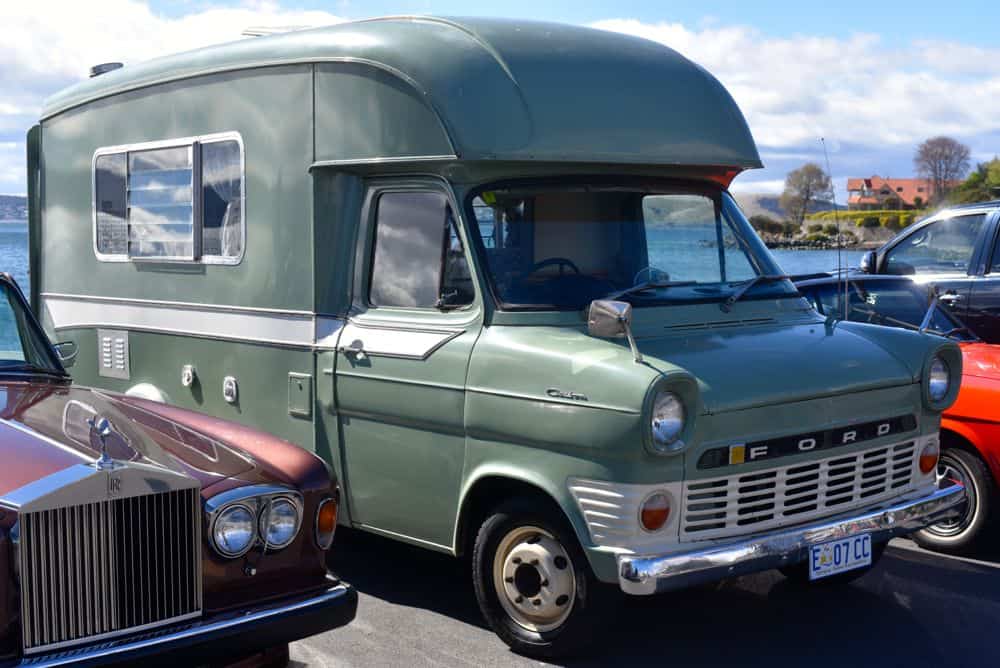
A guy I’ve met recently at Classics emailed me a month or so ago and told me he had a new V4 project going. Naturally, I was thinking Lancia or Saab. I was closer than you think with Saab 🙂
Yes, this camper van has the same V4 engine that powered a lot of older Saab cars. It’s wearing its original paint and insides, and has some fascinating history behind it. I’ll get around to a detailed story on this one at some stage though I must confess, this van’s younger garage-mate will probably be covered first. It’s also powered by a Ford engine, but that’s pretty much where the similarities end 🙂
—
Some clown bought this along 🙂
A few less dents and a bit more polish and maybe it could be a future classic.
—
What I would have given to see a Devo hat on the front seat!
Whippet.
Whippet good!
—
I’m not used to seeing a Triumph in yellow, but I have to say it IS a triumph in yellow.
Wonderful.
—
I’ve wanted a Jaguar XJ6 since I was a teenager. I still do, but it’s slipped down the list a bit.
Nowadays I get more and more drawn to predecessor Jags, though. I’ve never driven one or even ridden in one but every time I see one like this, I want to. I’m going to seek out an owner soon and say hello, I think.
—
This is one of the first oval-dashboard Porsche 944’s. Known as a 1985.5 model.
I’m still more partial to the 944 shape than to my own (former) 968 shape, to be honest. I think it’s the covered headlamps that do it for me.
—
There was a decidedly Italian flavour at Classics this month. I’ll show you three nice Alfas in a minute, but here’s a few of the other Italians in attendance.
Ferrari 308 and a couple of Fiat X19’s. The black one has a bit more pep than your regular X19, courtesy of an engine transplant that sees a Toyota twin-cam 1600 engine amidships. Having driven a similar engine more than a few times in a Corolla at home, I can only imagine how much fun it’d be in this X19.
—
Alfa Romeo #1
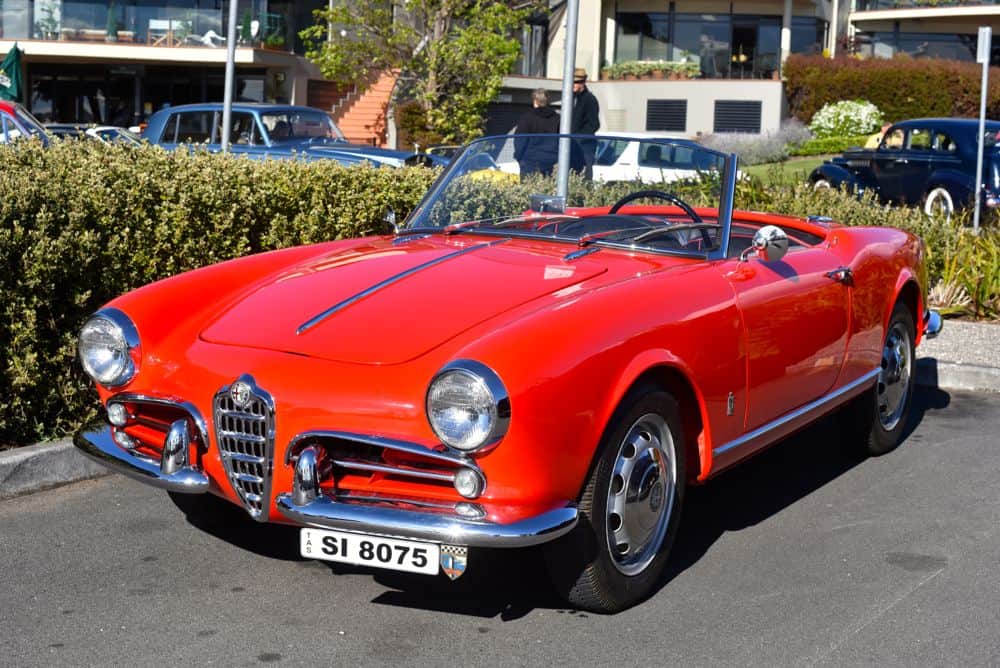
I’ve featured this Giulietta a few times before. I can’t help but photograph it when it’s there, though, so here are some more…..
—
Alfa Romeo #2
We had an Alfa SZ at Classics! I saw my first SZ (in real life) in Sweden back in 2011 and the presence these cars bring to any event is just amazing. Such a pleasure to view.
And there’s one for sale here in Australia right now, too.
—
Alfa Romeo #3
Most Alfa’s have a reputation for exciting driving and jaw-dropping beauty. To be honest, though, it’s hard to apply both of those descriptors to the Alfa Romeo 145.
But it was exciting to see the 145 here this month because they weren’t sold here in Australia. This is a rare-as-hens-teeth import that a friend here in Hobart purchased recently.
Even more exciting (for me) is the fact that this is the 16V Boxer-engined model. The 145 was the last car to use Alfa’s beautiful boxer engine – basically an evolution of the engines used in my Alfa 33’s. Later 145’s featured Alfa’s twin-spark engine. The big DTM-style exhaust gave this boxer a very nice note, too.
The word from the owner is that the 145 is actually a very refined drive compared to the 33 but still has wonderful handling that Alfas are known for.
A very unique pick-up, that one.
——
That’s all for this month. As mentioned at the top, I’ll miss Classics in November (sadly) but will be back in December.
Myself and a few mates like to talk crap via email. The subjects include list making, music, cycling, gadgetry, buildings, cars, man maths and other things. Occasionally the subject ends up making sense in an interesting way that’s worth circulating.
All entries from The Guild can be found at that link.
Introducing Turbin.
——
I’m a big railway fan from way back.
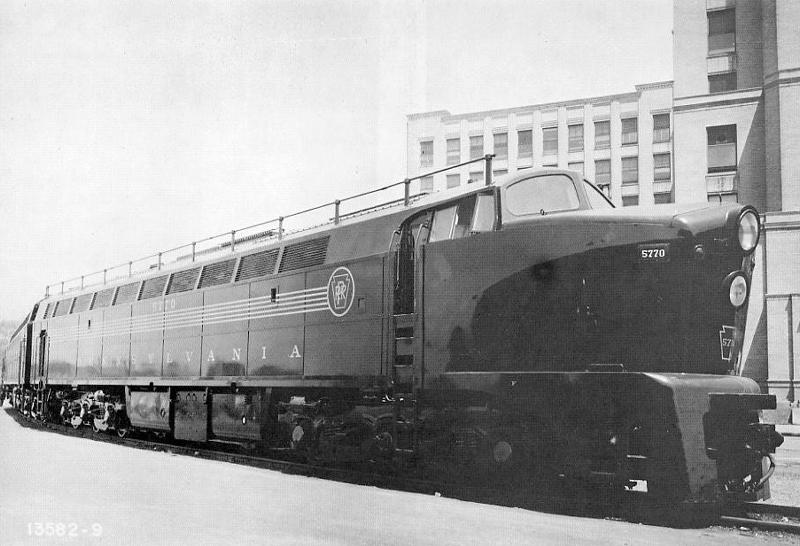
One of my favourites is what was called the “Sharknose” diesels from a company called Baldwin.
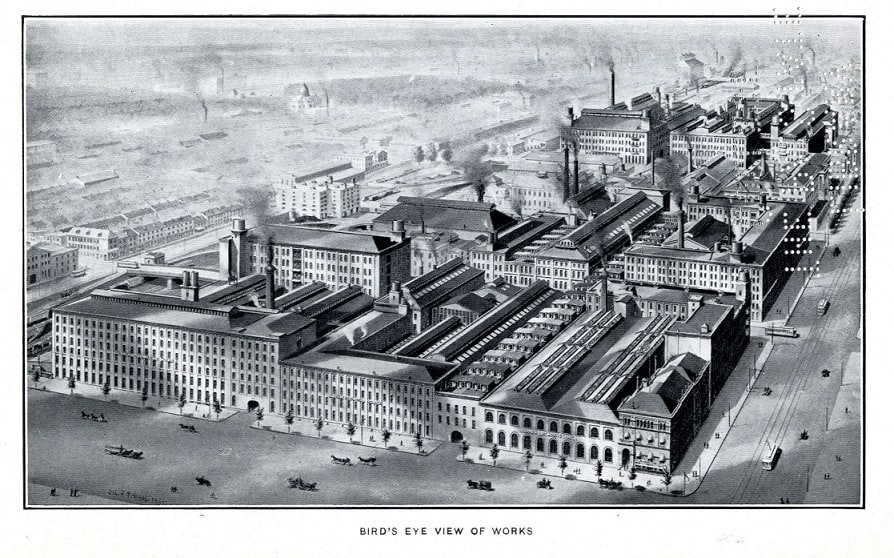
They were once the biggest loco manufacturer in the world with a capacity of 3000 steam locomotives a year.
Baldwin Trains were also some of the biggest and baddest machines ever.
They started developing diesels early in the piece but were interrupted during WWII. The War Production Board would not let them develop mainstream diesels through the war period.
The only company allowed…. yep, GM’s EMD division.
So post war GM comes out strong with a lead and a standardised product that took the US (and Australia, as pictured below) by storm.
Baldwin battled along for a couple of decades making some big, beautiful and brutal machines.
In an effort to differentiate themselves from the GM product they enlisted Ramond Loewy, a designer famed for his “out there” work with Studebaker as well as some truly incredible hardware for the Pennsylvania Railroad.
Loewy developed the “Sharknose” theme for the Baldwin diesels which sold in very modest amounts but had a big visual impact.
Many of these locos started serving on mainline “name” trains pulling luxury coaches and the like, but before long were relegated to pulling general freight. Most lasted only a decade or so before being pulled out of service and cut up for scrap…
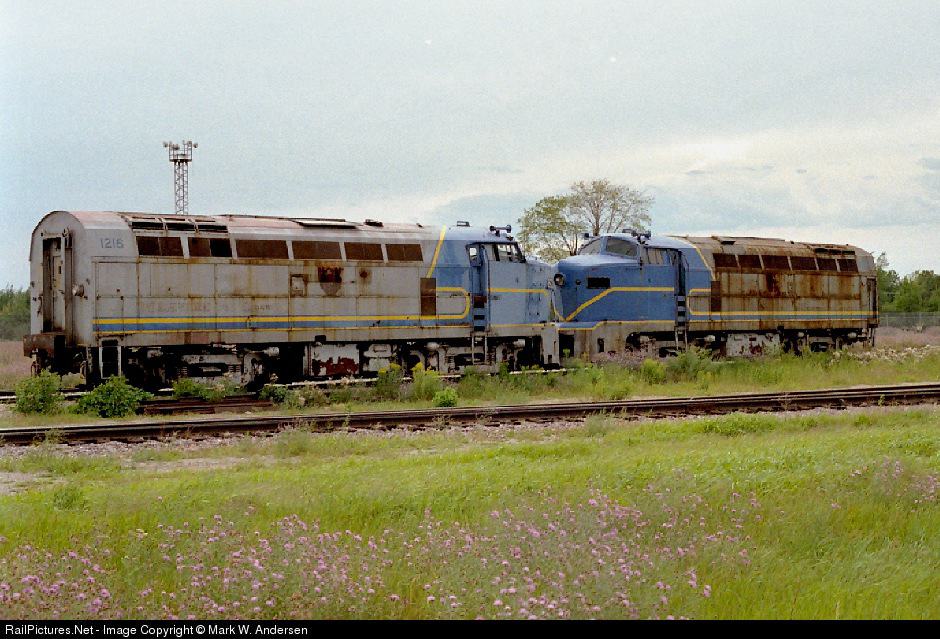
Except for 2.
These two were bounced around from railroad to railroad until finally both their engines failed. They were left out in the open for some time but in the early 80’s were put undercover, never to see the light of day again and very heavily shielded from a railfan public who had reputedly stolen bits off the locomotives while they were sitting outside.
I’ve had a book about Baldwin diesels since I was a teen and it is in immaculate condition. I pull it out every now and then for a bit of a browse.
On my latest read I again relearned about these last two units of a once great company which prompted me to do a bit of googling.
Lo and behold, just a few weeks ago somebody anonymously posted the only photos anybody has publicly shared for over 30 years.
These are pics from inside the shed of a privately held railroad. Apparently the owner has been offered m for them and refuses to sell.
Whoever, whenever, restores these has got one hell of a job ahead of them (it’s all relative, Swade) . At least they are covered and not likely to be deteriorating at as greater rate as they were outside.
Imagine it’s 11:58 on your personal doomsday clock. You’ve got a heart condition and you’re due for surgery. Tomorrow.
Being a strong spirited type and knowing that your time might be limited, you decide to dress up and head out for a night at your favourite jazz club. Jazz is what you love most in all the world and if you’re going to check out, then you’ll go on your own terms.
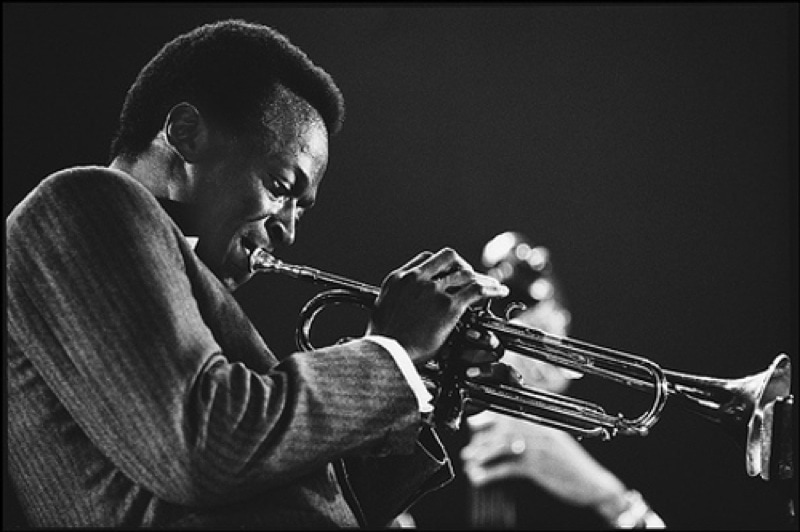
The band gets up to play and to your surprise, you find that the lead musician – the trumpet player – is your heart surgeon. And he’s HOT. It’s like he’s channelling the spirit of Miles Davis himself. You can’t believe what you’re hearing and it fills you with hope to know that the man who will take your life in his hands tomorrow is so in tune with your passion.
After the first set, the band steps down for some dinner. You wait a respectful 20 minutes or so but you have to get home at a reasonable hour, so you head on over to the band’s table to congratulate Dr Davis on the best set of jazz you’ve heard in your life.
As you arrive, the good doctor is thumping his fists on the table because his $5,000 glasses just fell off his nose and into his fillet steak. The whole table’s laughing but your doctor is mad as hell before he sees the funny side for himself. As you look down to examine this odd occurrence, you notice that this tender fillet of beef hasn’t been delicately cut and consumed. You might have expected that from a surgeon, but no. In fact, there are shreds of beef all over his plate. Maybe he got a blunt knife? Who knows? But for whatever reason, the steak looks like it’s been set upon and torn up by a couple of hungry dogs.
The whole situation is a little bit slapstick. “Imagine those glasses just falling off his nose and into that messed up meat”, you think. “What a laugh!”
You go home and sleep soundly on what might be the last night of your life. Why? Because despite the fact that your heart surgeon might be a bit clumsy with both his utensils and his food, he sure can play a mean horn!
——
NEVS/Saab survived their creditors meeting earlier this month and earned a stay of execution to continue their business reorganisation plans. During that creditors meeting they outlined what they called “Plan B” – a totally new element to their business plan involving the potential to offer technical services to other OEMs as well as adapting the Trollhattan factory to build cars for other OEMs. It’s not written in stone. It’s something they say that they can do without, if necessary. But it’s there.
Saab’s business plan has been quite fluid since NEVS took over. In the beginning, they were gung-ho on going fully electric. Then NEVS took on a 22% shareholder who – they have recently claimed – insisted that Saab produce petrol-driven vehicles for immediate use. Consequently, NEVS swung its resources into resurrecting the Saab 9-3 only to have the 22% investor fail to honour their contract while new 9-3’s sat in the factory car park with very-close-to-zero interest from buyers.
Now the business plan has a new, slightly desperate element. Well, it’s new for NEVS but not totally new for Trollhattan.
Spending time on the viability of Plan B is a bit like our heart patient at the top of this article. It misses the point. It’s fundamentally irrelevant. The court knows it. The suppliers/creditors know it and NEVS knows it, too. Plan B is merely complimentary information included for the sake of saying “we’re trying everything” while they continue to talk with their two Asian [potential] investors. It purchases time and nothing else.
The real issue here – the one that creditors are hoping NEVS can solve – is the issue of ownership and management. I think it’s only by changing the ownership and management structure of NEVS that the creditors can hope to see their debts collected.
Kai Johan Jiang was let down by his Chinese investor and he’s been burning cash trying to keep things afloat. NEVS spent bundles of money on a car it can’t sell while slowing development on its key technologies – the Phoenix platform and vehicle electrification. Qingbo might have let NEVS down but the bottom line still tells you a few things:
NEVS market intuition wasn’t keen enough to realise that a petrol-driven 9-3 would be a complete sales disaster.
NEVS management voice wasn’t strong enough to resist Qingbo’s urging for a petrol driven vehicle and stick to its plans.
That NEVS was able to build a 9-3 that motoring journalists in Sweden described as being quite capable is intellectually interesting but ultimately, irrelevant.
The only thing that NEVS had to do, the only thing that NEVS had to prove, was that it could live up to its promise of building a premium electric vehicle. Anything aside from that was, and still is, a distraction from the core reason the company was established.
As always with car companies, it all comes down to the product. You can position a company any way you want in the public eye but if you haven’t got a good product that people want to buy, you’re toast.
Building that product is a tough gig. I’ve said a million times that there are no fingersnap solutions in the car business (and by the way, “Plan B” is no fingersnap solution, either. The logistics involved are mammoth, which is one of the reasons I count it as a mere smokescreen to buy more negotiating time). Designing a car and its component parts takes time and LOTS of money. Right or wrong, NEVS got distracted from that tough gig. Whether the company would have succeeded anyway is a matter for debate but only as another intellectual exercise.
What matters now depends on your point of view.
If you’re KJJ, you want to keep your shirt on.
If you’re a supplier, you want to get the money that’s owed to you.
If you’re a Saab fan, you want to see meaningful vehicles being developed and built in Trollhattan in the future.
If you’re a potential investor, you want……… something that we don’t really know right now.
From here, though, the best way for most of these things to happen is a change of ownership to someone with the management skills and the resources to make something meaningful out of this mess. The upper level of NEVS management has neither the skill set or the resources to have meaningful success with the Saab facility at Trollhattan.
The decision to extend NEVS’s time in reorganisation had nothing whatsoever to do with Plan B or anything else to do with product plans, etc. If you believe it did then IMHO you’re missing the point. The decision to extend, again IMHO, was to allow time for an outcome that gives people what they need the most – a change in ownership and management.
During September and October 2014 I attended a three-week intensive course to build my own acoustic guitar. As people will quite possibly be directed to this website to gain an understanding of the process, I thought I’d cap the experience off with this overview.
The course was run by the Australian Guitar Making School (AGMS). AGMS was founded in New South Wales and runs schools in several locations that operate on what I’ll call a casual basis. Attendees turn up once (or perhaps more) per week and pay for a session where a luthier helps them to progress their build. Building a guitar this way typically takes eight or nine months.
The course I attended was a three-week intensive course, where you complete your guitar from start to finish within those three weeks. Attendance was six days a week for the first two weeks and the course finished on Friday of the third week.
This intensive course is run once a year in Tasmania and there are plans afoot for other AGMS schools in Australia to run similar intensive courses. The thoughts written below are specific to the intensive course. I have no experience with the ‘casual’ long term build.
——
IMPORTANT
Some people might be inclined to question why I documented the process and why I’ve offered use of the content to AGMS.
Let me say straight up that I have received no financial or other incentive. I paid full price for my course and intend to pay full price should I do the course again (which I plan to do in 2016). I documented the build simply as a record. I knew it’d be fun for me to look back on it and figured it might be useful for others, too.
——
The following are some objective facts and subjective thoughts on the course that might be useful for anyone contemplating doing it:
Cost
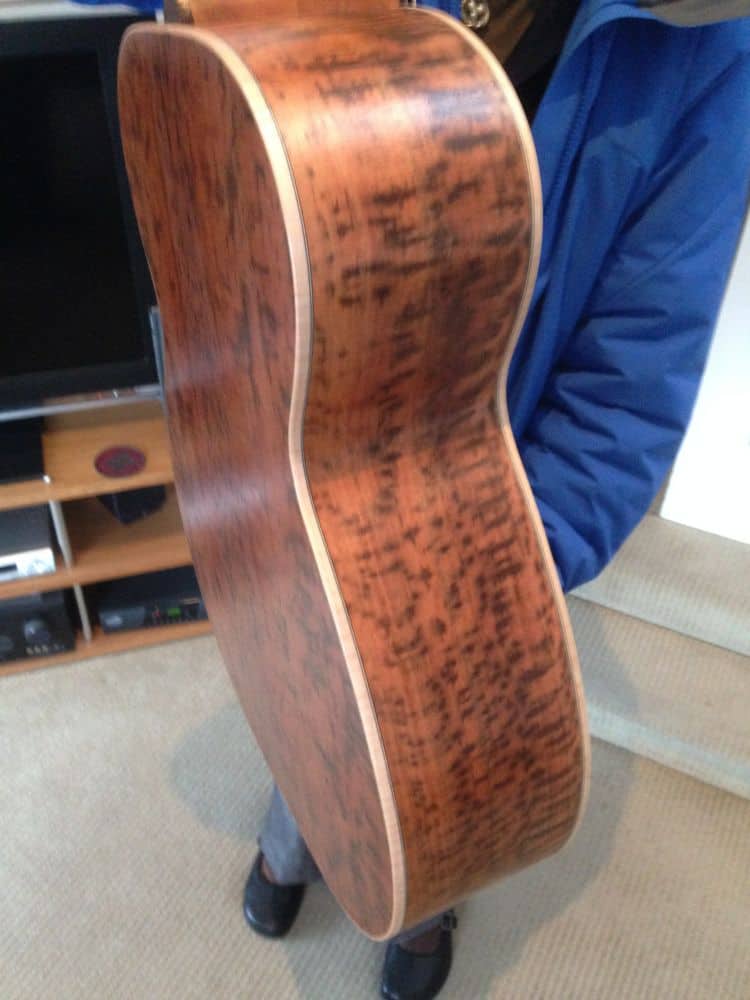
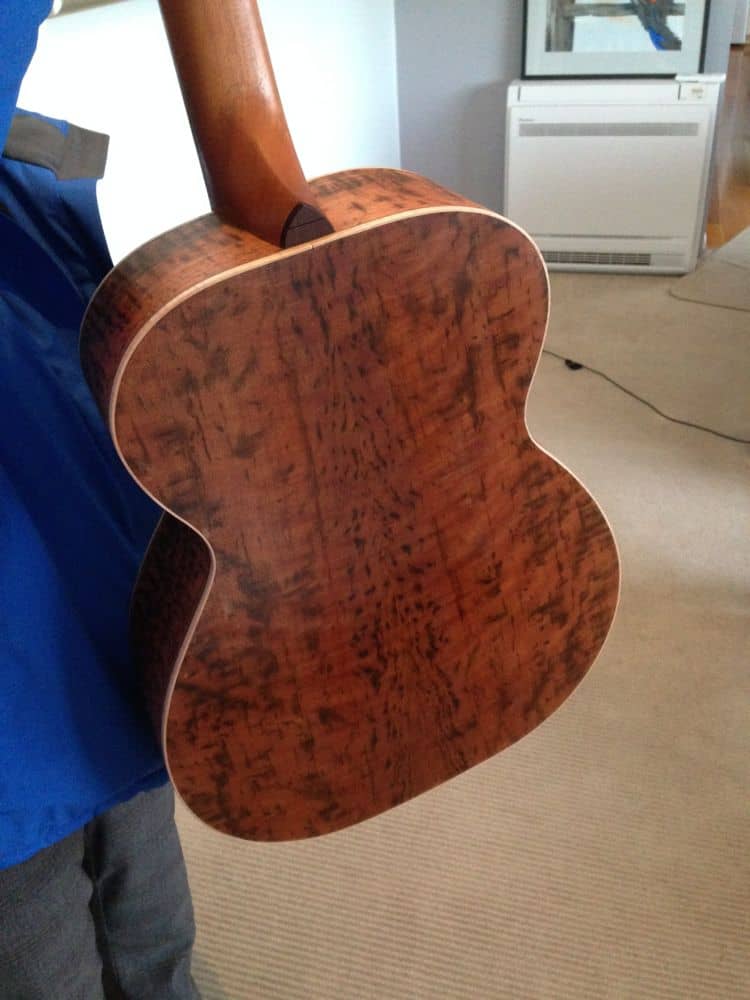
My three week intensive course cost $2,800 plus $350 for the timber that I used and $140 for the Schaller tuners. There were less expensive options in terms of timber, but I wanted to use tiger myrtle because I understood it would have good sonic qualities, because it’s now in limited supply and because I liked the look of the timber. 3 out of the 4 other participants doing the course with me also chose tiger myrtle. I chose the Schaller tuners from a wide variety of options available at StewMac (luthier supplier based in the US).
This cost is not insignificant and I think your perception of value will depend on a number of factors:
Quality of instrument
Value of education
Value of experience
Note: As mentioned above, the basic cost of my course was $2800. The 2015 course has already had its price raised to $3,700 but this includes all materials, including a case!
—
Quality of Instrument
The sound quality of your instrument will primarily depend on two things – the grade and species of timber you use and your construction method.
I’d be happy to compare my guitar with anything you can buy from a music store, right up to your ,000-and-above Martins, etc. All the timbers used were top grade and the construction methods could not be more contemporary, fundamentally sound or stringent.
What’s more, you’ll know exactly what’s gone into crafting every element of your instrument because you did it yourself.
—
Value of Education
Do you want to learn how to make a musical instrument? Do you want to learn quality woodworking by learning to use the most basic and fundamental hand tools?
If you do, this course will give you that. I’ve made a couple of timber pieces for our home but they are very, very basic in construction and I used power tools at every opportunity. We used power tools during this build, too – a router, drill press, band saw, dremel and cordless drill. BUT, I would estimate that in three weeks we spent maybe 3 hours in total using power tools and 60% of that would have been the band saw.
We also used an electric heating iron for bending timber but I’m inclined to count that more as a learned skill than a convenience.
The rest of the course involved the extensive use of various chisels and planes as we took what were essentially six pieces of wood and transformed them into a beautiful musical instrument.
As mentioned earlier, I’ve only made a few basic items from wood up until now. I’m going to use the skills that I learned during this course on an ongoing basis. I found this kind of ‘work’ to be extremely satisfying. It gave me a totally new appreciation for craftsmanship and what can be achieved with a little skill and a lot of patience.
If you value an education like that, then this course is for you.
—
Value of Experience
You get a great instrument. You get an eye-opening education.
You also get the satisfaction of creating your own musical instrument in a very positive environment with great people around you. Of course, there are no guarantees you’ll always have great people doing it, but the type of person who chooses to do something like this is likely going to have more in common with you than not.
The other wonderful benefit of this experience is the confidence you’ll gain in your own ability. You really can complete this course successfully with NO previous experience. You’ll be amazed at what you’ll learn about yourself. You’ll be amazed at what you can do with the right instruction.
For my money, $3K plus change is a very fair price for all of that.
——
What You’ll Be Doing
Easy answer – building a guitar. Right?
Longer answer – you’ll be building a guitar from scratch using mostly hand tools and expert tuition along the way. This is what we started with….
What you see in that photo is the top (spruce), back and sides (tiger myrtle) as well as the neck (mahogany) and fingerboard of the guitar. Plus the tuners in the box. We also used a few strips of King Billy Pine used for the bracing, and some leatherwood used for kerfing. The parts that you can’t see there are the bridge, bridge pins, nut, saddle and fretwire. All of those are supplied.
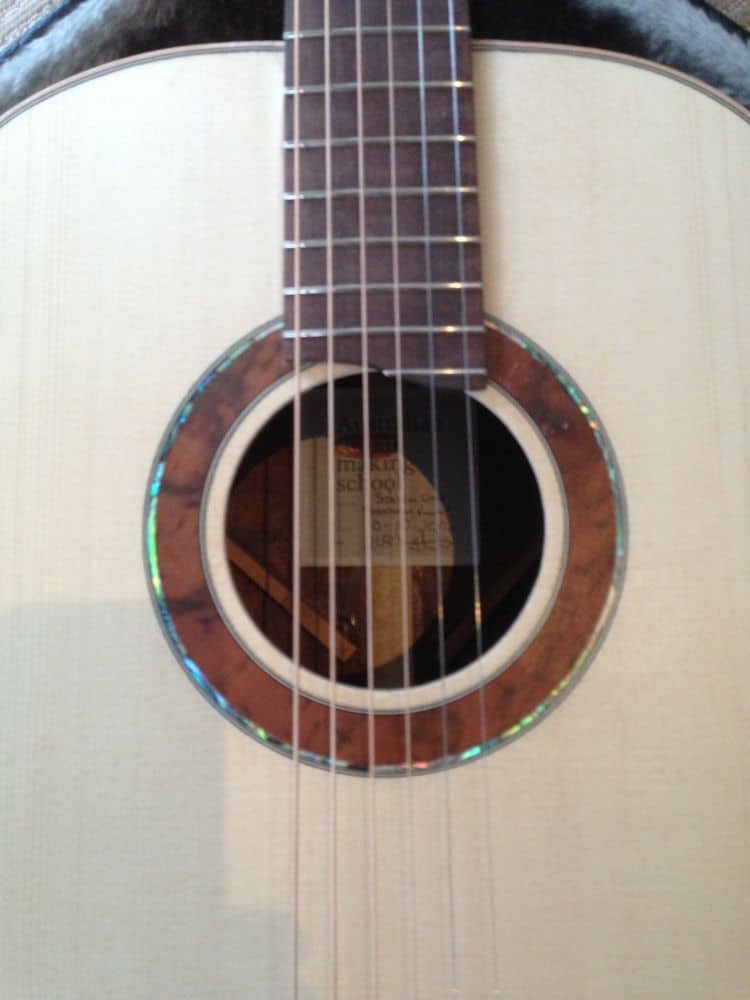
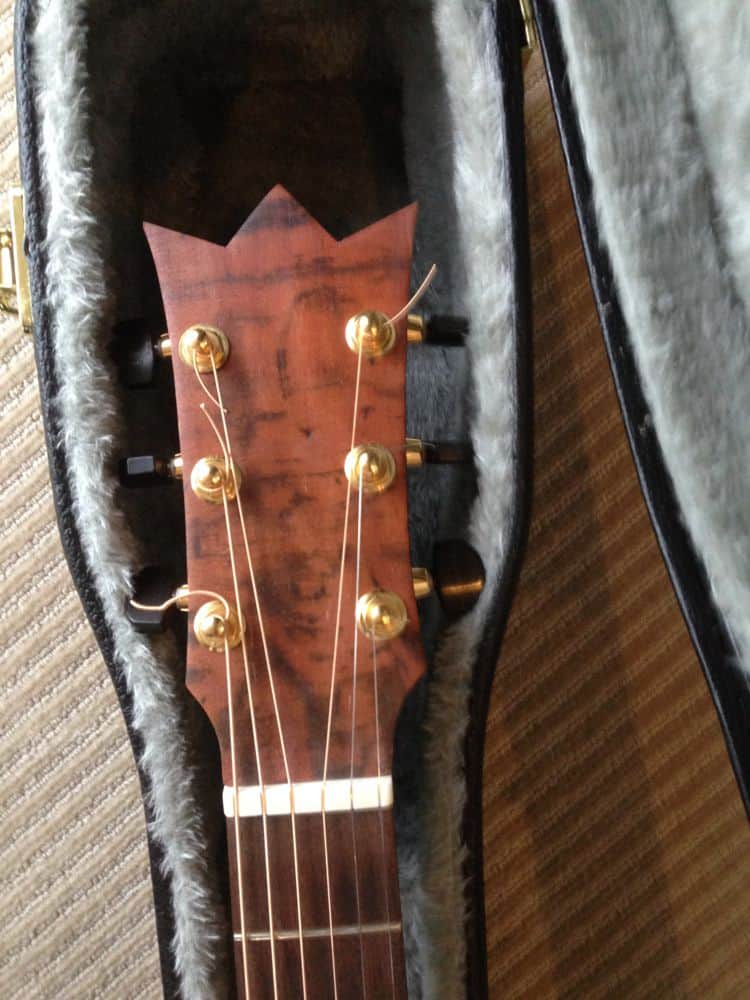
During the course you take the raw materials shown in the photo above and you cut, plane, chisel, bend, glue, clamp and sand them until you end up with something beautiful, like this:
You’ll learn how to use a bunch of tools you’re probably unfamiliar with and you’ll be amazed at what you can do with those tools when you have the right instruction and a little bit of patience.
——
Things to be aware of….
More costs
I’ve mentioned the initial cost, but be prepared to spend more. I’ve recently had to buy a case for my guitar ($280) and a groovy little clip-on tuner ($35). I’m also going to pay a specialist to complete the setup of my guitar, which I’m expecting to cost at least another $150.
I didn’t do it, but a couple of the guys in our course bought pickups for their guitars. And if you’re going to do that, you might want to buy an amplifier, which also adds up to the cost.
Take all such costs into account before building your own guitar. Make sure your estimated price is in line with that of other guitars on the market. In cases where the difference is significant, you can purchase a guitar of your favorite brand from a local store. Searching the internet for terms like “Gretch guitars omaha” can help you locate nearby stores.
The escalation of costs and the addition of new gadgetry is something every musician will understand 🙂
Go Hard Early
I’d encourage you work as diligently as you can in the first few weeks because I can guarantee that you’ll find plenty of details to touch up at the end. Best allow plenty of time at the end by working hard at the beginning.
Exhaustion
Yes, you CAN build a guitar from scratch in three weeks. It’ll cost you more than money, though. Be prepared to be thoroughly focused the whole time and completely exhausted by the end of the course.
The Waiting
I don’t know if it would be practical or financially viable, but it’d be helpful if there was more duplication of some tools in the workshop. The workshop we used generally had two of each important tool for use. Sometimes three, but generally two.
When there are five (and sometimes seven) of you working on building instruments, you need access to tools. Most of the time we were all at slightly different stages and access to the right tool was OK. But if there were three working on a similar stage of the build, it sometimes meant waiting around for a tool you could use to do the job.
The other side of The Waiting is the fact that there will be times when you’ll not really know what you’re doing. Or better put, you won’t know if you’re doing it right and you’ll be worried about doing it wrong. At those times, you’ll probably have to wait a little bit for assistance. Even with an excellent teacher-student ratio of 1:5, there’s some waiting that has to be done.
—
Conclusion
This is a unique experience. Our teacher, Strato, was superb. I asked him to sign the inside of my instrument and he questioned this, saying “but you’re the one who made it”. My response – “I might be the one who made it, but you’re the one who made it good”.
I can’t recommend this course or this experience highly enough. If it’s something that you’ve been contemplating then my advice is to pull the trigger and go for it. You’ll be so glad you did. The satisfaction of building something so beautiful and so functional is immense.
Perhaps the best recommendation is that the 2015 3-week intensive Tasmanian class – which is only held once a year – is already sold out. Most of the places for 2016 are taken, too.
At the end of the previous entry, I’d just started shaping the neck of the guitar using a tool called a spoke shave.
The final days were all about getting the last few big items out of the way so that we could concentrate on the finer details of finishing the guitar and making it ready to play.
Finishing the Neck
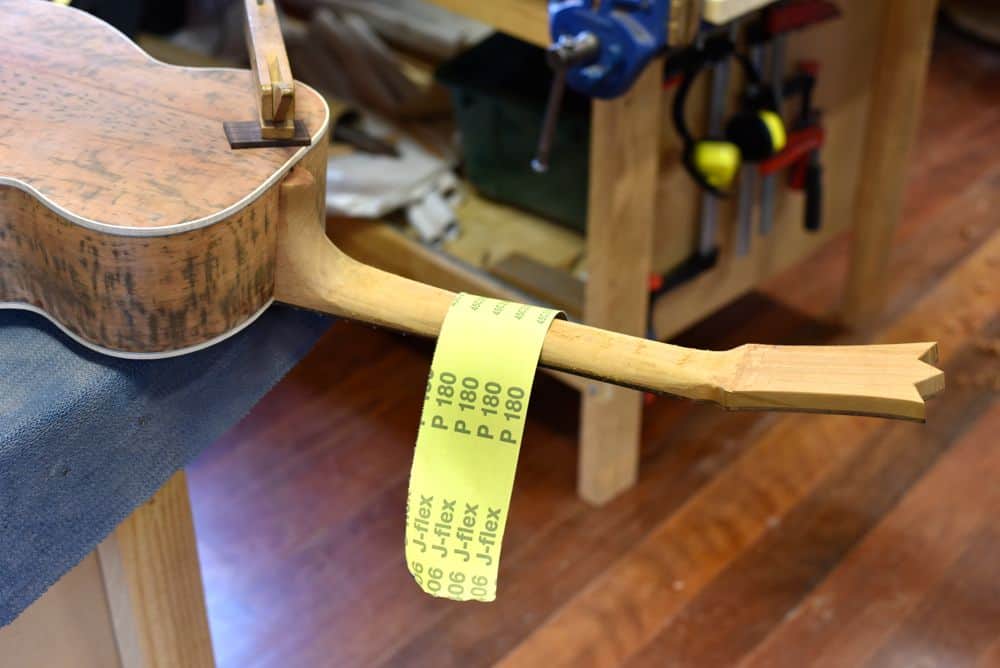
The process started with finishing work on the neck. When work with the spoke shave was complete, it was time for sanding.
I also had to build a heel step to finish off the heel, at the body end of the neck. I made this from a leftover piece of gidgee, which was the timber used on my fretboard. I even left the fret groove showing and was tempted to insert a piece of fretwire in it, but didn’t. I might go back and do that yet.
The gidgee was cut to shape, glued and taped down. When the glue had set, it was shaped with a chisel to flow seamlessly with the heel (which is a very scary and painstaking process).
Tuners
The next task called for measuring and drilling to install the tuners on the head of the guitar. I chose gold and black tuners made by Schaller, from Germany.
We measured 10mm in from the edge of the head and then marked points at 40mm gaps where the holes were drilled. The tuners are very easy to install from there. The string provides enough tension to hold them in place with just one small screw to secure them in the back of the guitar head.
The Nut and Saddle
The nut and saddle are the pieces that form the beginning and the end of the active string area. The nut is a small rectangular piece at the head-end of the neck. The saddle is a thin piece at the other end of the string, a part of what’s called the bridge.
Both the nut and the saddle are made from bone and have to be shaped before fitting to the guitar.
The saddle begins life as a long, thin piece of bone with sharp corners. This piece has to be shaped using a flat file so that it has a slight curve to match the radius of the guitar neck. The top edge of the saddle has to be rounded, too.
Sadly, I don’t seem to have photos of any of this 🙁 I must have been slacking off with the photos as things got busy towards the end of the build!
The nut is also made of bone, starting life as a shorter, stubbier piece.
Step 1 – Cut the bone with a fine saw blade so that the piece matches the width of the neck at the head.
Step 2 – Measurements are taken to form the profile of the nut. It has to be slightly curved at the top and the height is measured relative to the height of the first fret. Use a flat file to radius the top of the nut according to the measurements made.
Step 3 – Measure where the strings will cross over the nut so that you can cut grooves for them. There is a special tool for this, but I don’t have a photo of it (again, slack!)
Step 4 – Using a set of files made specially for this job, cut the string groove into the nut using the marks you made at step 3.
String Holes
We drilled string holes into the top of the guitar very early in the build…..
Now, with the bridge having been glued in place earlier in the week, it was time to widen these string holes. A reaming tool was used to do this. Care has to be taken as the pins that hold the strings in place rely on the hole being just the right width to hold the peg in place.
Filing the Frets
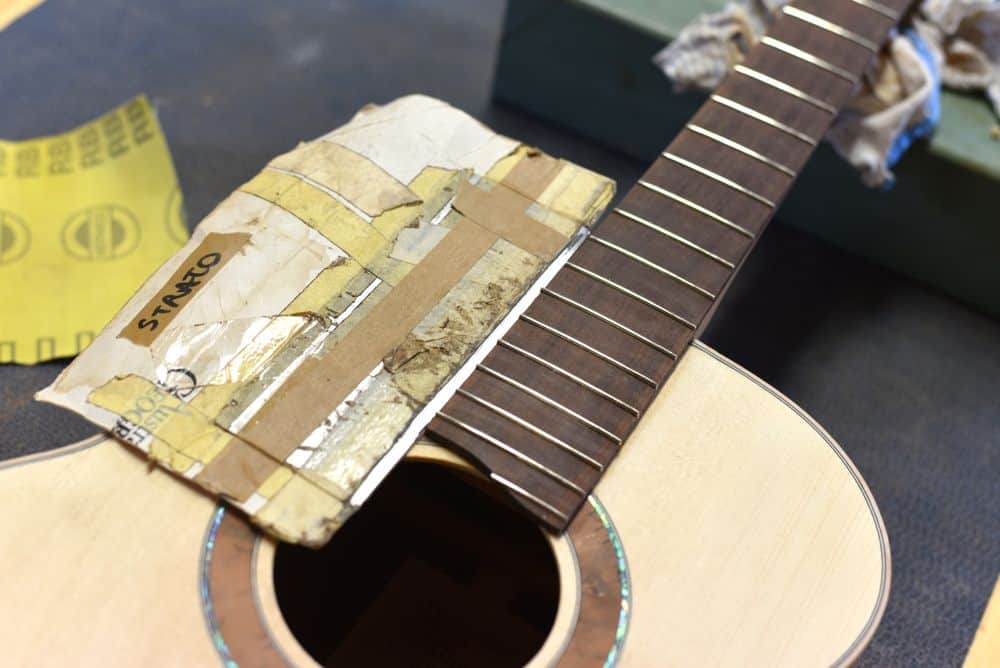
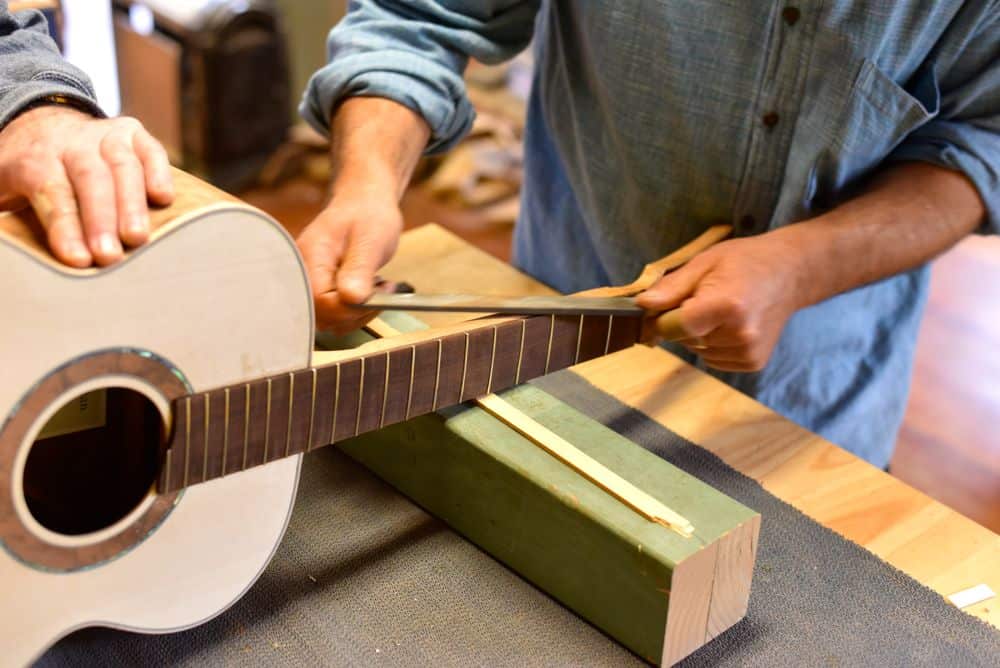
Most of the fret edges were filed earlier in the week when the frets were installed. The final few frets hadn’t been filed, however. These are the frets positioned on the section of the neck that has the body underneath so a special guard with a metal edge was used to protect the spruce.
Ready!….Almost
With all of these little finishing jobs done, the guitar was ready to be strung and tested out!! A little group photo was in order, too.
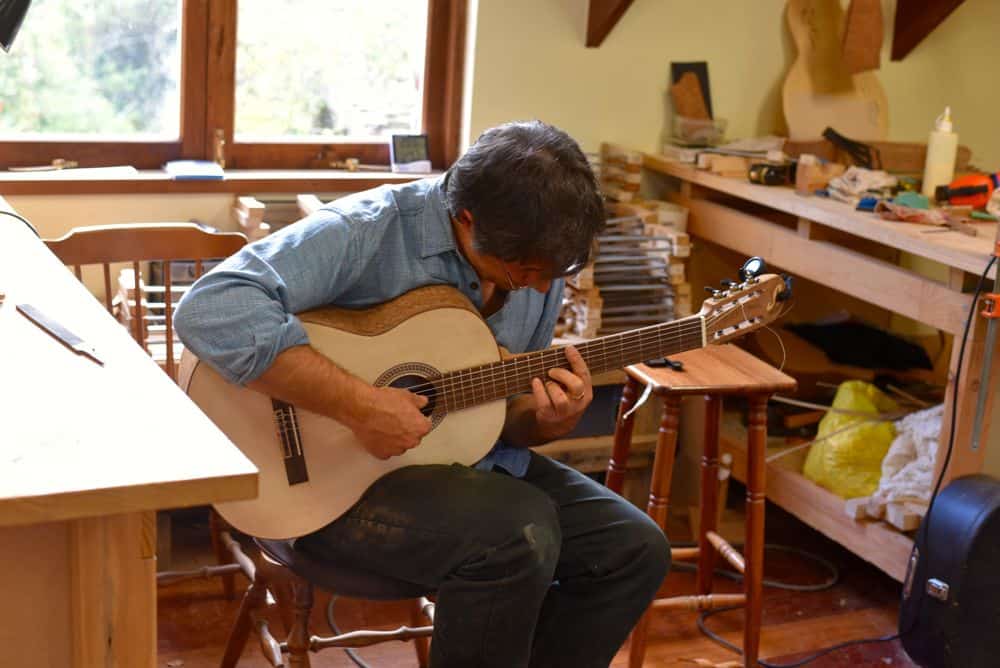
Cary Lewincamp was kind enough to give my guitar a try. As you’ll hear, it’s not quite ready for the big time yet, but the fundamentals are there. It has a good sound and tone. But it needs a little setting up to get the ‘action’ right. That’s the gap between the strings and the frets.
As mentioned at the end of the video, the action will be adjusted to lower the string height. The grooves where the strings pass through the nut need to be lowered and the saddle can be lowered a little as well.
There are resources online that show you how to lower the action, however I’m going to send the instrument out to a local specialist and have him set it up. I’ve invested a lot of money and time into this instrument. May as well finish it off right.
Speaking of which….
Final Bits
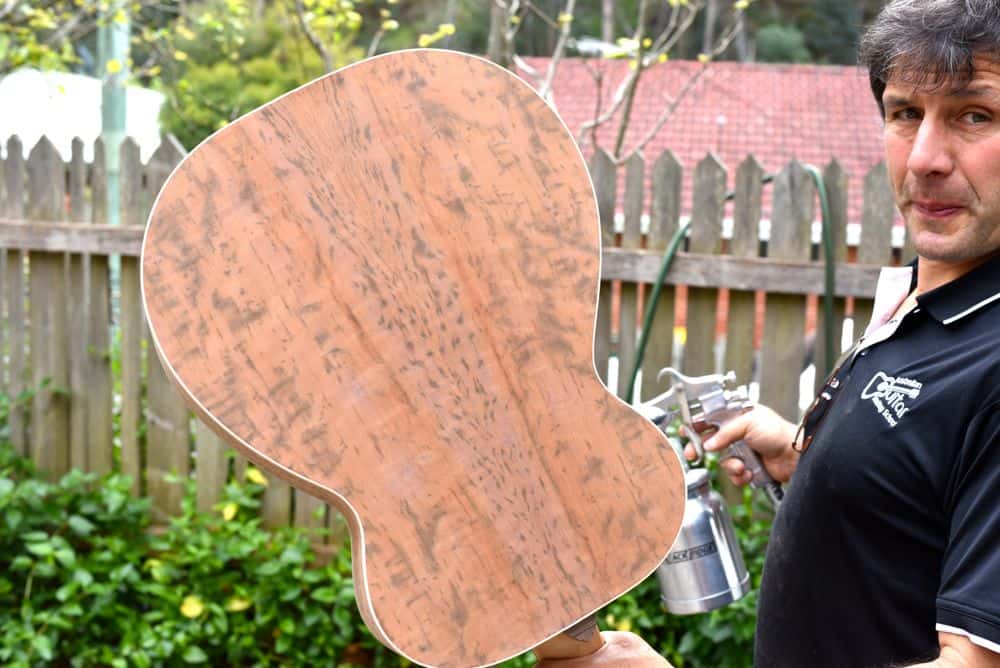
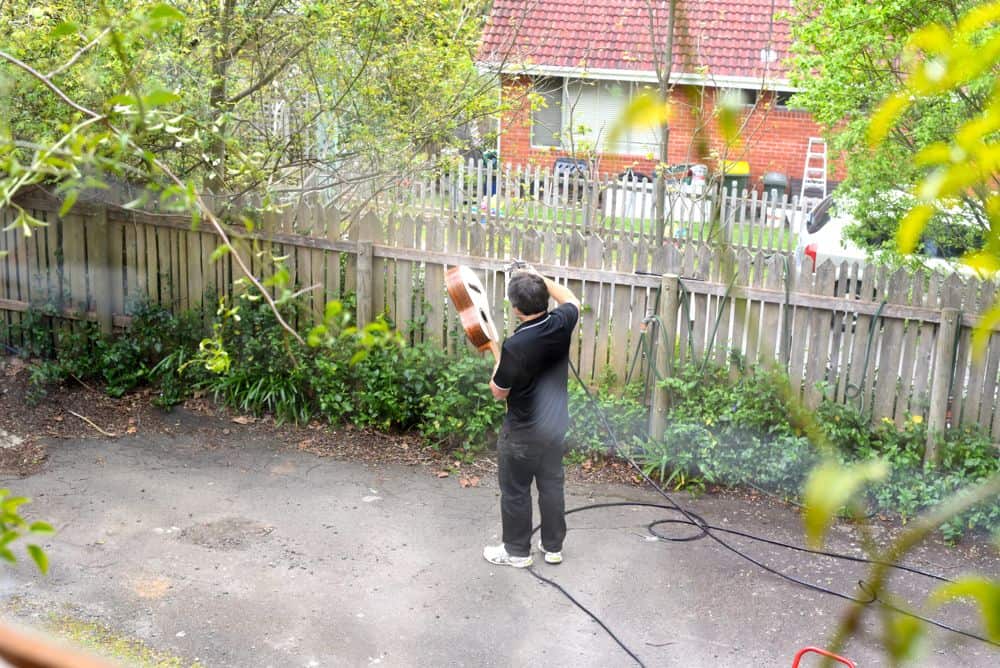
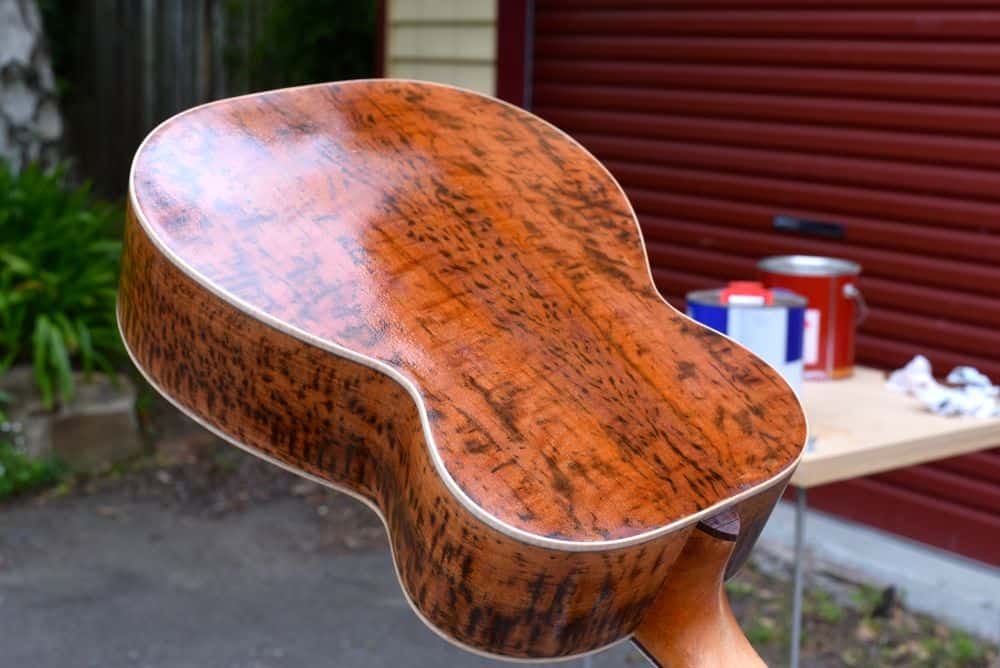
A coat of sealer was applied to the guitar. This was a light coat only as there are elements of the timber that can do with a more complete sanding. A fuller coat will be applied early in the new year.
The before shot…..
Spraying outside…..
The after shots…..
——
One final detail…..
I still have one more thing to finish off: the tailpiece.
I had a little inspiration from the past 🙂
The first version worked well in terms of geometry but I’m going to do a second version soon. I cut this one a little too small. A revised version is on its way.
The gap to be filled:
What I intend to fill it with:
——
Celebration
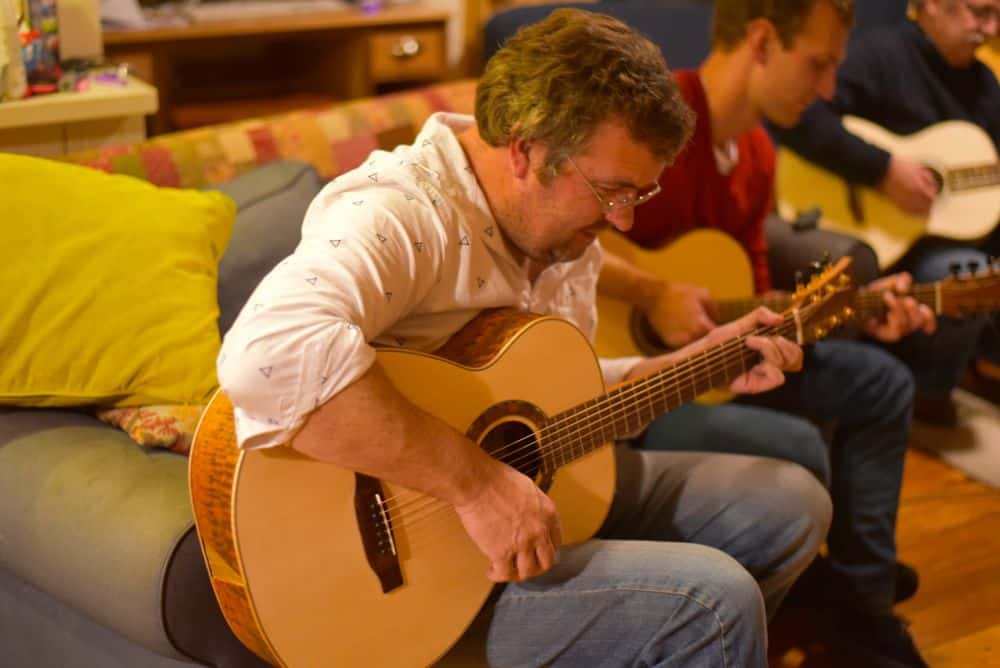
We had a celebration dinner on Friday night to mark the completion of our three-week build. All the guitars were there and all five of them were played. It was a great night.
I’m going to do an overview post in the next few days. This has been a long series and there are a few summary thoughts I’d like to put together for the benefit of anyone who might be thinking of taking on a similar project.
Suffice to say it’s been an amazing experience and a very rewarding one. Now I just have to learn to play again!
Yesterday we had a very exciting moment at our guitar building class. One of our fellow students, Christiane, had finished her guitar and it was strung and played for the first time.
Christiane doesn’t play guitar. She built the guitar for her son. I hope he realises the beauty of the instrument he’ll soon have in his hands.
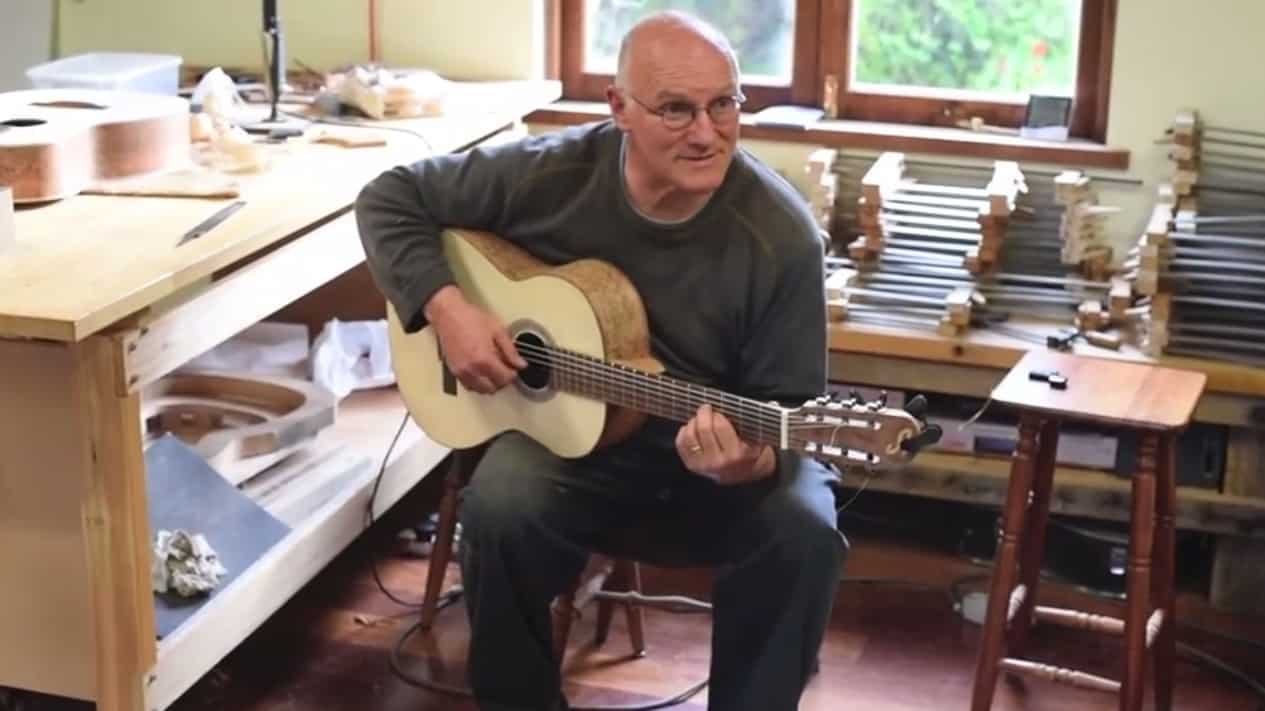
The guitar is being played by Cary Lewincamp in the video below. Cary is a local professional musician and we are building our instruments in his workshop.
Put simply, the guitar sounds absolutely amazing. Cary is an amazing musician but the quality of the instrument that Christiane’s built cannot be denied.
Today was (almost) all about the neck of the guitar.
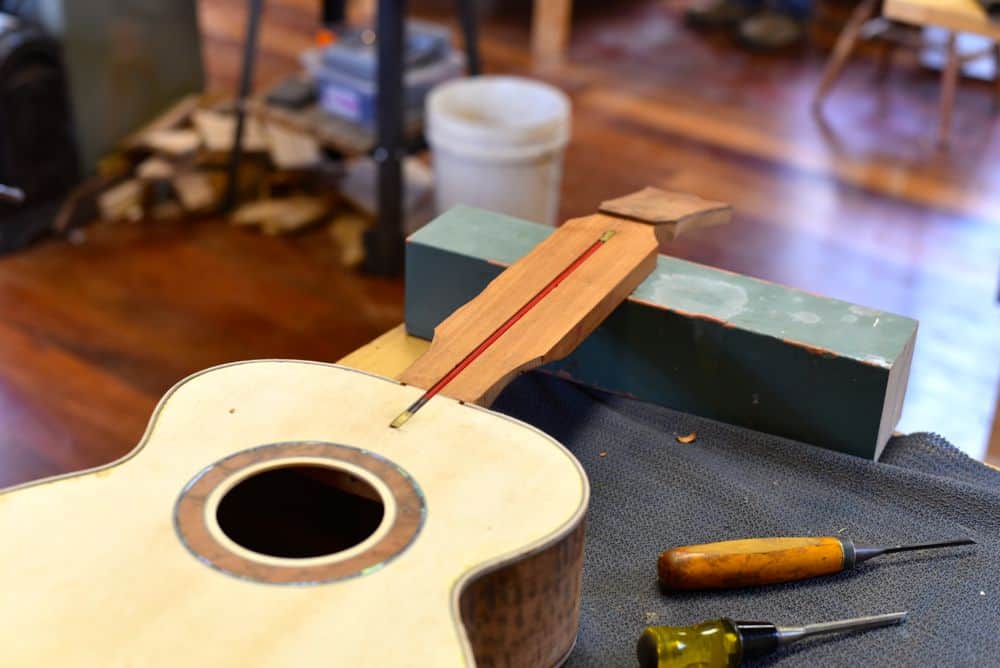
When we first started building the guitar – and right up until today, actually – the neck was simply a solid flat piece of mahogany. Here it is yesterday with the truss rod installed.
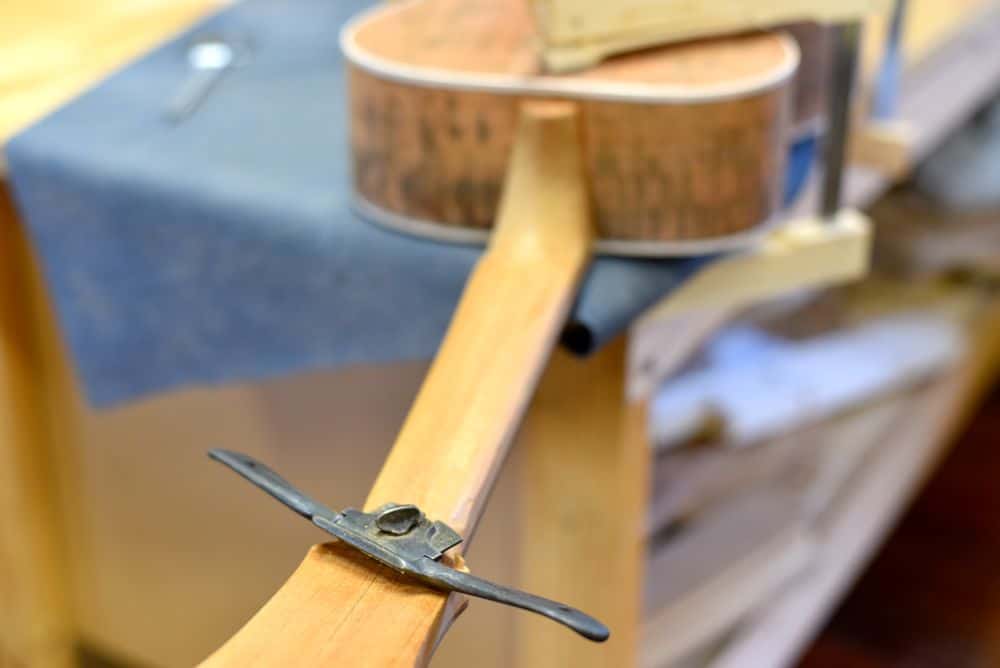
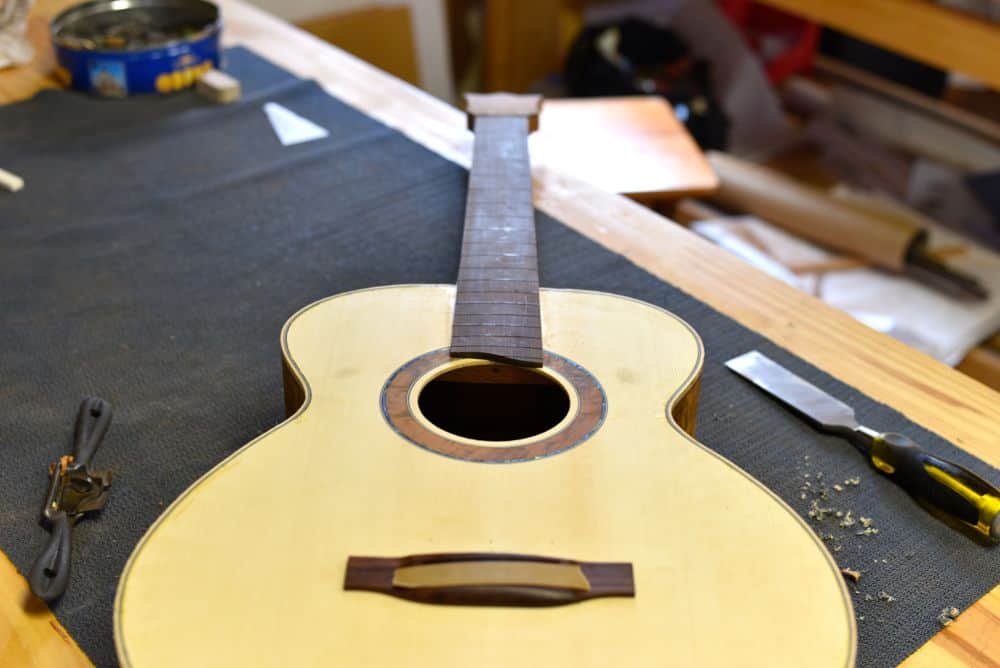
The first big job today was cutting down the excess timber to the size of the fingerboard. I used a block plane first and then got myself acquainted with a tool called a spoke shave. It’s the one that looks like an airplane propeller. It was difficult to use until I got accustomed to it, after which it powered through the job. Very nice. When the mahogany got down to a millimetre or so from the fingerboard, we got out a 25mm chisel to do the fine work.
The neck after its first trim…..
Scraping and Sanding
In between big jobs, I did some more scraping and sanding.
The scraping today focussed mainly on the sides of the guitar. Before we bent the sides last week, we had to soak the timber in water for an hour or so. This made the timber go a little bit dull and grey. Scraping it bought back quite a lot of colour, which will only be enhanced when it’s sanded and coated.
I also did some preliminary sanding of the spruce top to get some of the glue off. There’s plenty more sanding to go.
Fretting the Fingerboard
There are a lot of watershed moments along the way when you do something like this. Some jobs are fine detail work that go mainly towards the presentation of the instrument. Others are fundamental to its function and today’s big-ticket job was one of those.
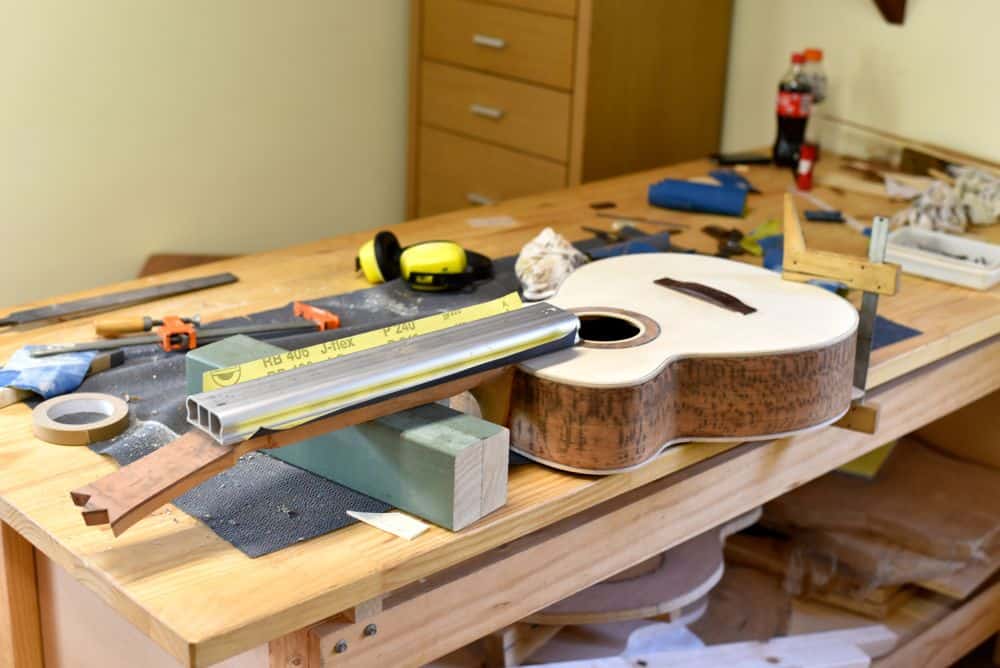
Today we installed the frets into the slots we cut into the fingerboard yesterday. The first job is to do a final sanding of the fingerboard using a big sanding block with a curved profile.
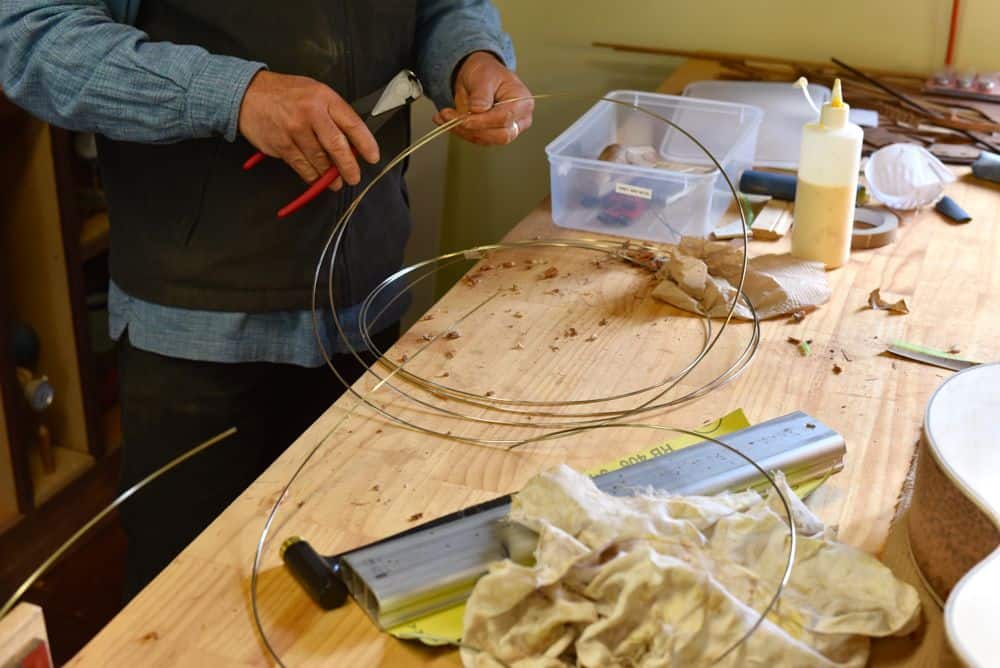
You don’t get given a bunch of frets in a bag. It arrives as a big coil of fretwire and each guitar will use around a meter or so. You get your meter length and then cut each fret as you need it.
The process goes as follows:
Clear out all the slots in the fingerboard to make sure there’s no dust there.
Smear some glue over the slot
Work the glue into the slot
Wipe off the excess with a damp rag and dry the fingerboard with a dry rag.
Tap each edge of the fret in
Tap the middle of the fret in
Check that it’s in all the way across the fingerboard.
Cue the photos…..
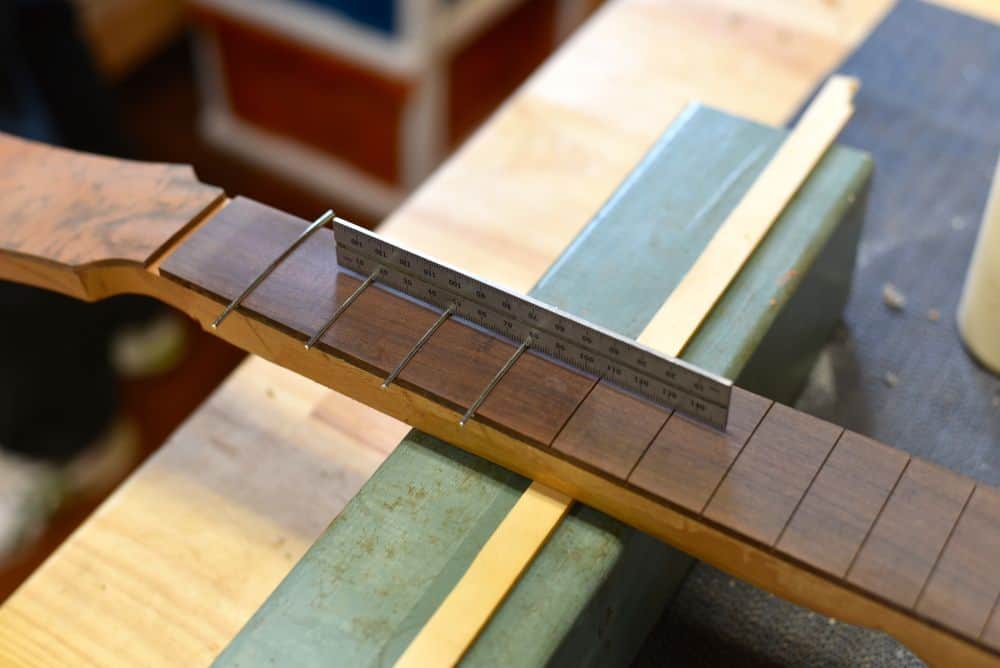
You have to keep eyeballing the frets as you go to make sure both sides are going in OK. When you’ve done three, you get out a straight edge and balance it across all three frets. If you can rock the straight edge, it means the middle fret is too high and you have to tap it down a little further. You repeat this test for every new fret that you add after #3
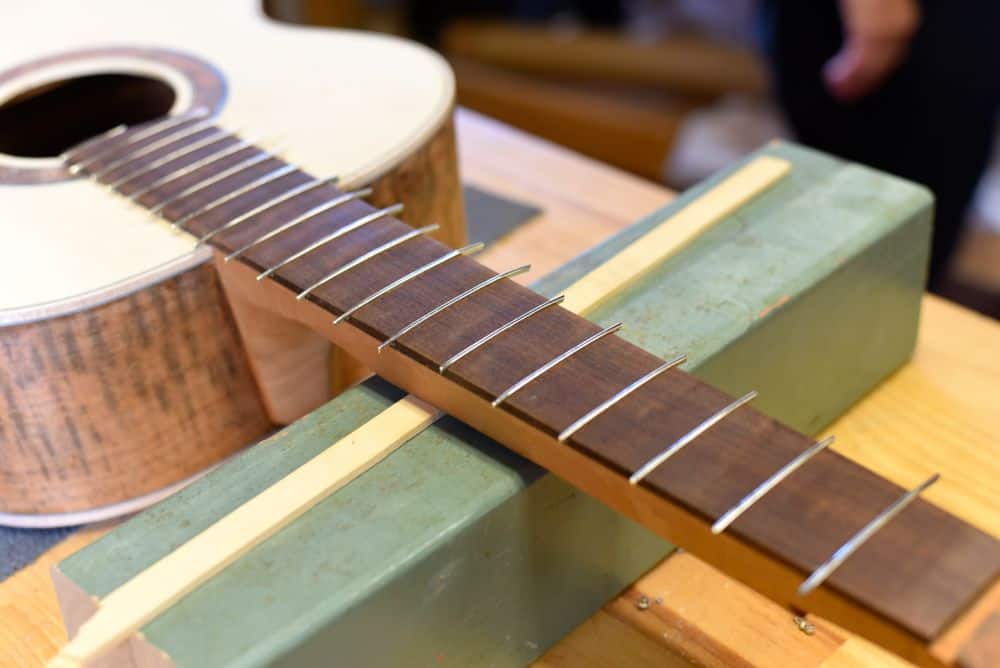
Some time later, your frets are all in!
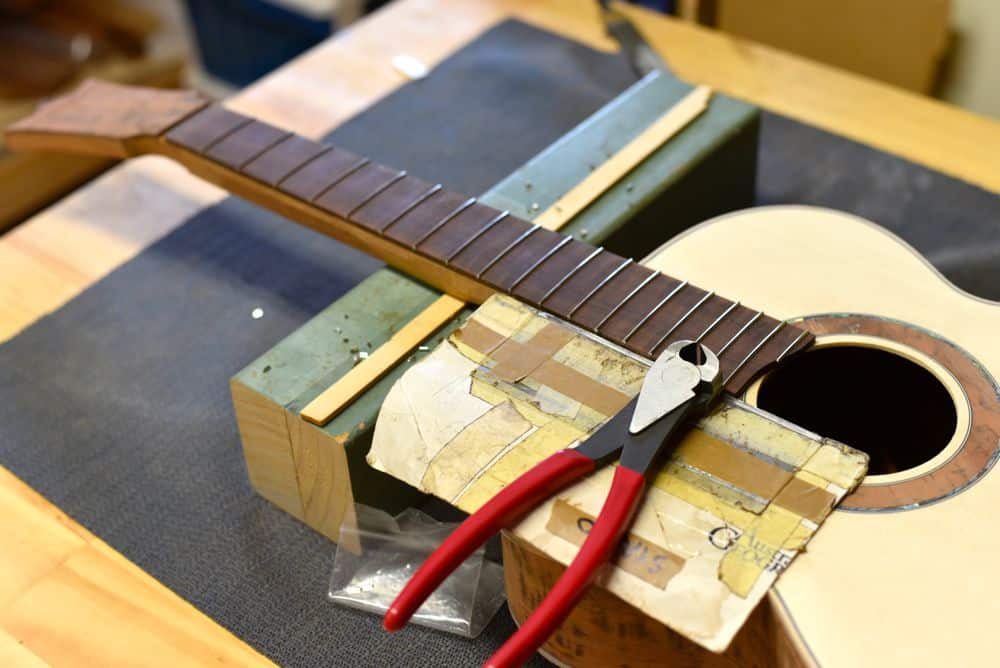
The next step is to trim the fretwire down to the fingerboard. The key here is to apply downward pressure as you cut the fretwire so as to not lift it out of the slot or disturb the fingerboard.
And finally, you file the edges of the frets…..
——
Shaping the Neck
I trimmed the neck down to fingerboard width earlier in the day. The last job for today was to begin shaping the neck.
I used the spoke shave for this job once again. The target depth was around 23mm at the nut end of the neck and around 24-25mm at the body end. I went a little under this at the nut end (22.6mm) but it’ll be OK.
After you get your depth sorted, you start to shape the neck into that rounded shape needed for playing. The spoke shave was used for this, too.
The neck had a rough but rounded profile when I finally left the workshop today. Sandpaper will complete the process when I get in tomorrow.
——
First Instrument Played!
One of my fellow guitar makers in the course finished her classical guitar to a point of it being played today. It was a very exciting moment for Christiana as the instrument was tuned and then finally played for the first time. She’s making the instrument for her son, who is one very, very lucky man.
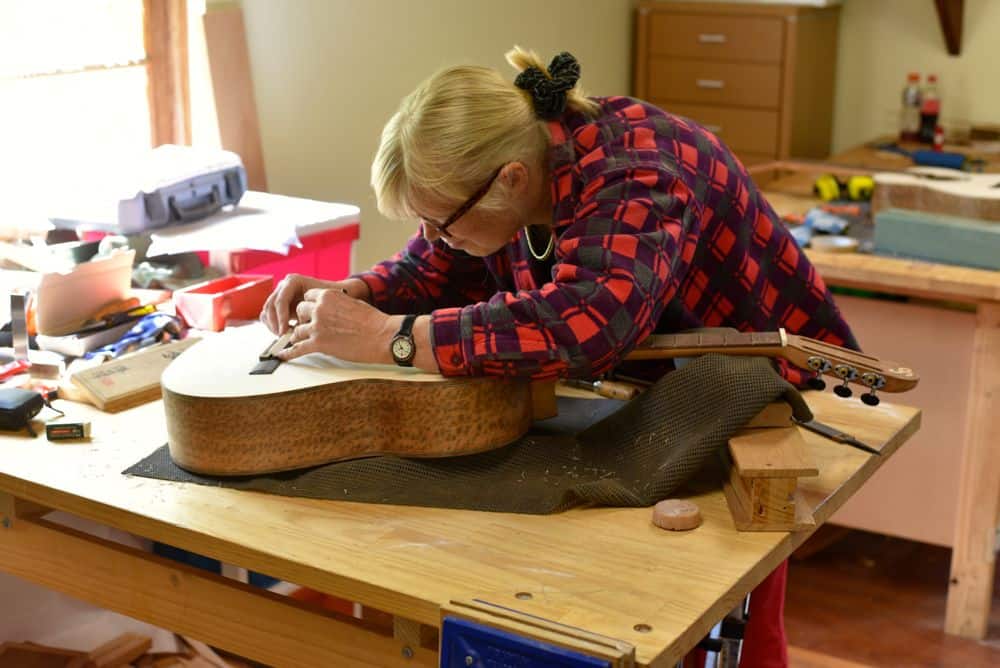
Christiana hard at work on her masterpiece…..
Strato giving the instrument it’s first real play…..
The guitar sounded AMAZING. The volume and tone were outstanding and it was a significant moment to hear a guitar that you’ve seen under construction for three weeks finally come to life. To see and hear Christiana’s reaction to the instrument in the hands of an expert was wonderful, too. I’m pretty sure that she knew she was making something special but to see, hear and understand just how special was something else all together.
It was a privilege to hear our first instrument played. On Friday, we hope to play them all together. That’ll be special indeed.
I’ve got some video of today’s impromptu performance, which I’ll try to post in the next few days.
——
We did a little work preparing the saddle and the nut today, both of which are made of bone. They’ll go in tomorrow. There’ll be plenty of sanding and other finishing work going on, too. If everything goes super-well, we might even install the tuning pegs and string the guitar!