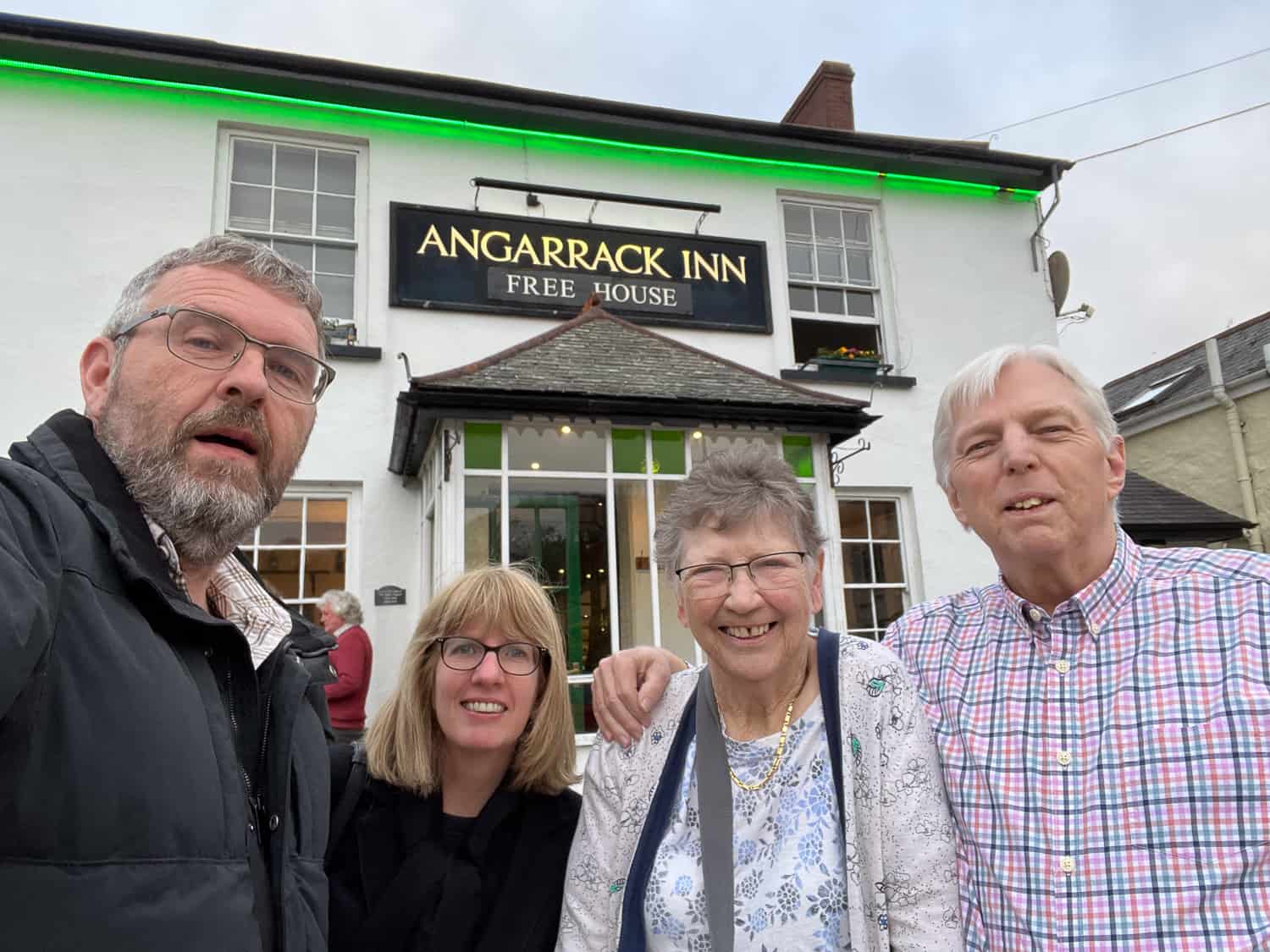
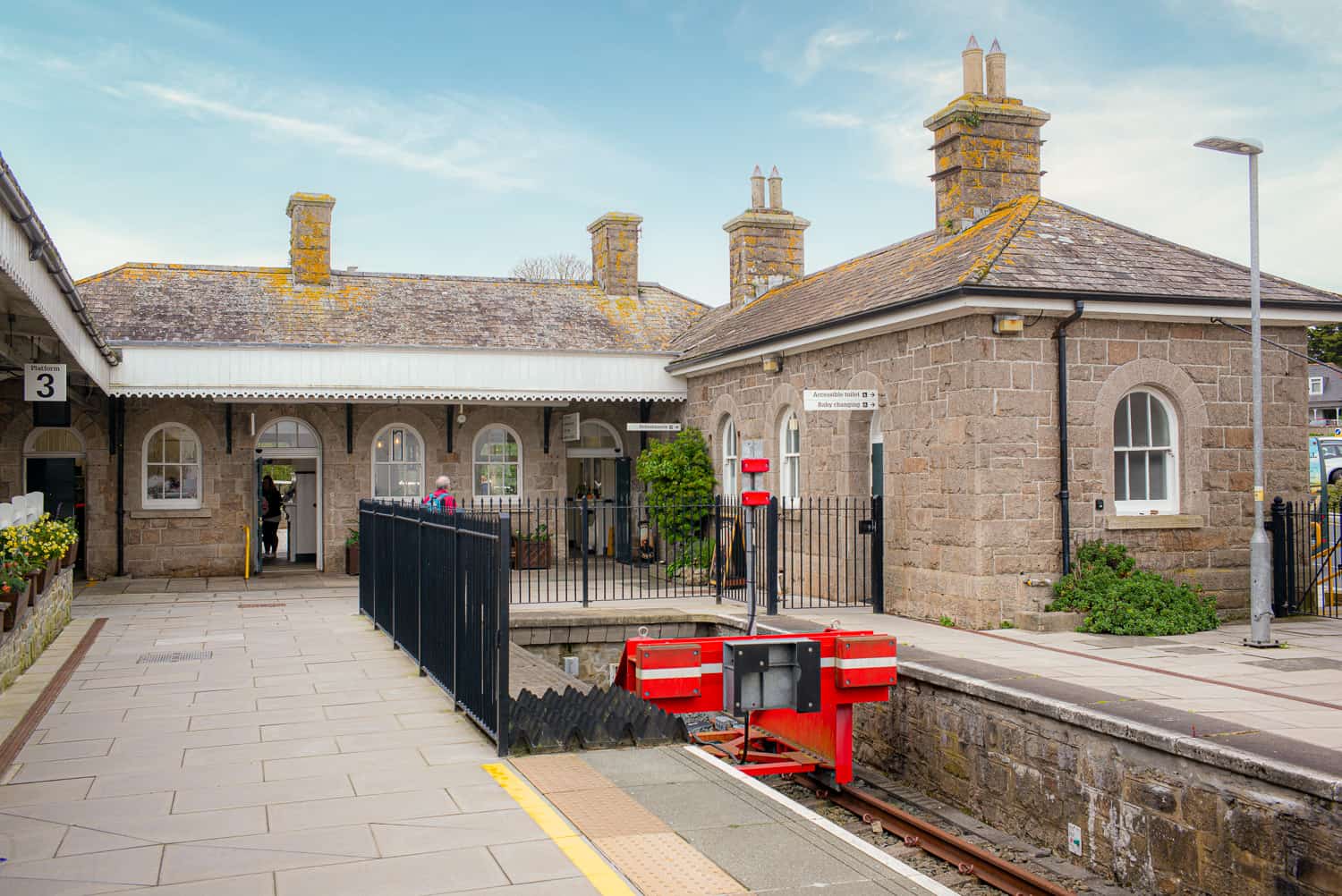
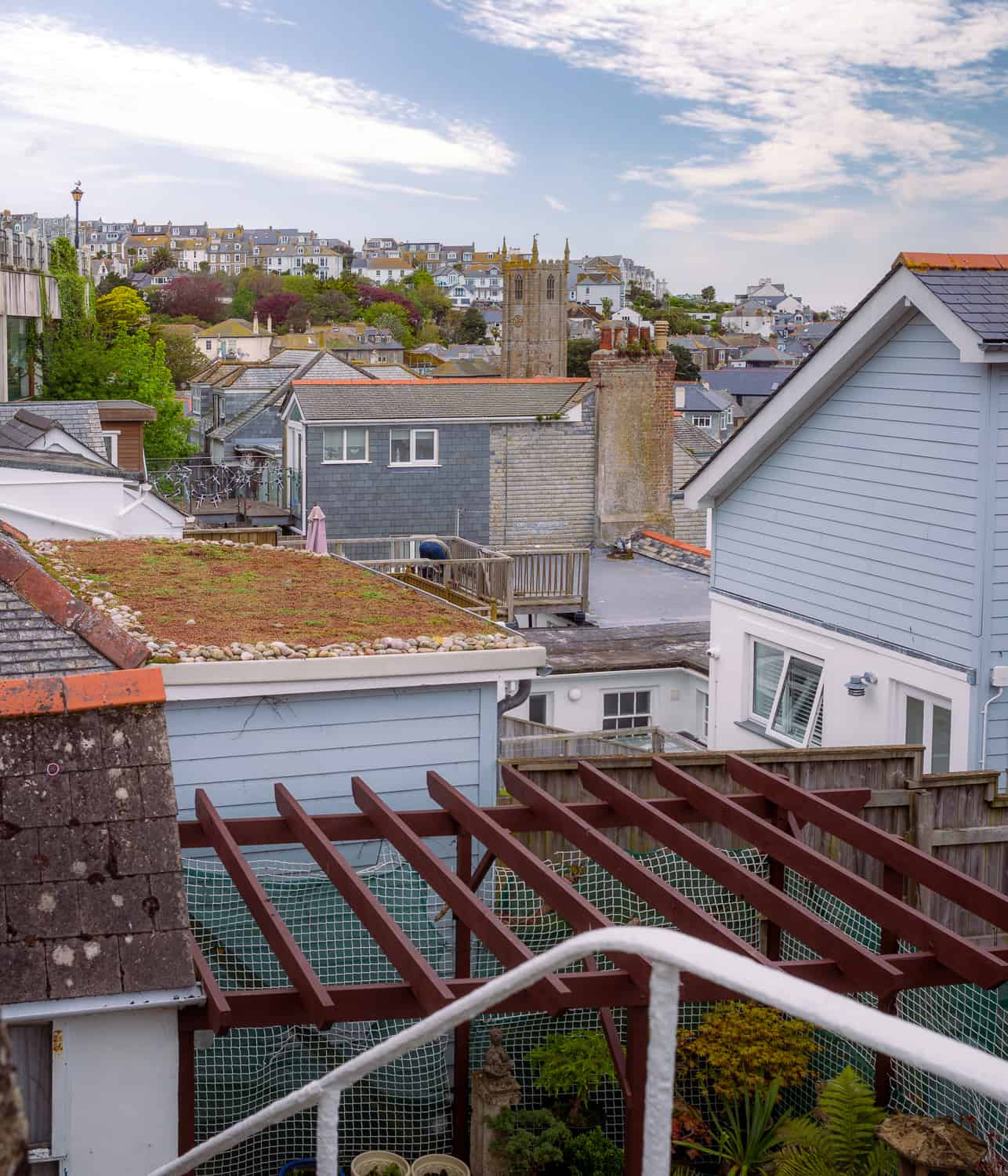
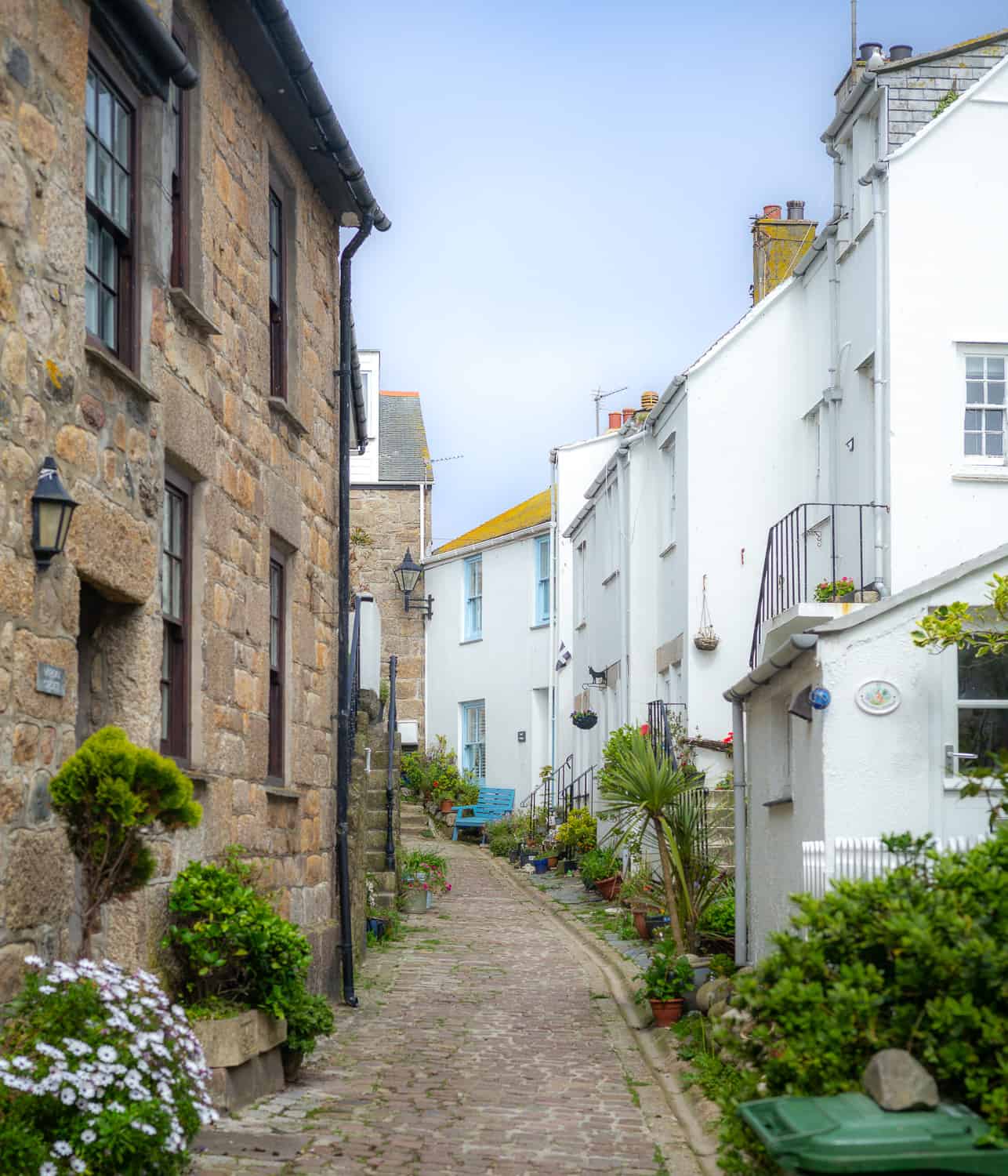
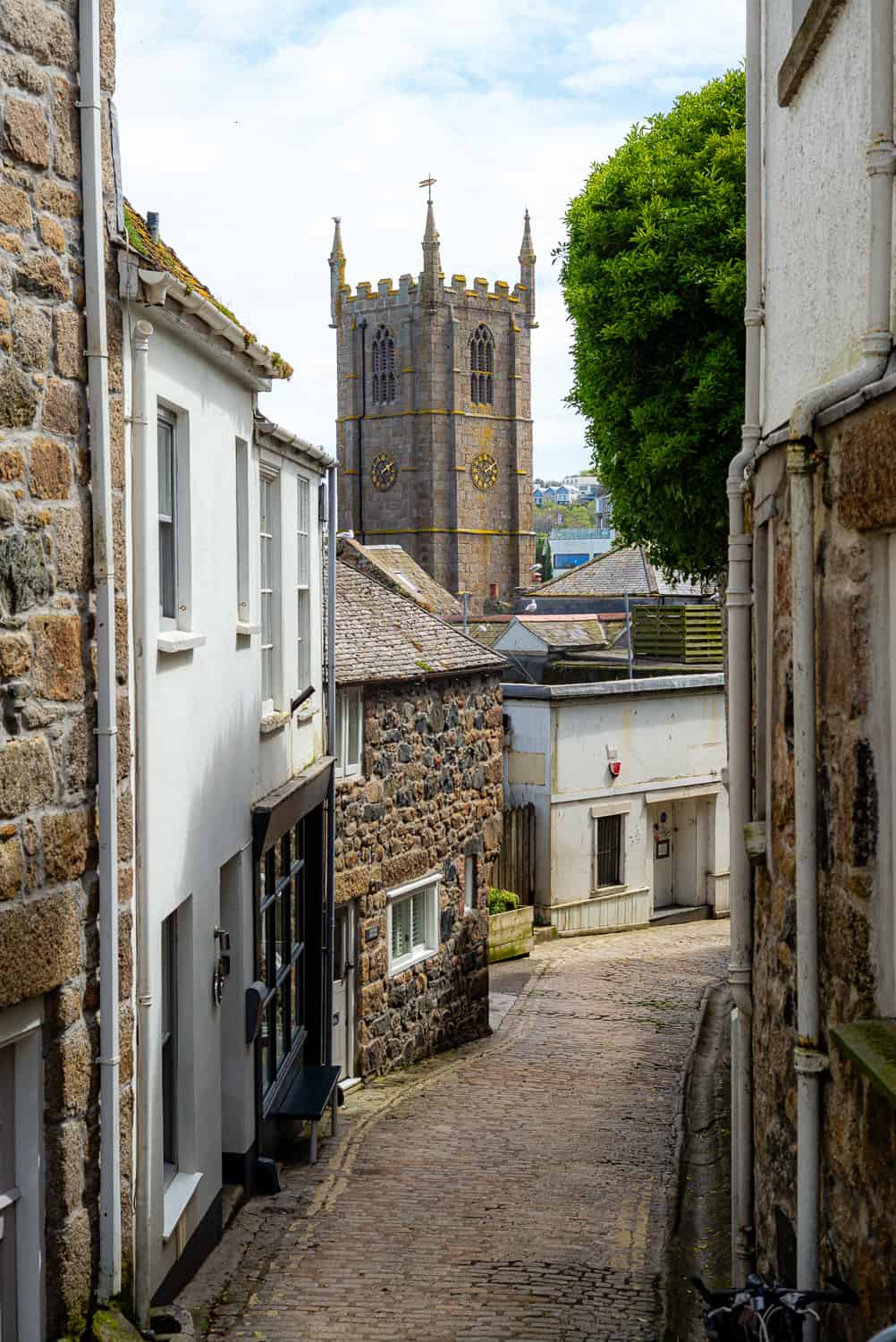
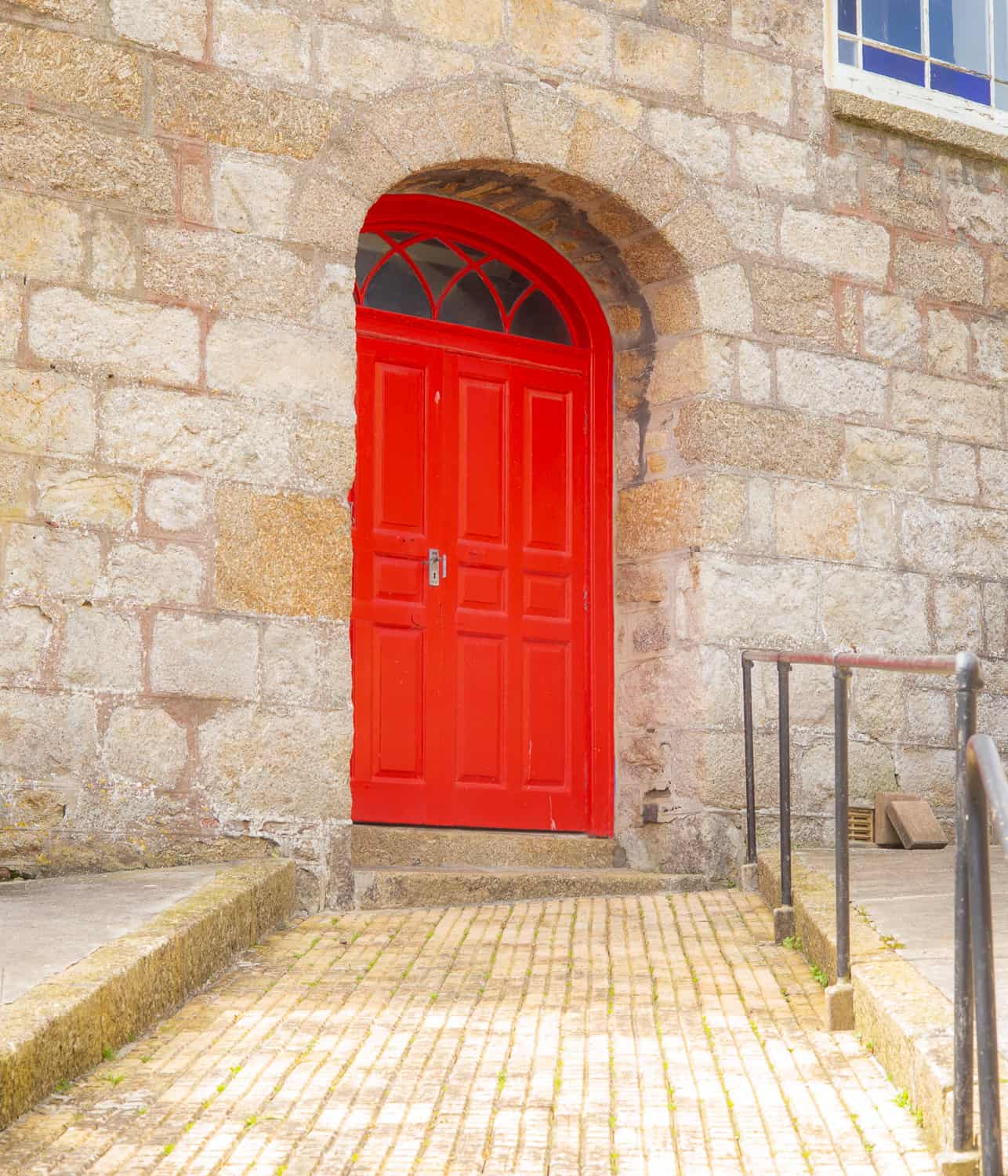
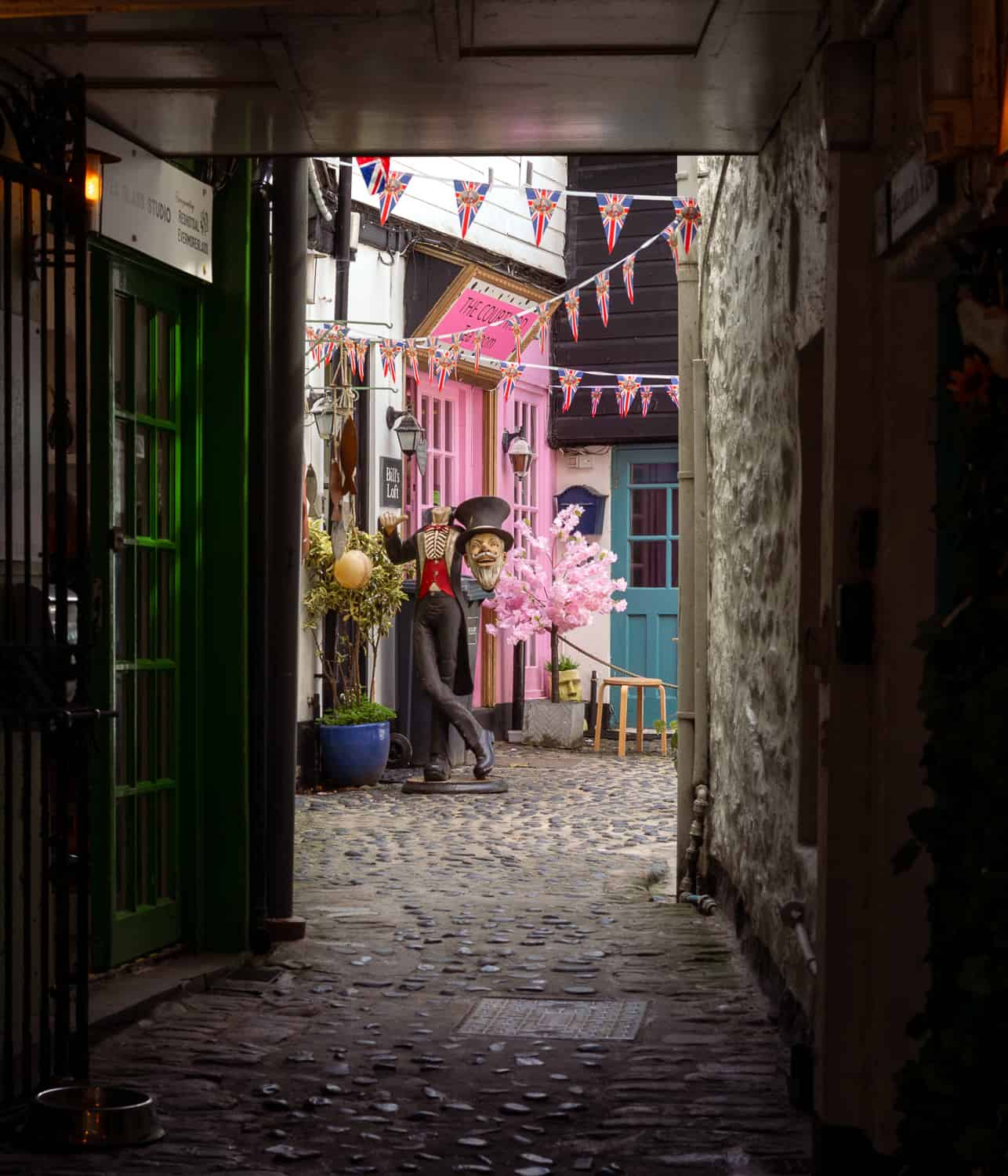
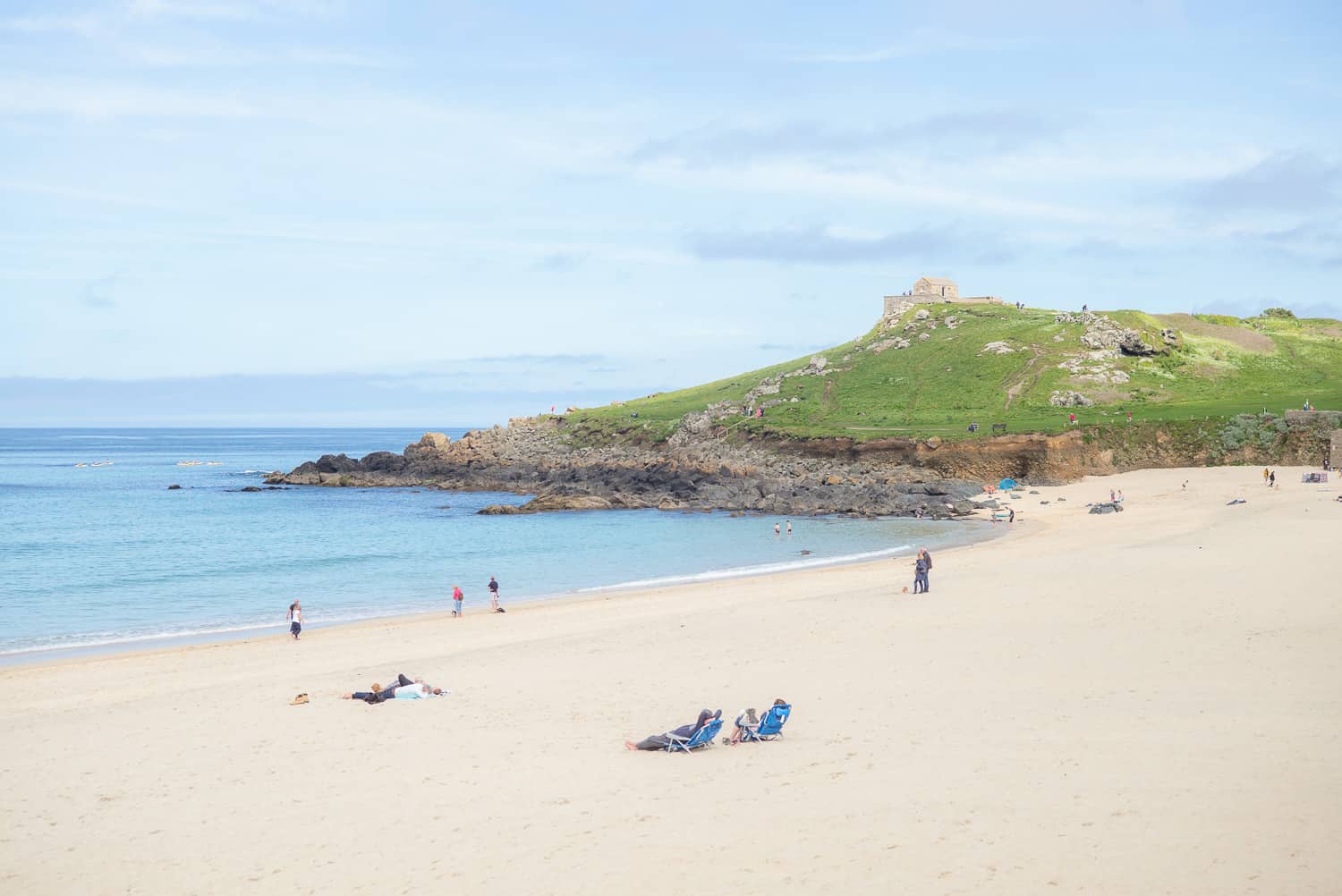
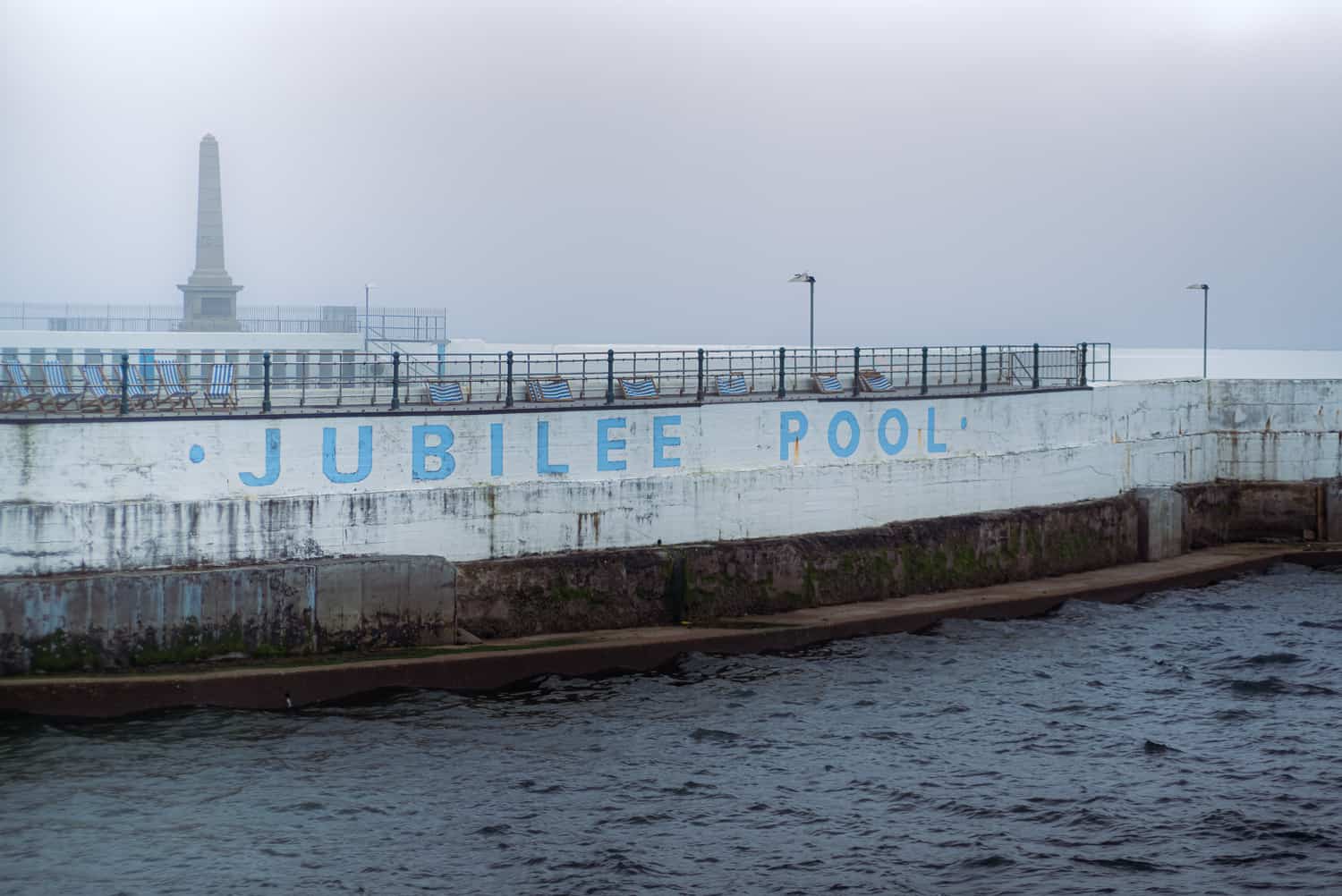
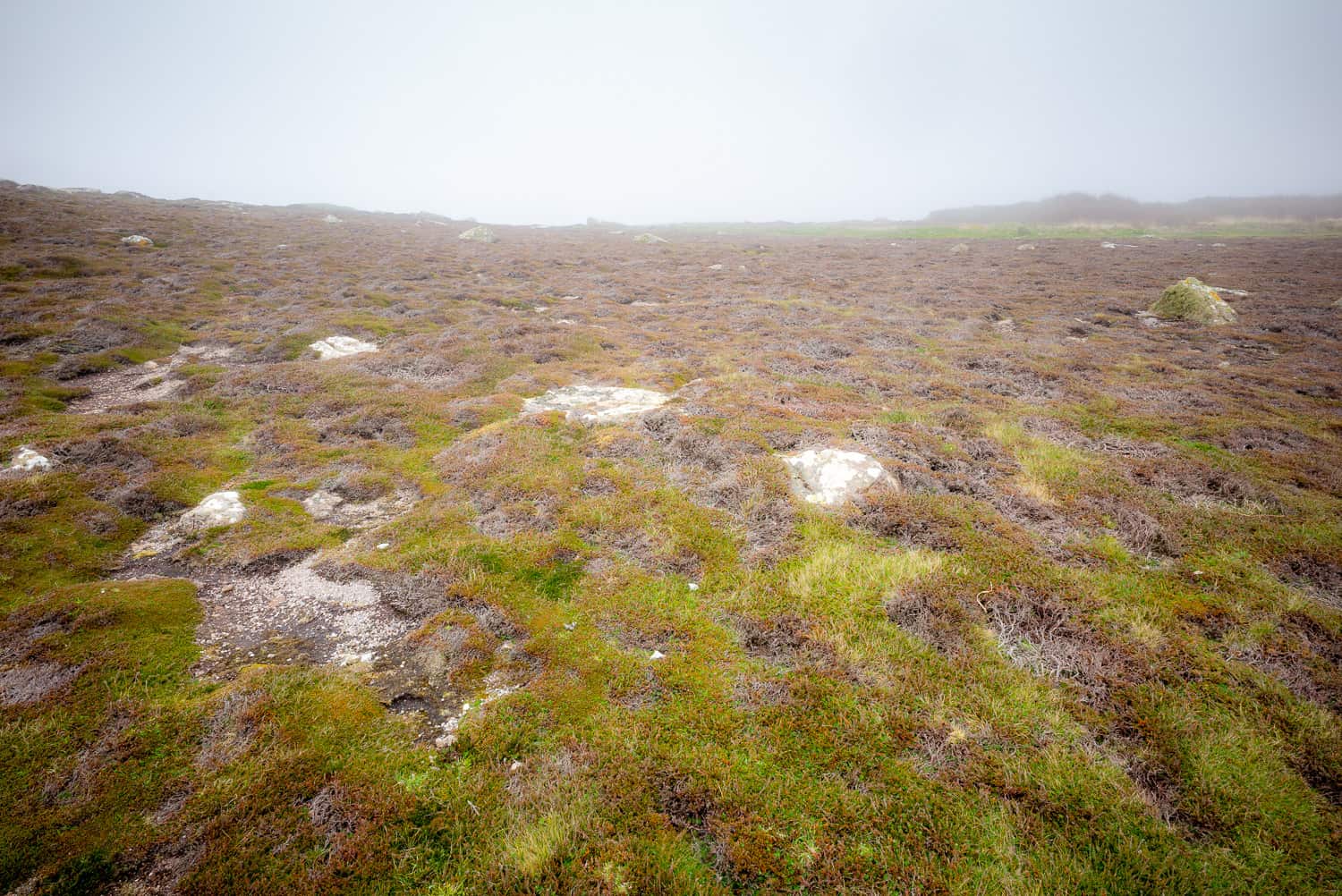
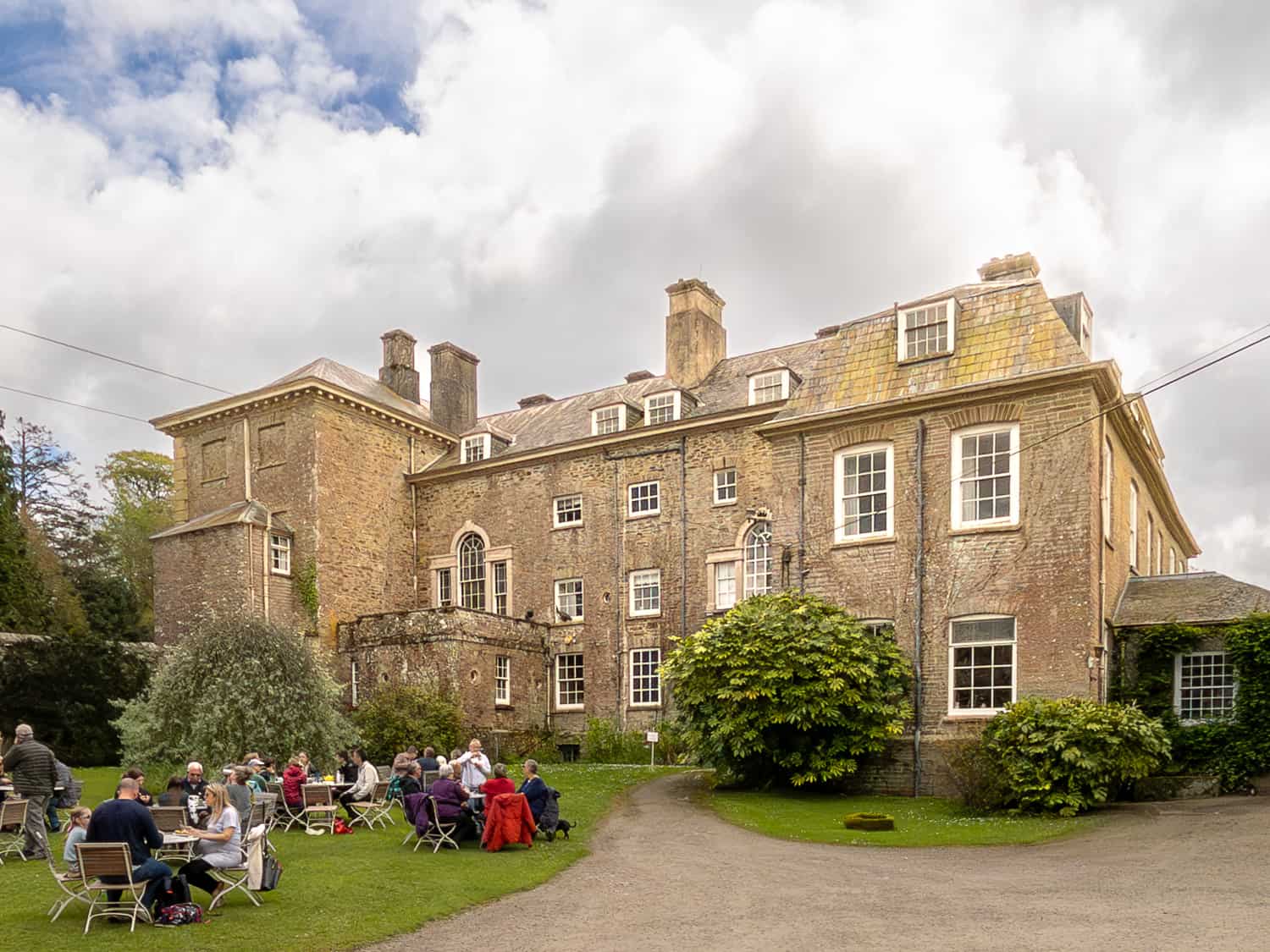
We recently took a long weekend indulging in some friendship and photography in Cornwall. The primary purpose of the visit was to catch up with old friends, Mike and Hilary Philpott, who many Saab folk will know. But of course, we also took a look around this beautiful part of the world while we were there.
The itinerary:
Friday – fly in to London, drive to Cornwall
Saturday – St Ives, incl Tate Galleries
Sunday – Drive a route Mike planned for us
Monday – Drive to London, return home.
It was a longer drive than we thought. I’d recommend to anyone contemplating a similar trip that you fly as close to Cornwall as possible. Either Bristol or the much more local Newquay (though flights there can be season-dependant).
Most photos were taken with my Leica M240.
Click to enlarge.
St Ives
St Ives is a beautiful coastal village with all the touristy stuff that that phrase implies. Great cafes, little galleries, markets, craft shops, etc. And tourists. Lots of them. Still, it’s well worth taking the trouble.
After a short but stunning train ride along the coast, we arrived in St Ives and took a look around the tiny streets and paths with the most gorgeous little stone houses before getting some lunch (a pasty, of course – when in Rome!).
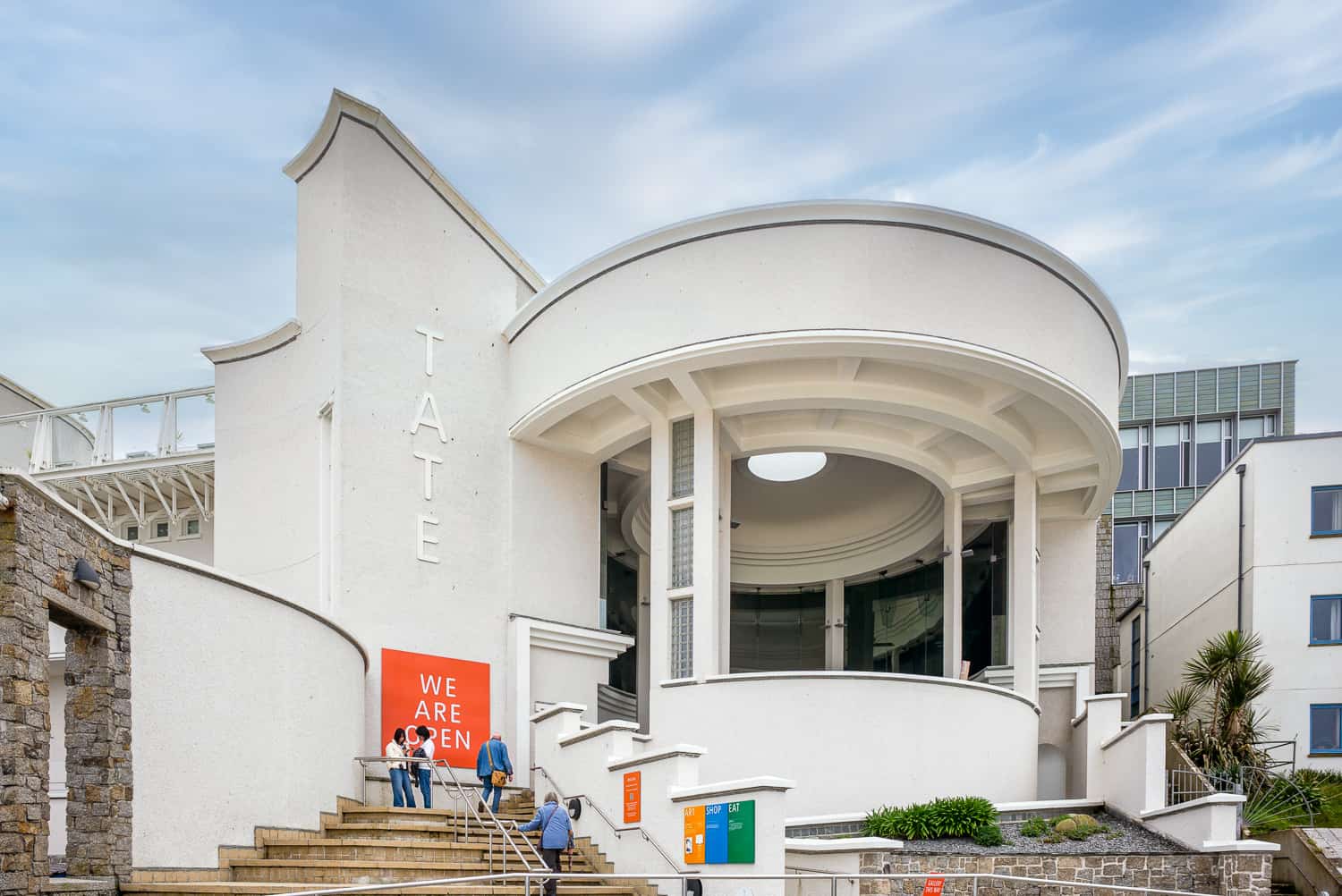
After lunch, we headed to our main drawcard: Tate St Ives.
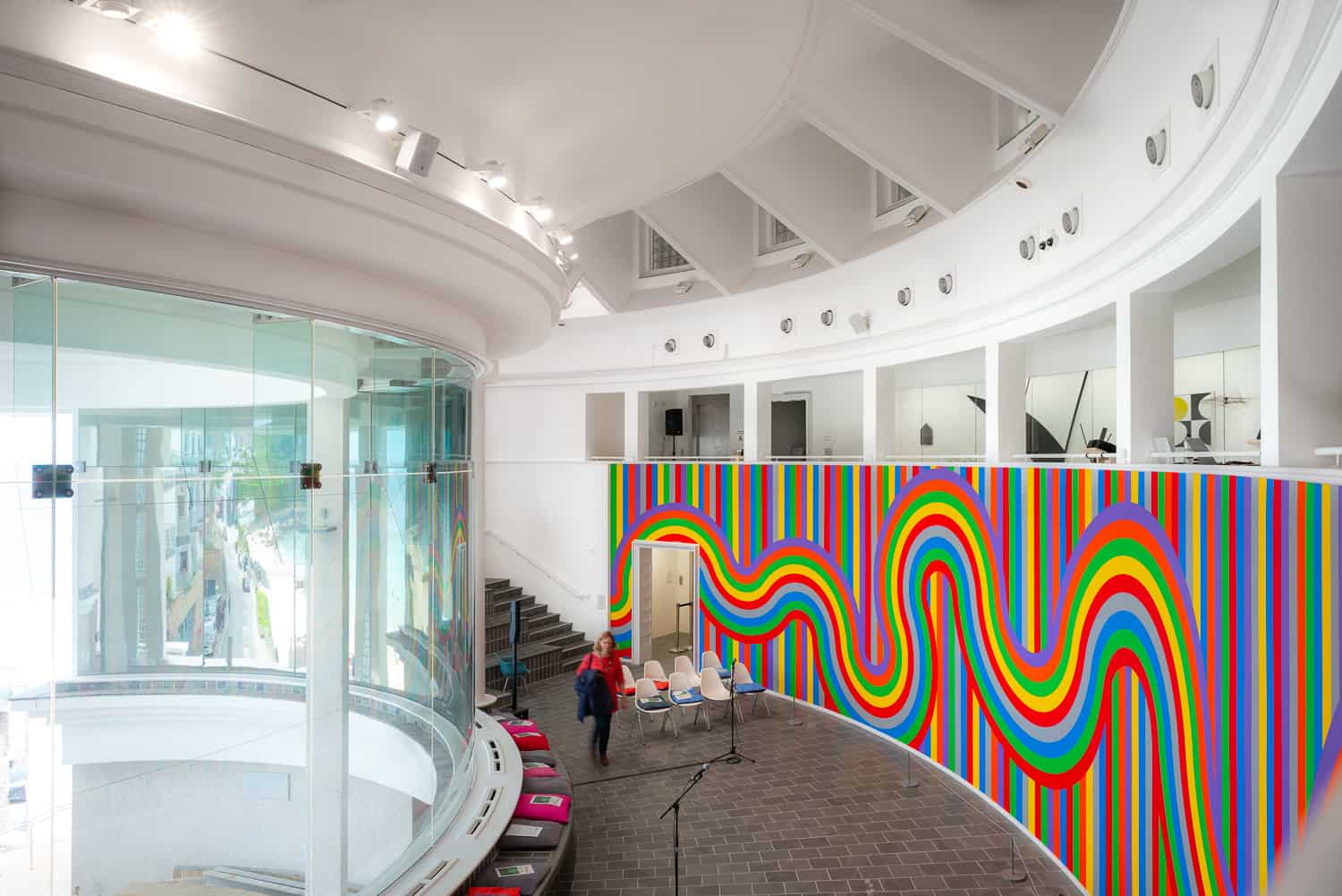
The Tate Gallery is famous for it’s big galleries in London – Tate Britain and Tate Modern. But there’s also Tate Liverpool in the northwest and Tate St Ives in Cornwall, which occupies a beautiful building overlooking the sea.
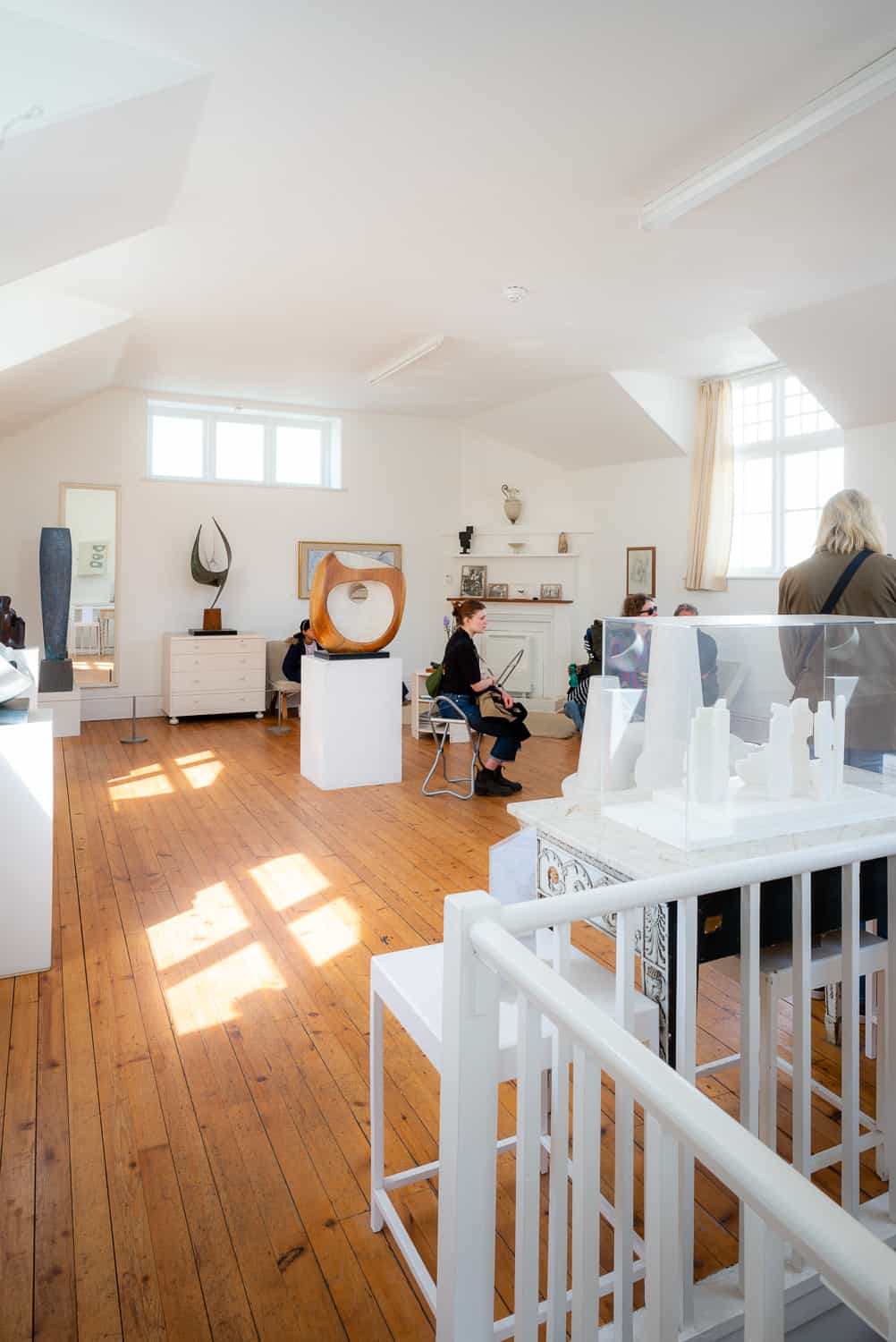
The Hepworth Museum
Tate St Ives had a display of works by local Cornwall sculptor, Barbara Hepworth. Hepworth is well worth looking up if you’re into such things. She had a remarkable life (with a tragic end) and her works include a 6.5 meter piece outside the United Nations building in New York.
Cornwall – and St Ives in particular – became a haven for artists in the mid 20th century and Hepworth was one of the many who moved there, staying there for the rest of her life. Tate St Ives now owns and operates Hepworth’s former home and studio, which are a short walk from the main gallery.
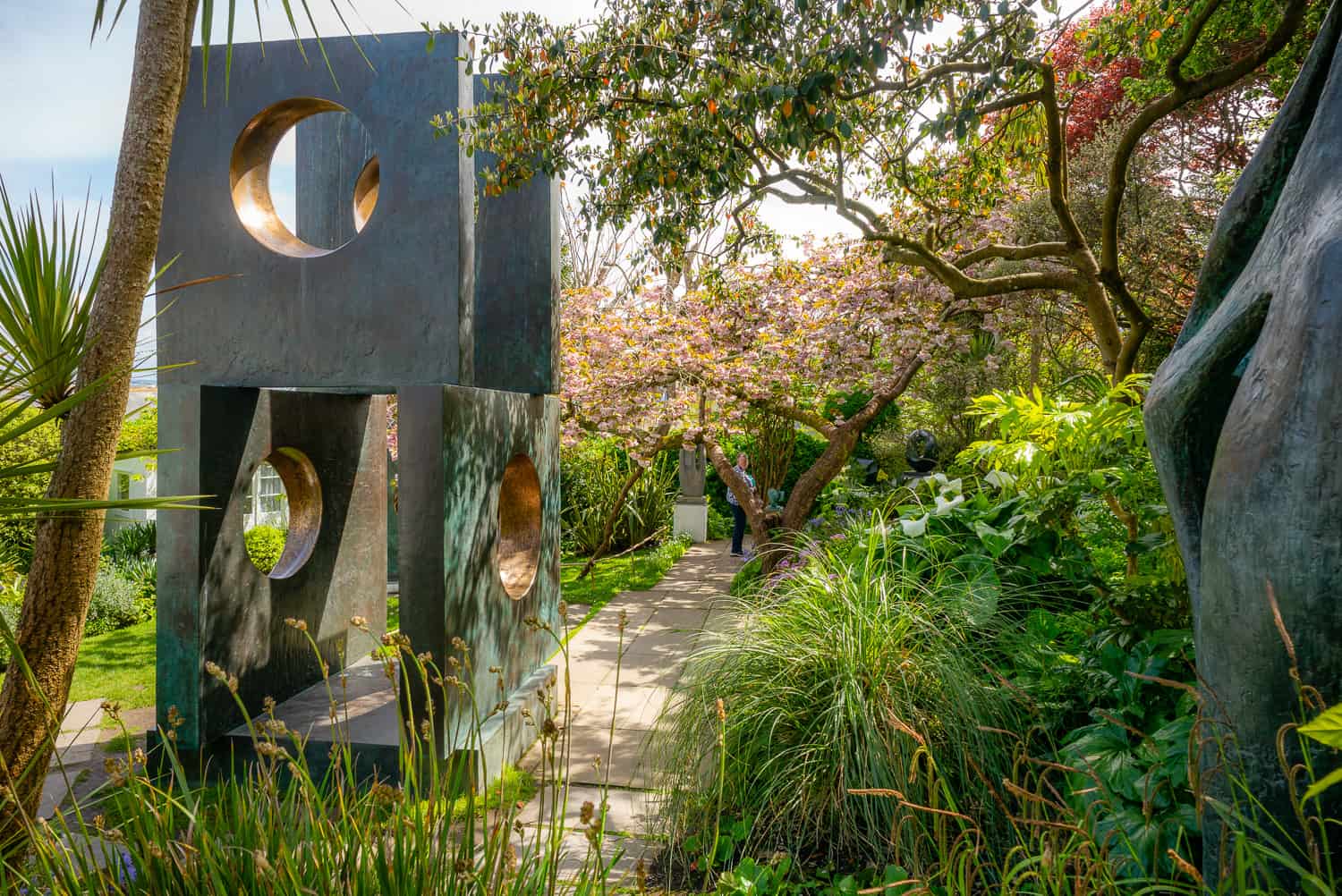
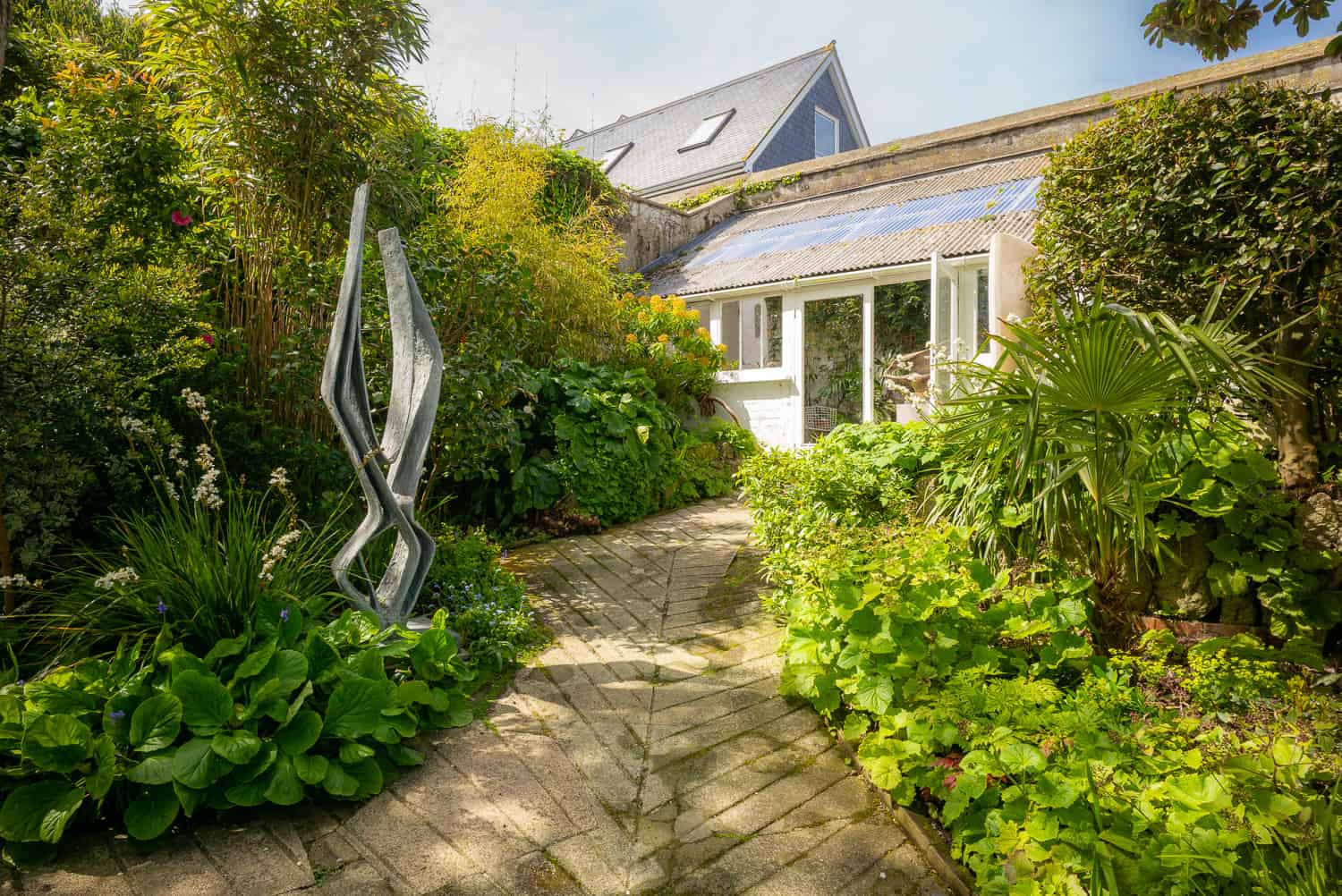
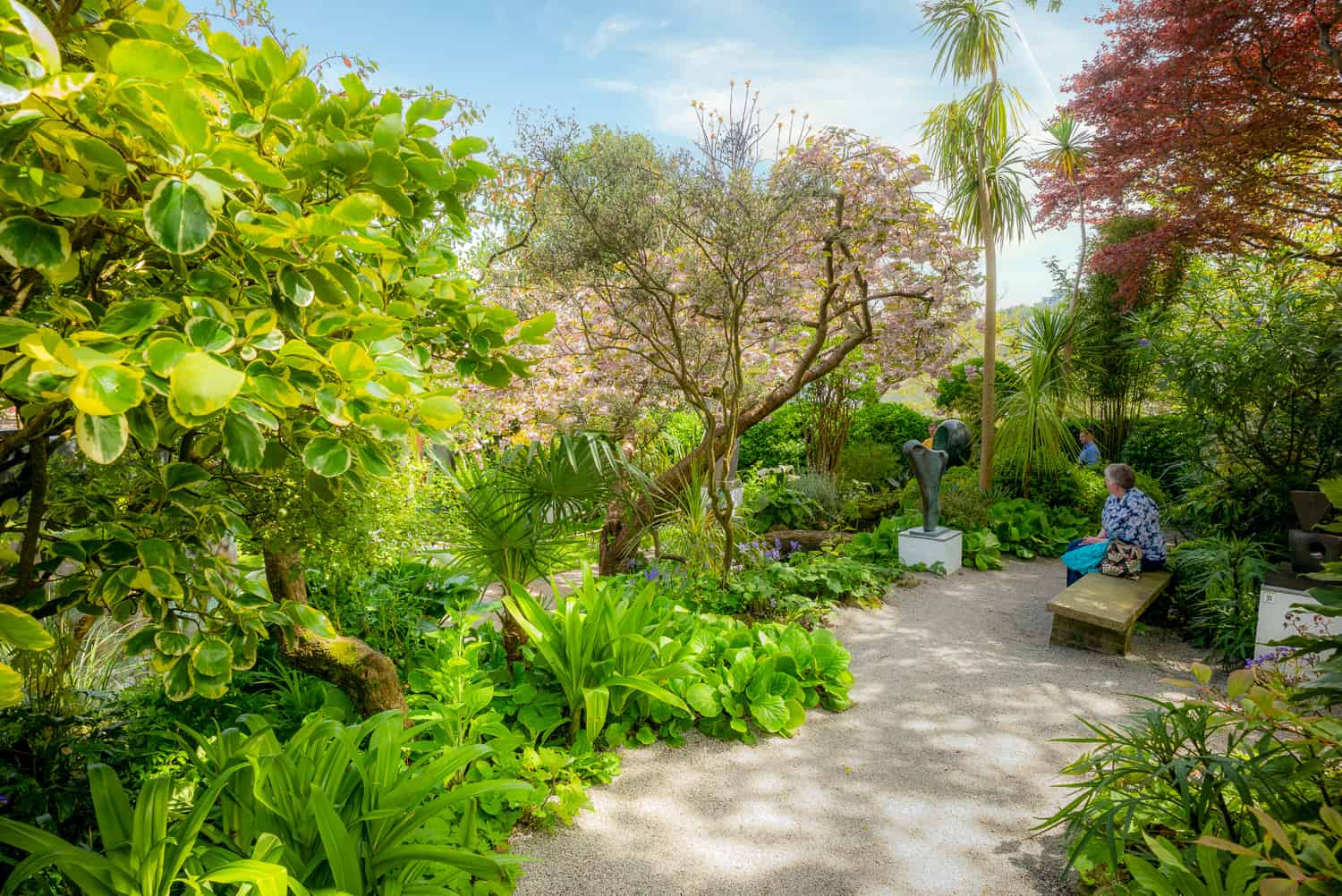
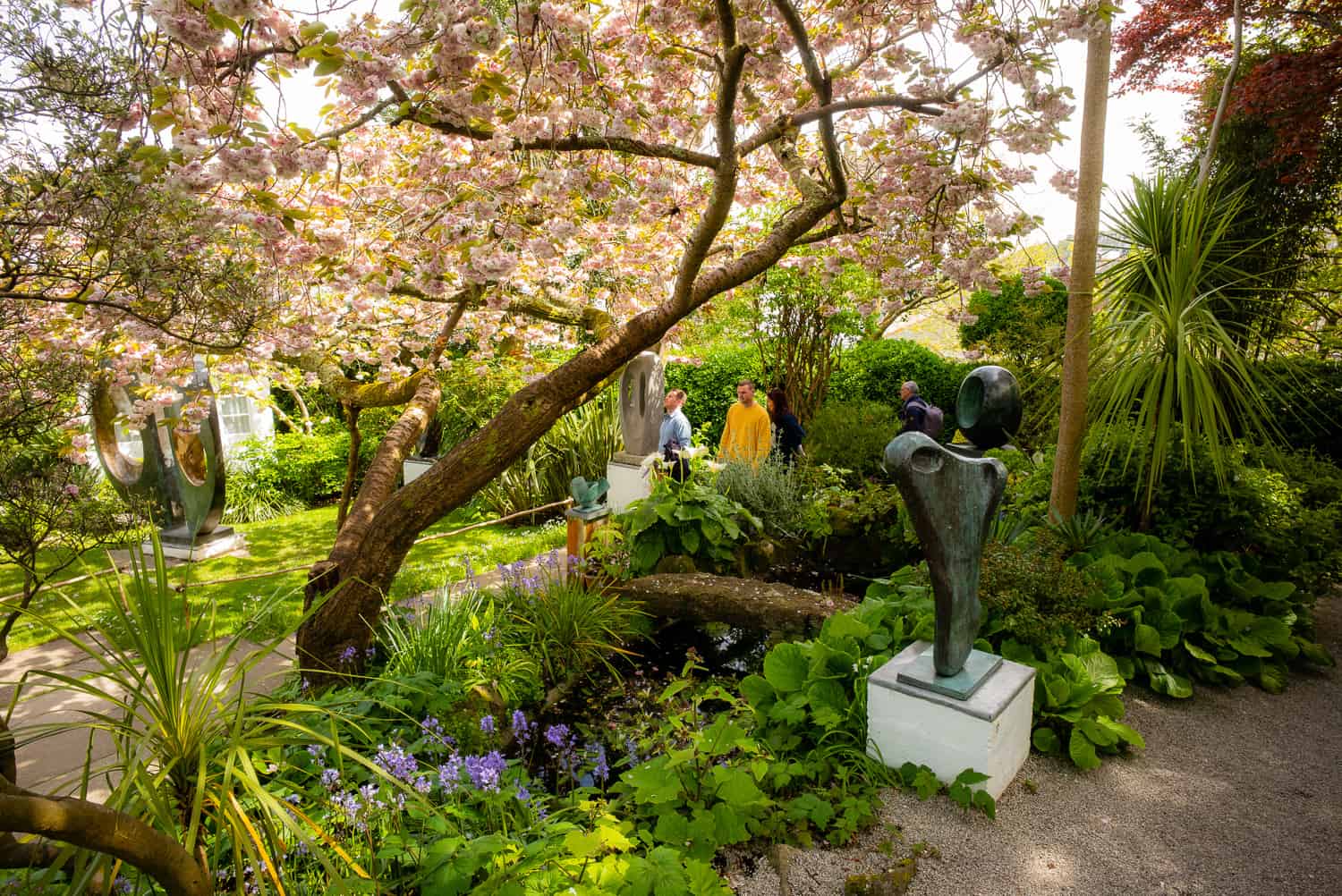
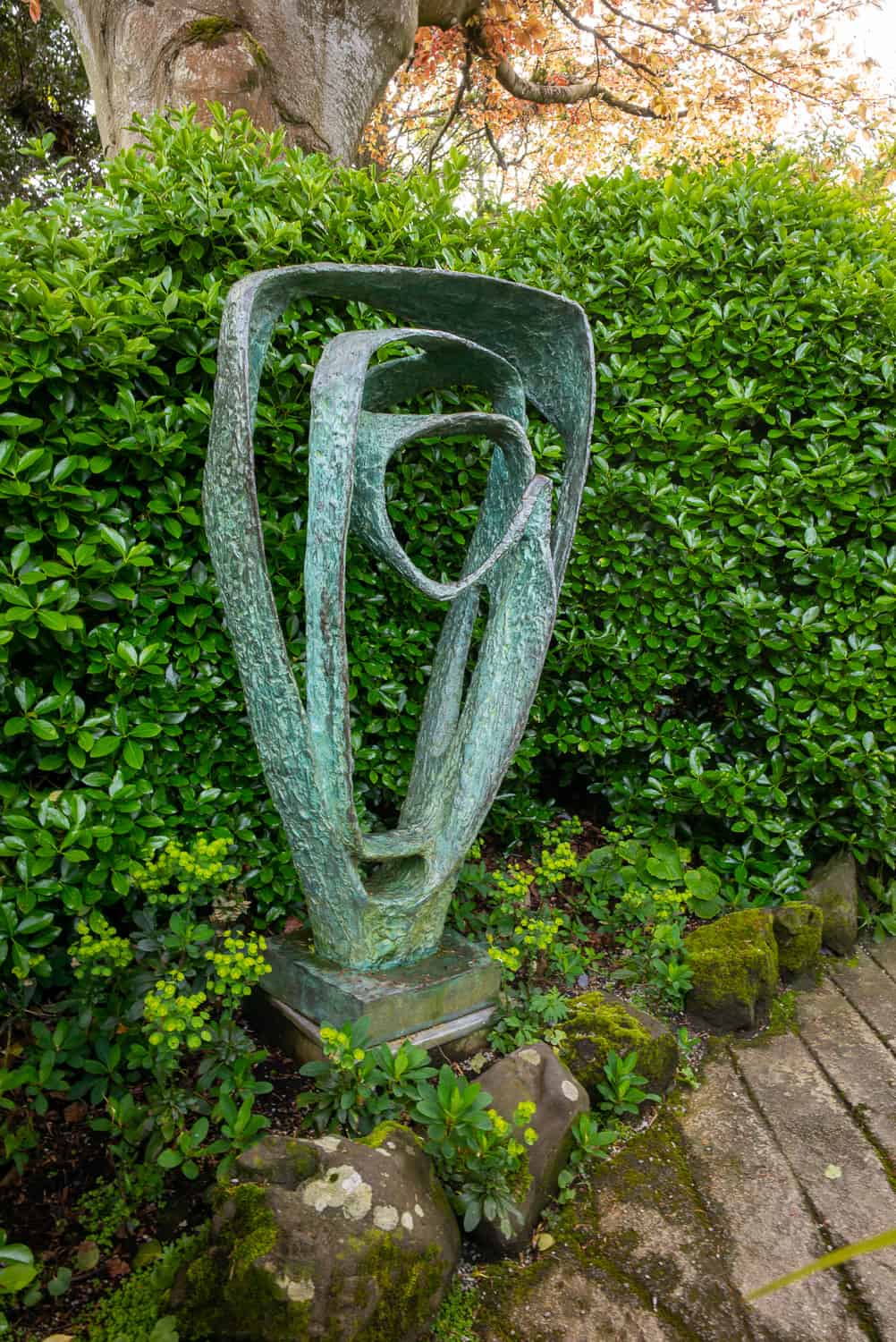
For a very small fee (a rarity in the UK), you can tour Hepworth’s home studio or participate in one of the regular lectures/classes there. The highlight is her garden, which is unusually large for the area, overlooks the rooftops of the city and has many of her works showing throughout.
St Ives was a joyous full day of walking, nibbling at amazing food and looking at interesting things. We can’t wait to go back and see the things we missed out on.
——
The Tour
Mike prepared a touring route that took us around the southwest tip of Cornwall, taking in both known and lesser-known spots on the way.
We had a late start but got through most of the route, though the weather wasn’t always cooperative.
Take Penzance, for example. Epic cloud can be great for drama, but not so good for seeing the sights. We wanted to see St Michael’s Mount on the way to Penzance but the fog and cloud made that a bit difficult. (Note: my camera is not pointing at the Mount in this shot, but this view is typical of the day).
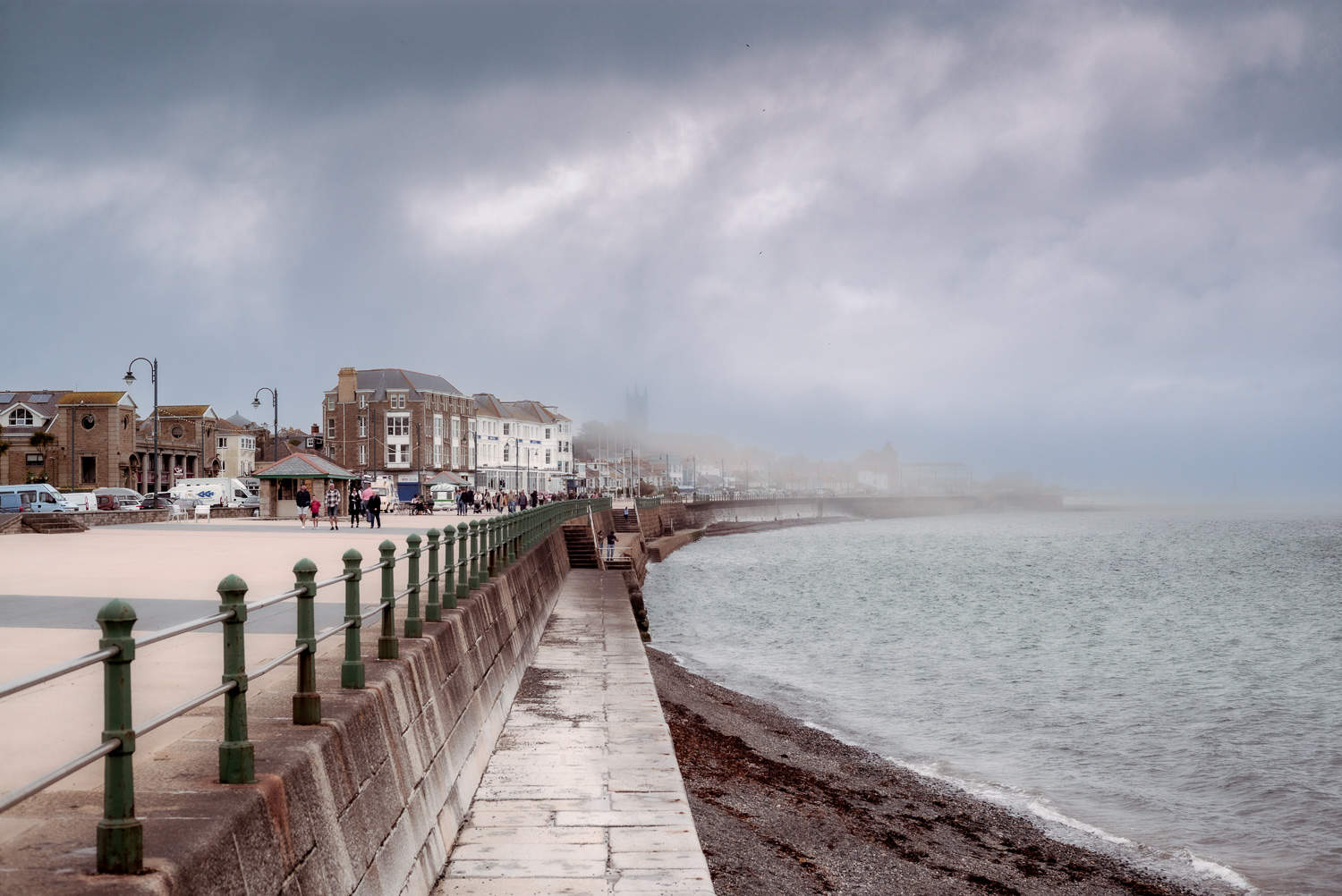
It made for some moody photos in Penzance itself, though.
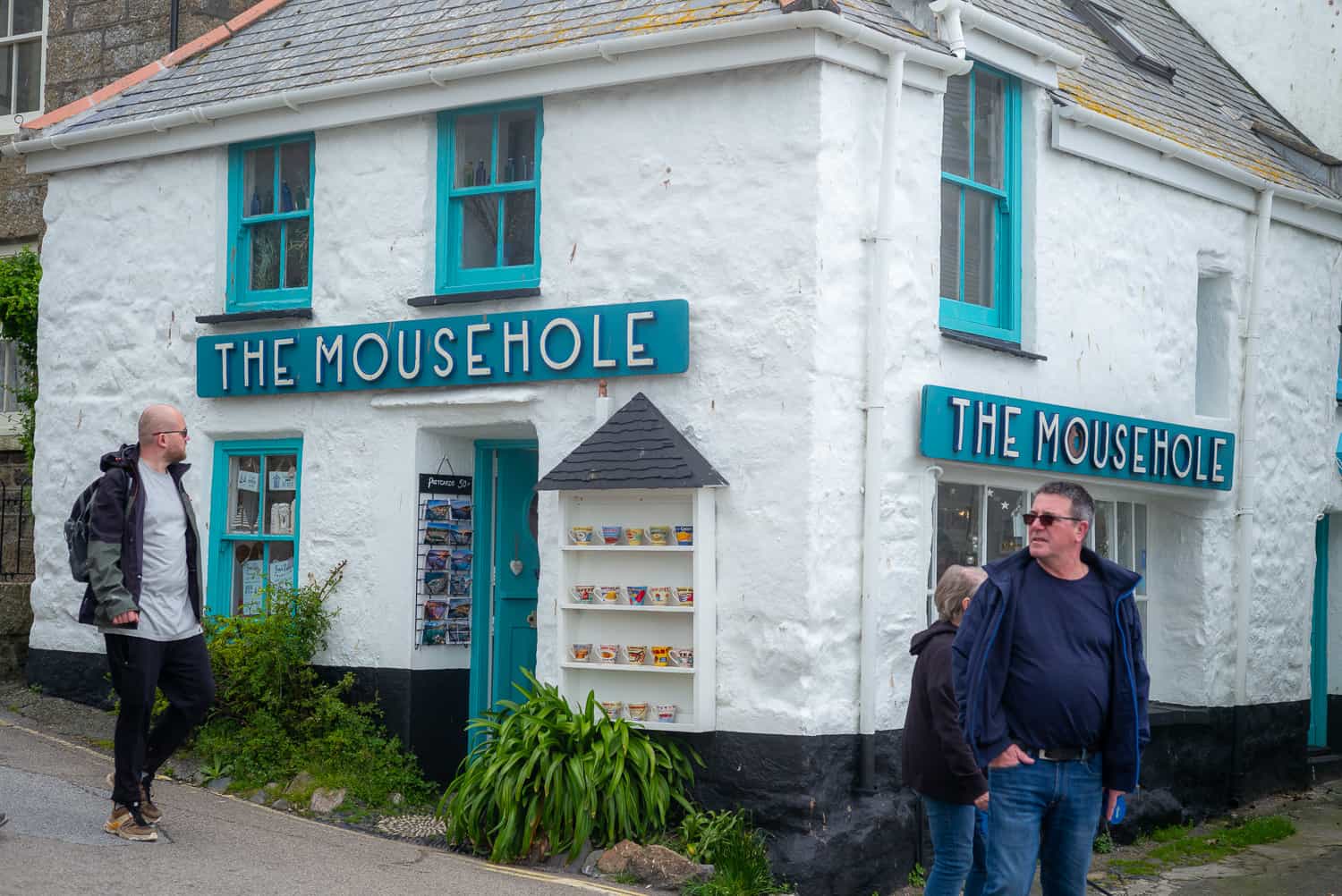
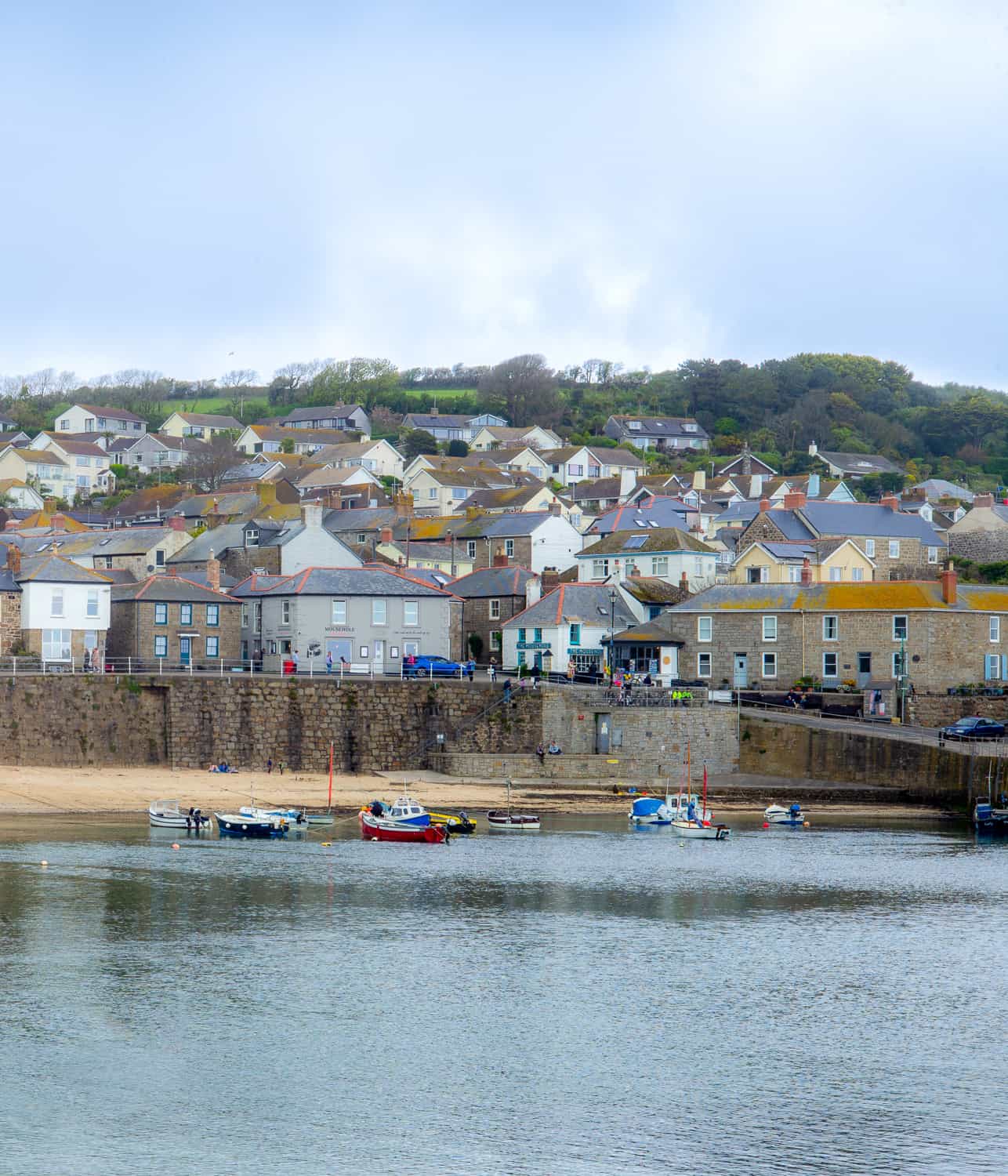
Our next stop was another coastal village called Mousehole, which is most definitely not pronounced “Mousehole”. Again, quaintness overload. This was our favourite stop of the day, with beautiful walks through town and seagulls the size of small cows. They breed ’em big in Mousehole.
We made it to Lands End, but the fog continued…. somewhere behind Caro is America.
—
The seals are sleeping.
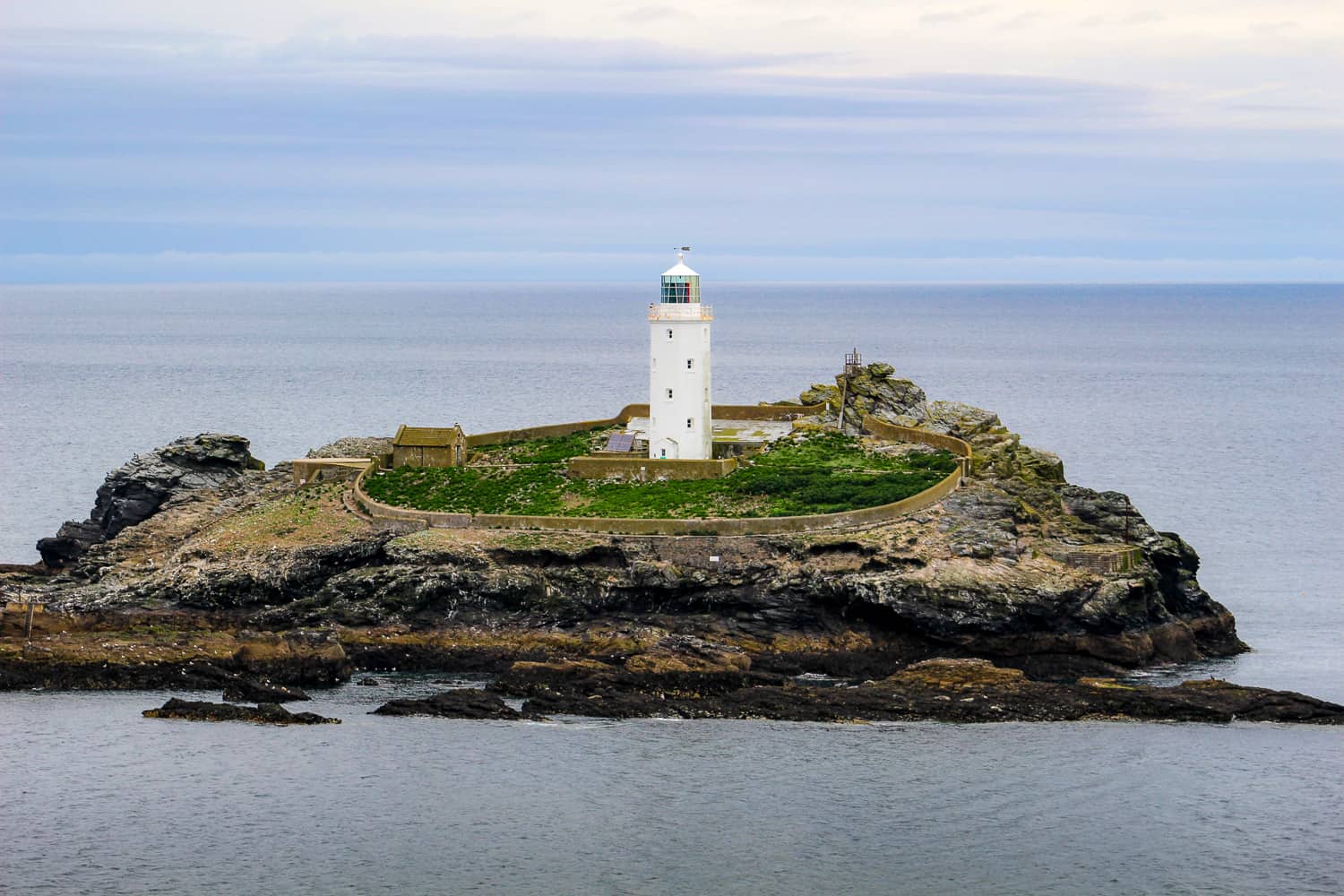
The lighthouse that partly inspired Virginia Woolf’s novel, ‘To The Lighthouse’
A lovely incline, which reminded me a little of Scotland.
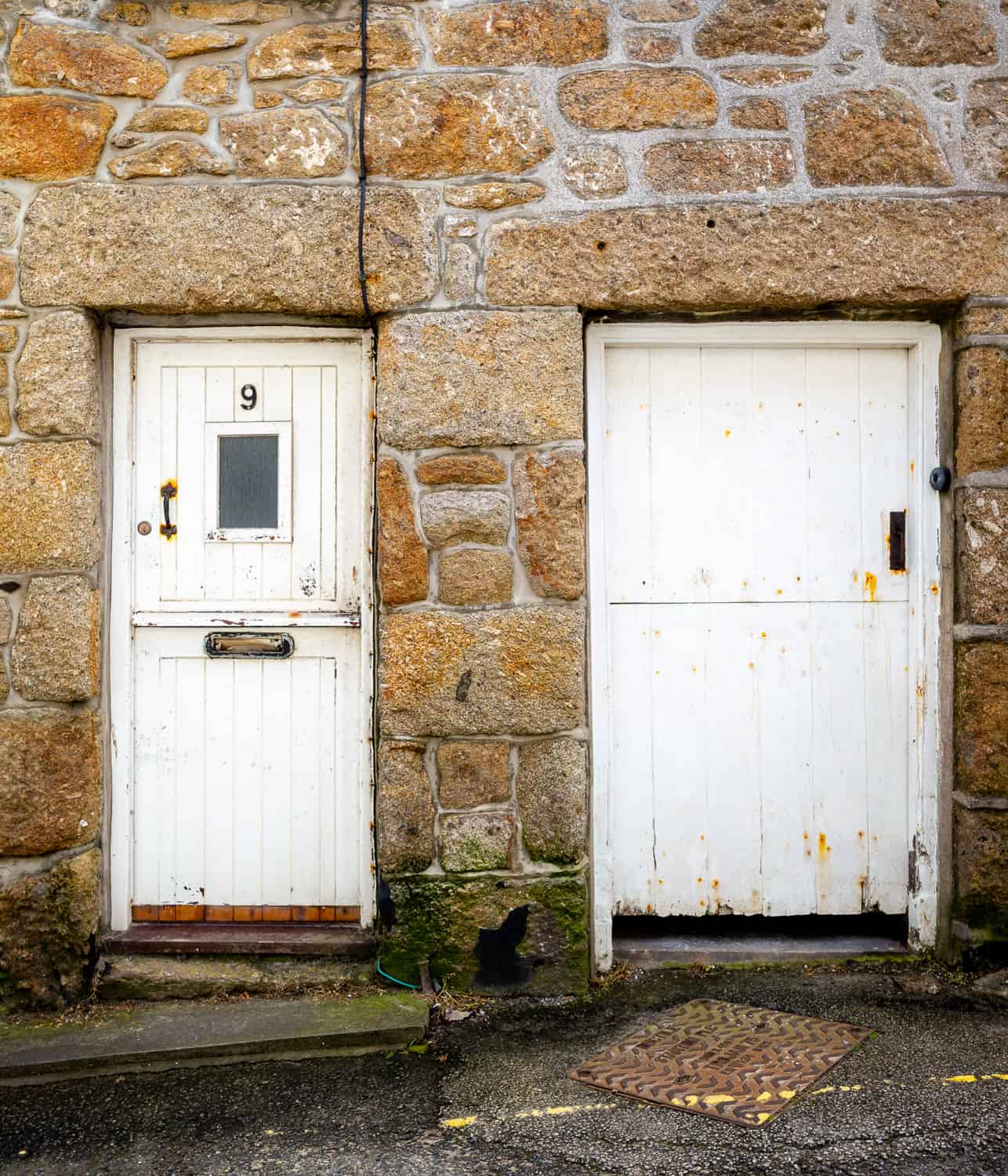
Doors in Mousehole.
Our surprise lunchspot on the way back to London. Sometimes it pays to follow one of those brown tourist signs.
——
Cornwall is magnificent. Photography in Cornwall is like shooting fish in a barrel. Next time, we’ll fly directly into town and save ourselves a few days of driving – more time for photos!
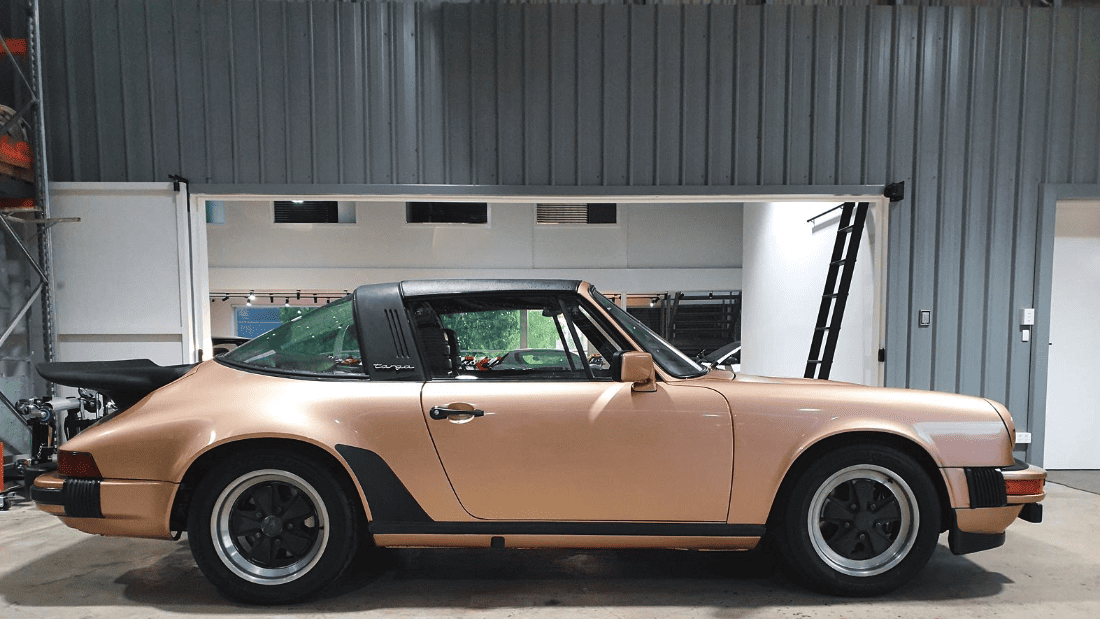
It’s been said that classic cars were one of the better-performing investments over the last 10 years and I’ve noted in a previous post that Classic Car prices have gone completely maaaaaad. Consider this an extension study to substantiate that earlier work.
I’ve recently revisited the 2014 post and looking at the results, I think that maybe we should have put a consortium together to dump some money into these cars.
They’ve done OK.
**NOTE**
This post is NOT financial advice.
I’ve owned 30 cars during my lifetime and I’ve never made a penny on any of them. This is just interesting historical observation.
Don’t do anything I suggest.
Ever.
I’m an idiot.
The 7 investment cars I highlighted and their selling prices at the time were:
1981 Porsche 911 SC – $28,000
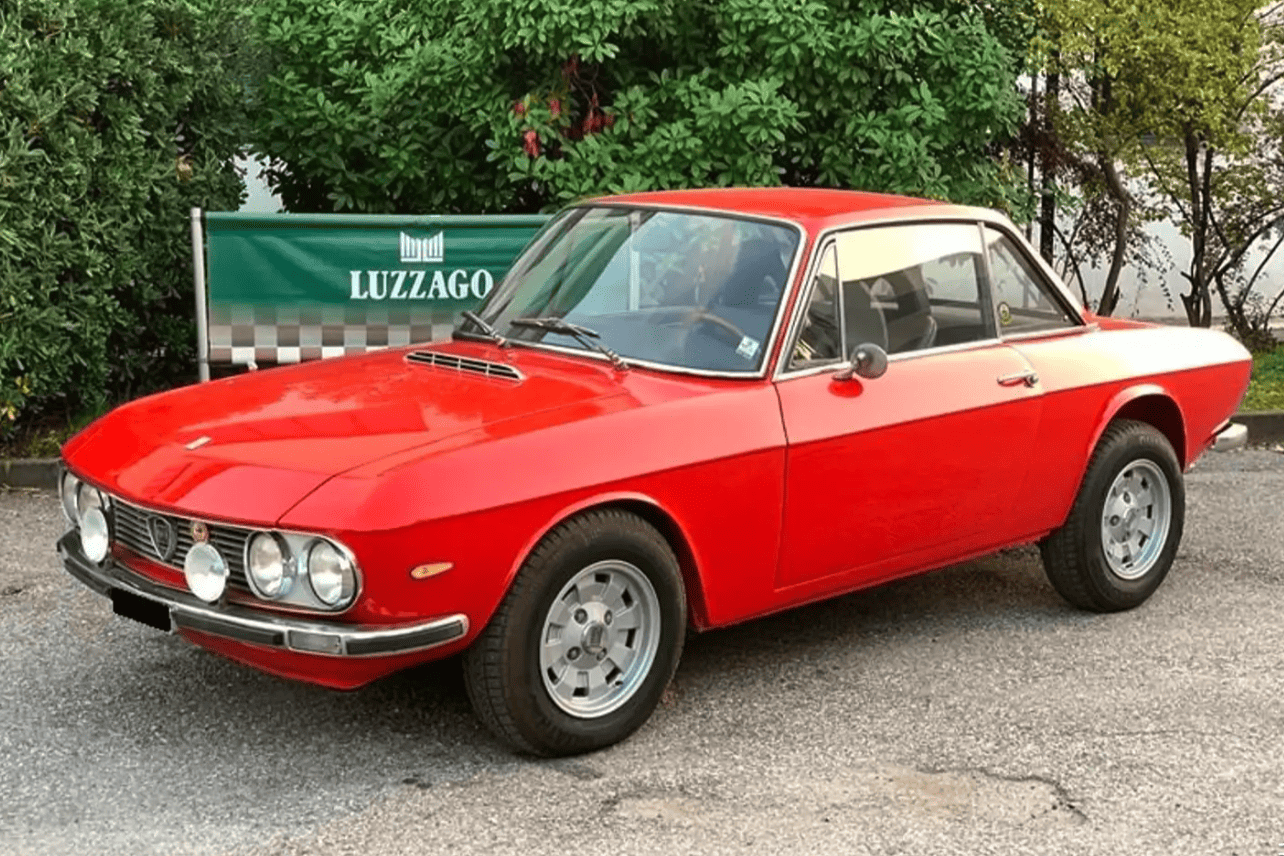
1972 Lancia Fulvia 1600 HF Lusso – $29,500
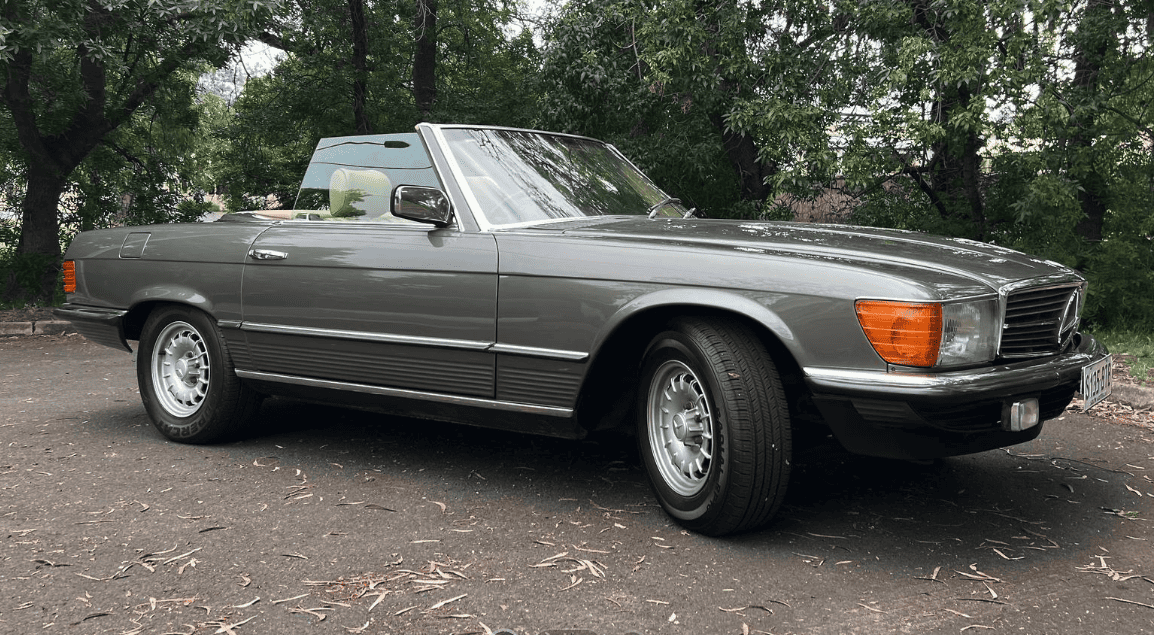
1981 Mercedes Benz 380SL – $25,000
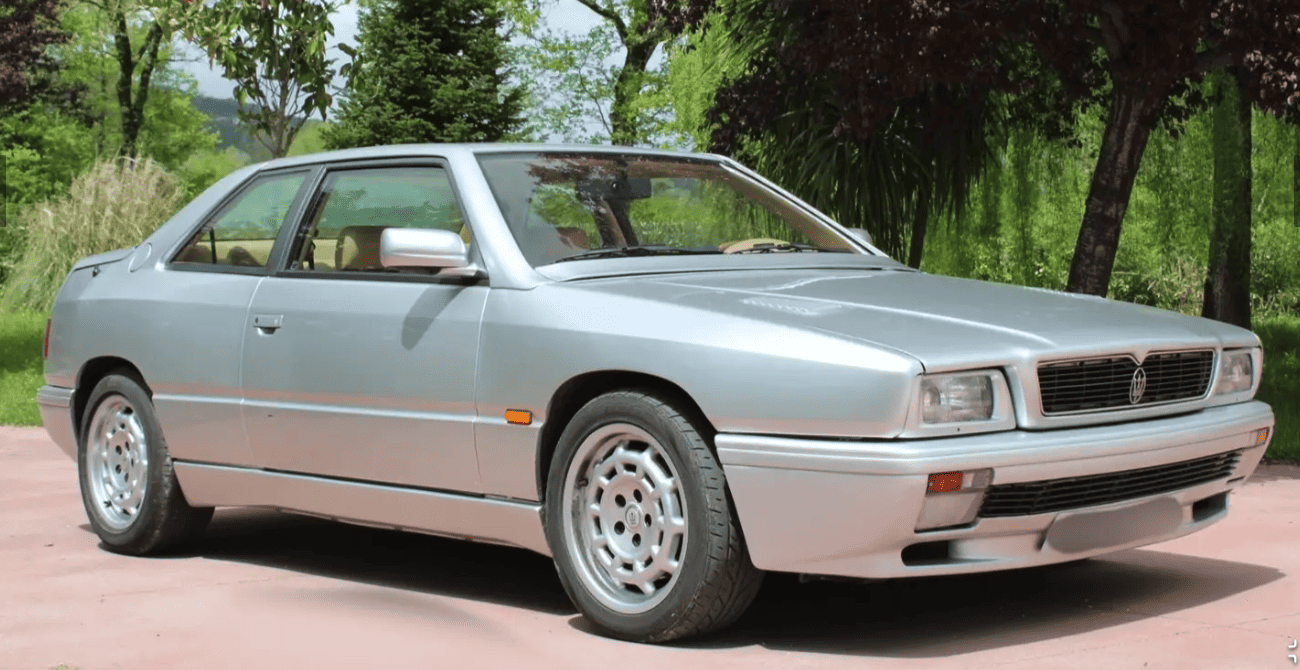
1998 Maserati Ghibli GT – $32,000
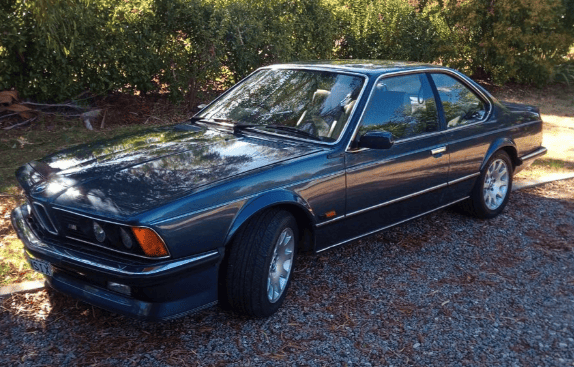
1985 BMW M635 CSi – $29,900
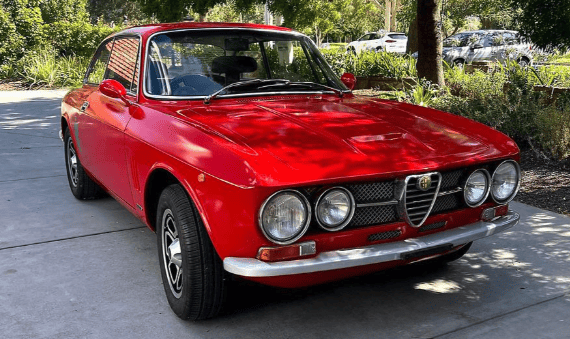
1968 Alfa Romeo 105 Series Coupe 1750 – $21,000
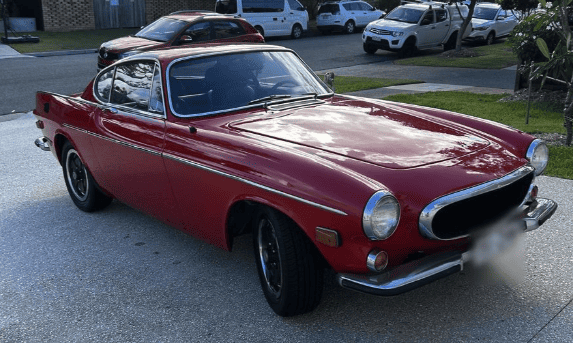
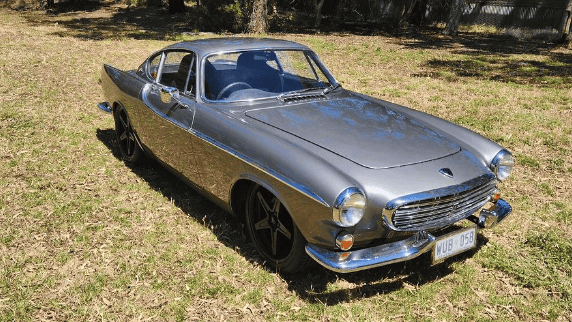
1966 Volvo P1800 S – $26,000
That would have constituted a total spend of $191,400 for 7 investment cars that I thought had potential. For many of us, traditionally, the idea of ‘Investment Cars’ was a bit of a laugh. It was the preserve of those with Ferrari GTOs or Bugatti Type 57s. Those cars went up consistently. Everything else was a money-pit.
That was then. This is now.
So let’s take a look at those 7 investment cars and see what you’d have to spend to buy them in 2023.
I will use carsales.com.au as my guide, just as I did in 2014.
I will look for the cheapest available comparable model, even though that wasn’t my approach in 2014. In other words, what’s the minimum you’d have to spend to get back into this model, today?
All prices are in Australian dollars.
—
Porsche 911 SC
I’d only just sold my Porsche 968 CS when I wrote the 2014 article, and I’d looked at 911s quite closely when shopping for the 968 in 2013. Air-cooled Porsche 911s were good value in the post-GFC era but were just starting to rise slowly.
I should mention that the 911 SC was actually not the cheapest type of 911 available at the time. The cheapest 911s on the market in 2014 were 1970s era 2.7 models, which were notorious for poor heat management (all of it fixable, but still). In 2012-13, those 2.7 models could be had for sub-$20k prices in Australia. I kid you not.
The Porsche 911 SC models for sale right now range from $75,000 to over $200,000.
The catch with this one, though, is that it’s left-hand drive. While the 2014 selection was also an import, it had a steering wheel appropriate for the market.
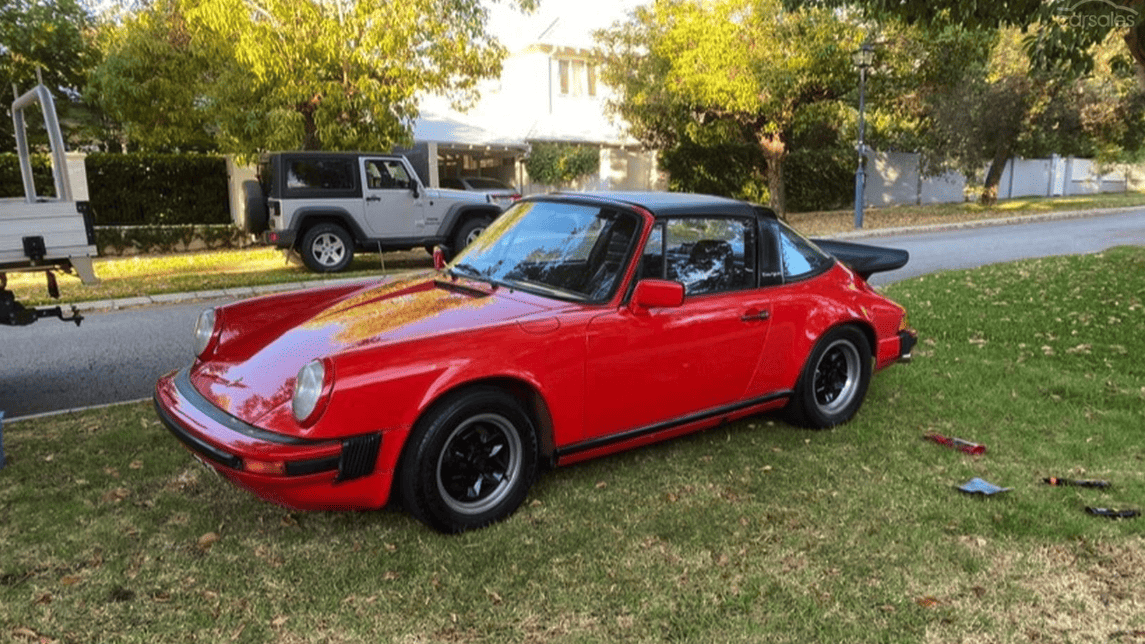
Hence, we’ll move on to the next least expensive 911 SC, which is priced at $89,000. It’s an Australian delivered Targa in Guards Red, with 215,000 kms on its original engine.
I must note, however, that this red 911 is a 3-speed Sportmatic rather than a 5-speed manual.
I didn’t specify the transmission in the 2014 entry, so I’ll run with this auto version and simply note that the cheapest RHD manual 911 SC that’s described as an original RHD car (i.e not a LHD conversion) is currently offered at $149,000.
—
Lancia Fulvia 1600 HF Lusso
There are three Fulvias for sale in Australia, currently, but none of them match the HF 1600 Lusso specification.
I did find three for sale in Italy, however. The cheapest of them is EUR50,000.
At current rates, that’s just a few hundred dollars short of AUD$80,000.
That’s a relative bargain because of the three for sale in Australia right now, the cheapest is $135,000!! That car’s a Series 1 Rallye model from 1967 with the 1.3 engine and “HF inspired cosmetic and performance modifications”. Such a car would have set you back around $20,000 or so back in 2014.
Like our sample car from 2014, this one has the optional hardtop roof and cream leather interior. Instead of red paint, this one is Anthracite Grey.
And quite lovely.
—
Maserati Ghibli GT
Back in 2014, I spotted a Ghibli GT for sale for $32,000. That was just over our $30k limit but I excused myself because….. well….. I love stupid Italian 90’s Maseratis and it looked amazing in black.
There are no Ghibli GT’s from the 1998 era for sale in Australia right now. Once again, I had to go to Italy, where I found just one example for sale.
It definitely looked better in black.
I referred to it as a “speculative pick” at the time, indicating a distinct lack of confidence in the little Mazza.
Thankfully, it’s rewarded what little confidence I had, with its price rising to EUR28,000. That’s AUD$44,000. It’s no record-breaker but at least it’s gained a little bit of value in that time.
—
BMW M635 CSi
The Shark. Best seen in JPS black and gold, but I couldn’t find one of those today.
I’m actually a little surprised that I found an M version of this car for sale for less than $30,000 back then. It seems far too low for the M version of a cult car, even in 2014 dollars.
I could only find one of these beauties available in Australia right now. It’s a UK import that spent some time in New Zealand before heading to Oz 20 years ago.
Interestingly, it comes with the original metric wheels and tyres, of which the rubber is pretty old and needs replacing. Good luck with that. It might be cheaper to store the original wheels and get new ones of a more common size.
The 1750 bit is the most important part of the nomenclature, there. There were numerous engines available with the 105 Series, but the 1750 is the sweet spot.
There are a couple of restorers slotting in around the $40,000 mark.
There are plenty of tidier ones for sale, but they’ll set you back at least $100,000.
What a sweet, sweet car.
—
Volvo P1800 S
The last car on my 2014 list was a Volvo P1800S.
There are no S models for sale in Australia right now, but there are two P1800 E models. The ‘E’ means it has fuel injection, giving it a bit more power and a higher top speed. I would imagine the ‘E’ model to be more expensive than the ‘S’ but Volvo enthusiasts, please correct me if I’m wrong.
I’m not sure where to go with this.
P1800 E #1 is an automatic. I’m pretty sure a manual would be nicer to drive and I think it’d command a higher price.
The possible downside is that the engine has been swapped for a turbocharged Nissan SR20, with a bunch of other performance modifications to handling, seats, etc. Given that originality is generally preferable in investment cars, I’m unsure as to how well this will hold value, even though it probably performs better than the original.
P1800 E #2 is priced at $75,000.
I’m going to go the conservative route, and select the more original car, even though it’s lower in price and an automatic.
—
Results
So how did we go? If we’d bought those 7 investment cars under $30,000 back in 2014, what could we potentially sell them for now?
Our total spend back in 2014 would have been $191,400.
Our total revenue based on current (minimum) 2023 prices would be $474,400!!
That’s a $283,000 profit.
A 147% return.
Even if we adjust for inflation (using USA inflation figures), where our initial $191,400 in 2014 is $248,000 in today’s money, it leaves us with a $226,400 profit. That’s still a 91% return.
Something that would impact those figures in a negative way is that I don’t account for maintenance, insurance, registration, storage, etc. Those figures would be significant in terms of the outcome.
On the other hand, however, the cars selected in 2014 were typical examples of the models that were available the time. Mid-range examples, if you will. The cars selected in 2023 are absolute entry-level. It might have made for a more fair comparison if I’d calculated an average price across models available, or selected a mid-range example.
Either way, it’s been an interesting exercise. If you’ve made it this far, thanks for sticking with me.
And if you’ve made a killing on a car in the last 10 years and want to share your experience in the comments section, please do. Anonymous posts accepted, but please don’t be telling tall tales.
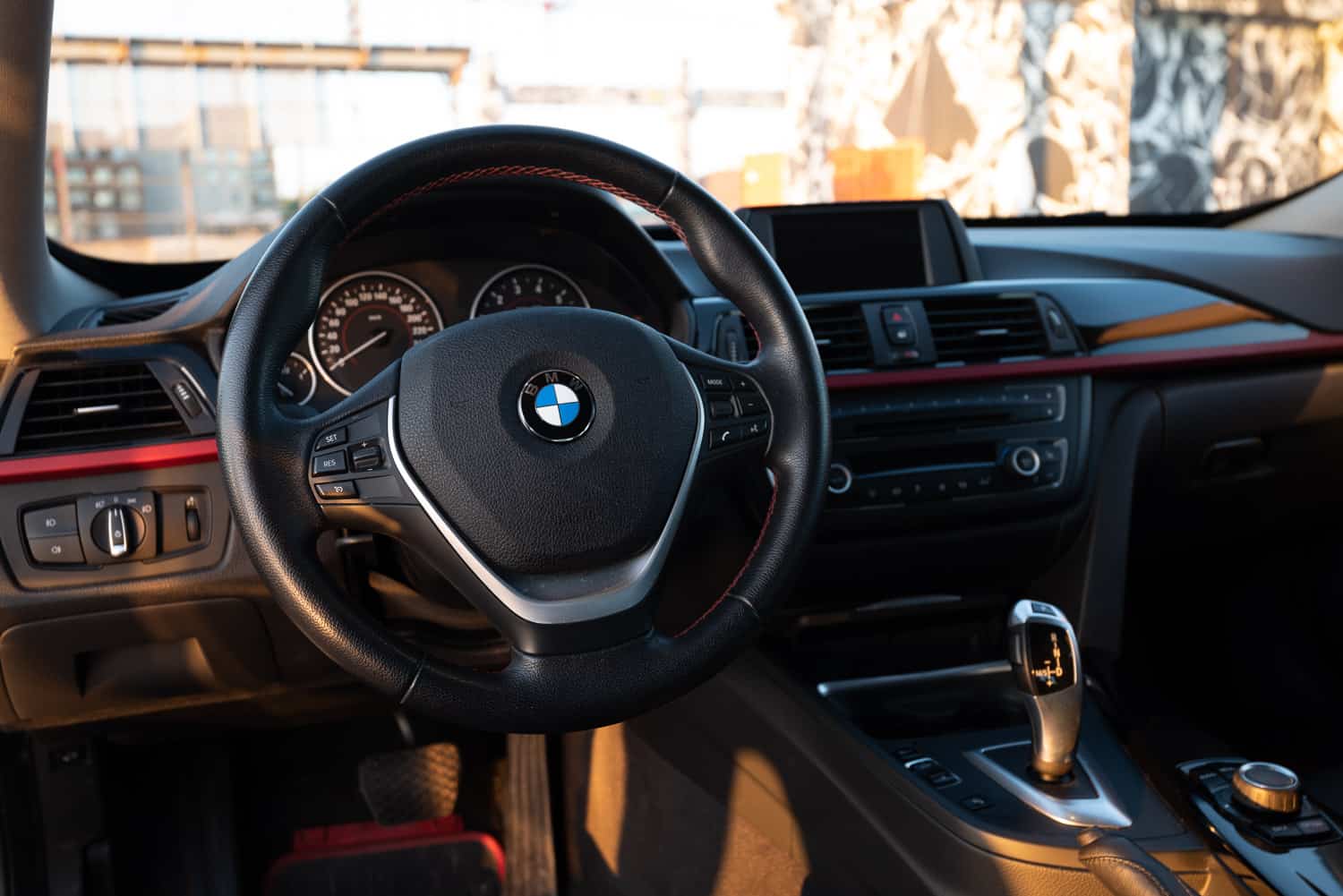
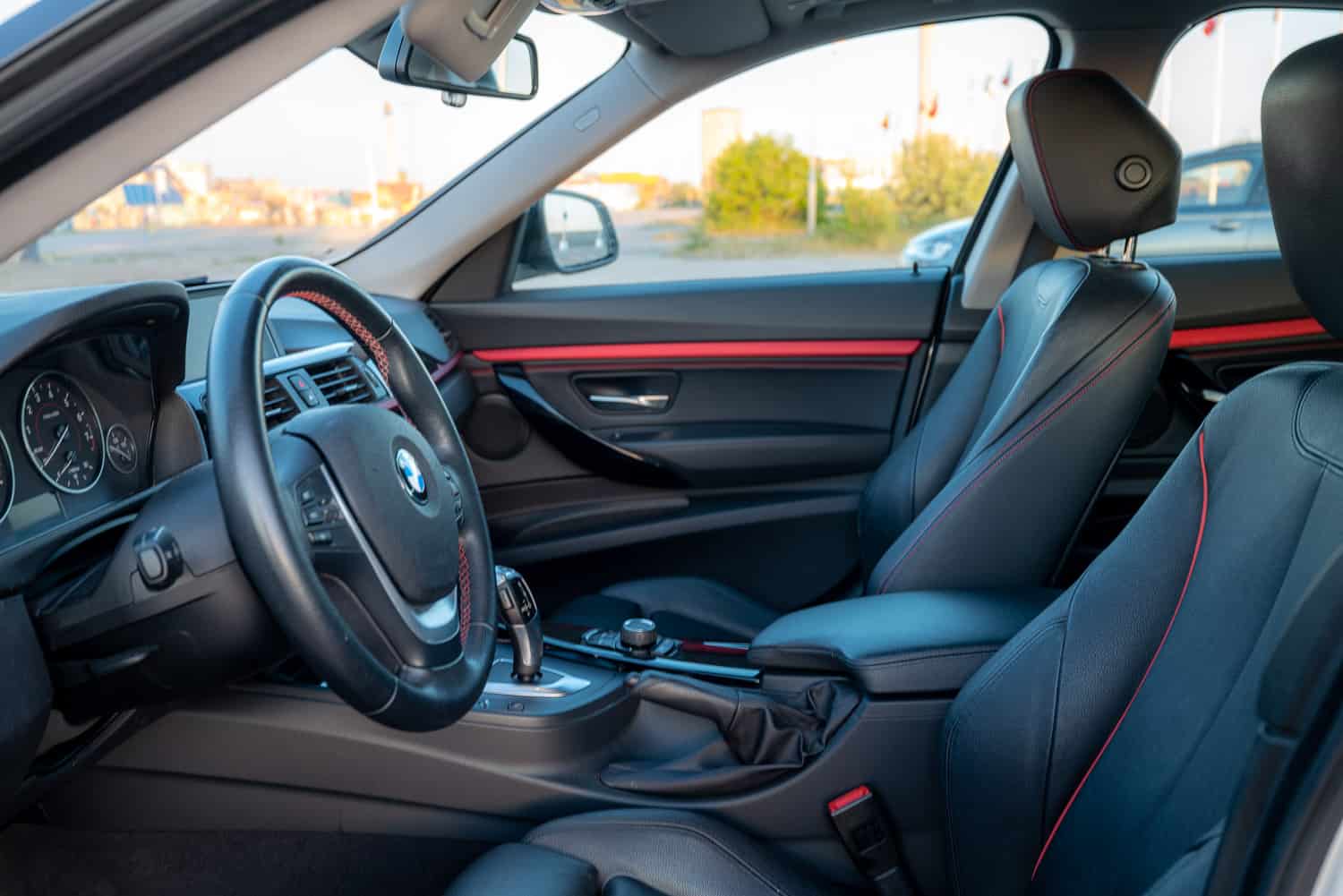
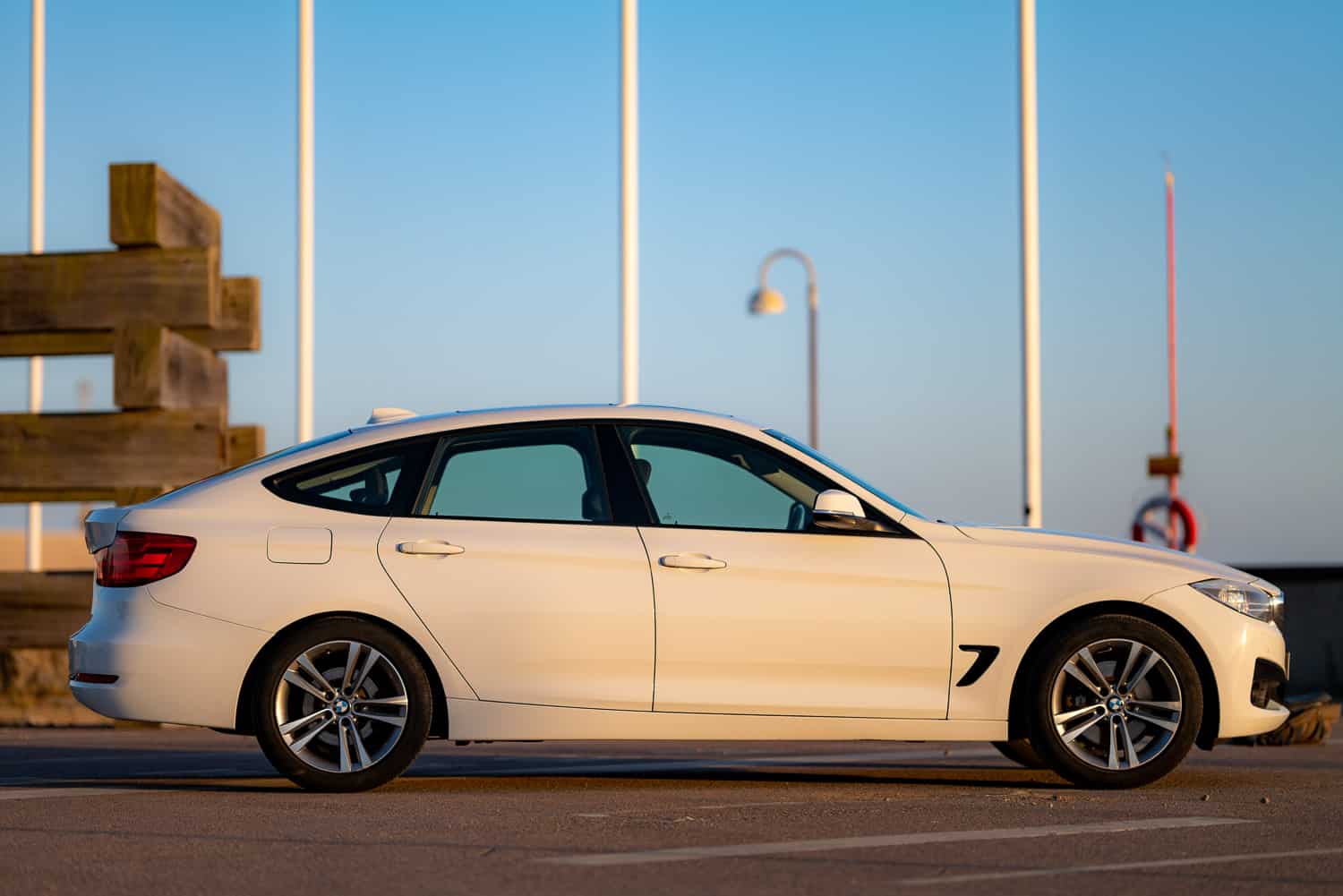
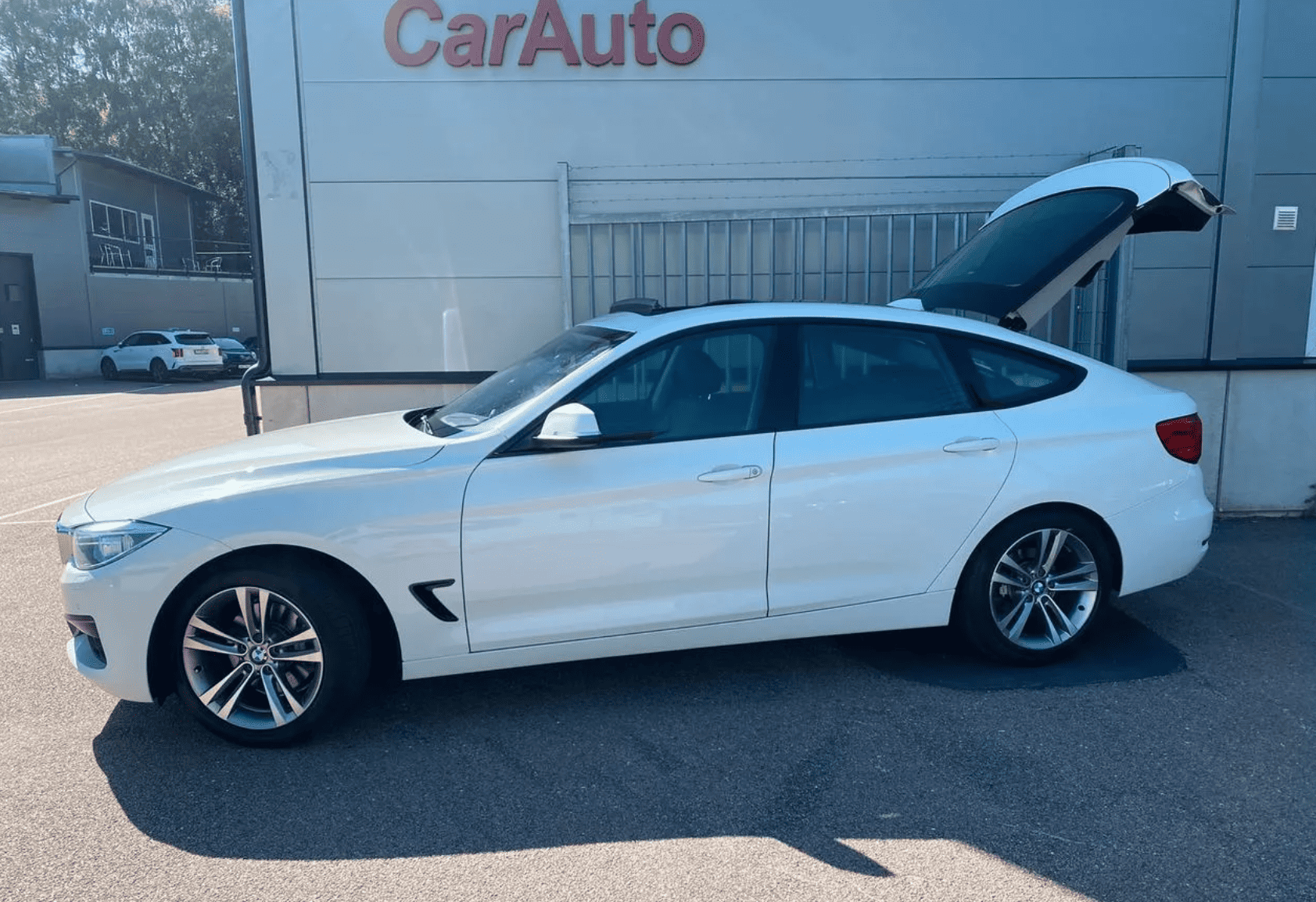
I must apologise for this post taking SOOOOOOOOOO long. It was way back in August 2022 that I appealed to the collective wisdom of this website’s occasional readers, to suggest vehicle options for our upcoming move to Sweden. We arrived here late-October 2022 and I’ve been driving this BMW 328i GT since Day 2. That was 8 months ago! Some follow-up is WELL overdue.
The criteria I set at the time:
There are going to be a lot of furniture and appliance purchases in my near future, so the ability to cram a lot in the back makes some sense.
Fuel economy – have you seen Swedish fuel prices?
Automatic – Yes, I’m finally succumbing to age and I’m a bit tired of rowing my own gears in traffic. Plus, it’ll be easier for Caro (who’s already going to be challenged by the steering wheel being on the wrong side of the car, and the car being on the wrong side of the road).
Heated seats.
Carplay – or the ability to integrate Carplay. This has become a non-negotiable for us. It pretty much rules out all button-dash Saab 9-3s, but everything else can be converted, it seems.
The budget was 150,000 to 170,000 SEK.
——
There were a lot of great suggestions in the comments section, and some cautionary tales. You all might get bit mad at me as I followed my own road on this (thanks Saab USA) and overlooked many of those recommendations and cautionary tales.
I ended up passing on the Saabs because the fuel prices are so high here, and from previous experience, running a 9-5 costs about 30% more in fuel than a more modern 4 cylinder.
I passed on the Volvos because I’m just not that evolved yet. It’s a tribal thing that I’ve simply not been able to swallow the idea of. And they’ve simply not been of historical interest for me.
My interest was piqued by the idea of a Citroen, and that continues to be an itch that I might have to scratch one day.
But I didn’t get any of those.
What did I get? – BMW 328i GT
I bought one of these…..
It’s a 2014 BMW 328i GT.
More than that, it’s actually the very BMW 328i GT that I featured in my original post, last year.
To its credit, it does fulfil all of the criteria that I set out. Absolutely.
There was (and still is) a bit of that tribal resistance to accepting the idea of being a BMW owner. It doesn’t feel like a natural fit. I eased my way over that mental hurdle when talking about the purchase with a friend, who suggested that in some ways, this is the sort of car that many of us hoped Saab would have made in that era, if they survived.
It’s a two-litre, turbocharged 5-door hatchback. That’s very much a Saab-like recipe. It’s well equipped, with a leather interior, 7-speed auto, and most of the bells and whistles you could ask for. It’s also AWD, which we thought might be helpful navigating a Swedish winter for a first-time Nordic driver like Caro.
So what’s BMW 328i GT like?
Well, it’s extremely competent.
It does everything I bought it to do. It eats up miles on a long drive. It can swallow a whale of a load. It’s economical for its size. The seats are comfortable. It has power-everything (including moonroof, but not including seat adjustment) and everything works. I haven’t converted it to Carplay yet but I can, and in the meantime it works fine through Bluetooth.
I have no reasons whatsoever to complain.
The problem is, I have no reasons whatsoever to be excited, either.
As a car guy, that’s somewhat of a problem.
I’ve not had a BMW before and while I’ve never envied those who have, I guess I’ve been curious as to why BMWs were so revered. A BMW 328i GT is probably (definitely, actually) NOT the car to explain that mystery but I hoped to at least get an insight.
So what do I think of it?
Well, I have to say, I’ve become a little bit fond of it over the last few months. It really is quite comfortable and capable. It runs on very little fuel at highway speeds for a car of its size – I can do the Helsingborg-Gothenburg run on just a quarter of a tank if I’m disciplined and cruise at 110km/h. And it really does have some size, with an extra 200mm space in the back compared to a regular 3-series. The controls take a little getting used to (for fans of weird things like me) but the ergonomics are actually quite good and controls are all logical and well laid out.
But….
Instead of an insight into the mystique of BMW, I think I’ve got confirmation of a thought that first emerged when I had my Porsche 968 Clubsport: German cars are engineered to a very high standard. They’re precise. They do what they say they’ll do. Consistently. But they lack some…… panache. At least according to me.
Let’s not include the 911 in that, eh? But otherwise….
I think I’m just doomed to like ‘stupid’ cars. Flawed cars. Slightly ugly cars. Oddballs. Mutts. Cars you have to wrestle with a little.
This is my 30th car. If I were to list my favourite 5 from that group (in no particular order), it would be:
Saab 9-3 Viggen
Saab 99 Turbo
Alfa Romeo 33 16V
Saab 900 Turbo (LPT from 1990 or so)
Alfa Romeo Giulietta QV
Honorable mentions go to the Alfa GTV6, the Subaru Brumby, the Jaguar XJR, and an AlfaSud Sprint that I didn’t own, but looked after for a friend for 6 months.
That’s an acceptable list for this website and its typical reader but it’s a reasonably ragtag bunch of automotive conveyances for your regular car geek. I could add another 10 cars to that list before I’d even consider adding the BMW, competent and comfortable as it is.
Will I keep it?
While it’s done the job that I asked it to so far, I always figured that I’ll only keep it as long as that job needs doing. That’s basically now. Our apartment is furnished and the need to carry big things has been overtaken by the need for a bit more character, a return of some cash to our bank account, and easier parking in small spots.
I really think it might be time to explore something a little more….. French.
My father was 52 years old when he died. He lived 19,256 days.
Today, the 19th December 2022, is day number 19,257 for me. Today, I am older than my father ever got to be.
It’s a strange thing, passing a milestone like that. And as you can probably tell from the mere fact that this post starts with such numbers, this milestone has been on my mind for a while. Since shortly after November 1985, actually, which is when he passed.
Would I get there? What shape would I be in if I did? And if I didn’t, would I have lived the life that I wanted to? Would I have unfinished business? Regrets?
Losing my Dad was heartbreaking for me as a 15-year-old kid but like all 15-year-old kids, I was sad because I’d lost something. Sure, I was sad that Dad had lost his life but in reality, my sadness was mostly about me. It wasn’t until some time in my late 30’s that I properly pondered what Dad losing his life actually meant for him.
When I was 15, I thought of my parents as being ancient relics. I think most 15 year-olds think of their parents that way. Now that I’m older than he ever got to be, I realise just how young he was. I realise just how much he missed out on.
Did he have unfinished business? Did he have regrets?
I can’t answer for any of his regrets. But unfinished business…
Dad passed away 37 years ago. He had a wife about to turn 50, a daughter in her late 20’s, a 15 year-old son, and two grandsons aged 5 and 2.
Mum continues to live a full life, is now in her mid-80s and still running rings around everyone. My sister’s in her mid 60’s and her boys – Dad’s toddler grandsons – have both married and had kids of their own. Dad was a two-time grandfather when he passed. Today, he’d be a five-time great-grandfather. There have been house moves, educations attained, football premierships, careers established and moved-on-from, too many prime ministers to mention, the Waugh-Warne-McGrath-Ponting era of invincible Australian cricket teams, and much more.
Those are just some of the things that he might have enjoyed during those 37 years but, of course, they would have happened around him.
More important, perhaps, is considering what he might have chosen to do in that time. What life choices would he have made?
Where would he have liked to live?
Would he have travelled?
What would he have done in retirement?
What new interests might he have pursued?
I could speculate on the answers to those questions (the Dandenongs or the Peninsula, he definitely would have travelled, photography and gardening, unknown) but in the end, it’s all a little irrelevant.
The important thing to recognise and address is that Dad had to leave stones unturned. A combination of capital-L Life and 1980’s medicine left him without a choice.
I’m his age. I’m still here. I have choices.
——
So what to do? What does one take out of a milestone like this? A slightly morbid one, but a milestone, nonetheless?
I guess it’s a chance to take stock of how life has gone thus far, be thankful for it, and see if plans for the future measure up. I don’t know.
What would you do at a moment like this?
Is there an appointed time for self-reflection, for measuring oneself and weighing the results?
And what do you do with the results?
I’ll spare you the minutiae of any deliberations I’ve had in the months leading up to today. Suffice to say that I’m OK. But a few basics, perhaps….
Regrets? I’ve got a few.
Dad worked for himself and had two kids. I’ve always worked for someone else and have no kids. I don’t regret being a salaried employee but I do somewhat regret not having kids. It was the result of a bunch of deliberate choices, soberly made, and I’m comfortable with those choices, over all. But I can’t help feeling a tinge of regret.
I’ve also made some other decisions – for good, honest reasons – that have dented a few people’s hearts and/or spirits along the way. I don’t regret the decisions. They were the right things to do and the reasoning behind them was sound. I don’t know if there’s a way I could have navigated those decisions any better, but the fact that some people were hurt suggests that I could have. I don’t know.
Unfinished business? There’s always plenty of that.
Travel. Writing. Photography. Work. There are plenty of places to see, plenty of things to learn, plenty of things to share and I’m married to a wonderful woman with whom I plan to do it all. We have based ourselves here in Sweden a) because it was available to us, and b) because it’s a great launchpad from which to do/see a lot of wonderful things.
Which leads me to where this has been going all along, perhaps…..
Legacy.
What do we leave behind when we go? What’s the point of doing all these amazing things if those experiences only serve as talking points and beautiful memories in our golden years.
Here I am, thinking of and writing about my father who departed 37 years ago. I’m thinking about the (somewhat stunted) relationship we had, the imprint of him that’s carried forward in me. And I’m wondering what sort of imprint I might leave behind, if any.
If you’re a parent, your children and grandchildren are your primary legacy. If you’re not a parent, then what?
Perhaps there’s an outward-facing element of that ‘unfinished business’ that I need to explore.
——
I’d love to know your thoughts, if you’d care to share them.
I don’t need your thoughts on my situation, but if anyone reading has gone through a similar thought process and come up with any answers, I’d love to hear them.
How do you recognise the contributions of others to your life? And how do you live in such a way as contribute more than what you’ve received?
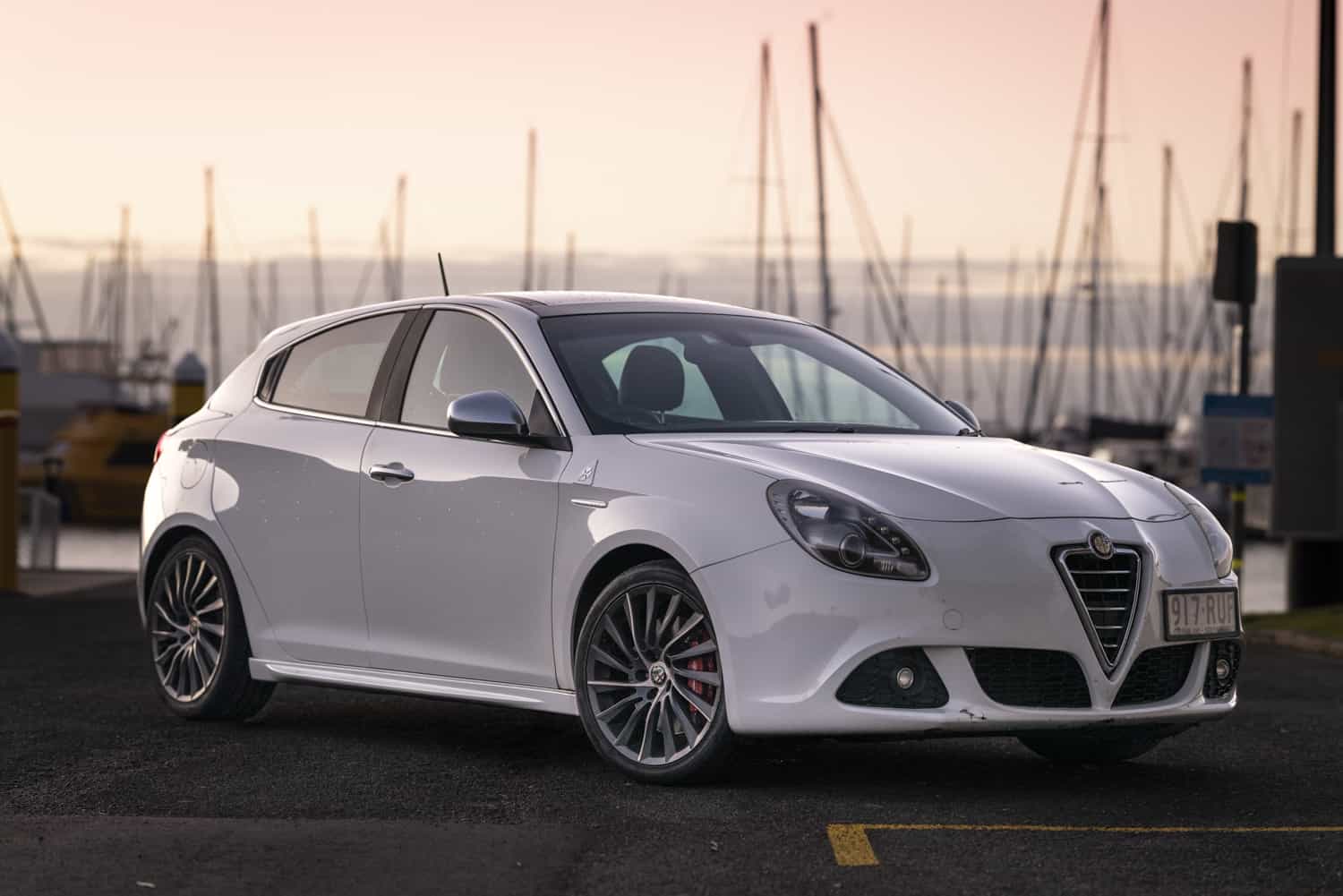
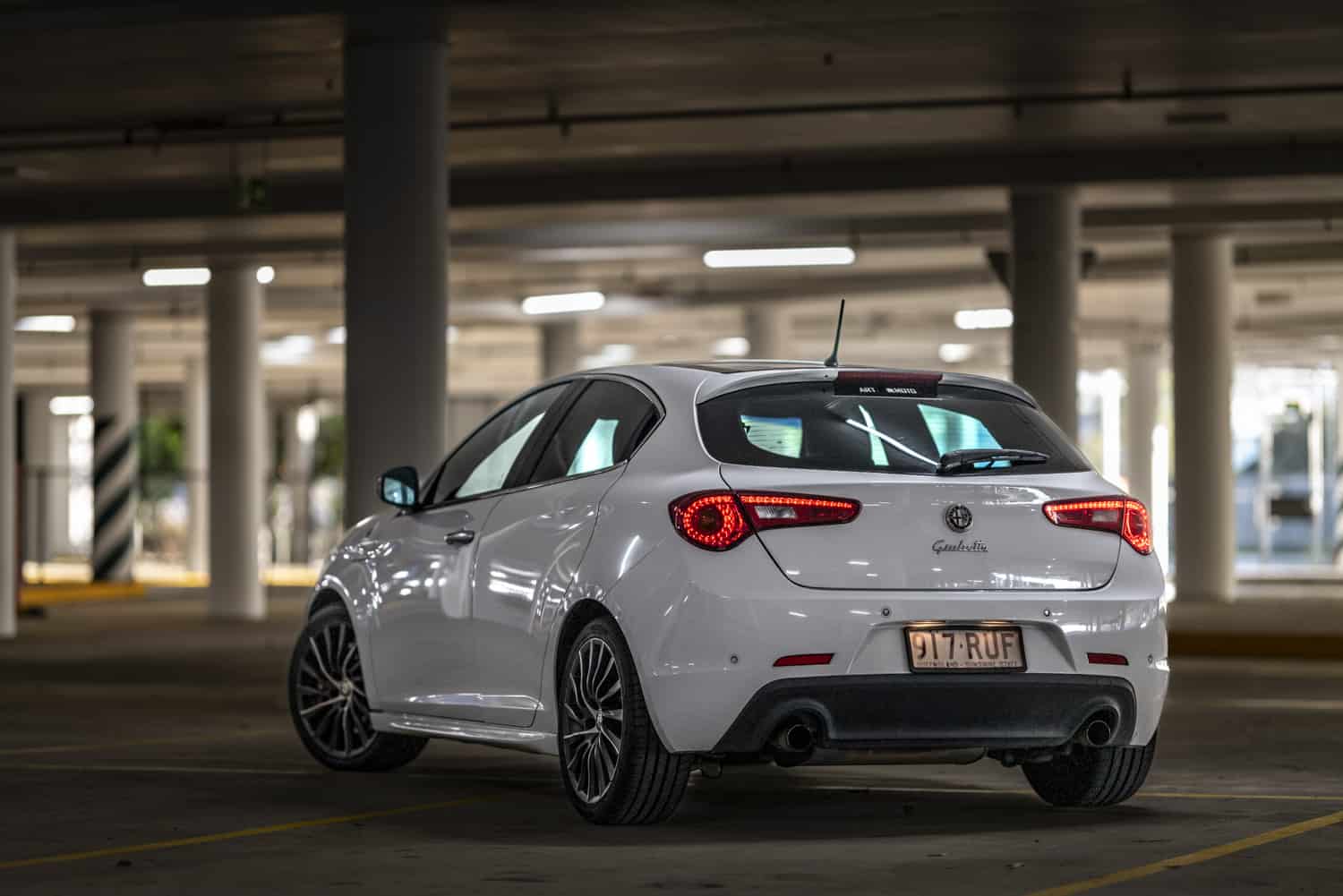
I’ve had a number of Alfas over the years. Two Sprints (plus caring for another for six months), two 16-valve 33s, a GTV6 from the mid-80s and….. the most recent one, which I’ve never written about: My Alfa Romeo Giulietta QV.
Well, my former Giulietta QV. I’ve recently sold it because we’re moving to Sweden in the coming weeks.
I thought it was well past time I committed some thoughts about this car to print. At just over three years owned, it’s one of the longest-held cars I’ve ever had. It’s one of the best, too.
——
Styling
The Giulietta was one of the first of the new-breed Alfas after Sergio Marchionne committed to revitalising the brand in the early 2000s. The 8C Competizione set the ball rolling with a new styling language nearly 20 years ago. It was released as a concept in 2003 and hit the market in 2007. It’s curvaceous styling and prominent headlamps were drafted into the MiTo in 2008, the Giulietta in 2010, and the 4C in 2013.
Alfa has more recently released the Giulia, Stelvio and Tonale, all of which keep the curves of the post-8C era while incorporating the sleeker headlamps more reminiscent of the 159/Brera line that preceded it.
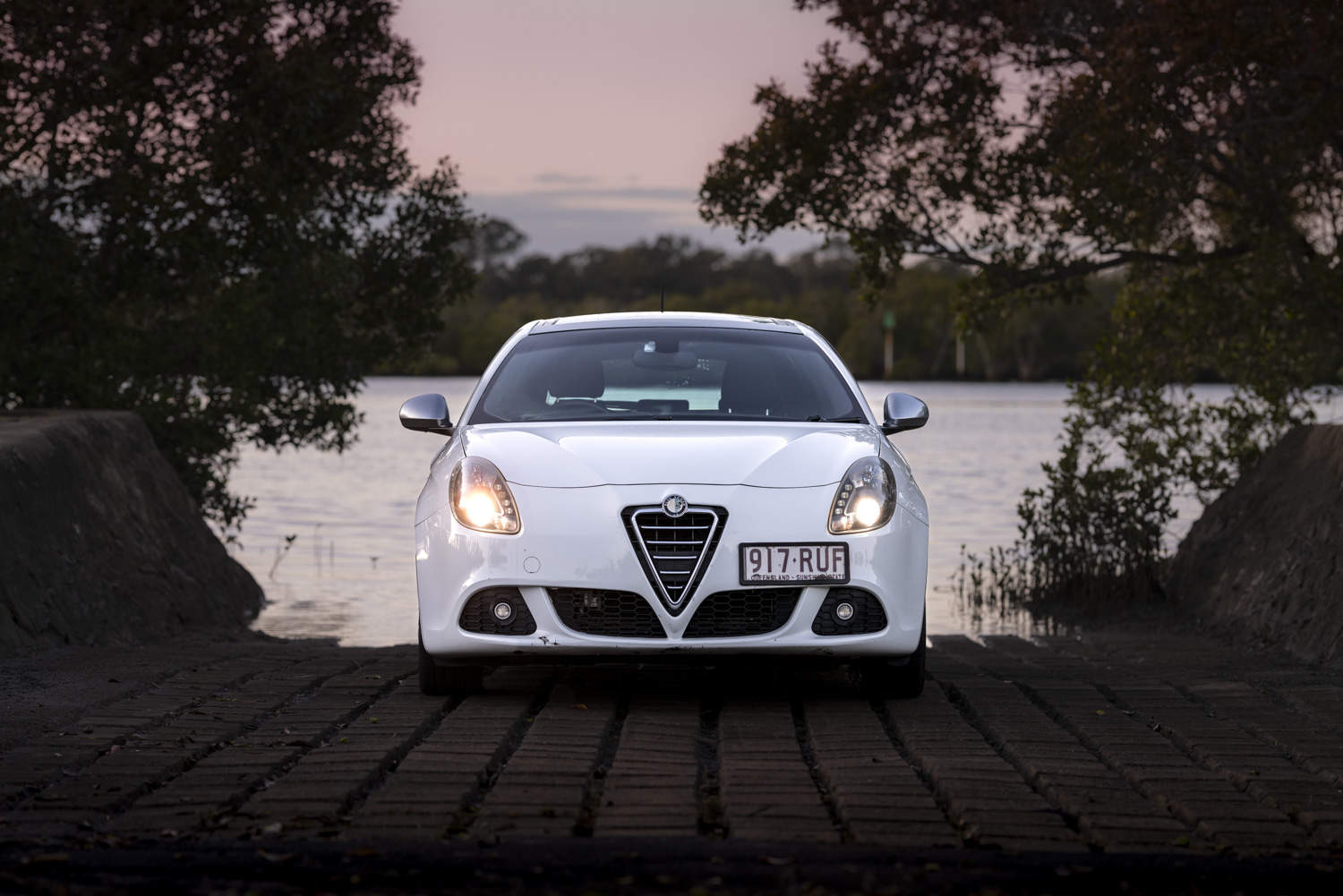
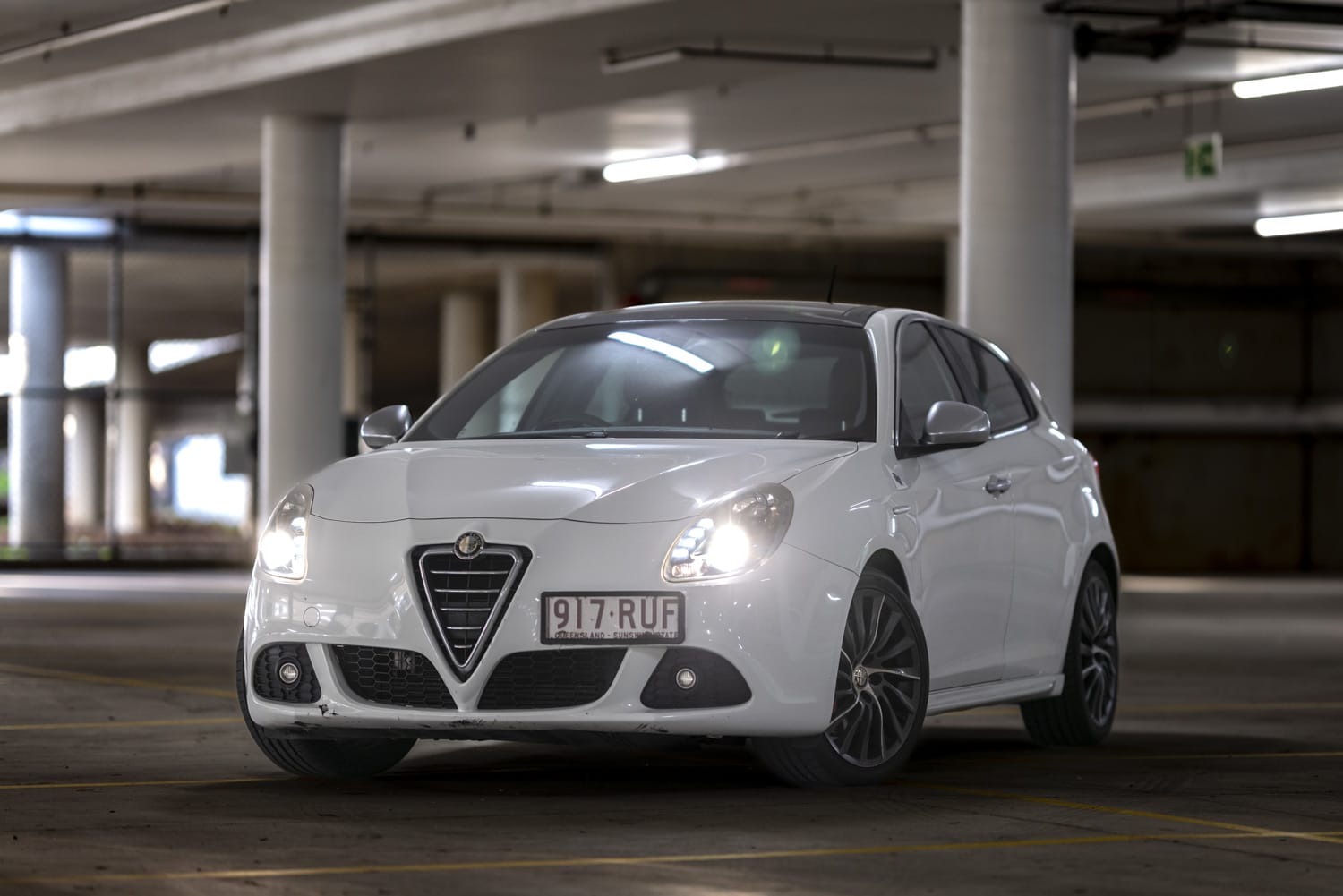
The Giulietta is a handsome hatchback. It uses the old integrated rear door handle trick to keep a more coupe-like appearance. It has a big Cuore Sportivo front grill that looks magnificent on an unplated car, but places the front number plate in an offset position that looks a little bit silly. The QV model gets 18-inch multi-spoke wheels. Later models got 5-hole teledials, another nod to Alfas past.
The front lamps include LED running lights and the rear lamps include a circular pattern that looks great when braking. There’s also extensive use of glass in the body, too, with a glass roof that sweeps back from the windscreen and offers two skyward viewing windows from inside the vehicle.
As all Alfas should be, the Giulietta is distinctive. It’s a genuinely handsome hot hatch in QV guise and properly smart in the less performance-oriented models, too.
——
Mechanicals
My Giulietta is a 2010 QV model with the high-output 1750 turbocharged 4-cylinder mated to a six-speed manual gearbox. The engine produces around 230hp with 340Nm of torque.
This powertrain is an absolute delight. The engine is smooth and responsive. It’s thirsty if you’re playing in Dynamic mode (see below) but remarkably economical when in 6th gear – a claimed 5.2 litres per 100 kms (45mpg US) in highway mode, which corresponds with my experience driving the Giuletta on several 2500-kolimeter Brisbane-Sydney-Melbourne-Adelaide trips.
Performance can be controlled by Alfa’s DNA selector switch, which initiates different engine and suspension mapping aimed at Dynamic, Normal, or All-weather driving. The difference between normal and dynamic is remarkable. The car is no slouch in Normal mode, by any means, but the throttle response in Dynamic is much more immediate and makes for a truly exciting drive.
Being the QV model, my Giulietta also got bigger brakes with red calipers – red makes it stop faster, of course. The suspension is also lowered by 15mm at the front and 10mm at the rear compared to other models in the range.
——
Interior and Equipment
Modern Alfas have typically been impressively styled on the inside and the Giulietta is no exception.
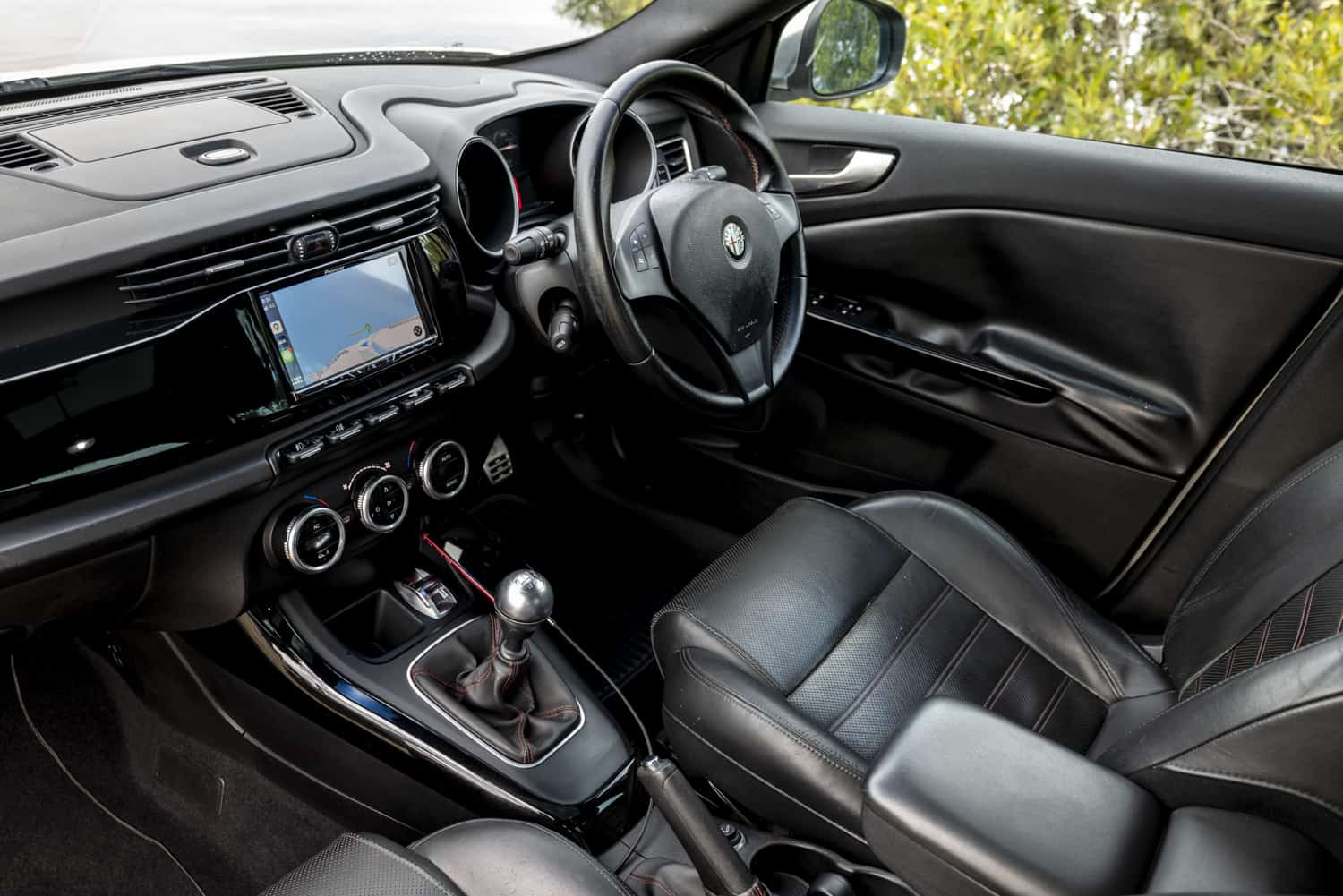
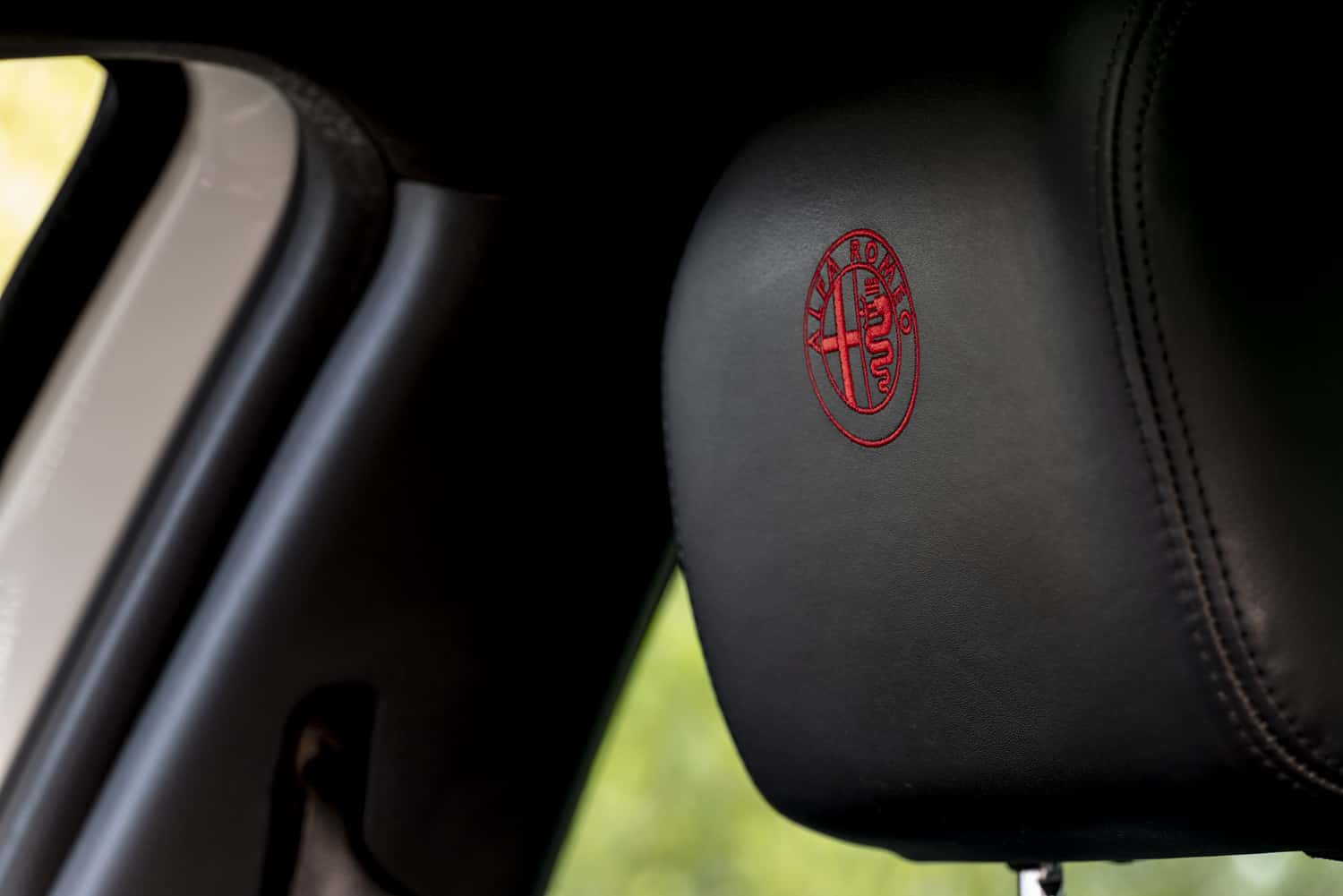
The QV model is equipped with leather seats with contrast stitching, leather steering wheel, the aforementioned glass roof, privacy glass, climate controlled AC, cruise control, rain-sensing wipers, AR logo stitching on the headrests, and brushed aluminium pedals and gear lever.
The previous owner of my car did an audio upgrade that installed a double-DIN Pioneer stereo with Apple Carplay, which was housed in a new dashboard panel in piano black. The installation looked fantastic – as if from the factory – though it would have been better if he’d done the full wiring job to allow functionality for the steering wheel buttons.
The seats are fantastic. As mentioned, I did a few journeys between various capital cities here in Australia and they had me sitting comfortably all day.
——
So what went wrong
It’s an Alfa, right, so stuff had to go wrong.
Mechanically, the car was absolutely fine. As mentioned, the engine is a gem and it ran beautifully for the three years I owned the car. The gearbox, too.
The only mechanical issue I had was a broken bottom radiator hose connector, which is not beyond the realms of possibility for what was, at that point, a 10 year old car.
Inside, however, that stylish and well equipped interior did let the car down a few times. Cheap plastics and poor glues meant attention was needed for:
– Broken driver’s side interior door handle (replaced)
– Broken hood release lever (replaced)
– The sunroof is very, very sketchy. It opened just fine. Closing required a bit more patience (and luck). I did it once or twice then left it, and just enjoyed the glass roof in the closed position.
– Broken passenger side sun-visor clip (tolerated)
– Saggy door trims (tolerated)
You can see the sagging door trims in this interior photo.
Conclusion
Other than those minor interior issues, everything worked and the car was an absolute pleasure to drive for three years.
The folding rear seats meant that it could accommodate a load quite well. The six-speed gearbox was smooth in fast-changing situations and super economical on the highways. The engine was lively when called upon and got out of the way in normal traffic.
The handling wasn’t spectacular. You’re not going to go canyon carving at max speed in this without doing a better suspension setup. But it was fine for the average enthusiast – a good balance of comfort and speed – and the braking was much more than adequate.
I’d got used to forgiving the quirks of the various other Alfas I’d owned. I loved all of them because they made you fight with their worst bits in order to really, really enjoy their best bits.
There was very little to forgive with the Giulietta. It was beautiful to look at, wonderful to sit in, it was well equipped and powered by a fantastic powerplant.
This little Alfa carried me all around south-east Australia – more than once. It carried my now-wife and I on our second (and third) date, which were beautiful moments in our budding relationship. It took me everywhere I needed to go and it did so in comfort and style.
The Giulietta was one of the better cars I’ve owned and I can thoroughly recommend it. Alfa’s typically depreciate quite a bit so if you spot one selling at a good price, then do all your checks (of course), but be confident in knowing that you’re getting a cracking little car for the money.
As you now know, we’re moving to Sweden. And as I sold my Alfa (quite literally) just five minutes before starting this post, my mind is now on what keys will be in my pocket when we’re living there.
This is a genuine quandry, and one I wouldn’t mind your collective advice on. My default is to go with the most fun at the cheapest price. But I might be growing up. And I might have some miles to do and need some reasonable accommodation and decent mileage. My penchant for classics might not cut the mustard here.
The criteria:
There are going to be a lot of furniture and appliance purchases in my near future, so the ability to cram a lot in the back makes some sense.
Fuel economy – have you seen Swedish fuel prices?
Automatic – Yes, I’m finally succumbing to age and I’m a bit tired of rowing my own gears in traffic. Plus, it’ll be easier for Caro (who’s already going to be challenged by the steering wheel being on the wrong side of the car, and the car being on the wrong side of the road).
Heated seats.
Carplay – or the ability to integrate Carplay. This has become a non-negotiable for us. It pretty much rules out all button-dash Saab 9-3s, but everything else can be converted, it seems.
My ideal two-car garage – in the long term – would be to have something modern, small and economical that we’d both drive in the colder months with something fun to pull out of storage in the warmer months. An Abarth 595 and Saab 99, 96 or 900, for example. Maybe something electric instead of the Abarth will be feasible by the time we’re in that position. Maybe there’ll be an electric car with character by then.
But that’s the long term.
When we hit the ground in Sweden, we’re going to need one car to do it all. Or most of it, at least. We also need to buy an apartment, so cost is going to be an issue as we’d like to minimise our mortgage.
I’m thinking that I can address this issue in either of two ways.
A) Buy a cheap-ish load-lugger for the short term and then get a longer term car in 6-12 months, or B) Look for something spacious with a medium term view, a car that’ll also consume a reasonably small amount of fuel (relative to its size). And then we get the ideal two-car setup in a few years from now.
The top end of our budget is around 150,000 – 170,000 SEK.
Here are the options I’ve come up with so far:
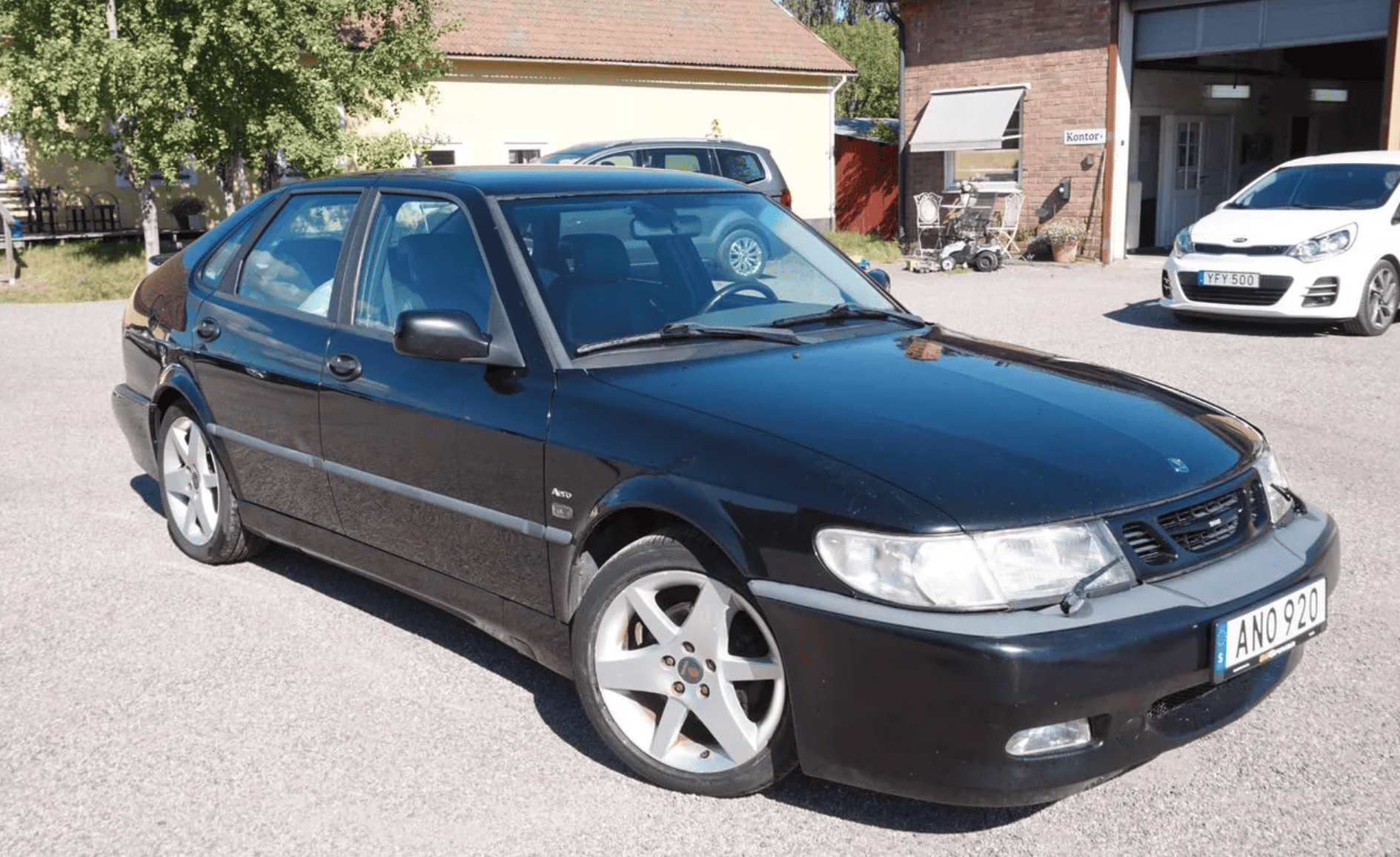
Saab 9-5 Aero Wagon
This would be instantly familiar. I had a 9-5 Wagon in (manual) Vector form for my whole 4 years in Sweden between 2015 and 2019. It was super comfortable, could swallow a whale, and it proved to be very reliable.
How comfortable was it? I also had a 1995 Jaguar XJR for six months and the 9-5 left it for dead in the comfort department. The seats, the ride, everything. It wasn’t the theatrical event that the Jaguar was, but on a practical level, the 9-5 was a much more comfortable long distance car.
It’s in Skane and it’s just 22,500 SEK. It’s a high miler, of course. Most of these are, now. But I’ve got a guy just outside Angelholm who’s a Saab guy, and who used to wrench on Koenigseggs for a living. He knows his stuff. Anything that needs doing, Mika can get it done.
If I want something with less mileage, this one’s only done 150,000 kms but it’s more than twice the price, at 49,900 SEK.
Getting a 9-5 would one of those short-term solution situations, most likely. It’s affordable, it’ll swallow a whale, and ….. well, it’s a Saab. And I love Saabs. That second one could do me well for a couple of years but I don’t know if I want to spend that much on a 9-5 Wagon.
The downside is that it’s old engine technology and it’s not going to be great on fuel (and have you seen Swedish fuel prices?? Did I mention those earlier??).
——
Saab 9-3 Aero
My two favourite Saabs that I’ve owned are my 99 Turbo and my Viggen. That generation of 9-3 is my generation of Saab. They still look great today, and despite the chassis flaws, they’re still good to drive.
This 9-3 Aero is a 5-door (there don’t seem to be many 3-doors) but it looks tidy enough in the ad and has reasonable mileage. It’s advertised on Blocket for 34,900 SEK.
The 9-3 and 9-5 can both be retro-fitted with double-DIN stereos with Carplay. It doesn’t look so great, but it’s possible.
The 9-3 won’t take as much gear as a 9-5 wagon but it’s still got a decent load capacity.
Again, though, it’s old-school engine tech and it’s not going to be as good on fuel as the more modern offering listed below.
——
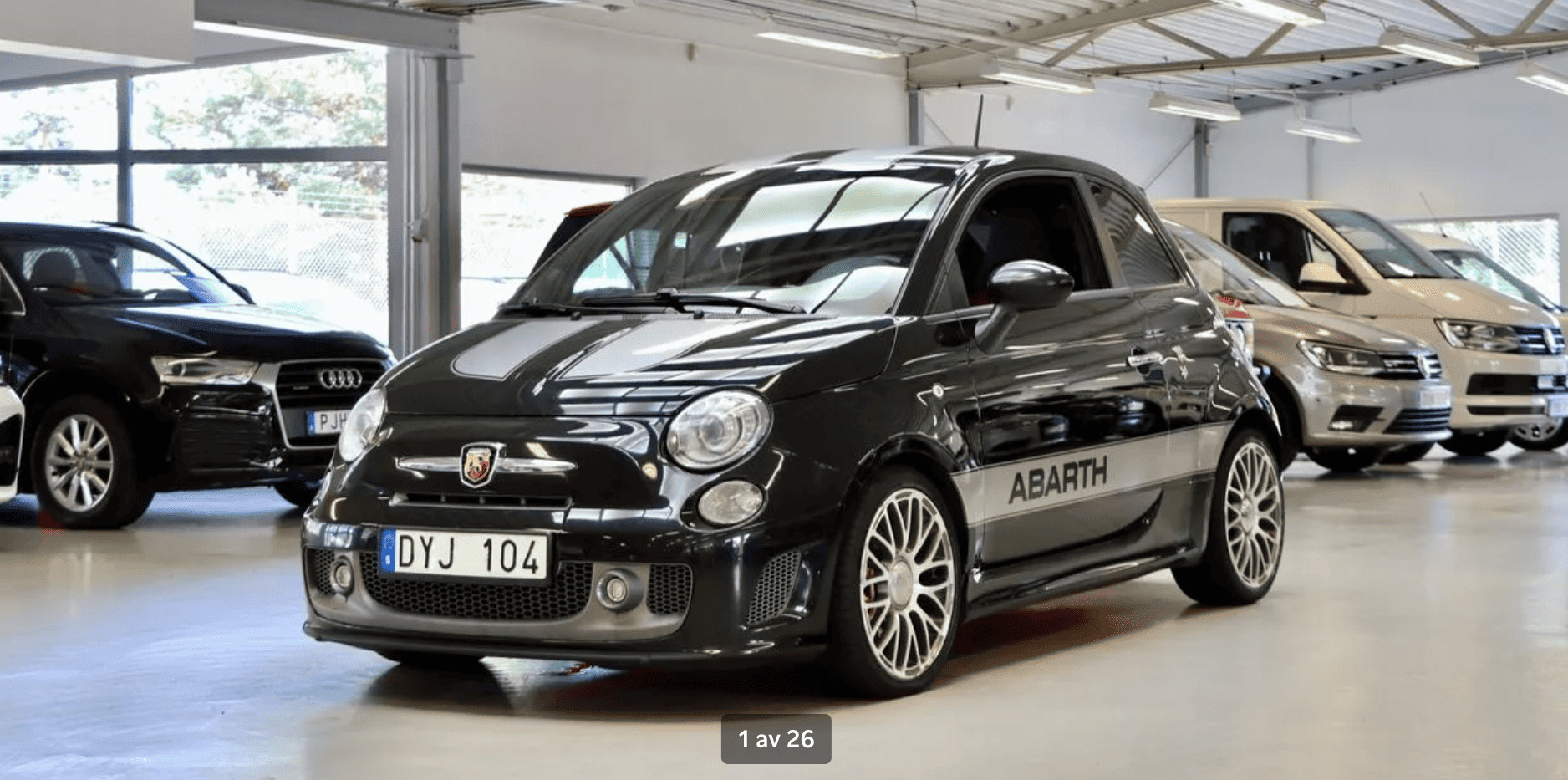
Abarth 595
This is one of the long terms options. It’d be great on fuel while still being lots of fun to drive.
It throws the load-lugging criterion out the window, though. Everything would have to be delivered if I went with this option.
This one’s for sale on Blocket for 129,900 SEK. It’s one of the cheaper ones on there. I’m not sure that it can be retrofitted with Carplay but it has a USB input, I believe, so maybe we’d just make do with that. I wouldn’t like it, but we could do it. If we had to.
For those Italia-sceptics out there, I’ve just sold an Alfa Giulietta QV that I had for three years with near-zero problems. The only I issue I had in that time was with a bottom radiator hose connection. Everything else was fantastic. I know Italian cars have a reputation, but that’s an historical issue from my point of view. And somewhat underserved. This was my 6th Alfa and they’ve all been great.
I’d get one of these with no concerns at all. And it’d be more fun than a sack full of puppies, I reckon.
——
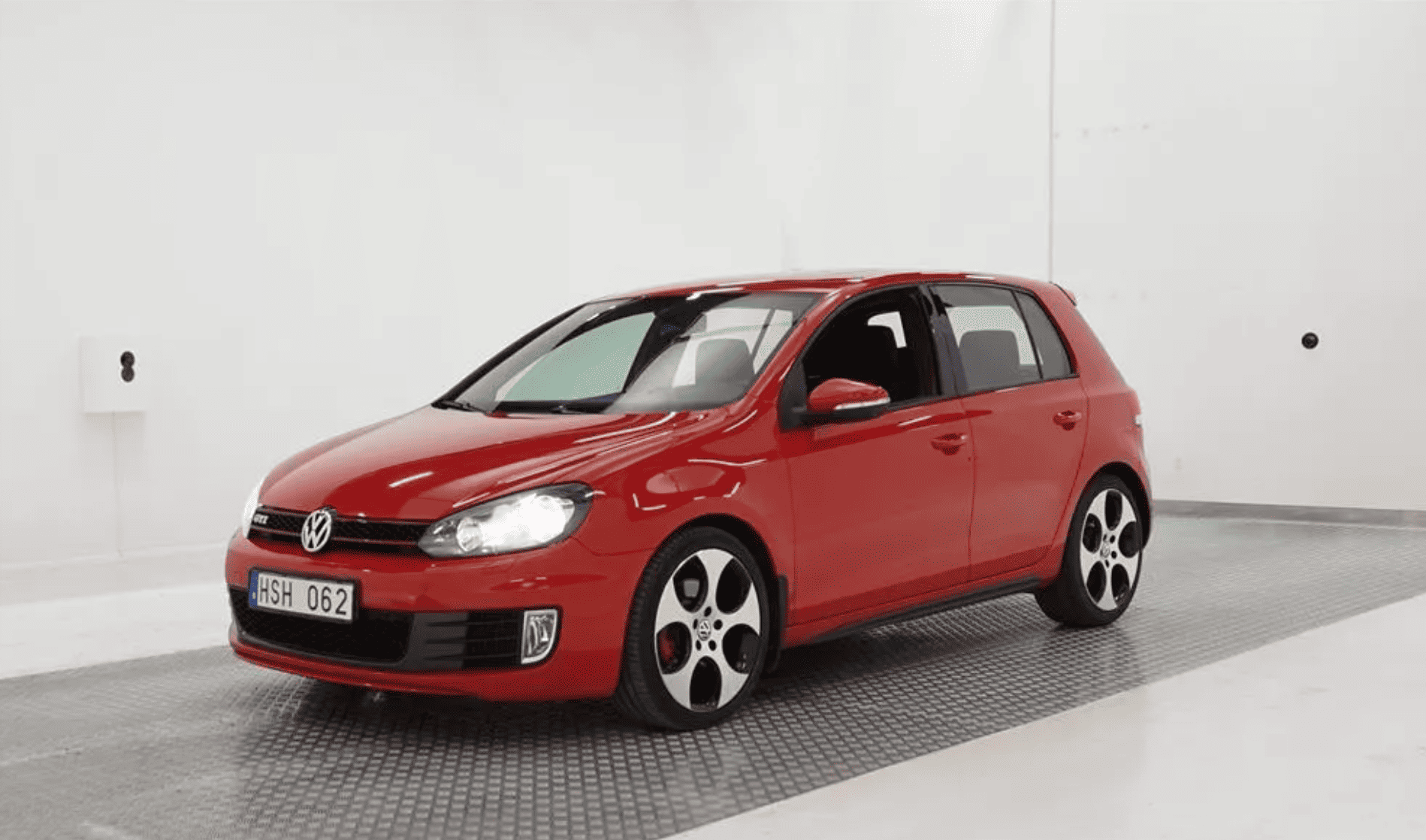
Volkswagen Golf GTI
The classic one-car-to-do-it-all. The GTI.
It’s German. It’s one of three German cars on this list, actually. And that troubles me.
The Germans all present as very compelling options on paper. Before you drive them. I’ve only had two German cars in my lifetime. A Porsche 968CS and a Porsche 928S. The 928 needed the most work of any car I’ve owned and while the 968 was an incredible performance machine, it was so incredibly competent, so well balanced, so in-control of everything it did that it was…. boring.
My concern is that the Germans do cars too well sometimes. But, maybe I need to dip my toe in the GTI waters to see what all the fuss has been about.
This one is red. That’s a genuine selling point for me. In a world of monochromatic road fleets, this could actually put a smile on my face. It’s for sale on Blocket for 134,700 SEK and has 160,000 kms on it.
It’s got 210hp. It’s got the tartan seats that add some character to the interior. It’s got funky five-hole wheels. And it’s a hatchback, so it’s versatile enough to fit mid-size purchases in.
It’s not great on fuel economy around town (10 litres per 100kms) but improves on the highway, going at just 5.9l per 100 kms.
It’s an option. It’s kind of grown up and a little bit childish. Just like me.
——
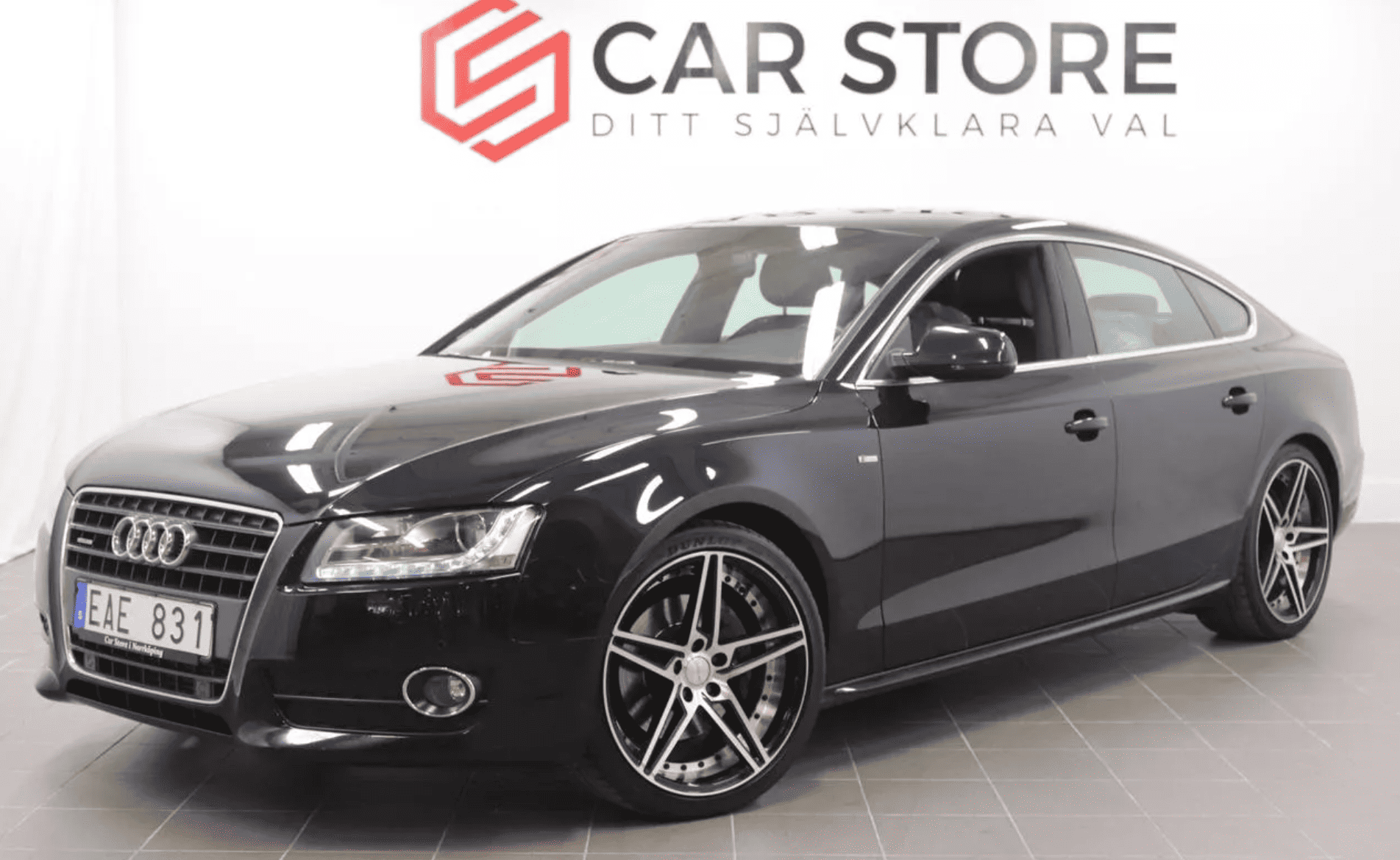
Audi A5 Sportback
This is me growing up. Maturing.
I’ve always been partial to a hatchback and I’ve always found the A5 – both the coupe and the sportback – to be rather handsome.
It’s sophisticated and elegant on the inside, and there are Carplay options that allow you to keep the original screen and OS while running Carplay in the background, switching between the two according to your needs.
This one’s in dark blue – a colour I love – and has interesting wheels (the wheels maketh the car, as you know). It has 110,000 kms on the clock and is for sale for 149,900 SEK.
The sportback body style has a large opening at the back, so it’ll accommodate all our needs for some time. It’ll be comfortable, adequately powered and well equipped. Fuel economy isn’t bad, either, at 7.5 litres around town and 6.4 on the highway (VW Group fiddly numbers notwithstanding, of course).
One downside is that this engine has a reputation for drinking oil. There were words to the effect of “it is not unusual for this engine to consume a litre of oil per 1000kms” in the owners manual. Yikes!
——
BMW 328i Gran Tourismo
It’s one of those weird BMW coupe-but-not-a-coupe things. It’s not quite “the answer to the question that nobody was asking” (i.e. the BMW X6), but it’s close.
On the upside, I’ve seen a 5-series version of this swallow an entire Ikea Landskrona sofa – the 4 seater. It can take plenty of gear in the back. It’s also got plenty of passenger space, is well equipped and at 6.8 litres per 100 kms in mixed driving, it’s pretty good on fuel for its size and power (245hp).
This one’s done 160,000 kms and is for sale at the very top end of our budget, at 169,900 SEK.
It’s a BMW, which is something I’ve never owned. I’d feel a little bit dirty, to be honest, but it does look rather comfortable and capable. Again, there are Carplay options that let you add it to the existing system, as with the Audi.
——
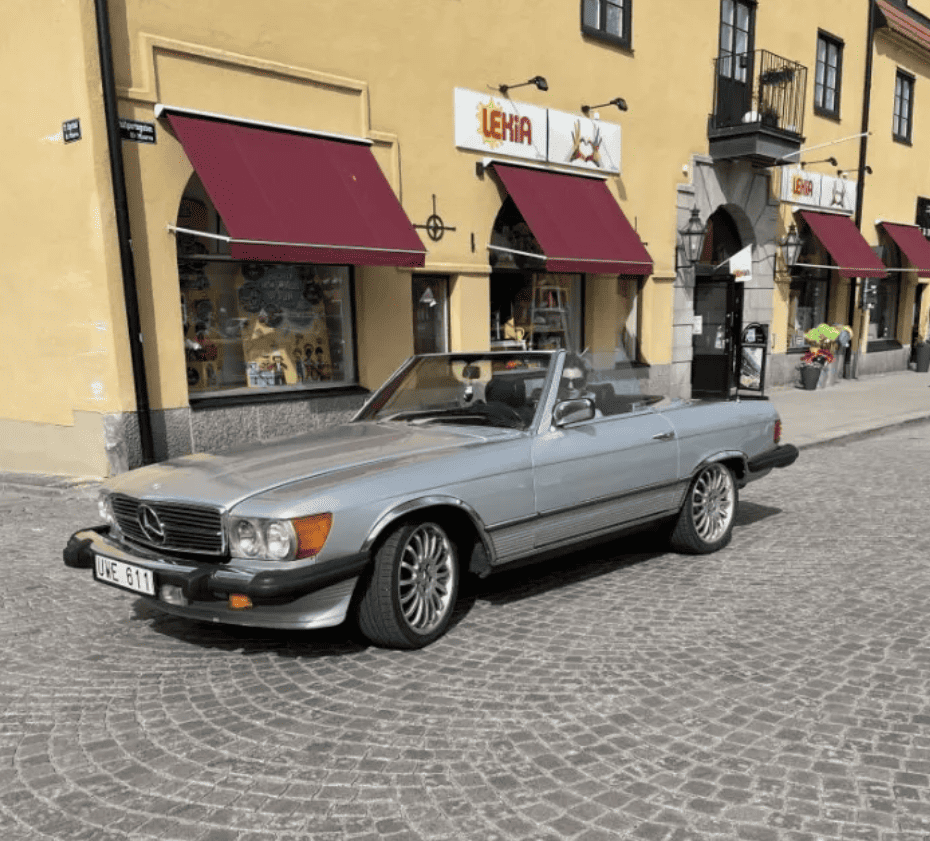
Mercedes 380 SL
Why? Because I’m an idiot.
This car has nothing that we need. It barely has a stereo and you’d have to tow your own fuel pump behind it.
But where else can you get a Mercedes 380 SL for that money? The cheapest one for sale in Australia right now is nearly 500,000 SEK. This one is for sale for 159,000 SEK!!!!
Just beautiful. Just beautiful.
——
So what do you think?
What have I missed?
Aside from the Saabs at the beginning, I’ve not owned any of these cars before. I’m flying blind, here.
Is there anything else I need to know? Is there any other make/model I should be seriously looking at?
Hey there. Last week’s post notwithstanding, it’s been a while.
Given that this website was always intended to be a more personal site – rather than the Saab community sites of yore – and because I’ve made a few electronic friends over the years that I enjoy keeping in touch with when I can, I thought it indulgent appropriate to…. reintroduce myself, to fill you in on what’s been going on over the last 18 months or so.
There’s been a bit happening.
Brabham
As you might know, I left Koenigsegg to return to Australia and work for Brabham Automotive. My employment with Brabham concluded with a redundancy a few months ago, in June, 2022.
The less that’s said about my Brabham Automotive experience, the better. The car does what it says on the tin – it goes very quickly around racetracks – and has the potential to do more. Working with members of the Brabham family was a pleasure and a few of the colleagues there were absolutely great.
That is all.
——
Adelaide
Working at Brabham initially took me to Adelaide, which gave me a wonderful opportunity to stay with family I’d not seen nearly enough of over the years, and experience life in a new city.
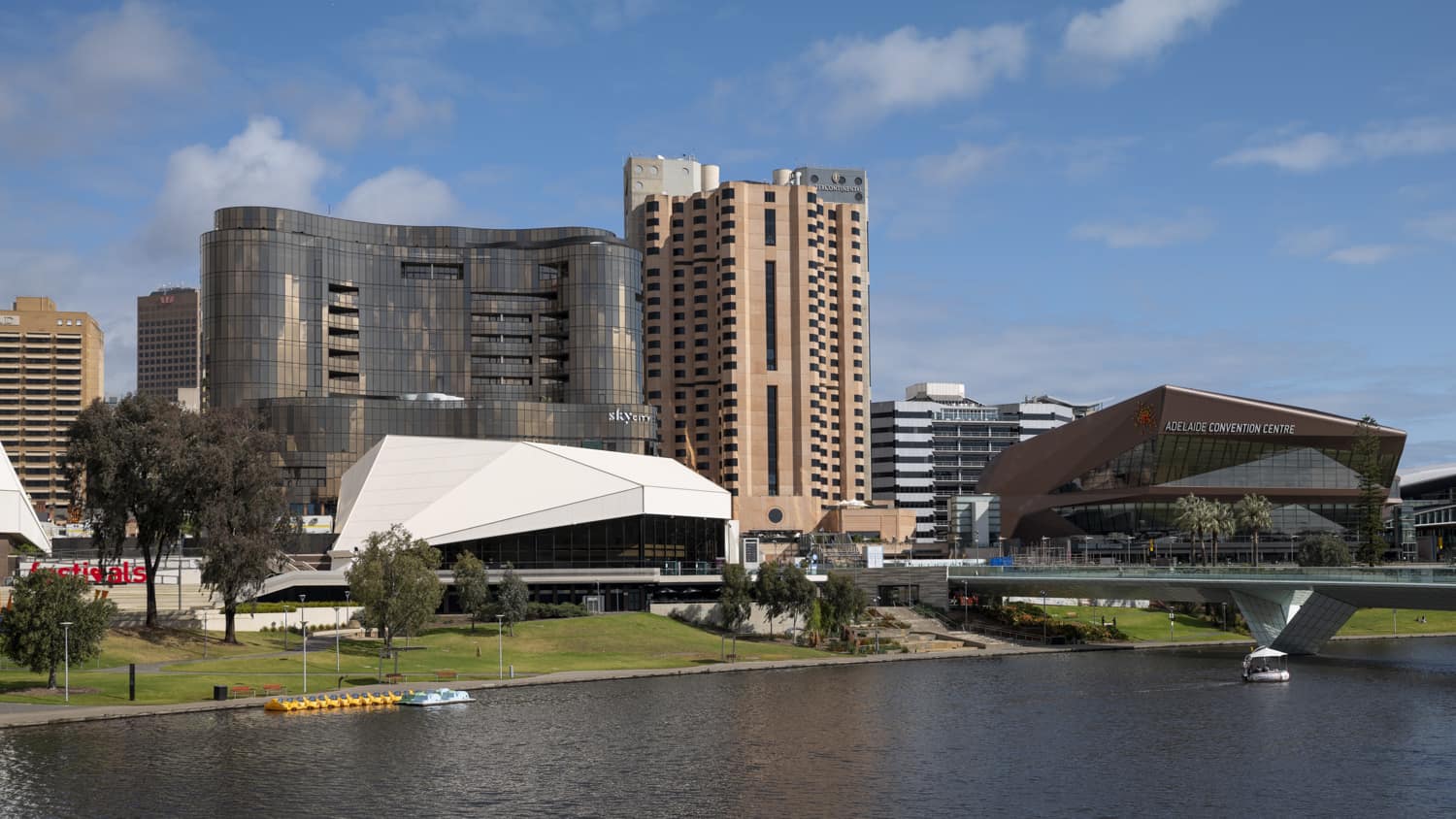
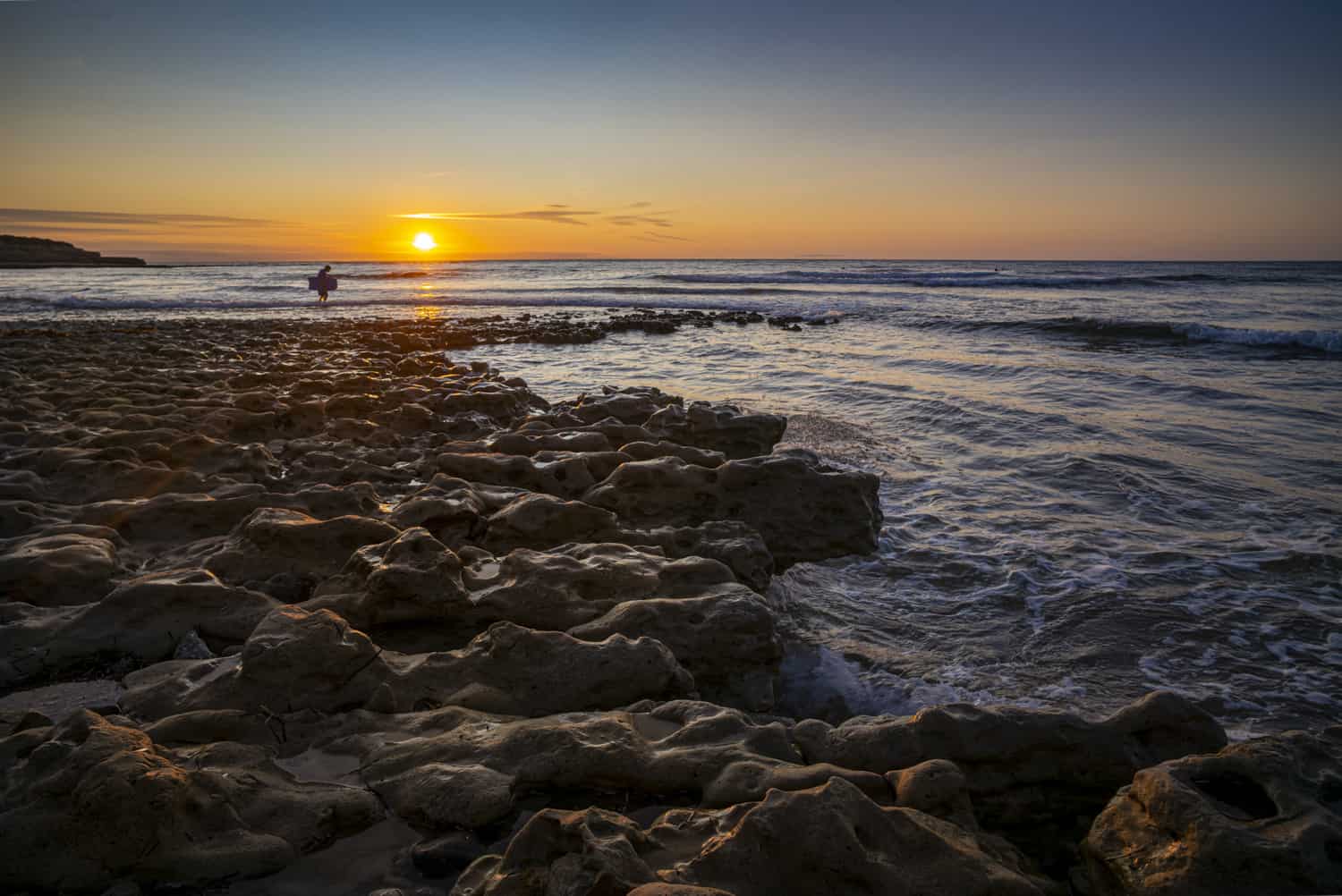
Adelaide is a wonderful place. It’s dry. It’s got heritage galore – the locals revel in the fact that it was the first city established without a convict heritage – and it has miles upon miles of beautiful coastline.
Adelaide is a big automotive town with a significant car culture. It was the epicenter of Australia’s automotive industry at one point – Holden was founded there – and South Australians hold on (pardon the pun) to that heritage with quite a lot of pride.
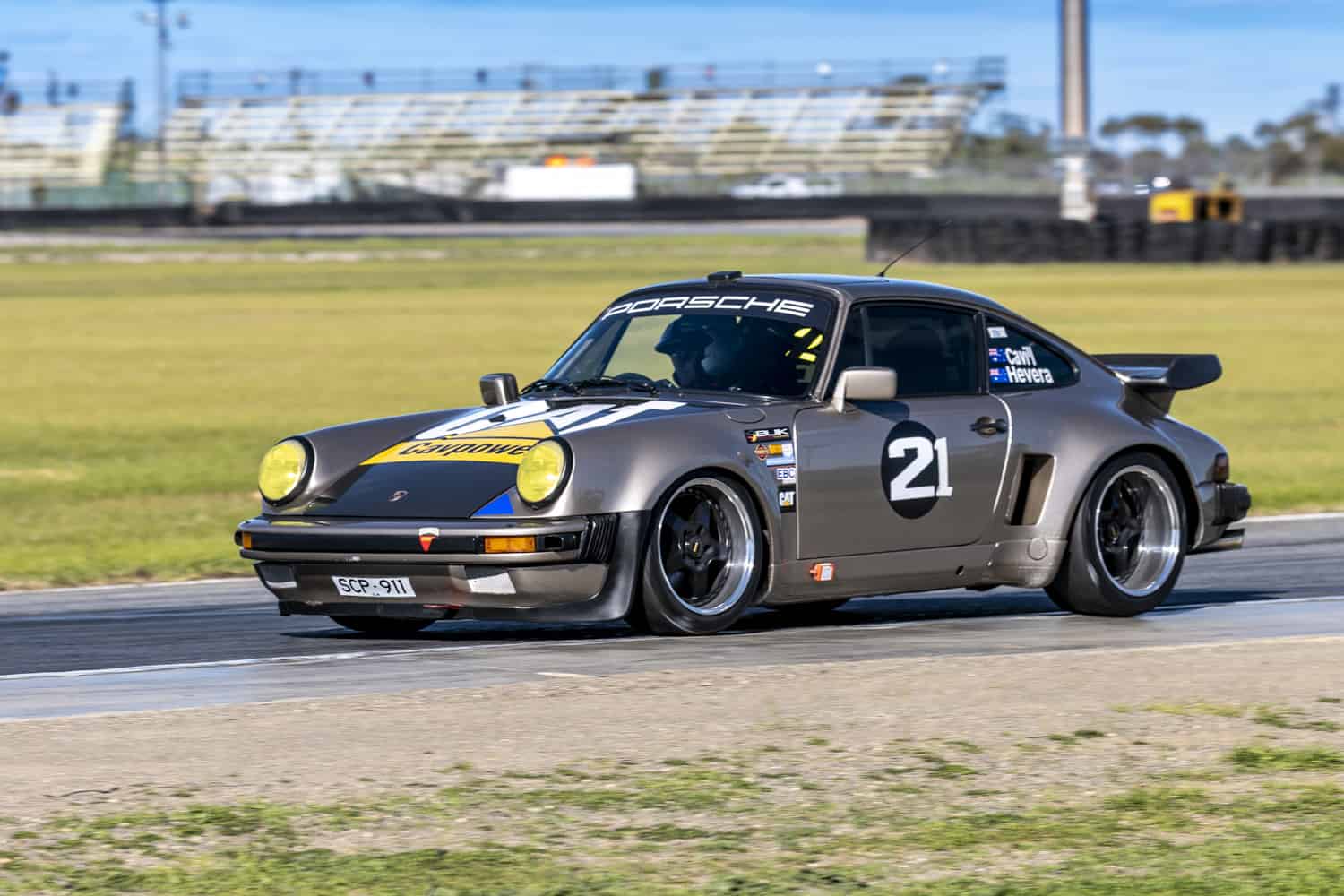
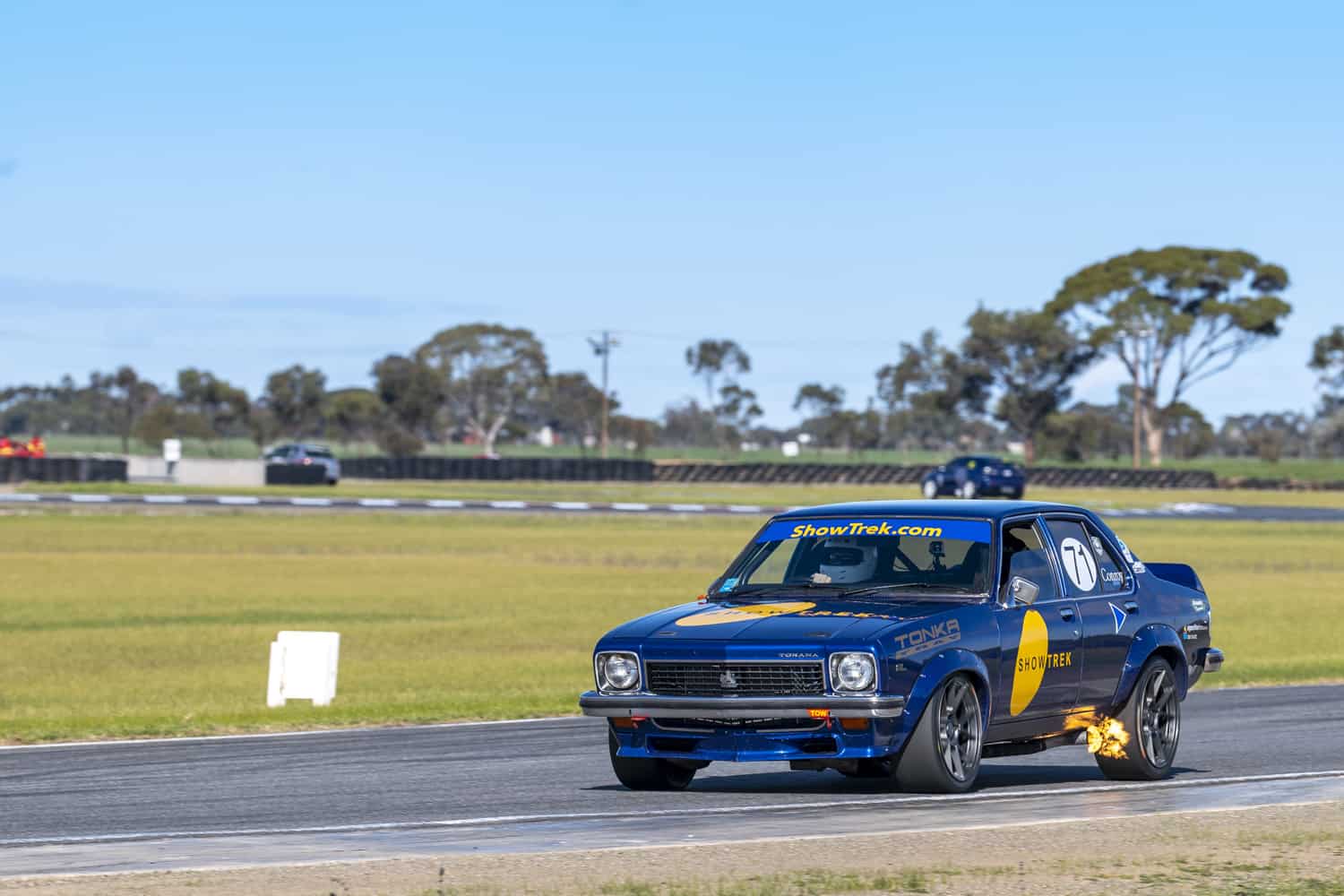
Adelaide has Australia’s newest, and longest, internationally rated racetrack – The Bend. It used to host the Australian Grand Prix. It still hosts several large motorsport events every year, including on street circuits around the city center. And grassroots motorsport is alive and well on the city’s smaller circuits.
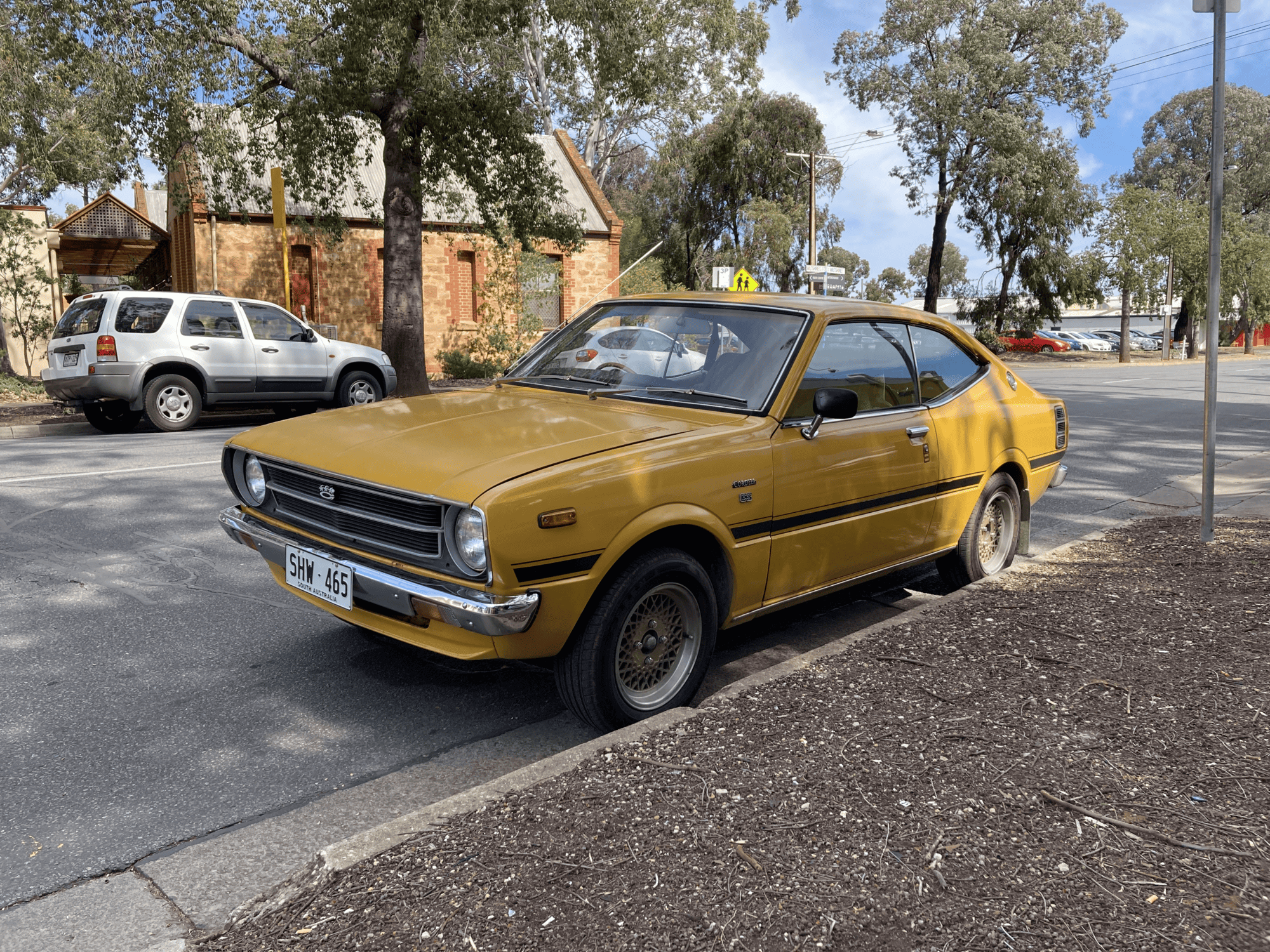
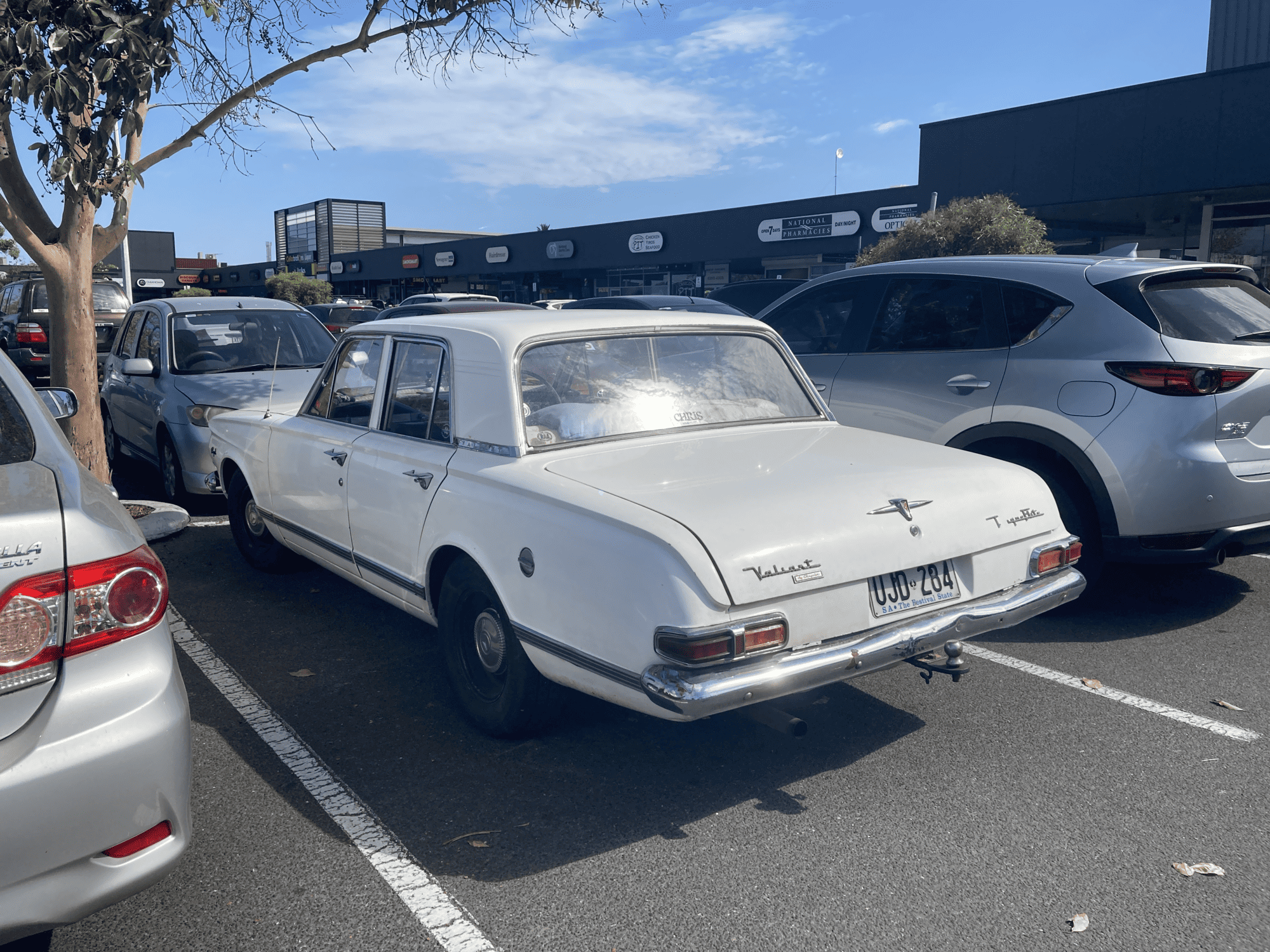
Given that a) the city is economically challenged, b) it has a big motoring past, and c) the state of South Australia has the most lax registration laws in the country, Adelaide also has a wonderful fleet of cars on its roads that would probably be regulated out of existence elsewhere.
These are cars that are truly nothing special – think Murilee Martin’s Down on the Street series for Jalopnik many years ago. But they’re cars that warm the heart because they still exist somewhere and they’re on the roads as daily drivers. It’s an automotive time capsule, if you like.
——
Brisbane
One of the (few) good things to come out of the pandemic was the emergence and growing acceptance of remote working arrangements.
I knew from the end of Week 1 that Brabham was not going to be the place for me. While I entertained the idea of settling in Adelaide for a short time – I even made an offer on a house there – the idea of getting away from the office became more and more appealing as the pandemic dragged on. Thankfully, I managed to convince the powers-that-be at Brabham that working from 1600km away was a good idea.
Accordingly, I packed my little Alfa full of all my worldly goods and headed east to the Queensland capital – Brisbane – where I purchased a great little apartment just 5km from the city centre.
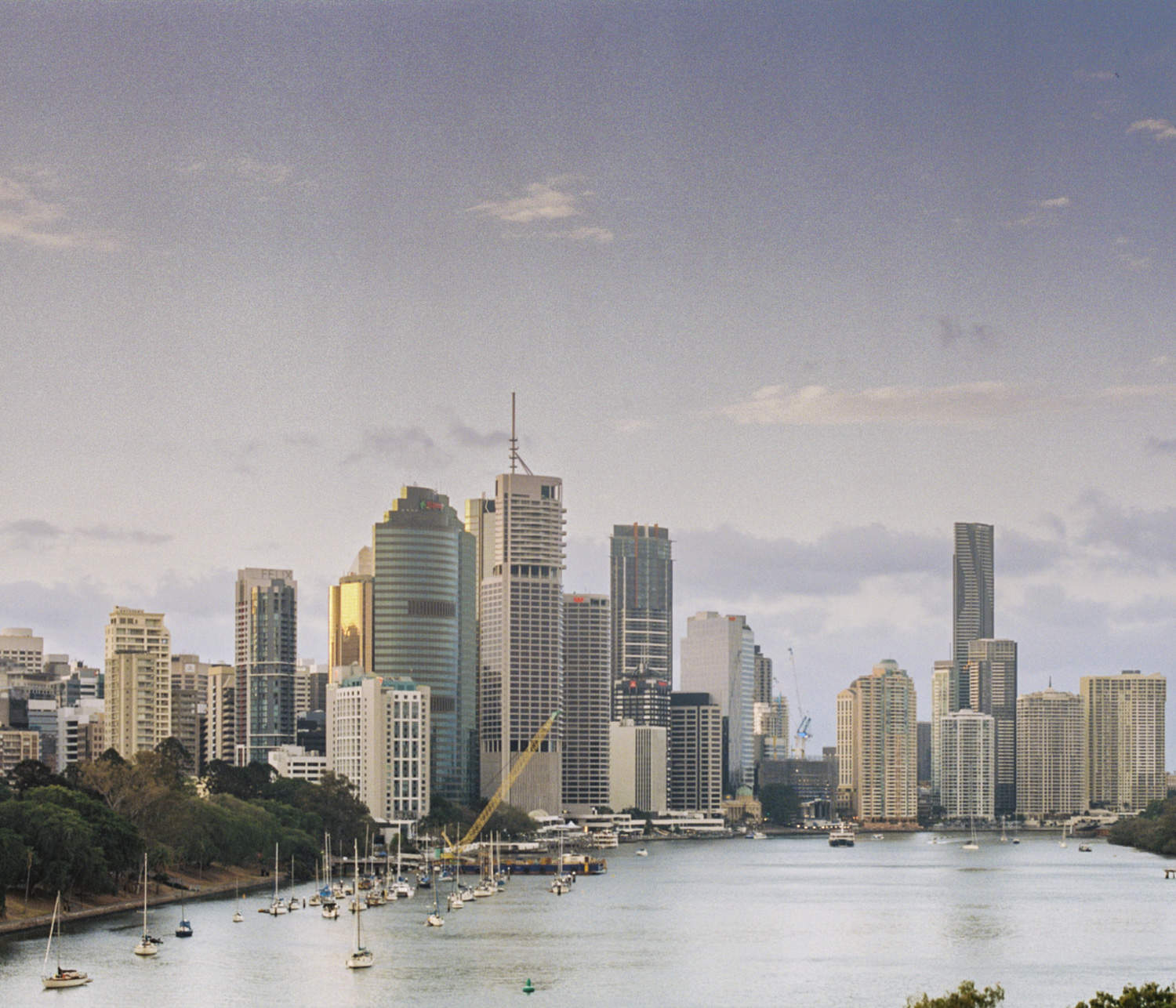
Brisbane is fantastic. It’s a proper capital with all of the entertainment and business opportunities that implies, but it still has a bit of a country-town feel. It might be the warm weather relaxing everyone. It might be the picturesque Brisbane River snaking through the city. It might be the proximity to some of Australia’s most famous beach destinations.
Whatever it is, Brisbane is brilliant.
But Brisbane, for me, hasn’t been about whatever car culture might exist here. It hasn’t been about the warm weather, the beautiful (if flawed) architecture of old Queenslander houses, or the tourist hotspots.
Brisbane, for me, has turned out to be all about Caro.
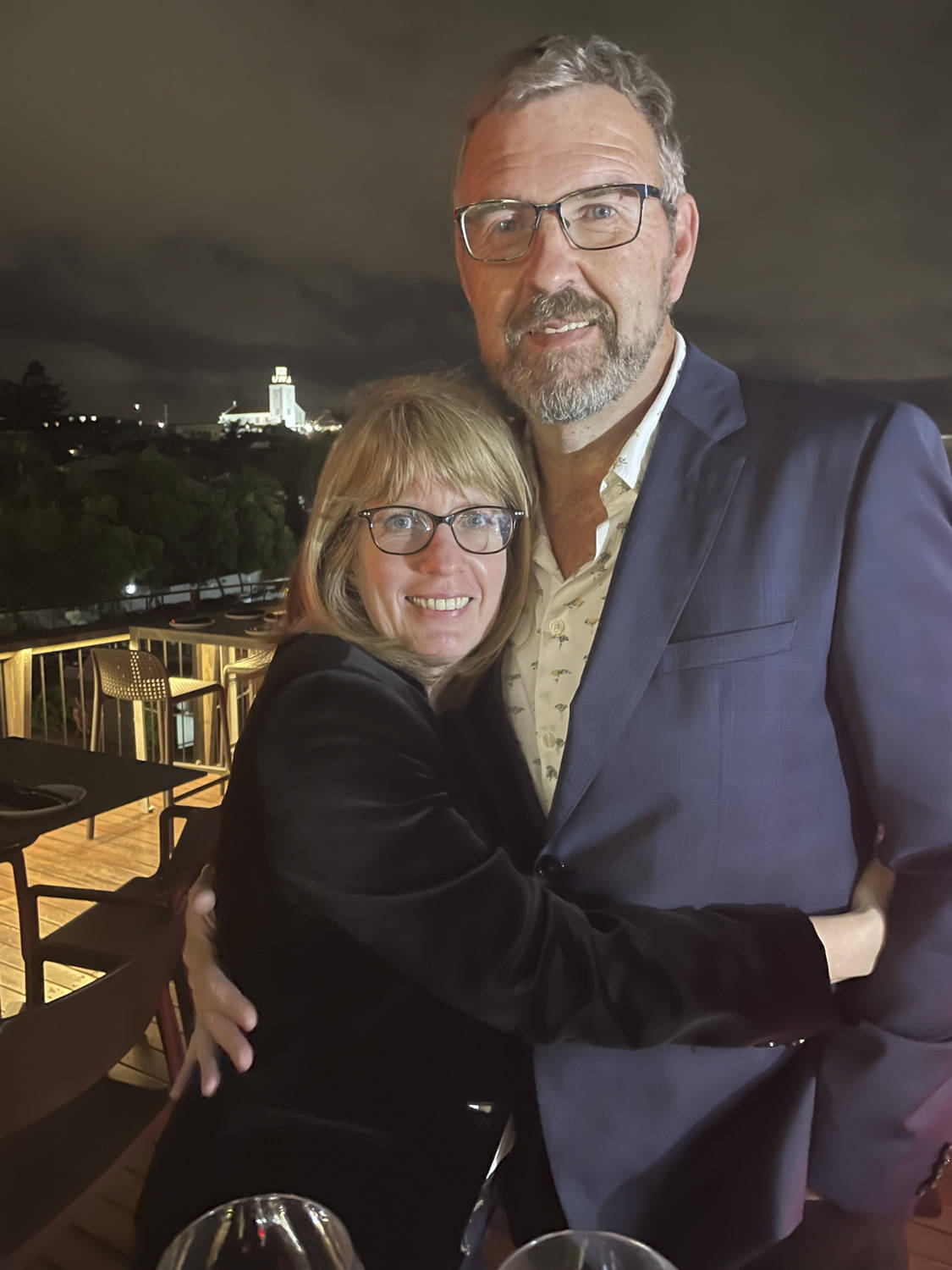
Caro and I met online – as all the kids do nowadays – and have been pretty much inseperable ever since. We live our lives in the real world so I’ll refrain from posting any deep details but …. she’s the part of life that I didn’t know existed until we met. The missing bit. The mysterious bit. The wise bit. The fascinating bit. The curious bit. The courageous bit. The irresistable bit.
We’ve crammed a lot into the last 18 months. For two people who jumped onto a dating app for a week – just to test the waters – we’ve sure got decent value for money.
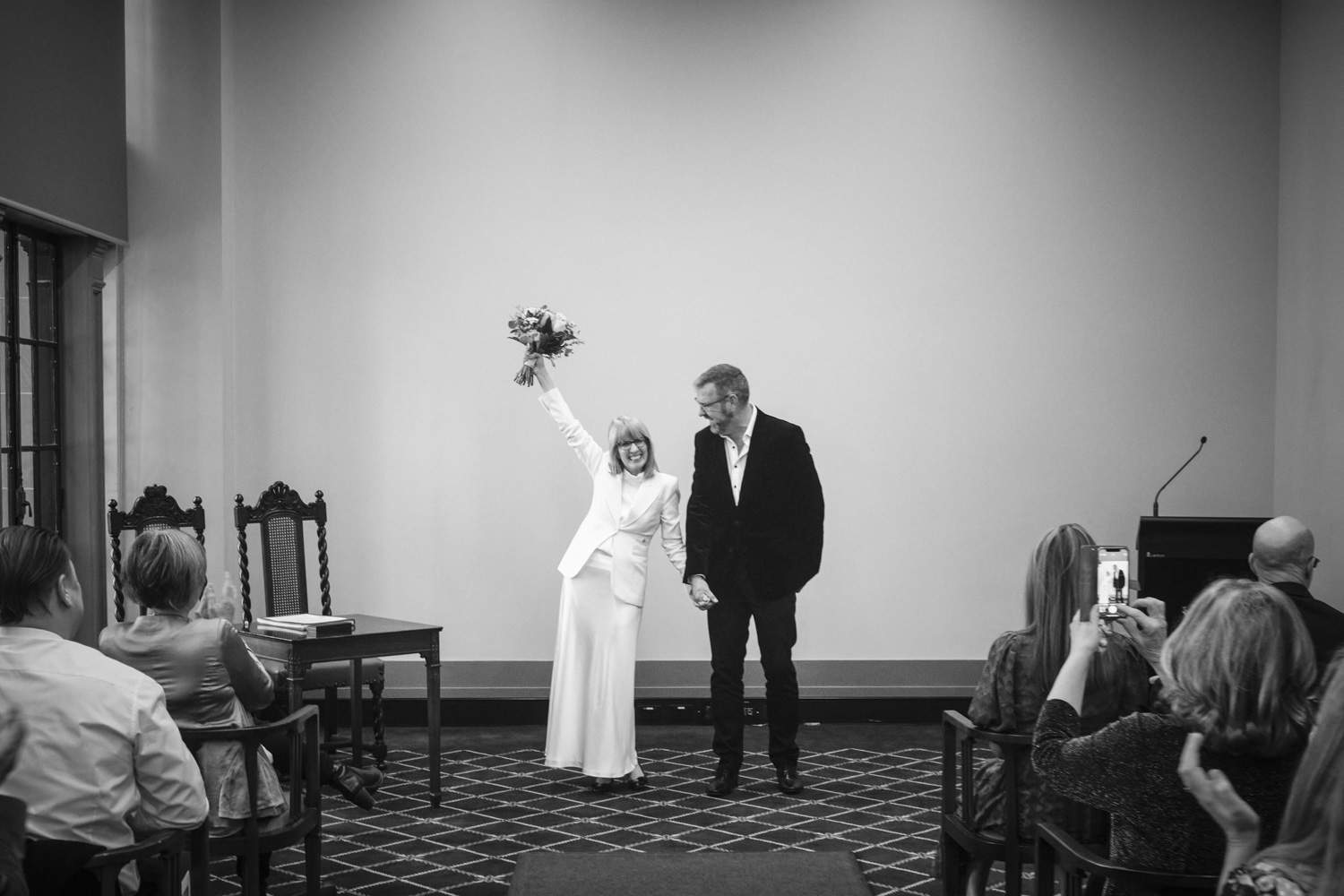
The most significant bit was an exchange of rings and a conversion from Ms Caro to Mrs Caro ….
COULD. NOT. BE. HAPPIER.
——
The Future
Because a first date, a second date, many more dates, a few very sad family bereavements, a marriage, a redundancy and selling one property wasn’t quite enough to keep us busy over the last 18 months, we’ve decided on a move.
We’re on our way to Sweden!!
When I was made redundant at Brabham, I started applying for jobs locally but in the back of my mind, I also had thoughts about tapping into the international network and seeing if there might be any opportunities forthcoming in what’s become my second home.
It turns out there was. And it turns out that Caro was pretty keen to go exploring, too.
Consequently, we’re now in the middle of acquiring work permits, selling another property, packing up all our stuff and then flying 16,000kms to set up a new life together in Helsingborg.
No, I’m not returning to Koenigsegg (as many have asked). I’ll be working with a company called Abtery, who are involved in all sorts of electrification projects. Some of my old Koenigsegg (and even Saab!) colleagues are there and it’s going to be an absolute hoot. We can’t wait to get over there and immerse ourselves in fika, winter jackets, funny language and meatballs.
——
Cars and Cameras
It used to be all cars. Now it’s cars and cameras. Lots of cameras.
Photography has pretty much taken over as the #1 hobby. Cameras are (mostly) cheaper, easier to take on holidays and tend to not break down as much as cars.
I say ‘mostly’ cheaper as I’ve taken a particular liking to Leica cameras. I now have three of them – an M8, M240 and SL2 – and too many lenses to mention.
I’ve also got on the recent trend towards film and have a Pentax 6×7 MLU, a Zeiss Ikon folding camera, a Holga, a Diana, and a beautiful wooden pinhole camera that I’m yet to put a roll of film through.
Cameras are so addictive.
On the car front, I’ve had an Alfa Romeo Giulietta QV for the last three years and it’s been absolutely superb. It’s quite an underrated little hot hatch, this.
Of course, now that we’re moving to Sweden, the Alfa is up for sale and we’ll have to go car shopping when we get there. I have a few options in mind and I might have to plumb the collective wisdom of the community to sort the wheat from the chaff.
——
So, consider yourselves up to date.
If you’ve made it this far, I thank you. I hope to update this place much more often when we get north-side. I’ve missed it.
Question – Have the prices for classic cars gone as nuts in your country as they have here in Australia?
It’s reminiscent of this old classic TV ad from Melbourne back in the early 1990’s (with thanks to Turbin!)
I’ll let you decide for yourself whether or not Madonna had lost the plot back then. But there’s a reasonable argument that sellers and buyers of classic cars – mostly buyers, IF they’re actually buying – have lost the plot right now.
I bought and sold quite a few cars between 2009 and 2015. I bought Saabs, Alfas, my beloved Subaru Brumby, a few more Saabs, and a couple of Porsches.
2009 to 2015, of course, was the GFC and post-GFC world. Times were actually tough for a lot of people, though not so tough here in Australia compared to the rest of the world. Interesting cars were relatively affordable through this period (though air-cooled Porsches were just starting their meteoric rise).
When Covid hit early in 2020, I assumed it’d be another post-GFC scenario. I assumed that people would be struggling for income and looking to sell assets in order to maintain liquidity.
How wrong was I?
The classic car market has gone completely maaaaad! And much of it makes no objective sense.
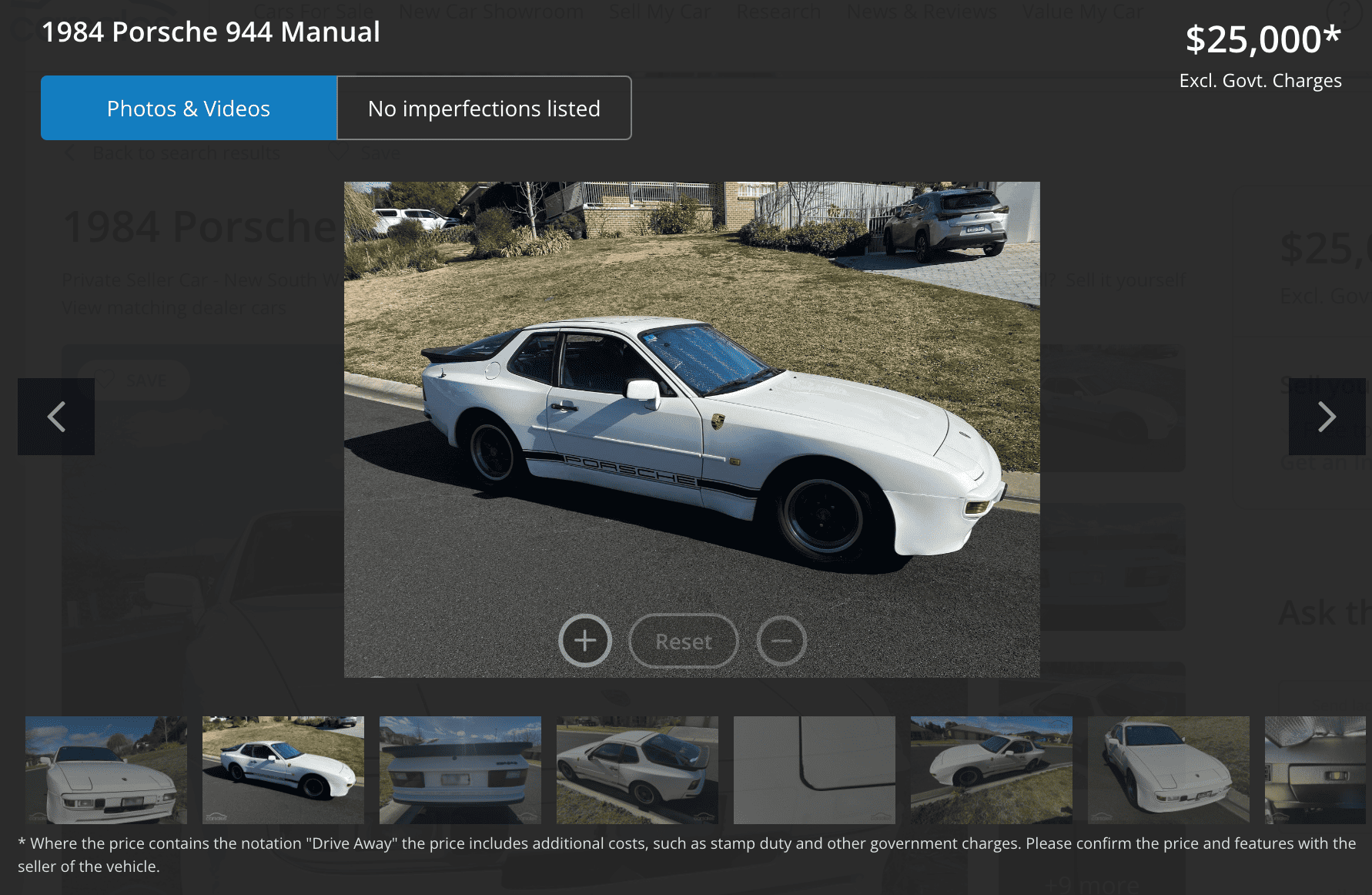
Case Study 1 – the Porsche 944.
I have a bit of experience with 944s. I looked at several of them in 2013/14, when I ended up buying a 968 ClubSport. I drove nearly all versions – a pre-85 model, a 944 turbo, and a few 944 S2’s. I came very close to buying an S2. The only ones I didn’t test drive were the 16V 944 S from 1987 and any model with an automatic transmission.
The most expensive (at the time) of the three models that I drove was the S2 at A$19,000, closely followed by the turbo at A$17,000. A pre-85 944 was under 12,000. These prices were all quite typical at the time and gave you a decent performance car for good, but not unreasonable money.
Bear in mind that air-cooled 911’s started in the A$15-$20k region back in 2014, usually for a 2.7 because that model had a troublesome reputation. A decent 3.2 911 Carrera from the 1980’s started in the high 20’s. The 944, therefore, was priced as an entry-level Porsche that an enthusiast could get into for $10-$20k rather than putting that money towards a new hatchback.
You might think $25K for a Porsche is not too bad. After all, the 944 has a reputation for being a well-balanced package. 50-50 weight distribution. It’s got a robust drivetrain. And it still looks as good in 2022 as it did in 1984.
All of this is true.
BUT (and you knew there’d be a but)….. the 944 from 1984 drives like a dog. And while the outside still looks pretty smart in a retro-cool-pop-up-headlights kinda way, the interior is pure late-70’s-to-early-80’s with all the hard plastics that implies. The 1984 model has the 8-valve engine that drives AND sounds like a tractor. It’s about as responsive as a bookkeeper on a fistful of quaaludes.
At least that one’s a 5-speed manual. The cheapest automatic Porsche 944 on Carsales right now is $35K!! Thirty-five gorillas for that 8-valve engine mated to a 3-speed automatic?????
There’s a reason why these cars were $10K or less, not-so-long ago. And it’s not that they were underappreciated.
For a Porsche 944 to be even close to the base asking prices the model’s fetching these days, it would need to be a 1985.5 model or later – that’s when they got an interior update that brought them closer to their 911 big brother – and it’d have to have the 16-valve engine that debuted with the 944S. An S, S2, or any variants of the 968 are worth considering IF you can get one at a reasonable price.
And 944 turbos? Forget it. I don’t care what sort of smoke Jeremy Clarkson blew up that car’s arse back in the Top Gear days…. it’s just a faster tractor. Eventually. After the lag.
Don’t take my word for it. Drive one for yourself.
——
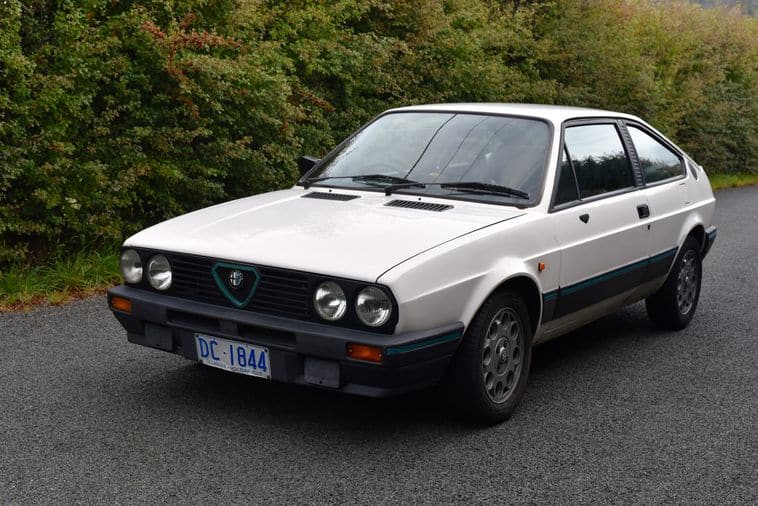
Case Study 2 – Alfa Romeo Sprint.
I’ve owned a couple of Sprints over the years, and had useful custody of another for around 6 months while garaging it for a mate.
You might remember me writing about this one for the US-based Hemmings magazine back in 2015 – Driving a Slow Car Fast
Well, there’s an Alfa Sprint on Carsales right now, too. It’s not just any Sprint, either. I’m about 99% sure that it’s my old Sprint. There are a couple of explainable differences between the old pictures and the new. But I’m pretty sure it’s the same car and the description seems to back that up with it’s references to Tasmania and the car going to an Alfa Club member in Melbourne (exactly my old car’s eventual path).
This is a car that I paid $1,100 for on New Year’s Eve, 2014. I sold it for not much more, a few months later, after I got the job at Koenigsegg and moved to Sweden. It’s definitely been improved since I had it, but they’re now asking $19,990 for it!!!
Now, it must be said that an Alfa Sprint is no dog. A good one is great fun to drive. It’s light, it’s revvy, and at any given moment you could hit something and it’ll fold up like a cheap card table and kill you. That adds a certain thrill-element to every drive.
BUT….. this is a Series 2 Sprint, based on the Alfa 33 chassis. The Series 1 Sprint was based on the AlfaSud chassis and had inboard brakes that lightened the steering with no adverse effects on the handling. It was a remarkably balanced car that loved being driven and it was more fun than a sack full of puppies.
And that’s why Series 2 Sprints were regularly found at $5K and under, not-so-long ago. They’re fun, but they don’t belong in the K category.
——
I’m sure I could find a few more examples without too much trouble. The 968 Clubsport I paid $30K for (and sold for the same price in 2014) is now worth $130K. Those $15K 911 2.7’s are now worth $95K.
Am I reading this right? Or should I just stop being a grumpy old man and let supply and demand do their thing?
What say you? Have car prices gone as nuts where you are as they seem to have, here?
I promised four years ago that I’d leave this website free of commentary on Donald Trump. Unlike the former president, I’ve kept to my word. Well, until now, I guess.
The demise of The Donald – and my god it feels good to write that sentence! – gives us a brief moment to assess the important lessons to be learned from his time in power. There are many. Don’t nominate a Clinton again. There’s one.
The lesson I’m mostly interested in, however, is the one Joe Biden alluded to in his inaugural address when he talked about truth and lies. It’s something that I first wrote about in detail way back in 2017, in this post.
My short definition of Fake News back then:
…anything that Donald Trump doesn’t agree with
The longer, and just as accurate version (corrected for tense):
Fake News is a news story that looks like it could be true, but isn’t. It bears some resemblance to ‘a’ truth if you squint hard enough while reading it, but it smells a little bit funny and eventually, is proven to be untrue.
Donald Trump stuck to his own definition pretty religiously. If anybody said anything critical about him or his actions, his gut reaction was to label it as Fake News and feed it as such to his base.
Fake News took a more sinister turn during the Trump presidency, too, which is the part I’m most hopeful that the world will find a way through. Between 2016 and 2020, Fake News jumped from being something slightly warped from an actual reality, to an alternate reality with its own ecosystem of support.
These typical examples will be familiar to you all:
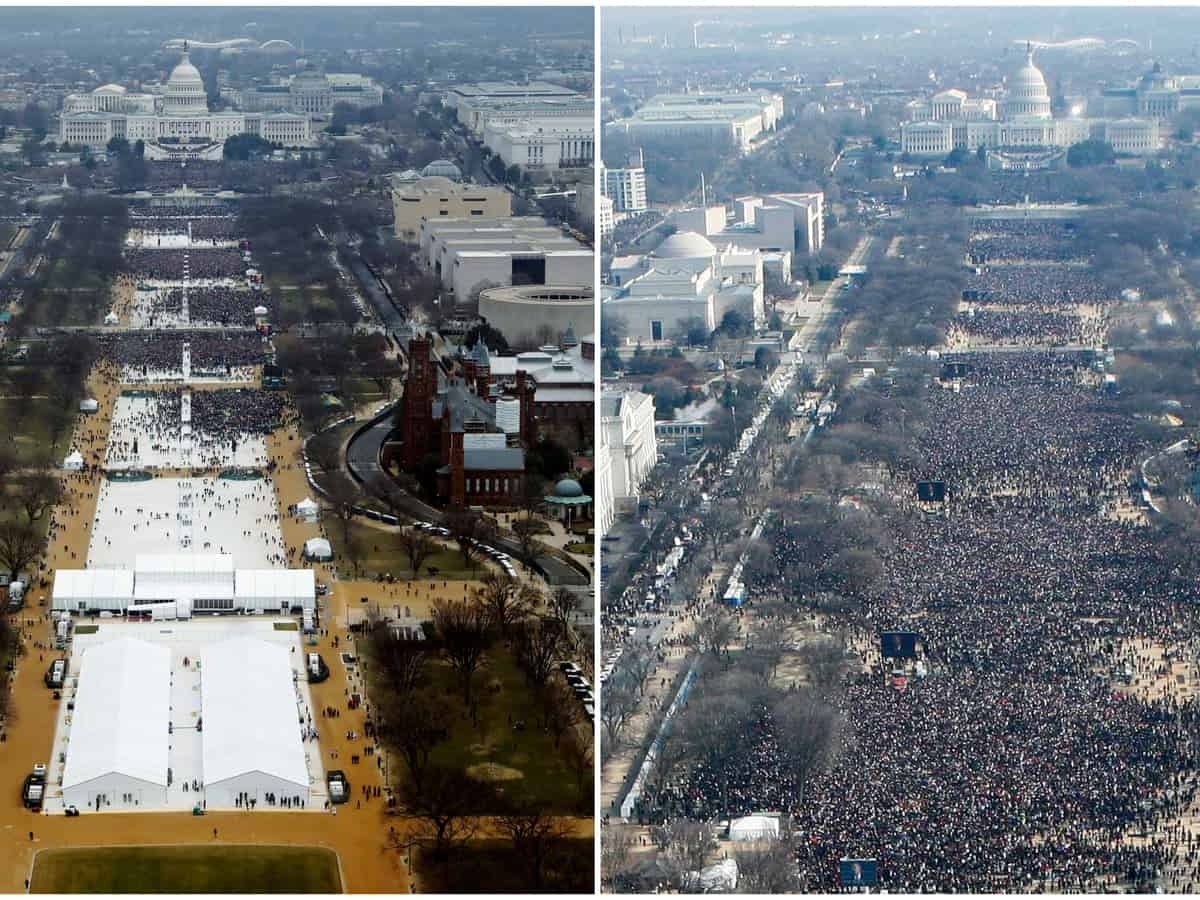
The Crowd – on day 2 of Trump’s presidency, the White House communications director, Sean Spicer, stepped up to the White House podium and said, on camera and unequivocally, that Trump’s inauguration was the best-attended inauguration ceremony in the country’s history.
Quote:
[It was] the largest audience to ever witness an inauguration, period, both in person and around the globe.
Unquote.
It’s a harmless lie, I’ll admit, but it’s a lie nonetheless and what’s more, it was a pretty good indication as to what was to come.
The Sharpie
This is another harmless lie in the overall scheme of things, but the lie being so harmless begs the question – why do it?
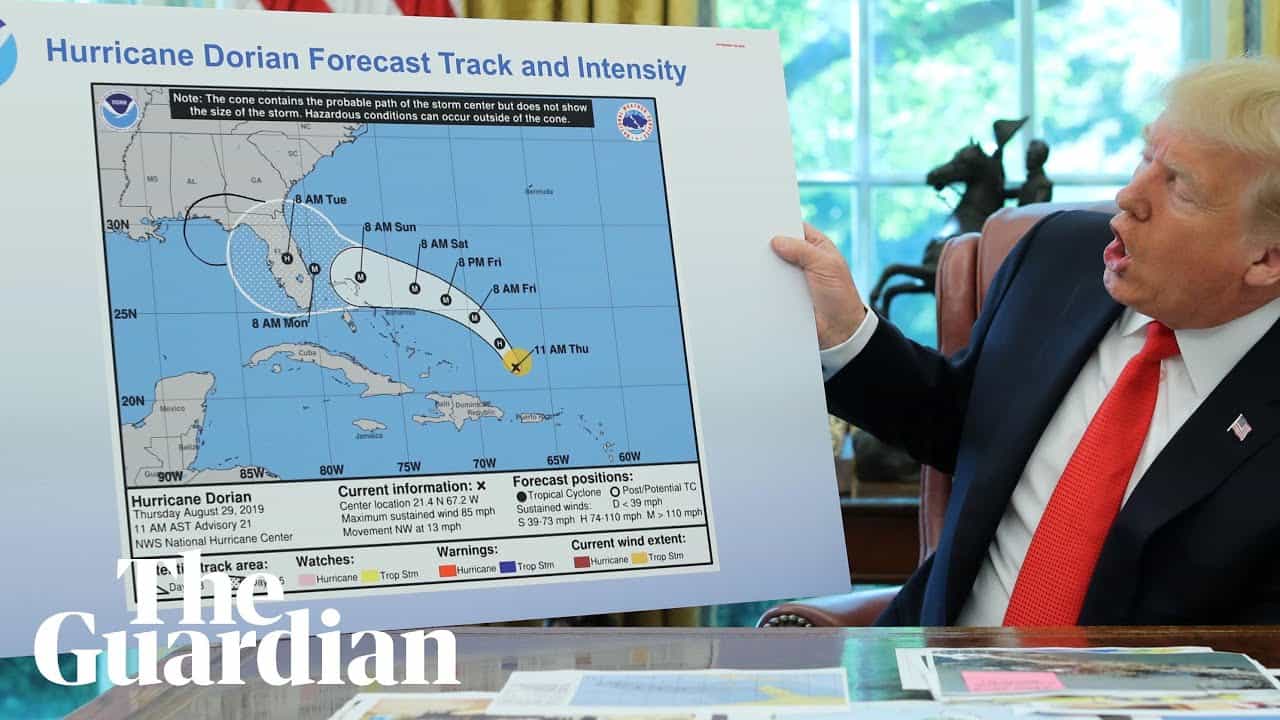
Trump incorrectly included Alabama in a hurricane warning. The residents of Alabama were rightly quite frightened by this news. The local authorities assured them they were safe. Rather than admit the mistake, Trump presented a map that had been quite crudely altered using a black Sharpie pen as evidence to show he wasn’t in error.
A lie made often in vain hope, but perhaps the most destructive lie Trump told in his four years as president.
Comments like “The Coronavirus is very much under control in the USA” in Feb 2020 and “it’ll disappear, you watch” were made somewhat in hope (though it should be noted that the first of these comments was made after Trump’s conversation with Bob Woodward, where he acknowledged that the Coronavirus was much more dangerous that people were being told).
Comments like “Some people say you can test too much” were more sinister, designed to cover up his Administration’s lack of commitment to, and incompetence in, handling the pandemic as it emerged in 2020. This includes incompetence that led to some of the most unbelievable headlines you could ever imagine.
As of the time I’m writing this, the USA has more than a quarter of the world’s total cases. More than 417,000 people have died with coronavirus in the USA. The last 7 days have seen an average of 3,076 deaths per day. The virus didn’t disappear.
The Steal
Donald Trump promoted The Steal starting way back in 2016. Even then, he promoted the twin ideas of voter fraud and a stolen election as his numbers vs Hilary Clinton started dipping in the polls:
Later, at the evening rally in Wilkes-Barre, Mr. Trump raised more concerns about voting fraud. “I just hear such reports about Philadelphia,” he said. “I hear these horror shows, and we have to make sure that this election is not stolen from us and is not taken away from us.”
Trump raised this argument again and again in 2020. It was one of his primary talking points during the campaign, morphing into an obsession that would completely dwarf his duties as president once the election was run and lost.
The Trump campaign lodged, and lost, more than 60 court cases alleging election fraud in states all around the country. In speech after speech, at rally after rally, and in interview after interview, Trump and his boosters alleged that the election had been stolen. Meanwhile, state electoral bodies – the majority of them in question being under Republican control – conducted recount after recount and audit after audit, confirming that the 2020 general election was statistically free of fraud and/or error.
—
The presentation of opinion-as-news – and more pointedly, lies-as-news – became “new normals” while Trump was president. Fabrication became a cultural norm, given tacit approval by a spineless Republican party that was happy to look the other way in exchange for tax cuts and judicial appointments.
This new normal transformed into its own ecosystem thanks to cults such as Q-Anon, constructing an alternate reality mixing real-world people and events into a fantasy that has, quite literally, millions around the world sucked into its web. A combination of choose-your-own-adventure and fan-fiction but with very real story endings.
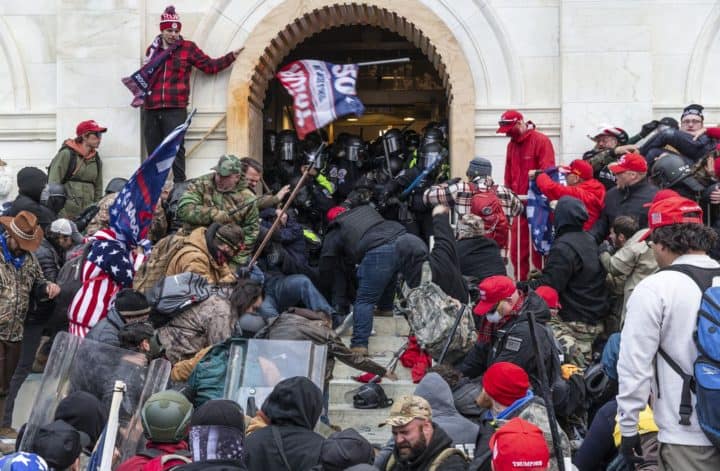
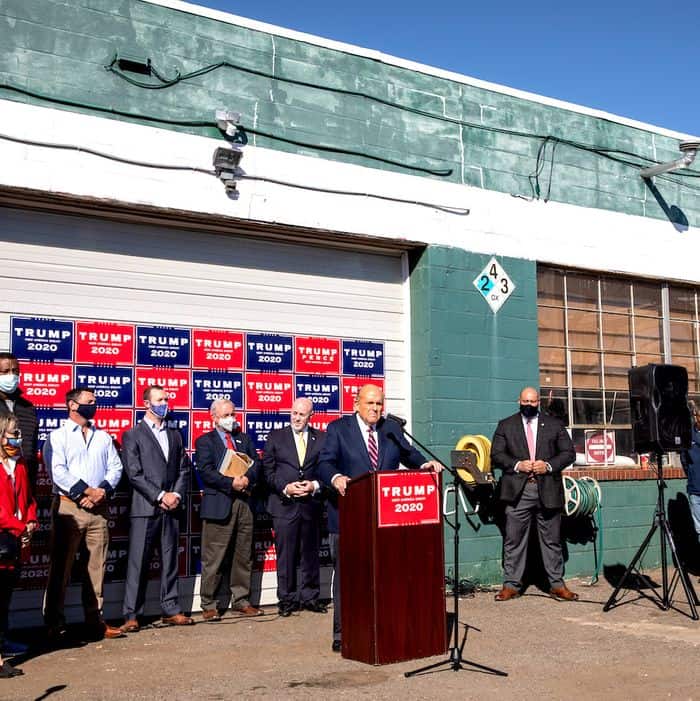
Weeks of escalating post-election rhetoric and tension fomented into a rally in Washington where Trump, Giuliani and others whipped up the crowd and inspired them to march to the Capitol.
The January 6 insurrection was the culmination of all this. Trump’s hand-built narrative of stolen elections was combined with the Q-Anon paranoid belief that he was some sort of anointed warrior destined to bust open rings of corruption and paedophilia, opposed by a non-existent Deep State determined to bring him down. Anti-government militias and bovver-boy mobs bought into the idea of Trump’s outsider status and his determination for revolution. They can be seen moving through the crowd in organised formations. Many reports (such as this one) talk about calls in the crowd for vice President, Mike Pence, to be hanged. For House Leader Nancy Pelosi and Congresswoman Alexandria Ocazio-Cortez to be kidnapped or killed.
Inside the Capitol itself, Senators Ted Cruz and Josh Hawley were doing more than just playing a PR game. They were attempting to use senate procedures to overturn free and fair elections in selected states. A handful of senators voted with them, along with nearly a third of the House.
—
I don’t fear another Trump-led attempt at revolution.
Trump was never in politics for the public good. Trump was in it for Trump. This whole stolen election campaign has been about him saving face, staying relevant, and being the person that he is – someone who’s always been allowed an escape clause. His time, and that of his ragtag group of goons has passed.
What I fear is the next version of Trump being competent.
I fear a public that doesn’t know how to think critically anymore, a public that stops listening to the news and lives on a Murdochesque diet of opinion-as-news and is blind to its own fate. I fear a protagonist who’s better at spin, better at mixing lies with the truth and exploiting the public’s fears, its need to get one up on the ‘other’ in their lives.
Somewhere out there, there’s a young, charismatic right-wing thinker who knows that he can be more measured than Trump. More precise. More targeted. And somewhere out there is a party-machine specialist who’s seen how effective this movement was. It didn’t overturn an election this time, but with a bit more finesse…….
The antidote to this is critical thinking.
As I mentioned to an old mate on social media last week: you might have a kid that comes home screaming that the sky is red, that water isn’t wet, that the earth is flat, or whatever. For a while, you humour them and their curious beliefs in the interests of keeping a peaceful house. You might spar with them a little and poke fun in a light-hearted way. Eventually, though, you owe it to your kids to educate them to think critically, to seek real evidence and evaluate it in a balanced way. You owe it to them to think for themselves.
Journalism is not a loved profession. There are genuine reasons for that. Media owners have morphed news services into entertainment and we’re all worse off for it.
But good journalism has never been more important.
Critical thinking has never been more important.
Considered judgement has never been more important.
If I can leave you all with one thing to think about from this piece, it’s this: Read. Think. Discuss.
Don’t tell me what your preferred commentator thinks about an issue. Tell me in your own words what YOU think. Back it up with reasons why. Back that up with sources that involve expertise and/or recorded events from reputable sources, not commentary or opinion.
I am a bleeding heart lefty, as long-time readers of this website will know. I’m a team player when it comes to society and I wear my heart on my sleeve. You may not believe that we’re all in this together, but we are. Your world affects mine, and vice versa.
Let’s come at it honestly.
A final word…..
Comments are open on this piece but if your name is Peter G or Dick L, don’t bother. Your comments will be erased as soon as I see them. You have no place here.
Australian politicians are fond of looking down the barrel of a camera and saying “Australia is meeting – and beating! – its international emissions targets”.
They’re lying.
OK, technically they can look their kids in the eye and claim they’re not lying – just – because if you employ a couple of loopholes built into those targets back in the 1990s, Australia is (technically) meeting them. But that’s a bit like various bad actors that pay zero tax saying they meet all their tax obligations. They might domicile themselves in low-tax countries and/or use shell companies to avoid paying taxes. Yes, to the letter of the law, they are acting ‘legally’. According to the spirit of the law – i.e reality – they’re tax-avoiding arseholes.
Australia is a climate arsehole. Climate change in Australia is a bit of a joke.
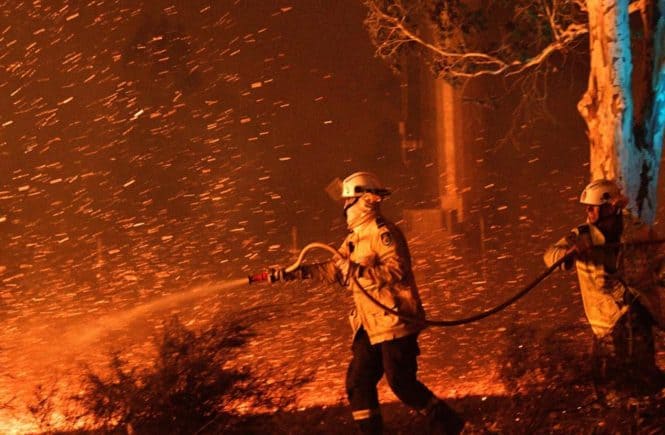
As I write, Australia is in the grip of a national fire crisis.
Bushfires have so far burned 5.8 million hectares of land (over 22,000 square miles). That’s twice the area of Belgium, or around half of Pennsylvania – burned. At last count, 19 people have died. Over 1700 properties have been lost and an estimated half-billion animals have died, including thousands of already endangered koalas.
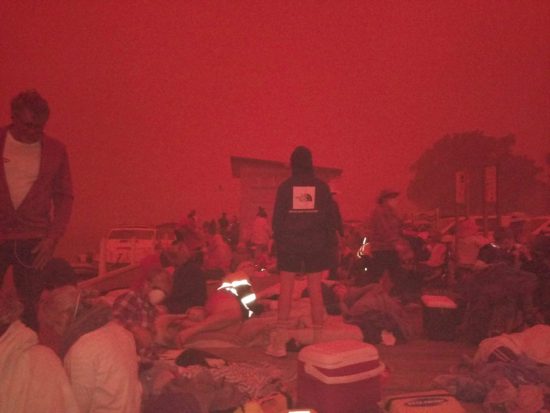
For too many Australians, the Australian summer tradition of beaches and BBQ’s has been replaced by P2 breathing masks and wholesale evacuations. This weekend, all down the south-east coast, Australian towns saw sunny days turn into visions of hell itself, complete with blood-red skies (if not complete darkness).
Evacuees at Mallacoota
It’s only January 5. Summer won’t end until Australia’s hottest month is done with. That’s February.
These fires are so bad that they’re creating their own weather systems. One created a fire tornado powerful enough to overturn a 10-ton fire truck, killing one of the volunteer firefighters inside (Australia’s large cities have professional paid firefighters. Outside of the cities, we have professionally trained and equipped volunteers).
This is a big bowl of not-good we’re eating.
Australia’s Prime Minister, Scott Morrison, was asleep at the wheel when it all started and has scurried (tripping over his own feet) to make amends ever since.
This weekend, he announced a significant assistance package from the federal government. That assistance is welcomed (even if it’s late) but in reality, it’s just applying a bigger bandaid to the symptoms of Australia’s climate recalcitrance.
Australia needs prevention rather than triage.
Making sense of Australia’s climate arseholery requires a bit of a history lesson.
It all starts with an emissions agreement called the Kyoto Protocol. Let’s go back to 1997, when John Howard was still a first-term Prime Minister, and some 8 years before he bowled a cricket ball like a punchdrunk gibbon (which has nothing to do with anything. It’s just funny).
This is the short version. For the full Kyoto story, check out The Conversation.
Australia’s Environment Minister at the time was Robert Hill. He went to Kyoto and by all accounts, he earned every dollar of his salary by negotiating an extraordinary agreement. Hill argued special circumstances for Australia and, keen to have everyone on board and ensure some positive optics, the conference eventually (and reluctantly) agreed. While other regions committed to reducing their emissions by 5-8% compared to 1990 levels, Australia was allowed to increase emissions, committing to a cap of 8% over 1990 levels.
Hill also argued for an insertion now known as the “Australia Clause”, whereby emissions from changes in land use would be included in calculations.
Emissions were supposed to be based primarily around the burning of fossil fuels. The inclusion of land use (i.e. land clearing) was a big deal because around 1990, Australia had been clearing land at crazy rates. That rate had dropped substantially by 1997 so Australia’s emissions target – an 8% increase – would be measured against an artificially inflated base year. We could do next-to-nothing and still meet our targets, which is exactly what we did.
Australia went on to increase fossil fuel emissions by around 28% but because of the Australia Clause (let’s call that the Kyoto Loophole), the government could claim we had still met our 8% increase target.
Fast forward to 2007, when Kevin Rudd was elected as Prime Minister. Rudd called climate change “the greatest moral challenge of our time”. He was right.
Rudd’s government developed a Carbon Pollution Reduction Scheme but after the debacle that was the 2009 UN Climate Summit in Copenhagen (where countries would not agree to binding commitments, only to “take note” of agreed targets), Rudd found himself devoid of the numbers to pass his Scheme in parliament and devoid of the management skills to do anything about it. Constantly pricked by the opposition leader, Tony Abbott (the blackest soul to ever darken the door of Australian politics), Rudd went into meltdown mode and was eventually replaced as Prime Minister by his deputy, Julia Gillard.
Australia’s first real attempt at a climate policy had gone down in flames.
I won’t go in to further detail on the history of Australia’s climate policy here. If you’re a wonk and you want some more info, check out this timeline that covers the dotted history of attempts at a carbon tax in Australia (including a jaw-dropping cameo by Al Gore posing with one of Australia’s biggest – figuratively and literally – mining barons).
Suffice to say that Australia has rarely tried and ultimately failed on climate change. Julia Gillard got an emissions trading scheme up and running but Tony Abbott repealed it when he came to power a few years later. Abbott established a direct action fund that let businesses set their own targets and then made it easier for them to expand those targets if they couldn’t meet them. Malcolm Turnbull proposed a National Energy Guarantee that would look to cut emissions from power generation, then lost his Prime Ministership over it.
Australia first failed to establish a climate policy way back in 2009 and we’ve had no credible climate policy and no credible national leadership since.
Even worse, we’ve had cynical politicians treating us like mushrooms (keeping us in the dark and feeding us bullshit), counting on the notion that history has forgotten the Kyoto loopholes.
Tony Abbott, our conservative Prime Minister from 2013 to 2015, was the first to make the cynical claim that Australia was doing more than other countries because we were actually (invoke Dr Evil fingers here) ‘meeting our targets’. Anything to appease the masses.
B) – Even worse, the coal we dig up here counts for the emissions totals of other countries. If the coal we profited from around the world counted towards our emissions totals, we’d be responsible for something more like 4-5% of world emissions.
I know I’ve used the term ‘Climate Arsehole’ to describe Australia and its historical behaviour in this article. The truth, really, is even more damning.
One of the worst things you can call an Australian is a ‘bludger’ – someone who doesn’t like work; who doesn’t do their fair share, preferring to slack off and rely on the efforts of others. It goes against something at the core of our national character – the Aussie notion of a fair go, doing your bit and helping out your mates.
Australia is a climate bludger.
What makes that even worse is that Australia being bludgers gives permission for others to be climate bludgers as well. It reduces our credibility as a country on the international stage. It reduces the trust that other nations have in us.
Worst of all, and most important of all, it places our country at significant risk because Australia is getting hotter and hotter. The fire season claims more properties, more ground, more businesses and more lives every year – and it’s only getting worse.
To the Australians reading this…..
Whenever a politician says that our climate policies are credible, that we will meet our targets – they are bullshitting you. They are counting on you not knowing the truth behind the numbers, and being too busy to find out.
Australia can’t fix climate change by itself. That much we know. But we have to be real about the science and what it means for our country, and for the world. We have to get on board and work with sincerity to get other countries on board, too.
Mother Nature doesn’t care about your talking points. She will have her way.
If you want to make a difference, you need to write to your local member of parliament. Here’s how you can do that (Facebook link). I might cover that more in a follow-up post.
Conservative politicians were recently fond of saying that Australia’s national debt was “intergenerational theft”.
I couldn’t think of a better description for our climate policy debacle yet strangely, you don’t hear that phrase at all from Canberra during bushfire season.
.
.
.
.
.
.
.
.
.
.
post-script…..
Someone will bring up the idea of The Greens being responsible for Australia’s fires because they wouldn’t allow backburning or fuel reduction burns.
This is a theory fondly pushed by Barnaby Joyce on occasions, and recently mentioned in passing by Scott Morrison as well.
It’s bullshit.
#1 – Making a policy like that requires the power to make laws. When have The Greens ever held power anywhere at state or federal level sufficient to develop, impose and enforce such a policy? They haven’t. They shared power once in Tasmania and no such policy was enacted. Other than that, they’ve been a bit player in Australian law-making, at best.
#2 – The Greens own website talks about fuel reduction burns and their support for them. Check it out.
The widely acknowledged reasons for any existing drop in fuel reduction burns are:
A shorter window for doing so without risk of the burn-off spreading.
Reduced funding restricting the number of personnel available to conduct these burns.
Local community groups being concerned about them.