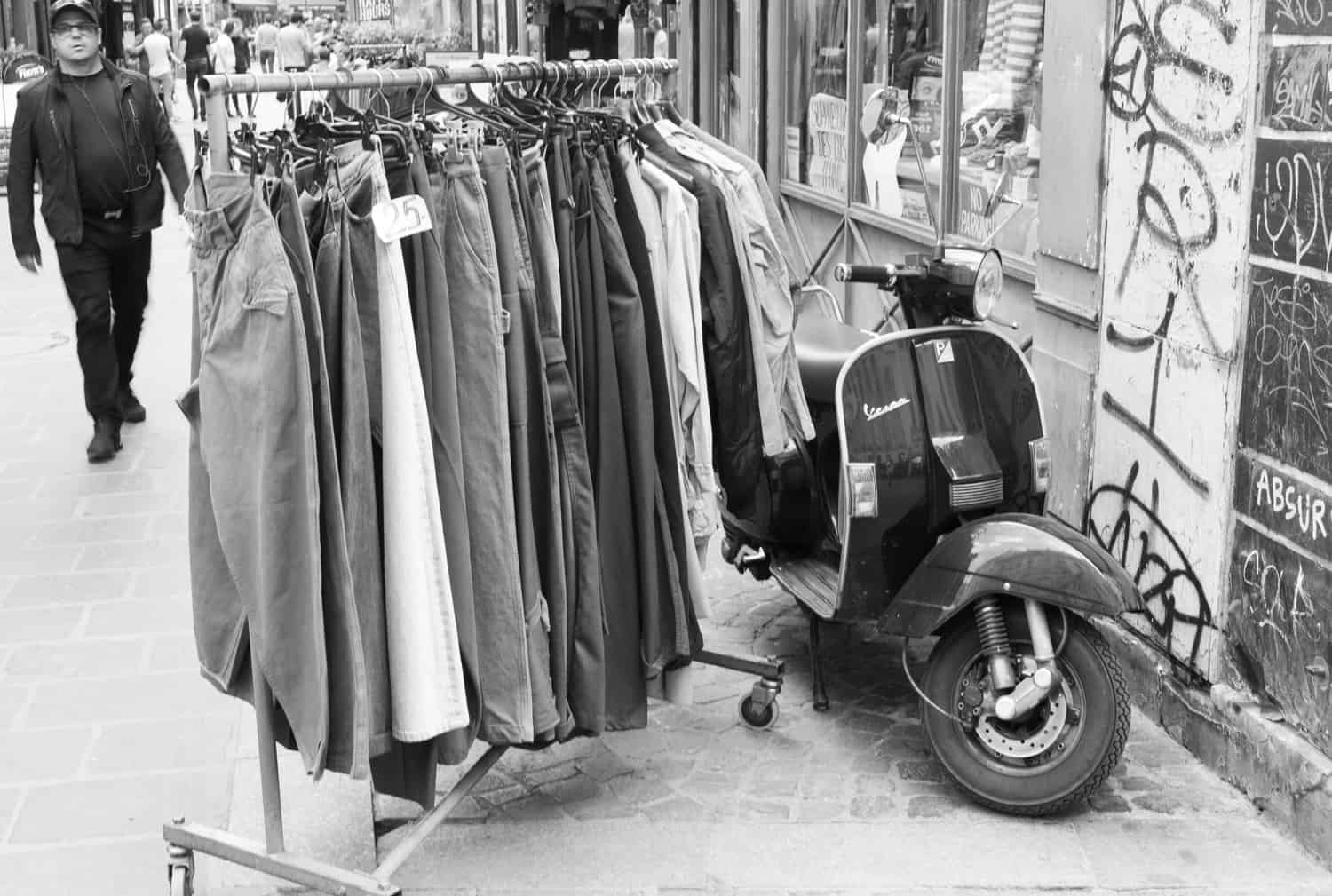
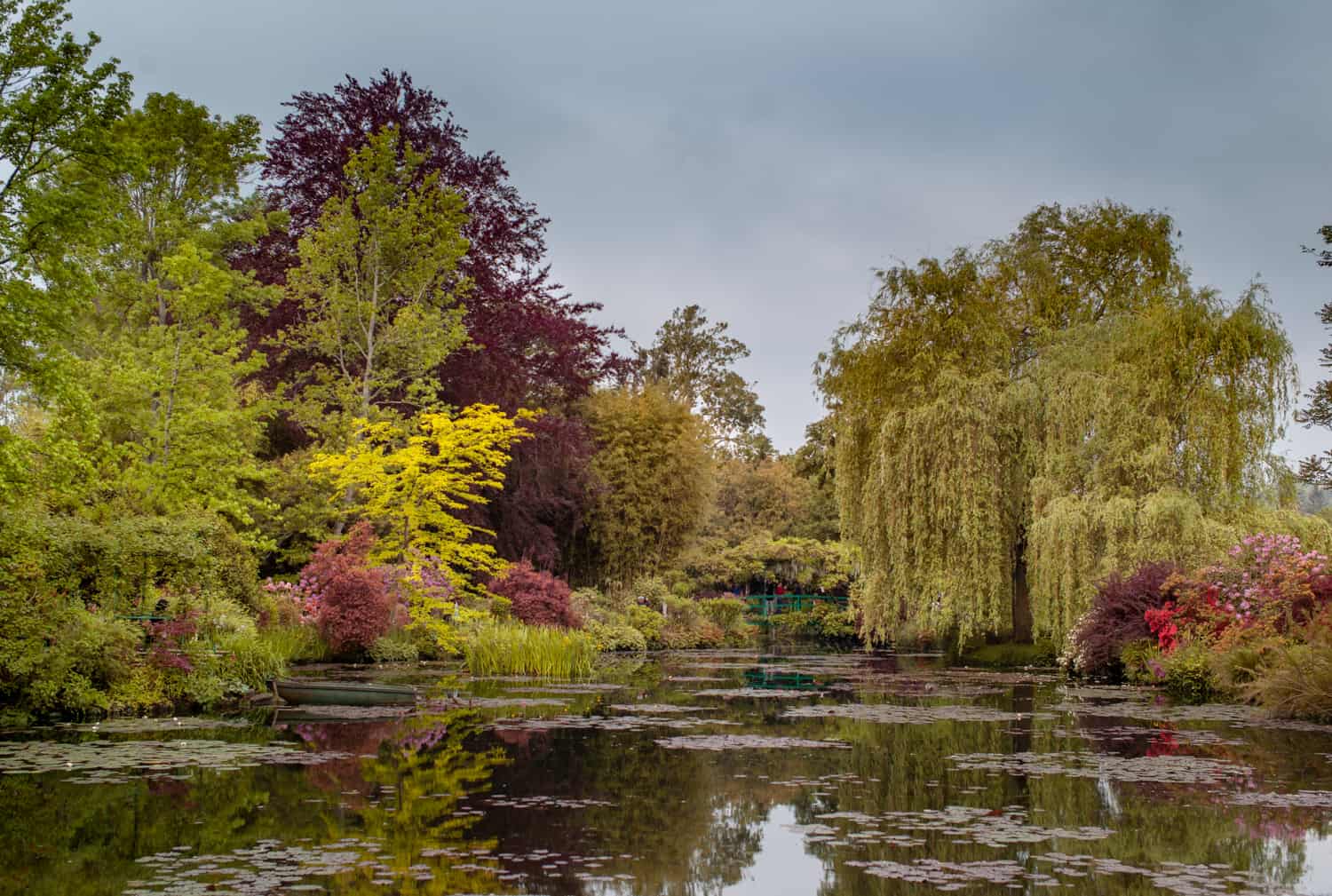
This is a bit cheap, isn’t it, Turning a Facebook challenge series into a blog post? I know. I’m sorry. But it’s been soooo long since I’ve written something here and this challenge was actually quite Swadeology-ish, so why not?
The idea is in the title – list 10 cars that changed the way you think about cars. They’re not necessarily cars I’ve owned, though many are. Cars have played a central role in my life so it’s fair to say that many of these are cars that have shaped my life, for better or worse (overwhelmingly for the better).
Without further ado, then…..
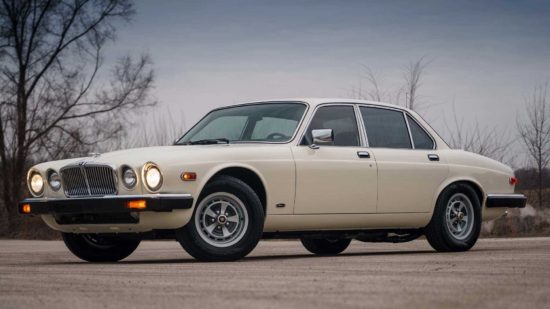
Jaguar XJ6
My Dad gave me a book about Jaguars when I was a young teen and it’s really the car that started this whole adventure. I used to sit and draw them in class. Even as a 13 year old kid, I loved the sweeping lines, the pure elegance of this car. I still do.
The car that sucked me in was the 1985 Series III version with the pepperpot wheels. The Series III is shown above (sans wheels). I’d be happy with any of the XJ6 versions and I’m very keen on bastardising it with a modern V8 engine transplant.
I’ve owned a later version – a 1995 XJR – but mine didn’t have the same beautiful proportions as this one, nor the same elegant interior. The original XJ6, whether it be Series I, II or III, was a car that was designed right from the first drawing.
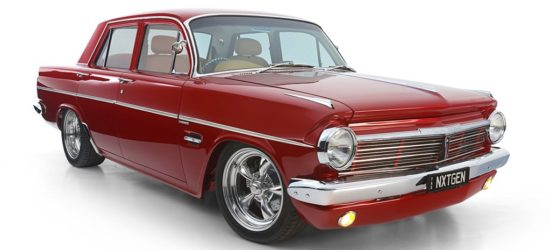
EH Holden
The EH Holden. It’s the only Australian car on the list and – to be honest – it doesn’t really look like the one in this picture. The car in the picture is quite heavily modified. It’s an EH the way I’d like it to look if I owned one.
I didn’t discover European cars until my late teens / early 20s. They were always for wealthier families back in the 80s. Middle class Aussies bought Australian or Japanese. For a teenage Aussie boy, it was either Ford or Holden. No Jap Crap back in those days, thanks.
The EH was my favourite classic Holden. I’ve shown the sedan here, but it looked quite nice in wagon form, too.
Sadly, I never got to own one (and likely never will). It’s quite pretty for an Australian car, though, and when modded the right way, it moved pretty quickly, too.
That’s probably the way this car most influenced my thinking, actually – the idea of mods. Most of my friends had this type of car back in the early 90’s and it was at this time that I first starting learning about ways you could modify your car to make it go quicker. I wouldn’t apply that knowledge until later in life, but the learning process was a big part of the passion-curve for me.
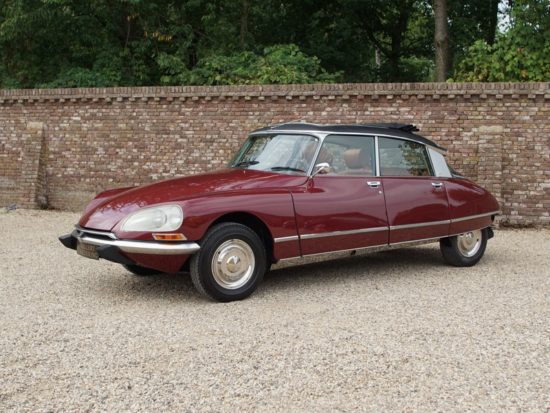
Citroen DS
I saw my first Citroen DS (in person) in the late 1980s, thanks to a friend’s uncle. I was still a Holden-loving, long-haired, louty Australian kid at the time and I thought the DS was the strangest looking thing I’d ever seen – and not necessarily in a complimentary sense. I wouldn’t have been seen dead in it.
But how times change.
Today, like everyone else, I think it’s one of the most beautiful cars ever designed. It’s quintessentially French with its dedication to gorgeous form and its nutty suspension.
The world is a much better place for its existence. To paraphrase Richard Hammond – I want one more than I want my next breath. In fact, I have a not-so-secret goal to tour France in one of these. One day.
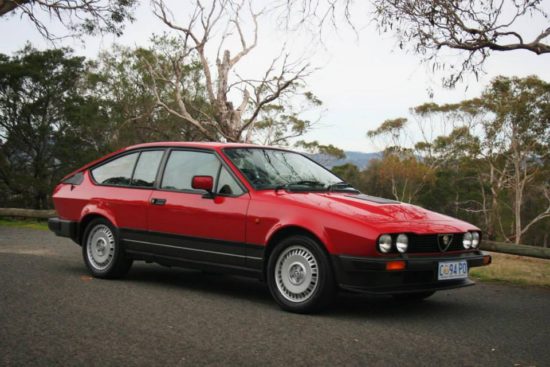
Alfa Romeo GTV6
I was still in that long-haired lout stage when I first encountered the Alfa GTV6. A mate bought one when they were still quite new – he did quite well for himself designing the original HSV logo for Holden in the late 1980’s.
The GTV6 was EPIC compared to the cars the rest of us teenage dirtbags were driving at the time. The looks, the sound, the whole package. It kickstarted my Alfa dreams, which continue to this day.
It’s also one of the cars that set the bar for how passionate cars should make the enthusiast buyer feel, which has been a guiding principle for my whole automotive life.
The photo shows my own GTV6, which I was lucky enough to own for a year or so. I sold it because the only way I could wear a helmet during a track day was to have the sunroof open!
I miss it. Driving this car with it’s V6 Busso engine screaming was a proper event!
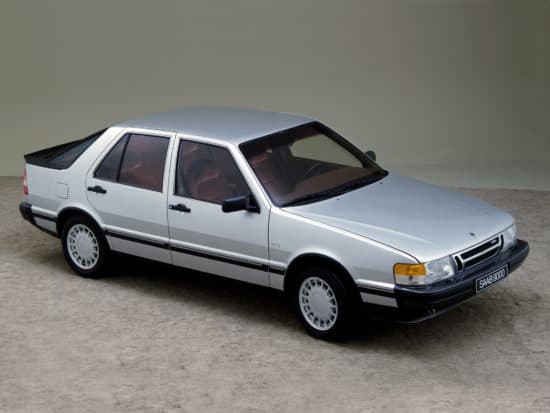
Saab 9000 Turbo
This car was the beginning of my Saab obsession. A friend owned one back in the early 1990s.
Again, context is important. We were all young 20-somethings who’d only ever driven Holdens, Fords and Toyotas. To see something this fast, with a turbocharger, leather interior, full digital climate control, glass electric sunroof, amazing stereo, and all the rest – it was like a damn space ship.
Throw in the interesting Saab background and I was rather hooked.
It took around 10 years after my first exposure to the 9000 before I got a Saab of my own and it wasn’t nearly as sophisticated (an early 70’s Saab 99E with the old Triumph engine) but I felt like the king of the world.
Later on I’d own a bunch of Saabs, build a rather successful website about them, and fulfill a dream of working in the motoring industry – with Saab. It all started here, with the Saab 9000 Turbo – a car that quite literally changed my life.
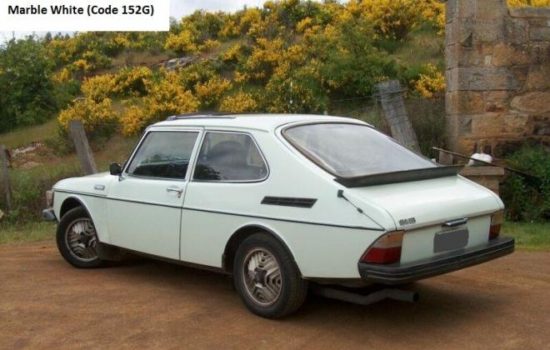
Saab 99 Turbo
This is still the Saab model I love the most. To me, the snub nose of the 99 suits the car’s proportions better than the longer 900 nose. It just looks tougher. And the 99T is full of wonderful 1970’s Swedish kitsch – centralised seatbelt buckles, those weird window winders, weird headrests, inca wheels(!), that ‘extra’ button and much more.
Pictured above (and looking rather sorry for itself) is my marble white 99T, built in December 1978 and rarely seen as a three-door in this colour. It had a funky green velour interior and even though it made just 145hp from its 8-valve turbo 2.0, it felt incredibly special. I can only imagine what driving one new must have been like back in the day.
I’ve rarely loved another Saab as much as I loved this one. The 1991 Saab 900 LPT I owned in Sweden in 2011 would run it a close second. But this was my first turbo Saab and it was special. I’d also gladly take it in two-door form.
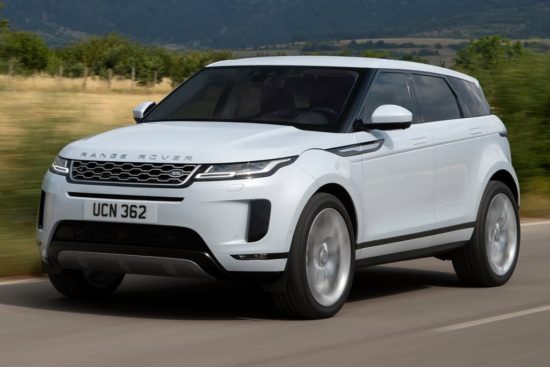
Range Rover Evoque
OK. Hear me out.
It’s November 2010 and I’m at the LA Auto Show as a guest of Saab Automobile, which is about to launch the Saab 9-4x. I’m also there to interview with Victor Muller, Knut Simonsson and Jan-Ake Jonsson for the job I’d take with Saab in 2011. For the first time, I’m compelled to start thinking like someone in the automotive industry rather than just as an enthusiast blogger.
The Evoque was also making its debut and the waves it made amongst the Saab guys were obvious. They were all very keen to see it and when they did, every last one of them pronounced this car to be a winner. They pointed out not just the styling, but also the very high standard of equipment and fit/finish.
I was pretty tribal back then and wasn’t too keen on looking at anything but Saabs, but I tagged along for the sake of getting myself an education. And I did. The Evoque experience had me looking at other brands objectively to see what they did and why they were successful. It was a massive learning experience so while I’d never be interested in an Evoque myself, it definitely changed the way I critically assess the various aspects of an automobile.
The Saab guys were right, too. The Evoque’s been a massive hit for JLR. (And if I can put my tribal hat back on, just imagine what a decently funded Saab could have done with the original 9X idea based on the success of this. Bloody GM!)
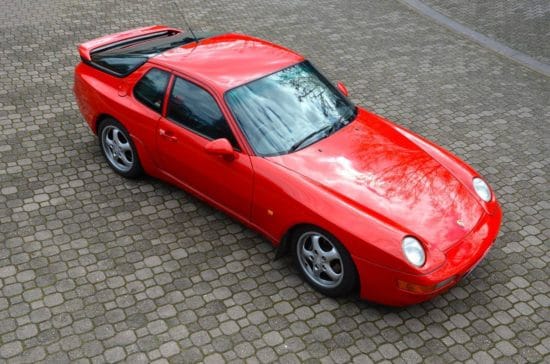
Porsche 968 ClubSport
Pictured above is the Porsche 968 Clubsport I owned back in 2014.
It was modestly equipped, looked sporty, is said to very reliable (I didn’t own mine long enough) and is an extremely capable, well-balanced car. This car’s ceiling was well above mine as a driver, so beautifully engineered it is.
It was also as boring as a Hoover Dam full of beige paint.
I don’t have anything specifically bad to say about this car. It had oodles of capability but absolutely zero personality. I guess you could say that it DID shape my thinking about cars because it made me love Italian and French cars sooooo much more.
(For what it’s worth, I still love the Porsche 928 and 911. I’m not sure about any other P cars, though).
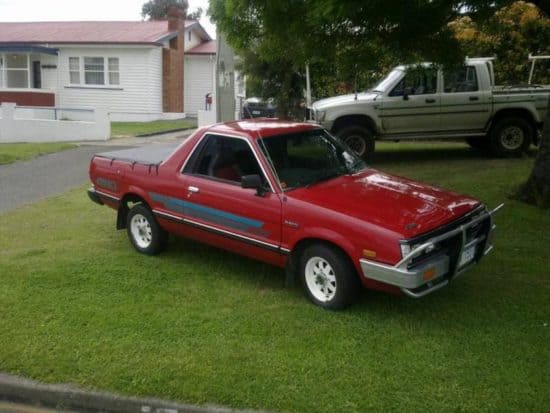
Subaru Brumby
The little car that could….. the Subaru Brumby
This car taught me the joy inherent in simplicity.
I usually don’t keep for cars very long but I had the Brumby for three or four years and it was a joy to own. It was as slow as a wet week but incredibly practical. It got things done, punched above its weight and has absolutely no frills.
It’s car I’d own again in a heartbeat (as long as it had power steering fitted).
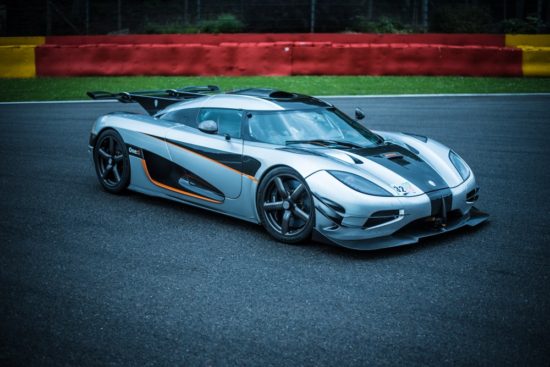
Koenigsegg One:1
The One:1 is automotive insanity writ large. It is the king, the queen, the jack and the joker in the deck. It’s the main course and there’s no room left for dessert. The dog’s bollocks. It’s everything your six-year-old self wanted in a car and much, much more.
Koenigsegg was/is a very human-oriented car company. The mission is every bit as important as the bottom line – a car that’s the embodiment of the Koenigsegg team’s ingenuity, determination, persistence, and engineering innovation. The One:1 is the most extreme expression of that mission.
I’ve been a passenger in nearly every Koenigsegg model and I’ve driven the CCR, CCX, Agera RS and Regera.
Nothing comes close to the One:1 for raw power and sheer visceral vibrance. This car has some sort of insane voodoo going on. It’s hard to explain – but instantly felt. I’ve been in an Agera RS at over 300km/h. I’ve driven the Regera at around 300km/h. Both of these cars are technically quicker than the One:1 but neither of them are as savage.
What the One:1 taught me about cars/life – go to the extremes to achieve your vision. Go the extra mile. Do the extra thing. Stay awake another hour. Do that extra set. Most of the things we can imagine ARE possible.
I’m sad to report that in the next few months I will leave my employment at Koenigsegg Automotive. I will leave Sweden. And Europe.
I’ll really miss my colleagues at Koenigsegg. We’ve done some amazing things together. World record things. Breaking-the-mold things. My first day at work we broke the 0-300-0 km/h record with the One:1. A few months earlier we’d broken the lap record at Suzuka Circuit. A few months later we broke the lap record at Spa. We took the 0-400-0 record by six seconds just three weeks after Bugatti set it. A month later we sliced an extra three seconds from it while setting four world top speed records. Bugatti’s struggled to sell their Chirons ever since.
A month ago we launched our new car. The Jesko. A few weeks later I had the time of my life doing the first outdoor photoshoot with it with a couple of workmates.
It’s going to be very hard to leave that sort of thing behind.
The good news, though…… I’m very pleased to report that I’ll soon head home to Australia!
To Adelaide, to be more precise – the city of churches. And morons (it’s a Victorian thing. A football thing. You wouldn’t understand).
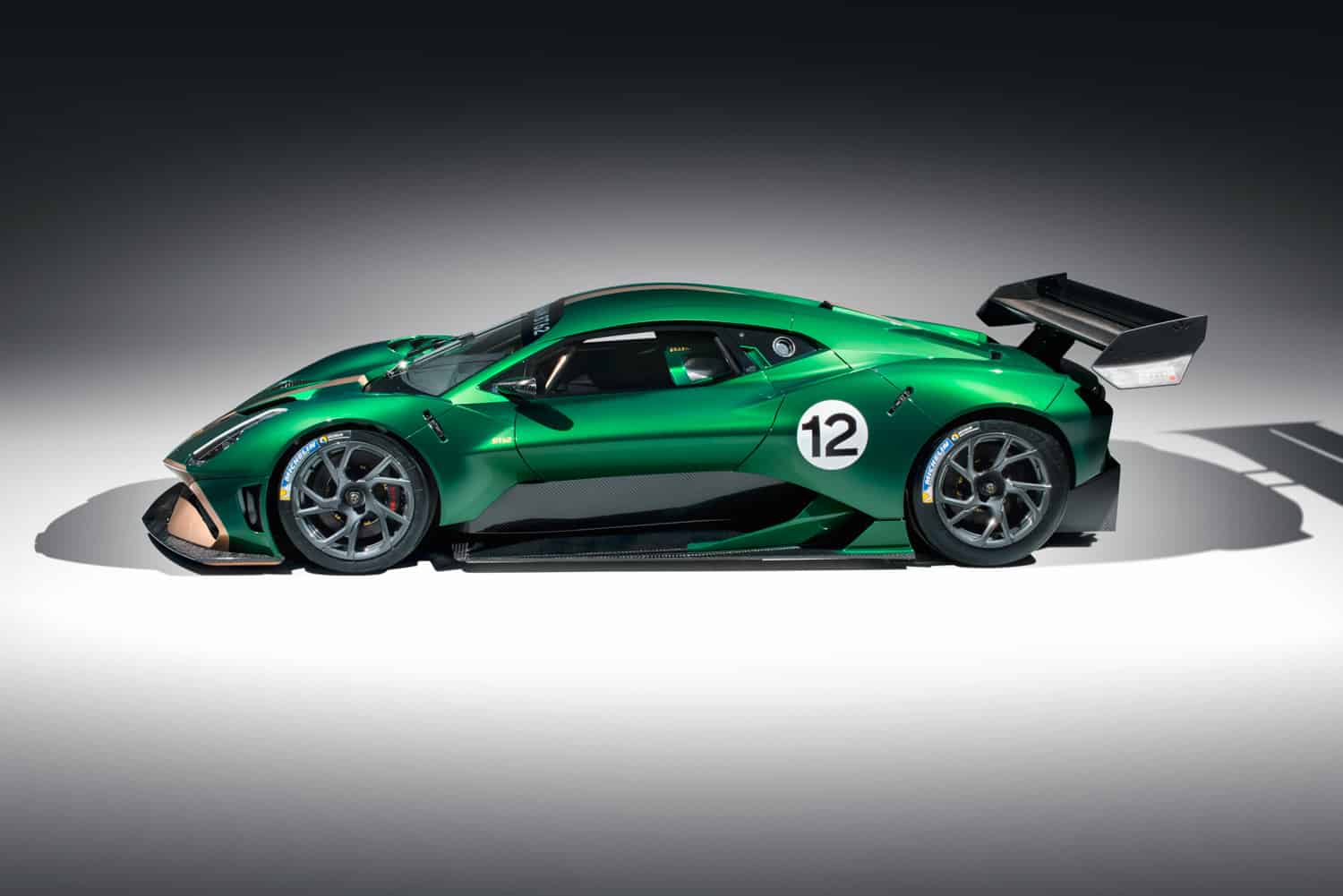
And I’m super-excited to report that I’m taking up a position at Brabham Automotive, doing basically the same thing I do at Koenigsegg.
If you’re not familiar with Brabham, check out the website for the basics. Put simply, they have a 70-year heritage rooted in racing. They’ve recently built a record-breaking track car and will turn that into a road car.
Check out this video of the BT62 setting a new closed-wheel lap record at Mount Panorama in February this year.
They’re also going back into racing with the ultimate goal being a run in WEC’s GTE class in 2021/22, including LeMans!
It’s an exciting proposition. Brabham is a fledgling brand for road cars and we’ll have a massive challenge on our hands to establish the name, but I can’t wait to join the team in Adelaide and get cracking.
My good friend Pete recently wrote: “I can’t wait to see the blog post explaining this one.”
Fair call.
Why am I leaving what’s been one of the most rewarding jobs – no, it’s THE most rewarding job – I’ve ever had?
The main reason is pretty simple – family and friends. My network’s pretty well spread and few of them are in Adelaide. I’ll still have to travel a bit to get to see the people closest to me, but at least I won’t have a week’s jetlag to deal with when I do it. I miss my people.
Also, there’s just a basic need to return somewhere that feels like home.
I’m looking forward to being able to read the newspaper. To read signs in shop windows. To watch the news and actually understand what people are saying. To talk shit about the footy with people who know what it is. To maybe get involved in a community. I might even (finally) get politically active and volunteer.
The small things that turn an existence into a life.
On the Swedish side, I just don’t fit in here. I freely admit that much of that is my own fault. I’ve never learned the language, which is key to settling in anywhere and being truly accepted by the locals. But even if I had learned to talk with a mouthful of marbles (which is still what Swedish sounds like to me), I’m not sure I’d have fit in here.
There are aspects of Swedish life that I really love.
For one, it’s a society that cares and they put that caring into action with smart stuff like free education, cheap healthcare and plenty of parental leave. That’s like catnip to a bleeding heart lefty like me. I don’t even mind paying the exorbitant taxes you pay here, mostly because I can see what I’m paying for. Australia could learn a lot from Sweden. From Scandinavia as a whole, actually. A lot of countries could.
There are very few assholes here, if you’ll pardon my vernacular. People are mindful. It’s a wonderful thing. I see very little, if any, road rage. The place is just not as tense as Australia (which is a modern phenomenon I blame mostly on Rupert Murdoch – Australia used to be the most relaxed place on Earth. It’s not anymore).
All that politeness, mindfulness and good forward planning has its downsides, though.
Sweden, to me, is a place that’s missing an edge. Lagom is good, but you can be too lagom. People here enjoy high average standards, which is wonderful in its own way. But it also means that Sweden avoids the lows that give a place proper grit and the highs that make a place soar. I miss that edge.
I’ll have given Sweden four years of my life by the time I leave. It’s been absolutely grand, but it’s also enough. I will say goodbye to friends here with distinct and sincere sadness, but say goodbye I will.
And then I’ll go ‘home’ where there’s family, friends, short winters, useful daylight hours, amazing landscapes, cheap petrol, and where all the critters are trying to kill you.
Hmmm. The critters. There’s a good chance I’ll be back.
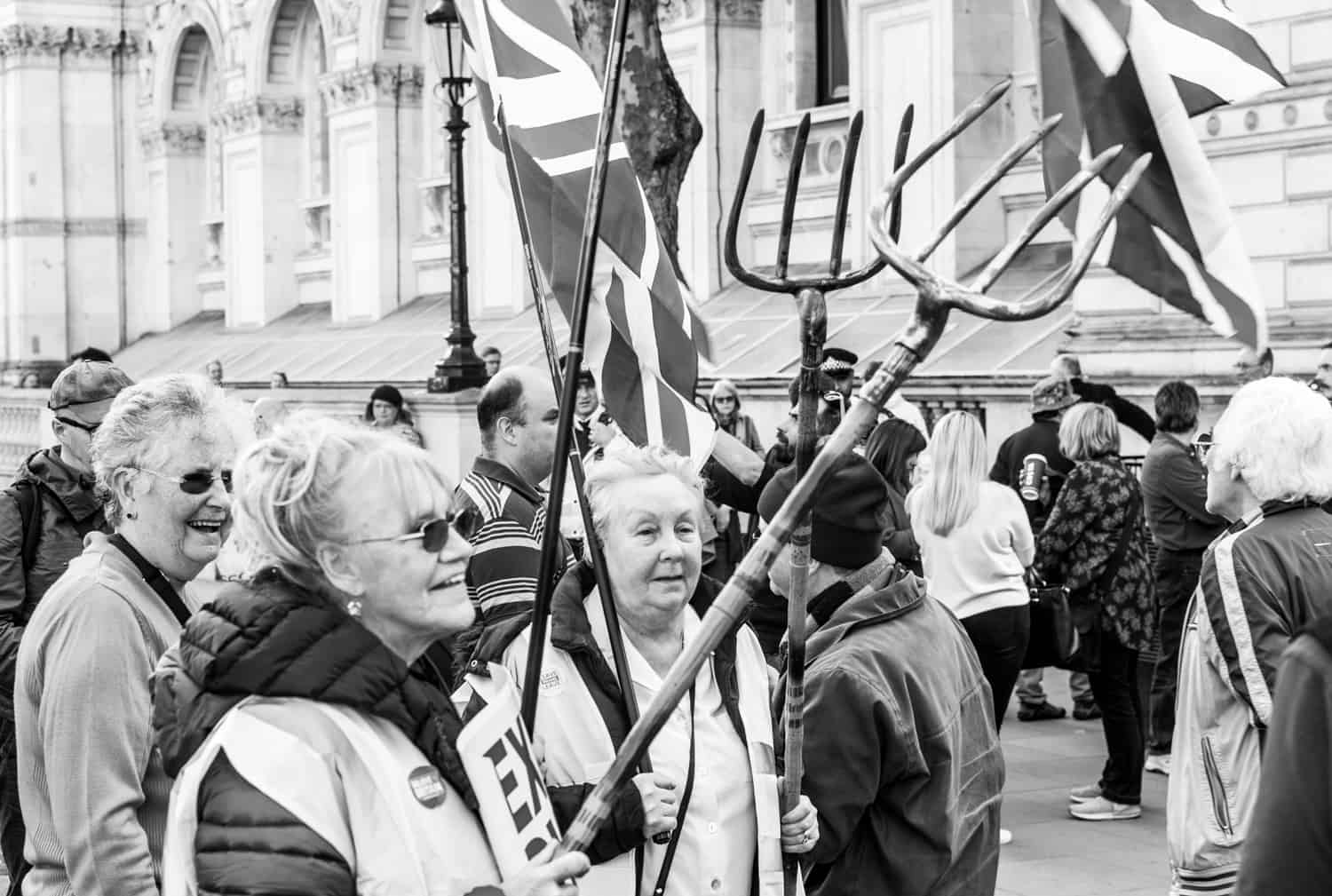
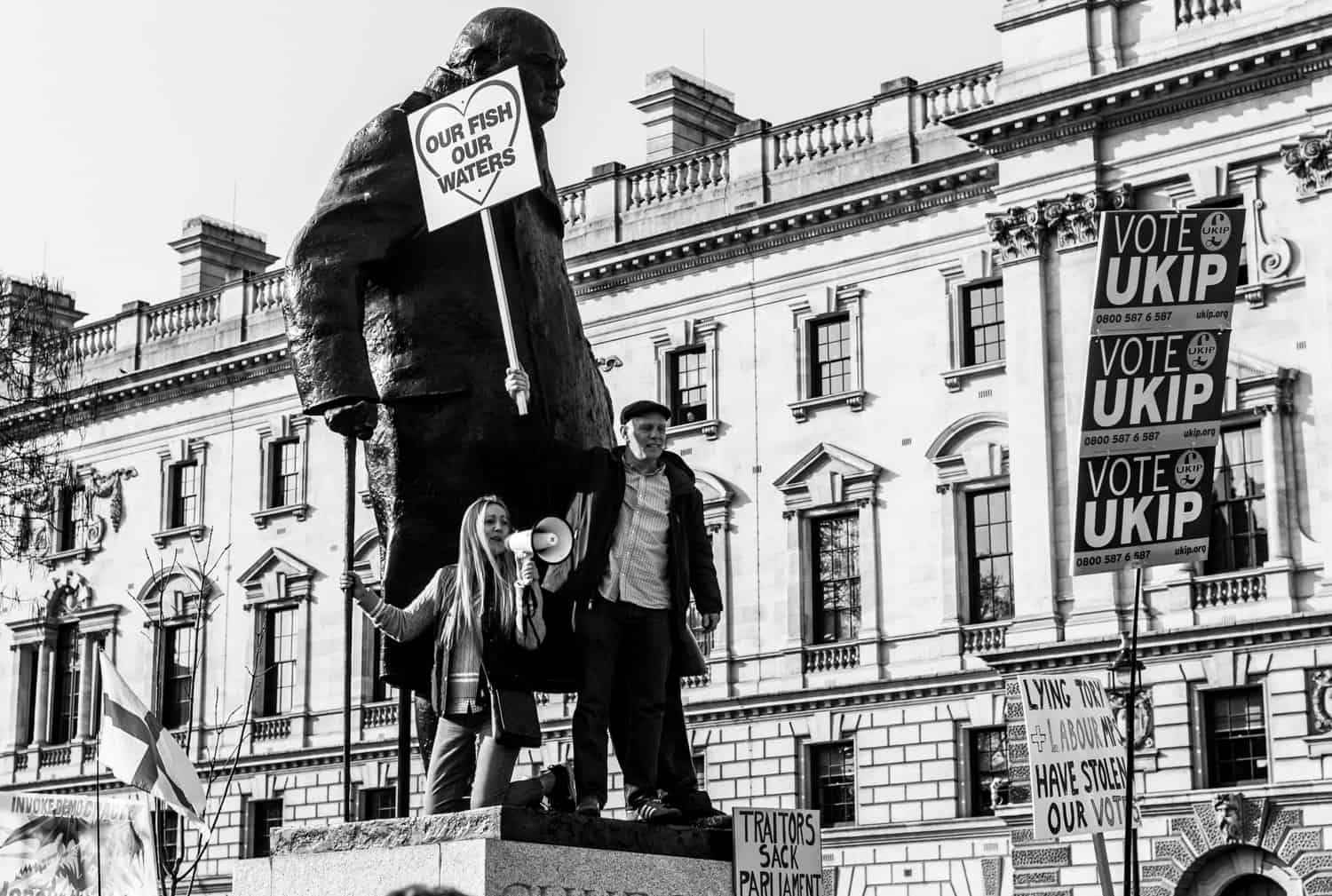
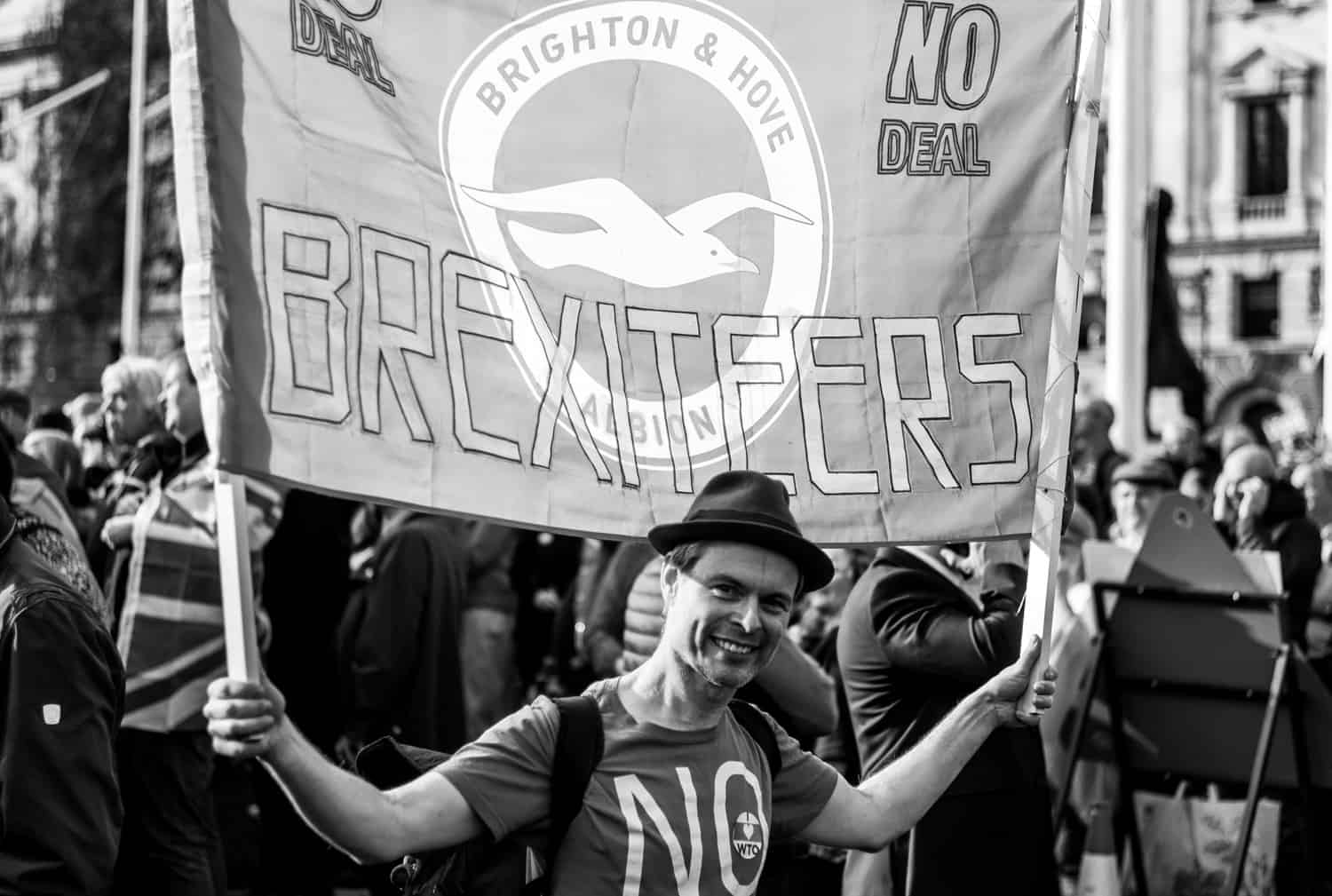
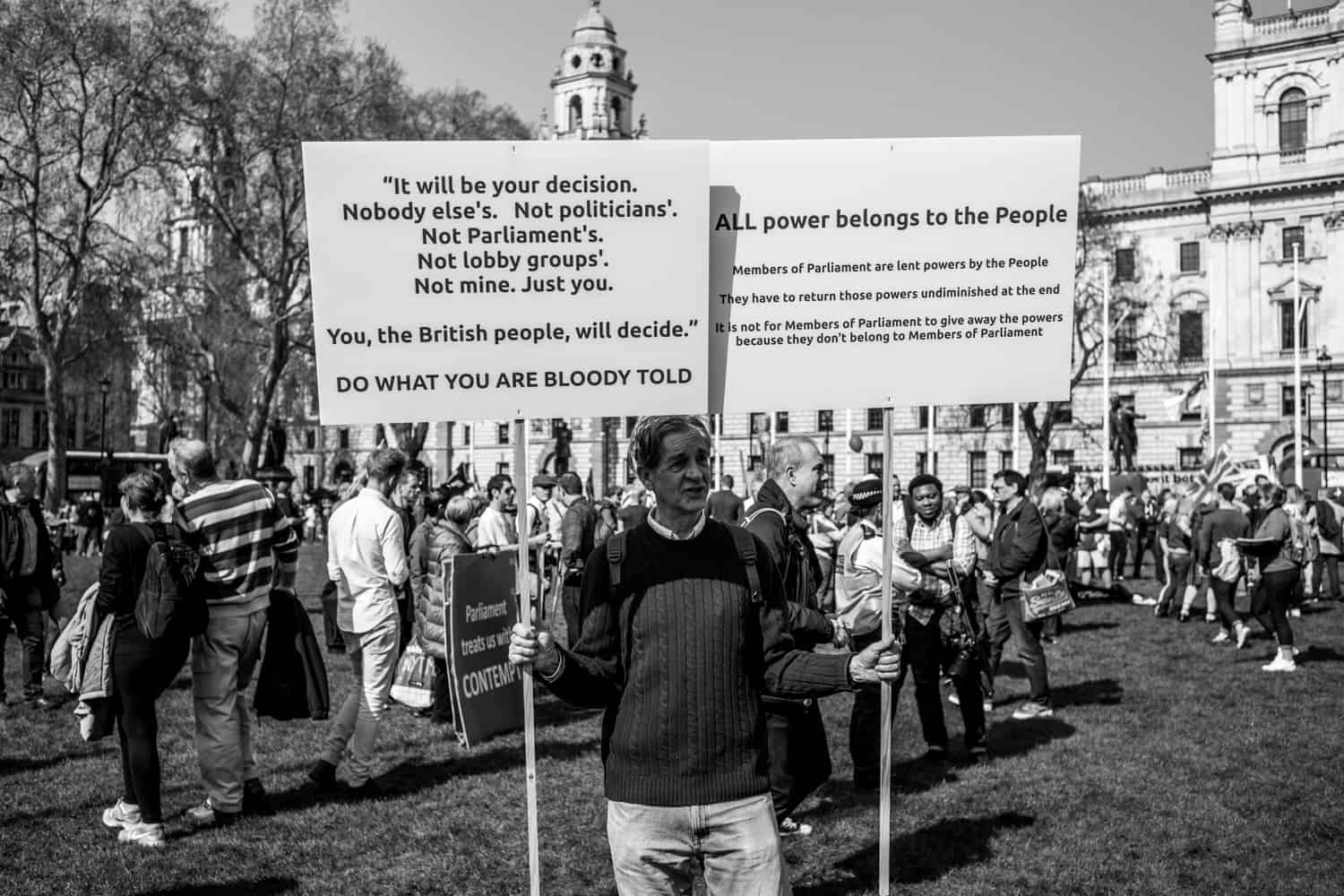
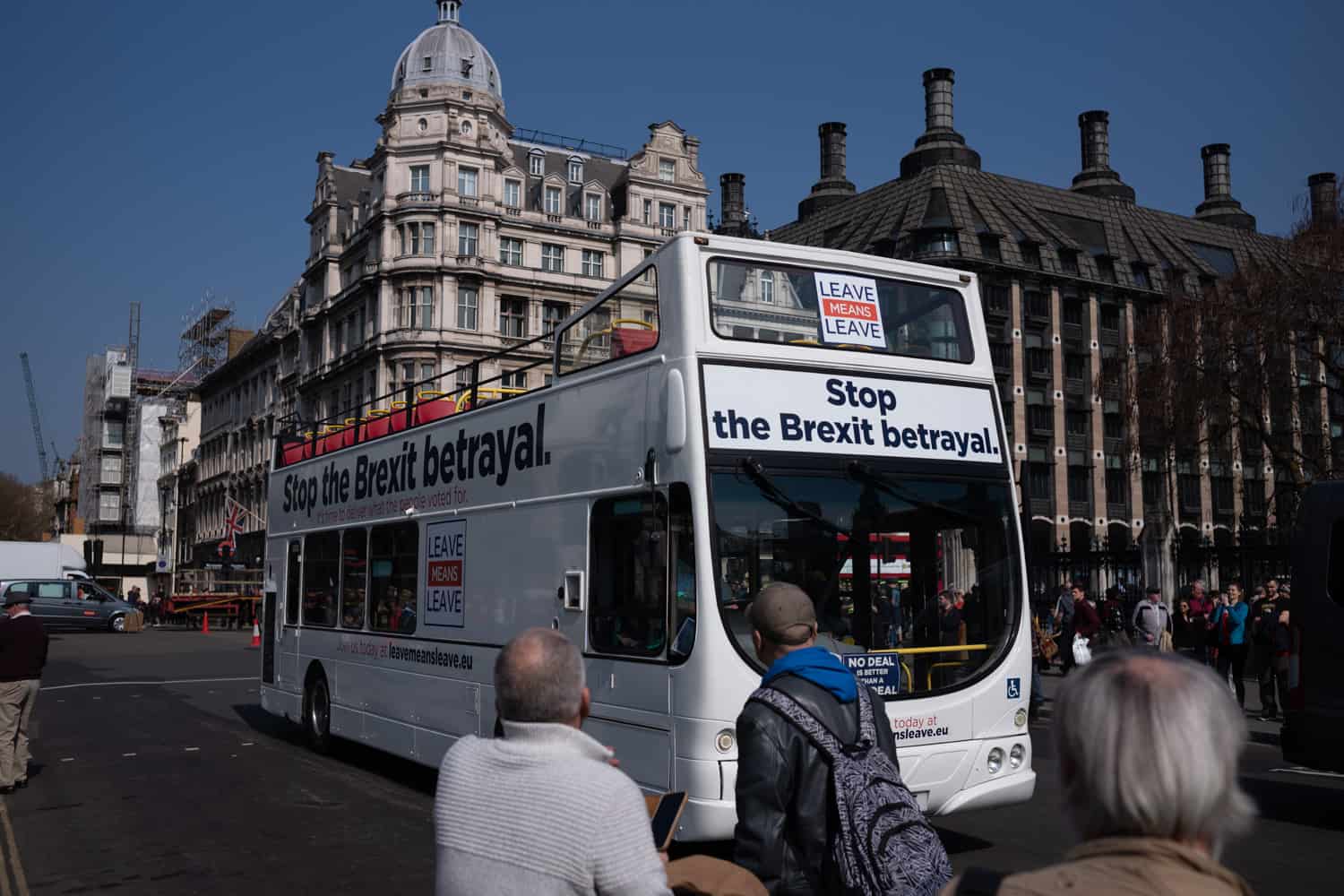
It’s not that often an ordinary guy from Australia gets to be on the ground for what should be a proper moment in world history. With Brexit looming, I couldn’t resist booking a trip from ‘home’ in Sweden to London for some history-in-the-making street photography.
Most images here are in black and white. This one had to be in colour!
Brexit, as you may know, has been a monumental cluster**** since the day the referendum was announced. It was poorly conceived by David Cameron, poorly campaigned for by all concerned, and has been poorly executed by Theresa May and her ever-decreasing circle of friends.
The only bright side of Brexit (for me, not necessarily for Brexiteers) has been John Bercow.
Brexit Day was supposed to be March 29 and with my birthday falling the next day, I booked an airfare and readied my camera bag. In the weeks leading up to my trip, I didn’t know if March 29 would be Brexit Day or not, though it looked increasingly unlikely as time marched on. I was unconcerned, however. Even if Brexit was delayed (which it was, obvs), I knew there’d be something happening on the 29th. The fact that it was an event full of frustration only made it more interesting.
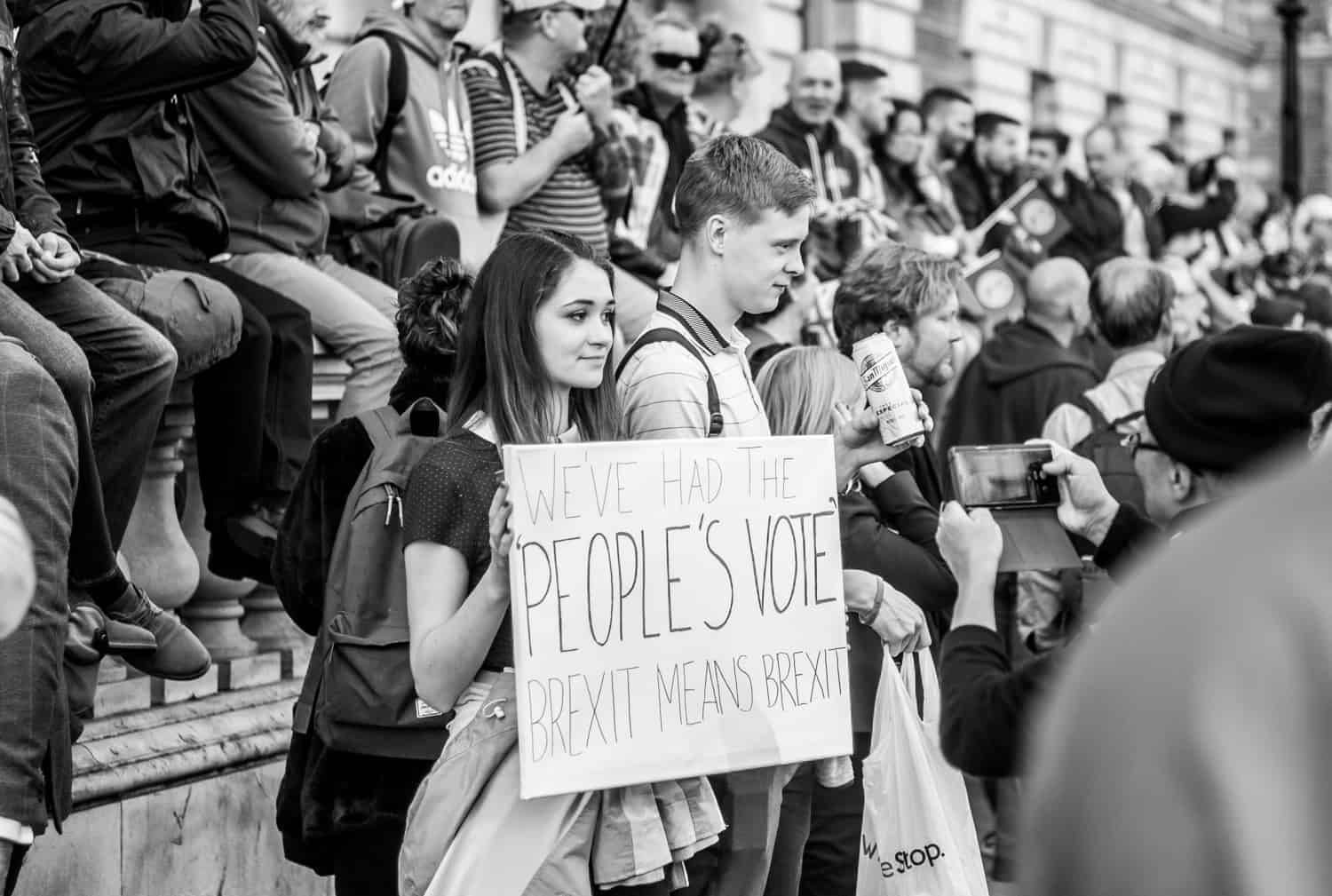
The Remainers had their rally a week before, campaigning for a ‘People’s Vote’ to choose between The Deal (whatever that ends up being) and staying in the EU. It’s reported that there were a million people from all around the UK at that event.
There were people from all over the UK at the March 29 Brexit event, too. I could hear their accents. There wasn’t even close to a million of them, though. If I were to estimate, I’d guess maybe 20,000.
Observations:
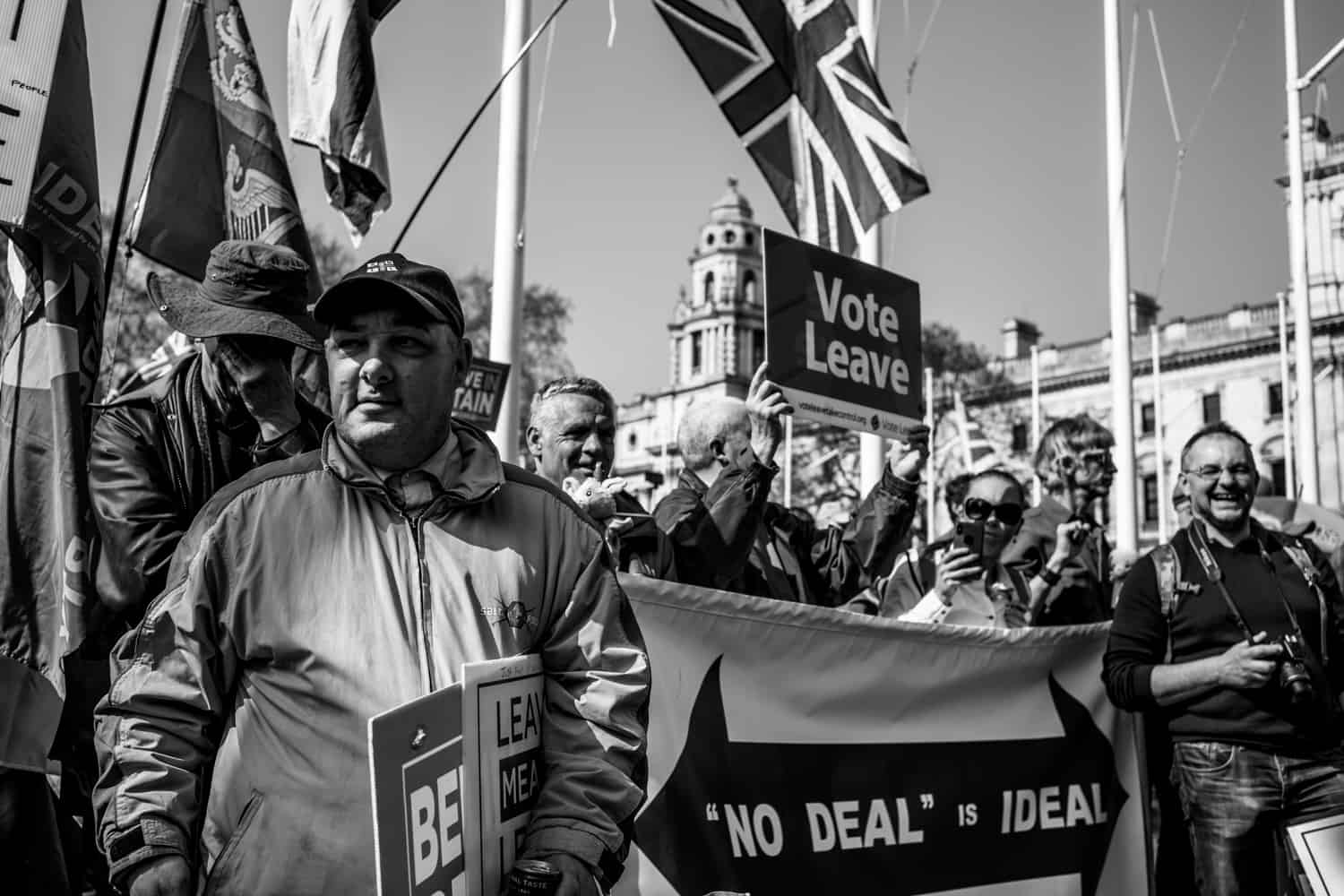
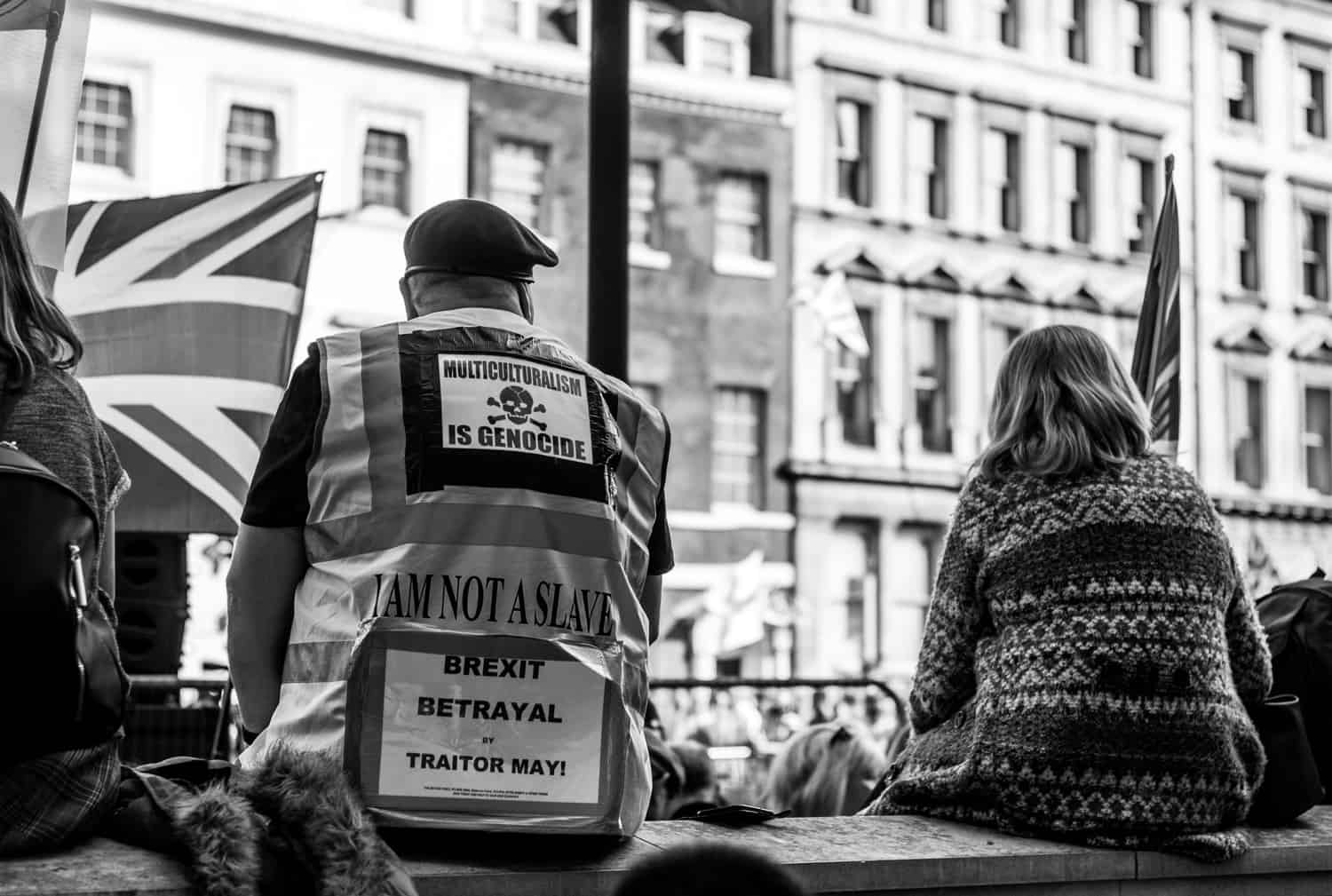
The people: Your stereotypical Brexit campaigner is thought to be 40+, white, and at risk of sounding a little uncomplimentary, a little insular and xenophobic. There were plenty of those types there, including what I’ll loosely term ‘the football hooligans’. There was a UKIP rally as part of proceedings, after all.
That definitely doesn’t sum up those in attendance, though.
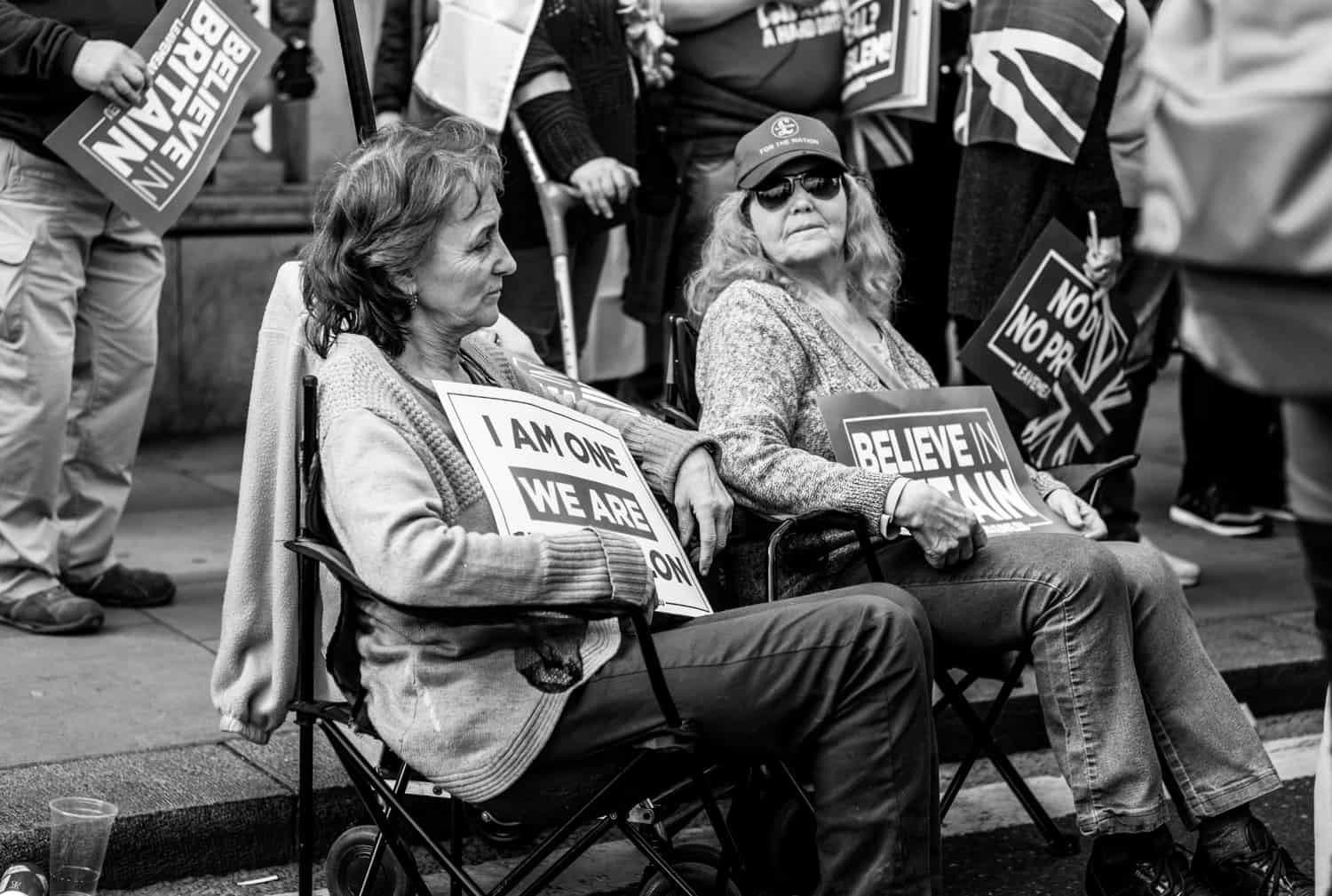
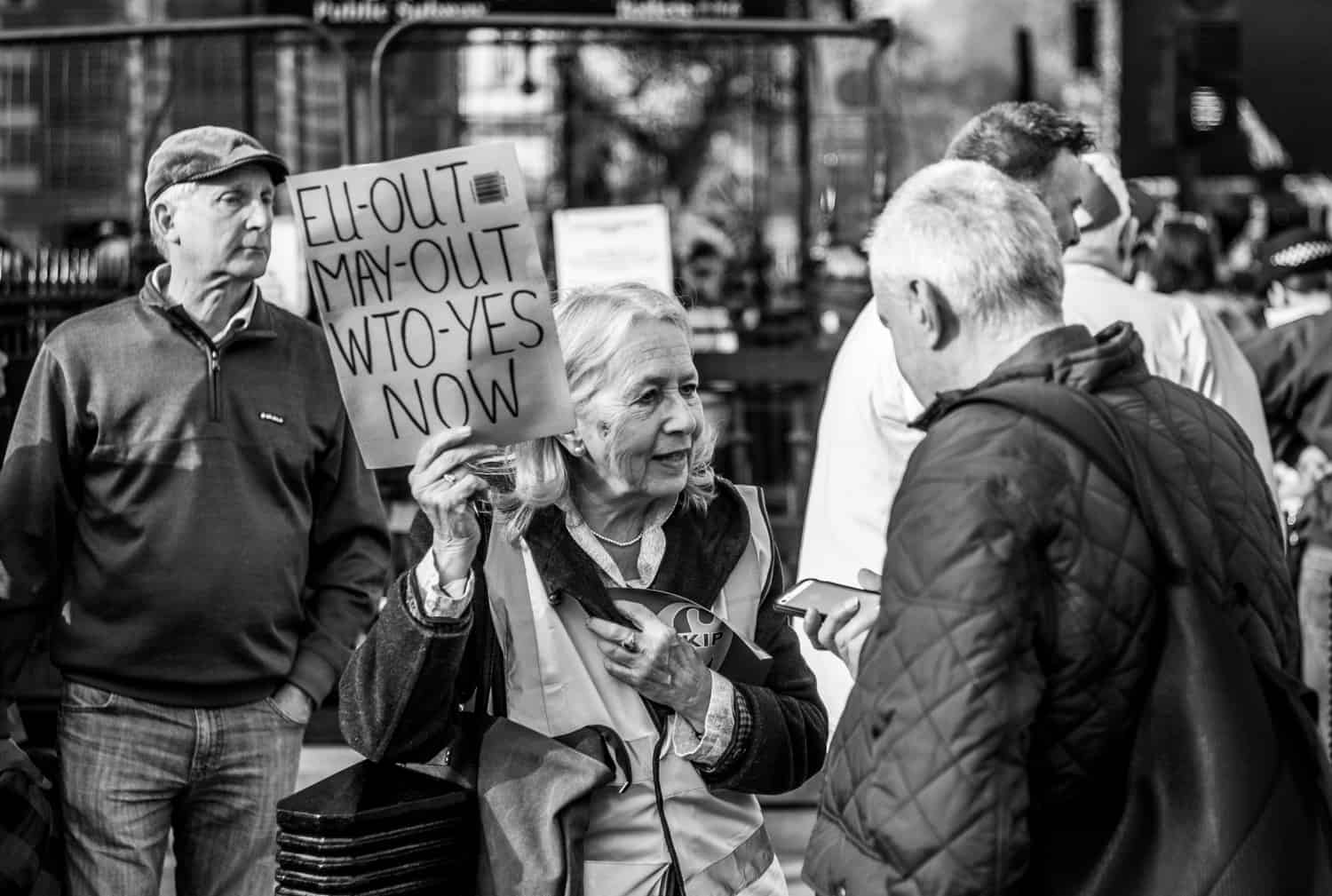
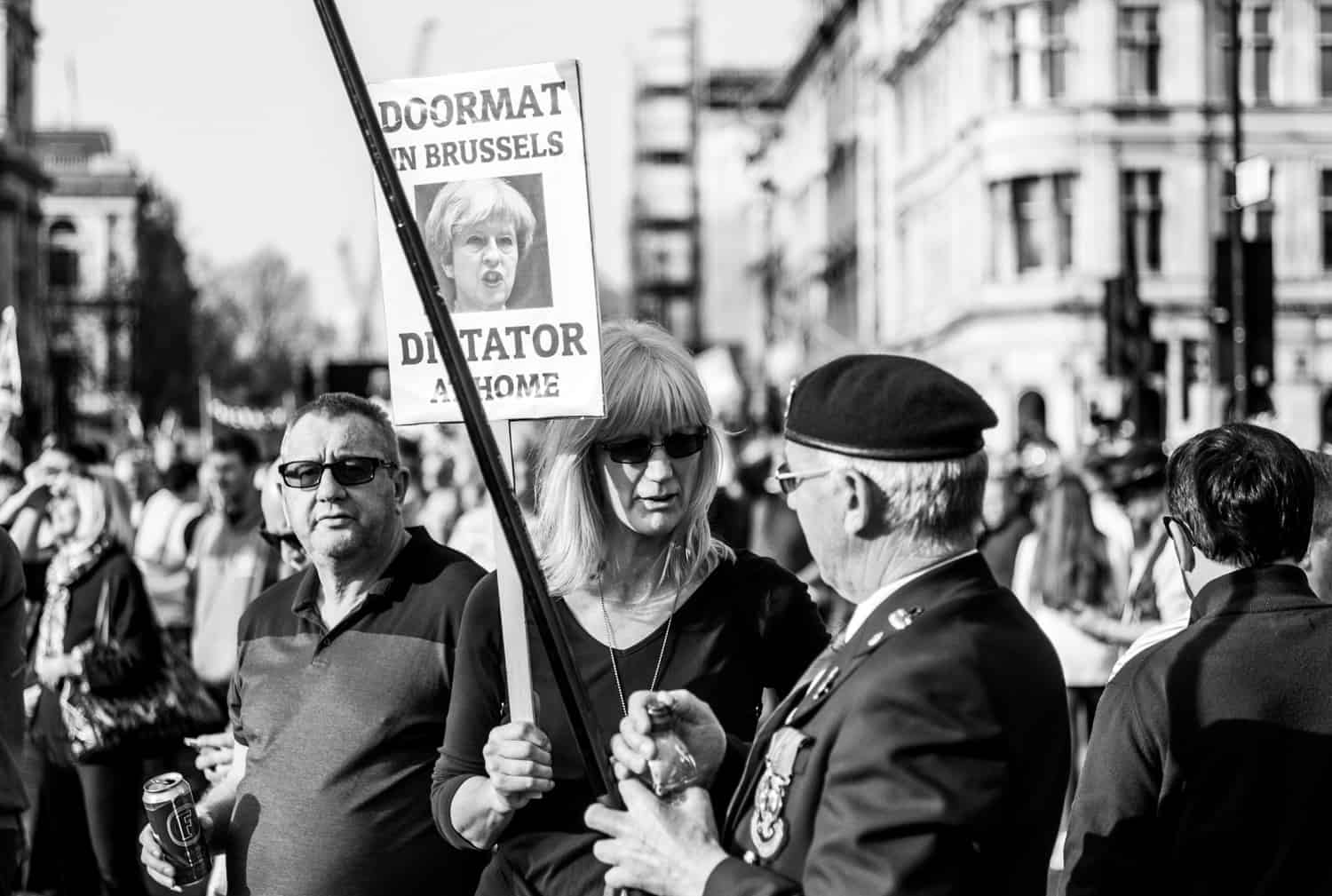
There were plenty of business people, labourers, retirees, housewives, and yes, even young people in attendance. It was a real cross-section of British life and while the aforementioned stereotypical demographic (aged, white) was the majority, it was not definitive.
Predominantly normal people….
…until you come to the ladies with pitchforks!
Young Brexiteers.
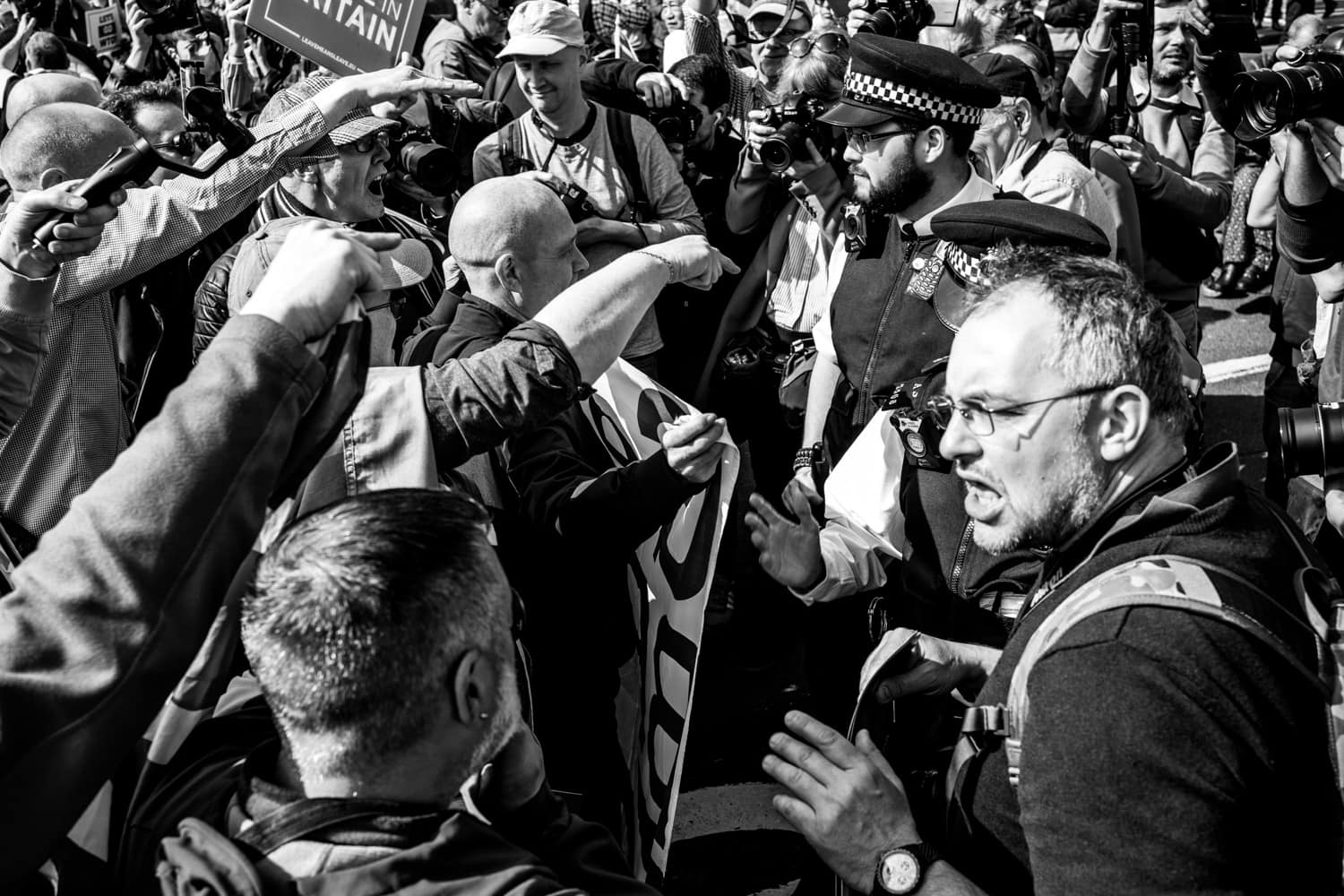
The mood: It was mixed. There was certainly a lot of frustration with the parliamentary process. There were lots of chants and some occasional tense moments, especially when the police showed up (which they were quite right in doing).
A member of the constabulary – cool under pressure
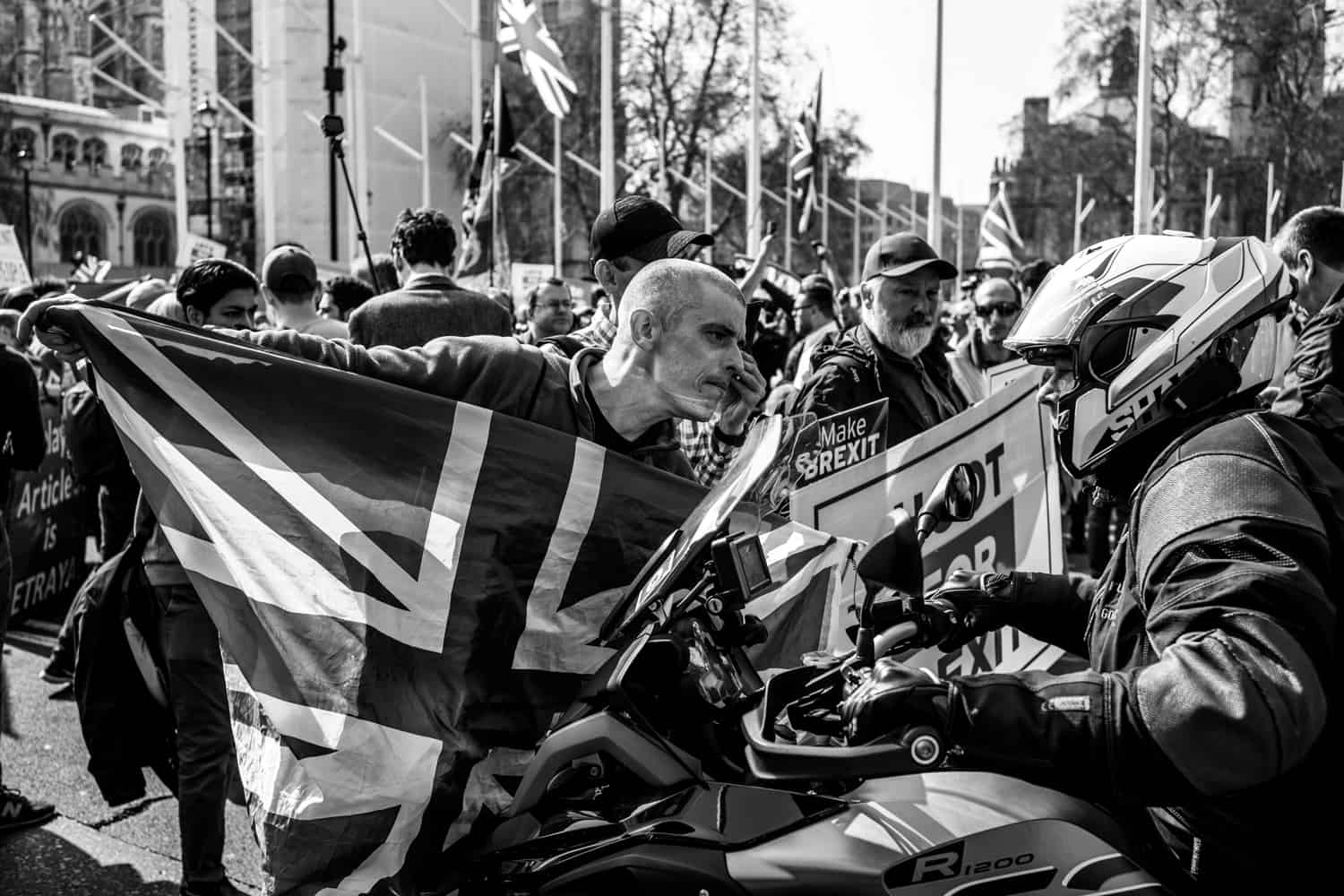
I was there with camera in hand, as were many others. All of the people I interacted with were happy to chat and many were happy to have their photo taken. The single exception was a skinhead who blocked my camera with his jacket and demanded to know who I was working for – a question I heard asked of others through the day as well.
This was a minute or two before the protest spilled out from Parliament Lawn and on to the street, blocking traffic for the rest of the day.
This was a few minutes after the traffic was blocked. The gent with the flag deliberately stood in front of the motorcyclist and wouldn’t let him through. You’ll have to wait like everybody else. Police came and sorted it after a few minutes.
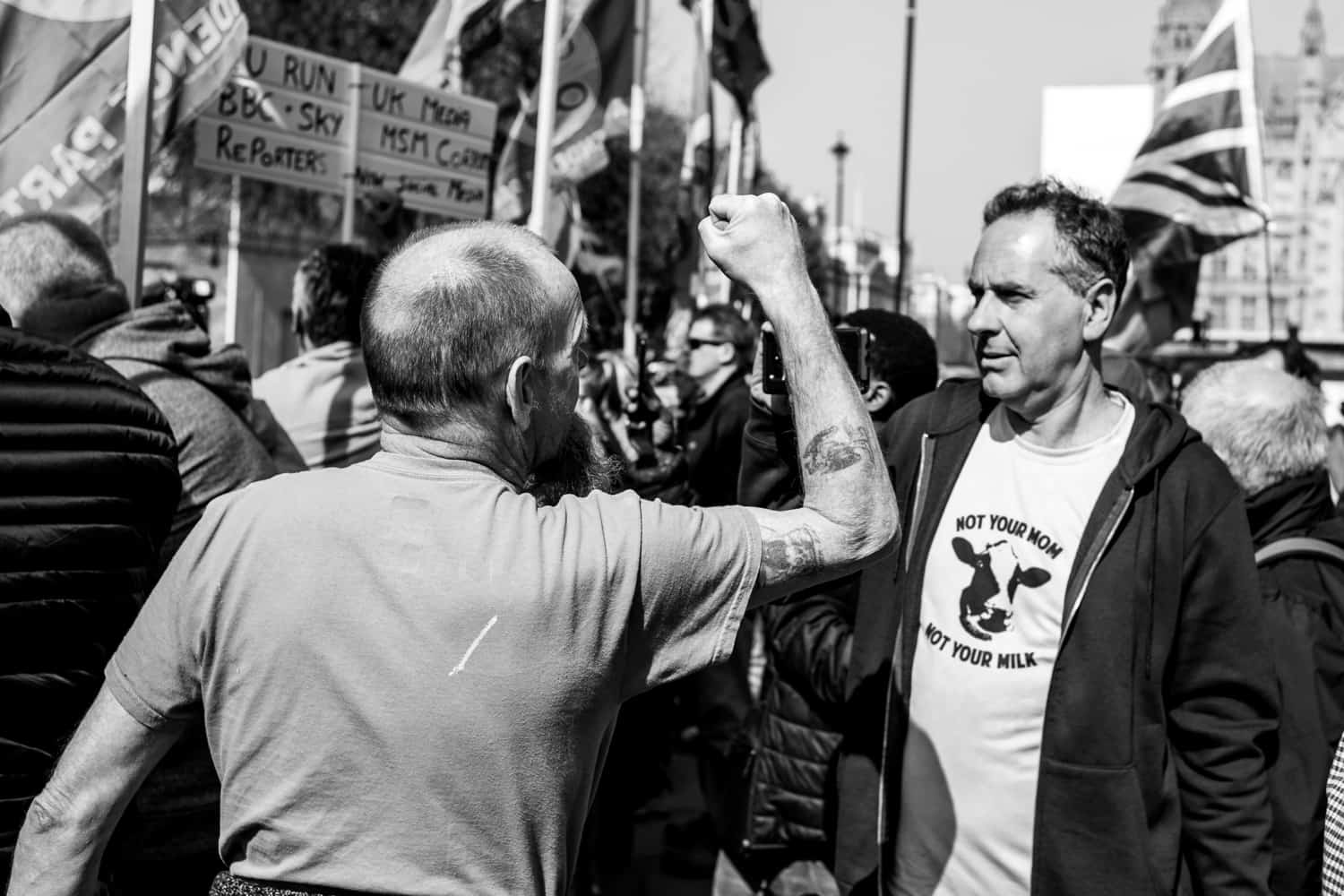
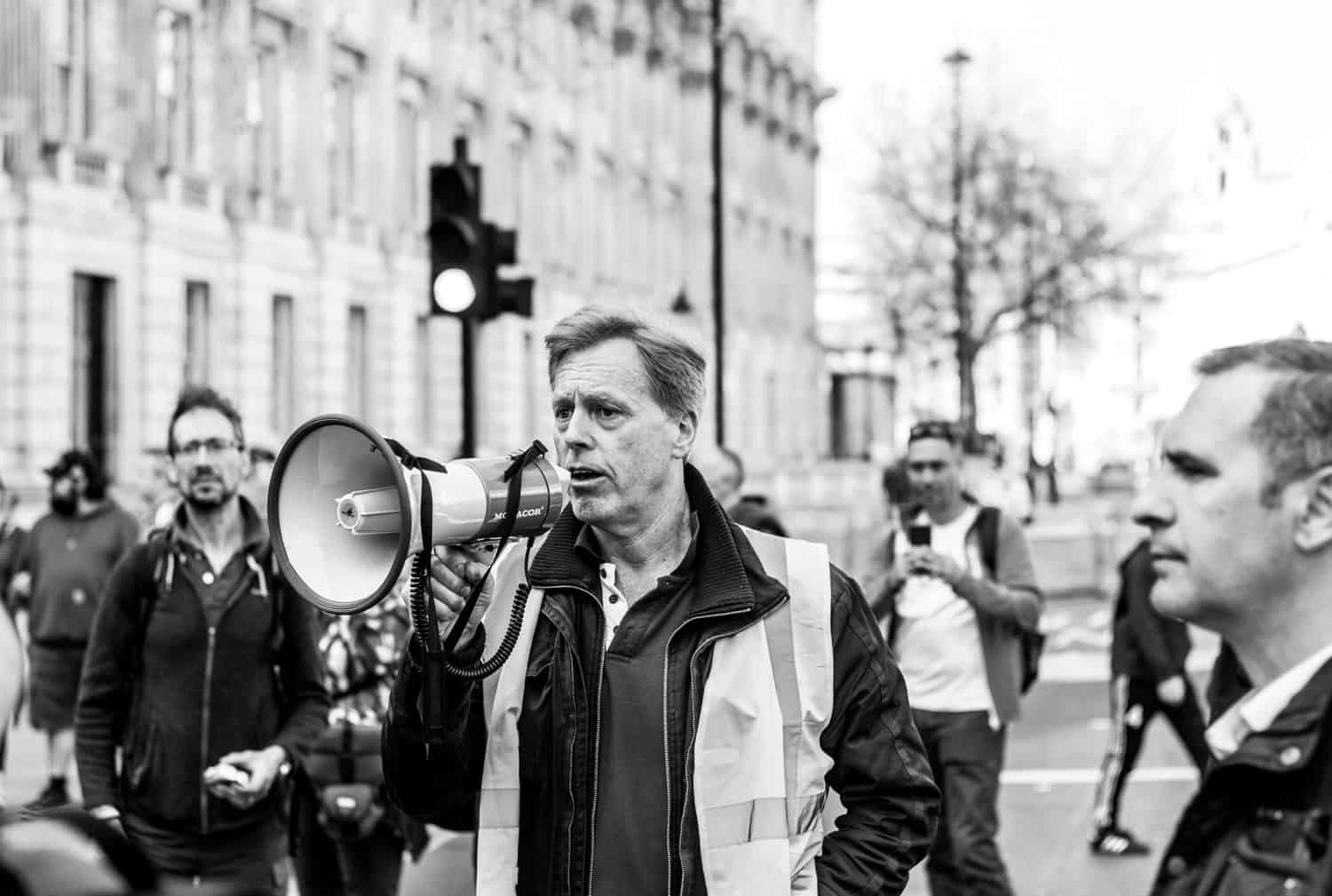
The gent on the right had a megaphone and was railing against more than Brexit – the whole concept of government, really. More an anarchist than a Brexiteer. The guy on the left wanted him to shut up.
UKIP held an event during the afternoon, the main drawcard the double-barrel surnamed Stephen Yaxley-Lennon, better known by his nom-de-, Tommy Robinson.
Robinson’s address was a rather high-pitched diatribe on how the press couldn’t be trusted, primarily because it misquoted him. He played a videotape of him saying one thing and then showed the headlines demonstrating the two words that had been changed (cue sinister music).
Most aspiring politicians with an actual policy platform to share would shrug that sort of thing off and stick to their knitting. Robinson went on and on and on, playing the Fake News card like a cheap violin but without the entertaining finesse of the bullshitter-in-chief, Donald Trump. He didn’t really have anything of substance to say. Still, like Trump, this particular crowd love their figurehead.
One of the more extreme Ukippers
Relaxing while waiting for Tommy Robinson
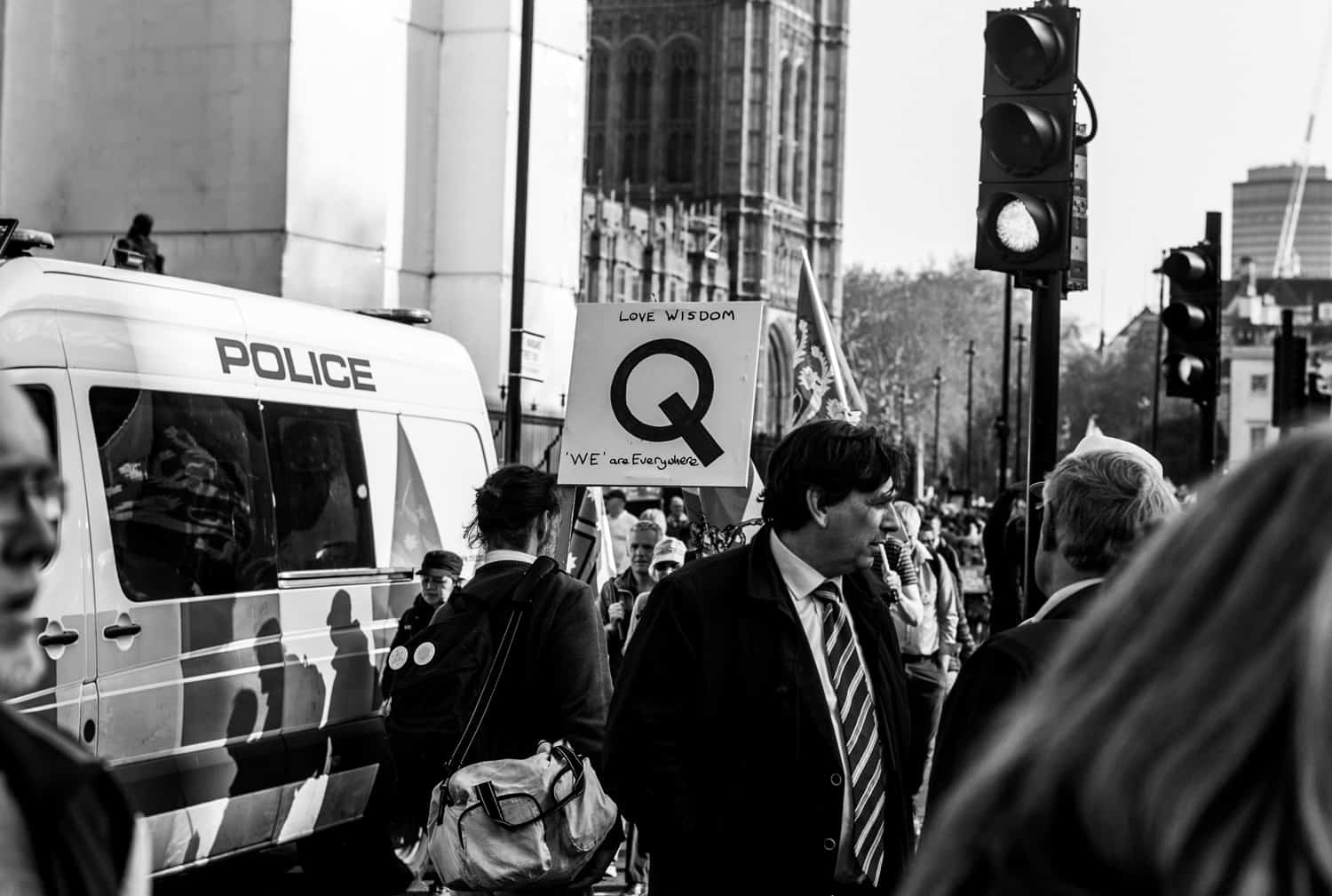
One of a few Q-Anon signs seen
While the UKIP rally was going on in Whitehall, there was a second rally being held on the Parliament Lawn, around 200 meters away. This was Nigel Farage’s ‘March to Leave’ gig, celebrating a group that had walked two weeks from Sunderland to Westminster (270 miles – not bad).
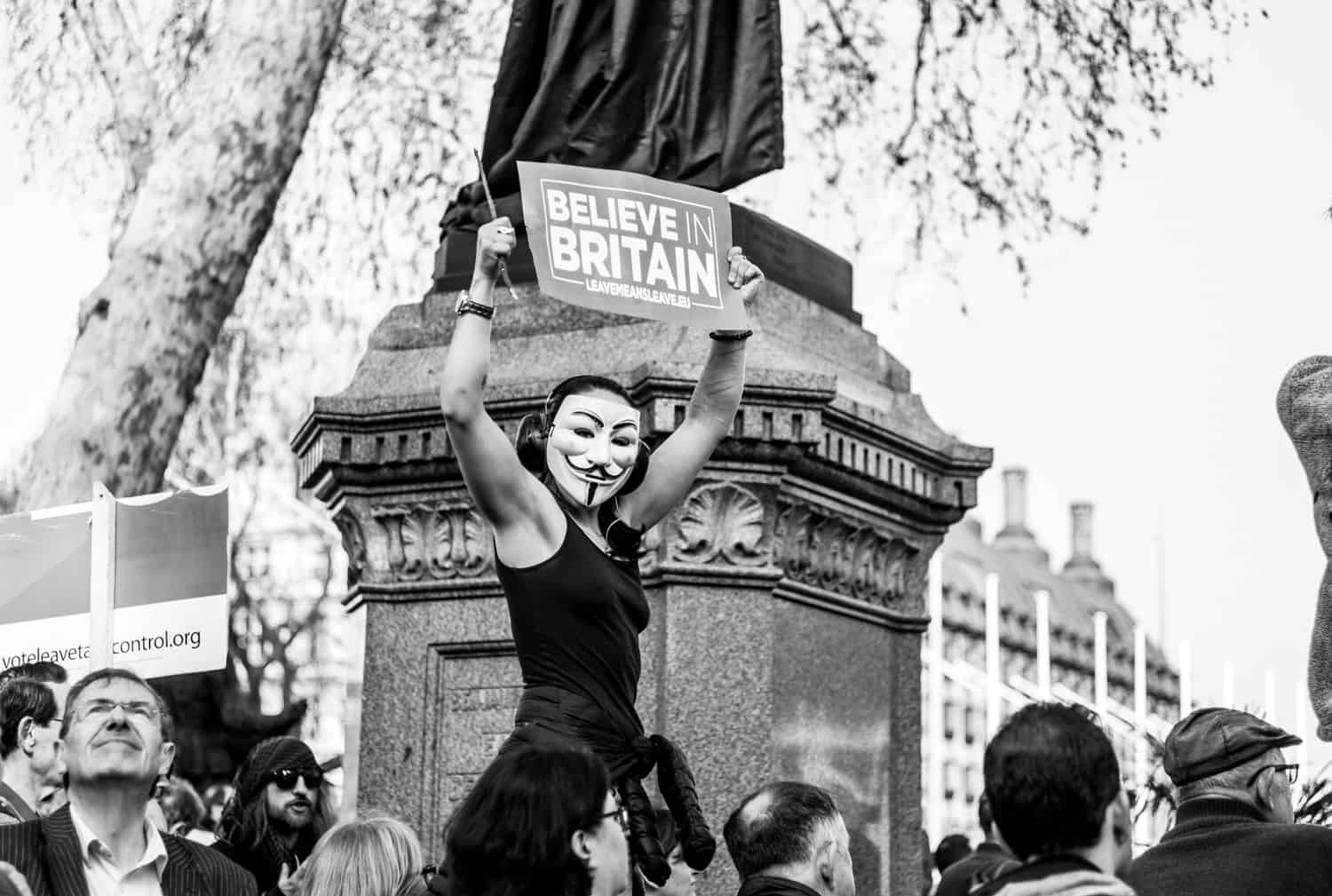
The obligatory Guy Fawkes mask at the March to Leave rally.
The UKIP rally had the stereotypical UKIP crowd – I’m sure my camera-blocking skinhead friend was there.
The March to Leave rally enjoyed a much more general attendance. The speakers that I heard provoked the mood of resentment a little too predictably. They were preaching to the choir.
The reasons for leaving that I heard and saw from people during the day were much more heartfelt and honest. They were concerned with national identity and a genuine dislike of the notion – whether right or wrong – of being controlled by the EU.
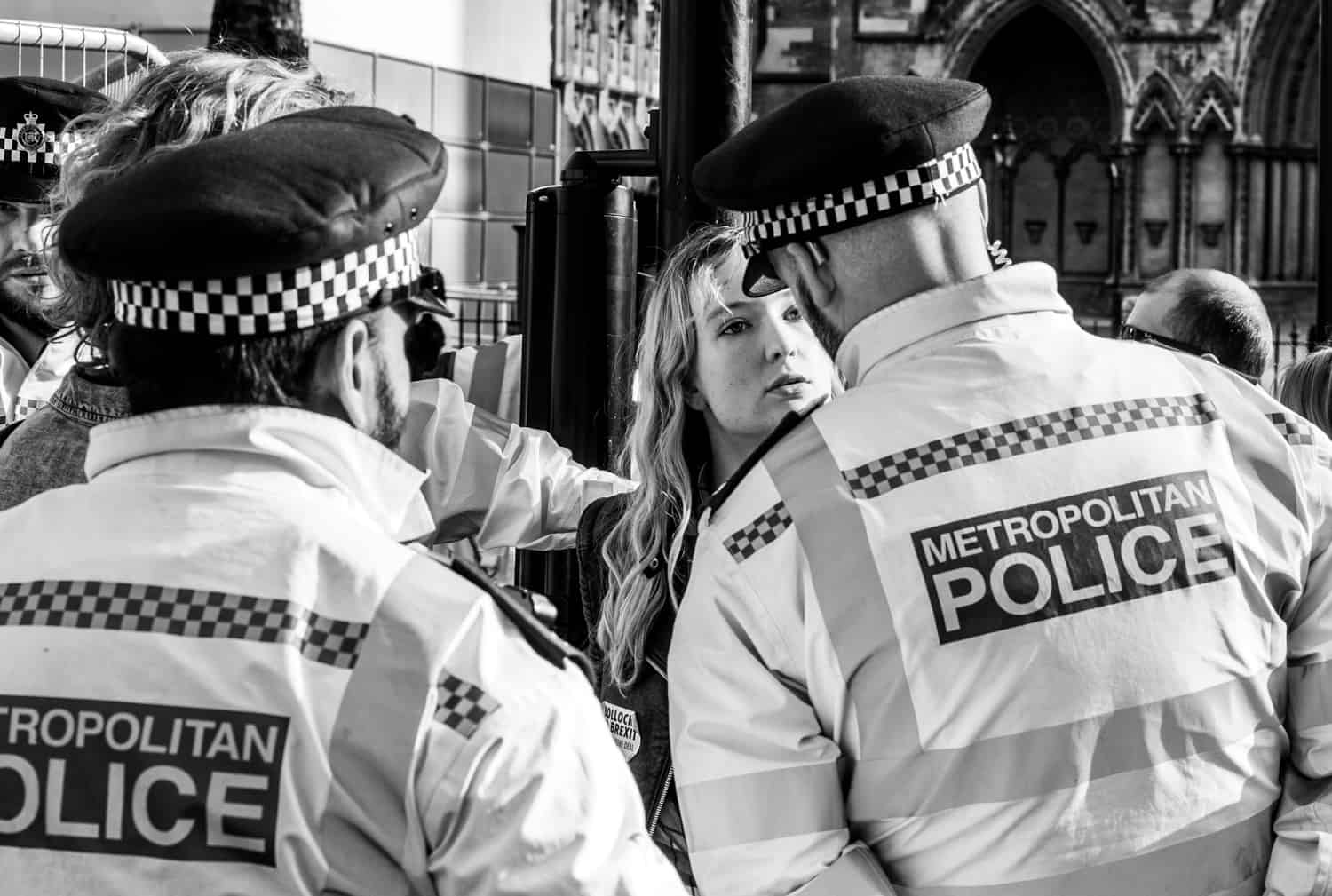
The young lady being spoken to here at the March to Leave rally had a ‘Bollocks to Brexit’ sticker on her leather jacket. She was reported to the constabulary by one of the attendees. She removed the sticker before attendees became so cross that they had to write a letter of complaint.
My conclusion: It was an interesting day.
Most people reading this can probably guess my position. I’m not a Brit but if I were, I’d have voted to remain.
I’ve been following Brexit quite closely and I’ve even come up with my own understanding as to why sane, regular people want to leave. I can imagine if there was an Asian Union, 95% of Australians would vote to stay out of it. It’s not the same situation, by any means, but it’s demonstrative.
Bottom line: I can understand and sympathise with Leavers, even though I disagree with their position. The Ukippers can go fish.
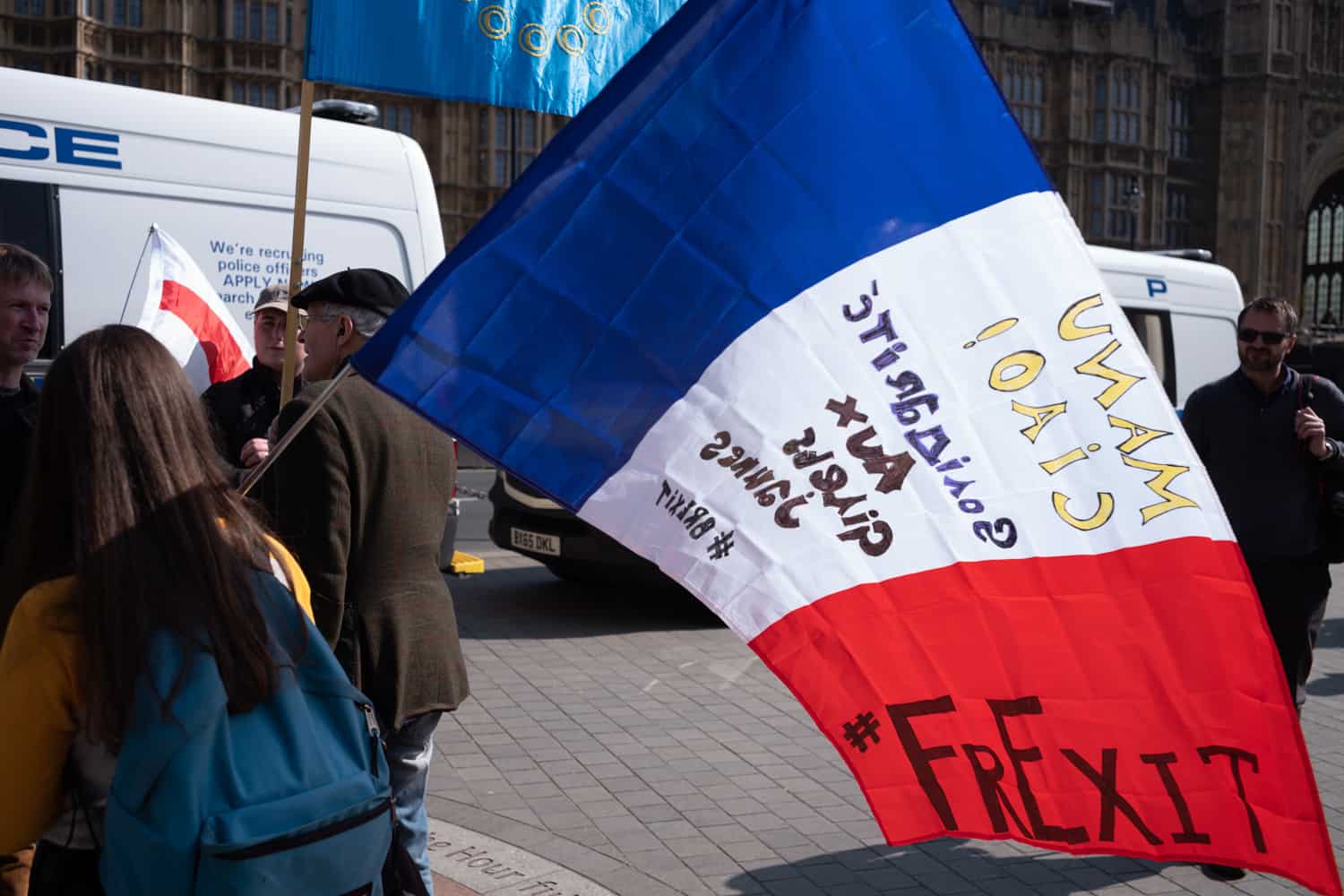
Reports suggest there are around 800 ‘Frexiters’ at the event. I think that’s overstated, but they were there.
I’m thankful that the Brits can have a protest about such a passion-stirring issue and keep it civil. It started early and went well into the night and there were only 5 arrests all day. As mentioned, almost everyone I encountered showed goodwill, albeit mixed with anger at the current situation and determination to see things go their way.
More photos below.
Photo nerd notes: All images taken with either the Leica M8 with 50mm Summicron, or an M10 with 35mm Summicron. All processing in Lightroom.
More megaphones. This one was outside Downing Street.
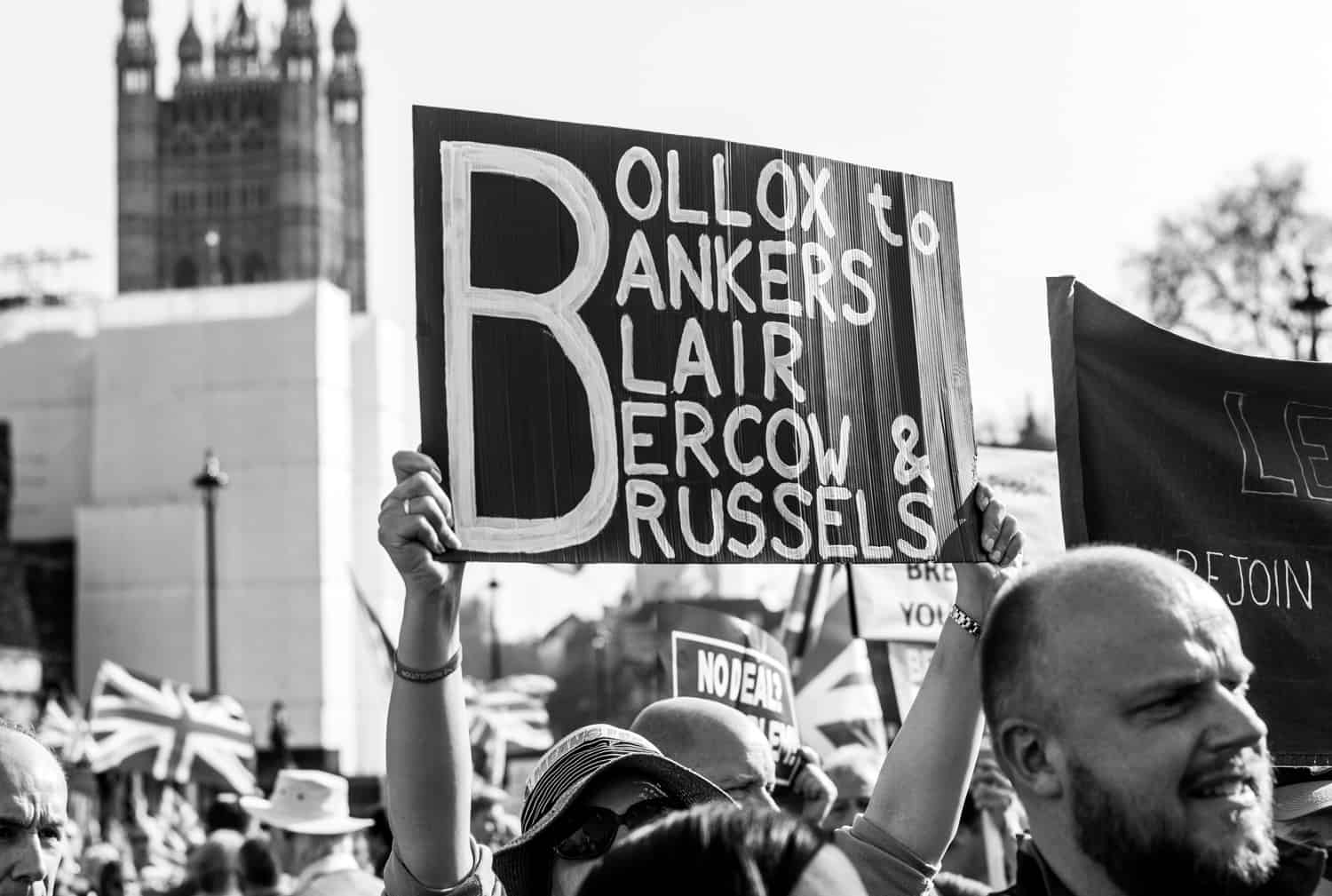
The others I can understand, but Bercow is sooooo likeable! 😛
No deal, no problem.
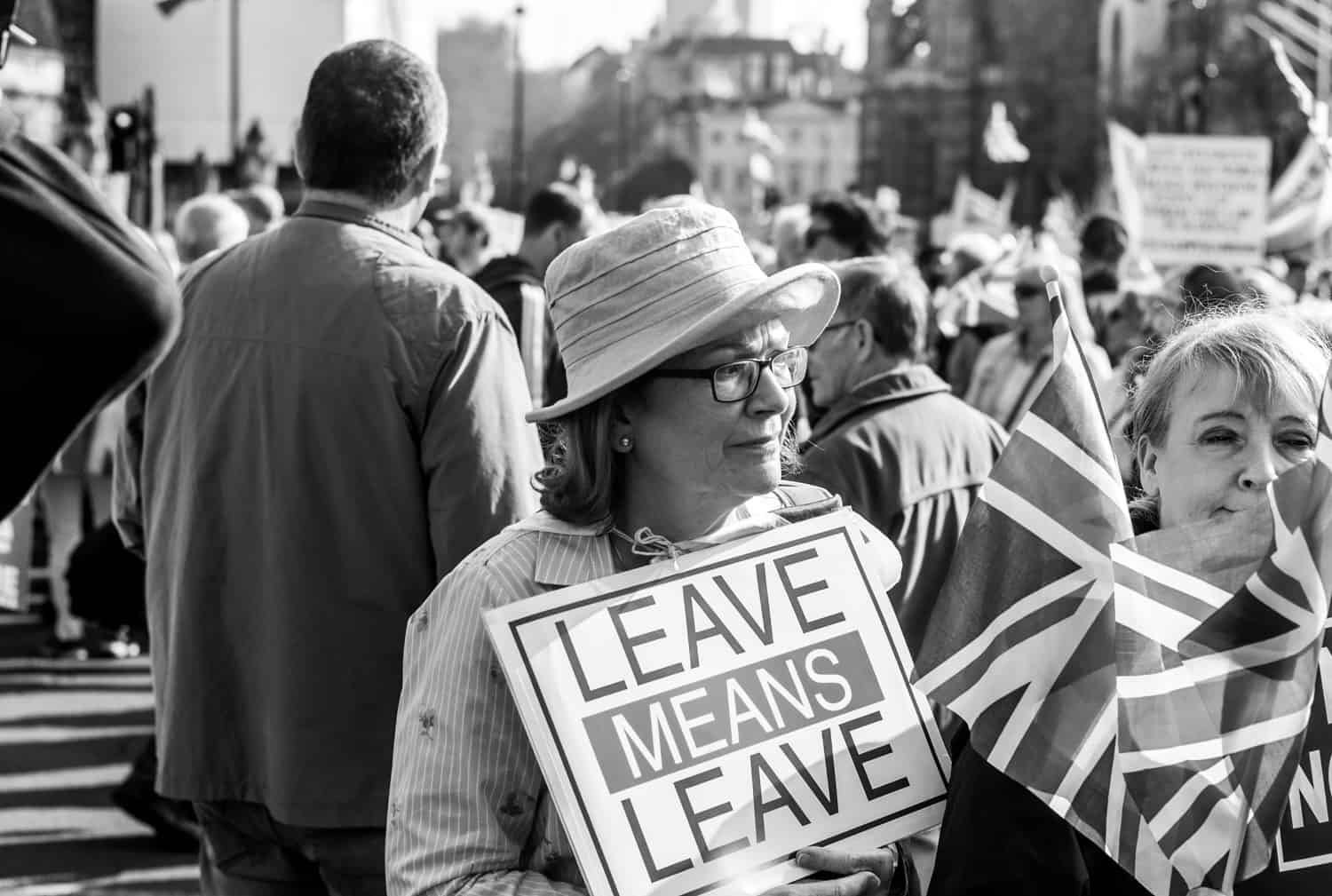
Not your average raving loony. Very normal people at this event.
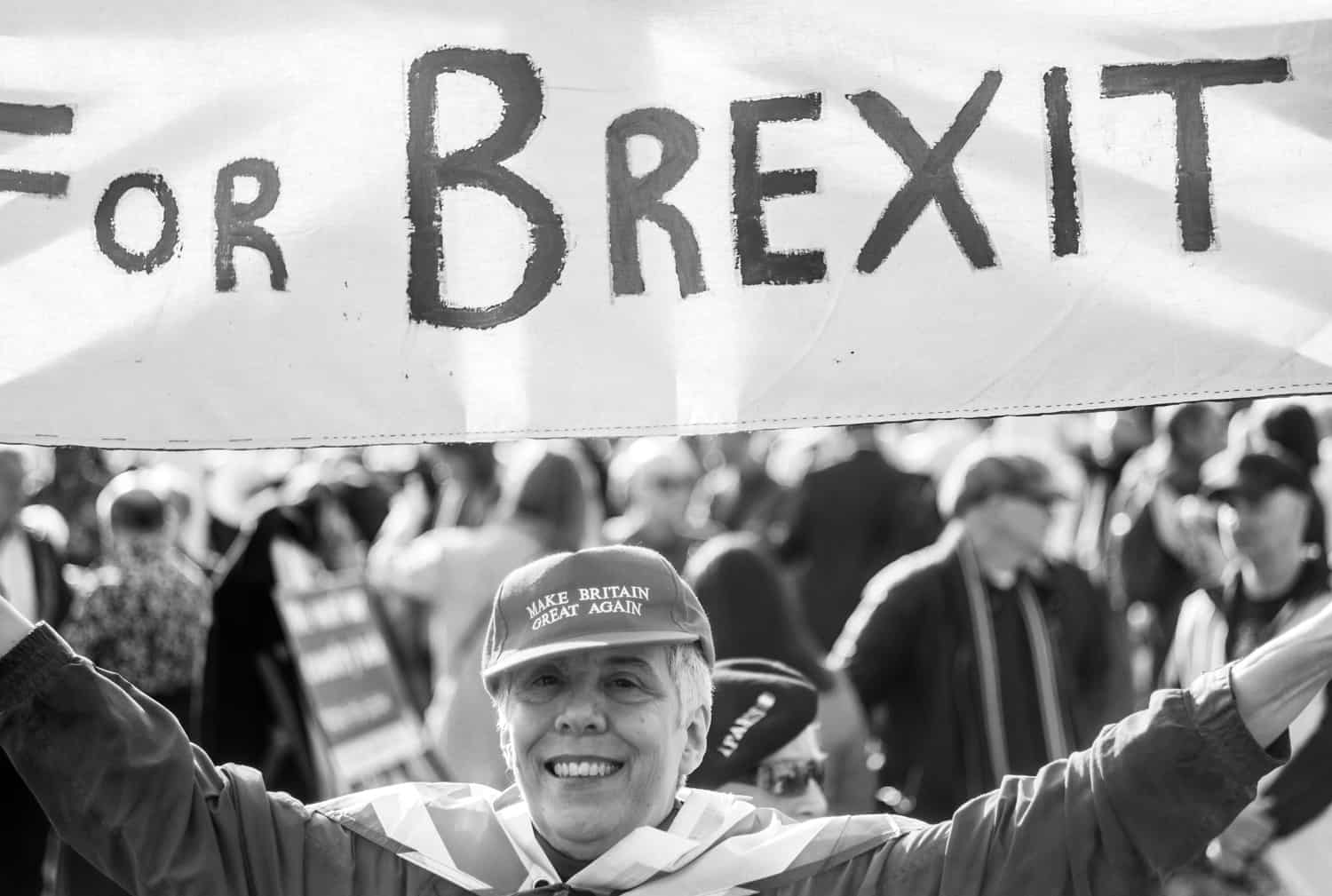
Make Britain Great Again. Yes, there were hats, and US flags.
Supporting the fishing industry – a big issue for some Brexiteers.
Aged and white, but a lovely person – of that I’m sure.
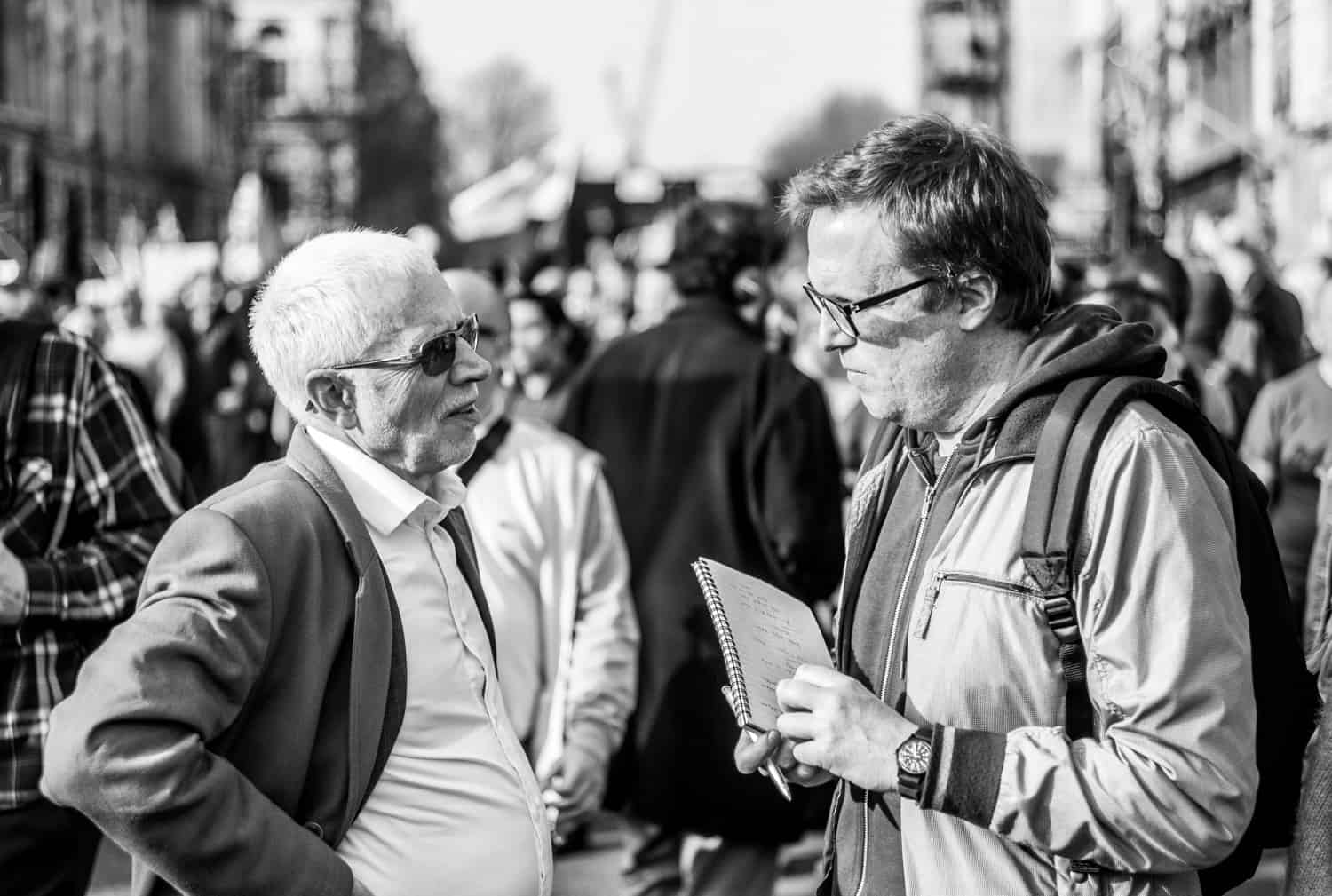
A press interview underway, I’m guessing.
More from the ‘regular people’ archive
And again….
There were a LOT of people saying they wanted ‘No Deal’. I do not mean to cast aspersions but it would be good to sit down with a few of them and get a description of what no deal really looks like in their eyes.
This post originated from one of those Facebook tag games – Do your Top 10 albums, tag someone and get them to list their Top 10 albums….. and so on. I usually ignore 99% of those things but this one struck a chord, if you’ll pardon the pun.
The original tag game says that you’re supposed to post the albums that made an impact on your life. I’m going to add that those albums should still be on your playlist(s) today – a sign of real lasting impact.
The ‘rules’ also say you should only post a picture of the album cover – no further details required.
Where’s the fun in that??!!
If you’re going to spend so much time in your mental filing cabinet then you may as well spend a little more time and get some satisfaction from the whole process. Like…. 4,500 words worth of satisfaction?!
I was tagged by my mate Shannan, in Melbourne, who I thank for making me exercise the little grey cells.
Without further ado, then….
——
Albums that didn’t make the list
My first back-of-the-envelope list for this post comprised nearly 20 albums. These are some of the records that I removed from the Top 10, and why.
The Miseducation of Lauryn Hill (Lauryn Hill) – It’s a masterwork of modern soul music but I don’t listen to enough of the record with any great regularity anymore. A couple of songs are on regular rotation, but not enough.
Blood Sugar Sex Magik (Red Hot Chili Peppers) – I can’t believe this album is nearly 30 years old! The artwork and the music still stand up so well. BUT… it doesn’t get any rotation nowadays and therefore I can’t claim the impact this list deserves. But still, what a record!!
Batman (Prince) – this record has probably had the single biggest impact of any record on me, ever. You could make an argument for it being #1 on this list. It’s the record that turned me on to Prince’s music, which has been an obsession ever since. I’ve chosen to put my favourite Prince album on this list instead, however, because while Batman’s impact was nuclear at the time, it’s Prince’s wider catalogue that has stayed with me. This one doesn’t see the light of day very often anymore.
Destroyer (Kiss) – Before I was a fan of anything else – before I was a teenager, even – I was a fan of Kiss. And I did it right, too, having every Kiss album available, except one, at the age of 12. Destroyer was my favourite.
Couldn’t Stand The Weather (Stevie Ray Vaughn) – The question as to who was my first guitar hero would probably end in a tie between SRV and Eddie van Halen. Stevie probably wins by a hair. But again, I just don’t play his stuff enough to claim the right level of impact. A legend.
Songs for the Deaf (Queens Of The Stone Age) – QOTSA are a recent addition to the repertoire and I absolutely love their work. I just can’t quite push any of the records listed below out of the Top 10 to make room for them – yet.
——
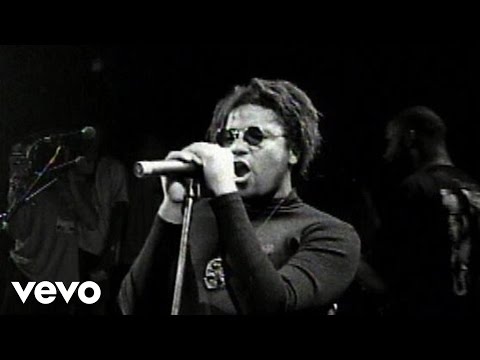
10 – Give a Monkey a Brain and He’ll Swear He’s the Centre of the Universe – Fishbone
Thanks to both Dione and Triple-J for introducing me to Fishbone, a band that blew me away when I first heard them and still make me feel more alive every time they pop up on my shuffle.
The late 80’s and early 90’s saw a very long-haired Swade always looking for new bands with awesome guitar chops. Rock, metal….. whatever. As long as you could play it loud.
The first Fishbone song I heard was from this album, released in 1993. The song was called Servitude. I can’t remember if I heard it on the radio or saw it on MTV but there were a few things that caught my eye/ear:
1/ It rocked, obviously. It was proper, determined, heavy guitar playing but with a non-metal melody and a social message.
2/ These were black guys, and this was definitely not something you’d regard as black music at the time. They rocked.
As I got exposed to more and more Fishbone, I realised just how talented and diverse these guys were. Servitude is typical of Give a Monkey a Brain…. it’s heavy, and this is Fishbone’s heaviest album.
Listen to just the first 20 seconds if you’re not into heavier music, just to get a taste.
Songs like Swim, End the Reign and Black Flowers follow the same lead, with heavy guitar parts.
Other such as Lemon Meringue, Properties of Propaganda and No Fear show the band’s more groovy side. Then there’s weird shit like The Warmth of Your Breath (key lyric: “May the dog’s colon be familiar with the warmth of your breath”)
Diversity check……
Below is a song called Everyday Sunshine, from their previous album The Reality of My Surroundings. Compare this to what you heard with Servitude, above. It’s hard to believe it’s the same band, right?
This joint still gives me goosebumps. It’s one of the most joyful songs I’ve ever heard.
Fishbone were reputedly one of the wildest live acts of the late 80’s and 90’s. I can only wish that I’d heard of them sooner so I could have seen them in their prime (they loved Australia!). The band went through a lot of trouble just after this album as personalities and creative differences took their toll. Key members of the band left and they’ve not been the same since.
Whatever success (or lack of) they’re all experiencing right now, they can always hang their hat on this album. A work with this sort of integrity is a rare thing, the sort of thing most aspiring musicians dream of.
——
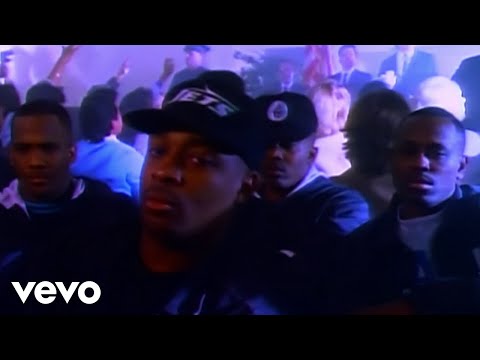
9 – Apocalypse 91… The Enemy Strikes Black – Public Enemy
It’s lunchtime on a Saturday in 1991 and I’m sitting in my car, parked ….. somewhere I can’t remember and eating my lunch while the radio plays in the background. The announcer mentioned a new album by some band called Public Enemy. I’d never heard of them (I already mentioned the long haired guitar thing, right?).
Well, I heard from them that day.
The song they played was By The Time I Get To Arizona and the album was PE’s 4th studio album. I went and bought it the same day and it started a fascination with civil rights and history in America, a subject that seems to come back to the fore every second year or so.
I wasn’t completely unfamiliar with rap music. I was born in 1970 so I can remember the breakdancing craze that swept Australia in the early 80’s with the Rock Steady Crew, Grandmaster Flash and movies and like Beat Street. Rap was a part of all that and I loved it.
This was something completely different, though.
This was like Rage Against the Machine but more meaningful than angry. It was like a 100 tonnes of dynamite with another 100 tonnes of dynamite as a fuse. Chuck D’s booming baritone and laser-focused lyrics tore into my chest, drilled into my brain and opened my eyes to the whole concept of social justice.
The album’s been with me ever since and my love for PE’s work has never dwindled.
I had the good fortune to see Public Enemy in Tasmania around 1999. Sadly, I washed my T-shirt from that concert with a new red sweater and it came out pink! I was devastated.
I also had the good fortune to meet Chuck D around 15 years later – at a Prince concert!! I plucked up my courage, walked over and shook the man’s hand. I thanked him for that gig in Tasmania (he remembered the venue and the date – an amazing mind!) and for everything he’s done for music.
What a dude!
——
8 – Living in Large Rooms and Lounges – Hunters and Collectors
Non-Australians might be unfamiliar with this band. If you have heard of them, it’s probably because of one song – Throw Your Arms Around Me – which received a bit of attention when Eddie Vedder started playing it at Pearl Jam gigs. Vedder once made the mistake of getting Mark Seymour, the songwriter and original singer, to come on stage and sing it with him. Seymour makes Vedder sound like rust in that clip.
Hunters and Collectors are a quintessential Aussie pub band. They hit it big in Australia in the 1980’s and 1990’s but never really got bigger than that.
Living in Large Rooms and Lounges is a 2-CD set featuring songs from two different gigs. The first was a small ‘acoustic’ gig and the second was one of their more regular pub gigs. The first CD is the one I love.
To the music, first….
Aussie pub bands can be really great storytellers. That’s not true of all of them, but it is of the best of them. ‘Hunters’ were one of those great storytelling bands, living out the experience of Australian life through their songs. The suburbs, the country, adolescence, drinking culture, and of course, some very blokey love songs. You haven’t been to an Aussie gig until you’ve heard 1000 blokes in a sweaty room screaming “You don’t make me feel like I’m a woman anymore”.
The following’s not one of their well-known songs. It’s a nice illustration of what they could do both musically, and as storytellers. It’s called Back in the Hole – about life working in a mining town.
This album’s not all about the music for me. I love Hunters and I love this album. For me, though, it’s more about the time.
This album came out in 1995 – one of the best years of my life. I’d moved to Tasmania to study and came to love the beautiful Tasmanian landscape, my uni lifestyle, and a bunch of great new friends, some of whom remain my closest friends to this day. We listened to this over and over for a few years and it still comes up on playlists at some stage during our annual catch-ups.
That’s what music does – it binds people. It’s part of the shared experience. It can define a time or a place and bring that time back to mind in the blink of an eye.
That’s what Living in Large Rooms and Lounges does for me.
——
7 – Appetite for Destruction – Guns n Roses
This record is a textbook example of something that needs no introduction. If you didn’t hear Appetite in the late 1980’s, chances are you weren’t born until the 1990’s.
The 80’s began with New Wave, a somewhat limp-wristed answer to the disco revolution of the 1970’s. The mid-80’s saw a spandex-covered response to New Wave in the form of ‘hair metal’ bands like Motley Crue, Def Leppard (sorry Shannan!), Ratt, Bon Jovi, Poison, and others.
Guns n Roses arrived in 1987 and delivered the musical equivalent of blunt force trauma to the ‘hair metal’ genre. The ‘bad boy’ facade that other bands portrayed with so much theatrical effect (read: make-up) was shown for what it was by a band that was truly living the nightmare.
This is GnR’s drummer, Steven Adler, talking about hanging out in LA in the early days.
It’s from Mick Wall’s amazing bio of the band, Last of the Giants:
“[Slash and I] would dip school nearly every day. We’d walk up and down Sunset and Hollywood Boulevard and each day we had this thing where we’d take a different type of alcohol and we’d walk up and down, up and down, and we’d be talking about how we’d be living when we were rock stars. It was like this dream that I always knew would come true. We’d go out and meet chicks – older women – who would take us back to their Belverly Hills homes. They’d give us booze, coke, they’d feed us. All we’d have to do was f**k them. Occasionally a guy would pick me up. In return for a blow job, I’d get a little dope and thirty or forty bucks.”
That quote alone ought to be enough to put this album into perspective for you. The Gunners were tapped out, strung out and burned out before they even began – and they still managed to write and record the seminal album of 1980’s hard rock.
‘Appetite’ is full of hard rock anthems. There’s not a bad song on there. The first single was It’s So Easy but it wasn’t until the video for Welcome To The Jungle made high rotation on MTV that the band really broke the surface.
The release of a video for Sweet Child O Mine sent them over the top. A new Superband was born.
The clip below is Paradise City, as performed at one of the band’s most famous gigs – at The Ritz in 1988. Watch the whole gig if you can. The energy is amazing.
What blew me away about this album wasn’t just its immense power. ‘Appetite’ was great because it was basically flawless. It featured amazing songwriting, unrelenting attitude, it had a ball-busting but still completely emotional vocal performance by Axl Rose as well as simply brilliant, melodic guitar lines. Other metal bands of this era outdid each other by playing faster and faster arpeggios. Slash wiped them all away with a performance so soulful it can still give you goosebumps 30 years later (and isn’t that a scary realisation – that this album is now more than 30 years old!).
Guns n Roses were a band for a particular point in time. They were explosive, a potent mix of people and experience fomented at a unique time, in a peculiar place. Appetite for Destruction is basically the product of a depraved sociological chemistry experiment.
It’s telling that good as many of them are, nobody from the band ever reached the same level of success or musicality again.
——
6 – OK Computer – Radiohead
I received OK Computer for my 26th birthday. I knew nothing about Radiohead at the time. I’d heard ‘Creep’ a few years before but that seemed more like an interesting one-hit-wonder to me than anything else. I’ve always been more of a CD-listener than a radio guy so new music doesn’t always get to me quickly. Thus, Radiohead didn’t cross my radar after ‘Creep’ and that was fine.
OK Computer, then, was a revelation. It was also a slow burn. When the big guitars, irregular beats and floating vocals of Airbag first pumped through my speakers, I couldn’t help but think “what the hell is this?” Those 5 words went through my mind a lot the first few times I listened to this record. It cuts through eventually, though, and when it does – WOW!
OK Computer is a sonic journey. It’s not a life-exploration piece or a social commentary of the world we were living in at the time. OK Computer is the musical coming-of-age of a bunch of nerdy dudes from Oxford who found some magic formula for seamlessly mixing electronics with A-grade musicianship. And I mean A-grade. These guys are accomplished and very cerebral with their music. It flows from them, moving in ten different directions at once like there’s something there for everyone to engage with if they have the time and the patience.
This is No Surprises. It hard to know whether to concentrate on the song or the clip.
I’ve gone through various stages of loving Radiohead and being nonplussed by them. They’re more of a ‘winter’ band, if that makes sense. I’m not always in the right frame of mind for the layers of moodiness they impose. When the time is right, though, and when you have the time to dig down into the multiple layers these guys build, Radiohead become about as complete as a band can be.
They changed my perception of what music could be ….. and that is what I call impact.
——
5 – Let Love In – Nick Cave and the Bad Seeds
This might be a bit of an outlier on this list.
Every other band on here features prominently in my collection. I have multiple albums from all of them. In fact, for most of them, I’ve got everything they’ve ever released. Nick Cave’s an exception. I have Let Love In, which I ADORE, and I have one other record. That’s it.
I came across this record while listening to Australia’s main indie-music radio station – Triple-J (which is owned by the government, making it both the ultimate in mainstream and completely indie at the same time). The song that caught my ear at the time was Loverman, a Joker-esque love-letter to yet another one of Cave’s damsels in distress.
I bought the album on a whim based on the strength of that one song and I was completely blown away. Immediately.
I didn’t know much about Nick Cave. The Ship Song got some airplay a few years earlier but I’d not heard much else. Loverman was fascinating enough to get my interest. The full album vacuumed up what was left of my tiny musical mind and opened my eyes to just how rich music could be as an immersive, theatrical experience.
The opener, Do You Love Me? sets the tone and it’s all uphill from there. This record is full of deranged characters, flaunting their frailties for all to see. Love them or leave them.
(you’ll love them if you know what’s good for you).
Red Right Hand is probably the best known track from the album, especially now that it’s been picked up as theme music for the period drama, Peaky Blinders.
My favourite song from this album, though, is a track called Thirsty Dog. It’s raw. It’s loud. It’s rough. And it’s sorry.
——
4 – Feed – Skunkhour
I had two albums at this position right up until it came to write this section. Then I cut one of them out, which means it’s out of the Top 10 altogether.
The album I cut was The People Tree, by a band called Mother Earth, released on the Acid Jazz label. Sadly, I don’t play them as much as I do Skunkhour, hence the choice. Consider it another honorable mention and check out Institution Man and Apple Green to get a taste.
Skunkhour and Mother Earth both represent the Acid-Jazz-slash-Groove-slash-Modern-Soul-slash-whatever section of my record collection. It’s a smooth fusion of groove and soul that can either lift you up or chill you out.
Skunkhour is an Australian band that made their debut in 1993 with a self-titled album. Their second album, Feed, came in 1995. I love just about everything they’ve ever done. I even have a massive Feed album poster in my living room here in Sweden.
As you can tell from the proliferation of 1990’s albums in this list, that time of my life was a pretty fertile time in musical terms. There seemed to be so much going on, especially after Nirvana’s Nevermind broke the concept of Indie music into mainstream consciousness. Record companies, TV stations and the more on-trend music shops started promoting bands that wouldn’t have got airplay just a few years before.
I came across Skunkhour courtesy of a guy I used to share a house with. I’d just moved in with Dave when I discovered Feed in CD form on a shelf and decided to give it a go. I spent the next few weeks enjoying a jazz/hiphop adventure that I still enjoy to this day.
I think the reason I love these guys SO much is due to the special mix they have of groove and Aussie-ness. They take me back to those early Hobart days, sure, but more than that, they just take me home.
Let’s just go straight to the music, eh?
This is the first song of theirs I can remember hearing. I’m not even sure it’s the first one on the album, but it’s the first one that stuck with me. It’s called Green Light.
And this one’s featured on this website before – Up to Our Necks In It. If I could get you to watch only one clip on this page, to listen to just one song, it’d be this.
——
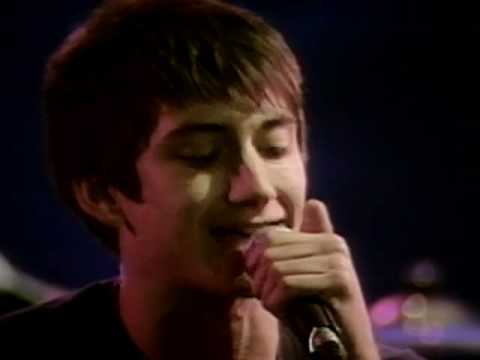
3 – Whatever People Say I am, That’s What I’m Not – Arctic Monkeys
Finally! Proof that I’ve listened to something released after the 1990’s!
The year was 2011 and I was living in Trollhattan, Sweden, working my first job in the automotive industry for Saab Automobile. We had a guy come over from Saab’s UK office (G’day Dave!) and he put me on to this rock band from Sheffield that I’d not heard of called The Arctic Monkeys.
That it was 2011 and I’d not heard of The Arctic Monkeys is indicative of how little radio I was listening to in the preceding years. This album he turned me on to, the album you’re reading about now, was released some five years earlier, in 2006.
Shame Steven, Shame.
And it wasn’t as if this was a subtle album, a sleeper that didn’t penetrate the charts. Whatever People Say I Am…. was the fastest selling debut album in UK history, the fastest selling debut indie album in US history and it hit #1 in the UK, Ireland and…… Australia. It won Album Of The Year at the BRIT Awards, NME Magazine and Time Magazine.
Still, better late than never, eh?
Whatever People Say I Am…. is forever linked to Trollhattan for me. Holed up on my own on the other side of the world at the time, I absolutely devoured this record as I went on my nightly walk, as I caught the bus, as I went to the shops…… wherever I went, the Monkeys went with me.
Whatever People Say I Am…. is basically a young guy’s diary of adolescent life in one of England’s once-decaying industrial towns. They’re a bunch of lovable rascals you’d want to kill one minute and have a laugh with the next.
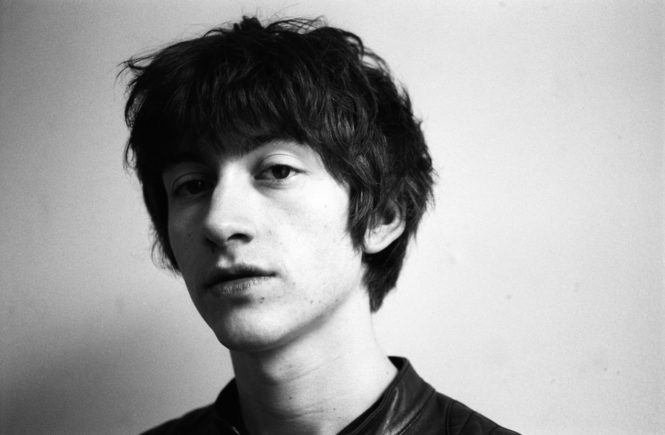
Just look how young they all were!
Alex Turner, the band’s singer and chief songwriter, was just 20 when the album was released but the songs were written quite a bit earlier. In fact, many of the songs on this album were released online two years before the album hit the shops, making The Arctic Monkeys one of the first bands to cultivate an audience purely online before seeing commercial success.
A lot of people would rate this as The Arctic Monkeys best work, purely because of how honest and gritty it is. I’m not so sure about that – some of my favourite songs of theirs come from later works (especially A.M) – but there’s no doubting the quality of this release and the way it sucks you in.
If you like great rock music and for some reason, like me back in 2011, you’ve been living under a rock for 12 years, check this record out.
You won’t regret it.
——
2 – Peace Beyond Passion – Meshell Ndegeocello
My introduction to MeShell came in the form of her 1994 single If That’s Your Boyfriend (he wasn’t last night). That song is notable for many because of it’s cheeky lyrics. For me, however, it was notable because not only did MeShell write it and record the vocal, she also played bass on it. And it has a FUNKY bass line.
Peace Beyond Passion dropped in 1996 with the most notable single being a cover of Bill Withers’ Who Is He And What Is He To You?. This recording was the first clue (that I knew of) as to MeShell’s bisexuality – something quite easily accepted today but a little less so for a public artist in the mid-1990’s. Who Is He… was the biggest commercial success on the record, hitting #1 on Billboard’s dance charts and #34 on R&B chart (personally, I’d have thought it would be the other way around, but there you go).
Peace Beyond Passion is another one of those experiential albums for me. It’s tied to the time it was released and the shared enjoyment I’ve had of it with friends over the years.
But it’s more than that, too.
Musically, this is little short of a masterpiece of smooth grooves and deep soul. It’s moody, honest and conscious. It penetrates. It’s in no way playful like If That’s Your Boyfriend as it addresses issues such as religion, sexuality and society. Instead, it’s confronting, but without being confrontational.
It’s not there to make you feel bad. It’s there to make you think.
——
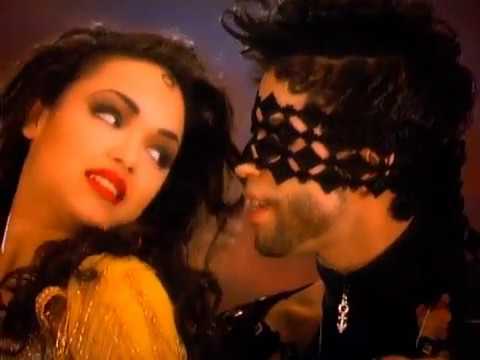
1 – Love Symbol – Prince
I made a choice at the start of this exercise to restrict Prince to one album. That means there are three or four Prince records that probably should be here, but aren’t.
If I have to pick one – and I do – it’s the nameless ‘Love Symbol’ album from 1992. This is the Prince album I love most completely. There are 18 tracks on it and 10 of those are absolute killers. Most of the rest are damn good, too.
The headliners are Sexy MF, My Name is Prince and 7. The three songs are all quite different in feel and character, reflecting different elements of Prince’s personality – respect, sass, confidence, tenderness.
Sexy MF is direct. It’s sexually charged. A lot of people hear Sexy MF and think it’s exploitative. But if you take the time to check out the lyrics in their totality, you’ll see it’s Prince talking up women as being sexy in every way – mind, body and soul, but especially the mind.
My Name is Prince is fun, confident and funky as all get-out. In fact, I remember the church that I used to belong to holding a youth event in our local area in 1993. We got one of the hotter christian musical artists in Australia down to perform and it was my job to drive him around for the weekend. We had this album, and My Name is Prince in particular, on repeat the whole weekend.
7 has an ethereal feel to it. The lyrics place the subjects above everything, clinging to each other while they watch the world around them fall. It features some rich orchestration and a sitar-like guitar part played in a floating, middle-eastern style. It’s beautiful.
There’s so much more to this album, though.
The Continental is a funky/sexy rock jam. The Morning Papers – one of my favourite Prince songs, ever – is a gorgeous ballad with a killer guitar solo at the end. And God Created Woman is Prince’s own creation sub-story, and Love to the 9’s is a sugar-sweet jazzy number that’s like no other Prince song you’ve ever heard. Guaranteed.
The album finishes with a funky jam called The Sacrifice of Victor. Many have speculated as to it’s meaning. I wouldn’t bother. Just play it loud and let your foot do the stompin’.
——
So that’s it.
10 spots, 11 records.
All of it stuff that I still love and still listen to in 2018.
If you’ve made it this far, thanks for your patience. Feel free to go put on something funky and be smoother than smooth.
In the immortal words of the great millennial poet – Oops! I did it again.
April 2018 saw me buy another camera. Another Leica camera. This time, it was the most Australian of Leica cameras, the M8.
Maaaaaaaaaate!
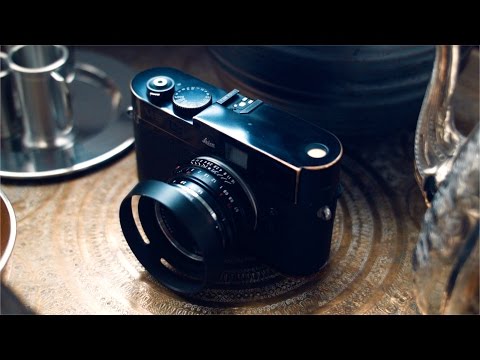
If you don’t know anything about the Leica M8, the one thing you need to know up front is that it was Leica’s first digital M model and as such, it was very basic. The other essentials can be gathered from this nice little 5-minute video.
Note: the M8.2 in this video is not just the same model as mine. It’s actually the camera I’ve bought. Yes, the M8.2 shown and used in this video is now sitting on a shelf in my living room.
——
In May 2018 I took a 4-day trip to Paris. The purpose of the trip was pure tourism. A mate of mine from Australia was on this side of the world visiting Morocco and the UK and she included a few days in Paris on the tail end so we could catch up while she was on this side of the planet. Nat and I spent the whole time wandering and capturing the sights of this truly amazing city.
While photography wasn’t the objective of this trip, plenty of photos were taken. I gave the Leica M8 a thorough workout, keen to see both the colour rendering and the black and white performance of this beautiful little camera.
With its small sensor (only 10mp), you’re never going to enlarge an M8 photo much beyond A2 size. Those small-ish images sure can be beautiful, though.
I came away VERY happy with the best-value Leica M you can buy.
——
To Paris, then. What can I say about this city without wrapping it in bejewelled clichés?
It’s not the most fascinating cultural melting pot in the world (that would be London) or the most energetic city I’ve seen (that would be New York). Paris is, quite simply, the most beautiful city I’ve visited.
Paris has a reputation for style, art and decadence, and after just four days there, even a doofus like me can tell you that its reputation is well deserved. Paris is elegant, beautiful, indulgent, confident, creative and saturated with detail.
Like all worthy creators, Paris has suffered for its art. It spawned leaders so consumed with beauty and the indulgences thereof that the have-nots rose up and took back what was theirs. They claimed their city in the name of liberté, fraternité, égalité and in doing so, they began a movement that changed the world.
Thankfully, they had the sense to differentiate between the beauty that made Paris great and the aristocracy that abused its subjects to indulge in it.
On The Street
As always, click to enlarge.
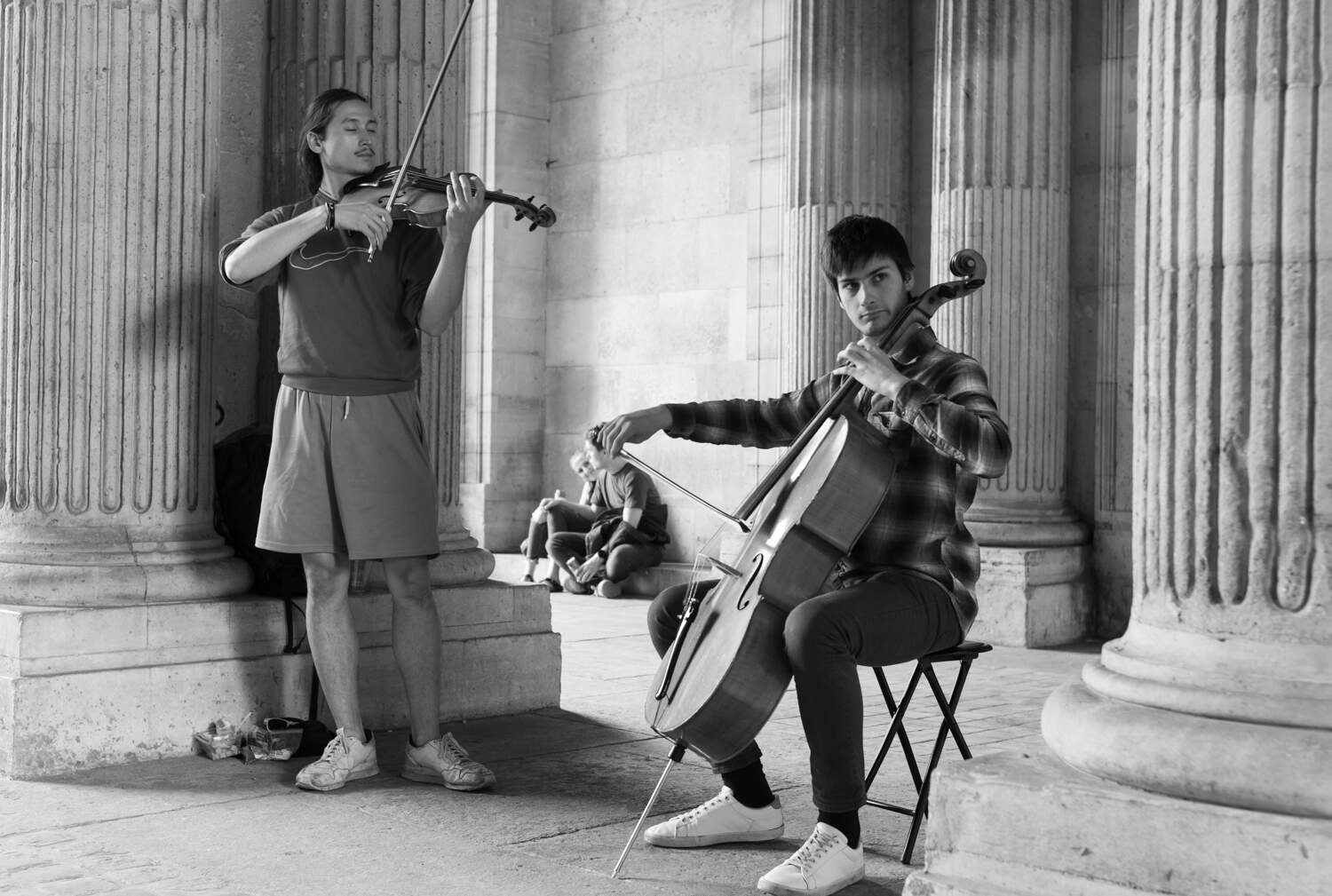
Buskers in one of the entrances to the Louvre….
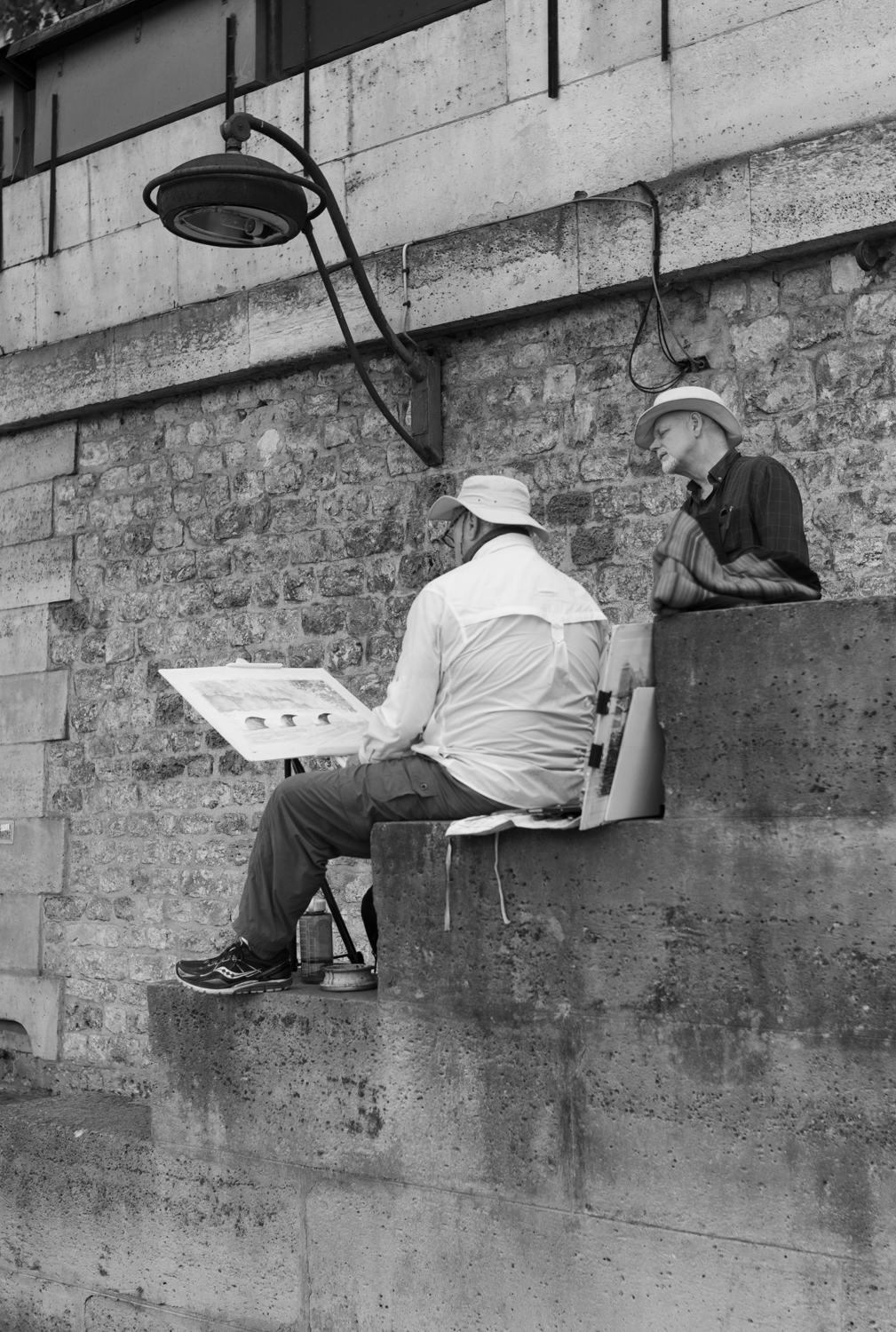
There were plenty of painters along the banks of the Seine. This was one of many capturing Notre Dame Cathedral.
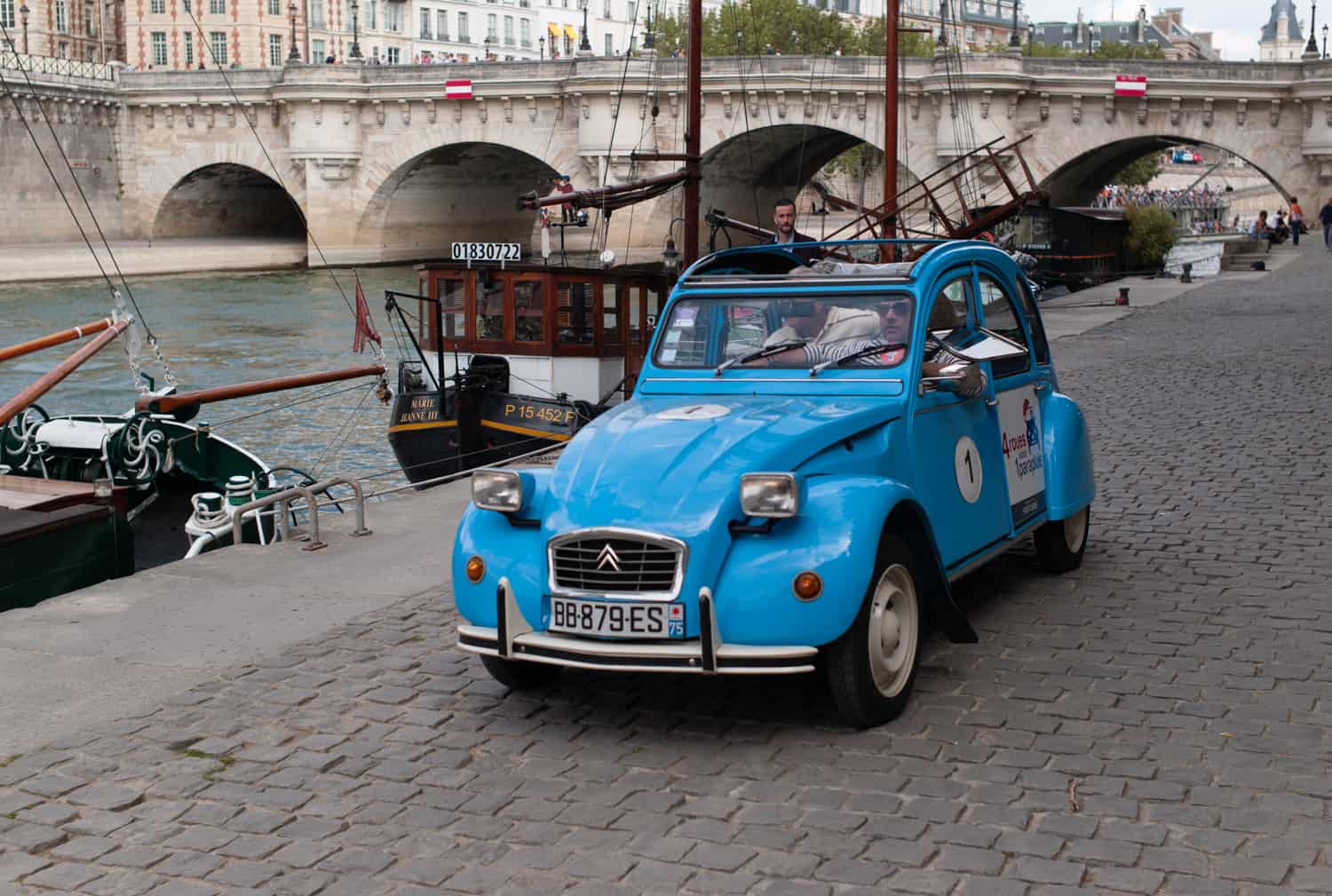
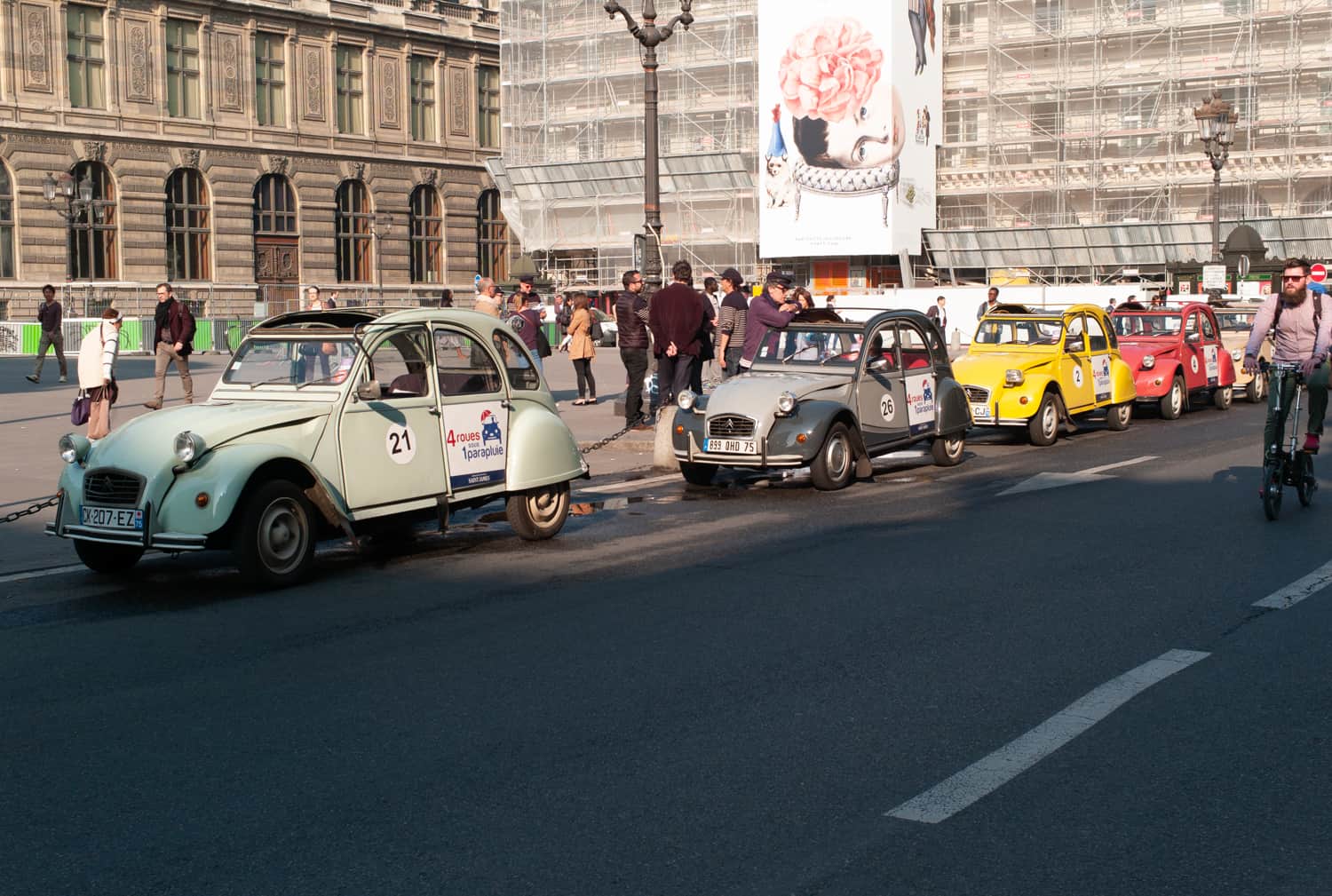
Below, one of the many Citroen 2CV tourist taxis we saw around Paris.
I’ve always said you have to see a car in its native environment to really appreciate why they’re made the way they are. The 2CV is gorgeous in any environment. In Paris, it’s one of the most delightful automotive sights you could ever see.
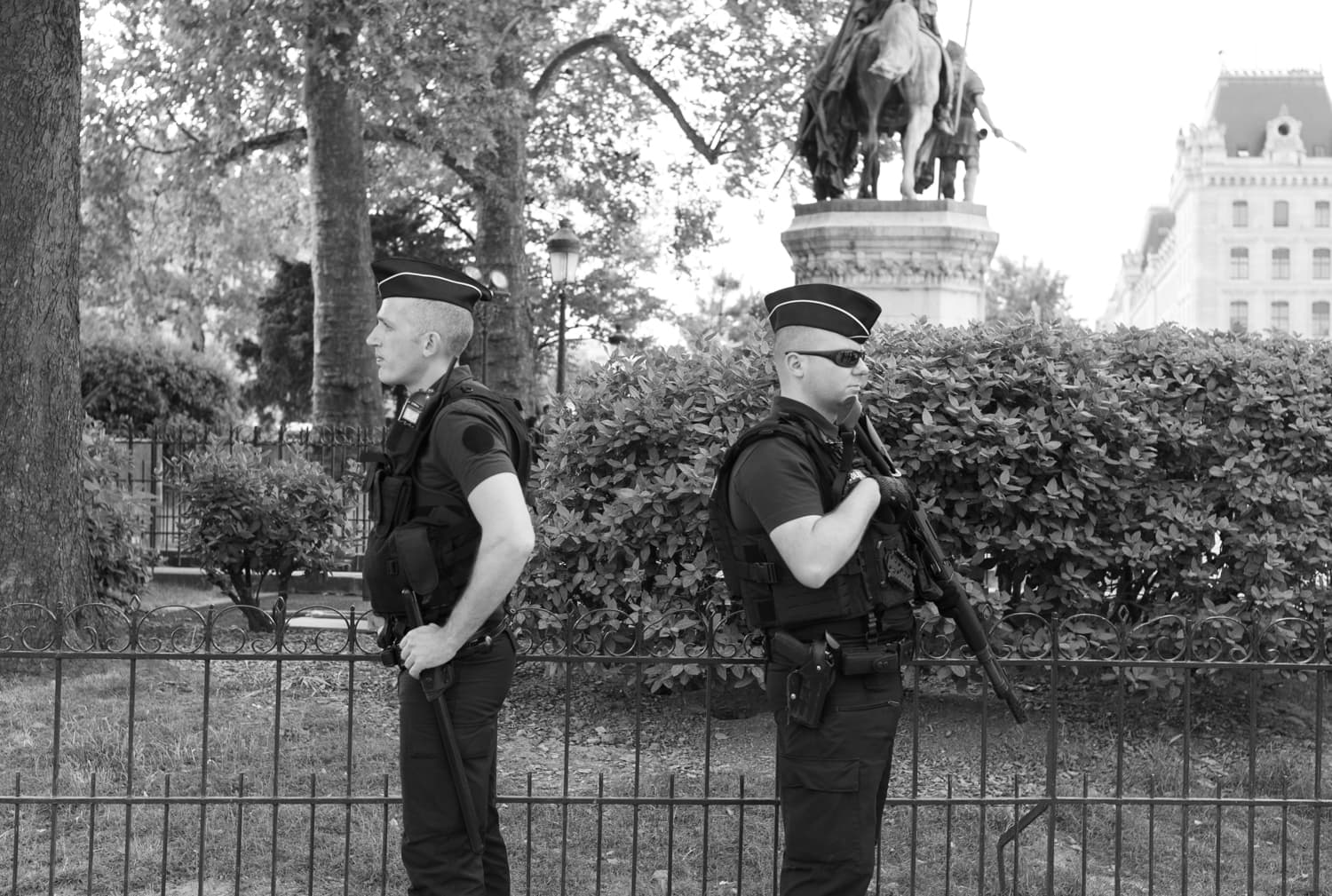
Sadly, there was/is a heavy police presence in Paris. These gents were guarding Notre Dame.
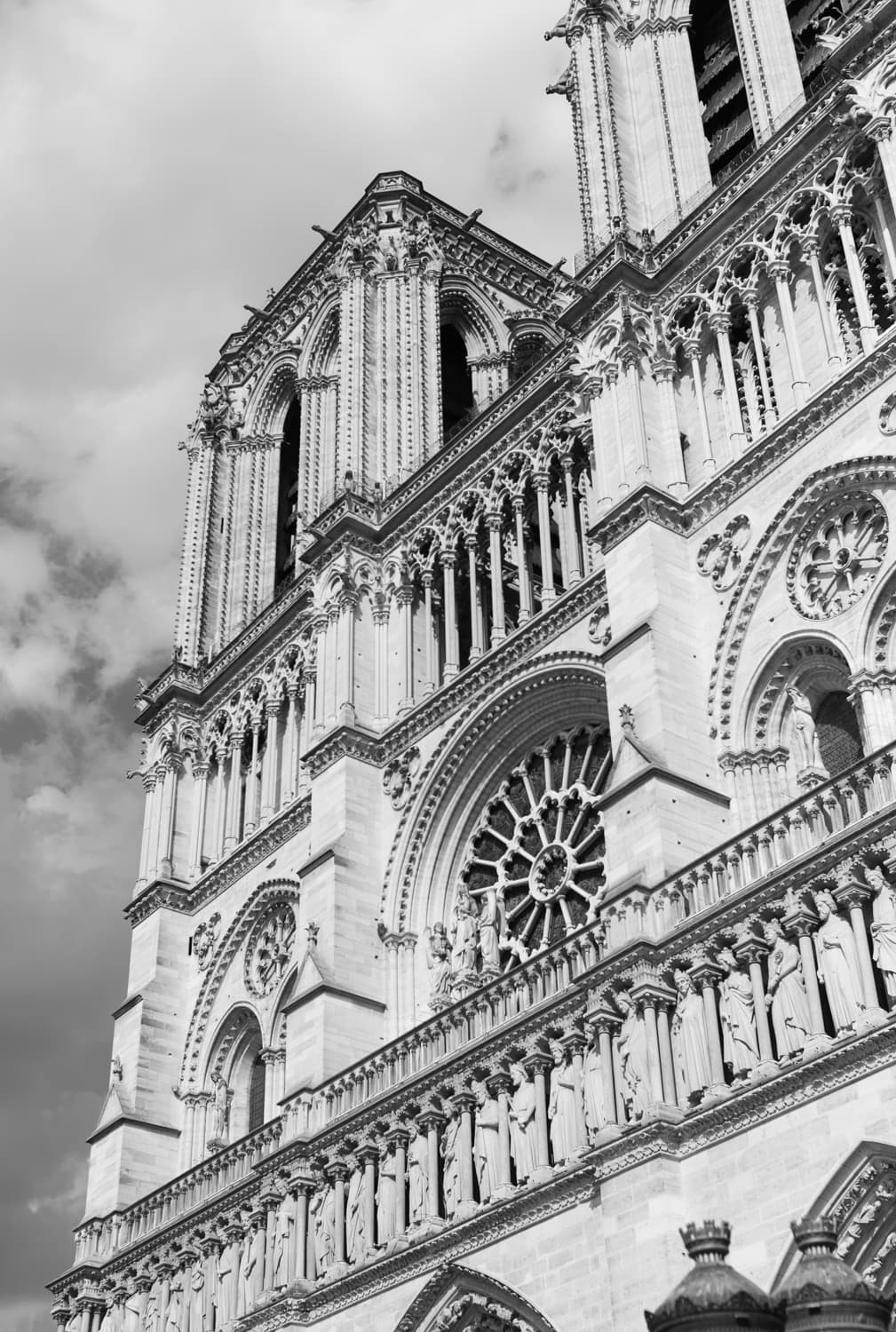
Notre Dame details, captured with a 30+ year old 90mm lens.
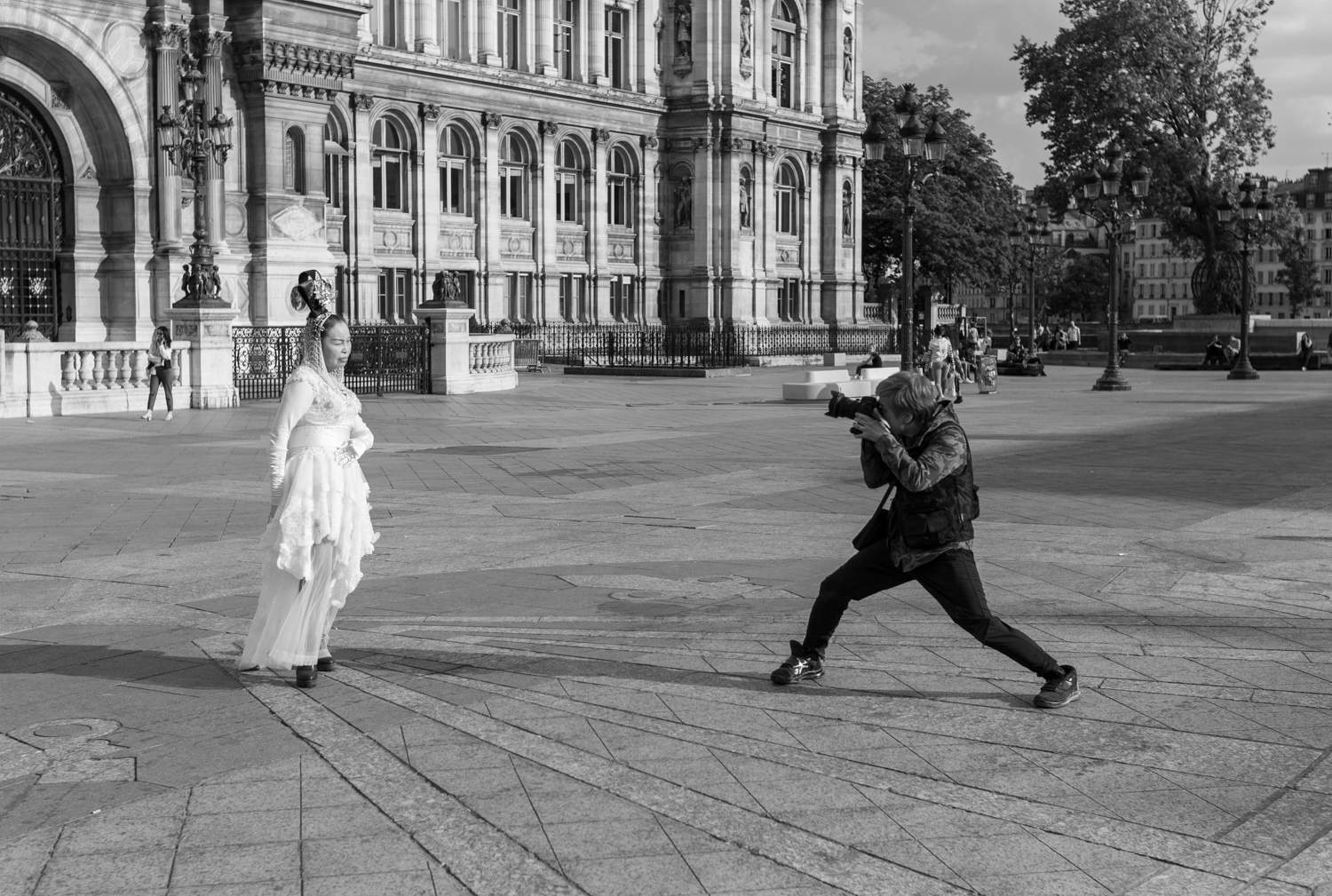
A photo shoot outside Notre Dame.
Two forms of fashion…..
More 2CV tourist taxis. Part of me wishes we’d made use of one but the tourist buses were much more cost effective. Budgets matter sometimes.
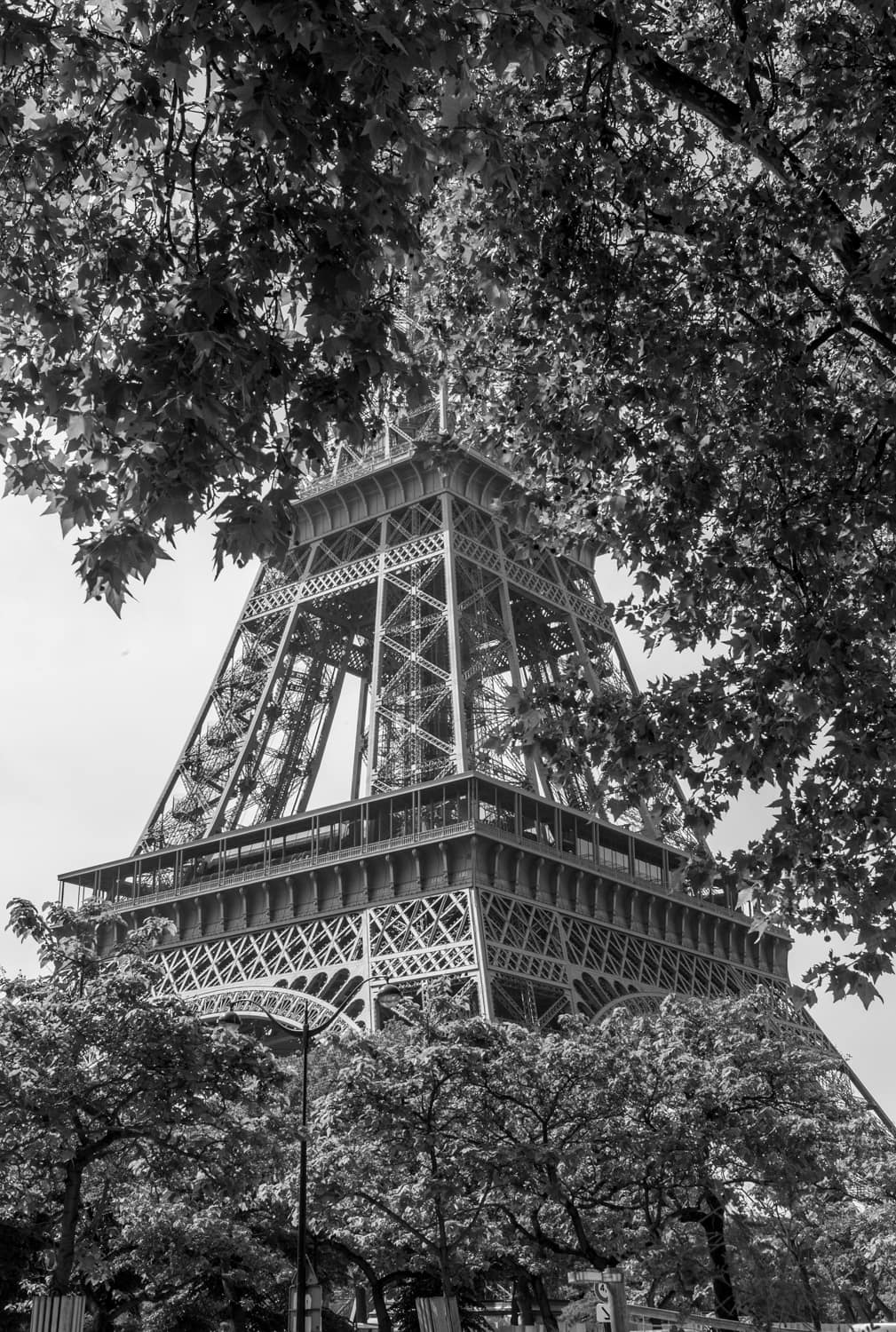
A glimpse…..
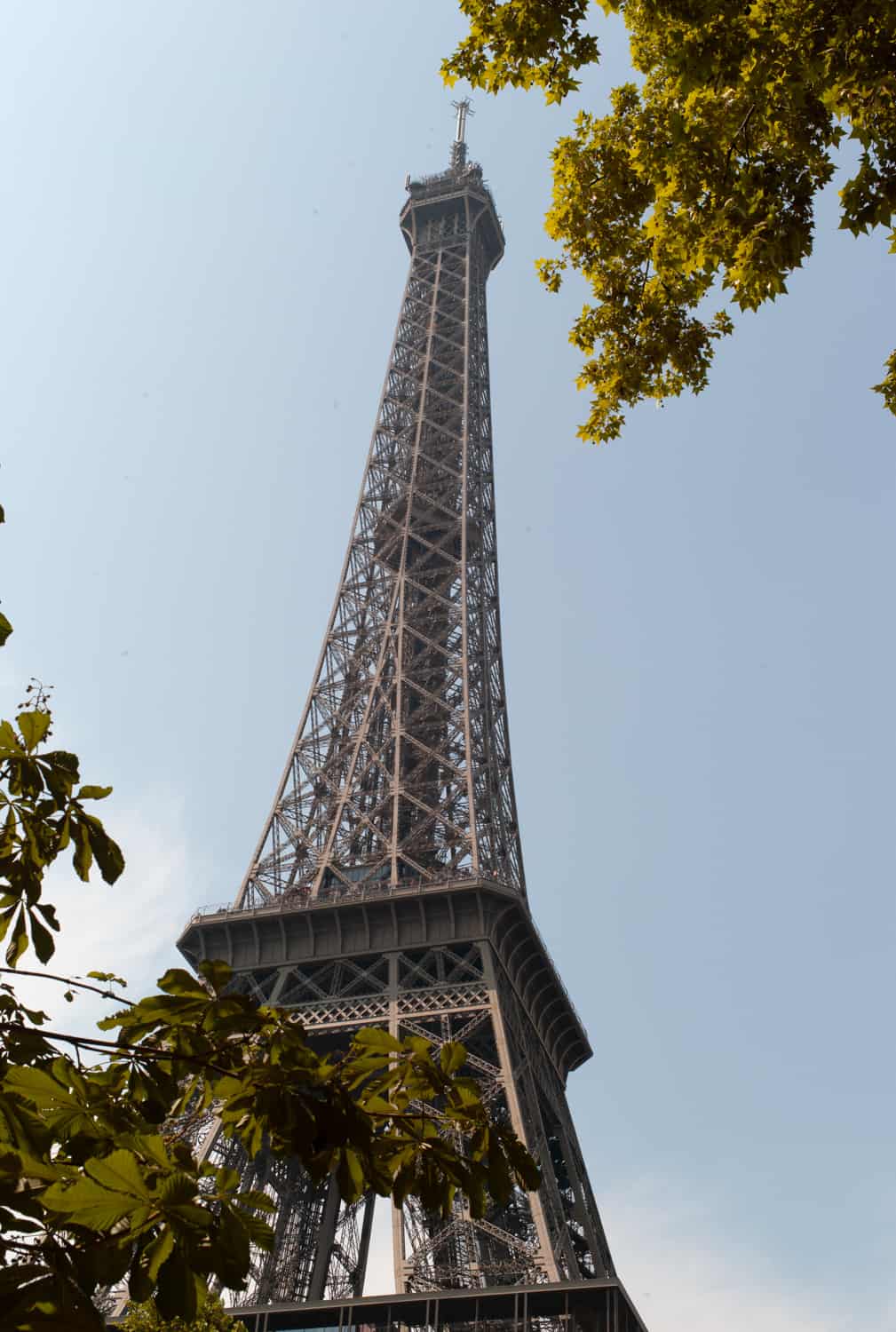
The Eiffel Tower really is gorgeous and there’s something comforting about just how visible it is. It’s a splendid reference point. No matter where you see it from, you’re reminded that you’re in Paris.
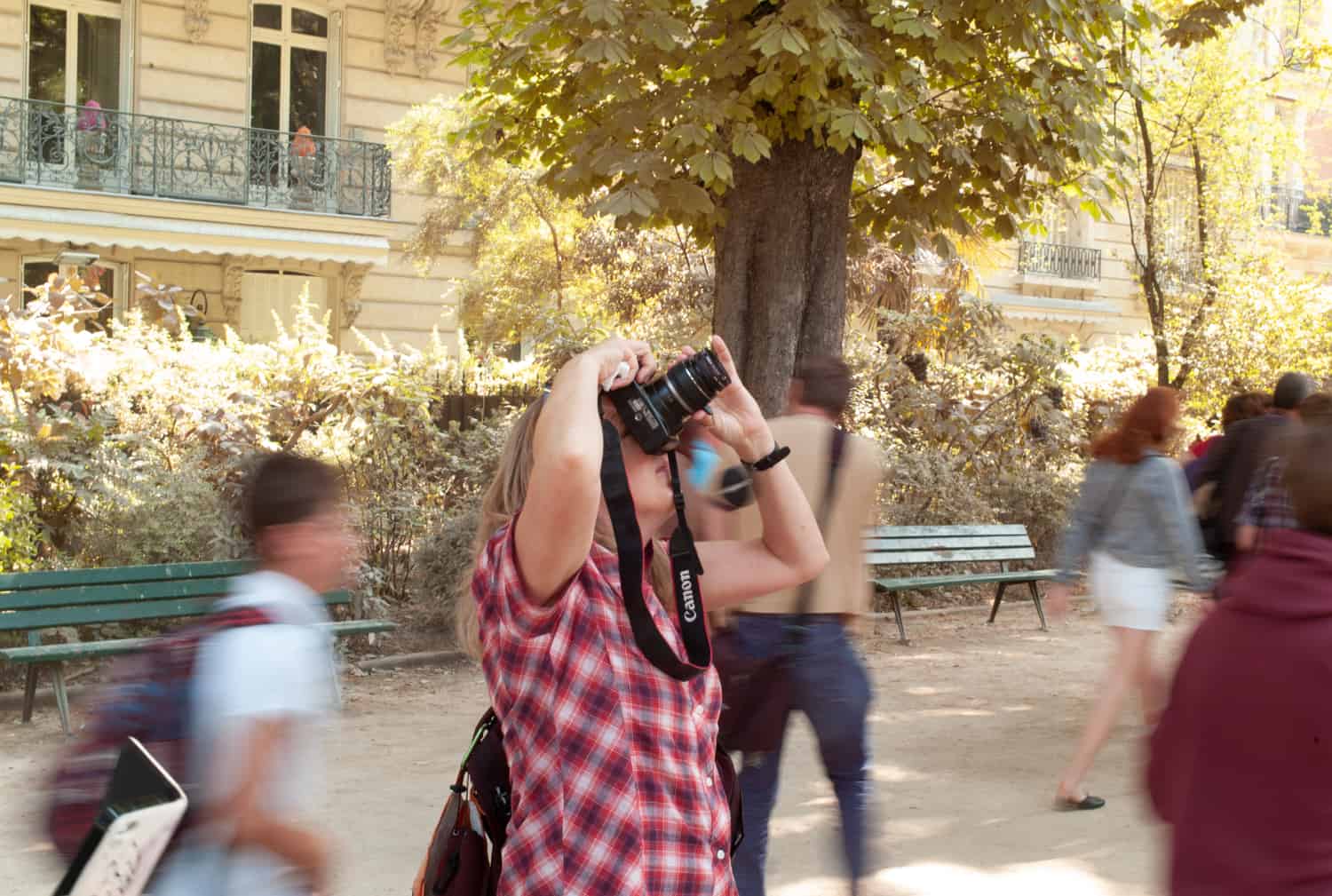
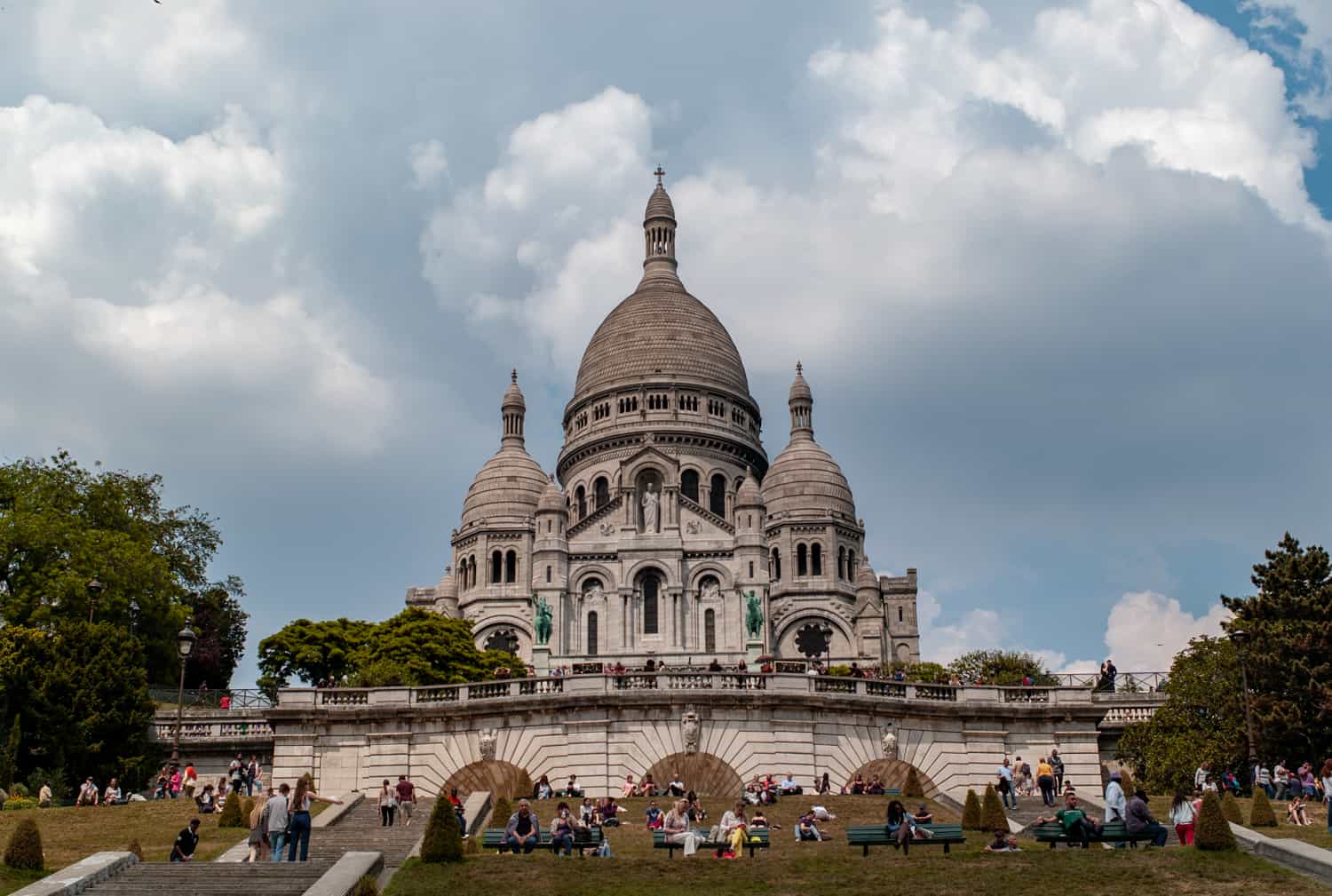
Tourist snap, Montmatre.
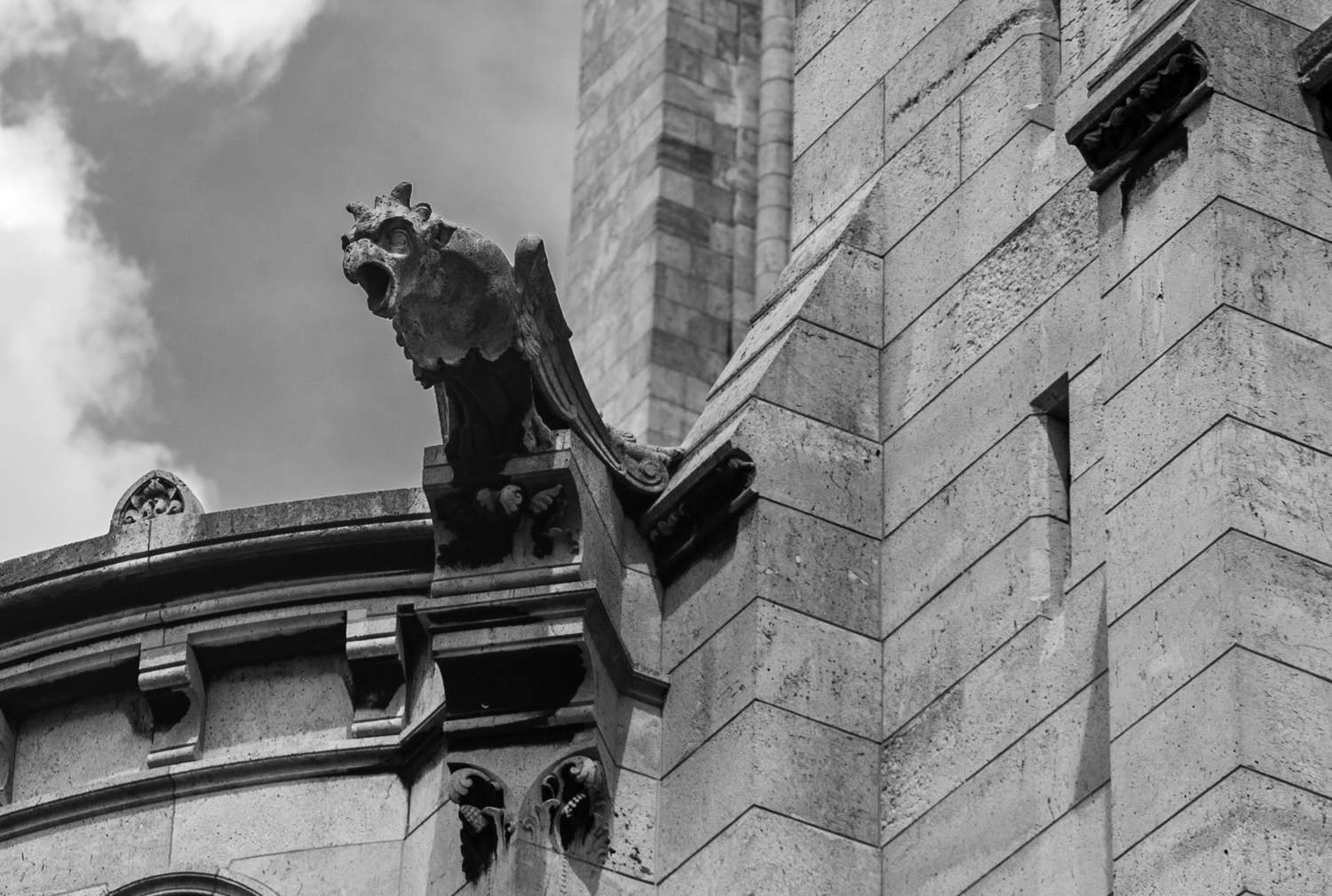
The gargoyles all around Paris are a great indicator has to how much even the smallest details mattered to the city’s architects. The attention to detail in this city is just amazing and the gargoyles of Montmatre are a wonderful example.
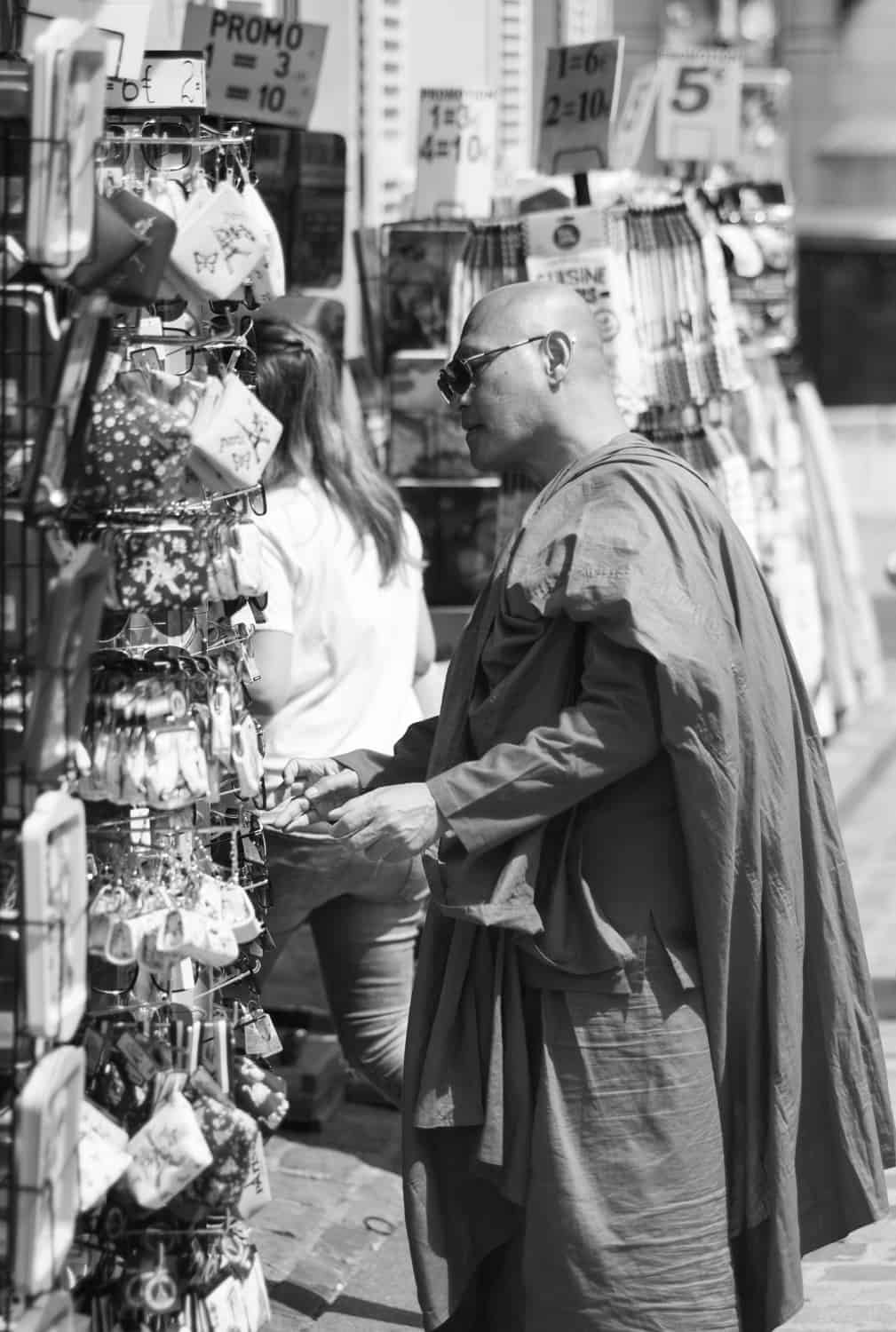
Monks need sunnies, too, OK?
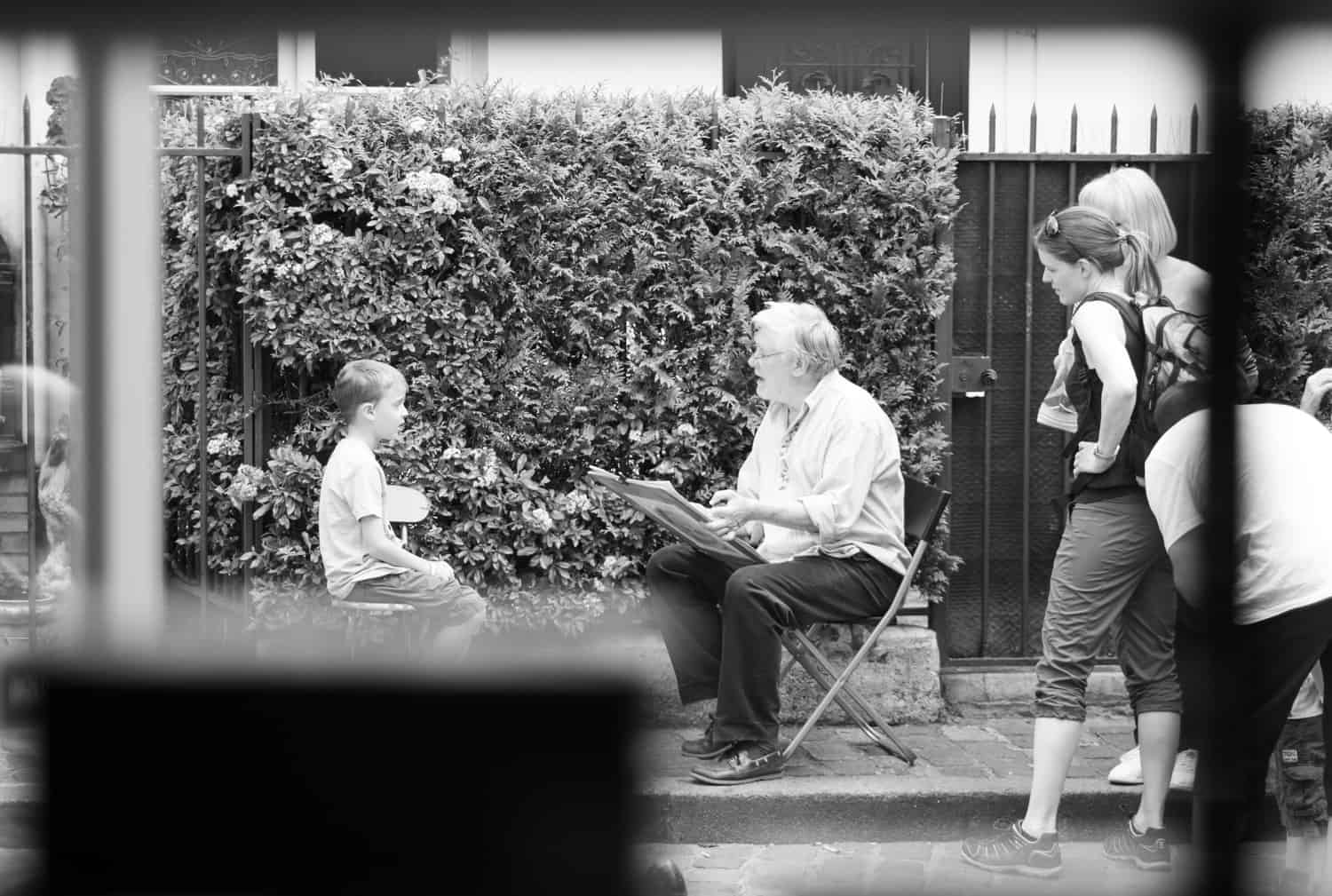
A street portrait in progress, captured from inside a cafe.
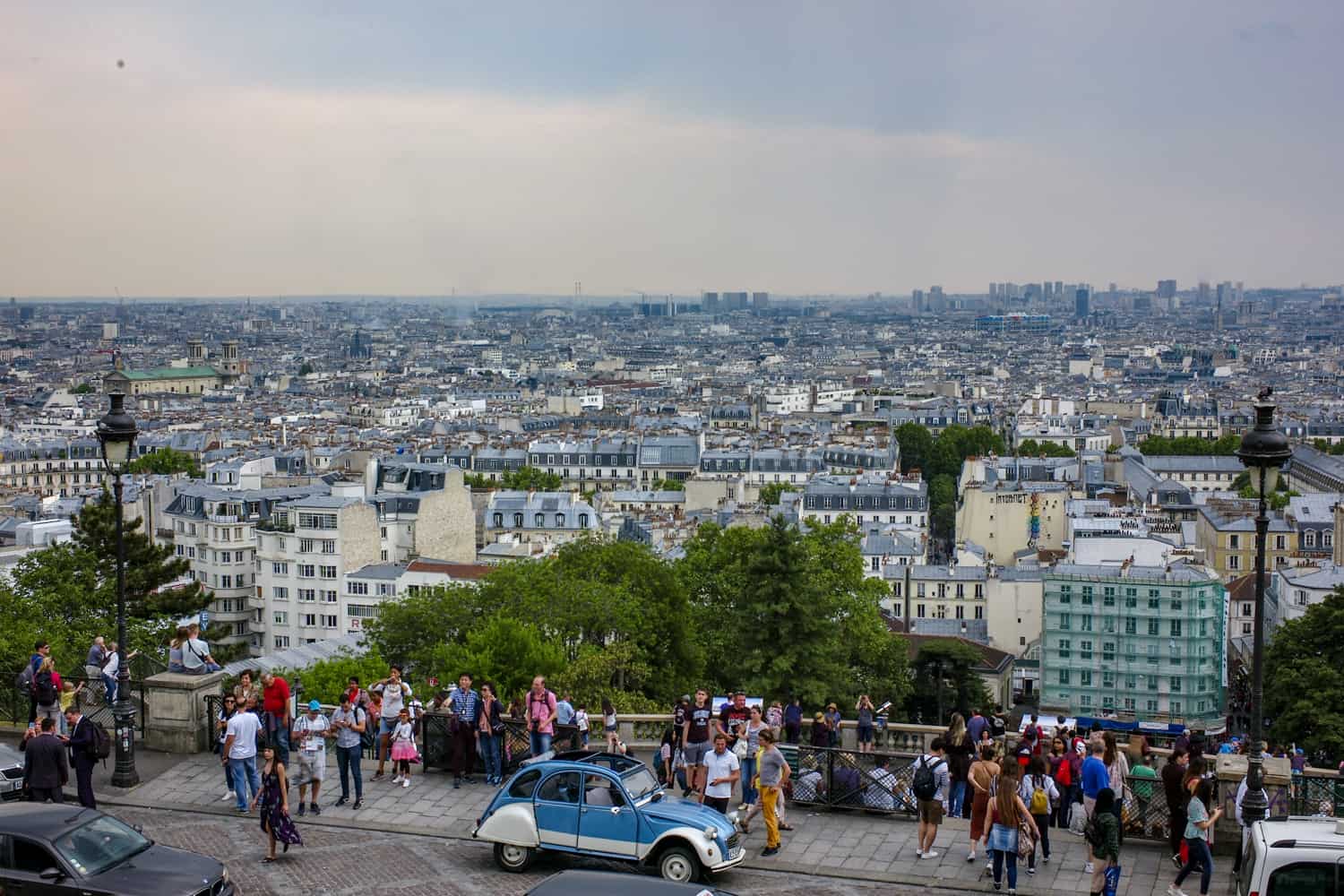
The view from Montmatre, with 2CV in the foreground, of course.
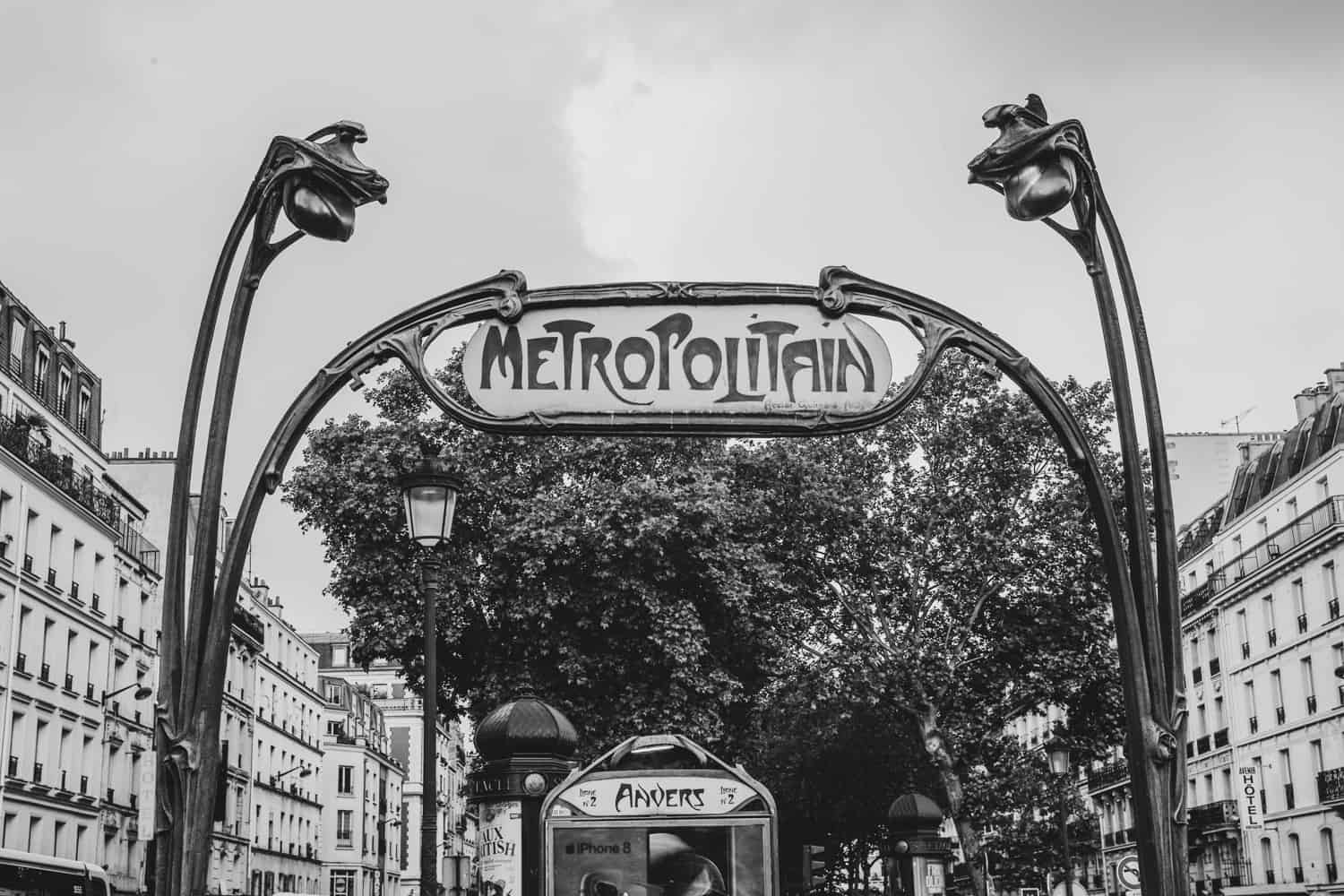
We didn’t make much use of Paris’ subway, the Metropolitain, but I spent a lot of time admiring the old-school subway entrance signs that are dotted around the city.
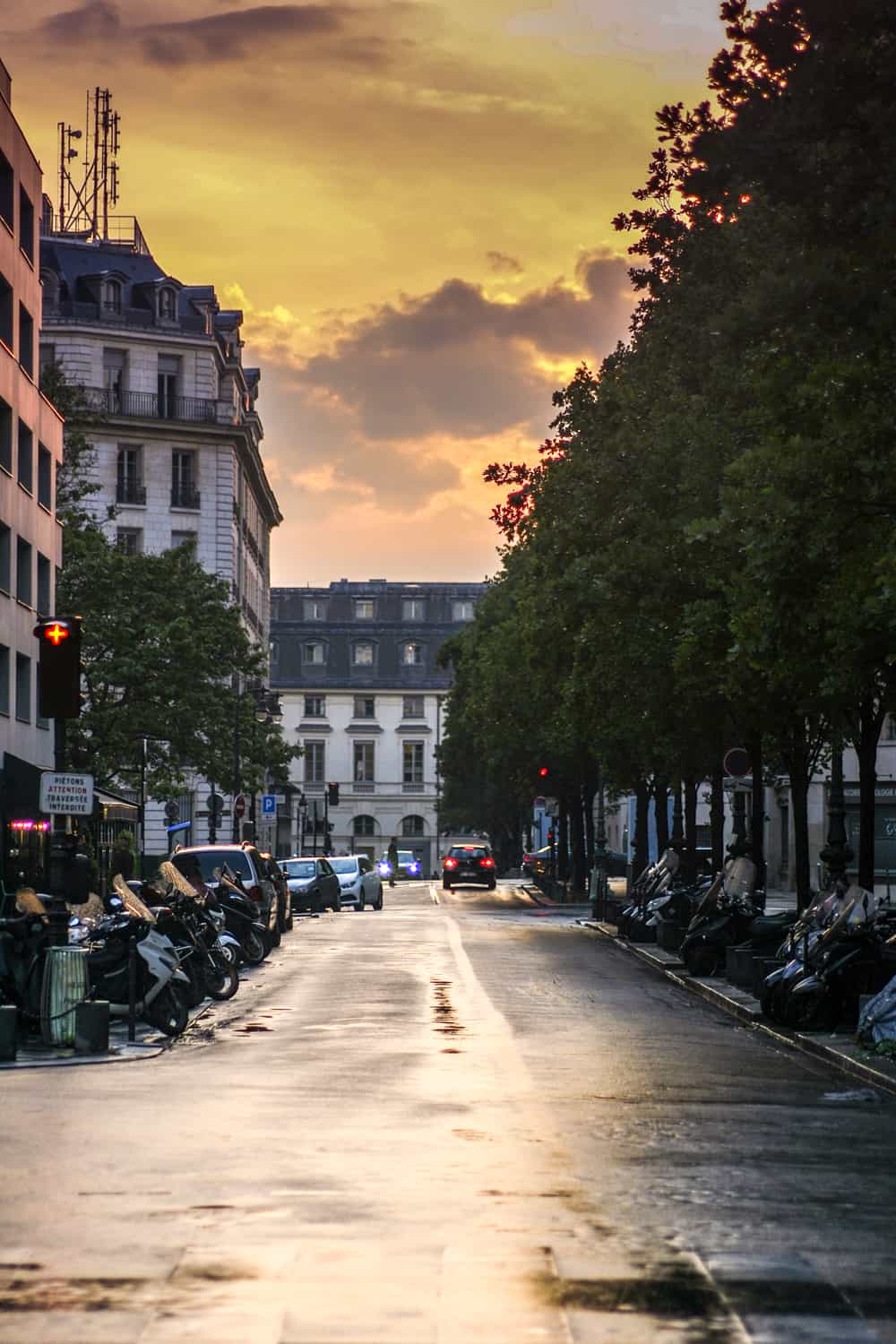
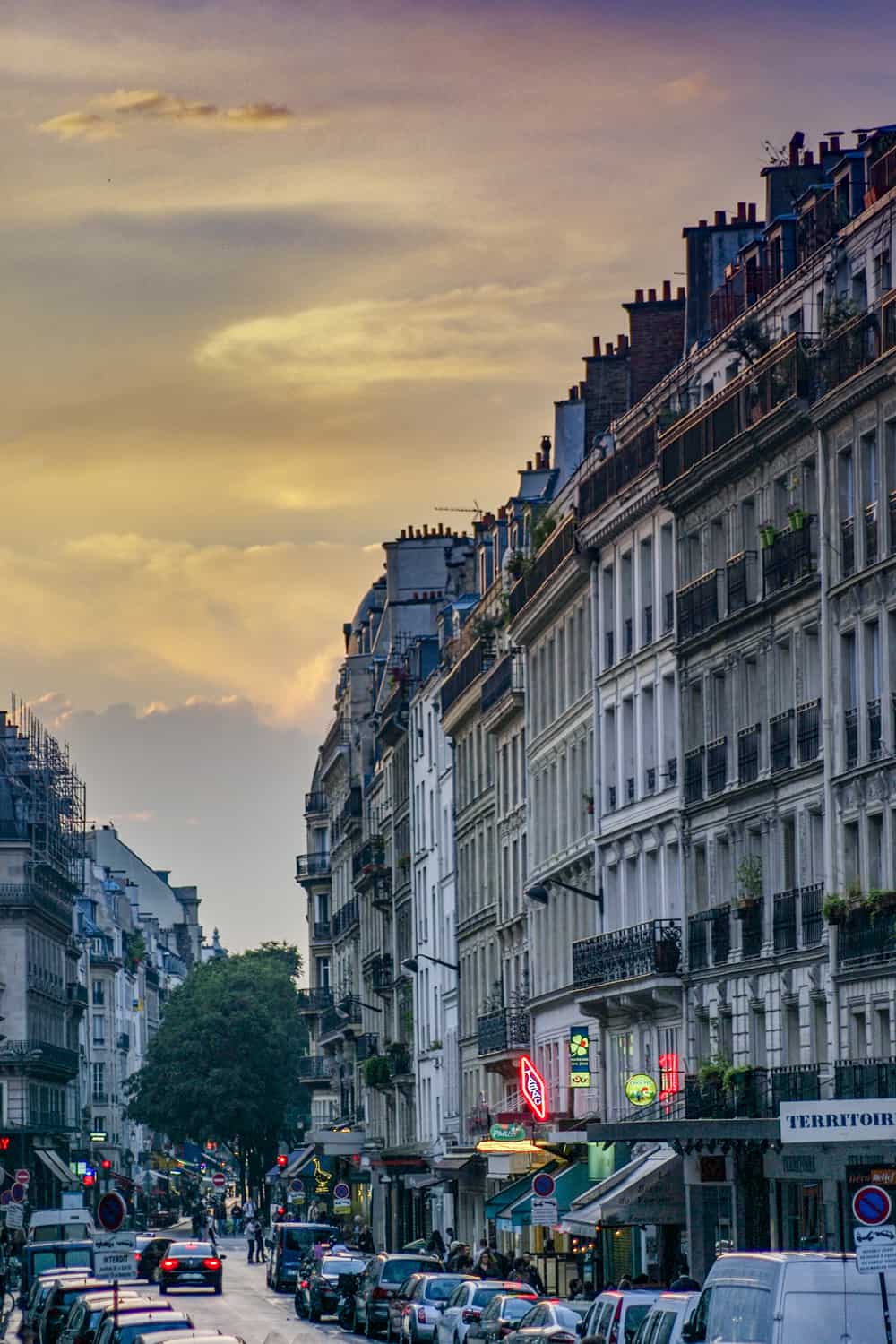
Sunset after a storm….
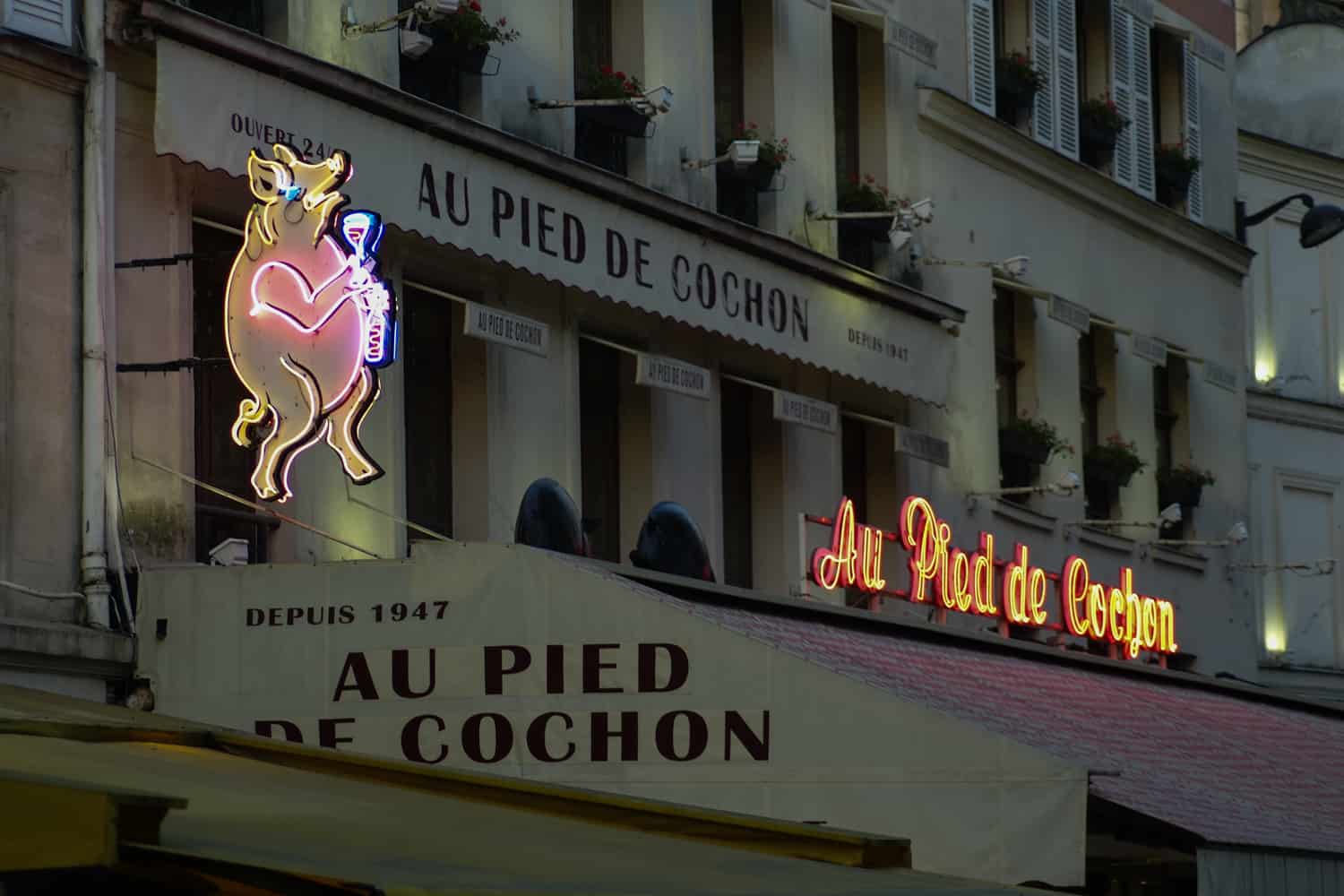
The Pig’s Foot.
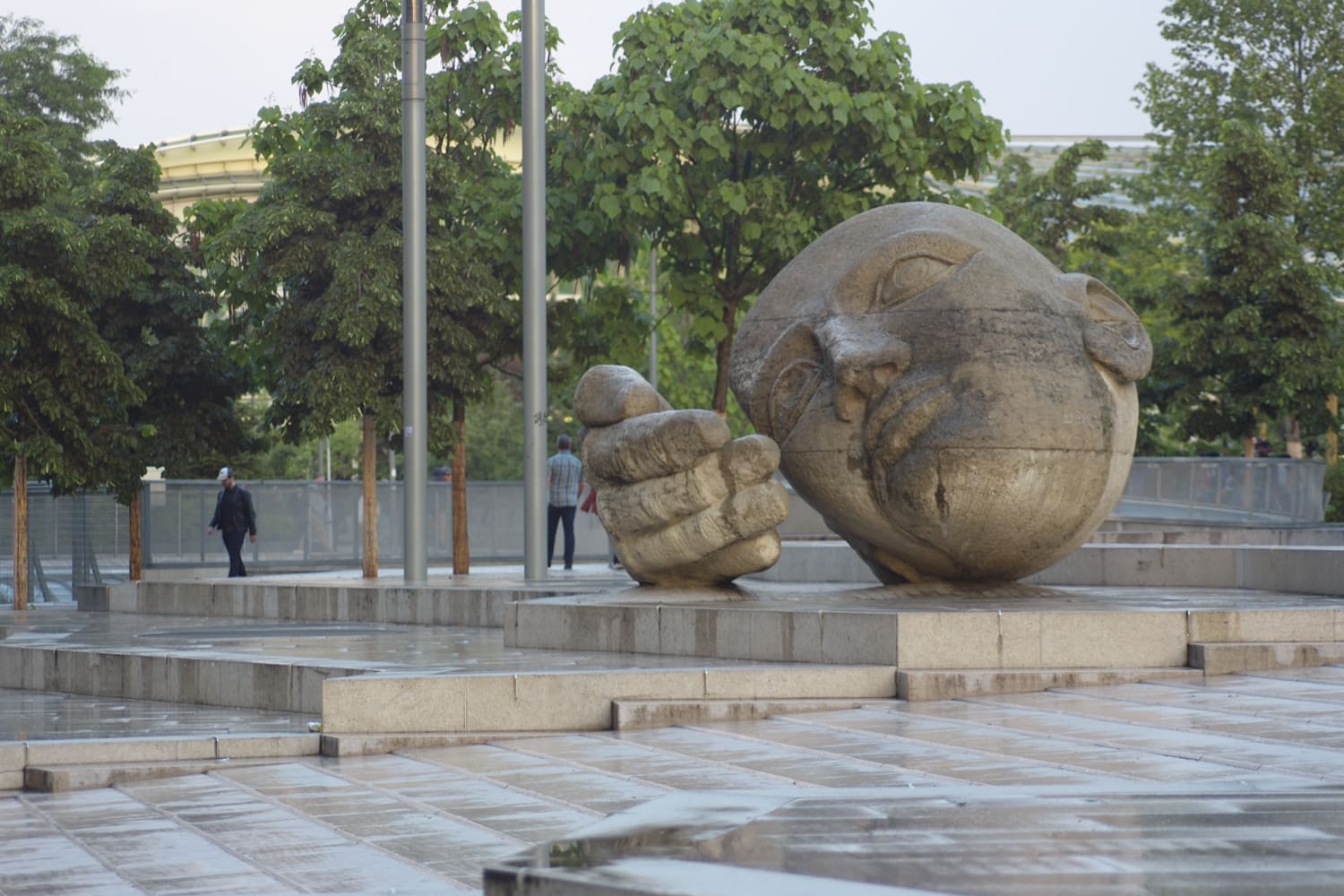
Sculpture outside Les Halles train station.
Another storm, another sunset….
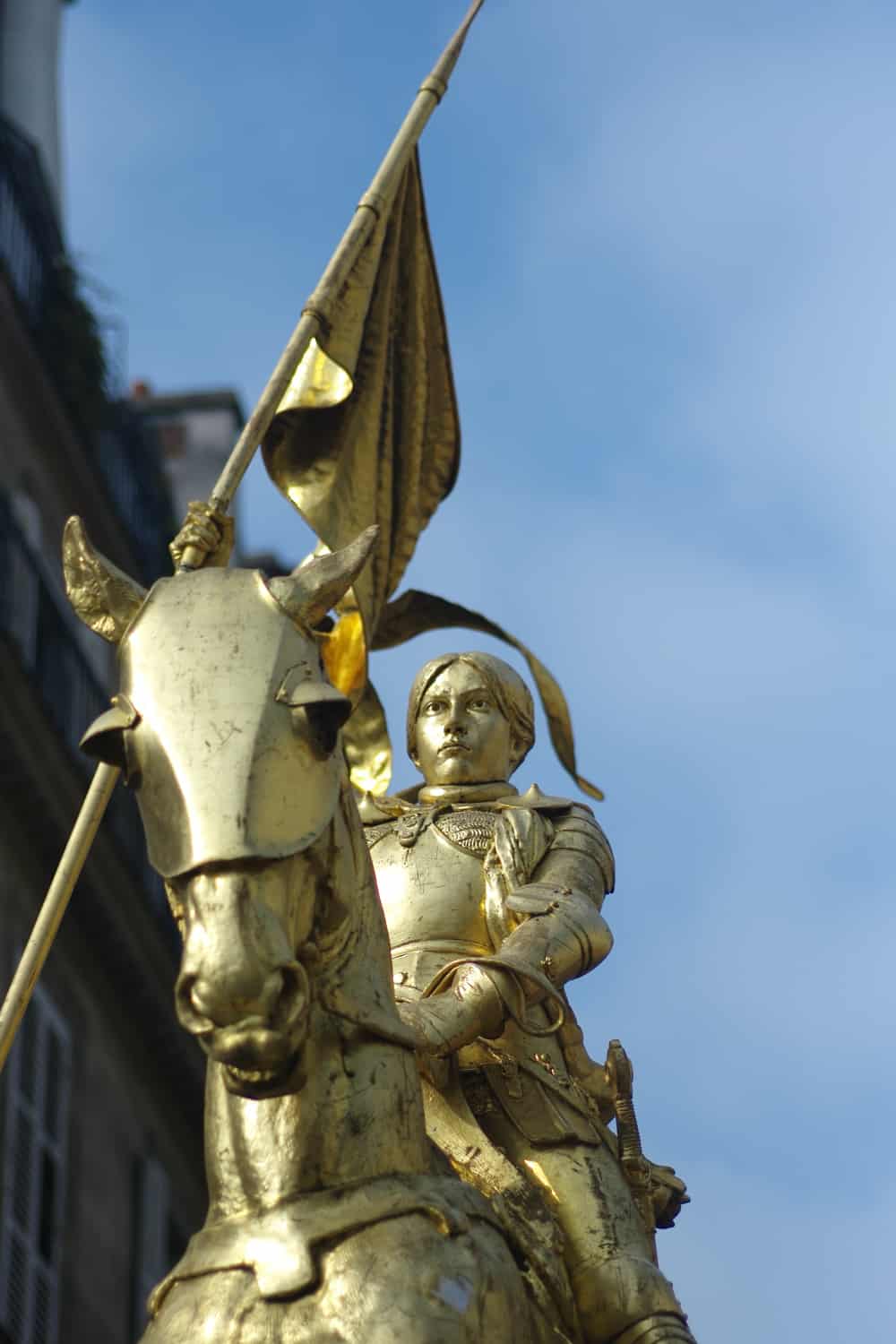
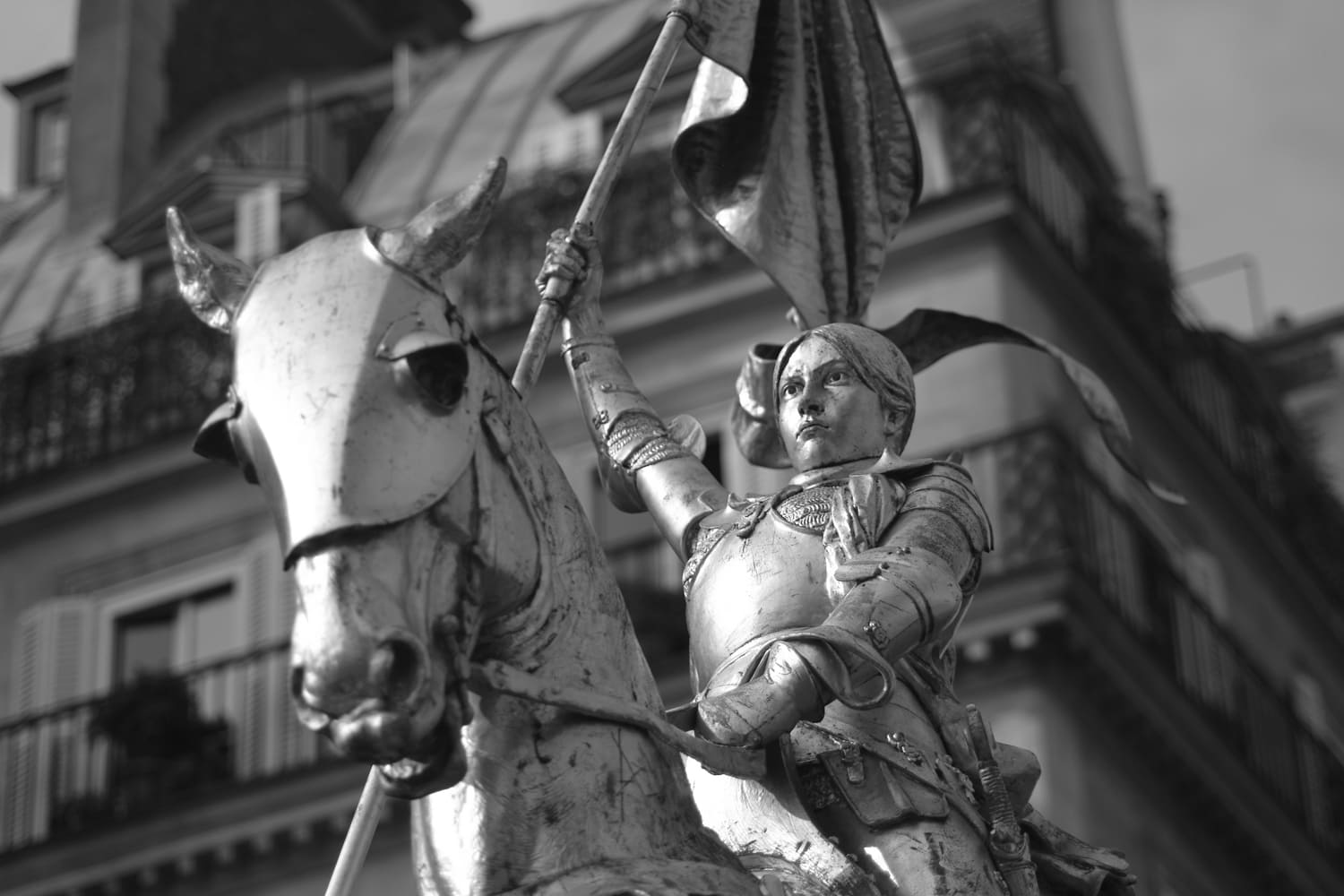
Joan of Arc, in colour,
And in black and white.
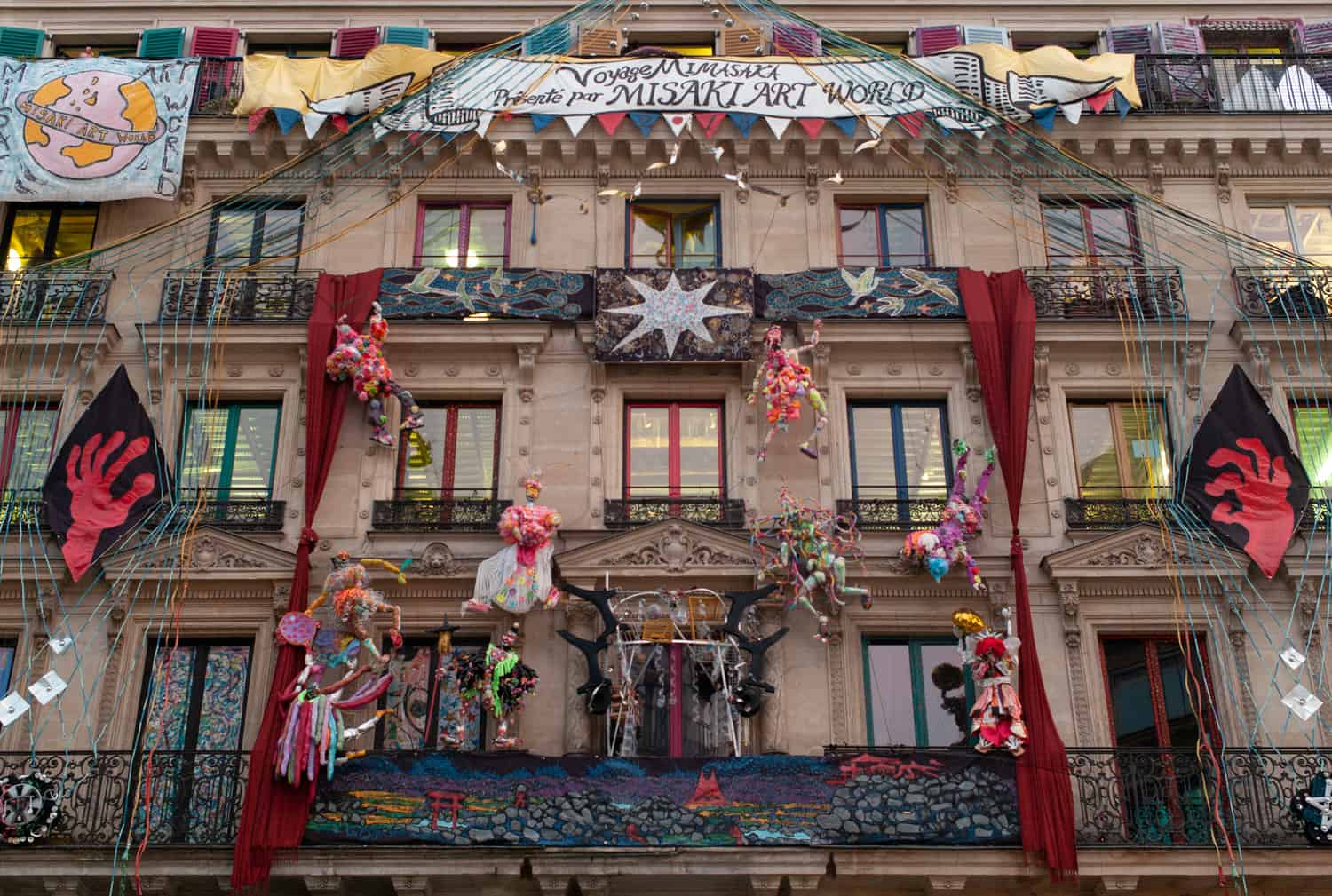
We walked past this building at least once a day. On our final day, for reasons unknown to us, they decorated it…..
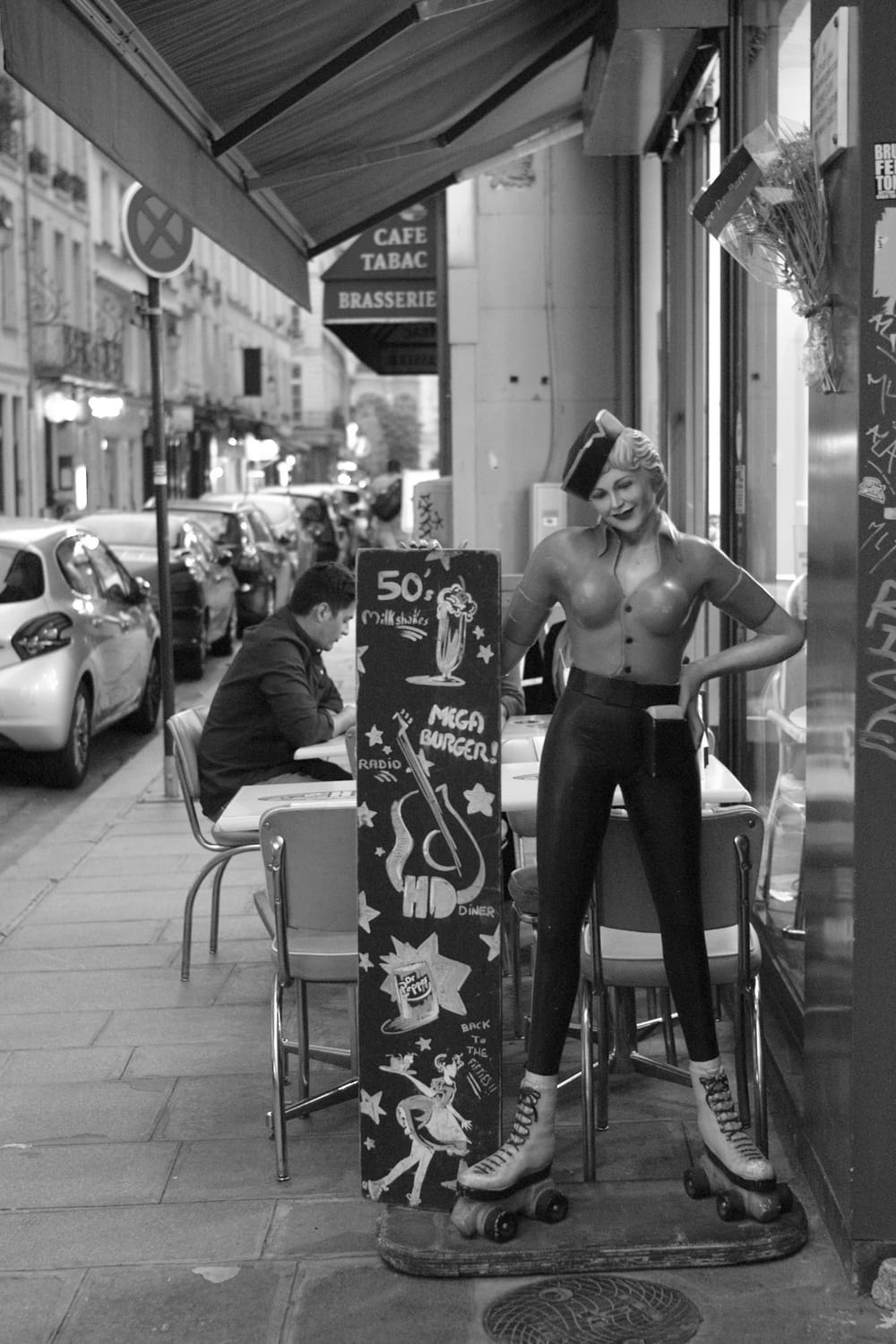
Sign outside an American-style diner.
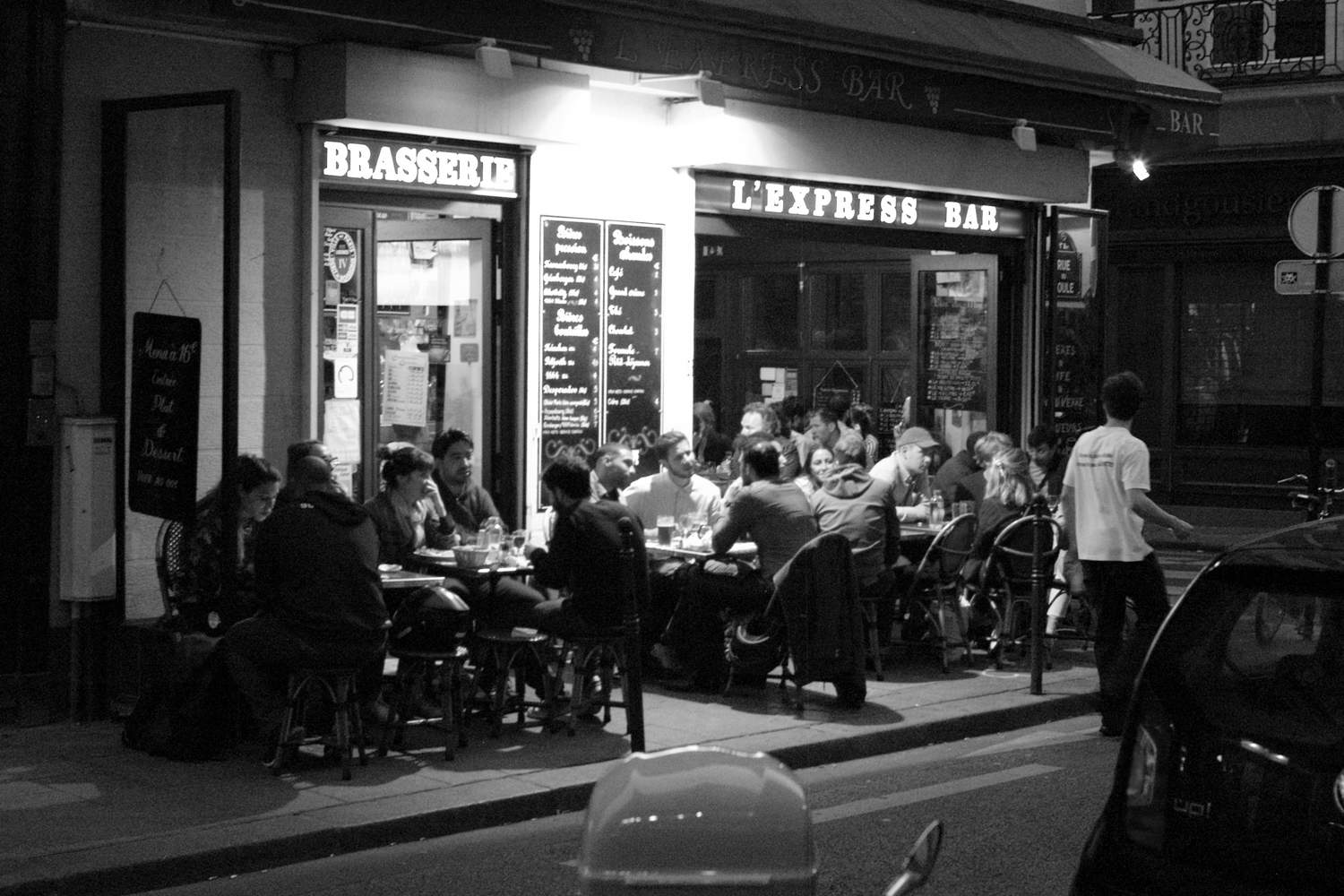
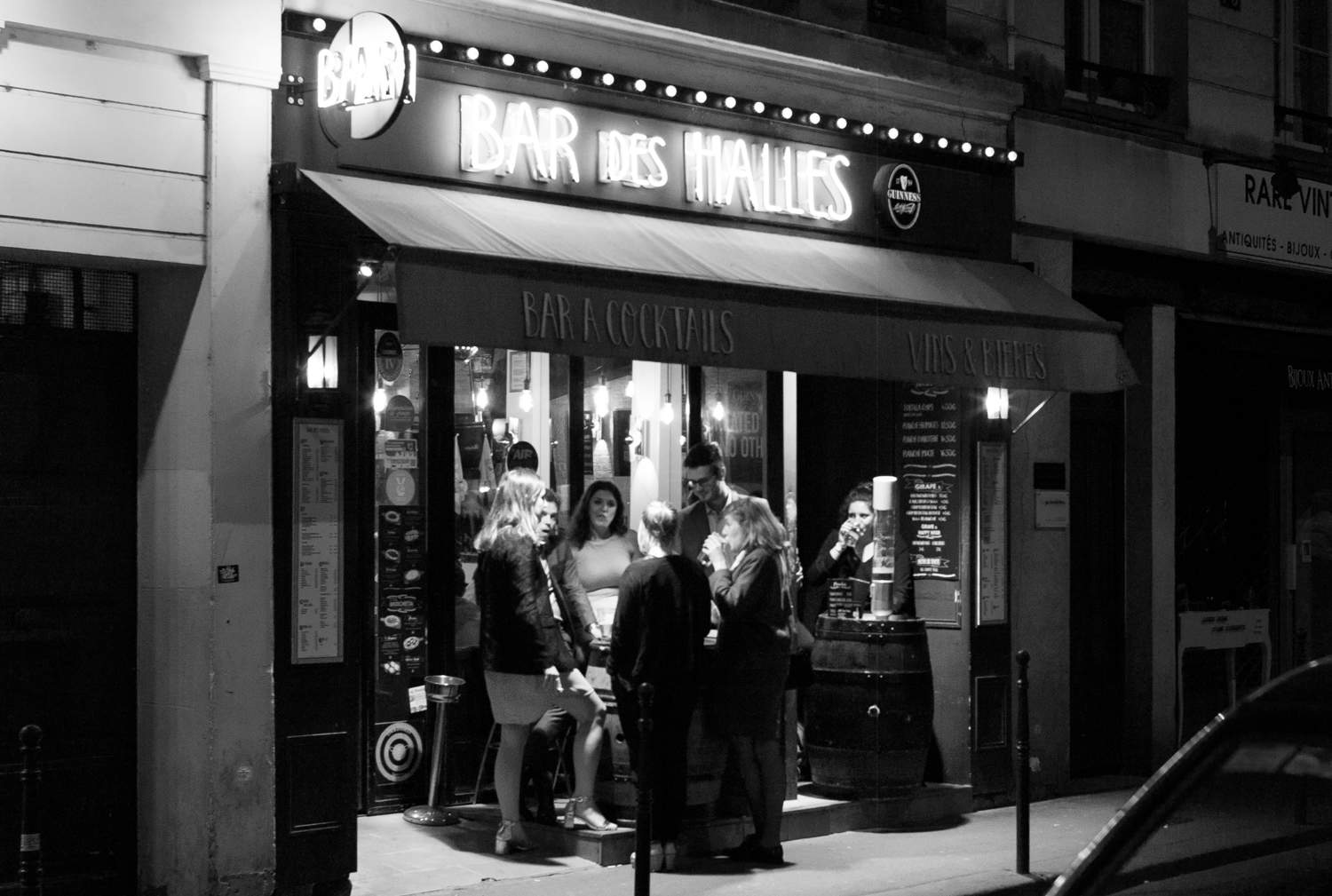
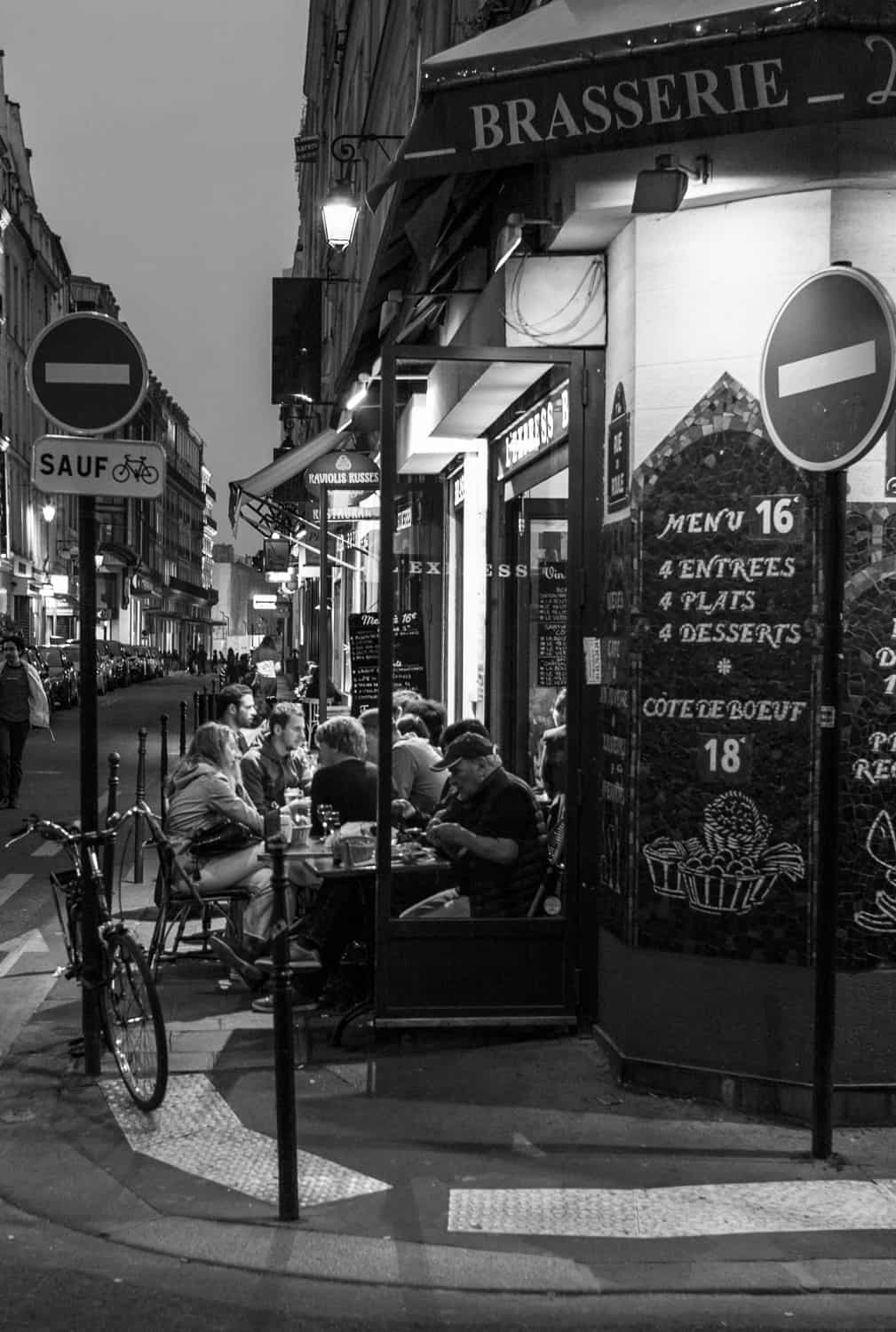
On a fine night, the restaurants of the 1st Arrondissement are packed full. In many of them, the chairs face the street – people wanting to watch others and happy to be seen doing so.
——
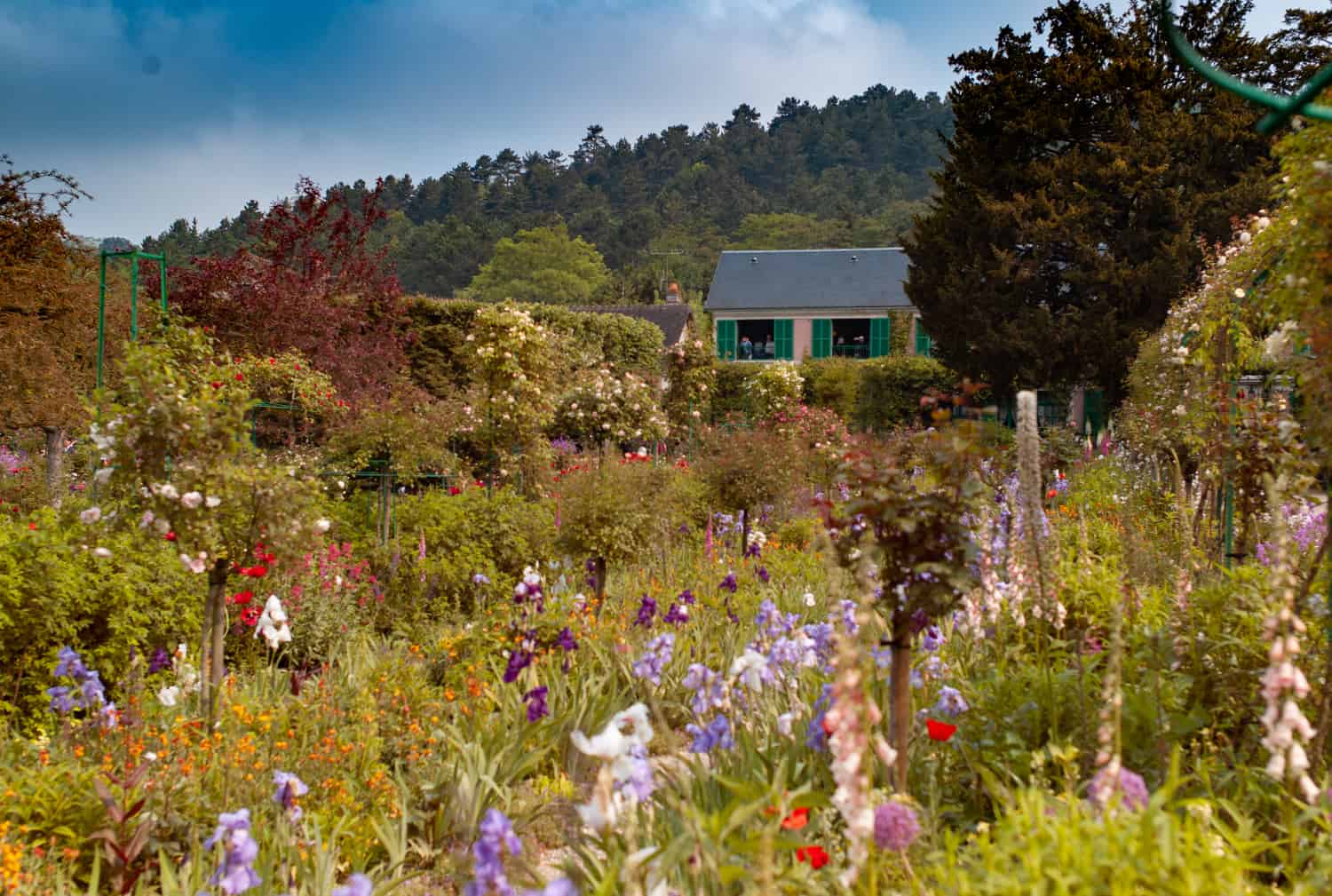
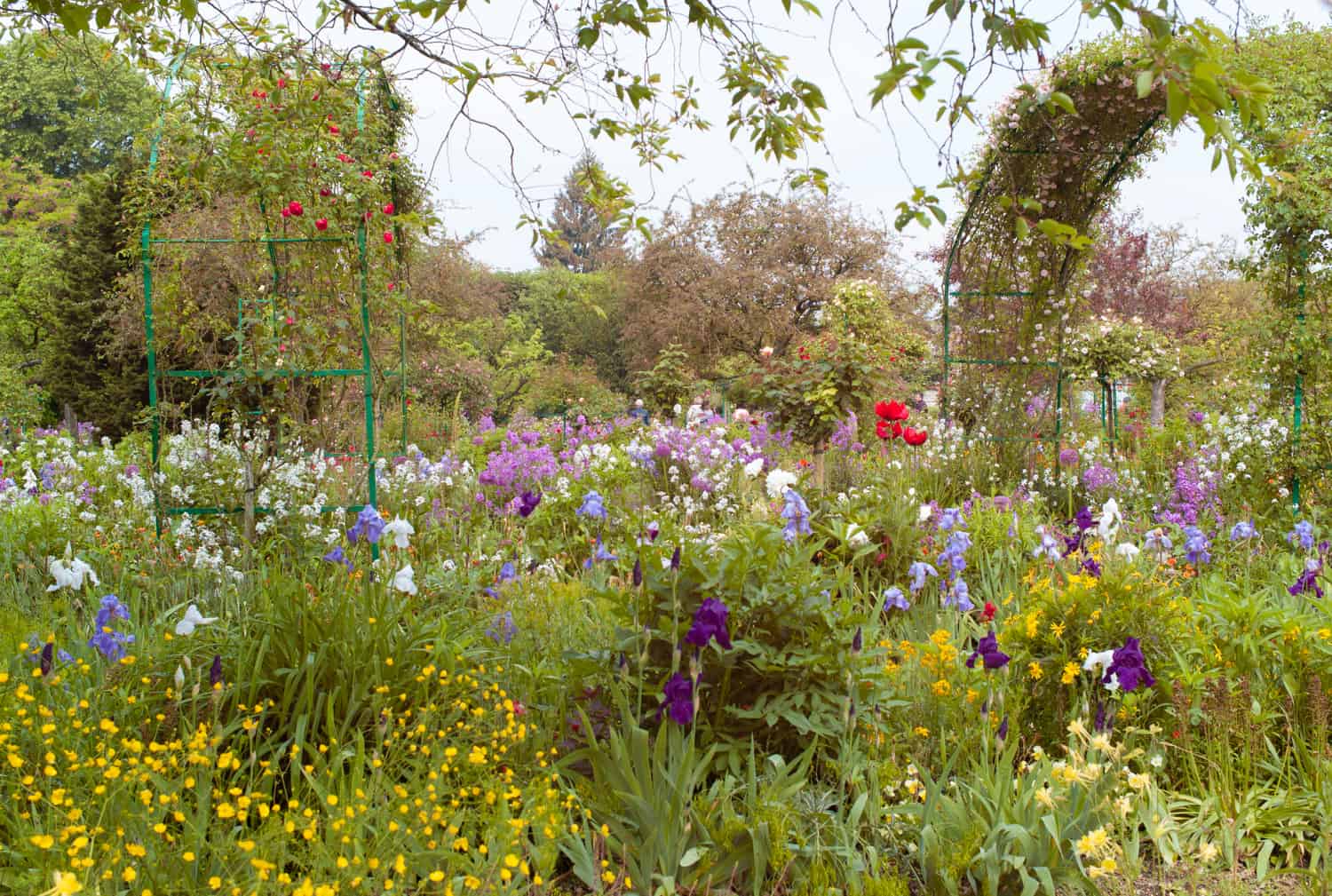
Monet’s Garden
This was an unexpected pleasure. I knew Nat had booked us on a tour to Versailles. What I didn’t know is that the tour also included a visit to Claude Monet’s house.
Monet discovered Giverny on a train ride. Moved by the surroundings and the beautiful natural light, he decided to rent a place there. Long story, short – Monet discovered and then nurtured the environment that inspired his life’s work. It’s an inspiring story.
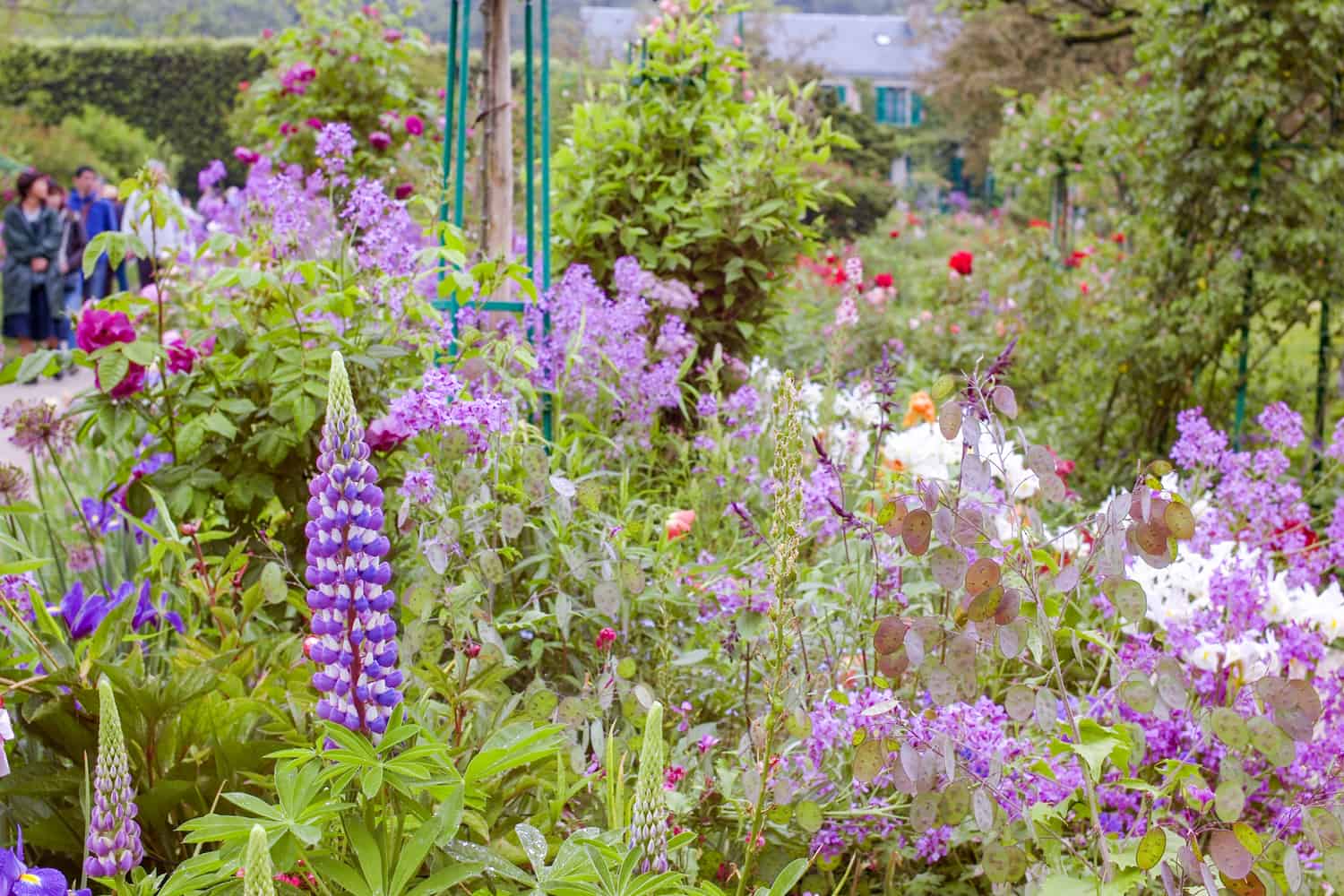
His house has two main gardens – a flower garden on the main plot and a Japanese garden across the road. The colour palette and atmosphere should be familiar to anyone who’s seen Monet’s work.
——
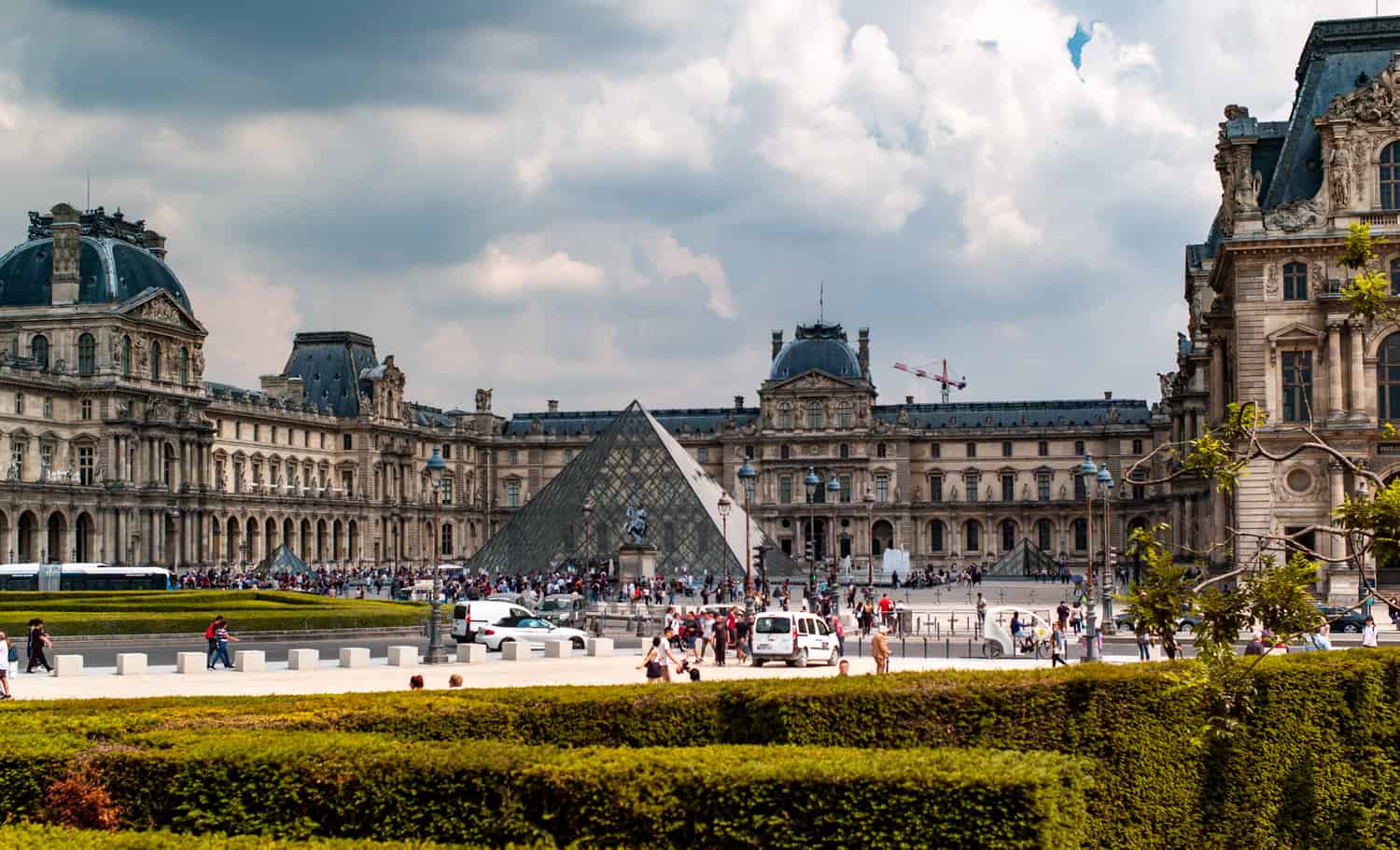
The Louvre
Imagine The Louvre as the world’s artistic heart. Its beat is steady at one beat per day. Every day, nearly 30,000 art-starved human ‘blood cells’ from all around the world enter its chambers. They emerge through the day, oxygenated with artistic endeavour and passion that they will take with them on their forward travels.
The next day, 30,000 more come. And on and on…..
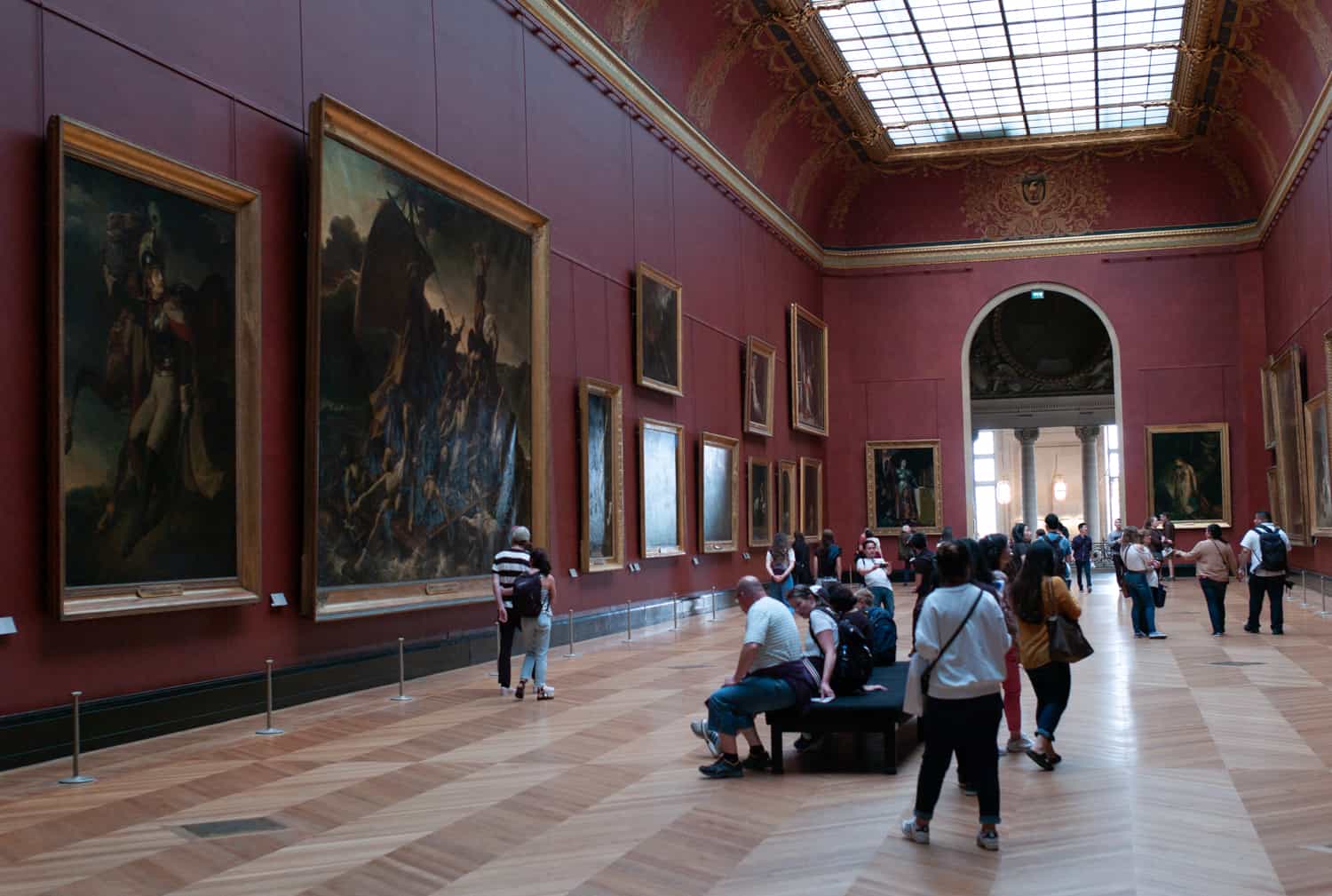
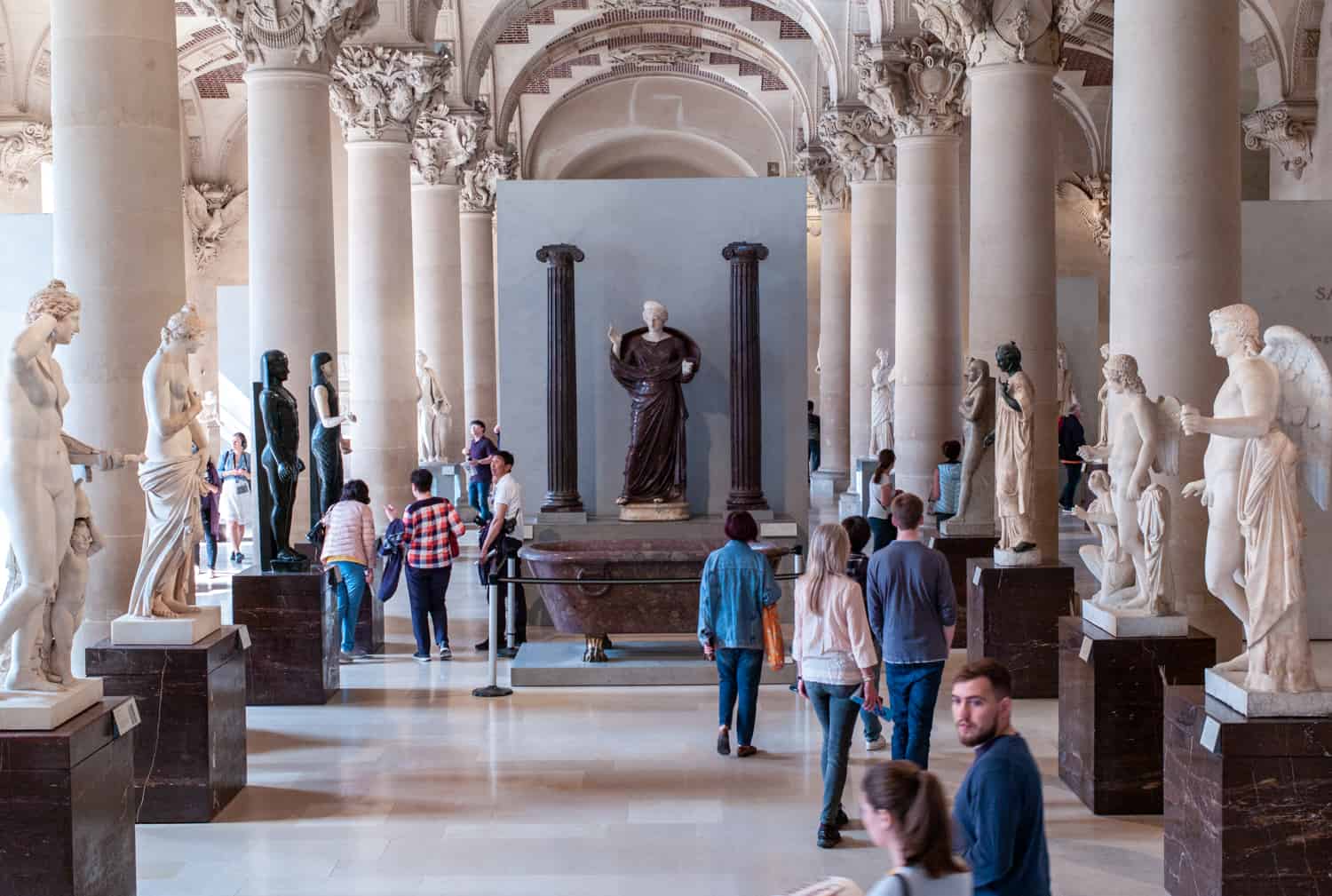
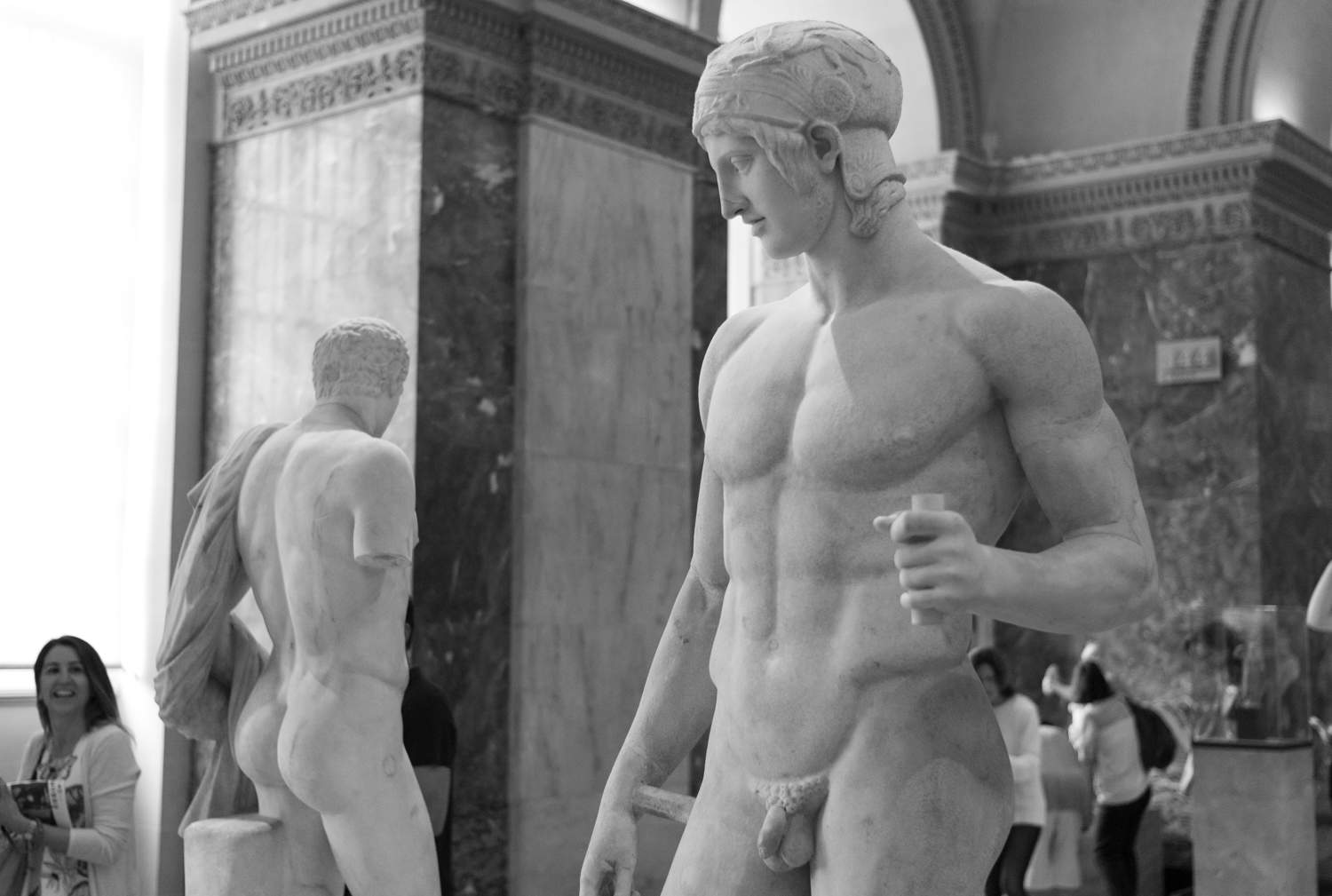
The Louvre is a spectacle. The scale of the place defies description. It would take days to walk through, weeks to appreciate and more than a lifetime to learn all that it has to offer.
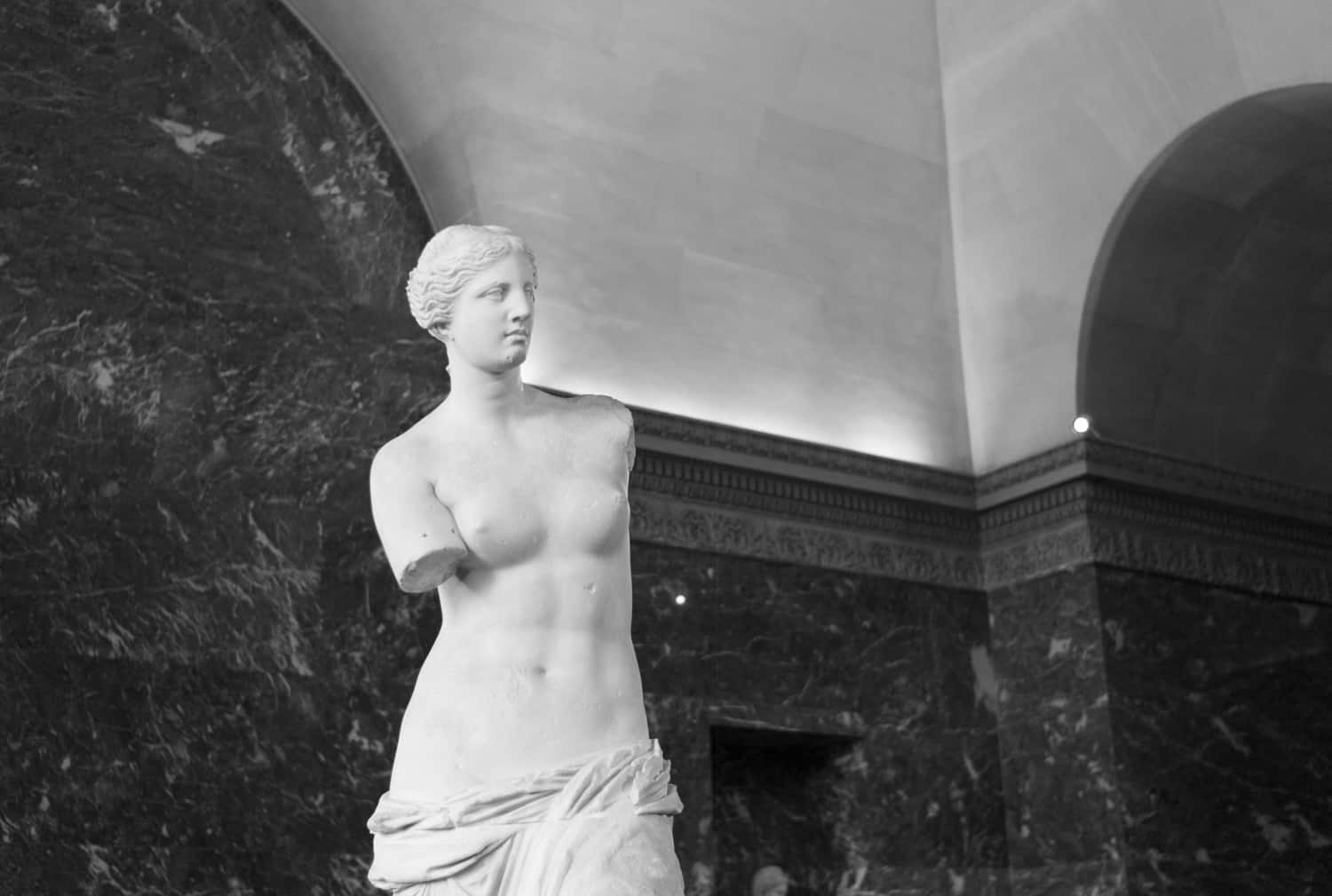
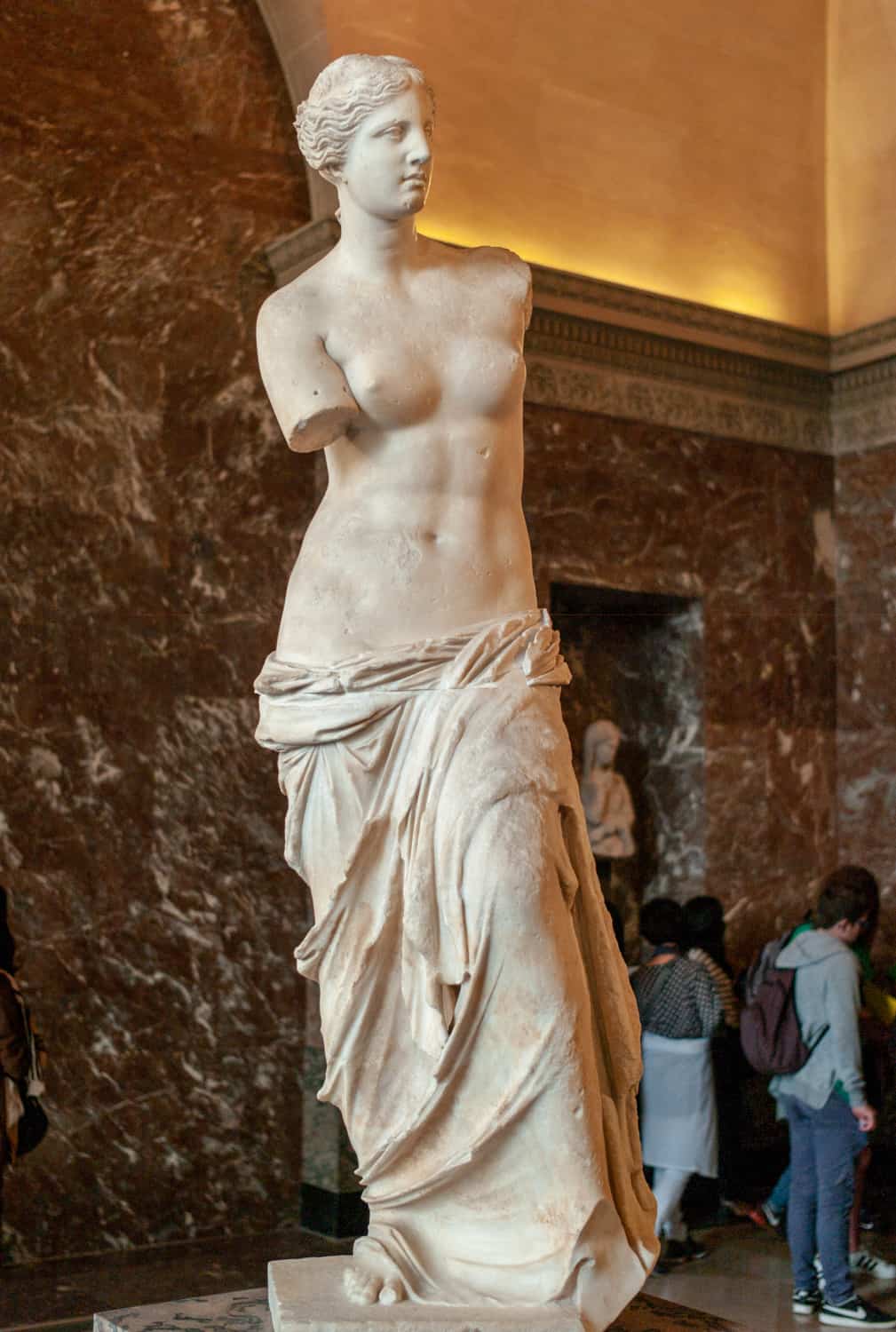
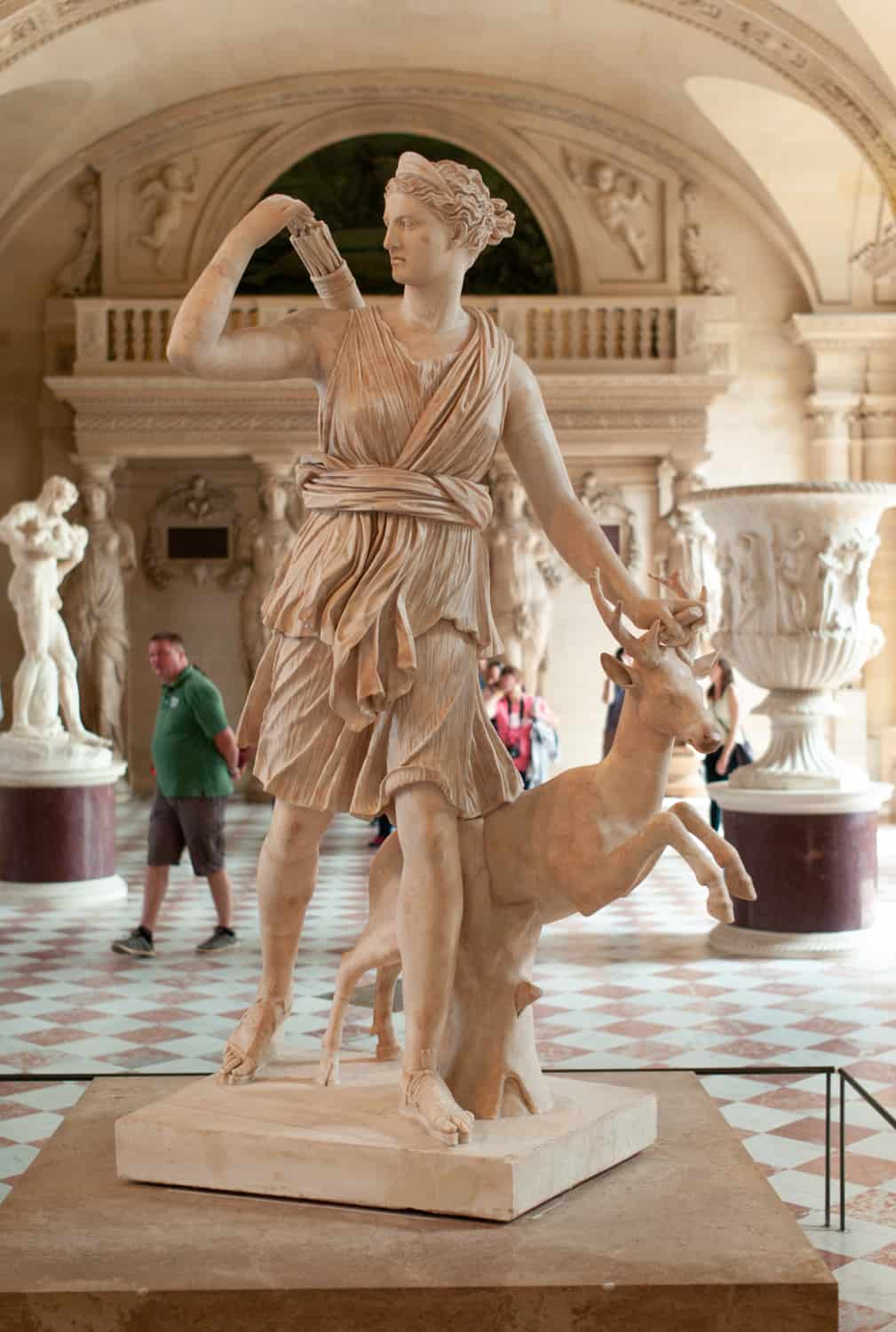
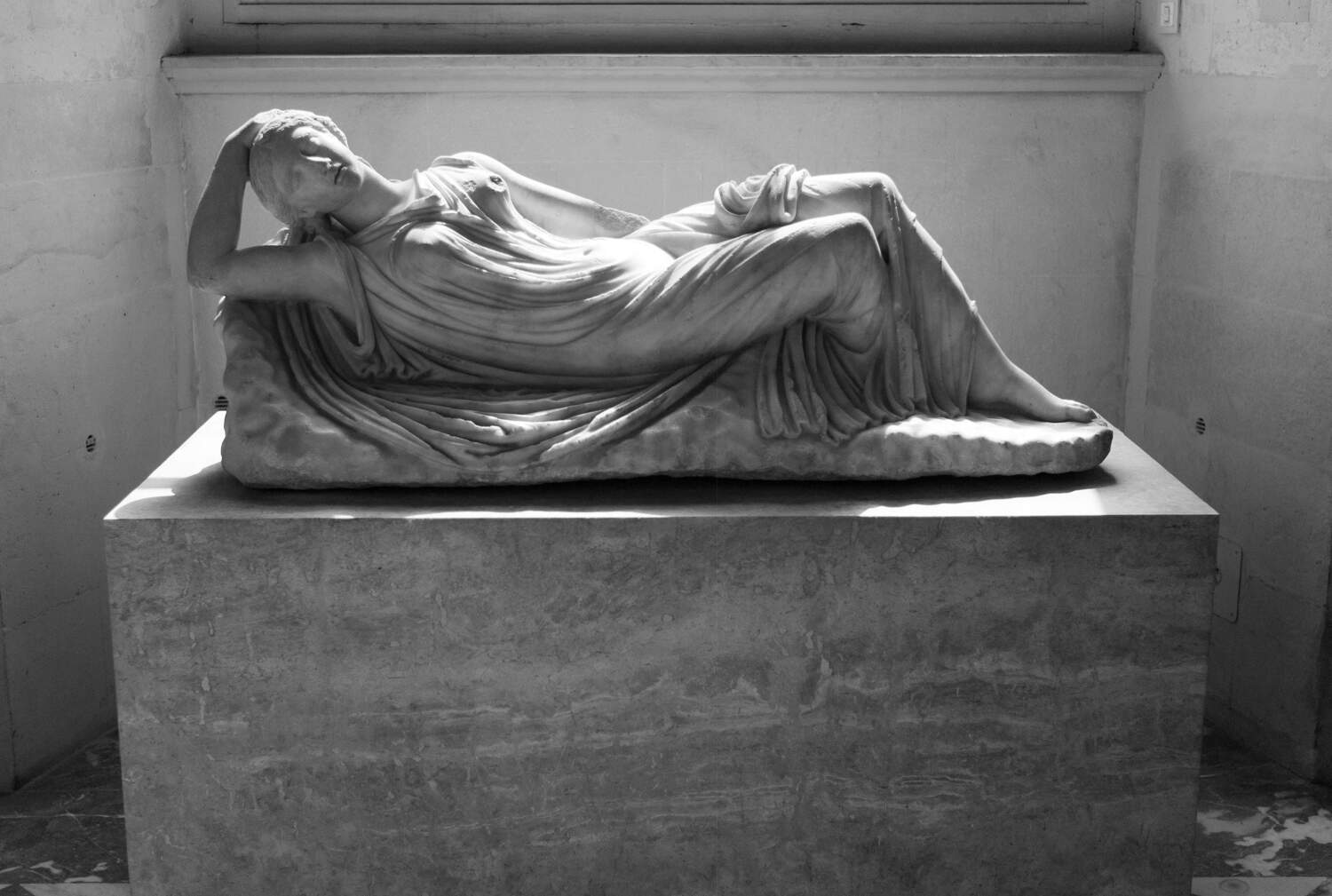
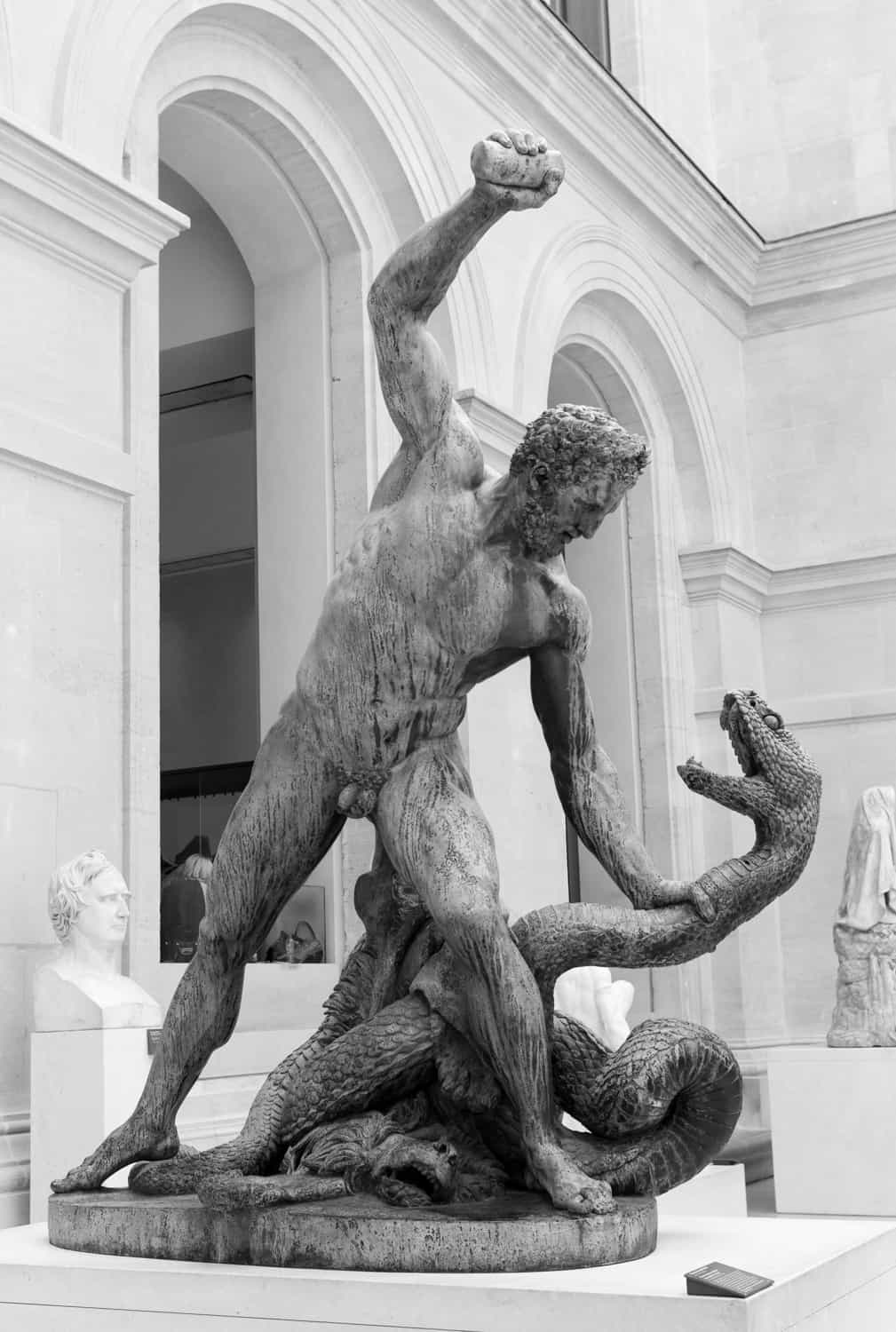
Yes, we saw the Mona Lisa, but my personal favourite was Venus de Milo.
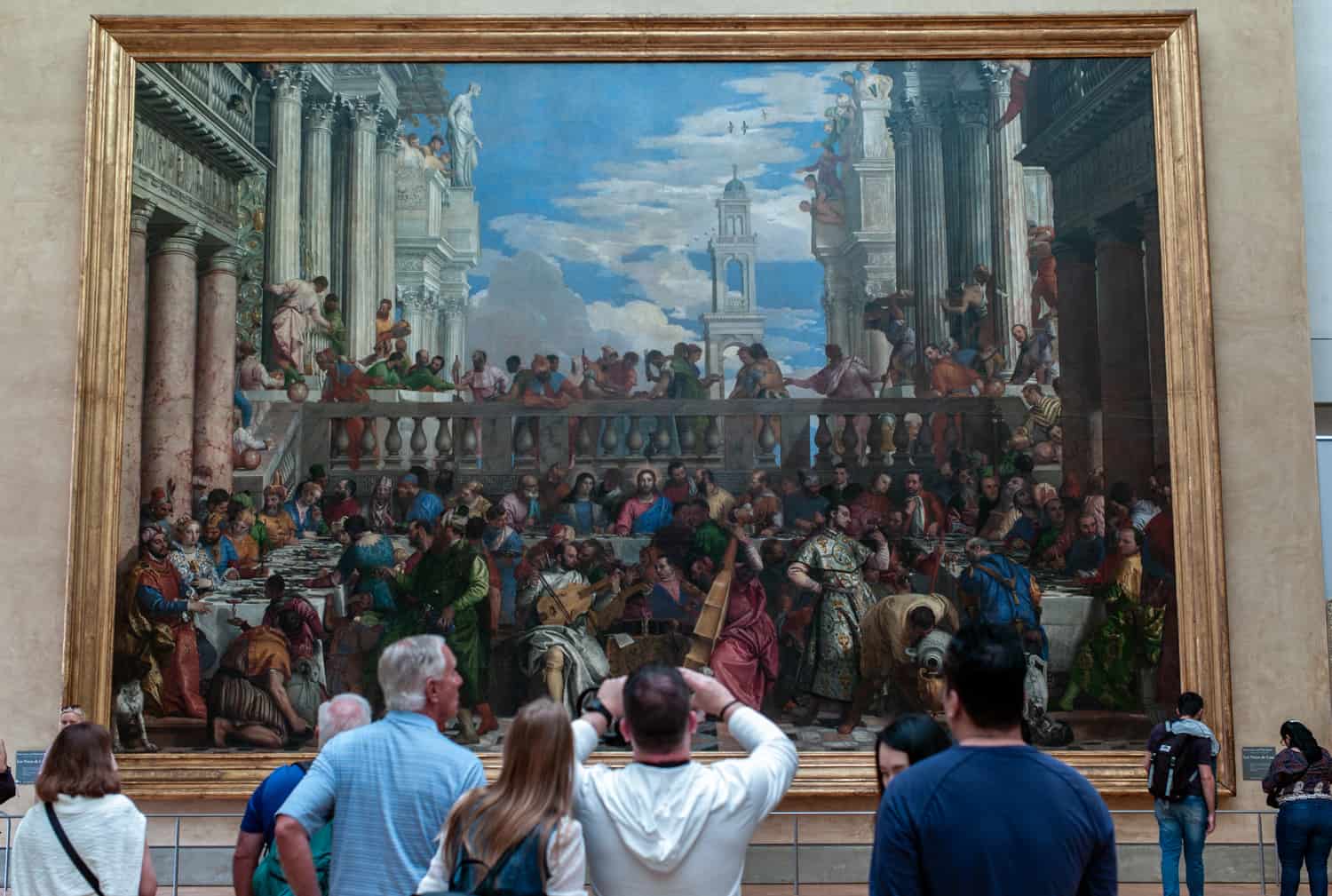
This is the painting that sits opposite the Mona Lisa. It’s Huuuuuuge. To get a sense of the scale, ignore the people in the foreground and focus on the people to the right, standing right next to the painting.
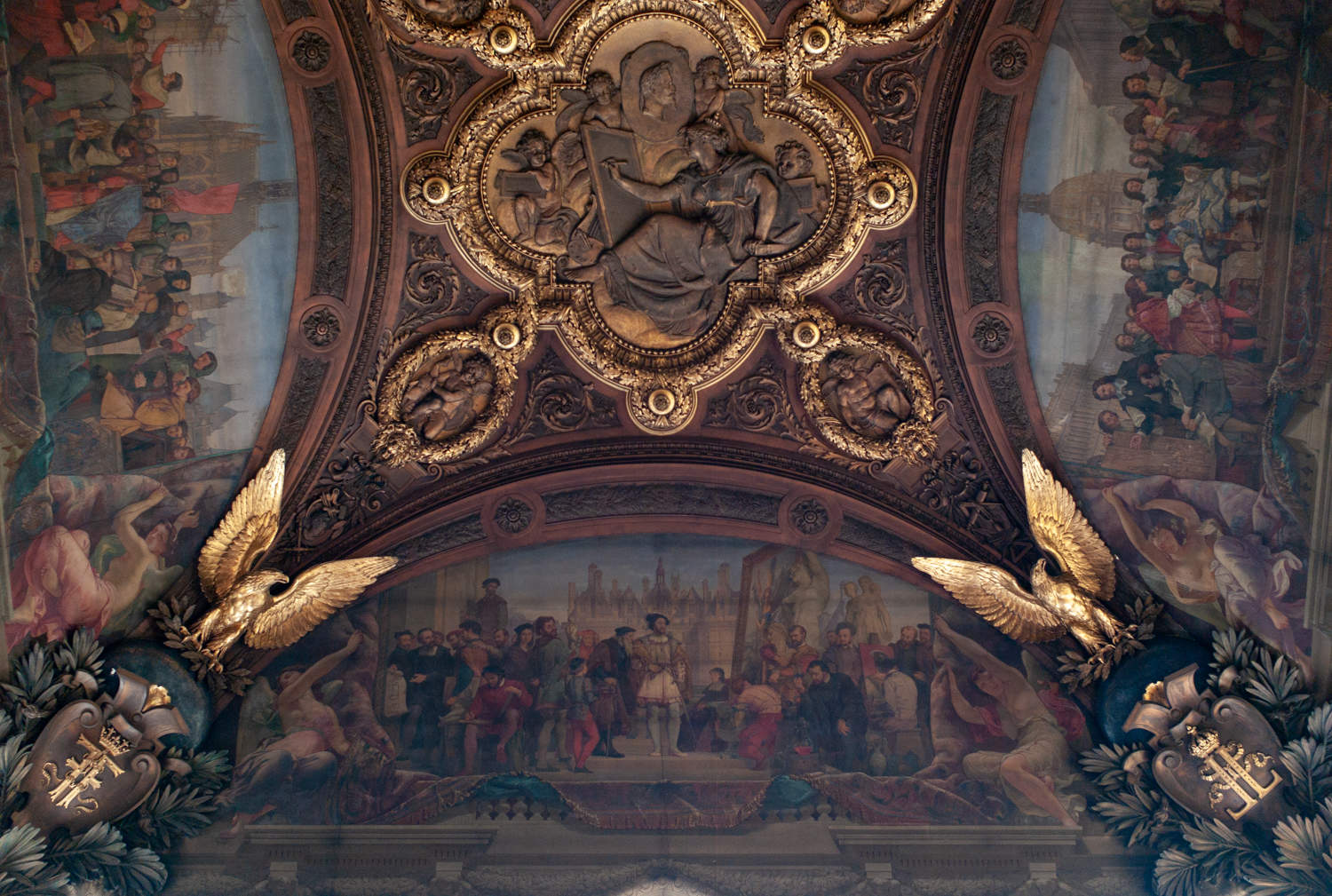
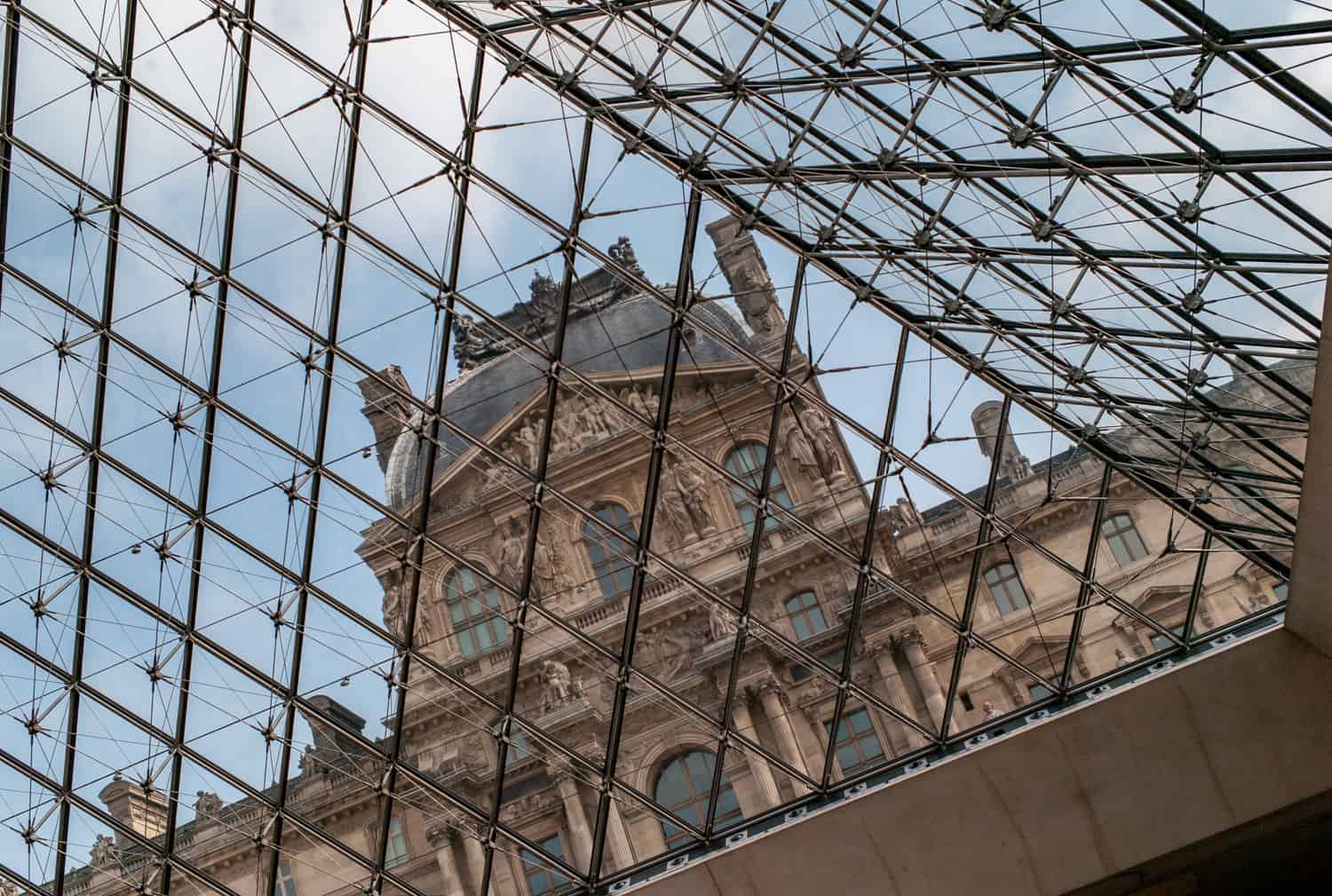
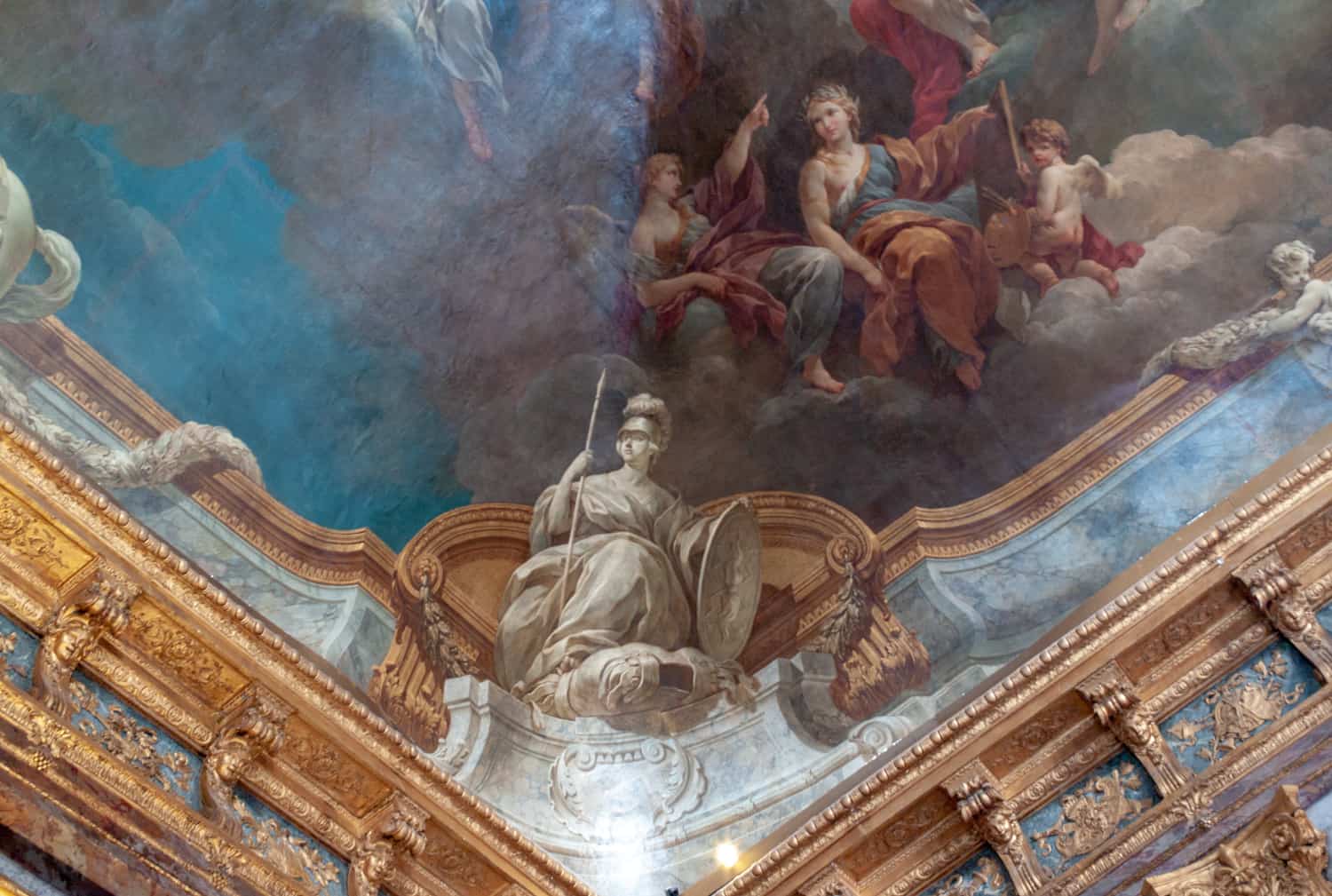
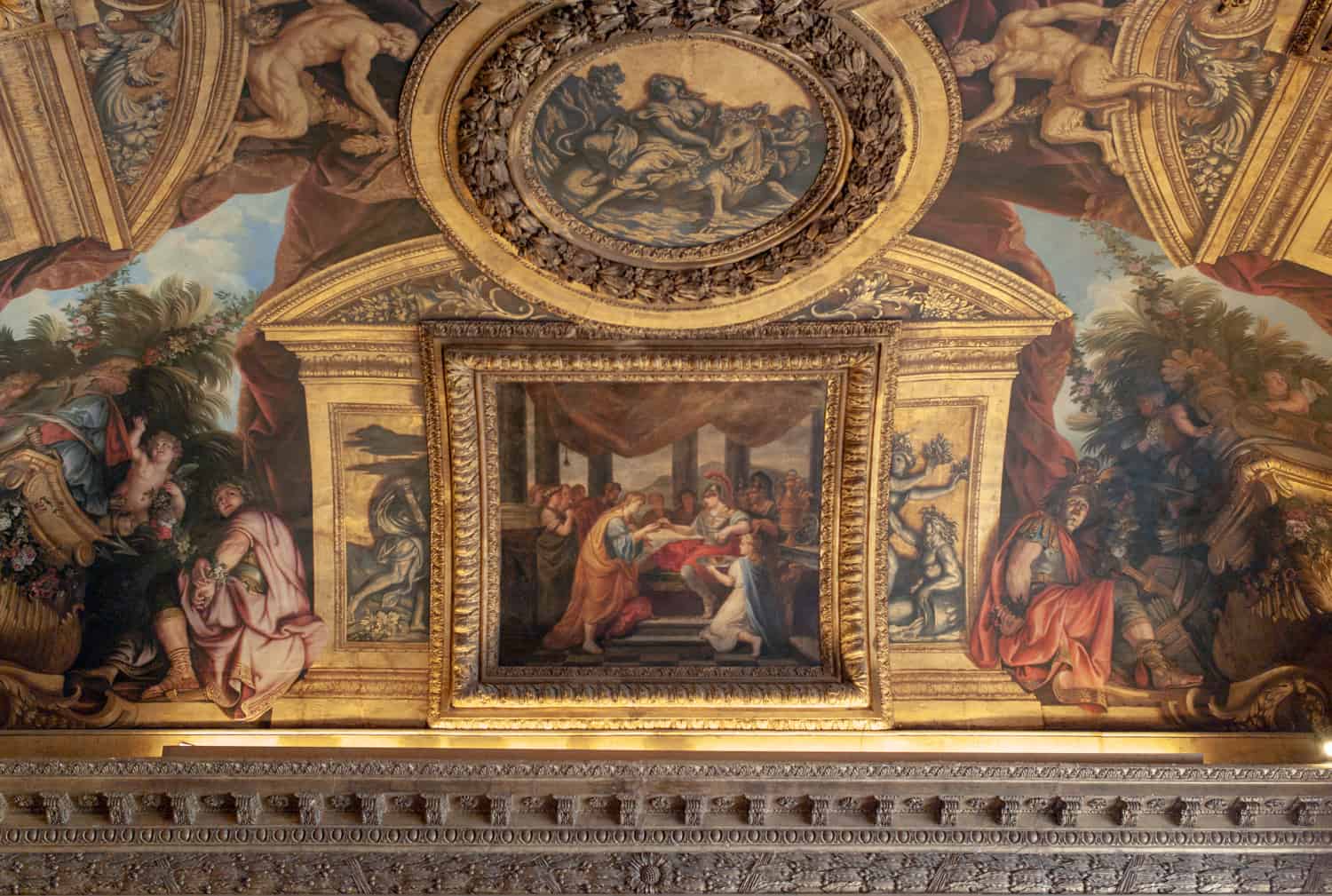
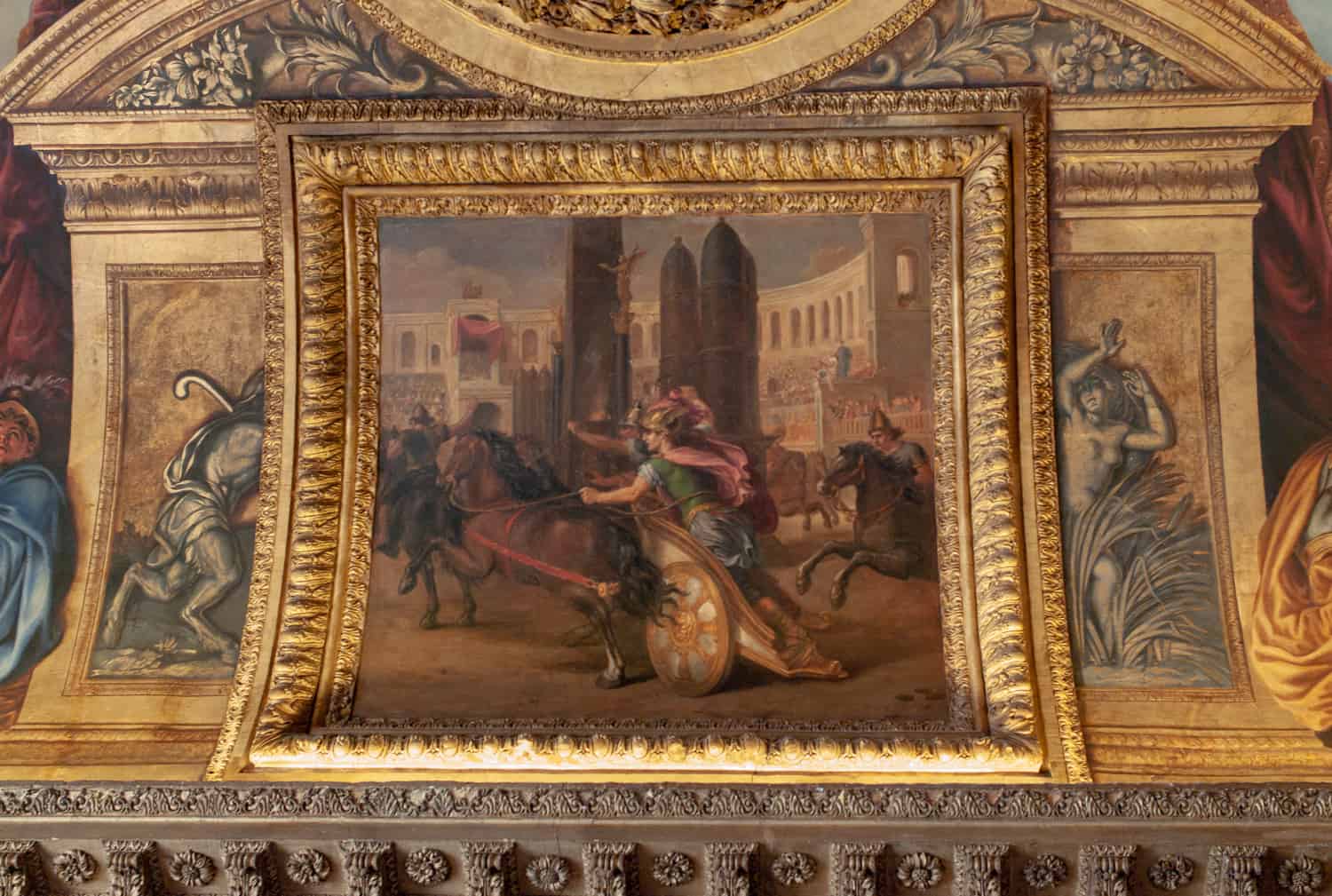
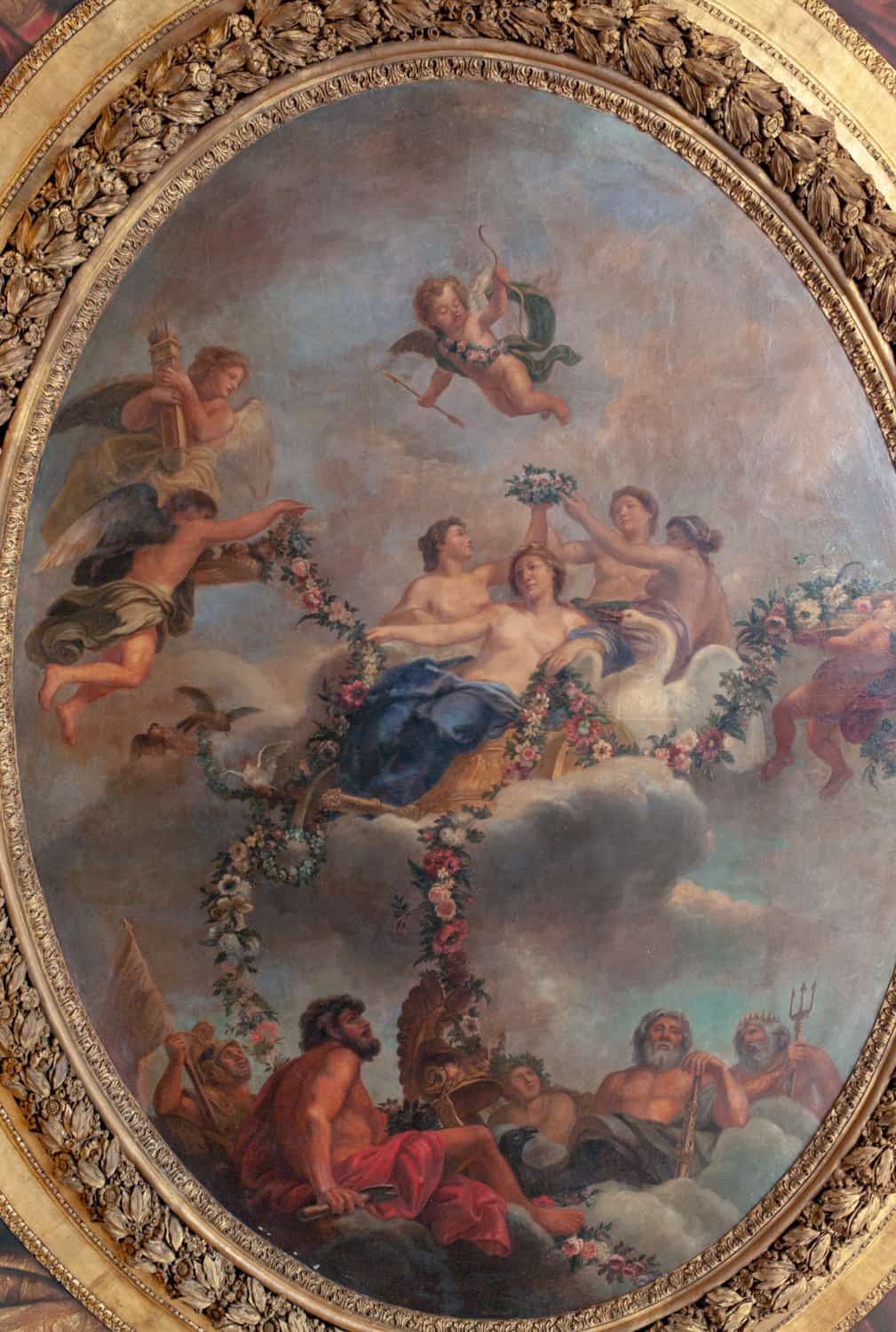
The first structures that make up the Louvre we know today were built in the 1100’s and were part of the fortifications of Paris. The structure was expanded over the centuries and at one time, the Louvre was a royal palace. To get a proper sense of this palatial history, look up at the ceilings:
——
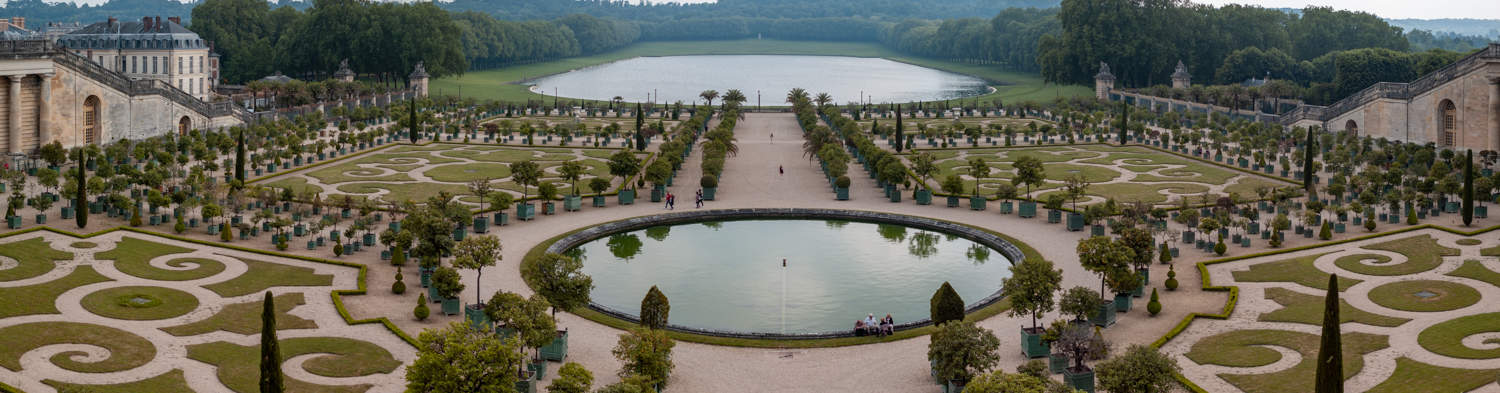
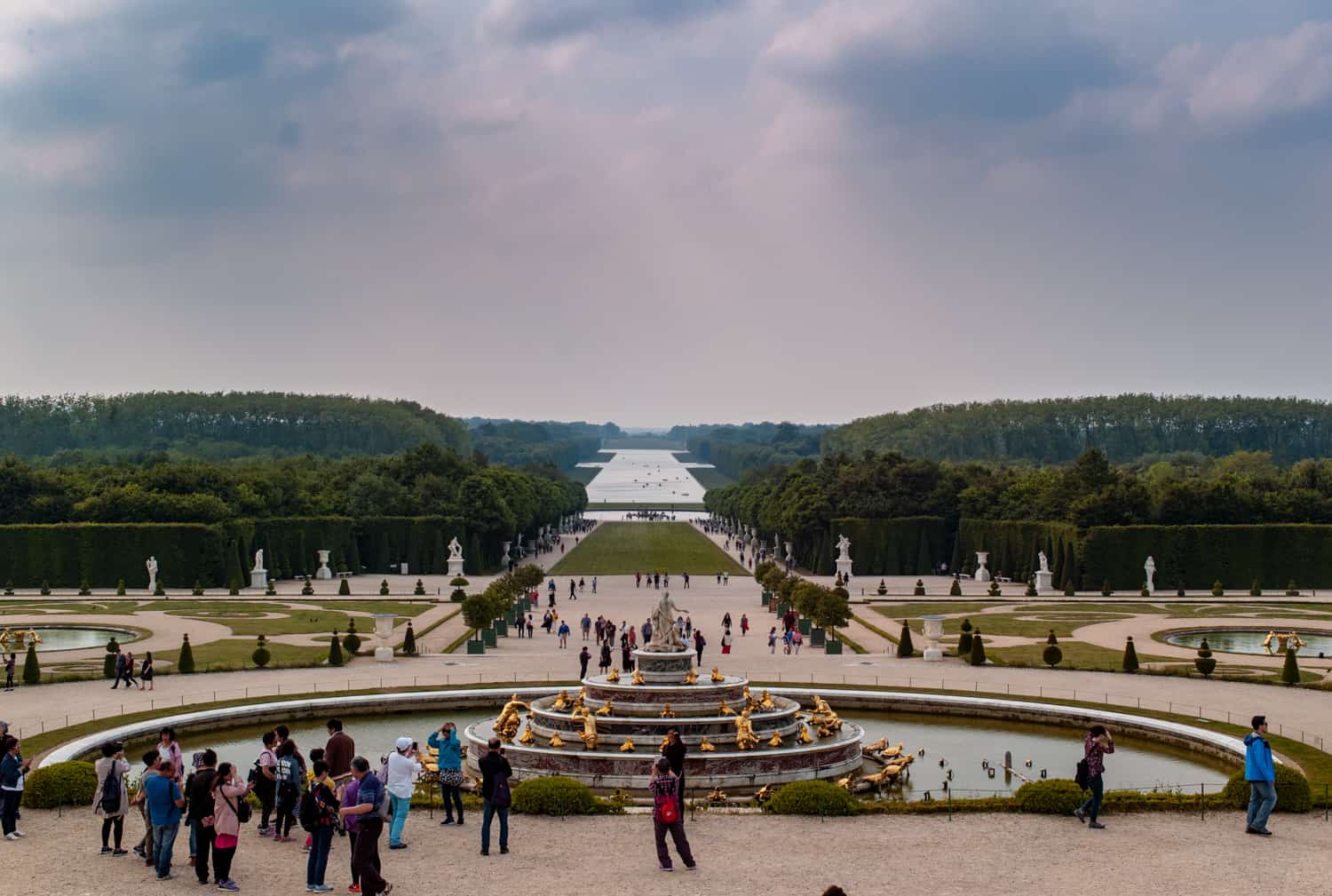
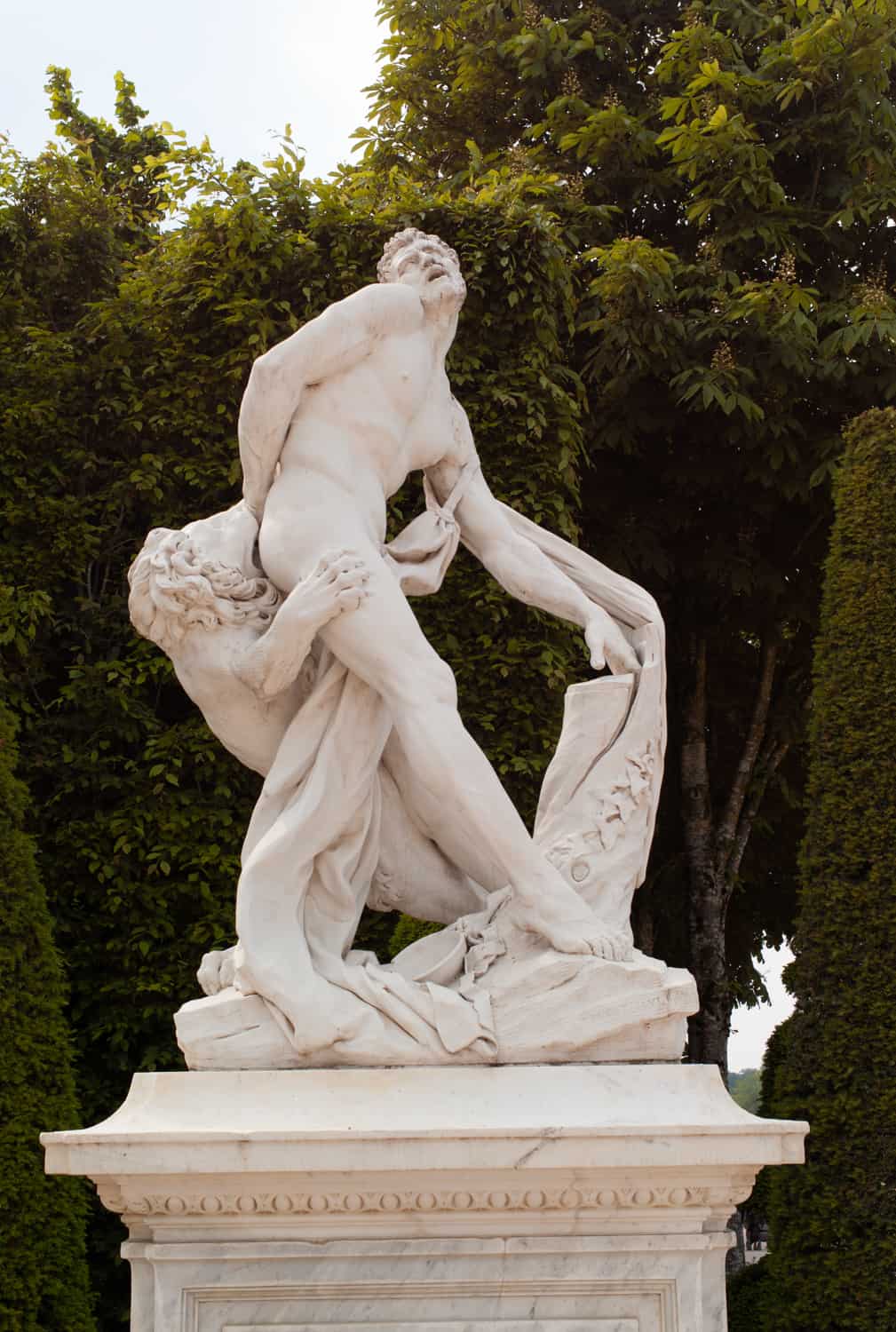
The Palace of Versailles
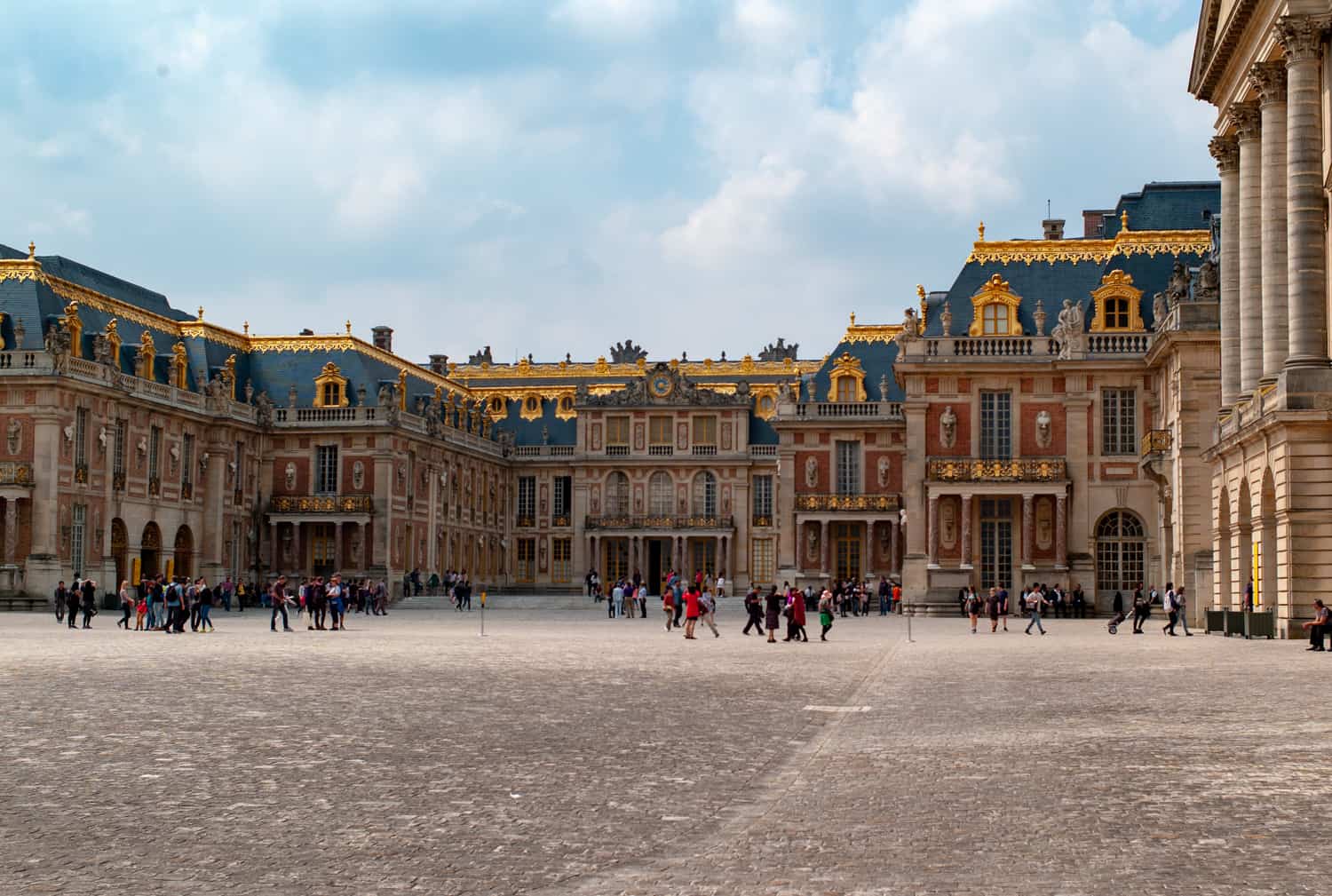
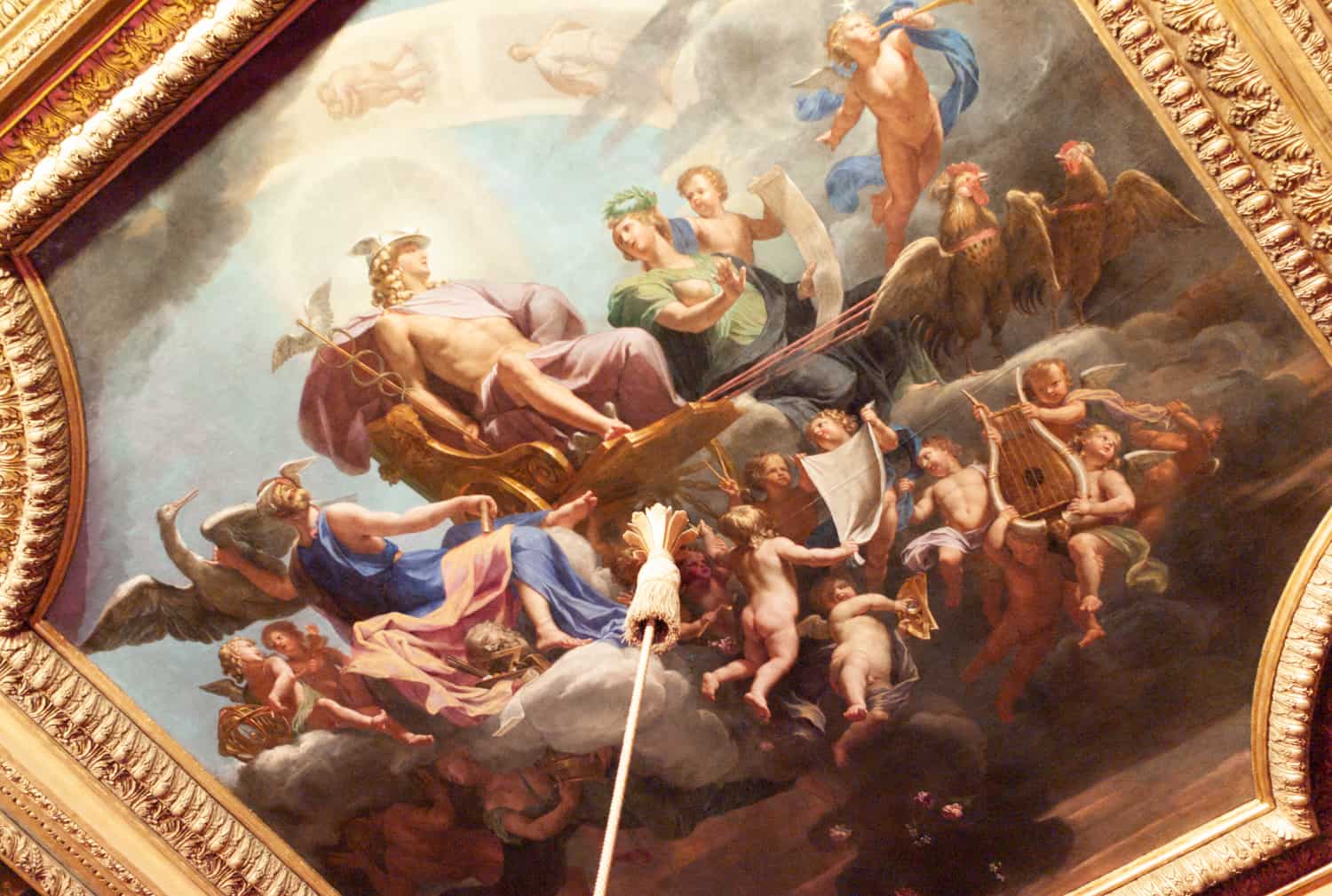
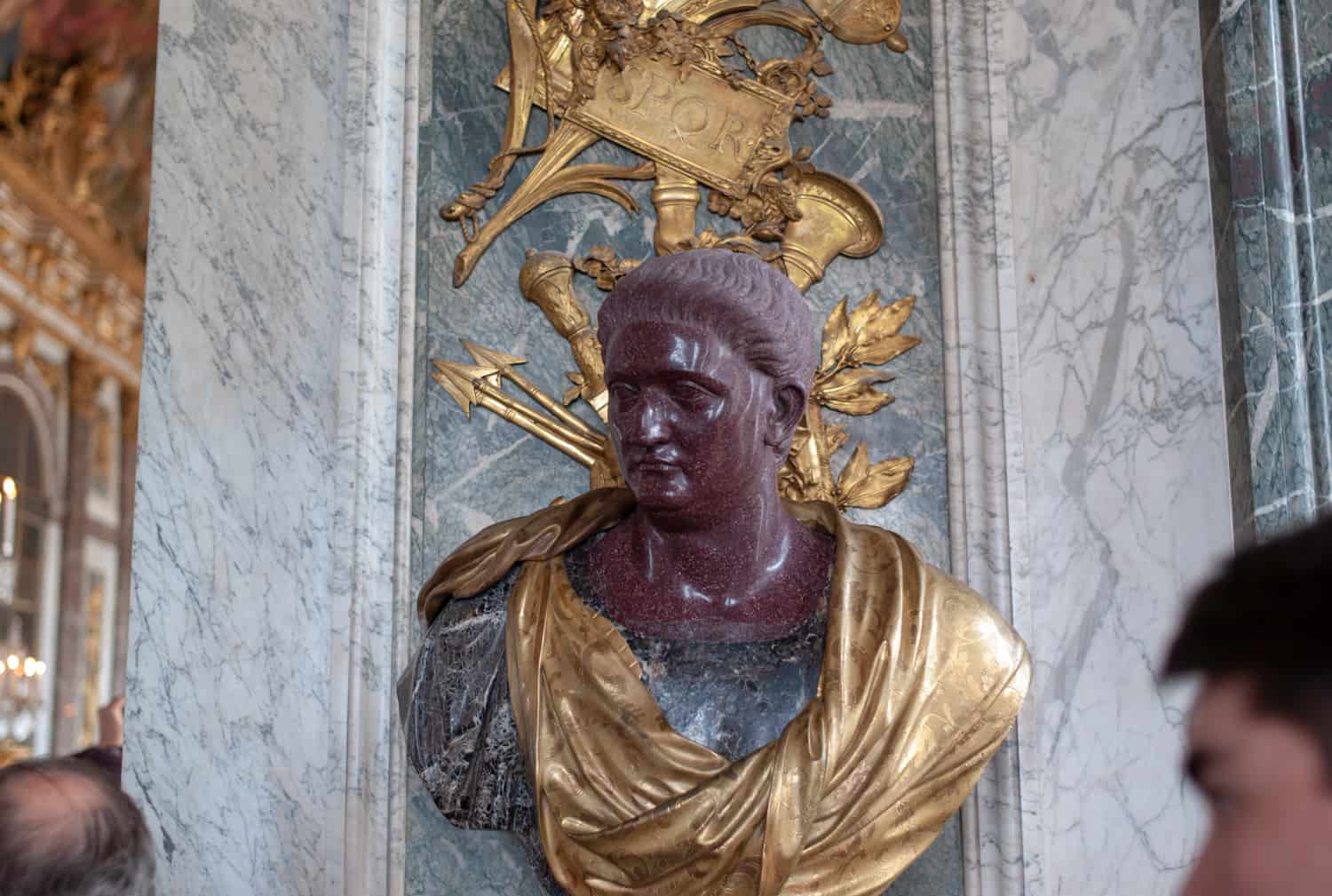
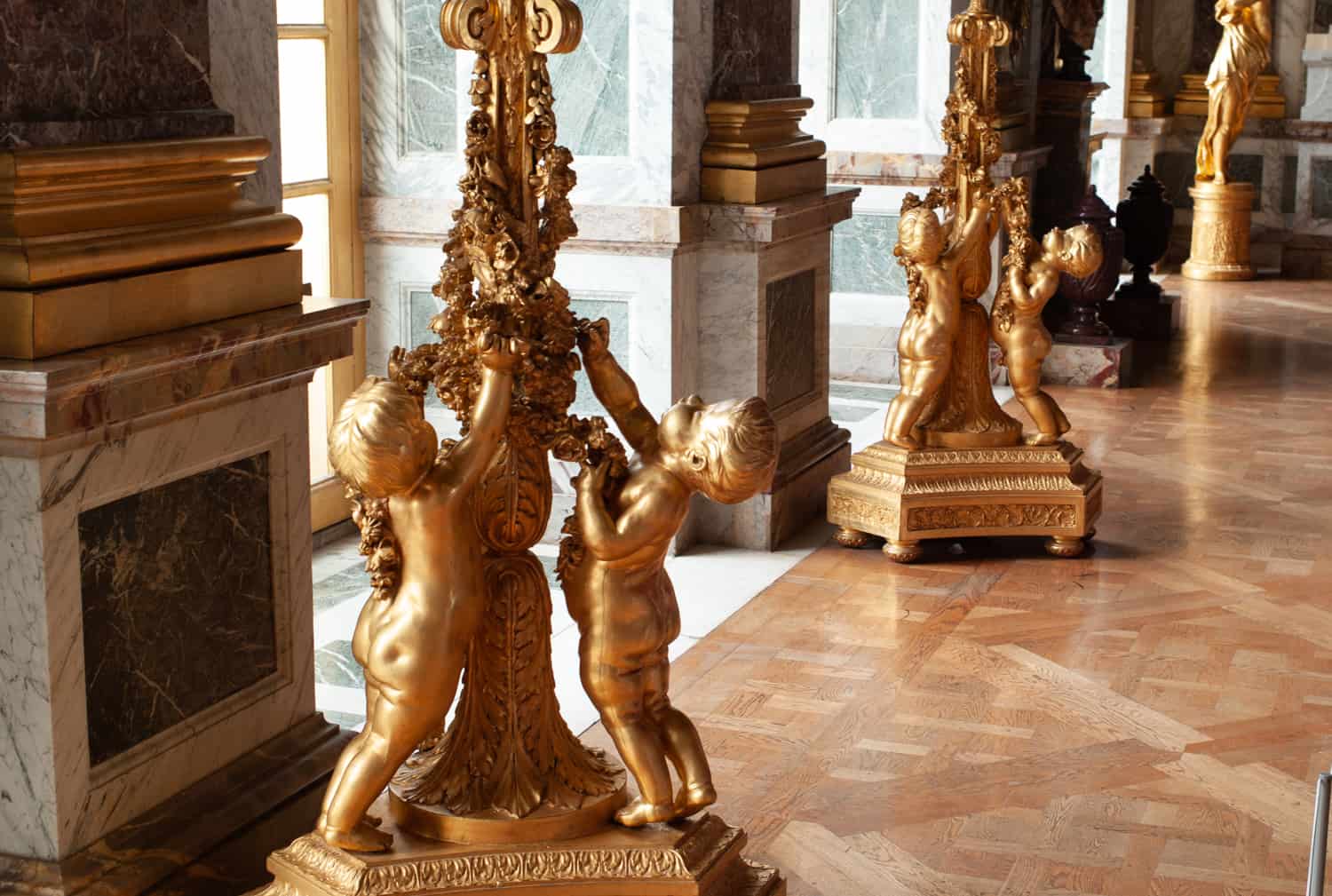
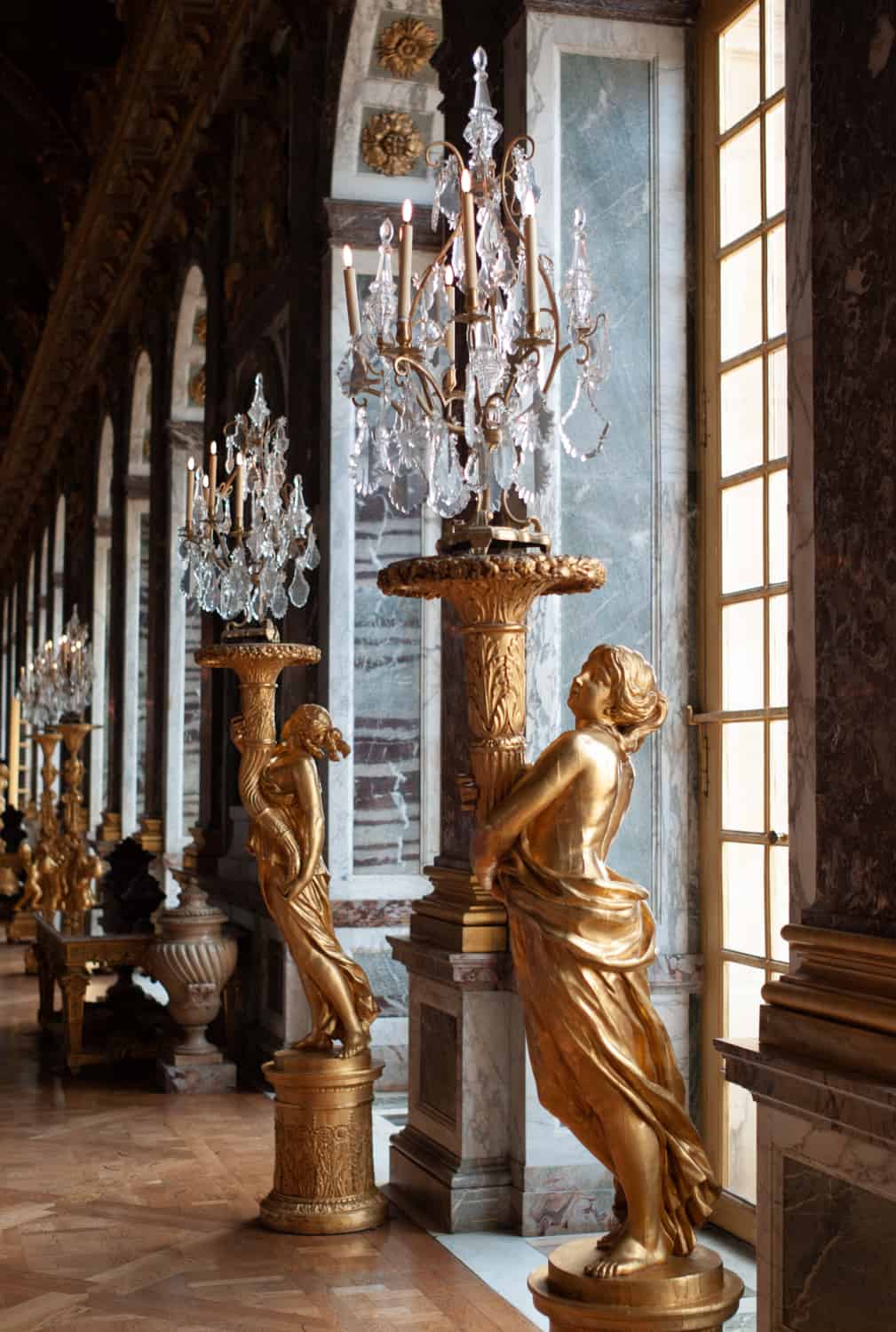
If you want a reason for the French Revolution in a nutshell, take a look at the Palace of Versailles. While the country at large was struggling, its people hungry, the royals were spending the modern equivalent of over $2Billion USD (bear in mind that 1600-era economies weren’t particularly large) on an indulgence.
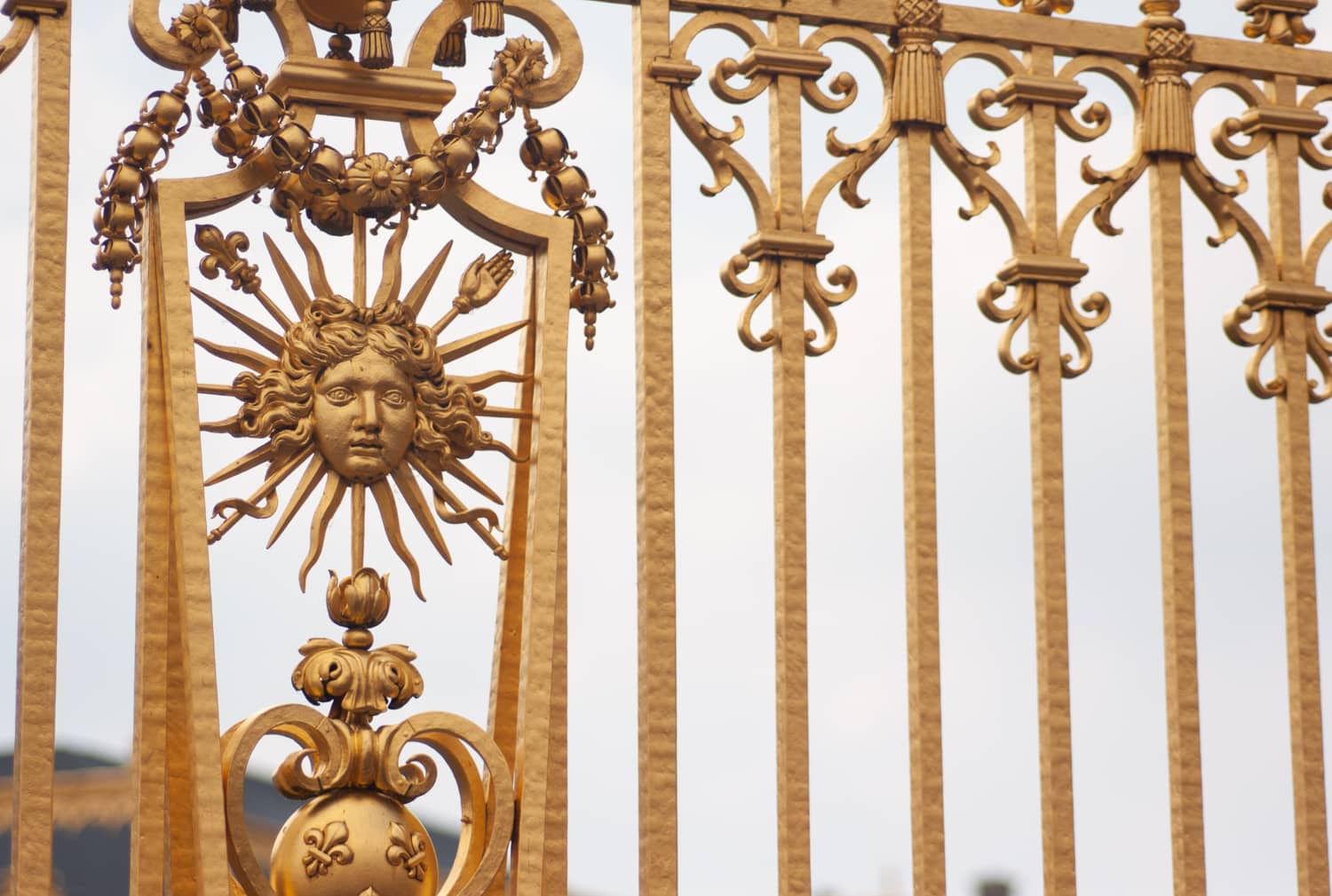
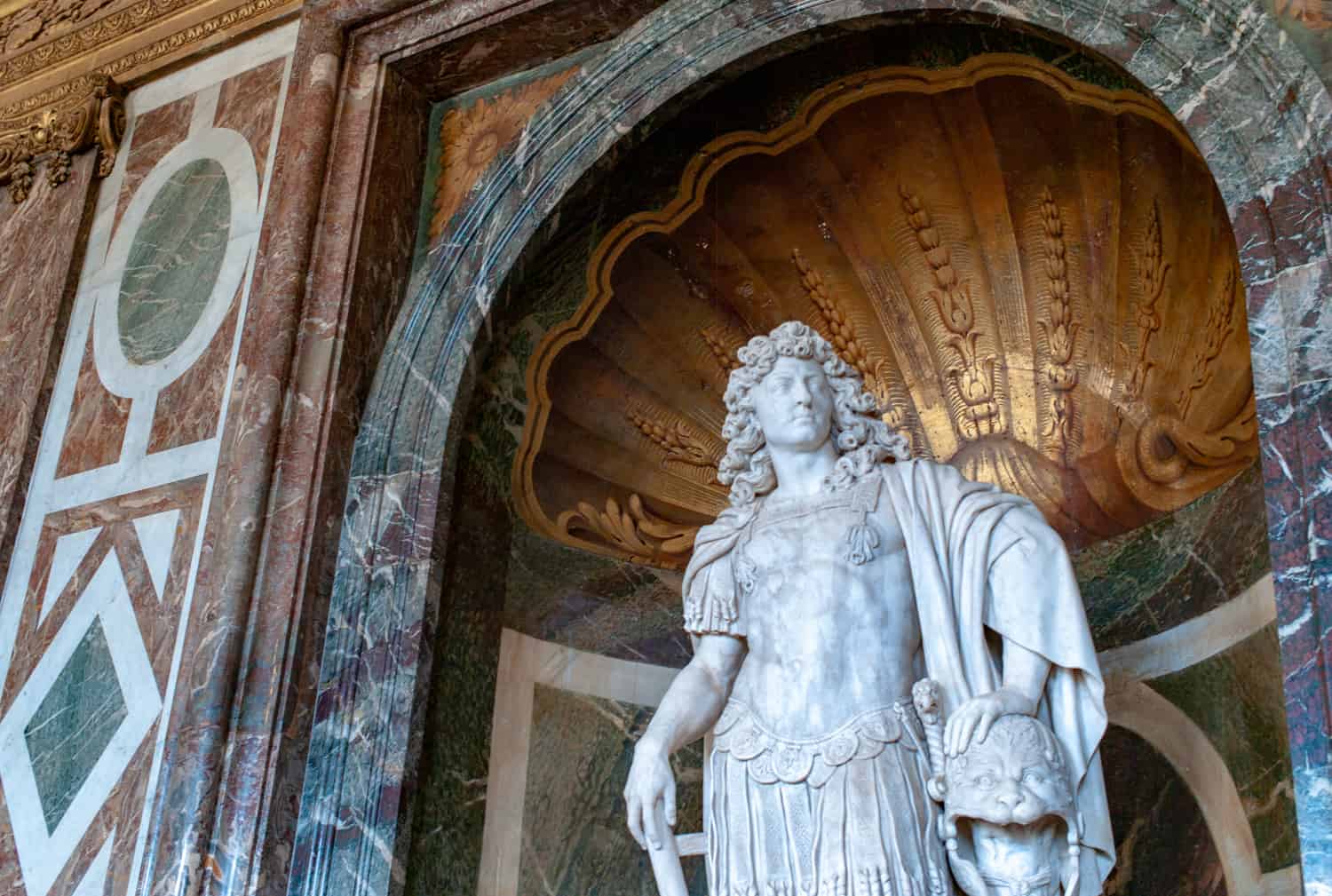
The Palace of Versailles started life in the early 1600’s as a hunting lodge but the ascension of Louis XIV to the throne saw it transformed into the sprawling, opulent estate we see today. It was so opulent, in fact, that Louis pretty much refused to leave and made it the seat of the French monarchy and government in 1682, providing rooms for his 3000 most loved courtiers at the palace and 17,000 more in the village of Versailles.
Subsequent additions by Louis XV and Louis XVI made it even more luxurious but all that came to a sudden end in 1789 with the beginning of the French Revolution. The Palace was emptied of its furnishings, though thankfully, it wasn’t destroyed.
While once a statement of greed and indulgence, the Palace of Versailles is now one of the republic’s great ambassadors. It stands as a monument to that particularly French commitment to doing things in very grand style.
As it says on one of its buildings – “For all the glories of France”
——
All the photos above were taken with the Leica M8.2.
Lenses used were a 35mm Summicron f2 and an old 90mm Tele-Elmarit f2.8.
The minimal processing that was done (light and contrast mostly, very minimal colour processing in order to preserve the unique nature of the CCD sensor) was done in Lightroom. This includes all the black and white conversions.
As I’ve immersed myself more in the world of photography, I’ve developed the typical photographer’s bucket list of places to visit. The lake district in England, the peak district, the Dolomites in Italy, Iceland, Paris, Yosemite, Zion and many more – including Scotland.
This trip was part vacation and part self-examination. Could I get to one of the world’s photographic hotspots, camera(s) in hand, and not make an idiot of myself?
I flew into Edinburgh, picked up a hire car (Audi A1 S-Line – uninspiring but quite competent, even fun when pushed) and headed for the hills. It wasn’t my first time in Scotland, but it was my first time outside of Edinburgh. A friend had raved about Skye (well, about Scotland in general, really) and given its popularity as a photographic destination, I figured it OK to kill two birds with one stone – find some of the Scottish magic I’d heard so much about and take pictures of it.
Did I meet my goals?
Yes.
Scotland definitely has an element of magic to it. It reminded me a lot of Tasmania, actually. There’s a certain hardiness and creativity about the people there, and a definite connection between those people and the land they live on.
Scotland is an astoundingly beautiful place, much more than I imagined. It’s rugged and delicate at the same time – a true feast for the eyes (thanks, PJ). Everywhere I went I was surrounded by majestic mountains, many still wearing their snowcaps – a remnant left behind by The Beast From The East.
It’s hard to take a bad picture in Scotland, to be honest, so I’m not sure how to judge the images I came away with. Suffice to say, though, that I’m pretty happy. Whatever people might think about the objective quality of the photos you’ll see below, the process of taking them and putting them together was thoroughly satisfying.
Scroll to the end for techy details, if you like.
And as always, click to enlarge. Best viewed on a big screen, I think.
Glencoe
The Glencoe Valley is full of chocolate-box landscapes. It’s as if a giant oil painting is unfolding before your eyes while you drive down the highway.
I spent two fantastic days driving and walking through the place. I stayed at Glencoe Cottages, choosing their budget option. It was OK for two nights, though it might have tested my resolve if I were to stay any longer. I splashed out for my four nights at Skye.
Enough talk. Let’s look at some pictures.
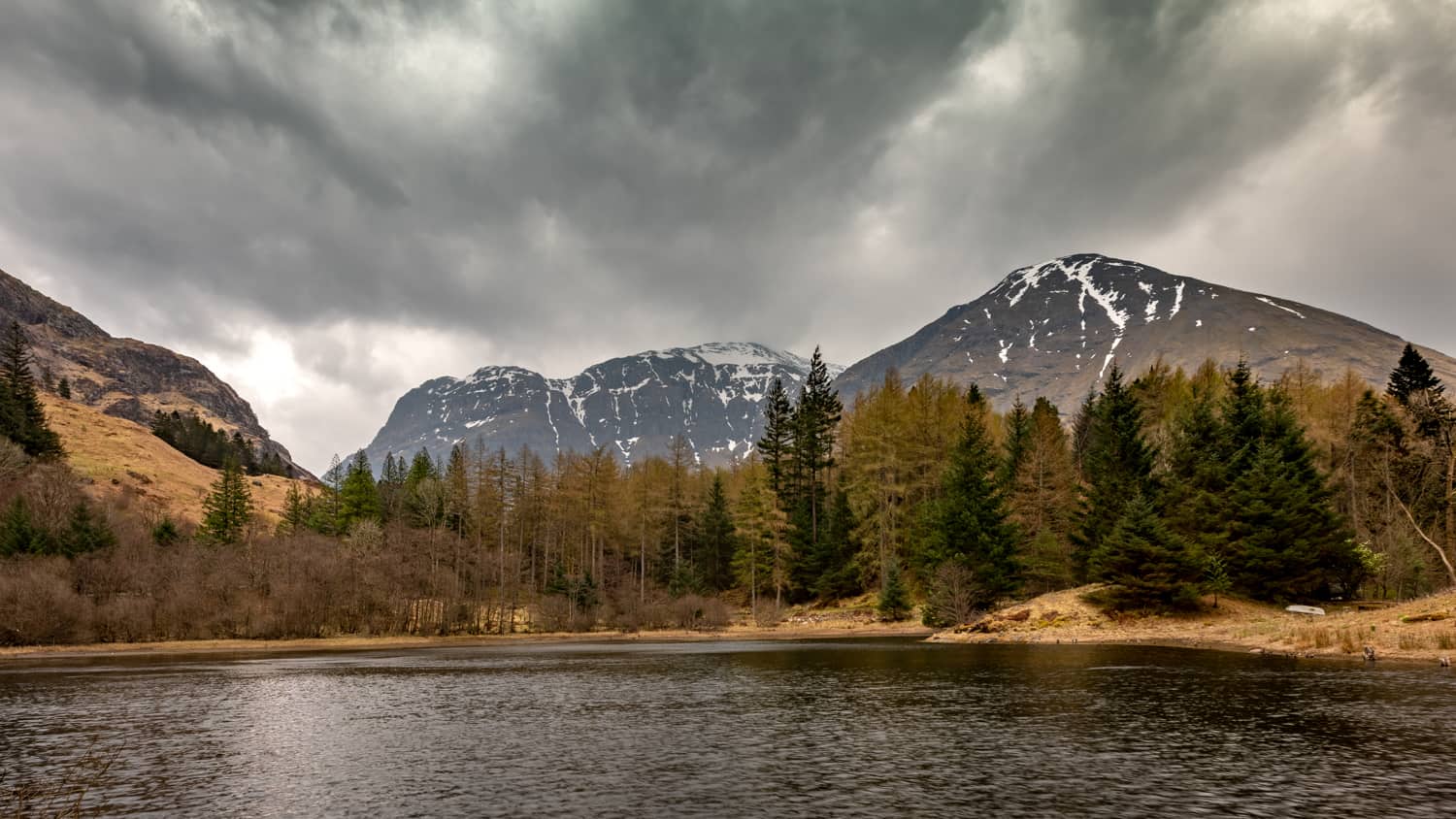
My first shot in Scotland. Glencoe Cottages has a small loch along their driveway so I didn’t even have to walk far for this one.
Get used to the moody, grey skies. You’ll see a lot of them in this section.
Nikon D810, 17-35mm, ISO64, f13, bracketed
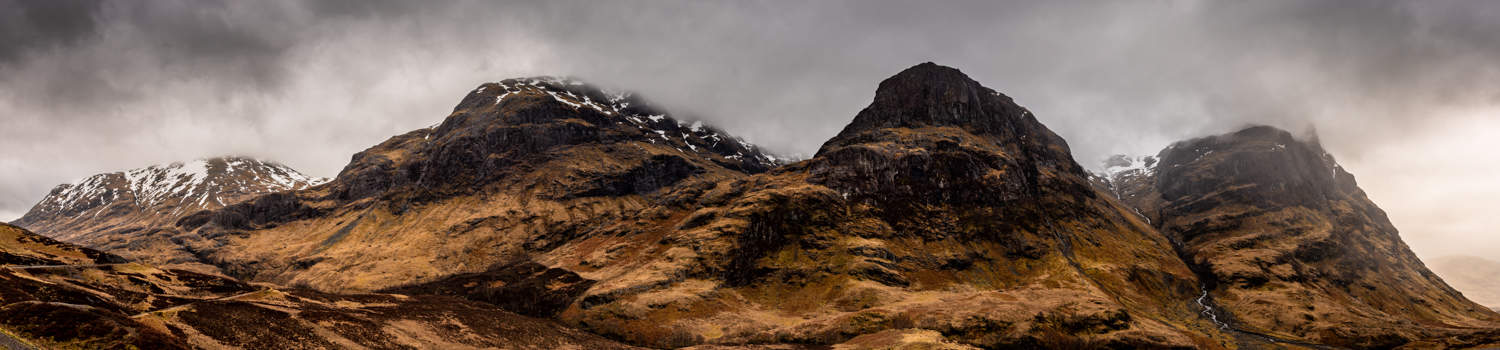
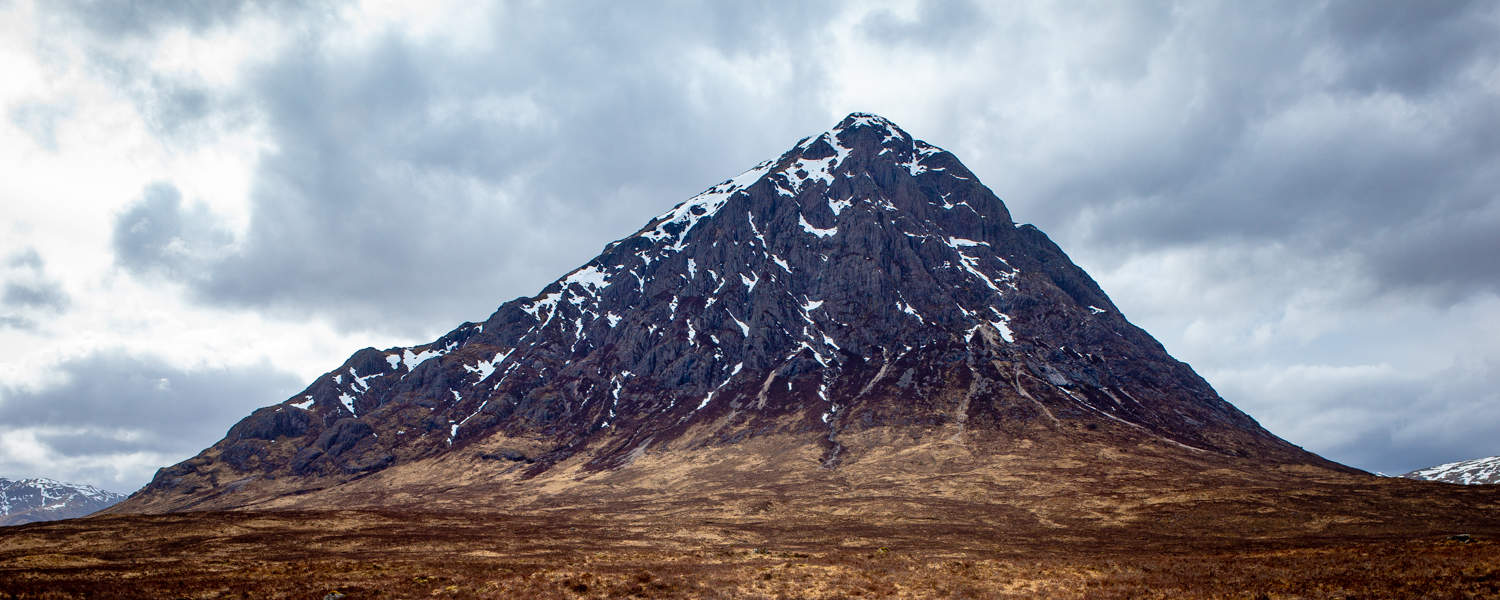
The image below is a panorama made up of five separate images. It’s massive – around 15,000px across.
The three mountains on the right are called the three sisters. I snuck another mountain in on the left and will hitherto refer to them as the Glencoe Beatles.
I plan on printing this one in large format for my living room.
Nikon D810, 24-70mm, ISO64, f10, panorama
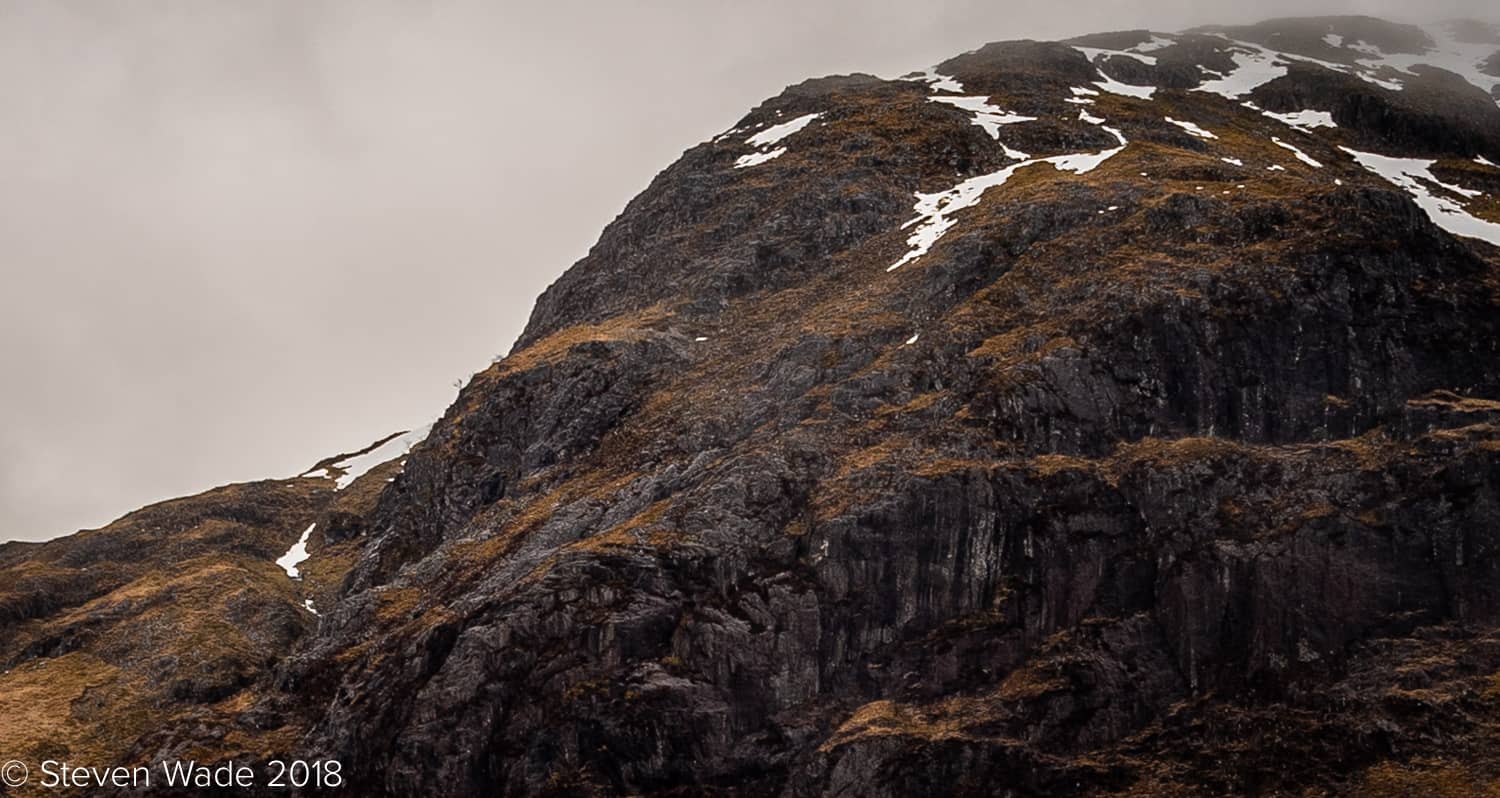
For those of you who like details, here’s a 1:1 crop from a section of the full-size image.
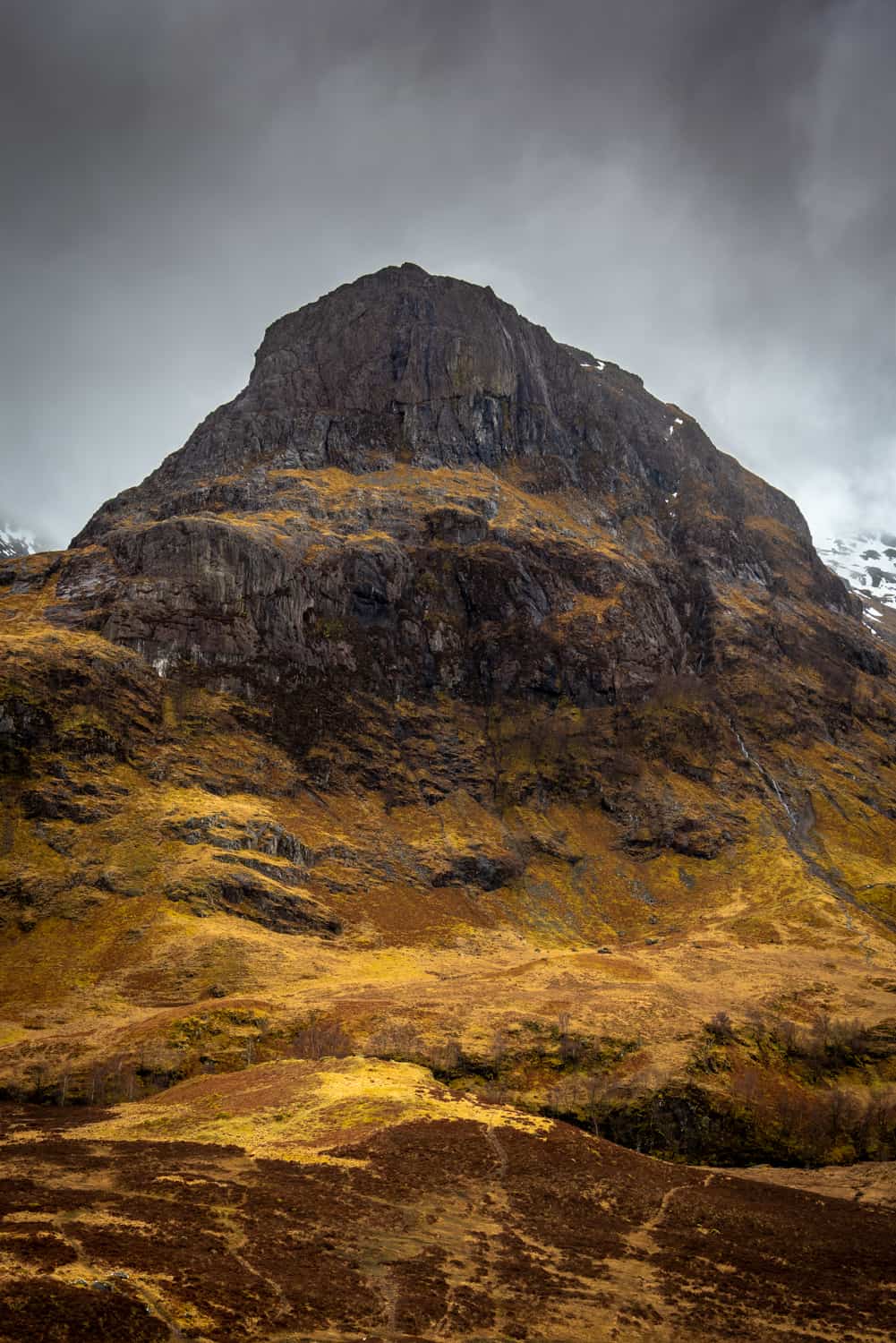
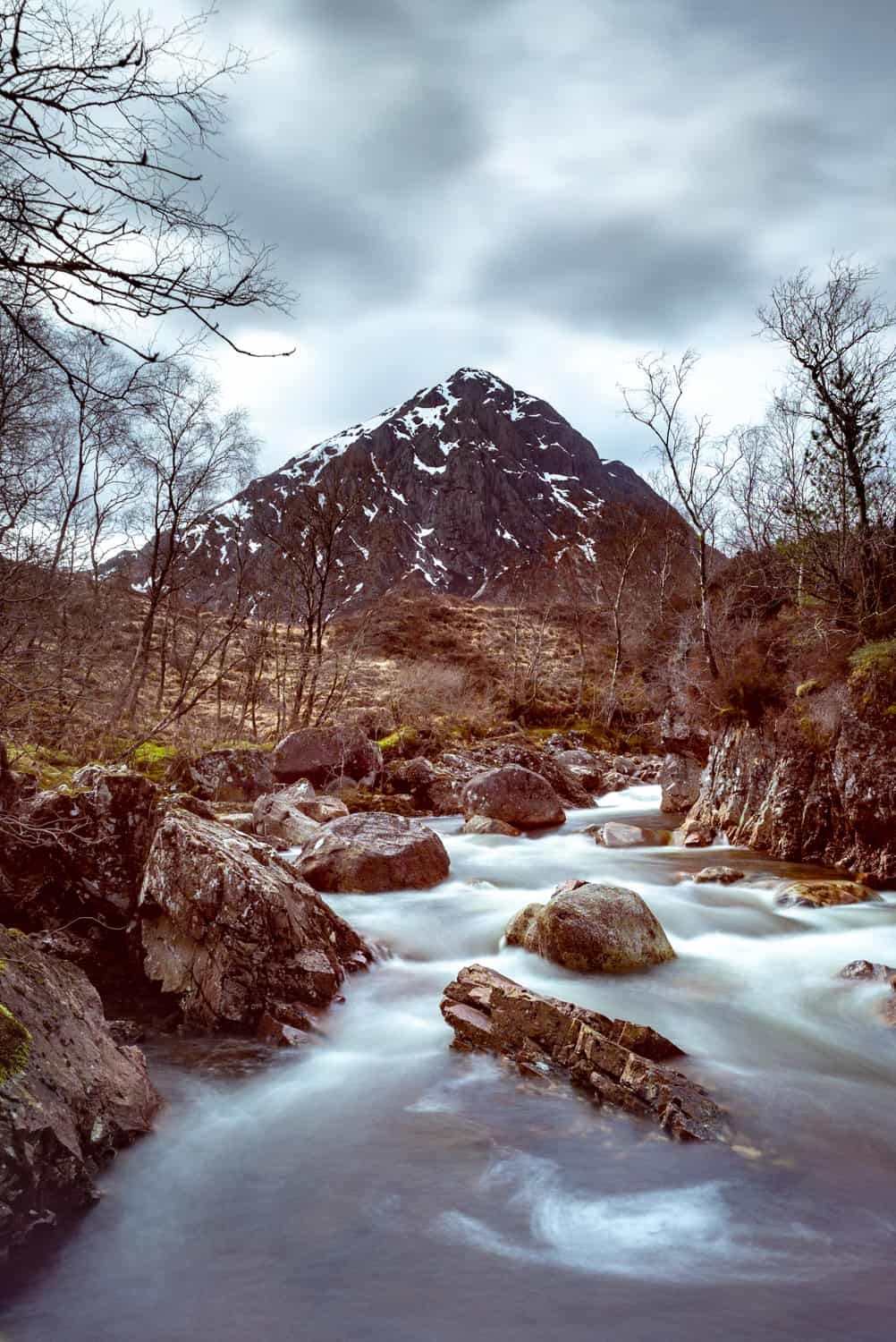
The mountain below is one of the three sisters on its own. To give it a sense of scale, I included the trees alongside the small S-shaped creek running across the bottom third of the frame. They might be hard to see at this size.
Nikon D810, 24-70mm, ISO64, f10, bracketed
This shot was taken with a 10-stop ND filter (a ‘big stopper’, as they’re known), which gave me a 4-second exposure, smoothing out the water in the creek.
Leica M240, 21mm, f4, ISO 200, bracketed
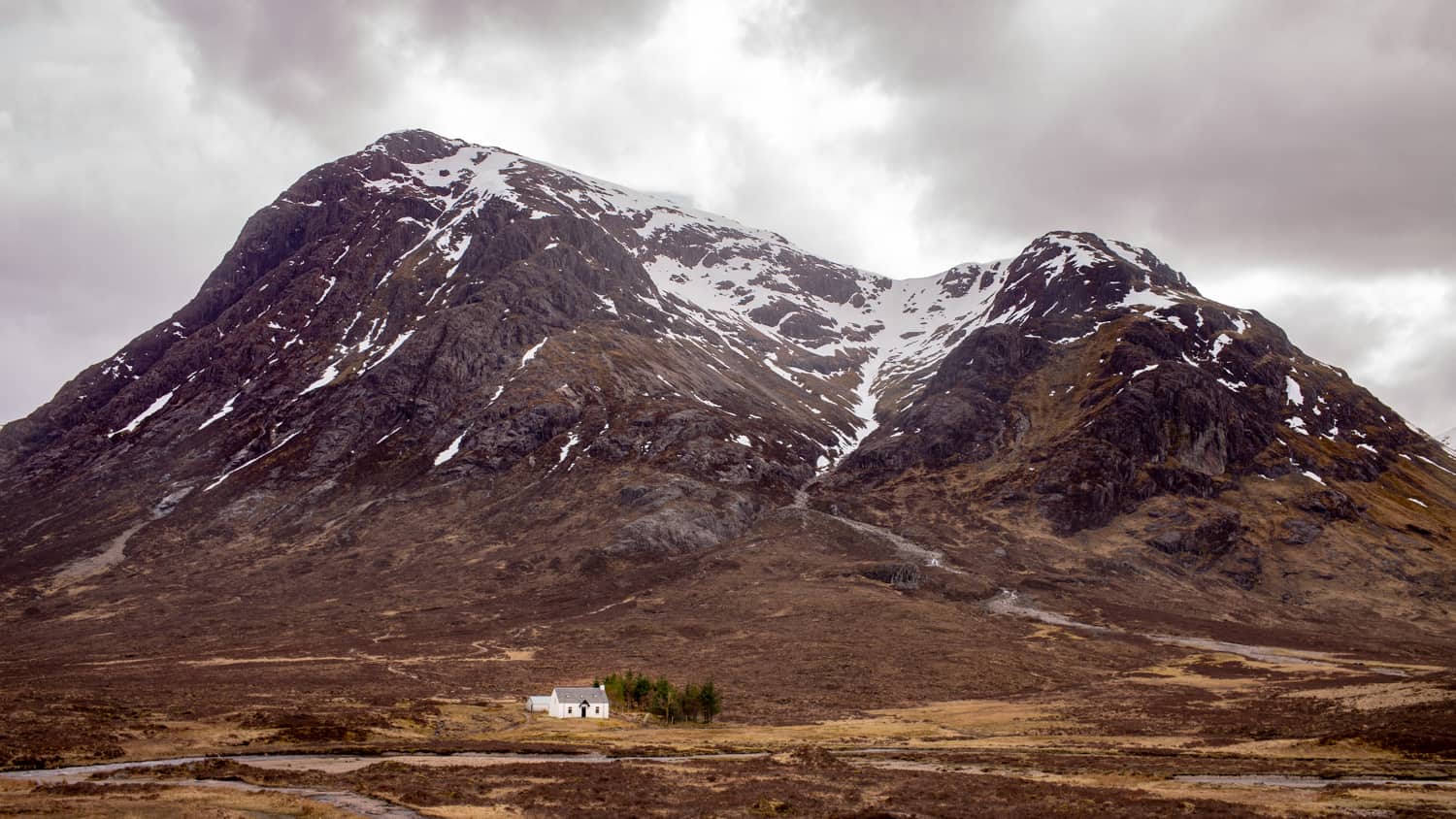
This is the same mountain from the previous shot, but on its own.
There are several small cottages at the foot of the mountains in Glencoe and yes, they’re occupied. What a place to live! Having the cottage in the foreground gives a real sense of scale.
Leica M240, 35mm, f13, ISO 200, bracketed
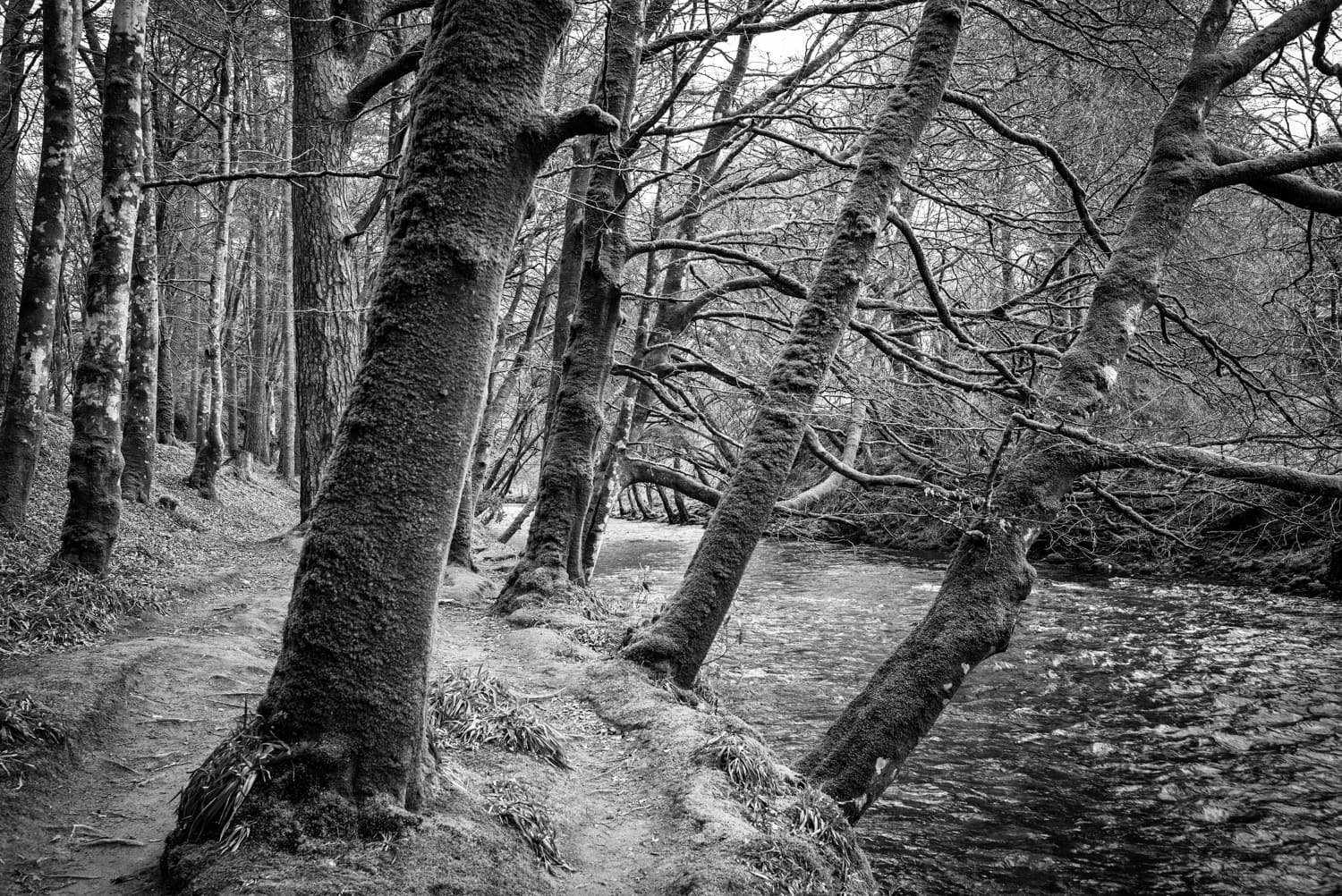
Glencoe is, by definition, the glen along the River Coe. I shot this near the village of Glencoe and I found it far more haunting in black and white.
Leica M240, 35mm, f8, ISO 200.
Another long-exposure…..
Nikon D810, 17-35mm, f8, ISO 64, bracketed.
Glencoe presents classic image after classic image, everywhere you look. The road to Glencoe does the same, as does the road between Glencoe and Skye. If I’d stopped to take every shot, I’d never have made it back to Sweden.
So, trying to maintain some discipline, I forced myself from the beauty of Glencoe
and made my way to……
——
The Isle of Skye
That I was driving past Glencoe to get to Skye was a massive bonus – Skye was the real reason for my trip.
I spent my evenings on the Isle of Skye at Hillstone Lodge and if you stay anywhere else when you visit Skye, you’re mad. Russell and Patrice have an outstanding home near Dunvegan and it was pure pleasure to stay with them for four nights (and no, I don’t know them, aside from being a paying guest at their place).
The Old Man of Storr
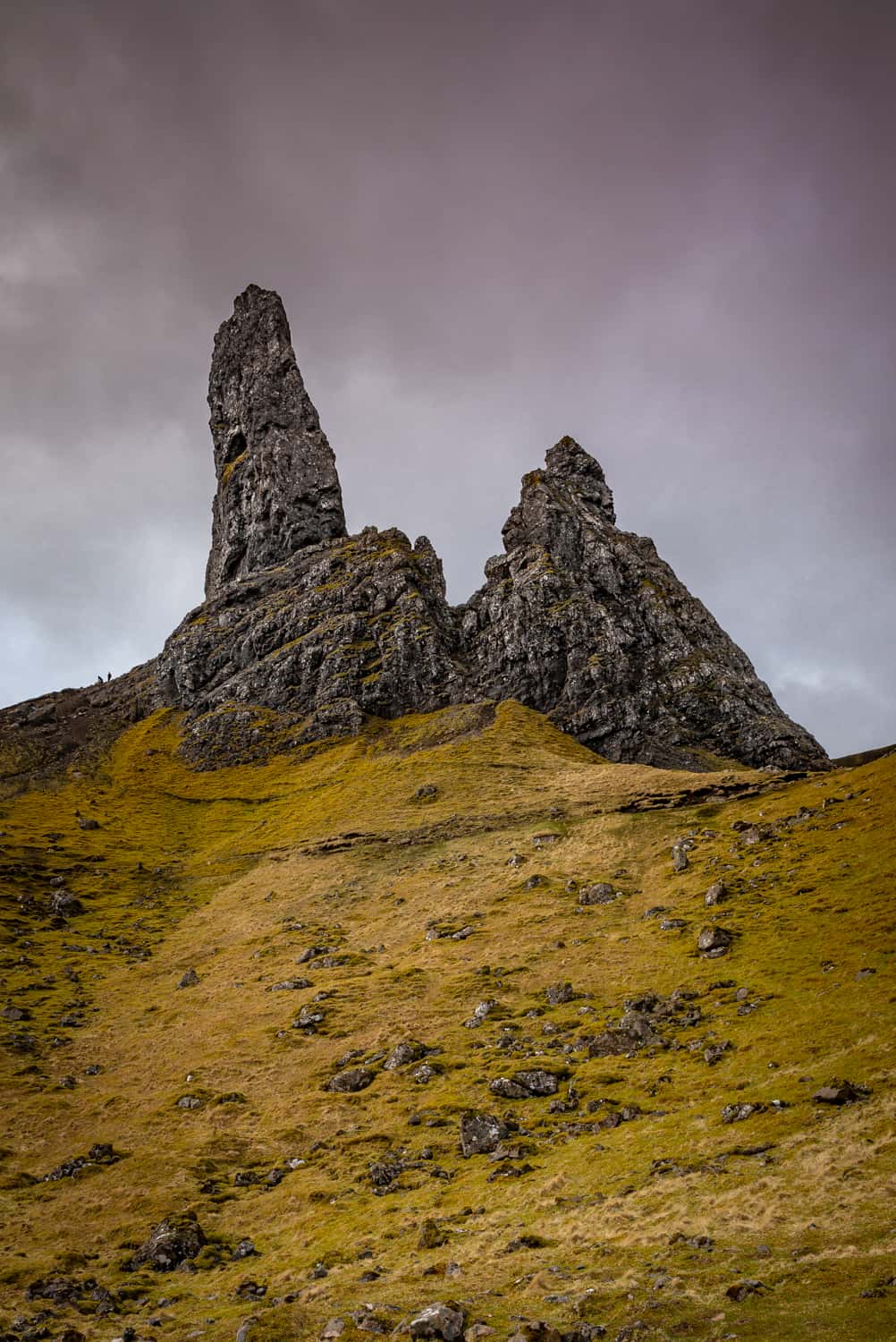
This is not your usual image of the Old Man. The usual image is taken side-on during a stunning sunrise with the distant lakes in the background. Like this.
I didn’t have any stunning sunrises while I was on Skye. I did my one (exhausting!) trek up to the Old Man as a recce, just in case the forecast had something promising for me. It never did, sadly. I snapped this image while I was up there just to prove I’d been.
For scale, check out the two tiny humans silhouetted on the left.
Leica M240, 21mm, f11, ISO 200
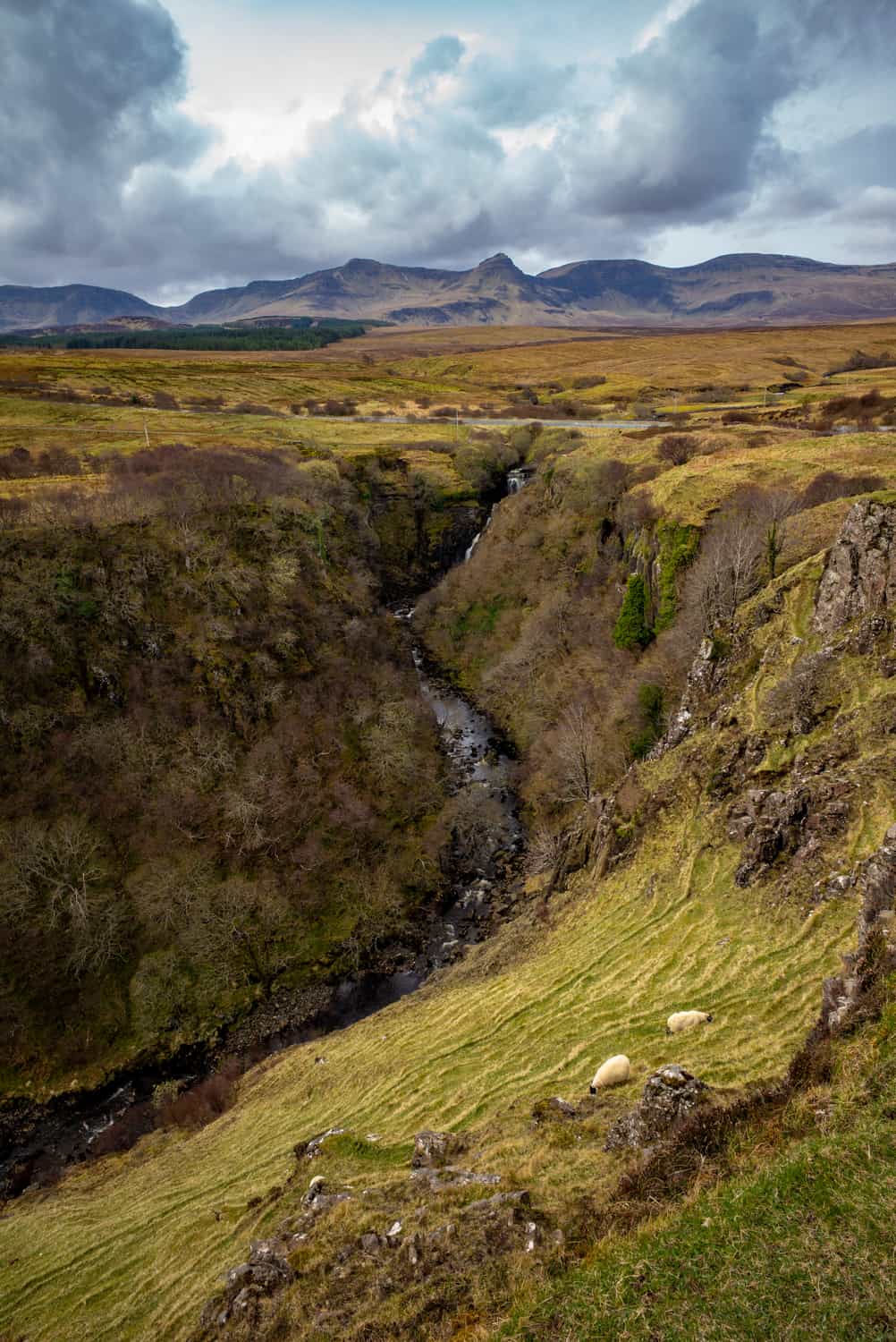
A little way north of the Old Man, there’s a popular stop that looks into this ravine. I actually climbed down into the ravine to get some waterfall shots but this shot from the top, taking in the ravine, the grazing sheep and the dramatic background, was much more pleasing to the eye.
Leica M240, 21mm, f9.5, ISO 200
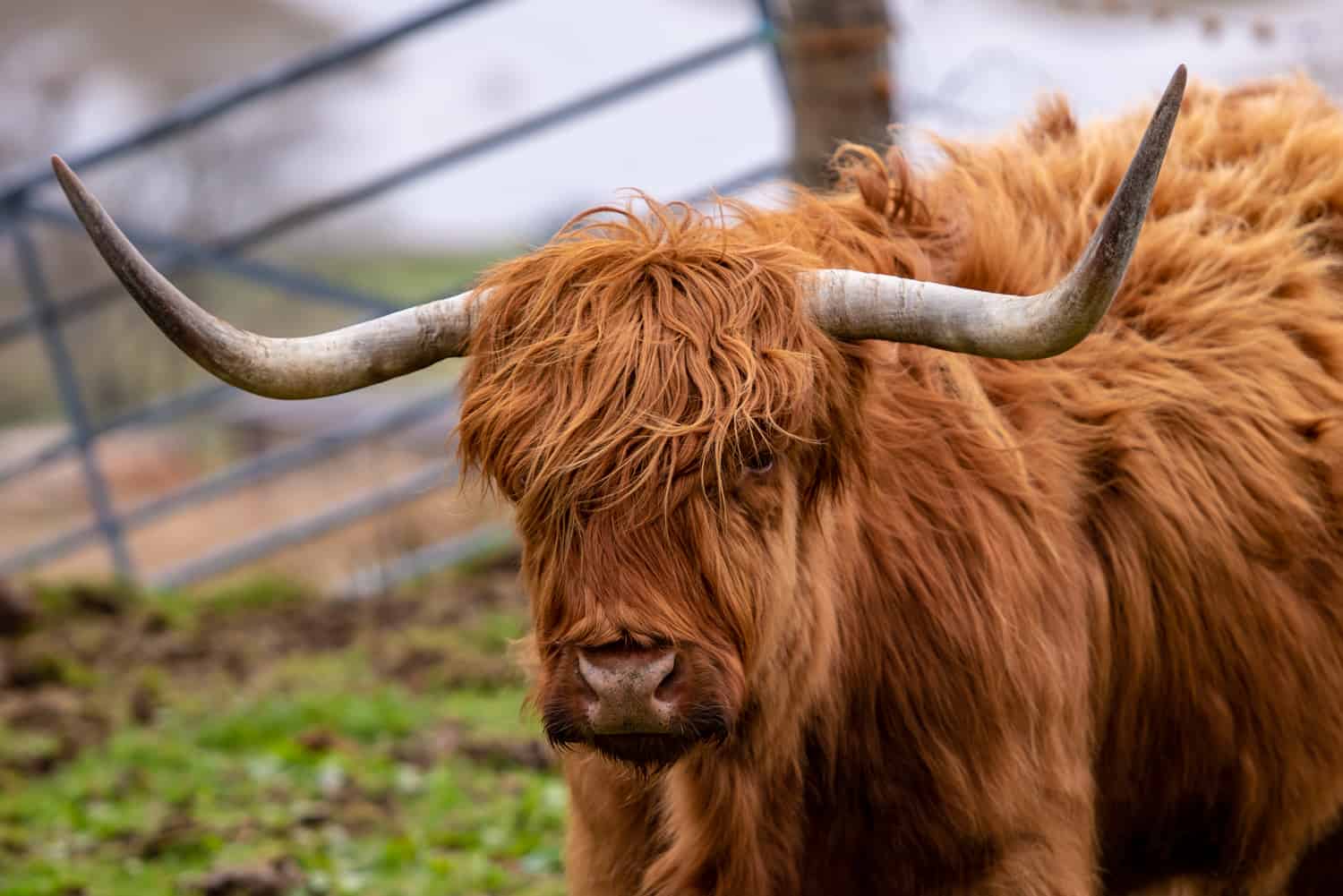
This highland cow wasn’t near the Old Man, but I’ll put her here anyway and claim it’s a livestock connection with the sheep, above. She’s very elegant, don’t you think?
Nikon D810, 70-200mm, ISO 64, f2.8
——
Neist Point
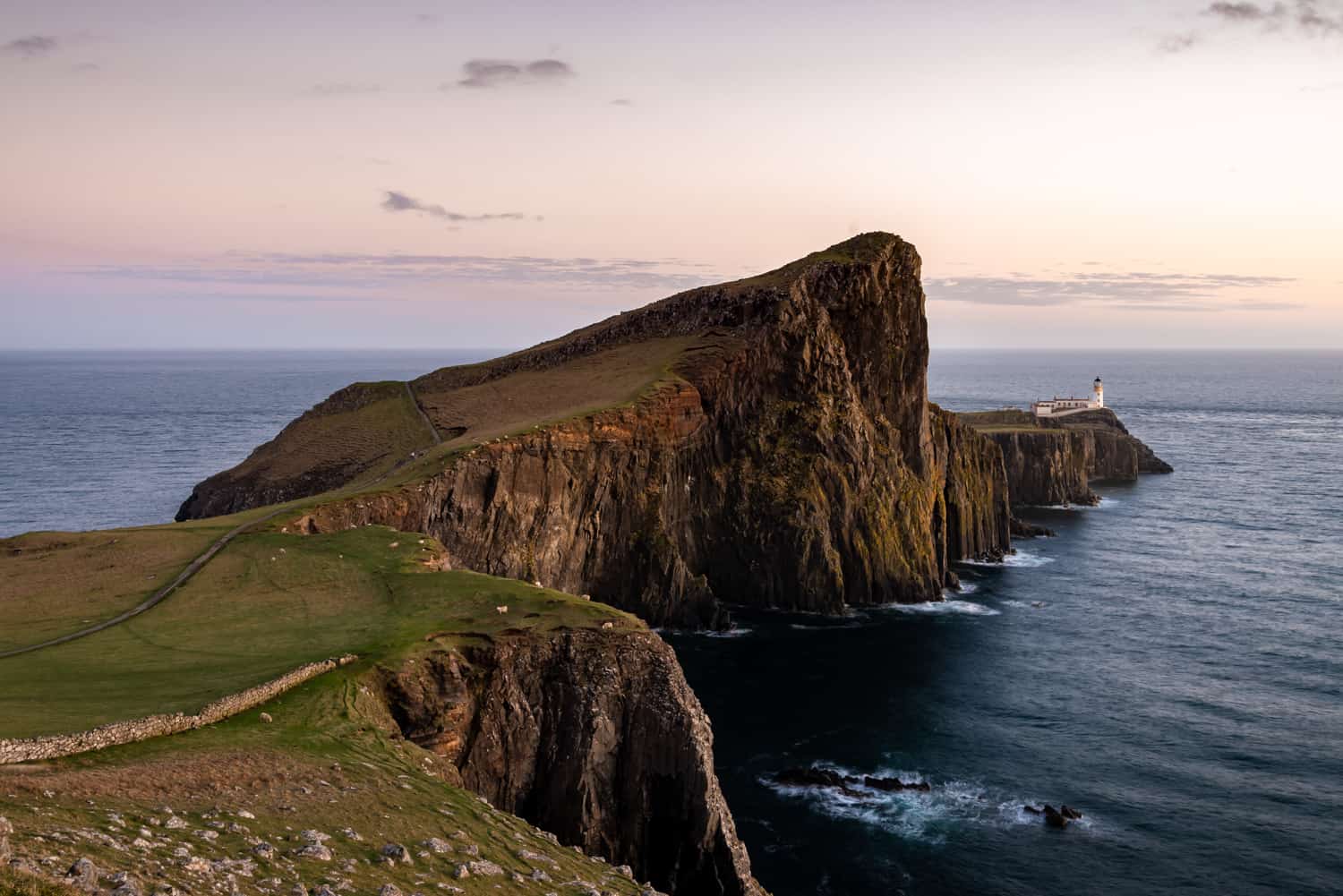
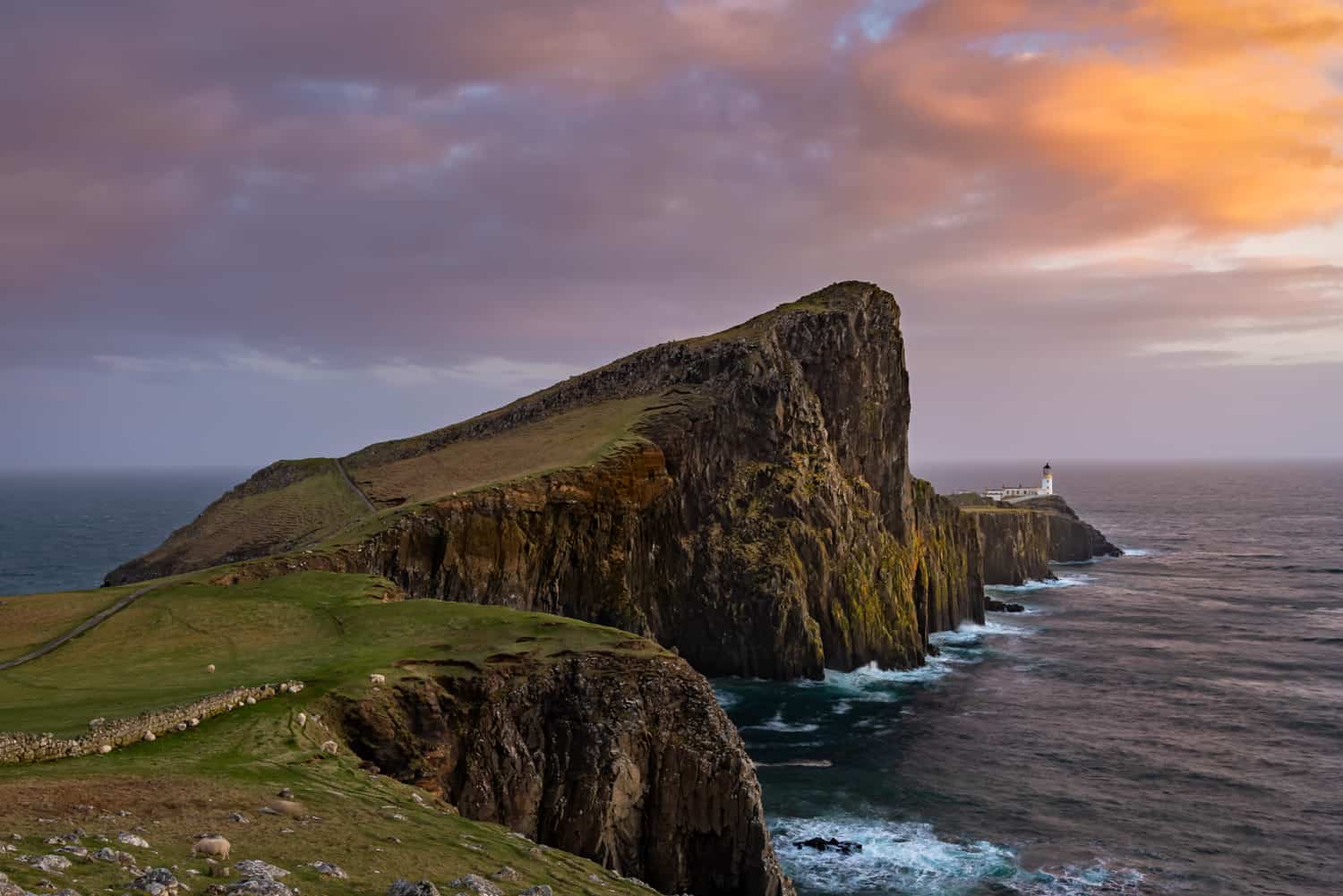
I spent a lot of time at Neist Point as it was only 20 minutes from Hillstone Lodge. Its best aspect is during sunset, so it was a nice way to end a day’s shooting.
The next two images are basically the same, but taken on two different nights. I like the composition in the first one better (the separation between the lighthouse and the horizon is the key), but I prefer the dramatic sky in the second one.
Nikon D810, 24-70mm at f11, ISO 64, bracketed.
Nikon D810, 24-70mm at f11, ISO 64, bracketed.
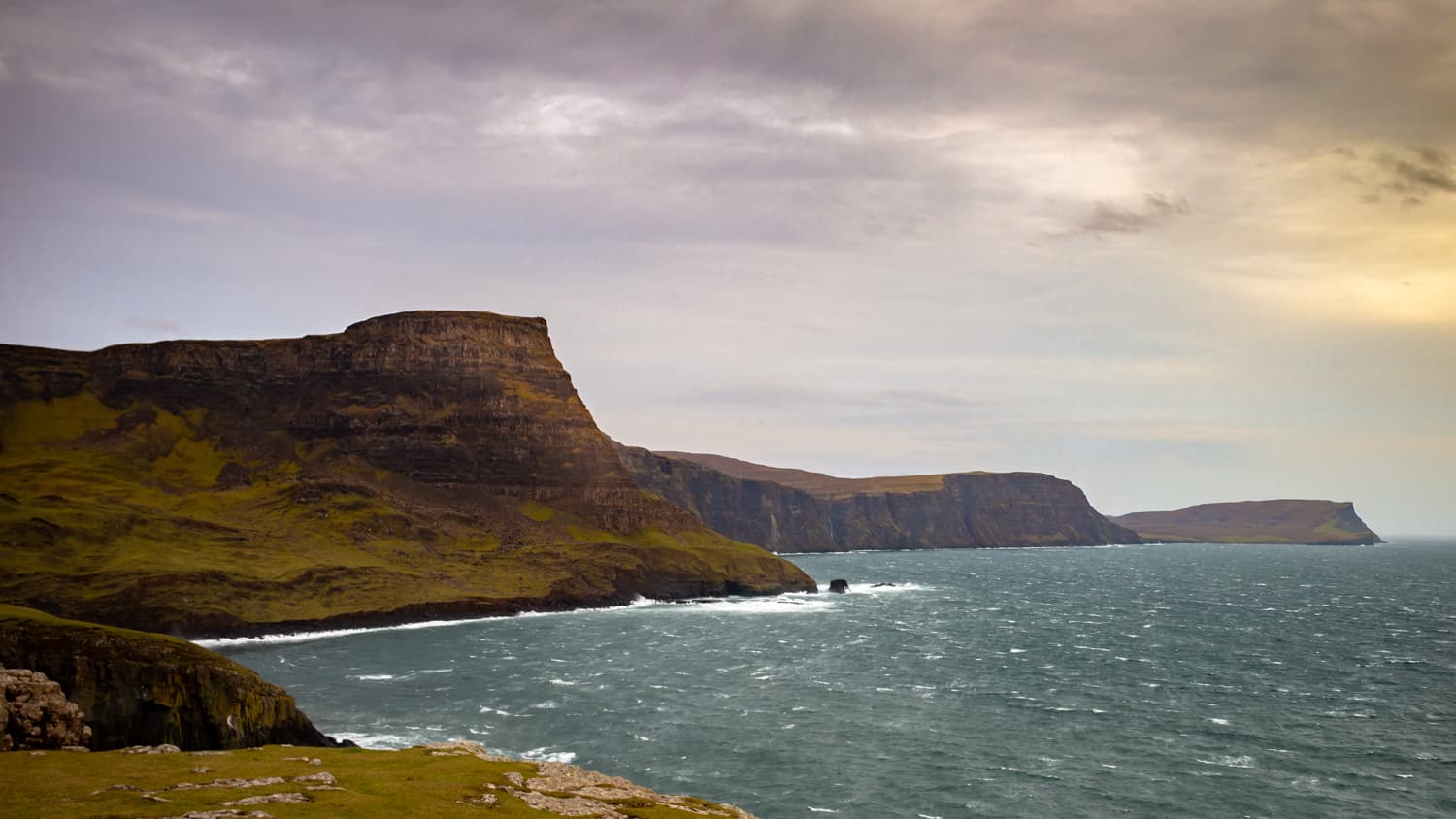
These cliffs are just to the left of Neist Point lighthouse. I had to lay on the ground to get this shot because the wind was SO prolific. The walk down to the point where I took this shot was into the wind and took me around 5 minutes. The walk up the hill, with the wind at my back, took around one minute.
Leica M240, 21mm, f4.8, ISO 200, bracketed
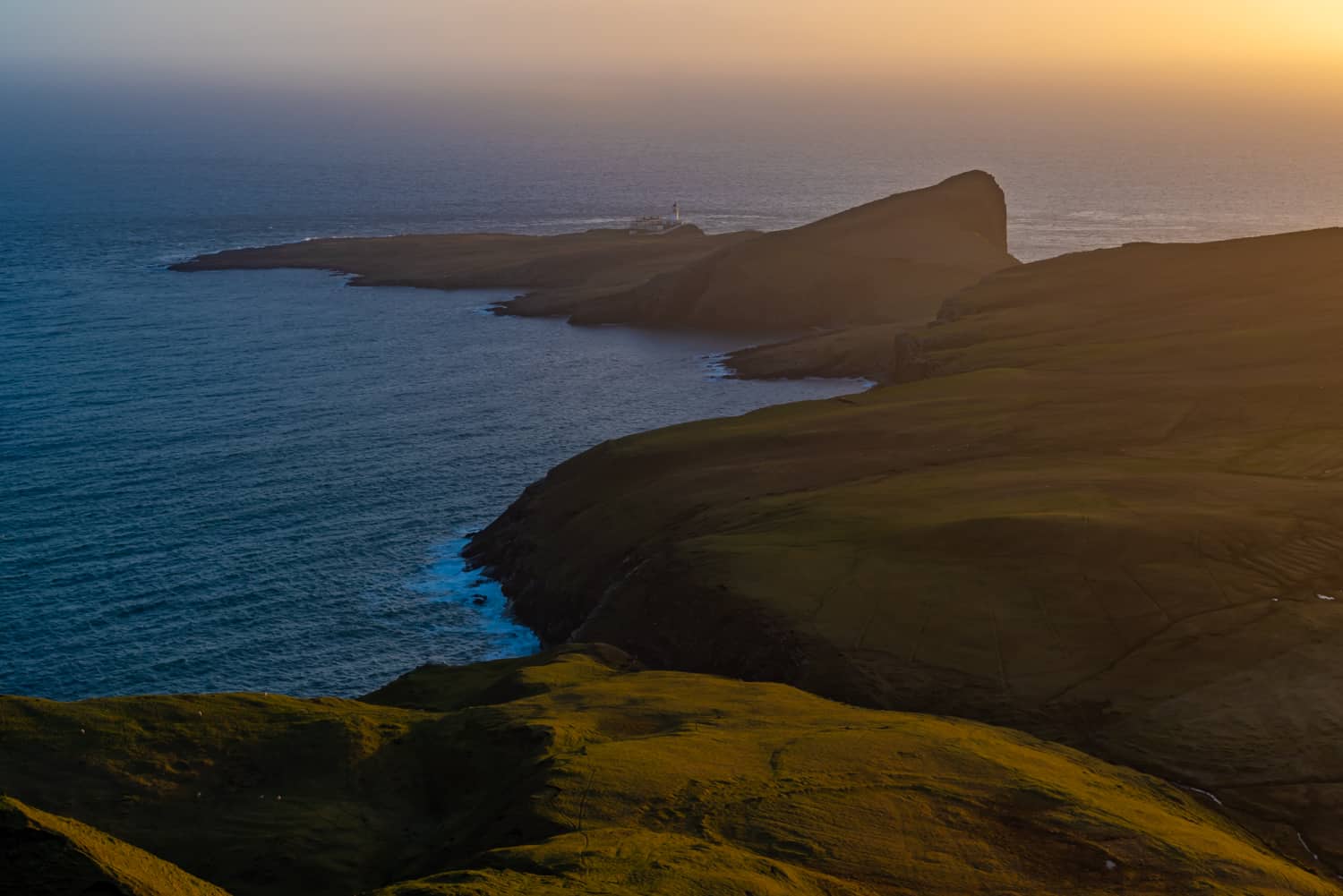
Note the cliffs in the photo above, specifically the cliff closest to camera.
On my third night on Skye, I walked up the back of that cliff to shoot the lighthouse from the other side. I love the way the last golden light of the day is kissing the rolling hills, as if to say goodnight. It was a beautiful moment and the 40-minute walk through the fields and back to the car was probably the highlight of my trip.
Nikon D810, 24-70mm at f11, ISO 64, bracketed.
——
(Not) The Fairy Pools
The Fairy Pools is one of the most popular tourist spots on Skye. It’s a lovely series of creeks and pools with a beautiful mountain backdrop.
Sadly, the mountain was completely clouded-in on the day I got there and the carpark was jam-packed with tourists. I decided to keep moving.
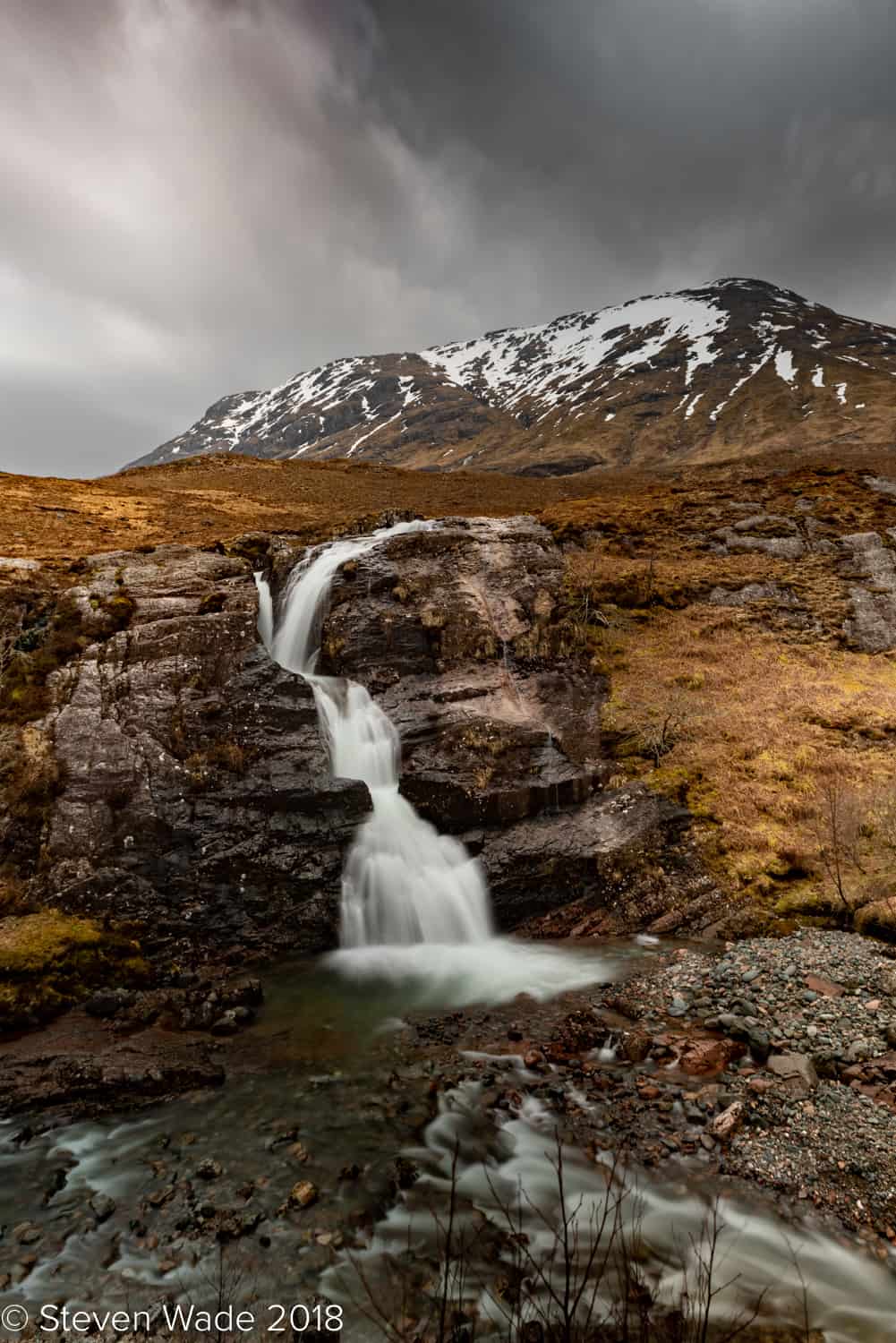
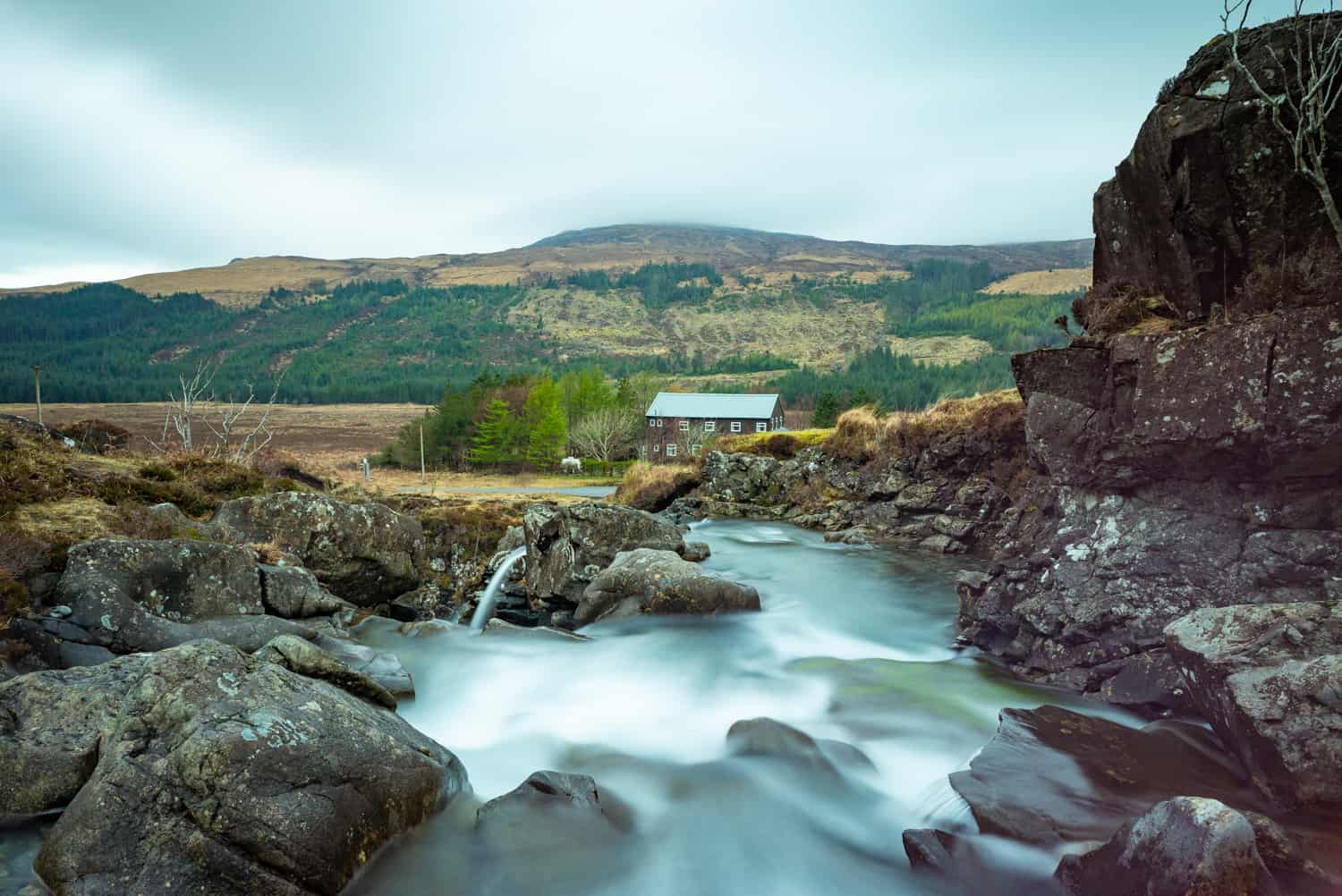
I’m glad I did, too. Less than two miles past I found this gorgeous little waterfall and spent an hour there trying out various compositions.
First, I shot the falls, face-on….
Leica M240, 21mm, f4, ISO 200
For this second shot, I followed a track up to the top section and rock-hopped until I was in the middle of the creek. Another long exposure…..
Leica M240, 21mm, f4, ISO 200
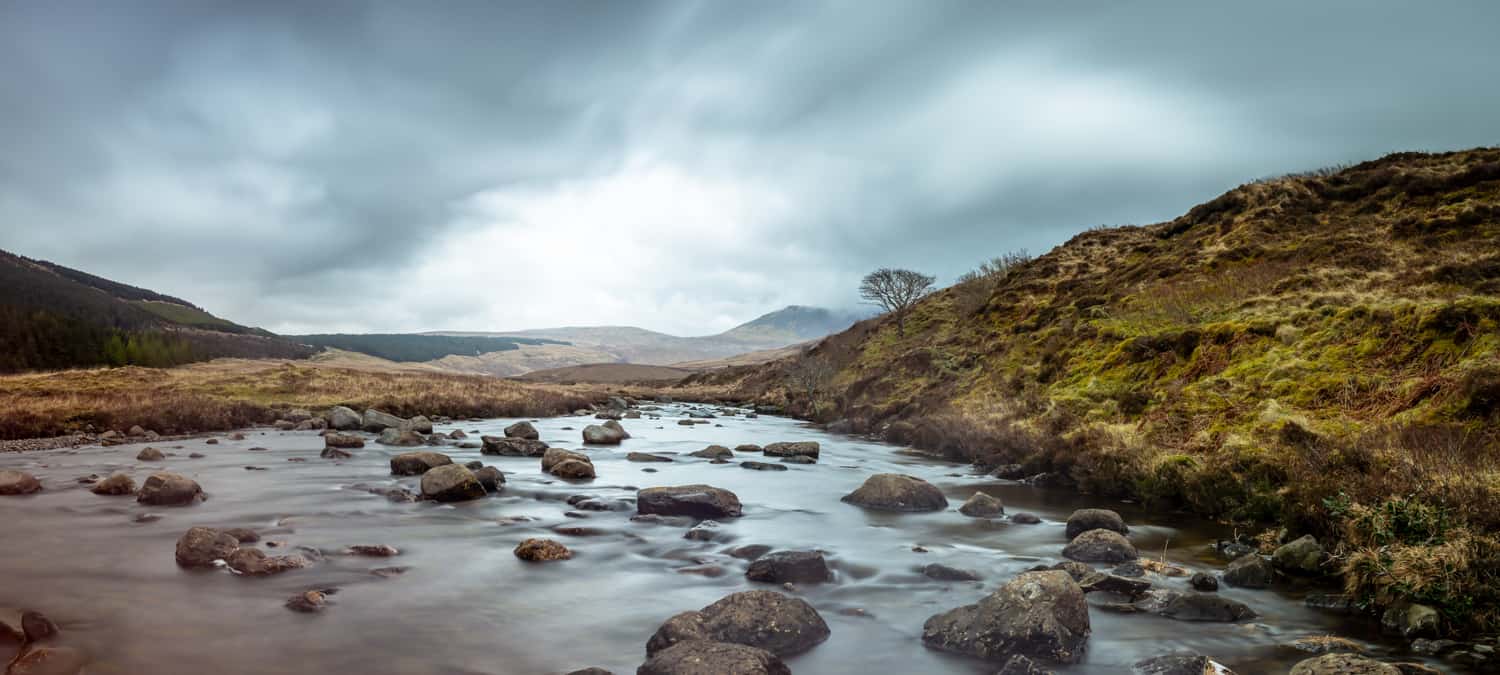
Below is another panorama showing a creek just a little further up the same road. I could have got most of this in a single shot with the right wide-angle lens. Shooting a group of vertical shots and creating this panorama gave me much more detail, though. Note the texture of the grassland to the left.
Leica M240, 21mm, f4, ISO 200, panorama
——
Sligachan
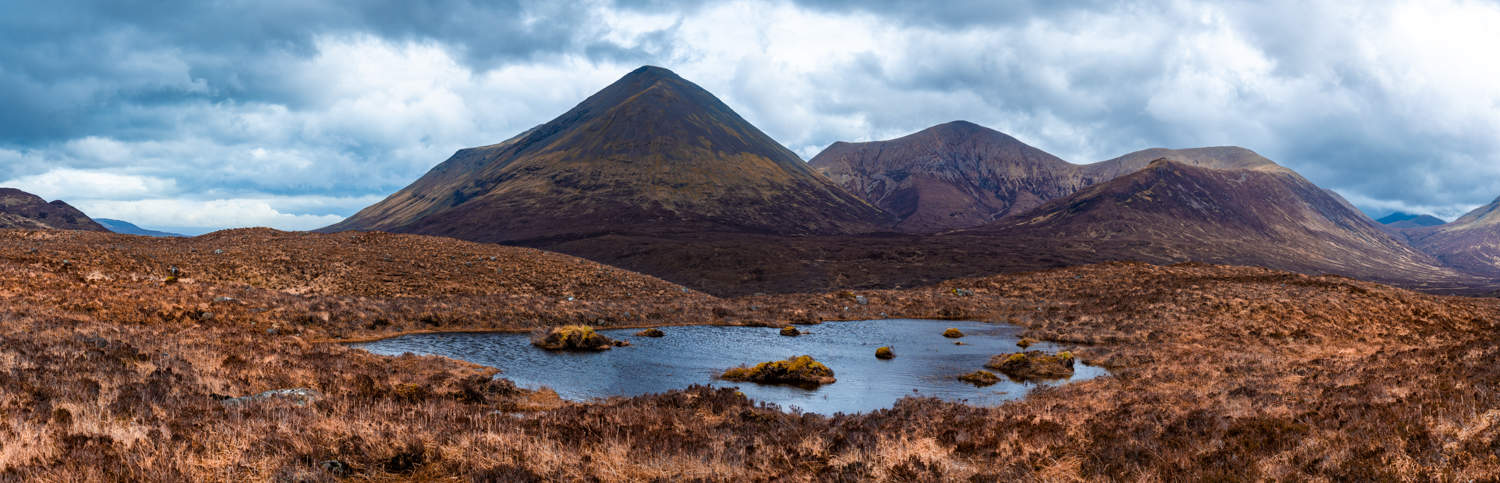
This image is taken just over the hill from Sligachan Bridge (which you’ll see in a moment).
This view was not visible from the road. I parked my car in a random spot on the highway and went exploring on foot. I was looking for a shot that showed off this gold and brown/purple groundcover that’s all over Skye. When I found this pond, I knew I had my location.
Nikon D810, 24-70mm, ISO 64, f9 , panorama.
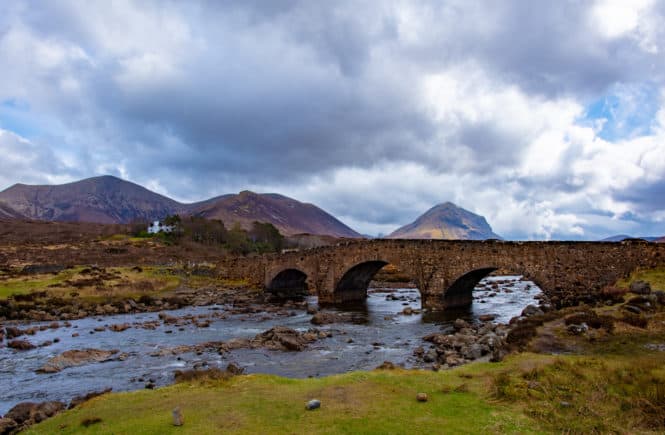
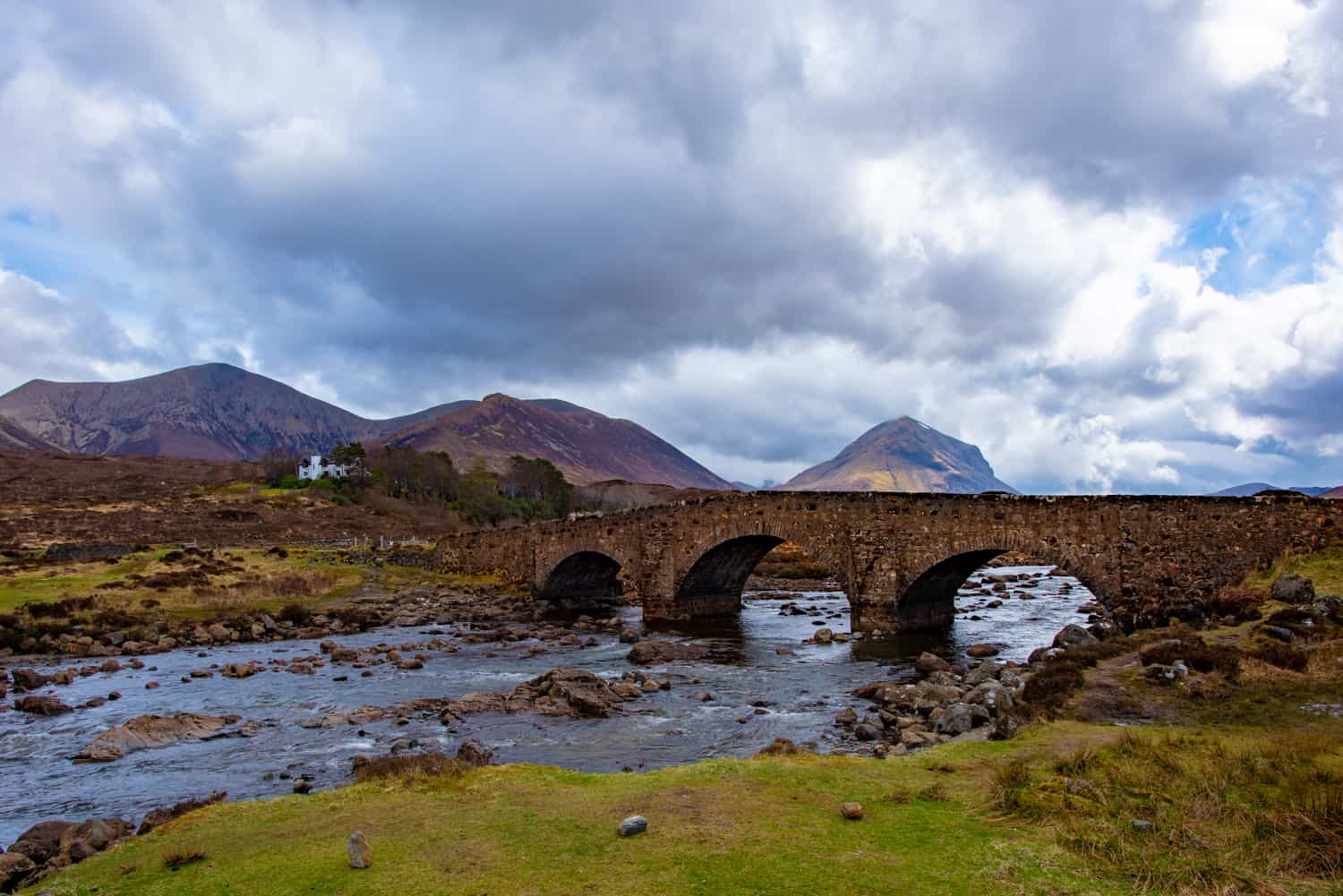
And over the hill, the Sligachan Bridge. It’s probably the single-most photographed spot on the island. It’s not hard to see why.
Nikon D810, 17-35mm at f9, ISO 64, bracketed.
——
The Quiraing
The Quiraing is a beautiful walk in the north-east of Skye, just north of the Old Man of Storr. Unlike the walk to the Old Man – which you start at sea level – the road to The Quiraing lets you drive up to the height of the range and after parking your car, you walk a narrow path across the face of the range. The views are stunning.
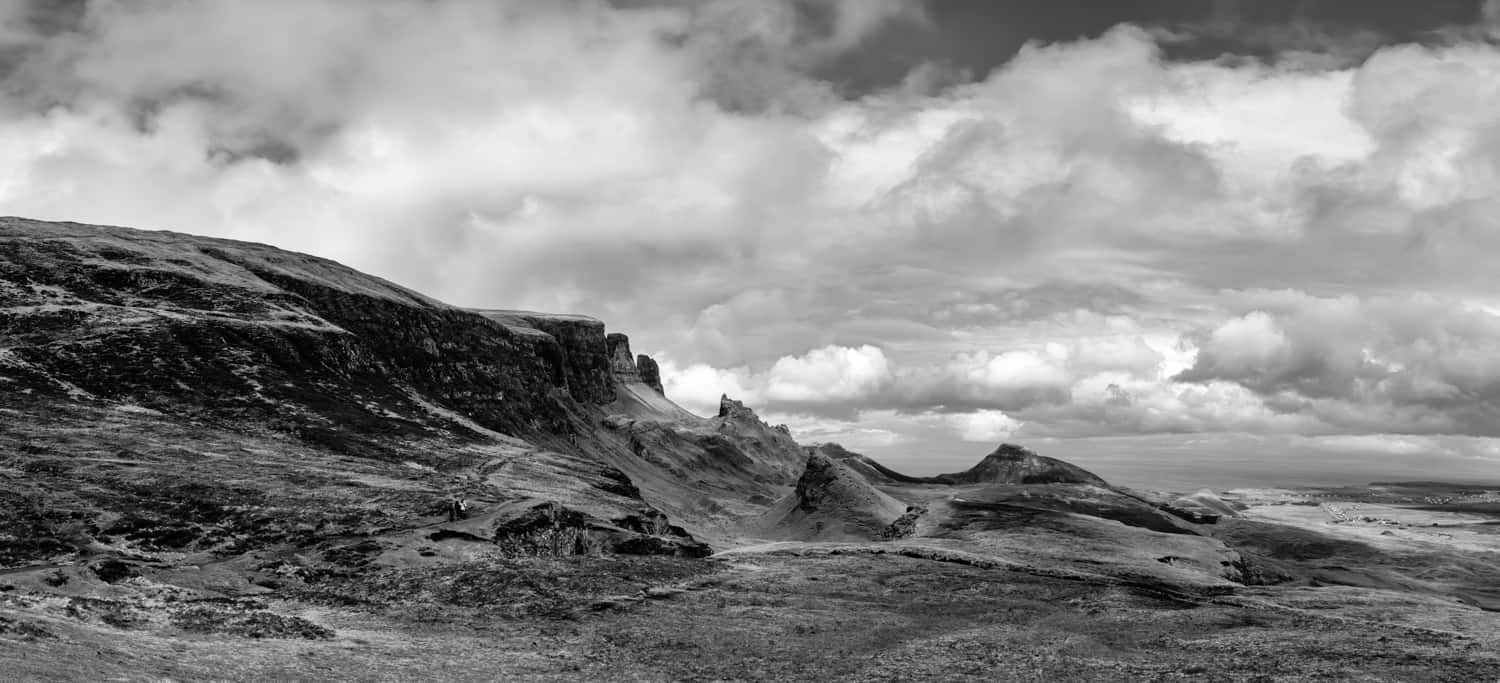
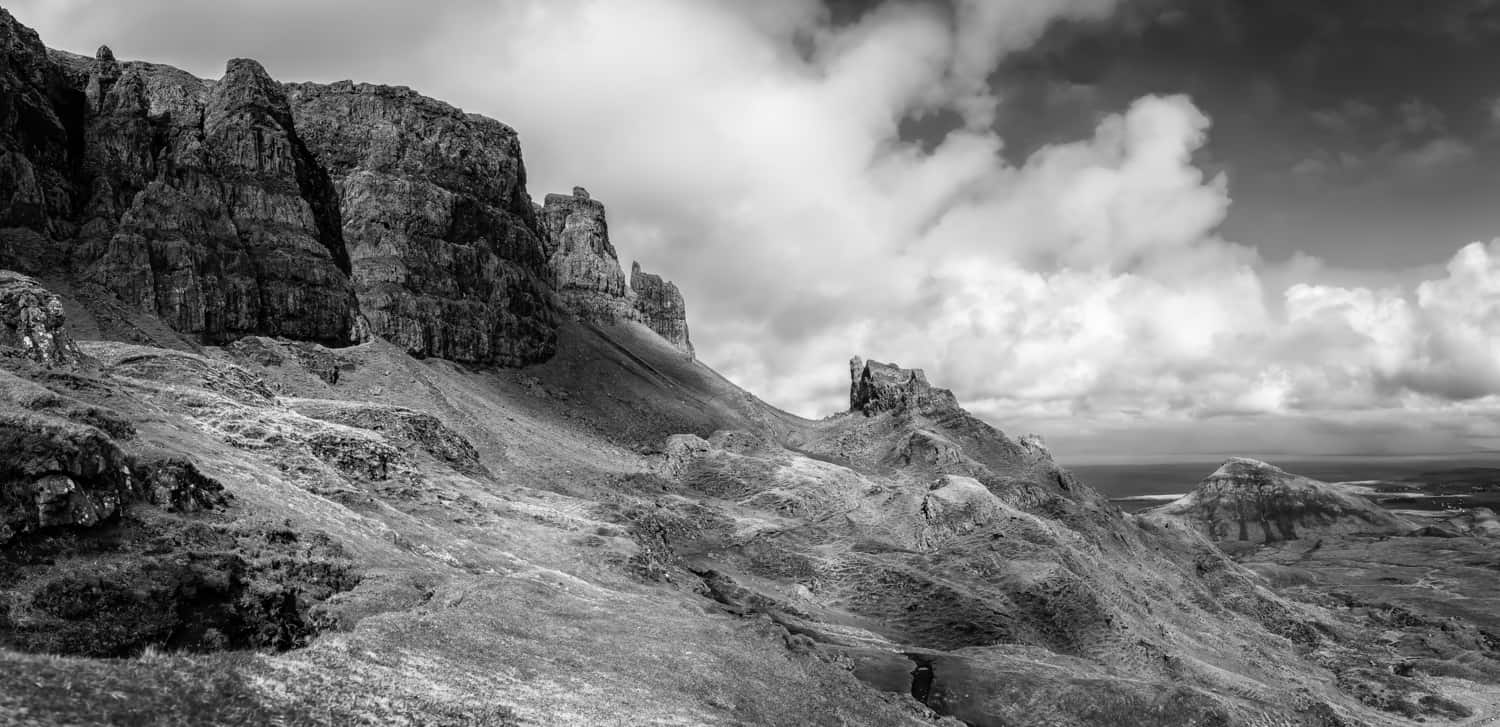
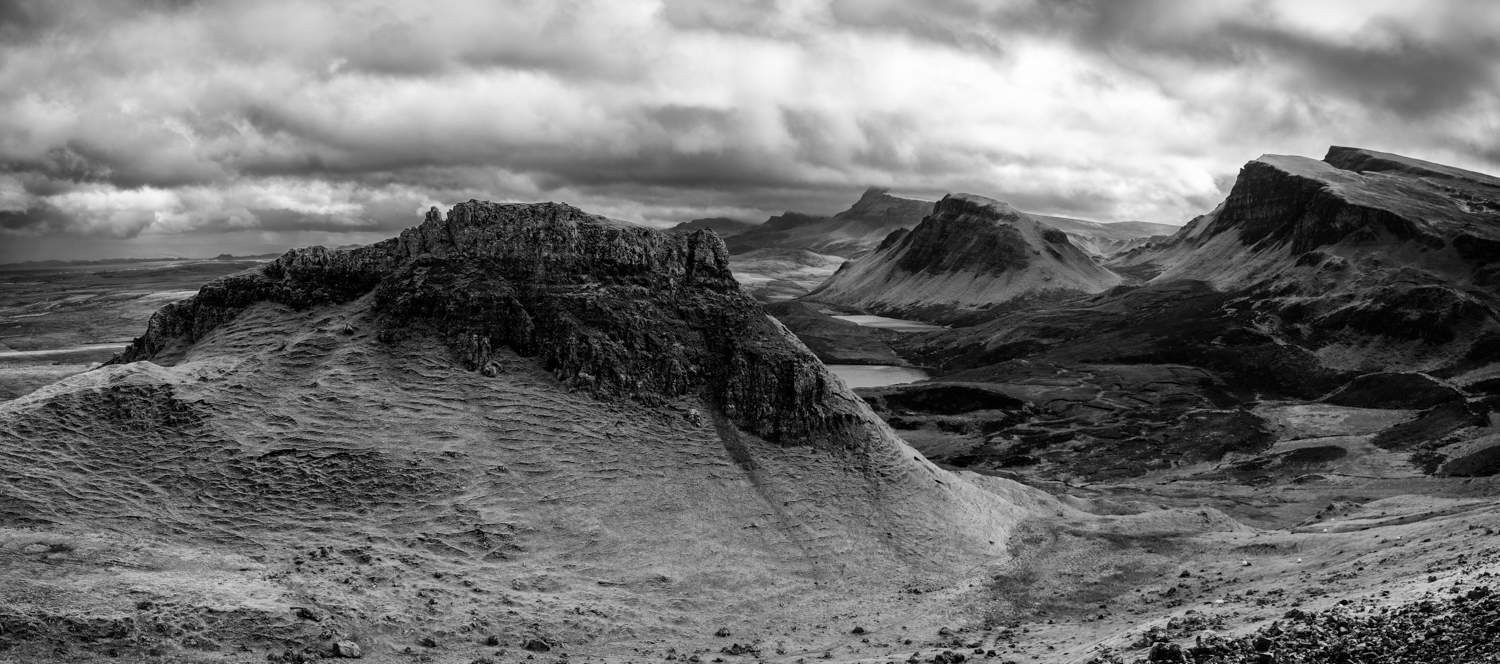
As it was the middle of the day, the light wasn’t particularly flattering, so I converted these panoramas to black and white.
Looking across the range from the beginning of the walk….
Nikon D810, 24-70mm at f4, ISO 64, panorama.
Looking across the range from the half-way point of the walk….
Nikon D810, 24-70mm at f11, ISO 64, panorama.
Looking out from the range…..
Nikon D810, 24-70mm at f4, ISO 64, panorama.
——
I don’t know what’s more surprising about this trip – the number of images I took or the number of images I didn’t take.
I certainly left a lot on the table, including a number of shots that I did take but felt unsatisfied with.
There’s more to be photographed on the Isle of Skye. Much more. And I look forward to returning there some time in the next 12-18 months to have another go at it.
——-
For those interested in such things, I took two camera bodies and eight lenses with me.
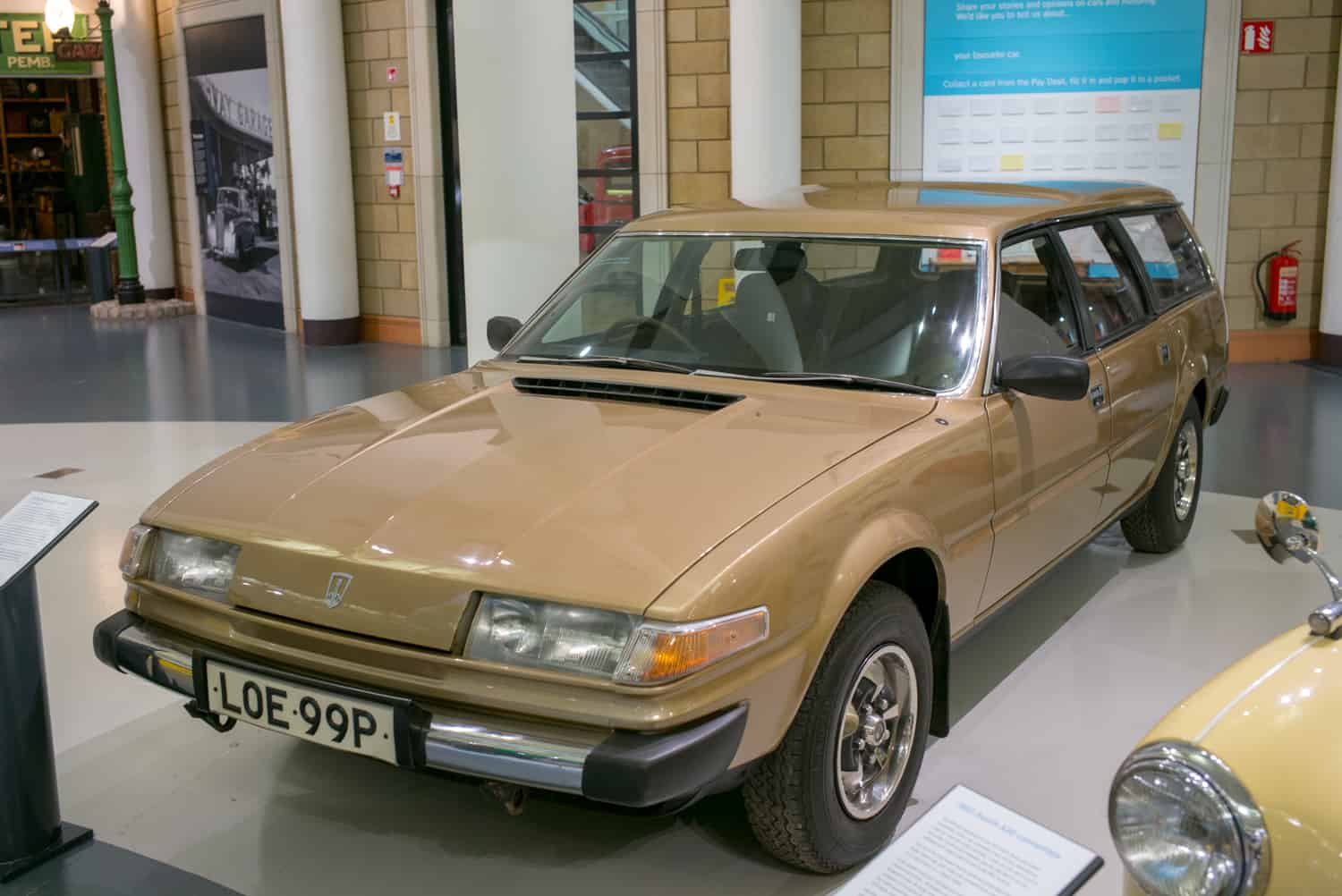
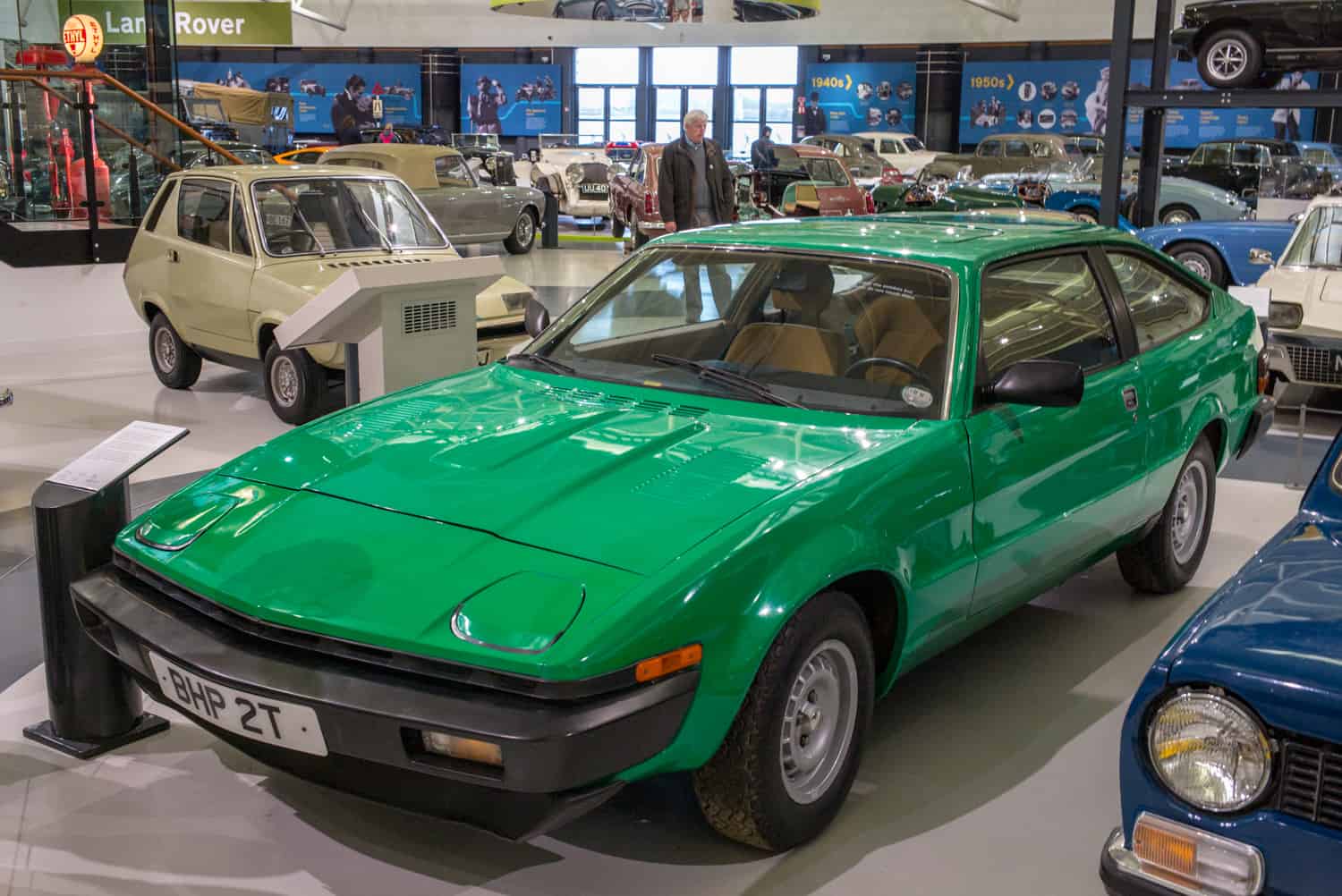
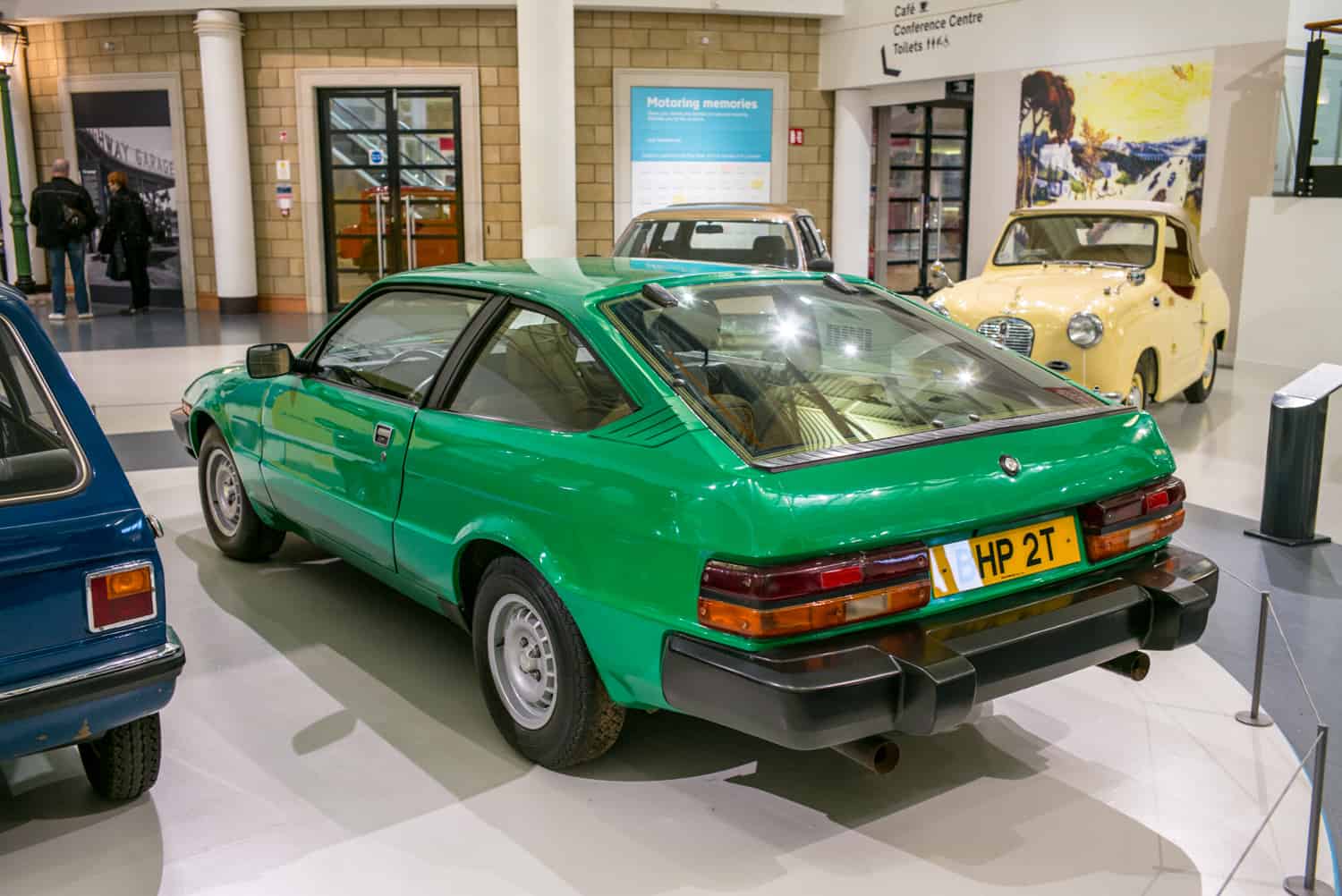
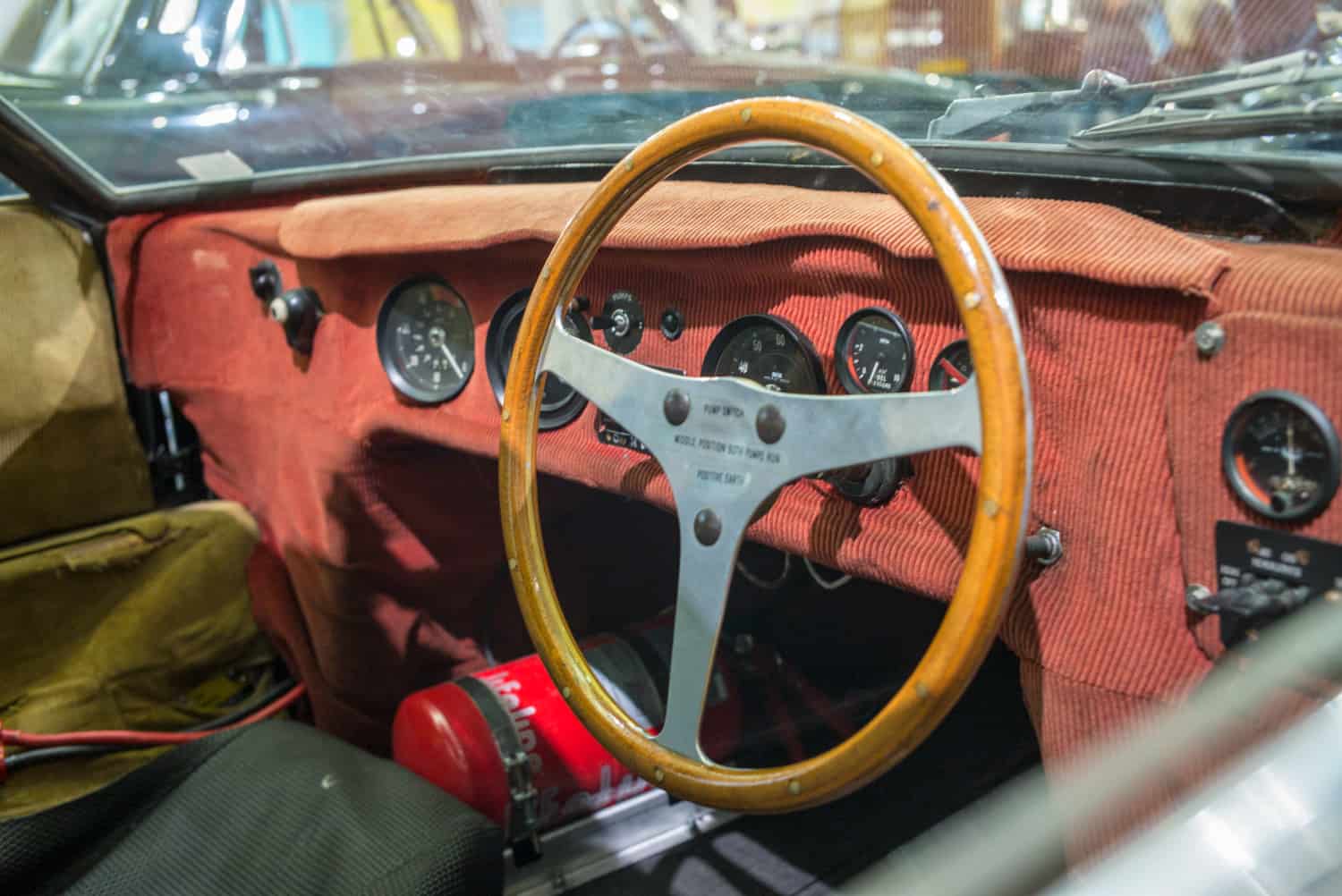
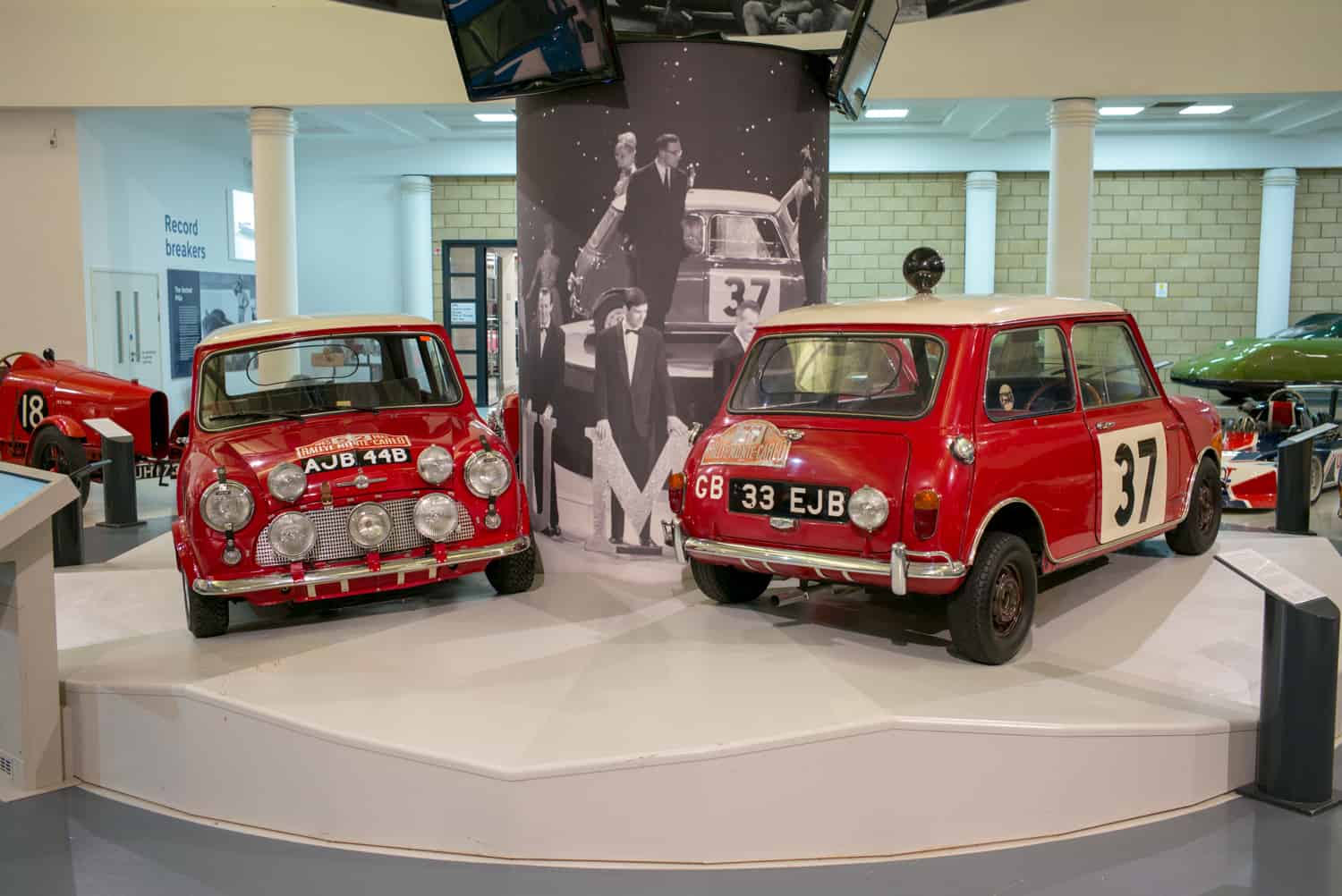
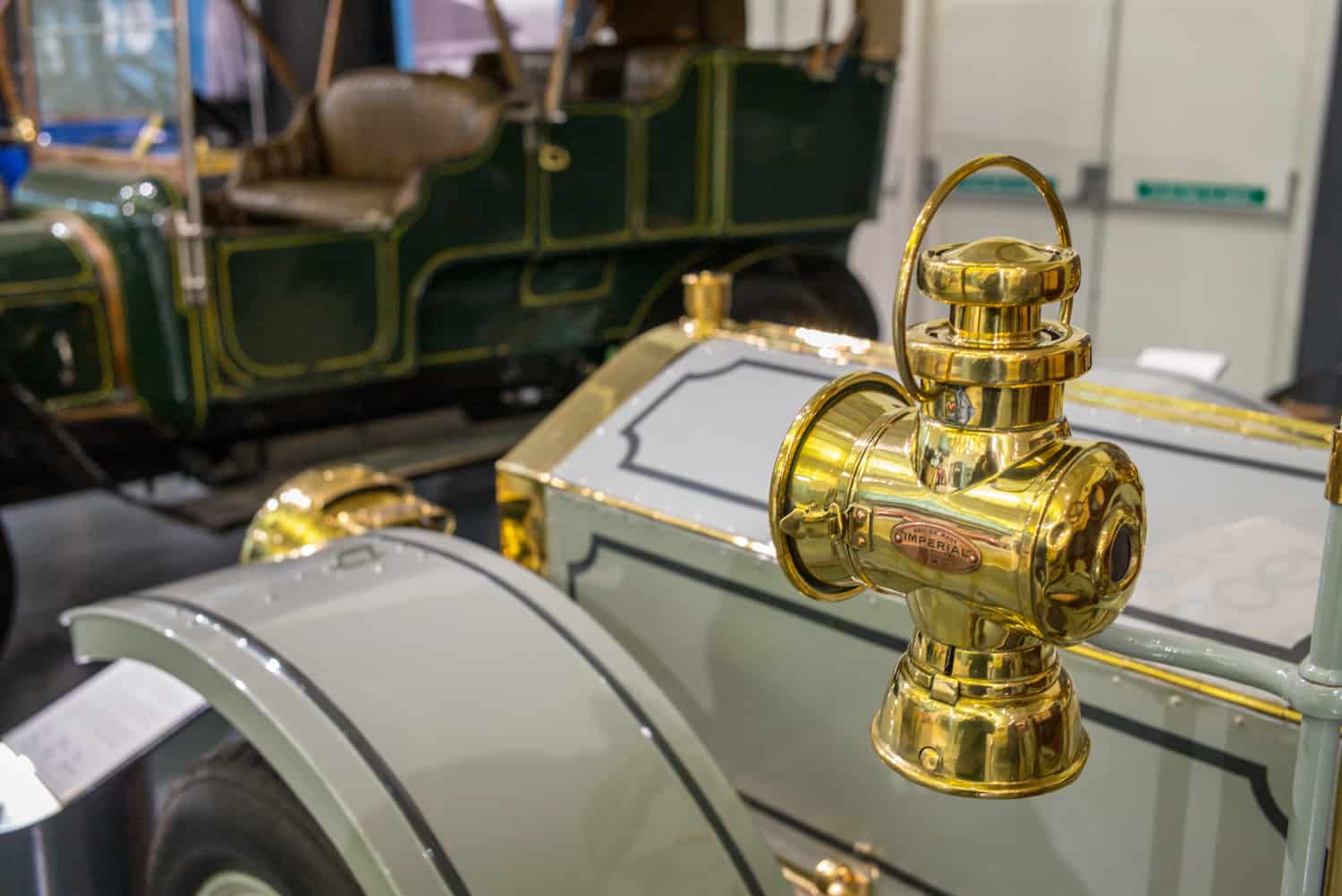
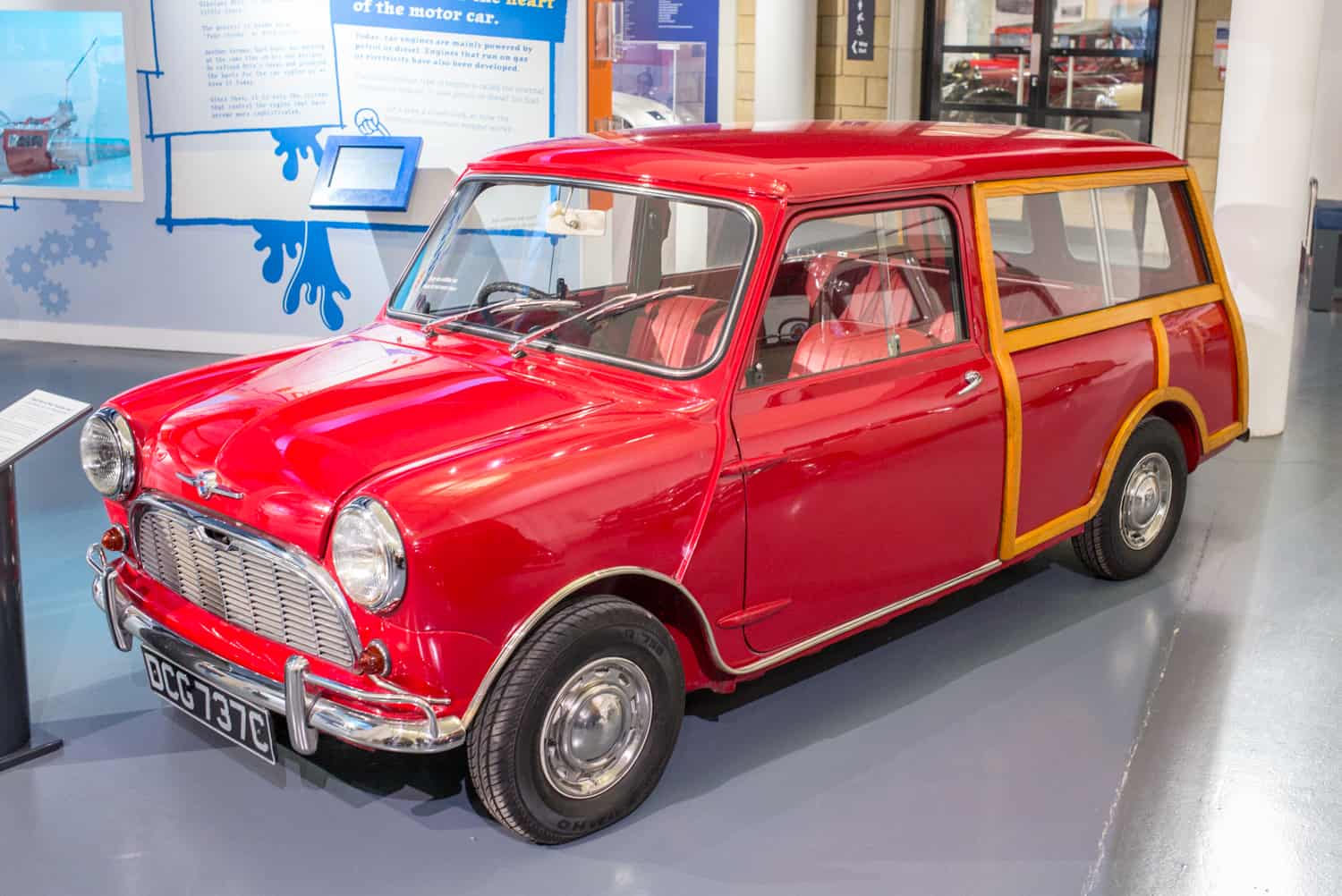
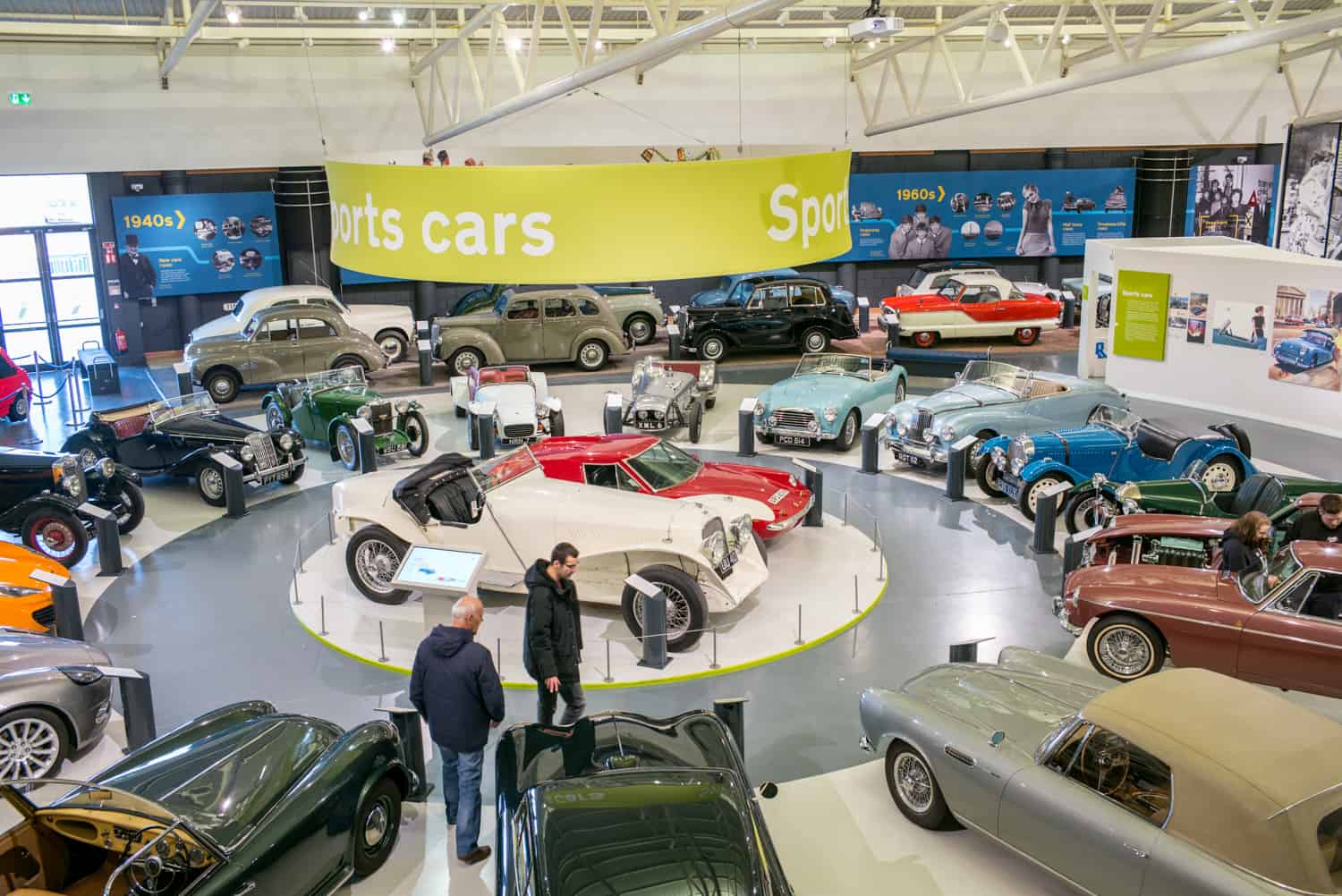
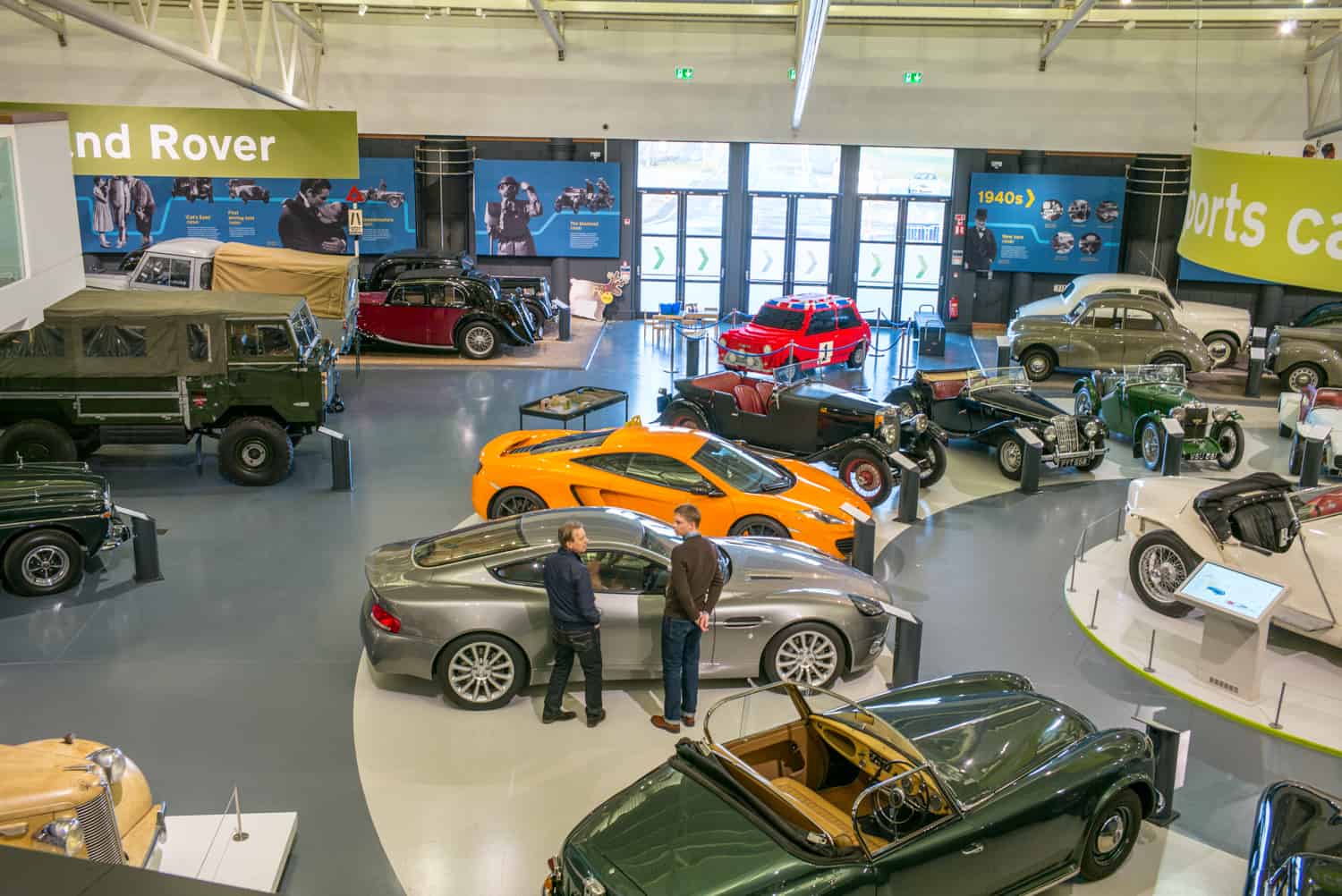
I spent the 2017 Christmas holiday break in the UK, staying with good friends Mike and Hilary. We did a couple of wonderful day trips, one of which is the subject of this story – the British Motor Museum.
My knowledge of British marques is not what it should be. I’m familiar enough with the cars that were seen in Australia through my youth – Jaguar, Mini, Land Rover, MG. It’s the domestic Brits that weren’t so well known in Oz that I struggle with – all those British Leyland companies that were either dead or dying by the time I started carspotting.
Given that I don’t know my Brits as well as I should, I’ll refrain from much of the commentary that’d typically accompany a piece like this.
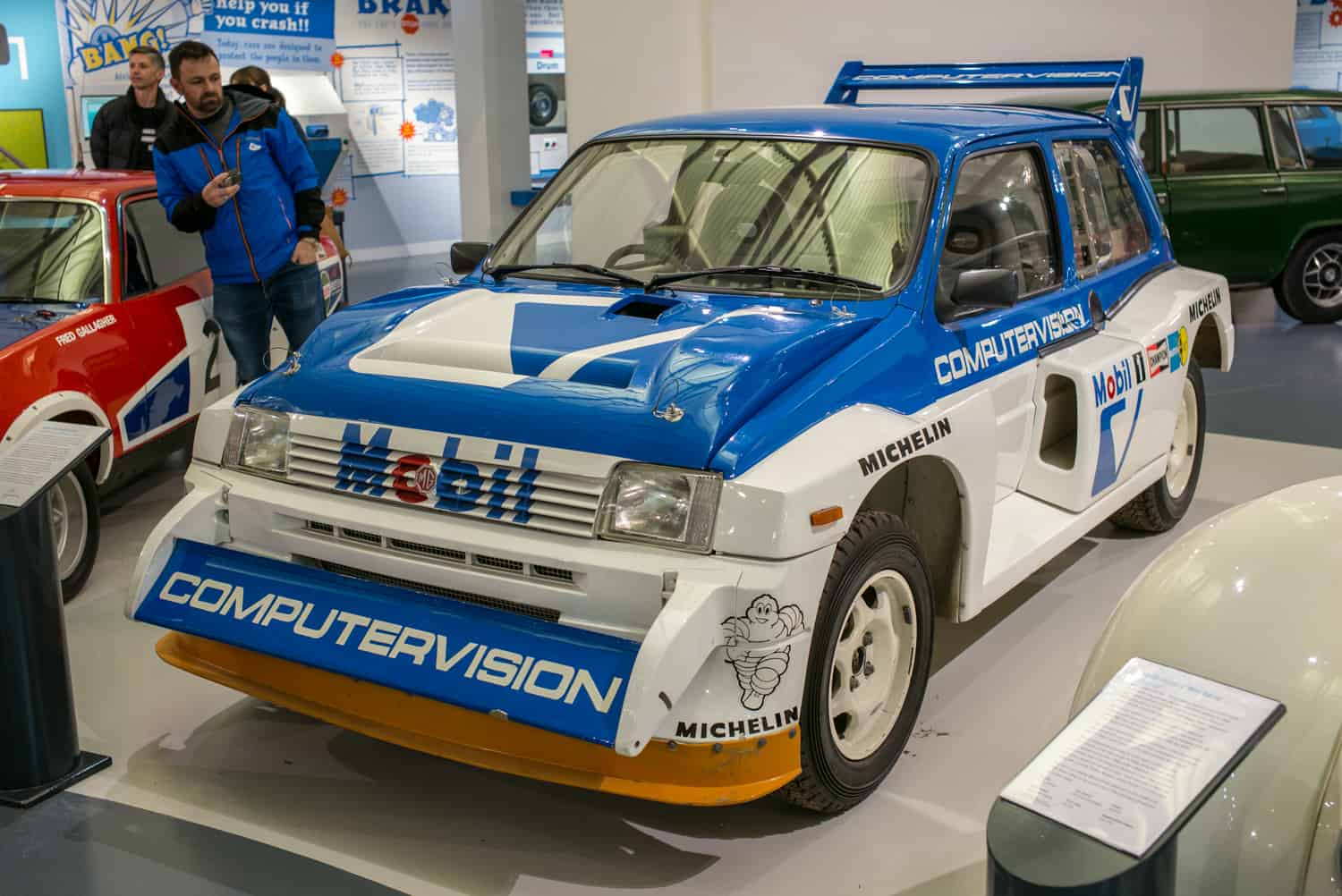
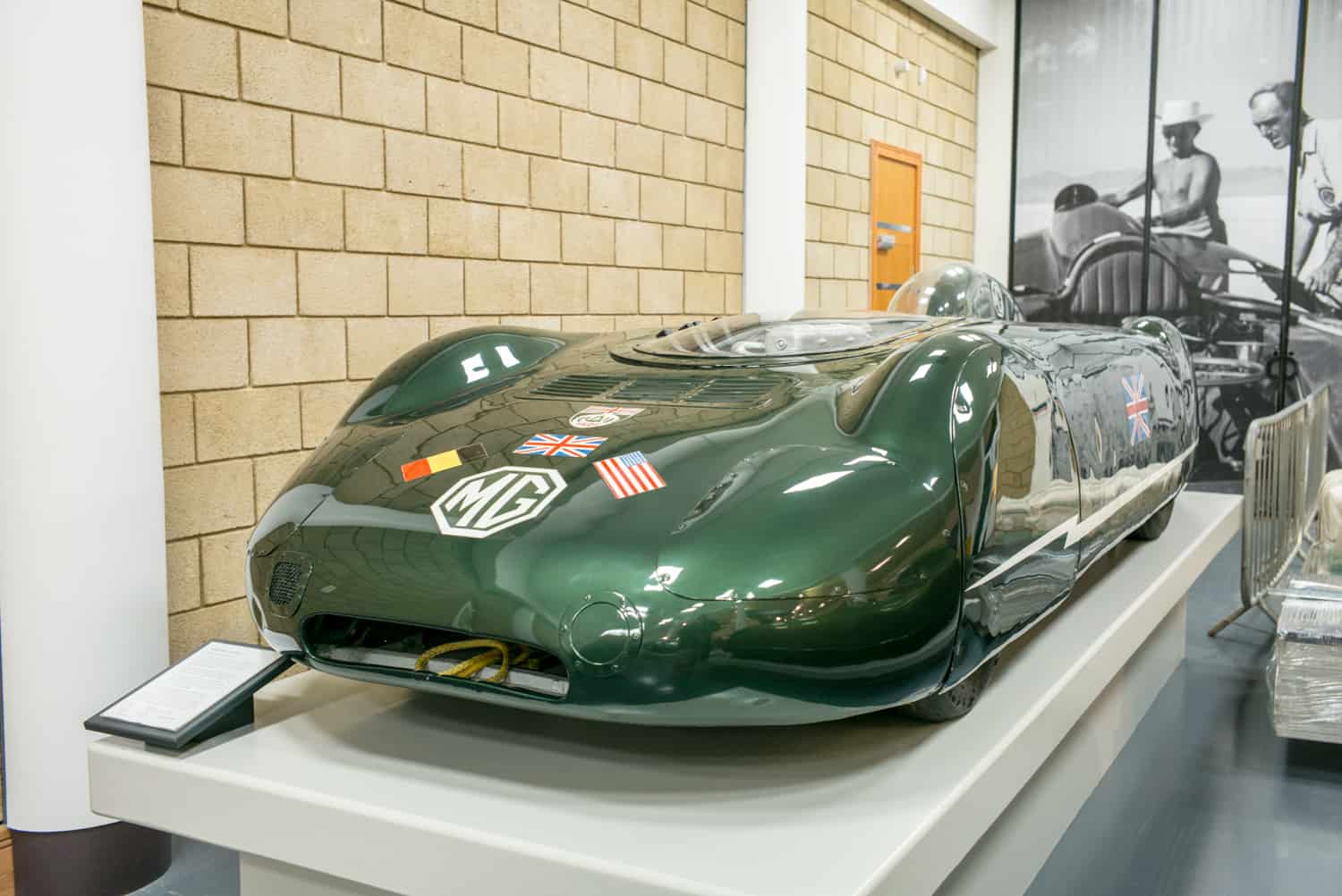
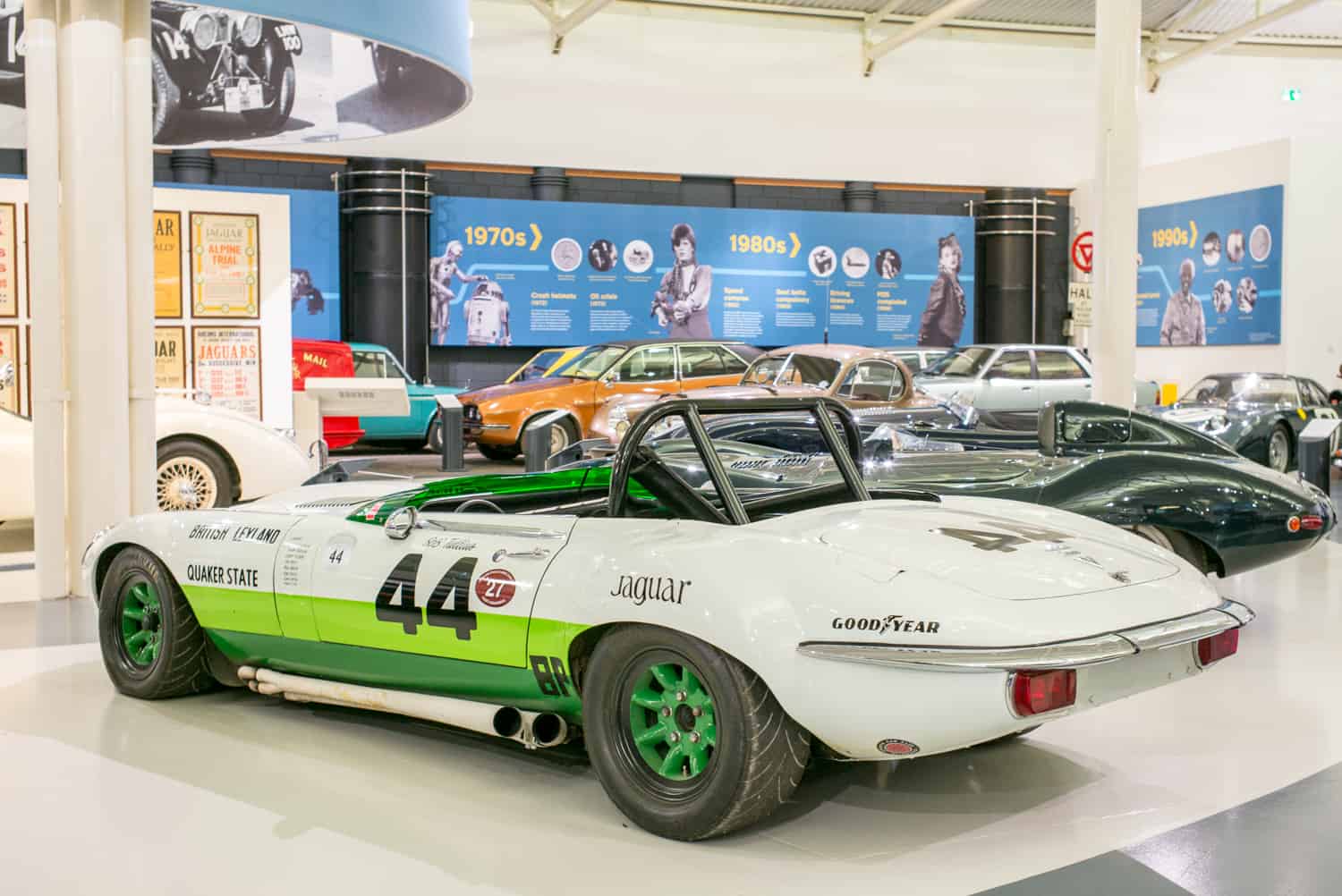
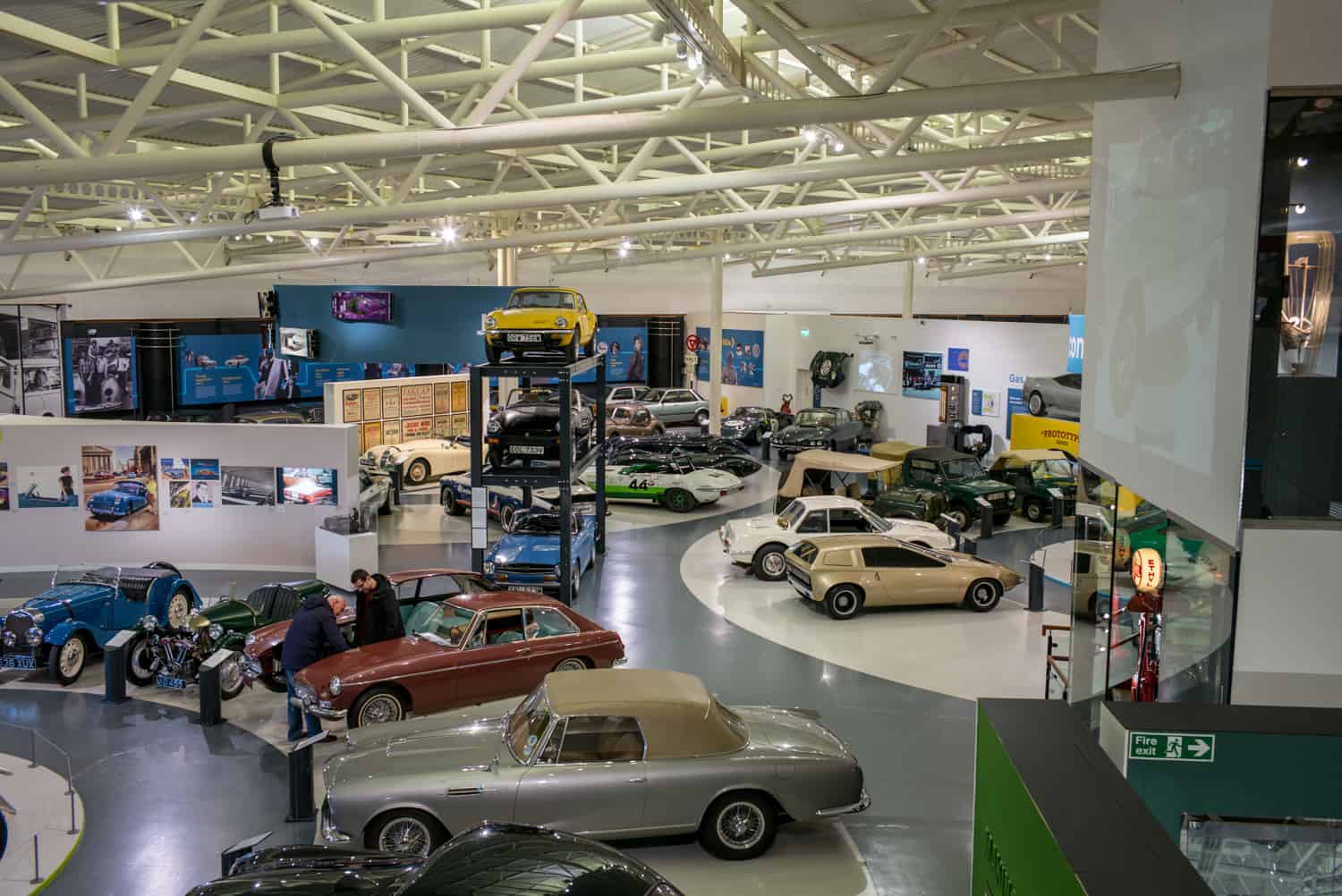
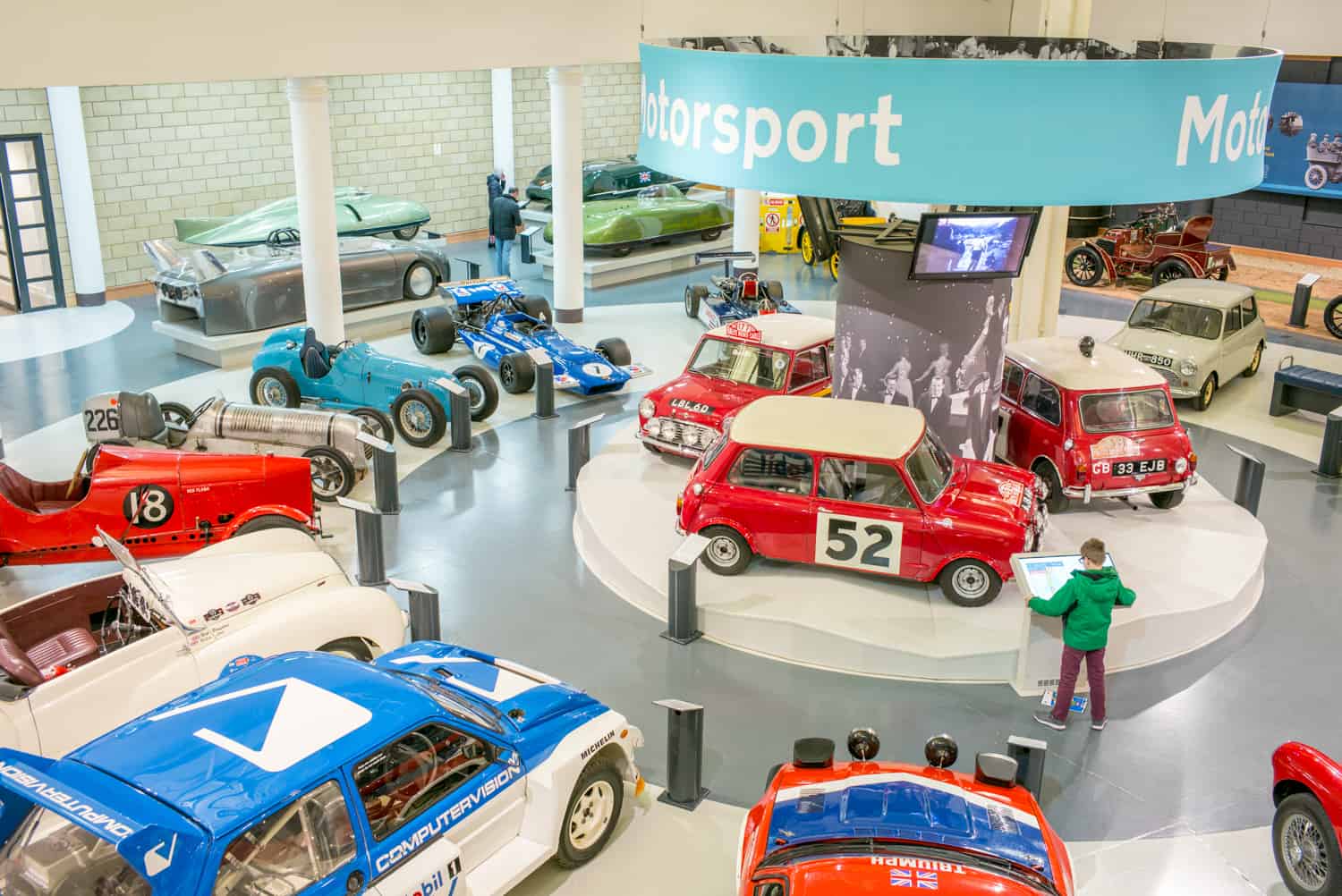
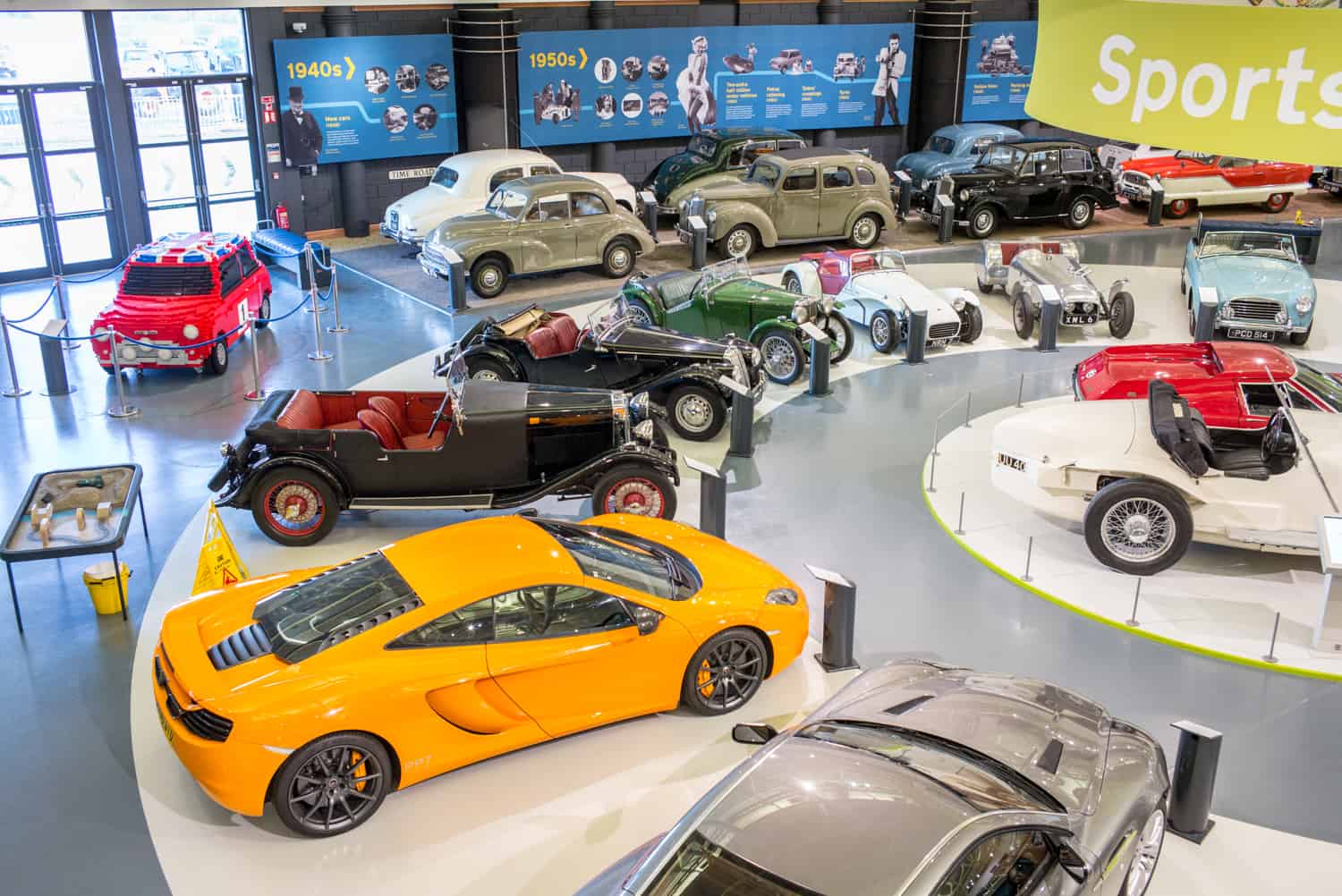
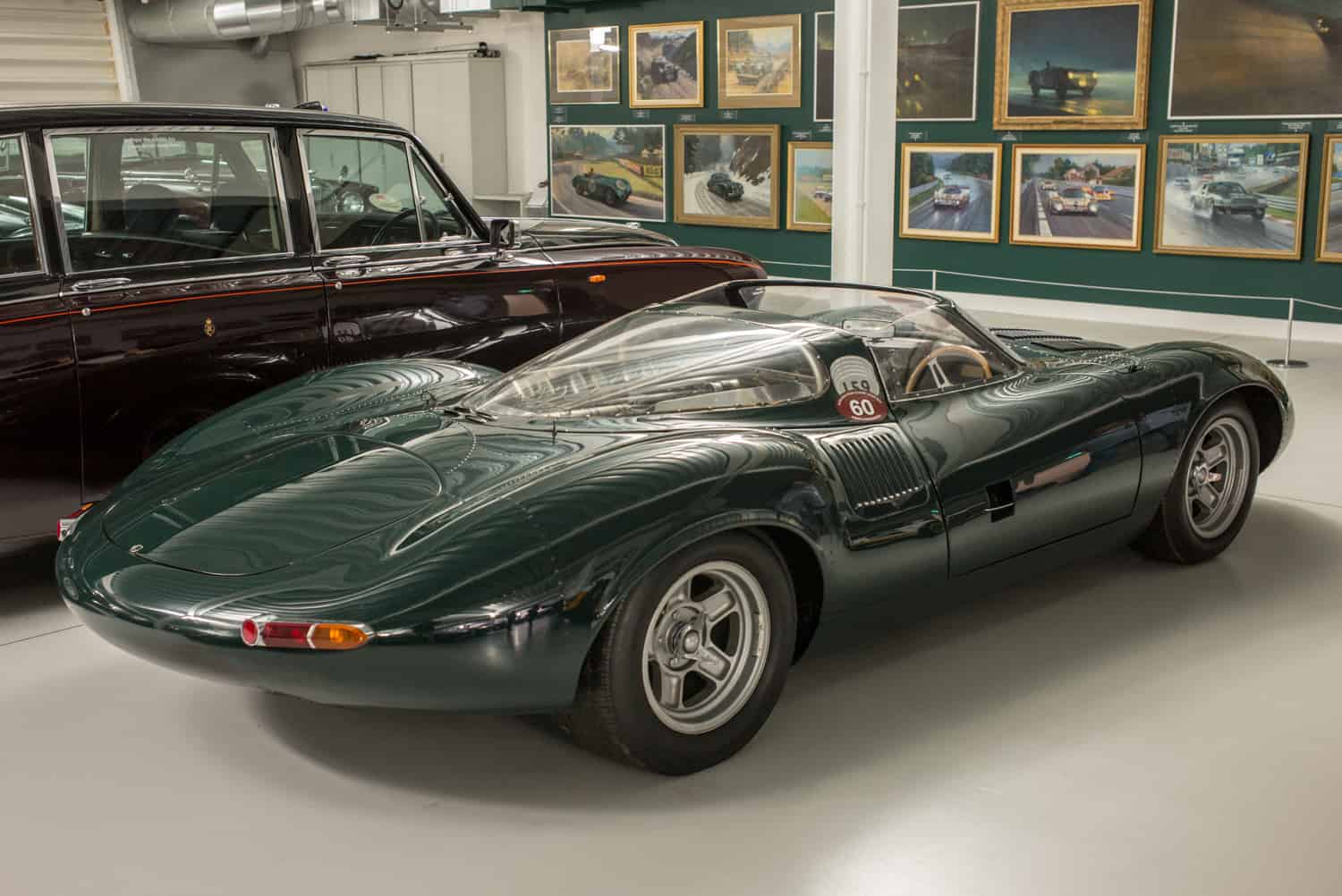
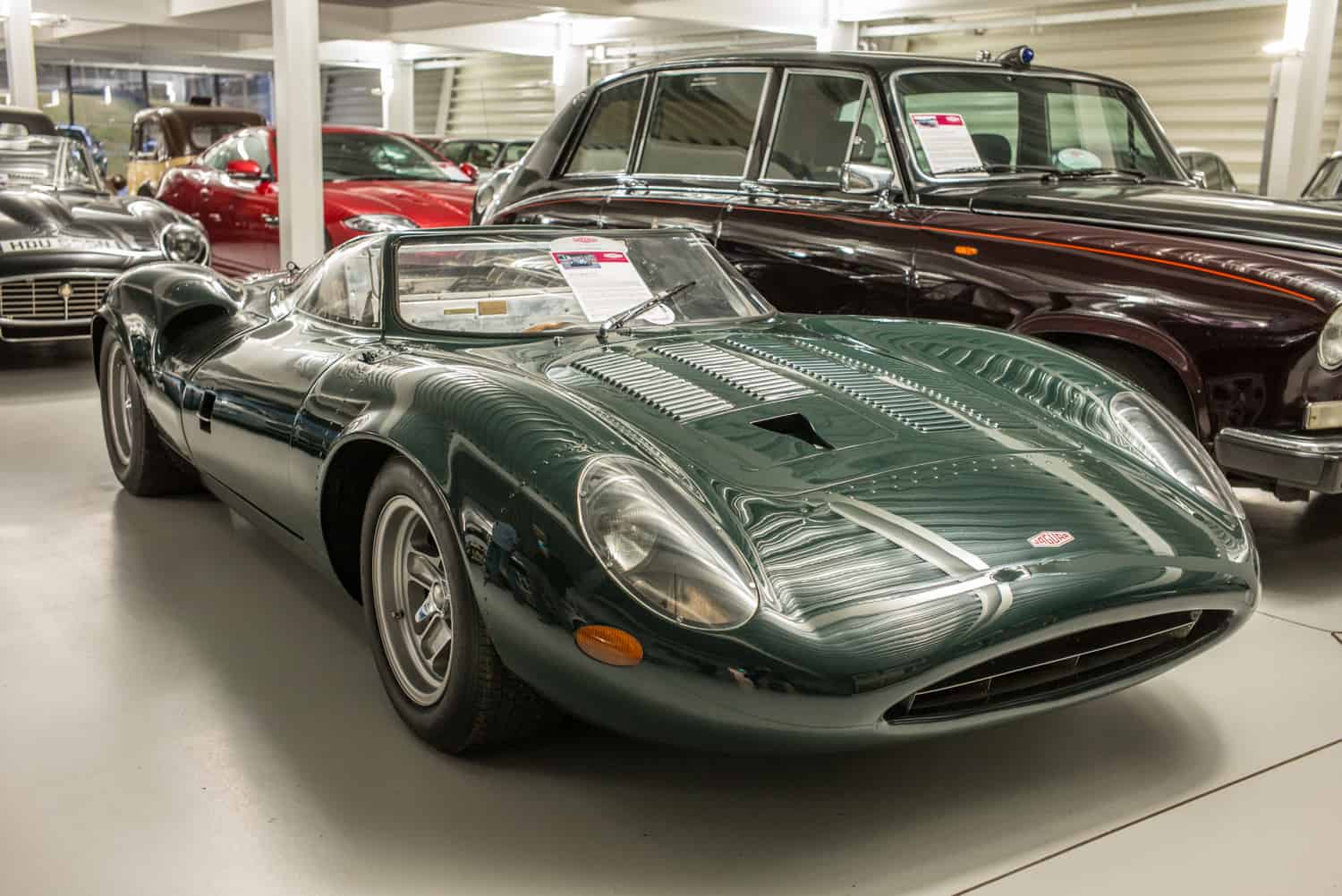
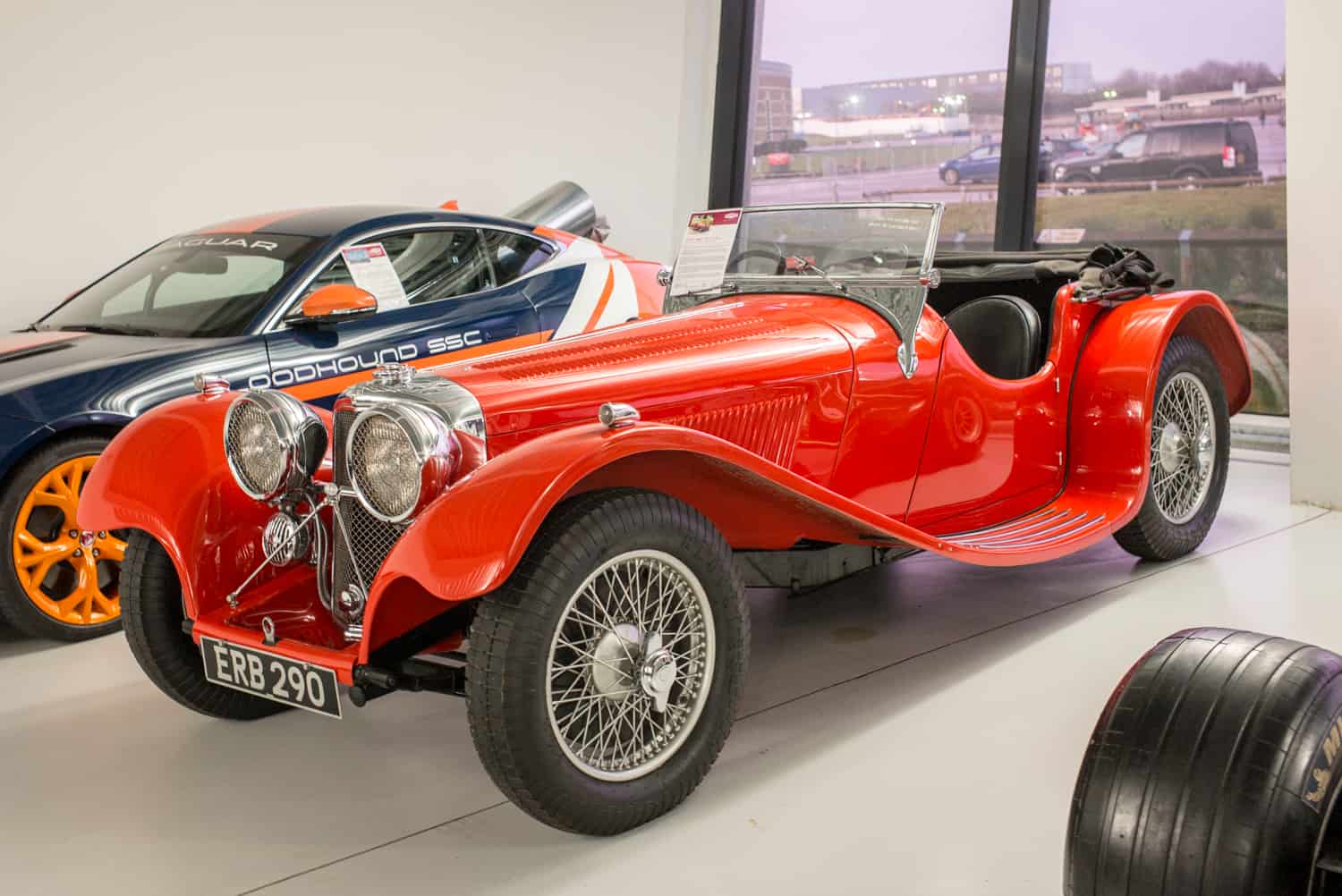
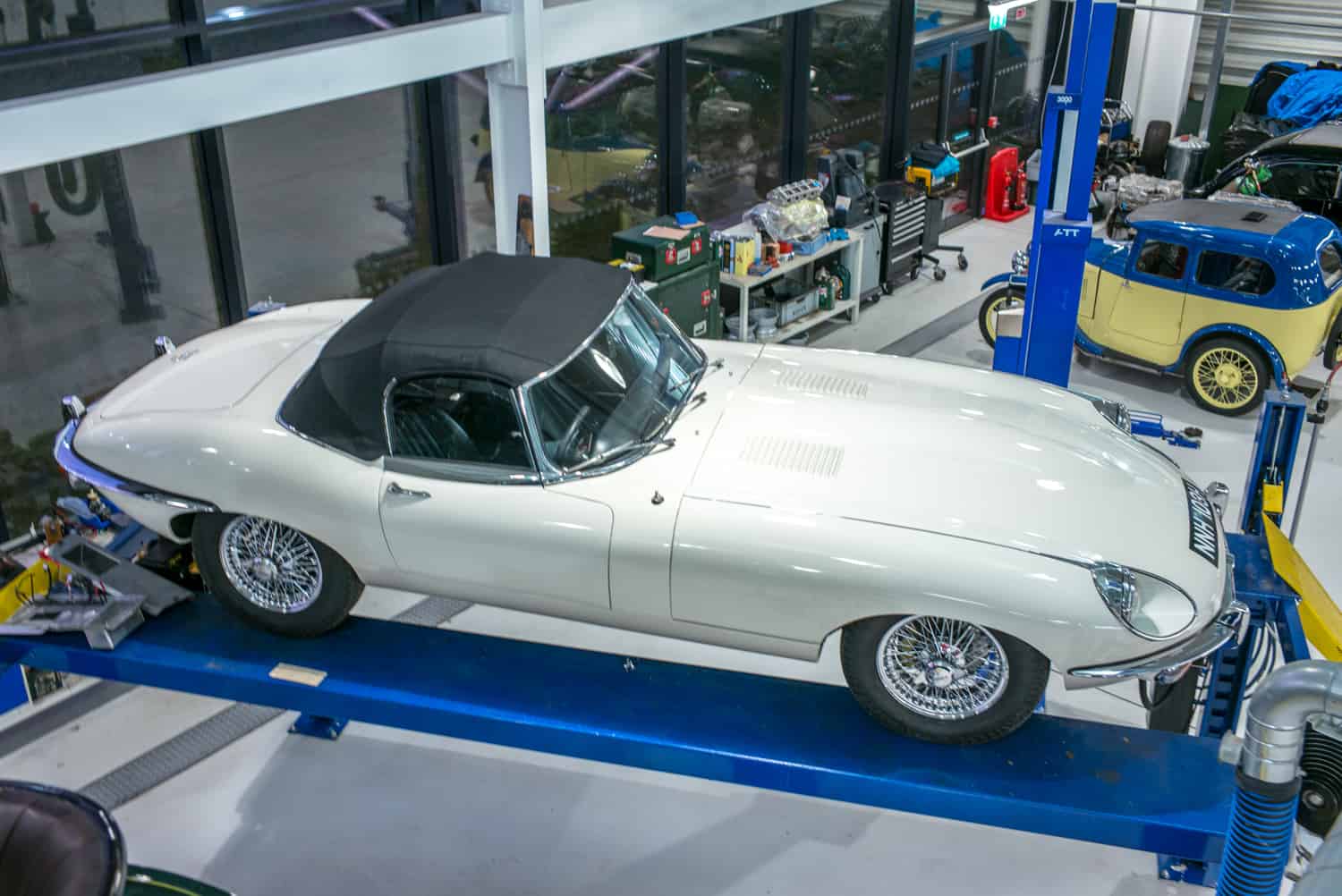
Instead, I’ll cut straight to the images and simply recommend a visit. If you’re ever near Gaydon, around 2 hours north-west of London. The museum itself is great value. The added bonus is that the Jaguar Heritage Centre is located right next door.
I’d like to thank Mike a) for taking me to see the museum, and b) his patience while I spent faaaar too much time learning how to use a rangefinder and shooting these images.
I hope you enjoy them. Click to enlarge.
——
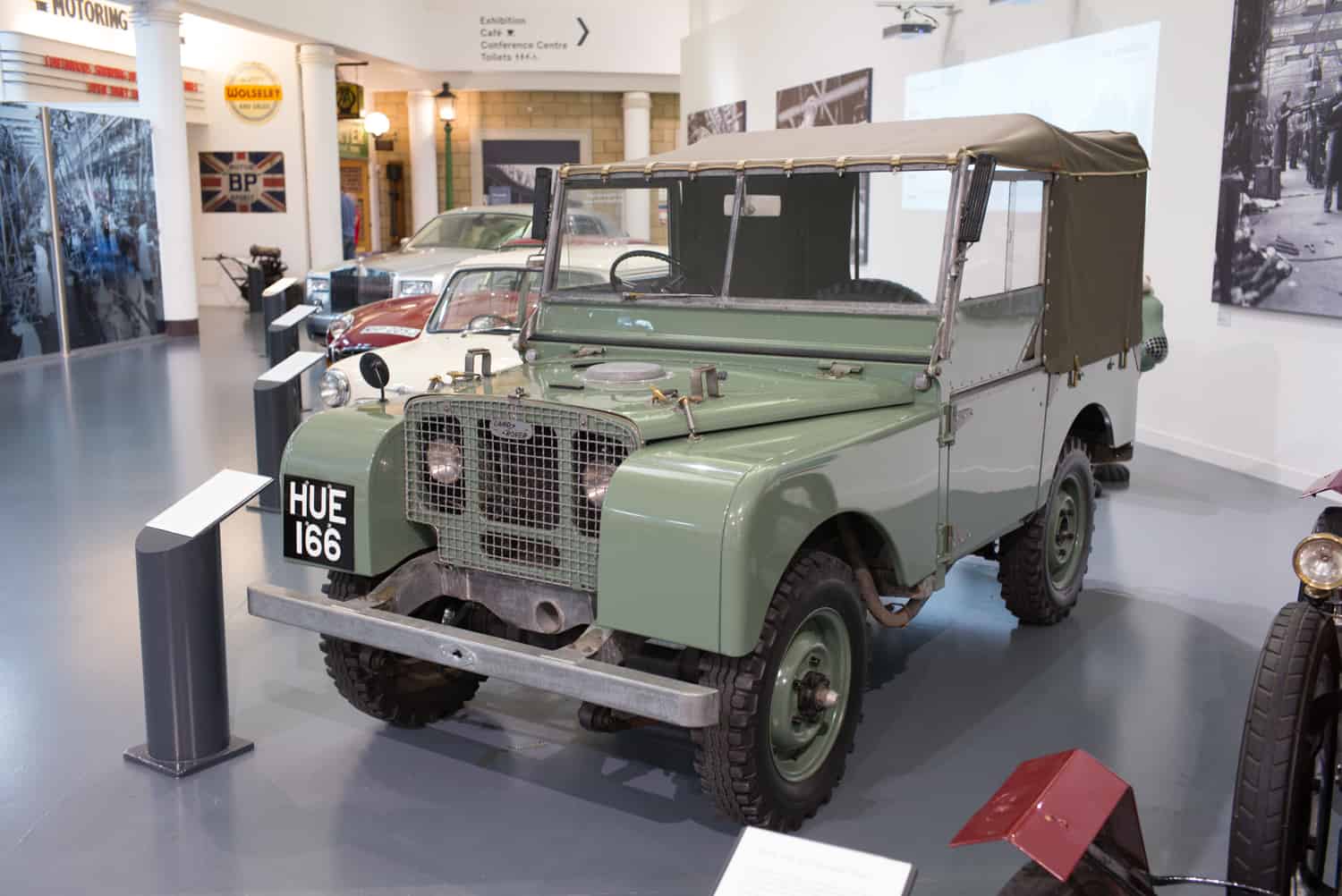
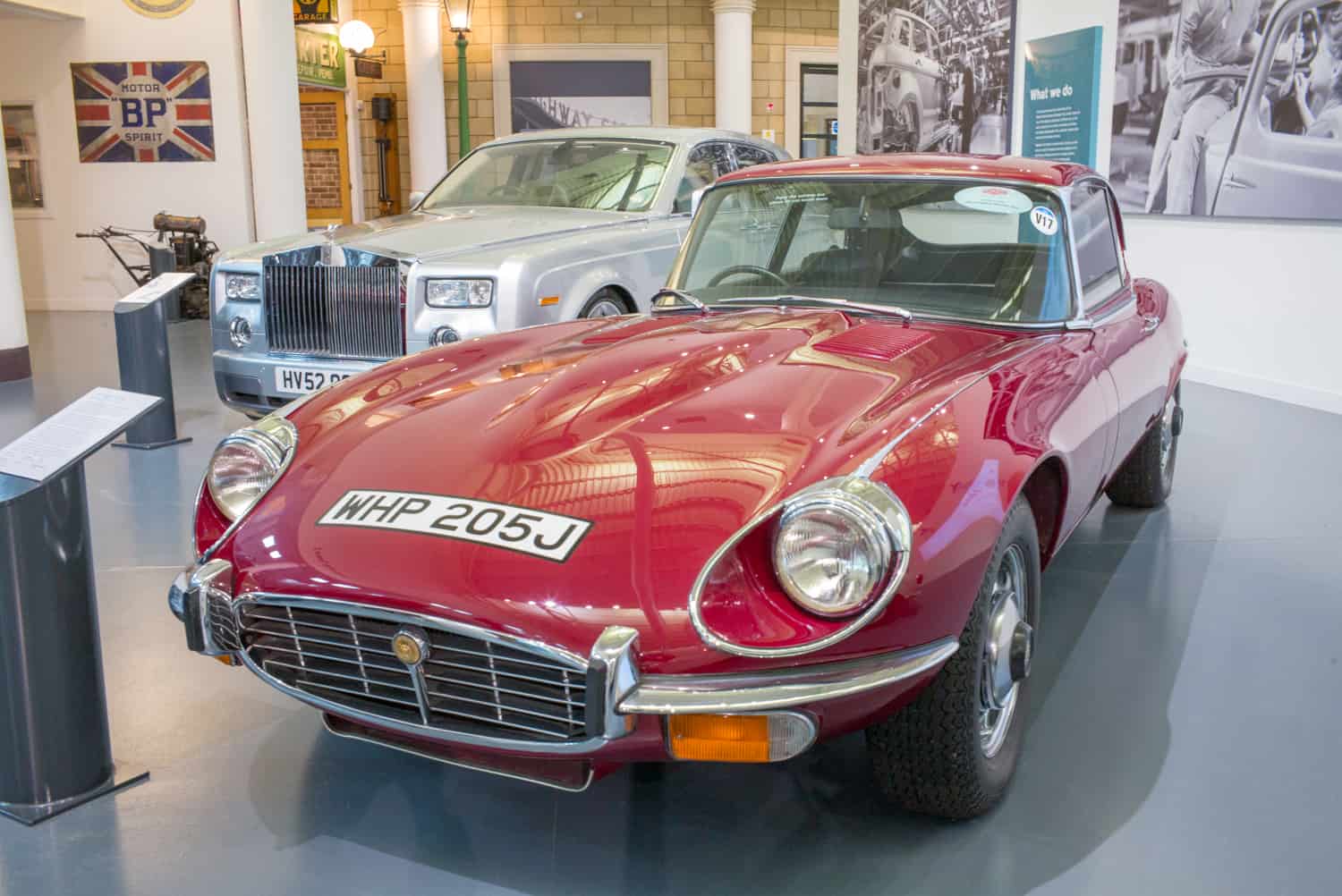
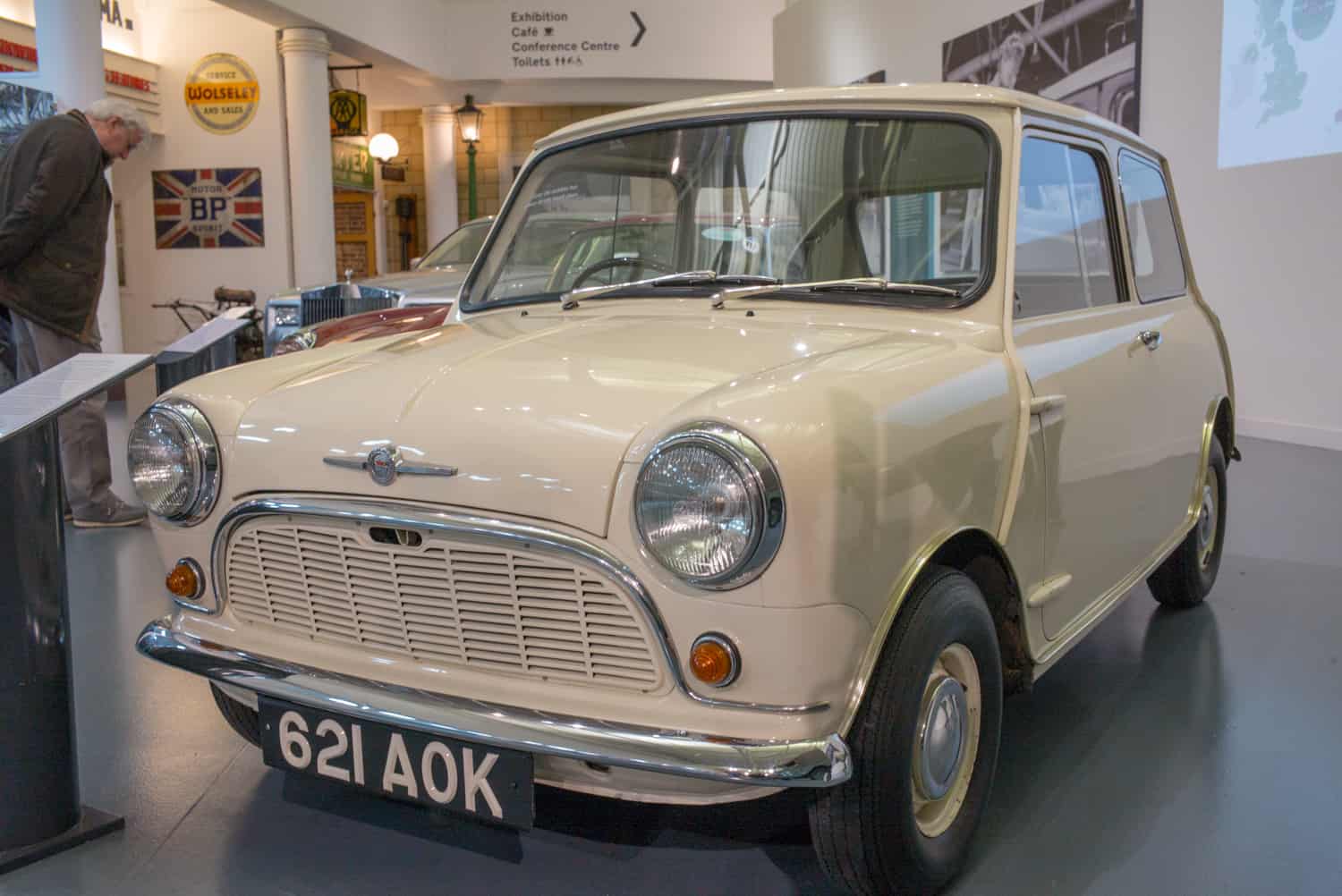
A clutch of firsts – the first Land Rover, the first Mini, the first E-Type definitely not the first E-Type and (I believe, maybe) the first Roller under BMW’s ownership.
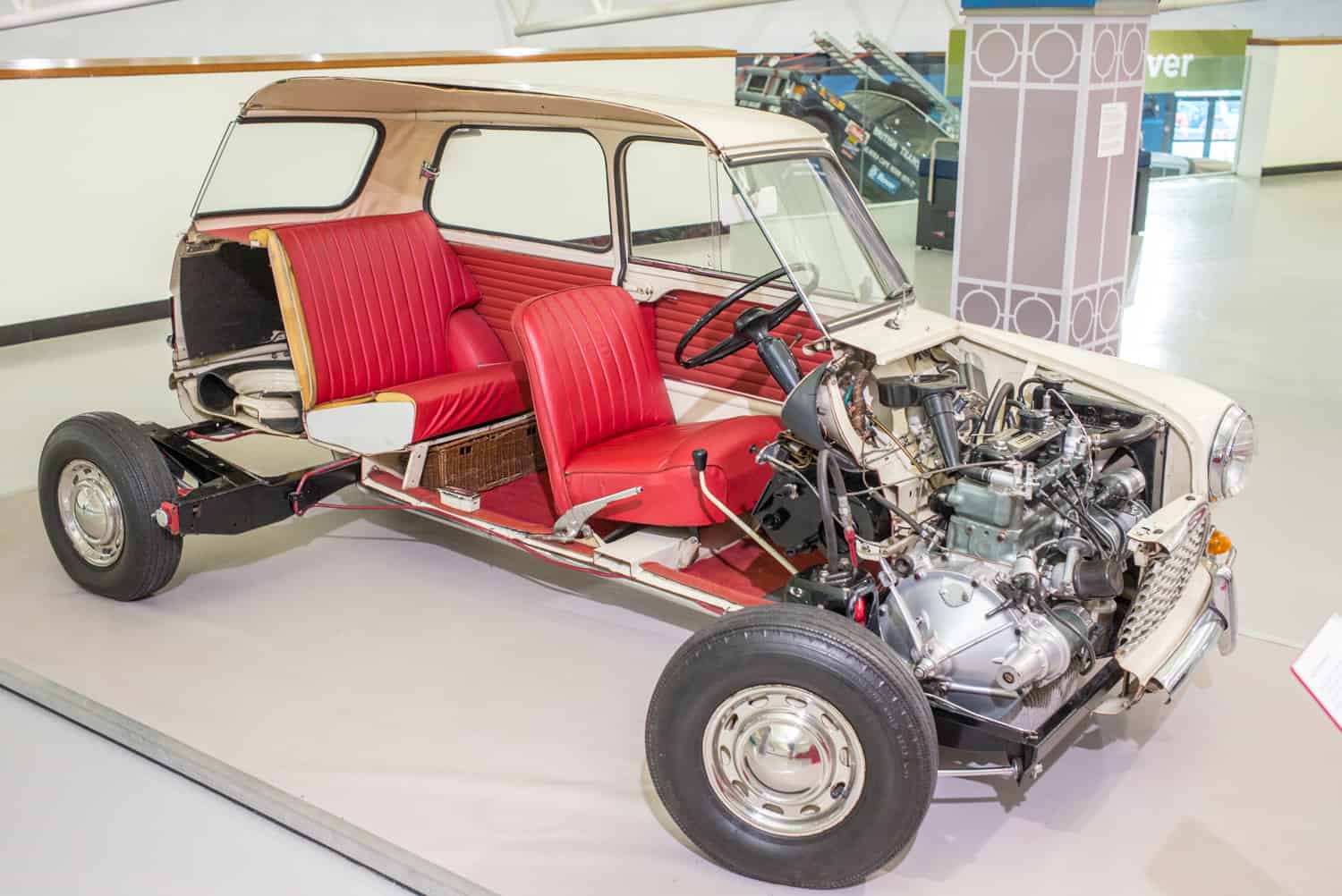
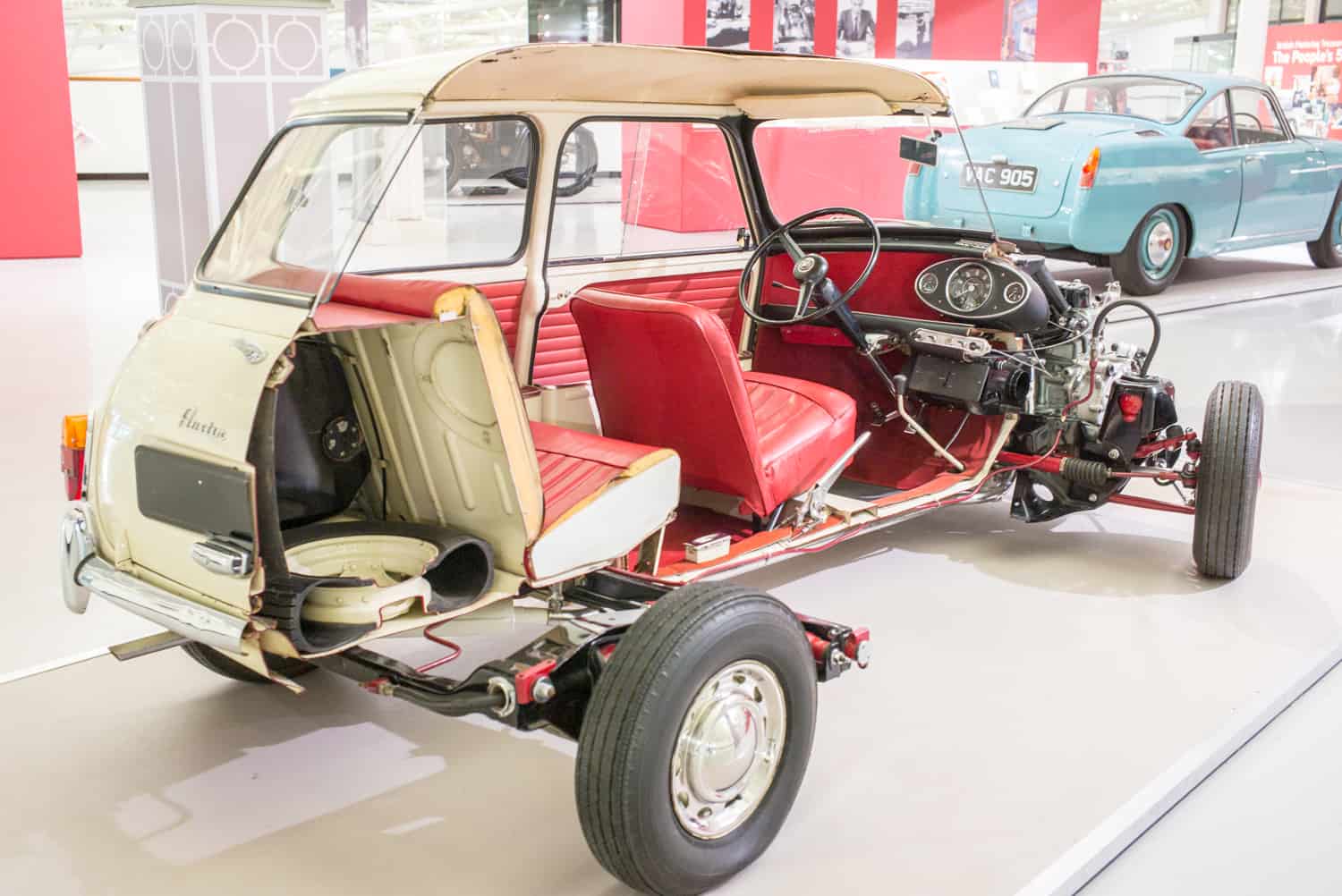
While we’re here, at the Mini, here’s a look inside Mr Issigonis’ mind:
——
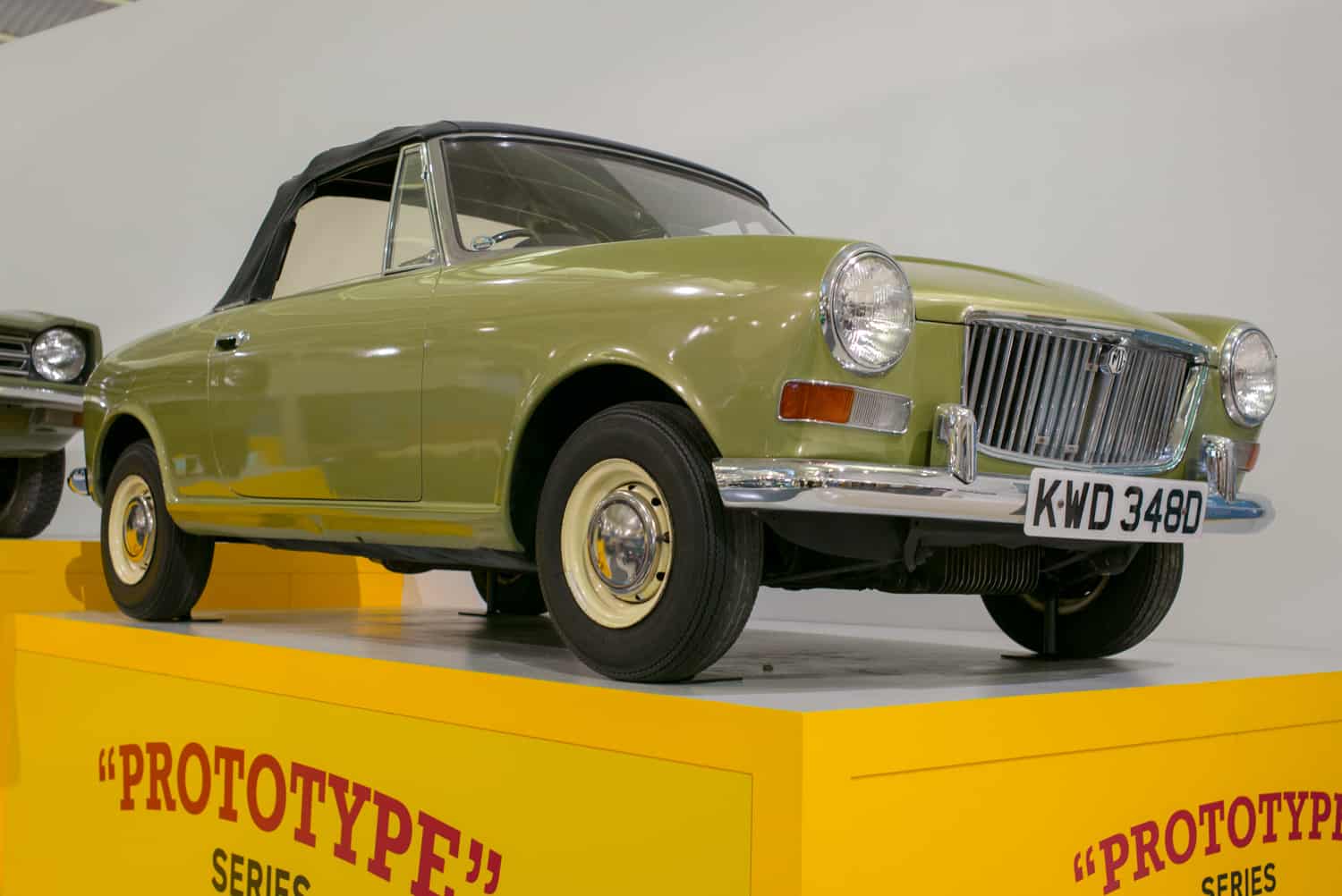
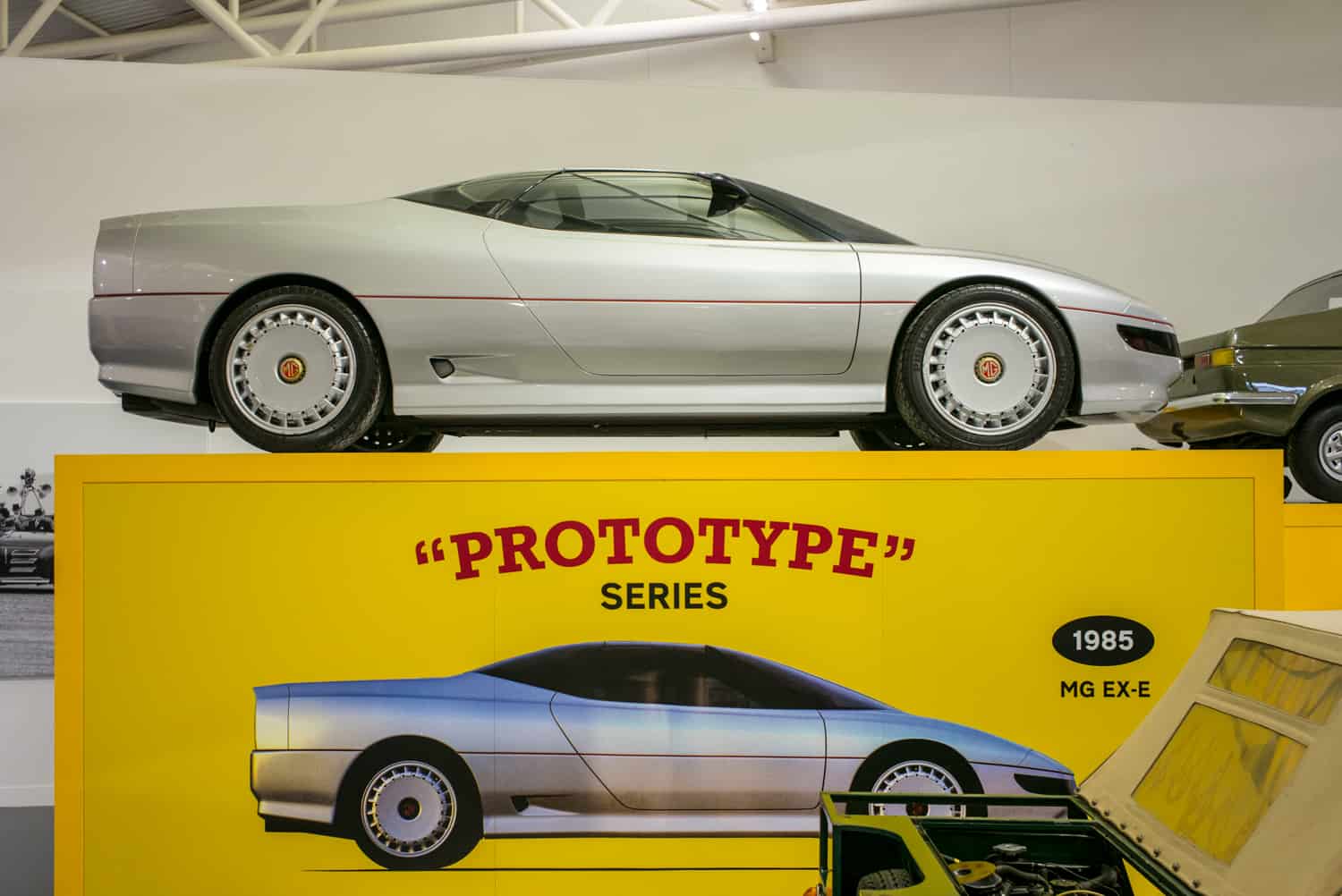
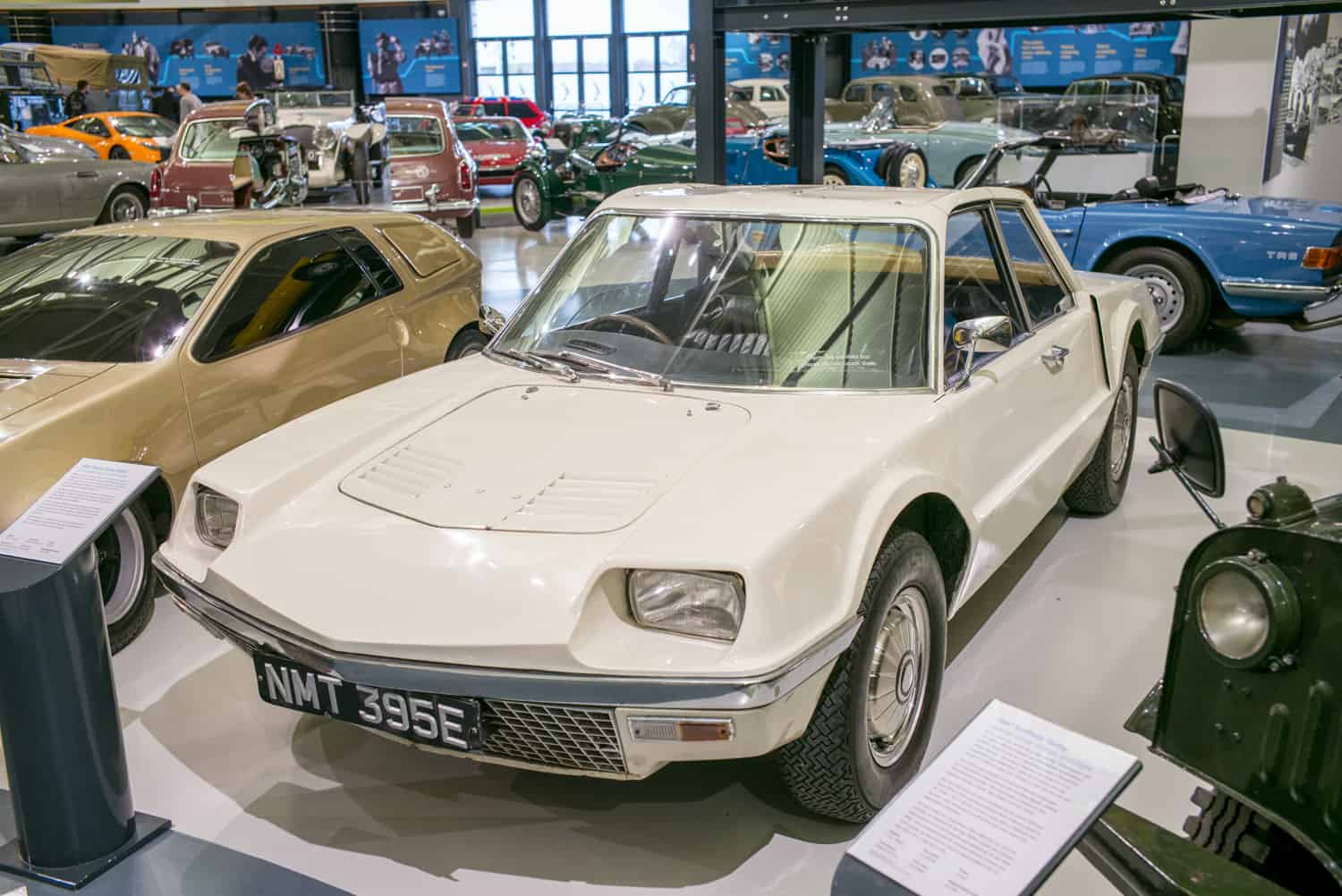
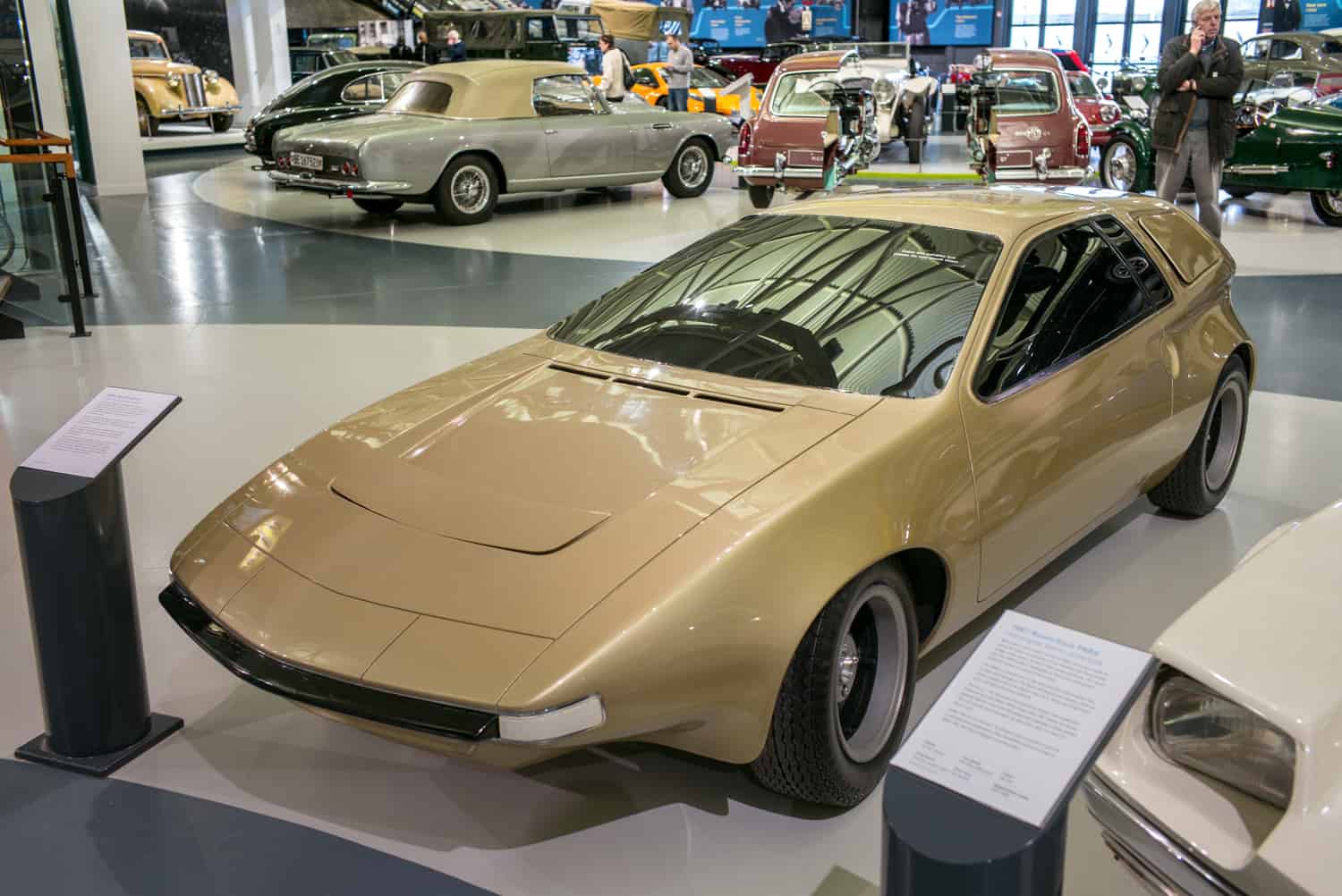
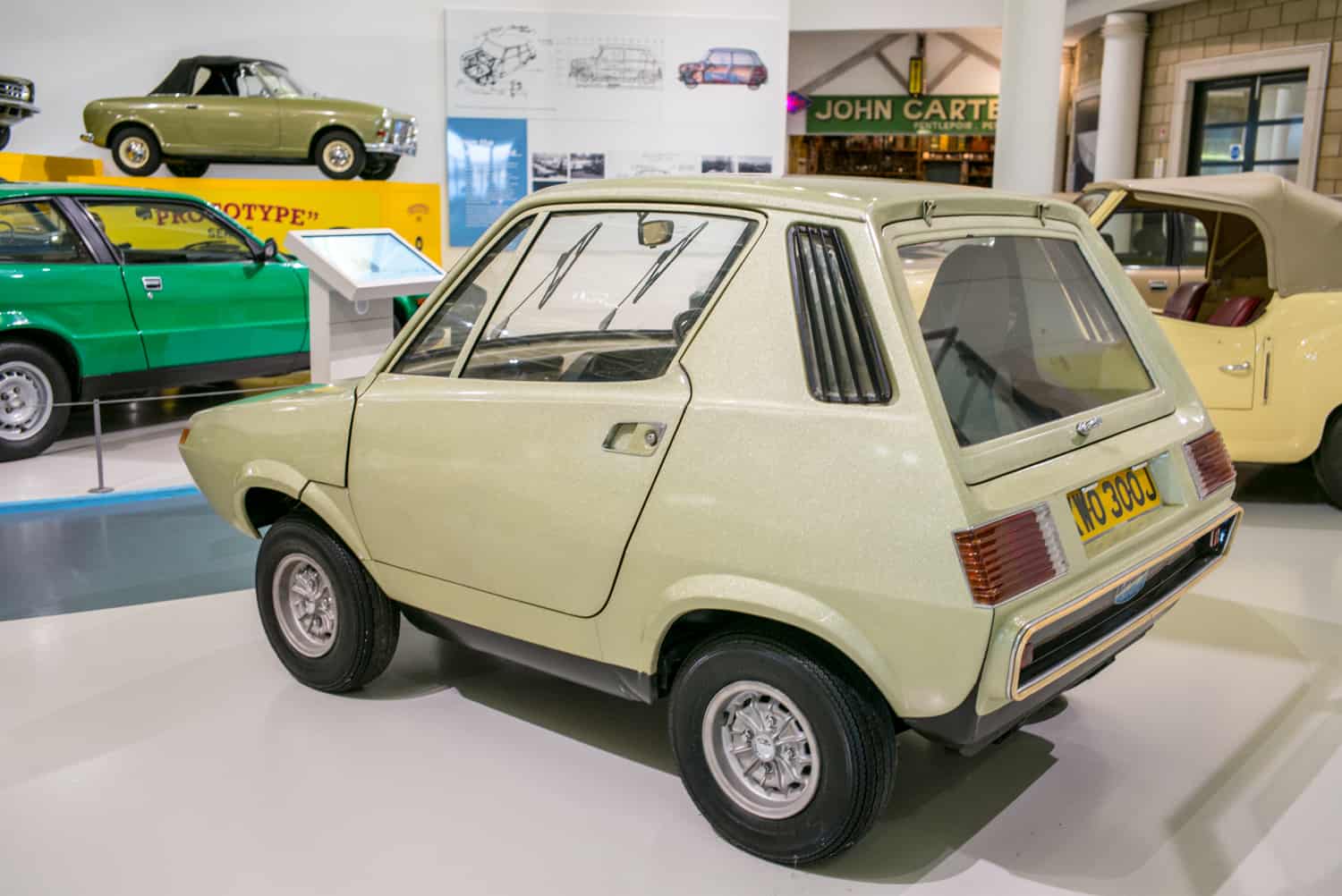
The prototype room….. so right and so wrong at the same time.
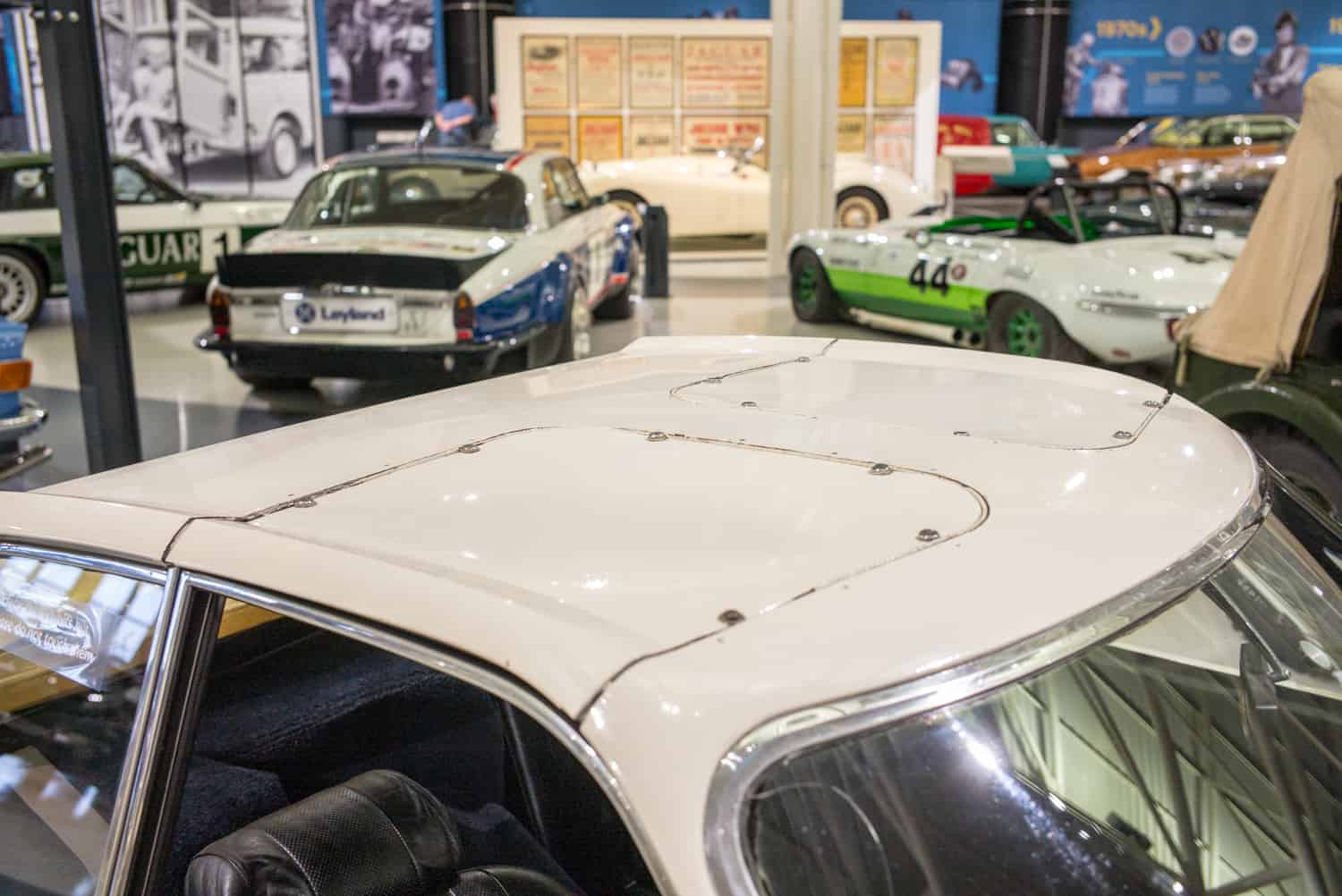
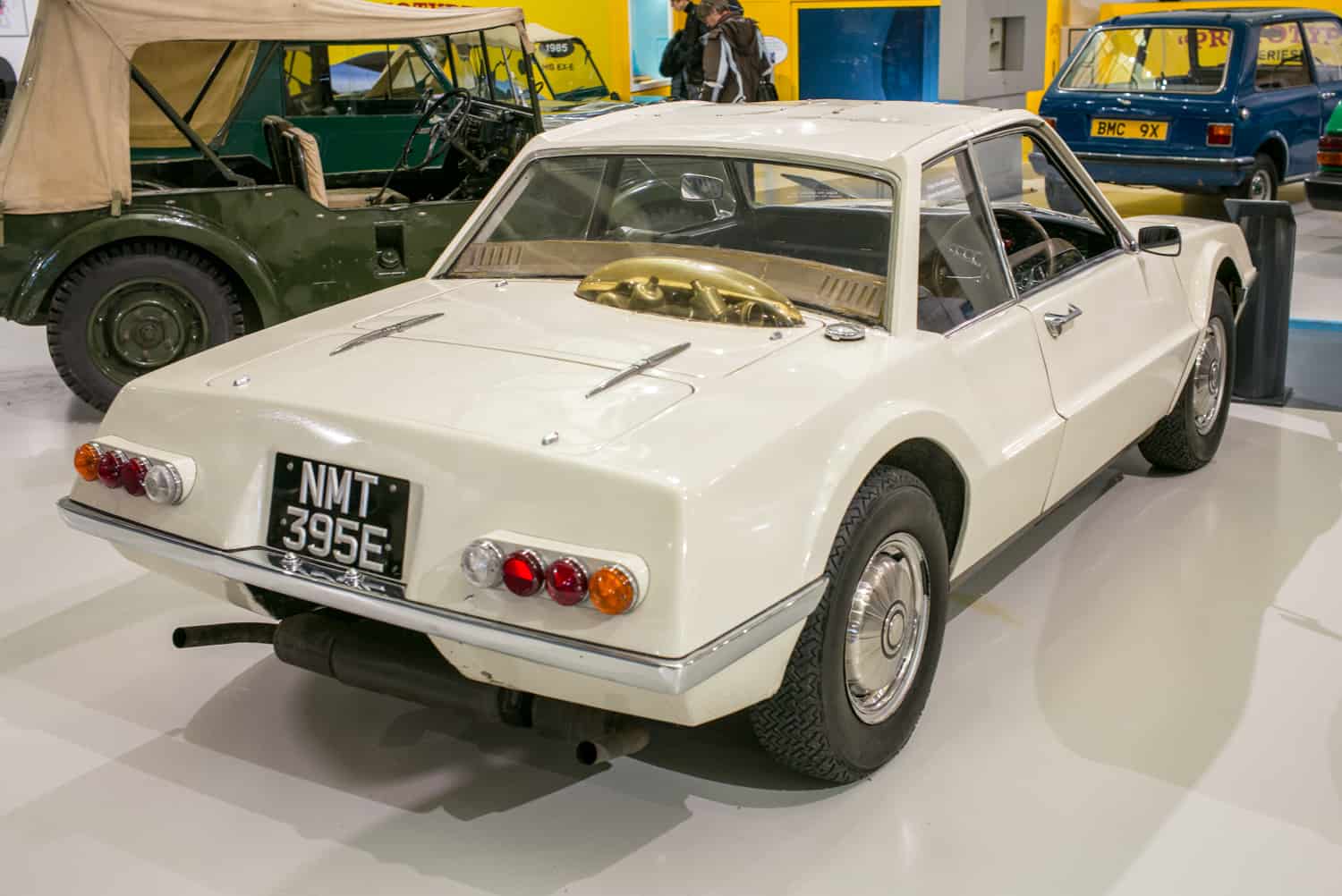
Note the amazing T-top sealing hardware and the bubble-on-the-back…..
Not bad for 1969. Ahead of its time….
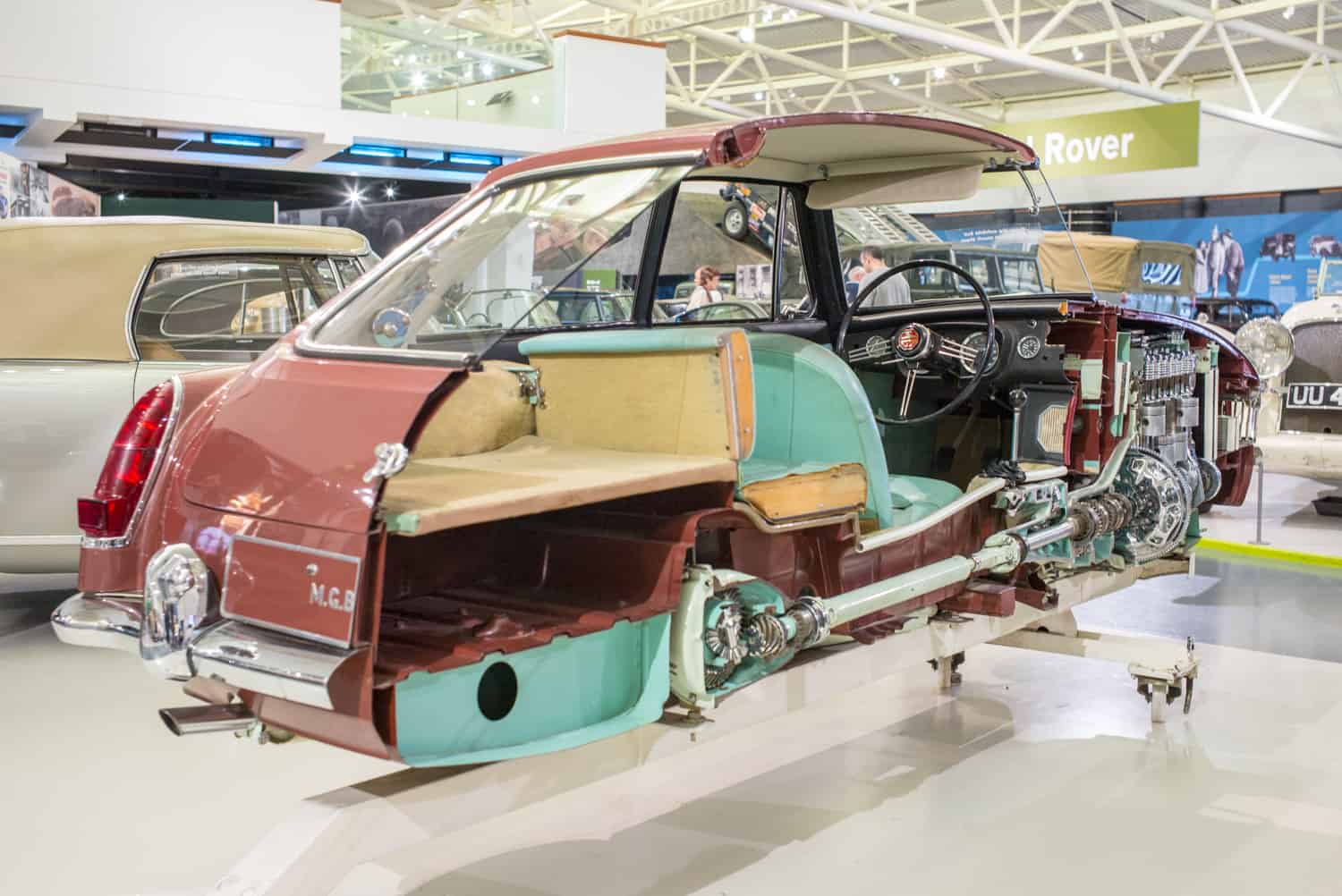
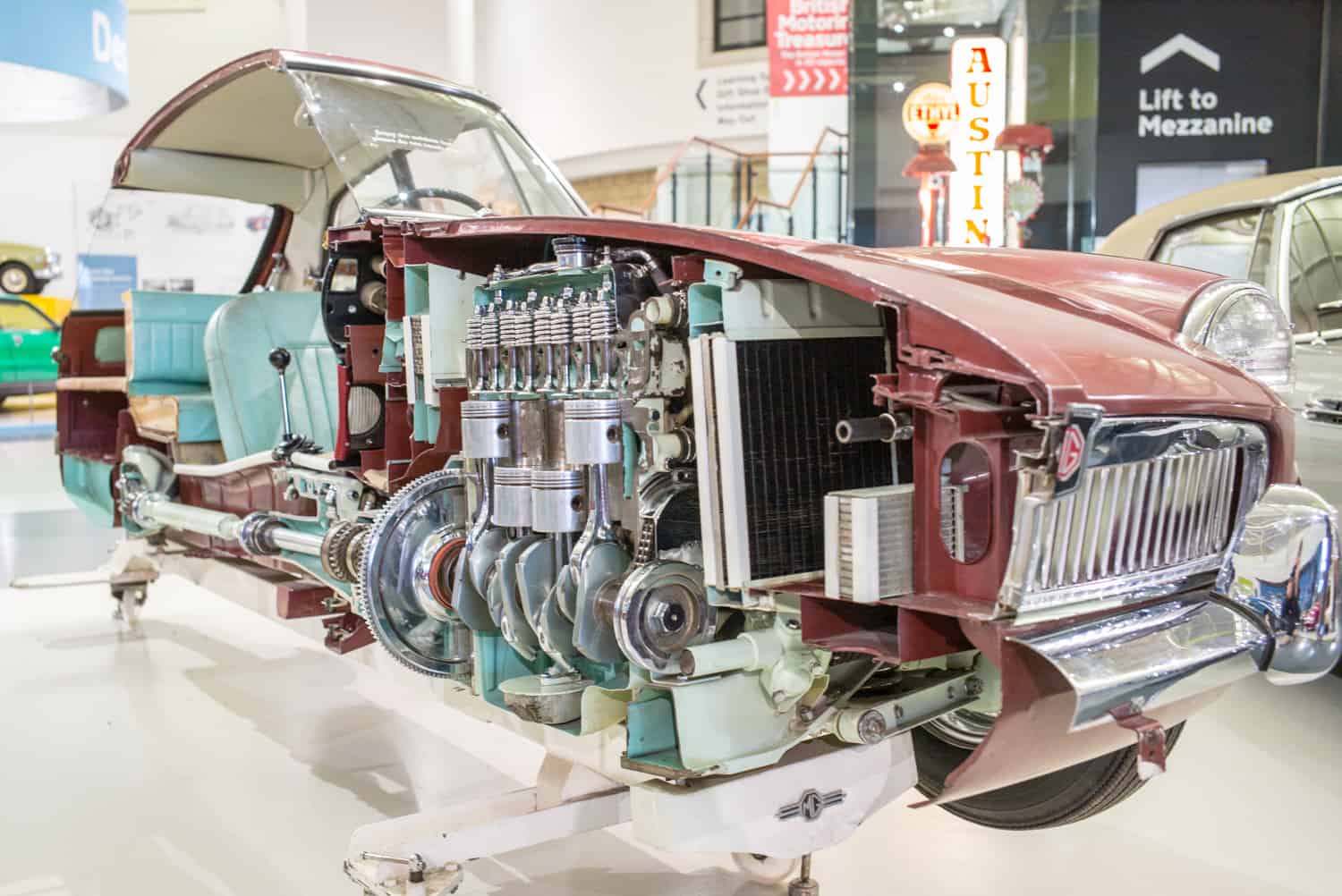
For my mate, Jim. Here’s your car’s insides……
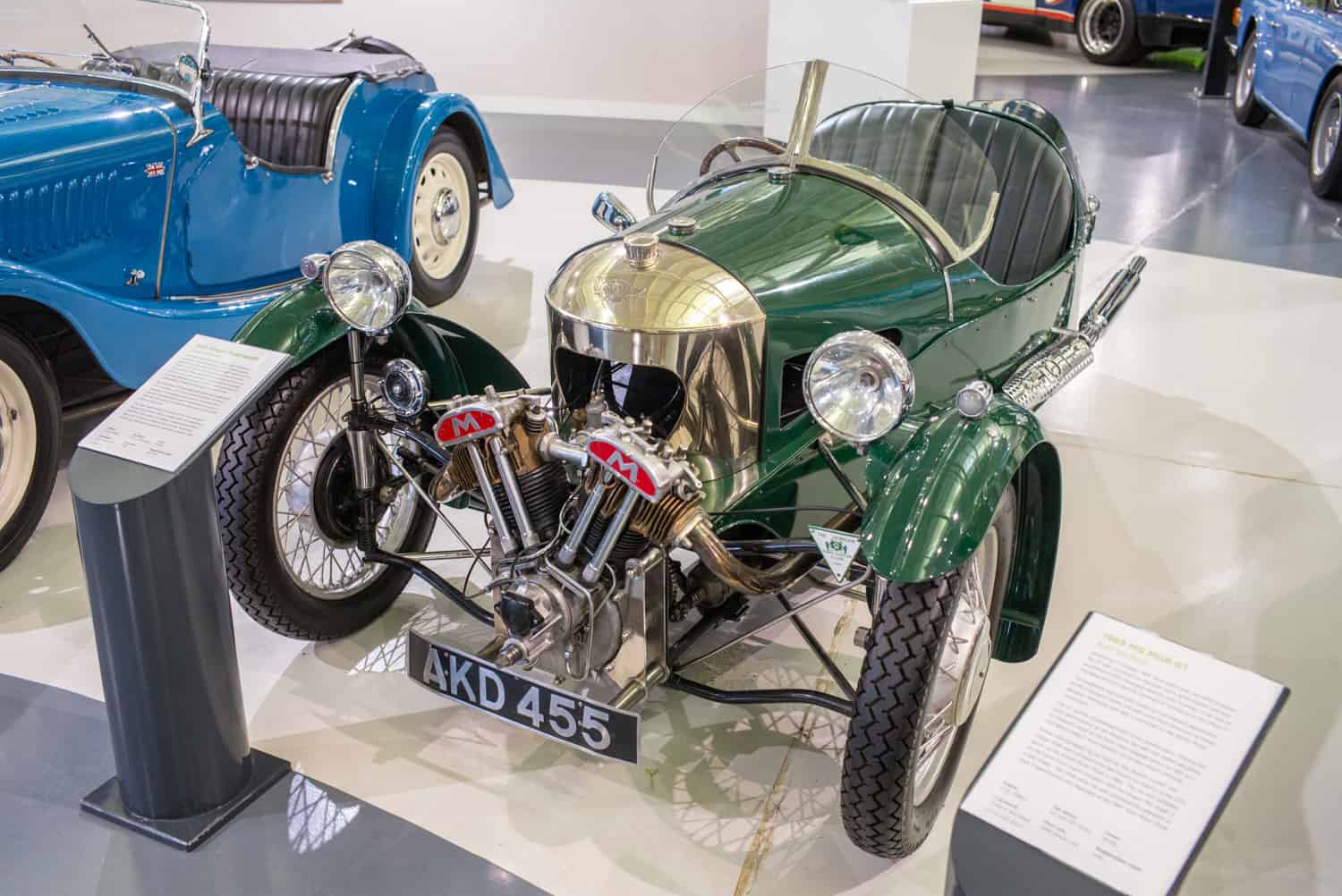
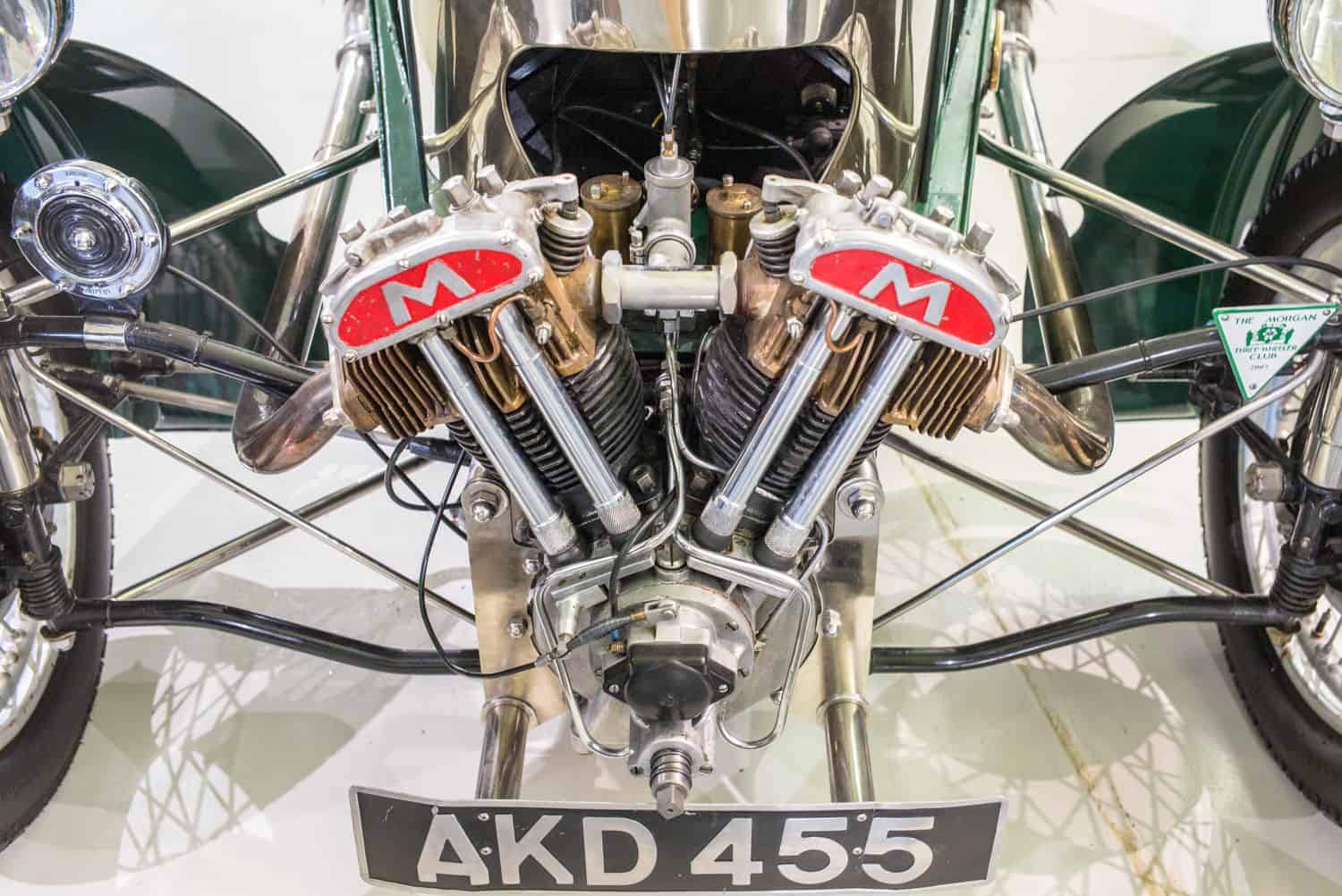
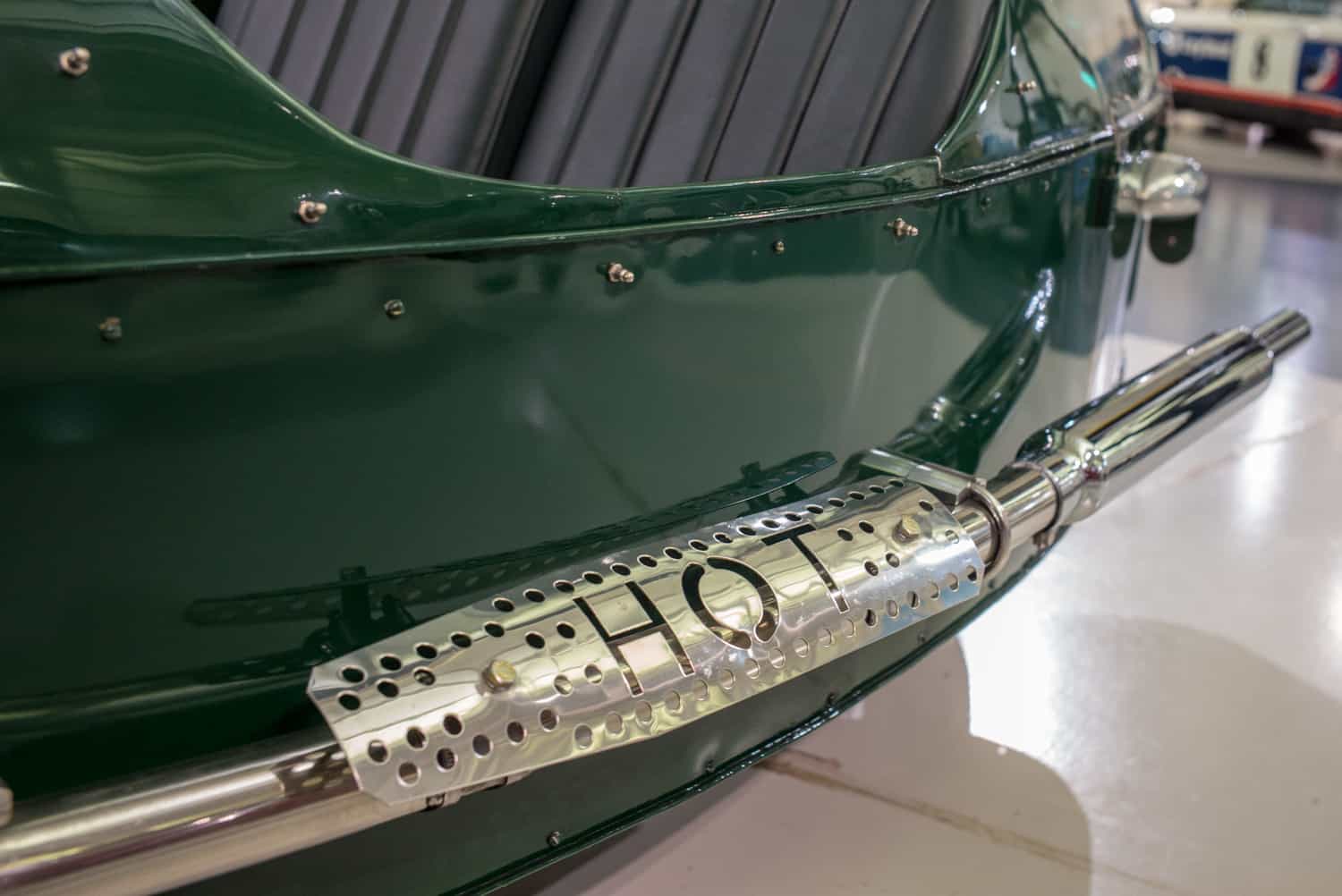
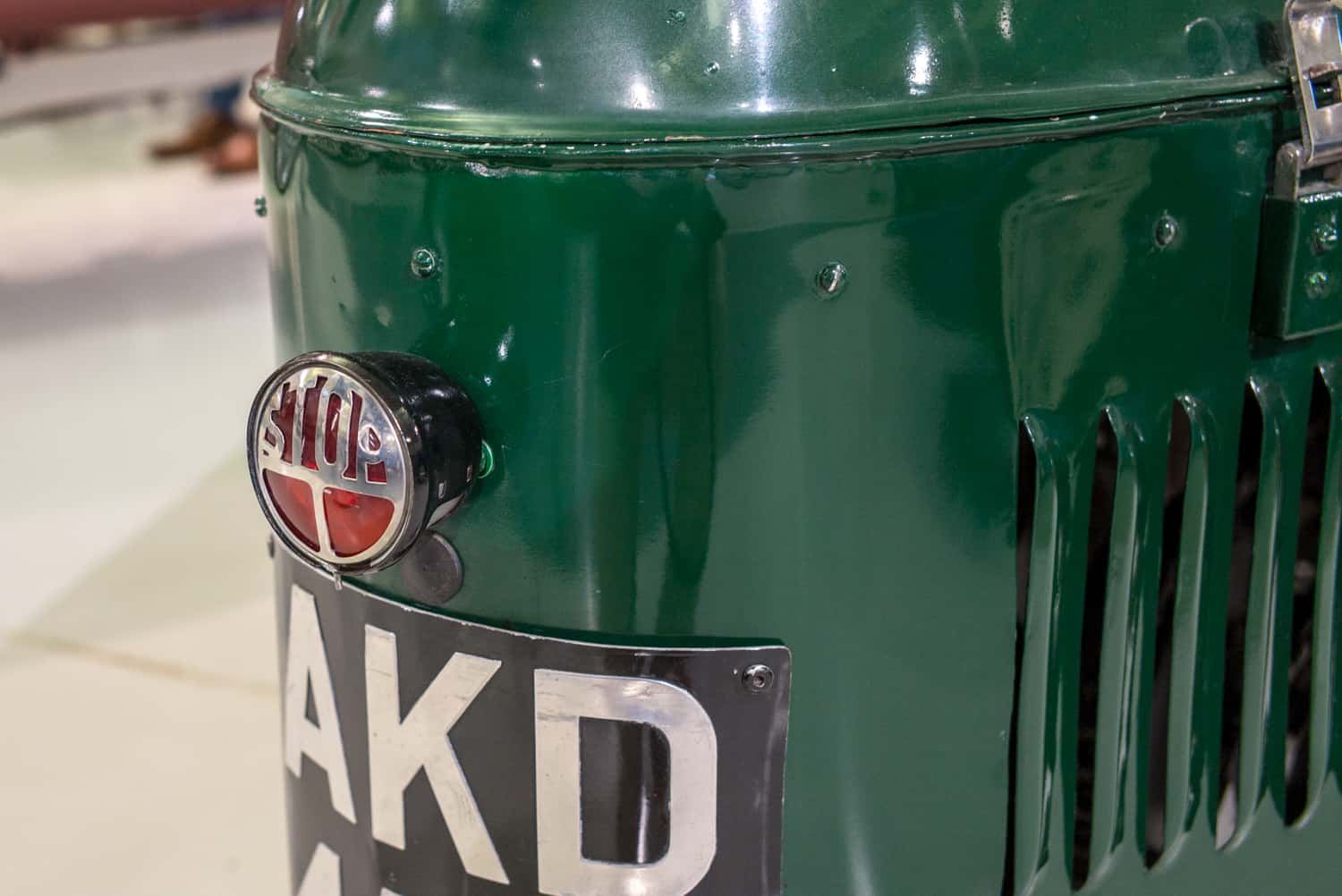
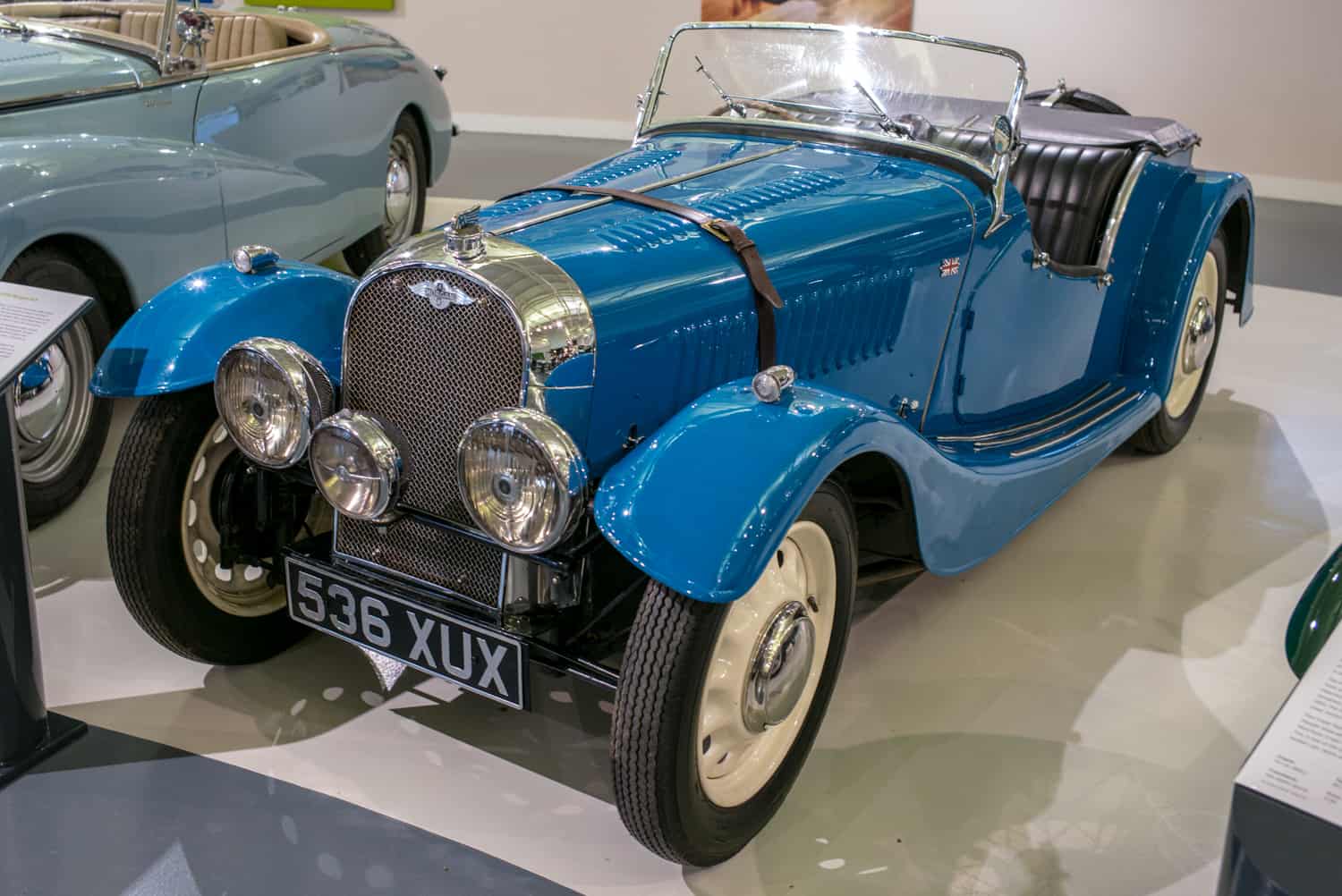
One of my dream cars, the Morgan 3-wheeler…..
More Morgan goodness:
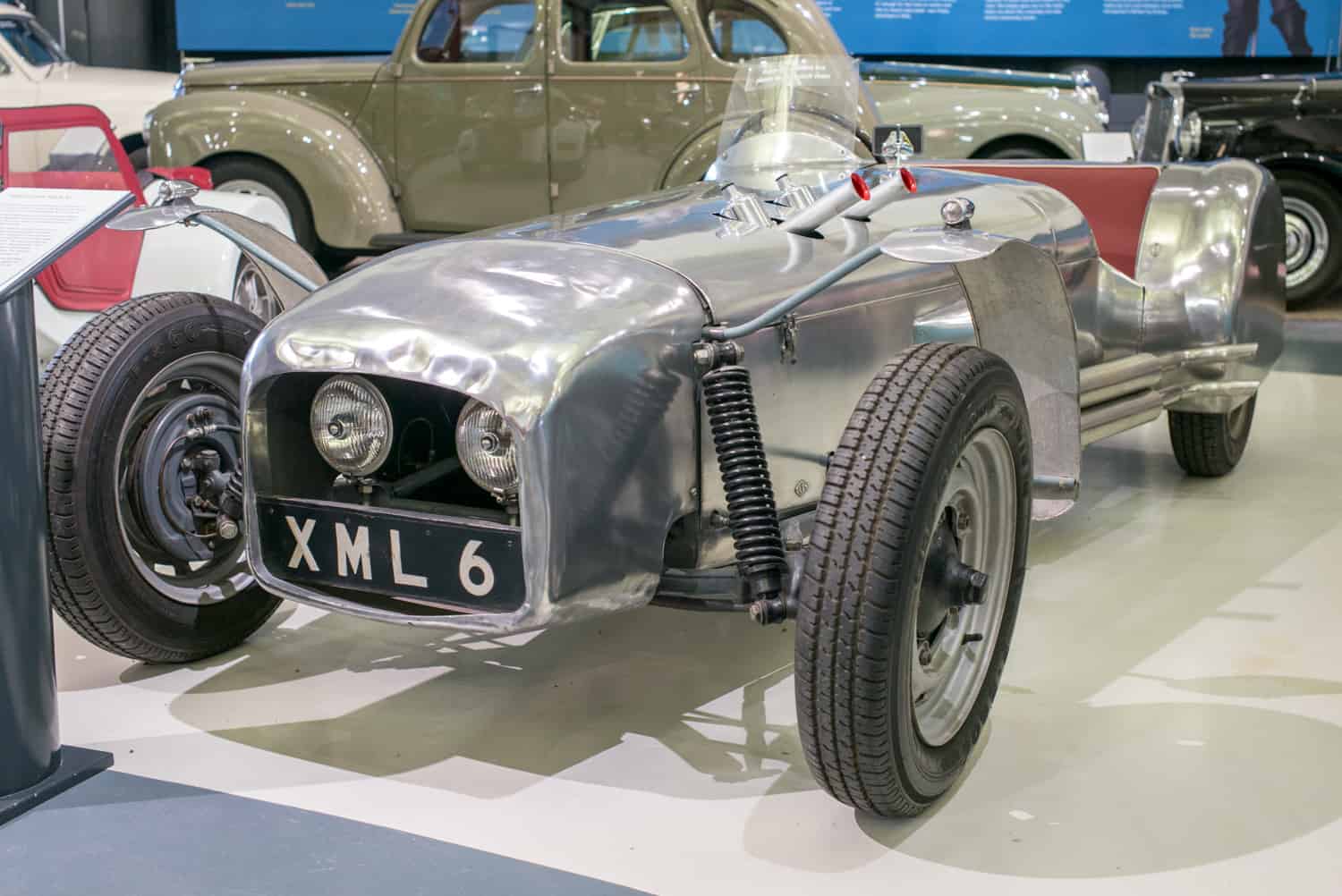
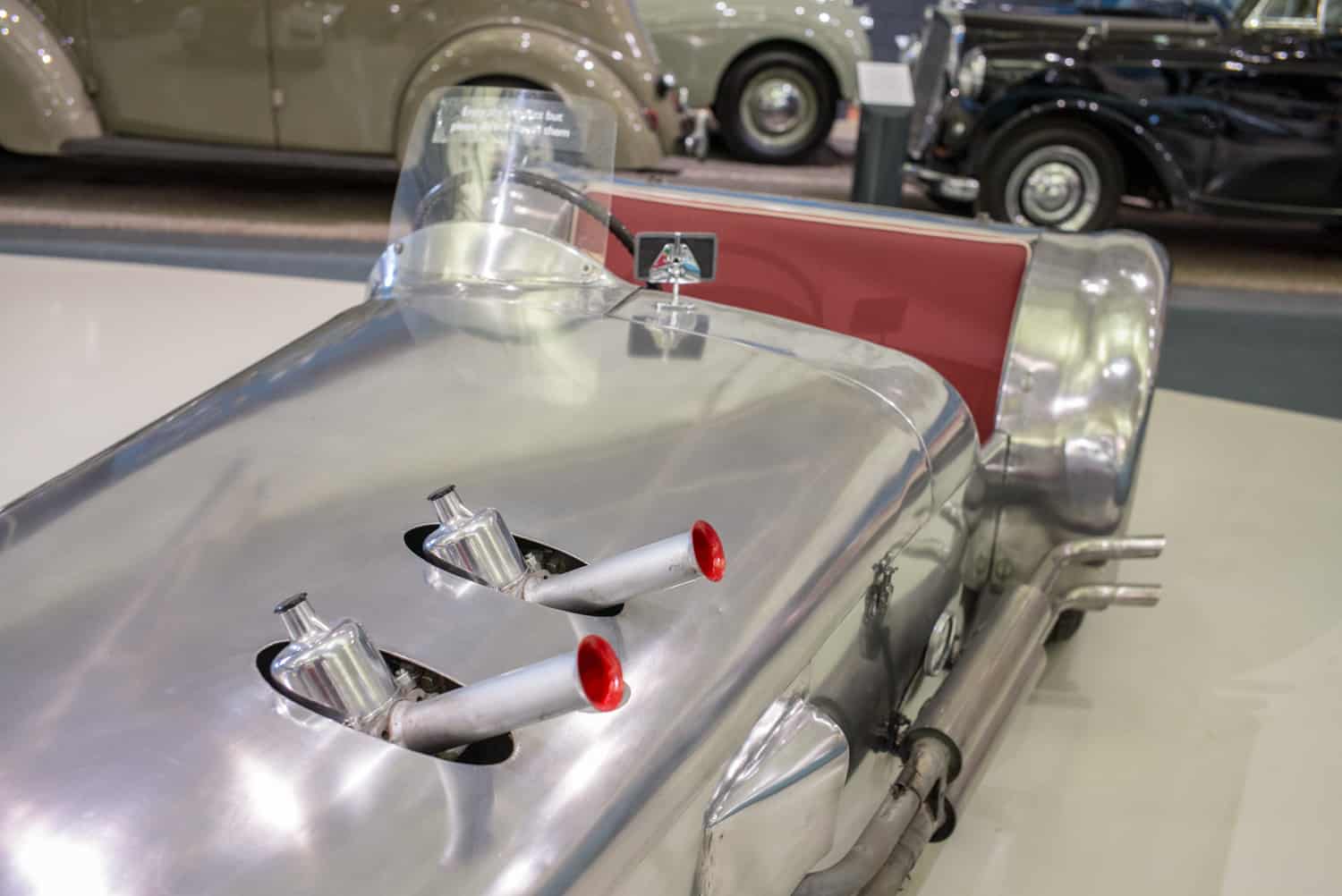
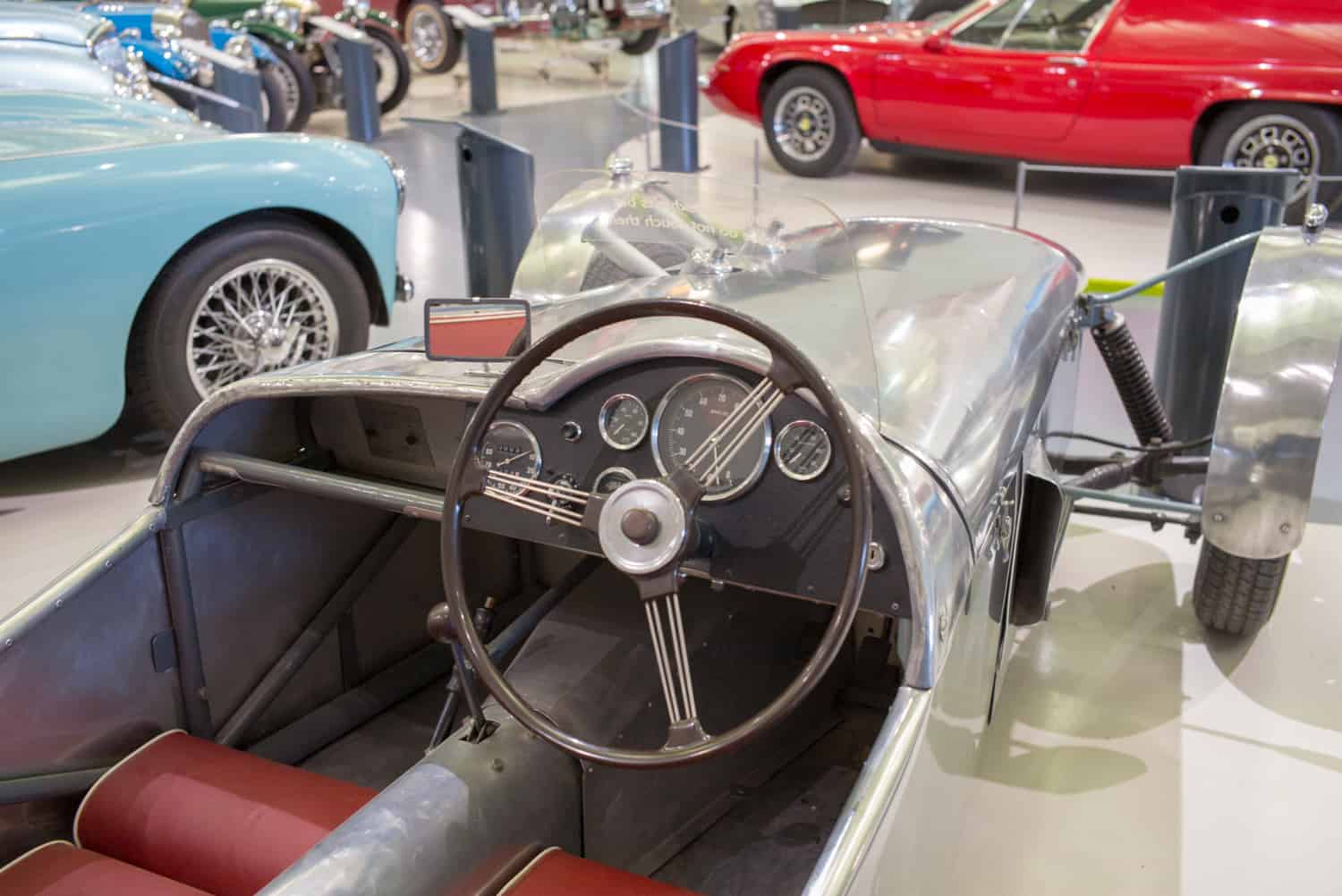
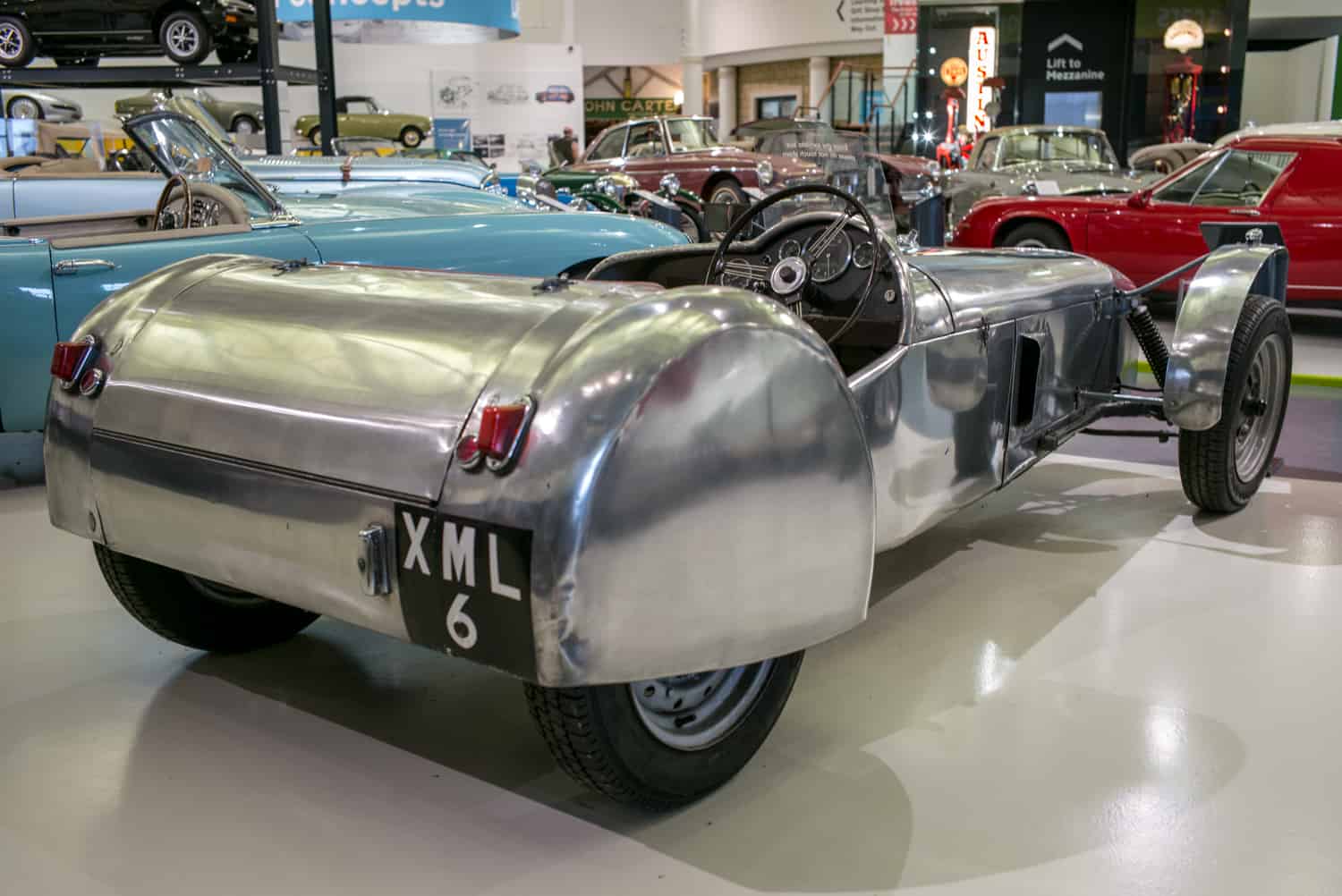
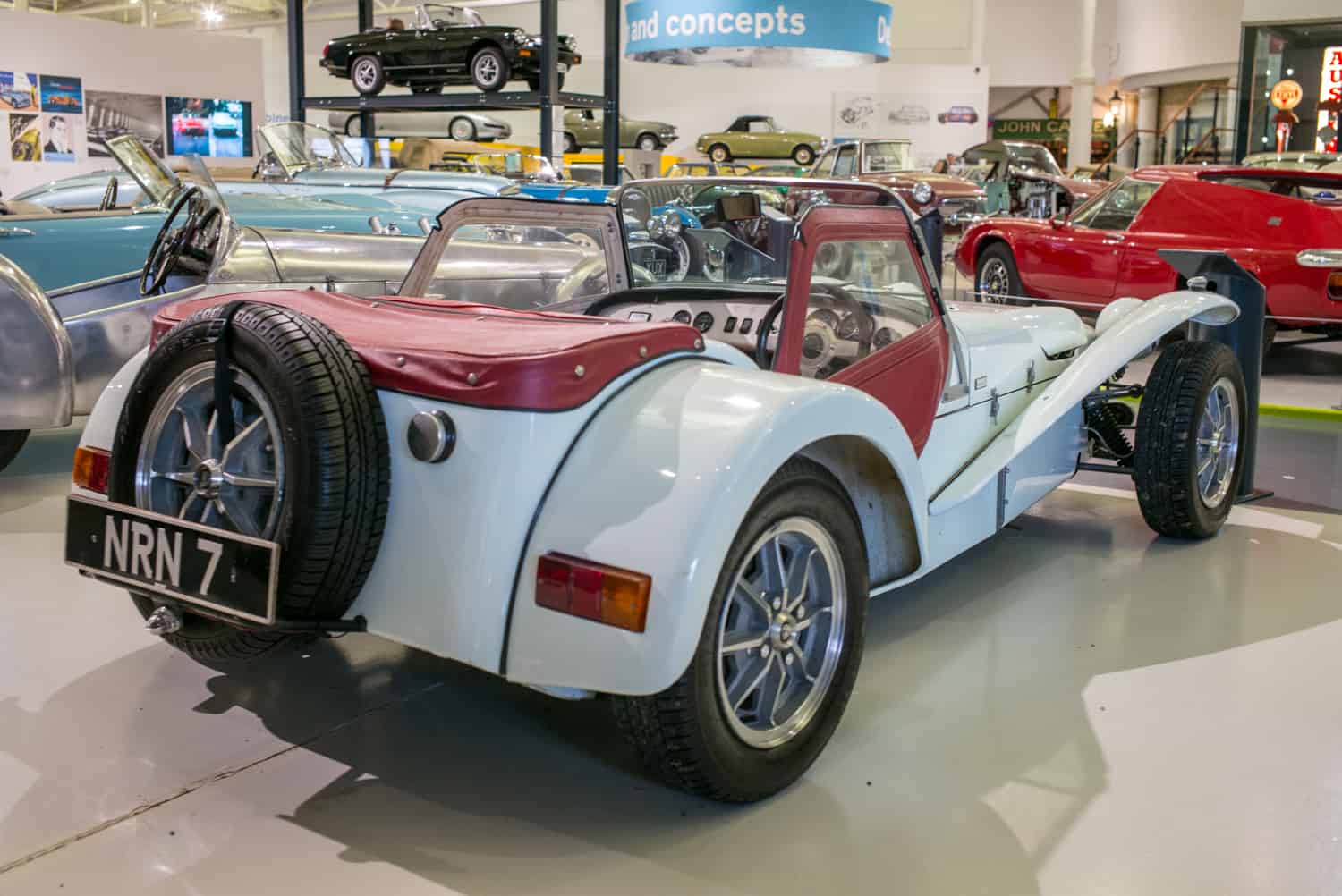
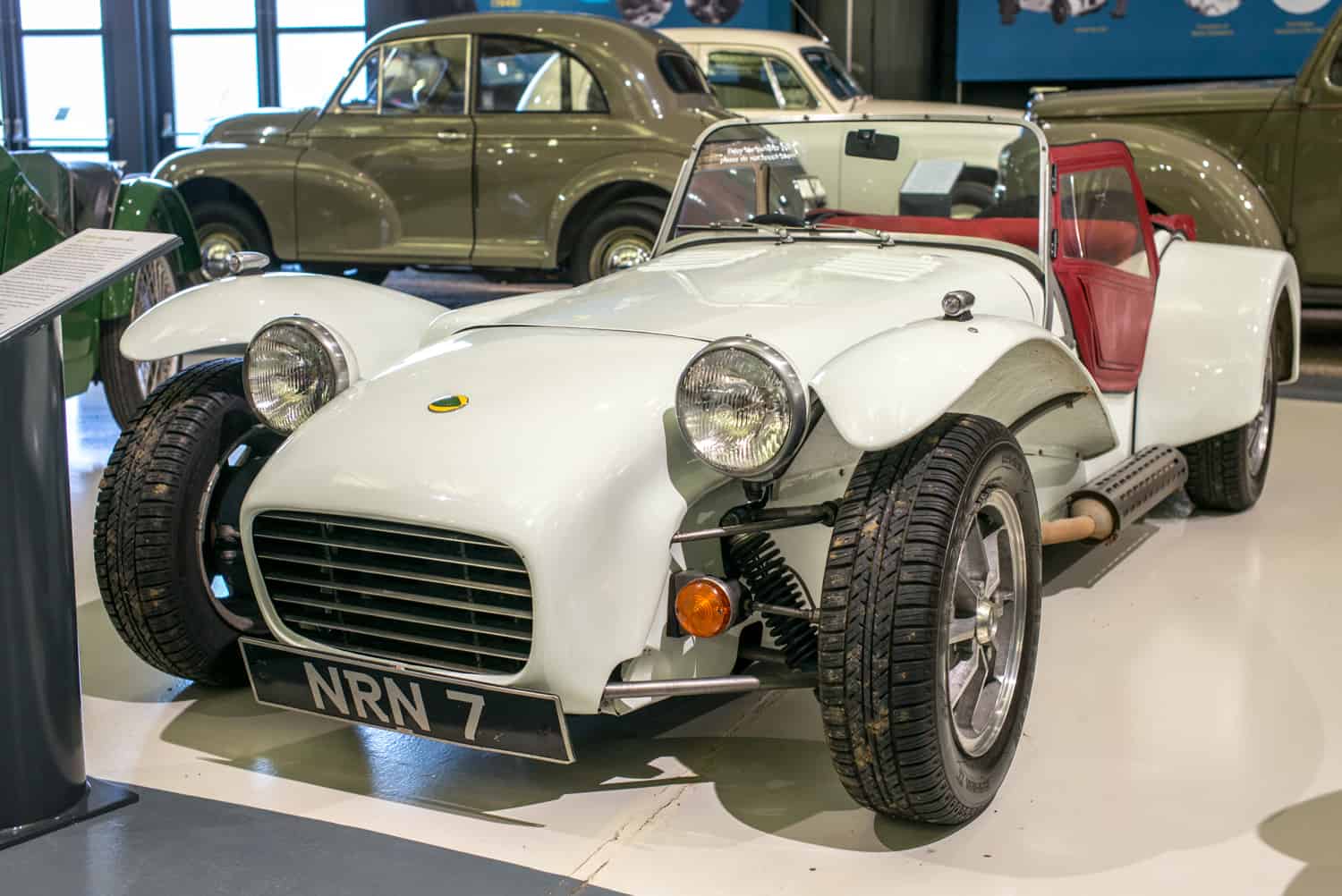
Lotus Mark VI – Colin Chapman’s first ‘production’ car….
…and it’s successor, the legendary Lotus 7:
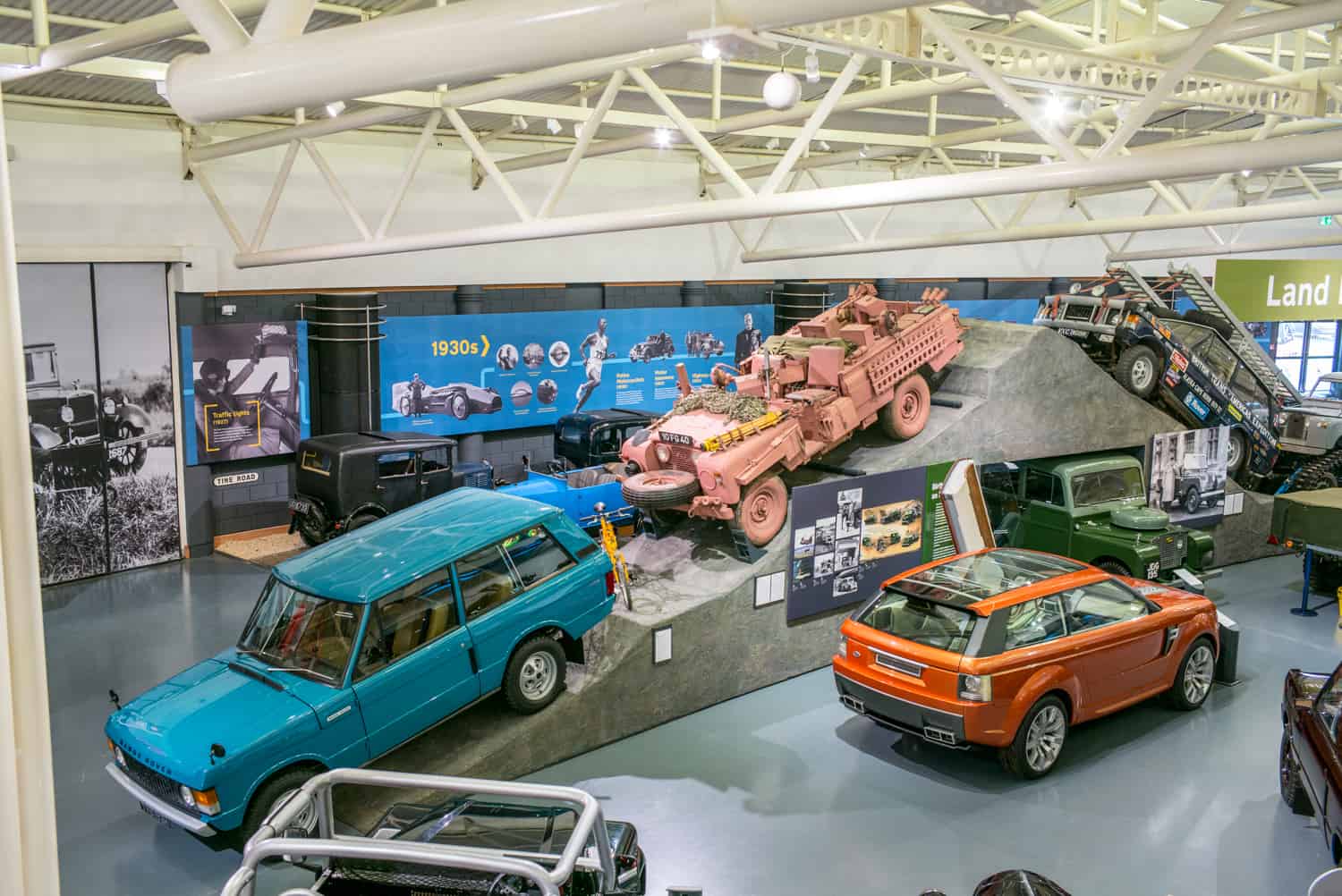
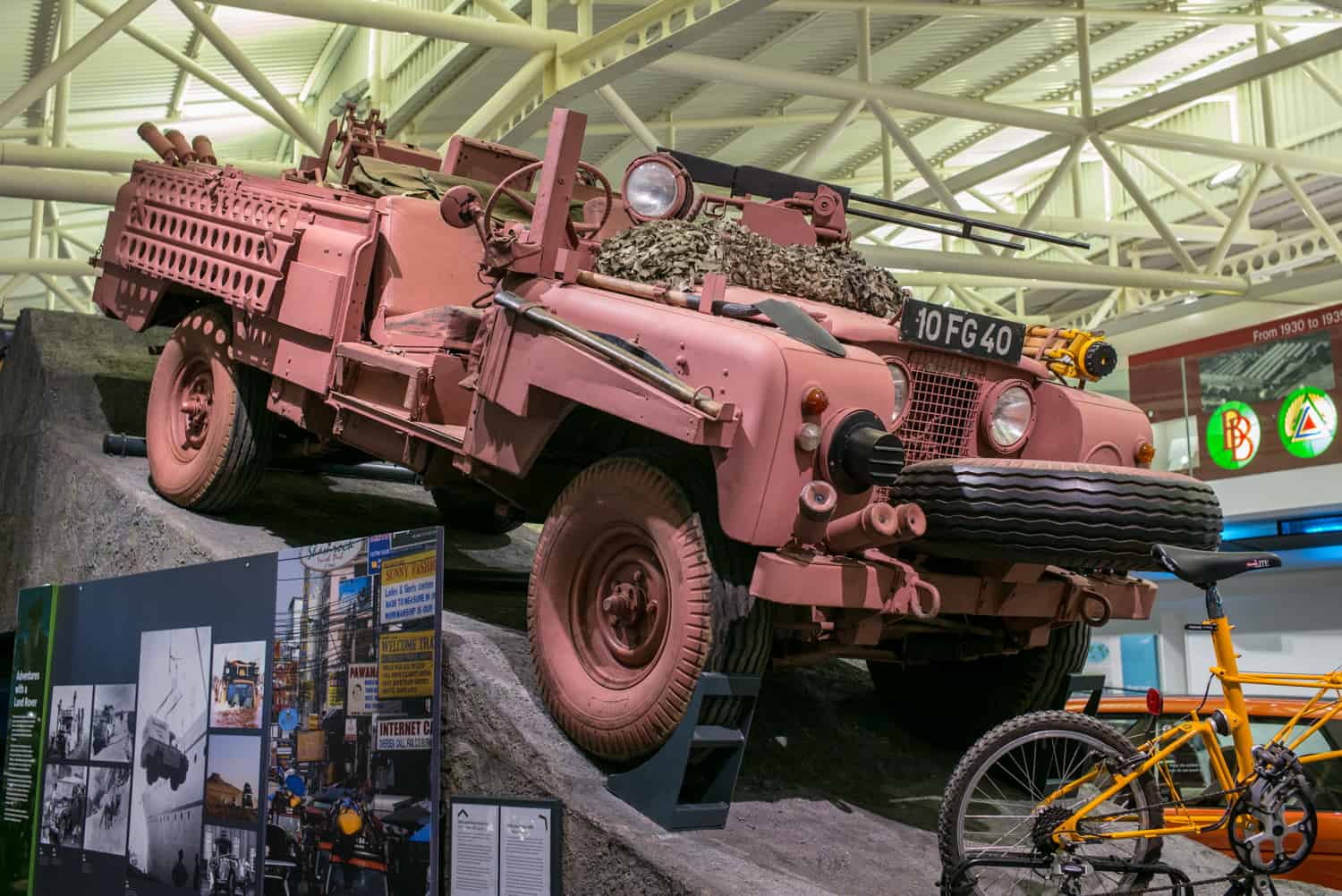
Overview of the off-road section:
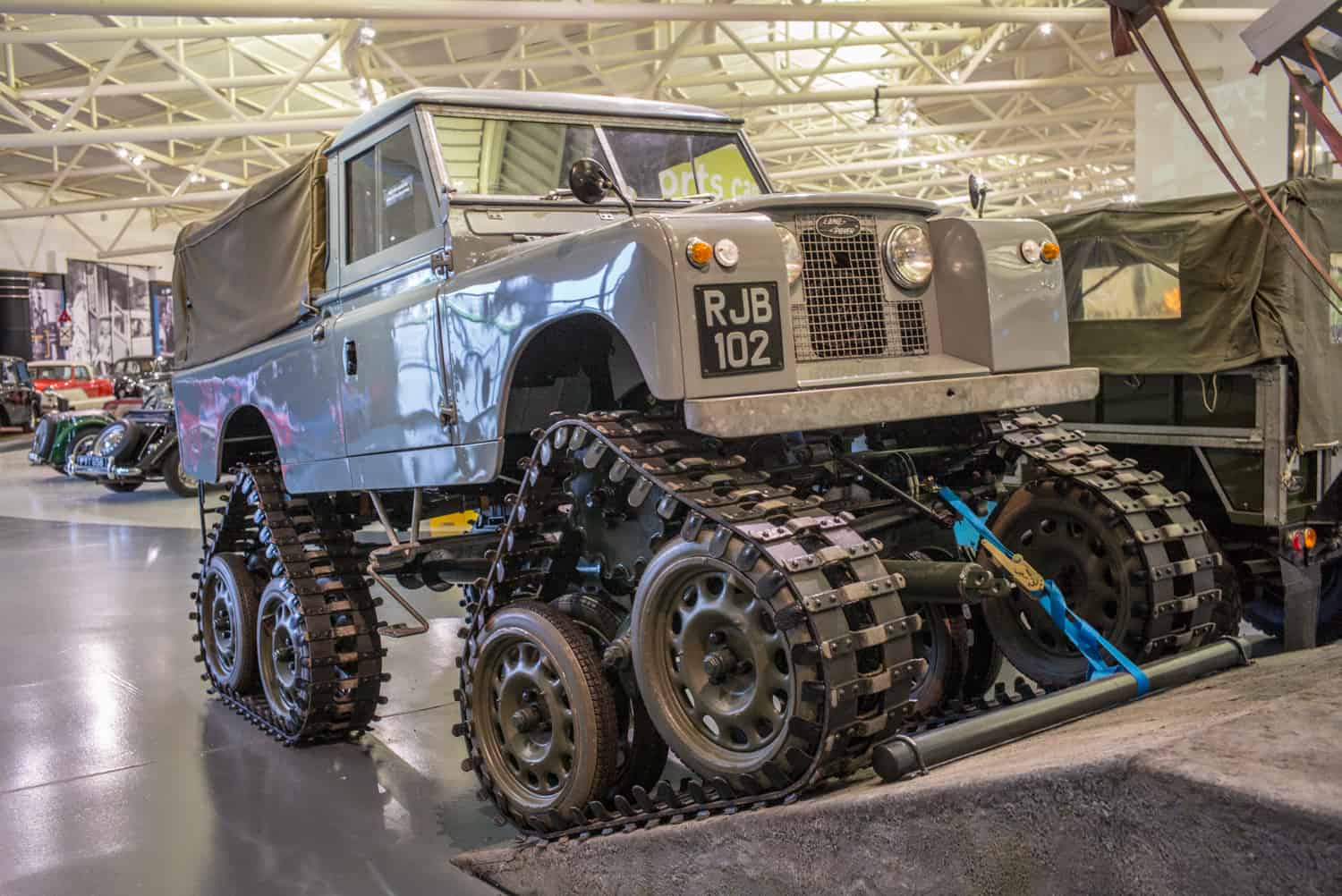
And some individuals:
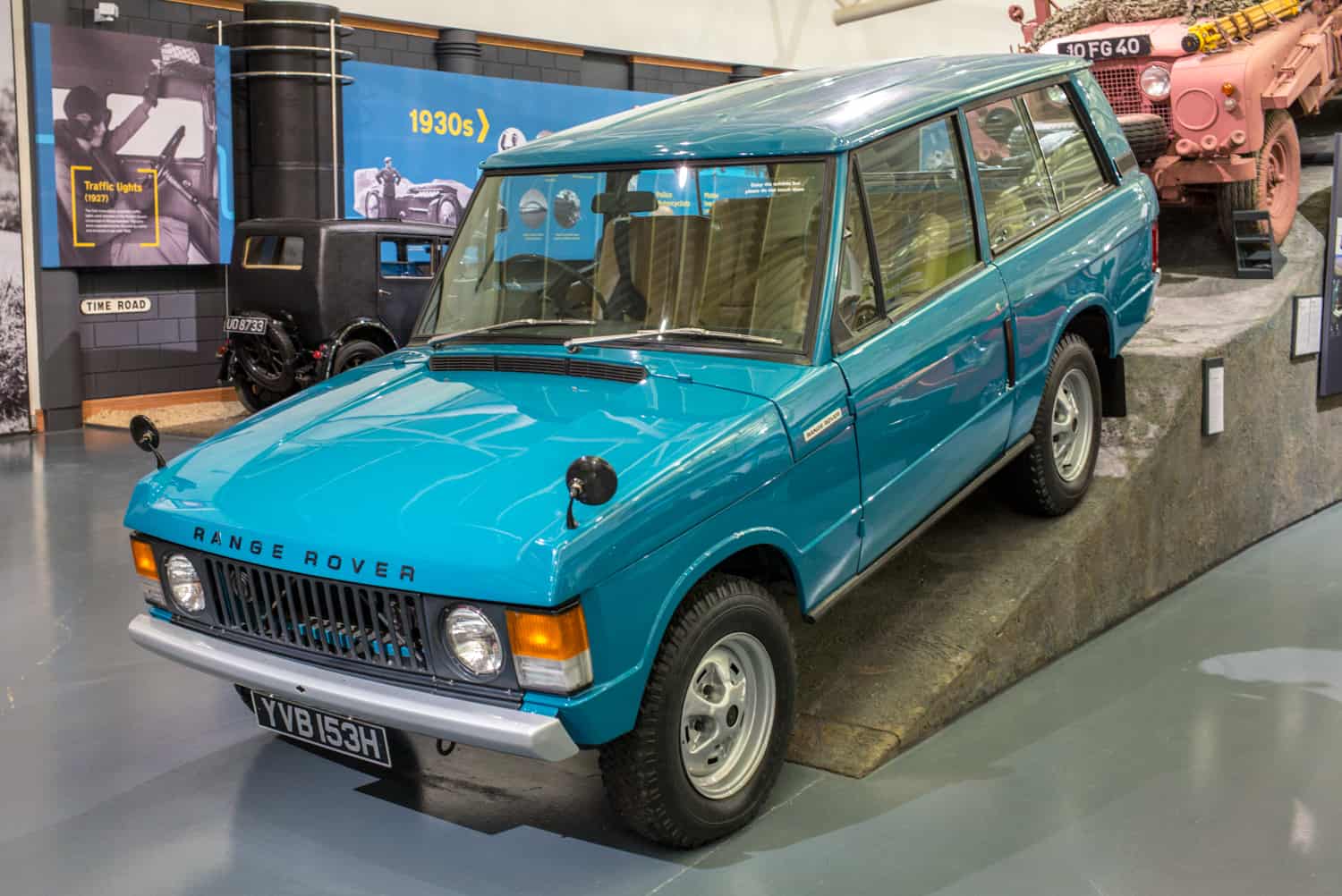
I believe this is the first Range Rover, from the early 1970’s
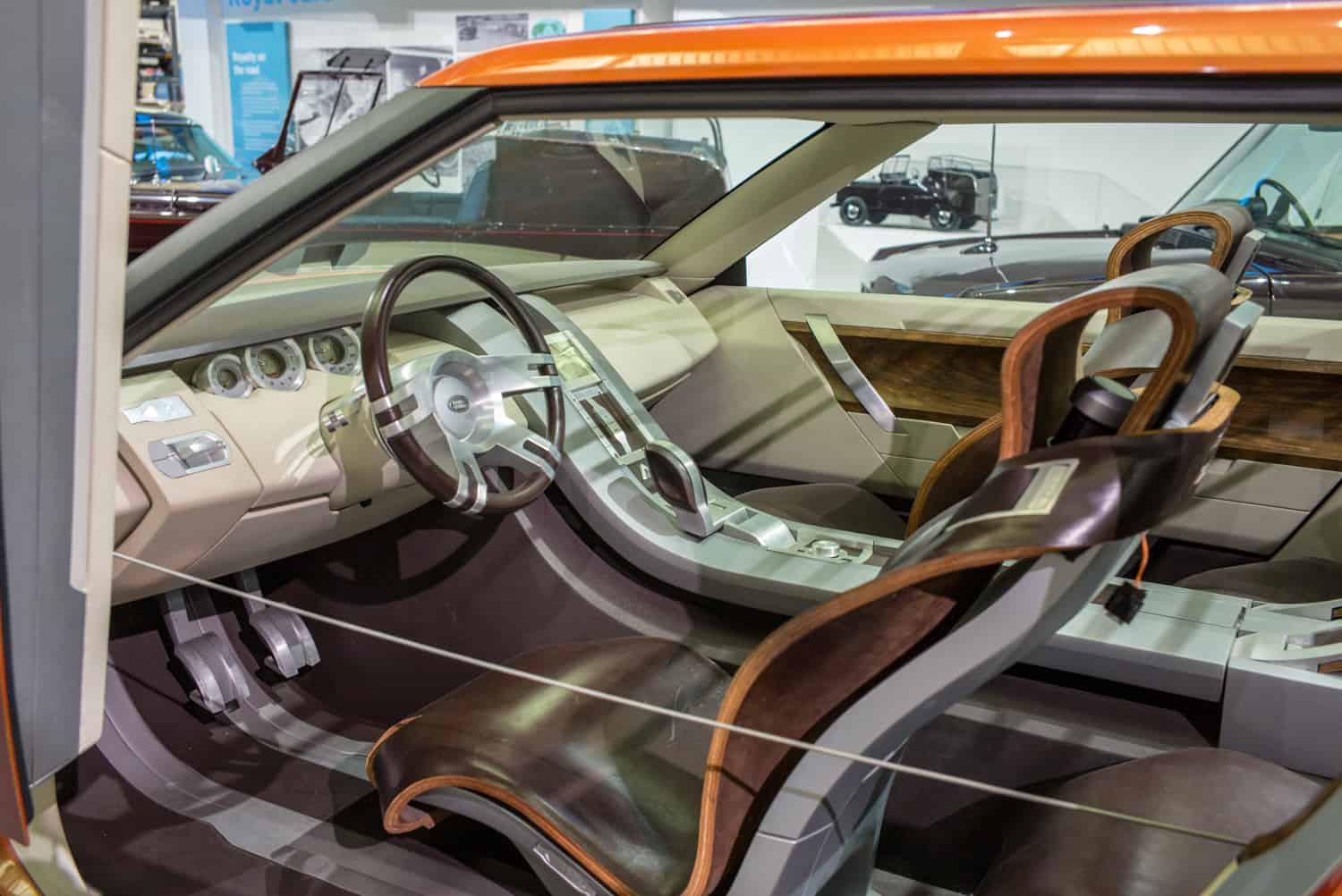
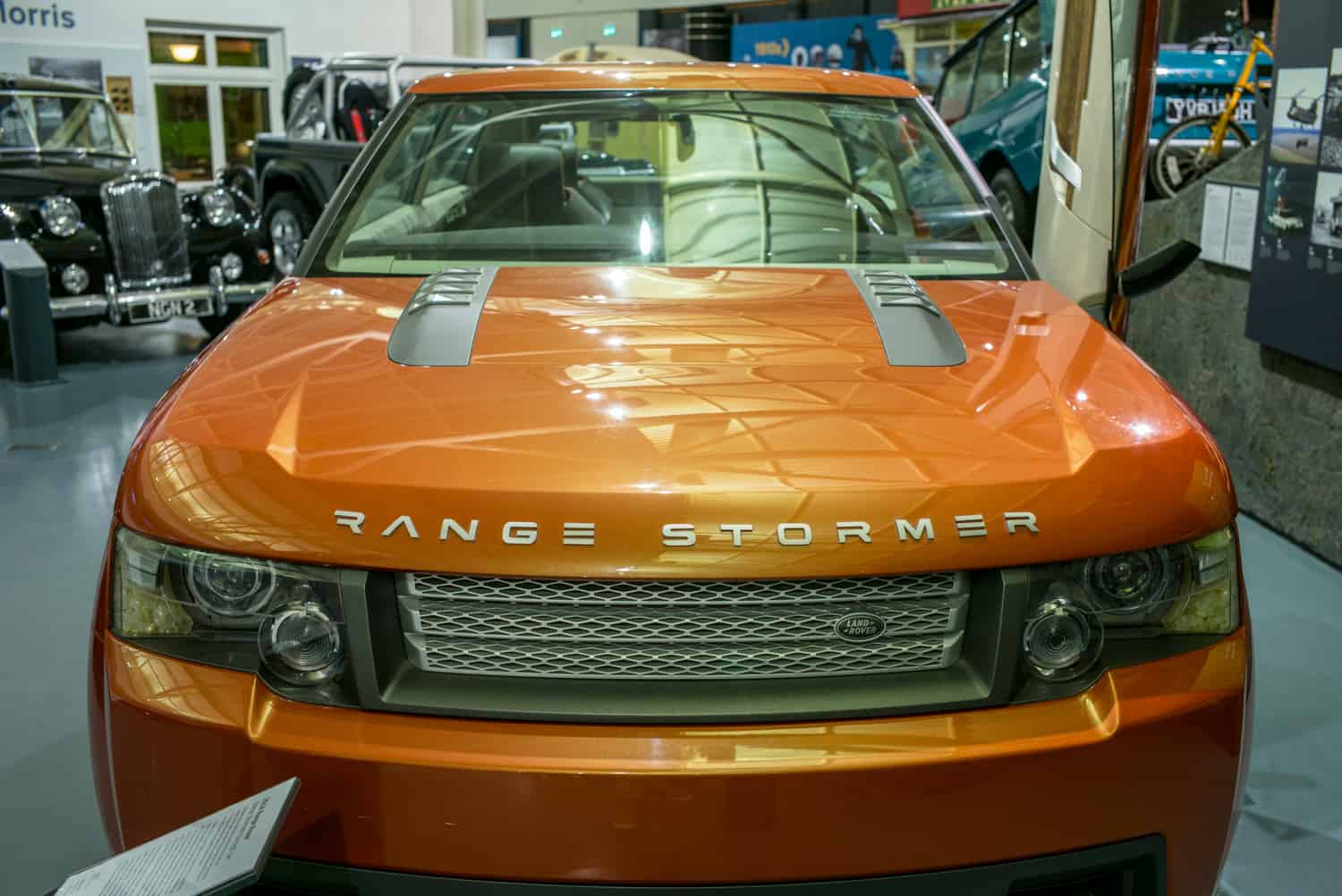
Range Stormer concept car, much of whose styling eventually made its way into the Evoque:
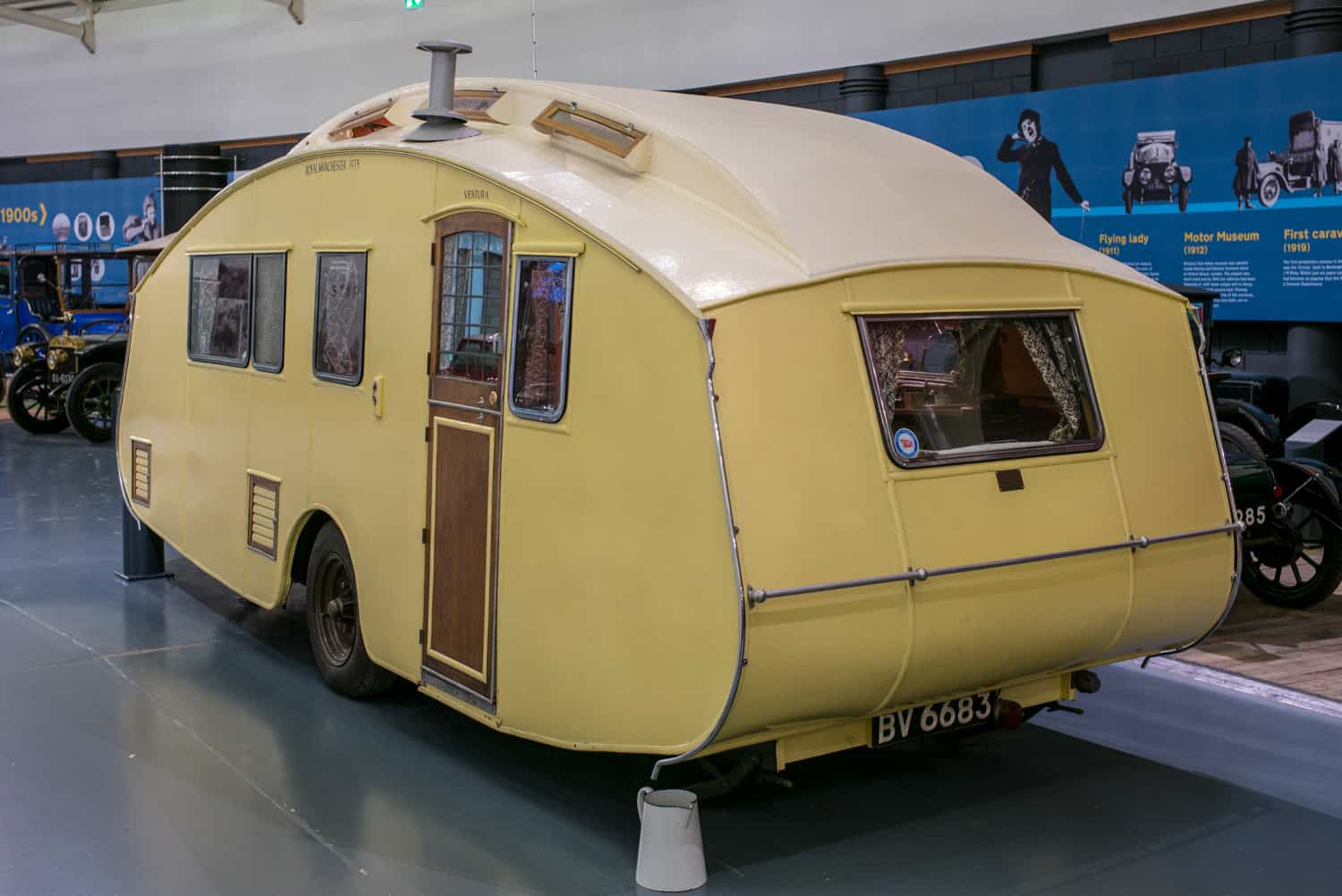
The Brits love their caravans.
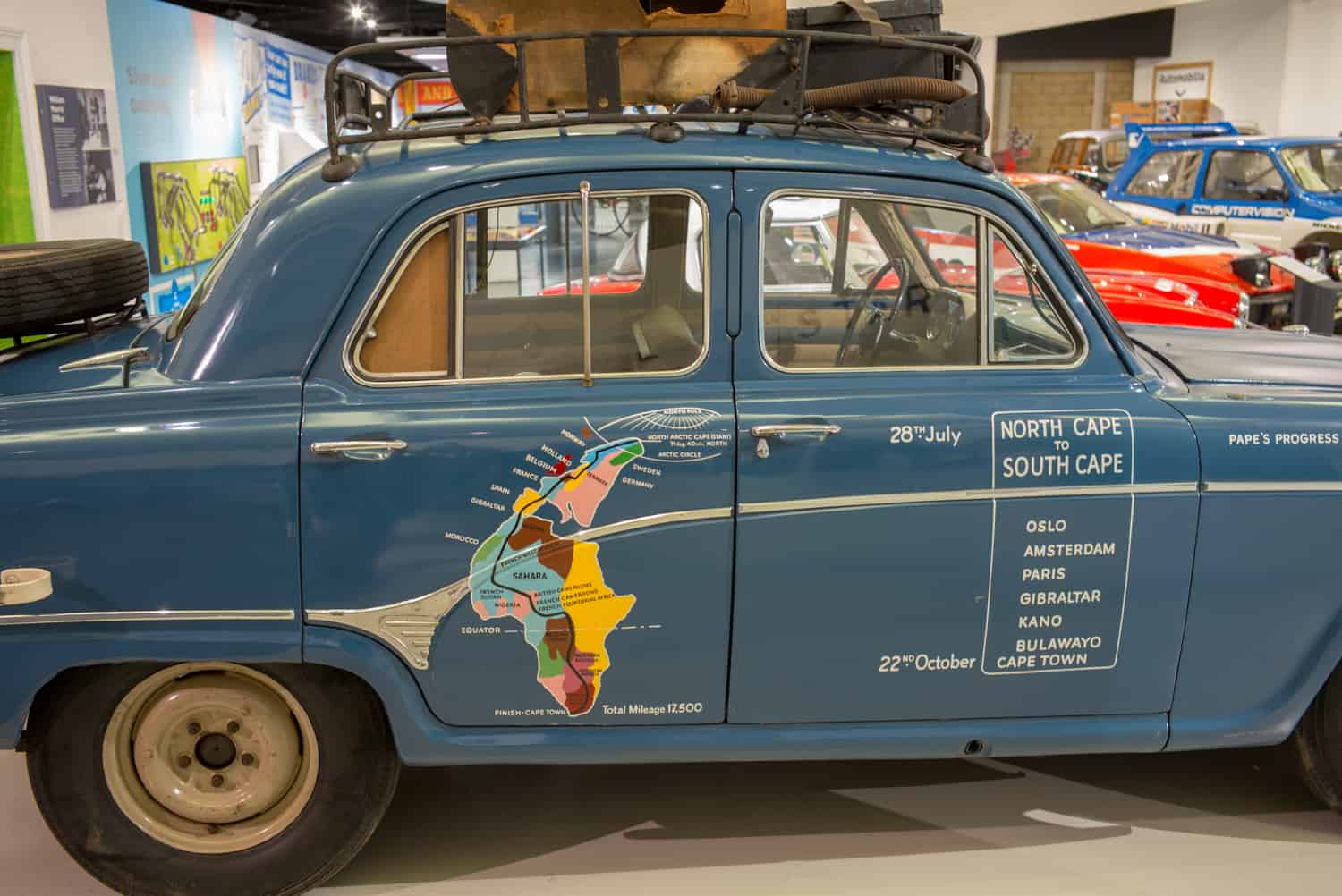
Now THIS looks like an adventure. Any takers?
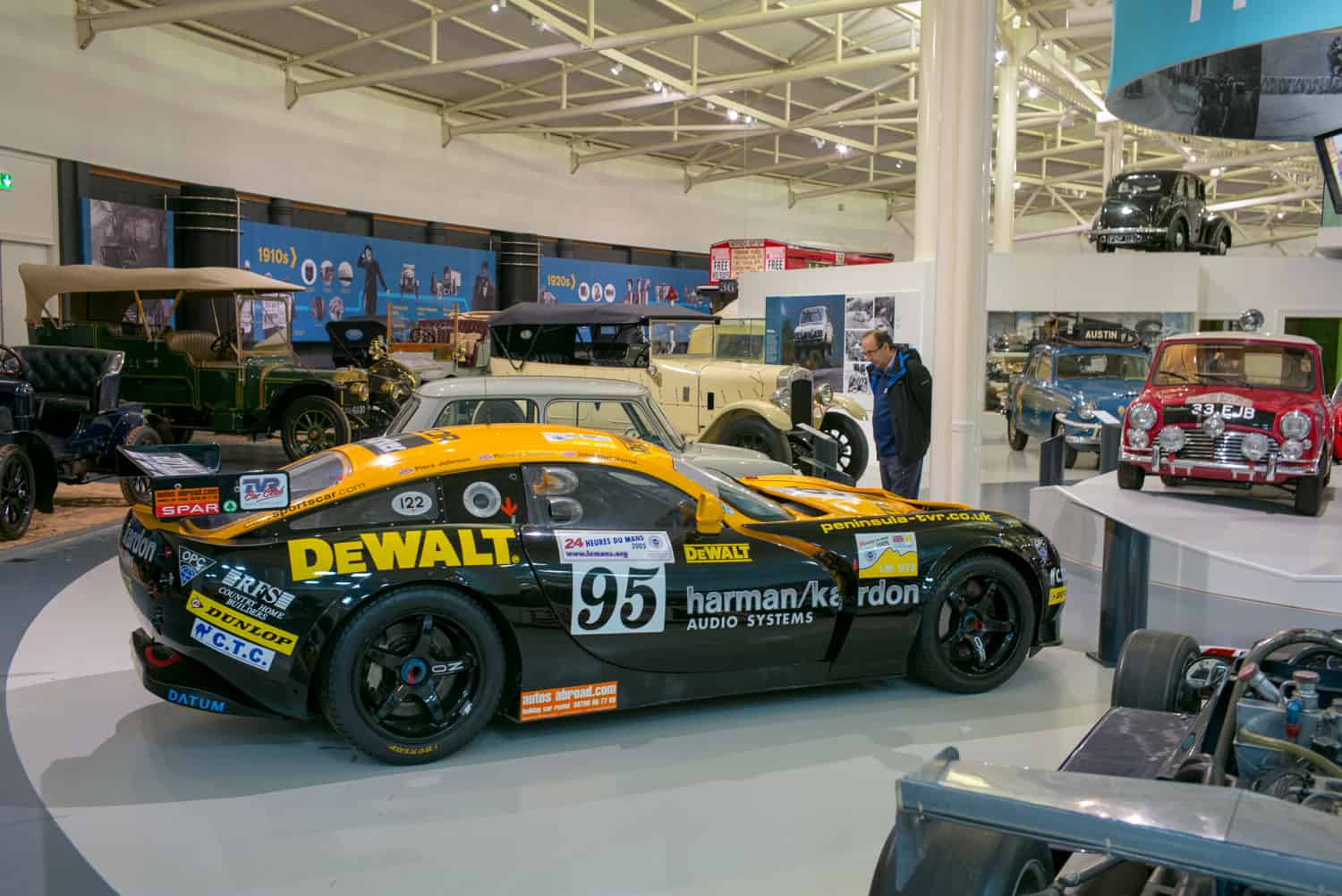
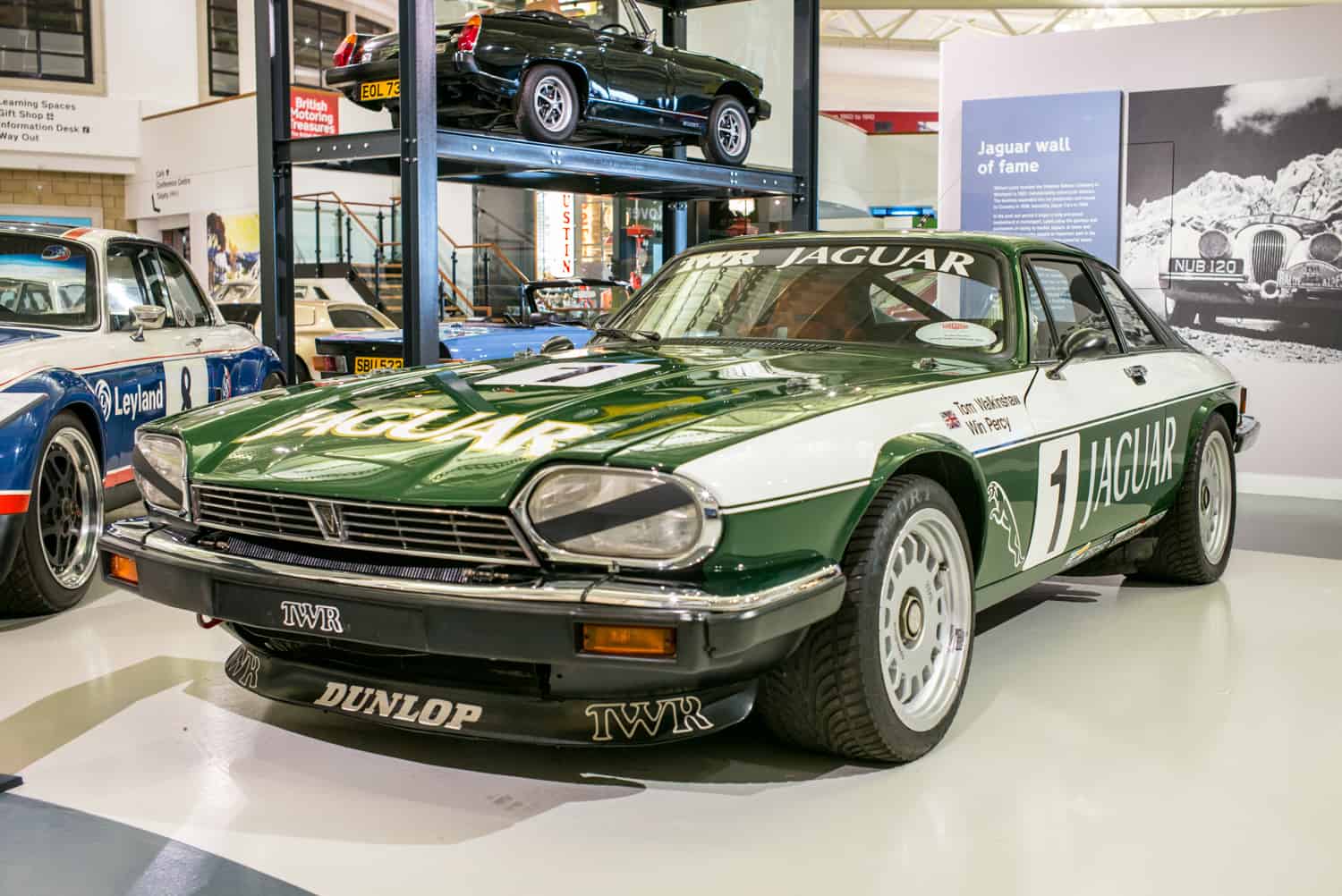
Let’s go racing!!
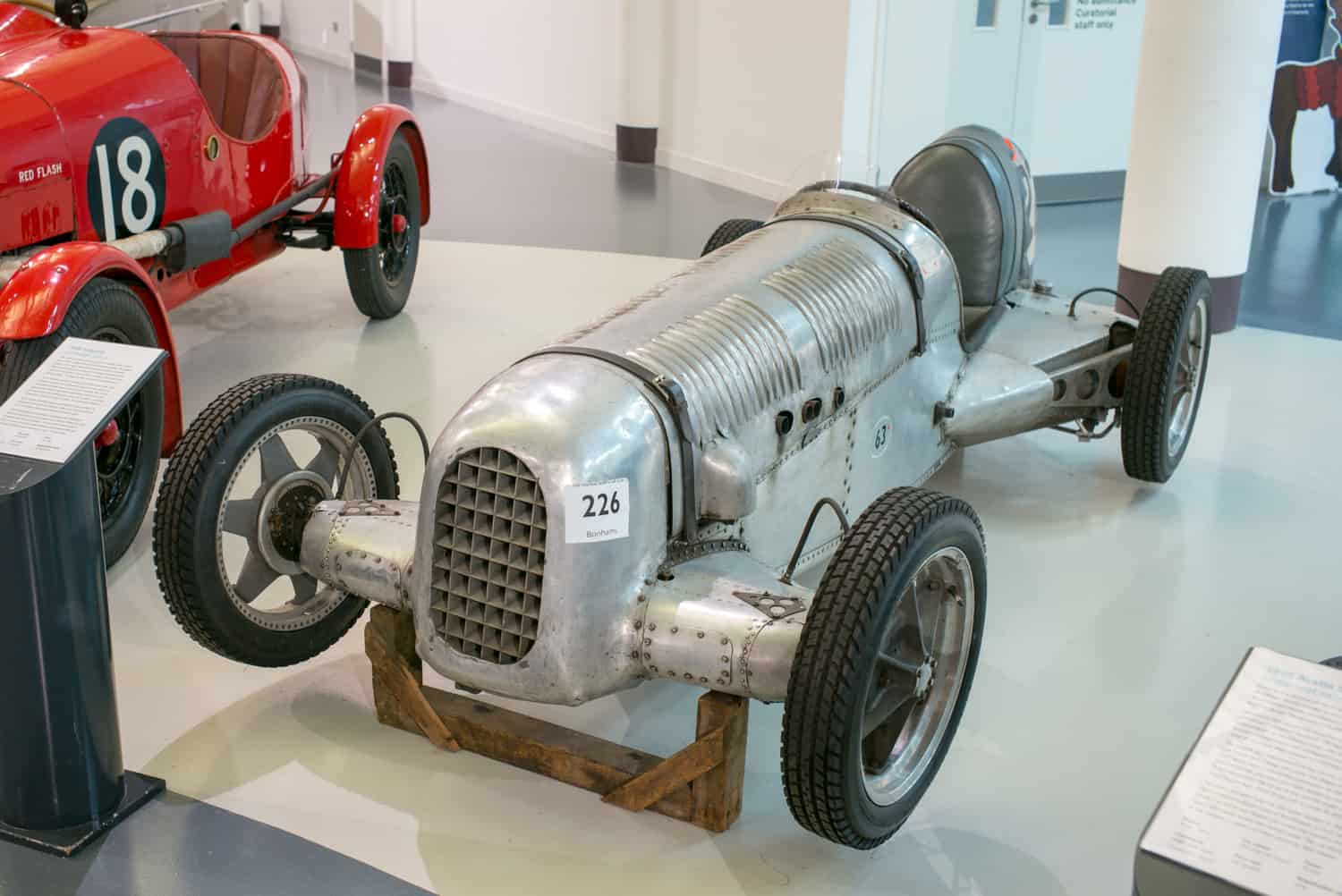
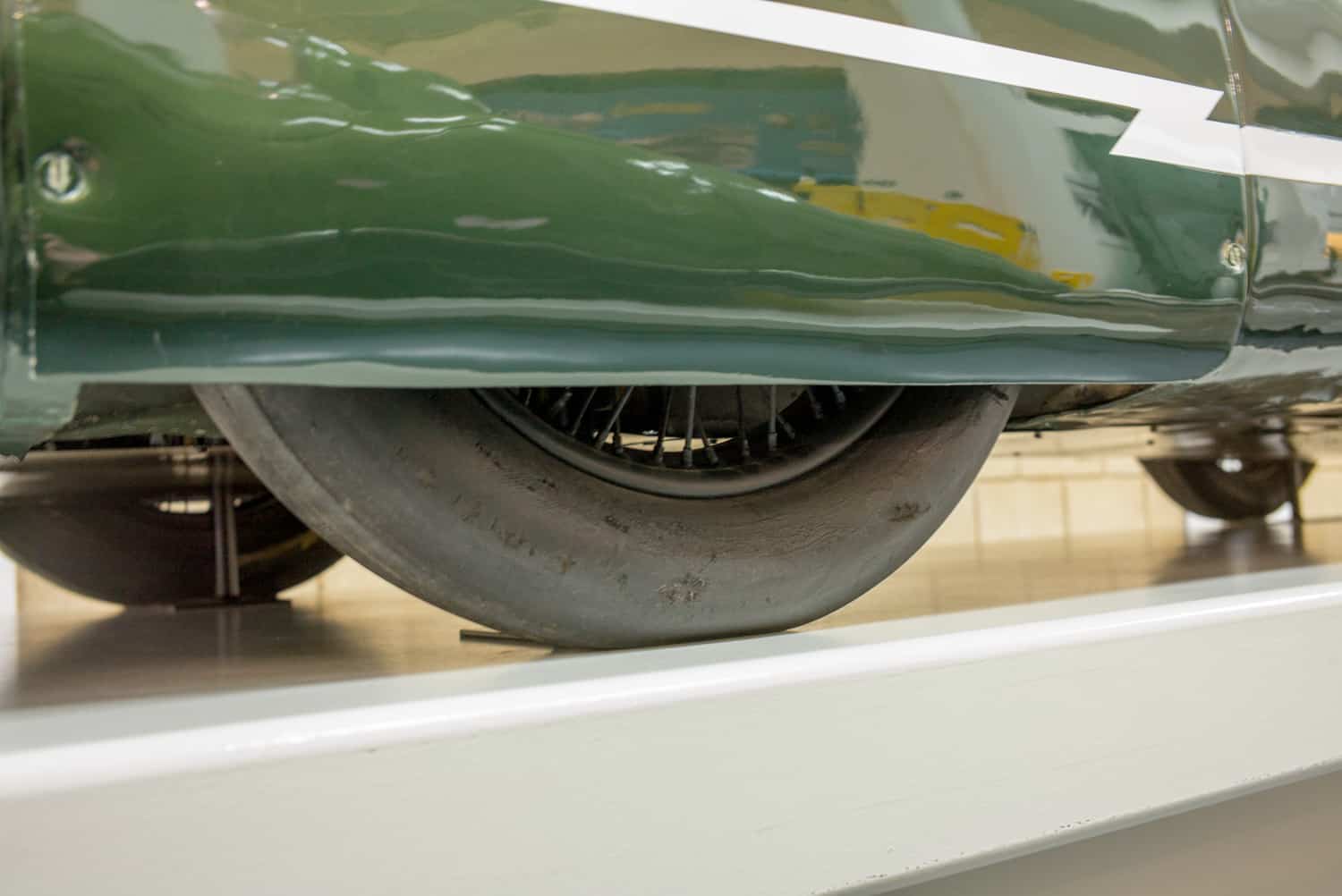
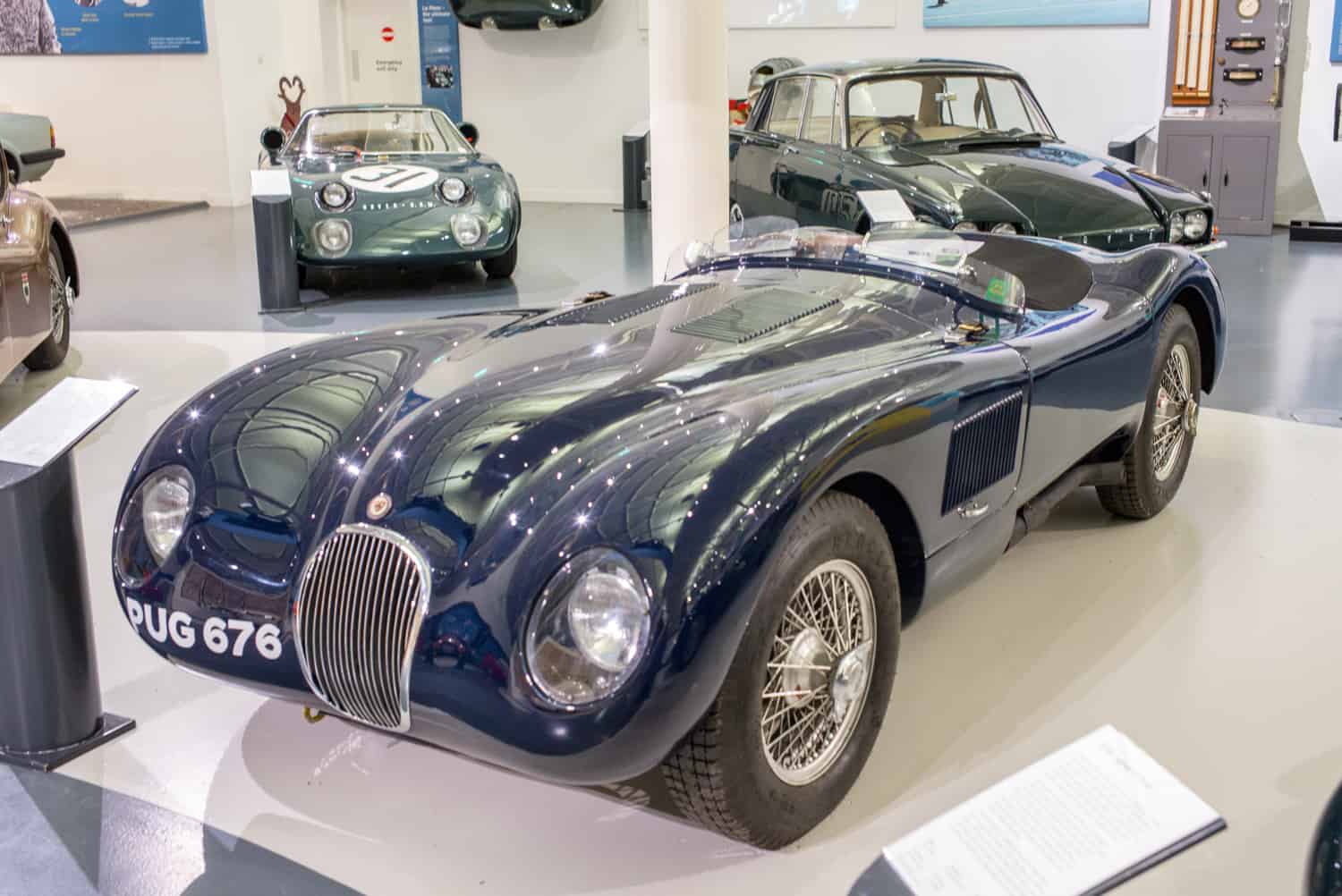
Note the wire wheels…..
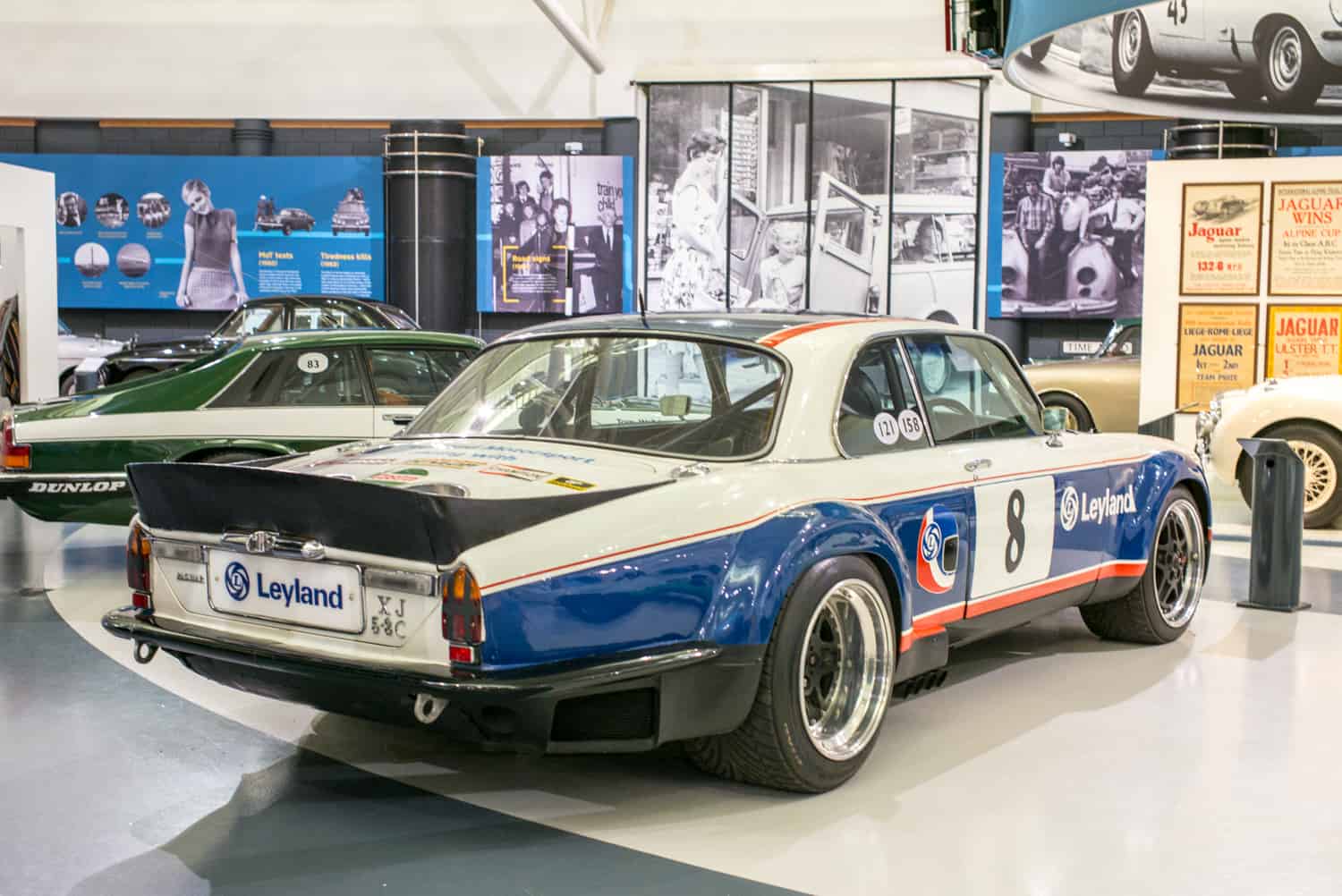
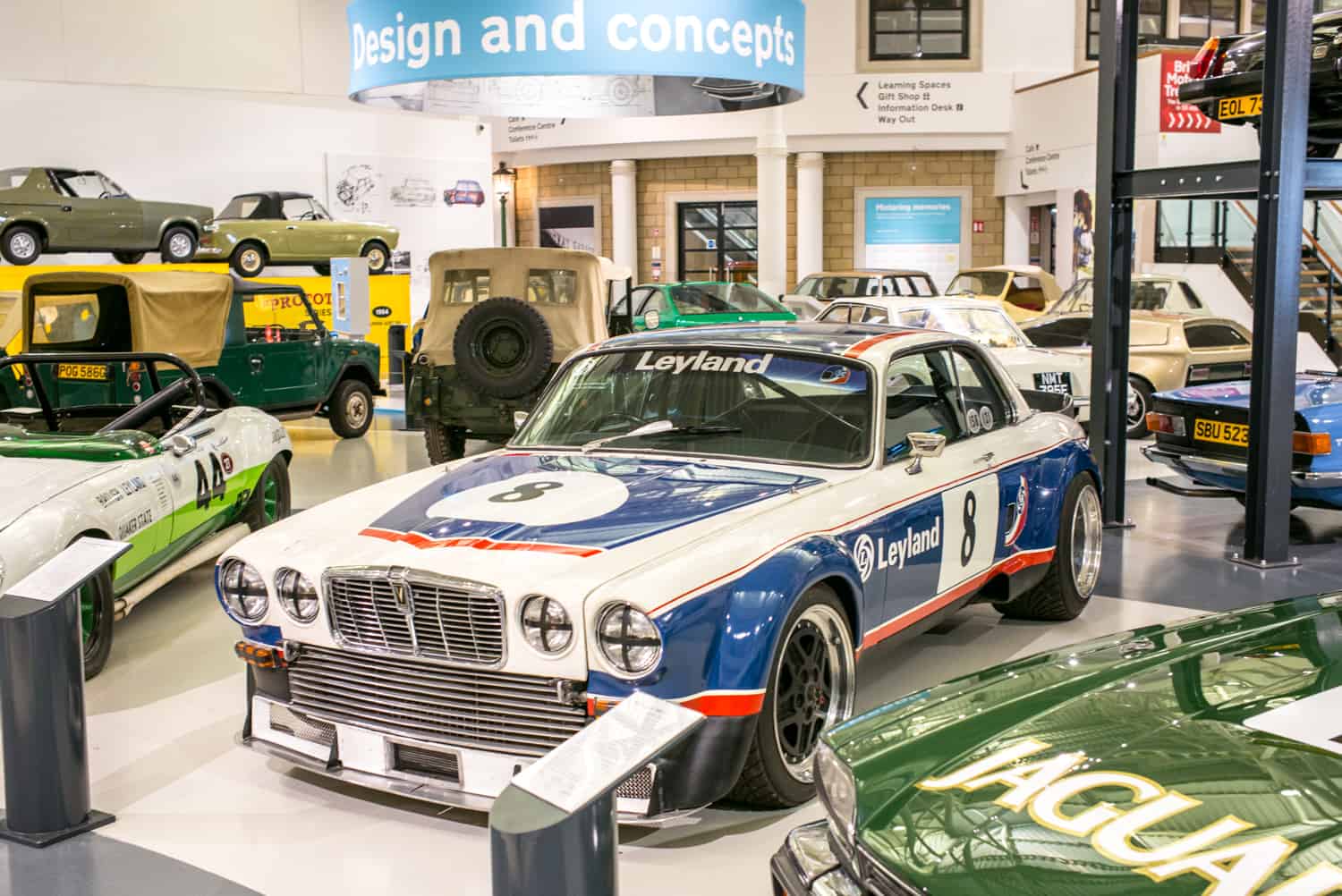
The Jaguar XJC – soooo sexy.
Various odds and sodds seen before heading over to the Jaguar Heritage centre:
The Jaguar Heritage Centre
I last visited the Jaguar Heritage Centre with my Jaguar-driving mate, Dave. That was 5 or 6 years ago, when the museum was still located in Coventry. There was a certain quaintness to that facility that lent it some charm, but this new building at Gaydon is streets ahead when it comes to presentation.
I had the good fortune to head home to Australia for a few weeks back in January.
It feels nice to write the word ‘home’ again as Australia hadn’t felt like home for a few years. It’s hard when you leave under difficult circumstances, even when they’re of your own making. The notion of ‘home’ becomes a bit blurry.
Of course, I still have fond memories of Tasmania and my people there, but my life – my home – isn’t there anymore. I haven’t lived in Melbourne since the mid-1990’s and it’s become so big and unfamiliar now. I’m spending more time in Brisbane each time I go back, though, and it’s a beautiful city.
This was a quick trip – two weeks in total, evenly split between my family in Melbourne and my friends in ‘Brisvagas’.
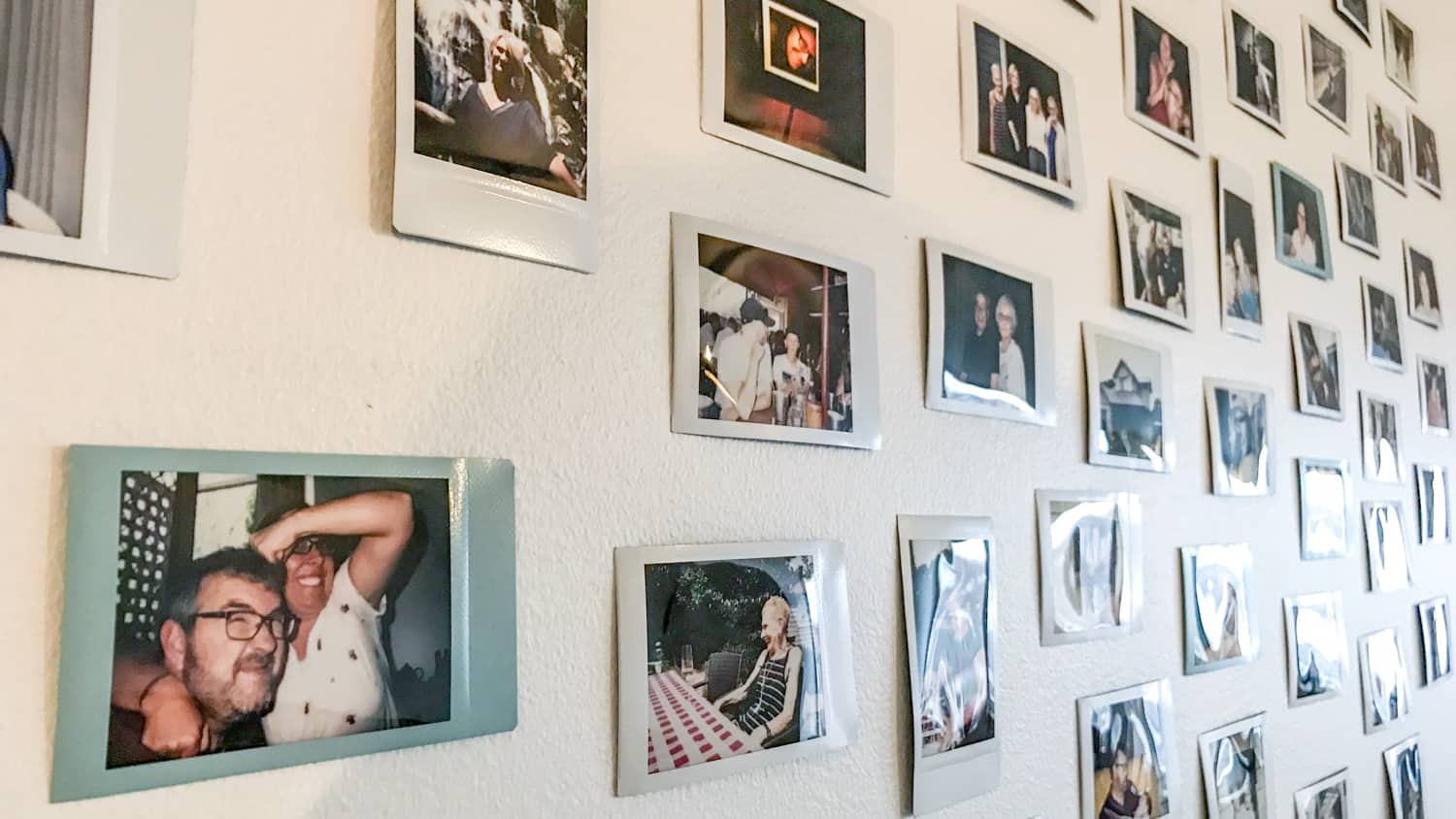
Much of my photography on this trip was done with a Fujifilm Instax camera. I wanted photos of family and friends to stick on my wall here in Angelholm.
The Instax was heaps of fun and I had a pretty good hit rate with it, too. The cameras are cheap (the film, not so much) and everyone still gets a kick out of watching the image materialise in front of their eyes. It makes photography fun and social instead of intimidating. Highly recommended.
Of course, I took the little Leica, too.
Here’s a sample of the places and people I saw. Well, some of them, at least.
——
Family
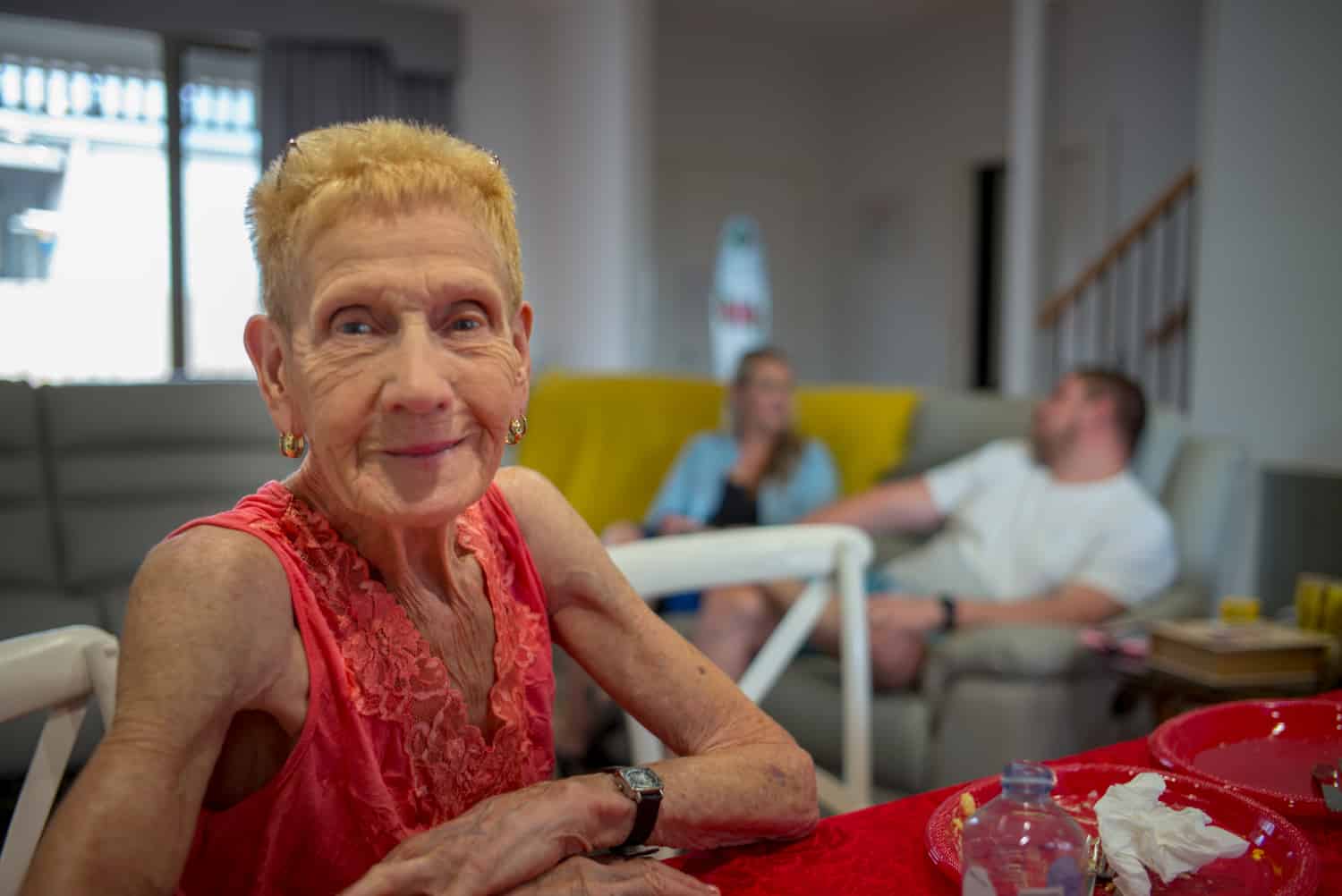
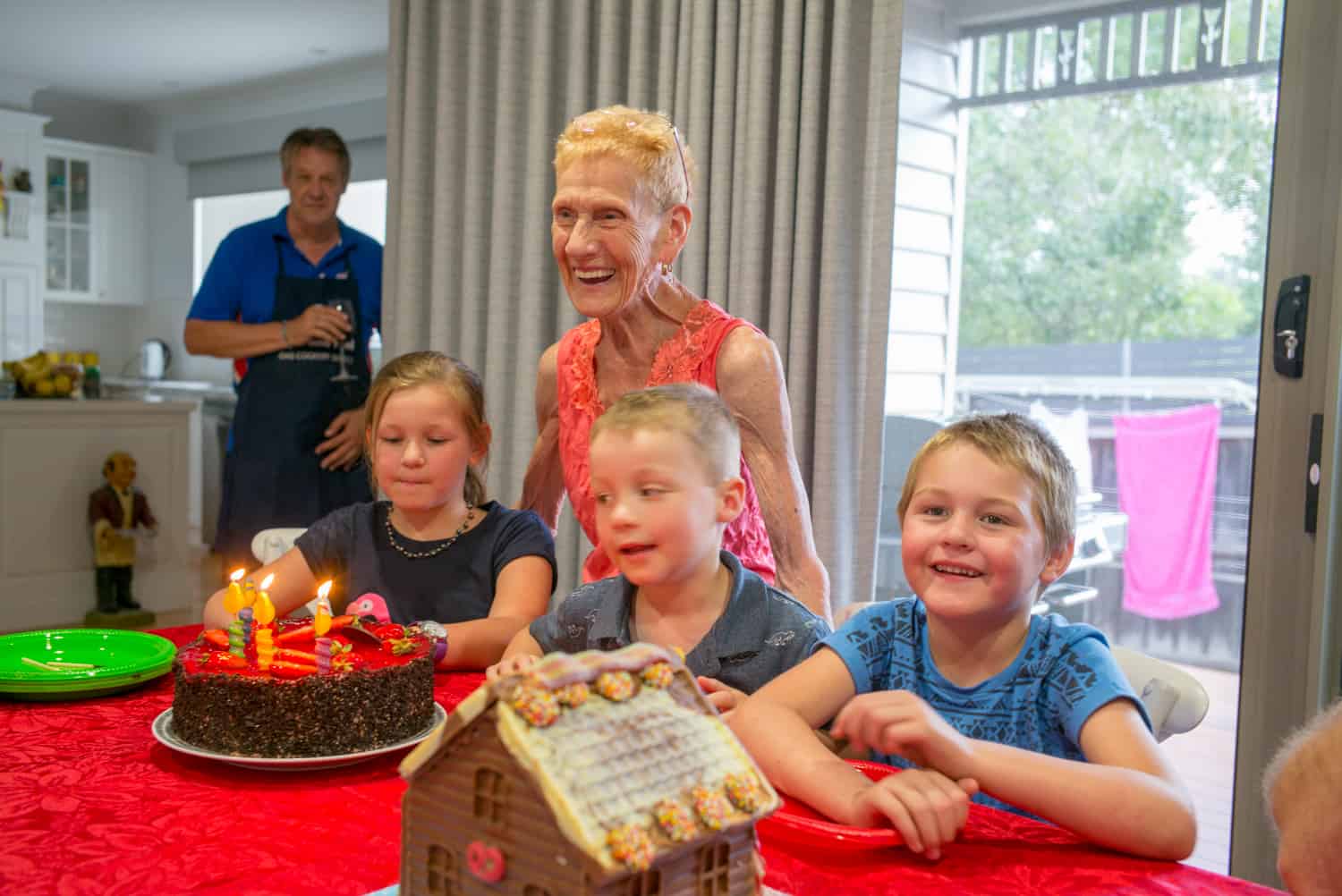
It was Mum’s birthday while I was in Melbourne so we had her kids, grandkids and great-grandkids assembled for a BBQ and cake.
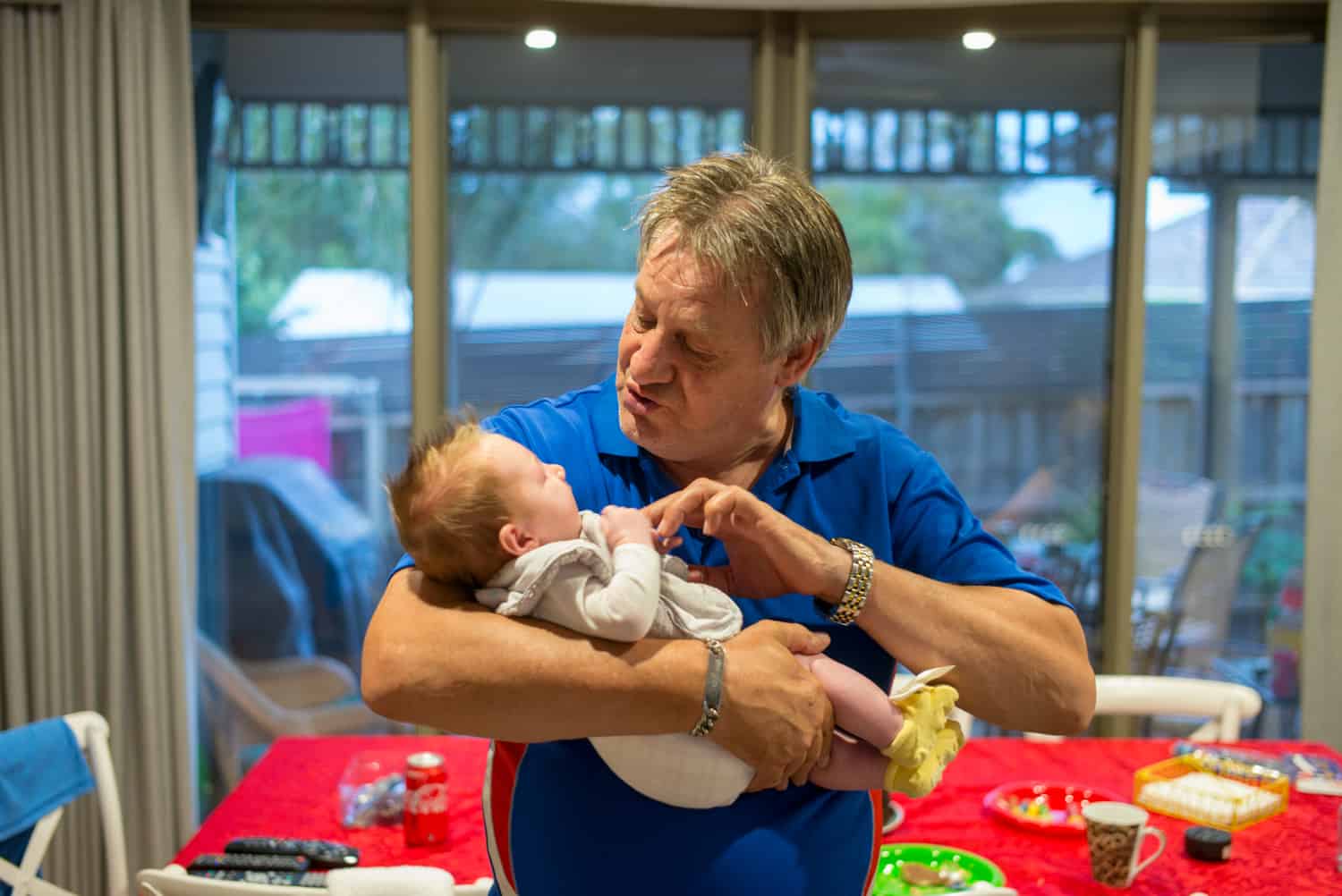
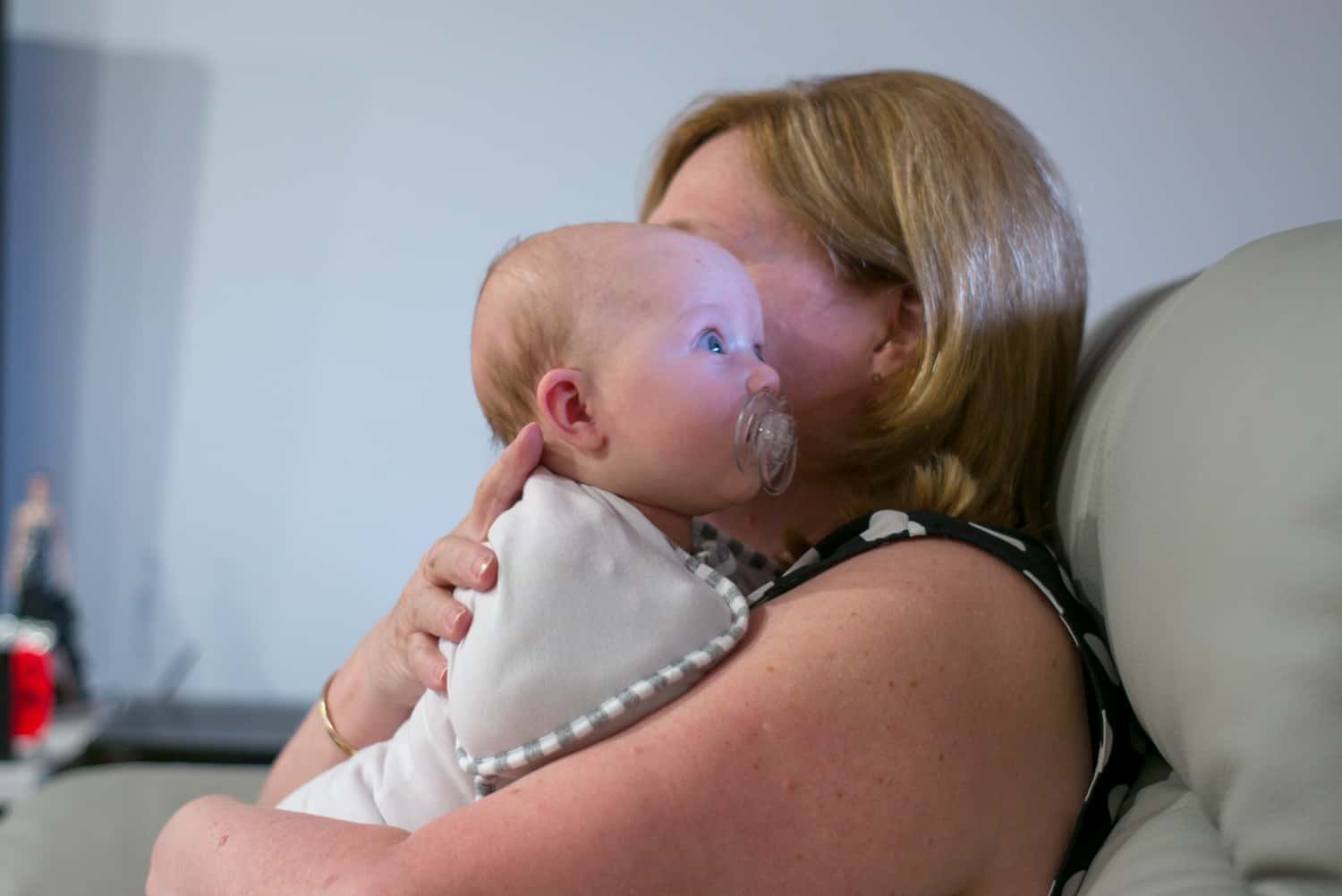
We’ve just welcomed two new bubs into the family – two new great-nieces for me! – and it was great to meet them, even if they’ll never remember a thing about it.
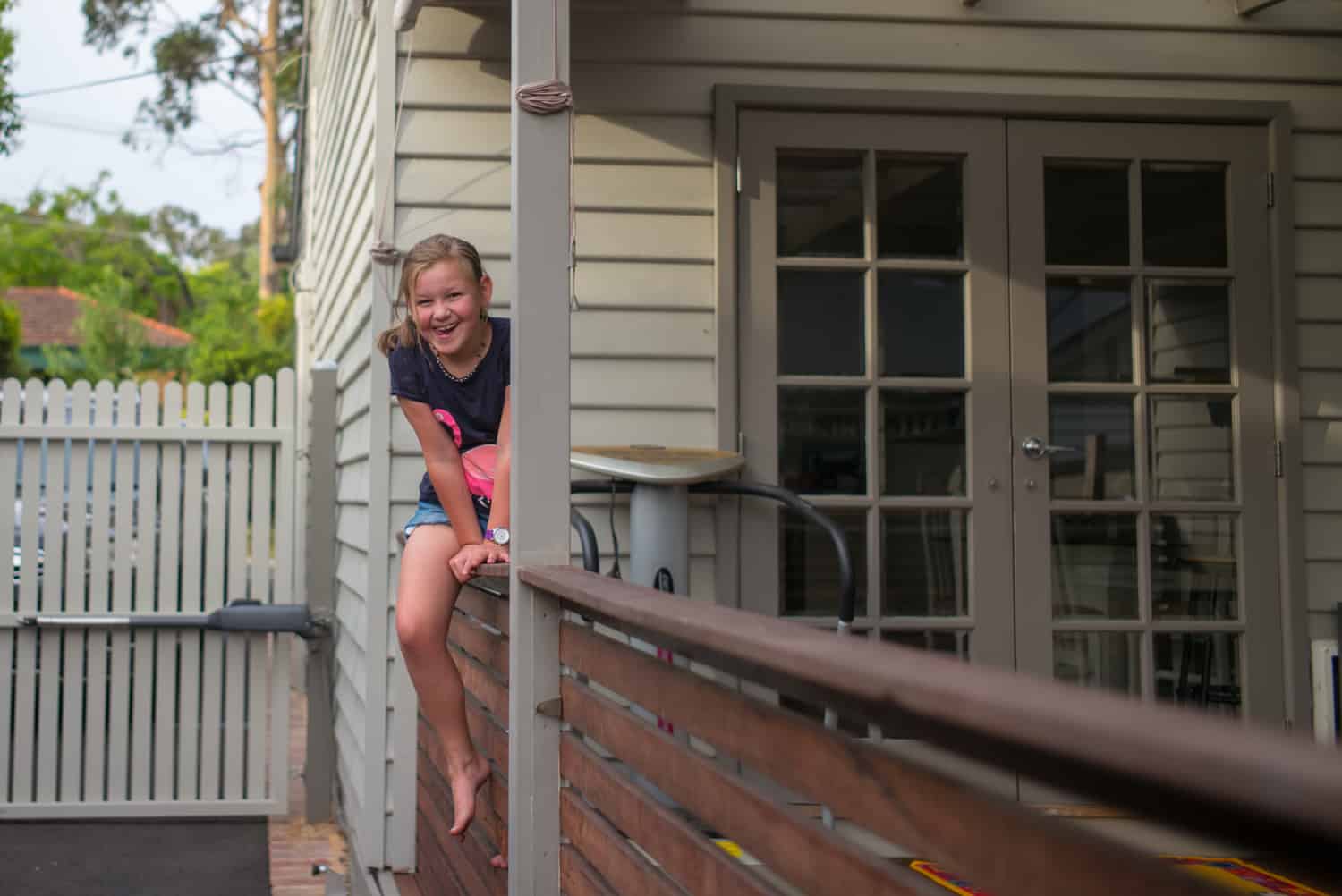
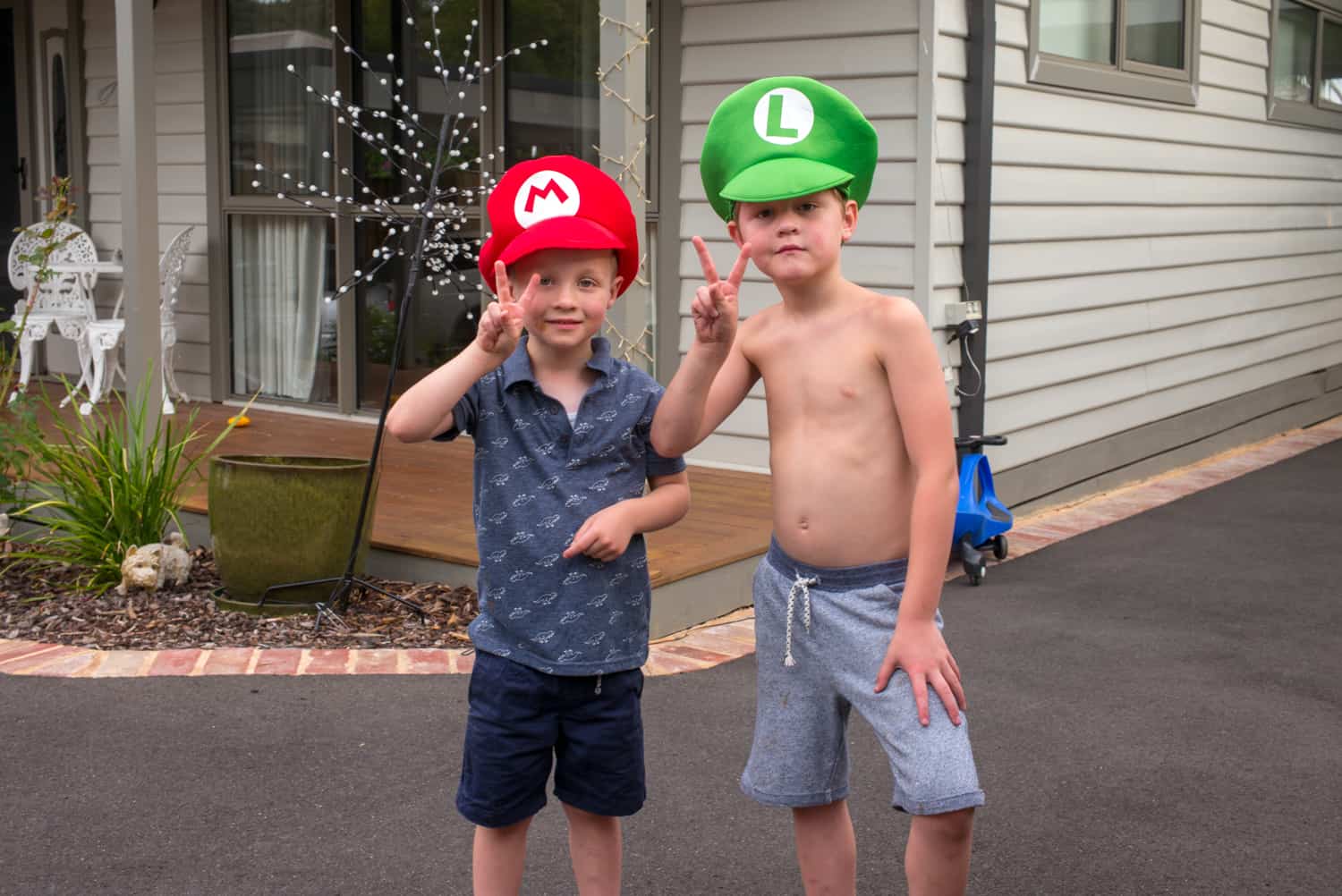
The three older kids are really developing into little personalities now and it was great to play with them and see them laughing together.
——
Brisbane
I took a day to walk around Brisbane to catch a few views and get more familiar with the place that’s more-likely-than-not to eventually become my new home in Australia.
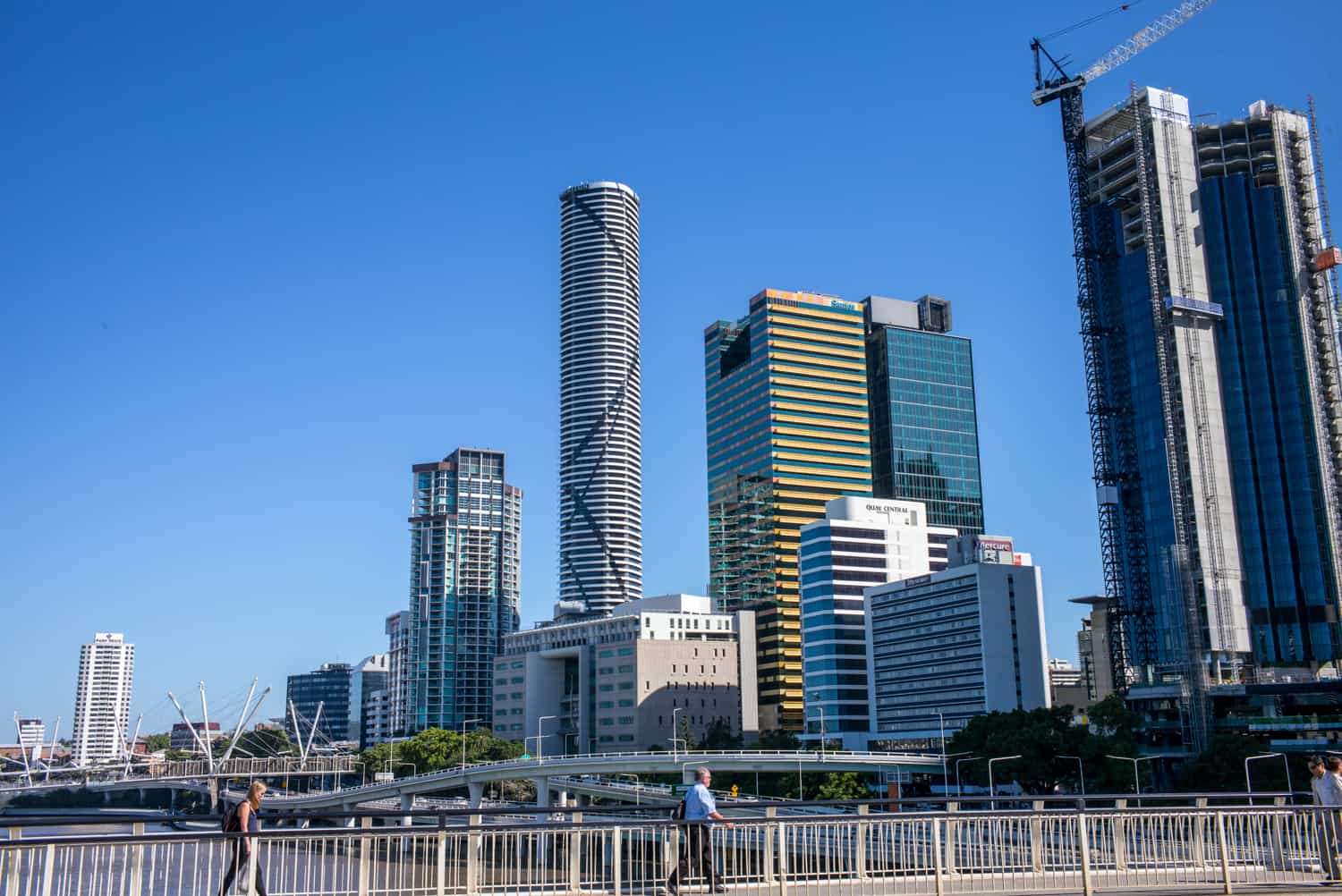
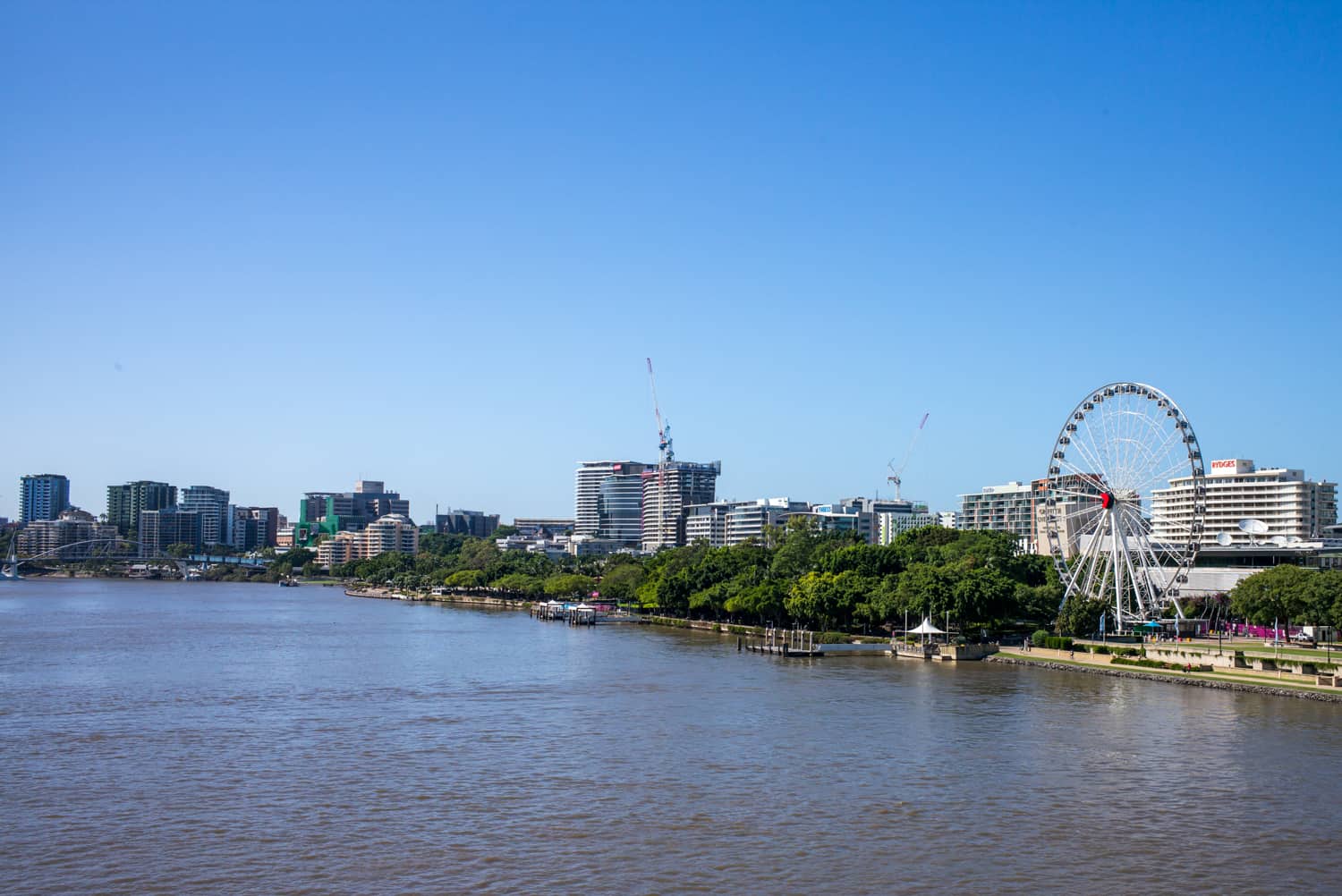
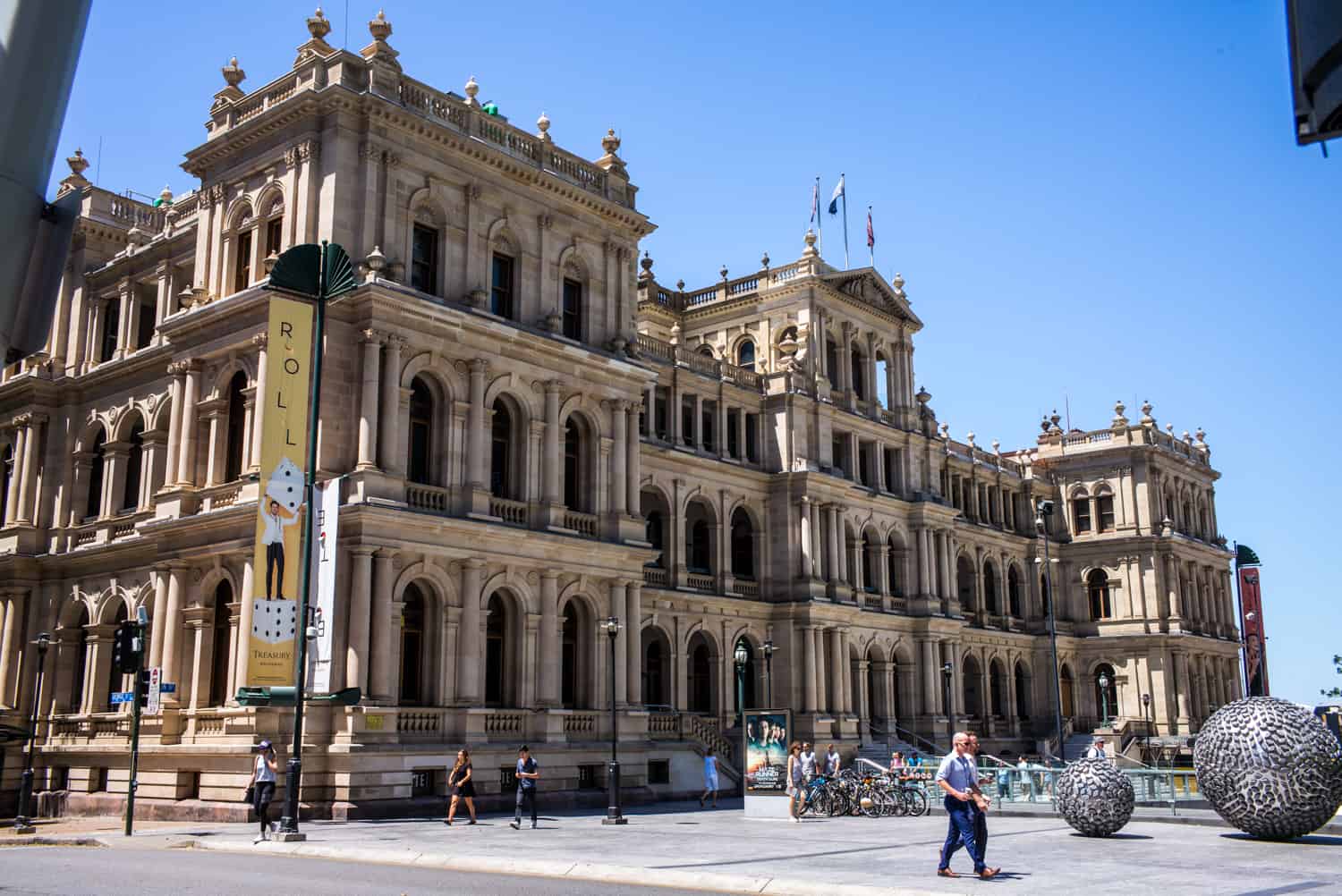
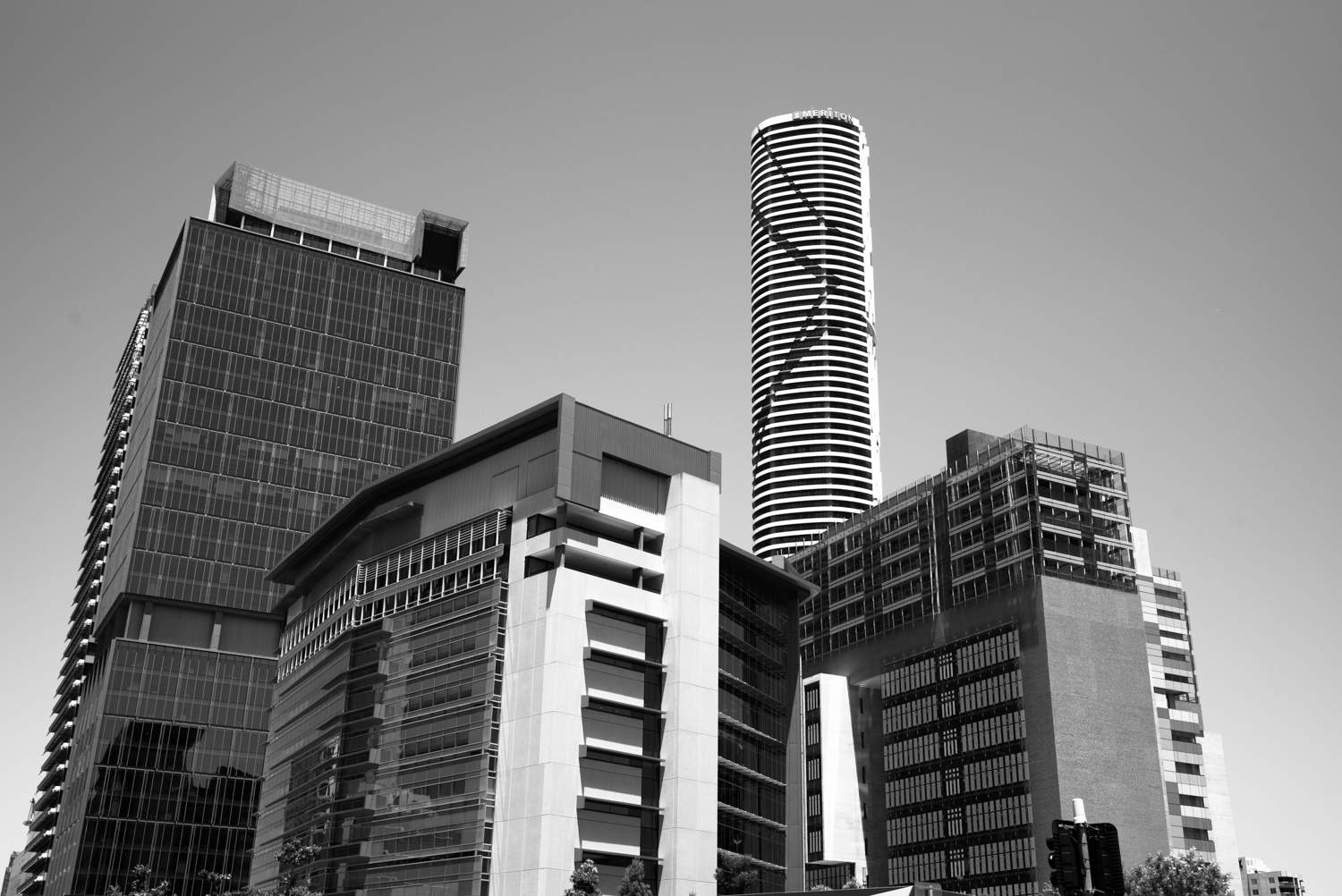
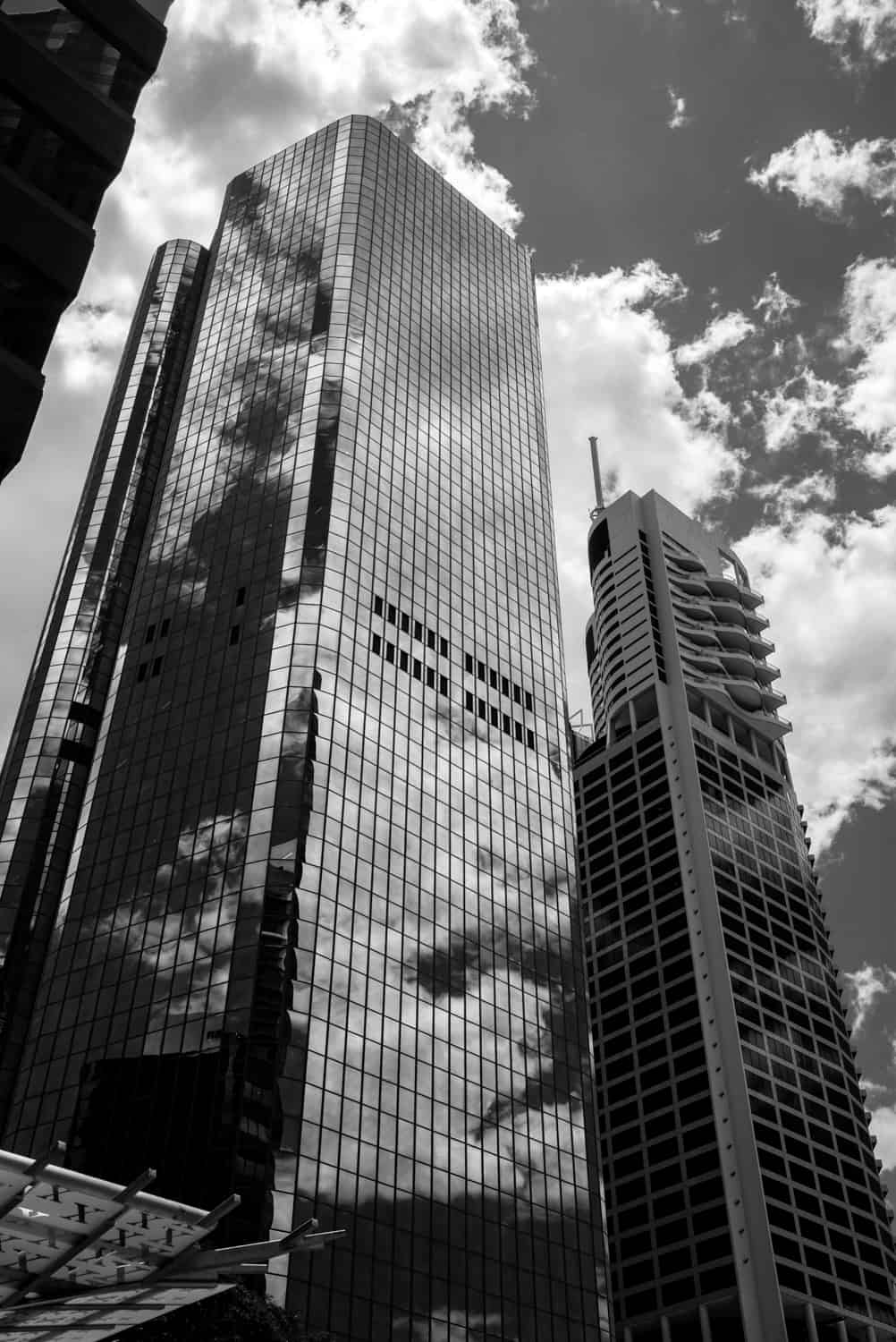
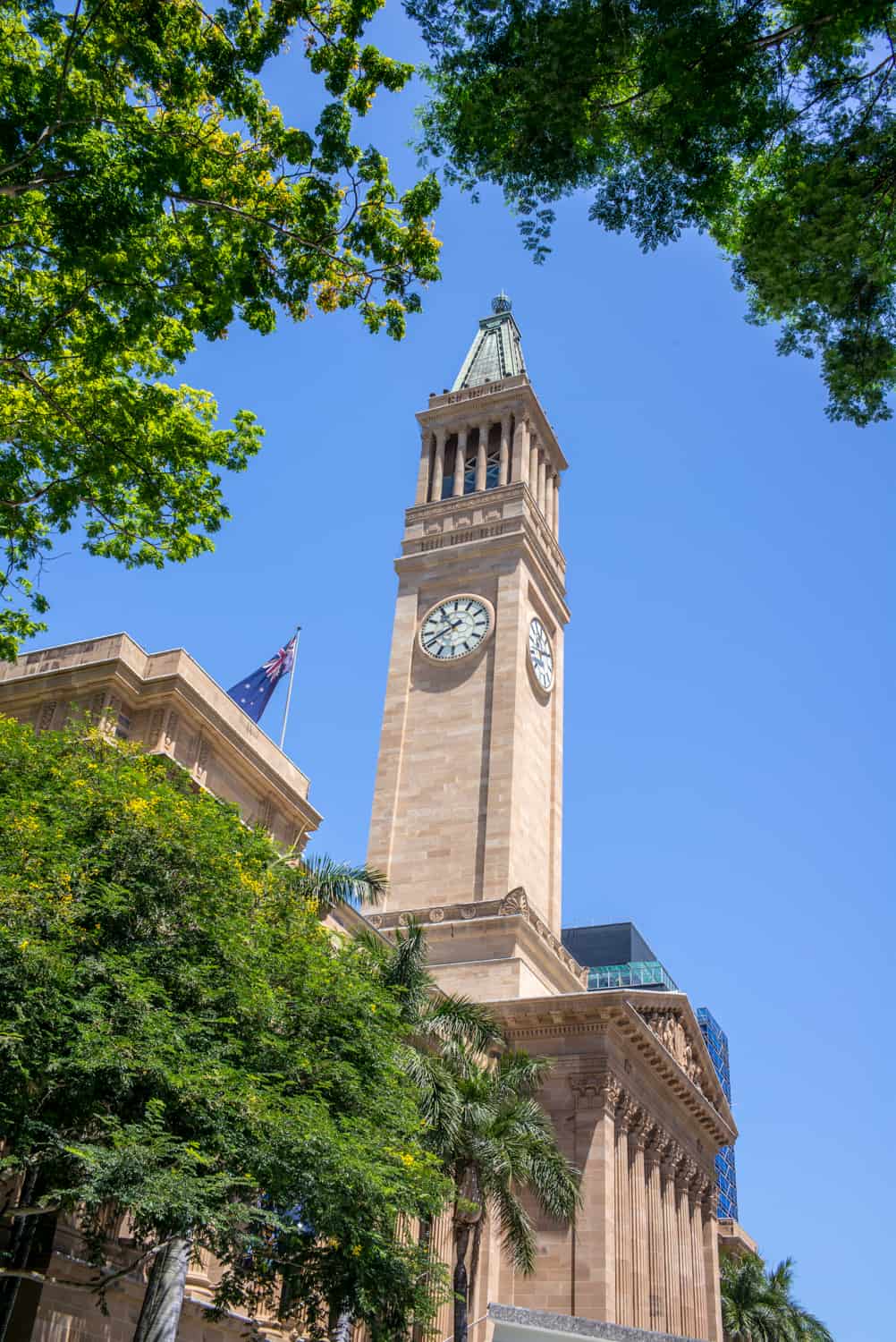
A few cityscapes first….
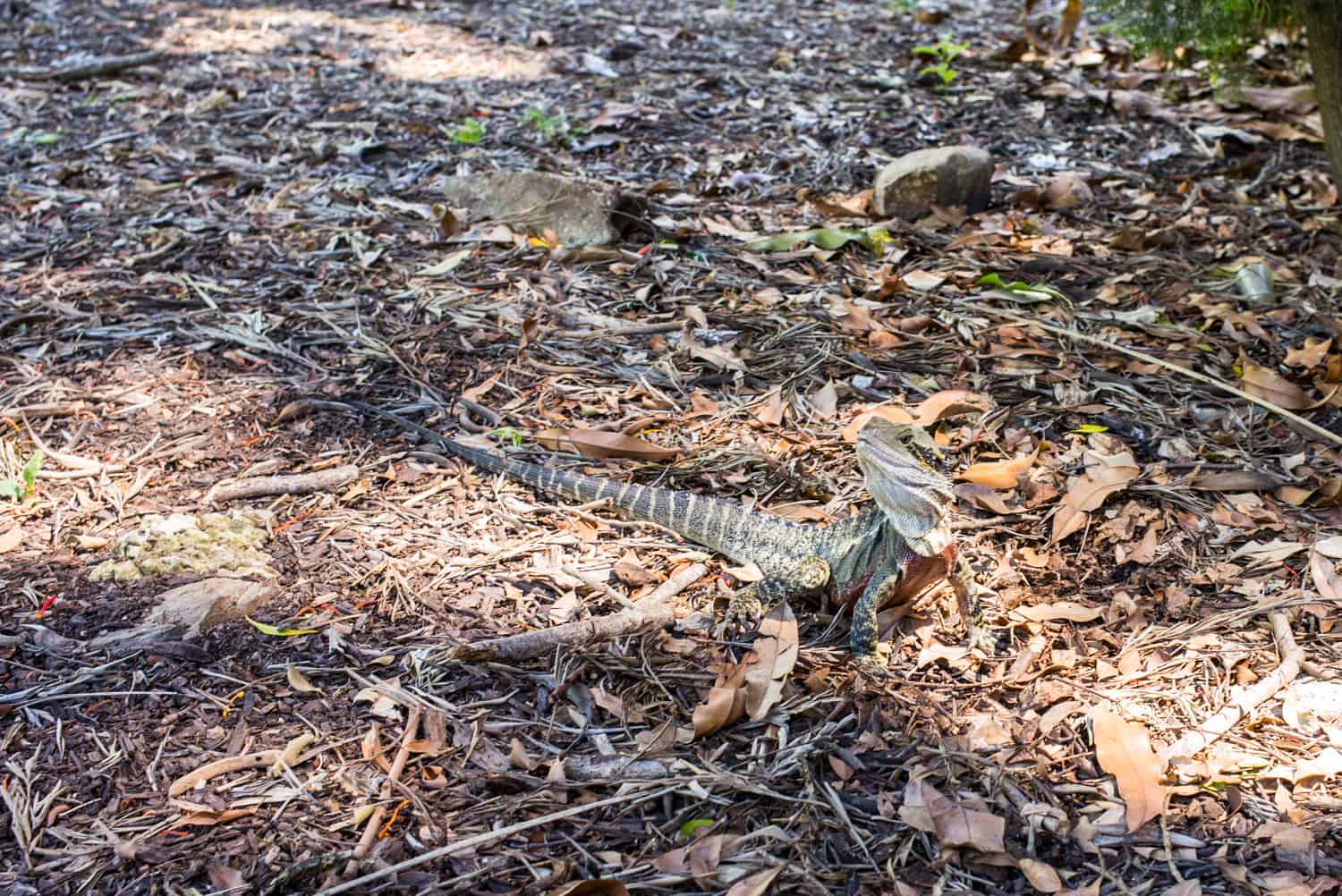
Australia is rich with wildlife and it’s interesting, as a Victorian/Tasmanian to visit a more tropical state and see the vastly different flora and fauna.
You can see a lot of amazing wildlife in Tasmania, but you don’t generally see lizards like this in gardens, hiding in plain sight.
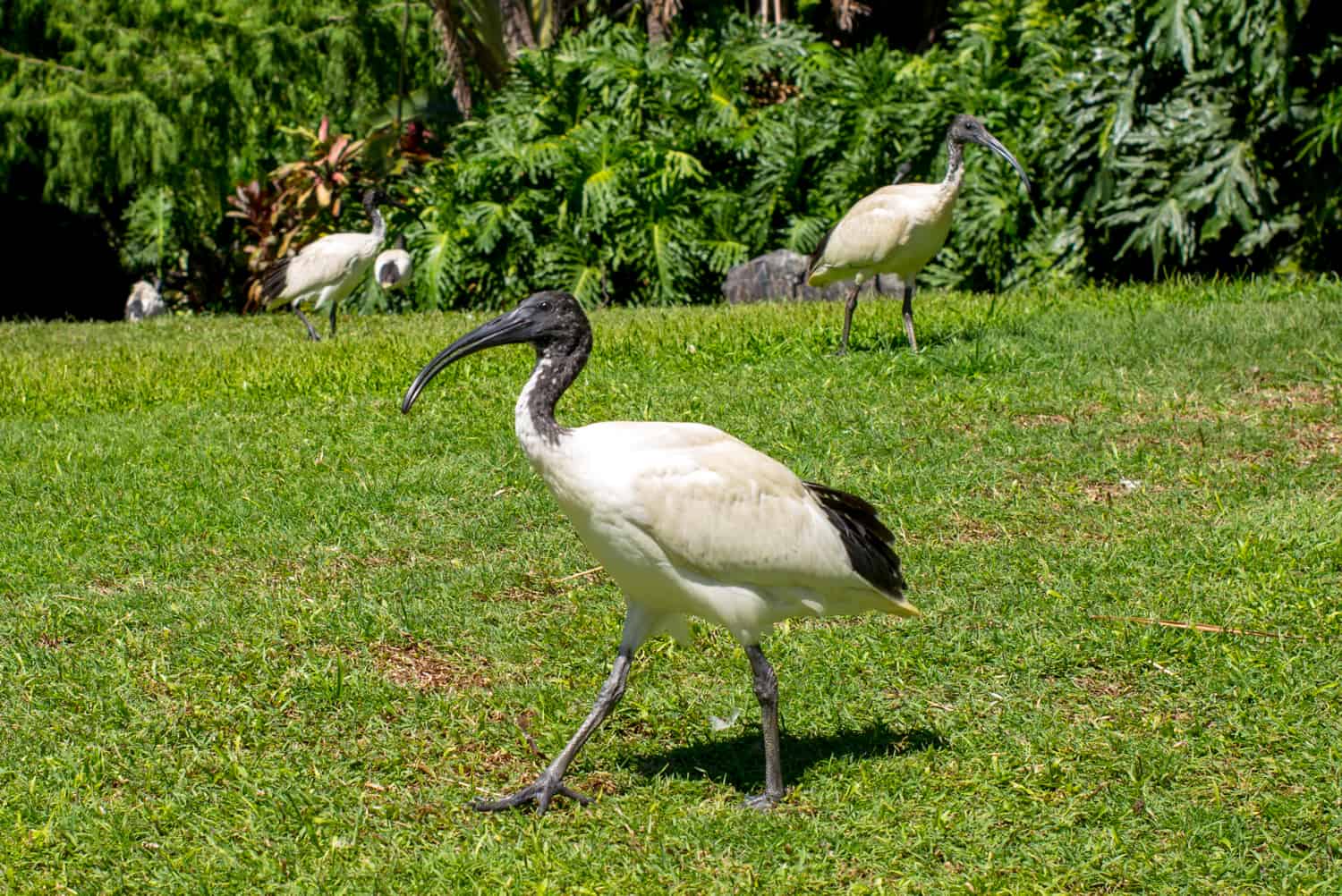
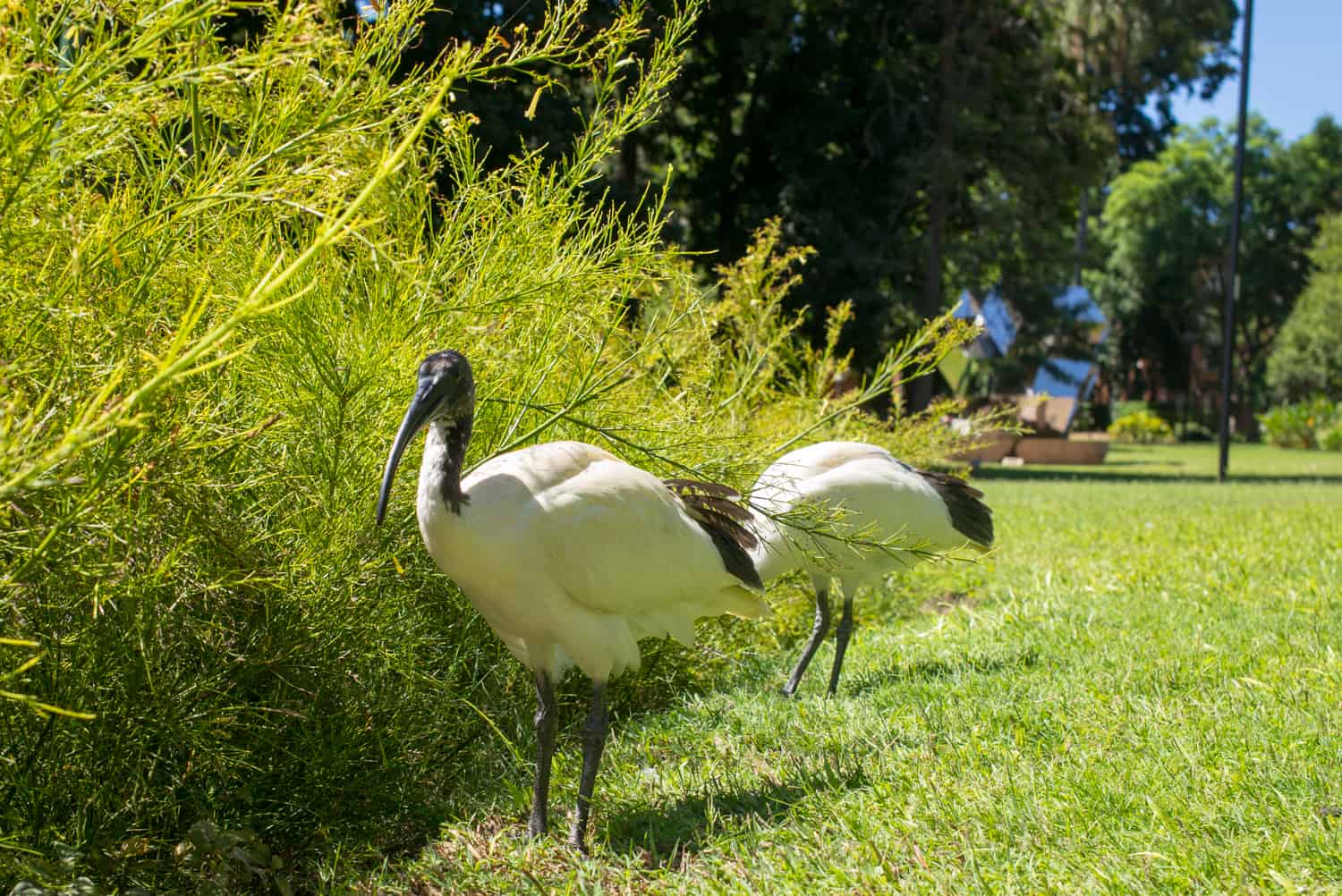
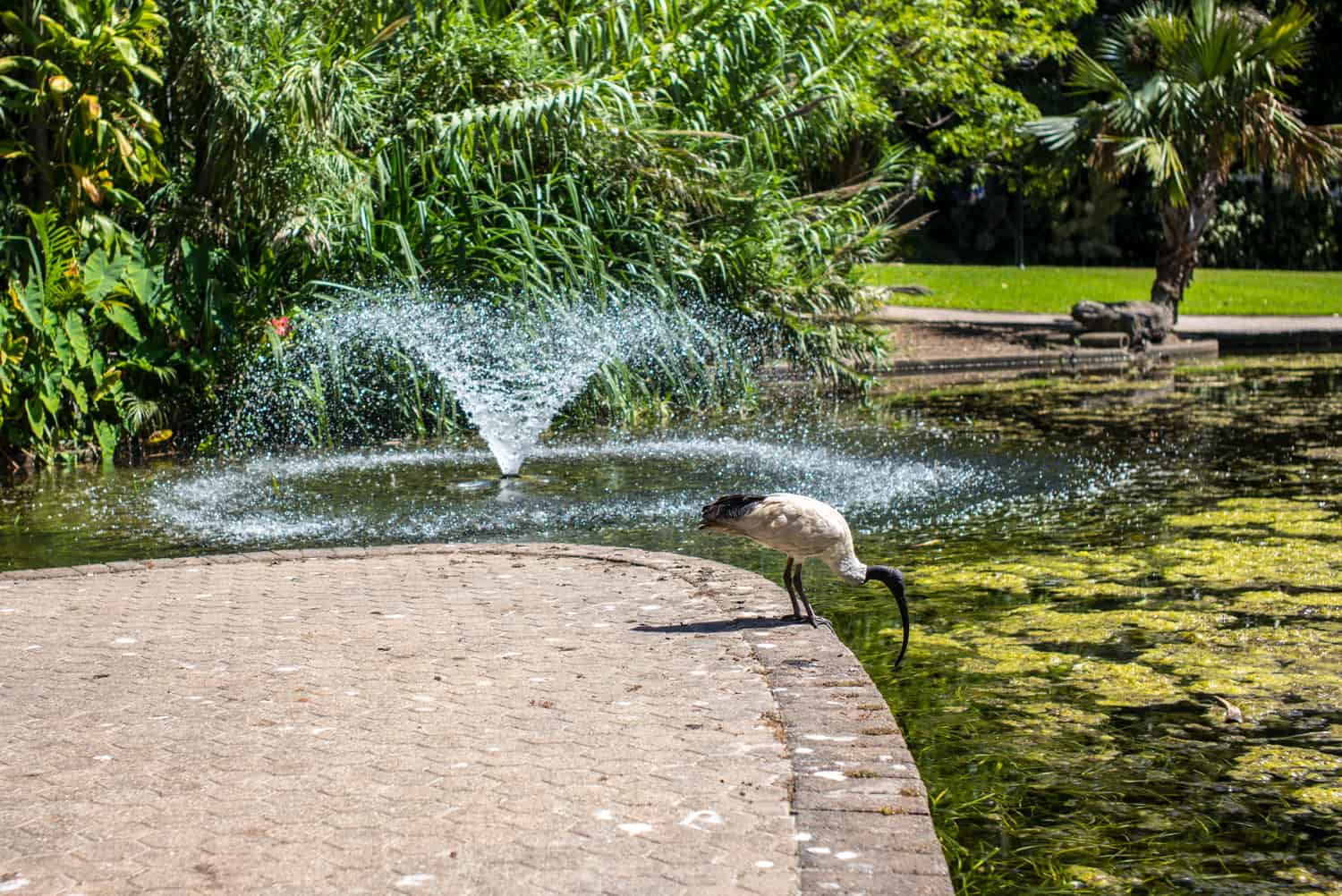
The Ibis looks pretty exotic for a bird, but given the number you see hanging around everywhere, they don’t come across as exotic at all. Friends in the city call them “bin chickens”. I love that name.
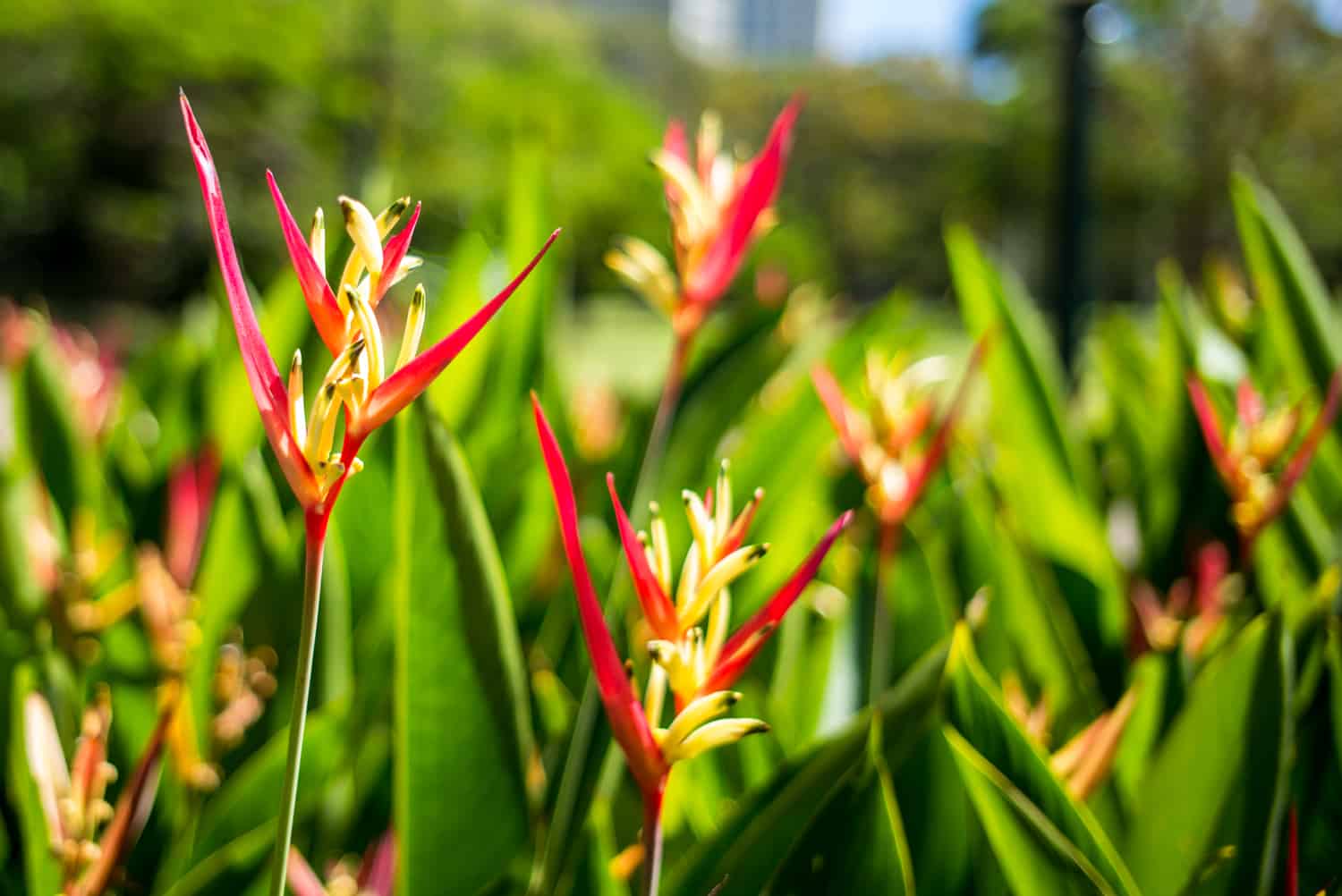
Some shots from the botanical gardens:
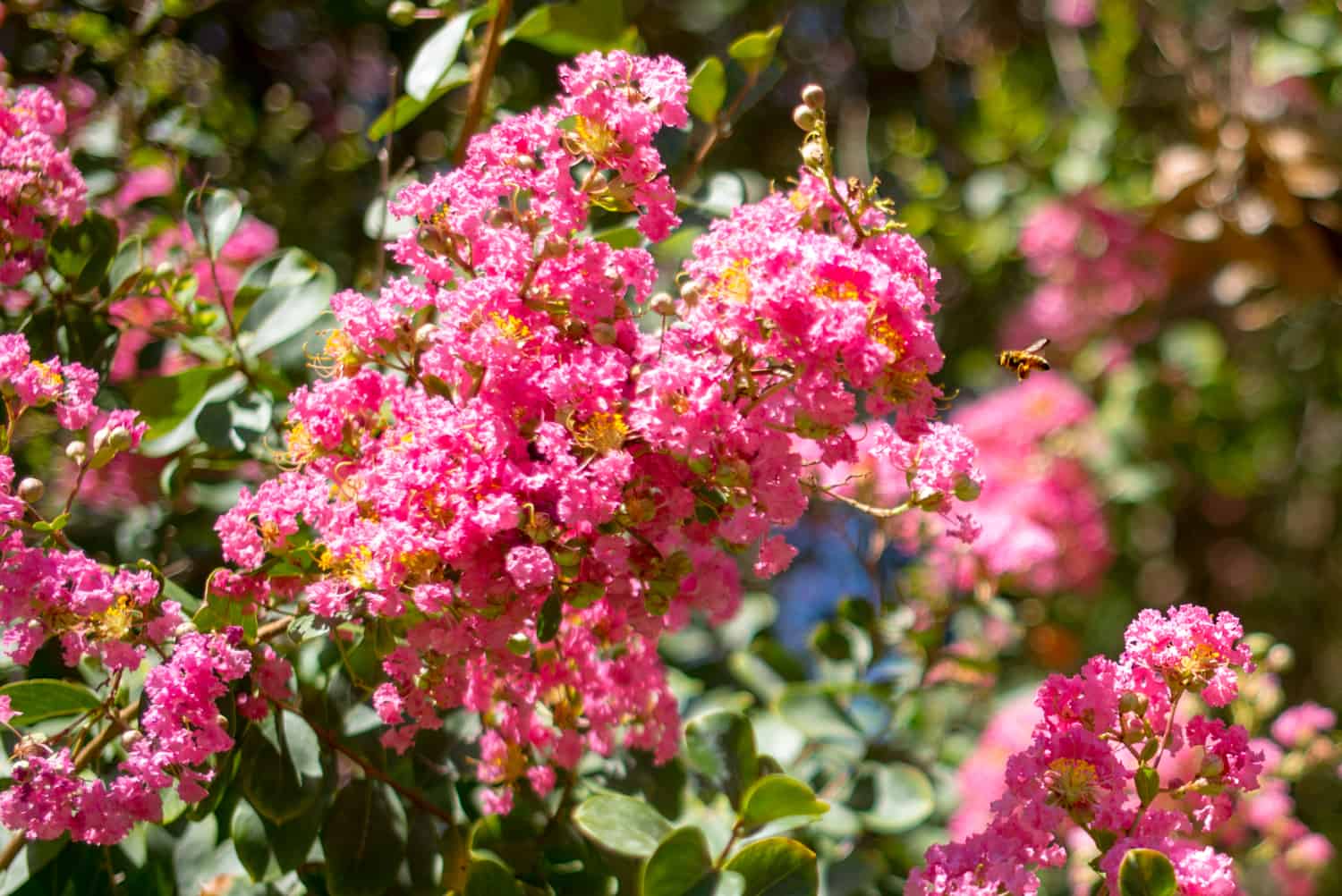
I love the way this camera does colours…..
Another lizard…..
Spot the bee…..
——
Out and About
Following are some sights that I stumbled across while wandering around Brisbane.
Brisbane’s big enough to be a city but it still feels a little bit country. It’s like Hobart on steroids, but with much warmer weather.
It’s easy to relax there. The temperature’s warm, the skies are generally either a brilliant blue or dark grey, heavy with a LOT of rain. When it rains in Brisbane, it pours, and you can see the flood markers on different buildings around town that commemorate those times when it’s rained a little too much.
That didn’t happen while I was there, though. It was simply stunning.
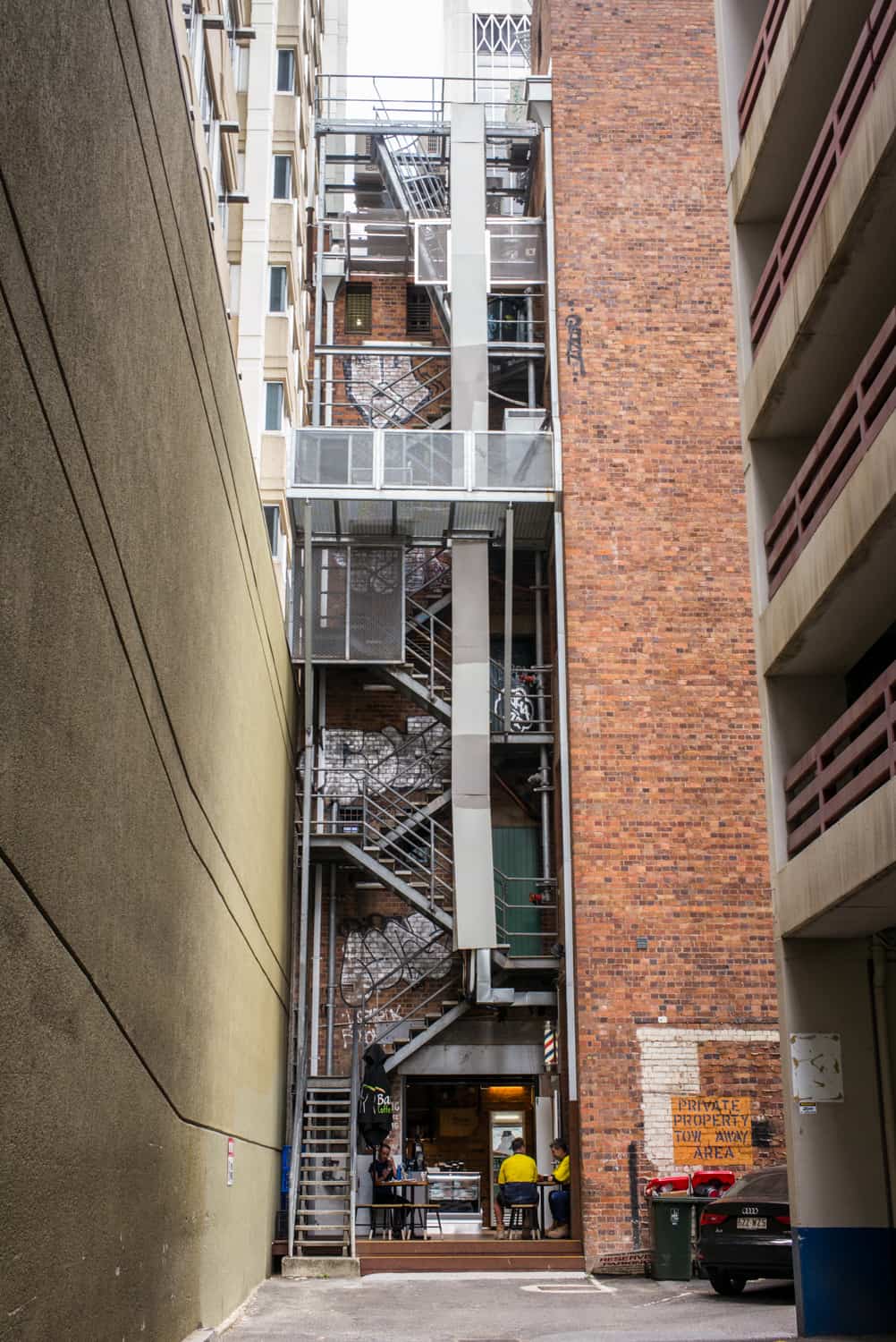
I spotted this hidden cafe in an alley, at the bottom of the stairs.
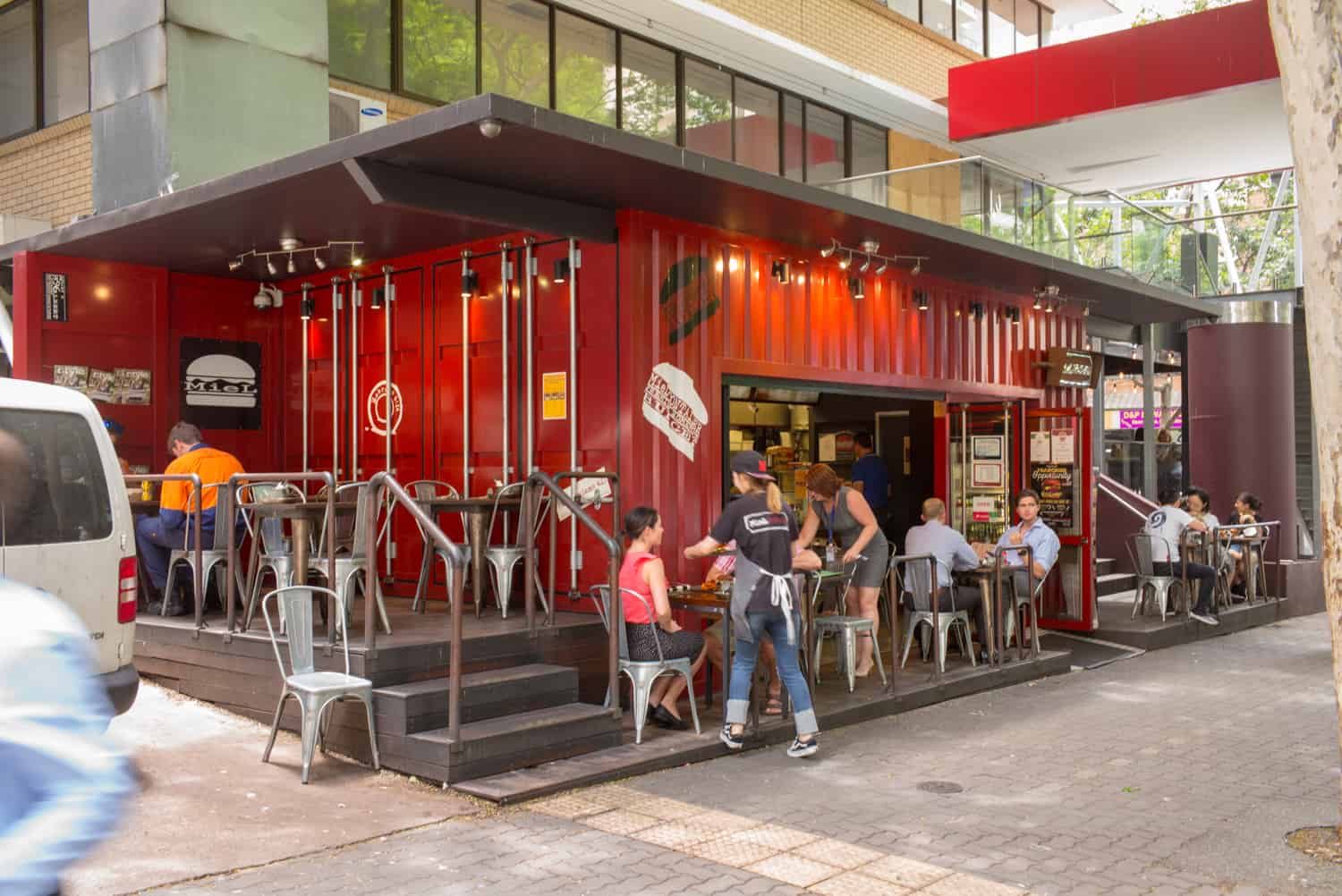
Shipping-container-turned-burger-joint….
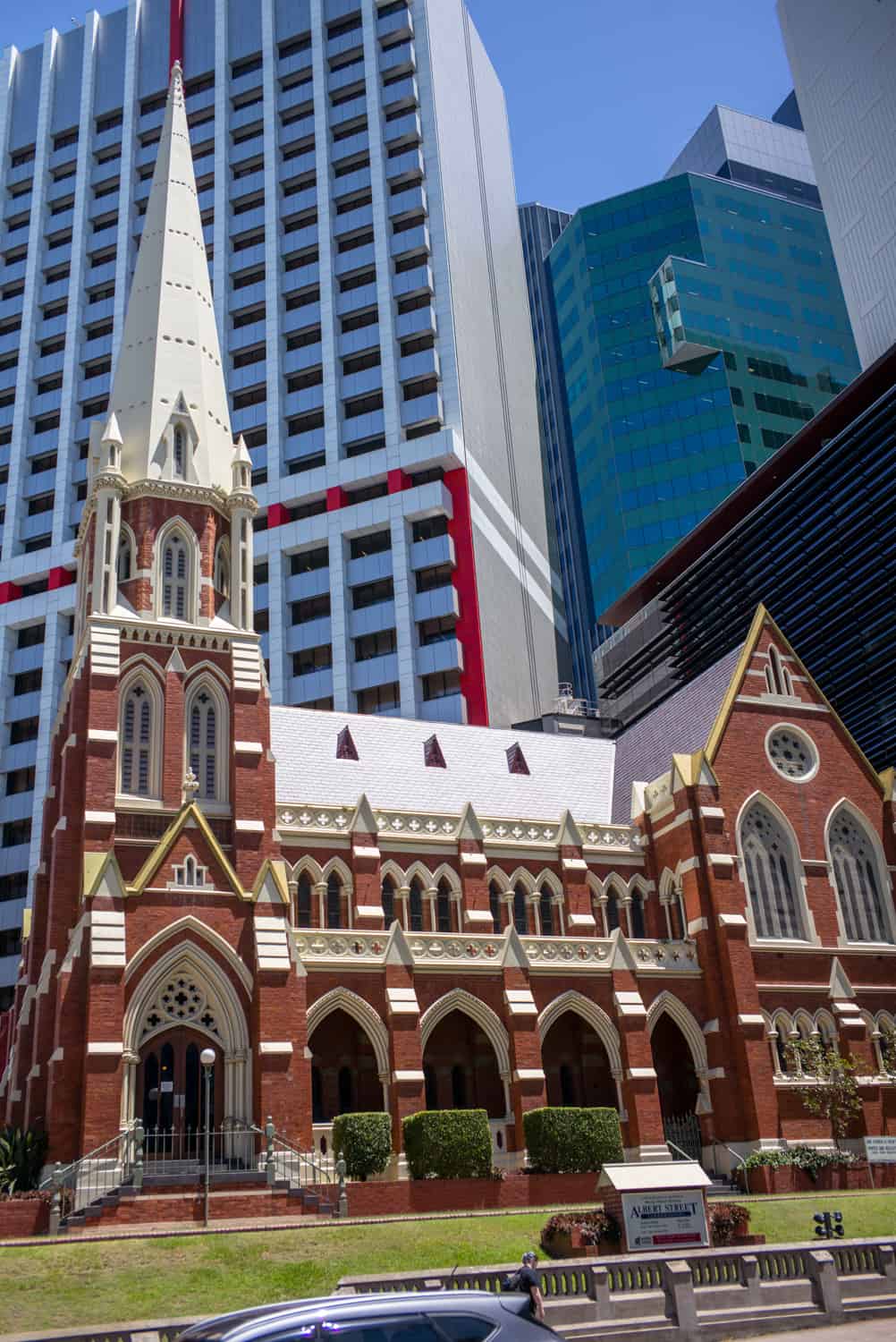
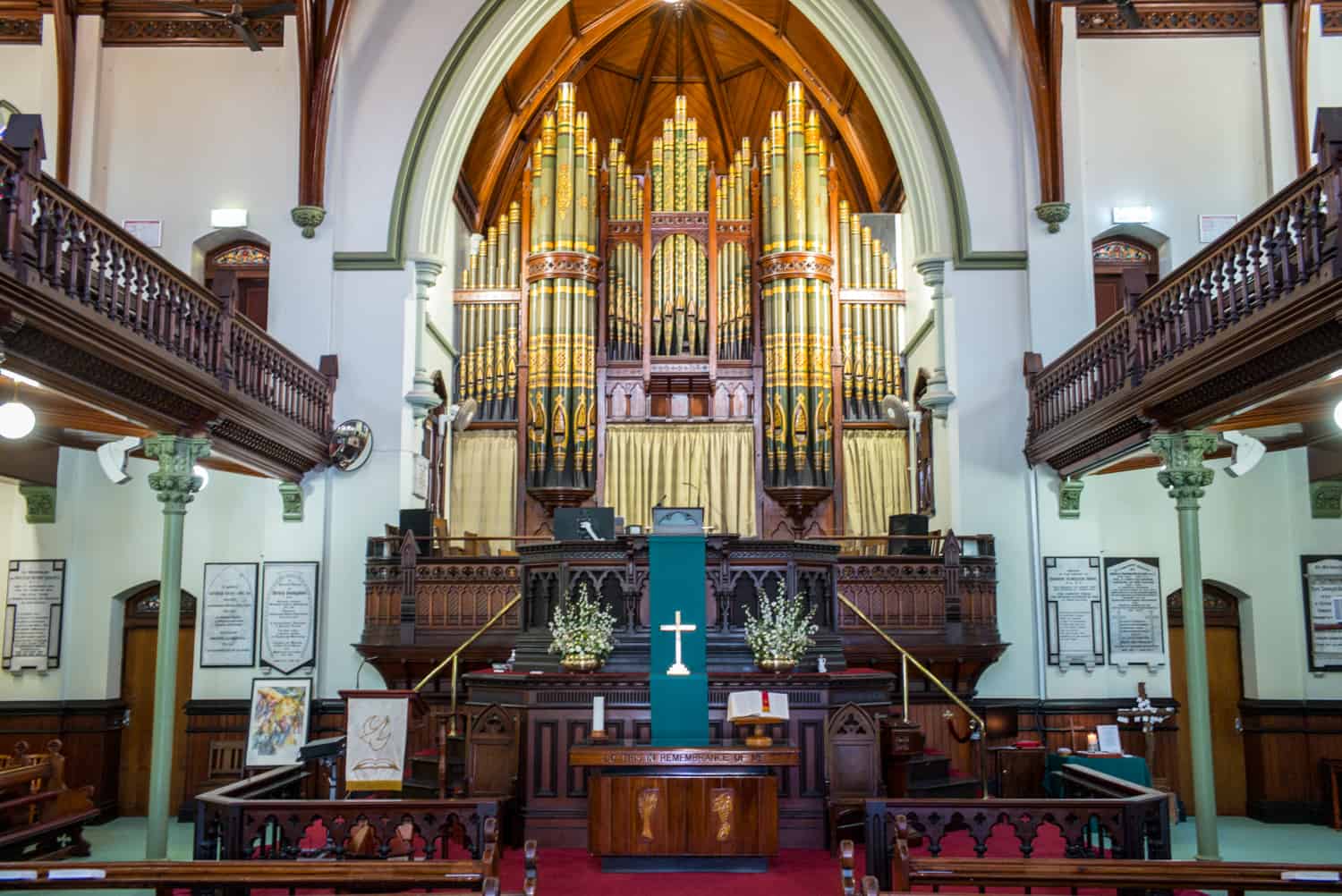
An old church in the city center:
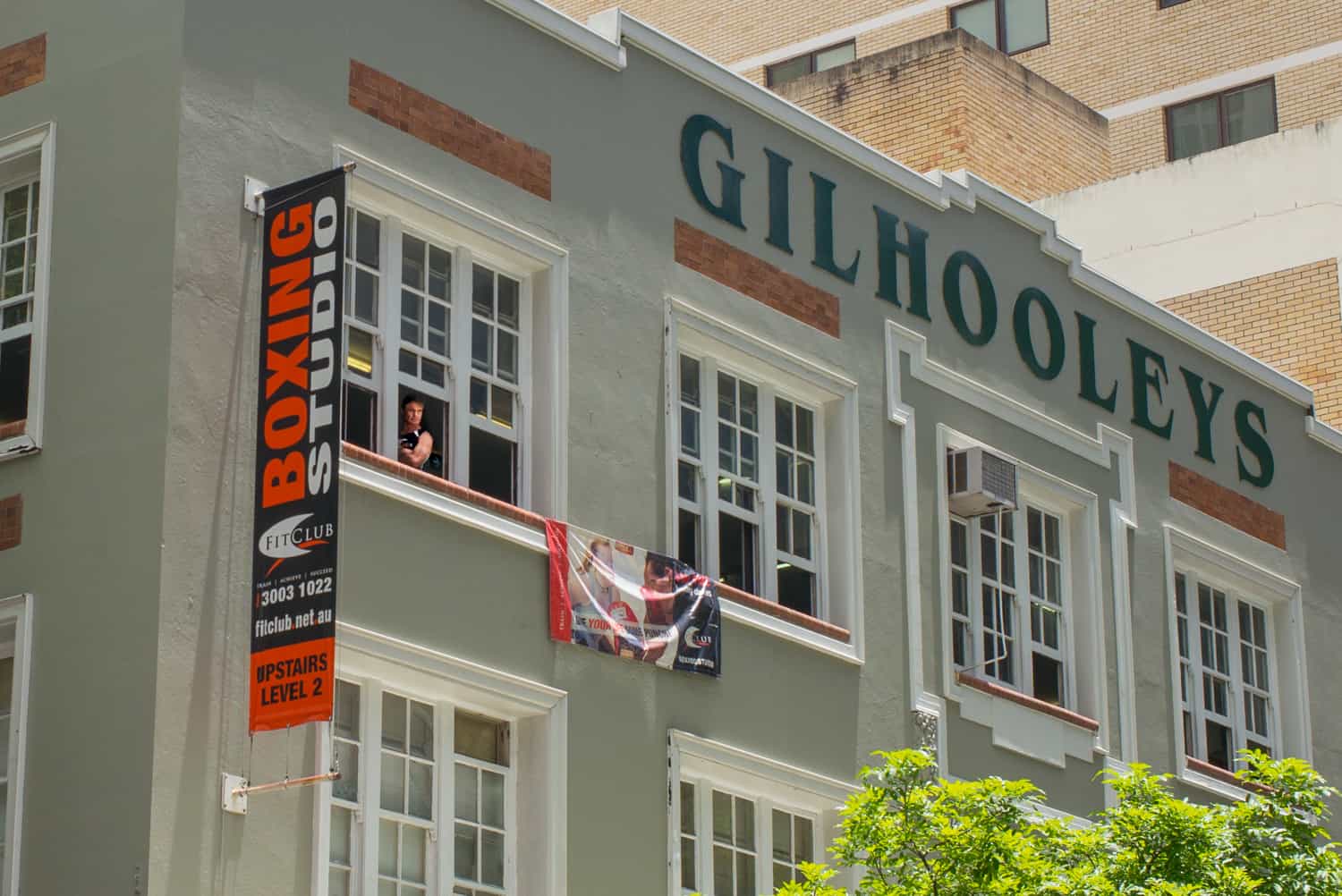
I spotted this gym rat taking an occasional break and checking out the view from the top-floor window. I had to wait for a while to get him again, but I did.
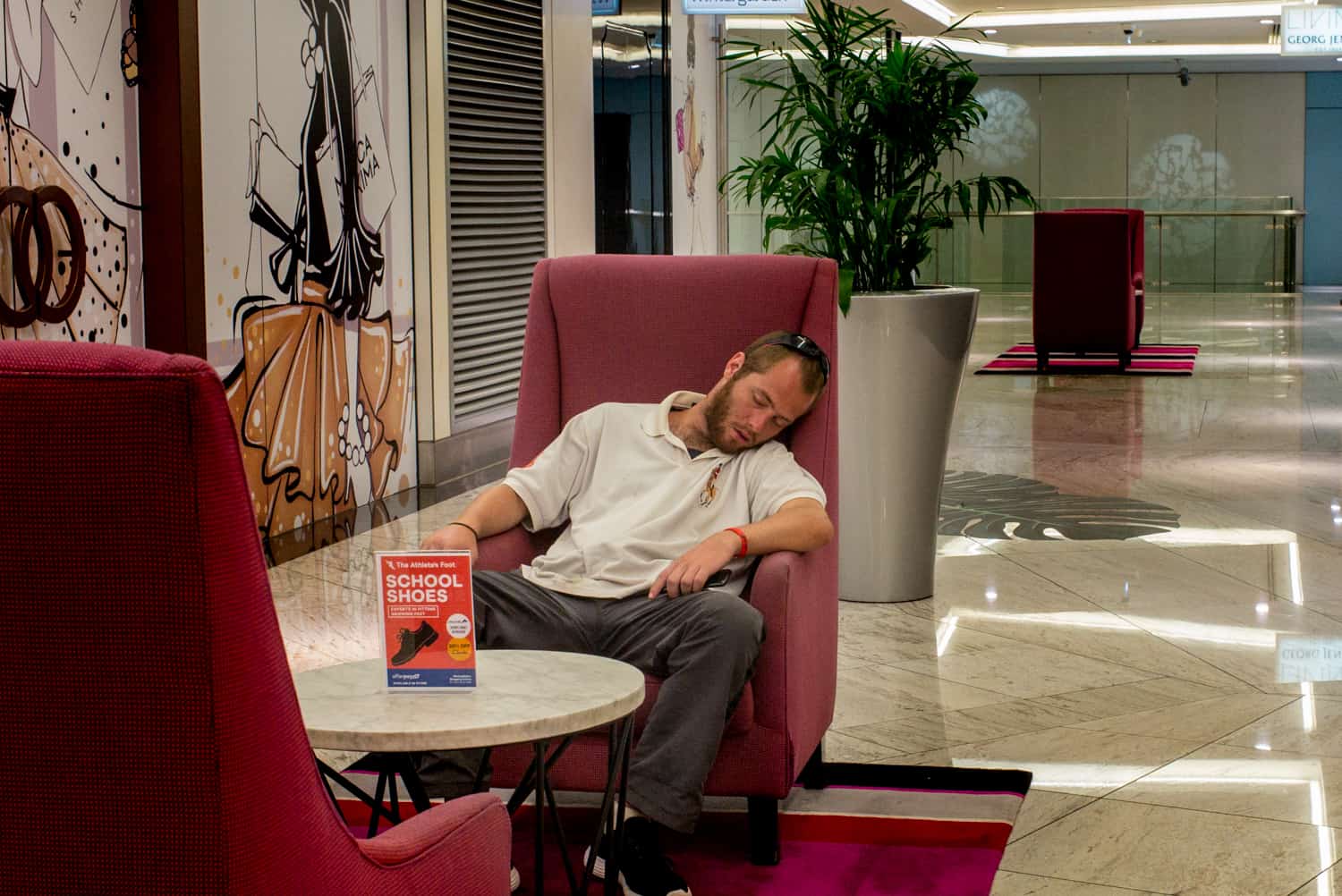
Speaking of taking a break….
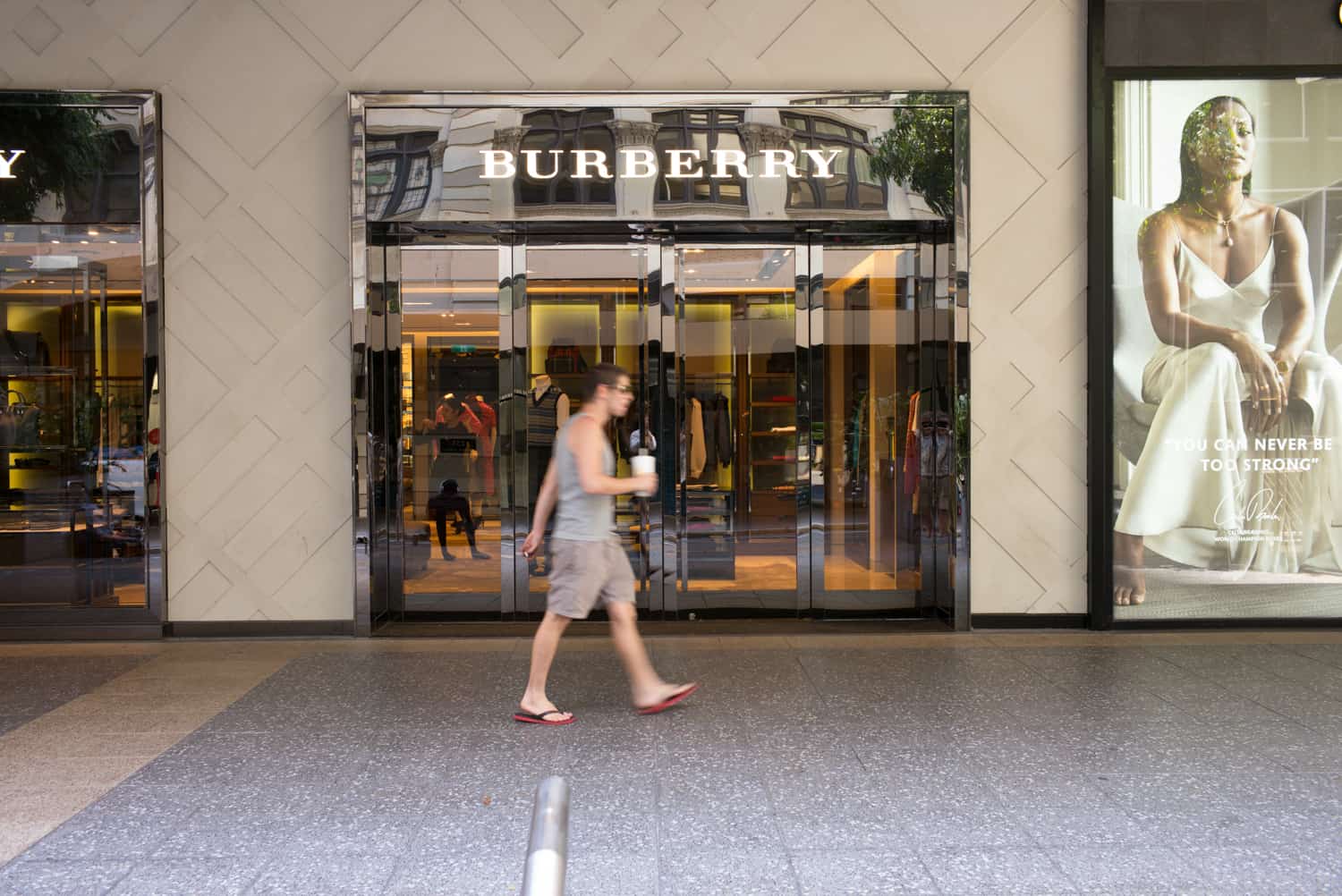
A few more city sights:
——
A Day In The Country
I spent a wonderful day in country Victoria while I was there. A friend had just moved to a new place so I drove down and she showed me around a bit. Gippsland has long been one of my favourite parts of the state and the bit where Rach lives, near the Yarra Ranges, is just stunning.
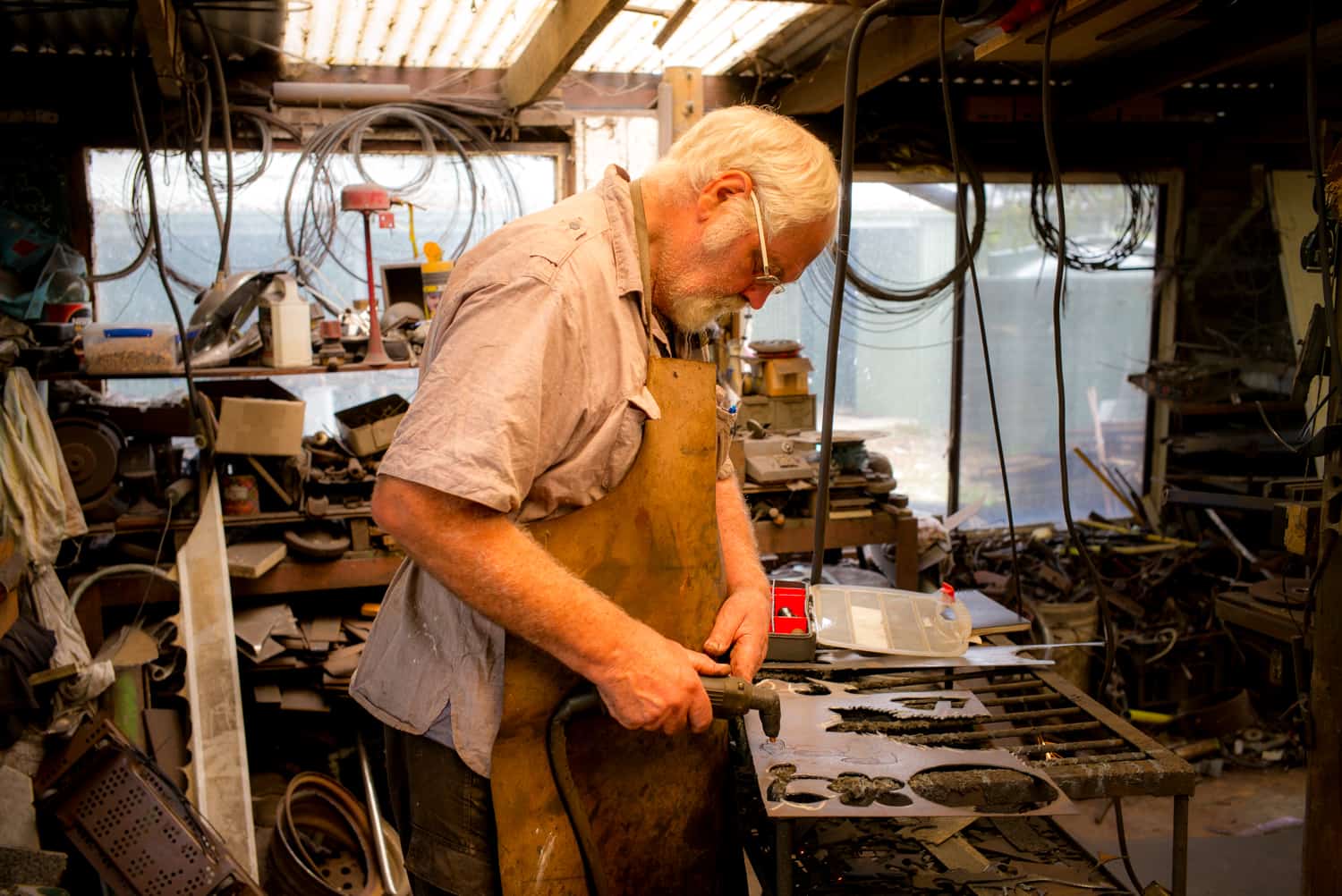
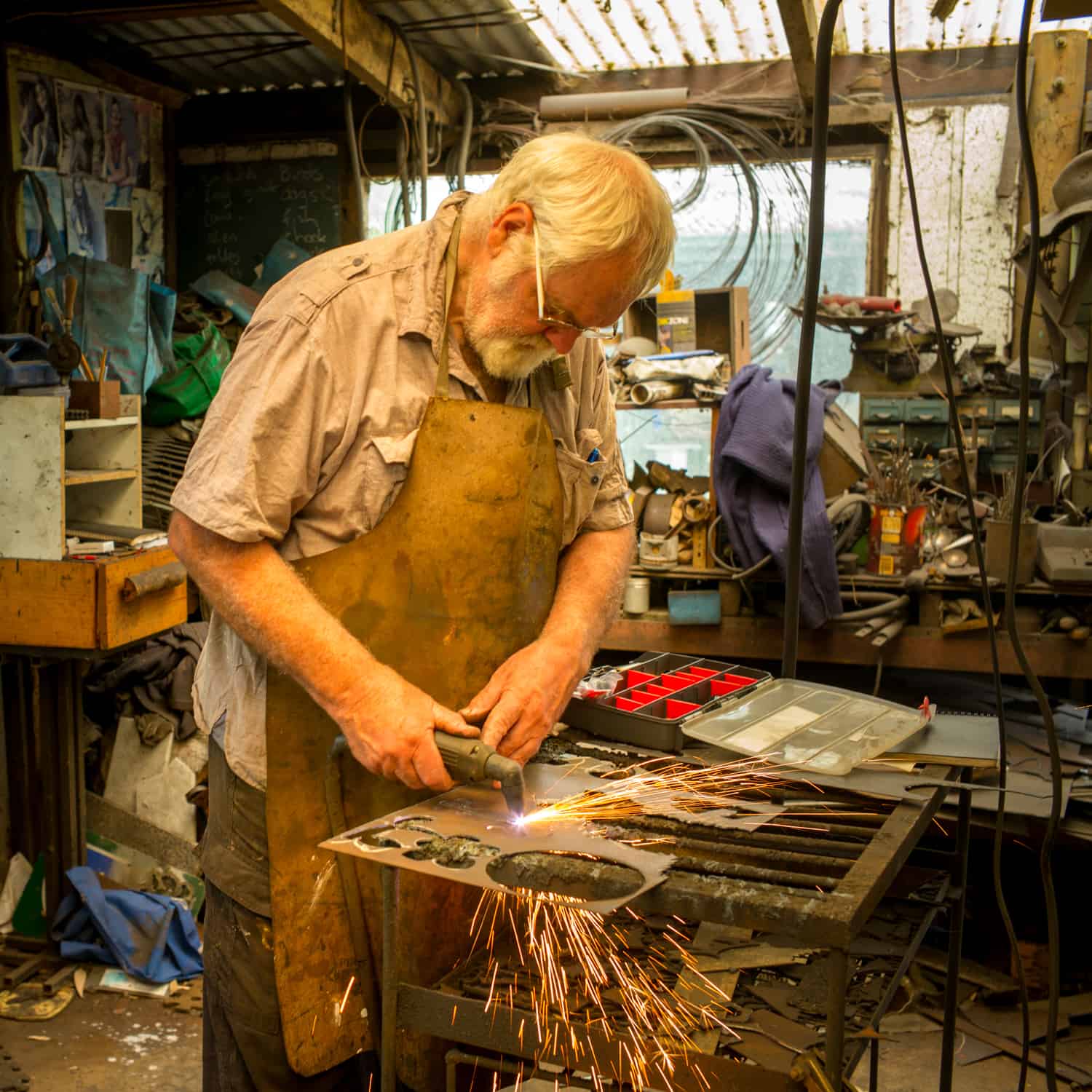
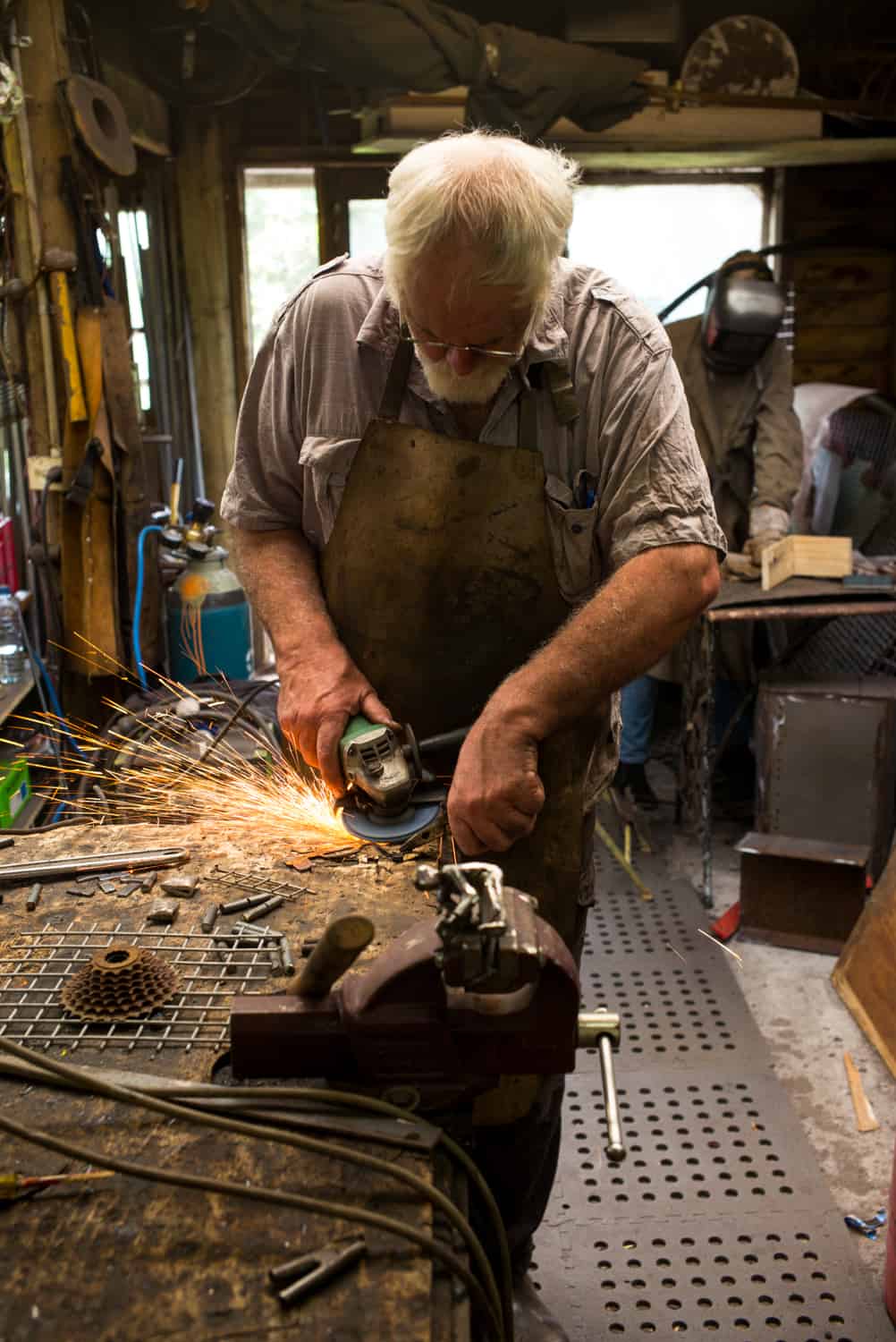
A retired school principal named Laurie Collins runs a sculpture workshop in a town called Jindivick. He works mostly with recycled metal, drafting in other materials as needed. Laurie has a gallery on site where local artists display their work (the exhibition space is booked out until late 2019!) and his garden is a like a mini sculpture park.
Laurie offered to make me something while I was there. He uses a plasma cutter to cut the sheet steel and then smoothes it all off with a grinder. I got him to make me a little caricature of Snoopy. We had to look it up on Google Images and he sketched it right there in front of us and cut it out. Perfect.
Blokes and sheds. I love it!
I was also mighty happy with how the little Leica captured these shots of Laurie at work.
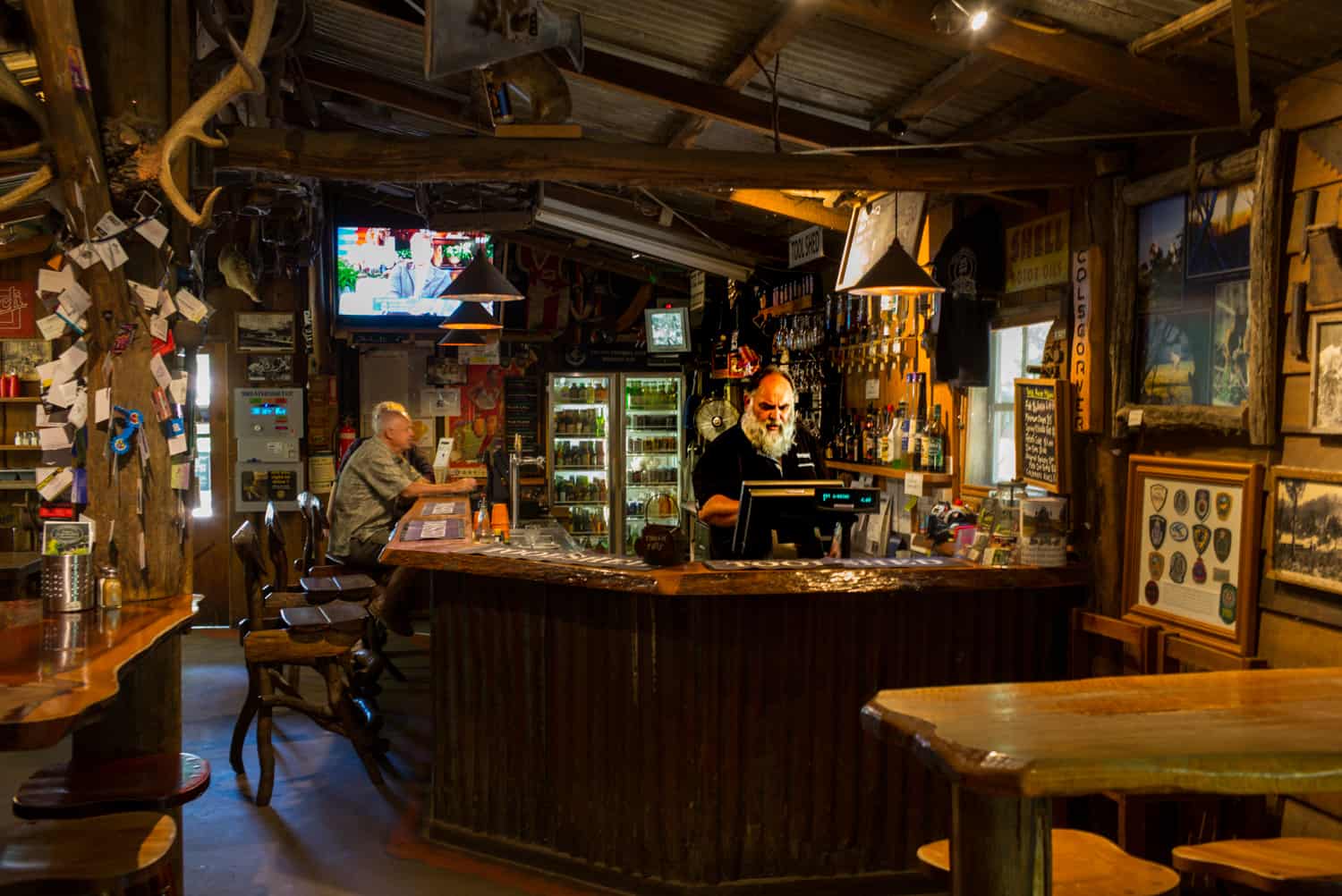
Lunch was at the Noojee pub, which was as great as it looks. What a place!
I missed focus on this shot, but who cares?!
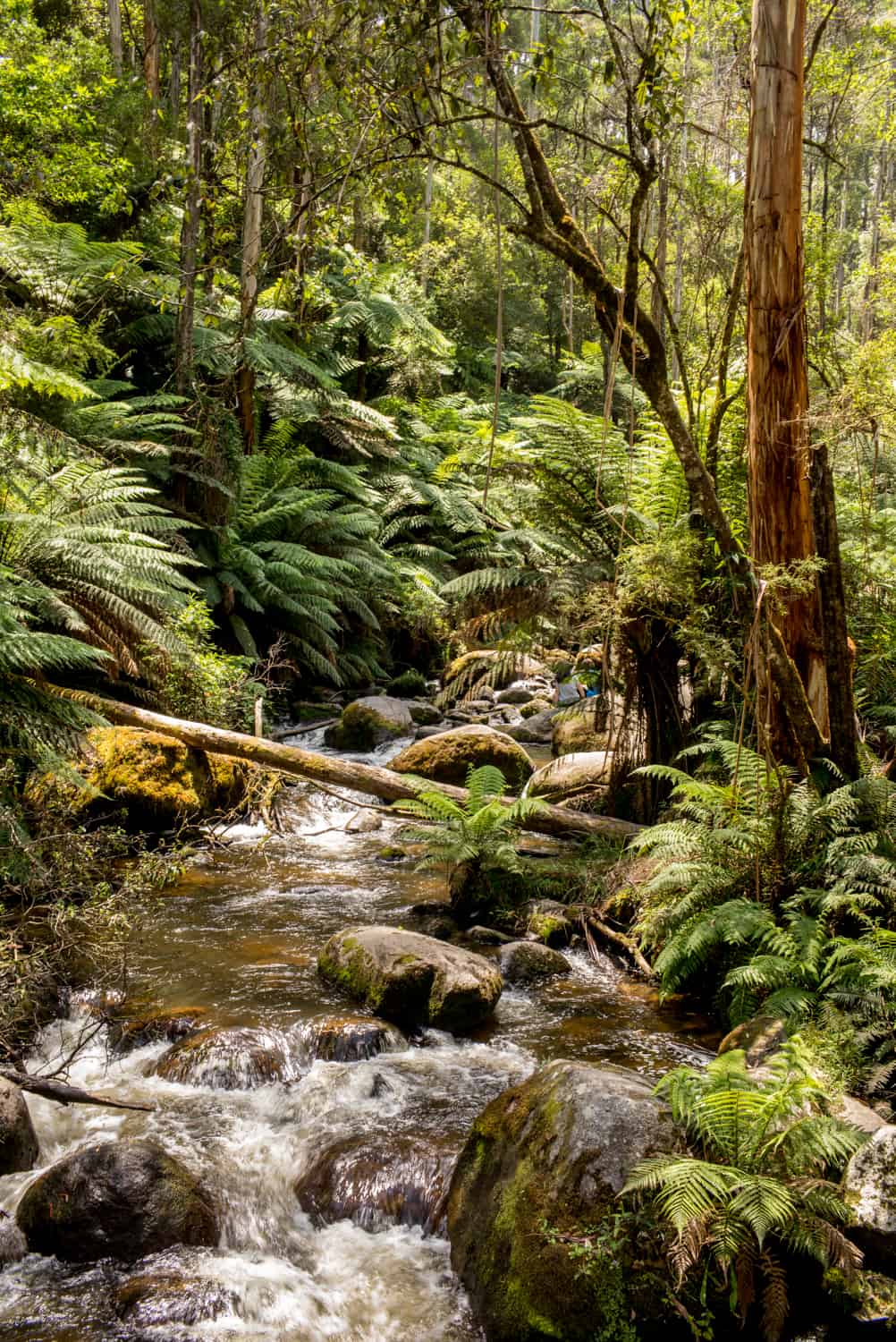
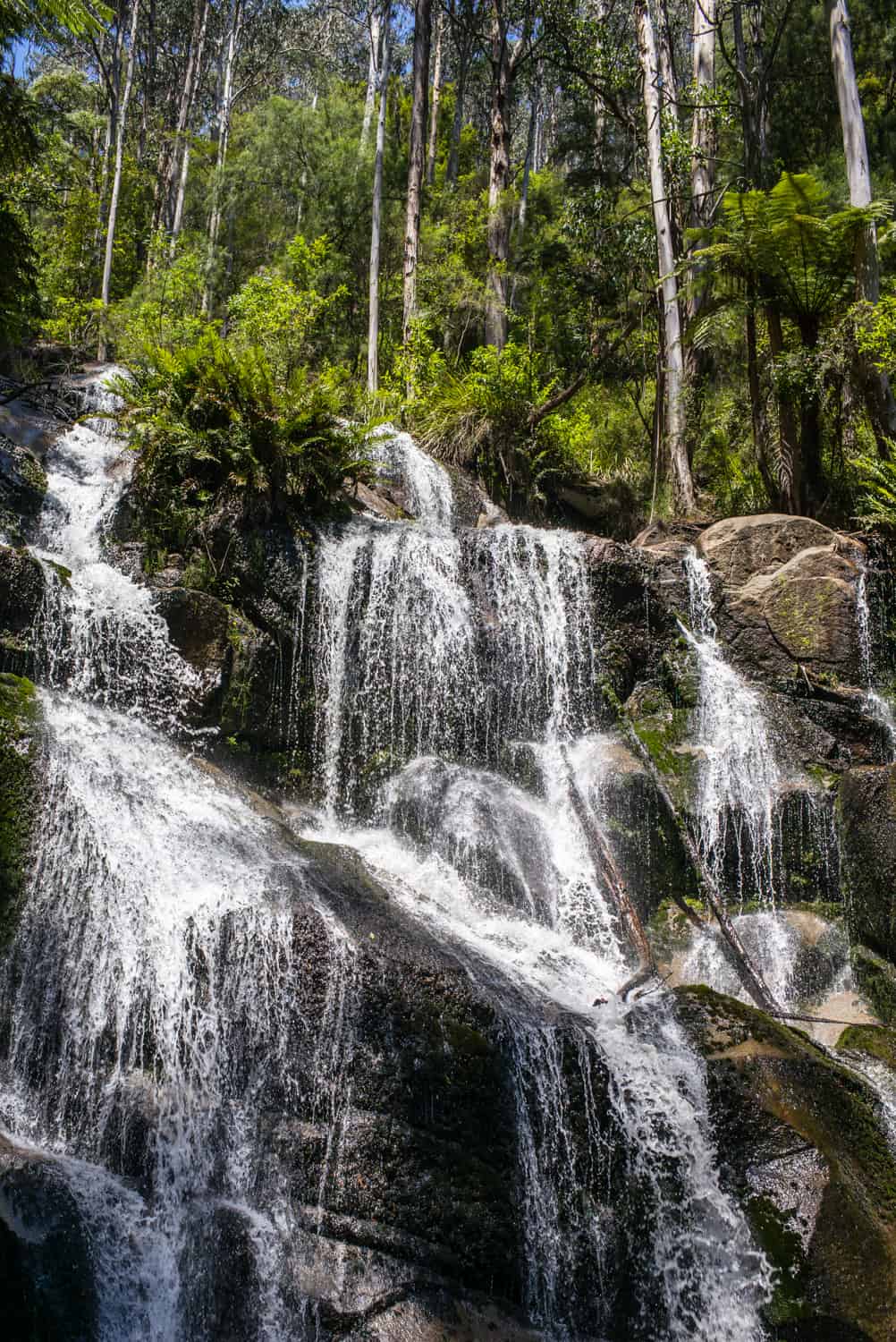
And from there, a trip to Toorongo Falls, where you can do a short hour-long walk and see several stunning waterfalls in the forest.
——
This was my first time travelling with the Leica as my only camera. Up until this trip, I’ve typically carried a much heavier Nikon camera with three or four lenses. I took the Nikon to Nevada, for example, even though I ended up using the Leica 95% of the time. How would I cope with just one 35mm lens and no backup plan?
Truth be told, I didn’t miss the Nikon at all.
I love my Nikon. I use it for work and I’ve got some amazing shots with it over the years. Its time might be up soon, though. I’m sick of the bulk and I recently bought a Fujifilm X-T2, which purportedly can do nearly everything the Nikon can do but at a much smaller size. We’ll see.
Back to this trip, though, where the Leica was sooooooo satisfying to use. Giving yourself permission to take some time and compose a shot, grab focus, wait for the light, wait for people to move in/out of shot, to consider your exposure – it’s a wonderful thing.
This is an odd collection of images, I know. There’s no real theme in there except shoot-shoot-shoot. I hope they brought some enjoyment, though.
It all started last Thursday, when I got an email from SAS telling me that my flight to London the following day was ready for check-in.
What flight?
I looked into it and sure enough, I’d booked a weekend in London some time ago that I’d completely forgotten about. With plans already in place for Friday night and no accommodation booked, it was a bit of a tough call. But who can resist a weekend in London, especially if you’ve got an M240 that you love shooting with?
Unexpected trips are often the best trips and so it came to be in London. I had nothing at all on my agenda – tres unusual for me – so I hastily organised a couple of dinners with friends and did nothing else except walk around like a tourist.
My first visit to London was back in 2010 and it’s fair to say I didn’t fall in love with the place. It was hard to navigate and way too easy to get lost in. Having visited a few times since, I’ve come to absolutely adore it. Spend some time in London and the city’s history and culture – its vibe – will seep through and work its way into your soul.
Resistance is futile (for me, at least).
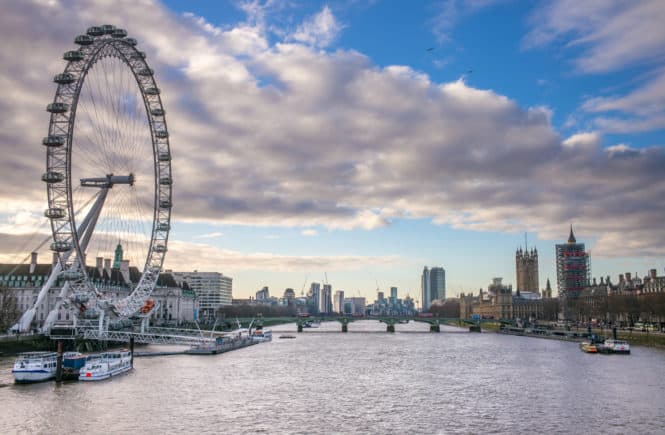
London is so much more than you can ever capture on a camera in a weekend. But here’s a VERY quick look at some of the places, people and architecture that I saw.
Click images to enlarge.
The old and the new
London suffered a lot of bombing raids at the hands of the Luftwaffe during the second world war. These raids scarred the city, leveling buildings and killing thousands (while later spawning a million Keep Calm and Carry On souvenirs).
London’s streetscape today is an odd mix of old and new as a result.
Gates and Doors
With so many historical buildings still standing, there are many beautiful gates and doors. You could spend a week photographing all the interesting entrances to different places and pondering what’s behind them. Those pictured below are all pretty obvious, but still beautifully ornate and closed to many.
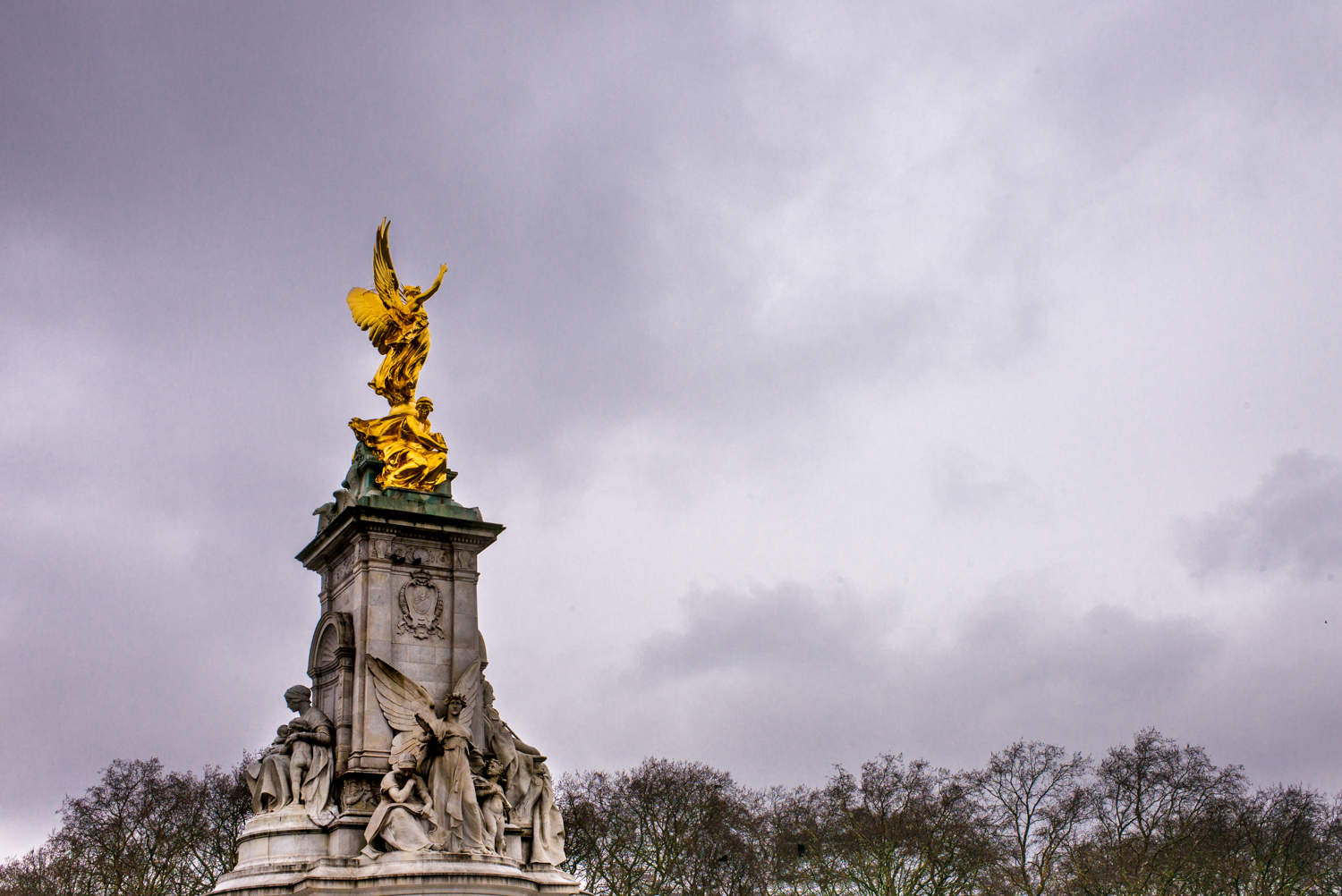
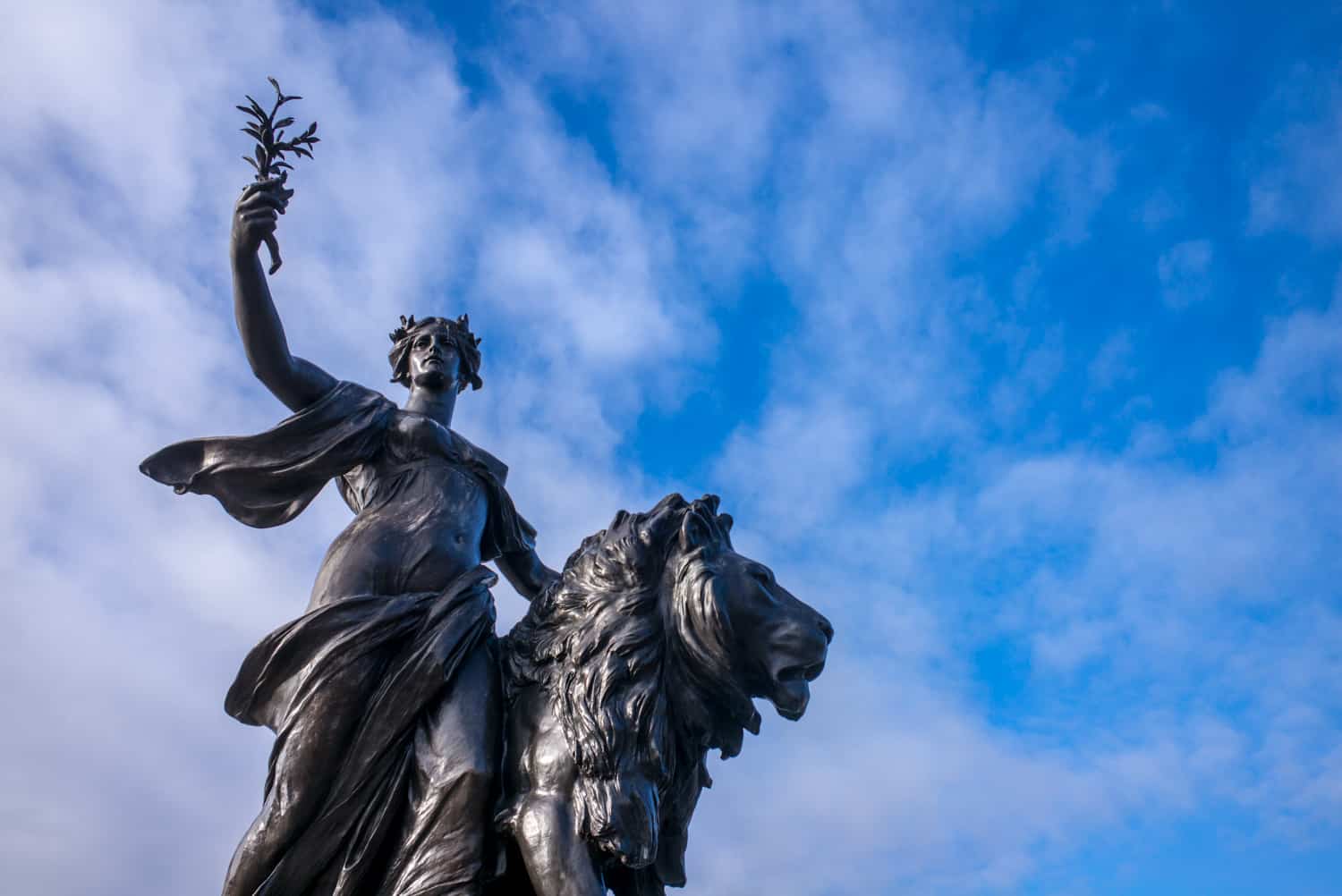
The Canada Gate is part of the Queen Victoria Memorial and stands between Buckingham Palace and Green Park.
The front doors of Buckingham Palace.
A guard outside Buckingham Palace, who presumably opens that gate to the left when Prince Philip wants to scoot by in his Jaguar Mark II and do some donuts in the courtyard.
Doors to Westminster Abbey.
The tradesman’s entrance, off to the side of the doors above. Still beautiful.
Veterans Seeking Justice
Half a mile from Buckingham Palace, a group of what I presume were army veterans had gathered. They were there to demand justice for fallen comrades killed in Northern Ireland during the troubles. Each was given a sign with the name of a fallen soldier or civilian and the script ‘Murdered’ or ‘Massacre’ in red across the middle. It was a moving scene and I thank those present for not minding a guy with a camera wandering amongst them.
Looking Up At Things
Two of the things I love about London are its old buildings and its public sculpture. I get sick of old buildings sometimes and England can be a bit contrived about making sure everything looks old. But there’s no denying the beauty of some of London’s grand architecture and public monuments.
You have to look up to see many of them, so I spent a lot of time with my camera pointed skywards.
Day 1 was quite drizzly, hence the dark mood over Winged Victory from the Victoria Memorial.
Sir Winston simply had be converted to black and white.
Westminster Abbey
Winged Victory looking much happier amidst blue skies the next day.
Another statue from the Victoria Memorial.
Out and About
The rest of these images are mostly un-themed, simply shot when I was out and about in the city.
Travelers head down into the Underground at Piccadilly station.
Their train arrives every few minutes.
This one, below, is a cheeky favourite.
This couple were smooching – quite enthusiastically, one has to say – at the base of Eros for quite a while. I was trying to shoot the statue at night and couldn’t resist positioning myself to get them in the shot.
Zoom in on the guy, and……. he’s not concentrating on the job at hand! 😀
Two of the Four Horses of Helios at Piccadilly Circus.
A note to Theresa May?
Street Art outside the National Gallery. The emphasis was on homelessness.
A new-fangled walk signal that’s sure to get someone’s knickers in a twist.
Lock and Co Hatters was founded nearly 100 years before Captain Cook discovered the land of my birth.
Inscription on the walls of Westminster Abbey.
Cinderella heading toward the castle, or something similar. My sister would die for a ride up to Buckingham Palace in something like this.
A bobby on duty at the Palace before the changing of the guard. He was hamming it up for the cameras.
An older couple braving winter’s chill at Picadilly Circus.
I recently had the chance to visit Nevada for a weekend. It was a work trip. We took a car over there and broke some world records. Maybe you heard about it?
I’d not been to Nevada before and by extension, I’d never visited Las Vegas before. First time in Vegas. First trip since I bought my Leica. Hmmmm.
This was a work trip, so results count. I had to feel confident that I’d get all the shots I needed, which is why my camera bag was chock full of Nikon gear. I had my D810, my nifty 50, a 24-70 and 70-200, both 2.8’s. That setup generally gives me all the range I need and the Nikon is quick and versatile in all situations.
If I’m shooting a car on our test track, or on a circuit, I can almost always find a spot where I can shoot the car side-on. In that situation, the high-speed shooting and continuous AF on the Nikon are neccessary and it’d be very hard to replicate those results with the Leica (especially given my inexperience).
This wasn’t that type of situation, though. The car was running on a public road at speeds above 450 km/h. For safety reasons, people were confined to an area at the end of the road and shooting side-on while the car was at speed was impossible. It was essentially a still environment, something that was perfect for the Leica.
As it turned out, I took maybe five shots with the Nikon over the course of 4 days. None of them were used in the story I put on the Koenigsegg website. All the photos you see at the Koenigsegg website were taken with the Leica, as well as all the shots you see below.
These are some of my favourite shots from the desert, where we were making our record attempt. There’s a little bit of Lightroom tweaking going on here, but not as much as you’d think.
I was particularly pleased with the next two shots. The trickiest part of shooting with a rangefinder is getting a handle on the manual focus system. To get such a great look at Niklas’ eyes in these two shots had me feeling very satisfied.
The light in Nevada was amazing. The area we were based in – a town with the unfortunate name, Pahrump – was surrounded on all sides by mountains. The sunrises and sunsets were pretty spectacular.
Great light gives you great potential. Mix it with a beautiful car and that potential rises even higher. I was pretty happy with these.
——
Landscapes
We landed in Las Vegas late on Thursday night. The drive to Pahrump happened the next morning and I couldn’t help but stop on the side of the road to take in some of the amazing scenery in the hills outside of Vegas.
I watch a lot of landscape photographers on YouTube and none of them shoot with this type of camera. There might be a reason for that. There might not. These images aren’t as sharp as I’d like them to be but I’m still pretty happy with them.
I plan on getting a LEE filter system for my Nikon. I might have to get an adapter for the M lens, too.
——
Las Vegas
You can’t go to Vegas with a camera and not head into the night to capture some of that neon goodness, right?
The Leica is poor in low light situations and even though you can dial up the ISO, you still end up with a lot of noise. I kept my auto-ISO at a maximum of 400 to try and combat the noise and I think it turned out OK.
The outdoor shots, first. The copious amount of outdoor lighting and the neon signs gave off enough light to make things work and even when shooting people at street level, there was enough ambient light to get something that worked.
I was very self-conscious taking shots of people. These were both taken ‘from the hip’, hence the poor framing. But I really felt compelled to capture them.
Las Vegas is an assault on the senses. It’s all glitz and glamour on the one hand, but there’s plenty of seediness on the other. As you walk, there are lots of people handing you cards to get you into strip clubs. Those people present as being pretty vulnerable, like this older gent in the first photo. I saw plenty of elderly latino women and men handing out cards, too. I can’t imagine any of them wanted to be there.
The indoor environment is even more theatrical than outdoors. It’s all set up to trick the senses, make you forget how long you’ve been there. Time doesn’t matter if you’re the house.
——
Shooting with the camera in Nevada was a photographic dream come true. It justifies every bit of financial pain I’m feeling this month and I can’t wait to get out and use this beautiful little camera again.